1

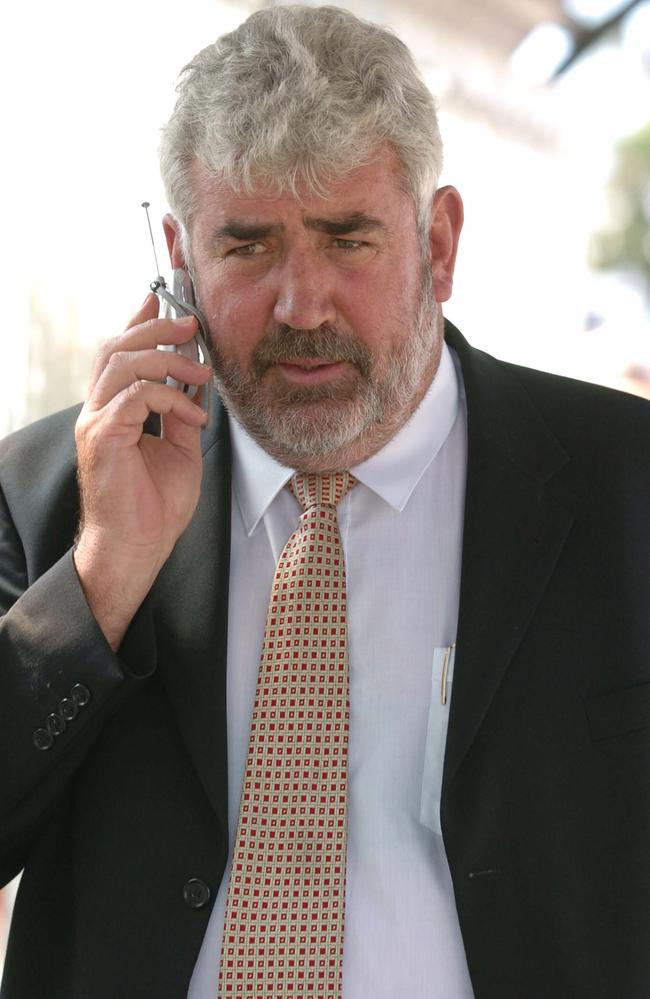
Paul HUNT

Paul HUNT


AKA  ?  

* Nickname:  ?

Late of  ? 


Relations in ‘the job’:

“possible” relation in ‘the job‘:    ?


Tasmania Police Academy –  Class #  ? ? ? 


Tasmania Police Force


Regd. #  ????? 


Rank: Commenced Training at Tasmania Police Academy on Monday ? ? ?

Probationary Constable- appointed ? ? ? 

Constable – appointed ? ? ? 

Constable 1st Class – appointed ? ? ? 

Detective – appointed ? ? ?

Senior Constable – appointed ? ? ? 

Leading Senior Constable – appointed ? ? ?


Final Rank: = Constable


Stations?, King Island, off Tasmania’s north-west coast,


Time employed ( Paid ) with Tasmania PoliceFrom:   ? ? ?   to 8 July 2016 ? years,

Service ( From Training Date ) period: From   ? ? ?     to    8 July 2016 ? years,  Service


Retirement / Leaving age:?

Time in Retirement from Police?


Awards:  National Medal – granted ? ? ?

1st Clasp to National Medal – granted ? ? ? 

2nd Clasp to National Medal – granted ? ? ?

Paul HUNT


 Born:   ? ? ?

Died on:  8 July 2016

Age:  32 years,

Organ Donor:  Y / N / ?


Cause:  Depression – Suicide – Method (  ? )

Event location: Mount Direction, near Launceston, Tasmania ( the property of his father )

Event / Diagnosis date ? ?  2016

Funeral location?

LIVE STREAM    ?


Wake location?

Wake date? July 2016


Funeral Parlour: ?


Buried at?

Grave LocationSection:          Row?         Plot?

Grave GPS?,       ?


Memorial / Plaque / Monument located at?

Dedication date of Memorial / Plaque / Monument: Nil – at this time ( February 2024 )


PAUL is NOT mentioned on the Police Wall of Remembrance  *NEED MORE INFO


FURTHER INFORMATION IS NEEDED ABOUT THIS PERSON, THEIR LIFE, THEIR CAREER AND THEIR DEATH.

PLEASE SEND PHOTOS AND INFORMATION TO Cal


May they forever Rest In Peace

https://www.facebook.com/groups/AustralianPolice.com.au/ 

https://www.facebook.com/groups/TasmaniaFallenPolice/

https://www.facebook.com/groups/NSWFallenPolice/ 

Australian Police YouTube Channel


Coroner urges six-monthly welfare checks after inquest into four police suicide deaths

Posted 
  • In short: A Hobart coroner who investigated the deaths of four police officers who took their own lives has recommended Tasmania Police conduct mandatory half-yearly well-being screenings for PTSD.
  • What’s next? The Police commissioner says work will continue with the police association to implement changes


The family of one of four Tasmanian police officers who died by suicide between 2016 and 2020 say they hope the findings of a coronial inquest may prevent a similar tragedy in the future.

Coroner Simon Cooper has handed down his findings into the deaths of Constable Paul Hunt, Senior Sergeant Paul Reynolds, Constable Simon Darke and Sergeant Robert Cooke, recommending a swathe of welfare supports be implemented.


WARNING: This story touches on themes of depression and suicide.


During last year’s hearings, the court was told how overworked officers were self-medicating with alcohol and drugs, and of significant shortfalls in welfare support — particularly in areas such as fatigue management and protocols around interactions with the Professional Standards Command.

In his findings, Coroner Cooper, acknowledged the fact that these men were all serving police officers was “only part of the whole picture” of their lives, but he said he had “no doubt” that “Sergeant Cooke‘s police service was the direct cause of his death“.

But he said the provision of welfare support and whether it was adequate was a “central consideration at the inquest.”

He called for Tasmania Police to immediately develop and implement a fatigue management policy saying it was essential it was “addressed urgently”.

The inquest heard Robert Cooke had reportedly worked “16-hour continuous shifts for four weeks” during the Central Highlands bushfires in 2019.

This had left him “exhausted and barely functioning towards the end of the third week”.

“Tasmania Police had no fatigue management policy at any time, up to and including as recently as when the evidence at the inquest was publicly taken at the end of 2022,” he said.

The absence of any fatigue management policy was, I consider, a direct factor in Sergeant Cooke’s death.”
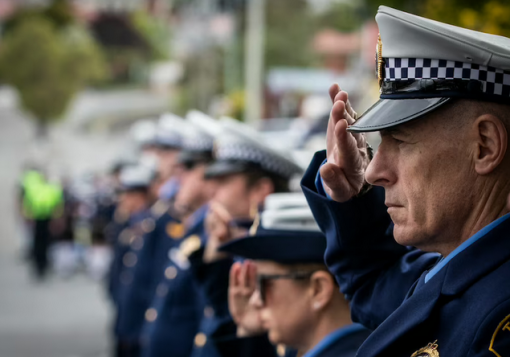
Tasmania Police officers salute at Robert Cooke's funeral in 2020.(ABC News: Luke Bowden)
Tasmania Police officers salute at Robert Cooke’s funeral in 2020 .(ABC News: Luke Bowden)

The coroner also recommended six-monthly screenings of all operation police officers for post-traumatic stress disorder.

Sergeant Cooke obviously suffered from the effects of PTSD for a long time before it was diagnosed,” he said.

“Every health care professional who gave evidence … unanimously agreed that his PTSD was entirely attributable to his service as a police officer.

“Every health care professional also agreed that earlier detection of PTSD increases the chances of successful treatment and recovery.”

Tasmania Police investigating the feasibility of “introducing a points system”, whereby an officer’s exposure to severe incidents would be tracked, was also recommended.

When a “critical points threshold” was reached, an automatic referral to a psychologist should be triggered, Coroner Cooper said.


The coroner also called for better support for officers under investigation for misconduct — including ensuring that those who had their phone seized by Professional Standards be given a replacement mobile pre-programmed with well-being support numbers.

“The death of any member of the community by suicide is a tragedy,” Coroner Cooper said.

The suicide of serving police officers, whatever their individual circumstances, is particularly tragic for serving members of the police force and the community at large.

“My sincere hope is that some improvements and learnings can emerge from the deaths of Constable Hunt, Senior Sergeant Reynolds, Constable Darke and Sergeant Cooke.”
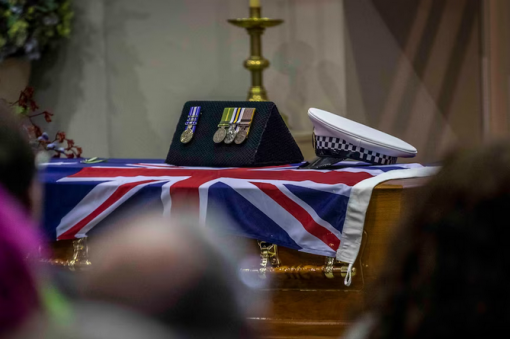
Robert COOKE, Bob COOKE, Rob COOKE, Cookie
Sergeant Robert “Cookie” Cooke was well-regarded among his Tasmania Police colleagues.(ABC News: Luke Bowden)

Families welcome findings

In a statement, Robert Cooke‘s mother Lyn and sister Michelle said they were satisfied with the findings, particularly the recommendations for a fatigue management policy and screenings for PTSD stress disorder.

“The family miss Rob terribly and hope the findings and increased support for mental health may prevent similar events in the future,” they said.

“[Our] thoughts are with all the families involved in this inquest.”

Commissioner committed to ‘safe model of policing’


Police Commissioner Donna Adams acknowledged it was a difficult time for the families and colleagues impacted by the coronial report.

She said improvements had already been made within Tasmania Police.

Strategies included “a strong peer support group, and a critical stress program” to ensure officers could access the help they needed.


But she said changes wouldn’t end there — and that Tasmania Police would work with the Police Association to examine the coroner’s recommendations.

Police Minister Felix Ellis said the government had allocated funding to “Tasmania Police and the Department of Police, Fire and Emergency Management’s nation-leading wellbeing program”.

“Police officers, by the nature of the job, are exposed to some pretty difficult and extraordinary circumstances, so providing that support is important,” he said.

“We want to work to make sure that policing continues to be a career or choice, and that we’re supporting our officers if they do find themselves facing challenging circumstances.”

Coroner urges six-monthly welfare checks after inquest into four police suicide deaths – ABC News


Helplines:


Tasmania Police officer took his own life on day of professional standards meeting, inquest told

Posted 

A 32-year-old Tasmanian policeman who took his own life in 2016 has been described as “gentle, kind and popular” with a “deep love for animals and his family” — and whose struggles with depression weren’t “a secret”.


WARNING: This story touches on themes of suicide, depression and substance abuse; reader discretion is advised

Constable Paul Hunt is one of four policemen whose death is being investigated as part of a coronial inquest in the Launceston Magistrates Court.

The deaths of Senior Sergeant Paul Reynolds, Constable Simon Darke and Sergeant Robert Cooke will also form part of the inquest.

All four men took their own lives in the period between 2016 and 2020.

Council assisting the coroner, Cameron Lee, said the inquest will look at the circumstances surrounding the deaths, the policy and procedures of Tasmania Police and the nature of welfare and fatigue management.

“The life of a police officer is a very dangerous one, they’re often exposed to dangerous and traumatic events,” he said.

“It’s very much the luck of the draw, one cannot unsee what they have seen.”

Constable Hunt was found dead on the July 8, 2016 at his father’s property at Mount Direction, near Launceston.

His father, Matthew Hunt gave evidence during the inquest and told the court his son battled for years with anxiety and depression and was in and out of hospital.

He told the court he first noticed signs of his son’s depression when he was visiting him for Christmas one year while Paul was working as a policeman on King Island, off Tasmania’s north-west coast.

“I believe he was first diagnosed there,” he said.

“We went over there quite regularly to visit … he met his wife Jess there.”

Questioned over drug purchases

The court heard on the day Constable Hunt died he was called in for an unannounced meeting with officers from the Professional Standards Command.

The meeting was regarding allegations he had been using his Tasmania Police badge and fake driver’s licence numbers for several years to obtain codeine-based and pseudoephedrine-based medications from a number of pharmacies in Hobart.

In early 2014, the court heard he was identified through Project STOP, which is a tool pharmacists use to track purchases, as being in the top four purchasers in Tasmania between January and August.

The Pharmacy Guild of Australia said the tool is aimed at preventing the use of pseudoephedrine-based products to manufacture methamphetamine.

He was spoken to by senior police following this — and was flagged again the following September.

On 13 November 2015, he was interviewed by Professional Standards about the allegations.

On the day he died, his work station and locker were also searched and his personal phone was confiscated. He was also officially stood down from his role.

He then withdrew $600 from his joint bank account with his wife and took a taxi to Launceston, and then another taxi to his father’s property in Mount Direction.

His father Matthew Hunt was travelling at the time and wasn’t home.

Constable Hunt then sent his wife a message on Facebook on his dad’s computer saying goodbye.

“Paul had always wanted to be a policeman, and he had depression, it wasn’t a secret,” Matthew Hunt told the court.

He said his son’s wife or another person who could have offered support should have been included at the meeting with his police superiors.

It was a pretty significant event for him,” Mr Hunt said.

The inquest also heard in the days after his death, Matthew Hunt was told by a Tasmania Police officer that “it wasn’t a compensable issue” which he said he felt was a strange thing to say.

“I checked with other family members afterwards that I had heard that correctly and they said yes,” he said.

“It was very strange … this was before the funeral.”

When asked if other members of Tasmania Police visited him afterwards, he said three had.

The inquest is continuing.


https://www.abc.net.au/news/2022-11-21/tasmania-police-inquest-suicide-constable-paul-hunt/101677498


* Story behind any Nickname:


Nothing further, than what is recorded above, is known about this person at the time of publication and further information and photos would be appreciated.

**********


Cal
27 February 2024
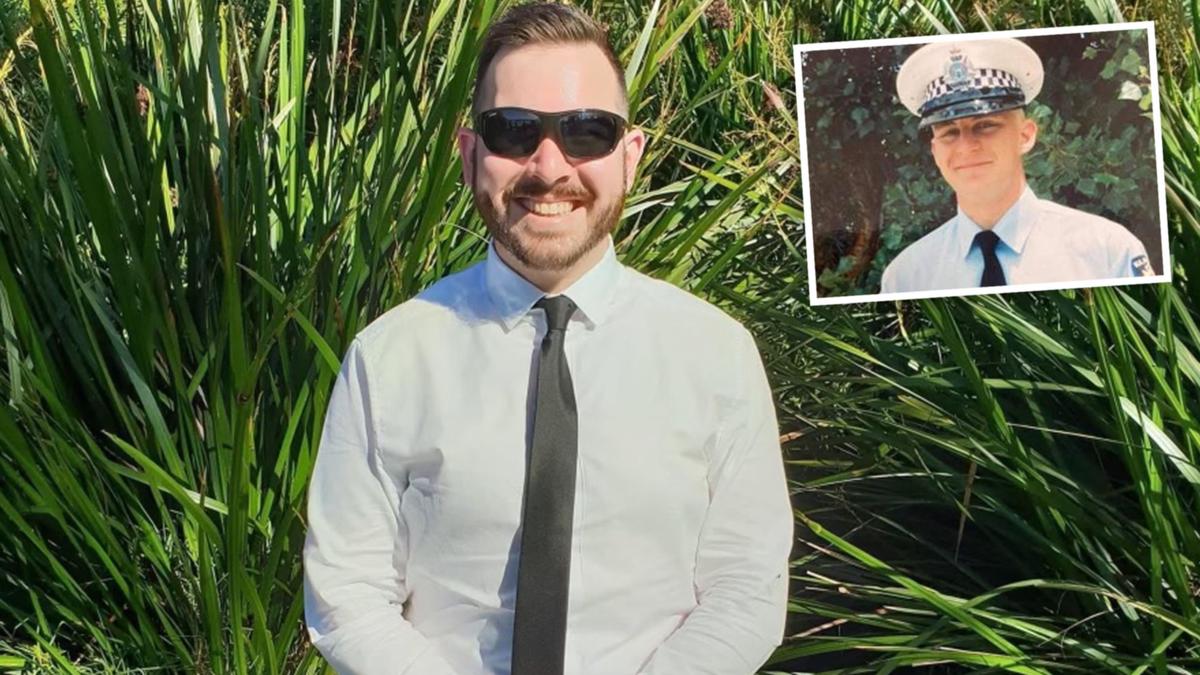


Cameron Anthony FYFE

Cameron Anthony FYFE


AKA Cameron FYFE, Cam FYFE

* Nickname:  ?

Late of  ? 


Relations in ‘the job’:

“possible” relation in ‘the job‘:    ?


Western Australia Police Training Centre – Joondalup –  Class #  ? ? ? 


Western Australia Police Force


Regd. #  14949


Rank: Commenced Training at Joondalup Police Academy on Monday ? ? ?

Probationary Constable- appointed ? ? ? 

Constable – appointed ? ? ? 

1st Class Constable – appointed ? ? ? 


Final Rank: = 1st Class Constable


Stations?, Motor Cycle Traffic Unit – Death


Time employed ( Paid ) with NSW PoliceFrom:   ? ? ?   to   20 June 2021 =  ? years,

Service ( From Training Date ) period: From   ? ? ?     to   20 June 2021 ? years,  Service


Retirement / Leaving age:?

Time in Retirement from Police:  0


Awards:  No Find On Australian Honours system


 Born:   ? ? ?

Died on:  20 June 2021

Age:  27 years,

Organ Donor:  Y / N / ?


Cause:  Depression – Suicide – Police Issued Firearm – Off Duty

Had permission to take Police Motor Cycle and appointments home

Event location:  Home – W.A.

Event / Diagnosis date:  2019


Funeral date? ? 2021

Funeral location?

LIVE STREAM    ?


Wake location???

Wake date?? 2021


Funeral Parlour: ?


Buried at?

Grave LocationSection:          Row?         Plot?

Grave GPS?,       ?


Memorial / Plaque / Monument located at?

Dedication date of Memorial / Plaque / Monument: Nil – at this time ( February 2024 )


CAMERON is NOT mentioned on the Police Wall of Remembrance, Canberra  * BUT SHOULD BE


FURTHER INFORMATION IS NEEDED ABOUT THIS PERSON, THEIR LIFE, THEIR CAREER AND THEIR DEATH.

PLEASE SEND PHOTOS AND INFORMATION TO Cal


May they forever Rest In Peace

https://www.facebook.com/groups/AustralianPolice.com.au/ 

https://www.facebook.com/groups/NSWFallenPolice/ 

Australian Police YouTube Channel


FYFE Cameron

Fyfe, Cameron

A young life taken too soon from this cruel world.

My heart is heavy, little brother.

I love you more than the stars.

A part of me goes with you, 1047.6

Originally published 26th Jun, 2021

FYFE Cameron | Obituaries | The West Announcements


Cop refused to seek WA Police force’s help before taking own life

By Aaron Bunch


A WA Police officer who took his own life after becoming disillusioned with his job had refused to undertake mental health counselling with the force for fear his reputation would be tarnished, an inquest has heard.

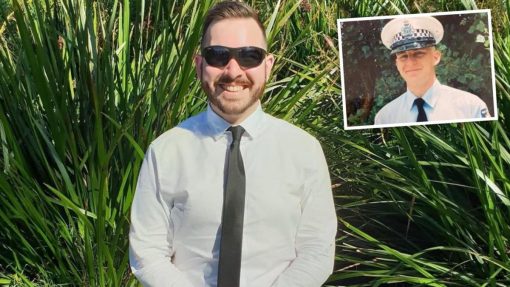
Cameron FYFE
Main image: Cameron FYFE. Inset right – Randall MOULDEN


Senior Constable Cameron Fyfe died at home on June 20, 2021 after drinking heavily amid bouts of depression following a series of on-the-job incidents that threatened his safety.

The 27-year-old was prescribed antidepressant medication, which he took irregularly, and his family and friends had made numerous pleas for him to seek mental health support after he told his father he was having suicidal thoughts.

“Mr Fyfe made it clear to his loved ones that he did not want to involve the police force in pursuing any mental health assistance,” counsel assisting Sarah Tyler told the Coroner’s Court of Western Australia on Tuesday.

Fyfe’s father suggested reaching out to the police employee assistance program. Fyfe refused, saying there was a stigma attached to doing so.

The constable did, however, tell his family that he was seeing a psychologist, who diagnosed him with major depression.

It came after a series of incidents that left Fyfe questioning whether he wanted to remain a member of the force, including responding to the death of a baby, and a family violence incident where he was hit in the face.

“The person said to have struck Mr Fyfe was found not guilty after trial,” Tyler told State Coroner Rosalinda Fogliani.

In November 2020, the officer was spat on as he attempted to arrest an offender.

“Saliva entered Mr Fyfe’s mouth,” Tyler said.

He was forced to undergo blood screen testing and quarantined for two weeks due to COVID-19 laws amid the global pandemic.

“While quarantined, Mr Fyfe (again) expressed to his family his disillusionment with the police force,” Tyler said.

On the evening of June 19, 2021, Fyfe drank whiskey alone at his home while exchanging text messages with his parents, his girlfriend and ex-partner.

In the early hours of the next morning, he told his father that he’d stopped taking his antidepressant medication because it impacted his libido.

Fyfe then sent a message to his mother saying he couldn’t live his life on medication.

The next morning, his parents and partner sent messages to Fyfe, but he did not respond.

By the afternoon, Fyfe’s parents drove to their son’s home address, and his father used his key to go inside.

He found Fyfe’s lifeless body in his computer gaming chair in his study.

A post-mortem showed very high levels of alcohol in Fyfe’s system.

A police investigation did not identify any evidence to suggest another person was involved in the death.

During that investigation, it became apparent that the police force did not hold any information about the officer’s reported mental health issues.

The inquest continues.

AAP

Crisis support is available from Lifeline on 13 11 14. Support is also available from Beyond Blue on 1300 22 4636.

Cop refused to seek WA Police force’s help before taking own life


Cameron Fyfe coronial inquest probes rules surrounding police gun access at home

Posted 

A coronial inquest into the suicide of a young first class constable is examining the WA Police force’s off-duty firearm access rules as well as mental health safety and support for officers.

WARNING: The following story contains details that may distress some readers.

Cameron Fyfe was 27 when he killed himself at his home in June 2021.

A coronial inquest into his death has heard Mr Fyfe had been struggling with his mental health for some time, and while he was getting support privately – including being medicated at times — he appeared to have hidden his situation from his workplace, telling his father there was a stigma attached to seeking support internally.

State Coroner ( W.A. ) Ros Fogliani is heading up the inquest at Perth Coroner’s Court, exploring specific issues including:

  • Why Mr Fyfe had access to his police issue firearm within his home while off duty, and
  • Safety considerations in the context of mental health, in relation to serving police officers having access to police issue firearms in their homes while off duty.

Counsel assisting the coroner Sarah Lynton began by giving a brief overview of Mr Fyfe‘s life, with his father Brett — who discovered his son’s body — his sister Anna and his uncle sitting in court.

Ms Lynton mentioned several incidents throughout the later years of Mr Fyfe‘s life where he had shared with family members he was struggling with his mental health.

Jobs affected wellbeing

She told the court Mr Fyfe attended confronting jobs throughout his work, one of significance being the death of a baby and another where he was struck in the face when attending a family violence incident.

The court was told that in 2017, Mr Fyfe told his then partner and his father he had gone to The Gap in Albany, where he was working at the time, and contemplated taking his own life.

A number of further red flags were noticed by Mr Fyfe‘s family and loved ones, including that he was experiencing sleeping difficulties and mood swings, and was drinking alcohol heavily on his rostered days off.

In 2018, when he mentioned to his partner he was considering leaving the police force, his loved ones again suggested he seek mental health support.

Ms Lynton told the court Mr Fyfe made it clear he did not want to involve his work in pursuing any mental health assistance, later telling his father there was a stigma attached.

In 2019, Mr Fyfe was assessed by his GP and prescribed antidepressant medication, which he soon stopped taking.

Then in 2020, a person spat on Mr Fyfe while he was attempting to arrest them, at which point some saliva entered his mouth.

The COVID pandemic was well underway at that time and Mr Fyfe was quarantined for two weeks, telling his family he was feeling disillusioned with the police force.

Ms Lynton said Mr Fyfe‘s father had understood that his son’s reluctance to seek assistance through the police force’s mental health support unit was due to his concerns it could see him taken off operational duties, which could affect his pay and impact his ability to cover his mortgage.

At this time, towards the end of 2020, Mr Fyfe told his dad he had been seeing a private psychologist who had diagnosed him with major depression. Medical records show he had a mental health care plan and was on medication, which he took irregularly.

Police gun taken home

In 2021, Mr Fyfe started with the Traffic Motorcycle Group, which allowed him to take his own police motorcycle home — as well as his police-issued firearm.

Ms Lynton told the court officers are occasionally allowed to keep their police-issued firearm, ammunition and other accoutrements at their home address.

She said Mr Fyfe had been drinking and communicating with friends and family on the evening of June 20, 2021 at his home.

The next day, when no-one had heard from him, his parents went to his house and discovered his body.

Toxicology analysis showed very high levels of alcohol in Mr Fyfe’s system and the forensic pathologist determined the cause of his death was a self-inflicted gunshot injury.

Stigma in seeking help

A number of police investigations have taken place since his death, including an external review into allegations Mr Fyfe might have been bullied, but nothing was substantiated.

Ms Lynton said it appeared Mr Fyfe had hidden his mental health issues from work, with no evidence of him seeking help identified in the system.


If you or anyone you know needs help:

Cameron Fyfe coronial inquest probes rules surrounding police gun access at home – ABC News


Just one of the ‘jobs’ that Cameron was involved in:

Cameron FYFE – Involved with search for Gaunt (Nathan) finding


* Story behind any Nickname:


Nothing further, than what is recorded above, is known about this person at the time of publication and further information and photos would be appreciated.

**********


Cal
25 February 2024


Adam Victor CHILD

Adam Victor CHILD

AKA  ? 

Late of  ? 


“possible” relation in ‘the job’:  P/Woman C M Child ( nee Doherty )  ?

Det Sgt Phil Child ( Liverpool ( 22 Division )( 1970s ) )  ?


NSW Goulburn Police Academy –  Class #  26? 


New South Wales Police Force


Regd. #  30369


Rank:  Commenced Training at Goulburn Police Academy on Sunday 20 August 1995 ( aged 19 years, 8 months, 16 days )

Probationary Constable- appointed ? ? ?

Constable – appointed ? ? ?

Constable 1st Class – appointed ? ? ? 

Detective – appointed ? ? ? ( YES )

Senior Constable – appointed ? ? ? 

Leading Senior Constable – appointed ? ? ?

Sergeant 3rd Class – appointed ? ? ? 

Sergeant 2nd Class – appointed ? ? ?

Sergeant 1st Class – appointed ? ? ? 


Final Rank: = Detective Sergeant


Stations?, SCC Serious Crime Directorate ( Parramatta )( 18 Division ) – Homicide Squad – Death


Service: From   20 August 1995  to  1 August 2022  =   26 years, 11 months, 12 days Service


Retirement / Leaving age: = 46 years, 7 months, 28 days

Time in Retirement from Police:  0


Awards:  No Find on Australian Honours


 Born:   Thursday 4 December 1975

Died on:  Monday 1 August 2022

Age:  46 years, 7 months, 28 days

Organ Donor:  Y / N / ?


Cause:  Depression – Anxiety – Suicide – Firearm – Departmental Glock

Event location: Inside Ermington Police Station, 18 Lister Ave, Ermington, NSW

Event date:  Monday 1 August 2022

Adam CHILD, Adam Victor CHILD

Funeral date:  Thursday  11 August 2022

Funeral location? TBA 

LIVE STREAM    PIN:  TBA   Email:  TBA


( click here to see Cornona19 Virus Pandemic rules – this will be a limited numbers Funeral )

any Future Wake location??? TBA 

any Future Wake date??? TBA 

( Due to current Govt. restrictions on ‘Gatherings’ due to Corona19 Virus Pandemic, some families may wish to have a Memorial Service / Wake with friends and family at a later date )


Funeral Parlour: ?

Buried at: ?


Memorial / Plaque / Monument located at?

Dedication date of Memorial / Plaque / Monument: Nil – at this time ( AUGUST 2022 )


  ADAM is NOT mentioned on the Police Wall of Remembrance  * BUT SHOULD BE

  ADAM is NOT mentioned on the Police Wall of Remembrance  *NEED MORE INFO


FURTHER INFORMATION IS NEEDED ABOUT THIS PERSON, THEIR LIFE, THEIR CAREER AND THEIR DEATH.

PLEASE SEND PHOTOS AND INFORMATION TO Cal


May they forever Rest In Peace

https://www.facebook.com/groups/AustralianPolice.com.au/ 


https://www.facebook.com/groups/NSWFallenPolice/ 

Australian Police YouTube Channel


Need to talk to someone?

Don’t go it alone. Please reach out for help.

Lifeline: 13 11 14 or lifeline.org.au

Beyond Blue: 1300 22 4636 or beyondblue.org.au

Beyond Blue’s coronavirus support service: 1800 512 348 or coronavirus.beyondblue.org.au

Kids Helpline: 1800 55 1800 or kidshelpline.com.au

Headspace: 1800 650 890 or headspace.org.au

Are you anxious? Take the Beyond Blue quiz to see how you’re tracking and whether you could benefit from support


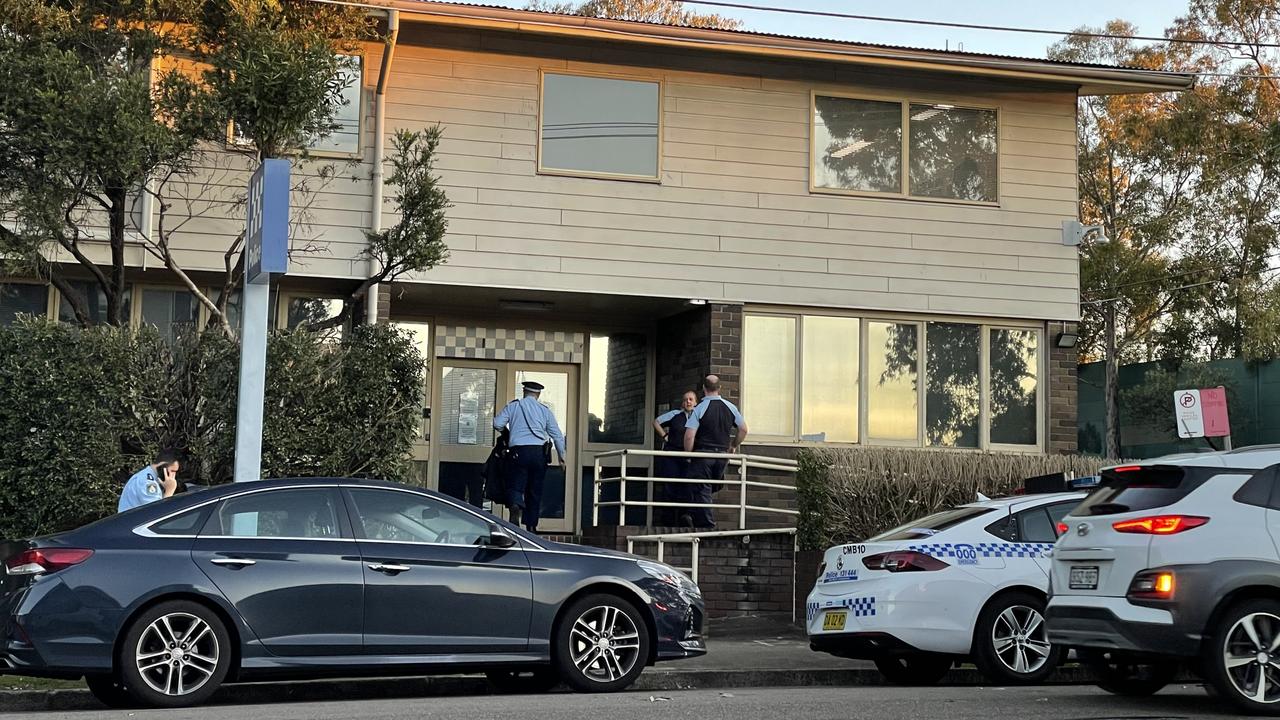
Police officer found dead at Sydney’s Ermington Police Station

An investigation has been launched after a police officer was found dead at a Sydney police station on Monday.


https://www.news.com.au/national/nsw-act/news/police-officer-found-dead-at-sydneys-ermington-police-station/news-story/4001a446807de952dab5e45c9baec0a1


Death of officer at Ermington Police Station uncovers police force’s tragic crisis

The body of a police officer who was found dead at a station exposes a sad reality for some of the force’s most vulnerable victims.


The death of a detective sergeant in Sydney’s northwest exposes a sad reality gripping some of the police force’s most vulnerable victims.

On Monday, the body of a 46-year-old Detective Sergeant was found at Ermington Police Station at around 12.30pm.

It’s understood he was on-duty at the time. Authorities are not investigating his death as suspicious and support services have been offered to his colleagues, and other staff and officers at the station.

Police are not investigating the death as suspicious. Supplied

A critical incident has since been declared, as is standard procedure after the death of an officer. The investigation will be reviewed by the Professional Standards Command and independently oversighted by the Law Enforcement Conduct Commission (LECC), a statement from NSW Police said.

A report is also currently being prepared for the Coroner.

The death comes two years after the suicide of Sergeant Matthew Theoklis in November 2020. The father-of-two took his own life at the Sydney Police Centre building in Surry Hills.

He had joined the NSW Police in 2005 and was promoted to the rank of sergeant in December 2019.

Matthew Adam THEOKLIS, Mat THEOKLIS, Matthew THEOKLIS
Sergeant Matthew Theoklis was found dead in an office at the Sydney Police Centre in Surry Hills. Picture: NSW Police.

Mr Theoklis was survived by his two twin daughters, Brooke and Sophie, as well as his fiancee Rebekah, who was also a member of the NSW Police Force.

At the time Police Legacy chairperson Detective Superintendent Gary Merryweather said the pandemic and recurring natural disasters had added extra pressures to the job.

“It can become very taxing emotionally and physically being a police officer and this year has been particularly hard,” he told 2GB’s Drive host Jim Wilson.

“As we know policing can be so difficult. You can go from tragedy to a job where you’ve helped someone and feel very satisfying.

“In circumstances where it’s not foreseen by anyone, it just makes it a little bit harder, and I’m sure the family just think it’s all very surreal at the moment.

“There’s just no other way to explain it.”

Matthew Adam THEOKLIS, Mat THEOKLIS, Matthew THEOKLIS, Theo
The father-of-two was survived by his two twin daughters. Picture: NSW Police

According to an ABC report from January 2019, four Australian Federal Police officers died by suicide at their workplace between 2017 to 2019.

The deaths prompted the introduction of stricter firearm rules, which required officers to provide sufficient reason before drawing their weapons.

At the time, AFP Commissioner Andrew Colvin described the organisation’s former measures of addressing mental health as a “culture issue” within the force. However, he hoped that “through tragedy comes opportunities for us to learn,” adding that he hoped officers would feel better equipped to talk about and share their experiences.

“The old adage that police run towards the problem when everyone else runs away, that’s in our DNA, that’s what we do,” he said.

“So the idea that we should stop and take a break because we’re tired, because we’re fatigued, because we’re having trouble, is so foreign to police.”

In 2004, high-profile officer Steve Leach, 51, took his own life in a soundproof weapons storage room at Parramatta police station. As reported by The Sydney Morning Herald, he was on sick leave when he entered the building and was discovered by another officer.

Steve LEACH
Detective Senior Sergeant Steve Leach died in 2004. Picture: Jeff Herbert

Detective Senior Sergeant Leach was celebrated as the prominent homicide detective who arrested serial killer Ivan Milat in 1994. He was also involved in the investigation into the 1986 disappearance of Bondi schoolgirl Samantha Knight.

Prior to his death, he had applied for his pension after he was hurt on duty while seconded to the European War Crimes Tribunal in The Hague.

According to his colleagues, his death was not expected, The Age reports.

The then NSW Police Commissioner Ken Moroney described his death as a “terrible tragedy”.

“Detective Sergeant Leach was a highly respected officer with 35 years experience and had been involved in some of the state’s most high-profile homicide investigations,” he said.

Detective Steve Leach pictured here with Shirley Soire, the sister of Ivan Milat. Picture: Troy Bendeich

More than a decade onwards, the suicide of former police officer Ashley Bryant triggered a coronial inquest in 2017 which found that a post-traumatic stress disorder, depression and alcoholism brought on by the extreme stresses of his work were key factors in his death.

In December 2013, the 44-year-old drove to a national park in the Byron Bay hinterlands where he ultimately died. Prior to his death, the father-of-three had made a triple-zero call where told the operator that he was “about to take my own life”.

“I suffer post traumatic stress disorder … I can no longer live with the pain. I want this to go to the coroner,” he said in the record call that was played a this inquest,” he said.

“There needs to be more done, more things put in place for what happens.”

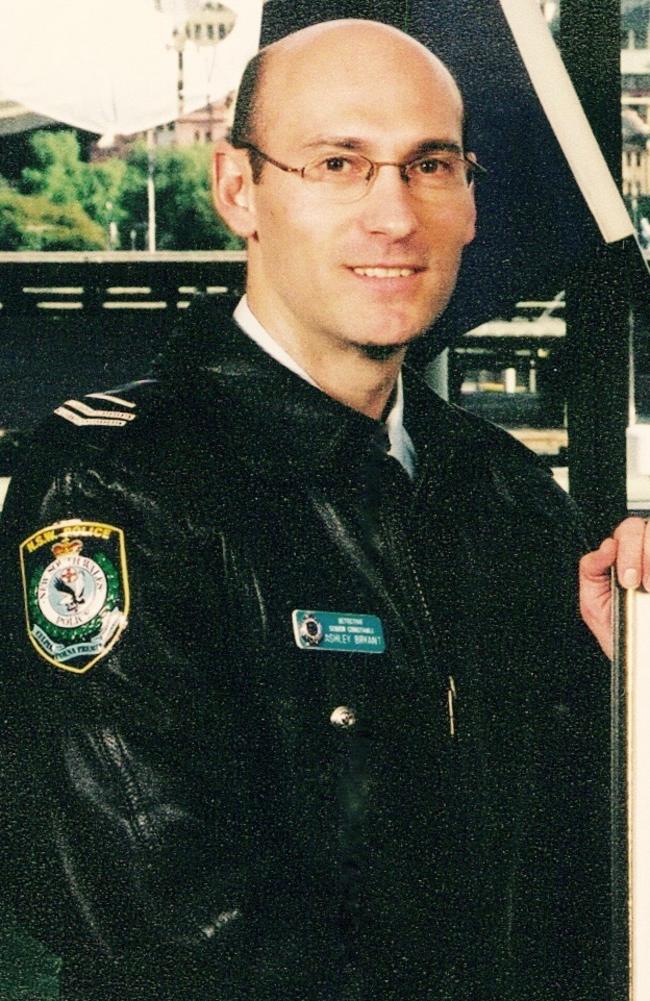
Ashley Newton BRYANT, Ash BRYNAT, Ashley BRYANT
Ashley Bryant made a triple-zero call in the moments before his death. Picture: Supplied

His death came a year after he was discharged from the police on medical grounds. Attempts to apply for a ‘hurt on duty pension’ also forced Mr Bryant to relive his traumas, before he was denied a full pension.

This was after two psychiatrists under the Police Superannuation Scheme determined that he could still work again, if he retrained for less stressful work, The Daily Telegraph reported.

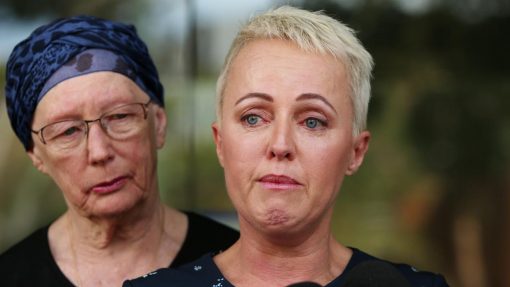
During the inquest, his widow Deborah Bryant said the pressure of trying to apply for the pension exacerbated his PTSD, that led him to drink.

“It was the pressure of all the assessments that he had to undergo that made it too stressful for him that, unfortunately, led him back to alcohol. He never recovered from it,” she told reporters.

Ashley Bryant's wife Deborah Bryant said the stress of reliving his traumas while attempting to apply for a pension drove him to excessive drinking. Picture: Richard Dobson
Ashley Bryant’s wife Deborah Bryant said the stress of reliving his traumas while attempting to apply for a pension drove him to excessive drinking. Picture: Richard Dobson

Startling research from Beyond Blue in 2018 also found that a first responder dies by suicide every six weeks. The mental health and wellbeing support organisation found that police and emergency services workers are more than twice as likely to experience high or very high rates of psychological distress compared to the general population.

Those who had spent more than 10 years in their jobs were also more than twice as likely to experience psychological distress and were six times more likely to experience symptoms of post-traumatic stress disorder (PTSD).

https://www.news.com.au/lifestyle/real-life/news-life/death-of-officer-at-ermington-police-station-uncovers-police-forces-tragic-crisis/news-story/b210ec6eb3857cd2c4d2f5f815f4bf08


Hardened detective who was shot dead inside a police station is from a highly respected cop family and he cracked one of Australia’s biggest murder cases: ‘A steely determination for justice’

  • Colleagues found Detective Sergeant Adam Child dead at Ermington station
  • The accomplished cop has been remembered for his kindness in the role
  • He was part of the Homicide Squad and had a hand in solving tough murders 
  • For confidential crisis support, contact Lifeline on 13 11 14  


A top detective found dead inside his police station is from a highly regarded law enforcement family and solved some of Sydney‘s toughest cases in a two-decade career with the homicide squad.

Shocked colleagues discovered Detective Sergeant Adam Child dead from a gunshot wound inside a room at Ermington police station, in Sydney’s west, about 12.30pm on Monday.

The 46-year-old father, who worked in the force alongside his wife, has been remembered as ‘one of the finest humans and detectives’ by relatives of murder victims whose cases he helped solve.

Police do not believe Mr Child’s death was suspicious. He was on duty at the time and a police-issued firearm was used in the incident.

Friends and former colleagues have expressed horror at learning of the father-of-two’s untimely death and questioned what support services were in place.

‘I am just heartbroken. [Adam] was one of the finest humans and detectives,’ said one woman, who met Mr Child when he was assigned to the case of her loved one.

She added Mr Child would be remembered for his ‘compassion and steely determination for justice’.

He was publicly involved in the investigation into murdered mother Jody Galante, and was praised by her relatives for his kindness and dogged search for the truth.

The case was the subject of an Australian Story episode in 2008 which featured Mr Child, as he explained the steps he took to solve the murder and put Mrs Galante’s husband, Mark, behind bars for 27 years.

‘Adam Child and Anthony Agnew were so caring, they knew they were asking us to do hard things,’ Mrs Galante’s mother Julie-Anne Hand said at the time.

Mr Child had suspicions Mrs Galante’s husband was responsible for her death but did not have enough evidence to make an arrest.

He asked her family to continue publicly supporting him while the investigation was ongoing to lull him into a false sense of security.

Almost two months later, he asked them to help clear out Mrs Galante’s daughter’s belongings from the house, noting ‘she wouldn’t be going back there’.

Following Galante’s arrest, the 27-year-old pleaded guilty to his wife’s murder and was sentenced to 27 years imprisonment, with a non-parole period of 20 years.

Mrs Galante’s family could not praise Mr Child enough for his work on the case.

The homicide squad in NSW leads the response to major criminal investigations, including murders, suspicious deaths, critical incidents and coronial inquiries.

Mr Child has been commended for his role in countless investigations over his 20-year career.

‘I’m so sick at heart right now, the ripple affect of the loss of Adam will be felt by many families today, his own family and the his family in Blue,’ one friend said.

‘It’s a very sad day. Adam was a good man and detective… Rest well brother.’

Mr Child was usually based at the Parramatta head office but was stationed at Ermington while working on an active investigation in the region.

A critical incident has been declared as part of standard procedures within NSW Police when an employee dies in the vicinity of other officers.

NSW Police said in a statement Mr Child’s colleagues and all officers at Ermington station will be offered support to deal with the grief and shock.

Mr Child’s death is the latest in a string of tragic police deaths in recent years.

Just two years ago in November 2020, Sergeant Matthew Theoklis died by suicide at the Sydney Police Centre in Surry Hills.

Between 2017 and 2019, a further five Australian Federal Police officers took their own lives on the job.

A 24-hour trauma response hotline was established in NSW and 1,200 officers were trained as part of a state-wide peer support program.

Lifeline: 13 11 14 or lifeline.org.au

Beyond Blue: 1300 22 4636 or beyondblue.org.au

Adam Child died after gunshot in Ermington police station after 20 years in homicide squad | Daily Mail Online


R.I.P…….Mr Childs


RIP, sorry you couldn’t stick around mate! Sounds like you did a lot of good in your life! Thanks for being a good man, copper and Aussie! Thoughts are with family and friends in this extremely sad time!

It reads to me Adam was there to help many people but unfortunate no one was able to help Adam. May Adam Rest In Peace and Adam’s family find comfort and understanding within. My thoughts are with you

We need a royal commission into the police force. The toxicity in leadership is at all levels.

Condolences to the family & friends.

Why do we always lose the good people too early ? I wish he had spoken to someone because he clearly is a man of ethics and hard work and a champion of the victims. He is the kind of policeman we always want to have in the force. So sad for his family of police, wife and children. We need to honour police more than we do, in a public way.


Spate of deaths in police forces across Australia

Steps have been taken within police forces across the nation to improve mental health support services for serving officers following a spate of suicides among serving and former cops.

In the span of two years, five Australian Federal Police officers tragically died by suicide in the workplace, prompting overhauls to firearm rules.

Previously, officers were able to check out their guns even while they were off duty, but the new restrictions meant they would need a reason to take their weapons.

Last year, two serving West Australian police officers died in the span of a fortnight.

Just two years ago in November 2020, Sergeant Matthew Theoklis died by suicide at the Sydney Police Centre in Surry Hills.

A 24-hour trauma response hotline was established in NSW and 1,200 officers were trained as part of a state-wide peer support program.

‘It’s not uncommon, and that’s the scary thing,’ a serving police officer told Daily Mail Australia.

‘At the end of the day, it’s a high pressure job and when you combine that with stresses that aren’t work related, it can really add up.’

Adam Child died after gunshot in Ermington police station after 20 years in homicide squad | Daily Mail Online


Critical investigation launched after on-duty detective, 46, found shot dead inside Sydney’s Ermington Police Station

A 46-year-old on duty detective has been found dead inside a police station in Sydney’s north-west.


A detective has been found dead inside a police station in Sydney’s north-west.

The 46-year-old detective sergeant was on duty when he was found dead by colleagues inside a room at Ermington Police Station about 12:30pm on Monday.

NSW Police revealed initial inquiries suggest there are no suspicious circumstances surrounding the death.

The Daily Telegraph has reported the man died after a “shooting incident” and early investigations suggest the officer was shot with a police-issued firearm.

Detectives have launched a critical incident investigation into the man’s death.

“The 46-year-old detective sergeant from a specialist command was on-duty at the time and initial inquiries suggest there are no suspicious circumstances,” a statement from NSW Police read.

“A critical incident investigation has been launched by detectives from South West Metropolitan Region, who will prepare a report for the Coroner.

“The investigation will also be reviewed by the Professional Standards Command and independently oversighted by the Law Enforcement Conduct Commission (LECC).”

Support services have been made available to the man’s colleagues, the officers who found him and those who were in the station at the time.

The death comes less than two years after another police officer took his own life at the Sydney Police Centre in Surry Hills.

Critical investigation launched after on-duty detective, 46, found shot dead inside Sydney’s Ermington Police Station | Sky News Australia


Nothing further, than what is recorded above, is known about this person at the time of publication and further information and photos would be appreciated.

**********


Cal
4 August 2022


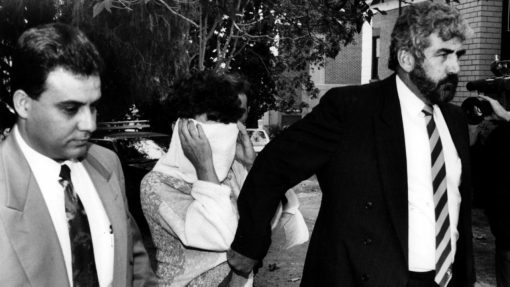
Gregory Joseph JENSEN

Gregory Joseph JENSEN

New South Wales Police Force

Redfern Police Academy – Class 203

( 1st Class at the new Goulburn Police Academy )

Regd. # 21470

Rank:  Commenced Training at Redfern Police Academy on Monday 7 May 1984

Probationary Constable – appointed 20 July 1984

Constable – appointed 20 July 1985

Constable 1st Class – appointed ?

Detective- appointed ? ? 1991

Senior Constable – appointed ? ? ?


Stations:  Regional Crime Squad, Nth West ( Parramatta ), ?


ServiceFrom:  7 May 1984   to  To? ? ?


Awards:  No Find on Australian Honours system


Born:  Thursday 25 July 1963

Died? ? ?

Cause:  Stomach Cancer – H.O.D.


Funeral date?

Funeral location?


Grave site location?


FURTHER INFORMATION IS NEEDED ABOUT THIS MEMBER


GREG IS Mentioned on the Police Memorial Wall, Sydney Police Centre, Surry Hills as of October 2022


25 October 2022

This afternoon, in a quiet and deeply-felt ceremony at the Sydney Police Centre, another thirteen names were added, and the memories of another thirteen dedicated NSW Police Force employees were honoured, at the NSW Police Force Service Memorial:
Detective Senior Constable Vaughan Anthony Hau
Detective Senior Constable Gregory Joseph Jensen
Senior Sergeant John Kelly
Senior Constable David John Koen (Ret’d)
Constable Joseph Lees
Senior Constable Matthew Joseph Rees
Senior Constable Caroline Roberts


http://www.smh.com.au/news/national/holding-judgement/2007/06/08/1181089328815.html?page=fullpage

June 9, 2007

It took up 451 hearing days, heard from 902 public witnesses and cost an estimated $64 million. Malcolm Brown reports on the Wood royal commission, 10 years on.


It began on June 15, 1995, when an unnamed Annandale detective jumped to his death from the seventh floor of a building, apparently through fear of the Wood royal commission. The detective’s suicide was followed by those of Ray Jenkins, a dog trainer (July 10), and Inspector Robert Tait, the acting patrol commander at Narrabri ( March 29, 1996 ). Nineteen days later a former Wollongong alderman, Brian Tobin, gassed himself.

On May 8 the same year, Peter Foretic gassed himself the day after giving evidence about paedophilia. On September 23, Detective Senior Constable Wayne Johnson shot himself and his estranged wife after being adversely named in the royal commission. On November 4, David Yeldham, a retired judge about to face the royal commission on questions of sexual impropriety, killed himself. A month later Danny Caines, a plumber and police confidant, committed suicide at Forster, on the North Coast.

Altogether, 12 people enmeshed in the Wood royal commission took their own lives. Scores of others were so profoundly affected by proceedings that their supporters and families believe it shortened their lives. A former detective, Greg Jensen, suffered a recurrence of the stomach cancer that ultimately ended his life, while another former detective, Ray McDougall, who faced the threat that commission investigators might expose his extramarital affair if he did not co-operate, succumbed to motor neurone disease.

There is no doubt that the Royal Commission into the NSW Police Service, headed by the Supreme Court judge James Wood, purged the force of a rollcall of rotters. A total of 284 police officers were adversely named, 46 briefs of evidence were sent to the Director of Public Prosecutions and by 2001 nine officers had pleaded guilty to corruption offences and three not guilty. Seven police officers received jail sentences, including the former Gosford drug squad chief Wayne Eade and a former chief of detectives, Graham “Chook” Fowler.

Several high-profile police ended their careers in disgrace, including Ray Donaldson, an assistant commissioner, whose contract was not renewed, and Bob Lysaught, the commissioner’s chief of staff, whose contract was torn up. Charges against 14 officers were dismissed because of irregularities in search warrants and their execution.

That left the question of what to do with police who were on the nose but who could not be brought to account by normal means. The solution was the creation of section 181B of the Police Service Act, under which the police commissioner could dismiss an officer on the basis of what had come out of the royal commission. Section 181D allowed the police commissioner to serve an officer with a notice indicating that he “does not have confidence in the police officer’s suitability to continue as a police officer”. The officer could show cause as to why he should be retained, and if dismissed could appeal to the Industrial Relations Tribunal.

In the wake of the two legislative changes, 380 officers were targeted for dismissal or internal investigation. By March 1998, 19 police officers had been dismissed under section 181B and three under 181D. Another had been dismissed under a separate provision of the act, 14 had resigned, four had been medically discharged and 15 had been given performance warning notices. Others were under consideration, and as the Police Integrity Commission – a legacy of the royal commission which became a permanent watchdog – has demonstrated, even officers who had been corrupt many years before were not necessarily in the clear.The former independent MP John Hatton, who was instrumental in setting up the royal commission, said he thought the Police Integrity Commission was the royal commission’s “greatest achievement”. The Child Protection Enforcement Agency, which launched a purge of sex offenders, is another positive legacy of the royal commission.But 10 years on, was the exercise worth it?To some there were considerable benefits. Some appalling malpractice – known as “process” or “noble cause” corruption – prompted Wood to wonder at one point about the quality of a lot of police evidence he had accepted over the years.Despite this, many officers still believe the royal commission was too puritanical. They claim the investigators, not able to grapple with the really big issues, jumped on anything they could: “They had to have runs on the board,” says Michael McGann, who as a policeman in 1984 participated in the so-called Kareela Cat Burglar case, in which police used mace on an uncooperative thief and sex offender. To some critics this treatment did no serious harm and only required a word of caution. But under the spotlight of the royal commission 12 years later, it ended the careers of high-flying police such as John Garvey, Brian Harding and Steve York. A decade later, Harding works in corporate security but insists that the real sting was that the investigators had fabricated evidence. When that finally came out, he says, the group received a confidential settlement, but it did little to redress the feelings of outrage.

Another former policeman, Dr Michael Kennedy, says the commission was a political response to the police commissioner, Tony Lauer, bringing about the downfall of the then police minister, Ted Pickering.

The attorney-general, ministry and judiciary took little responsibility for the state of the force, Kennedy says, while the responsibility of the police rank-and-file grew to “the size of a Pacific driftnet”. “I don’t think the royal commission contributed anything to the reform process except to provide a template for double standards,” he says.

Chook Fowler put $200 into his pocket from Louis Bayeh. Chook was a lazy, good-for-nothing drunk. But he was put into the same category as Ray Williams and HIH.”McGann says that against the string of petty corrupt activities uncovered, “you have to look at what the government did and did not do with gambling and vice, over the decades. There have been direct links to Parliament for 50 or 60 years. That is hypocrisy.”The critics’ view is that the royal commission has left a demoralised police force, tarnished and rudderless, with limited operational effectiveness and the problem of corruption unsolved. Seven police officers have taken their lives since 2001, including two this year.”It highlights the fact that the structure no longer takes in the needs of the NSW police force,” says Mike Gallacher, the Opposition police spokesman, and a former internal affairs police officer. Gallacher believes, as does the NSW Police Commissioner, Ken Moroney, that the tentacles of corruption no longer spread to embrace entire squads or larger units. But it does not prevent low-level incidents of corruption and there are continuing nests of corruption.In its most recent report, the Police Integrity Commission said it had undertaken 21 major investigations in 2005-06. These dealt with extortion, theft, unauthorised disclosure of confidential government information and perverting the course of justice, police brutality and the handling of $250,000 stolen from automatic teller machines. The then police integrity commissioner, Terry Griffin, said there had been 51 investigations in the 12 months, compared with 44 in 2004-05, and the 1141 written complaints represented a 15 per cent increase. Moroney says all these reports are disappointing, but one of the significant statistics was the number of police who were reporting on other police. “You go back a decade and the number of informants who were police was 5 to 10 per cent,” he says. “In the Ombudsman’s last report, that figure was 49 per cent.”The mechanism for dealing with internal complaints has been expedited: “I have not been afraid to use a section 181D notice,” Moroney says.He believes there is a different mentality in the force. A video of the royal commission had been shown at a recent reunion dinner of the old criminal investigation branch. “It is part of our history. But the interesting thing is that when Chookie came onto the screen, everyone booed. That was a signal to the Fowlers and the Eades that those found to have acted corruptly would not be accepted.”
However, Moroney accepts that corruption is not a thing of the past. “In the contemporary period, there are huge monies to be made from the illicit drug environment. You are talking in some cases of millions of dollars. It is the greatest menace in society today. And the greatest menace to officers is drug money. That is why rotation of officers out of specialist squads on a regular basis is important.”Taking over as commissioner five years ago, he had brought a low-key “Uncle Ken” influence, sorely needed, and had had to balance the principles of police accountability against the public demand for law and order, and the task has been awkward.A senior counsel told the Herald this week that the focus on integrity, scrutiny of professional standards and attacks by defence lawyers meant that talented police prepared to do the dirty work were deterred. “In the old days the best and the brightest went into plain-clothes,” he said. “But when the police perceive that when they have to go the extra yard [to get convictions], they are crucified – ‘Why should I go to plain-clothes when I can just get some uniform job with a 12-hour shift, and a second job?”‘Clive Small, a former assistant commissioner who set up crime agencies and established the child protection unit, says that after so many detectives were disgraced in the royal commission, the police force sought to take the spotlight off detectives and put more of the onus of responsibility for crime control onto local area commands. Crime agencies had a continual battle to keep up to strength. Regionalising responsibility for crime control reflected a lack of understanding. “A lot of crime spreads through the metropolitan area, across the state and across the nation,” he says.Kennedy, now a university lecturer, says the “business model” approach is incompatible with good police work. “We cannot expect police to behave like they are in the private sector, where competence is measured in terms of productivity,” he says.Kennedy attended the recent CIB reunion dinner and sat at a table with former drug squad detectives who remained friends of Wayne Eade. He takes issue with Moroney‘s claim that people at the dinner made catcalls when Fowler came on screen. “No one supported Chook,” he says. “But the animosity of the crowd was directed straight at Justice Wood and his commission.”Clive Small, who was also at the dinner, says: “I think it is really a matter of interpretation who they were booing. There were things the royal commission did not take care about. There was a lot of collateral damage. And the implementation [of its recommendations] has been pretty ordinary.”

CRUSADER WHO MADE THE CALL

JOHN HATTON well remembers the audience on May 11, 1994, when he made his speech calling for a royal commission into the NSW Police Service. MPs were listening, of course, but it was a gallery above him, packed with the “top brass of the police force – the commissioner himself, the deputy commissioner, superintendents – they were an intimidating force on the Parliament”.

“They thought they could stare down the Labor Party support for my motion,” Hatton, now retired, says. “It was probably the best indicator of the way in which the police force thought they could control the agenda.”

Hatton won the day, putting paid to a claim by then police commissioner, Tony Lauer, that “systemic corruption” was “a figment of the political imagination”. Hearings started on November 24, 1994, and Justice James Wood delivered his final report on August 26, 1997.

Ten years later, Hatton believes he was vindicated. He says Wood was “the right man” to head the commission and the recruitment of interstate police was crucial, along with the decision to use phone taps and surveillance.

The 11 volumes of material Hatton gave the royal commission had been accumulated over 14 years, he says, from the time he had first spoken up. He had received information on illegal gambling, drug trafficking and police involvement with the mafia.

There had been earlier moves to address police corruption, including inquiries by the Independent Commission Against Corruption, but these had only scratched the surface. “I can remember on one occasion I reported a death threat which had to do with the McKay murder in Griffith and 48 hours later the bloke who had given the information was threatened by a shotgun at his door in Queensland,” Hatton says.

The royal commission came into being because Hatton and other independent MPs held the balance of power in Parliament. The Labor Party may have had high public motives, but also saw a chance to attack the Fahey government. Labor stipulated that an inquiry into police protection of paedophiles, previously in the hands of the ICAC, become part of the royal commission.

The process of gathering information was helped greatly by Trevor Haken, a detective who became an informer and covert investigator as part of a deal to avoid being prosecuted himself.

Hatton says Haken‘s entry was “out of the blue”. Though useful, in the long term it had had a detrimental effect on the fight against corruption. Living in fear and watching his back, Haken had provided “the greatest disincentive for someone coming forward to finger corruption in the system”.

Malcolm Brown