Service: From? ? ?to1 February 1858 = ? years Service
Awards: Victoria Police Star – posthumously awarded on Thursday 1 August 2019
Born: ? ? 1828 – 1829
Died on: Monday 1 February 1858
Age: 29
Cause: Murdered – shot through the right lung – exited out the left lung ( no doubt – standing side on to the bullet )
Event location: White Hills goldfield, near Carisbrook, Victoria
Event date: Monday 1 February 1858 shortly after 1am
Funeral date: Tuesday 2 February 1858
Funeral location: Carisbrook Cemetery, Majorca Rd, Carisbrook, Victoria
Wake location: ?
Funeral Parlour: ?
Buried at: Carisbrook Cemetery, Majorca Rd, Carisbrook, Victoria
Methodist: Section 3, Row 9, Grave 15
Memorial located at: His Victoria Police Star is framed and hanging inside of Maryborough Police Station, Victoria
INSCRIPTION: Sacred to the Memory of Edward Barnett Native of Tallow, County Waterford, Ireland. Late Senior Constable of the Victoria Police. Who was shot dead while gallantly performing his duty in endeavouring to arrest an armed bushranger on the night of the 31 January 1858 on Havelock Diggings. This Tablet is erected by the chief Commissioner of Police, The Officers and Constables of the District as a mark of esteem and respect. “In the midst of life we are in death”
EDWARDIS mentioned on the Police Wall of Remembrance
FURTHER INFORMATION IS NEEDED ABOUT THIS PERSON, THEIR LIFE, THEIR CAREER AND THEIR DEATH.
ALMOST hidden by rubbish and weeds, a tombstone which was recently discovered in the Carisbrook cemetery recalls the story of a policeman who lost his life while gallantly pursuing an armed bushranger on the Havelock diggings in 1858.
The grave was found by Constable J. Casey, said residents of the district, who had been clearing the cemetery of weeds.
At the suggestion of police officials, it was decided to have the tombstone and grave renovated.
Half the cost was borne by the Chief Commissioner ( Brigadier-General Blarney ).
The Inscription on the stone had become almost unreadable, but it has been restored by recutting in a marble slab.
It reads as follows:
Sacred to the memory of
EDWARD BARNETT,
native of Tallow, County Waterford, Ireland,
Late Senior-constable of the Victoria police,
Who was shot dead whilst gallantly performing his duty to endeavouring to arrest an armed bushranger on the night of Jan. 31, 1858, on Havelock Diggings.
This tablet is erected by the Chief Commissioner of Police, the Officers and Constables of the district, as a mark of esteem and respect.
In the midst of Life we are in Death.
For official purposes, Senior-constable Brown, of Russell street, obtained the facts of Barnett’s death from newspaper files and police gazettes of 1858.
In those days Havelock went under the strange but pretty name of White Hills.
Thousands of adventurers flocked to the district when gold was discovered, and overnight, it seemed, every kind of crime was being freely committed. Life was cheaper than gold at White Hills.
The “hold-up” which resulted in the death of Senior-constable Barnett occurred early on the morning of February 1, 1858, according to records of the period, although the tombstones fixes the date as January 31.
Charles Lopez and his wife, who conducted the Gumtree Restaurant in a dimly lighted tent, were standing behind their improvised counter, checking the pile of money that had been received during the day.
Notes, silver, and gold-some of it won from the fields around them — had been sorted, and husband and wife were handling the money when three men suddenly rushed into the tent demanding liquor.
Lopez told them to “get out,” but they replied by dragging him into the street. What happened outside in the next few seconds is not known, but two shots were fired in quick succession. Mrs. Lopez ran after her husband, but could see nothing until she stumbled across the body of Senior-constable Barnett, who was then dying.
—————————
A graphic story of the shooting was told to the coroner at the time by Henry Bradley the cook employed at the Gumtree.
He rushed out of the tent to see Lopez chasing three men. As they raced past a store owned by a man named Thomas, one of the men turned and fired, but the shot did not take effect.
Lopez caught up to the armed robber, and in the struggle that followed another shot was fired. Lopez reeled, evidently badly hurt, but in almost his last breath he slashed and stabbed the murderer with a large knife, inflicting terrible injuries, Lopez then fell back dead. The robber turned and ran again, but this time Bradley and Senior-constable Barnett, who had heard the first shot, gained on him rapidly.
Weakened by loss of blood from his knife wounds, the fugitive evidently perceived that escape was impossible. He stopped suddenly in his tracks, and fired what proved to be his last bullet point blank at Barnett, who was then only two yards away. Crying “0 God, I’m shot!” Barnett stumbled forward and dropped dead. He had been shot through the heart.
His last bullet gone, the murderer again tried to escape, but Bradley and some miners eventually captured him. He was taken to the Carisbrook police camp, where he died from the wounds inflicted by Lopez. The murderer’s name was reported to be Joseph Brooks, aged 56 years, a native of America.
The murders had a remarkable sequel, according to facts mentioned in a recent issue of the “Police Journal ( Victoria ).
” Barnett‘s death was deplored by many miners on the Havelock diggings. He bad been a popular and respected officer, and evidently as their own form of vengeance more than 1,500 miners set out to clear the township of “undesirables.”
They were in the mood for lynching.
Their first act was to set alight to a notorious place known as ” The Manchester. ” When nothing but ashes remained of this shanty, the mob marched through the town, and attacked the ” Star and Garter. ” No hand was stayed until the place had been wrecked. Liquor flowed into the street from broken bottles, jars, and barrels; and bonfires were made of the bedding and furniture.
The position of many places in White Hills looked desperate until a rumour of the finding of a wounded man at Tuckwell‘s called the howling mob away on a man hunt.
Ovens and Murray Advertiser (Beechworth, Vic. : 1855 – 1918),
Tuesday 9 February 1858, page 2
MURDER AT HAVELOCK.
FUNERAL OF THE POLICEMAN.
On Tuesday the remains of Edward Barnett the unfortunate police constable, were interred in the New Cemetery, at Carisbrook.
The body was followed to the grave by Mr. S S Furnell, officer in charge of the district, and Mr. Inspector Hare, of Maryborough, and the whole body of the police stationed at Carisbrook, as well as by several friends of the deceased and gentlemen of the neighbourhood, amongst whom were F Call, Esq., P.M., R. Southee, Esq, Chairman of the Municipality of Carisbrook, and other members of that body.
The burial service was read by Mr. Furnell in a most impressive manner.
The deceased was much respected by the officers and men of the police force for his attention to his duties and general good conduct.
He was constable in charge at Chinaman’s Flat during the rush there, and performed his duties in a most satisfactory manner.
A tombstone, with a suitable inscription will be erected to the memory of the poor fellow.
FUNERAL OF LOPEZ
On Wednesday morning the remains of the unfortunate man Lopez were conveyed to their last resting place.
The melancholy cortege consisted of three vehicles, one or two horsemen, and a few of the diggers on foot.
The body was conveyed from Havelock to the old burying-ground on the Quartz Hill ( now Bristol Hill – 2019 ), Maryborough, where it was interred.
The grave was surrounded by many of the friends of the deceased during the ceremony.
The adjourned inquest on the bodies of Lopez and Constable Barnett, was held at the Charlie Napier Hotel, Havelock Flat, White Hills, on Monday last, when the following evidence was taken : —
Samuel Edwards sworn : Am a blacksmith, residing at the White Hills. On the morning of the 1st inst., about one o’clock, was awakened by a great noise in the street.
Got up and ran in the direction that the other people were running. Got as far as a large tree, when I saw a man running in a stooping position. He got up and ran about 200 yards. I followed him, and got within six feet of him, when he snapped a pistol at me. The pistol did not go off. A policeman named Barnett (now dead), was running after the man Brook, who snapped the pistol at me.
Brook fired and shot the policeman dead. When the policeman received the shot he exclaimed, ” I’m shot to the heart. ”
The spring that he gave when shot knocked the man Brook down. I fell over him. They both fell together. I then took the pistol now produced out of the man Brook’s hand. I identified the man Brook, lying dead at the police camp, as the man who shot Edward Barnett, the policeman.
I heard two shots fired before I came out of my tent, and two afterwards. After Barnett fell on Brook there were no more shots fired. I handed over the pistol to the police. When the man Brook was running he kept his hand on his stomach. Did not see any wound on him.
Constable John McCormick deposed to having seen the bodies brought in to the police camp, and receiving the prisoner and the pistol from the last witness.
Dr. Cooper sworn : Deposed to having made a post mortem examination of the bodies of Lopez and Barnett, assisted by Dr. Dunne.
On the body of Edward Barnett found a gunshot wound two or three inches below the right collar bone. There were no external marks of violence.
On tracing the course of the ball, found it running backwards and to the left side, passing in its course between the first and second ribs, near the junction of the cartilage, through the anterior edge of the superior portion of the right lung, superior portion of the pericardium, perforating the superior vena cava and windpipe, thence through the posterior portion of the superior lobe of the left lung, and passing out of the chest between the fourth and fifth ribs at their angles, perforating the left blade bone about half an inch from the posterior margin.
The bullet now produced I found just beneath the skin. All the other organs were healthy.
The cause of death was the gunshot wound. The bullet exactly fits the pistol produced.
When the deceased Edward Barnett was brought to the police camp he was apparently dead, but gasped twice. I saw the wound in his chest which caused his death.
I also made a post mortem examination of the body of Lopez.
He was brought to the police camp immediately after Edward Barnett, and was quite dead.
I found a gunshot wound about two inches below and to the left of the left nipple. There were no other external marks of violence.
The ball had passed in a direction backwards, through the fifth rib, about an inch and a half from its articulation with the cartilage, through the anterior edge of the left lung, through the left side of the pericardium, then entering the root of the left lung, wounding the left pulmonary artery, and the left bronchial tube, passing out of the chest through the ninth rib, and was found just beneath, the skin, below the inferior angle of the blade-bone.
The bullet is the same size as the one that was found in the body of Edward Barnett.
The cause of death was the gunshot wound.
The jury returned a verdict of wilful murder against Joseph Brook, now deceased.
The HAVELOCK MURDER.— Joseph Gibson, alias Laycock, alias Yorkey, was charged at the Police Court, on Friday, on suspicion of being concerned in the murder of the storekeeper Lopez and Senior Constable Barnett, at Havelock diggings, on the 1st February last. Detective Hyland proved the arrest of the prisoner at 5 o’clock on the same morning, and stated that he answered the description in the Gazette. Prisoner was remanded to Curisbrook. — Times
Constable William Eiffe memorial unveiled by Oxley police at Bendemeer Cemetery
Breanna Chillingworth
A PERMANENT memorial to recognise a fallen officer has been unveiled near Tamworth on the 150th anniversary of his death.
Constable William Eiffe died from a gunshot wound to the thigh on January 24, 1867, and is buried in an unmarked grave in the Bendemeer cemetery.
Oxley police together with Tamworth Regional Council – who helped to construct the memorial – commemorated his career in the force in a service on Tuesday morning.
”It’s a great part of the local history to have this recorded and I think it brings some interest in the local cemetery and the history of Bendemeer,” Oxley Acting Superintendent Jeff Budd said.
“And, hopefully for centuries to come, people will be able to come here and look at this and remember what has happened in our past.”
The Singleton-based officer was on a police escort on the night before his death when he was accidentally shot in the leg.
“On the evening of Wednesday the 23rd of January, 1867, there was a gold escort moving through the Moonbi Ranges, approximately seven miles from Bendemeer,” Oxley Sergeant Josh McKenzie said.
“A rain show had caused members of the escort to retreat into the carriage, another member of the escort had handed his rifle to Constable Eiffe, he rested the rifle across his thighs with the butt resting against the side of the coach.
“It is thought that the shaking and bouncing of the carriage has caused the rifle to accidentally discharge, shooting Constable Eiffe in the thigh.”
Constable Eiffe was left at Shepherds Hut nearby and the coach returned to Tamworth.
Memorial service: Oxley Acting Superintendent Jeff Budd lays a wreath at the unveiling of the plaque at the Bendemeer cemetery. Photos: Breanna Chillingworth Memorial unveiled: Oxley Acting Superintendent Jeff Budd with Sergeant Josh McKenzie in Bendemeer.
Memorial service: Oxley Acting Superintendent Jeff Budd lays a wreath at the unveiling of the plaque at the Bendemeer cemetery. Photos: Breanna Chillingworth Memorial unveiled: Oxley Acting Superintendent Jeff Budd with Sergeant Josh McKenzie in Bendemeer.
Paying tribute: Senior Oxley police, along with officers from Kootingal, Walcha, Nowendoc and Tamworth, pictured with Tamworth councillor Phil Betts.
Memorial unveiled: Oxley Acting Superintendent Jeff Budd with Leading Senior Constable Ron Stoltenberg and Cr Phil Betts.
William EIFFE Memorial William is actually buried in an unmarked grave.
“Dr Scott of Tamworth was taken to the hut but unfortunately Constable William EIFFE died from the effects of the gunshot wound at noon on the 24th of January, 1867.”
Acting Superintendent Budd said the service was a reminder of how far the force had come in 150 years.
It is thought that the shaking and bouncing of the carriage has caused the rifle to accidentally discharge.
Sergeant Josh McKenzie
“One of the things that would be a tragedy today is for this to occur and his family to not be supported,” he said. “In the days of Constable William Eiffe, his wife and four children would have been destitute without the support we have today and we should be grateful for that.”
Of Note: Searching NSW State Archives & Records on 14 May 2018:
There are NO surnames of FYFFE
There are NO surnames of EFFE
There are NO surnames of EIFFE
There were no Williams born in 1834
There is no Registered number 1154 on that website. There is 1153 ( Beatty ) and 1155 ( Moloney ) but no 1154
A wildcard search on ‘FFE‘ didn’t reveal any similar names or anyone born in 1834 on THAT website.
Danny Webster notes on 24 January 2017:
He is sometimes referred to as “Fyffe” and “Effe”, however the Registers of Police Employment 1847–1885 provides the spelling as “Eiffe”, his registered number as 1154, the fact that he was married at the time of appointment and that he was a former soldier.
The New South Wales Police Gazettes of 5 March, 1862, 3 April, 1867 (£100 gratuity awarded to his wife), and 3 July, 1867 indicate “Eiffe”.
His death was registered at Armidale as “Eiffe”.
He is incorrectly listed in the official New South Wales Police Honour Roll as William “Effe”.
[divider_dotted]
This was originally recorded as:
Constable William FYFFE
Accidentally Shot
Tamworth
24 January, 1867
On 16 January, 1867 Constable Fyffe was performing gold escort duty on a coach travelling between Bendemeer and Tamworth. It is thought that the shaking of the coach caused a rifle to accidentally discharge, shooting the constable. The wounded constable was left in a shepherd’s hut while the coach continued to Tamworth to obtain medical assistance. Dr Scott of Tamworth provided assistance for the constable, however the wound was to prove fatal and he died the following Thursday. He is sometimes referred to as William Effe.
The Sydney Morning Herald dated 25 January, 1867 reported that news from Tamworth had been received that ” Last evening, Constable Fyffe, on gold escort duty, was accidentally shot in the thigh whilst riding in the coach on Moonby Ranges, seven miles from Bendemere. His rifle accidentally discharged, it is supposed, by the shaking of the coach. He was left at a shepherd’s hut. The escort proceeded to Tamworth, and on its arrival there Dr. Scott was immediately started off. Fyffe died from the effects of the wound at noon today. He has left a wife and large family at Singleton.
The constable was born in 1834 and joined the police force on 11 August, 1857. In 1862 he became a member of the newly-formed New South Wales Police Force. At the time of his death he was stationed at Singleton.
[divider_dotted]
Graeme Andrew ADAMS
| 08/10/2019
Graeme Andrew ADAMS
Late of Leichardt, NSW
New South Wales Police Force
Redfern Police Academy Class 206
Regd. # 21746
Rank: Commenced Training at Redfern Police Academy on Monday 24 September 1984 ( aged 21 years, 7 months, 14 days )
Probationary Constable – appointed 7 December 1984 ( aged 21 years, 9 months, 27 days )
Constable – appointed 8 December 1985
Final Rank = ?
Stations: ?, Prosecutors – Resigned
Service: From? ? pre December 1984? to? ? 1991 = 7 years Service
Awards: No find on It’s An Honour
Born: Sunday 10 February 1963
Disappeared: Tuesday 6 June 2000
Body recovered: Wednesday 12 July 2000
Died on: 6 ( Wednesday ) or 7 ( Thursday ) June 2000
Age: 37 years, 3 months, 28 days
Cause: Murdered – shot
Event location: Hawkesbury River near Dangar Island
Event date: 6 ( Wednesday ) or 7 ( Thursday ) June 2000
Funeral date: ? ? ?
Funeral location: ?
Funeral Parlour: ?
Buried at: ?
Memorial located at: ?
GRAEME is NOT mentioned on the Police Wall of Remembrance * NOT JOB RELATED
FURTHER INFORMATION IS NEEDED ABOUT THIS PERSON, THEIR LIFE, THEIR CAREER AND THEIR DEATH.
Strike Force Sari headed up the investigation into this murder.
Class 206A
AAP General News (Australia) 08-30-2000 NSW: Man charged with murder of former police officer.
A court’s been told a former Sydney policeman whose body was found dumped in a river was killed to stop him earning a share of a lucrative Olympic-related security contract.
GRAEME ADAMS’ business partner, 29-year-old SIMON CHRISTOPHER CROWTHER-WILKINSON, was charged with his murder this morning.
According to police facts tendered to Manly Court, Mr ADAMS was a silent stakeholder in CROWTHER-WILKINSON’S firm Excell Security Pty Ltd.
The company had recently won a $1.6 million contract to supply staff to security giant and Olympic sub-contractor Chubb Security Australia.
But police allege that rather than share the proceeds, CROWTHER-WILKINSON and another associate shot and killed Mr ADAMS, wrapped him in chains and dumped him in the Hawkesbury River, north of Sydney, on June 6 or 7.
The accused man has been refused bail and will appear in Central Local Court on September 6.
08-30-2000 NSW: Ex policeman murdered over Oly security contract, court told
By John Kidman, Crime Reporter
SYDNEY, Aug 30 AAP – A former Sydney policeman whose chained body was found dumped in a river had been shot in cold blood over a lucrative Olympic-related security contract,
a court was told today.
Detectives allege the two men charged with the slaying stood to gain his share of a $1.6 million personnel deal struck with industry giant and Olympic sub-contractor Chubb Security Australia.
The killing had “all the hallmarks of an execution-style murder”, according to a statement of police facts tendered in Sydney’s Manly Local Court.
“There is evidence of premeditated and deliberate planning well prior to the event,” the document read.
Mr Adams’ business partner, Simon Crowther-Wilkinson and another of his associates, private security agent James Cowie, were arrested by strike force police early today following a high-profile investigation.
Mr Adams, a one-time police prosecutor who left the force to start his own companynine years ago, was pulled out of the Hawkesbury River off Dangar Island, to Sydney’s
north, by a local fisherman on July 12.
An autopsy revealed he had been shot in the back of the head from close range.
He was also wrapped in a 135 kilogram length of chain.
It was initially believed Mr Adams had last been seen alive by Crowther-Wilkinson at 10pm on June 6 after they dined at Antos Pizzeria and Pasta in suburban Chatswood.
However, it is now alleged that the version of events was a smokescreen to divert suspicion.
According to receipt records, the accused man bought cigarettes and drinks at a Chatswood service station at 9.25pm the same night.
Neither the owner nor staff of the pizza parlour were able to place the men at the eatery, police allege.
According to the fact sheet, mobile phone checks also revealed both Crowther-Wilkinson and Cowie made or received calls near Dangar island on the night of the murder.
Crowther-Wilkinson denied ever having been to the area or having access to or owning a boat, it said.
Despite this, detectives alleged evidence would show he was in possession of an aluminium runabout at the time of the homicide.
It was also claimed Crowther-Wilkinson bought 15m of chain and a number of metal clamps like those found on Mr Adams’ body at a Brookvale hardware shop a week before the murder.
“Direct lies and inconsistencies exist in the versions of (both) Wilkinson and Cowie,”the facts stated.
Mr Adams had been a silent 51 per cent partner in Excell Security with Crowther-Wilkinson until his death but took little part in the company’s day-to-day business.
In the weeks before his death, he allegedly tried to gain financial records which showed he may not have been receiving his due profit share.
Police allege he expressed concerns over the matter to his accountant.
By contrast, Crowther-Wilkinson is said to have told an Excell employee that “he did not want to give up any profits made through his Olympic contract”.
Both accused men were today refused bail and will appear in Central Local Court next month.
A week before his disappearance in 2000, murder victim Graeme Adams told his accountant he was afraid of former associates in the security company Blue Falcon Agency and thought he was being followed, the Supreme Court heard yesterday.
Accountant Eric de Haarte said Mr Adams had formed another company, Excell Security, after leaving Blue Falcon and had told him he had ”sort of tricked” Blue Falcon by taking their database of contacts for security guards.
Mr Adams had expressed apprehension about two principals in Blue Falcon, Peter Murrant ( # 22195 ) and Andrew King.
Mr Murrant, who had been a serving police officer at the time he was a principal of Blue Falcon, had been investigated by the Police Integrity Commission and had later been convicted of a criminal offence and sentenced to periodic detention.
”He told me he thought his former partners [Mr Murrant and Mr King] considered him a snitch,” Mr de Haarte said.
Mr Adams disappeared on June 6, 2000. His body was recovered, weighed down by chains, in the Hawkesbury River near Dangar Island on July 12 that year.
A partner of Mr Adams in Excell Security, Simon Christopher Crowther-Wilkinson (referred to in court as Wilkinson), was later charged with Mr Adams‘s murder. Wilkinson is now on trial before Justice Virginia Bell.
Questioned by Paul Byrne, SC, for Wilkinson, Mr de Haarte said Mr Adams had indicated that he wanted his involvement in Excell Security to be kept ”more or less secret” so that he was ”essentially invisible”.
Mr Adams had a 51 per cent shareholding in Excell Security but Wilkinson, with 49 per cent, did the day-to-day work.
Janelle Johnson, a girlfriend of Mr Adams at the time of his disappearance, said in evidence that according to what Mr Adams had told her, Blue Falcon went broke in June 1999 and Mr Adams himself was in debt as a result. He had blamed Mr Murrant and Mr King for ”taking money on the side”.
Ms Johnson said that four or five weeks before he disappeared, Mr Adams had made no attempt to discover the financial position of Excell Security though he had concerns about it.
On 28 March 2003 the appellant, Simon Crowther-Wilkinson, was sentenced to imprisonment for 20 years with a non-parole period of 15 years for murder. His co-accused, James Cowie was found not guilty. He appeals against this conviction but not against the sentence.
The appellant had been a silent partner in a partnership with the deceased in a security company, Excell Security Pty Limited (“Excell”). The deceased’s body was found floating in the Hawkesbury River wrapped in plastic, metal 3/8 inch steel galvanised chains and 12 mm D-shackles. The Crown case was that he had been shot once in the back of the head, consistent with a .22 calibre bullet having been fired by either the appellant or James Cowie, with the other present and assisting or encouraging the killer. The deceased’s body had then been transported to the Hawkesbury River and dumped from a small aluminium boat.
On 30 September, 1971, Sergeant 2nd Class Riley and Senior Constable McDiarmid attended a dwelling in Mimosa Avenue, Toongabbie to investigate a report that a man had shot and killed his brother at that address. On arrival the police saw the offender RonaldClarke who quickly ran to the rear of the house. Senior Constable McDiarmid followed him while the sergeant entered through the front door. As the senior constable entered through the back door the offender opened fire with a shotgun, inflicting a fatal wound. It appears the offender then went back through the house where he also shot and killed Sergeant Riley. Although the senior constable was still alive when other police arrived he died a short time later in an ambulance on the way to hospital. The offender was shot and killed by police ( Cst 1/c Alf GREGORY ) the same day.
William Riley was born in 1921 and joined the New South Wales Police Force on 3 December, 1945. At the time of his death he was stationed at Blacktown. He was posthumously promoted to Sergeant 1st Class.
Maurice McDiarmid was born in 1932 and joined the New South Wales Police Force on 9 July, 1956. At the time of his death he was stationed at Blacktown. He was posthumously promoted to Sergeant 3rd Class.
George Lewis Memorial Trophy
This trophy for the year 1971, which is for the most courageous act performed by a member of the New South Wales Police Force, was awarded posthumously to the late Sergeant 1st Class W. W. Riley and the late Sergeant 3rd Class M. R. McDiarmid who were stationed at 27 Division.
The trophies were presented to Mrs Riley and Mrs McDiarmid at the Police Academy during 1972.
PETER MITCHELL TRUST AWARDS
The ten awards under this Trust for the year 1971 were made to the following police, the trophies being presented at the Police Academy during 1972:
Most Courageous Act Posthumously awarded to the late Sergeant 1st Class W. W. Riley and the late Sergeant 3rd Class M. R. McDiarmid in conjunction with the George Lewis Memorial Trophy.
[divider_dotted]
Canberra Times (ACT : 1926 – 1995), Tuesday 21 March 1972, page 3
Plaque
SYDNEY, Monday. — At the Pine Grove Memorial Park near Rooty Hill today, Bishop Hulme-Moir, chaplain of the NSW Police Force, dedicated a plaque in memory of Sergeant Maurice McDiarmid and Sergeant William Riley, who were shot when attempting to arrest an armed man at Toongabbie on September 30 last year.
Canberra Times (ACT : 1926 – 1995), Wednesday 6 October 1971, page 3
Funeral
SYDNEY, Tuesday. -More than 400 policemen attended the funeral this morning of the two policemen shot by a man in Toongabbie last Thursday. Both men, Sergeant William Watson Riley and Senior Constable Maurice Raymond McDiarmid, were given full police honours at their funeral.
Canberra Times (ACT : 1926 – 1995), Thursday 13 January 1972, page 11
Payments to 3 police widows
SYDNEY, Wednesday. – The NSW Government agreed today to make, as “an act of grace”, lump-sum payments of $12,500 to each of three police officers’ widows.
“The Premier, Sir Robert Askin, said the payments would be in addition to the pensions and dependant’s allowances already paid out of the police superannuation and reward fund.
The three policemen involved in the payments are Senior Constable W. E. King, who was murdered at East Gresford police station on August 13 last year, and Sergeants W. Riley and M. McDiarmid, who were shot by a man at Toongabbie on September 30 last year.
Sir Robert said members of the police force had always been specifically excluded from the definition of “worker” under the Workers Compensation Act.
He said the Commissioner of Police, Mr Allan, had brought to the notice of the Government that, in certain matters of workers’ compensation, police were in an anomalous position in relation to other Crown employees.
Sir Robert said a full examination would be made of overall benefits of workers’ compensation available to police.
NOT FORGOTTEN: Blacktown Police Chief Inspector Bob Fitzgerald pays his respects at a memorial to slain officers Sergeant 1st Class William Riley and Sergeant 3rd Class Maurice McDiarmid. Picture: Harrison Vesey
A solemn memorial stands to remind Blacktown police officers of the price paid by two of their colleagues.
William Riley and Maurice McDiarmid were both killed in the line of duty on September 30, 1971, while trying to apprehend a murder suspect in Toongabbie.
They are now remembered by commemorative plaques outside Blacktown Police Station, as well as a plinth at the entrance to the memorial rose garden at the NSW Police Academy.
The plinth features two police caps pictured the way they fell when the men were murdered, and bears the words: “For The People”.
Detective Senior Sergeant Adam Wilson, Probationary Constable Peta Kendall, Acting Inspector Lauren Martin and Chief Inspector Bob Fitzgerald.
Chief Inspector Bob Fitzgerald said the permanent memorials were important for police and the community.
“I hope it’s a reminder when you come to work, you do the job to the best of your ability and go home to your family,” he said.
Acting Inspector Lauren Martin said Police Remembrance Day gave every officer a chance to think about those who didn’t make it home.
“It’s good to have a visual reminder so you can reflect on what could happen when you come to work,” she said.
Sergeant 2nd class Riley and Senior Constable McDiarmid were attending a home in Mimosa Avenue, Toongabbie, following reports a man had raped a woman and shot her lover, who was also his brother.
The offender, Ronald Clarke, shot and killed both officers as they attempted to surround him. He was shot and killed by police in Hillview later that day.
“It is a very sad day for all those who believe in upholding the law and order,” Police Commissioner Norman Allen said at the time.
Both officers were posthumously promoted for their outstanding courage and devotion to duty.
More than 400 officers attended their funeral in Blacktown. They were laid to rest at Pinegrove Cemetery with plaques bearing the inscription: “Doing His Duty”.
Canberra Times (ACT : 1926 – 1995), Saturday 27 November 1971, page 9
Two policemen commended by coroner
SYDNEY, Friday. — A Sydney coroner has commended two policemen who chased and stopped “an armed and desperate man“.
The man, Mr Ronald Desmond Clarke, had earlier shot and killed two other policemen after having killed his own brother in Toongabbie on September 30.
The coroner, Mr J. Parnell, SM, found on Wednesday that Mr Clarke in turn died in a car of cerebral lacerations and gun shot wounds to the brain inflicted by a person defending himself.
Constable A. C. Gregory, giving evidence at the inquest into the deaths of the four men, said that he and Constable L. ( Les ) A. Crawford in a police truck had rammed Mr Clarke‘s car, causing him to lose control.
Constable Gregory had seen Mr Clarke transfer a gun from his left hand to his right. The gun had been pointing at the policeman’s face and the constable had fired “one shot towards his shoulder“.
“The impact of this bullet appeared to throw him towards the passenger side of his car, but he still had the revolver, which he now held in both hands, levelled at my face“, Constable Gregory said.
“He appeared to be endeavouring to discharge the gun and it was then that I fired two quick shots at him“.
The four men who were killed were Sergeant First Class William Watson Riley, 50, and Sergeant Maurice Raymond McDiarmid, 39, of Blacktown, and Ronald Desmond Clarke, 20, and Warren John Clarke, 22, both of Toongabbie.
( Both policemen were promoted posthumously. Sergeant Riley was raised from second-class to first class, and Sergeant McDiarmid from senior constable to sergeant third class. )
Mr Parnell found that Mr Warren John Clarke died from gunshot wounds inflicted by his brother, Mr Ronald Desmond Clarke.
He found also that Sergeant Riley died from a fractured skull and lacerations to the brain, and Sergeant McDiarmid died in an ambulance between Toongabbie and Blacktown Hospital.
Both died as a result of bullet wounds inflicted by Clarke.
He said Mr Ronald Clarke, a professional criminal, had shot his brother, Warren Clarke, after having raped his brother’s de facto wife.
Canberra Times (ACT : 1926 – 1995), Friday 1 October 1971, page 1
Shooting in Sydney Brothers, two police die
SYDNEY, Thursday. – Two policemen and two other men were shot dead in the outer western Sydney suburb of Toongabbie today.
The policemen were shot while investigating a report of rape and murder.
Earlier, Mr Warren Clark about 22, died in his bed. Police said his elder brother, Ronald. 23, had shot him through the head with a .22 calibre repeater rifle.
A young woman, living in the house in Mimosa Ave, Toongabbie. with Mr Warren Clark, told police that Mr Ronald Clark had awakened her and then shot his brother.
The woman alleged that Mr Ronald Clark then raped her and forced her to accompany him in his car.
After driving her around for several hours, he had released her at Black town.
The woman went to Blacktown police station.
She was in a hysterical condition.
Sergeant Second-Class William Riley, 50. and Senior-Constable Morrie McDiarmid, 39. left the station immediately to go to the house.
While they were on their way the police radio directed other police to the house.
The next-door neighbour, in Mimosa Ave, Toongabbie. Mrs Ethel Roberts, 54. said she first knew something was wrong when a police officer ran down a driveway at the side of her house.
He began kicking on the door of the house next door.
“He eventually forced the door and went inside”, she said.
“All was quiet for perhaps two minutes, then three shots rang out.
“I ran to the front porch as a young blond man ran from the house with a rifle in his hand, entered a car and screeched off down the road”‘. Mrs Roberts said.
“After he drove off, I saw a policeman’s blood stained hand grasping the back steps of the house”.
Stem flow of blood
“I ran to the road where a woman was delivering bread and told her to call an ambulance”.
Another neighbour, Mrs Dawn Harris, was called by Mrs Roberts, who was trying to stem the flow of blood from Constable McDiarmid.
“When I reached the house a policeman was propped against the back steps”, Mrs Harris said.
“His mouth and part of his face were torn and shredded from the shotgun blast.
“Another policeman was lying dead on the ground.
“In a bedroom in the house another man covered with a sheet was also dead and blood could be seen everywhere”.
Police said later they believe Sergeant Riley died immediately when he was shot at point-blank range with a shotgun.
Constable McDiarmid was taken by ambulance to Blacktown Hospital. He died shortly after arrival.
Meanwhile an all-points bulletin was broadcast over the VKG police network for all cars to be on the lookout for a bright blue 1950 sedan.
The broadcast warned, ‘This man is dangerous. He has a .22 rifle, a shotgun and two police pistols”.
“We have sighted him”, one car replied. “He is going toward Hillview”.
“We have stopped the car”, was the officer’s next report.
Constable Alfred Gregory and Constable Les Crawford said later they had rammed the suspect’s car with their police van.
The sedan got out of control and crashed into a bowser at a service station.
Constable Gregory jumped out of the van. As he approached the car he saw Mr Clark take one of the police pistols from the seat and transfer it to his right hand.
Three shots from pistol
Constable Gregory fired three shots from his pistol.
One of his shots struck Mr Clark in the side of the head, killing him.
In the car, police found several Commonwealth Bank cash bags, a blood stained nightgown and two suitcases containing mostly women’s clothing.
Two police revolvers, a .22 repeater rifle and a sawn-off shotgun were also recovered.
Tonight forensic and ballistic experts were still examining them.
The policemen killed are each survived by a widow and two children.
Sergeant Riley joined the force in 1945 and Constable McDiarmid in 1956.
A CIB spokesman said this afternoon the families were eligible for a special allowance paid to police killed while on duty.
He said that the lack of witnesses, particularly when the two policemen were shot, was hampering investigations.
POLICE KILLED OR WHO DIED FROM INJURIES RECEIVED IN THE EXECUTION OF THEIR DUTIES
On 13th August, 1971, Senior Constable William Edward King, who was then the officer-in-charge of police, East Gresford, was shot dead at East Gresford Police Station by a man who fired upon him with a rifle.
On 29th August, 1971, Constable 1st Class Patrick Mark Hackett died from injuries received in a motor accident at Polis, Cyprus, whilst performing duty with the New South Wales Police component of the Australian Police Contingent of the United Nations Peace Keeping Force.
On 30th September, 1971, Sergeant Second Class William Watson Riley and Senior Constable Maurice Raymond McDiarmid, both then attached to Blacktown Police Station, were shot dead in a house at Toongabbie which they had entered to arrest a man who a short time before had murdered his brother and raped a woman in the same house.
A police funeral with full ceremonial honours was accorded these deceased officers at which appropriate tributes were paid.
In recognition of their outstanding courage Sergeant Riley and Senior Constable McDiarmid were posthumously promoted by me to Sergeant 1st Class and Sergeant 3rd Class respectively. In addition, I submitted recommendations to the Premier for favour of consideration of Royal Awards being granted in both cases.
To assist the widows of the deceased police the Premier approved the payment to each of them of the sum of $12,500 as a gratuity. This payment did not in any way affect their entitlements to payments under the provisions of the Police Regulation (Superannuation) Act.
Plain Clothes Constable Handran was fatally shot by Tony Leif Dolerud at Wynnum, Brisbane on 29 June 1989 while attending a serious domestic dispute in company of his partner Plain Clothes Constable ( Stephen ) Clarey ( 24 ).
Dolerud had earlier stabbed his wife in an argument and, as a friend tried to take her to safety, armed himself with a high powered rifle and began firing indiscriminately into the street.
Plain Clothes Constable Handran was fatally shot as he alighted from the police vehicle outside the man’s unit. Constable Clarey was also shot as he took shelter behind the police vehicle.
Dolerud later took his own life ( suicide ) after killing his two-year-old daughter. Four others were wounded.
On Monday 3 July 1989 Brett Handran’s family were joined by a large contingent of his colleagues including senior officers of the New South Wales, Victorian and Australian Federal Police Forces.
The Service was conducted at the Queensland Police Academy Chapel with full police honours.
BRISBANE: On the day that all the headlines were about the Fitzgerald report and its recommendations for massive changes to the Queensland police force, not many would have been thinking of Constable Brett Timothy Handran, 23, who was gunned down last Thursday when he went to investigate a domestic dispute.
His funeral was held an hour after the first embargoed copies of the Fitzgerald inquiry report were handed to state Cabinet and journalists yesterday.
More than 300 police and mourners attended the 10am service.
Constable Handran was shot through the heart at a block of welfare flats in the bayside suburb of Wynnum.
The man who shot him also killed a little girl and then himself.
Four people were injured, including another officer, Constable Stephen Clarey, 24.
The Minister for Police, Russell Cooper, told the congregation, “I express deep regret at the loss of a loved one and a fellow officer.”
Among the mourners were police representatives from NSW, Victoria and the ACT. The Queensland police contingent was headed by Acting Commissioner Ron Redmond.
Some officers at yesterday’s service could not hide their frustration over Constable Handran‘s death, at a time when police morale had taken a battering.
“If only people could accept that we are proud of our job,” one officer said. “You get abused when you hand out a traffic ticket, but there are a lot a crazies running around and it’s the police who are expected to bring them in.”
Constable Handran, a single father, was attached to the Juvenile Aid Bureau. He and Constable Clarey were in Wynnum on another police matter and were the first to respond to the emergency call.
Last week, as police gathered up their equipment and prepared to leave the scene of the Wynnum shootings, one officer said, “Constable Handran will be buried on Monday, the same day the Fitzgerald report is released. Guess which story will get the biggest headlines?”
BRISBANE: The Queensland Government has been criticised for not providing police with bullet-proof vests following a shooting in suburban Wynnum yesterday in which three people were killed.
A two-year-old girl and an unarmed policeman were shot dead outside a flat in Carmichael Court by a man who later turned a rifle on himself and committed suicide.
Police said the shooting was the result of a domestic dispute.
The Opposition spokesman on police affairs, Terry MacKenroth, said every police car in the state should have at least two vests in it to protect officers called to emergency situations such as yesterday’s siege.
“Mr. Cooper, along with every other Ahern Government minister, including Deputy Premier Bill Gunn and the Premier himself, must take the blame for the death of a young police officer today,” he said.
Liberal leader Angus Innes said the Government had promised two years ago to provide police with bullet-proof vests.
He said that it was only in June this year that 1400 bullet-proof vests for police had been finally approved.
“Police know that they are more likely to be killed attending a domestic disturbance than in any other area of police work,” Mr Innes said. .
“The minister for Police, Russell Cooper, said last night that he had ordered a meeting today with Acting Police Commissioner Don Braithwaite to investigate the incident.
“Police said a man, a woman and two children had gone to the Wynnum flat, occupied by the woman’s former de-facto husband, to collect some of the woman’s property.
Police believe an argument started, which resulted in the woman being stabbed several times in the back, chest and arm.
As she fled with her male companion the man in the flat fired a rifle from an upstairs bedroom window, wounding the man in the back.
Police said as the couple drove to a nearby doctor’s surgery for help, a woman neighbour apparently attempted to carry the injured woman’s two-year-old daughter to safety.
The gunman fired another shot from the bedroom window, killing the girl and injuring the woman.
They said two plain-clothed officers from the Juvenile Aid Bureau who were in the area went to investigate.
The gunman then opened fire on the officers as they left their car and 23-year-old Constable Brett Timothy Handran was shot in the back and later died in hospital.
His partner, Constable Stephen Clarey, 24, suffered a bullet graze to the head and was not expected to be detained in hospital overnight.
The woman, her male companion and the female neighbour were also being treated in hospital.
A police spokesman said when the Tactical Response Unit arrived, they were told an eight month-old baby boy was still in the flat with the gunman.
They forced entry through the kitchen and rescued the baby, who was crawling on the floor.
About 45 minutes later police again entered the flat and found the gunman dead in a bedroom with a gunshot wound to the head.
A man with a baby in his arms runs from the siege area.
14.8 metre Norman R Wright and Sons fast patrol launch, triple diagonal planked hull with a dynel sheath. Powered by twin 420 hp Detroit 6v 92 series motors.
‘BRETT T. HANDRAN II‘
Brett T Handran II
BRETT T. HANDRAN II – 2009
The Brisbane based ‘BRETT T. HANDRAN II‘ was delivered to the Queensland Police Service in March 2009.
Built at a cost of over $1m, and one of three similar vessels (‘W.CONROY V’, ‘LYLE M. HOEY IV’ ), the ‘BRETT T. HANDRAN II‘ was built by Austral at their Margate shipyard just south of Hobart, Tasmania.
The ‘BRETT T. HANDRAN II‘ is a 22 metre aluminium catamaran powered by two MTU Series 60 diesel engines, each rated at 499kw, with Twin Disc Quickshift MGX-51355C gearboxes driving two Bruntons five-bladed fixed pitch propellers giving a maximum speed of 26 knots (cruise speed 20 knots) and a maximum range of approximately 900 nautical miles.
FROM THE VAULT – Star of Courage: Constable Robert Rodgers
Robert Rodgers joined the Queensland Police as Constable number 5904 on 10 October 1986. He served at the following stations: City; Mooroka; Brisbane Mobile Patrols; Inala, Brisbane CIB and Wynnum and retired on 7 February 1990.
On 29 June 1989Constable Robert Rodgers and Senior Constable Peter Edwards of the Wynnum Police, were told to attend an incident at Carmichael Court where a man was going berserk with a gun and where several persons had been shot, including Plain Clothes Constable Brett Handran. Rodgers and Edwards arrived at Carmichael Court, alighted from the vehicle and took cover. Constable Rogers ascertained from local residents the approximate location of the gunman and learned that a child and woman had been shot.
Constable Rogers found a position of safety close to the gunman’s location and communicated with the man to negotiate access to the wounded people. Without thought for his own safety, Constable Rogers successfully removed the child and woman from harm’s way. Constable Rodgers was awarded the Star of Courage on 18 April, 1991 for displayed conspicuous courage.
The Star of Courage is awarded for acts of conspicuous courage in circumstances of great peril. It is the second highest Australian Bravery Decoration. Only four Queensland Police officers have been in receipt of the Star of Courage since the award was established in February 1975.
Australian Bravery Decorations date from the establishment of the Australian honours system in. The Group Bravery Citation was added in 1990. The decorations recognise acts of bravery by members of the community. There are four levels of decoration:
Cross of Valour (CV)
Star of Courage (SC)
Bravery Medal (BM)
Commendation for Brave Conduct
The book – BRAVE, written by Mark Whittaker and first published in 2011 by Pan MacMillan Australia P/L also goes into further detail about this event.
William RAYMOND
| 08/10/2019
William RAYMOND
AKA – William MILLER ( Surname of his Step Father – John Miller )
Late of Berrima, NSW
New South Wales Police Force
Regd. # ????
( No find under RAYMOND, nor MILLER, in the Police Service Registers 1852 – 1913 )
Rank: Constable
Stations: ?, Sydney Metropolitan District – Death
Service: From 3 June 1862to 14 April 1866=3+years Service
At the time of his death Constable Raymond, Senior Sergeant John Healey ( # ‘P’20 ), and Constables Andrew Kilpatrick ( # ‘P’ 54 ) and Edward Mitchell ( # ‘P’1215 ) were escorting eleven prisoners to Darlinghurst Gaol where they were to help with building works. When the wagon in which they were travelling reached Bargo Brush (now Pheasant’s Nest) the prisoners attacked their escort in an escape bid. In the ensuing brawl one of the prisoners (James Crookwell) managed to seize a police revolver. He fired at Sergeant Healey however the bullet struck Constable Raymond in the face, killing him instantly. The constable’s first name is sometimes recorded as Edward.
On 20 April, 1866 an official inquiry into the “murderous assault by prisoners on the police under whose charge they were being brought from Berrima Gaol to Sydney” took place at Darlinghurst Gaol, before Captain Cloete, the Water Police Magistrate. In evidence, Senior Sergeant Healey gave an intimate account of the circumstances of the murder.
“We were proceeding towards Sydney, and about 3 o’clock in the afternoon, when within about ten miles from Picton I heard a shout in the coach, and at the same moment I was seized from behind by both shoulders by two men; I made a spring forward and fell off the coach; I jumped up and went round to the near side of the coach; I saw prisoners Weaver, Slattery, and Lee take hold of Constable Mitchell; they were trying to wrest his arms from him; they were all standing up in the coach; prisoners Berriman, Crookwell and Owens had hold of Constable Kilpatrick on the same side of the coach, but at the back seat; they were trying to wrest his carbine from him; Crookwell had hold of his throat; Berriman and Owens had hold of his carbine; the prisoner Forster, was standing up in the centre of the coach; I presented my rifle, and told the prisoners if they did not let go I would fire; they did not let go; I pulled the trigger, and the cap snapped; I then seized my rifle by the barrel and made a blow at Smith, who was still struggling with Mitchell ; I hit the coach, and broke the stock of the rifle; I then saw most of the prisoners rush to the off side of the coach; I was still on the near side; when I got round I saw that Constable Raymond had got out of the coach and was standing alongside it; when I got up to the coach, I looked in and saw Crookwell with a revolver in his right hand, and holding Kilpatrick’s throat with his left hand; I said to him, “Put down that revolver, or I’ll blow your brains out”; prisoner Lee was shouting out to the others, “Shoot the b-s’. Weaver cried out, “Shoot the b–sergeant;” Berriman was shouting out, “Fire, fire;”‘ directly I said to Crookwell I would blow his brains out, he turned round and said to me, “you b-,” at the same moment he fired; Raymond was standing in front of me, between me and the horses; and Crookwell was standing at the back part of the coach’; I heard something like a bullet pass me, and I immediately fired; I think I hit Slattery; as soon as the shot had been fired by Crookwell, I saw the blood gush from Raymond’s nose; Raymond turned half round and fell on his face.
At this time Constables Mitchell and Kilpatrick were both struggling with prisoners in the coach; I then saw Owens had got out of the coach and was running away; I followed him, and called upon him to stand; he refused; I fired; he immediately fell down and rolled over, and cried out, ” I’m shot, for God’s sake do not fire any more.”; I did not fire again; I went up to him and brought him back to the coach; when I got back to the coach, Mitchell and Kilpatrick had got out, and were standing by the side of the coach; Crookwell was holding up a revolver, and cried out twice, “I surrender”. Several of the prisoners also cried out that they would surrender; I did not hear any other shots fired; I made Owens get into the coach, and handcuffed himself; I noticed blood was coming from Slattery and Bland; two or three civilians then came up, one of whom was a clergyman, who assisted Mr. Whatmore to put the body of Raymond, in the boot of the coach; Raymond, up to this time, had not moved from the place where he had fallen”.
The constable was born in 1838 and joined the New South Wales Police Force on 3 June, 1862. At the time of his death he was stationed in the Sydney Metropolitan District.
Empire (Sydney, NSW : 1850 – 1875),
Tuesday 17 April 1866, page 1
RAYMOND — On the 14th April, on the Southern Road, near Picton, from a gun-shot wound, inflicted by a prisoner while under escort, William Raymond, aged 28 years, a constable of the New South Wales police force, a native of Bishops-gate, London, England.
EXAMINATION OF FIVE PRISONERS AS BEING ACCESSORY TO THE MURDER OF CONSTABLE RAYMOND.
Our readers will remember that eleven prisoners were concerned in the desperate ? ( fight ) at Bargo Brush on Saturday last.
One of those, James Crookwell, was committed, on Monday, by the Coroner, at Picton to take, his trial at the next assizes for the murder of Constable Raymond. Three of the prisoners were wounded, Smith in the elbow, when attempting to snatch the revolver from sergeant Zglenitski ; Slattery near the kidney, when in the act of biting constable Mitchell‘s nose, and attempting to deprive him of his firearms ; and Bland was shot in the side and arm while trying to seize constable Mitchell’s rifle. These three prisoners are in the gaol hospital, and were not in a condition to be removed, Bland being in a somewhat precarious state. Hindmarsh and Webster, who do not appear to have taken any conspicuous part in the assault, will most likely be called by the Crown for the prosecution.
The remaining five prisoners were placed under examination yesterday, in the upper room of the debtors’ prison, Darlinghurst gaol, before the Water Police Magistrate, Captain Cloete.
The names of the prisoners are John Foster, William Lee, Henry Weaver, Thomas Berriman, and John Owens. They were brought into the room in the order named, in prison dress, and leg-ironed.
Foster is a strong young man, of about 24 years of age, and has a determined look about him. Lee, who acted as spokesman, is about, an inch taller than Foster, being 5 feet 7, aged 38, and apparently very familiar with gaols, and the customary preliminaries to them. Weaver is young, sulky, tall, and such a man as can be easily persuaded to anything. Berriman is a little compact, swarthy young man about 28 years of age. Owens is something like Foster, but more intelligent. These five, of themselves, appear almost a match for the escort whom they assaulted.
They were formally charged by senior-sergeant Healey, of the Berrima police, with being accessories to the murder of the late constable Raymond, near Bargo Brush, on Saturday, the 14th April instant.
Prisoner Lee : Your Worship, may I address you before anything further is stated? will you order all the witnesses out of court ? and I should like a piece of paper and a pencil to take notes.
The Magistrate said he would comply with the request, and the prisoner was supplied with paper and pencil.
Mr Williams, Crown Solicitor, then conducted the examination, as follows:-
John Healy deposed: I am a senior sergeant of police, stationed at Berrima.
I left Berrima about 9 o’clock on Saturday morning last, having previously attended the gaol at Berrima, and received in custody eleven prisoners, to be escorted from Berrima to Darlinghurst gaol, Sydney.
The names of the prisoners were, William Lee, Thomas Berriman, John Foster, Henry Weaver, John Owens, Michael Slattery, Hindmarsh, Crookwell, Bland, Smith, and Webster.
The five prisoners now before the Court were among them.
I had with me constables Kilpatrick, Mitchell, and Raymond.
The prisoners were placed in one of Cobb’s coaches, outside the gaol door. The three constables, myself, the driver, and a Mr Whatmore accompanied the coach. I sat on the left of Mr Whatmore, who sat next to the coach driver on the box. Constable Mitchell was placed with his back towards the box, on the near side of the first seat, there being four seats inside the Coach, Constable Raymond was on one of the centre seats on the off side facing the box. Constable Kilpatrick was on the oft, or back seat, facing Mitchell, but two seats between them.
Constable Raymond, Mitchell and myself, were armed with breach loading rifles and revolvers. Constable Kilpatrick had a small carbine and revolver, all were loaded. In this way we proceeded towards Sydney.
When about ten miles from Picton, and at about 3 o’clock in the afternoon, I heard a cry like ” Hurrah ” in the conch. At the same moment I was seized from behind by both shoulders. The cry seemed to be a general cry. When I found hands forcibly upon me and an effort made to pull me back, I sprang forward, and jumped off the coach, and fell.
On recovering, I went round the near side of the coach. I then saw the prisoners Weaver, Smith, Lee, Slattery, and I think Bland surrounding and struggling with constable Mitchell. They were trying to wrest his firearms from him. They were all standing up in a cluster round him in the coach, Berriman, Crookwell and Owens, I saw had hold of constable Kilpatrick : he was on the back seat of the coach, on the same side. They were trying to wrest his carbine from him. Crookwell had hold of Kilpatrick‘s throat ; Berriman and Owens had hold of his carbine. Foster was standing up in the centre of the coach. I did not see him do anything. I did not then see constable Raymond. I was standing on the near side of the coach, with my back to the horses, and presented my revolver, and said to the prisoners Crookwell, Owens and Berriman, if they did not let go I would fire. I pulled the trigger of my rifle and the cap snapped. I then seized it by the barrel, and in striking at Smith, the stock caught the frame of the coach and broke the rifle. I saw the main body of the prisoners rush to the off-side of the coach. When I got round to face them, I then saw that constable Raymond had got out ; he had stumbled and was standing facing the coach near the hind wheel. When I came to Raymond I saw Crookwell with a revolver in his right hand. He had hold of constable Kilpatrick‘s throat with his left. I said to him ” Put down that revolver, or I’ll blow your brains out.” Prisoner Lee was hallowing out: ” Shoot the b—gers. ” Weaver cried out, ” Shoot the b—dy sergeant, ” Berriman cried out, ” Fire ! fire ! ” Directly I said to Crookwell, put down that revolver, or I’ll blow your brains out, ” he turned partly round presented the revolver towards me saying, ” You b–ger, ” at the same time firing.
At this time constable Raymond was on my right. I was between Crookwell and Raymond. I saw the explosion, and felt the lead ball whiz past my face. I returned the fire instantly with my revolver, and I believe I hit Slattery. As soon as Crookwell fired I saw the blood rushing from Raymond’s nose. He wheeled round, and tell forward, dead.
At this time the prisoners were still struggling with constables Mitchell and Kilpatrick, I observed Owens jump from the other side of the coach and run away. I followed, and told him to stand. He did not, and I fired. He immediately fell on his face on the road, and cried out ” I’m shot, for God’s sake don’t fire any more. ” I went up to him and brought him back to the coach. He was not shot.
When I got back to the coach constables Mitchell and Kilpatrick had got out of the coach. I noticed Crookwell holding up the revolver, and heard him crying out ” I surrender ! ” Several of the other prisoners were also calling out ” I surrender !” I could not tell whether any other shots were fired at this time.
I made Owens get into the coach and handcuff himself, and also the other prisoners we’re made to re-seat themselves. I then observed blood coming from Slattery and Bland. Two or three civilians came up then, one was a clergyman and they assisted Mr Whatmore and the driver to lift the body of constable Raymond on the Boot of the coach.
Raymond had never moved from the time he was shot.
After we had got Raymond on the boot of the coach, we three Constables, walked by the side of the coach until we came within about six miles of Picton, when we were met by the sergeant and a constable from the Picton police;
We proceeded on to Picton, secured the prisoners in the watch-house, and placed the body of constable William Raymond in the courthouse. He was quite dead.
When I jumped off the coach and recovered myself, I saw Hindmarsh holding up one hand and saying ” I have nothing to do with this. ” I saw Webster standing up in the coach; So far as I saw, Webster was quiet.
When we left Berrima the prisoners were handcuffed by one hand to a chain, and had leg-irons on. I produced the transmission warrant for the removal of the prisoners from Berrima to Darlinghurst. I handed this warrant over with the prisoners at Picton.
The shot that Crookwell fired was shot in the direction of Raymond.
The prisoners declined to ask any questions.
Andrew Kilpatrick deposed: I am a constable stationed at Berrima. On the 14th April I went to Berrima gaol, in company with senior-sergeant Healey and two other constables. The sergeant received charge of eleven prisoners. The five prisoners now before the Court were of that number. The sergeant was sitting on the box. I and the other constables were inside the coach. I sat on the back seat, Raymond in the centre, and Mitchell on the front seat.
When we came to within three miles of the Bargo River, On the Sydney side of Anderson’s public-house, a prisoner named Crookwell, sitting by my side, gave a shout, saying, ” Now, give it to the b–gers. ” Crookwell seized hold of my carbine, as did also prisoners Berriman and Owens, and endeavoured to wrest it from me. Crookwell then let go, and seized my revolver from the case at my waist belt.
Senior sergeant Healy came round to my side, and I shouted for him to shoot this fellow Crookwell. At this time Crookwell had just got the revolver. The other two had hold of my carbine. The sergeant presented his rifle at Crookwell, and it missed fire. He then clubbed the rifle, made a blow but struck an iron bar in the coach. He ( Healey ) then ran to the other side of the coach, at the same time drawing his revolver. Just as he got round, constable Raymond had just got a fall from a stumbling of the coach. As Raymond was straightening himself up, the sergeant came between him and Crookwell, and told Crookwell to put down the revolver. Crookwell made use of some savage expressions and fired. I saw Raymond fall and observed the blood gashing from his nose. It was with my revolver Crookwell shot him. The sergeant immediately fired in return. I cannot say which prisoner was struck, but one was. After Crookwell fired he turned to me and said ” If you don’t leave go of the carbine I’ll shoot you. ” I said, ” Shoot way. I’ll not let go. ”
He snapped the revolver at breast. As it did not explode he struck my right hand with the revolver. I then jumped out of the coach with my carbine, when I saw sergeant bringing Owens back. I could not see how constable Mitchell was getting on. When the sergeant brought Owens back, the prisoners all called ” Surrender ! we surrender ! ” and sat down in the coach, when the sergeant ordered them to put on the handcuffs. The sergeant and myself were in uniform at the time. I only observed Crookwell and Owens had been un-handcuffed. Could not say whether any of the others had been un-handcuffed.
Crookwell, Owens, Berriman and Weaver, were particularly active about me and and tried to disarm me. I heard Weaver call out ” Shoot the sergeant. “. This was when Crookwell had the revolver. Slattery also called out ” Shoot the b—dy sergeant. ”
The prisoners appeared to me to be acting in concert, and for the general purpose of effecting their escape.
When Slattery called out ” Shoot the b—dy sergeant, ” it was after Raymond had been shot by Crookwell.
I saw the body of Raymond afterwards. It was quite dead.
Prisoner Lee: Your Worship, I think it is stepping a little beyond the bounds of justice for the gentlemen prosecuting to be whispering to the sergeant who has given his evidence. I know that gentleman is conducting the case for the Crown, and he will take care to get out enough from the respective witnesses when under examination.
Mr Williams said he was asking no question but such as was proper, and taken no unfair advantage.
Mr Cloete: I will see that no injustice is done you. The prisoners declined to ask any questions.
Edward W. Mitchell; deposed: I am a mounted constable, stationed at Berrima, and formed one of an escort from Berrima to Sydney, in charge of senior sergeant Healey. The prisoners were Foster, Lee, Bland, Smith, Weaver, Slattery, Hindmarsh, Berriman, Webster, Crookwell and Owners. We were all in of Cobb and Co.’s coaches, the sergeant on the box. I, Raymond and Mitchell were inside the coach. I sat with my back to the box with two prisoners on my left. Raymond was on the third seat on my left front, with three prisoners on his left. Kilpatrick was on the fourth seat, facing me, with two prisoners on his right. Crookwell sat next to Kilpatrick.
When about 400 yards on the Sydney side of Anderson’s public-house; the prisoners made a sudden rush ; some stood up. I saw two of the prisoners jump up and put their hands above the cloth covering of the coach, and seized the sergeant and endeavoured to pull him backward into the coach. Slattery and Weaver were the two men.
The sergeant got away from them. Simultaneously with seizing the sergeant, three of the prisoners seized me. Foster, Lee and Smith seized me. Smith caught me by the throat. Foster endeavoured to force me back, as nears as I can recollect, by throwing his body on me. Lee took hold of the rifle and endeavoured to disarm me. While I was struggling with these prisoners, I saw sergeant Healey coming round the side of the coach. He covered Smith and Lee with his rifle. I heard the cap snap, and the butt of the rifle swing against the coach.
A minute or so after I said ” By G—, if you don’t let go, I’ll fire ! ” They did not let go, and I fired. The rifle was pointed towards the prisoner, Bland, who, at this time, had hold of the rifle, with the others. Bland was wounded on the side and arm by the contents of my rifle. Immediately after this I was seized by the prisoners Weaver and Slattery. Slattery seized me by the throat, and by the hair of my head, and got my nose to his mouth when at that moment, he received a ? and staggered back. Weaver caught me by the body ? ? maintained hold of the rifle. While I was struggling with the remaining three, Foster took hold of my left arm, and endeavoured to pull it away from the pouch which contained my revolver. I was holding and covering my revolver pouch. Lee and Smith made an effort to pull the revolver out of the pouch, but they did not succeed.
About half a minute after Slattery was shot, I heard a remark that some one was wounded. A number of them then called out ” We’ll surrender. ” I was so occupied with the prisoners near me that I could not see what constable Raymond was doing. I just caught a glimpse of Owen escaping from the hind wheel of the coach. I did not notice Hindmarsh, nor Webster; they were away from me. After they called out ” We’ll surrender, ” I got out of the coach, and ran round to the other side, when I there saw constable Raymond lying dead on his face. I observed a gunshot wound on the left side of his nose, just below the eye. I immediately re-loaded my rifle.
The body of constable Raymond was put on the footboard. The prisoners were secured in the coach. We proceeded to Picton and on the way met Senior sergeant Zglenitski, and another constable.
We placed the prisoners in the Picton watch house, and the body of constable Raymond in the Court house. The prisoners were secured at Berrima on a marching chain by handcuffs, and each was leg ironed. The only man I saw free from the chain was Owens. In this attempt to escape the prisoners to me appeared to act in concert, as if they were one man. The prisoners declined to ask questions.
Police sergeant Zglenitski and two other witnesses having to be examined, the further hearing of the case was adjourned until Monday, 30th Instant, at 2 o’clock. o’clock.
The official inquiry into the charge brought by sergeant Healey against Hugh M. Bland and Michael Slattery, of being accessories to the murder of constable William Raymond, near Bargo Brush, on the 11th of April last, was resumed before the Water Police Magistrate, Mr Cloete, in the debtors’ prison at Darlinghurst Gaol, yesterday afternoon.
The inquiry into the case against these two prisoners was commenced at the same place on Monday last, and the evidence taken on that occasion was reported in our issue of yesterday. The remainder of the evidence was taken yesterday and both prisoners were committed for trial. The evidence given was as follows:-
John Frederick Webster, alias Timothy Fuller, a prisoner under sentence, was called and said I was one of the eleven prisoners removed from Berrima gaol to Darlinghurst gaol, under charge of senior sergeant Healey, on the 14th April last , the names of the other prisoners were, James Crookwell, Thomas Berriman, William Lee, Peter Hindmarsh, John Owen, Henry Weaver, John Foster, Michael Slattery, James Smith, and Hugh Montgomery Bland ; I was an assistant warder in Berrima gaol, and on the 14th I was called out of the yard and ironed in the presence of the gaoler, thence I was taken back to my cell, and after breakfast brought out and searched , the other prisoners were then ironed and on the chain , I was also handcuffed to the chain , we were marched out and placed in Cobb’s coach ; there were three policemen beside the sergeant in charge of us, and another young man accompanied us, after going a few miles the coach stopped, and the young man took the fourth horse back to Berrima ; we then went on to Rush’s, and thence, after changing horses, to Bargo, where we again changed horses, we were there ordered out of the coach, and marched into a little yard to get our dinner ; while we were at dinner (which was brought to us by the police), I observed Crookwell, Owen, Berriman, and Smith, with two handcuff keys, and they were trying their handcuffs. Berriman produced one of the keys I don’t know who brought the other. I heard Crookwell and Owen say they could undo their handcuffs. Smith said they were going to rush the police, to choke them, and take their arms from them, and then to make their escape, both he and Crookwell asked me if I would take part in the rush ; I said ” no, I have only twenty months to do, but if I had twenty years to do I would not join you ” ; Smith then called me ” bl–dy dog ” and coward, and threatened to rip me open if I spoke one word, at this time he had a double bladed clasp knife in his hand cutting some bread and meat, I told him I would not have anything to do with it, and I never spoke one word afterwards ; Crookwell afterwards said, addressing Forster, Slattery, and Weaver, ” how is it going to be? ” they said they would be willing the first chance they got after they were in the coach again ; Crookwell, addressing Slattery, asked, ” Is Bland going to be in it ?” Slattery replied that it was no use to ask him, as he had only six weeks to serve, and therefore it was not likely he would join them ; I heard Lee ask Bland if he would be one to rush the police and take their arms from them, and he replied, ” No, he would not on any consideration,” and he should be a free man in six weeks’ time. Crookwell then asked Berriman and Owen, if they knew which of the police they were to assist in taking the arms from, and Owen said, ” I know the man I have to choke. ” Berriman said “You choke him and I’ll take his revolver, and Slattery added, ” I’ll take his rifle. The whole of the prisoners heard what was going on ; Foster said he would make one to pull the Sergeant in off the box of the coach. Lee said, “I will make another” Smith said he would choke the man sitting on the front seat of the coach and take his arms from him ; Hindmarsh said he would assist Crookwell all he could ; Weaver said he would assist in holding the Sergeant down in the coach ; we were about three quarters of an hour in the yard, the sergeant and one of the the police were about eight yards from us in a little shed ; another constable was behind us, the other side of a water hole, and the fourth in front of us near the fence, between four and five yards from us ; I heard Crookwell, Slattery, and Smith, ask the sergeant if he would be kind enough to allow them to take their coats off and he consenting they were taken off ; after this we got into the coach and started on our journey ; we were sitting in the coach the same as before, with the exception of Lee and Foster, who exchanged seats ; we proceeded for about three or four miles on the road, when on turning my head round I saw Crookwell and Owen ; Crookwell was pointing to the near side of the coach, and calling constable Kilpatrick’s attention to something while Owen was taking his handcuffs off with a handcuff key ; I then saw Owen try Crookwell’s handcuffs ; I turned my eye towards the front of the coach and felt the chain to which we were ironed fall quite slack ; I saw John Owen standing up in the coach ; all of a sudden he whipped his arms around the neck of the constable who was afterwards shot, and sang out ” Now then, Tommy and Jimmy ;” Berriman instantly made a snatch at the constable’s revolver, and I tried to stop him ; I struck him and tried to keep his hands off ; Slattery, who was sitting in front of the constable who was afterwards shot caught hold of him to pull him towards him, and tried to get hold of his rifle, but the constable held his rifle at arms length outside the coach, and Slattery could not got hold of it ; at this time I had hold of Berriman with my right hand, and received a blow under the ear – I don’t know who struck me – I was knocked down in the body of the coach ; the policeman got away from Berriman, Owen, and Slattery, and got out of the coach ; when he got on the ground he held his rifle, pointing it towards Crookwell, and said if they did not surrender he would fire at them ; the sergeant stood alongside of him some few feet apart ; the constable was nearer the hinder part of the coach and somewhat behind the sergeant ; I turned my head and saw Crookwell and Hindmarsh struggling with a constable who sat on the hinder part of the coach ; Crookwell had hold of the constable’s revolver, trying to pull it out of his hand ; Hindmarsh had hold of one of the constables legs ; I heard Lee and Smith sing out, ” Shoot the —– sergeant first ; I recognised their voices ; I looked round and saw the sergeant with a rifle in his hand, and he was pointing it towards Crookwell ; he ordered the men to surrender, or he would shoot them ; Hindmarsh, whose chain I had hold of, struck me on the head, and threatened to kill me ; I then let go his chain ; Crookwell, having got possession of the constable’s pistol, pointed it at the sergeant, and said, ” You b—– b——, I’ll shoot you ;” I saw Crookwell fire a shot in the direction of the sergeant, and I saw the policeman who had got out of the coach fall the moment the shot was fired. The sergeant snapped his carbine at Crookwell, and then he ( the sergeant ) rushed upon the side of the oath, but I, being crushed down by the prisoners, did not to what he did ; when I got up, I saw too sergeant away from the coach, and I heard him shout out, ” Stand, or I’ll fire ; ” at this time Owen was running away towards the Bargo River ; the sergeant fired, and Owen fell, saying he was shot ; I heard some other shots fired — one, I believe, inside the coach on the off side ; before Crookwell fired the shot, Smith, Slattery, and Weaver had hold of one of the police, and were trying to get his arms from him ; they were also trying to throw him over the side of the coach ; he sung out to them to let go, or he would shoot some of them ; one shot was fired, and I saw Bland fall, before he was shot he was sitting in the front of the coach, on the off side ; before he was shot, he said ” oh my God, sergeant, don’t shoot me ;” Bland was not interfering in any way in this matter ; shortly after Bland was that I heard the sergeant sing out ” surrender, ” I will shoot you ; when the sergeant caught Owen, be brought him back and put him into the coach, when Slattery, Smith, and Weavers were struggling with the constable I heard Slattery say ” I’ll bite your bl–dy nose off ;” just before Owen was put back into the coach, and immediately after Slattery had threatened to bite the constable’s nose off, a shot was fired which wounded Slattery ; Slattery sung out ” I am shot ;” sergeant Healey said ” then will you surrender ;” Slattery replied ” yes.” Crookwell said it was no use trying any more, it was better to surrender – he had done his best ; Smith said ” we may as well try again, they can do nothing but hang us. ”
Bland said, ” My God, men, keep quiet, ” and immediately he fell back in a faint ; I heard Smith and Lee sing out during the affray to shoot the sergeant ; I wish to mention that at the first commencement of the row Foster, Weaver, and Lee made a snatch at the sergeant, and tore his coat, but he just pod oil and ran round to the near side of the coach ; I held up my hand to him, and said, ” Sergeant, for God’s sake, don t shoot me, for I have nothing to do with it ; ” it was then that I received a blow on my head ; after the row I saw a clergyman and an elderly gentleman come and assist to put the body of the dead constable into the boot of the coach ; when we proceeded on our journey the sergeant and the two constables walked by the side of the coach ; when we were on our way Smith, Lee, and Weaver said, ” The sergeant shot the constable himself ;” shortly afterwards we were met by a sergeant and policemen from Picton, who joined our escort ; Bland was calling for water, and one of the constables brought some in my hat ; after being met by the other sergeant and constable, Lee and Smith called to them to bring some water for Bland, and the sergeant who came from Picton said, ” As soon as I can get water he shall have some. ” Smith said, ” I know you, you b—dy dog, if I could get hold of you I would give you water ;” Smith had one leg out of the coach, and he made a snatch at the sergeants revolver, and the sergeant jumped back ; the sergeant told him if he did not stop in the coach he would shoot him ; he came up again and Smith made a second attempt to got hold of the revolver, and immediately upon the attempt being made the sergeant fired and shot him in the arm ; at the same time Lee tried to get out of the coach on the other side, and the constable who came from Picton, cocked his gun, and told him to sit down ; Lee said he could not sit down, but he said, if he could got held of that gun he would make him sit down ; after getting to Picton and being placed in the lock-up, Owen, Berriman, Lee and Smith, wanted to choke me, saying that I would be an informer, but Hindmarsh, Weaver and Foster said they would not have time as the police would on top of them, and it would only make matters worse.
By the Water Police Magistrate ; It was after the policeman was shot that Bland was shot ; I could see Bland all the time the row was going on ; he remained sitting until a little before he was shot.
By the prisoner Bland ; I should think it was between two and three minutes after the constable was shot before you were shot. I did not hear you make use of an expression to the police, except this, ” For Gods sake, sergeant, don’t shoot me. ” I can swear you did not say ” Shoot the —- sergeant ;” you were shot after the struggle occurred between Kilpatrick, Lee, and Slattery ; it was impossible for Kilpatrick to see you while the struggle was going on.
By the prisoner Slattery ; I have travelled that road with a dray, and also under escort before ; I made my escape from the police on that road, and after being out of the way for three years I was arrested on another charge and sentenced to seven years hard labour on the roads.
The Water Police Magistrate cautioned the prisoners in the usual way as to anything that they might say, but both declined to say anything. Mr Cloete said he had not the slightest hesitation in regard to Slattery, but with reference to Bland, the only evidence against him was that by constable Kilpatrick, who stated that he heard this prisoner say ” Shoot the sergeant. ” Under all the circumstances, he was of opinion that the constable had made a mistake ; but that was a matter entirely for a jury. He should, therefore, commit both prisoners for trial Both prisoners were then committed for trial at the next sitting of the Central Criminal Court, and the proceedings terminated.
This poor bugger was exhumed to prove he was shot by the criminal and not by an offsider.
THE BARGO BRUSH MURDER. — EXHUMATION OF CONSTABLE RAYMOND’S BODY.
It may be remembered by most of our readers that Crookwell, and Slattery in particular, when sentence of death was being passed upon them, and four others, stoutly denied that a revolver bullet killed Raymond, but that it was a ball from senior-sergeant Healey’s rifle that killed him.
This was a point of material importance as regarded the death of Raymond, because several witnesses for the Crown swore he was shot by Crookwell with a revolver, while the prisoners in concert avowed that he was killed by Henley’s rifle.
Yesterday forenoon Dr. Aaron, and Dr. Scouler, of Picton, who first examined the body, were commissioned by the Attorney-General to exhume the body from the grave in the Newtown Cemetery, to examine the ball, and to give a written report whether that ball belonged to a rifle or to a revolver.
Drs. Scouler, and Aaron, accompanied by an inspector of police, and Mr. Fosberry, chief clerk to the Inspector-General, had the body taken up, and the examination conducted with much care.
They first examined the skull, but before any opening was effected, Dr. Scouler was permitted to again place his finger in the wound, at the end of which the bullet was expected to be lodged.
The fleshy integuments were found to be severed, and decomposed; but Dr. Scouler pulled out a large piece of flattened lead, altered from its assumed original shape by coming in contact with a bone of the skull near the right temple.
From the external wound nothing could be gathered, and it was therefore decided to open the skull. Beside the first piece of lead two other smaller pieces were now discovered, and the doctors had to resort to medical scales and weights to decide as to the size of the bullet.
They found that, judging from its weight, the bullet had been fired from a revolver; that a portion of the lead had a groove mark upon it; and that the barrel of the carbine used by senior-sergeant Healey had no groove, but that the revolver taken from constable Kilpatrick, and used by Crookwell, was grooved.
The lead taken from Raymond’s skull was weighed to half a grain in very nice scales, sealed up in an envelope, and handed to the Crown Solicitor.
So far as the medical testimony is concerned, it is against the prisoners and in favour of the police.
A transcript of his Death Certificate:
NSW DEATH REGISTRATION TRANSCRIPTION
REF NO -1866/6230
NAME:- WILLIAM RAYMOND
DATE OF DEATH:- 14/4/1866
PLACE:- BARGO NSW
OCCUPATION:- CONSTABLE
SEX:- MALE
AGE:- 28
PLACE OF BIRTH:- BISHOPS GATE, LONDON, ENGLAND
TIME IN AUSTRALIA COLONIES:- ABOUT 16 YEARS IN NSW
FATHER:- WILLIAM RAYMOND
OCCUPATION:- TAILOR
MOTHER:- HARRIET BIRD
PLACE OF MARRIAGE:- UNMARRIED
AGE AT MARRIAGE:-
NAME OF SPOUSE:-
CHILDREN OF MARRIAGE:-
INFORMANT:- J W ANTILL, JP, CORONER:- JARVIS FIELD
CAUSE OF DEATH:- CORONER’S VERDICT:- WILFULLY MURDERED BY BEING SHOT IN THE HEAD
LENGTH OF ILLNESS:- SUDDEN DEATH
MEDICAL ATTENDANT:- NONE
DATE LAST SEEN:-
DATE OF BURIAL:- 16 Apr 1866
PLACE OF BURIAL:- CAMPERDOWN
MINISTER:- REV THOMAS SMITH, CHURCH OF ENGLAND
WITNESSES:- HENRY SYKES & JOSEPH NINESS
Presumed to have come out to Australia about 1850 with his mother, Harriet, who had married John Miller in London in 1850. He would then have been about 9 or 10 years old. However, no shipping record found. Date of arrival consistent with stated time in colony of NSW in death registration.
And a newspaper item that I don’t think you have that includes a notice from probably his mother. His step father, John Miller, was a Merchant Seaman and probably had died by then. But we’ve never found a record of his death. I assume that’s why he isn’t mentioned in the death notice. His natural father, also William Raymond, died in London a couple of months after he ( son ) was born and his mother then married John Miller in London in 1850. So until he was about 12 he grew up in London with a single mum. Must have been hard on them both.
Sydney Mail 21 Apr 1866
DEATHS
MILLER – April 14th, on the Southern Rd, near Picton, from a gunshot wound inflicted by a prisoner while under escort, William Raymond, aged 28 years, a constable of the New South Wales Police Force, and the beloved son of Mrs Miller, of Brisbane-street, Glebe, beloved and regretted by a large circle of friends.
RAYMOND – April 14th, on the Southern Rd, near Picton, from a gun-shot wound inflicted by a prisoner while under escort, William Raymond, aged 28 years, a constable of the New South Wales Police Force, a native of Bishopsgate, London, England. London papers please copy.
THE LATE CONSTABLE RAYMOND’S FUNERAL. —The remains of the late constable Raymond, who was shot by a prisoner at Bargo Brush on Saturday, were removed from the police depot, Sydney, to their last resting place, Newtown Cemetery, on Monday afternoon.
The relatives of deceased followed the hearse in mourning coaches, and coaches were also provided for intimate friends of the deceased’s parents.
About one hundred policemen, in full dress uniform, formed the procession, and the cortege moved slowly on to the place of interment.
The Rev. Thomas Smith, of St Barnabas’, officiated, and delivered an oration, over the grave of deceased.
The procession then returned to the police depot and separated.
13800
BN13845
Raymond
William
14 Apr 1866
28
6230/1866
Brett FORTE
| 08/10/2019
Brett Andrew FORTE
Husband of Serving QPS Member – Susan
Son of Retired QPS Member – Stuart
Late of ?
Queensland Police Service
Regd. # ?????
Rank: Senior Constable
Stations: ?, Toowoomba Tactical Crime Squad – Death
Service: From? ? ? to 29 May 2017= ? years Service
Awards: Commendation for Brave Conduct (posthumous), granted on 14th of March, 2018
Born: ? ? ?
Died on: Monday 29 May 2017
Age: ?
Cause: Shot – Murdered – Semi Auto gun fire – Violent Traffic Offender Stop
Event location: Seventeen Mile, Lockyer Valley region, near Toowoomba
Event date: Monday 29 May 2017
Funeral date: Wednesday 7 June 2017
Funeral location: University of Southern Queensland campus, Toowoomba
Buried at: ?
Memorial located at: ?
[alert_green]BRETT IS mentioned on the Police Wall of Remembrance[/alert_green]
[divider_dotted]
Funeral location: TBA
[divider_dotted]
FURTHER INFORMATION IS NEEDED ABOUT THIS PERSON, THEIR LIFE, THEIR CAREER AND THEIR DEATH.
QUEENSLAND’S police union has labelled the torment of Brett Forte’s wife today as “nothing short of a disgrace”.
Widow and fellow senior constable Susan Forte built the courage to make a midday public appearance, after spending the morning surrounded by family, friends and colleagues inside the Toowoomba police station.
About 10.45am, Susan emerged from the station with tears streaming down her face and a large bouquet of flowers in her hand.
She walked slowly towards the makeshift memorial that had been made in her husband’s honour.
Susan Forte is supported by friends and family as she visits a makeshift memorial to her husband outside Toowoomba police station. Picture: Darren England
But as she laid the bouquet down — inconsolable and barely able to stand on her own accord — Rick Maddison’s supporters saw an opportunity to let their voice be heard.
One person in a full car yelled “What about Rick?” as the Forte family huddled together, hunched over Susan in the floral sea of colours.
A gasp could be heard, but the family did not retaliate as the station wagon continued down Neil St.
Union president Ian Leavers lambasted the culprit.
“It is nothing short of a disgrace that associates of a career criminal and murderer would dare heckle a grieving widow while she pays tribute to her husband,” he said.
“Police and their families deserve better than to be treated like this.”
Queensland Police Union president Ian Leavers says officers and their families deserve better
Despite the shock, Brett’s father Stuart turned and smiled as the family walked away — Susan arm-in-arm with her daughter Emma Morris.
Stuart confirmed yesterday that Brett’s funeral would be held in Toowoomba next Wednesday at the University of Southern Queensland campus.
Stuart said the family was doing its best to cope with the tragedy and the subsequent attention it had received.
Early morning visits to the Brett’s shrine outside the station have formed part of the grieving process for the family over the last two days.
Via a lawyer yesterday, Maddison’s family also spoke of their pain.
Memorial located at: ? A card left by Brett Fortes in-laws. Picture: Darren England
A statement — read out by Alroe and Sullivan’s Solicitors practice manager Michele Alroe -claimed the murderer was more than just a career criminal.
“To us he was not the one-dimensional career criminal which the media are now portraying but rather a loved son, brother, nephew, uncle, grandson, friend and mate to many and as such will be sadly mourned,” the statement read.
The statement went on to say that Maddison’s actions may never be fully understood, but it expressed condolences to the police force and the Forte family.
The streets of Toowoomba are rife with anecdotes about Maddison’s self-destructive behaviour.
Friend Anthony Hogan said Maddison was “banned from more licenced venues than he was allowed into”, but said he would never hesitate to help out a mate.
“His name can strike fear into people. He was notorious … I’ve known Rick for many years and I’m not ashamed to say,” Mr Hogan said.
“I loved the guy and I will miss him.
“I’m not defending his actions or his criminal side, nor would he want me to defend him, but those who truly know him, well there was a caring and fiercely loyal side to the man too.”
Stuart acknowledged that the Forte’s were not the only family grieving and maintained that he felt no ill-will towards Maddison for his actions.
Susan and Brett Forte on their wedding day.
Brett Forte’s funeral is expected to be held in Toowoomba next Wednesday.
Constable Forte was shot by Maddison as he gave chase to the criminal in bushland on Monday.
It is understood Constable Forte and his partner were in one of three police cars that followed known criminal Maddison down a dirt road in a “low speed chase” around 2pm on Monday at Seventeen Mile, near Toowoomba.
His colleague used her bare hands to tear a hole in the windscreen of their upturned car so she and others could drag him to safety — all while under fire from a crazed gunman with an automatic weapon.
The Courier-Mail understands Constable Forte and his partner were in one of three police cars that followed known criminal Maddison down a dirt road in a “low speed chase” around 2pm on Monday at Seventeen Mile, near Toowoomba.
In bushland, Maddison stopped and opened fire with a high-powered automatic weapon, hitting Toowoomba Tactical Crime Squad officer Constable Forte.
His vehicle and the other vehicles tried to reverse, but his rolled on the rough terrain, trapping him and his partner inside. With Maddison still firing, several officers from the second vehicle ran back to try to get their badly injured colleague out.
THE FAMILY of a gunman who shot dead Senior Constable Brett Forte have called his actions inexcusable but deny he was a “one dimensional career criminal”.
In a statement released through lawyers this morning, the family of Toowoomba man Rick Maddison expressed their condolences to the family and friends of Senior Constable Brett Forte.
“The Maddison family wishes to express our heartfelt condolences to the family and friends of the late Senior Constable Brett Forte for their tragic loss,” the statement read.
Senior Constable Forte’s funeral is expected to be held in Toowoomba next Wednesday.
The scene of a tense stand-off between police and Rick Maddison near Gatton earlier this week.
They said Rick’s actions could not be excused, “nor is it likely they will be ever fully understood”.
“To us he was not the one- dimensional career criminal which the media are now portraying but rather a loved son, brother, nephew, uncle, grandson, friend and mate to many and as such will be sadly mourned,” the statement read.
The family also expressed their support for QPS and thanked negotiators for their attempts to resolve the situation peacefully.
Senior Constable Brett Forte.
“We express our support for the Queensland Police Service and the often difficult and dangerous work its officers are required to undertake. We particularly wish to thank the police negotiators for their attempts to resolve a very difficult situation peacefully.
“The Maddison family thank the many people who have expressed to them their overwhelming support, sympathy, love and prayers,
“We ask both the press and public to accept the pain and remorse we are feeling and to respect our privacy at this very difficult time.”
Rick Maddison was shot dead by specialist police officers after a tense 20-hour standoff at his barricaded rural property in Adare, east of Toowoomba on Tuesday
Constable grew up to passionately follow in his father’s policing footsteps
Chris Clarke, The Courier
Senior Constable Brett Forte.
-Mail
AN OLD police hat will be placed in Senior Constable Brett Forte’s hands when he is laid to rest in the coming days.
It was the hat his father Stuart wore during his more than 42 years with Queensland Police.
More than a decade ago – soon after Brett had married the love of his life and fellow officer Susan – the respected Toowoomba officer had found the hat sitting in the laundry of his father’s home.
He claimed it and wore it as his own until his final day on Monday when he was shot and killed by a cop-fearing gunman.
The hat is a symbol of the Forte family’s affinity for policing, Stuart told The Courier-Mail yesterday.
A treasured possession that will forever remind him of the boy who would sneak out of home to turn on his old man’s police radio.
The boy who would grow up to passionately follow in his father’s policing footsteps – like Stuart had done himself years earlier.
“He’s just a hero,” Stuart said. “He was a great bloke and he needs to be remembered,” he said.
Brett – known for his humour at home and at work – wasn’t afraid to do the hard yards and he rose through the ranks by doing his time in the regions around Brisbane.
Brett Forte with wife Susan on their wedding day.
Brett’s children: Step-daughter Emma with Brodie and Samuel.
His career had him sent to Cunnamulla, west of Brisbane, before going to Toowoomba, then Caboolture and settling down in Toowoomba again.
Brett leaves behind two sons, Brodie, 9, and Samuel, 3, and stepdaughter Emma, 16.
Similarly, Brett grew up in a family of three, but it wasn’t until early adulthood that he informed his father of his desire to join the force.
While Stuart’s father had some reservations about his own son joining the force around 1970, Stuart himself was never reluctant to see his son sign up.
“(Brett) was always that way (passionate about policing),” he said.
“I wouldn’t say he was gungho, but he wanted to get in there and do the job and do the job right.
Brett’s father Stuart Forte: He was a great bloke and he needs to be remembered. Picture: Liam Kidston
“I’ve been told that he was the guy who had the knowledge of the guidelines and how you’re supposed to do things.
“If anyone wanted any advice, he’d tell them that you do it this way.
“He knew what he was doing and he was very smart in that area.”
Brett’s heartbroken stepdaughter Emma Morris yesterday laid flowers outside Toowoomba Police Station in memory of her father figure.
Bretts son Samuel, 3, is comforted at the Toowoomba police station memorial. Picture: 7 News Queensland
She echoed her grandfather’s sentiments, calling Brett a hero.
But Emma wept at the thought of her brothers growing up without the guidance she had received from him.
“Brett was just a true hero to everybody he knew … a true family man that would put his life on the line for anybody,” she said.
Slain police officer Brett Forte’s step-daughter Emma, 16, placed flowers and read cards with a friend at the Southern District Headquarters Memorial, Toowoomba. Picture: Liam Kidston
“Especially because I have younger siblings and they’re never going to remember him.”
Brett is expected to be laid to rest in coming days with his faded police hat.
But Stuart expects his son’s legacy to live forever within Queensland police ranks.
It remains to be seen whether Brodie and Samuel will follow in their father’s footsteps and continue the family tradition.
One thing Stuart will ensure is that they will grow up knowing their dad was a hero.
Arrangements for Brett’s funeral are still being discussed by his family, who gathered at the home he and Susan shared at Highlands, a suburb of Toowoomba, yesterday. The funeral will be held in Toowoomba next Wednesday in Toowoomba but the location of the ceremony is yet to be determined.
While some in the Forte family have expressed anger towards the slain officer’s killer, Stuart says he has no ill will.
“I don’t hate anybody,” he said. “Funnily enough I thought I would, but there’s no hatred there.”
A tribute outside police Regional Headquarters in Toowoomba. Picture: Liam Kidston
Such a waste…………………both to Brett’s personal family and friends and his Police Family. Why such a good soul has to be taken from this world, is beyond comprehension!! Cherryl
You’re a hero of the thin blue line. May you now rest in peace brother. Fred
No words can be said other than THANK YOU and you will be missed. noel
[divider_dotted]
EXCLUSIVE: Harrowing video shows the frantic moment police race to save the life of a fellow officer and married father-of-two ‘shot dead by a wanted man armed with a machine gun’
Video has emerged of the moment police tried to save an injured officer’s life
Snr Const Brett Forte was shot and killed in the Lockyer Valley, west of Brisbane
Mr Forte was shot by a wanted man during the incident west of Brisbane
Harrowing footage shows police frantically performing CPR on Snr Const Forte
Local residents have reported hearing ‘non-stop automatic machine gunfire’
The gunman is believed to currently be holed up in a rural farmhouse nearby
Published: 22:00 +10:00, 29 May 2017 | Updated: 01:50 +10:00, 30 May 2017
Harrowing video has emerged of the frantic moment police officers bravely tried to save the life of a hero Queensland senior constable who was shot dead allegedly by a wanted man on Monday.
Daily Mail Australia has obtained video from a Lockyer Valley resident who watched with her heart in her mouth as cops worked frantically to save the life of a married father-of-two.
A known offender, Rick Charles Maddison, 41, allegedly shot Senior Constable Brett Forte at about 1.40pm during a police chase in the regional area near Toowoomba, an hour west of Brisbane.
‘A hero lost his life today,’ state police minister Mark Ryan said in a statement.
In the video, filmed on a mobile phone from the window of a nearby home, officers sprint up the road, sirens wail and police can be seen performing CPR on Snr Const Forte.
WARNING *******UPSETTING AUDIO IN THIS CLIP ***** PTSD TRIGGERS
‘Jesus Christ!’ the woman could be heard exclaiming.
Police later bellowed for her to step away from the windows due to the active shooter, sources said.
Maddison, who was believed to be armed with a machine gun, abruptly stopped and got out of his car during the chase involving two police vehicles and four officers and allegedly shot Snr Const Forte.
Maddison, from Toowoomba, then drove down a dirt road at Seventeen Mile, just northwest of Gatton.
A police vehicle is towed from the scene where Snr Const Forte was killed on Monday afternoon
It was understood the police vehicle Snr Const Forte had been travelling in rolled over after the chase resumed and Maddison also allegedly fired at a police helicopter while fleeing into bushland before entering a farm house.
The husband of the woman who filmed the video told Daily Mail Australia she was frightened and ‘freaking out a bit’ after gunfire rang out through the area.
Police officers would later carry the wounded officer off the paddy wagon onto her front lawn and ‘keep him alive’, he said.
Several locals were forced to watch helplessly behind a barricade for hours while their wives were stuck in their homes behind police lines.
Truck driver Peter Hills had been stuck outside on Adare Road for six hours when he spoke to Daily Mail Australia.
Mr Hills, who drives fresh produce for a living, said his wife called him on Monday afternoon asked: ‘Do you know if they’re shooting a movie or something?’
His partner witnessed streams of police cars, including black specialist vehicles and detective vehicles zooming down her street and then changing direction.
‘There’s a black paddy wagon, there’s another police car, now there’s an unmarked D-car… and then there was a little bit more – and then more went!’ he recounted her telling him.
‘And then all of a sudden they’ve all gone back the other way.’
Fatally wounded as he pursued the offender through the Lockyer Valley Region, Snr Const Forte was remembered as a hero by the Queensland police minister.
‘My thoughts are with the family, friends and colleagues of the Queensland Police Service officer who was tragically killed this afternoon while doing his job selflessly serving the people of Queensland,’ Mr Ryan said.
‘Along with millions of Queenslanders, I pay tribute to his service. He will never be forgotten. With honour, he served.’
TIMELINE OF EVENTS
– Tactical response officers travelling in two police cars tried to pull over a vehicle on Wellers Road, Seventeen Mile, in Queensland’s Lockyer Valley about 1.40pm on Monday
– Rick Charles Maddison, who was believed to be armed with a machine gun, got out of his car and allegedly opened fire on the police vehicles
– Senior Constable Brett Forte was shot
– Maddison then drove down a dirt road and it was understood one of the police vehicles rolled over after the chase resumed
– Maddison also allegedly fired at a police helicopter while fleeing into a farm house
– Snr Constable Forte was airlifted to Brisbane Hospital but was confirmed to have died by 4pm
– Police announce an emergency declaration has been declared under the provisions of the Public Safety Preservation Act and an exclusion zone has been put in place
– A manhunt begins for Maddison who is believed to be holed up in the farm house
Police are now negotiating with Maddison who is holed up in a farm house inside a locked-down area.
‘We have a person contained and at my last advice we were negotiating with that person,’ Queensland Police Commissioner Ian Stewart said at a press conference on Monday night.
Police had warned locals to stay indoors while negotiations were underway.
Local resident Kyal Pennell, 23, who was trapped in his home due to the exclusion zone, said he could hear ‘non-stop bursts of automatic gunfire’ and police sirens.
‘Every five minutes there’s gunfire. There’s been handgun shots, machine gun shots, and shotgun shots from what I can tell,’ he told Daily Mail Australia on Monday afternoon.
At 4.30pm, Mr Pennell said police holding semi-machine guns arrived at the front gate of his home to evacuate him and his neighbours from the area. Gunshot bursts were still echoing through the valley.
‘As far as I know, a couple of guys broke out of a jail and they’ve shot a police officer on the front lawn,’ one man told 9 News.
I had to go pick up the kids because the wife couldn’t get out, I was at work.’
Snr Const Forte was airlifted to Brisbane Hospital but was confirmed to have died by 4pm.
He had served in the force for 15 years and was a member of Toowoomba’s Tactical Crime Squad.
His wife, Susan, is also a police officer.
Queensland Premier Annastacia Palaszczuk said in a statement her thoughts and prayers were with Snr Const Forte’s family and friends.
‘Every day, the brave officers of the Queensland Police Service put their lives on the line when they go to work,’ Ms Palaszczuk said.
‘Each of us should be immensely grateful for the work they do.’
In a tragic coincidence, Snr Const Forte’s death comes on the anniversary of slain Gold Coast detective Damian Leeding‘s shooting after he responded to an armed robbery at the Pacific Pines Tavern in 2011.
Heartbreaking attempt to save ‘hero’ cop caught on camera
May 30, 2017 1:51am
A DESPERATE attempt to save a dying policeman shot by a gunman in Queensland has been caught on camera.
Senior Constable Brett Forte, a father of two, was shot in Queensland’s Lockyer Valley on Monday afternoon when a man got out of his vehicle and opened fire on a number of police cars with an automatic weapon.
Police officers try to save the life of their shot colleague Brett Forte. Picture: Daily MailSource: Supplied
The heartbreaking footage, obtained by the Daily Mail, shows cops performing mouth-to-mouth and heart massage in a ditch beside a police car.
When officers notice the woman shooting the video, they yell at her to “get inside” and “get away from the window” because the shooter was still at large.
Queensland Police confirmed that Snr Const Forte had died in a statement on Monday night.
“A hero lost his life today,” Queensland Police Minister Mark Ryan said.
Officers try to revive Brett Forte. Source: Supplied
The gunman, who The Courier-Mail identified as “career criminal” Rick Maddison, is in a stand-off with police in an area near Gatton in southeast Queensland.
The incident began about 2pm when police attempted to stop a vehicle being driven by a “person of interest” on Wellers Rd at Seventeen Mile, near Toowoomba.
Snr Const Forte’s fellow officers were able to move him away and extract themselves from the scene.
Police are in negotiations with the gunman, who fled the vehicle into nearby bushland.
While neighbours reported hearing what sounded like machine-gun fire, police did not confirm details about the weapon.
Queensland Police Commissioner Ian Stewart described the situation as an “active scene” and said the gunman was considered to be “at large”.
“Obviously we want to resolve this situation as peacefully as humanly possible,” he said.
Officers from the Special Emergency Response Team have arrived at the scene and a huge area has been locked down around Seventeen Mile, 115km west of Brisbane.
Gatton resident Kyal Pennell told news.com.au that he heard the first shots, which sounded like machine-gun fire, about 2.30pm and then a police siren for about 15 minutes.
“Then there was basically gunfire every 10 to 15 minutes from about 2.45pm through to 4.30pm,” he said.
“It was pretty scary, I wasn’t sure what to think, I wasn’t sure what was going on and I couldn’t see anything. I was only hoping it wasn’t getting any closer.”
Mr Pennell said he was eventually evacuated about 5.30pm and was now staying at a hotel with his family as police continued to hunt for the shooter.
Snr Const Forte was part of Toowoomba’s Tactical Crime Squad and worked with Queensland Police for about 15 years.
“My thoughts are with the family, friends and colleagues … along with millions of Queenslanders, I pay tribute to his service,” Mr Ryan said in his tribute.
“He will never be forgotten.
“With honour, he served.”
There were also unconfirmed reports shots were fired at a police helicopter, which was forced to land for its own safety.
Police have urged nearby residents to remain inside as they try to locate the gunman.
A Queensland Ambulance Service spokesman earlier confirmed paramedics had been called to the scene to treat two people, one with critical injuries, however only one was transported to hospital.
One person was taken to nearby Toowoomba Hospital with shortness of breath.
An exclusion zone in place for the area of Fords Rd, Forestry Rd West, Sandy Creek Rd, Gerard Lane, 17 Mile, Wallers Rd and Forest Rd.
Cop shot dead as he tried to escape crashed police car
Yahoo7 News
Senior Constable Brett Forte had been pursuing the wanted violent offender when he opened fire at a patrol car.
Shortly after the officer was killed, police engaged in a shoot-out with the fugitive as residents reported hearing a volley of gunshots.
Pictured: Cop shot dead as he tried to escape crashed police car. Source: 7 News
On a country road in the rural Locker Valley is where a police pursuit came to a bloody and abrupt end.
Some residents have recorded the moment a gunman opened fire on police with a semi-automatic weapon.
It’s understood Senior Constable Brett Forte and his partner had pulled over wanted man Rick Maddison on Waller Street just after 2pm on Monday when the fugitive began shooting their patrol car.
It’s believed it rolled down an embankment during the gunfire.
The Toowoomba tactical crime officer was critically injured.
Details aren’t clear but it’s understood police had tried to return fire.
Those nearby attempted CPR however his injuries were too severe.
Police say the shooter then fled in a vehicle and then on foot.
An exclusion zone was set up across several hectares streets locked down and residents told to stay inside.
“I looked out the window, couldn’t see nothing but I could hear sirens then all of a sudden like 6 or 7 short bursts of a machine gun,” Kyal Pennell a neighbour told 7 News.
PolAir assisted from above until Maddison opened fire on the police helicopter.
“I haven’t heard police fire for about 25 minutes, half an hour, but the machine gun every five or then minutes he’s letting off like quick bursts,” Pennell continued.
It’s understood the man was wanted over a series of serious crimes – including torture.
He was being pursued at the time by Senior Constable Brett Forte, a married father of two and the son of a highly regarded retired police officer.
The tragedy comes on the anniversary of the shootings of detective senior constable Damien Leading and former deputy Commissioner Ross Barnett.
Queensland Police have requested locals avoid Wallers, Forestry, Ringwood, and Fords Rds near Seventeen Mile.
Bravery awards for police who tried to save fellow officer’s life
Brisbane Times on 28 March 2018, 6:30pm
When thousands of mourners had filed away, as slain Queensland policeman Brett Forte’s family stood by his grave for a private service, a woman approached them.
“Brett saved my life,” she said.
Thousands of mourners farewelled slain police officer Senior Constable Brett Forte at his funeral in Toowoomba.
Photo: Supplied
It’s one of many memories that make Stuart Forte proud as he struggles to come to terms with the killing that tore his family apart 10 months ago to the day.
When Senior Constable Brett Forte is posthumously awarded a Commendation for Brave Conduct on Thursday, it will be “lovely”, a fitting recognition of his sacrifice.
But it won’t stop Stuart Forte breaking down when he tries to pick out a photo to go up on the wall from his son’s wedding to still-distraught fellow officer Susan, a tribute that’s been a work-in-progress for months.
When Brett’s policing partner Senior Constable Cath Nielsen, along with Senior Constable Stephen Barlow, Acting Sergeant Scott Hill and Constable Brittany Poulton, are bestowed with Bravery Medals for trying to save his life, the 67-year-old won’t find it easy to express his thanks for what they did.
Brett Forte’s wife Susan and daughter Emma at his funeral in Toowoomba last June.
Photo: Dan Peled/AAP
Those four officers risked their lives deep in the Lockyer Valley, west of Brisbane, on the afternoon of May 29, as a cop killer sprayed them with bullets from an automatic rifle.
On Thursday, they will be among 34 Bravery Medal recipients to be honoured in this year’s Australian Bravery Awards, a federal tradition dating back to 1975.
“It’s hard to answer because we still feel the tragedy of it,” former cop Stuart Forte said.
“It’s had a huge impact on the family and everything and it’s lovely to hear when these things are going to happen and everything.
“Because it’s a recognition of the sacrifice that he made and what sort of person he was and the heroic things that went on by the other officers there trying to save him.”
The repeat offender had been convicted of assault and charged with torture at one point and had a “grievance” with the Toowoomba Tactical Crime Squad, according to police.
By the time Maddison had driven down the hill from Toowoomba, the crew from Gatton and another from Helidon had joined in.
He avoided road spikes before driving off the edge of the highway, eventually ending up on Wallers Road, where he seemed to lie in wait for the first car to come over the hill.
Senior Constable Barlow heard the shots first, before the Helidon crew started reversing back over the rise and Senior Constable Nielsen shouted for help over the radio.
Confronted with such a heavily armed offender, Senior Constables Hill and Barlow and Constable Poulton knew their cars would be too large a target, so ran along a driveway up to the scrub and down the hill to rescue their colleagues.
“It was daunting,” Senior Constable Barlow said.
“At first when we got out of the car, our training kicked in.
“ … When we got to the actual scene, the police vehicle was on its side. The siren was blaring out.
“It was quite overwhelming but, as I say, we knew what we had to do.”
All the while Senior Constable Nielsen was firing back at Maddison with nothing but her police service handgun.
When the other three arrived, Constable Poulton laid down cover fire as officers Nielsen and Barlow kicked in the window to rescue their dying colleague.
Despite the gunfire, Senior Constable Barlow started first aid, before Constable Poulton raced away from the area in a squad car with Senior Constable Forte on board, according to the bravery citation.
“We didn’t know where he was but we could certainly hear machinegun fire,” Senior Constable Barlow said.
“We didn’t know whether he had us in his sights or what he was doing.”
Realising they were outgunned, officers Barlow, Nielsen and Hill retreated once the car was safely away.
Ten months on, the extended Forte family will gather in Narangba for Easter, where Stuart promises there will be a massive Easter egg hunt as Brett loved it last year.
The 2018 awards will also recognise with the Star of Courage slain Lindt Cafe manager Tori Johnson for his role in calming the gunman in the December 2014 Sydney siege, and NSW man Antonio Rokov, who died saving the life of a 14-year-old boy in a skydiving accident.
Also in Queensland, 65-year-old Norman Olsen will be posthumously awarded a Bravery Medal for freeing a woman from her partner’s assault in Toowoomba, on February 22, 2016.
The woman was able to run from the scene, but Mr Olsen was punched in the head and fell backwards, fatally striking his head on the footpath.
Several other Queenslanders, both in and out of the emergency services, will be recognised with a Commendation for Brave Conduct.
Joined NSW Police Force via NSW Police Cadet system on Monday 2 February 1976
Cadet # 3221
Redfern Police Academy Class 157
New South Wales Police Force
Regd. # 17762
Rank: NSW Police Cadet – commence 2 February 1976 ( aged 17 years, 2 months, 9 days )
Probationary Constable – appointed 24 November 1977 ( aged 19 years, 0 months, 0 days )
Constable – appointed ? ? ?
Detective – appointed ? ? ? ( YES )
Detective Constable 1st Class – appointed 24 November 1982
Senior Constable – appointed 24 November 1986
Final Rank: ?
Stations: ?, Mossman, Mudgee ( G.D’s then ‘ A ‘ List Detectives), Dubbo – death
Service: From 2 February 1976to? ? ( 1990’s )
Awards: ? National Medal – granted 15 January 1996 ( can’t verify this is the same person )
Born: Monday 24 November 1958
Died on: Saturday 24 May 1997
Cause: Suicide – (1) Attempted – unsuccessful Drug over dose ( 2 ) Committed – Police revolver
Age: 38 years, 6 months, 0 days
Event location: Dubbo – at home
Funeral date: ?
Funeral location: ?
Buried at: plaque in a rose garden at Western Districts Memorial Park, Boothenba Rd, Dubbo, NSW
Memorial at: ?
JOE is NOT mentioned on the Police Wall of Remembrance, nor the Remembrance Wall, Sydney Police Centre, Surry Hills ( last checked Oct 2022 ) * BUT SHOULD BE
Funeral location: ?
FURTHER INFORMATION IS NEEDED ABOUT THIS PERSON, THEIR LIFE, THEIR CAREER AND THEIR DEATH.
Joe GARDEN was at Mudgee Police Station around 1987-88 in uniform. Not sure where he was prior to that.
Joe started in the Detectives office as an ‘A’ lister around that time. He was left high and dry after the designated detectives moved on and he was forced to run the detectives office ‘one out’.
Apparently Joe hit the bottle quite badly and finished up banging up a police vehicle ‘on duty’ whilst intoxicated.
Had some major fights with ‘senior officers’ and was forced onto sick leave.
Joe was ‘Force transferred’ to Dubbo Intelligence Office and worked there for a year or two before he drew his service revolver, went home and shot himself.
It is believed that Joe was aged in his late 20’s or early 30’s, married with young kids at the time.
( 2019 ) Information is that Joe had attempted a drug over dose and had been admitted to Dubbo Base Hospital where, apart from other methods, he was orally administered ‘charcoal’ to absorb the poison.
He was seen, in Hospital, by a Mental Health worker who asked how he was. Joe’s forceful reply was ” I’m FINE !! ” and Joe repeated that statement.
Later, that morning, Joe was discharged home.
Joe attended Dubbo Police Station where he picked up his Police issued revolver and went home where he placed a pillow slip over his head before fatally shooting himself, in the head, whilst on the lawn.
May you forever be at Peace Joe.
Further information is sought about this man, his life and his death.
Internet searches have failed to find anything further as of this date – 1 June 2016 or 5 June 2019 – on this man.
Valour Award & bar – VA for act performed in February 1999
Born: 20 November1961, Bridgetown, W.A.
Died on: 3 August 2000
Cause: Murdered – shot
Location: Stuart Hwy & Old Bynoe Rd, Livingstone, N.T.
Age: 37
Funeral date: Saturday 7 August 1999
Funeral location: St Mary’s Cathedral, Darwin
Buried at: Cremated. Ashes scattered at Daly River Crossing, N.T.
Memorial Service: Saturday 3 August 2019 ( 20th Anniversary ) 10.30am –
Glen Huitson Memorial, cnr Stuart Hwy & Old Bynoe Rd, Livingstone, N.T.
Brevet Sergeant Glen HUITSON
[alert_green]GLENIS mentioned on the Police Wall of Remembrance[/alert_green]
[divider_dotted]
Brevet Sergeant Glen Huitson memorial, 3 August 2015
[divider_dotted]
????GLEN HUITSON MEMORIAL????
TWENTY YEAR REMEMBRANCE SERVICE
Saturday 3rd August 2019 will mark the 20th anniversary of the death of Brevet Sergeant Glen Huitson who was killed in the line of duty in 1999 whilst stationed at Adelaide River.
We will honour Glen with a gathering on Saturday 3rd August 2019 from 10.30am at the Glen Huitson Memorial, located at the corner of the Stuart Highway and Old Bynoe Road, Livingstone, N.T.
All current and former members are invited to join Glen’s family in remembering a husband, father, son, and workmate who was tragically taken from his family 20 years ago.
Glen HUITSON joined the Northern Territory in January 1987. He served in both Southern and Northern districts of the Northern Territory.
During his service in the Northern Territory Police, Glen Huitson received a Commendation from the Commissioner of Police on 17 March 1994 when he attended a disturbance at a Community near Alice Springs. He disarmed a drunken person who was armed with a knife star picket and was threatening another person with a billy of boiling water.
In February of 1999 in Litchfield Park, Glen Huitson disarmed an armed man who was threatening the driver and passengers of a bus. He received a Valour Award over this incident.
On 3 August 1999 Glen Huitson was on duty at a road block on the Stuart Highway, 60 kms south of Darwin, in bushland.
There were on watch for an armed offender who had already shot and wounded two other persons several kilometres away during the previous night.
The armed offender had managed to come through bush on one side of the road block where he opened fire with a .30/30 calibre rifle. He fired the first round into the back of a civilian then a second shot at Huitson which struck him and was fatal.
For this incident he received the Australian Bravery Medal and a bar to his Valour Medal.
This park was named in memory of the late Sgt. Glen Anthony Huitson BM, VA, Service No. 1520 on 3 August 2000.
Sgt. Huitson was the officer in charge of the Adelaide River Police Station. He died on 3rd August 1999 as a result of gun shot wounds received in the execution of his duties whilst manning a roadblock on the corner of the Stuart Highway and Old Bynoe Road.
Twice Decorated as a serving Police Officer, Glen Huitson lived his personal life with the same intensity, and was an integral part of community life in Adelaide River. His untimely death has left a gap in this community which will never be filled. Glen is survived by his Widow Lisa and children Joey & Ruby.
Citizens of the Coomalie Region joined with serving Members of the Northern Territory Police Force at this site on 3rd August 2001 to dedicate this memorial stone on the occasion of the second anniversary of Sgt. Huitson’s death.
We honour the life and the achievements of a remarkable citizen.
“On 3rd August 1999, at about 10:45 am, there was a shooting incident on the Stuart Highway at the corner of Old Bynoe Road in the Darwin rural district. In the course of the incident, two persons were shot dead. One, Glen Anthony Huitson, was a Sergeant of police on duty at the time he was killed.” (Coroner’s Findings)
Glen was performing duties on a roadblock with his partner in Livingstone at the Old Bynoe Road Turn off on the Stuart Highway, 55 Kilometres south of Darwin. They were stopping traffic entering the police cordon following a shooting incident the previous evening when the offender Rodney Ansell ambushed the roadblock shooting Huitson fataly and wounding a civilian in the back with his 30/30 rifle. For this incident he received the Australia Bravery Medal and a bar to his Valour Medal posthumously.
On the night of the 2nd of August 1999 Rodney William Ansell and Cherrie Ann Hewson went to a property on Kentish Road. Ansell fired 6 shots at a caravan occupied by Stephen Robertson and Lee-Anne Musgrave who were minding the property. A neighbour, David Hobden, drove his truck over to see what was happening and Ansell fired through the windscreen blinding him. He ran to his residence and another occupant, Brian Williams, ran over to stop Ansell who was trying to steal Hobden’s truck. Ansell shot Williams in the hand. He lost an index finger and shots were fired at his house. Ansell appeared to be yelling about child abduction which was a delusion that had manifested itself during his amphetamine addiction. He fled into scrubland with a 30/30 rifle and Hobden’s shotgun.
Police responded and set up a forward command post in the area. Roadblocks were set up on the Stuart Highway and other roads. Sergeant Glen Huitson and Senior Constable James O’Brien manned the roadblock on the corner of Old Bynoe Road and the Stuart Highway armed with their Glock Pistols a shotgun and a .308 rifle. It appears that during the night Ansell had escaped the cordon but for some reason chose to sneak up on the roadblock at Old Bynoe Road. Hewson had left the area.
At about 10.45 am on the 3rd of August 1999 the roadblock at Old Bynoe Road was still in place. A local man had approached the road block to talk to the police members and was leaning on the police vehicle when suddenly he was shot in the pelvis from behind a large water pipe in nearby scrub. Huitson used the shotgun from the police car and O’Brien returned fire with his Glock pistol. Huitson was hit by a 30/30 round and fell to the ground. O’Brien reloaded the shotgun and returned fire. He called on Ansell to put his weapons down but he called back “Your all dead”.
In response to the gun battle two Territory Response Group vehicles raced to the scene. Just prior to the roadblock the first vehicle swerved and braked and was struck by the second vehicle causing it to roll over. As police exited both vehicles and began to take up positions Ansell got up on one knee to position himself to fire at the arriving police members. This left him exposed to fire from O’Brien and the shotgun fire finally stopped him. As the Coroner, Mr Wallace, said “There is little doubt his (O’Brien’s) bravery prevented further loss of life”.
It was later determined that there were seven entry wounds on his body from return fire from Huitson and O’Brien and numerous grazes. His covered position behind the water pipe and a small tree had protected Ansell from more serious injury until he was forced to change position.
Background – Glen Huitson
Glen Huitson joined the Northern Territory Police in January 1987, served in both Southern and Northern districts and was stationed at Adelaide River Police Station.
He received a Commendation from the Commissioner of Police on 17 March 1944 when he attended a disturbance at a Community near Alice Springs. He disarmed a drunken person who was armed with a knife star picket and was threatening another person with a billy of boiling water.
In February of 1999 in Litchfield Park Glen Huitson disarmed an armed man who was threatening the driver and passengers of a bus. He received a Valour Award over this incident.
Glen was survived by his wife Lisa and young children Joseph (2) and Ruby (6 months).
Roadside memorial alongside Stuart Highway where Sgt Huitson was killed
Huitson was honoured with a full police funeral in Darwin. About 30 officers formed a guard of honour while six others carried Huitson’s coffin.
Huitsons widow Lisa receiving her husband’s police cap and National Medal Award from the police commissioner
Constable 1st Class Glen Huitson
[divider_dotted]
HUITSON, Glen
This page only contains a eulogy. If you have material that can be added contact the webmaster.
FUNERAL SERVICE FOR SERGEANT GLEN ANTHONY HUITSON
ST MARY’S CATHEDRAL, DARWIN, NORTHERN TERRITORY SATURDAY 7 AUGUST 1999EULOGY GIVEN BY COMMISSIONER BRIAN BATESSERGEANT GLEN HUITSON WAS A DEVOTED AND LOVING HUSBAND AND FATHER OF LISA, JOSEPH AND RUBY. I CAN ONLY CONVEY THE HEARTFELT CONDOLENCES AND SYMPATHY OF THE NORTHERN TERRITORY POLICE FORCE AND INDEED THE COMMUNITY OF THE NORTHERN TERRITORY TO GLEN’S WIFE, CHILDREN AND BOTH THEIR FAMILIES. WE WILL DO EVERYTHING WE CAN TO HELP THEM, NOT ONLY THROUGH THIS TIME BUT IN THE TIME TO COME.IN HIS LETTER OF APPLICATION TO JOIN THE NORTHERN TERRITORY POLICE FORCE, SERGEANT GLEN HUITSON SAID, AND I QUOTE:“I WAS BORN ON 20 NOVEMBER 1961 IN BRIDGETOWN, WESTERN AUSTRALIA, THE OLDEST SON IN A FAMILY OF THREE. MY PARENTS OWNED AND OPERATED A SMALL TIN MINE ON THE OUTSKIRTS OF GREENBUSHES WHERE I LIVED FOR 12 YEARS. GREEN BUSHES WAS A GREAT ENVIRONMENT IN WHICH TO GROW UP AS A CHILD, BEING A SMALL TOWN SURROUNDED BY BUSH. WE SPENT MANY HOURS EXPLORING AND DISCOVERING NATURE.LOOKING BACK ON MY CHILDHOOD I AM GRATEFUL TO MY PARENTS FOR THE STRICT BUT FAIR METHOD OF INSTILLING IN ME A SET OF MORAL STANDARDS AND PRINCIPLES IN KEEPING WITH COMMUNITY IDEALS. THIS GUIDANCE WAS TO BENEFIT ME LATER IN LIFE.”
GLEN GOES ON TO TALK ABOUT HIS GROWING UP YEARS AND HIS EARLY EMPLOYMENT, PARTICULARLY WHEN THE FAMILY MOVED IN 1978 TO BUSSLETON WHERE HE WAS INVOLVED IN THE LOCAL FOOTBALL CLUB AS A PLAYER AND AN ADMINISTRATOR, AS A COACH AND UMPIRE AND FOR THREE YEARS AS A FIREMAN IN THE VOLUNTEER FIRE BRIGADE AND WITH THE LOCAL ROSTRUM CLUB. TOWARDS THE END OF THIS LETTER OF APPLICATION GLEN SAYS, AND I AGAIN QUOTE:
“APPROXIMATELY FIVE YEARS AGO I DECIDED THAT IF AT THE AGE OF 25 I WAS STILL DISAPPOINTED WITH THE WAY MY CAREER WAS HEADING, THIS WOULD BE THE TIME TO MAKE A START IN A POSITION IN LIFE THAT I WOULD ENJOY. THE MOST HONEST WAY I FOUND TO FIND A CAREER I WANTED WAS TO SIT DOWN WITH A PEN AND PAPER AND WRITE DOWN JOBS IN WHICH I WOULD WORK FOR NO FINANCIAL REWARD. MY LIST CONTAINED THE FOLLOWING: FISHERIES INSPECTOR, CUSTOMS OFFICER, AMBULANCE OFFICER, WELFARE WORKER AND A POLICE OFFICER.
SINCE WRITING DOWN THAT LIST I HAVE WORKED TOWARDS EQUIPPING MYSELF FOR ONE OF THOSE POSITIONS. THIS HAS INCLUDED THE FOLLOWING: BEING A FIREMAN WITH OUR LOCAL VOLUNTEER FIRE BRIGADE, ACHIEVING A FIRST AID CERTIFICATE WITH A ST JOHN AMBULANCE BRIGADE, INVOLVING MYSELF HEAVILY IN COMMUNITY AFFAIRS, MAINLY THROUGH SPORT, AND INVOLVING MYSELF IN PUBLIC SPEAKING. AFTER READING ABOUT THE POSITION OF POLICE OFFICER FOR THE NORTHERN TERRITORY I DECIDED THAT THIS WOULD INDEED OFFER ME THE CAREER I HAVE BEEN LOOKING FOR. AS A POLICE OFFICER IN THE NORTHERN TERRITORY I WOULD BE ABLE TO MAKE A SIGNIFICANT CONTRIBUTION IN MAKING THE NORTHERN TERRITORY A GREAT PLACE TO LIVE IN, THEREBY ACHIEVING MY GOAL OF JOB SATISFACTION.”
ALL OF US WITHIN THE POLICE FORCE AND INDEED THE DEPARTMENT OF POLICE, FIRE AND EMERGENCY SERVICES, ARE EXTREMELY SHOCKED BY THE DEATH OF SERGEANT GLEN HUITSON. HIS LOSS IS A TRAGEDY FOR THE POLICE SERVICE AND THERE ARE SIMPLY NO WORDS TO DESCRIBE THAT SENSE OF LOSS, THE WASTE AND THE TRAGEDY THAT THE WHOLE POLICE FAMILY FEELS TODAY.
I WOULD ALSO ACKNOWLEDGE THE PRESENCE HERE TODAY OF SERVING POLICE OFFICERS FROM ALL STATES AND TERRITORIES OF AUSTRALIA AND NEW ZEALAND.
IT IS TRITE TO SAY THAT ALL POLICE FAMILIES KNOW THE DANGERS OF POLICE WORK, BUT NOTHING CAN EVER PREPARE US FOR SOMETHING LIKE GLEN’S DEATH.
NO POLICE FORCE COULD BE MORE PROUD THAN TO HAVE IN ITS RANKS AN OFFICER OF THE CALIBRE OF GLEN HUITSON. HE TOUCHED AND AFFECTED SO MANY PEOPLE’S LIVES, NOT ONLY WITHIN THE POLICE FORCE BUT WITHIN THE COMMUNITY OF THE NORTHERN TERRITORY THAT HE SWORE TO SERVE AND PROTECT.
AND HE DID MORE THAN THAT – BECAUSE ON NO LESS THAN THREE OCCASIONS, THE THIRD TRAGICALLY RESULTING IN HIS DEATH, HE WAS CONFRONTED WITH LIFE-THREATENING SITUATIONS.
GLEN RECEIVED MY COMMENDATION FOR AN INCIDENT ON 17 MARCH 1994 WHEN HE ATTENDED A DISTURBANCE AT A COMMUNITY NEAR ALICE SPRINGS.
HE DISARMED A DRUNKEN PERSON WHO WAS ARMED WITH A KNIFE, STEEL BAR, NULLA NULLA AND A STAR PICKET. THE PERSON WAS THREATENING ANOTHER COMMUNITY MEMBER WITH A BILLY OF BOILING WATER. WITHOUT REGARD FOR HIS OWN SAFETY SERGEANT HUITSON PREVENTED THIS PERSON THROWING THE BOILING WATER BUT IN FACT WAS STRUCK AND COVERED IN BOILING WATER HIMSELF OVER HIS UPPER BACK, RIGHT UPPER ARM AND LEFT FOREARM. HIS QUICK ACTIONS ALLOWED OTHER POLICE OFFICERS TO RESTRAIN THE OFFENDER AND REMOVE HIM AS A THREAT TO THE COMMUNITY. THE BURNS GLEN RECEIVED CAUSED HIM CONSIDERABLE PAIN AND SUFFERING AND HE REQUIRED HOSPITAL TREATMENT.
AND THEN THERE WAS THE INCIDENT IN FEBRUARY THIS YEAR WHEN SERGEANT HUITSON DISARMED AN ARMED MAN WHO HAD JUMPED ON THE BULLBAR OF A TOURIST BUS IN LITCHFIELD PARK.
THE MAN WAS UNDER THE INFLUENCE OF DRUGS AND ARMED WITH A LOADED .22 RIFLE AND WAS THREATENING THE DRIVER AND PASSENGERS OF THE BUS ON BATCHELOR ROAD.
GLEN KNEW THAT HELP WAS ABOUT 15 MINUTES AWAY AND WAS DEEPLY CONCERNED FOR THE SAFETY OF THE DRIVER, PASSENGERS AND PASSING MOTORISTS. HE SINGLE-HANDEDLY ATTEMPTED TO DIRECT TRAFFIC, ENGAGE THE MAN IN CONVERSATION AND KEEP POLICE COMMUNICATIONS ADVISED OF THE SITUATION. HE THEN APPROACHED THE MAN TO DISTRACT HIS ATTENTION FROM THE BUS AND PASSENGERS, PLACING HIMSELF AT CONSIDERABLE RISK.
GLEN ENGAGED THE MAN IN CONVERSATION FOR ABOUT 15 MINUTES AND EVENTUALLY CONVINCED HIM TO PLACE THE FIREARM ON THE BULLBAR OF THE BUS AND WALK A SHORT DISTANCE AWAY WHERE GLEN TACKLED HIM TO THE GROUND AND WAS THEN HELPED BY OTHER POLICE WHO HAD JUST ARRIVED. THIS WAS WITHOUT DOUBT AN OUTSTANDING EXAMPLE OF PERSONAL COURAGE, AND SERGEANT HUITSON WAS IN FACT DUE TO RECEIVE A VALOUR AWARD OVER THAT INCIDENT.
IN SERGEANT GLEN HUITSON THE NORTHERN TERRITORY POLICE HAD A TRUE BUSH COPPER AND AN IDEAL ROLE MODEL FOR OTHER POLICE.
HE WAS A TOTAL PROFESSIONAL WHO GOT ALONG WITH COLLEAGUES AND THE PUBLIC ALIKE AND WAS EXTREMELY POPULAR WITH ABORIGINAL PEOPLE HE WORKED WITH, IN THE COMMUNITIES ACROSS THE TERRITORY. WHAT A TREMENDOUS LOSS HE IS, NOT ONLY TO THIS POLICE FORCE BUT TO THE TERRITORY.
IN CLOSING THERE IS PERHAPS NO BETTER WAY TO TALK ABOUT THIS OUTSTANDING AND COMPASSIONATE POLICE OFFICER THAN BY TELLING YOU ABOUT A REPORT HE RECENTLY SUBMITTED, AND I THINK IT IS IMPORTANT I SHARE THIS WITH YOU ALL.
GLEN HAD RESEARCHED THE HISTORY OF THE NORTHERN TERRITORY POLICE SERVICE AND HE FOUND MANY EXAMPLES OF UNRECOGNISED SERVICE TO THE COMMUNITY BY FORMER MEMBERS, AND PARTICULARLY POLICE TRACKERS. HE SAID IN HIS MEMO THAT THIS UNRECOGNISED WORK WAS, AT THE TIME, NO DOUBT CONSIDERED TO BE JUST PART OF THE JOB, AND UNLESS YOU HAPPENED TO DIE ON DUTY OR REACHED A HIGH RANK, VERY LITTLE WAS DONE TO PRESERVE THE MEMORY OF THOSE MANY FORMER MEMBERS.
GLEN APPRECIATED THE SERENITY AND BEAUTY OF THE ADELAIDE RIVER WAR CEMETERY WHERE HE ALSO NOTICED SEVERAL PLAQUES DEDICATED TO MILITARY MEMBERS. HE HAD SEVERAL IDEAS TO HONOUR THE MEMORY OF POLICE MEMBERS, INCLUDING PLANTING TREES WITH PLAQUES DEDICATED TO MEMBERS AND THE ESTABLISHMENT OF A MEMORIAL AVENUE IN OUR POLICE COMPLEX, THE PETER McAULAY CENTRE. HE SUGGESTED NEW PLAQUES COULD BE DEDICATED ANNUALLY ON A SIGNIFICANT DAY, FOR EXAMPLE, POLICE REMEMBRANCE DAY. THERE TOO, HE EMPHASISED THE WHOLE COMMUNITY SHOULD BE INVITED AND INVOLVED.
IT IS MY INTENTION TO HONOUR GLEN’S SUGGESTIONS IN THAT REPORT, AND ALSO PAY TRIBUTE TO HIM, IN A WAY I FEEL SURE HE AND YOU WOULD APPROVE OF.
FINALLY, IN THE WORDS OF THE 13TH CHAPTER OF CORINTHIANS:
“THERE REMAINS THEN, FAITH, HOPE, LOVE, THESE THREE; BUT THE GREATEST OF THESE IS LOVE.”
ABC News: Aboriginal communities to send reps to police officer’s funeral
Trudy and Rod BrayFri, 6 Aug 1999 00:26:27 -0700
Fri, 6 Aug 1999 11:41 AEST
Aboriginal communities to send reps to police officer's
funeral.

The Gurindji Aboriginal people, from two communities south-west of Darwin, are sending
representatives to the funeral of a Northern Territory police officer.

Sergeant Glen Huitson was killed by Rodney William Ansell on Tuesday.

The sergeant's partner, Constable Jamie O'Brien, returned the fire, killing Ansell.

A Gurindji representative, Roslyn Frith, says the sergeant was given the skin name, Japalyi,
because of the community's respect and love for him.

She says he will be missed greatly.

"To the community he wasn't just a policeman, he was just another person who belonged to
the community," Ms Frith said.

"He got involved - like if there were ceremonies he'd go down and make sure everything was
alright.

"With the younger generation, he took them out. Like he was with the emergency services out
here, he went out fishing and hunting with them," she said.

� 1999 Australian Broadcasting Corporation

https://www.mail-archive.com/recoznet2@paradigm4.com.au/msg01295.html
[divider_dotted]
NT: Aborigines planning funeral for Ansell in Arnhem Land
AAP General News (Australia) 08-09-1999
NT: Aborigines planning funeral for Ansell in Arnhem Land
By Catharine Munro
DARWIN, Aug 9 AAP – Rod Ansell, the original Crocodile Dundee who shot dead a policeman last week, is expected be given an Aboriginal funeral in Arnhem Land.
Ansell, 44, was killed in a shootout with police after fatally wounding Sergeant Glen Huitson, 37, about 50km south of Darwin last Tuesday.
The violent deaths followed a 12-hour search for Ansell, who had shot at two houses in the area the previous night.
His motives remain a mystery and the case is being investigated by the coroner.
The events shocked Darwin, where Ansell was known as a buffalo hunter and a bushman who had been living on an Aboriginal-owned property in Arnhem Land, about 600km south-east of Darwin.
Ansell’s two sons, Shaun and Callum, are believed to have requested that an Aboriginal community at Mt Catt, near Bulman in central Arnhem Land, allow a funeral to be held on their grounds.
“The two boys said they want to have the funeral at Mt Catt,” said Lorna Martin, who works at the clinic at Bulman.
Ansell spent some time in the area in the 1980s as a buffalo catcher and continued to make frequent visits.
The service will interrupt an important ceremony being held at Mt Catt but arrangements were being made for the proceedings to be halted for one day for the funeral on Thursday, Mrs Martin said.
“Everybody said it’s okay,” she said.
Ansell’s parents, George and Eva, both in their 70s, are understood to have journeyed to the Northern Territory from their home in Murgon, 260km north-west of Brisbane, to say goodbye to their son.
Meanwhile, the widow of the slain policeman, Lisa, said she had just returned from Daly River Crossing, where she had scattered her husband’s ashes.
Mrs Huitson told reporters she had spent three happy years there with Sgt Huitson and they had taken their son, Joseph, two and Ruby, six months, back there to be baptised.
“It was just a special place for us,” Mrs Huitson said.
Sgt Huitson‘s brother Bevan, sister Julie and parents Carole and John attended a press conference to thank the police and the people of the NT for their support.
Rod Ansell – The inspiration behind Crocodile Dundee
The day the real Crocodile Dundee Rod Ansell was shot dead
ELLIE TURNER
Herald Sun
January 05, 201412:00AM
Rod Ansell in the Outback in 1987.
ROD Ansell’s amazing story of Outback survival is one many Australians know – although they’ve probably never heard of his name.
As strong as an ox and as brave as a lion, the blond haired, barefoot bushman survived for more than seven weeks on a small island at the mouth of a crocodile-infested river in the remote Northern Territory, sleeping up a tree with a brown snake at night to avoid the salties lurking below.
His story was the inspiration for the 1986 film Crocodile Dundee. But the film only tells part of the story of Ansell’s wild life.
More than a decade after his tale of survival brought fame and fortune to actor Paul Hogan, the real Crocodile Dundee was shot dead by police after a drug-crazed rampage that saw a police officer killed and three other men wounded.
***
STRONG men in uniform broke down on the side of the Stuart Highway the day Territory police officer Glen Huitson was shot dead in a gun battle with Rod Ansell.
It was like a scene from a cops and robbers movie.
But nobody won.
Sergeant Huitson was gunned down at a roadblock in bushland 60km south of Darwin by Ansell, who had been on the run from police.
Ansell was shot in the chest as Senior Constable James O’Brien returned fire.
“The only verbal communication I had with the gunman was when I was reloading the shotgun for the first time,” the surviving officer, who has never spoken openly about the ordeal, said in a statement almost 15 years ago.
“I called out to him to put his weapons down. He called back, ‘You’re all dead‘.”
Ansell was deranged and wired on speed, more than 20 years after he emerged from the wild, a handsome young hunter armed only with a knife, a gun and a story to tell, his boat having capsized on the remote Victoria River.
His crazed life came to an end on August 3, 1999, but not before he had gunned down a police officer, leaving two young children to grow up without a father.
Northern Territory police say they lost “an all-round good bloke” that day.
Sgt Huitson’s family was robbed of much more.
In 1994, Sgt Huitson had been commended for bravery after arresting a knife-wielding drunk man – who was also armed with a star picket and a billy of boiling water in a bid to harm another person – at a community near Alice Springs.
He received a Valour Award after he talked delusional man Wayne Costan – who had tried to hijack a tourist coach with a sawn-off .22 rifle – into dropping the weapon, before tackling him to the ground at Litchfield Park in February 1999.
Six months later Sgt Huitson was killed, aged 37.
His then-infant daughter, Ruby, and five-year-old son, Joseph, grew up without their dad.
His widow, Lisa, took home her husband’s posthumous Australia Bravery Medal and a broken heart.
Former NT Police assistant commissioner John Daulby was among those who raced out to the double killing.
“Everyone was stunned,” he said. “It was just a tragedy.”
Darwin police officer Glen Huitson was one of two policemen shot by gunman Rod Ansell.
“The grief at the scene is something that sticks with me – grown men in tears.”
Ansell had wounded two men on a shooting spree in Darwin and fled into the bush, raving mad, on the night of August 2, 1999.
He was convinced members of the Freemasons had kidnapped his sons – Callum, then aged 20, and Shawn, 18.
His girlfriend, Cherie Ann Hewson, had told him that as a child she had witnessed the sacrifice of young girls that her family – members of the secret medieval fraternity – “brought out of the woods”. They were bound, raped and slaughtered, she said.
The shared paranoia came to a head when Ms Hewson claimed she spotted three bow hunters, dressed in camouflage with night vision goggles, near their bush camp.
NT Coroner Dick Wallace would later say the “wretched drivel” was at the root of Ansell‘s madness, after the couple visited mates Steven Robinson and his partner, Lee-Anne Musgrave, on a property at Noonamah, about 50km south of Darwin.
Ansell fired six shots at their caravan on Kentish Rd.
Resident David Hobden jumped in his truck, armed with his double-barrel shotty, and went to investigate the shootings. He lost an eye when Ansell put a bullet through the windscreen of his truck.
He ran to alert his neighbour, Brian Williams, who “waxed wrath” at the state of his mate’s face and grabbed a baseball bat.
He charged at Ansell, who was trying to steal Mr Hobden’s truck.
“I smacked him straight down the forehead, and that’s when he blew my hand off,” Mr Williams told police.
“He was going on about stealing his children, and Freemasons, and being a baby killer … oh, just, he was mad, mate.”
Ansell fired shots at the Williams‘ house.
Then he ran away, his rifle in one hand and Mr Hobden‘s shotgun in the other.
Ms Hewson disappeared before the police shootout. Some feared she had committed suicide.
About 11pm, Territory Response Group sent two troop carriers with six cops in each to set up a command post. They manned the north roadblock.
Adelaide River police station boss Sgt Huitson and his second-in-charge, Sen-Const O’Brien, guarded the south cordon – at the corner of Old Bynoe Rd – with a pistol each, a 12-gauge shotgun and standard police issue .308 rifle.
About 10.30am the next day, a removals worker named Jonathan Anthonysz was leaning on the cop car, chatting to the officers when a bullet blew a hole “the size of a baseball” in his pelvis.
He was flung forward, screaming, on to the ground.
Mr Anthonysz’s colleague – David Hobden‘s brother, Anthony – dragged him out of view as Snr-Const. O’Brien covered them.
The shots were coming from light scrub behind a roadside water pipe.
The cunning fugitive had sneaked through the bush and was hidden by dappled tree shadows.
In his statement, Snr-Const O’Brien said: “I heard Glen shout out, ‘Get on the ground’.
I swung round to look over the boot of the car with my Glock drawn …
“I saw my shots hit the ground close to where (Ansell) was,” he said.
Sgt Huitson called TRG for help and grabbed a 12-gauge shotgun.
He fired a shot through the windows of the police car and two shots over the roof.
But a bullet from Ansell‘s .30-30 lever-action rifle ricocheted off the top of the metal door and struck him in the abdomen.
His bulletproof vest hadn’t been properly fastened. The bullet tore through a velcro strap that should have been covered by a Kevlar panel.
Sgt Huitson fell, landing on top of the shotgun.
Snr-Const O’Brien, who wasn’t wearing a vest, dodged a bullet and rolled his bleeding colleague off the shotgun, reloaded it and returned fire.
“I realised unless TRG arrived I could run out of ammunition, in which case I would have to retreat with the others,” he said.
“I loaded two more rounds, looked up and saw the gunman wriggling forward.
“I heard a sound like a match being struck just past the right side of my head.”
Then the TRG troop carriers came hurtling down the highway.
The first driver hit the brakes and swerved as he heard gun fire – the 4WD rolled when the second car crashed into it, unable to stop in time.
Ansell got up on one knee and began lining up the cops, who were crawling out of the vehicle.
Snr-Const O’Brien got a clear shot.
The autopsy showed 33 bullet wounds and grazes to Ansell‘s body.
Two were fatal. One shot had ripped through his aorta.
He fell face down in the dirt.
Sgt Huitson was declared dead after being rushed to Royal Darwin Hospital.
Snr-Const O’Brien was scrutinised and cleared of any wrongdoing after a rigorous police investigation.
His actions were praised as “simply outstanding” when Magistrate Wallace handed down his coronial findings in September 2000.
“If he felt any fear, it seems to have been submerged by his concern for his wounded colleague and others,” he said. “There can be little doubt his bravery prevented further loss of life.”
Ms Hewson handed herself in to Queensland police four days later.
Evidence that Ansell clung to the back of a road train and escaped the roadblocks fuelled a question that would never be answered – why would a skilled bushman give up his ticket to freedom and return to gun down police when he could have slipped away?
IT was no secret the 44-year-old buffalo hunter and grazier was bitter.
Writer Robert Milliken, who spent time with Ansell while working on projects in the NT, said Ansell never saw a penny for the myth surrounding his tangled life, despite being the inspiration for the main character in Crocodile Dundee, which propelled actor Paul Hogan to fame in 1986.
Ansell blamed his troubles on a Federal Government program to wipe out wild buffalo, his livelihood, to eradicate tuberculosis from the cattle industry. He had told reporters he was living on unemployment benefits and “bush tucker”.
Magistrate Wallace heard Ansell believed police and the government were against him.
He had moved to the Territory aged 15 from the small town of Murgon, 270km north of Brisbane, in country Queensland.
The ordeal that brought him fame happened when he took a fishing trip in a motorboat on the Victoria River in May 1977.
When the boat sank, he jumped in a dinghy and salvaged his two eight-week-old bull terriers, a rifle, a knife, some canned food and bedding. The tinny drifted out to sea, washing up on a small island at the mouth of the Fitzmaurice River.
He slept in the fork of a tree, out of reach of crocodiles, at night, but shared the branches with a brown tree snake.
Ansell never counted on being rescued. He roamed for seven weeks before stumbling on two Aboriginal stockmen and their boss.
But he kept the adventure under his hat – fearing his recklessness would upset his mother – until media got hold of the yarn.
Dubbed the “modern day Robinson Crusoe”, Ansell said: “I think if you come through in one piece, then nothing else really matters.
“It’s like going out to shoot a kangaroo.
“You don’t come back and say you missed by half an inch – you either got him or you didn’t.”
Mr Milliken described Ansell as “strikingly handsome with blond hair, blue eyes and bare feet” when he met him in 1988. It was the year Ansell was named Territorian of the Year for his role in putting the Top End on the map.
At the time, he lived with his wife, Joanne van Os, and their two small sons on their buffalo farm at Melaleuca, between Darwin and Kakadu.
“He was charming,” Mr Milliken said.
“He seems never to have worn shoes, even when travelling on aircraft and staying in city hotels at the height of his fame.
“The press went mad over his story and no one seemed to mind if the details grew ever more incredible.
“A hero had been born.”
He said Ansell once told British TV personality Michael Parkinson he preferred to sleep on the floor of his five-star Sydney hotel in his swag rather than in the kingsize bed.
Ansell’s Parkinson interview sparked the interest of Hogan and led to the creation of Mick “Crocodile” Dundee.
But the fame took its toll on Ansell’s personal life. His marriage disintegrated.
In 1992, he was convicted of cattle rustling and assaulting the owner of a cattle station in Arnhem Land.
Police raided Melaleuca. He eventually lost the property.
For more than a year before his death, Ansell had been living with Ms Hewson, a former tour guide, on a billabong at the Aboriginal outstation Urapunga, on the Roper River, about 480km south of Darwin.
He was initiated as a white member of local Aboriginal clan and got on well with the Ngukkur community. But the spiral into a drug-induced psychosis continued as Ansell smoked cannabis and injected amphetamineswith vengeance.
“I didn’t know Ansell really well, but I’d met him a few times,” long-time Territorian and former reporter Chips Mackinolty said.
“He was tough as nails, the sort of person that could do what he said he did, and did do it when he was working as a stockman, as a wrangler and that stuff.
“He was an extraordinary person at that level, but it ended up in tears.”
Mr Mackinolty was heading to Katherine and had been allowed through the roadblock earlier on the day the killing happened.
“It was one of those ‘goose steps on your own grave’ sort of feelings – you were very close to what ended up being a very awful thing.
“It’s always sad when the threat of poverty and frustrated ambition get mixed up and send people off the edge, big time,” Mr Mackinolty said.
“I was completely shocked, as were a lot of people who knew him in the earlier years.”
In his coronial ruling, Magistrate Wallace said the contrast between the “original Crocodile Dundee who appeared on television” and the emaciated drug addict – who weighed just 53kg when he opened fire on police – could hardly be more marked.
“His drug abuse rendered his mind so addled he believed fantasies that a child would dismiss with contempt,” he said.
“His pointless and destructive actions caused immediate agony and suffering to the men he wounded.”
The infamous rampage means Ansell is remembered in Darwin not as a knockabout bushman, but as the man who murdered a heroic cop.
[divider_dotted]
Sergeant Glen Huitson
Posted on
Along the side of the Stuart Highway, heading to Batchelor and points south, there’s a turnoff at Old Bynoe Road. On this corner there’s a simple cross like far too many you see on Australian roads. This one is the same in that it marks the point where a loved one lost his or her life. The ever-present, neatly-arrayed booze bottles testify to the fact that his friends have not forgotten him.
However this site is also different. It doesn’t mark a road fatality, but rather the death of a police officer on duty, Sergeant Glen Anthony Huitson, killed protecting the community from a man who had gone on an overnight shooting spree. The further tragedy is that this death, left a young widow and two little children who will never know their father: the risks that police face daily in doing their duty.
The Policeman from the bush
By all accounts Glen Huitson was a quietly impressive young man and an excellent policeman who was soon to receive the Police Valour medal, given posthumously to his wife, Lisa. Huitson had worked out bush and was well respected by the communities he’d worked in. Stationed at Adelaide River at the time of the shooting, Huitson is also remembered by a memorial there.
Across the new railway track on the Old Bynoe Road, there’s a different kind of memorial from the simple cross with beer bottles. It’s the official memorial in Glen Huitson Park. It has an impressively large stone brought from a distance and plaques to honour the man and the police officer.
Roadside memorial stone
I recognise that another family lost a person they’d loved that day. No doubt as they pass Huitson’s memorial they think of their own loved one. However for me this is about the loss of a man doing his duty. As you go about your routines today, please remember all those police officers who daily risk their lives to protect us.
I leave you with Glen Huitson’s eulogy, testifying to his concern for others and his true community spirit. Rest in Peace, Sergeant Glen Huitson, you did your duty well.
On the Darwin Esplanade, near the Cenotaph, there’s is a memorial to all Northern Territory Police and Emergency Services workers who gave their lives in service to the community.
4 thoughts on “Sergeant Glen Huitson”
What a wonderful tribute …thank you for bringing us this introduction to a man without whom the world is a poorer place.
Thanks Chris. It happened a couple of years after we got here and was a great tragedy. I really feel for his family and the loss of a good man.
I stumbled across this post today… For some reason Glen came to my mind, and I did a search. Maybe this all came about as I saw a photo of his gorgeous sister and his 2 beautiful children.
Glen was a friend and I know his family well. He was a great man and it was an extremely sad day the day he left this life.
hi Vicki, sorry I hadn’t realised I’d omitted to reply. Thanks for sharing…it was indeed a tragic day for all concerned…we have a connection through the other officer that day though we didn’t know him at the time.
IT was 15 years on Sunday since one of NT Police’s darkest days.
On August 3, 1999 Brevet Sergeant Glen Anthony Huitson was manning a roadblock on the Stuart Highway at Livingstone when he was shot and killed by “Crocodile Dundee” Rod Ansell.
Ansell was then hit with fatal return fire by Sgt Huitson’s partner, Senior Constable Jamie O’Brien.
He was the first policeman to be murdered on duty in the Territory for 47 years, and to this date he remains the last.
Sgt Huitson’s wife Lisa said the anniversary was always emotional.
“But he’s always with us and it’s good to see his colleagues and friends return,” she said.
“It’s nice to come back.”
The couple’s children Joe and Ruby were just 2 and 10 months old when their father was killed.
Police Commissioner John McRoberts said the memorial was a sobering reminder of the dangers of policing.
“It’s really good to pay our respects to a man who died doing what he loved and wanted to do – which was serve and protect,” he said.
Sgt Huitson joined the NT Police in January 1987. He served in both Southern and Northern districts.
During his service, he received a Commendation from the Commissioner of Police in March 1994 when he attended a disturbance at a community near Alice Springs. He disarmed a drunk armed with a knife and star picket, and was threatening another person with a billy of boiling water.
Then in February of 1999 in Litchfield Park, he disarmed an armed man who was threatening the driver and passengers of a bus. He received a Valour Award over this incident.
For the incident which cost him his life, he was awarded the Australia Bravery Medal, and a bar to his Valour Medal.
Served: From 24 April 1929 to 3 January 1931 = 1+ years Service
Awards: No find on It’s An Honour
Born: ? ? 1908
Died: 3 January 1931
Age: 23
Cause: Shot – Murdered at Bondi Junction
Funeral date: 5 January 1931
Funeral location: Rookwood Cemetery
Buried: Buried in Rookwood Cemetery ( side by side with Norman Thomas ALLEN )
Zone: C Section: 09 Grave 4211
DOUBLE POLICE MURDER
Memorial location:
Ernest ANDREWS touch plate at the National Police Wall of Remembrance, Canberra
Ernest IS mentioned on the Police Wall of Remembrance
Constable Norman Thomas Allen ( 1931 )
Constable Ernest Andrews ( 1931 )
Constable Allen was shot in the street at Bondi Junction while attempting to detain an armed, deranged man named Kennedy who had earlier had an altercation with a local shopkeeper. The constable had been directing traffic and when informed of the dispute he found and confronted the offender. As he approached Kennedy from behind, the man spun around and shot Constable Allenin the chest at point blank range. He then shot the constable twice more in the heart. At this time Constable Andrews – unarmed, off duty and heading for the beach – passed by in a tram and saw a crowd gathered around the body of Constable Allen. Alighting from the tram he joined in the pursuit of Kennedy who managed to reach his home in nearby Lawson Street.
On arriving and finding the front door locked Constable Andrews went to the rear of the dwelling and burst through the back door. Unfortunately Kennedy was waiting with rifle raised and as Andrews lunged at him he shot him twice in the chest. He then took a knife and stabbed the constable in the throat. Sergeant Seery and Constable Johnson from Waverley Police then arrived and began to smash their way in through the front door. Although fired at by Kennedy, Constable Johnson returned fire, hitting Kennedy in the chest. Seery and Johnson then smashed their way in and found the offender in a bedroom bleeding to death. He died that night.
In the aftermath of the murders, the Brisbane Courier dated 5 January, 1931 published a complete account of the entire incident, and concluded with the following.
COMMISSIONER PRAISES MURDERED POLICE.
Both murdered constables were highly efficient and popular officers. Allen leaves a widow and young child. He lived in New Street, Bondi. Constable Andrews was single, his only relative in Australia being a sister, Mrs Clark. The men will be buried tomorrow with full police honours. The Commissioner of Police Mr. Childs, in an appreciation, said “I wish to pay a tribute to the manner in which both these young men carried out their duty according to the best traditions of the service. They saw their duty before them, and did not hesitate a moment in the execution of it. Although I would not make any distinction between them I cannot help referring to the action of Constable Andrews, who, though unarmed, rushed in to effect the arrest of a man who had already shot Constable Allen. “
Constable Norman Thomas ALLEN was born in 1901, joined the New South Wales Police Force on 14 May, 1926 and shortly thereafter resigned. He rejoined on 26 September, 1928. At the time of his death he was stationed at Waverley.
Constable Ernest ANDREWS was born in 1908 and joined the New South Wales Police Force on 24 April, 1929. At the time of his death he was stationed at George Street North Police Station.
Funeral procession through Railway Square in 5 January 1931 for two police constables, Allen and Andrews, killed in the line of duty. Source: Sydney Mail newspaper 7 January 1931
The Sydney Morning Herald
Tuesday 6 January 1931 page 10 of 14
DEAD POLICEMEN.
Impressive Scenes at Funeral.
THOUSANDS PAY TRIBUTE.
The State paid homage yesterday to the two policemen, Constable Norman Thomas Allen and Constable Ernest Andrews who met their death at the hands of a madman at Bondi Junction on Saturday. There were mourners from almost every part of New South Wales.
Many thousands lined the route as the funeral cortege moved from Wood Coffill’s funeral parlours George-street to the mortuary station; the mortuary platform was thronged when the funeral train moved off to Rookwood and thousands had assembled in the cemetery.
The scene in the vicinity of Wood Coffill’s funeral parlours is likely to be remembered by the thousands of people who thronged the streets leading into Railway-square. Early in the morning bearers of wreaths and floral tributes passed through the doors to deposit their tokens of sympathy. At the approach of noon people began to assemble on the footpath and many entered the chapel to view the coffins. The near relatives arrived at 1 o’clock and the chapel was cleared while Constable Allen’s widow and her mother approached the silver mounted caskets which rested on trestles side by side. An affecting scene followed. Then the simple Church of England burial service was conducted by the Rev Frederick Riley and the coffins were borne to the waiting hearses.
MUFFLED DRUMS
The scene was unforgettable. A solid mass of people crowded the thoroughfares. Presently the mounted troopers urged their restive horses forward and with the deep roll of muffled drums the cortege moved off. Thousands of hats were removed.
Handel’s Dead March in “Saul” was played by the Police Band. Behind the band came a contingent of foot police under the direction of Superintendent Leary. Two hundred men drawn from the various stations, marched behind. Then came the hearses, the wreath-laden carriages, and the chief mourners, Firemen, the sun glinting on brightly-polished helmets, were represented by over 40 uniformed officers and men. At the end of the slow-moving procession came numbers of retired men, friends of the dead officers, and business people from the eastern suburbs.
Along the route to the mortuary thousands stood bareheaded as the cortege passed. At the mortuary gates another huge crowd paid tribute to the dead men.
Among those who marched in addition to the police and firemen, were employees of motor bus companies in the eastern suburbs.
“THEY SAW THEIR DUTY.”
A most affecting scene at the graveside in the Church of England section of the Rookwood Cemetery was the playing by the police band of the hymns “Lead Kindly Light” and “Abide With Me.” The remains were buried side by side.
“Let men’s opinions be what they may,” said the Rev. Frederick Riley in an address at the graveside, ” we should be doing violence to the most sacred emotions of human life if we were to allow our brethren to depart without a word of farewell. We are met here today to pay honour to the memory of two men who were comrades of yours men whom we all respected and loved. Let us remember that these two men died in the carrying out of their duty. They served their King and country as men and soldiers who fall for their King on the battlefield. They saw their duty and the fear of death could not deter them. They have not created a new tradition for the traditions of the police force of New South Wales are amongst the highest in the world already, but these two men have added a new lustre to the traditions of your past. These two young men Norman Thomas Allen and Ernest Andrews, died in the execution of their duty. There is no higher glory to which a man can aspire. We pray to God that those who have been so suddenly bereaved may share the comfort which we know these two brave men are experiencing in the nearer presence of God.”
MAGISTRATE’S TRIBUTE
At the Burwood Police Court yesterday Mr. G. R. Williams, S.M. commented on the bravery of the two constables. They acted nobly and upheld the traditions of the force,” he said.
PALL BEARERS AND MOURNERS.
The pall bearers were.- For late Constable Allen: Constables Tomkins, Martin, Moore, Hudson, Steele and White. For late Constable Andrews: Constables Booth, Kimber, Fraser, O’Neill, Morgan, and Wright.
The principal mourners were Relatives of the late Constable Allen: Mrs Allen (widow), Mrs Prankish (mother-in-law), Mr and Mrs N. Frankish (brother In law and sister in law), Mr and Mrs Sutcliffe (uncle and aunt) Mrs Lamb, Mrs Hourigan, and Mrs Cummings (aunts) and Mr Rowland Allen (cousin).
Relatives of the late Constable Andrews: Mr and Mrs Edward Clarke (sister and brother in law).
The Government was represented by Mr Gosling (Chief Secretary) and Mr McKell (Minister for local Government). Police representatives in addition to the non commissioned officers and men who marched were Mr W H Childs (Commissioner) Superintendents Leary, Mackay and Linegar, Inspectors Winter, Weir, Bennetts, McCauley, Woodrow, Lynch, Duffell, Roberts, McMaster, O’Brien, Chaseling, Anderson, White, Long, Roser, Scott, Michaelis, Robson, Allen, Farley and Fowler.
Retired members of the police force who attended were ex-Commissioner James Mitchell, ex-Superintendents Roche, Cook, McIntosh, Sinclair, Thom, Drew and Park, ex Inspectors Fullerton, W J Jones (also representing the Navy and Army Veterans Association) Fraser, Tracey, Bolton, Smith, Fewster, Doran, Mankletow, Stutchbury, Briggs, Ewen, Dunn, O’Dea and Robertson, ex-Sergeants McDonald, T. Dobson, Payne, A. Smith, Taylor, J. Salmon, J. Loomes, R. C. Harper, Bath and Butcher, ex-Constables Swan and Dixon.
The Board of Fire Commissioners of New South Wales was represented by Mr T J Smith, M.L.C. (president) Mr J McNamara (Commissioner), and Mr H M Webb (secretary and executive officer).
Mr Nance chief officer New South Wales Fire Brigades was present and 38 men marched under Mr Grimmond (deputy chief officer). Inspector Neeve, District Officer McLachlan, and Station Officers Arthur, Neville, Parkes, McCarthy, Rust, Currier and Sclater.
Others who attended were:- Judge Sheridan, Mir George Cann, ex M.L.A., Mr J Herlihy ( Under-Secretary for Lands) representatives of the Prisons Department including Mr Seery (superintendent of the Long Bay Penitentiary) Mr T.W. Irish (Assistant Under Secretary for Lands) Mr H. B. Mathews, (Surveyor General Department of Lands).
Mr N. W. Bond (representing the head office Bank, of New South Wales) representatives of ambulance divisions, Mr. and Mrs. C. R. Law, Mr. A. L. Parker (representing Superintendent O. H. Parker, of Goulburn) Mr Foster Doolan (vice president Police Association), Mr B Fortescue (secretary Police Association), Mr C T Thackeray (Police Association staff), Mr F M Jackson (representing Mr F C Hackett of Merriwa), Mr W T Missingham,
M.L.A., Mr A J Pollack, M.L.A., Mr W P Monaghan (Waverley Cemetery bus service), Mr W M Niland Mrs A Shuttleworth, Mr H L Harnett (representing Mr F M Burke, Speaker of the Legislative Assembly), Mr W E Clapin (representing Sir John Peden, President of the Legislative Council), Alderman David Hunter (Mayor of Waverley), Mr T J Thompson (Deputy Town Clerk of Waverley), Mr and Mrs A Williams, Miss Williams, Miss Beryl Williams, Miss Brady, Mr and Mrs McMorland, ex Warder Charles Stone, ex Warder Little and a number of eastern suburbs business people.
The wreaths Included those from the mother and other relatives of the late Constable Allen, relatives of the late Constable Andrews, the New South Wales Police Commissioned Officers Association, comrades of No 2 Division, Redfern Police, New South Wales Police Association, members of the Railway Detective Office, officers, detectives, and staff of the C.I.B., No 3 Police, comrades of No. 10 Division, cyclists and drivers of police headquarters, officers and men of Circular Quay Fire Station, comrades at No. 4 Station, police at No 7 Station, “police pals at Bondi Junction.” end eastern suburbs bus drivers and conductors.
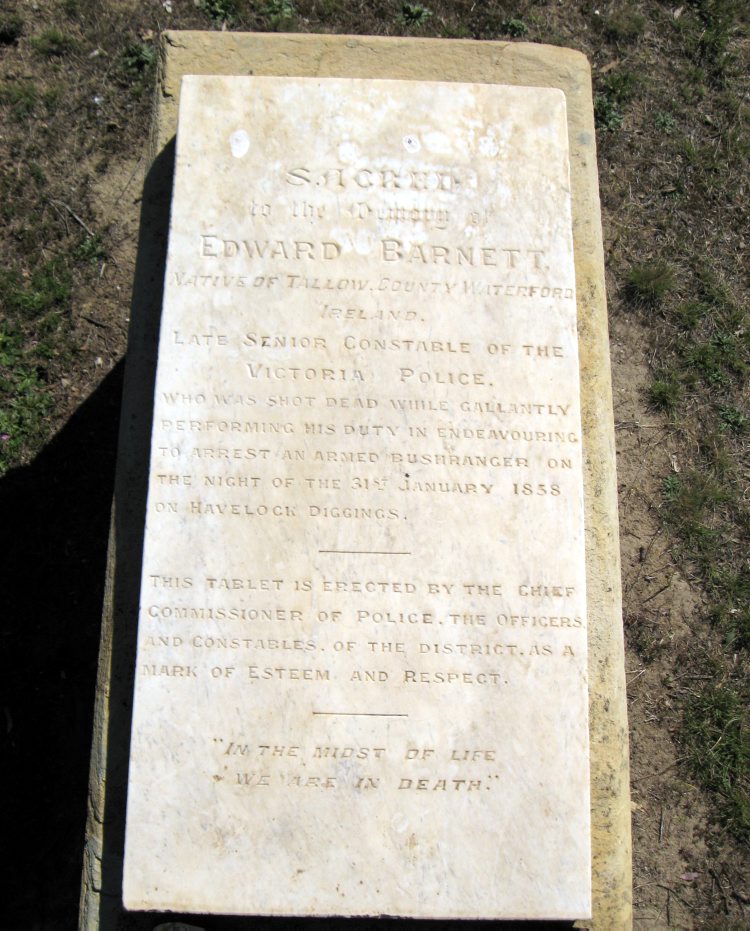

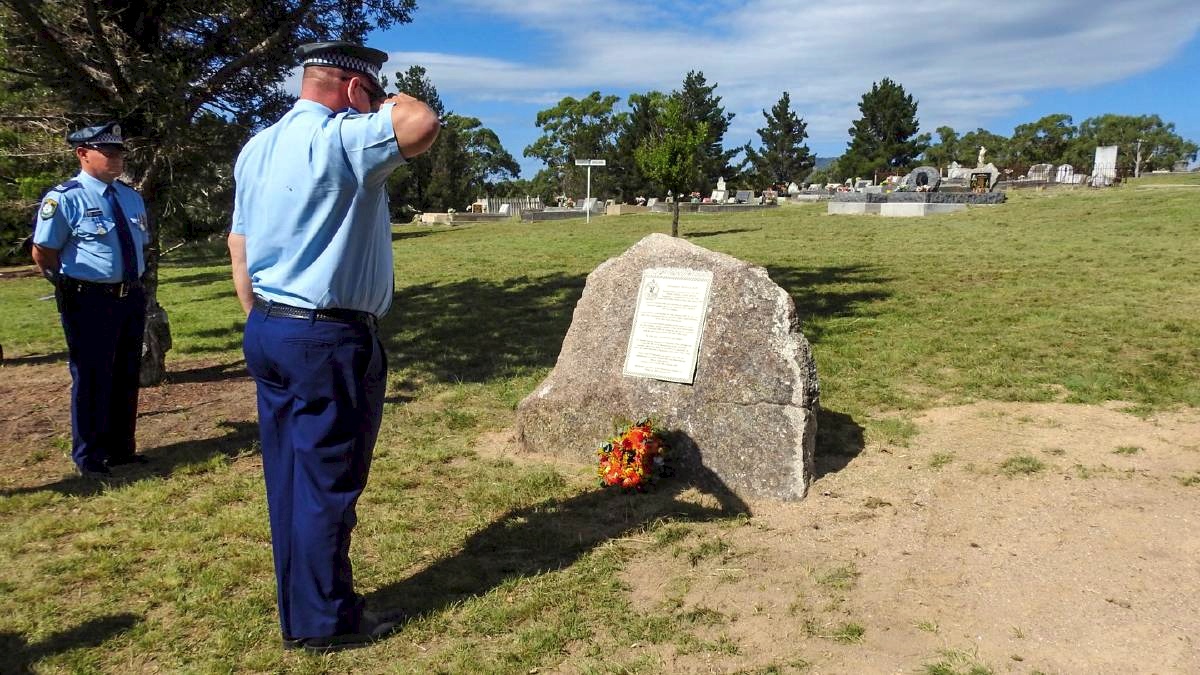
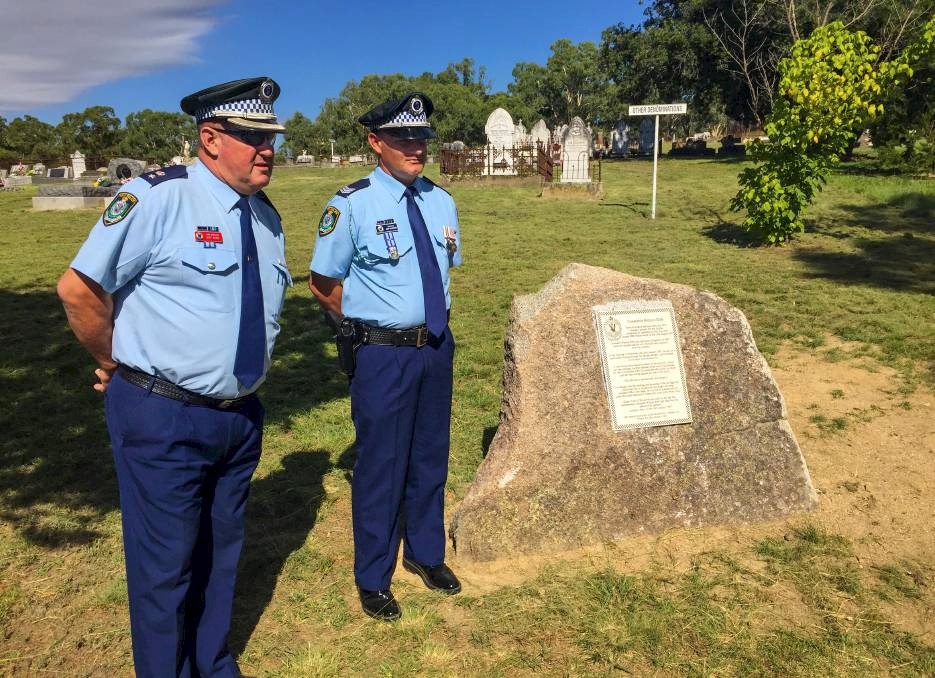
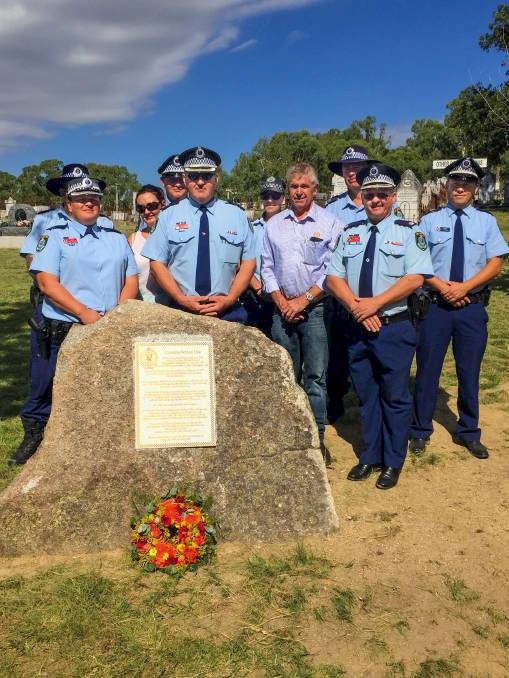
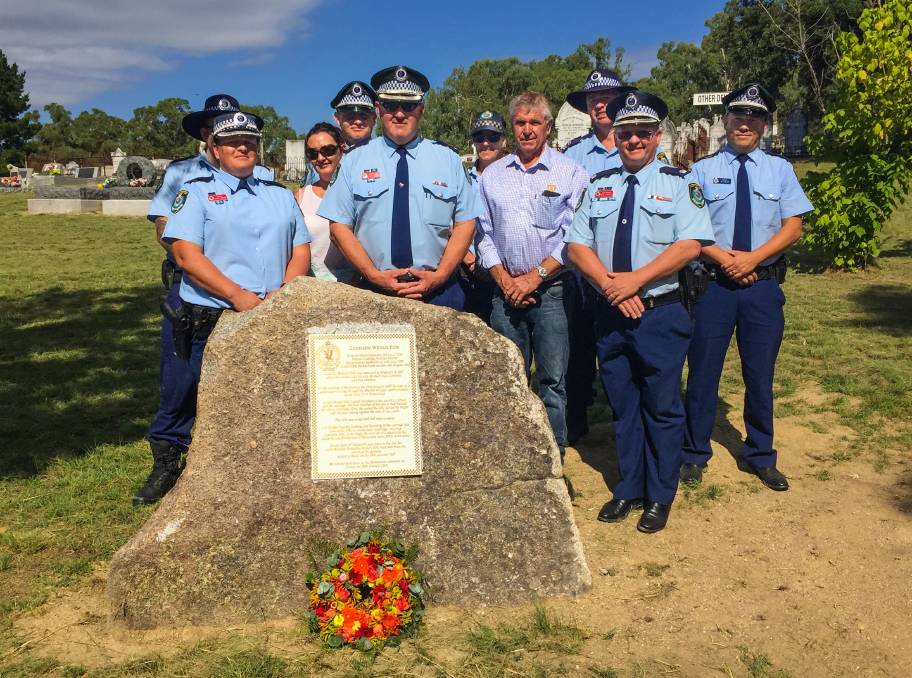
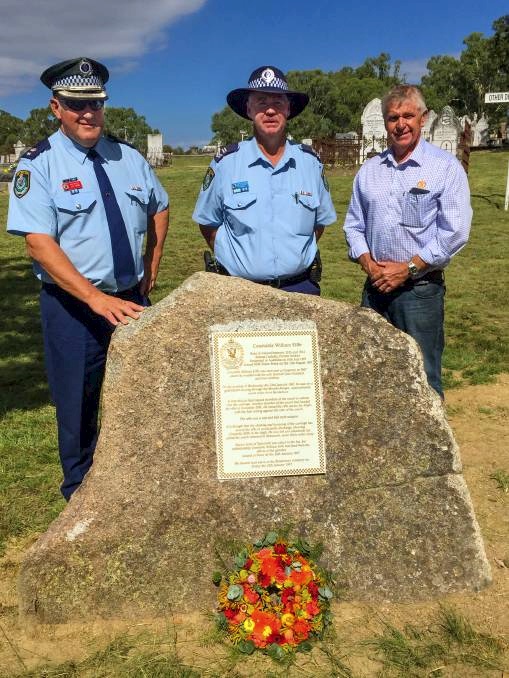
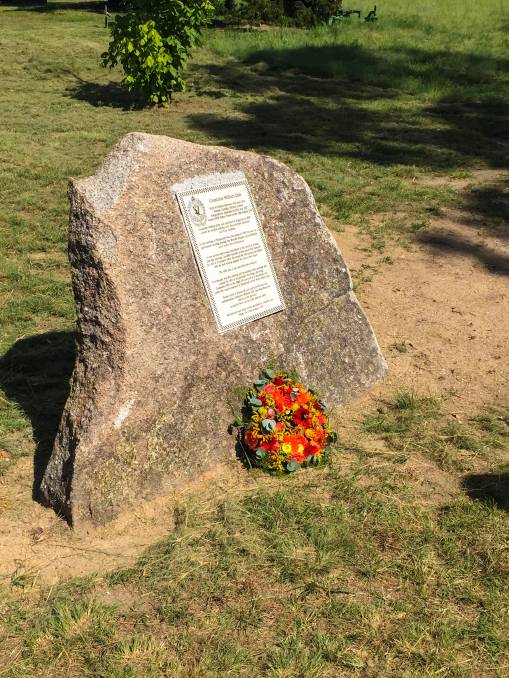
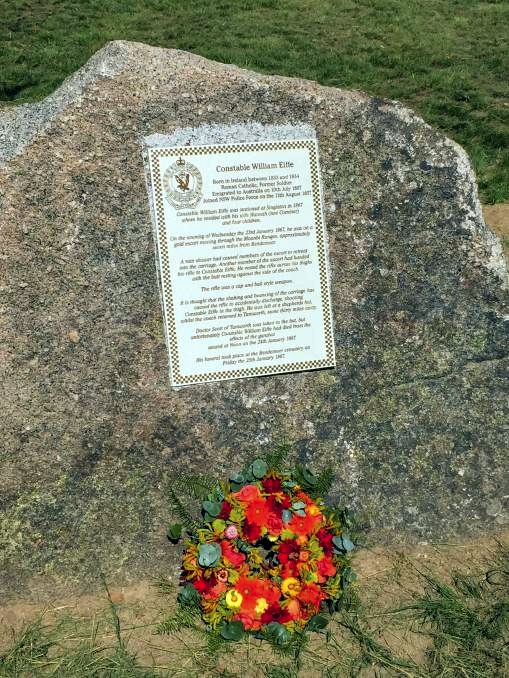
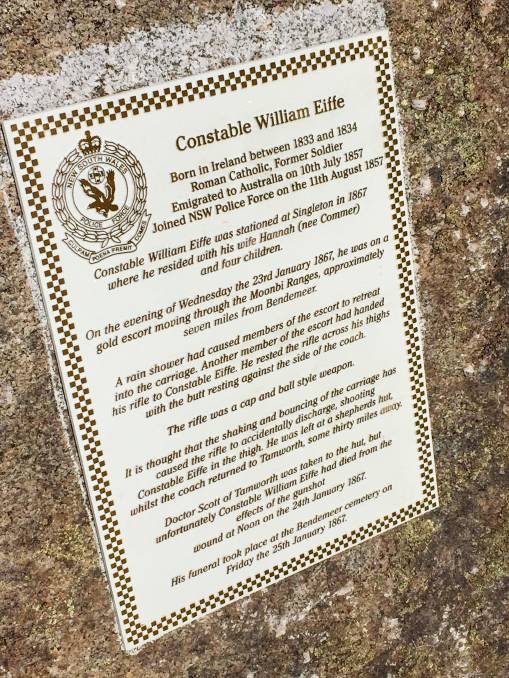
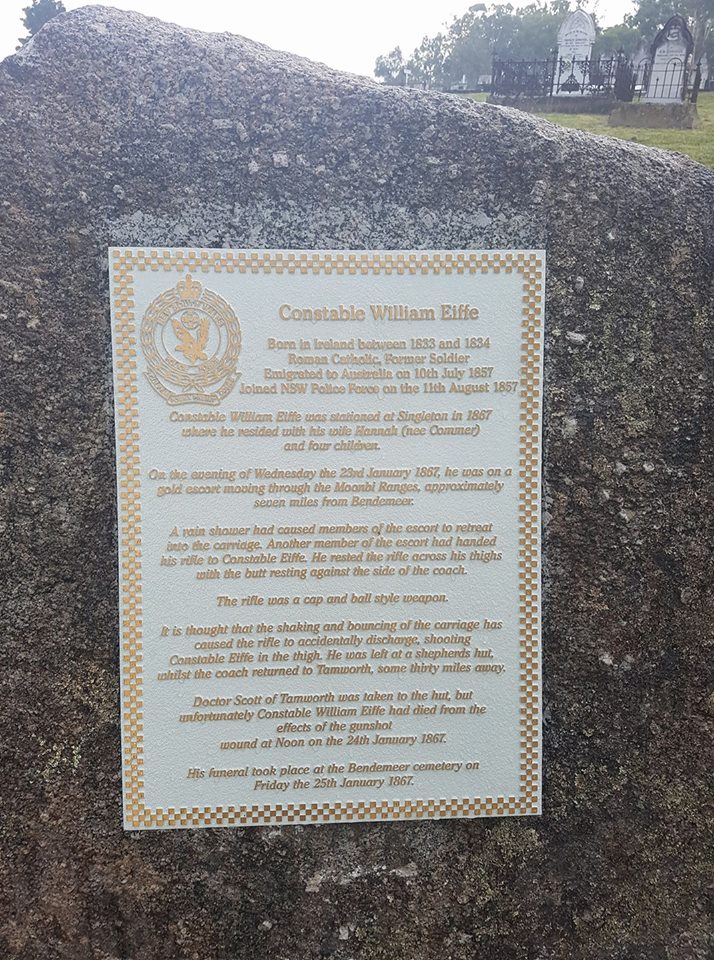
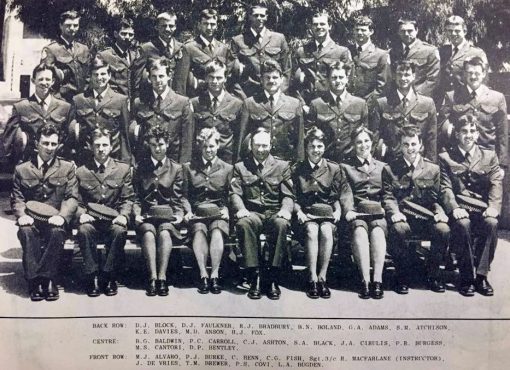
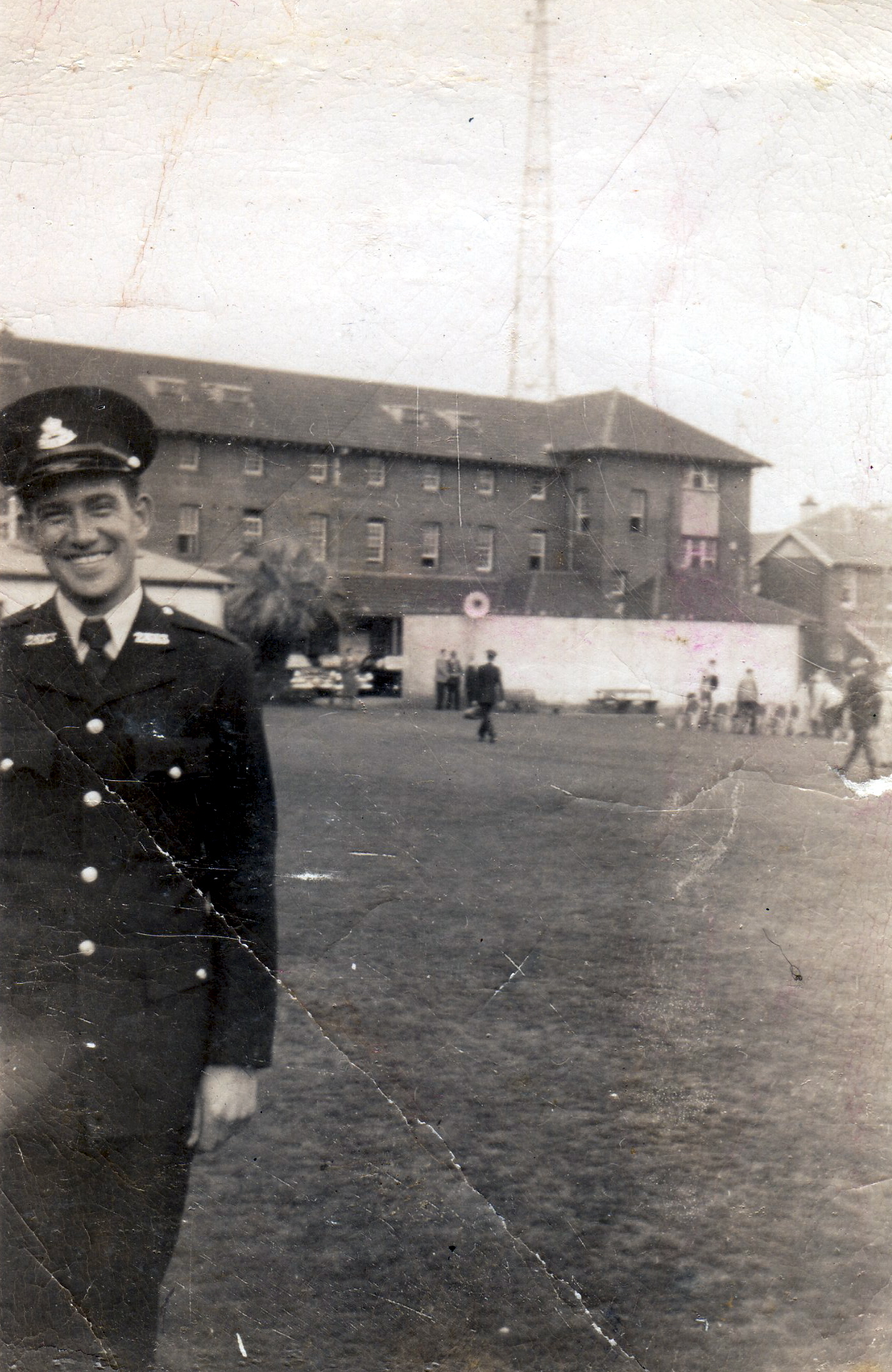
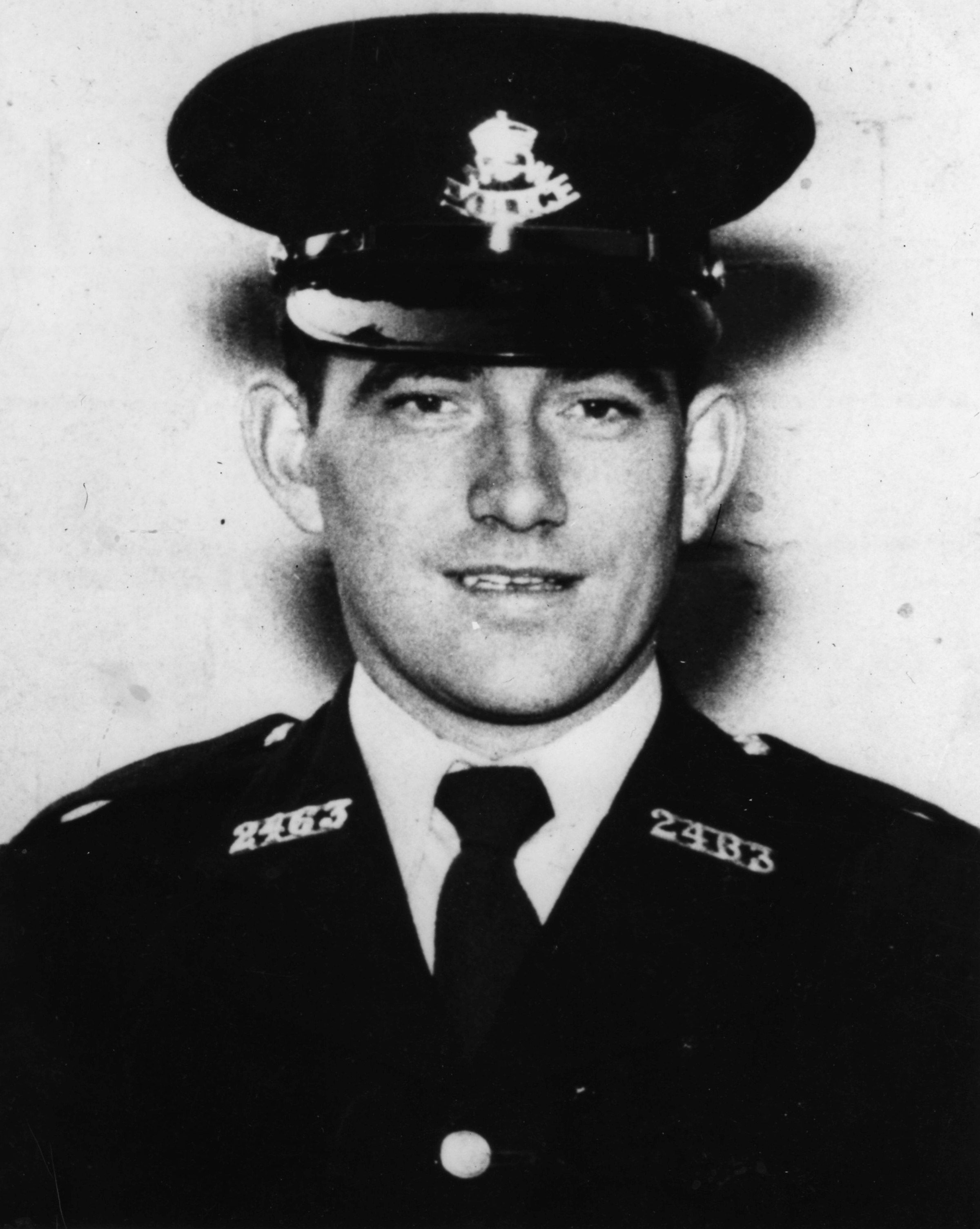
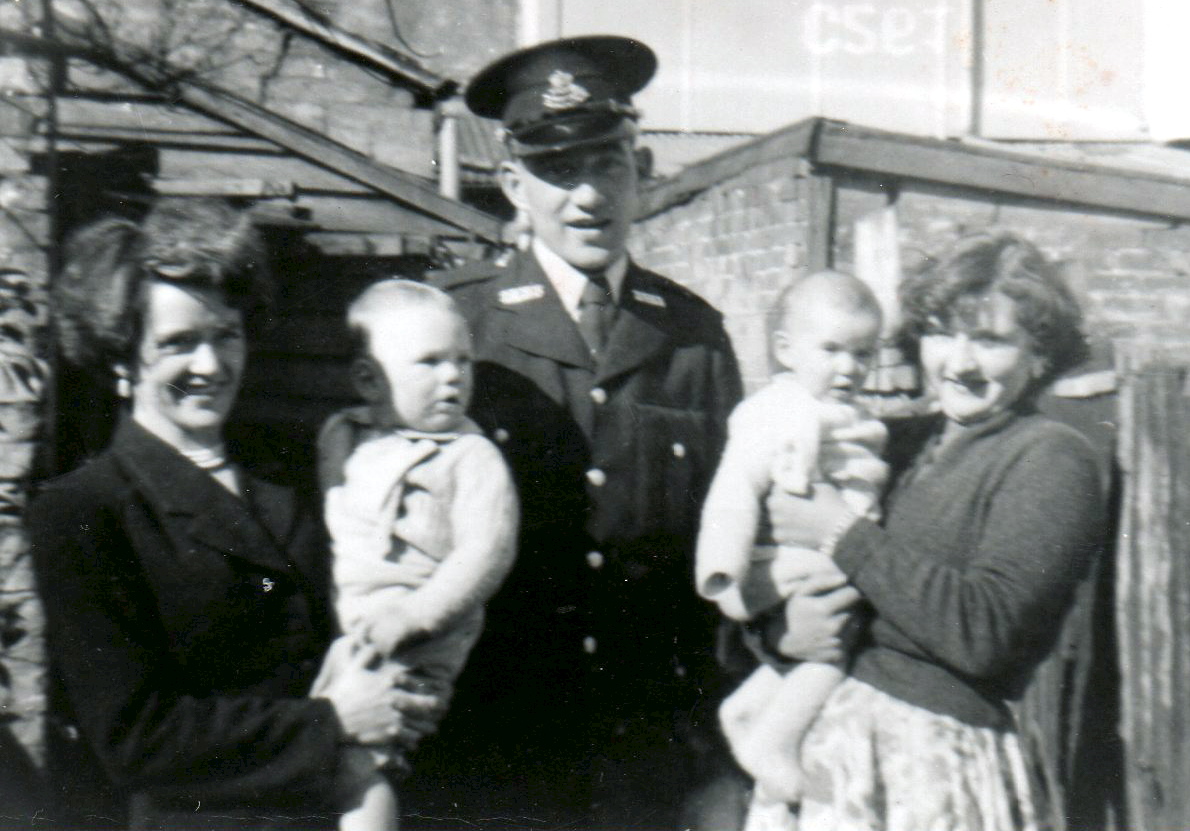
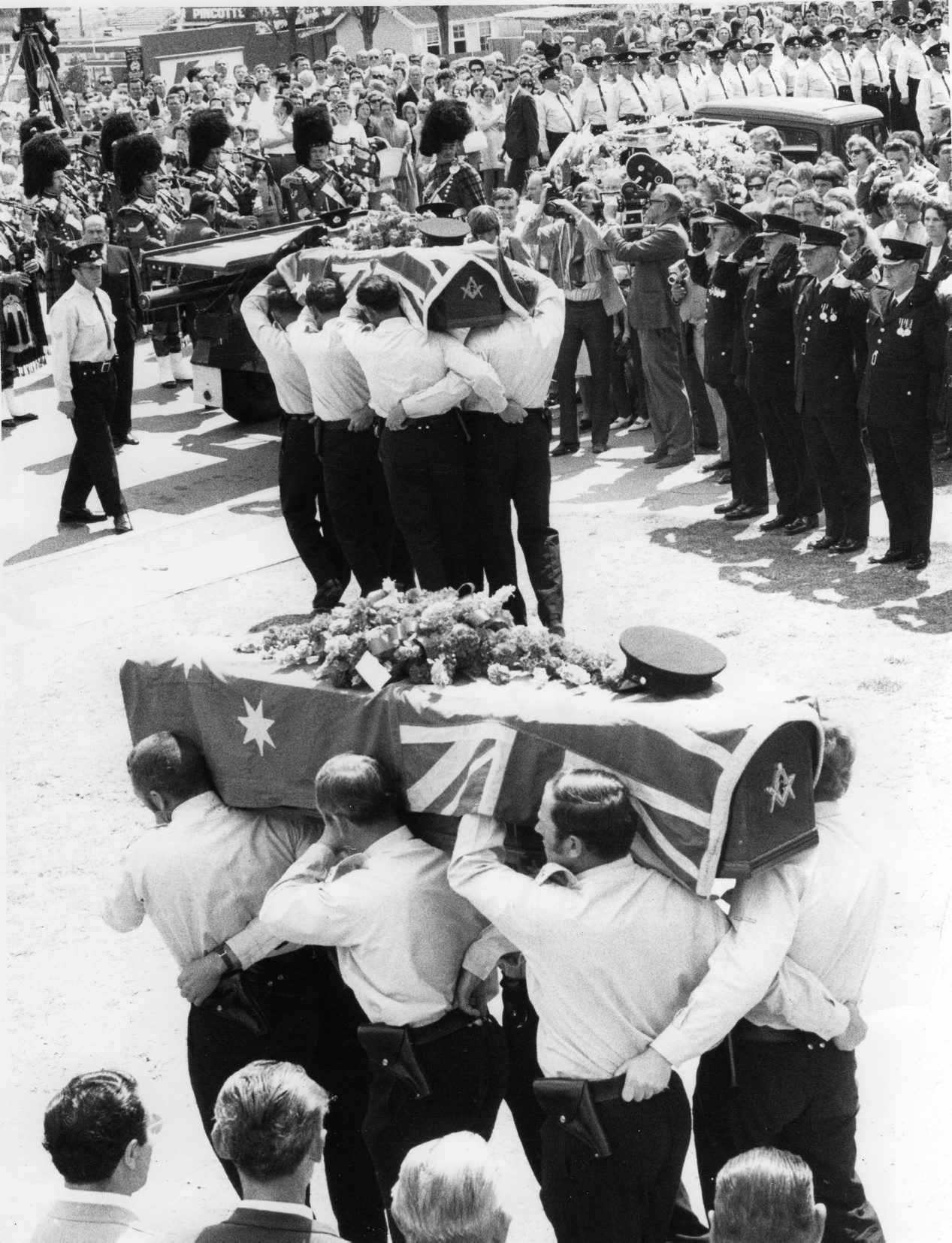
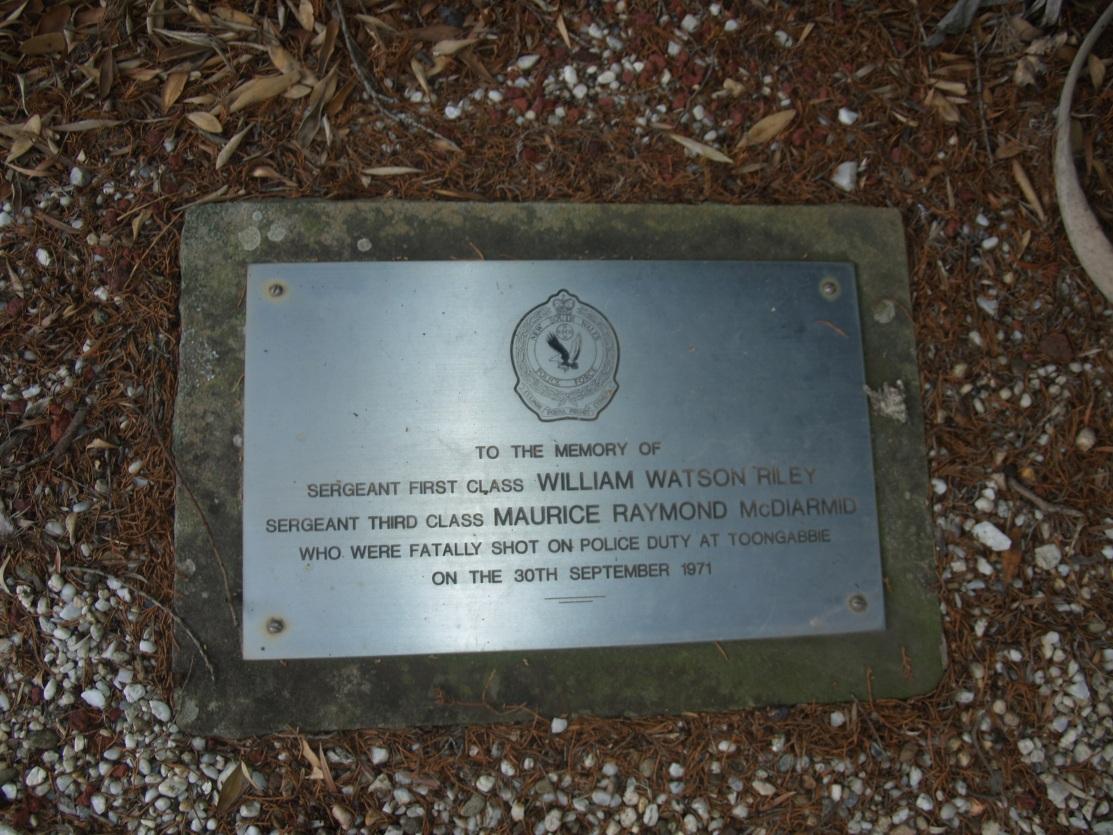
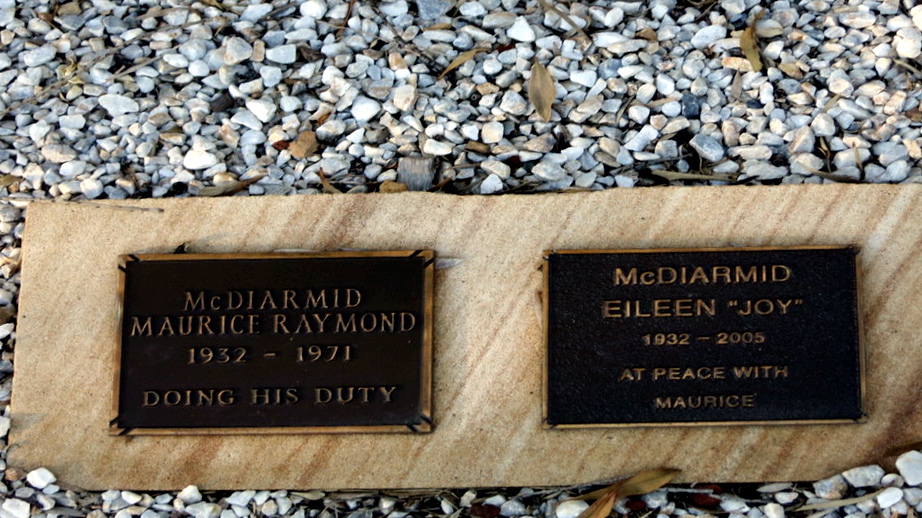

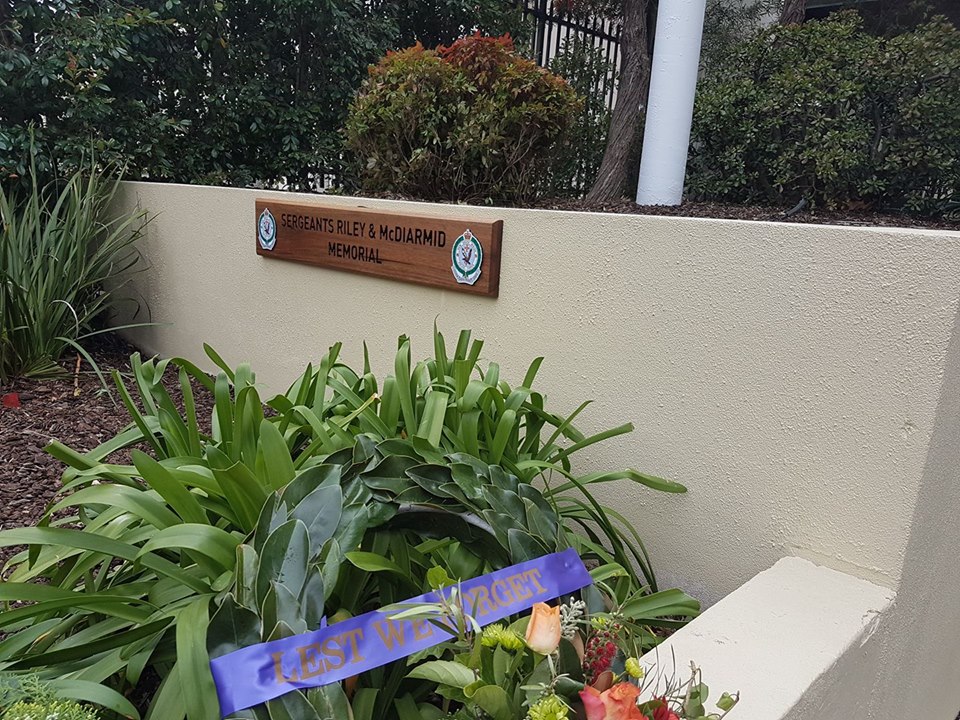
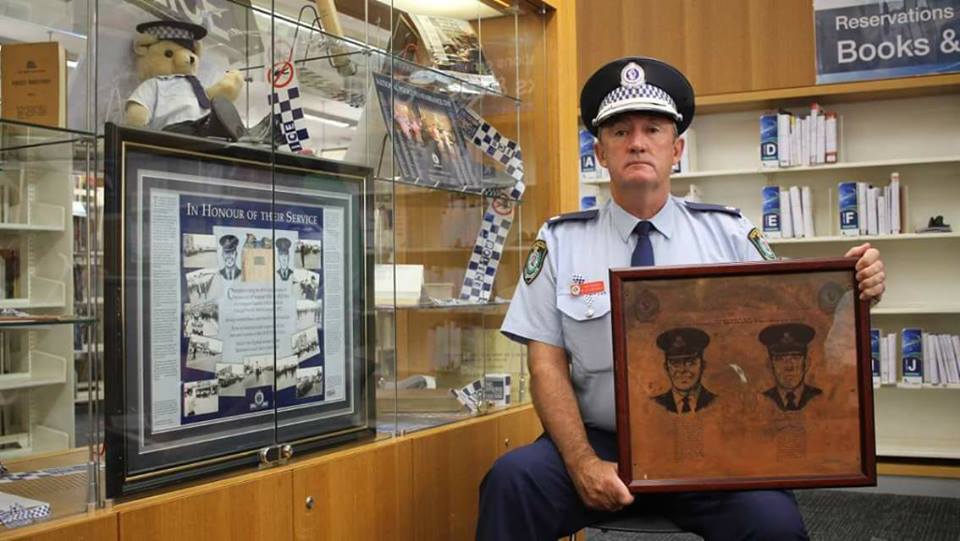
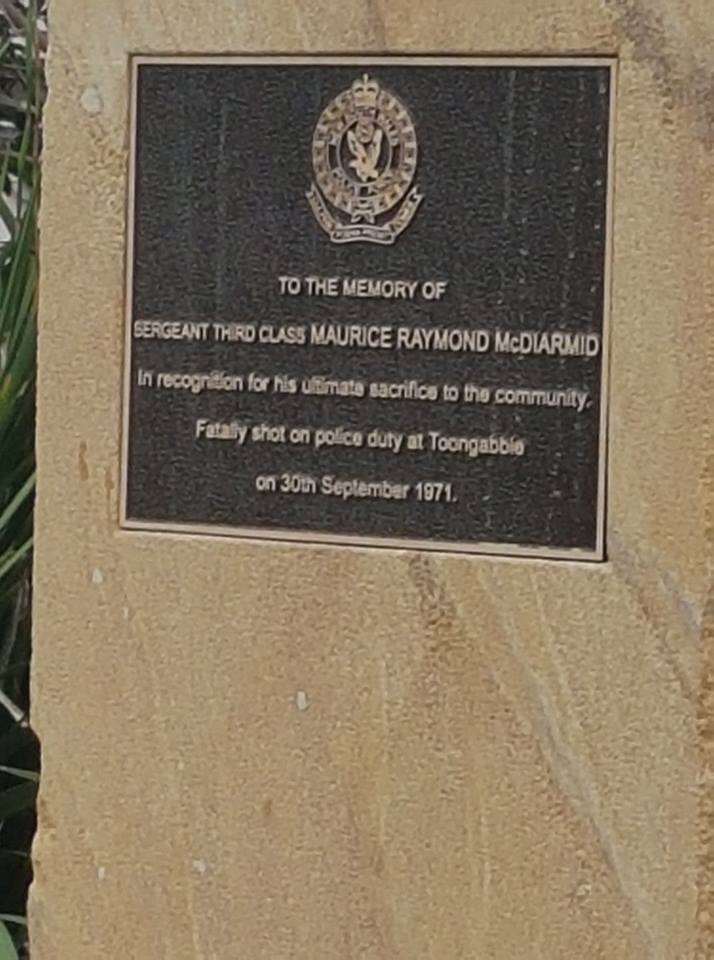
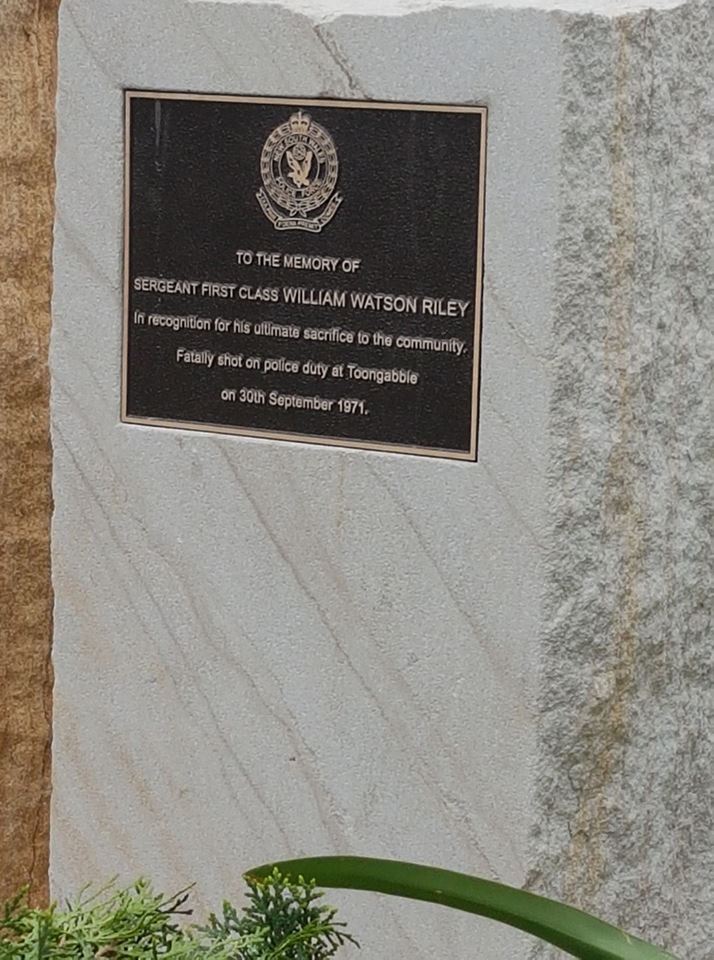
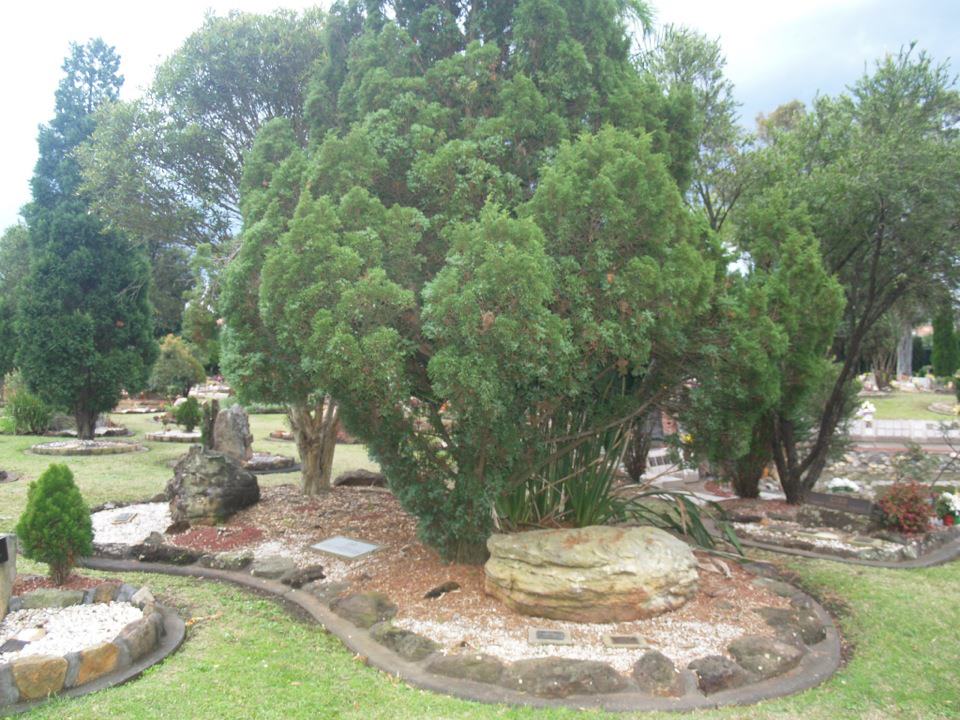
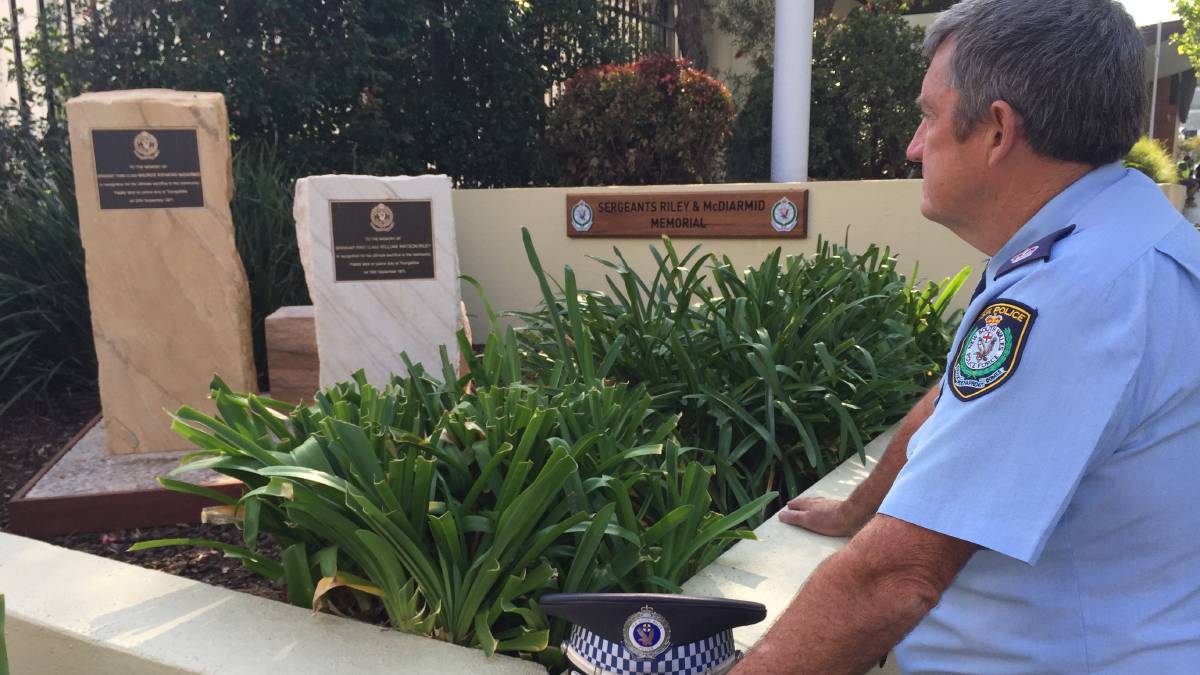
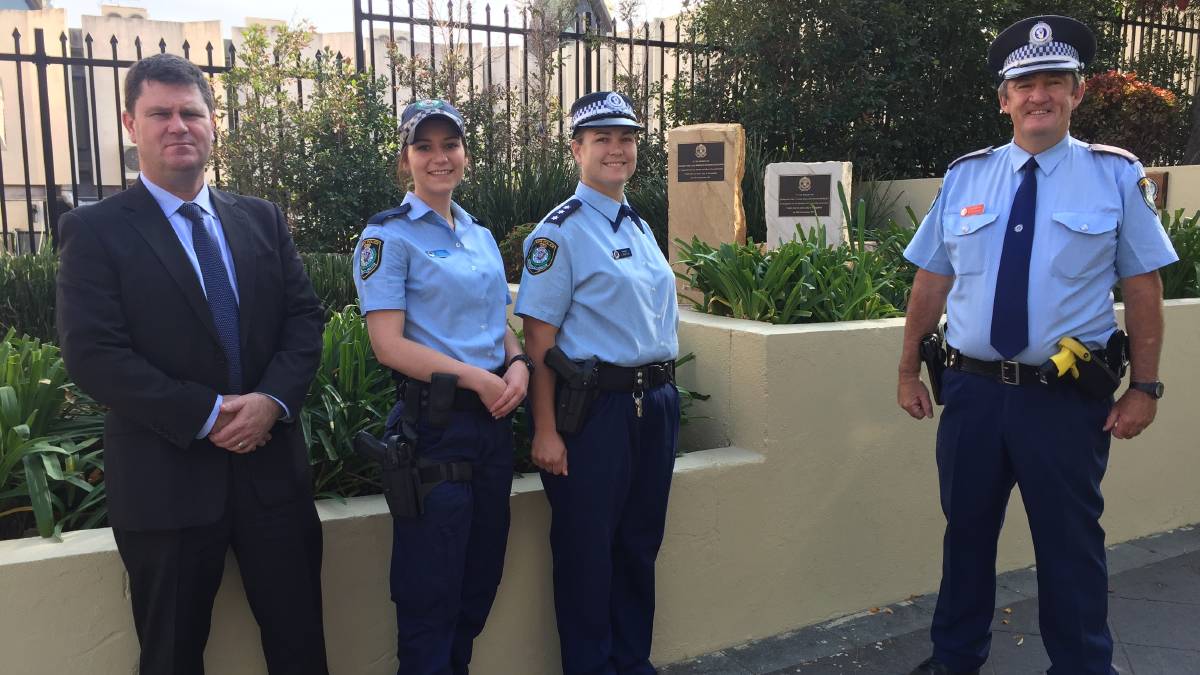
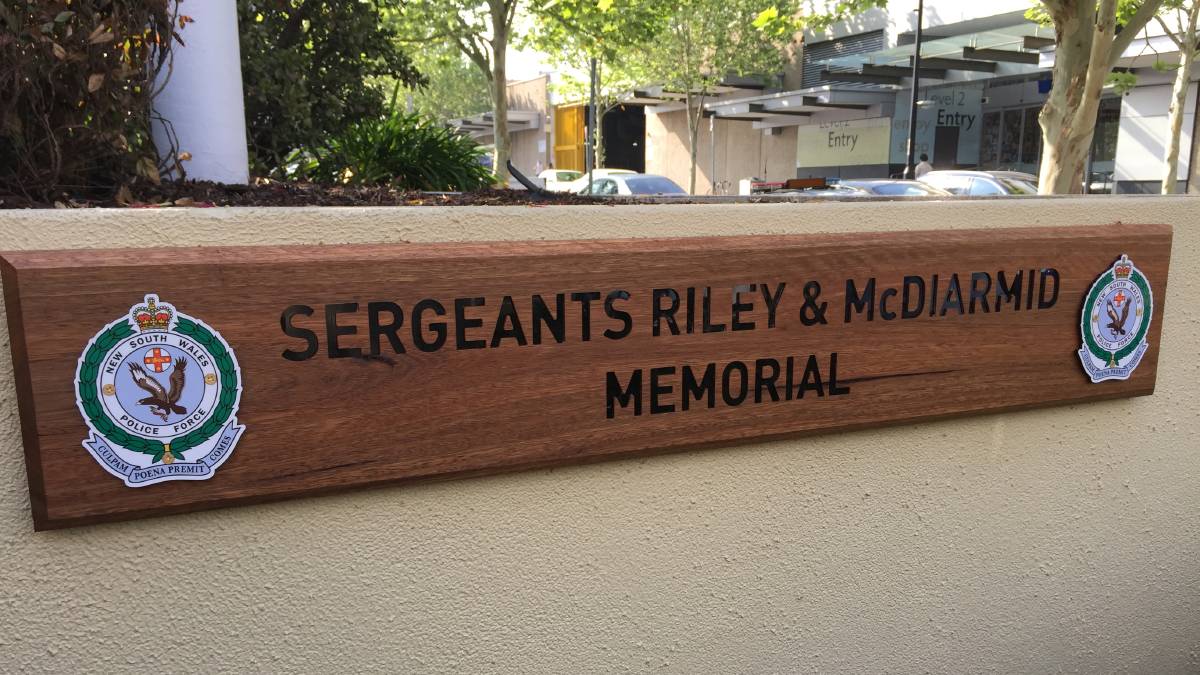
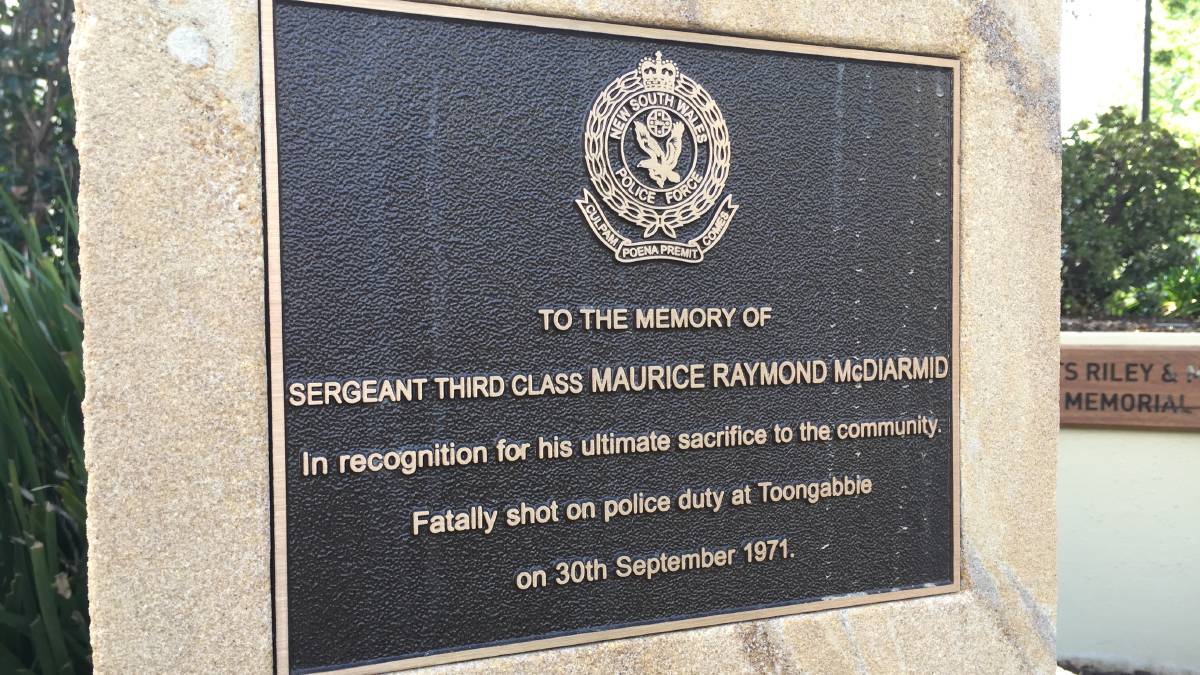
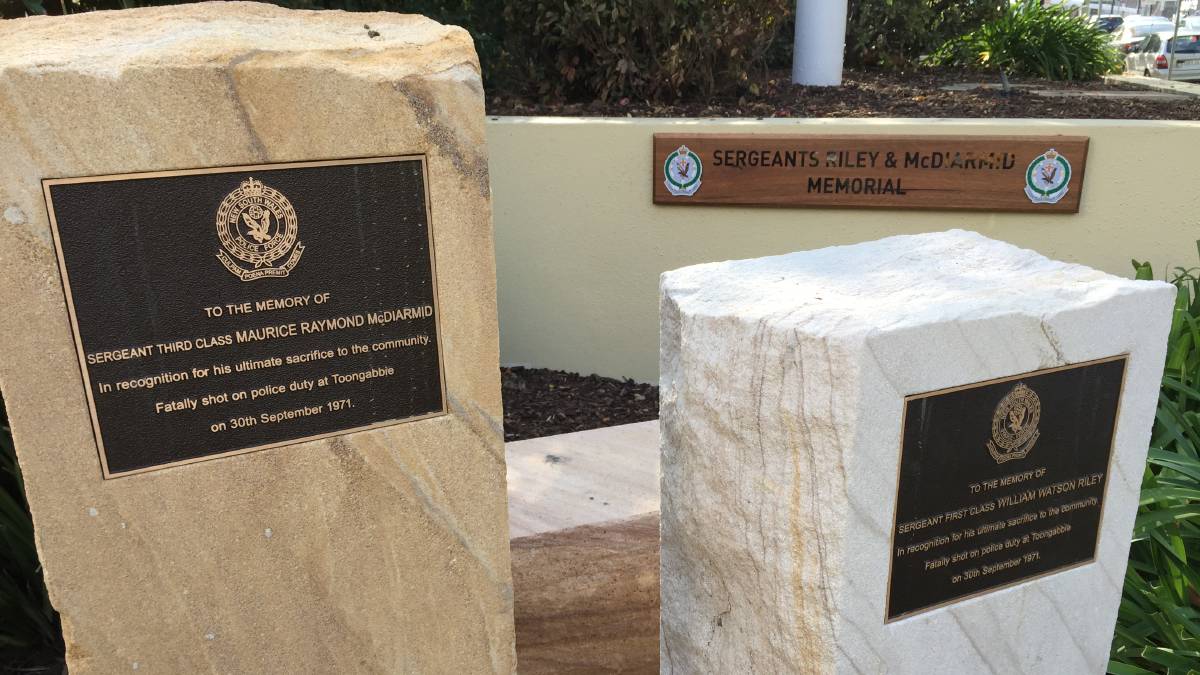
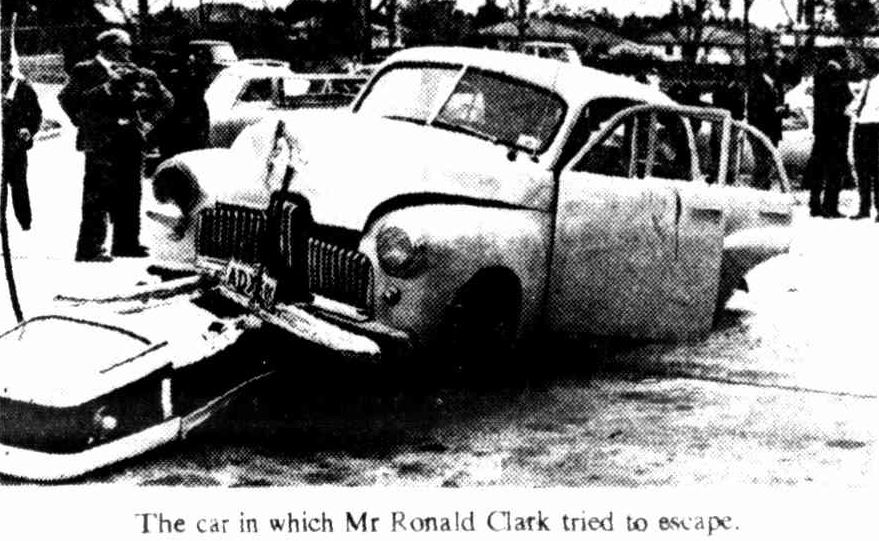
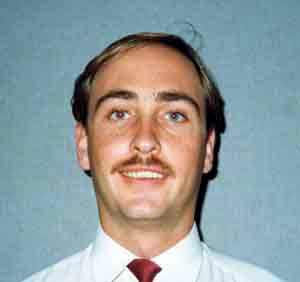
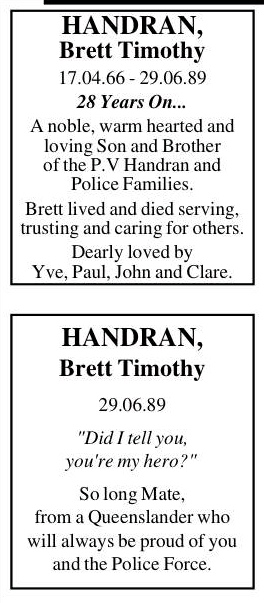
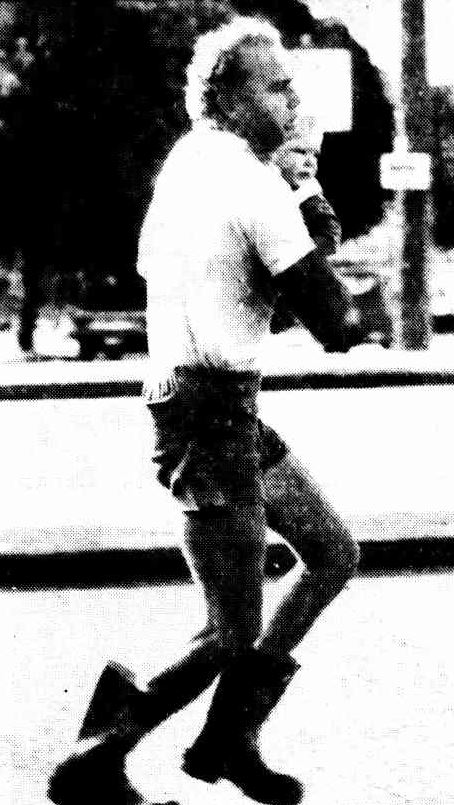
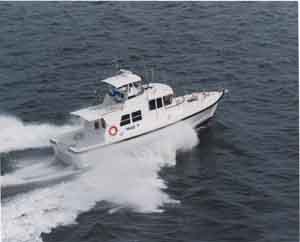
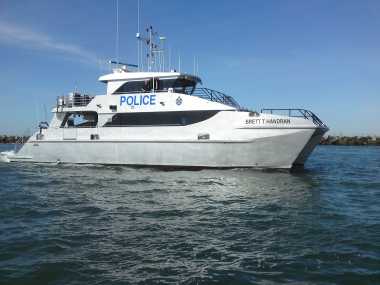
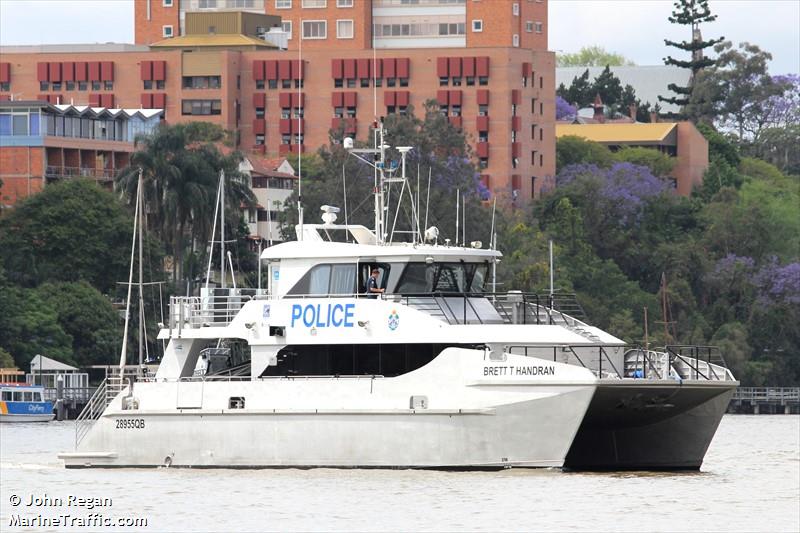
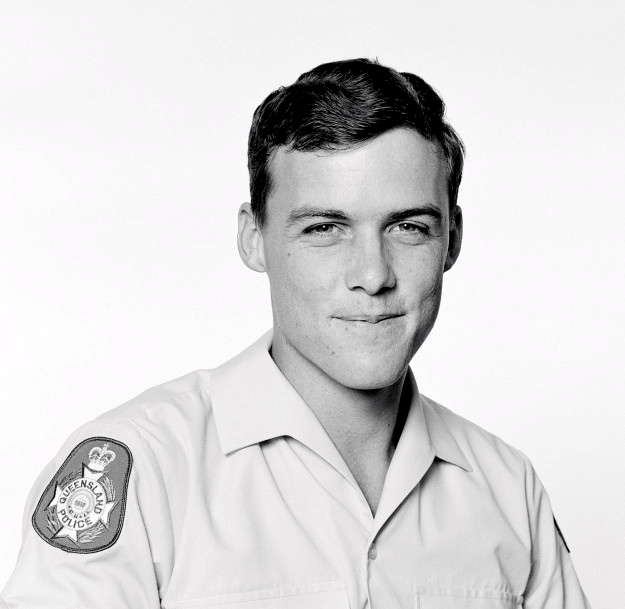
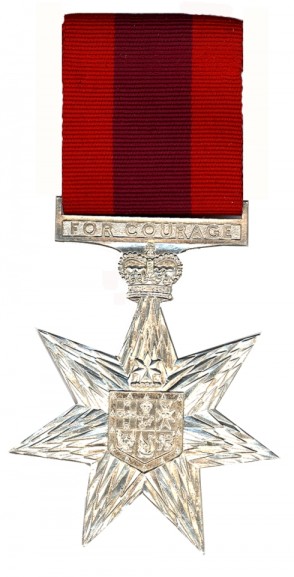
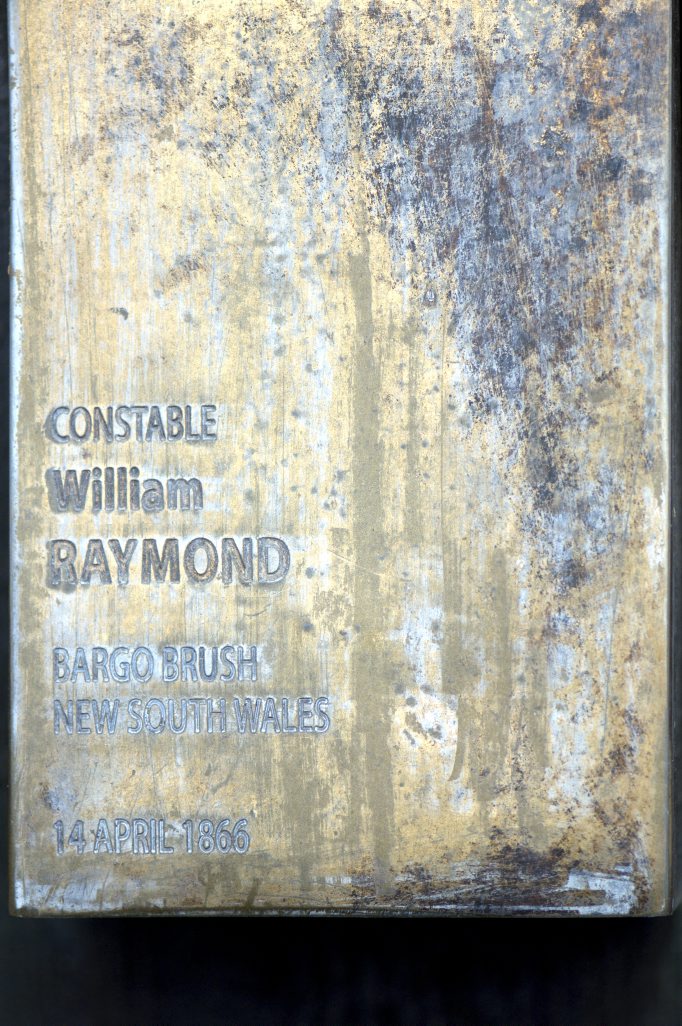
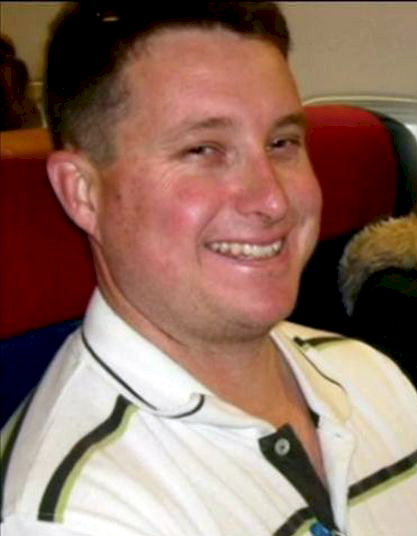
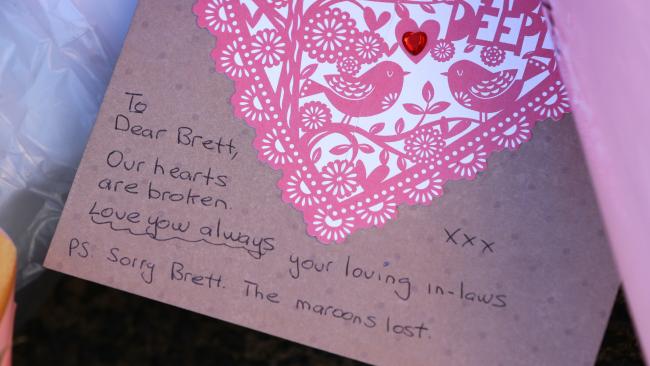
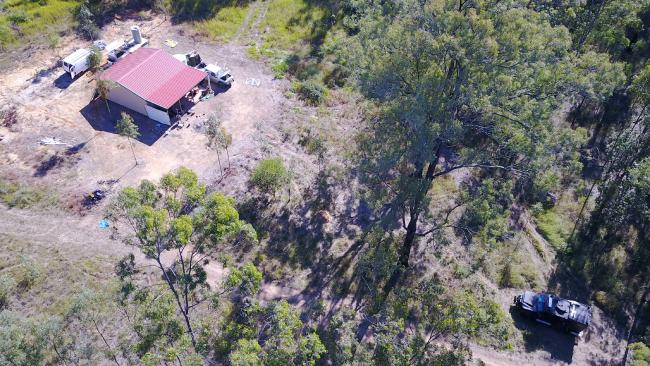
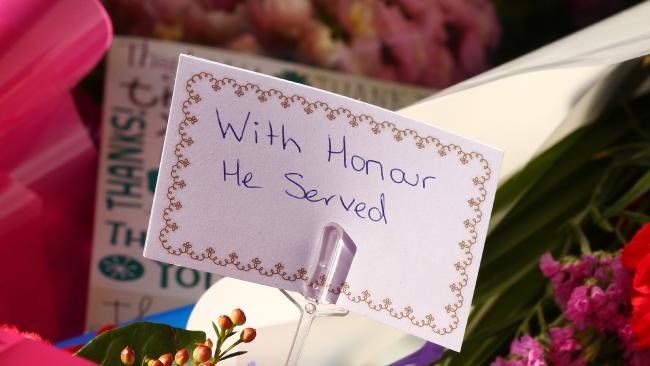
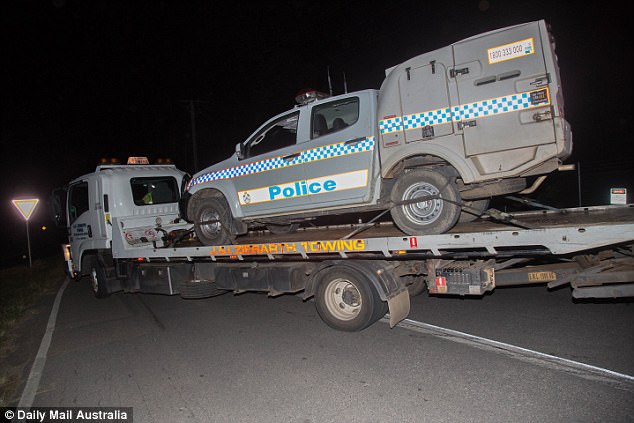
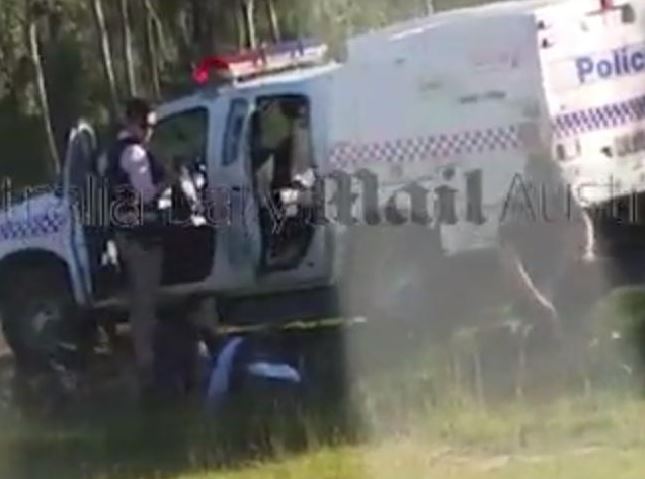
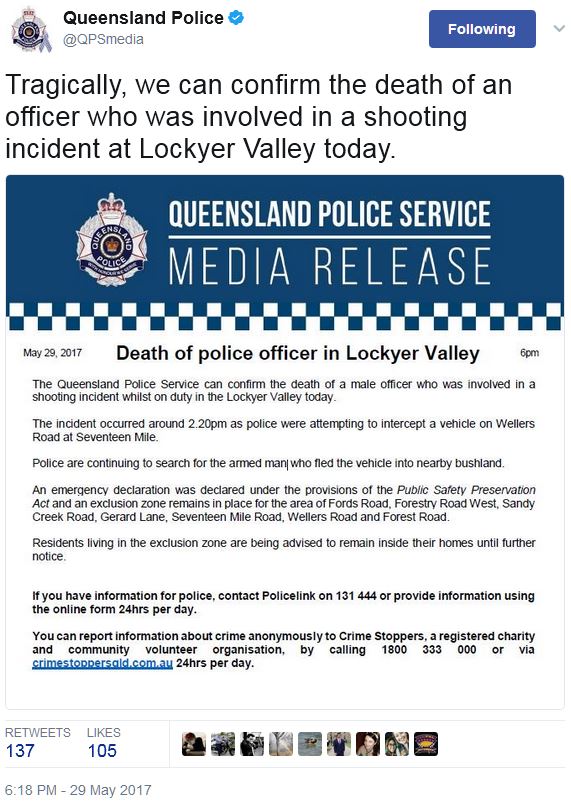
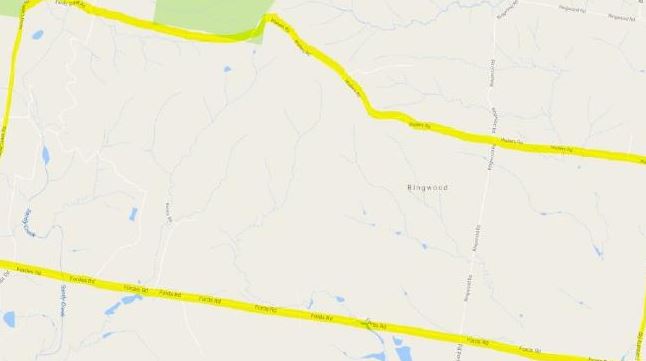


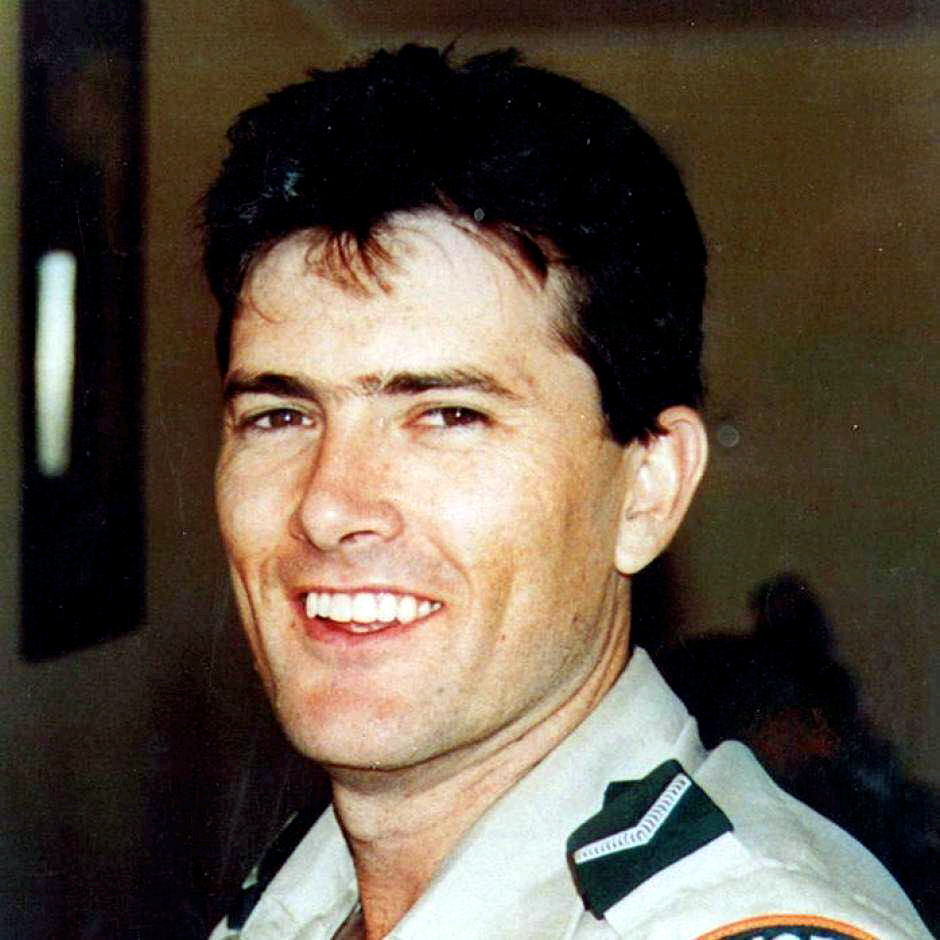
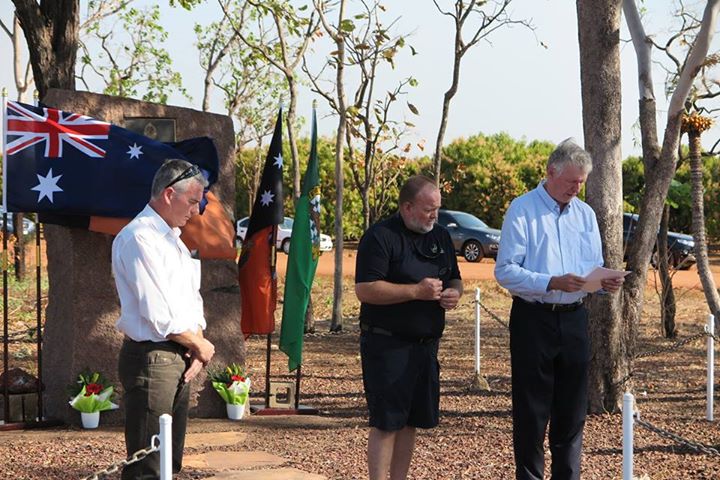
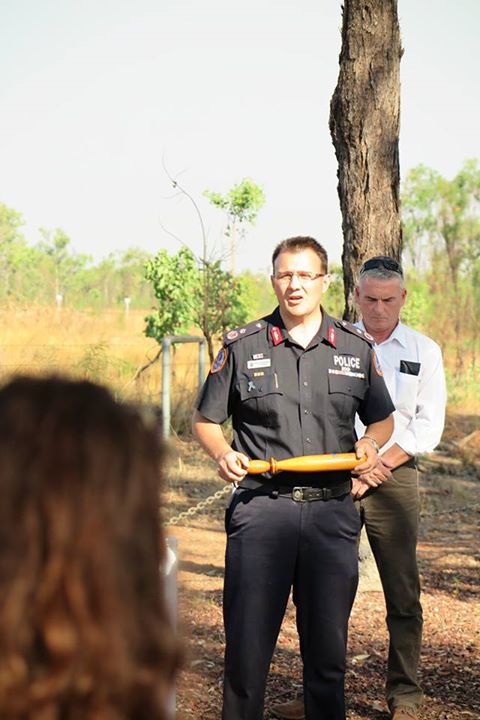
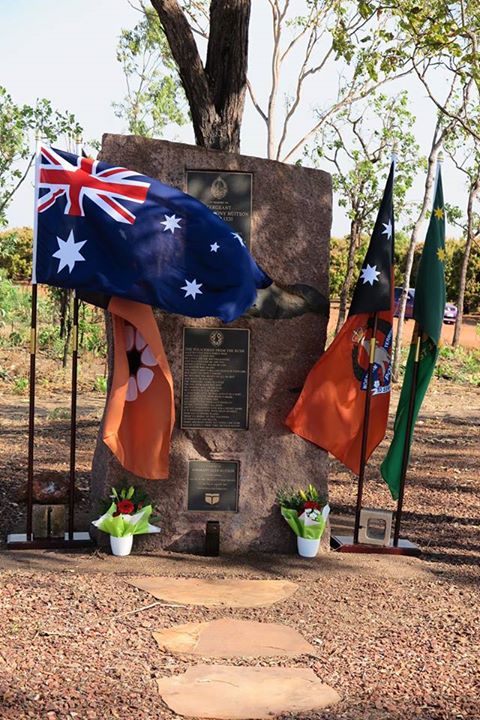


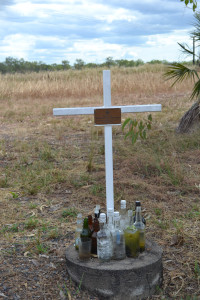
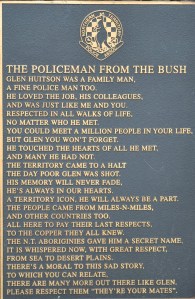

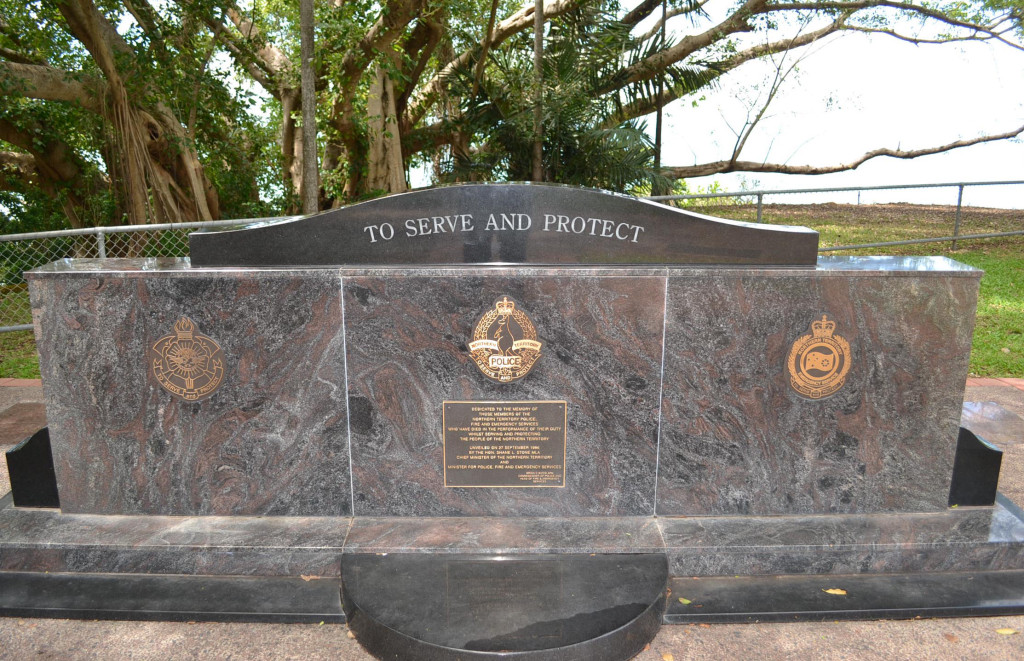
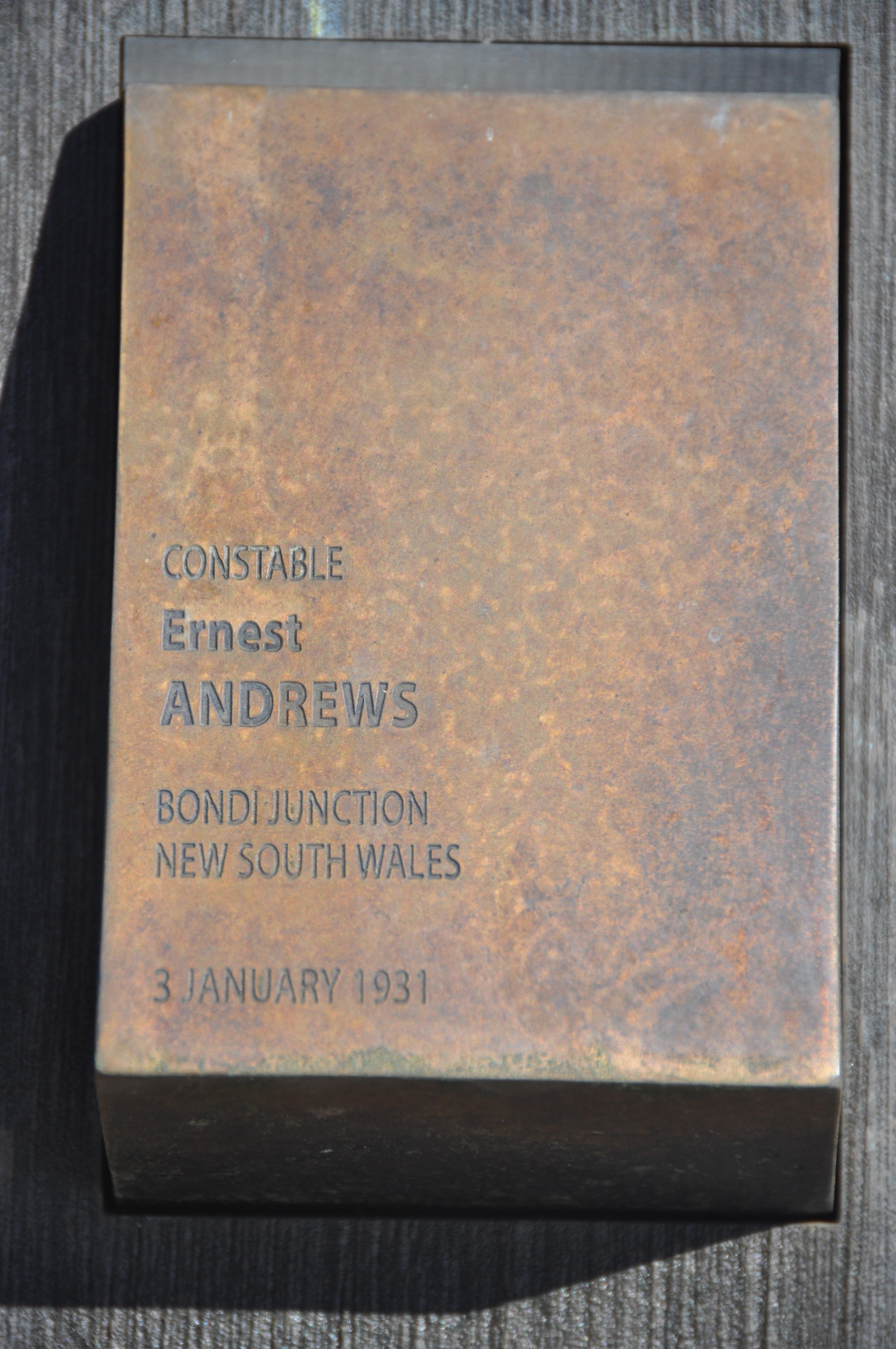
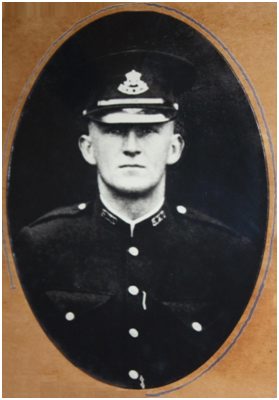
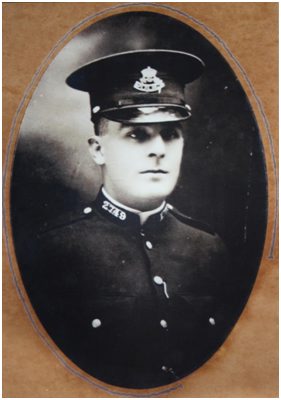
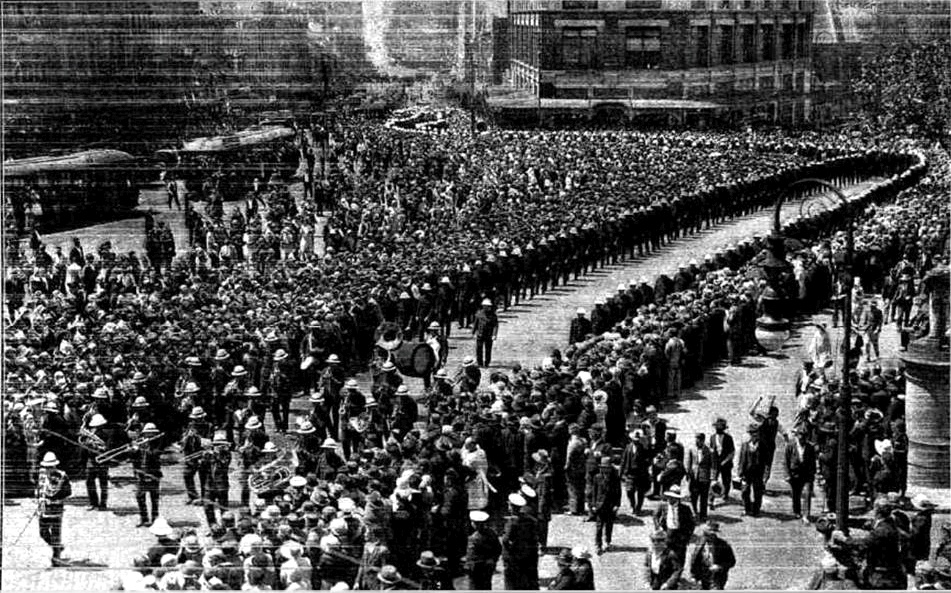
What a wonderful tribute …thank you for bringing us this introduction to a man without whom the world is a poorer place.
Thanks Chris. It happened a couple of years after we got here and was a great tragedy. I really feel for his family and the loss of a good man.
I stumbled across this post today… For some reason Glen came to my mind, and I did a search. Maybe this all came about as I saw a photo of his gorgeous sister and his 2 beautiful children.
Glen was a friend and I know his family well. He was a great man and it was an extremely sad day the day he left this life.
hi Vicki, sorry I hadn’t realised I’d omitted to reply. Thanks for sharing…it was indeed a tragic day for all concerned…we have a connection through the other officer that day though we didn’t know him at the time.