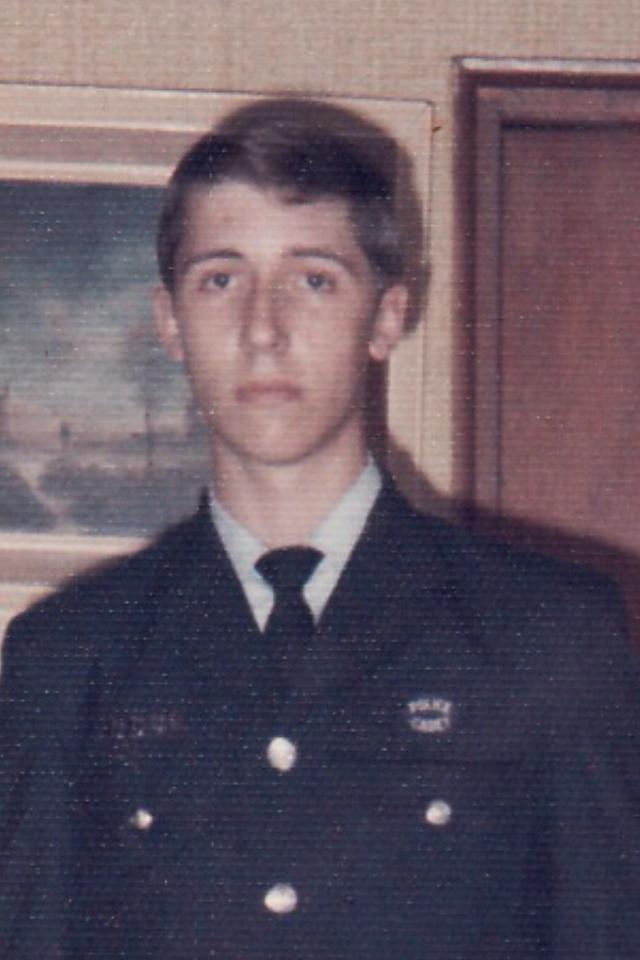
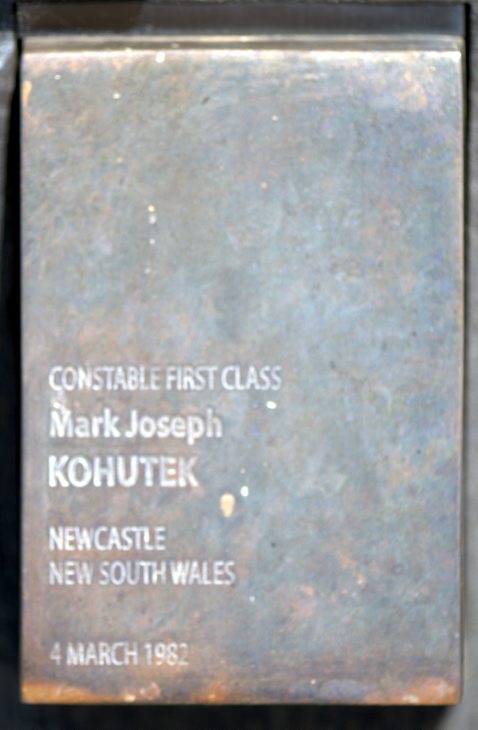
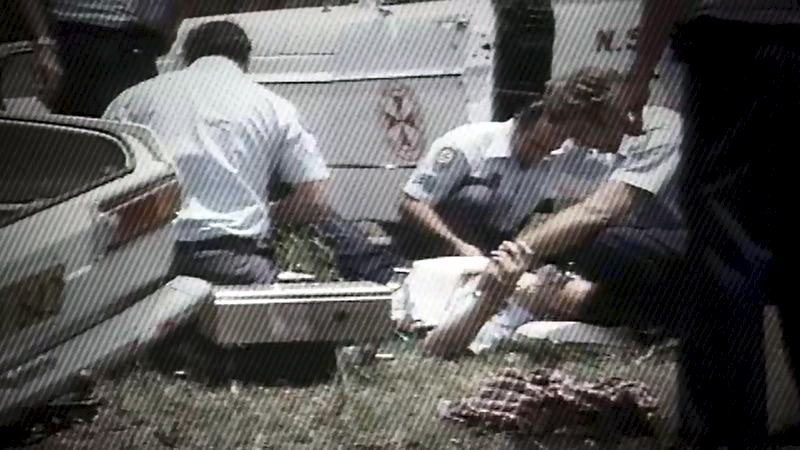
About 5am on 4 March, 1982 Constable Kohutek was riding a police solo motor cycle along the Berowra Tollway between Newcastle and Sydney on his journey to the Sydney Harbour Bridge for the ‘bridge lane change’ system. As he was negotiating a sweeping bend, in the rain, about a kilometre south of the Mt White exit the cycle crashed into a rock median strip. As a result Constable Kohutek sustained fatal head and internal injuries.
The constable was born in 1957 and joined the New South Wales Police Force as a cadet on 8 July, 1974. He was sworn in on 3 October, 1976. At the time of his death he was attached to the Traffic Branch, North Sydney ( under the Sydney Harbour Bridge ).
Approx. location of collision:
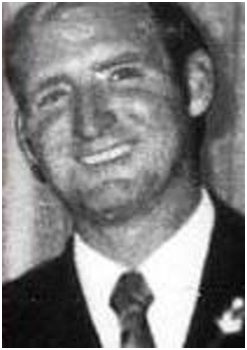
Sergeant 3rd Class Lindsay William SPENCE
| 27/10/2012
Sergeant 3rd Class Lindsay William SPENCE
Motor Vehicle Accident
Galore
13 May, 1981
On 13 May, 1981 Senior Constable Spence and Constable Michael Bradley were travelling in a police four-wheel drive vehicle along the Sturt Highway near Galore. As a truck loaded with stock feed approached the police vehicle from the opposite direction a tyre blew out and the truck crossed to the incorrect side of the roadway. The vehicles collided head-on. Both constables were conveyed to the Wagga Base Hospital where Senior Constable Spence was found to be dead on arrival. Constable Bradley was admitted suffering severe injuries. Senior Constable Spence was posthumously promoted to Sergeant 3rd Class.
The sergeant was born in 1943 and joined the New South Wales Police Force on 10 May, 1965. At the time of his death he was attached to the Riverina District Stock Investigation Unit (Wagga Wagga).
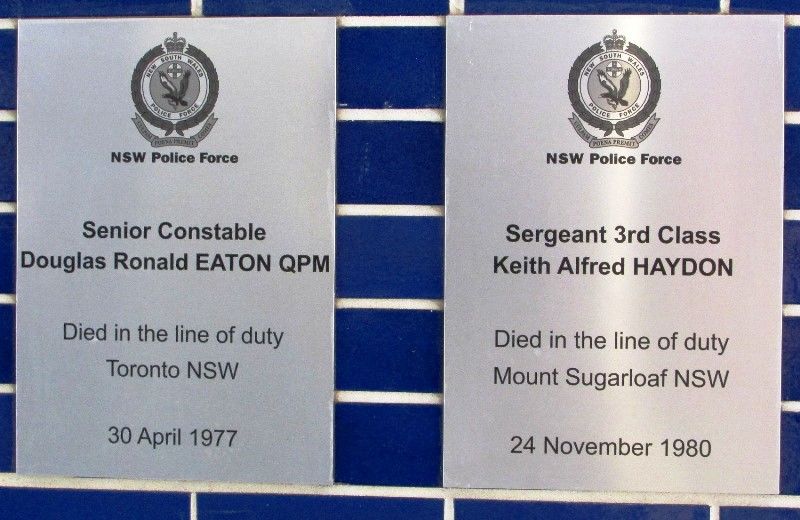
Keith Alfred HAYDON
| 27/10/2012
Keith Alfred HAYDON
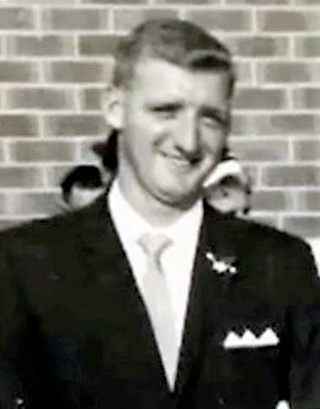
Late of West Wallsend
New South Wales Police Force
Regd. # 10930
Rank: Probationary Constable – appointed 24 February 1964
Constable – appointed 24 February 1965
Constable 1st Class – appointed 24 February 1969
Senior Constable – appointed 24 February 1973
Sergeant 3rd Class – appointed ???
Sergeant – Death
Stations: Western District, Nyngan Lock Up Keeper, West Wallsend ( from February 1980 ) – Death
Service: From? ? pre Feb. 1964 to 24 November 1980 = 24+ years Service
Awards: National Medal – granted 20 January 1981 ( Posthumously )
Memorial located at: The Memorial was apparently located at the site of the incident ( as per above GPS details ) but was constantly being vandalised.
It was then removed from the incident site and moved to the grounds of West Wallsend Police Station in the mid 1980’s.
The West Wallsend Police Station was decommissioned in the 2006 ( now a private residence ) and the Memorial was relocated to Waratah Police Station – Newcastle City LAC.
KEITH IS mentioned on the Police Wall of Remembrance
Funeral location: TBA
FURTHER INFORMATION IS NEEDED ABOUT THIS PERSON, THEIR LIFE, THEIR CAREER AND THEIR DEATH.
About 12.20pm on 24 November, 1980 Sergeant Haydon drove to Mount Sugarloaf, near West Wallsend, following a report of shots being fired on the mountain. The sergeant did not know at the time that the person firing the shots was wanted for a double murder whilst robbing a gun store at Bondi two years earlier.
When Sergeant Haydon located and confronted the offender he was shot to death.
Police were quickly informed of the situation by Forestry Department worker Cliff Hogbin, who had made a note of the offender’s vehicle registration number shortly before finding the sergeant’s body. Mr Hogbin displayed outstanding courage in remaining with Sergeant Haydon and the police vehicle at the crime scene and directing police to the location.
A description of a suspect vehicle seen in the area by Mr Hogbin was then broadcast by Police Radio VKG and a short time later that vehicle was spotted by Constable Alexander Pietruszka ( Regd # 17592 ) of Beresfield Police.
Due to confusing and continual radio transmissions ( relating to the sergeant’s murder), and despite many attempts to do so, Constable Pietruszka was unable to ascertain the reason for the alert on the suspect vehicle. Having little choice in the matter he stopped the vehicle and spoke to the driver. Constable Pietruszka was then also shot in the stomach and seriously wounded. He later recovered. ( On the 27 June 1986 he was promoted to Senior Constable ).
At this time more police arrived, and the offender was disarmed and arrested by Senior Constable Ken Goodfellow ( Regd # 14949 ).
The Canberra Times of 25 November, 1980 reported the following account.
“MAN KILLS POLICE SERGEANT”
SYDNEY: A gunman shot dead a police sergeant yesterday near the Mount Sugarloaf Lookout Road, near Newcastle, and shortly after shot and seriously injured a constable at a roadblock near Newcastle.
Sergeant Keith Haydon, 37, of West Wallsend, died when he was shot once in the head and twice in the back. He leaves a wife, two daughters and a son. Constable Alexander Pietruszka, 30, was shot in the stomach after he pulled over a car at an intersection near Beresfield a short time later. He was in a satisfactory condition in the Mater Misericordiae Hospital at Waratah last night.
Sydney homicide detectives went to Maitland, near Newcastle, last night to question a man, 31, about another murder in Sydney recently.
The shootings started when Sergeant Haydon, the officer in charge of West Wallsend Police Station, was called to the mountain to investigate a minor complaint about a man shooting at targets in the bush.
After the shootings the man was taken to Maitland police station for questioning.
Police found five pistols, four .38 calibre and one .22 calibre in the car driven by the man.
The deputy chief of the Sydney CIB, Superintendent Geoff Hammond ( possibly Regd # 4990 ), said, “A good policeman is dead and another injured when they shouldn’t be. It was only a small matter, an ordinary inquiry”. A fund to aid the sergeant’s widow and children has been established by the town’s RSL and workers’ clubs.”
The Canberra Times of 14 April, 1981 also reported on the conclusion of the trial of the offender, Berwyn Rees.
“FIREARMS OBSESSION – MAN SENTENCED FOR 1977, 1980 KILLINGS
SYDNEY: A man was sent to a jail for life in the Central Criminal Court in Sydney yesterday for murders in 1977 and last year.
Mr Berwyn Rees, 31, unemployed, of Ponderosa Caravan Park, Raymond Terrace, near Newcastle, pleaded guilty.
Two men were shot dead in a Bondi Junction gun shop on August 4, 1977, and a policeman was shot dead at Mount Sugarloaf, near Newcastle, on November 24, 1980. Mr Rees also pleaded guilty to having maliciously wounded a policeman at Beresfield on November 24, 1980, with intent to avoid apprehension.
“Police said Mr Rees had used a .38 special Smith and Wesson revolver he had stolen from the gun shop to murder Sergeant Keith Alfred Haydon. The men killed in 1977 were Mr Raymond James, 26, the gun shop proprietor, and Mr Christopher Greenfield, 26, a customer.
Mr Justice Begg said the evidence revealed “wanton and merciless killings“.
The law in NSW permitted only one sentence to be passed on murder charges and Mr Rees was sentenced to life imprisonment on each and 10 years‘ jail for the malicious wounding of Constable Alexander Pietruszka.
Mr Justice Begg told Mr Rees that it appeared that he had “an obsession with firearms since you were a small child”, and that “you have lived a somewhat lonely and solitary life”. The case pointed to the free use of firearms and the question of whether their availability should be restricted.
“Detective Sergeant J. F. Elsworthy ( Regd # 9114 ) told the court that on the morning of November 24 Mr Rees had gone to a remote place near Mount Sugarloaf with five handguns, a quantity of ammunition and the Smith and Wesson. Over three years he had visited the spot about once a month to try out guns shooting at cans.
Sergeant Haydon had blocked a car driven by Mr Rees and Mr Rees had admitted he had been shooting in the area. Mr Rees had shot Sergeant Haydonthree times in the body. He had gone to move the police vehicle but Sergeant Haydon had taken the keys from the ignition, and he had returned to Sergeant Haydon and seen that he was moving. He had then shot him in the back of the head.
The same day Mr Rees had been apprehended by Constable Pietruszka and other police at Beresfield. Constable Pietruszka had approached Mr Rees’s car and shortly afterward had been shot in the stomach.
“Detective Sergeant J. McGregor said that after the gun shop robbery and murders Mr Rees had taken away a quantity of guns and ammunition. He had taken the weapons and ammunition home and a week later taken them to his secluded spot, near where he was arrested on November 24, and for the next three years practised firing weapons.
“Giving evidence in a claim for compensation under the Criminal Injuries Compensation Act, Constable Pietruszka said his wounding had contributed to the break-up of his marriage. Some weeks after the incident his wife had told him she wanted him to leave the police force, and when he had disagreed she had left him.
Mrs C. A. Haydon, the widow of Sergeant Haydon, also applied for compensation for herself and three children. Mr Justice Begg adjourned both applications.”
Sergeant Haydon was born in 1943 and joined the New South Wales Police Force on 24 February, 1964.
At the time of his death he was stationed at West Wallsend.
Kevin BanisterExtract from an environmental report dated 2012.
“The only location carrying a distinctive historical cultural significance was located just outside the study area close to Mount Sugarloaf at an area locally known as Summit Point.
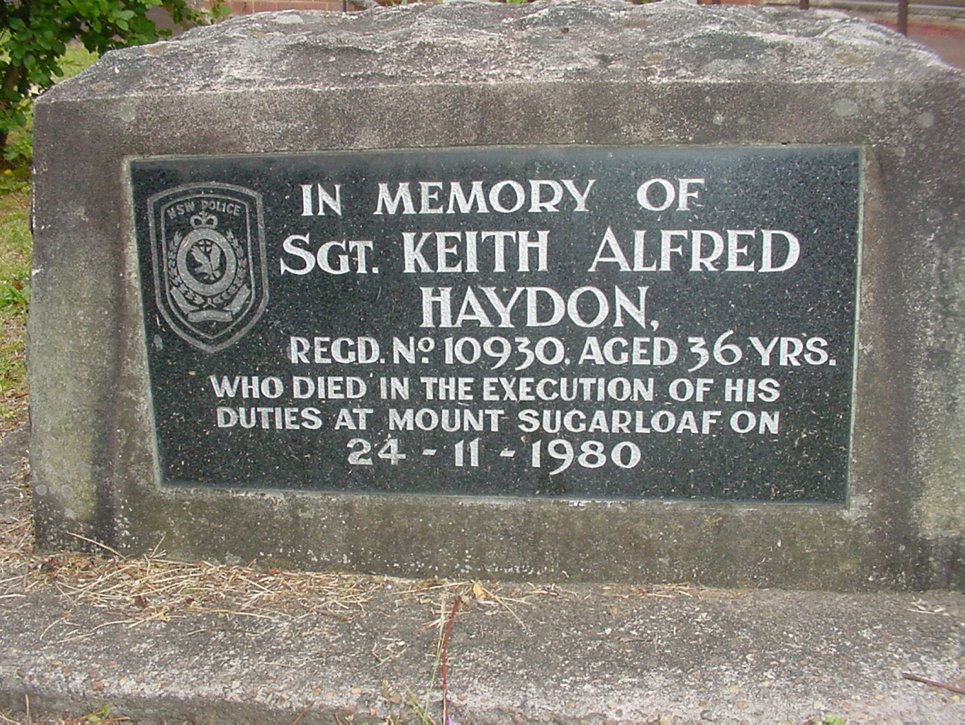
Plaque commemorating death of Sgt Keith Alfred Haydon in grounds of old West Wallsend Police Station – 10-12 Withers Street, West Wallsend. Photo Ref: 25216 Creator: Clark, Mr Greg Sergeant. Keith Haydon was in charge of West Wallsend Police Station, when he was killed whilst on duty at Mt. Sugarloaf in 1980. This memorial plaque was originally placed at the spot where Sergeant Haydon was killed, but was relocated to the grounds of the West Wallsend Police Station after it was damaged by vandals. When the station closed in 2006, the plaque was moved to Waratah Police Station and rededicated in a service held 8th December 2006. Creative Commons License This work by Lake Macquarie City Library is licencsed under a CCA
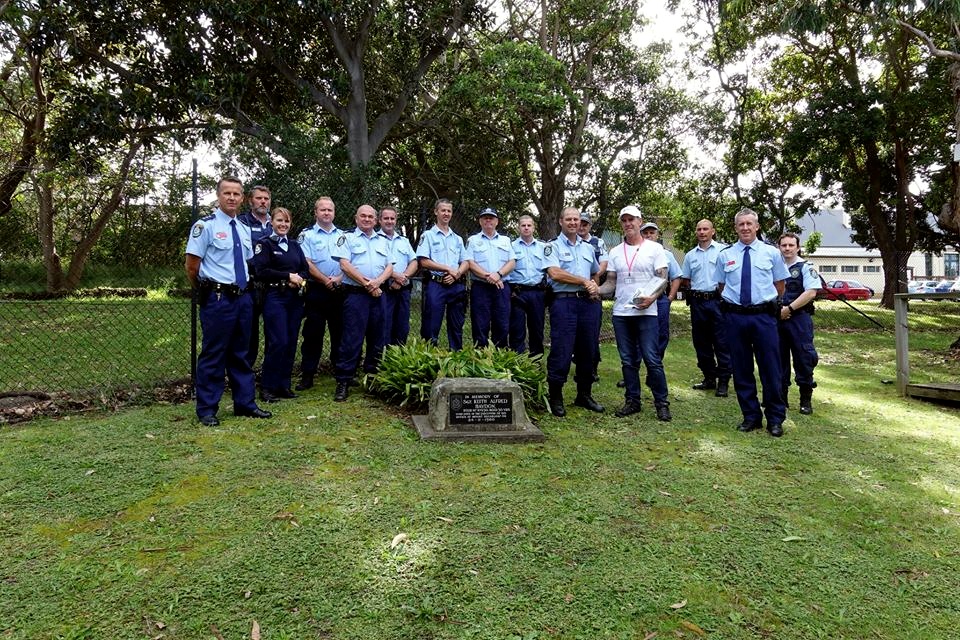
Newcastle City Command welcomed Peter Haydon who intends to participate in the police remembrance ride, proudly supporting NSW Police Legacy. Peter is the son of Sergeant Keith Haydon who was stationed at West Wallsend Police Station and tragically murdered at Mount Sugar Loaf, whilst on duty on 24 November 1980. Peter was only 14 years at the time of his father’s passing.
On behalf of Superintendent John Gralton, Senior Sergeant Craig Thompson, who is also a legatee, proudly presented Peter with a cash donation made by Newcastle City staff. Senior Sergeant Thompson is the son of Senior Constable Allan Thompson who was Stationed at Cessnock Police Station when tragically killed in a motor vehicle accident, 40 years ago on the 3rd May 1977. Those donations include a full cash tin which Crime Prevention Officer, Senior Constable Mark Bird had been personally contributing to over the past years – which now finds its way to the intended cause.
Participates have so far raised $90,739 which will be donated directly to NSW Police Legacy which will be used to support the direct family of member of the NSW Police Force killed in the line of duty. Newcastle City Command wish Peter all the best, who will be challenged by blistery westerly winds and a gruelling 300km ride from the Wall of Remembrance in Sydney’s Domain to the National Police Wall of Remembrance in Canberra – all in the effort to raise money for NSW Police Legacy.
Please search facebook – Remembrance Bike Ride supporting NSW Police Legacy – if you would like to support those participating in the ride from 28 – 30 April 2017.
I hope this okay to pop this fundraising page on here? Just delete if not.
But today I would like to ask for your support in raising funds for the families of deceased NSW Police Officers.
My dad, Sgt Keith Alfred Haydon was killed in the line of duty 24th November 1980 at Mt Sugerloaf while responding to reports of a firearm being discharged in the vicinity. Little did he know that the offender had only 2 years earlier murdered 2 people while robbing a gun store in Sydney Eastern Suburbs.
Dad was only 36 years old. He had recently been promoted to the rank of Sergeant and taken a transfer to West Wallsend in the February of 1980. He moved with his wife of 16 years, 2 daughters and a son. He moved to Westy to be close to home. Dad was born in Wallsend in 1943. His mum and sister lived at Swansea at the time of our move. This was supposed to be a much easier and rewarding chapter in my dad’s life after travelling around rural NSW for 16 years at various stations.
I am riding 300km in 3 days with a great bunch of Policemen and woman and policing community in order to raise funds for NSW Police Legacy. I am currently very unfit but have a month to train for the journey, your support will be so encouraging.
If you can help please donate on the link attached. All donations are tax deductible and will towards helping a very worthy cause.
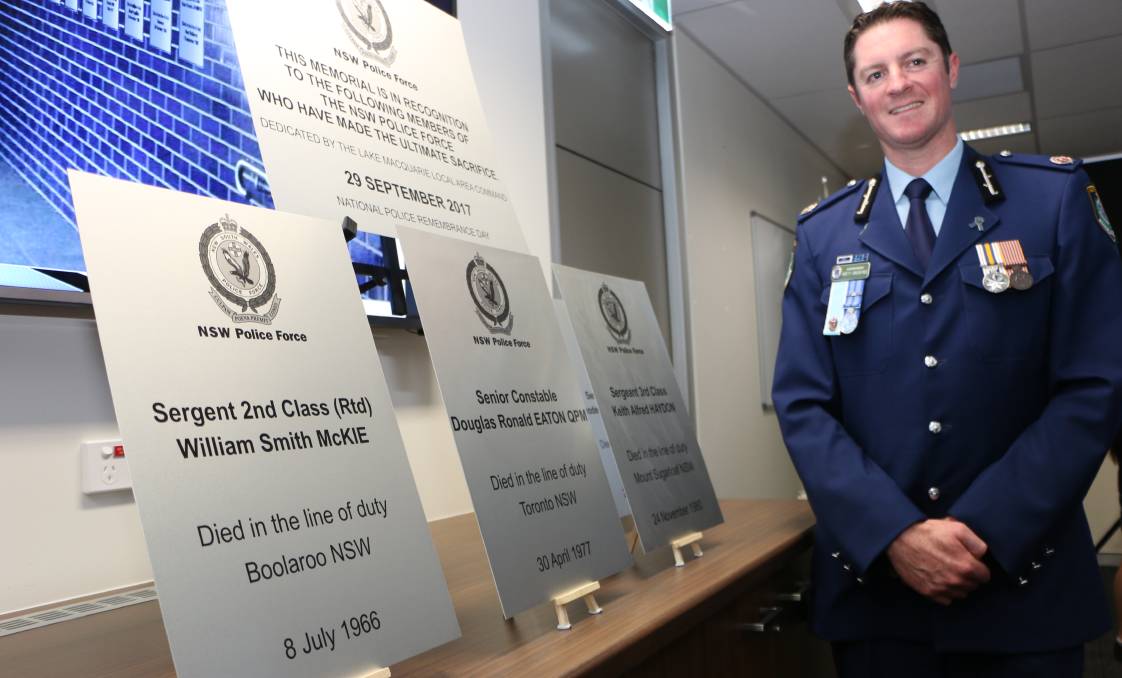
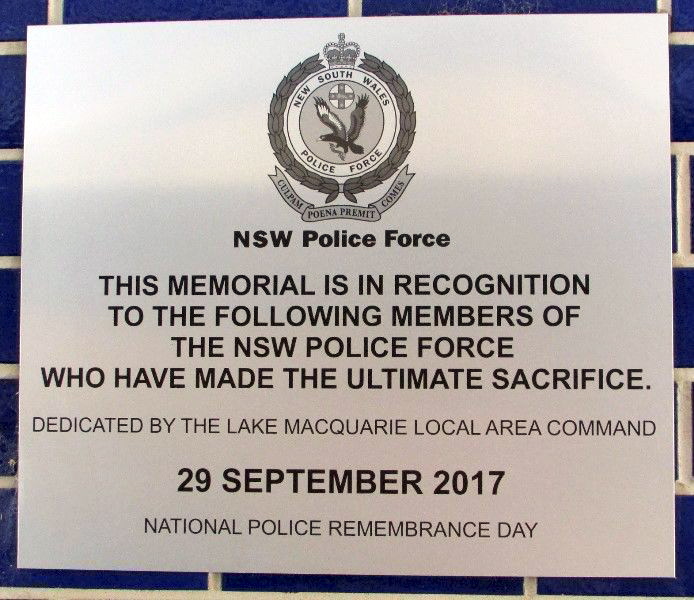
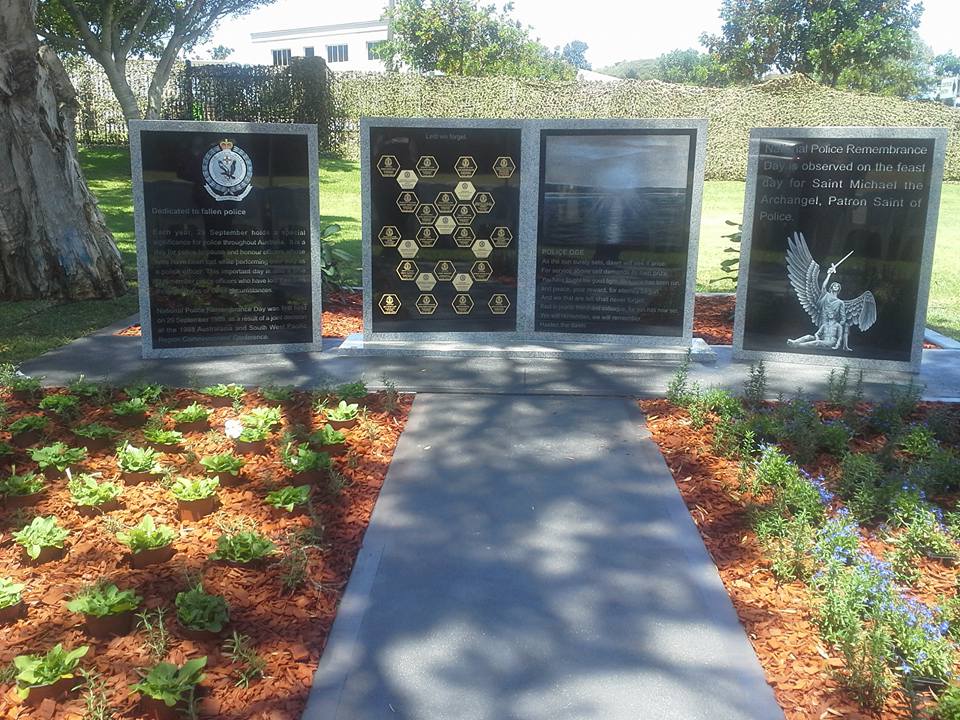
National Police Remembrance Day ceremony in Lake Macquarie
David Stewart
September 29 2017 – 4:27PM
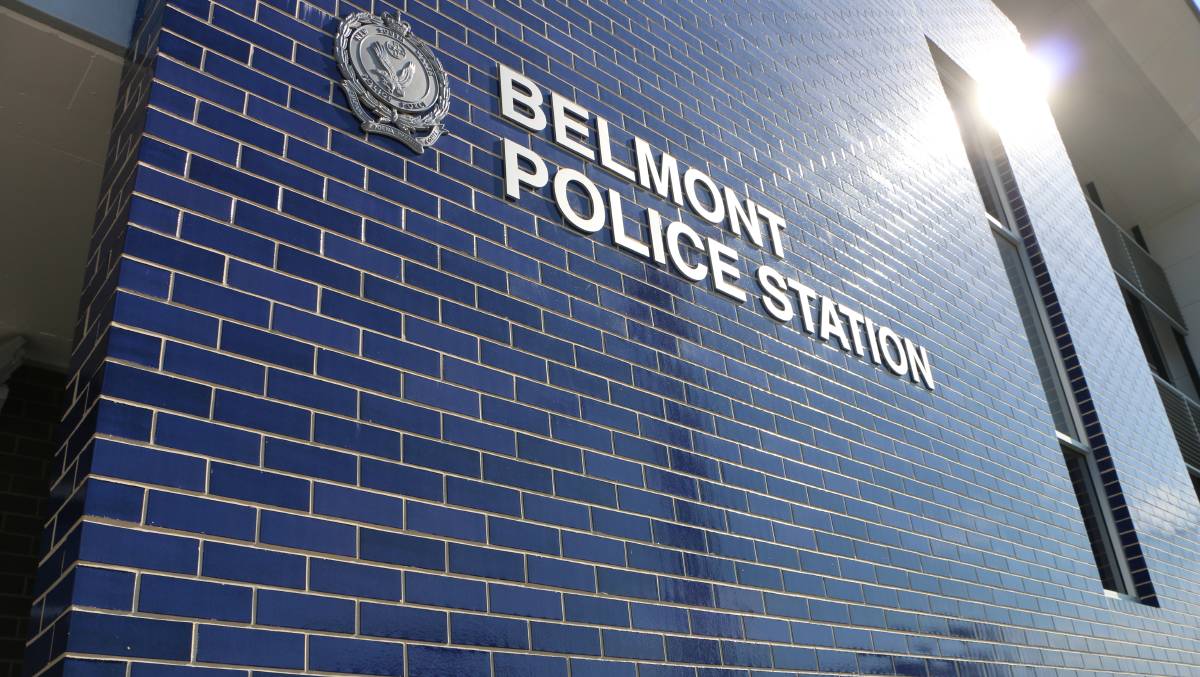
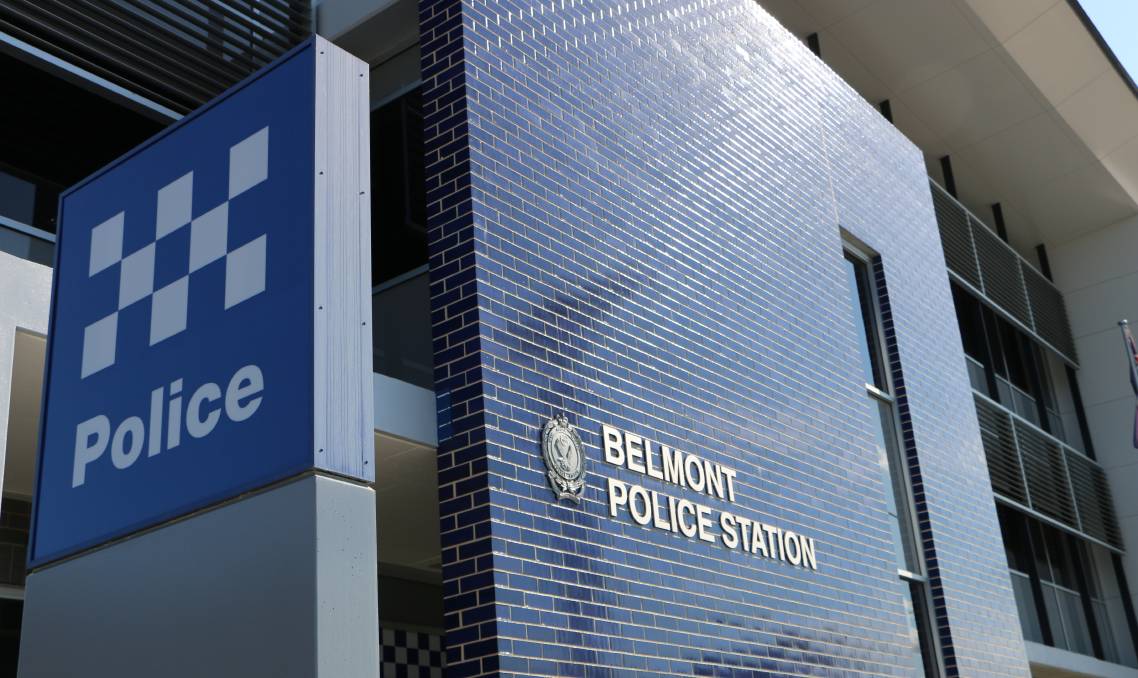
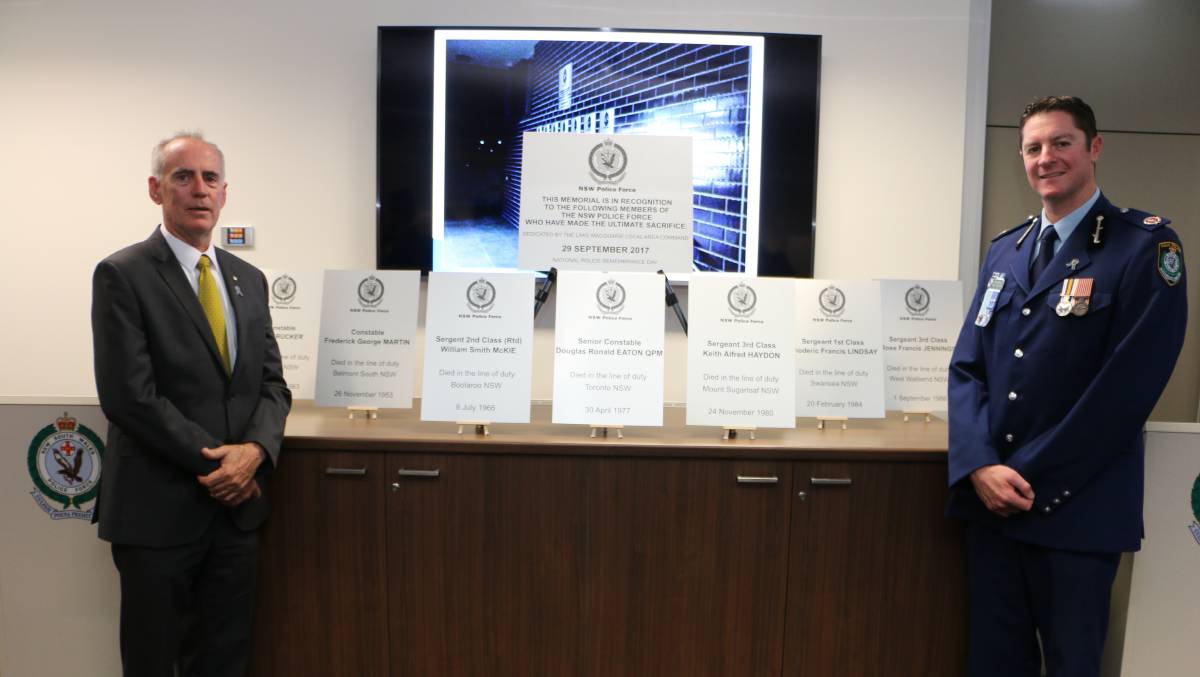
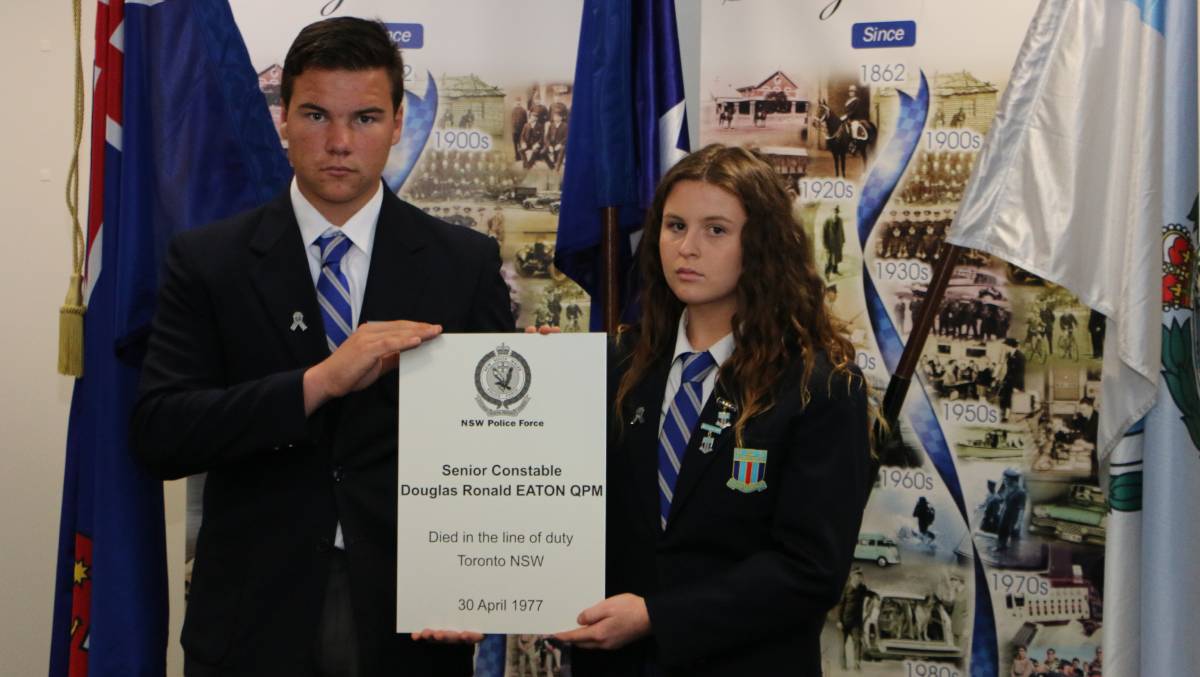
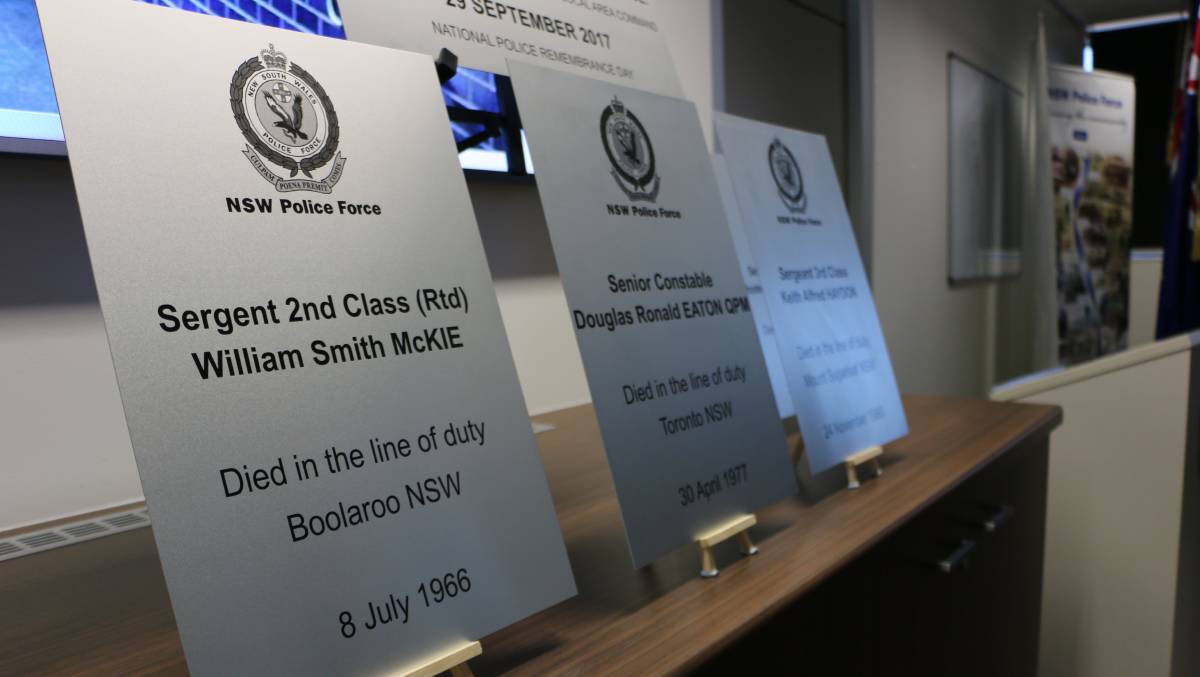
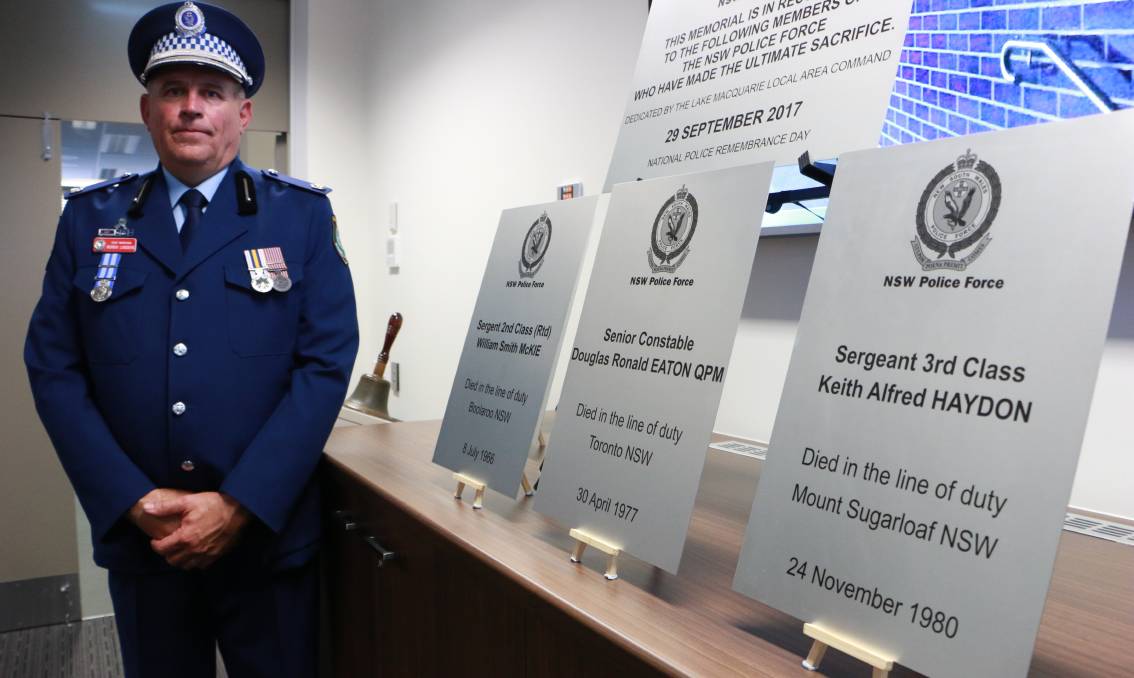
POLICE from Lake Macquarie Local Area Command have unveiled plans for a memorial wall at Belmont to honour the seven local officerskilled in the line of duty since 1863.
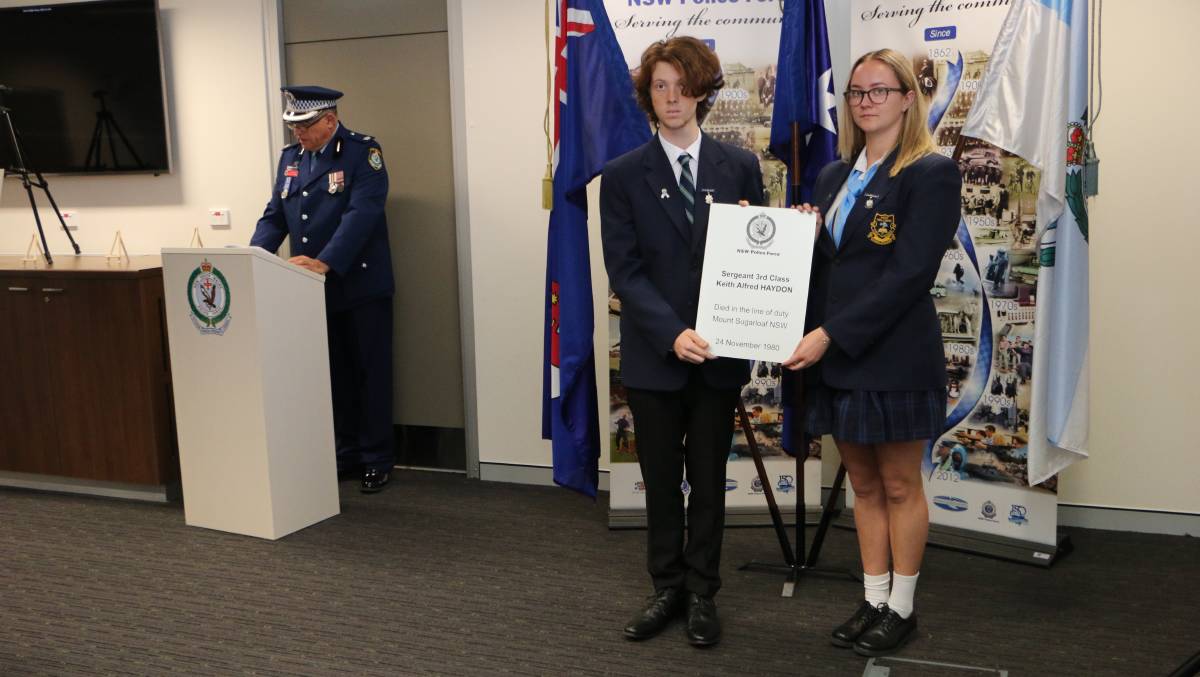
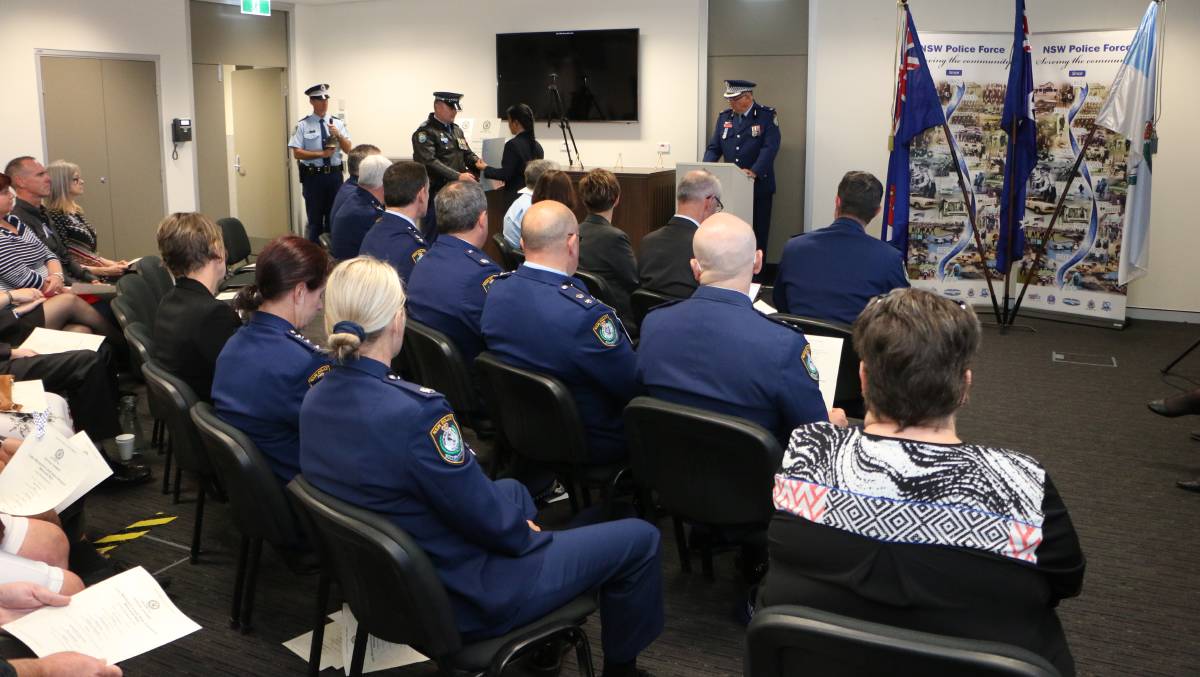
Plaques commemorating the seven officers were dedicated to the wall in a ceremony at Belmont police stationthis afternoon, National Police Remembrance Day.
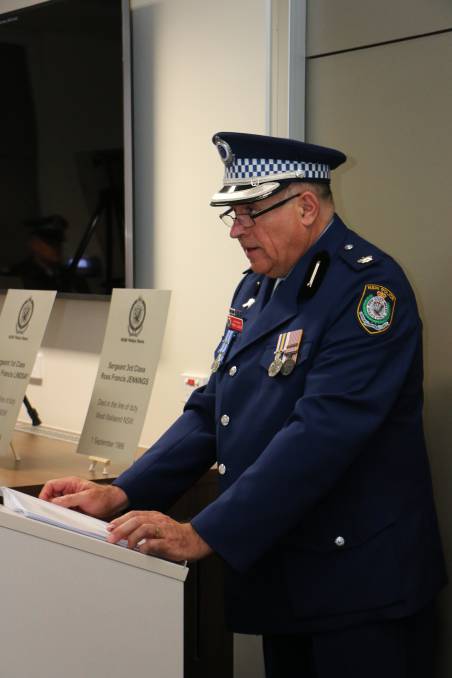
Chief Inspector Murray Lundberg of Lake Macquarie LAC presided over a private ceremony attended by police, local high school students, and the families of the fallen officers.
“This is a time for reflection on the ultimate sacrifice that police officers can give in the execution of their duty,” Chief Inspector Lundberg said.
Acting Assistant Commissioner Brett Greentree, the Northern Region Commander, said the wall of remembrance, to be created on the distinctive blue wall at the entrance to the police station, would be striking.
“It will be a sight to treasure,” Acting Assistant Commissioner Greentree said.
“I want the officers, as they are walking out the front doors of this police station, to stop and reflect on the names, stop and reflect on the sacrifice.”
He said he hoped that the inaugural plaques to be installed on the wall were also the last.
“My dream is that we never, ever, add another name to this wall. I hope and pray that our wall is now complete.”
Acting Assistant Commissioner Greentree reached out to the families of the fallen officers.
“No commemoration or recognition can make good the loss that is unfairly carried by family members,” he said.
“I can only offer you my heartfelt condolences. Please know that your loved ones, who are no longer with us, will always be remembered.”
Across NSW, ceremonies were held to commemorate the service and sacrifice of the 269 officers who have lost their lives in the line of duty, and through injury or illness, since the formation of the NSW Police Force in 1862.
Man who ‘executed’ three victims could be paroled despite multiple life sentences
By A Current Affair Staff
A man who was sentenced to three terms of life in prison for three murders could be about to walk free on parole, sparking calls for him to be kept behind bars.
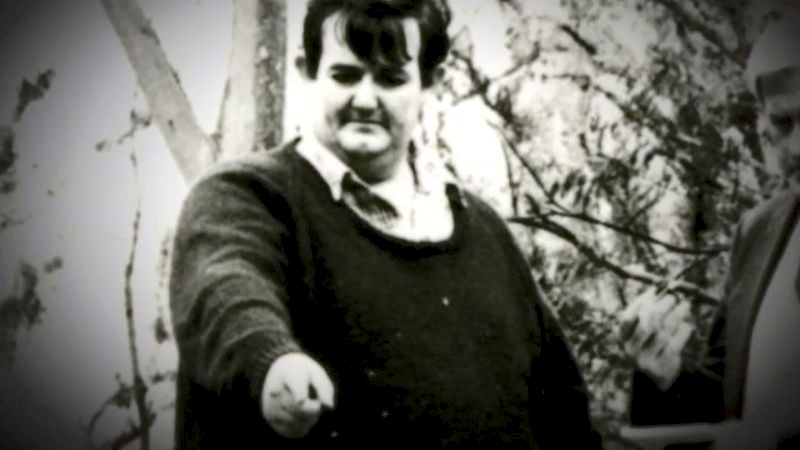
Berwyn Rees was jailed in 1981 for a murderous spree that saw him kill three men in cold blood, and attempt to shoot dead a fourth.
On November 24, 1980, Sergeant Keith Haydon, 37, was gunned down in a wooded area in Lake Macquarie.
Berwyn Rees was jailed with three life sentences over three murders and the shooting of a police officer. (A Current Affair)
His body was found shot in the back of the head, and twice more in the body at close range.
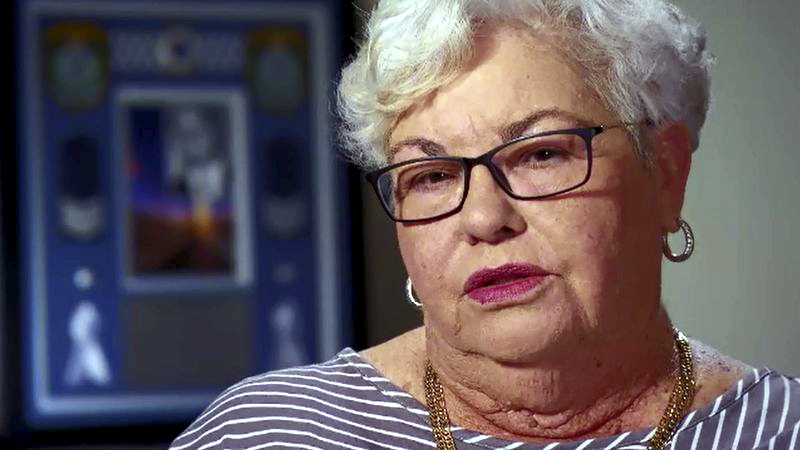
“I knew as soon as they walked in, and I just said, ‘How bad?'” Sgt Haydon’s wife Anne said of the moment two police officers arrived at her door to inform her.
“And he just said it was the worst.”
The killer, Rees, was later pulled over by Constable Alexander Pietruszka, who almost died for doing his job.
Sergeant Keith Haydon was gunned down in Lake Macquarie in 1980. (A Current Affair)
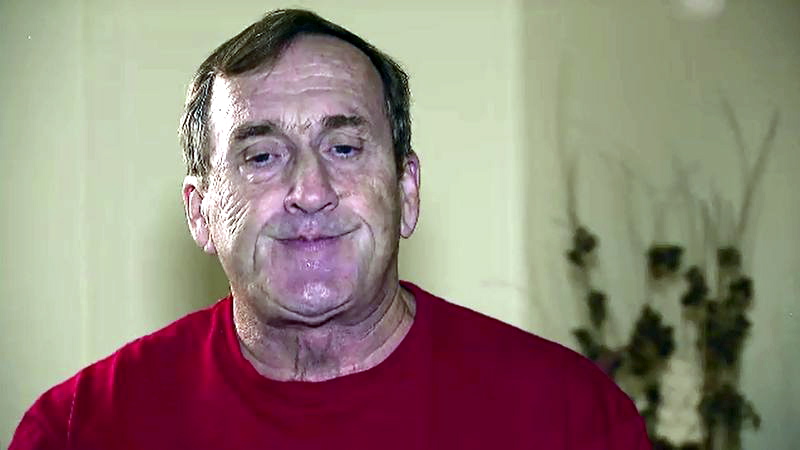
Mr Pietruszka, now retired, said Rees had raised his gun “without warning”.
“The first bullet went through my hair,” he said.
“The second bullet flicked my ear and because I was turning sideways the third bullet hit me there, luckily hit the rib and bounced out rather than in.”
Despite the pain of his wound, Pietruszka was able to let off two shots.
Sgt Haydon’s wife Anne still remembers the moment she learned her husband was dead. (A Current Affair)
“I was trying to psych myself up to roll over and face him,” he said.
“I wasn’t just going to lay there and let him shoot me. I was going to face him.”
He believes that fortitude saved his life.
But he said he still remembered what he felt as he looked into Rees’s eyes.
Constable Alexander Pietruszka was shot after pulling Rees over. (A Current Affair)
“This bloke was nothing,” he said.
“I can’t explain to somebody how cold he was, how expressionless, just – just evil.”
At the time of these shootings, Rees was on the run after having committed two other murders in Sydney three years previously.
The victims then were gunshop owner Ray James and customer Christopher Greenfield.
Mr Pietruszka said he saw “nothing” in Rees’s eyes. (A Current Affair)
Rees shot them both in the back of the head at point blank range, Ray James’s daughter Tracy said.
“It never leaves you,” Christopher Greenfield’s mum Betty said.
In 1981, Rees was convicted and jailed for three life sentences over the killings.
But now, the New South Wales State Parole Authority has revealed it has formed an intention to grant parole for Rees.
Years previously, Rees had shot gun store owner Ray James. (A Current Affair)
And Mr Pietruszka and the loved ones of Rees’s other victims are demanding he stay behind bars.
“If he gets out, if he gets in a corner, he’ll kill again,” Mrs Haydon said.
Ms Greenfield said she had been told Rees had shown no remorse during his time in jail.
Ray’s customer Christopher Greenfield was also killed in the shooting. (A Current Affair)
“Well, after this length of time, if someone hasn’t come to their senses and realised what exactly they’ve done, and to have no remorse, seems unbelievable to me,” she said.
Corrective Services Commissioner Peter Severin is also opposing Rees’s bid for freedom.
The final decision will rest with the five-member panel at the State Parole Authority, with a public hearing to take place on Friday.
Betty Greenfield, Anne Haydon and Tracy James all plan to be there.
Christopher’s mum Betty said the pain had never left her. (A Current Affair)
Mr Pietruszka recalled the words of the sentencing judge – that Rees should never be released.
He said Rees had “executed” his three victims.
“I believe that somewhere deep inside him, there is still evil lurking,” he said.
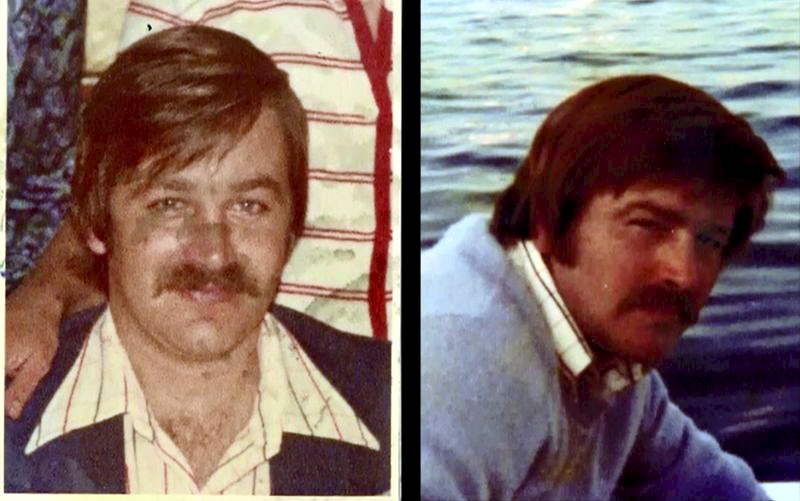
[alert_green]RON IS mentioned on the Police Wall of Remembrance[/alert_green]
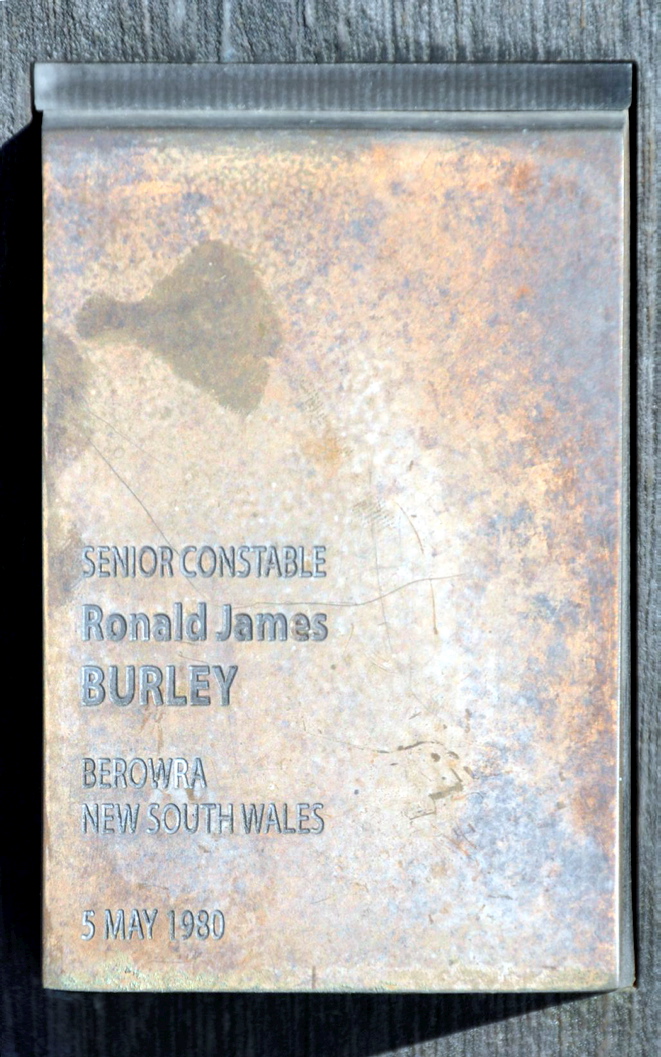
Touch plate at the National Police Memorial, Canberra
About 3.10pm on 5 May, 1980 Senior Constable Burley was riding a police highway patrol motor cycle home at the completion of his rostered shift. As he was riding along the Calga Expressway at Berowra the stand on the constable’s motor cycle apparently became loose and struck the road surface. Unable to control the cycle Constable Burley was thrown to the roadway, sustaining severe head injuries. He died before the arrival of an ambulance.
The constable was born in 1946 and joined the New South Wales Police Force on 1 April, 1968. At the time of his death he was attached to the North Sydney Highway Patrol.
I worked with Ron at Gosford way back in the early seventies. One story that sticks in my mind was my introduction to the old truckstop at Kangy Angy, near Ourimbah.
It was an absolute dump, but Ron convinced me to stop off for dinner one night. He knew the old woman that owned the place. He was that well known, that he didn’t bother going into the dining area, instead he took me out the back to the kitchen, to meet the old sheila, who also did the cooking.
He ordered us a couple of steaks with vegetables. I was extremely concerned about the state of the kitchen, as it was filthy, but what did it for me, was she used an old pair of stockings to use as a strainer for our veggies. ???????? RIP old mate.
I remember being told that he had been caring for a young child and was going through the adoption process when the accident happened. It would be nice to know how that child fared in life afterwards.
RIP mate, remembered well from old STPPTB days under the bridge ( Sydney Harbour Bridge ), stood in many a parade with Ron, and shared a laugh or two, at the antics that went on there during the old days.
[divider_dotted]
Kevin John COULSON
| 27/10/2012
Kevin John COULSON
Late of ?
New South Wales Police Force
Regd. # ?????
Rank: Constable 1st Class
Stations: ?, Newcastle S.T.P. – Retired H.O.D.
Service: From 10 August 1953 to 26 July 1964 = 10+ years Service
Awards: No find on It’s An Honour
Born: ? ? 1931
Died on: 2 February 1980 ( 20 years after MVA )
Age: 49 – 50
Cause: Motor Vehicle Accident – Police Bike – Rider
Event location: Newcastle
Event date: Saturday 30 January 1960
Funeral date: ? ? ?
Funeral location: ?
Funeral Parlour: ?
Buried at: Newcastle Memorial Park, Beresfield
Memorial located at: ?
[alert_green]KEVIN IS mentioned on the Police Wall of Remembrance[/alert_green]
[divider_dotted]
Funeral location: TBA
[divider_dotted]
FURTHER INFORMATION IS NEEDED ABOUT THIS PERSON, THEIR LIFE, THEIR CAREER AND THEIR DEATH.
On 30 January, 1960Constable Coulson was riding a police solo motor cycle to Newcastle Police Station to commence his rostered shift.
En route the cycle was involved in a collision with another vehicle and the constable sustained serious injuries.
As a result he was discharged from the police force medically unfit.
During the next twenty years former Constable Coulson‘s health continued to deteriorate until he passed away on 2 February, 1980.
His death was a direct result of the injuries received in the collision in 1960.
The constable was born in 1931 and joined the New South Wales Police Force on 10 August, 1953.
At the time of the accident he was a solo cyclist attached to the Special Traffic Patrol.
[divider_dotted]
Reginald Hugh STEVENSON
| 27/10/2012
Reginald Hugh STEVENSON – QPM
aka Blowfly
New South Wales Police Force
[alert_yellow]Regd. # 5498[/alert_yellow]
Rank: Police Cadet – appointed 1 March 1943
Probationary Constable – appointed 21 February 1947
Sergeant 2nd Class – appointed 19 May 1968
Detective Sergeant 1st Class – SHOT
Detective Inspector – appointed 6 March 1976
Detective Inspector – Retirement
Joined: NSW Police Force via
NSW Police Cadet System on 1 March 1943
Cadet # 400
Stations: ?, General Detectives at the old CIB in the old Hat Factory, Darlinghurst ( # 3 Division – Det Sgt, early 1970’s ), Newtown
Service: From 1 March 1943 to ? ? ?
Awards: Queen’s Commendation for Brave Conduct – granted 17 February 1976
Queen’s Police Medal – QPM – granted 16 June 1979
Born: 20 February 1926
Event Date: 9 December 1974
Event type / Cause: Shot – 1974. Damage to liver & kidney / Heart Attack in 1980
Event location: Newtown
Died on: 19 January 1980
Age: 53
Funeral date: 11 February 1980
Funeral location: ?
Buried at: Cremated & Buried in Botany ( NOT Rookwood ) Cemetery
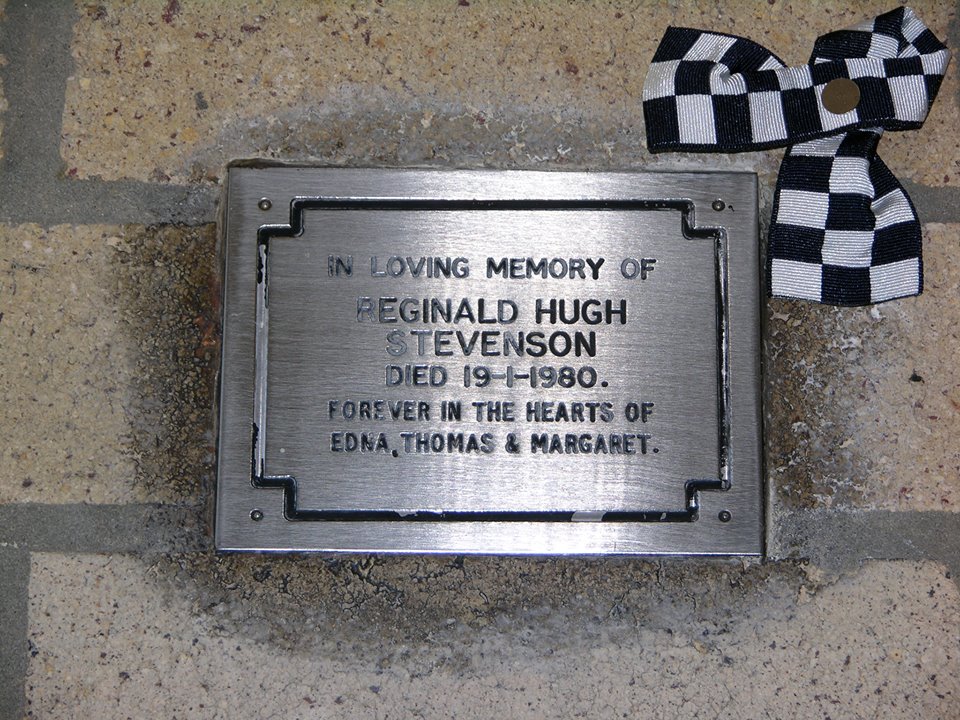
Banks Court Loggia, Wall A
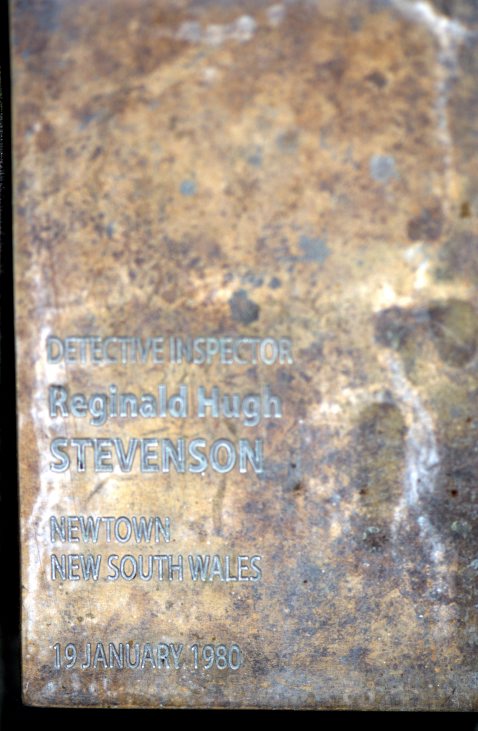
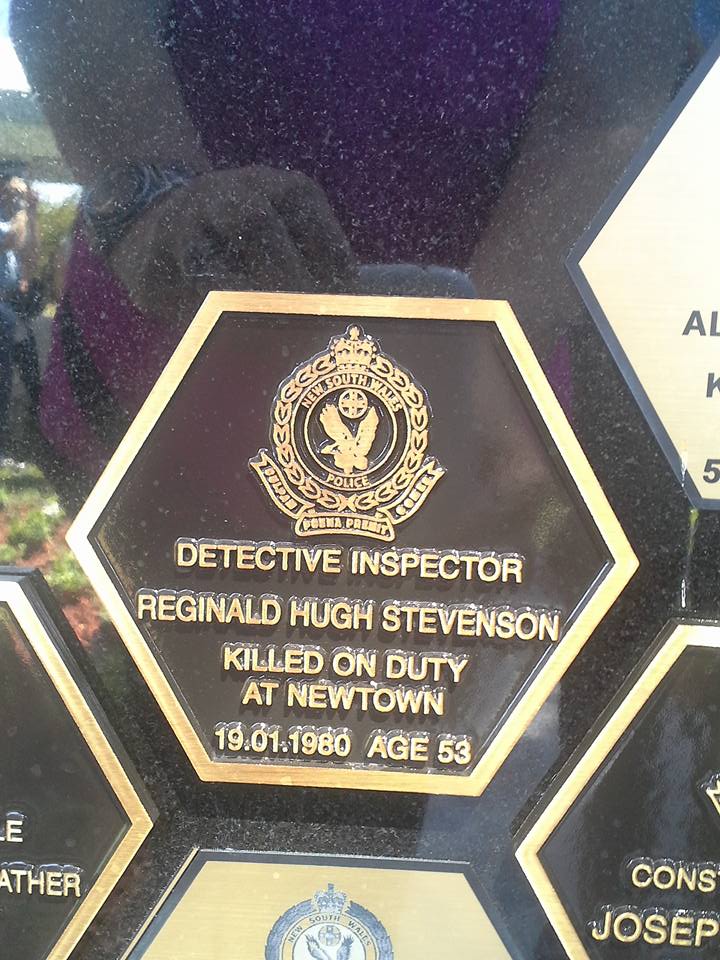
Touch plate at the National Police Wall of Remembrance, Canberra
Academy athletics 1943
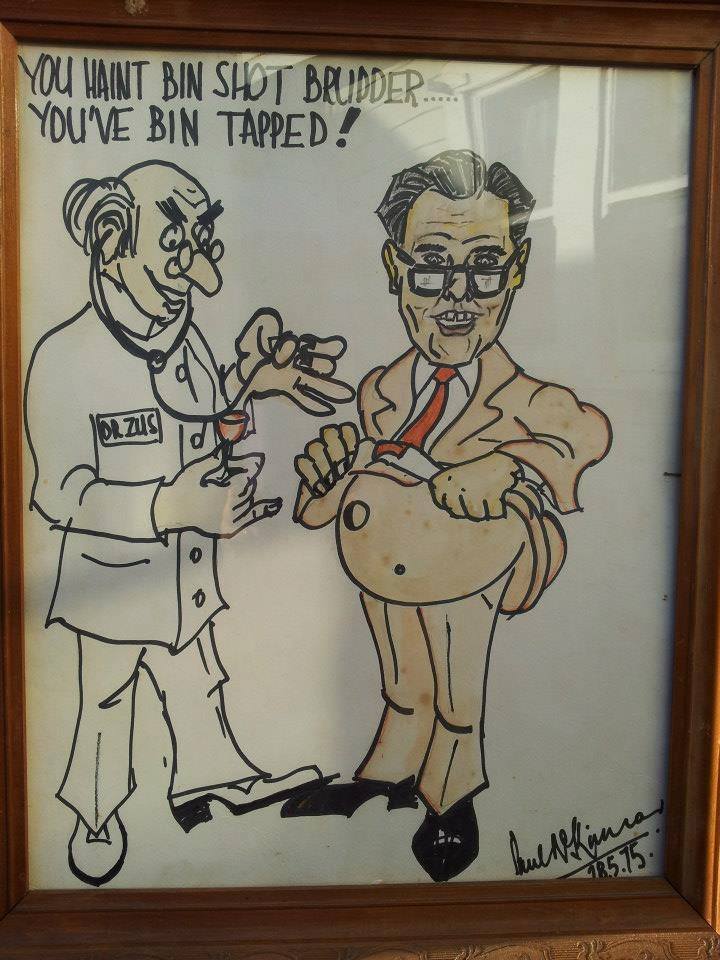
The cartoon was presented to Detective Inspector Stevenson when he returned to work after being shot. It was donated by the Detective Inspectors wife to Newtown Police Station last year ( 2013 ) as part of their memorabilia collection.
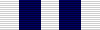
Queens Police Medal ribbon
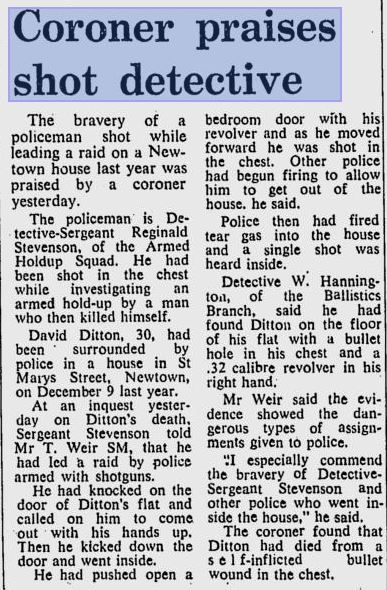
Offender, David DITTON who shot Reg.
The Sydney Morning Herald
2 May 1975
page 6 of 12
Botany Cemetery
Botany Cemetery
Botany Cemetery
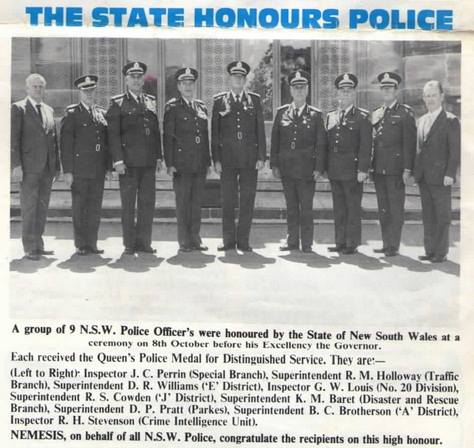
On 9 December, 1974Detective Sergeant 1st Class Stevenson was shot in the chest after confronting an armed offender in Newtown. Although seriously wounded at the time he continued to direct other police at the scene until he was taken to safety. As a result of the incident Sergeant Stevenson was awarded the Queen’s Commendation for Brave Conduct and the Queen’s Police Medal for Distinguished Service. He was promoted to the rank of detective inspector in 1976.
On 19 January, 1980 Inspector Stevenson died of a heart attack and it was determined that his death was ultimately caused by the 1974 injuries.
The detective inspector was born in 1926 and joined the New South Wales Police Force as a Cadet in 1943. He was sworn in on 21 February, 1947.
[divider_dotted]
NEWTOWN LOCAL AREA COMMAND POLICE COMMEMORATION SERVICE
Ms CARMEL TEBBUTT (Marrickville) [7.07 p.m. 8 May 2013]: Recently at Rookwood Cemetery I attended a memorial service to commemorate police officers from the Newtown local area command killed in the line of duty. The moving service was attended by Deputy Police Commissioner Nick Kaldis, Superintendent Simon Hardman, the commander of the Newtown Area Local Command, many other police representatives, and relatives and descendants of the police officers. Those attendees included Ms Avona Wallace, Mr and Mrs Norman Stephenson, Mrs Lynette Everton and Ms Edna Stevenson. Representatives from the emergency services and community members were also in attendance. The member for Campbelltown, Bryan Doyle, attended representing the Premier.
The five officers being remembered at the ceremony gave their lives to protect the community. They were Constable First Class John Wallace, Constable First Class Ruston Stephenson, Constable Lionel Guise, Detective Inspector Reginald Stevenson and Constable Pashalis Katsivelas. The ceremony to mark the sacrifice of these officers reflected on the enormity of their contribution to the community, as well as the impact of their death on their families. It is often said, and it is true, that police officers leave their homes for each shift uncertain of what any day may bring and whether they will return at the end of the day. We owe these men and women our deepest gratitude for the risks they face and take every day in their job. At Rookwood Cemetery we visited each of the graves of those officers who lost their lives in the line of duty and behind each individual was an illuminating life story.
We began at the grave of Constable First Class Ruston Stephenson, who died 80 years almost to the day of the commemoration. Constable Stephenson joined the Police Force in 1912, and four years later enlisted in the army, later joining the fight in France during the First World War. He was awarded the Distinguished Conduct Medal for conspicuous gallantry in rescuing injured soldiers while under fire. Remarkably, when he returned he rejoined the Police Force and continued to serve until his death on 9 April 1933 after a tragic accident involving a motorcycle at the then Newtown Stadium while performing general duties policing.
We were also told the story of Detective Inspector Reginald Hugh Stevenson—I was honoured on the day to meet his widow, Ms Edna Stevenson, who still had strong memories of the incident that led to Inspector Stevenson’s death. Detective Inspector Stevenson joined the NSW Police Force as a cadet in 1943 at the age of 17. In an act of extraordinary selflessness, Detective Inspector Stevenson was on annual leave on 9 December 1974 when he decided to go to work to assist in the planned arrest of a dangerous offender in Newtown, at the time telling his wife, “I don’t want my boys doing this on their own.” During the operation he was shot in the chest after leading his team in pursuit of the offender.
Detective Inspector Stevenson partially recovered and was awarded the Queen’s Commendation for Brave Conduct and the Queen’s Police Medal for Distinguished Service. However, he died in 1980 of a heart attack, deemed to be the result of the injuries he sustained on duty in 1974. These officers are just a few of many across New South Wales whose lives have been cut short as they have gone about performing their duty. I pay tribute to them all. They will not be forgotten and local events such as this are a powerful reminder of their sacrifice.
I also take this opportunity to acknowledge two Marrickville police officers, Sergeant Stewart and Constable Steele, who on Monday of this week rescued an intellectually disabled person from a house fire in Marrickville. Thankfully, those two officers who took huge risks survived and are quite rightly being hailed as heroes by their colleagues and the community. It is yet another example of the risk our police men and women take every day in order to keep the community safe. I take this opportunity to pay tribute to them.
[divider]
John Thomas COLBERT
| 27/10/2012
Sergeant 1st Class John Thomas COLBERT
Regd. # 5981
Age: 58
Motor Vehicle Accident
Kingsgrove
11 March, 1979
Sergeant 1st Class John Thomas COLBERT
At 11pm on 10 March, 1979 Sergeant Colbert commenced duty as the supervising sergeant in the Hurstville Division. Following an inspection of the Kingsgrove Police Station the sergeant set out for the Peakhurst Police Station. About 1.20am he parked behind a panel van in Morgan Street, Kingsgrove where he spoke to the occupants. The sergeant then returned to the police car and as he opened the driver’s door he was struck by a passing vehicle and killed instantly.
The sergeant was born in 1921 and joined the New South Wales Police Force on 2 February, 1948. At the time of his death he was stationed at Kingsgrove.
John Henry WALTON
| 27/10/2012
John Henry WALTON
( late of Westleigh, NSW )
NSW Police Training Centre – Redfern Academy – Class 084A
New South Wales Police Force
Regd # 9727
Joined NSW Police Force via the NSW Police Cadet system on 7 July 1958 but appears to have resigned on 7 July 1958 before re-joining around 1960.
Cadet # 1451
Rank: NSW Police Cadet – commenced Monday 7 July 1958 until 7 July 1958.
Probationary Constable – appointed 15 August 1960
Constable – appointed 15 August 1961
Constable 1st Class – appointed 15 August 1966
Detective – appointed 22 March 1968
Detective Senior Constable – appointed 15 August 1970
Detective Sergeant 3rd Class – appointed 28 April 1976
Final Rank: Detective Sergeant 3rd Class
Stations: Police Training Centre ( 150860 – Trainee ), Regent St ( 2 Division GDs from 190960 ), Regent St ( Traffic – Probation from 030161 ), Regent St ( Traffic – Permanent from 030261 ), Wagga Wagga ( transfer cancelled ), Canowindra ( GDs from 080563 ), 11 Division ( GDs from 101163 ), Vice Squad – H.Q. ( from 220365 ), Darlinghurst ( 3 Division – Vice Squad from 251065 ), Liverpool ( 22 Division – C.I. Duties from 280966 ), 9 Division ( C.I. Duties from 250869 ), C.I.B. – Special Crime Squad ( from 260273 ), C.I.B. – Armed Hold-up Squad to death
Service: From 7 July 1958 to 7 July 1958.
Pre August 1960 to 23 June 1978 = 18+ years Service
Awards: No Find in Australian Honours
Born: Sunday 22 June 1941
Died on: Friday 23 June 1978 ( day after his 37th birthday )
Funeral location: Macquarie Park Cemetery & Crematorium, Delhi & Plassey Rd, Macquarie Park, NSW
Buried at: RC Lawn, Block 12 / 0445
GPS: Lat: -33.790614478 Long: 151.142994
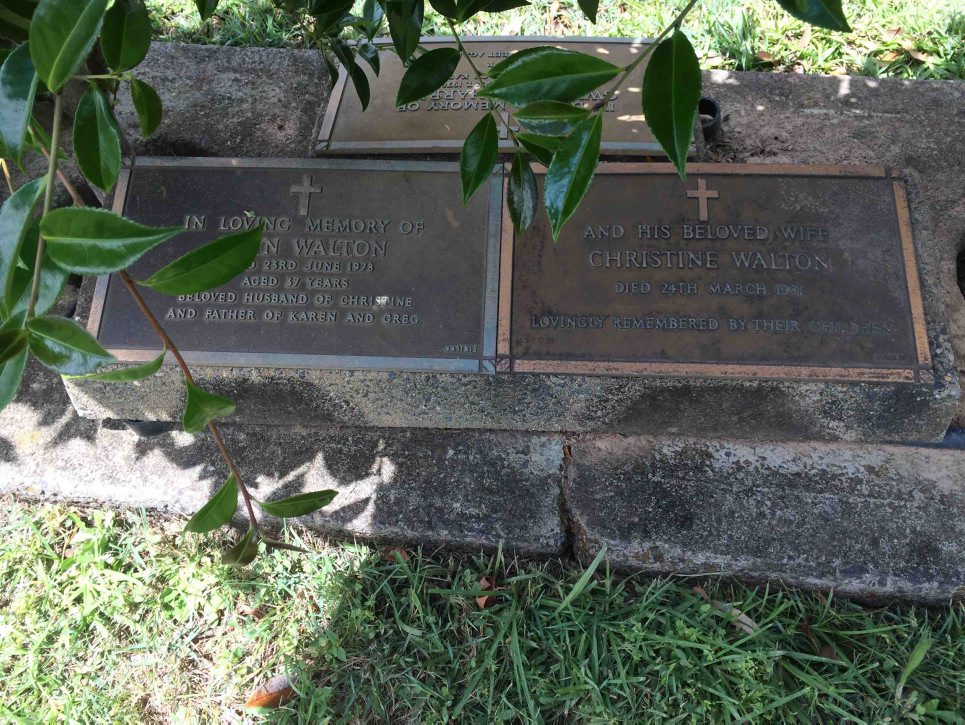
Grave Location:
John Henry WALTON National Touch Plate, Canberra
JOHNIS mentioned on the Police Wall of Remembrance
About 2.45am on 23 June, 1978 Sergeant Walton was a passenger in a police vehicle travelling along Carlingford Road, Carlingford. A vehicle approaching in the opposite direction drove onto the incorrect side of the roadway, forcing the police vehicle off the road where it collided with a parked horse float which was parked, without lights, on the southern side of Carlingford Rd at the intersection of Glenview Parade. Detective Sergeant Walton was killed instantly. Extensive inquiries made to locate the driver of the unknown vehicle responsible for this accident have to date proved unsuccessful.
The sergeant was born in 1941 and joined the New South Wales Police Force, as a Cadet, on 7 July 1958. At the time of his death he was attached to the Armed Hold-up Squad.
Prior to joining the NSWPF, John was a Junior Clerk for 10 months then joined the NSWPF Cadet system from the 7 July 1958 and finished on the 17 August 1958 for reasons unknown to me.
He then appears to have been a General Hand for 4 months and then a Clerk for 18 months before coming back to the NSWPF – Attesting as a Probationary Constable on the 15 August 1960. His re-join date is also unknown to me.
He was 5′ 11″ tall, 12 stone 12 lb in weight with Hazel eyes, brown hair and of a medium build. He was born in Young, NSW and was single at the time of joining but married on 23 November 1963. He obtained his School Intermediate Certificate.
He obtained an 82.5% at completion of Training Class 84A and he had a 23 w.p.m. rate of typing – on the 4 April 1961
He also completed a three day course in Civil Defence in 1961.
He passed his Constable 1st Class exams on the 22 September 1964.
He failed his first attempt at the Sgt 3/c exams on 18 May 1973 but passed on the 16 May 1974.
He passed the Detective qualification course on 25 October 1967 and was designated a Detective on the 22 March 1968.
On the 14 November 1977 he was ” Commended for the good policemanship, excellent teamwork and devotion to duty he displayed as one of the Police responsible for the prompt arrest of Phillip WESTERN, Michael STOGIO, Lawrence JOHNSON and Robert PATTEN for the armed hold-up of the Randwick Branch of the Bank of New South Wales on 29 December 1975.
During committal proceeding at the Central Court of Petty Sessions on 28 April 1976 the Chief Stipendiary Magistrate, Mr. Farquhar, complimented him, along with all Police connected with the case while His Honour, Judge Muir, in passing sentence on the offenders made favourable comment regarding the briefs prepared by Police for the trial.
Mervyn T Wood – Commissioner”
Canberra Times (ACT : 1926 – 1995),
Saturday 24 June 1978, page 3
IN BRIEF
Fatal crash
SYDNEY: Detective Sergeant John Henry Walton, 37, was killed and Detective Senior Constable John O’Hagan, 33, was seriously injured when a police car driven by Detective O’Hagan ran into a horse-float in Epping early yesterday.
Memorial location: outside of Hilton Hotel, George St, Sydney
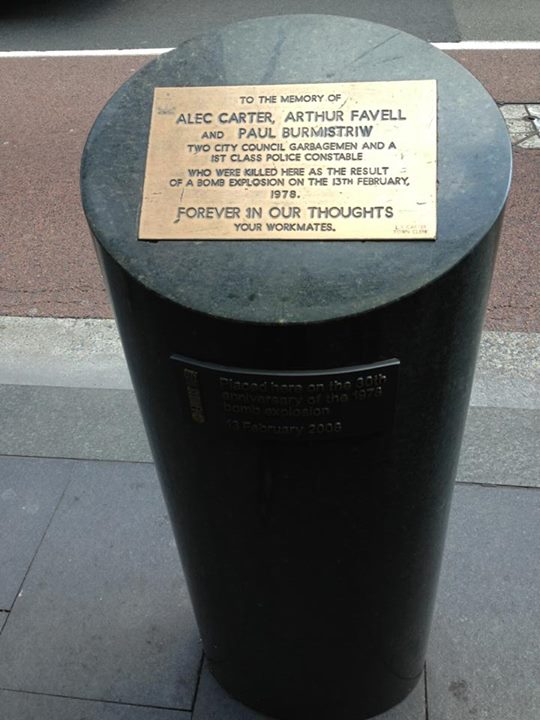
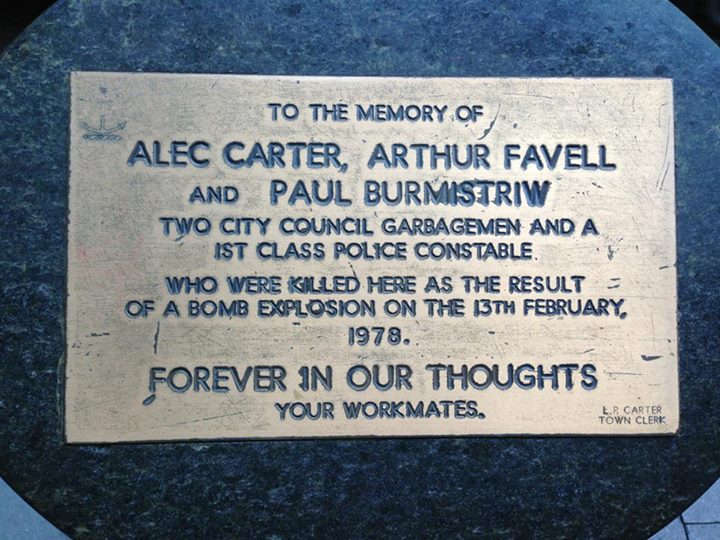
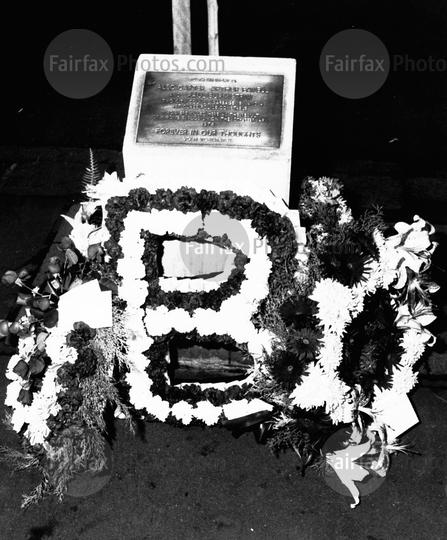
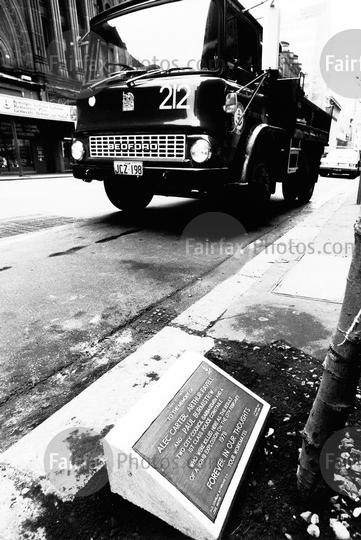
Hilton Bombing memorial plaque to Alec Carter, Arthur Favell & Cst 1/C Paul Burmistriw
PAUL IS mentioned on the Police Wall of Remembrance
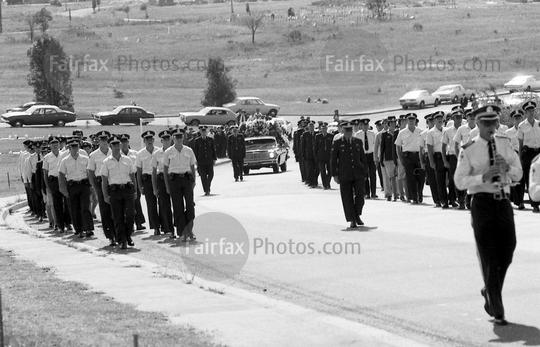
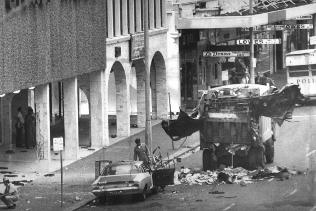
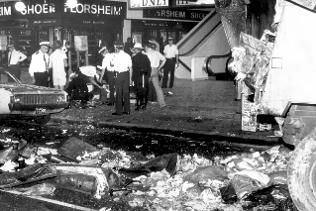
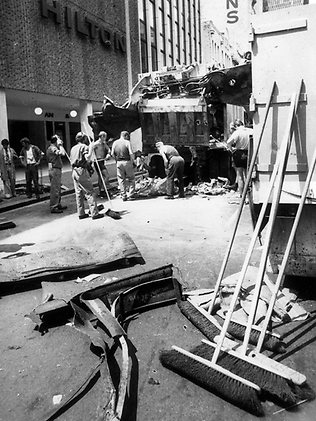
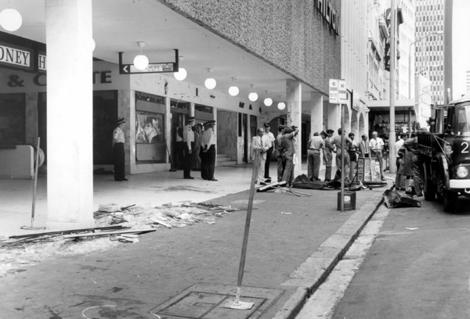
Constable Burmistriw was fatally injured in a bomb explosion outside the Hilton Hotel, George St, Sydney, on 13 February, 1978. At the time the Regional Conference of Commonwealth Heads of Government meeting (CHOGM), a regional off-shoot of the biennial meetings of the heads of government from across the Commonwealth of Nations. was taking place at the hotel.
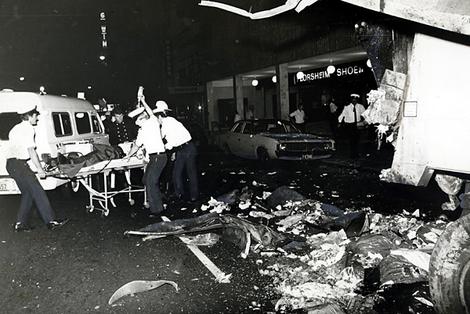
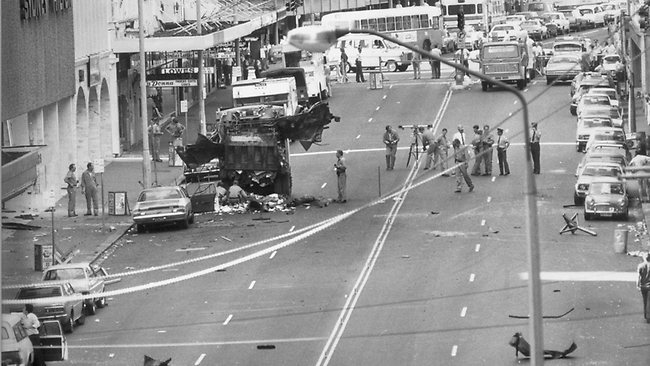
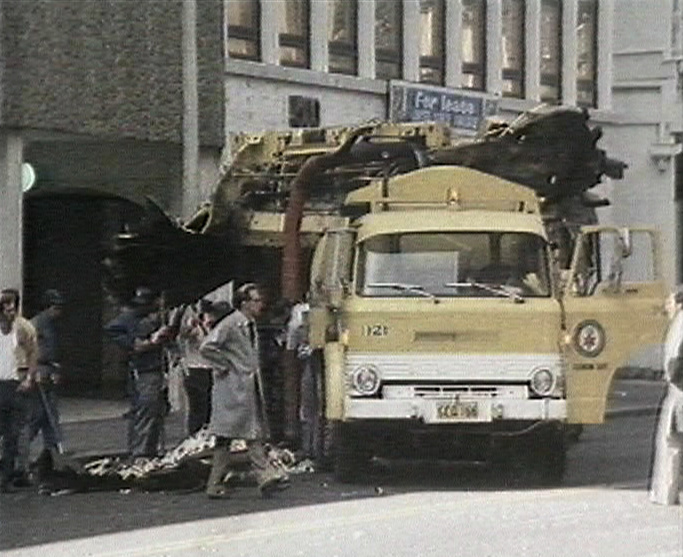
The bomb, planted in a rubbish bin, exploded when the bin was emptied into a garbage truck outside the hotel at 1:40am. It killed two garbage men, Alec Carter and William Favell, and a police officer, Paul Burmistriw, guarding the entrance to the hotel lounge, who died of his injuries on the 22 February 1978.
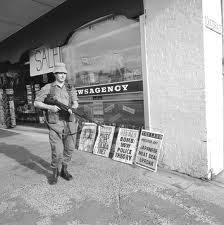
The blast also injured eleven others. Twelve foreign leaders were staying in the hotel at the time, but none were injured. Australian prime minister Malcolm Fraser immediately called out the Australian Army to guard the remainder of the CHOGRM meeting.
Also seriously injured in the blast were Sergeant Edward Hawtin, Senior Constable Rodney Wither ( Regd # 16376 ) and Senior Constable Terry Griffiths ( Regd # 13390 ). Two council employees, William Arthur Favell and Alec Carter, were also killed in the bombing.
The constable was born in 1946 and joined the New South Wales Police Force on 20 September, 1971. At the time of his death he was stationed at Central Police Station.
Startling book unpicks story behind Australia’s first major terrorist attack
April 19, 20168:06am
ONCE upon a time, Australia was truly the carefree, “lucky country” of our imagination. Now, we walk around on edge, knowing we are by no means protected from people who would do us harm.
If you thought that started with the Sydney siege, you’d be wrong. What is seen as the first major act of terrorism on Australian soil took place 30 years ago, and it remains unsolved to this day.
Author and award-winning filmmaker Dr Rachel Landers has dived into the archive documents on the Hilton bombing, trying to make sense of all the contradictory testimony surrounding that black day.
On February 13, 1978, a bomb was planted in a rubbish bin outside the Sydney Hilton, which was hosting a Commonwealth meeting of Asia Pacific heads of government.
The device exploded when it was loaded into a garbage truck, blowing the vehicle to pieces, along with two rubbish collectors, Alec Carter and William Favell. A police officer guarding the entrance to the hotel lounge, Paul Burmistriw, died later. Eleven more were injured.
It was a day that left people physically and mentally scarred, tore families apart and was a devastating blow to the happy-go-lucky Australian psyche. It triggered years of finger-pointing, conspiracy theories and saw several innocent men locked away.
Dr Landers’ book, Who Bombed The Hilton?, takes us back to an event that helps explain our nation today.
CONSPIRACY THEORY
As with terrorist attacks like 9/11, shocking claims emerged soon after the tragedy that Australian security forces had planted the bomb themselves.
One of the most vocal conspiracy theorists is policeman Terry Griffiths, who was badly mutilated by the blast, and questions the authorities’ story to this day.
The allegations, which have gained enough credence to be recorded in meticulous detail across the internet, centre on what some see as suspicious aspects of the story, including: why police outside the hotel didn’t see a bomber, why didn’t they search the bins, why they allegedly stopped garbage trucks emptying the bins, why a bomb squad was waiting, why a “warning call” wasn’t relayed to police outside the hotel and where the truck was dumped afterwards.
Dr Landers accepts that police made mistakes, and that the New South Wales police force had a problem with corruption at the time, but she says nothing she found in documentary evidence backed up Mr Griffiths’ claims.
She decided early on to eliminate witnesses’ recollections and instead focused on a forensic analysis reams of archival material made public 20 years ago. “Memory is an unreliable thing,” she said. “People misremembered basic facts. There was a huge discrepancy in what they recalled.
“There were appeals and counter-appeals. They tell a story about a miscarriage of justice that is not untrue, but covers up the question of who is actually the most likely person to have planted the bomb.”
MAKING THREE MURDERERS
Days after the bombing, a man named Richard Seary approached police and offered to infiltrate an Indian socio-spiritual organisation called Ananda Marga, who were demonstrating against the outside the hotel at the time.
In June, Seary told police that members Paul Alister, Tim Anderson and Ross Dunn had confessed to the bombing, and it was assumed Indian Prime Minister, Morarji Desai, was the target.
Seary said they were planning another attack on Neo-Nazi National Alliance leader Robert Cameron. The mole led police to the trio, in a car packed with explosives, and they were arrested. They were never convicted of the Hilton bombing, but were given 16 years each for conspiracy to murder Cameron.
It later emerged that Seary was a paranoid schizophrenic and drug addict, who had planted the explosives in the car. Alister, Anderson and Dunn were released after seven years in prison. It remains one of Australia’s worst miscarriages of justice.
While they received compensation, Alister told the Sunshine Coast Daily in 2008 he was sick of being referred to as a Hilton bomber.
Most officials now believe an Ananda Marga member named Abhiik Kumar, living in Israel, is behind the bombing. But the trail has long since gone cold and is “besieged by contradictions and evidentiary problems.”
The authorities failed to share their plans with international colleagues working on possible related bombings and attempted attacks and “it was catastrophic for the case, it totally derailed it,” according to Dr Landers.
“Special branch, for understandable reasons, went rogue,” she said. “People were so shocked, they’d been thrust into the international age of terrorism. People do irrational things in that vortex of fear.”
LONG FIGHT FOR TRUTH
Like today’s acts of terrorism, carried out in the name of Islamic State or other jihadi groups, the Hilton bombing didn’t take place in a vacuum.
“A lot of things I thought I knew turned out to be untrue,” said Dr Landers. “I always thought it was a really Australian story, I didn’t realise we were at the centre of an international reign of terror.
“There was a huge mountain of evidence linking this with Stockholm, New York, Malaysia … There are letters from Afghanistan threatening India. It quickly stopped being about Australia.”
The bombing was politicised so early on, it is hard to dig down to what really happened, but it’s a story that needs to be told without the agenda.
Dr Landers has conducted a thorough investigation, and she believes she has some answers, but she wants those touched by the tragedy to have the public inquiry they deserve.
As the threat of terrorism looms ever larger, we have a real chance to learn from our past.
Who Bombed the Hilton? is officially launched on Wednesday April 20.
The Hilton Operation ran strictly according to plan up until 12.30AM on the Monday morning. Two garbage pick-ups were prevented by the NSW police. Whoever planted the bomb was well aware of the garbage collection times. Another garbage collection was due at 1AM Monday morning. At 12.30AM the warning phone call was made. (Terry Griffiths says another police officer told him the warning phone call was made by a Sergeant in Special Branch who had been observing the scene outside the Hilton in a red torana, a police observation car. The warning phone caller rang the police switchboard and asked to speak to Special Branch. It was 12.30AM Monday morning. Normally, Special Branch would not be there at that hour, though the phone caller seemed to believe they would be. (Indeed, the same person called back an hour later at 1.30Am and again asked to speak to Special Branch.) After the phone rang a few times, the police telephonist transferred the call to the sergeant in charge of the CIB, Cec Streetfield. The Hilton Operation had begun to unravel.
What Streetfield did on being informed of the bomb, is one of the mysteries of the Hilton. What he did not do is notorious: he did not warn the police outside the Hilton over the police radio. Streetfield testified before the Hilton Inquest in 1982. According to Terry Griffiths, he told a pack of lies. According to Streetfield, the phone caller said: “Dere is a bomb in der bin outside der Hilton Hotel.” The phone caller then rang the Sydney Morning Herald and told them they might be interested in what was about to happen outside the Hilton Hotel. The Hilton Operation continued to fall apart. The garbage collection truck was running twenty minutes early that night. They arrived outside the Hilton at 12.40AM before the bomb was found.
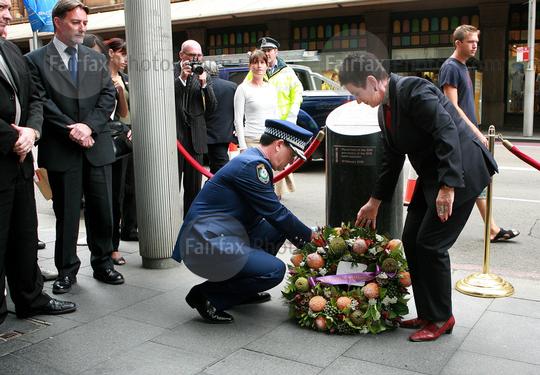
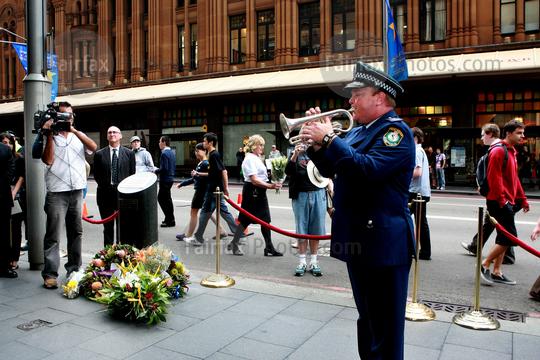
City of Sydney Re-dedicates Plaque Commemorating Hilton Hotel Blast Victims
Tuesday, February 12th, 2008
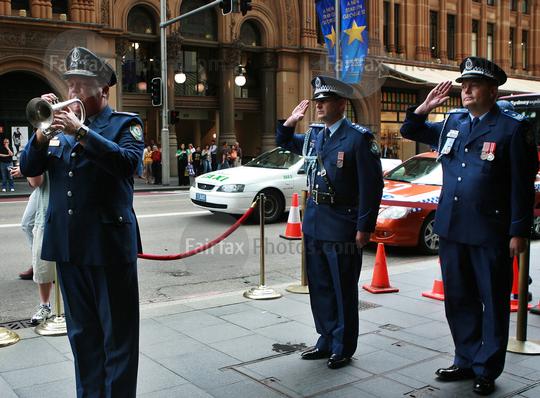
The City of Sydney is re-dedicating the plaque commemorating the victims of the Hilton Hotel bombing on the occasion of the 30th anniversary of the event.
The bombing at the Hilton Hotel occurred in the early hours of 13 February 1978. The bomb was concealed inside a garbage bin and exploded when that bin was loaded into a City of Sydney Council garbage truck compactor.
Three people were killed (Alec Carter and Arthur Favell, City Council workers, and a NSW Police Officer, First Class Constable Paul Burmistriw) and seven more were wounded. At the time, Malcolm Fraser, the Prime Minister and eleven visiting heads of state were staying at the hotel for a Commonwealth Heads of Government Meeting.
Lord Mayor, Clover Moor MP said that the anniversary of the bombing served as a time to remember those whose lives were cut short and those who still bear the scars today.
“This terrible act killed three decent and dedicated men, two of whom were working for the City of Sydney. But now we can re-dedicate this plaque so that future generations remember them and remember the shocking crime that took their lives.”
Commissioner of Police Andrew Scipione APM said it was important that Australians not forget the terrible incident.
“This was the death of a policeman killed as he helped guard world leaders in Sydney. Constable Paul Burmistriw was a fine officer. That he and City Council workers Alec Carter and Arthur Favell should die doing their job was a terrible tragedy.”
The original plaque had stood on the site of the garbage bin but had been moved due to a City streetscape upgrade and the recent upgrade of the Hilton Hotel. The new plaque will stand at the original spot on the George Street footpath.
Hilton Hotel Bombing History
In February 1978, Prime Ministers and other heads of State and senior political figures from Commonwealth countries gathered in Australia for a Commonwealth Heads of Government Meeting, known as CHOGM, held at Sydney’s Hilton Hotel.
In the early hours of 13 February 1978, a City of Sydney garbage truck compactor set off a bomb that had been placed in a bin immediately outside the Hilton Hotel on George Street.
At the time Australian Prime Minister Malcolm Fraser and eleven visiting heads of state were staying at the hotel.
Three people were killed by the blast: two City of Sydney Council workers, Alec Carter and Arthur Favell and First Class Police Constable Paul Burmistriw.
Seven people were wounded by the blast, including police officer, Terry Griffiths.
The then Indian Prime Minister, Morarji Desai claimed that the blast was the work of a group known as Ananda Marga, protesting the imprisonment in India of their spiritual leader, Shrii Shrii Anandamurti.
In 1989, Evan Pederick came forward and claimed responsibility for the bombing. He accused a one-time member of Ananda Marga, Tim Anderson of helping to plant the bomb. The only other main witness against Anderson was notorious criminal Raymond John Denning. Anderson went on trial in 1990 and was initially found guilty.
Anderson appealed to the NSW Court of Appeal. On 6 June 1991 the court led by then Chief Justice Gleeson quashed the conviction, based on the inappropriate and unfair action by the crown prosecutor. His Honour noted: “It is well established that a Court of Criminal Appeal may treat a jury’s verdict as unsafe or unsatisfactory even if satisfied that it was, on the evidence, reasonably open to the jury to convict … The inherent strength or weakness of the crown case may be a factor relevant to such a conclusion. In the present case, for reasons just given, I do not regard the crown case as presented at trial as a strong one, and for the reasons discussed in relation to the first ground of appeal, there was one important respect in which, in my view, the proceedings miscarried. The crown was permitted, in an unfair manner, to obscure a major difficulty concerning the reliability of the evidence of its principal witness by raising an hypothesis that was not reasonably open on the evidence.This was compounded by what I regard as an inappropriate and unfair attempt by the crown to persuade the jury to draw inferences of fact, and accept argumentative suggestions, that were not properly open on the evidence. I do not consider that in those circumstances the crown should be given a further opportunity to patch up its case against the appellant. It has already made one attempt too many to do that, and I believe that, if that attempt had never been made, there is a strong likelihood that the appellant would have been acquitted.”
There has been controversy about the motives for the planting of the bomb and the handling of the case that surrounded it. Terry Griffiths has claimed that the bombing was a conspiracy and called for an inquiry. There have been persistent suggestions of ASIO involvement in the bombing.
Anderson subsequently lodged 52 complaints of professional misconduct with the New South Wales Bar Association against Mark Tedeschi, QC. All but one of the complaints by Anderson against Tedeschi were dismissed by the NSW Bar Association. The remaining complaint was dismissed by the NSW Administrative Decisions Tribunal.
In 1991, Peter Collins, the then NSW Attorney-General led a campaign to demand a joint State-Federal inquiry which culminated in a unanimous resolution by both houses of the NSW parliament. Mr Collins said in parliament: “The Hilton bombing cannot simply be relegated to the yellowing pages of history until we know the truth, however unpalatable it may turn out to be. It must also be said that we owe this to the memory of the three who perished, their families, and to those who survived… This issue, this weeping sore transcends political, constitutional and geographical boundaries. The answers may be alarmingly simple. But, whatever the truth, the people of Australia are entitled to nothing less.”
Hilton Hotel bombing victims remembered with plaque
By Shoba Rao
The Daily Telegraph
February 13, 2008
A PLAQUE, commemorating the victims of the Hilton Hotel bombing on the 30th anniversary of the event, will be re-dedicated in Sydney today.
The City of Sydney is re-dedicating the plaque, which pays tribute to three people who were killed in the blast, after a recent street upgrade and redevelopment of the Hilton Hotel.
City Council workers Alec Carter and Arthur Favell, and a NSW Police Officer, First Class Constable Paul Burmistriw were killed.
Seven others were wounded in the blast.
The bombing at the Hilton Hotel occurred in the early hours of 13 February 1978.
The bomb was concealed inside a garbage bin and exploded when that bin was loaded into a City of Sydney Council garbage truck compactor.
At the time, Malcolm Fraser, the Prime Minister and eleven visiting heads of state were staying at the hotel for a Commonwealth Heads of Government Meeting.
Lord Mayor, Clover Moore MP said that the anniversary of the bombing served as a time to remember those whose lives were cut short and those who still bear the scars today.
“This terrible act killed three decent and dedicated men, two of whom were working for the City of Sydney.
“But now we can re-dedicate this plaque so that future generations remember them and remember the shocking crime that took their lives.”
Commissioner of Police Andrew Scipione APM said it was important that Australians not forget the terrible incident.
“This was the death of a policeman killed as he helped guard world leaders in Sydney.
“Constable Paul Burmistriw was a fine officer.
“That he and City Council workers Alec Carter and Arthur Favell should die doing their job was a terrible tragedy.”
The plaque will stand at its original spot on the George Street footpath when it is unveiled at 2.30pm today.
Australian terrorism born in the Sydney Hilton bombing
Julia Rabar
Herald Sun
December 21, 2012
IT was Australia’s first terrorist attack, but amid a string of plot twists many believe that more than three decades later, there are still many unanswered questions.
The terror that struck in the heart of Sydney began on a warm summer night in February, 1978.
Australian Prime Minister Malcolm Fraser and the leaders of 11 heads of state were staying at the Sydney Hilton Hotel the night before the Commonwealth Heads of Government Meeting (CHOGM).
Just after midnight, a garbage truck pulled up outside the front of the hotel to empty a bin overflowing with rubbish.
As the truck’s hydraulic ram dropped to compress the rubbish, it detonated a 6.5kg bomb that had been in the bin in a blast that tore through the early-morning serenity of the CBD.
In Melbourne’s The Herald, Peter Coster – who now writes for the Herald Sun – described the effect of the blast.
“Everyone in the vicinity was temporarily deafened. Blood is everywhere outside the entrance to the hotel …”
The blast shattered windows on both sides of the street, with debris flung 100m either side of the hotel entrance.
Garbage collectors William Favell and Alex Carter died in the blast. Police officer Paul Burmistriw died nine days later from head injuries, and nine others were seriously injured.
The autopsy report found Mr Favell’s body was “shattered”.
“The parts were badly shattered with hardly any bone left intact. Embedded in the body were large amounts of foreign matter such as cigarette butts, labels, etc. There was also shrapnel, glass, splinters and paint, The National Times reported.
When the blast hit, the nation’s leaders inside the hotel were shocked into action.
Australian Foreign Minister Andrew Peacock ran to the Prime Minister’s room.
Grabbing dressing gowns on their way out, the pair rushed to the scene of the explosion in their pyjamas
Mr Fraser told the public: “At this stage it must appear that the dead and injured are utterly innocent victims of a senseless act of violence.”
It was also reported a warning phone call was made to police minutes before the explosion, in the first hint that there was more to the story.
[blockquote]We will never be stopped. Ananda Marga will cleanse the world[/blockquote]
And so began the controversy.
Overnight, Sydney went into lockdown amid the biggest manhunt in Australia’s history.
Mr Fraser and the NSW Premier Neville Wran demanded support from the armed forces, and almost 2000 troops descended on the city for protection.
CHOGM progressed with armed forces and even a decoy train employed to protect heads of government on their way to a pretty NSW town, Bowral.
Mr Coster recalls Bowral was “transformed into a war zone” with helicopters flying overhead through the night and armoured personnel carriers along the road into town.
Police were now hunting three men “swarthy in appearance and in their early 30s”.
Within hours, suspicions emerged that a previously ignored religious sect known as Ananda Marga appeared to have played a role in the bombing.
Margis -as the sect’s members were known- had already been involved in worldwide protests for some years, demanding the Indian government release their spiritual leader Pabhat Ranian Sarkar who was serving a life sentence for murder.
But the breakthrough came after the three main suspects were charged in another political conspiracy four months later.
On June 15, Ross Dunn, 24, Paul Alister, 22, and Timothy Anderson, 26, were charged with conspiring to murder the NSW leader of the National Front – a professed Nazi – Robert Cameron.
All were members of Ananda Marga’s Australian branch.
The trio were sentenced to 16 years’ jail without parole.
But the trials also unearthed police informer, Richard Seary, 26, who implicated them in the Hilton bombing.
Mr Seary, a reformed heroin addict, revealed he had joined Ananda Marga as a paid police informer in March 1978 to discover any links between the sect and the bombing.
The men told him they had “fixed” the Hilton bombing, and Anderson had also declared: “You’ve got to be willing to die for your ideology.”
An arresting detective said Dunn had also told him: “We will never be stopped. Ananda Marga will cleanse the world.”
But despite a $100,000 reward and a team of 100 full-time detectives, no charges had been laid for the Hilton bombing a year after the blast.
Three early leads had been discounted, including a theory that a woman was suspected of trying to harm the New Zealand prime minister because she opposed the abortion laws.
Three years after the bombing, new evidence suggested a cover-up.
On March 30, 1981, newspapers reported that the NSW Attorney-General had received fresh information.
Among the new claims was that an army bomb disposal squad had been on its way to the Hilton when the bomb exploded. Another allegation was that the police hadn’t searched the garbage bins the night before the blast, in an otherwise comprehensive search.
Enter the Hilton bombing’s most vocal conspiracy theorist.
Retired senior constable Terry Griffiths had been just six metres from the blast and suffered extensive injuries.
The father of two, who had been battling for worker’s compensation for over two years, believed he was the victim of a cover-up involving Australian security forces.
Mr Griffiths said the NSW Government had deliberately blocked his efforts to seek compensation.
“I’m suggesting there is enough evidence for any person who wishes to go into the matter honestly to believe that there may well be a cover-up in this matter.”
Some evidence appeared to support his theory.
It emerged that three garbage trucks were diverted from the bin by police officers, despite the fact that it was overflowing with rubbish.
Mr Griffiths even claimed the explosion was the inadvertent result of a media stunt fabricated by ASIO, the military and the NSW Police Special Branch.
His theory was that the organisations had planted the bomb which they then intended to “discover” to make them look good – and justify broader powers, he told Sydney’s The Sun-Herald.
It was only when the ill-fated fourth truck slipped through and finally emptied the bin that the “plan” went badly awry.
Mr Griffiths suggested that the phone call police received just minutes before the blast was in fact a person involved who saw the truck approach the bin, and panicked.
Mr Griffiths said ASIO had benefited from the blast, gaining “unlimited powers” from legislation introduced in the wake of the blast.
Some politicians gobbled up Mr Griffiths’ allegations of conspiracy, including then-Senator and federal shadow Attorney-General Gareth Evans.
Within a month there were calls for fresh investigations into the Hilton bombing and the reward raised to $250,000.
Then, in 1982, a coronial inquest was announced.
The Sydney Hilton’s night receptionist at the time of the blast, Manfred von Gries told the inquiry he saw three men speaking to police just before the explosion.
Within days, he was approached by a man who threatened to kidnap his son if he spoke to police about what he saw, he claimed.
He later identified the man as Jason Alexander, Ananda Marga’s Australian leader, but there were doubts about his evidence.
Mr Griffiths added to his claims, suggesting a bomb disposal truck was stationed around the corner before the blast, and that several Special Branch officers were watching the police from a vehicle across the road.
He also said he’d been informed that a warrant officer with the armed forces had planted the bomb several days before the blast.
Mr Griffiths also said that Sgt Robert Jackson, his friend and fellow officer who had assisted with the initial murder investigation, had told him that the warning call was made to police 10 minutes before the blast.
Within days, Sgt Jackson denied the conversation.
Sgt Arthur Hawkin, on duty on the night of the blast, appeared to back the theory.
Mr Hawkin said when he arrived for his shift 90 minutes before the explosion he was told to expect trouble and “something about a bomb”.
The inquiry also heard a sergeant before the blast saw Timothy Anderson near the rubbish bin that later exploded, during a demonstration against the New Zealand prime minister.
And another witness claimed Anderson, a regular customer, had picked up a newspaper in her shop the morning after the blast and had said to another man: “We only got three.”
Then the police informant Richard Seary dropped powerful new claims, saying Ross Dunn had told him he’d planted the bomb in the bin an hour before the Indian Prime Minister’s arrival.
Why hadn’t Mr Seary shared this evidence with police earlier?
Initially, he said it was because he was upset with the way police had treated him. Later, he said it was due to concerns that Dunn had lied, confessing out of bravado.
He said on account of his doubts, he had drip-fed his evidence to police instead.
With the latest claims, coroner Norman Walsh decided there was enough evidence to charge Dunn and Alister of three counts of murder, and Anderson with conspiracy to murder.
The court erupted in shock and fury, and even the jury, which gave no official verdict raised lingering questions.
In 1984, the NSW Attorney-General Paul Landa on Crown law advice decided the three men would not be prosecuted.
Instead, a judicial inquiry was announced to investigate the Cameron charges.
This inquiry found Richard Seary to be an unreliable witness, and a psychiatrist diagnosed him as having a personality disorder.
Adding to his fall from grace, the Margis’ lawyer went so far as to accuse Mr Seary of bombing the hotel himself.
In 1985, after seven years in jail, the judicial inquiry quashed the trio’s convictions.
The three men were released in May, pardoned by the NSW government, and awarded $100,000 each in compensation.
Alister and Dunn moved to an Ananda Marga community in Queensland, and Mr Anderson was left to pursue a PhD on Australian foreign debt.
But on May 30, 1989, Anderson was again arrested and charged for the bombing amid new evidence.
Evan Dunstan Pederick, a 33-year-old Brisbane public servant Ananda Marga member admitted he had tried to remotely detonate the bomb when the Indian Prime Minister arrived at the hotel.
He said he was acting as a front man for Mr Anderson, who provided the explosives.
When the bomb failed to detonate, Pederick panicked and ran. He pleaded guilty to conspiring to murder the Prime Minister – but not guilty to causing the three subsequent deaths.
Nevertheless, Pederick was found guilty of three counts of murder, and sentenced to 20 years’ jail. The jury determined he had acted with reckless indifference by leaving the bomb in the bin.
Another prisoner who had met Mr Anderson while he was serving the Cameron sentence revealed Anderson had confessed his role in the Hilton bombing.
In 1990, Anderson was sentenced to 14 years’ jail. Supreme Court justice Michael Grove said Mr Anderson had been “brainwashed” by the Ananda Marga cult when he instigated the bombing.
Seven months later Mr Anderson was acquitted.
But the saga was far from over.
In May 1995, Pederick did a U-turn. After six years in jail for a crime he confessed to, it suddenly occurred to Pederick that he might be innocent.
Pederick accused police of failing to test his evidence and state of mind.
“Is it possible that in 1978, dominated by the influence of the Ananda Marga and yet in conflict with the demands of the sect, I had acquired a deep sense of guilt which expressed itself in an obsession with the cataclysmic events for which Ananda Marga was held responsible at the time? I do not know,” Pederick said in a News Ltd report.
In 1997, the NSW Court of Criminal Appeal dismissed Pederick’s new claims, but six months later he was released on parole.
”As a naive young person, influenced by the teachings of Ananda Marga, I participated in a fatal act of political terrorism,” Pederick said, as quoted in The Australian.
But as he left the jail, Pederick indicated there were six others involved in the bombing, none of whom were ever charged.
More than three decades on, the question mark remains: Who bombed the Sydney Hilton?
SYDNEY — In evidence before the New South Wales Independent Commission Against Corruption, it has emerged that state coroner Kevin Waller advised Detective-Inspector Aarne Tees, investigator of the Hilton bombing, on whether the testimony of police informer Raymond John Denning provided a strong enough basis for a prosecution of Tim Anderson.
Anderson was convicted in November 1990. His appeal was unanimously upheld by the NSW Court of Criminal Appeal in May 1991, Chief Justice Gleeson ruling that “a jury, acting reasonably, would give Denning’s evidence little or no weight”.
The involvement of Waller in the Hilton case again highlights the links between the police and the judiciary in this state. In evidence, Tees stated that he didn’t trust crown law officers (who would normally make judgements on the reliability of testimony) and instead sought the opinion of Waller because he was “technically the head of homicide”.
Waller’s view that Denning’s evidence was trustworthy contrasts with his ruling in a previous case involving Denning, once known for his championing of prisoners’ rights.
In 1981-82 Waller heard a case brought by prisoners’ rights activist Brett Collins against certain warders at Grafton Jail. One of the witnesses called by Collins was Denning. In his adjudication, Waller said:
“In cross-examination he demonstrated a bizarre attitude to life … Mr Denning has been in institutions, in gaols, committing crimes or on the run for the last 15 of his 30 years and his attitude must have been affected by his life style. At other times he refused to answer questions in cross examination despite warnings that such refusals could reflect adversely on his credit. He was an unreliable witness.”
The revelation that Tees consulted Waller on using Denning also went against Tees’ own evidence to the committal hearing against Anderson, held in September 1989. There Tees denied having been advised by anyone before launching the prosecution.
In other evidence before the ICAC, it has emerged that the prosecution decided not to call five other prisoner witnesses against Anderson, even though all claimed that Anderson had confessed to the Hilton bombing when in jail. A coded message between two of these witnesses, which was intercepted by prison officers, read: “It’s nice to know we can get someone convicted even when he is innocent like Anderson is. They’re all gronks [dags].”
Someone on the prosecution side decided that such people wouldn’t make very reliable-looking witnesses for the prosecution.
Also of interest is the revelation that Anderson’s supposed confession to the five uncalled witnesses revolved around an alleged conflict between Anderson and fellow prisoner Alex Burmistriw, the brother of Constable Paul Burmistriw, killed in the Hilton bombing.
In her notes of an interview with Alex Burmistriw, Anderson’s solicitor wrote: “He said that the police had come to see him and they dared to say that he didn’t care for his brother. He [Burmistriw] asked about whether he is supposed to have got in a fight with Tim — I said in fact yes, that was one of the allegations. He said something like, if he had, Tim would have known about it.”
Little of this has appeared in the Sydney media. They have led with Denning’s challenge to Anderson to undergo a lie-detector test and Tees’ claim that Anderson and the Prisoners Action Group were involved in spiriting prison escapee Ian Steele out of the country in 1986.
Commissioner Ian Temby halted Tees’ evidence on this matter, saying he did not want the hearing to be “used as a vehicle for the bringing forth of material which is of no possible use to me and all it does is to titillate various imaginations“.
In a letter to the Sunday Telegraph, Brett Collins and Ian Fraser replied on behalf of the Prisoners Action Group: “Denning’s accusations elsewhere have been dismissed or totally contradicted by proven facts as in the Hilton bombing case. We regard his actions as sadly exhibiting the destructive influence of heroin, prison hopelessness and corrupt authorities.”
In his opening remarks, Tim Anderson said that his questioning of Denning would reveal a “a pattern of constructing evidence to make it incriminate people with the help of Aarne Tees“.
Will the ICAC hearings get to the bottom of the police informer system? Will anyone important be charged? The signs are not very promising. Already Commissioner Temby has refused requests for chief Hilton prosecutor Mark Tedeschi and Kevin Waller to appear before the hearing.
Rank: Detective Senior Constable ( had only completed the Detectives course 1 mth prior to death )
Stations: North Sydney circa 1971 – 75, 21 Division ( Special Squad ) – death
Service: From 12 December 1966 to 15 October 1977 = 10+ years Service
Awards: No find on It’s An Honour
Born: ? ? 1946
Died on: 15 October 1977
Age: 30 – 31 old
Cause of death: Motor Vehicle Accident
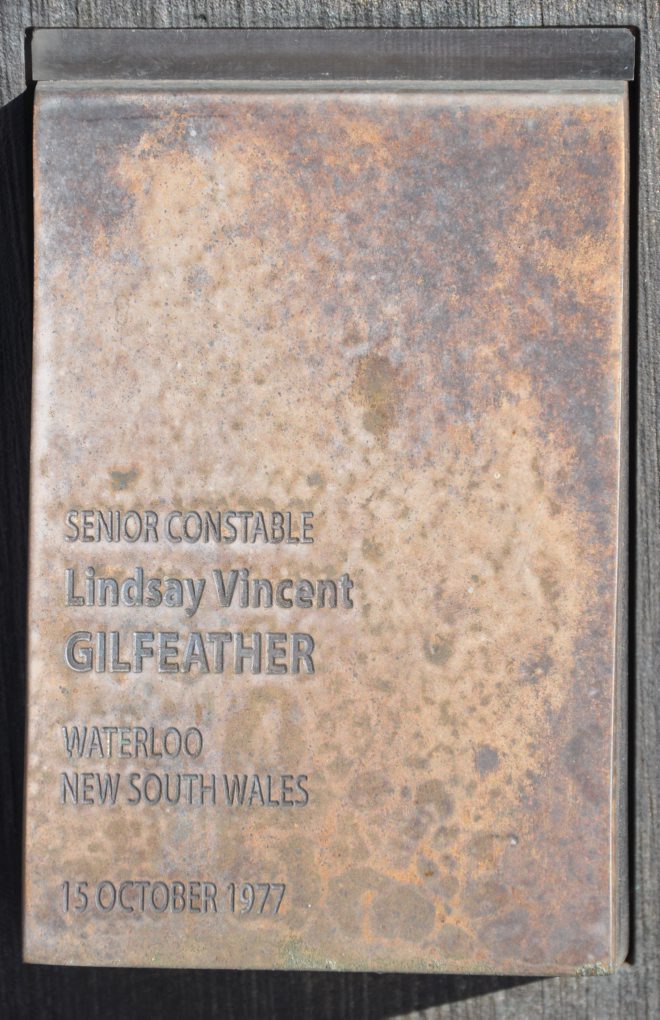
Location of death: Southern Cross Drive, near the intersection of O’Dea Avenue, Waterloo
Funeral date: 20 October 1977
Funeral location: Cremated at Eastern Suburbs Memorial Park.
Buried at: Cremated at Eastern Suburbs Memorial Park. Ashes with family
Memorial at: ?
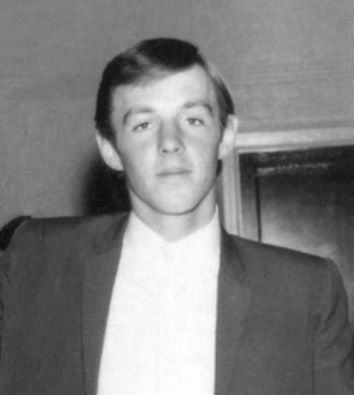
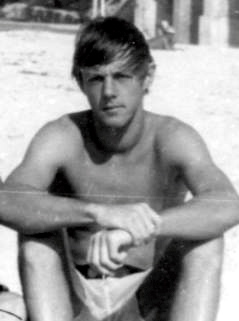
Senior Constable Lindsay Vincent GILFEATHER
As a kid, Lindsey used to ride Malibu Boards at Bronte Beach, NSW
[alert_green]LINDSAY IS mentioned on the Police Wall of Remembrance[/alert_green]
About 9.30pm on 15 October, 1977 Senior Constable Gilfeather was driving a police car behind another vehicle in Southern Cross Drive, Waterloo. Near the intersection of O’Dea Avenue another vehicle made a right turn against the traffic lights in front of the two vehicles. Both vehicles took evasive action, skidded on the wet road and collided with each other. The police car then hit a telegraph pole. Senior Constable Gilfeather sustained extensive head and internal injuries and died a short time later. Constable 1st Class McKenzie was also injured, however he later recovered.
The constable was born in 1946 and joined the New South Wales Police Force on 12 December, 1966. At the time of his death he was attached to the No. 21 Special Squad, Criminal Investigation Bureau.