1

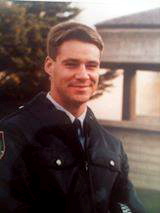
Russell RAWSON

Russell RAWSON

New South Wales Police Force

Rank: ?

Regd. # ?

Stations: M.O. Unit

Awards:  ?

Service:  From to  ?

Illness – Suicide – firearm – Meadowbank park

Born: ?

Died: early 1990’s

Funeral details: ?


 [alert_red]Russell is NOT mentioned on the Police Wall of Remembrance[/alert_red]

Info from Charlie Dag. on 24 November 2014

FURTHER INFORMATION NEEDED.


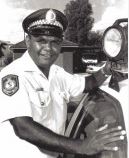
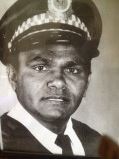
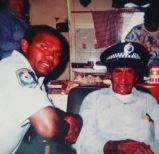
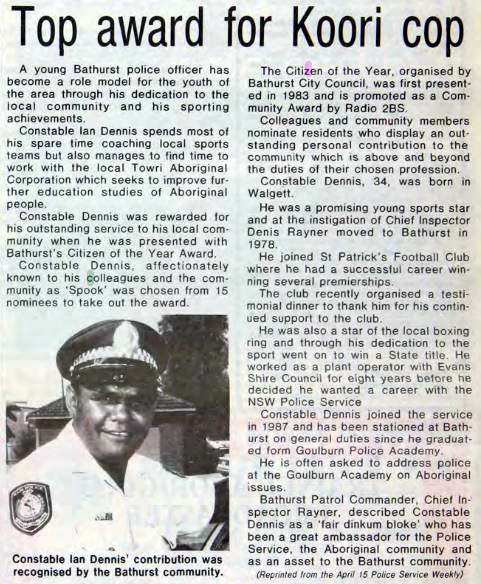
Ian Ross DENNIS

Ian Ross DENNIS

aka ‘ Spook ‘

New South Wales Police Force

NSW Goulburn Police Academy Class # 227

ProCst # 98375

Regd. # 23964

Rank: Commenced Training at Goulburn Academy on 1 April 1987 ( aged 30 years, 4 months, 8 days )

Probationary Constable – appointed 26 June 1987 ( aged 30 years, 7 months, 17 days )

Constable – appointed 26 June 1988

Constable 1st Class – appointed ? ? ?

Senior Constable – appointed ? ? ?

Final Rank:  Senior Constable

Stations:  Bathurst, Redfern, Walgett, Lightning Ridge –

ServiceFrom 1 April 1987 to 3 August 2004 = 17 years, 4 months & 2 days Service

Awards:  No Find on Australian Honours

Born:  Friday  9 November 1956

Died:  Tuesday  3 August 2004

Cause:  Illness – possibly cancer???

Age:  47 years,  8 months, 25 days

Funeral date: ?

Buried at: Walgett in the R.C. section of Walgett Cemetery. plot 117K

Memorial:  Annual ‘E A’ Dennis Memorial cricket match


………Another police officer also was mourned today – Senior Constable Ian Ross Dennis, based in Walgett, north-west NSW, who died in hospital after a short battle with an illness, aged 47.

Mr Moroney paid tribute to both officers, saying they had been outstanding servants of the police force.

“It’s important on these occasions that we honour and acknowledge that service and that commitment,” he said.

“It’s a very sad day for the organisation to lose officers of this calibre who have selflessly served the people of this state to the very best of their skill and ability.

“And that’s all I could ever ask them to do.”

http://www.theage.com.au/articles/2004/08/03/1091476465269.html?from=storylhs


NSW Fallen Police FaceBook GROUP:  25 November 2014

Ian Borland Ian started out as a probationary constable at Bathurst where he worked for several years before he transferred. Prior to entering the Police he worked for the now defunct Evans Shire Council as s Grader driver. He was brought to Bathurst from Walgett to play rugby league for Bathurst St Patrick’s Club.
He was also an accomplished boxer. He fought for the Australian attire at Exhibition Hall, Brisbane where he was beaten on points and collapsed after the bout.
It was discovered he had glandular fever and blood poisoning yet he fought the full twelve rounds. After the bout he was not offered a rematch.
He and his wife Anne were tireless workers within the aboriginal community here in Bathurst.

Kevin Banister DENNIS Ian (Spook)

Death notice

03AUG2004

Death 47

late of Walgett, formerly of Bathurst

Western Advocate (Bathurst)

07AUG2004.

Born 09/11/1956.

Buried at Walgett in R.C. section.

 https://www.facebook.com/groups/NSWFallenPolice/486645958143410/?comment_id=489605637847442&ref=notif&notif_t=group_comment


Ian is NOT mentioned on the Police Wall of Remembrance

Ian is NOT mentioned on the Retired Police Association Vale list


Grave location


Castlereagh’s Cricketing Comrades celebrate ten years of restoring community spirit

‘EA’ Dennis Memorial Shield

Castlereagh LAC Police and the Walgett Community took to the field on 26 October 2014 to commemorate the 10th Annual ‘E A’ Dennis Memorial cricket match.

The celebrated event was initiated in 2004 to honour the memory of the late Senior Constable Ian Dennis, an Aboriginal police officer formerly based at Walgett and Lightning Ridge.
As the temperature soared to 39.2 degrees, players from both sides demonstrated enthusiastic cricketing skills and a strong sense of community spirit. “The match is all about building better relationships between our police and our community. We all want the best for our community, and if we work together we have a better chance of reducing crime and re-offending”, said annual match organiser and Castlereagh LAC Aboriginal Community Liaison Officer (ACLO) Graham Ruttley.
In a close-fought battle reminiscent of Ashes tests from yesteryear, the 20/20 match resulted in a hotly contested draw.
The much-admired Senior Constable Dennis died in 2004. He is survived by his wife Ann Dennis, and their three children. Ann Dennis said Ian would be proud of the comradeship and encouragement displayed on the pitch.

“I can’t believe it is ten (10) years since Ian had died. Ian had overcome many obstacles and challenging adversity to fulfil his dream of becoming a Police Officer with the NSW Police Force. This cricket match provides the only opportunity in our community for Aboriginal people to engage in a different more positive way with local police officers,” said Ann Dennis.

“I would also like to take this opportunity to thank the Castlereagh LAC for their continued support. It is through the hard work, persistence and dedication of the Police ACLO Graham Ruttley, that this is an overwhelming success.
Castlereagh LAC Superintendent James Stewart believes that Ian’s legacy recognises the importance of Police being seen as part of their community. “Ian is often remembered by townspeople and police as being community minded, dedicated to his family and a good Police Officer. The EA Dennis Memorial Shield is a fitting way to recognise his contribution to the community of Walgett, and for Police to be seen as part of the community.”

The event is integral to improving communication and understanding between Castlereagh LAC police and the Walgett Aboriginal Community. It aligns with the Aboriginal Strategic Direction (ASD) 2012-2017, through the promotion of Aboriginal community ownership and involvement. It addresses all four of the priority areas as outlined in the ASD 2012-2017 document; particularly Priority 2 (Improve Communication and Understanding between police and Aboriginal People), by fostering the belief that police are an essential part of the community, and offering positive role models and connections for troubled youth and families.

The match is supported by an ASD Crime Prevention Grant as a key initiative to address the over-representation of Aboriginal people in the criminal justice system.

The match is strongly tied to Goals 16 and 17 of the NSW 2021 (State Plan), through its focus on preventing and reducing crime, and decreasing juvenile and adult re-offending. “Sport is an essential part of our community. Through sport we can cross cultural and societal gaps, and encourage participation and integration. Events like the ‘EA’ Dennis cricket match can lead to better understanding, cooperation and partnerships within our local community,” said Castlereagh LAC Crime Coordinator, Sergeant Lisa Jones.

(7) Facebook


‘Admired’ cop dies in hospital

Senior Constable Ian Ross Dennis was admitted to Sydney’s Prince of Wales Hospital on Monday but died from a viral infection yesterday morning .

The 47-year-old father of three was born and raised in Walgett, and after joining the force he served in country communities including Dubbo and Lightning Ridge.

Mr Dennis started off his career as a panel beater in Walgett before he went to work in Bathurst as a plant operator for Evans Shire Council.

He stayed there for 13 years, until at the age of 30 he decided to become a police officer.

Mr Dennis proudly graduated from the NSW Police College in Goulburn in 1987.

“To lose an officer not only of Senior Constable Dennis’ calibre, but a man of his integrity, is a terrible loss,” NSW Police Commissioner Ken Moroney said.

Castlereagh Local Area Commander Superintendent Stan Single also paid tribute to a colleague and good mate.

“He was a wonderful character and was always happy, always there with a joke,” Superintendent Single said.

“Senior Constable Dennis was an excellent role model for the Aboriginal community.

When he first joined the force Mr Dennis was a general duties officer at Bathurst until December 1992.

In July 1997 Mr Dennis moved to Dubbo and was among our local ranks for three years until early 2000.

He then moved to Lightning Ridge for two years and eventually returned to Walgett police station, where he was serving until his death.

Mr Dennis is survived by his wife Anne, their sons Damian and Timothy, a daughter Geraldine and two grandchildren.

‘Admired’ cop dies in hospital | Daily Liberal | Dubbo, NSW


Policeman succumbs to illness

Tributes are being paid to a Walgett-based policeman who died in hospital in Sydney yesterday after a viral infection.

Senior Constable Ian Ross Dennis, 47, had been admitted to the Prince of Wales Hospital in July.

Senior Constable Dennis worked as a panel beater and plant operator in Bathurst before joining the police force where he served in Tamworth, Lightning Ridge, Dubbo and Walgett.

Castlereagh local area commander Superintendent Stan Single says Senior Constable Dennis was an excellent role model for the Aboriginal community.

He participated in the Walgett community, spending a lot of time with the town’s young people.

Senior Constable Dennis was married with three children.


Ian Ross DENNIS aka ' Spook '

Ian Ross DENNIS aka ' Spook '

Ian Ross DENNIS aka ' Spook '

Ian Ross DENNIS aka ' Spook '

Ian Ross DENNIS aka ' Spook '

Ian Ross DENNIS aka ' Spook '

Ian Ross DENNIS aka ' Spook '


Ryan David WEAVER

Ryan David WEAVER

AKA ?

Late of Coffs Harbour, NSW

NSW Goulburn Police Academy Class # 259

New South Wales Police Force

Regd. # 29664

Rank:  Commenced at Goulburn Police Academy on Monday 22 August 1994

Probationary Constable – Friday 17 February 1995

?

Final Rank?

Stations:  Ermington, Granville until 1999 then transferred to Coffs Harbour – GDs & OSG

Service:  From  22 August 1994 to 17 January 2000 = 5+ years Service

Awards: No Find on Australian Honours

Born:  Wednesday  24 April 1974

Died  Monday  17 January 2000

Age:  25 yrs  8 mths

Cause:  Illness – Suicide – Hanging

Event location:  Home

Event date:  Monday  17 January 2000

Funeral date?

Funeral location?

Wake location?

Funeral Parlour?

Buried at:  Dawson River Cemetery, ( off Lansdowne Rd Taree ), Cundletown, NSW

Grave location:  Portion: Flower Garden, Row 1, In the flower garden in the roundabout at the end of the road in (Dawson River Cemetery Road)


Ryan is NOT mentioned on the Police Wall of Remembrance


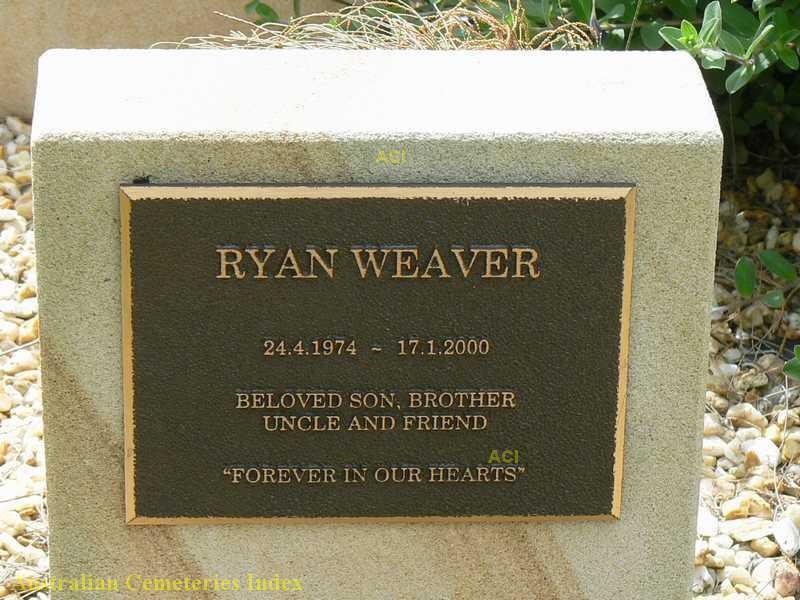
Ryan Weaver memorial stone, Taree Cemetery


Ryan was due to commence day shift at Coffs Harbour Police Station on the 17 January 2000 but was late for his shift.

His house mate, another Policeman, was at Coffs Harbour waiting for Ryan to relieve him from his night shift.  His mate phoned Ryan to ask why he was late and Ryan told him that he was leaving now and would be at the station shortly.

When Ryan failed to turn up half hour after the conversation, his house mate went home to ascertain what the problem was, only to find Ryan had hung himself in the garage.

Ryan was 25 years of age.

May he forever Rest In Peace.


Andrew Scott MILLWARD

Andrew Scott MILLWARD

New South Wales Police Force

Regd. # 8014

Rank:  Sergeant

Retired 7 July 1988

33 years service

Stations: Pt Macquarie

Born:  ?

Died 19 November 2014

81 old

Funeral  Tuesday  25 November 2014 @ 10.30am

St Francis of Assisi Chapel, St Agnes Village,

37 Lochinvar Pce, Port Macquarie


With regret I advise death of Andrew Scott MILLWARD, 81 old, former Regd. No. 8014, a Veteran Member of the Mid North Coast Branch of the RPA.

Andrew passed away today, 19/11/2014, and his funeral is proposed to be held at 10.30am on Tuesday 25th Instant at the St Francis of Assisi Chapel, St Agnes Village, 37 Lochinvar Place, PORT MACQURIE


Location of Funeral Service


John Edward BARNES

John Edward BARNES

New South Wales Police Force

Regd. # 13471

Rank:  Detective Sergeant at Parkes

Senior Sergeant at Casino ( Patrol Tactician )

Inspector

Stations:  Parkes, Casino

Awards:  National Medal – granted 13 November 1984

Born  28 December 1946

Died  29 June 1993 at home in Casino

46 old

Illness – Heart attack or similar

Funeral: ?

Buried:  Ballina Cemetery, NSW


John Edward BARNES
John Edward BARNES

John Edward BARNES
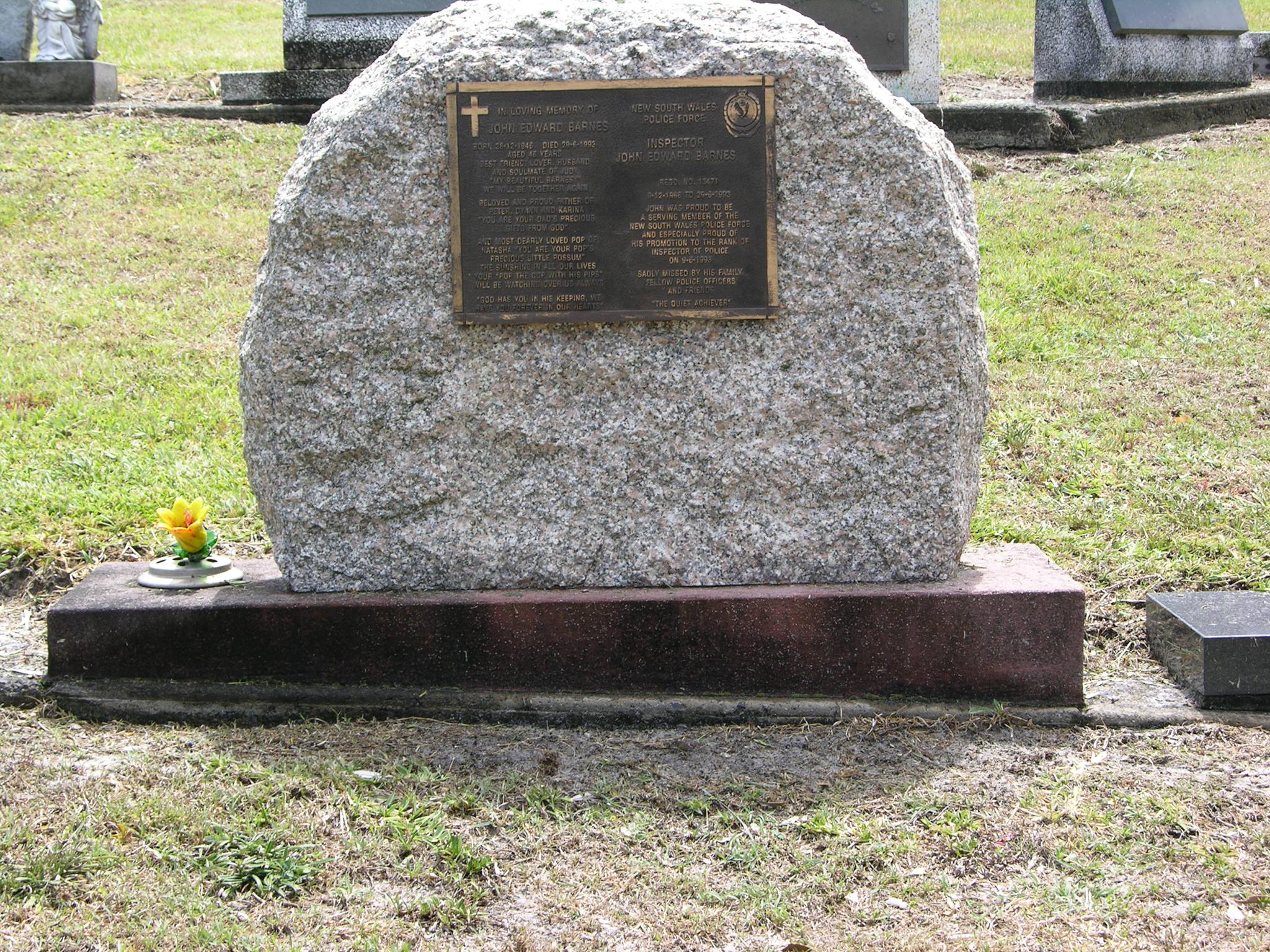
John Edward BARNES – Grave stone – Ballina Cemetery

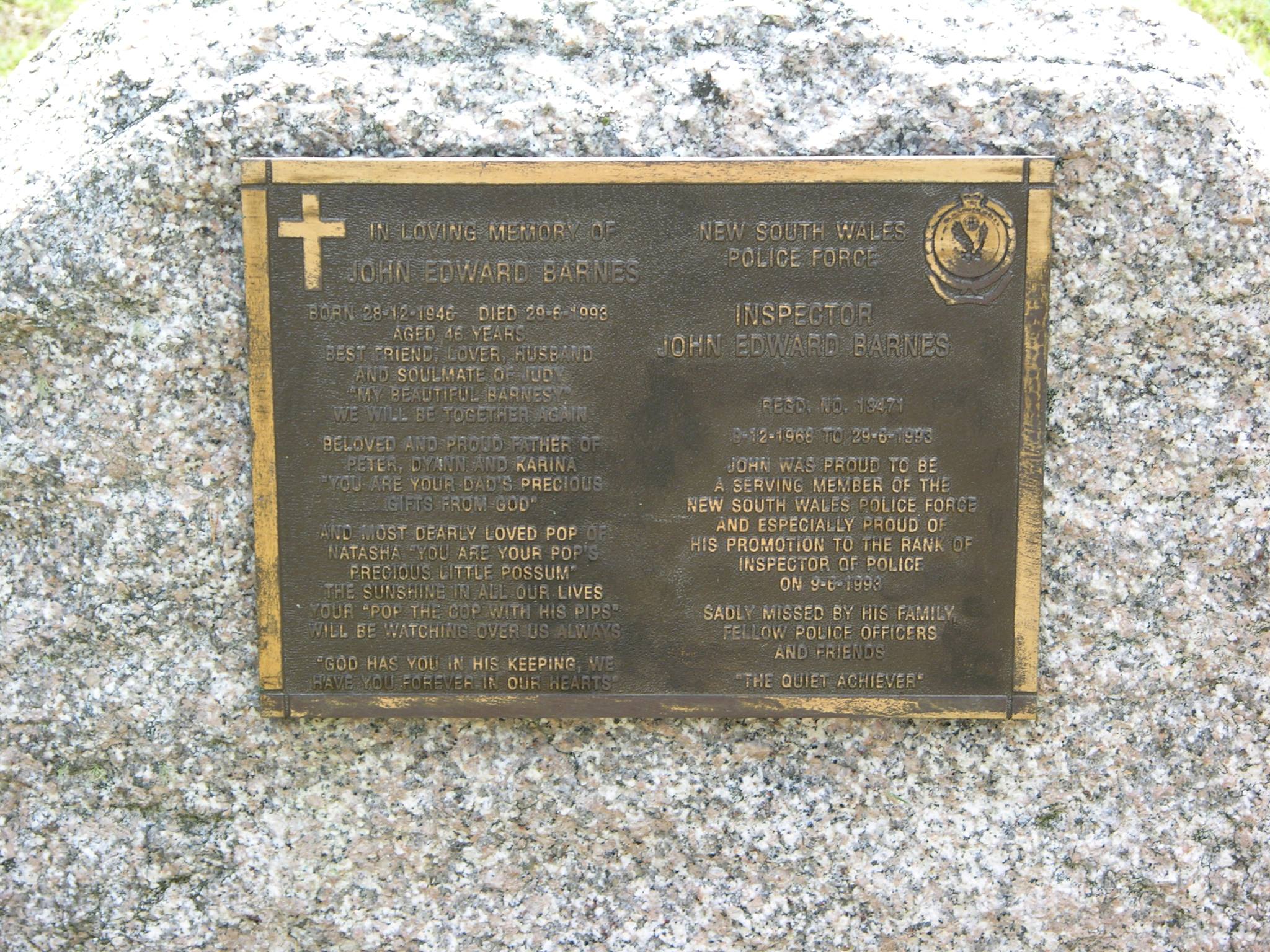
Grave plate reads:


[blockquote]

In loving memory of John Edward BARNES.

Born 28-12-1946   Died  29-6-1993

aged 46 years

Best friend, lover, husband and soulmate of Judy.  ” My beautiful Barnesy ”  We will be together again

Beloved and proud father of Peter, Dyann and Karina  ” You are your dad’s precious gifts from god ”

And most dearly loved pop of Natasha ” you are your pop’s precious little possum ”

The sunshine in all our lives

Your ” Pop the cop with his pips ” will be watching over us always

” God has you in his keeping, we have you forever in our hearts ”


New South Wales Police Force

Inspector John Edward BARNES

Regd. No. 13471

9-12-1968 to 29-6-1993

John was proud to be a serving member of the New South Wales Police Force and especially proud of his promotion to the rank of Inspector of Police on 9-6-1993

Sadly missed by his family, fellow Police Officers and friends.

” The quiet achiever ”

[/blockquote]


* Note:  Died 20 days after his promotion to Inspector.

[divider_dotted]


Peter James McGRATH

Peter James McGRATH

New South Wales Police Force

Member of Police Academy Class  227

Regd. #  23807

Rank: Probationary Constable – appointed 26 June 1987

Constable – appointed 26 June 1988

Detective Senior Constable – Death

Stations:  Petersham ( 1987 ) – 11 Division, Annandale Police Station

ServiceFrom Pre June 1987  to 15 June 1995 = 8+ years Service

Awards? Nil

Born:  11 April 1963

Died on:  15 June 1995

Cause:  Suicide – jumped from 7th floor

Event location:  Camperdown, NSW

Age:  32

Funeral date?

Funeral location:

Buried at: Cremated at Rookwood
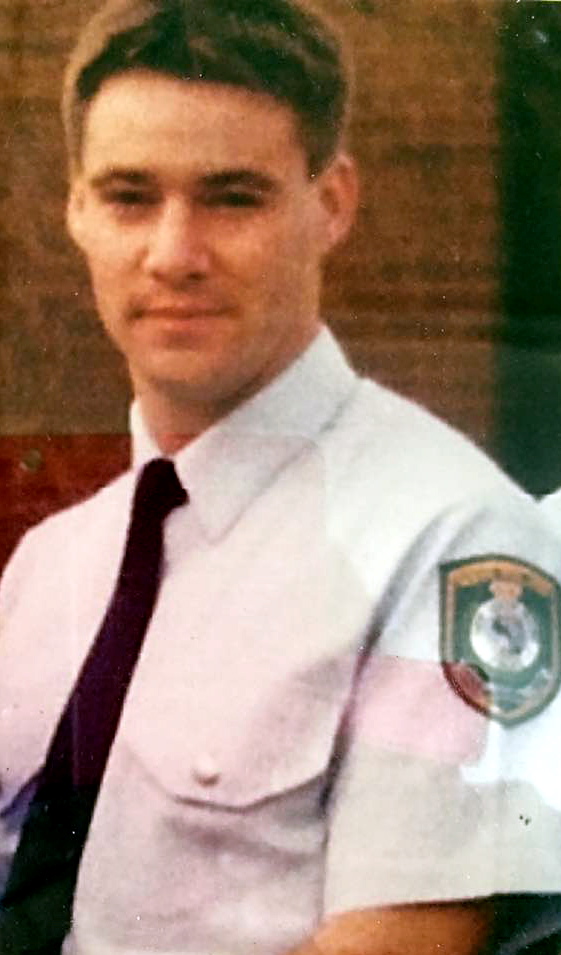
 

Peter James McGRATH


At 4.15pm on 15 June, 1995 the senior constable fell to his death from a building in Glebe. He was off duty and on sick leave at the time. It was later determined that he was suffering from work related Post Traumatic Stress Disorder, depression and anxiety as a result of his policing experiences.


The senior constable was born in 1963 and joined the New South Wales Police Force on 26 June, 1987.


This member IS mentioned on the National Police Memorial Wall.


Death Of Detective Constable Peter McGrath

Legislative Council by date

24 October 1996

About this Item
Speakers Gallacher The Hon Michael
Business Adjournment, Condolence

DEATH OF DETECTIVE CONSTABLE PETER McGRATH
The Hon. M. J. GALLACHER [4.49]: I bring to the attention of all honourable members yet another example of bureaucracy gone wrong. On 17 August 1992 Detective Constable Peter McGrath attended the scene of an armed robbery in progress at the Associazione Polysportiva Italo-Australiana club, the APIA club. Offenders were present and were armed. They had taken eight hostages and were in the process of collecting $60,000 from the armed robbery when the police arrived. It was a classic stand-off situation, with the offenders and police pointing loaded firearms at each other. The cool head of this officer and his partner resulted in both offenders eventually giving up. On 26 November 1992 Detective McGrath together with another officer whilst off duty were viciously attacked by approximately 12 males, resulting in serious injury to Detective McGrath’s companion and grave psychological illness to himself.

During the course of Detective McGrath’s duty he attended a domestic situation in which a mother and her de facto partner had placed a baby into a bath of boiling water before picking the skin off the baby and putting it to bed. The baby died a few months afterwards. Detective McGrath had to attend the post mortem. At the time of the trial of the offenders the detective’s wife had given birth to a son. In May 1993, as a result of the assault in November 1992, Detective McGrath began to show signs of depression, which were accepted by the Police Service as illness related to the course of his duty. His doctor supplied information to the Police Service regarding his illness and it was accepted that he had been hurt on duty.

By June 1995 Detective McGrath’s psychological condition had deteriorated. He believed that he was being followed by personnel from the Royal Commission into the New South Wales Police Service. He believed that he was going to be set up by police in relation to a crime. On 15 June 1995 he went to work at Annandale with the purpose of resigning. Detective McGrath’s supervisor realised that he was suffering from depression, talked him out of handing in his resignation and sent him home on annual leave. Later that afternoon Detective McGrath told his wife that he was going to resign. He left his home but instead of attending the police station he went to a high-rise block of flats in Camperdown and jumped to his death.

Contrary to rumours, Detective McGrath was not the subject of any royal commission inquiry, and I am in possession of correspondence to that effect from Mr Michael Finnane, QC, who represents the Police Service at the royal commission. Detective McGrath’s integrity is not in question. The Police Service and the people of New South Wales can ill afford to lose police of the calibre of Detective McGrath. I resigned from the Police Service and within three weeks received my superannuation payment. Detective McGrath died on 15 June 1995 but his wife did not receive his superannuation payment until August 199614 months after his death. On 26 June 1996 she received a letter from the Police Service telling her that his death was not as a result of his police work.

Detective McGrath has left a wife and two children, Kata aged four and David who is now two. His wife must go it alone without any support from the Police Service. I have written to the Commissioner of Police in regard to the appalling treatment that this woman has received and I look forward to hearing from him that the decision made earlier this year will be reversed. On 19 September 1996 Mrs McGrath personally filed an application for determination with the Compensation Court of New South Wales to challenge the decision of the Police Service so that she might be entitled to a pension. She has to pay for those proceedings herself. The money that Mrs McGrath is using is money from the family, money that would be better used for the children.

I do not believe that this case has been accorded the credit to which it is certainly entitled. The Commissioner of Police must immediately reinvestigate this matter to ensure that Mrs McGrath is treated justly. It is important that all wives and husbands and all children whose fathers and mothers work for the Police Service know that if they are unfortunate enough to lose their loved ones they will be protected. Psychological illness does not disbar an officer from consideration for compensation from the Police Service. I firmly believe that this matter is one that deserves just consideration and I hope that the Commissioner of Police accords it such consideration expeditiously.

Motion agreed to.

House adjourned at 4.53 p.m. until Tuesday, 29 October 1996, at 2.30 p.m.

http://www.parliament.nsw.gov.au/prod/parlment/hansart.nsf/V3Key/LC19961024053


http://www.smh.com.au/news/national/holding-judgement/2007/06/08/1181089328815.html?page=fullpage

June 9, 2007

It took up 451 hearing days, heard from 902 public witnesses and cost an estimated $64 million. Malcolm Brown reports on the Wood royal commission, 10 years on.


It began on June 15, 1995, when an unnamed Annandale detective jumped to his death from the seventh floor of a building, apparently through fear of the Wood royal commission. The detective’s suicide was followed by those of Ray Jenkins, a dog trainer (July 10), and Inspector Robert Tait, the acting patrol commander at Narrabri ( March 29, 1996 ). Nineteen days later a former Wollongong alderman, Brian Tobin, gassed himself.

On May 8 the same year, Peter Foretic gassed himself the day after giving evidence about pedophilia. On September 23, Detective Senior Constable Wayne Johnson shot himself and his estranged wife after being adversely named in the royal commission. On November 4, David Yeldham, a retired judge about to face the royal commission on questions of sexual impropriety, killed himself. A month later Danny Caines, a plumber and police confidant, committed suicide at Forster, on the North Coast.

Altogether, 12 people enmeshed in the Wood royal commission took their own lives. Scores of others were so profoundly affected by proceedings that their supporters and families believe it shortened their lives. A former detective, Greg Jensen, suffered a recurrence of the stomach cancer that ultimately ended his life, while another former detective, Ray McDougall, who faced the threat that commission investigators might expose his extramarital affair if he did not co-operate, succumbed to motor neurone disease.

There is no doubt that the Royal Commission into the NSW Police Service, headed by the Supreme Court judge James Wood, purged the force of a rollcall of rotters. A total of 284 police officers were adversely named, 46 briefs of evidence were sent to the Director of Public Prosecutions and by 2001 nine officers had pleaded guilty to corruption offences and three not guilty. Seven police officers received jail sentences, including the former Gosford drug squad chief Wayne Eade and a former chief of detectives, Graham “Chook” Fowler.

Several high-profile police ended their careers in disgrace, including Ray Donaldson, an assistant commissioner, whose contract was not renewed, and Bob Lysaught, the commissioner’s chief of staff, whose contract was torn up. Charges against 14 officers were dismissed because of irregularities in search warrants and their execution.

That left the question of what to do with police who were on the nose but who could not be brought to account by normal means. The solution was the creation of section 181B of the Police Service Act, under which the police commissioner could dismiss an officer on the basis of what had come out of the royal commission. Section 181D allowed the police commissioner to serve an officer with a notice indicating that he “does not have confidence in the police officer’s suitability to continue as a police officer”. The officer could show cause as to why he should be retained, and if dismissed could appeal to the Industrial Relations Tribunal.

In the wake of the two legislative changes, 380 officers were targeted for dismissal or internal investigation. By March 1998, 19 police officers had been dismissed under section 181B and three under 181D. Another had been dismissed under a separate provision of the act, 14 had resigned, four had been medically discharged and 15 had been given performance warning notices. Others were under consideration, and as the Police Integrity Commission – a legacy of the royal commission which became a permanent watchdog – has demonstrated, even officers who had been corrupt many years before were not necessarily in the clear.The former independent MP John Hatton, who was instrumental in setting up the royal commission, said he thought the Police Integrity Commission was the royal commission’s “greatest achievement”. The Child Protection Enforcement Agency, which launched a purge of sex offenders, is another positive legacy of the royal commission.But 10 years on, was the exercise worth it?To some there were considerable benefits. Some appalling malpractice – known as “process” or “noble cause” corruption – prompted Wood to wonder at one point about the quality of a lot of police evidence he had accepted over the years.Despite this, many officers still believe the royal commission was too puritanical. They claim the investigators, not able to grapple with the really big issues, jumped on anything they could: “They had to have runs on the board,” says Michael McGann, who as a policeman in 1984 participated in the so-called Kareela Cat Burglar case, in which police used mace on an unco-operative thief and sex offender. To some critics this treatment did no serious harm and only required a word of caution. But under the spotlight of the royal commission 12 years later, it ended the careers of high-flying police such as John Garvey, Brian Harding and Steve York.A decade later, Harding works in corporate security but insists that the real sting was that the investigators had fabricated evidence. When that finally came out, he says, the group received a confidential settlement, but it did little to redress the feelings of outrage.

Another former policeman, Dr Michael Kennedy, says the commission was a political response to the police commissioner, Tony Lauer, bringing about the downfall of the then police minister, Ted Pickering.

The attorney-general, ministry and judiciary took little responsibility for the state of the force, Kennedy says, while the responsibility of the police rank-and-file grew to “the size of a Pacific driftnet”. “I don’t think the royal commission contributed anything to the reform process except to provide a template for double standards,” he says.

Chook Fowler put $200 into his pocket from Louis Bayeh. Chook was a lazy, good-for-nothing drunk. But he was put into the same category as Ray Williams and HIH.”McGann says that against the string of petty corrupt activities uncovered, “you have to look at what the government did and did not do with gambling and vice, over the decades. There have been direct links to Parliament for 50 or 60 years. That is hypocrisy.”The critics’ view is that the royal commission has left a demoralised police force, tarnished and rudderless, with limited operational effectiveness and the problem of corruption unsolved. Seven police officers have taken their lives since 2001, including two this year.”It highlights the fact that the structure no longer takes in the needs of the NSW police force,” says Mike Gallacher, the Opposition police spokesman, and a former internal affairs police officer.Gallacher believes, as does the NSW Police Commissioner, Ken Moroney, that the tentacles of corruption no longer spread to embrace entire squads or larger units. But it does not prevent low-level incidents of corruption and there are continuing nests of corruption.In its most recent report, the Police Integrity Commission said it had undertaken 21 major investigations in 2005-06. These dealt with extortion, theft, unauthorised disclosure of confidential government information and perverting the course of justice, police brutality and the handling of $250,000 stolen from automatic teller machines. The then police integrity commissioner, Terry Griffin, said there had been 51 investigations in the 12 months, compared with 44 in 2004-05, and the 1141 written complaints represented a 15 per cent increase.Moroney says all these reports are disappointing, but one of the significant statistics was the number of police who were reporting on other police. “You go back a decade and the number of informants who were police was 5 to 10 per cent,” he says. “In the Ombudsman’s last report, that figure was 49 per cent.”The mechanism for dealing with internal complaints has been expedited: “I have not been afraid to use a section 181D notice,” Moroney says.He believes there is a different mentality in the force. A video of the royal commission had been shown at a recent reunion dinner of the old criminal investigation branch. “It is part of our history. But the interesting thing is that when Chookie came onto the screen, everyone booed. That was a signal to the Fowlers and the Eades that those found to have acted corruptly would not be accepted.”
However, Moroney accepts that corruption is not a thing of the past. “In the contemporary period, there are huge monies to be made from the illicit drug environment. You are talking in some cases of millions of dollars. It is the greatest menace in society today. And the greatest menace to officers is drug money. That is why rotation of officers out of specialist squads on a regular basis is important.”Taking over as commissioner five years ago, he had brought a low-key “Uncle Ken” influence, sorely needed, and had had to balance the principles of police accountability against the public demand for law and order, and the task has been awkward.A senior counsel told the Herald this week that the focus on integrity, scrutiny of professional standards and attacks by defence lawyers meant that talented police prepared to do the dirty work were deterred. “In the old days the best and the brightest went into plain-clothes,” he said. “But when the police perceive that when they have to go the extra yard [to get convictions], they are crucified – ‘Why should I go to plain-clothes when I can just get some uniform job with a 12-hour shift, and a second job?”‘Clive Small, a former assistant commissioner who set up crime agencies and established the child protection unit, says that after so many detectives were disgraced in the royal commission, the police force sought to take the spotlight off detectives and put more of the onus of responsibility for crime control onto local area commands. Crime agencies had a continual battle to keep up to strength. Regionalising responsibility for crime control reflected a lack of understanding. “A lot of crime spreads through the metropolitan area, across the state and across the nation,” he says.Kennedy, now a university lecturer, says the “business model” approach is incompatible with good police work. “We cannot expect police to behave like they are in the private sector, where competence is measured in terms of productivity,” he says.Kennedy attended the recent CIB reunion dinner and sat at a table with former drug squad detectives who remained friends of Wayne Eade. He takes issue with Moroney‘s claim that people at the dinner made catcalls when Fowler came on screen. “No one supported Chook,” he says. “But the animosity of the crowd was directed straight at Justice Wood and his commission.”Clive Small, who was also at the dinner, says: “I think it is really a matter of interpretation who they were booing. There were things the royal commission did not take care about. There was a lot of collateral damage. And the implementation [of its recommendations] has been pretty ordinary.”

CRUSADER WHO MADE THE CALL

JOHN HATTON well remembers the audience on May 11, 1994, when he made his speech calling for a royal commission into the NSW Police Service. MPs were listening, of course, but it was a gallery above him, packed with the “top brass of the police force – the commissioner himself, the deputy commissioner, superintendents – they were an intimidating force on the Parliament”.

“They thought they could stare down the Labor Party support for my motion,” Hatton, now retired, says. “It was probably the best indicator of the way in which the police force thought they could control the agenda.”

Hatton won the day, putting paid to a claim by then police commissioner, Tony Lauer, that “systemic corruption” was “a figment of the political imagination”. Hearings started on November 24, 1994, and Justice James Wood delivered his final report on August 26, 1997.

Ten years later, Hatton believes he was vindicated. He says Wood was “the right man” to head the commission and the recruitment of interstate police was crucial, along with the decision to use phone taps and surveillance.

The 11 volumes of material Hatton gave the royal commission had been accumulated over 14 years, he says, from the time he had first spoken up. He had received information on illegal gambling, drug trafficking and police involvement with the mafia.

There had been earlier moves to address police corruption, including inquiries by the Independent Commission Against Corruption, but these had only scratched the surface. “I can remember on one occasion I reported a death threat which had to do with the McKay murder in Griffith and 48 hours later the bloke who had given the information was threatened by a shotgun at his door in Queensland,” Hatton says.

The royal commission came into being because Hatton and other independent MPs held the balance of power in Parliament. The Labor Party may have had high public motives, but also saw a chance to attack the Fahey government. Labor stipulated that an inquiry into police protection of pedophiles, previously in the hands of the ICAC, become part of the royal commission.

The process of gathering information was helped greatly by Trevor Haken, a detective who became an informer and covert investigator as part of a deal to avoid being prosecuted himself.

Hatton says Haken‘s entry was “out of the blue”. Though useful, in the long term it had had a detrimental effect on the fight against corruption. Living in fear and watching his back, Haken had provided “the greatest disincentive for someone coming forward to finger corruption in the system”.

Malcolm Brown


John Joseph DAVOREN

John Joseph DAVOREN

aka ‘ The Moth ‘

Late of Toormina
Formerly of Wallsend, Newcastle – NSW

Possibly from Redfern Police Academy Class # 100

New South Wales Police Force

Regd. #  11177


Rank:  Commenced Training at Redfern Police Academy on Monday ? ? ?

Probationary Constable – appointed 17 August 1964

Constable – appointed 17 August 1965

Constable 1st Class – appointed

Senior Constable – appointed 17 August 1973

Sergeant 3rd Class – appointed 1 October 1980

Sergeant 2nd Class – appointed 5 December 1986

Final Rank?


Stations?


Born:  Saturday 17 July 1943

Died:  Saturday 15 November 2014

Age: 71 years, 3 months, 29 days old

Cause?

Event location:  Baringa Private Hospital Coffs Harbour, NSW


Funeral:  Friday   21 November 2014 @ 2pm.

Mary Help of Christians Catholic Church, 44 Boronia Street, SAWTELL


Buried at:  Cremated.  Hogbin Drive Crematorium

Grave / Plaque location?


With regret I advise the death of John Joseph DAVOREN, 71 old, former Regd. No. 11177, an Unattached member of the RPA of Toormina, NSW.

John passed away today, 15/11/2014, and his funeral is proposed to be held at 2pm on Friday 21st Instant at the Mary Help of Christians Catholic Church, 44 Boronia Street, SAWTELL


  Funeral Service location

Obituary:

logo
DAVOREN, JOHN JOSEPH
15th November 2014
Peacefully at Baringa Private Hospital Coffs Harbour
Late of Toormina
Formerly of Wallsend, Newcastle

Much loved husband of BETTE, loving father of CHRIS (dec’d), MADONNA, MAJELLA, BERNADETTE, MATHEW, much loved and adored Poppy of his grandchildren, dear brother.

Aged 71 Years
In God’s Care

Relatives and friends are invited to attend JOHN’s Funeral Mass to be Celebrated in Mary Help of Christian Catholic Church, Sawtell on FRIDAY 21st November 2014, commencing at 2.00pm, thence for private Committal Prayers at Hogbin Drive Crematorium.

All retired and serving Police Personnel are welcome to attend.

KEITH LOGUE & SONS
F.D.A. of N.S.W.
COFFS HARBOUR
6652 1999

http://tributes.theherald.com.au/obituaries/theherald-au/obituary.aspx?n=john-joseph-davoren&pid=173203256&eid=sp_ommatch&eid=sp_ommatch


Alfred Essex BALDOCK

Alfred Essex BALDOCK

New South Wales Police Force

Chief Constable

Stations:  Norfolk Island

Born:  1821

Died  12 April 1848

27 old

Funeral  13 April 1848

Norfolk Island cemetery

Kingston, Norfolk Island


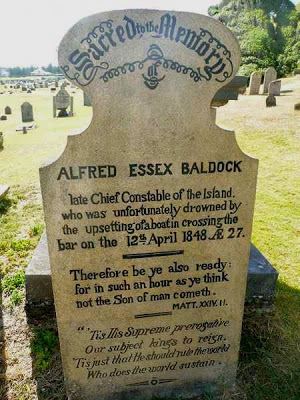
Alfred Essex BALDOCK - grave stone - Norfolk Island
Alfred Essex BALDOCK – grave stone – Norfolk Island

INSCRIPTION:

Sacred to the memory of Alfred Essex BALDOCK late Chief Constable of the Island. who was unfortunately drowned by the upsetting of a boat in crossing the bar on the 12th April 1848 aged 27.

Therefore be ye also ready for in such an hour as ye think not the Son of man cometh  Matt. XXIV II.

” ‘Tis His Supreme prerogative  Our subject kings to reign.  ‘Tis just that He should rule the world  Who does the world sustain.


[divider_dotted]


MURDER MYSTERY

 http://diane-adventurebeforedementia.blogspot.com.au/2012/02/murder-mystery.html
Way back in 2002 we went on a holiday to Norfolk Island. I can’t believe that was ten years ago. How time flies when you get old. Anyway back to the story.
Norfolk Island is a small island in the Pacific Ocean between Australia and New Zealand. It has a very colourful history. It was colonised by the British as part of Australia in 1788. It served as a penal colony for the worst convicts until 1794. From 1856 it was settled by free settlers and in1901 it became a territory of Australia and it still is today. It is also a tax haven. Today the island’s primary economic activity is tourism due to its historical buildings and colourful history including the Pitcairn Islanders and the Mutiny on the Bounty. So we did our bit for their economy and joined in the many tourist activities that they provide. (photos have been scanned from photo album)

One of the activities was a Murder Mystery Dinner, where you become a character in a murder mystery  story. You have to ask questions of the other characters and try to find out who is the murderer. At this party the murder mystery was based on a true event that happened in Norfolk Island’s past. We were given a booklet that gave us some background information on the characters and the crime. We had to dress up as the character we were given.

I was the Commandant’s wife and Bill was the Chief Constable, Alfred Baldock. He was detested by most on the island, he was a former convict but now mistreated the rest of the unfortunates. He was a homosexual which was against the law then. As you can tell we had loads of fun trying to find out which one of us was the murderer.
The next day we went exploring and visited the Norfolk Island Cemetery and Bill  found the grave stone of his character Alfred Essex Baldcock.
Alfred Essex Baldock late Chief Constable of the island, who was unfortunately drowned by the upsetting of a boat in crossing the bar on 12 th April 1848 aged 27. (click on pic to enlarge). The right hand pic is from the web and the headstone has been restored and so have many of the others. This cemetery dates back to 1825 but there is evidence of earlier burial grounds on the island.
[divider_dotted]

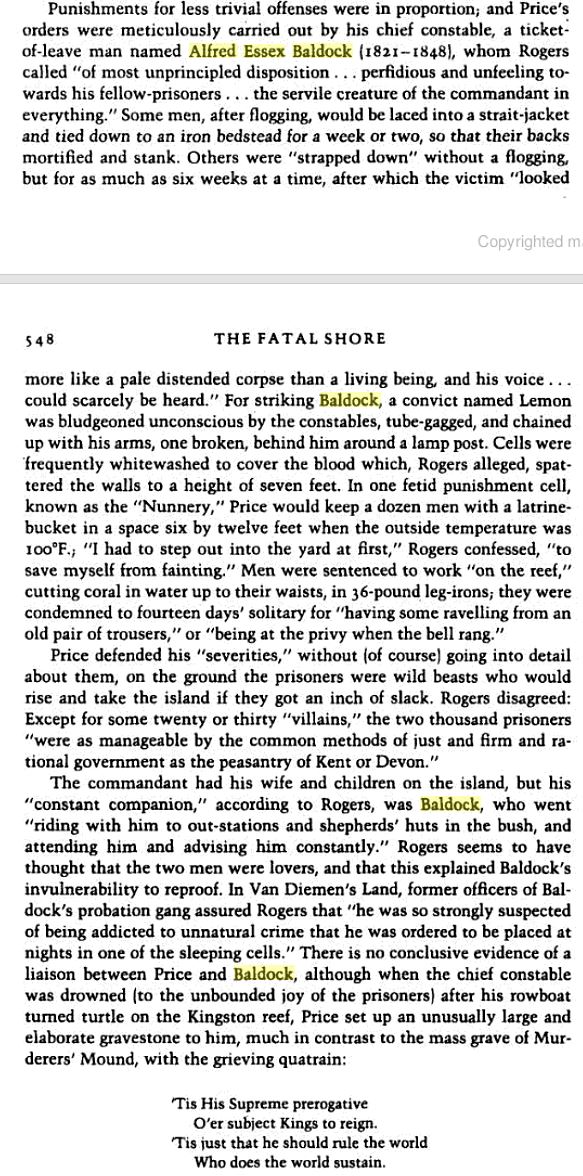
Alfred Essex BALDOCK - the Fatal Shore
Alfred Essex BALDOCK – the Fatal Shore

http://books.google.com.au/books?id=nKVlKHn29xcC&pg=PA547&lpg=PA547&dq=Alfred+Essex+BALDOCK&source=bl&ots=Rqgp4TIn_q&sig=UFx7gLVpVxUpsXrHb5H3fYjJySE&hl=en&sa=X&ei=mX5lVP6uFaPZmgW0roKABw&ved=0CE8Q6AEwCA#v=onepage&q=Alfred%20Essex%20BALDOCK&f=false

[divider_dotted]


  Cemetery location


Charles Samuel BROWN

Charles Samuel BROWN

New South Wales Police Force

Constable

Born: 1829 – 30

Died 13 September 1851

22 old

Buried  Norfolk Island cemetery,

Kingston, Norfolk Island


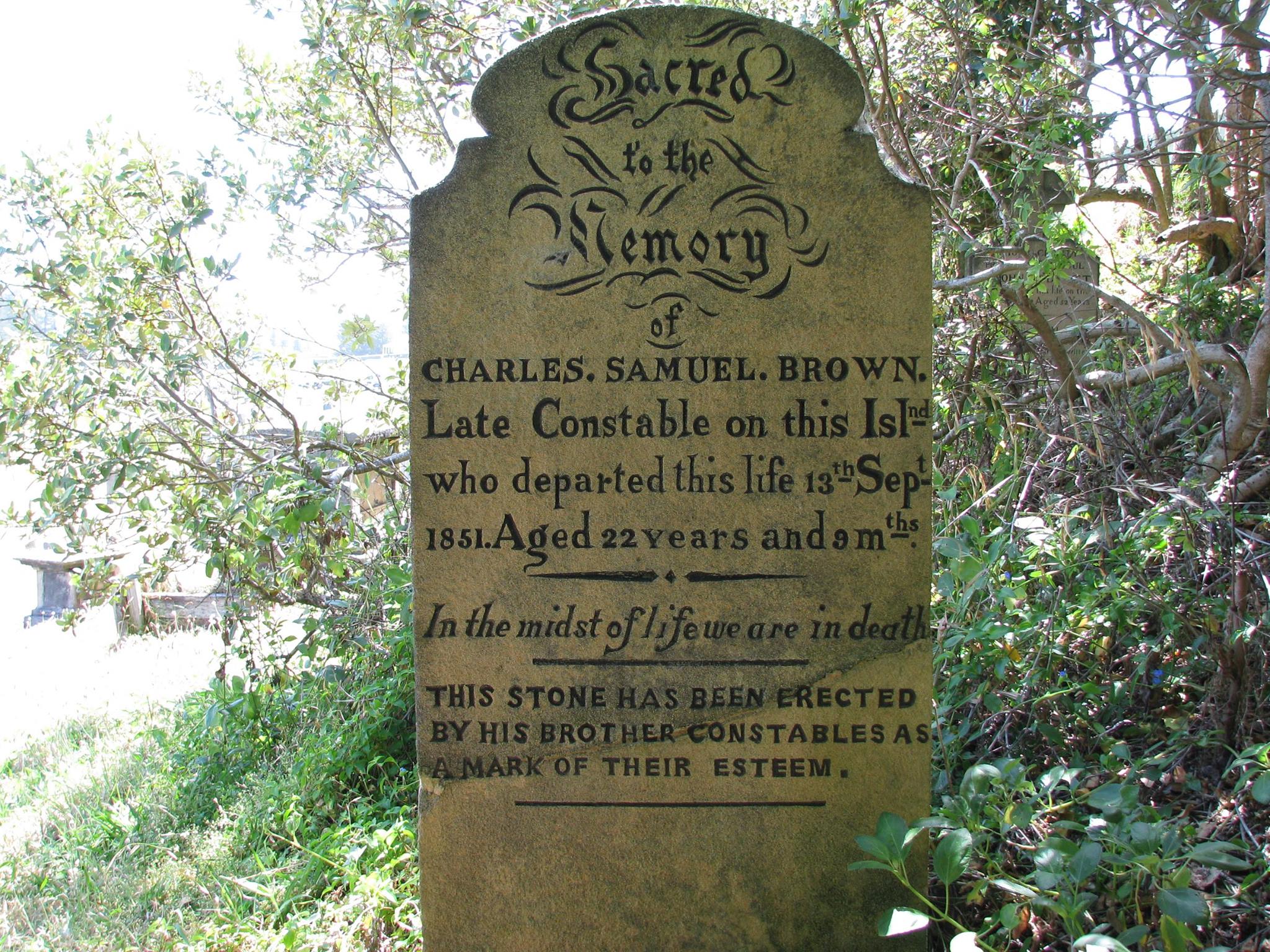
Charles Samuel BROWN grave stone - Norfolk Island.
Charles Samuel BROWN grave stone – Norfolk Island.

At this time ( 14 November 2014 ) nothing further can be found about this man or his life / death.


  Cemetery location


Johannes ‘ John ‘ GERITS

Johannes ‘ John ‘ GERITS A.P.M.

New South Wales Police Force

Regd. # ?

Joined NSW Police Force in 1971

Rank:  Leading Senior Constable – Retired

Stations:  Country NSW, Gloucester & Lord Howe Island 1999 – ?

Born:  1948 – 49

Died  Thursday  13 November 2014

66 old

late of Foster

Funeral:  Tuesday 18th November 2014 commencing at 11.00am

Tuncurry Catholic Church, Foster.

Former Senior Constable Johannes John GERITS

[divider_dotted]

FUNERAL NOTICE


GERITS, Johannes A.P.M.
Better known as John
Late of Forster
Passed away at home comforted by his loving family on the 13th November 2014.
Aged 66 years.
Much Loved husband of Carmel.
Loving father and father in-law of Michael & Kate, Cindy (dec), Fiona & Terry.
Proud and adoring POP to Molly, Lloyd, Jessie and Jack.
Cherished brother and brother in-law of Carolina & Henry, Anne & Neil, Yvonne & John (dec), Trish & Don, Barbara & Kevin, Maree & Robert.
Loving uncle to his No 1 favourite nieces and nephews.
“A Proud family man who loved his career in the police services”

Relatives and friends are respectfully invited to attend John’s funeral service to be held at The Holy Name of Jesus Catholic Church, Forster on Tuesday 18th November 2014 commencing at 11.00am, Prior to a private cremation.
“Forever in our Hearts”


ATTENTION: Funeral location has now changed to Tuncurry Catholic Church, Foster, same time.

[divider_dotted]


Sadly we have lost another colleague formerly in blue. Johannes (John) Gerits passed away this morning at home after a battle with cancer.

John worked almost all of his service in NSW country locations with his last two being Gloucester and Lord Howe Island.

He will be sadly missed. A Good man.

[divider_dotted]

 Funeral location

[divider_dotted]

Policeman helps destroyer

By TIM BISHOP

THE local knowledge of a Port Macquarie senior constable may have been responsible for saving the British destroyer HMS Nottingham from a major catastrophe.

Senior Constable John Gerits, who heads the one-man police unit on Lord Howe Island, was the first person to come to the ailing ship’s assistance after it ran aground on Wolf Rocks, several kilometres off the East coast of the island.

After receiving the ship’s distress call at 9.50pm on Sunday night, Sen Constable Gerits immediately coordinated a rapid emergency response which may have prevented the 3500-tonne navy vessel with a crew of 250 from sinking.

“I just got on the phone and called anyone on the island who I thought would have a pump which could be used by the ship’s crew,” Sen Constable Gerits said.

“I arranged for the pumps to be delivered to the airport where the Nottingham’s chopper collected them and took them out to the ship.”

Until the four pumps arrived on the ship, crew aboard the Nottingham only had access to buckets as they desperately tried to empty several flooded compartments.

The pumps, which collectively siphoned 5000 litres an hour, managed to keep the ship afloat for more than seven hours until the Royal Australian Air Force arrived with heavy-duty pumps on Monday morning.

“When we first responded to the distress call we truly didn’t know if the ship was going to sink. It was absolutely frightening,” Sen Constable Gerits said.

“You just don’t think this sort of thing is going to happen in a quiet place like Lord Howe. I was preparing to watch the Wimbledon final when I got the call!”

Sen Constable Gerits said the department of defence had taken over rescue efforts but he and other Lord Howe residents were still helping by providing the ship’s crew with fresh water and clean laundry.

British salvage experts are currently examining the HMS Nottingham, which is anchored at Lord Howe’s Middle Beach.

Commander Richard Farrington, who was in charge of the ship at the time of the accident, said the accident occurred as the ship maneuvered to put a helicopter into its hangar.

 http://www.portnews.com.au/story/989883/policeman-hslps-destroyer/

[divider_dotted]


NSW mid-north coasters recognised in honours list

Posted

The president of Coffs Harbour Community Transport, John Ruth, is among the people recognised in today’s Queen’s birthday honours.

Mr Ruth of Sandy Beach has been given a Medal of the Order of Australia for services to the community, particularly those with disabilities.

But he says the award recognises a contribution by the community for a service that is desperately needed.

“Government services especially. People in DOCS [Department of Community Services] and other agencies who have really given enormous support to the activities of volunteers. We’re still very much in our infancy in organising services to support people with a disability,” he said.


[blockquote]The state’s most remotely located police officer has been nominated for an Australian Police Medal as part of the Queen’s honours list.

Lord Howe Island’s only policeman, Johannes Gerits, is one of eight officers who have served 25 years or more to get the nomination.

Senior Constable Gerits has been a policeman since 1971, and took up the posting at Lord Howe in 1999.

[/blockquote]

Other recipients of the Order of Australia Medal include Anne Bornstein of Harrington, who will receive her medal for her community service through the Franciscan Missionary Union.

Joyce Davey of Taree is being honoured for her cancer action group work in the Manning.

Husband and wife team Kevin and Mary Dunkley’s service to the north coast through the Trial Bay Royal Volunteer Coastal Patrol is being recognised, along with William Radford from Taree for his service to veterans and their families in the Manning.

The late William Wright, of Nambucca Heads, is being recognised for a range of community deeds in the Kempsey community.

A special OAM was presented by Governor Marie Bashir to Bellingen councillor Sue Dethridge at a bedside ceremony in a Sydney hospital during the week.

http://www.abc.net.au/news/2003-06-09/nsw-mid-north-coasters-recognised-in-honours-list/1867180

[divider_dotted]