1

Sergeant John WALSH

Sergeant John WALSH

Horse Accident

Araluen

29 May, 1865


The sergeant died as a result of injuries sustained when he was thrown from his horse at Araluen. The Sydney Morning Herald dated 31 May, 1865 announced that “Sergeant Walsh, in charge of the police at Araluen, was found dead about 6 o’clock last night, near Grover’s blacksmith’s shop, by a person named Reynolds, who immediately communicated with the police. Dr. Hillyard was called, but life was extinct. Sergeant Walsh had been on duty at 4 p.m. yesterday, had visited Red Bank, and was last seen about 5 o’clock. The lower portion of his skull was fractured and protruding. A magisterial inquiry will be held at 11 a.m. to-day.”

The Empire newspaper dated 5 June, 1865 also carried an account of the circumstances surrounding the death of the sergeant.

FATAL ACCIDENT AT ARALUEN – Telegram was received at the Dispatch Office yesterday morning announcing the accidental death of Sergeant Walsh, of the Araluen police, on the previous evening. It seems that the unfortunate non-commissioned officer had only left the police barracks twenty minutes or half an hour before the accident happened; the horse he was riding returned riderless to the barracks a few minutes before the report reached the police. It would appear that the accident happened between six and seven o’clock in the evening, about 300 yards from the police station just above Grover’s, on Mr. Hogan’s side of the Valley and the deceased was lying stretched on his back, with very large cut at the back of his bead. Sergeant Walsh had been about ten years in the service, and was chief constable at Moruya until the passing of the new Police Act in March, 1862, when he was transferred to Araluen as a sergeant. The deceased leaves a wife and seven children behind him. We were given to understand, last evening, that the accident was caused by “the horse stumbling”. The deceased was a very heavy man, measuring two feet across the chest and weighing seventeen stone, and consequently a fall of the kind could scarcely be expected to end otherwise than fatally. -Braidwood Dispatch.

The sergeant joined the police force about 1855 and after serving as the chief constable at Moruya, he joined the newly formed New South Wales Police Force in 1862. At the time of his death he was stationed at Araluen.
Constable James MOFFATT

Constable James MOFFATT

Exposure

Sydney

8 October, 1864


Constable Moffatt of the Murray Police Patrol died at the Sydney Infirmary from “rheumatism caused by exposure“. This was the cumulative effect of many cold and wet nights spent camping in the bush while carrying out his police duties.


The constable was born in 1837 and joined the New South Wales Police Force on 22 July, 1862. At the time of his death he was stationed in the Murray District (Albury).


Senior Constable James JOHNSTON

Senior Constable James JOHNSTON

Horse Accident

Cowra

8 May, 1864


James Johnston was a mounted senior constable stationed at Cowra and sadlydied on 8 May, 1864 after being thrown from his horse four days earlier.The initial accident was reported in the Empireof 11 May, 1864.


POLICE – Sad Accident – Yesterday afternoon intelligence reached Sydney, by telegram, that Senior Mounted Constable Johnston was riding in the bush near Bathurst on Monday last, when his horse leaped through the fork of a tree, breaking Johnston’s two thighs and severely wounding him in the head. The injuries he has received are so serious as to leave no hopes of his recovery. The telegram, indeed, states the wounds to be of such a nature as to be considered mortal. It may be remembered that Johnston is the same who so closely pursued the bushrangers in October last when they were pillaging Bathurst, robbing Mr. De Claut’s public-house, a jeweller’s shop, and other places in that town.


His death was then recorded in the Empireof 31 May, 1864.


THE LATE FATAL ACCIDENT TO TROOPERJAMES JOHNSTON.—The Cowra correspondent of the Bathurst Free Presssays :—This melancholy affair took place as under: Johnston, in companywith another trooper (Herbert of Canowindra), were passing down the river,when they overtook two young men of our town. Proceeding together for sometime, Johnston said to one of the young men, “Come on, Joe, I willgive you a race”; they accordingly started and had not gone farwhen Johnston’s horse swerved and threw his rider with awful force againsta tree. He was immediately picked up, and taken back to Cowra; Dr. Rowlandwas sent for who set one of the legs (broken just above the knee) and otherwiseadministered to his relief, but all was of no avail, as he diedon the 8th, four days after the accident. A magisterial inquiry was heldon the 9th by Mr McDiarmid and the unfortunate man was buried the followingday. Johnston had only been stationed at Cowra four weeks when the accidenttook place; he was a very promising young man and evidently came to Cowrato do good. The marked courtesy of his demeanour in his intercourse withthe magistrates had been favourably reported at headquarters, and it isto be hoped that Mr Inspector Lidiard will supply his place with one equallyinclined to do his duty faithfully, and at the same time firmly and honestly.Poor Johnston was for once the right man in the right place, and the Cowrapeople are sorry indeed at his untimely fate.He was stationed at Cowra at the time ofhis death (formerly at Sydney Police Depot).


The senior constable was born in 1836 and joined the New South Wales Police Force on the day of its creation on 1 March, 1862. At the time of his death he was stationed at Cowra.


Constable Michael KINSELLA

Constable Michael KINSELLA

Drowned

Perry (Menindee)

8 April, 1864


About 8am on 8 April, 1864 Constable Kinsella was drowned in the Boothingbee Creek, about four miles from Perry (now Menindee). At the time he had been returning on horseback from Tatiol, with a Mr. Walter Merry, and coming to the creek in question found that the only way of crossing was by means of a bark canoe, which was the way that the mail was usually carried across. The constable swam the two horses over, and then took the saddles across in the canoe, but then on returning across the creek, the frail canoe split and sank close to the bank. Unable to swim, the unfortunate constable immediately sank and drowned.


The Sydney Morning Herald dated 30 April, 1864 reported the tragedy, including the following interesting paragraph.


Whether Mr. Merry made any effort to save him does not appear from our informant’s letter, only that the former went to Perry and gave the alarm. Constable Newman then procured the assistance of the aborigine and proceeded to the spot, recovering the body at five o’clock in the afternoon.


The constable was born in 1835 and joined the New South Wales Police Force on 26 October, 1863. At the time of his death he was 38 years of age and was stationed at Perry (now Menindee). He had apparently only been in Australia for eight months and was a former member of the Irish Constabulary.


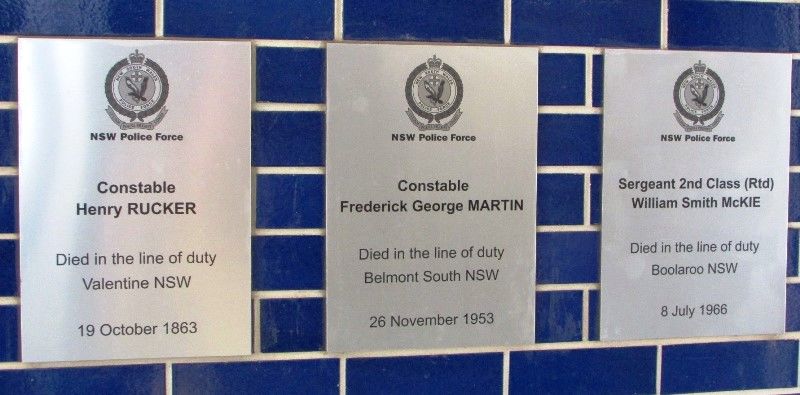
Constable Henry RUCKER

Constable Henry RUCKER

Drowned

Newcastle

19 October, 1863


The constable was drowned whilst attempting to cross a tributary of Lake Macquarie. He was one of a group of police searching for a number of offenders who had earlier robbed James Williams’ jewellery store in Hunter Street, Newcastle. While endeavouring to cross the creek the constable’s horse rolled over, throwing him into the water where he drowned.


The Empire newspaper dated 23 October, 1863 reported that ” On Monday afternoon, Mounted Constable Henry Rucker, stationed at Newcastle, was dispatched on business to Lake Macquarie, and going there was directed to a crossing place at Shepherd’s Creek, between Newcastle and the Lake, he misunderstood the direction, and attempted to cross in the wrong place and the current being very strong, he was seen to fall from his horse and sink. The horse swam to the opposite bank, but the body of the unfortunate trooper was not recovered. He was a young man, and a native of Sydney and what makes his death the more melancholy is that he was to have been married yesterday. He was a very efficient constable, and was much respected by his superiors. “


The constable was born in 1832 and joined the New South Wales Police Force on 4 March, 1863. At the time of his death he was probably stationed at Newcastle.

[divider_dotted]


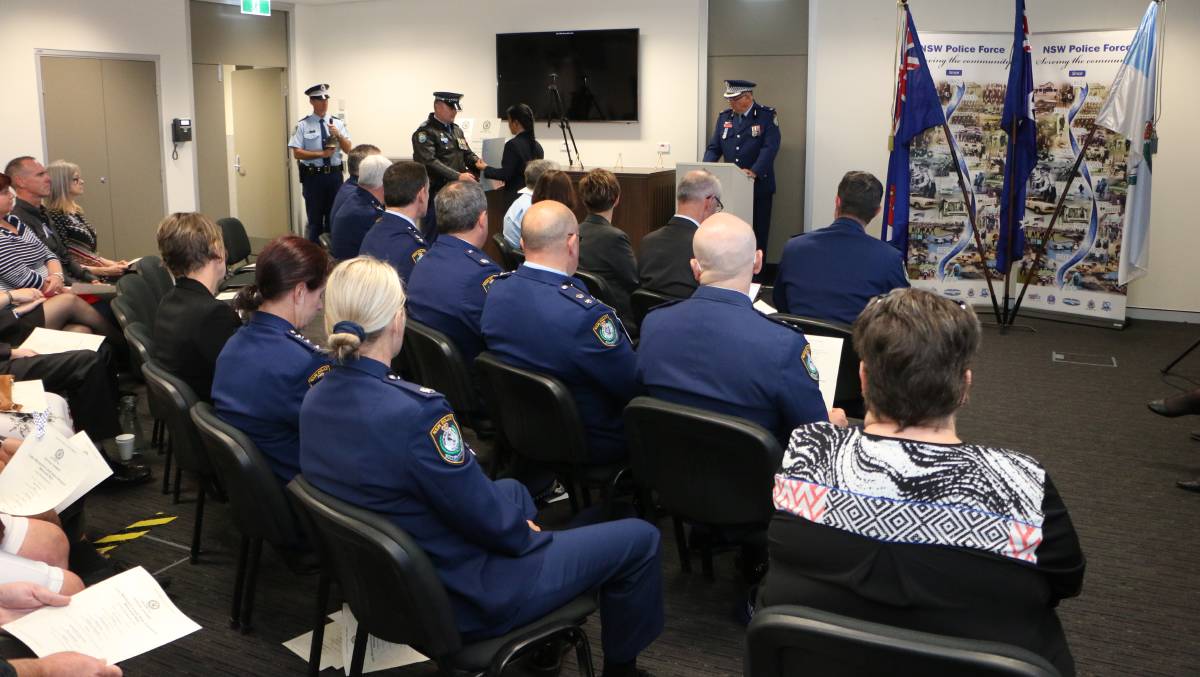
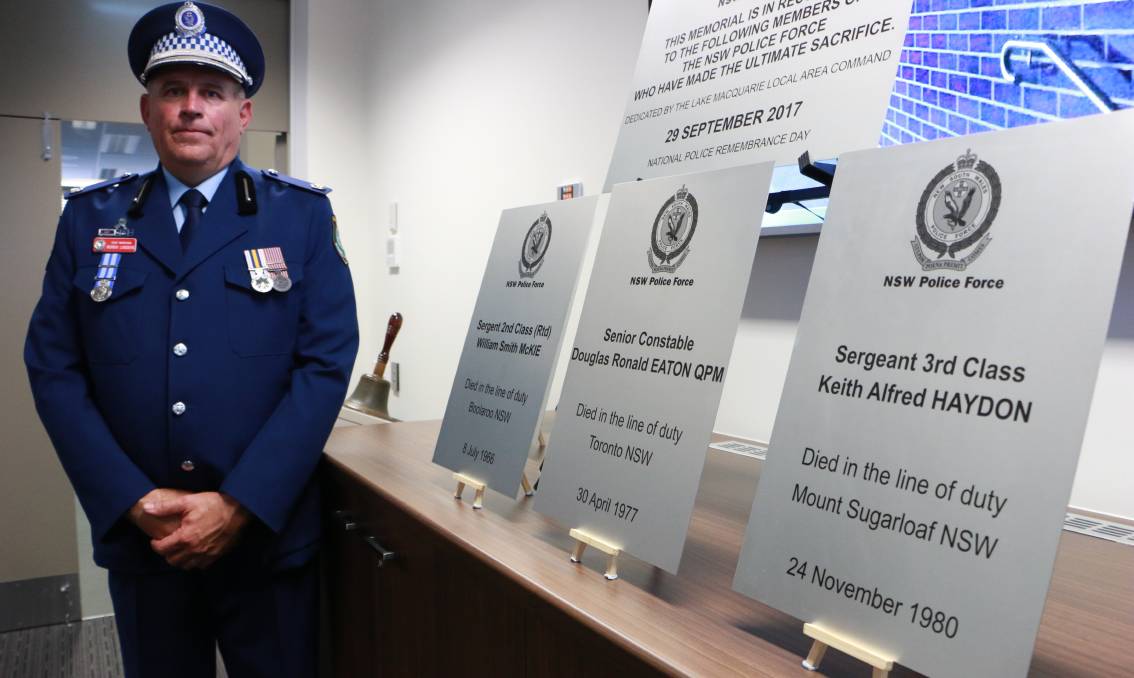
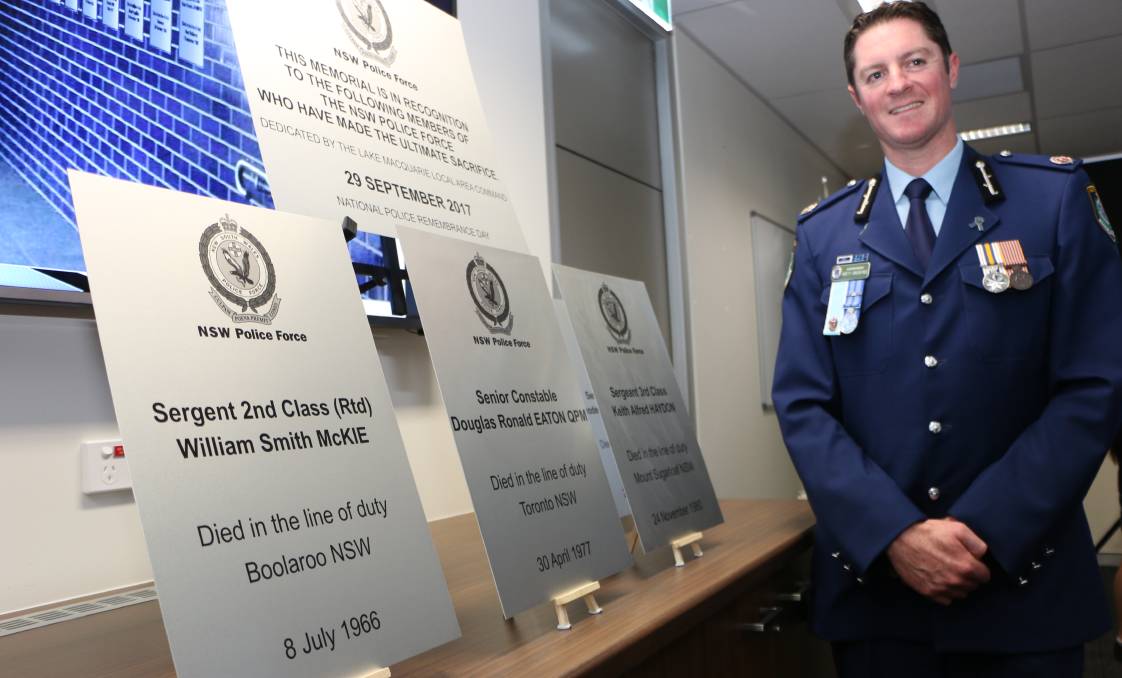
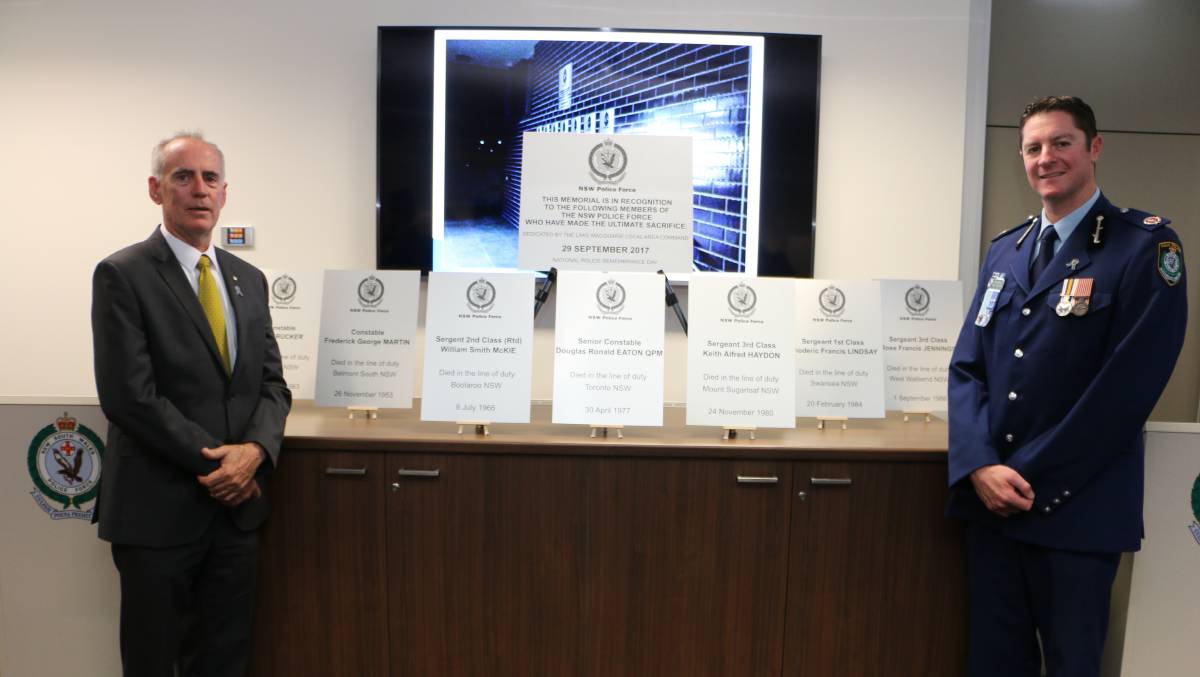
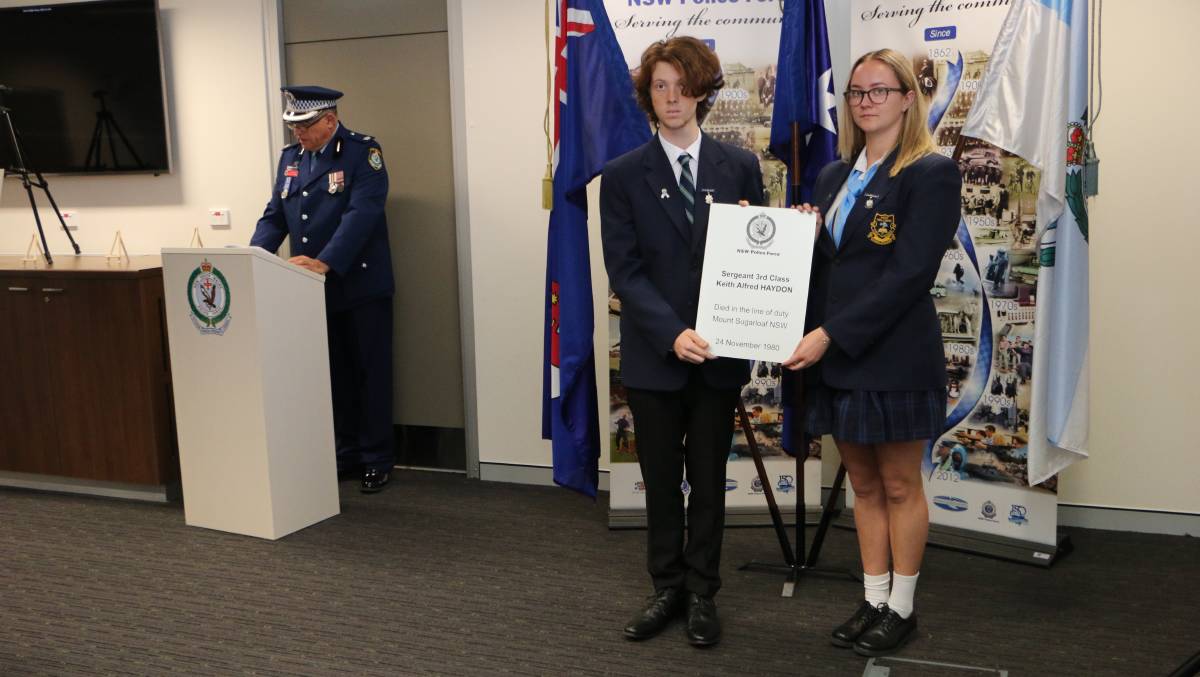
National Police Remembrance Day ceremony in Lake Macquarie


Constable Michael QUINLIVAN

Constable Michael QUINLIVAN

Drowned

Sofala

3 September, 1863


On the morning of 3 September, 1863 the constable was drowned while attempting to cross the Turon River at Sofala, north of Bathurst. He had been assisting Sergeant Hardy in pursuit of offenders who had earlier committed an armed holdup on Smith’s Public House. The two police succeeded in capturing one of the offenders and recovering some of the stolen property.


The Sydney Morning Herald dated 12 September, 1863 reported that “A party of troopers from Mudgee arrived here in pursuit of two bushrangers, and one of the troopers, in endeavouring to cross the river for the purpose of visiting the Sofala police camp missed his footing on the plank, which was overflowed with water, and consequently hid from his view. He fell into the river, and was swiftly swept by the current into an eddy caused by a deep hole, and, shocking to relate, he was drowned. The unfortunate deceased, Michael Quinlivan, was a native of Ireland, and he had but recently obtained his discharge from H.M. XIIth Regiment. He was much respected by his brother troopers, although he had been located with them a very short period.”


The constable was born in 1837 and joined the New South Wales Police Force on 18 August, 1862. At the time of his death he was stationed at Mudgee. He was formerly been a soldier in the 12th Regiment.


Constable Michael FARRELLY

Constable Michael FARRELLY

Drowned

Newcastle

13 July, 1863


The constable was drowned while attempting to cross Salisbury Creek, near Newcastle. The Sydney Morning Herald dated 28 July, 1863 carried the following brief account of the death of the constable.


FATAL ACCIDENT – As Constable Farley [sic] was returning from a visit to Walcha township he found the creek at Salisbury so much swollen from the recent heavy rainfall that he could not cross without swimming through the current. He was, unfortunately, unacquainted with the safe crossing place during a fresh in the creek, but bravely plunged into the stream, and, on arriving at the opposite bank, found there was no footing for his horse, when inadvertently he checked the rein and the horse fell over with him. He was seen by a shepherd’s boy to beckon for help and almost instantly sank to rise no more alive. Some days have elapsed, yet the body of poor Farley has not yet been recovered, although the horse was found not far from where the accident occurred.


A further article was published in the same newspaper on 1 September, 1863 following the inquest into the constable’s death on 13 July.


“August 22nd – A magisterial enquiry took place this day at Uralla, touching the death of one Michael Farrelly, police constable, who, it will be recollected, was accidentally drowned at Salisbury, the seat of Mr. C. W. Marsh, during the flooding of the creek. After patiently weighing the whole of the evidence adduced, the following opinion was arrived at: Accidentally drowned in crossing Salisbury Creek on the 13th July last.”


The constable was born in 1839 and joined the New South Wales Police Force on 3 November, 1862. He was apparently stationed at Uralla.


Constable Thomas CAVANAGH

Constable Thomas CAVANAGH

Drowned

Western District

2 March, 1863


The constable died by drowning in the Western District. No further details are known as yet.


The constable was born in 1840 and joined the police force on 19 October, 1861. In 1862 he became a member of the newly-formed New South Wales Police Force. At the time of his death he was stationed somewhere in the Western District.


Senior Constable John FOY

Senior Constable John FOY


Drowned

Tabulam

23 February, 1863


Senior Constable Foy was the lockup-keeper at Tabulam in the Northern Police District, west of Casino. On Saturday 23 February, 1863 the Clarence River flooded and the constable evacuated his wife and family to safety. This accomplished, he returned to the lockup-keeper’s residence to salvage his family’s personal belongings. The flood waters continued to rise however, and the police buildings and the courthouse were swept away. Senior Constable Foy was still there at the time and was drowned. The Sydney Morning Herald of 5 March, 1863 reported the tragedy.


THE GREAT FLOOD IN CLARENCE RIVER.

Constable Foy who appears to have been much respected, had previously removed his wife and family to Mr Jordan’s, and returned to the court house. Young Jordan afterwards made an attempt to assist him but failed. Foy appears to have perfectly made up his mind to be last and to have met his fate with much firmness. He stated that he could not swim, and he knew nothing could save him. For half an hour before he was swept away he was seen on his knees as if praying and although within speaking distance of those on the bank never exchanged a word with them. He was washed away from the top of his house. He leaves a wife and six children, and the wife at the present time is near her confinement. The body was recovered on Sunday by an aboriginal, not more than twenty yards from where the house stood. The whole court house, constable’s residence, and lockup are destroyed.


The senior constable was born in 1814 joined the police force on 1 August, 1859. In 1862 he became a member of the newly-formed New South Wales Police Force. At the time of his death he was stationed at Tabulam.


Constable Robert BOWMAKER

Constable Robert BOWMAKER

Horse Accident

Scone

13 January, 1862


The constable died from injuries received when he was thrown from his troop horse while chasing straying horses near Scone. The Sydney Morning Herald of Friday 17 January, 1862 carried the following article:


SCONE.[FROM OUR CORRESPONDENT.]

JANUARY 14.—Yesterday, a melancholy accident occurred with one of our constables, a man named Bowmaker. It appears in the morning, about ten o’clock, he was sent by the chief constable to Segenhoe, some six miles from here, to serve a summons, which he did, and on his return met a youth, named Clarke, looking for horses. The horses were found and both rode after them. In a short time the mob divided, going into two; Clarke taking after one lot, and Bowmaker the other; Clarke driving his lot to Scone, not seeing anything of the constable afterwards. Towards the evening the chief constable not finding Bowmaker return as he should have done, went to Segenhoe to try and find him, but returned without him about eight o’clock last night, when he made it known that this man was missing, and a great number of the young men and those who had horses went in search, finding the body on the bank of the river not far from where young Clarke parted company with him. It is thought his horse ran him against a tree, striking the temple, causing instantaneous death. He was brought into town early this morning. He had been in the police some months, and was much respected and to make this affair more sad, his wife (quite a young woman) was confined only on Sunday, and is now in a very low state from the effects of the shock.


The constable appears to have joined the police force in 1861 and at the time of his death he was stationed at Scone.


-o0o-


(The death of Constable Bowmaker  is believed to have been the last on-duty death of a police officer prior to the creation of the New South Wales Police Forceon 1 March, 1862.)