“Possible” Relation(s) in “The Job”: A. HANSON, NSWPF # 8358 ?
T.R. HANSON, NSWPF # 18057 ?
New South Wales Police Force
NSW Police Cadet # 1161
Regd. # 8870
Redfern Police Academy Class 0??
Rank: Commenced Training, as a Cadet, at Redfern Police Academy on Friday18 February 1955 ( aged 16 years, 3 months, 12 days )
Probationary Constable – appointed 6 November 1957 ( aged 19 years, 0 months, 0 days )
Constable – appointed ? ? ?
Constable 1st Class – appointed 6 November 1963
Senior Constable – appointed 1 July 1968
Final Rank: Senior Constable
Stations: ?, South District ( 1968 ), ?, VKG2 – Warilla as a S.O.O. ( Senior Operations Officer ) – Retirement
Service: From 18 February 1955 to ? = ? years of Service
Age at Retirement:
Time in Retirement:
Awards: National Medal – granted 4 November 1992 ( SenCon )
Born: Sunday 6 November 1938
Died on: Thursday 12 July 2006
at the David Berry Hospital, Berry
Cause: Brain cancer
Age: 68 years, 8 months, 6 days
Funeral date: ?
Funeral location: Cremated ?
Buried at:
Wollongong Memorial Gardens
Berkeley Road, Berkeley.
MEMORIAL GARDENS GARDENS, Garden Rocks, Section 9J Site 7
SENIOR CONSTABLE KARL HANSON, VKG2, WARILLA POLICE RADIO – SENIOR OPERATIONS OFFICER. 1987 – 1988
SENIOR CONSTABLE KARL HANSON # 8870 (SEATED), VKG2, WARILLA POLICE RADIO – SENIOR OPERATIONS OFFICER – SPEAKING WITH SENIOR SERGEANT DICK BROOK # 9570, FROM WARILLA POLICE STATION. 1987 – 1988
KARL is NOT mentioned on the Police Wall of Remembrance * NOT JOB RELATED
Funeral location:
Edward Francis DOHERTY
| 16/07/2015
Edward Francis DOHERTY
aka Ted
( late of Corrimal )
NSW Police Cadet # 1365
New South Wales Police Force
Regd. # 9446
Rank: NSW Police Cadet – commenced 18 June 1957
Probationary Constable – appointed 30 October 1959
Constable 1st Class – appointed 30 October 1965
Sergeant 3rd Class – appointed 15 January 1975
Senior Sergeant – appointed 29 March 1985
Chief Inspector – retired
Stations: ?, Western District, Corrimal, Wollongong
Service: From 18 June 1957to 12 January 1996 = 39 years Service
Awards: National Medal – granted 15 September 1980
1st Clasp to National Medal – granted 10 September 1986
2nd Clasp to National Medal – granted 16 September 1993
Born: 30 October 1940
Died on: 13 July 1999
Cause: Lung Cancer
Age: 58
Funeral date: 16 July 1999
Funeral location: ?
Buried at: ?
TED is NOT mentioned on the Police Wall of Remembrance * NOT JOB RELATED
Funeral location: ?
A/O K. PEARCE A/PARAMEDIC J. WOODS CST 1/C GARY THOMPSON, SGT TED DOHERTY (WHITE OVERALLS), S/C RON FOX ?, SGT PETER LINCOLN (FAR RIGHT) 1984 ALBUM THREE – BULLI
RESCUE SERVICES FIELD DAY. MT KEIRA EARLY 1983 ALBUM THREE – BULLI
RESCUE AT WOLLONGONG LIGHT HOUSE A/O BOB LEWIS, CST MARK MULREADY, SENSGT TED DOHERTY, SENCON GARY THOMPSON, PARAMEDIC STEVE POLLARD, CST TONY FERRIS, A/O KEVIN DENT (POINTING), PARAMEDIC TERRY MORROW, A/O ANDREW GROVES (PARTIALLY HIDDEN ON LOWER RIGHT) 1988
BACK TO 60’s NIGHT FUND RAISER FOR THE 20th AMBULANCE CONVENTION S/O BOB SMITH (BLACK SHIRT) WITH SENSGT TED DOHERTY 1988
POLICE AND COMMUNITY YOUTH CLUBS RESTRUCTURE Mr MARTIN
(Bathurst) [12.31 p.m.]: As honourable members would be aware, the Minister for Police, the Hon. Michael Costa, recently restructured the police and community youth club [PCYC] organisation to decentralise it and make it more community based. The Government provided a $8 million package, $5 million of which was to boost capital upgrades and a trial of civilian support to free police from police work. I have two police and community youth clubs in my electorate, one in Lithgow and one in Bathurst. When I was a child I used the facilities of the club at Lithgow and later I was a member of its management board. Senior Constable Jeff Doherty was recently named Policeman of the Year for his work with the Bathurst Police and Community Youth Club. An article in the
Western Advocate
states:
Bathurst Police officer Jeff Doherty has been named “Policeman of the Year”.
Senior Constable Doherty received the prestigious award from Police Commissioner Ken Moroney.
Senior Constable Doherty is the son of the late Ted Doherty, who was one of the police officers in charge of the police boys club in Lithgow when I was a child. He went on to be a very senior police officer, reaching the rank of inspector. Unfortunately, he died last year just after he retired. Jeff is carrying on the great Doherty tradition. The article continues:
Senior Constable Doherty has been working at Bathurst PCYC, working to help disadvantaged young people and change their attitudes towards the police service.
He joined the police force in what he likes to call “a family business”, his father and brother both being in the service.
In a little over 18 months, Senior Constable Doherty has made the PCYC Breakfast and Domestic Violence Programs into “a labour of love”.
Senior Constable Doherty has always been interested in kids and youth-related issues. It is great that he has been able to make the program a success. He has three young boys. He is not only passionate about his job, but he is extremely modest about his achievements. He was a bit embarrassed about winning this prestigious award. But those around him in the community know that it has been well earned. The article continues:
Senior Constable Doherty’s involvement in the PCYC is a valuable service to the police force, the kids involved and the greater community.
The PCYC’s breakfast program is for kids who either don’t attend or have trouble getting to school, while the domestic violence program targets children who either have experienced some kind of domestic abuse at home, or have been the direct victims of domestic attacks.
The breakfast program gives kids who may not receive breakfast normally a good meal to start the day and at least three days of school a week.
The domestic violence program offers counselling and support services as well as a place where the kids can have fun and forget about the trauma in their lives.
“The programs also give the kids the chance to actually interact with police officers when they aren’t in trouble,” Senior Constable Doherty said.
“Changing attitudes is very important.”
However, at the same time, Senior Constable Doherty believes that the PCYC is not as visible as it could be and that this could be limiting its effectiveness.
Senior Constable Doherty is marketing the services of the Bathurst PCYC to the wider community. He believes, and I do not disagree with him, that it should be the top youth service in a country town. He has plans to open a youth drop-in centre next year where local kids can hang out in a safe and drug-free environment. This is critically important to keep kids away from an element that might lead them into trouble. It is this interaction by committed police officers such as Senior Constable Doherty through police and community youth clubs that are having an important impact on young lives in Bathurst. It underpins what a great and valuable assets PCYCs are to our communities and how they are benefiting from the restructure by the Minister. I am sure all members in this House join in congratulating Senior Constable Doherty on his prestigious award.
BARRY Doherty has found the ultimate way to remember his late dad each year – with a round of their favourite game, golf.
And while he’s swinging his sticks through the 18-hole course at Illawarra Country Golf Club, he’s also raising money to find a cure for the disease that killed his father -cancer.
Mr Doherty has participated in the annual Doherty and Doherti Memorial Golf Day since it started five years ago in memory of Ted Doherty and Joe Doherty, both police officers who died from cancer.
Ted Doherty was just 58 years old and barely into his retirement when he died from lung cancer in 1999.
Barry Doherty, from Mt Ousley, said the memorial golf day was a fitting way to remember his dad, who was a keen golfer before he died.
Ted Doherty had been a member of a group of police officers who played golf on the first Monday of each month, which they dubbed Destress Golf Day.
“It’s good memories because I used to play with dad in the Destress Day,” said Mr Doherty, who is also a police officer.
“It’s good that we can go as a memorial for dad and Joe, but it’s also sad too because it brings back memories.”
Ted Doherty’s grandsons Craig, 18, and Brad, 15, also get involved in the memorial day as caddies.
The event has so far raised more than $30,000 towards cancer research and Mr Doherty expected this year to be the biggest yet. Tee-off is at 7am on Monday following a barbecue breakfast.
IT takes a certain kind of strength to cope with the unique demands of being in the Illawarra’s police rescue unit.Often first on the scene at devastating accidents and horrific tragedies, no-one could argue that the men and women of rescue have one of the toughest jobs in the force.
Yesterday around 40 past and present Illawarra police rescue officers gathered at Wollongong’s Flagstaff Hill for a rare reunion to compare notes and take a walk down memory lane.
A member of the original 10-man Illawarra squad formed in the early ’70s, retired Sergeant John Byers was thrilled to catch up with former colleagues.
A 28-year rescue veteran, Mr Byers said the lifelong bonds formed between squad members helped the officers cope with the often heavy emotional burdens.
“It’s a job where you form very close associations with your mates because you’re in some interesting situations. A lot of times it’s dangerous but there’s also a lot of times where you see things which are unpalatable,” he said.
“It’s something you need to put your heart and soul into really.”
Taking the reins from Mr Byers in 1996, Illawarra Police Rescue Unit commander Sgt Manni Verzosa has held the top job for more than 14 years.
“It’s a passion, none of these people would be here if they didn’t have that passion,” he said.
The absence of rescue squad founding boss Chief Inspector Ted Doherty weighed heavily on his former colleagues, who spoke fondly of a man passionate about saving the lives of others.
Chief Insp Doherty lost a two-year battle with cancer in 1999, at the age of 58.
Squad co-founder, retired Senior Sergeant E.J. ‘Ted’ Beaver, who travelled from Maitland to reminisce and meet newer members, said the job had changed little since his time.
The group ended the reunion with a barbecue and a tour of the new police Lake Illawarra command headquarters at Oak Flats.
Rounding out the top five vote getters were Michael Rix in 3rdposition on 93 votes (Ted Doherty Memorial Trophy), Danny Hughes in 4thposition on 75 votes (Colin Williams Trophy) and Rhett Kerr was 5thwith 60 votes (Neil Taylor Trophy).
Valour Award & bar – VA for act performed in February 1999
Born: 20 November1961, Bridgetown, W.A.
Died on: 3 August 2000
Cause: Murdered – shot
Location: Stuart Hwy & Old Bynoe Rd, Livingstone, N.T.
Age: 37
Funeral date: Saturday 7 August 1999
Funeral location: St Mary’s Cathedral, Darwin
Buried at: Cremated. Ashes scattered at Daly River Crossing, N.T.
Memorial Service: Saturday 3 August 2019 ( 20th Anniversary ) 10.30am –
Glen Huitson Memorial, cnr Stuart Hwy & Old Bynoe Rd, Livingstone, N.T.
Brevet Sergeant Glen HUITSON
[alert_green]GLENIS mentioned on the Police Wall of Remembrance[/alert_green]
[divider_dotted]
Brevet Sergeant Glen Huitson memorial, 3 August 2015
[divider_dotted]
????GLEN HUITSON MEMORIAL????
TWENTY YEAR REMEMBRANCE SERVICE
Saturday 3rd August 2019 will mark the 20th anniversary of the death of Brevet Sergeant Glen Huitson who was killed in the line of duty in 1999 whilst stationed at Adelaide River.
We will honour Glen with a gathering on Saturday 3rd August 2019 from 10.30am at the Glen Huitson Memorial, located at the corner of the Stuart Highway and Old Bynoe Road, Livingstone, N.T.
All current and former members are invited to join Glen’s family in remembering a husband, father, son, and workmate who was tragically taken from his family 20 years ago.
Glen HUITSON joined the Northern Territory in January 1987. He served in both Southern and Northern districts of the Northern Territory.
During his service in the Northern Territory Police, Glen Huitson received a Commendation from the Commissioner of Police on 17 March 1994 when he attended a disturbance at a Community near Alice Springs. He disarmed a drunken person who was armed with a knife star picket and was threatening another person with a billy of boiling water.
In February of 1999 in Litchfield Park, Glen Huitson disarmed an armed man who was threatening the driver and passengers of a bus. He received a Valour Award over this incident.
On 3 August 1999 Glen Huitson was on duty at a road block on the Stuart Highway, 60 kms south of Darwin, in bushland.
There were on watch for an armed offender who had already shot and wounded two other persons several kilometres away during the previous night.
The armed offender had managed to come through bush on one side of the road block where he opened fire with a .30/30 calibre rifle. He fired the first round into the back of a civilian then a second shot at Huitson which struck him and was fatal.
For this incident he received the Australian Bravery Medal and a bar to his Valour Medal.
This park was named in memory of the late Sgt. Glen Anthony Huitson BM, VA, Service No. 1520 on 3 August 2000.
Sgt. Huitson was the officer in charge of the Adelaide River Police Station. He died on 3rd August 1999 as a result of gun shot wounds received in the execution of his duties whilst manning a roadblock on the corner of the Stuart Highway and Old Bynoe Road.
Twice Decorated as a serving Police Officer, Glen Huitson lived his personal life with the same intensity, and was an integral part of community life in Adelaide River. His untimely death has left a gap in this community which will never be filled. Glen is survived by his Widow Lisa and children Joey & Ruby.
Citizens of the Coomalie Region joined with serving Members of the Northern Territory Police Force at this site on 3rd August 2001 to dedicate this memorial stone on the occasion of the second anniversary of Sgt. Huitson’s death.
We honour the life and the achievements of a remarkable citizen.
“On 3rd August 1999, at about 10:45 am, there was a shooting incident on the Stuart Highway at the corner of Old Bynoe Road in the Darwin rural district. In the course of the incident, two persons were shot dead. One, Glen Anthony Huitson, was a Sergeant of police on duty at the time he was killed.” (Coroner’s Findings)
Glen was performing duties on a roadblock with his partner in Livingstone at the Old Bynoe Road Turn off on the Stuart Highway, 55 Kilometres south of Darwin. They were stopping traffic entering the police cordon following a shooting incident the previous evening when the offender Rodney Ansell ambushed the roadblock shooting Huitson fataly and wounding a civilian in the back with his 30/30 rifle. For this incident he received the Australia Bravery Medal and a bar to his Valour Medal posthumously.
On the night of the 2nd of August 1999 Rodney William Ansell and Cherrie Ann Hewson went to a property on Kentish Road. Ansell fired 6 shots at a caravan occupied by Stephen Robertson and Lee-Anne Musgrave who were minding the property. A neighbour, David Hobden, drove his truck over to see what was happening and Ansell fired through the windscreen blinding him. He ran to his residence and another occupant, Brian Williams, ran over to stop Ansell who was trying to steal Hobden’s truck. Ansell shot Williams in the hand. He lost an index finger and shots were fired at his house. Ansell appeared to be yelling about child abduction which was a delusion that had manifested itself during his amphetamine addiction. He fled into scrubland with a 30/30 rifle and Hobden’s shotgun.
Police responded and set up a forward command post in the area. Roadblocks were set up on the Stuart Highway and other roads. Sergeant Glen Huitson and Senior Constable James O’Brien manned the roadblock on the corner of Old Bynoe Road and the Stuart Highway armed with their Glock Pistols a shotgun and a .308 rifle. It appears that during the night Ansell had escaped the cordon but for some reason chose to sneak up on the roadblock at Old Bynoe Road. Hewson had left the area.
At about 10.45 am on the 3rd of August 1999 the roadblock at Old Bynoe Road was still in place. A local man had approached the road block to talk to the police members and was leaning on the police vehicle when suddenly he was shot in the pelvis from behind a large water pipe in nearby scrub. Huitson used the shotgun from the police car and O’Brien returned fire with his Glock pistol. Huitson was hit by a 30/30 round and fell to the ground. O’Brien reloaded the shotgun and returned fire. He called on Ansell to put his weapons down but he called back “Your all dead”.
In response to the gun battle two Territory Response Group vehicles raced to the scene. Just prior to the roadblock the first vehicle swerved and braked and was struck by the second vehicle causing it to roll over. As police exited both vehicles and began to take up positions Ansell got up on one knee to position himself to fire at the arriving police members. This left him exposed to fire from O’Brien and the shotgun fire finally stopped him. As the Coroner, Mr Wallace, said “There is little doubt his (O’Brien’s) bravery prevented further loss of life”.
It was later determined that there were seven entry wounds on his body from return fire from Huitson and O’Brien and numerous grazes. His covered position behind the water pipe and a small tree had protected Ansell from more serious injury until he was forced to change position.
Background – Glen Huitson
Glen Huitson joined the Northern Territory Police in January 1987, served in both Southern and Northern districts and was stationed at Adelaide River Police Station.
He received a Commendation from the Commissioner of Police on 17 March 1944 when he attended a disturbance at a Community near Alice Springs. He disarmed a drunken person who was armed with a knife star picket and was threatening another person with a billy of boiling water.
In February of 1999 in Litchfield Park Glen Huitson disarmed an armed man who was threatening the driver and passengers of a bus. He received a Valour Award over this incident.
Glen was survived by his wife Lisa and young children Joseph (2) and Ruby (6 months).
Roadside memorial alongside Stuart Highway where Sgt Huitson was killed
Huitson was honoured with a full police funeral in Darwin. About 30 officers formed a guard of honour while six others carried Huitson’s coffin.
Huitsons widow Lisa receiving her husband’s police cap and National Medal Award from the police commissioner
Constable 1st Class Glen Huitson
[divider_dotted]
HUITSON, Glen
This page only contains a eulogy. If you have material that can be added contact the webmaster.
FUNERAL SERVICE FOR SERGEANT GLEN ANTHONY HUITSON
ST MARY’S CATHEDRAL, DARWIN, NORTHERN TERRITORY SATURDAY 7 AUGUST 1999EULOGY GIVEN BY COMMISSIONER BRIAN BATESSERGEANT GLEN HUITSON WAS A DEVOTED AND LOVING HUSBAND AND FATHER OF LISA, JOSEPH AND RUBY. I CAN ONLY CONVEY THE HEARTFELT CONDOLENCES AND SYMPATHY OF THE NORTHERN TERRITORY POLICE FORCE AND INDEED THE COMMUNITY OF THE NORTHERN TERRITORY TO GLEN’S WIFE, CHILDREN AND BOTH THEIR FAMILIES. WE WILL DO EVERYTHING WE CAN TO HELP THEM, NOT ONLY THROUGH THIS TIME BUT IN THE TIME TO COME.IN HIS LETTER OF APPLICATION TO JOIN THE NORTHERN TERRITORY POLICE FORCE, SERGEANT GLEN HUITSON SAID, AND I QUOTE:“I WAS BORN ON 20 NOVEMBER 1961 IN BRIDGETOWN, WESTERN AUSTRALIA, THE OLDEST SON IN A FAMILY OF THREE. MY PARENTS OWNED AND OPERATED A SMALL TIN MINE ON THE OUTSKIRTS OF GREENBUSHES WHERE I LIVED FOR 12 YEARS. GREEN BUSHES WAS A GREAT ENVIRONMENT IN WHICH TO GROW UP AS A CHILD, BEING A SMALL TOWN SURROUNDED BY BUSH. WE SPENT MANY HOURS EXPLORING AND DISCOVERING NATURE.LOOKING BACK ON MY CHILDHOOD I AM GRATEFUL TO MY PARENTS FOR THE STRICT BUT FAIR METHOD OF INSTILLING IN ME A SET OF MORAL STANDARDS AND PRINCIPLES IN KEEPING WITH COMMUNITY IDEALS. THIS GUIDANCE WAS TO BENEFIT ME LATER IN LIFE.”
GLEN GOES ON TO TALK ABOUT HIS GROWING UP YEARS AND HIS EARLY EMPLOYMENT, PARTICULARLY WHEN THE FAMILY MOVED IN 1978 TO BUSSLETON WHERE HE WAS INVOLVED IN THE LOCAL FOOTBALL CLUB AS A PLAYER AND AN ADMINISTRATOR, AS A COACH AND UMPIRE AND FOR THREE YEARS AS A FIREMAN IN THE VOLUNTEER FIRE BRIGADE AND WITH THE LOCAL ROSTRUM CLUB. TOWARDS THE END OF THIS LETTER OF APPLICATION GLEN SAYS, AND I AGAIN QUOTE:
“APPROXIMATELY FIVE YEARS AGO I DECIDED THAT IF AT THE AGE OF 25 I WAS STILL DISAPPOINTED WITH THE WAY MY CAREER WAS HEADING, THIS WOULD BE THE TIME TO MAKE A START IN A POSITION IN LIFE THAT I WOULD ENJOY. THE MOST HONEST WAY I FOUND TO FIND A CAREER I WANTED WAS TO SIT DOWN WITH A PEN AND PAPER AND WRITE DOWN JOBS IN WHICH I WOULD WORK FOR NO FINANCIAL REWARD. MY LIST CONTAINED THE FOLLOWING: FISHERIES INSPECTOR, CUSTOMS OFFICER, AMBULANCE OFFICER, WELFARE WORKER AND A POLICE OFFICER.
SINCE WRITING DOWN THAT LIST I HAVE WORKED TOWARDS EQUIPPING MYSELF FOR ONE OF THOSE POSITIONS. THIS HAS INCLUDED THE FOLLOWING: BEING A FIREMAN WITH OUR LOCAL VOLUNTEER FIRE BRIGADE, ACHIEVING A FIRST AID CERTIFICATE WITH A ST JOHN AMBULANCE BRIGADE, INVOLVING MYSELF HEAVILY IN COMMUNITY AFFAIRS, MAINLY THROUGH SPORT, AND INVOLVING MYSELF IN PUBLIC SPEAKING. AFTER READING ABOUT THE POSITION OF POLICE OFFICER FOR THE NORTHERN TERRITORY I DECIDED THAT THIS WOULD INDEED OFFER ME THE CAREER I HAVE BEEN LOOKING FOR. AS A POLICE OFFICER IN THE NORTHERN TERRITORY I WOULD BE ABLE TO MAKE A SIGNIFICANT CONTRIBUTION IN MAKING THE NORTHERN TERRITORY A GREAT PLACE TO LIVE IN, THEREBY ACHIEVING MY GOAL OF JOB SATISFACTION.”
ALL OF US WITHIN THE POLICE FORCE AND INDEED THE DEPARTMENT OF POLICE, FIRE AND EMERGENCY SERVICES, ARE EXTREMELY SHOCKED BY THE DEATH OF SERGEANT GLEN HUITSON. HIS LOSS IS A TRAGEDY FOR THE POLICE SERVICE AND THERE ARE SIMPLY NO WORDS TO DESCRIBE THAT SENSE OF LOSS, THE WASTE AND THE TRAGEDY THAT THE WHOLE POLICE FAMILY FEELS TODAY.
I WOULD ALSO ACKNOWLEDGE THE PRESENCE HERE TODAY OF SERVING POLICE OFFICERS FROM ALL STATES AND TERRITORIES OF AUSTRALIA AND NEW ZEALAND.
IT IS TRITE TO SAY THAT ALL POLICE FAMILIES KNOW THE DANGERS OF POLICE WORK, BUT NOTHING CAN EVER PREPARE US FOR SOMETHING LIKE GLEN’S DEATH.
NO POLICE FORCE COULD BE MORE PROUD THAN TO HAVE IN ITS RANKS AN OFFICER OF THE CALIBRE OF GLEN HUITSON. HE TOUCHED AND AFFECTED SO MANY PEOPLE’S LIVES, NOT ONLY WITHIN THE POLICE FORCE BUT WITHIN THE COMMUNITY OF THE NORTHERN TERRITORY THAT HE SWORE TO SERVE AND PROTECT.
AND HE DID MORE THAN THAT – BECAUSE ON NO LESS THAN THREE OCCASIONS, THE THIRD TRAGICALLY RESULTING IN HIS DEATH, HE WAS CONFRONTED WITH LIFE-THREATENING SITUATIONS.
GLEN RECEIVED MY COMMENDATION FOR AN INCIDENT ON 17 MARCH 1994 WHEN HE ATTENDED A DISTURBANCE AT A COMMUNITY NEAR ALICE SPRINGS.
HE DISARMED A DRUNKEN PERSON WHO WAS ARMED WITH A KNIFE, STEEL BAR, NULLA NULLA AND A STAR PICKET. THE PERSON WAS THREATENING ANOTHER COMMUNITY MEMBER WITH A BILLY OF BOILING WATER. WITHOUT REGARD FOR HIS OWN SAFETY SERGEANT HUITSON PREVENTED THIS PERSON THROWING THE BOILING WATER BUT IN FACT WAS STRUCK AND COVERED IN BOILING WATER HIMSELF OVER HIS UPPER BACK, RIGHT UPPER ARM AND LEFT FOREARM. HIS QUICK ACTIONS ALLOWED OTHER POLICE OFFICERS TO RESTRAIN THE OFFENDER AND REMOVE HIM AS A THREAT TO THE COMMUNITY. THE BURNS GLEN RECEIVED CAUSED HIM CONSIDERABLE PAIN AND SUFFERING AND HE REQUIRED HOSPITAL TREATMENT.
AND THEN THERE WAS THE INCIDENT IN FEBRUARY THIS YEAR WHEN SERGEANT HUITSON DISARMED AN ARMED MAN WHO HAD JUMPED ON THE BULLBAR OF A TOURIST BUS IN LITCHFIELD PARK.
THE MAN WAS UNDER THE INFLUENCE OF DRUGS AND ARMED WITH A LOADED .22 RIFLE AND WAS THREATENING THE DRIVER AND PASSENGERS OF THE BUS ON BATCHELOR ROAD.
GLEN KNEW THAT HELP WAS ABOUT 15 MINUTES AWAY AND WAS DEEPLY CONCERNED FOR THE SAFETY OF THE DRIVER, PASSENGERS AND PASSING MOTORISTS. HE SINGLE-HANDEDLY ATTEMPTED TO DIRECT TRAFFIC, ENGAGE THE MAN IN CONVERSATION AND KEEP POLICE COMMUNICATIONS ADVISED OF THE SITUATION. HE THEN APPROACHED THE MAN TO DISTRACT HIS ATTENTION FROM THE BUS AND PASSENGERS, PLACING HIMSELF AT CONSIDERABLE RISK.
GLEN ENGAGED THE MAN IN CONVERSATION FOR ABOUT 15 MINUTES AND EVENTUALLY CONVINCED HIM TO PLACE THE FIREARM ON THE BULLBAR OF THE BUS AND WALK A SHORT DISTANCE AWAY WHERE GLEN TACKLED HIM TO THE GROUND AND WAS THEN HELPED BY OTHER POLICE WHO HAD JUST ARRIVED. THIS WAS WITHOUT DOUBT AN OUTSTANDING EXAMPLE OF PERSONAL COURAGE, AND SERGEANT HUITSON WAS IN FACT DUE TO RECEIVE A VALOUR AWARD OVER THAT INCIDENT.
IN SERGEANT GLEN HUITSON THE NORTHERN TERRITORY POLICE HAD A TRUE BUSH COPPER AND AN IDEAL ROLE MODEL FOR OTHER POLICE.
HE WAS A TOTAL PROFESSIONAL WHO GOT ALONG WITH COLLEAGUES AND THE PUBLIC ALIKE AND WAS EXTREMELY POPULAR WITH ABORIGINAL PEOPLE HE WORKED WITH, IN THE COMMUNITIES ACROSS THE TERRITORY. WHAT A TREMENDOUS LOSS HE IS, NOT ONLY TO THIS POLICE FORCE BUT TO THE TERRITORY.
IN CLOSING THERE IS PERHAPS NO BETTER WAY TO TALK ABOUT THIS OUTSTANDING AND COMPASSIONATE POLICE OFFICER THAN BY TELLING YOU ABOUT A REPORT HE RECENTLY SUBMITTED, AND I THINK IT IS IMPORTANT I SHARE THIS WITH YOU ALL.
GLEN HAD RESEARCHED THE HISTORY OF THE NORTHERN TERRITORY POLICE SERVICE AND HE FOUND MANY EXAMPLES OF UNRECOGNISED SERVICE TO THE COMMUNITY BY FORMER MEMBERS, AND PARTICULARLY POLICE TRACKERS. HE SAID IN HIS MEMO THAT THIS UNRECOGNISED WORK WAS, AT THE TIME, NO DOUBT CONSIDERED TO BE JUST PART OF THE JOB, AND UNLESS YOU HAPPENED TO DIE ON DUTY OR REACHED A HIGH RANK, VERY LITTLE WAS DONE TO PRESERVE THE MEMORY OF THOSE MANY FORMER MEMBERS.
GLEN APPRECIATED THE SERENITY AND BEAUTY OF THE ADELAIDE RIVER WAR CEMETERY WHERE HE ALSO NOTICED SEVERAL PLAQUES DEDICATED TO MILITARY MEMBERS. HE HAD SEVERAL IDEAS TO HONOUR THE MEMORY OF POLICE MEMBERS, INCLUDING PLANTING TREES WITH PLAQUES DEDICATED TO MEMBERS AND THE ESTABLISHMENT OF A MEMORIAL AVENUE IN OUR POLICE COMPLEX, THE PETER McAULAY CENTRE. HE SUGGESTED NEW PLAQUES COULD BE DEDICATED ANNUALLY ON A SIGNIFICANT DAY, FOR EXAMPLE, POLICE REMEMBRANCE DAY. THERE TOO, HE EMPHASISED THE WHOLE COMMUNITY SHOULD BE INVITED AND INVOLVED.
IT IS MY INTENTION TO HONOUR GLEN’S SUGGESTIONS IN THAT REPORT, AND ALSO PAY TRIBUTE TO HIM, IN A WAY I FEEL SURE HE AND YOU WOULD APPROVE OF.
FINALLY, IN THE WORDS OF THE 13TH CHAPTER OF CORINTHIANS:
“THERE REMAINS THEN, FAITH, HOPE, LOVE, THESE THREE; BUT THE GREATEST OF THESE IS LOVE.”
ABC News: Aboriginal communities to send reps to police officer’s funeral
Trudy and Rod BrayFri, 6 Aug 1999 00:26:27 -0700
Fri, 6 Aug 1999 11:41 AEST
Aboriginal communities to send reps to police officer's
funeral.

The Gurindji Aboriginal people, from two communities south-west of Darwin, are sending
representatives to the funeral of a Northern Territory police officer.

Sergeant Glen Huitson was killed by Rodney William Ansell on Tuesday.

The sergeant's partner, Constable Jamie O'Brien, returned the fire, killing Ansell.

A Gurindji representative, Roslyn Frith, says the sergeant was given the skin name, Japalyi,
because of the community's respect and love for him.

She says he will be missed greatly.

"To the community he wasn't just a policeman, he was just another person who belonged to
the community," Ms Frith said.

"He got involved - like if there were ceremonies he'd go down and make sure everything was
alright.

"With the younger generation, he took them out. Like he was with the emergency services out
here, he went out fishing and hunting with them," she said.

� 1999 Australian Broadcasting Corporation

https://www.mail-archive.com/recoznet2@paradigm4.com.au/msg01295.html
[divider_dotted]
NT: Aborigines planning funeral for Ansell in Arnhem Land
AAP General News (Australia) 08-09-1999
NT: Aborigines planning funeral for Ansell in Arnhem Land
By Catharine Munro
DARWIN, Aug 9 AAP – Rod Ansell, the original Crocodile Dundee who shot dead a policeman last week, is expected be given an Aboriginal funeral in Arnhem Land.
Ansell, 44, was killed in a shootout with police after fatally wounding Sergeant Glen Huitson, 37, about 50km south of Darwin last Tuesday.
The violent deaths followed a 12-hour search for Ansell, who had shot at two houses in the area the previous night.
His motives remain a mystery and the case is being investigated by the coroner.
The events shocked Darwin, where Ansell was known as a buffalo hunter and a bushman who had been living on an Aboriginal-owned property in Arnhem Land, about 600km south-east of Darwin.
Ansell’s two sons, Shaun and Callum, are believed to have requested that an Aboriginal community at Mt Catt, near Bulman in central Arnhem Land, allow a funeral to be held on their grounds.
“The two boys said they want to have the funeral at Mt Catt,” said Lorna Martin, who works at the clinic at Bulman.
Ansell spent some time in the area in the 1980s as a buffalo catcher and continued to make frequent visits.
The service will interrupt an important ceremony being held at Mt Catt but arrangements were being made for the proceedings to be halted for one day for the funeral on Thursday, Mrs Martin said.
“Everybody said it’s okay,” she said.
Ansell’s parents, George and Eva, both in their 70s, are understood to have journeyed to the Northern Territory from their home in Murgon, 260km north-west of Brisbane, to say goodbye to their son.
Meanwhile, the widow of the slain policeman, Lisa, said she had just returned from Daly River Crossing, where she had scattered her husband’s ashes.
Mrs Huitson told reporters she had spent three happy years there with Sgt Huitson and they had taken their son, Joseph, two and Ruby, six months, back there to be baptised.
“It was just a special place for us,” Mrs Huitson said.
Sgt Huitson‘s brother Bevan, sister Julie and parents Carole and John attended a press conference to thank the police and the people of the NT for their support.
Rod Ansell – The inspiration behind Crocodile Dundee
The day the real Crocodile Dundee Rod Ansell was shot dead
ELLIE TURNER
Herald Sun
January 05, 201412:00AM
Rod Ansell in the Outback in 1987.
ROD Ansell’s amazing story of Outback survival is one many Australians know – although they’ve probably never heard of his name.
As strong as an ox and as brave as a lion, the blond haired, barefoot bushman survived for more than seven weeks on a small island at the mouth of a crocodile-infested river in the remote Northern Territory, sleeping up a tree with a brown snake at night to avoid the salties lurking below.
His story was the inspiration for the 1986 film Crocodile Dundee. But the film only tells part of the story of Ansell’s wild life.
More than a decade after his tale of survival brought fame and fortune to actor Paul Hogan, the real Crocodile Dundee was shot dead by police after a drug-crazed rampage that saw a police officer killed and three other men wounded.
***
STRONG men in uniform broke down on the side of the Stuart Highway the day Territory police officer Glen Huitson was shot dead in a gun battle with Rod Ansell.
It was like a scene from a cops and robbers movie.
But nobody won.
Sergeant Huitson was gunned down at a roadblock in bushland 60km south of Darwin by Ansell, who had been on the run from police.
Ansell was shot in the chest as Senior Constable James O’Brien returned fire.
“The only verbal communication I had with the gunman was when I was reloading the shotgun for the first time,” the surviving officer, who has never spoken openly about the ordeal, said in a statement almost 15 years ago.
“I called out to him to put his weapons down. He called back, ‘You’re all dead‘.”
Ansell was deranged and wired on speed, more than 20 years after he emerged from the wild, a handsome young hunter armed only with a knife, a gun and a story to tell, his boat having capsized on the remote Victoria River.
His crazed life came to an end on August 3, 1999, but not before he had gunned down a police officer, leaving two young children to grow up without a father.
Northern Territory police say they lost “an all-round good bloke” that day.
Sgt Huitson’s family was robbed of much more.
In 1994, Sgt Huitson had been commended for bravery after arresting a knife-wielding drunk man – who was also armed with a star picket and a billy of boiling water in a bid to harm another person – at a community near Alice Springs.
He received a Valour Award after he talked delusional man Wayne Costan – who had tried to hijack a tourist coach with a sawn-off .22 rifle – into dropping the weapon, before tackling him to the ground at Litchfield Park in February 1999.
Six months later Sgt Huitson was killed, aged 37.
His then-infant daughter, Ruby, and five-year-old son, Joseph, grew up without their dad.
His widow, Lisa, took home her husband’s posthumous Australia Bravery Medal and a broken heart.
Former NT Police assistant commissioner John Daulby was among those who raced out to the double killing.
“Everyone was stunned,” he said. “It was just a tragedy.”
Darwin police officer Glen Huitson was one of two policemen shot by gunman Rod Ansell.
“The grief at the scene is something that sticks with me – grown men in tears.”
Ansell had wounded two men on a shooting spree in Darwin and fled into the bush, raving mad, on the night of August 2, 1999.
He was convinced members of the Freemasons had kidnapped his sons – Callum, then aged 20, and Shawn, 18.
His girlfriend, Cherie Ann Hewson, had told him that as a child she had witnessed the sacrifice of young girls that her family – members of the secret medieval fraternity – “brought out of the woods”. They were bound, raped and slaughtered, she said.
The shared paranoia came to a head when Ms Hewson claimed she spotted three bow hunters, dressed in camouflage with night vision goggles, near their bush camp.
NT Coroner Dick Wallace would later say the “wretched drivel” was at the root of Ansell‘s madness, after the couple visited mates Steven Robinson and his partner, Lee-Anne Musgrave, on a property at Noonamah, about 50km south of Darwin.
Ansell fired six shots at their caravan on Kentish Rd.
Resident David Hobden jumped in his truck, armed with his double-barrel shotty, and went to investigate the shootings. He lost an eye when Ansell put a bullet through the windscreen of his truck.
He ran to alert his neighbour, Brian Williams, who “waxed wrath” at the state of his mate’s face and grabbed a baseball bat.
He charged at Ansell, who was trying to steal Mr Hobden’s truck.
“I smacked him straight down the forehead, and that’s when he blew my hand off,” Mr Williams told police.
“He was going on about stealing his children, and Freemasons, and being a baby killer … oh, just, he was mad, mate.”
Ansell fired shots at the Williams‘ house.
Then he ran away, his rifle in one hand and Mr Hobden‘s shotgun in the other.
Ms Hewson disappeared before the police shootout. Some feared she had committed suicide.
About 11pm, Territory Response Group sent two troop carriers with six cops in each to set up a command post. They manned the north roadblock.
Adelaide River police station boss Sgt Huitson and his second-in-charge, Sen-Const O’Brien, guarded the south cordon – at the corner of Old Bynoe Rd – with a pistol each, a 12-gauge shotgun and standard police issue .308 rifle.
About 10.30am the next day, a removals worker named Jonathan Anthonysz was leaning on the cop car, chatting to the officers when a bullet blew a hole “the size of a baseball” in his pelvis.
He was flung forward, screaming, on to the ground.
Mr Anthonysz’s colleague – David Hobden‘s brother, Anthony – dragged him out of view as Snr-Const. O’Brien covered them.
The shots were coming from light scrub behind a roadside water pipe.
The cunning fugitive had sneaked through the bush and was hidden by dappled tree shadows.
In his statement, Snr-Const O’Brien said: “I heard Glen shout out, ‘Get on the ground’.
I swung round to look over the boot of the car with my Glock drawn …
“I saw my shots hit the ground close to where (Ansell) was,” he said.
Sgt Huitson called TRG for help and grabbed a 12-gauge shotgun.
He fired a shot through the windows of the police car and two shots over the roof.
But a bullet from Ansell‘s .30-30 lever-action rifle ricocheted off the top of the metal door and struck him in the abdomen.
His bulletproof vest hadn’t been properly fastened. The bullet tore through a velcro strap that should have been covered by a Kevlar panel.
Sgt Huitson fell, landing on top of the shotgun.
Snr-Const O’Brien, who wasn’t wearing a vest, dodged a bullet and rolled his bleeding colleague off the shotgun, reloaded it and returned fire.
“I realised unless TRG arrived I could run out of ammunition, in which case I would have to retreat with the others,” he said.
“I loaded two more rounds, looked up and saw the gunman wriggling forward.
“I heard a sound like a match being struck just past the right side of my head.”
Then the TRG troop carriers came hurtling down the highway.
The first driver hit the brakes and swerved as he heard gun fire – the 4WD rolled when the second car crashed into it, unable to stop in time.
Ansell got up on one knee and began lining up the cops, who were crawling out of the vehicle.
Snr-Const O’Brien got a clear shot.
The autopsy showed 33 bullet wounds and grazes to Ansell‘s body.
Two were fatal. One shot had ripped through his aorta.
He fell face down in the dirt.
Sgt Huitson was declared dead after being rushed to Royal Darwin Hospital.
Snr-Const O’Brien was scrutinised and cleared of any wrongdoing after a rigorous police investigation.
His actions were praised as “simply outstanding” when Magistrate Wallace handed down his coronial findings in September 2000.
“If he felt any fear, it seems to have been submerged by his concern for his wounded colleague and others,” he said. “There can be little doubt his bravery prevented further loss of life.”
Ms Hewson handed herself in to Queensland police four days later.
Evidence that Ansell clung to the back of a road train and escaped the roadblocks fuelled a question that would never be answered – why would a skilled bushman give up his ticket to freedom and return to gun down police when he could have slipped away?
IT was no secret the 44-year-old buffalo hunter and grazier was bitter.
Writer Robert Milliken, who spent time with Ansell while working on projects in the NT, said Ansell never saw a penny for the myth surrounding his tangled life, despite being the inspiration for the main character in Crocodile Dundee, which propelled actor Paul Hogan to fame in 1986.
Ansell blamed his troubles on a Federal Government program to wipe out wild buffalo, his livelihood, to eradicate tuberculosis from the cattle industry. He had told reporters he was living on unemployment benefits and “bush tucker”.
Magistrate Wallace heard Ansell believed police and the government were against him.
He had moved to the Territory aged 15 from the small town of Murgon, 270km north of Brisbane, in country Queensland.
The ordeal that brought him fame happened when he took a fishing trip in a motorboat on the Victoria River in May 1977.
When the boat sank, he jumped in a dinghy and salvaged his two eight-week-old bull terriers, a rifle, a knife, some canned food and bedding. The tinny drifted out to sea, washing up on a small island at the mouth of the Fitzmaurice River.
He slept in the fork of a tree, out of reach of crocodiles, at night, but shared the branches with a brown tree snake.
Ansell never counted on being rescued. He roamed for seven weeks before stumbling on two Aboriginal stockmen and their boss.
But he kept the adventure under his hat – fearing his recklessness would upset his mother – until media got hold of the yarn.
Dubbed the “modern day Robinson Crusoe”, Ansell said: “I think if you come through in one piece, then nothing else really matters.
“It’s like going out to shoot a kangaroo.
“You don’t come back and say you missed by half an inch – you either got him or you didn’t.”
Mr Milliken described Ansell as “strikingly handsome with blond hair, blue eyes and bare feet” when he met him in 1988. It was the year Ansell was named Territorian of the Year for his role in putting the Top End on the map.
At the time, he lived with his wife, Joanne van Os, and their two small sons on their buffalo farm at Melaleuca, between Darwin and Kakadu.
“He was charming,” Mr Milliken said.
“He seems never to have worn shoes, even when travelling on aircraft and staying in city hotels at the height of his fame.
“The press went mad over his story and no one seemed to mind if the details grew ever more incredible.
“A hero had been born.”
He said Ansell once told British TV personality Michael Parkinson he preferred to sleep on the floor of his five-star Sydney hotel in his swag rather than in the kingsize bed.
Ansell’s Parkinson interview sparked the interest of Hogan and led to the creation of Mick “Crocodile” Dundee.
But the fame took its toll on Ansell’s personal life. His marriage disintegrated.
In 1992, he was convicted of cattle rustling and assaulting the owner of a cattle station in Arnhem Land.
Police raided Melaleuca. He eventually lost the property.
For more than a year before his death, Ansell had been living with Ms Hewson, a former tour guide, on a billabong at the Aboriginal outstation Urapunga, on the Roper River, about 480km south of Darwin.
He was initiated as a white member of local Aboriginal clan and got on well with the Ngukkur community. But the spiral into a drug-induced psychosis continued as Ansell smoked cannabis and injected amphetamineswith vengeance.
“I didn’t know Ansell really well, but I’d met him a few times,” long-time Territorian and former reporter Chips Mackinolty said.
“He was tough as nails, the sort of person that could do what he said he did, and did do it when he was working as a stockman, as a wrangler and that stuff.
“He was an extraordinary person at that level, but it ended up in tears.”
Mr Mackinolty was heading to Katherine and had been allowed through the roadblock earlier on the day the killing happened.
“It was one of those ‘goose steps on your own grave’ sort of feelings – you were very close to what ended up being a very awful thing.
“It’s always sad when the threat of poverty and frustrated ambition get mixed up and send people off the edge, big time,” Mr Mackinolty said.
“I was completely shocked, as were a lot of people who knew him in the earlier years.”
In his coronial ruling, Magistrate Wallace said the contrast between the “original Crocodile Dundee who appeared on television” and the emaciated drug addict – who weighed just 53kg when he opened fire on police – could hardly be more marked.
“His drug abuse rendered his mind so addled he believed fantasies that a child would dismiss with contempt,” he said.
“His pointless and destructive actions caused immediate agony and suffering to the men he wounded.”
The infamous rampage means Ansell is remembered in Darwin not as a knockabout bushman, but as the man who murdered a heroic cop.
[divider_dotted]
Sergeant Glen Huitson
Posted on
Along the side of the Stuart Highway, heading to Batchelor and points south, there’s a turnoff at Old Bynoe Road. On this corner there’s a simple cross like far too many you see on Australian roads. This one is the same in that it marks the point where a loved one lost his or her life. The ever-present, neatly-arrayed booze bottles testify to the fact that his friends have not forgotten him.
However this site is also different. It doesn’t mark a road fatality, but rather the death of a police officer on duty, Sergeant Glen Anthony Huitson, killed protecting the community from a man who had gone on an overnight shooting spree. The further tragedy is that this death, left a young widow and two little children who will never know their father: the risks that police face daily in doing their duty.
The Policeman from the bush
By all accounts Glen Huitson was a quietly impressive young man and an excellent policeman who was soon to receive the Police Valour medal, given posthumously to his wife, Lisa. Huitson had worked out bush and was well respected by the communities he’d worked in. Stationed at Adelaide River at the time of the shooting, Huitson is also remembered by a memorial there.
Across the new railway track on the Old Bynoe Road, there’s a different kind of memorial from the simple cross with beer bottles. It’s the official memorial in Glen Huitson Park. It has an impressively large stone brought from a distance and plaques to honour the man and the police officer.
Roadside memorial stone
I recognise that another family lost a person they’d loved that day. No doubt as they pass Huitson’s memorial they think of their own loved one. However for me this is about the loss of a man doing his duty. As you go about your routines today, please remember all those police officers who daily risk their lives to protect us.
I leave you with Glen Huitson’s eulogy, testifying to his concern for others and his true community spirit. Rest in Peace, Sergeant Glen Huitson, you did your duty well.
On the Darwin Esplanade, near the Cenotaph, there’s is a memorial to all Northern Territory Police and Emergency Services workers who gave their lives in service to the community.
4 thoughts on “Sergeant Glen Huitson”
What a wonderful tribute …thank you for bringing us this introduction to a man without whom the world is a poorer place.
Thanks Chris. It happened a couple of years after we got here and was a great tragedy. I really feel for his family and the loss of a good man.
I stumbled across this post today… For some reason Glen came to my mind, and I did a search. Maybe this all came about as I saw a photo of his gorgeous sister and his 2 beautiful children.
Glen was a friend and I know his family well. He was a great man and it was an extremely sad day the day he left this life.
hi Vicki, sorry I hadn’t realised I’d omitted to reply. Thanks for sharing…it was indeed a tragic day for all concerned…we have a connection through the other officer that day though we didn’t know him at the time.
IT was 15 years on Sunday since one of NT Police’s darkest days.
On August 3, 1999 Brevet Sergeant Glen Anthony Huitson was manning a roadblock on the Stuart Highway at Livingstone when he was shot and killed by “Crocodile Dundee” Rod Ansell.
Ansell was then hit with fatal return fire by Sgt Huitson’s partner, Senior Constable Jamie O’Brien.
He was the first policeman to be murdered on duty in the Territory for 47 years, and to this date he remains the last.
Sgt Huitson’s wife Lisa said the anniversary was always emotional.
“But he’s always with us and it’s good to see his colleagues and friends return,” she said.
“It’s nice to come back.”
The couple’s children Joe and Ruby were just 2 and 10 months old when their father was killed.
Police Commissioner John McRoberts said the memorial was a sobering reminder of the dangers of policing.
“It’s really good to pay our respects to a man who died doing what he loved and wanted to do – which was serve and protect,” he said.
Sgt Huitson joined the NT Police in January 1987. He served in both Southern and Northern districts.
During his service, he received a Commendation from the Commissioner of Police in March 1994 when he attended a disturbance at a community near Alice Springs. He disarmed a drunk armed with a knife and star picket, and was threatening another person with a billy of boiling water.
Then in February of 1999 in Litchfield Park, he disarmed an armed man who was threatening the driver and passengers of a bus. He received a Valour Award over this incident.
For the incident which cost him his life, he was awarded the Australia Bravery Medal, and a bar to his Valour Medal.
Escaping from Castlemaine reformatory teenager Nathaniel Baker was tracked to the bank of the Murray at Braund’s farm, Wharparilla, 3 miles from Echuca. Mounted Constable Daniel O’Connor noticed impressions, which he recognised as those of boots worn by prisoners. Following the tracks for some distance, he learnt Braund’s boat having been taken from its mooring, evidence suggesting the fugitive travelled down stream. Setting off in pursuit, 3 miles from Lockington, he discovered the abandoned boat however no trace of the escaped prisoner.
Establishing through diligent enquiry a person, in possession of a double-barrelled gun, answering the description of Baker called at the farm of Mr. Williams, partaking of an evening meal. A request for cartridges was complied with without fuss with the provision of four. Departing, Baker informing Williams he intended travelling to Gunbower.
Assisting in the search, officer in charge of Gunbower, Bill Hogg, upon receiving the information, travelled on the night of Tuesday 18 June 1923 with Mounted Constable Daniel O’Connor, to an abandoned hut on Gunbower Island, arriving about 11.30 p.m.
Cautiously approaching, the policing pair discovered their man asleep in the room; double-barrelled shotgun within easy grasp. Making a dash through a window, Bill Hogg secured the weapon, whilst Daniel O’Connor arrested the escapee without resistance. Without food and with little clothing, Baker told the police that he would not have attempted to use the gun even if the opportunity presented itself.
Placing a good mark on their records, Superintendent Donovan of Bendigo, recommended Constable Bill Hogg, of Gunbower, and Mounted Constable Daniel O’Connor, of Echuca, for pre-eminent valor and bravery in the discharge of their police duties in capturing Nathaniel Baker, on Gunbower Island on Thursday 15 June 1923, recommended the pair receive a Merit Badge.
Superintendent William George Hogg, of Swan Hill, died in the Police Hospital, St. Kilda Road, on 4 June 1953, aged 57 years, after a brief illness [stomach cancer]. Bacchus Marsh, Victoria born son of George William Hogg and Catherine Jane Watts, 19 years old groom, Bill Hogg landed at Gallipoli on Anzac Day with the 4th Battery; later to be gassed in the battle trenches of the Western Front, France.
Joining the Victoria Police Force in 1919, at the outbreak of the Second World War, Bill Hogg was one of the original team of four to establish D24. Superintendent William George Hogg was buried with full police honours at Melton, Victoria, leaving a wife and three daughters to mourn their loss.
Terence Earle LESTER
| 16/07/2015
Terence Earle LESTER
New South Wales Police Force
Redfern Police Training Academy – Class 87A
Regd. # 10049
Rank: Commenced Training at Redfern Police Academy on Monday 29 May 1961 ( aged 19 years, 6 months, 29 days )
Probationary Constable – appointed Monday 3 July 1961 ( aged 19 years, 8 months, 3 days )
Constable – appointed ? ? ?
Constable 1st Class – appointed 1 April 1967
Senior Constable – appointed 1 April 1971
Sergeant 3rd Class – appointed 15 November 1977
Sergeant 2nd Class – appointed 30 July 1984
Sergeant 1st Class – appointed 2 May 1986
Inspector – appointed? ? ?
Chief Inspector – appointed ? ? ?
Final Rank: Chief Inspector – retired
Stations:
?, Clarence St Sydney ( 1 Division )( ProCst ), ?, South Coast District ( 1967 ), Remington Building – Senior Courses, Academy ( 1980’s ), HWP, North Region Traffic co-ordinator
Service: From 29 May 1961 to ? ? ? = ? years Service
Awards: National medal – granted 11 December 1980 ( Sgt )
1st Clasp to National medal – granted 8 June 1988 ( SenSgt )
2nd Clasp to National medal – granted 28 August 1997 ( SenSgt )
Born: Thursday 30 October 1941
Died on: Thursday 25 June 2015
Cause: ?
Age: 73 years, 7 months, 26 days
Funeral date: Wednesday 1 July 2015 @ 2pm
Funeral location: Narara Valley Baptist Church, 149 Narara Valley Drive, NARARA, NSW
Buried at: ?
Terry Lester (left) and Dallas Tidyman (right) at the Goulburn PDTS ( Police Driver Training Section ) late 1991 or early 1992. Dallas killed whilst instructing on a HWP motorcycle course at Boorowa, NSW. RIP two good friends.
More guys from class 87A 29 May, 1961: Harvey Juergens 10018, Doug Philp 10041, Les Wyatt 10039, Peter (Bob) Drooger 10019, Mike Stephens 10026, Ian McPHEE 10009, Terry Lester 10049.
Dedication date of Memorial / Plaque / Monument: Nil – at this time ( February 2021 )
TERRY is NOT mentioned on the Police Wall of Remembrance * NOT JOB RELATED
Funeral location:
LESTER, Terry.
30.10.41 – 25.6.15.
Beloved husband of Marilyn,
loved father of Kristie and Lara,
proud father in law of Warwick and Graeme, and
cherished Grandfather of William, Joseph, Kate, Molly and Emma.
Celebration Service to held at Narara Valley Baptist Church, Narara at 2pm Wednesday (1 July 2015).
Published in The Sydney Morning Herald on June 27, 2015
The World Today Archive – Wednesday, 1 December , 1999 00:00:00
Reporter: Rafael Epstein
COMPERE: Already, the organisers in Sydney are studying today’s events at the World Trade Organisation protests in Seattle. The organisers concede it would be possible for demonstrators to disrupt access to Olympic venues next year. However Superintendent Terry Lester from Olympic security command says alternative routes have already been planned. And Superintendent Lester has been telling Raphael Epstein police are already consulting with political and activist groups liaising so there’s advance notice of demonstrations.
TERRY LESTER: Well, during Games time we obviously plan for these sort of incidents happening – not only demonstrations, but also car crashes and other incidents that may block the Olympic lanes or the CBD or other areas where a lot of people are trying to get to and from Olympic venues. Now, the way we do this is we’ve got the Olympic routes already planned out. As secondary to those, we’ve got another lot of Olympic routes where, if the first one becomes blocked, we use the alternate. We’re also trying to get people to speak to us before they demonstrate so that they can get their message across. It’s important for them to get their message across to the media, to the rest of the world, if you like, and it’s important that they do have their say.
RAPHAEL EPSTEIN: But Sydney’s already a, should we say, difficult city, traffic-wise and transport-wise. It would potentially be quite easy for them to block off the major roads leading to Olympic sites, wouldn’t it, with a couple of thousand demonstrators.
TERRY LESTER: Oh yes. And we recognise what’s happening in Seattle at the moment as to these limited number of demonstrators and effectively slowing up a major event. But working with ORTA and the RTA and the local councils, we’re trying to say to these people ‘you’ve got the right to demonstrate, we recognise that, but we’ve also got to keep the Games going at the same time’. So we’re trying to provide an alternative system, if you like, so that if one – one system does become blocked up, the alternative is there and it’s readily available to us.
RAPHAEL EPSTEIN: So if a group of demonstrators then is uncooperative, you’re going to have to rely on those back-up routes to get people into venues.
TERRY LESTER: Yes, that’s correct.
RAPHAEL EPSTEIN: How far advanced are preparations for those alternative routes?
TERRY LESTER: Oh, very much advanced. We’ve already, with ORTA, released to the public the Olympic routes where people are going – major routes which are travelling to and from the various venues around the city. There’s 11 of those. And we’ve already got secondary routes already planned out and identified – which ones – the ones that we are going to use.
RAPHAEL EPSTEIN: Would you need special powers at all to, I guess, disperse demonstrators if they are causing a real problem, if they do manage to block off all of the routes into a venue?
TERRY LESTER: No. We can use the current legislation that we already have for people causing an unreasonable obstruction – things like that, you know. And how we clear up demonstrations now is the way which we’ll do it during the Games.
RAPHAEL EPSTEIN: What do you think of the fact that tear-gas was used in Seattle this morning on the demonstrators?
TERRY LESTER: Oh, I’d rather not comment on that. I wasn’t even aware of that problem in the first place, you know. And how people police in Seattle may be totally different to the way we police here.
RAPHAEL EPSTEIN: Do you know if tear-gas has ever been used on demonstrators in Australia?
TERRY LESTER: No, I’m not aware of that. Obviously we’ve got the capsicum sprays which come out. But that’s in a reasonable life-threatening situation where enabled to use that.
You know, Australian society – the Olympic Games, you know, are melding well together. And what we’re trying to do here – it’s a friendly, open sort of a Games. But I don’t think we’re going to have serious-type demonstrations like they’re having in Seattle or with the MUA.
COMPERE: Superintendent Terry Lester is with the Olympic Security Command. He was speaking with Raphael Epstein.
Stations: ?, Sydney,Grafton, Armidale, Uralla ( October 1867 – 1870 ), Glen Inness as O.I.C. ( 1 June 1870 – ? ), Wagga ( 1979 as acting sub-Inspector ), Urana ( for 8 months )-( Riverina Police District ), Walgett ( 1880 – 1882, sub-Inspector ), Gunnedah ( short time ), Young ( for 8 years. promoted to Inspector ), Wagga Wagga ( 1891 ), O.I.C., South Western District at Deniliquin ( Supt. 1896 – ? ), Albury ( 1 year as Supt. ), Goulburn ( from around 1903 – 1911 )
Service: From4 March 1867to 31 May 1912 = 45 years of Service
Ranks: Constable – 1867
Senior Constable – 1 June 1870 – O.I.C. Glen Inness
Sergeant – August 1870
Senior Sergeant – 1874
acting sub-Inspector – 1879
Inspector – 18??
Superintendent – 1896 – 1911
Awards: ?
Born: ? ? 1847 in Oldbury, near Berrima, NSW
Died: Saturday 30 March 1929
Cause: ?
Age: 81
Funeral date: Monday 1 April 1929
Funeral location: Northern Suburbs Cemetery
according to the cemetery records, there are two Alexander B Walker’s buried in the same grave.
One having died on 30 March 1929, the other having died on 21 December 1942.
Buried at: Macquarie Park Cemetery & Crematorium, Delhi Rd, Macquarie Park, NSW
Church of England, H11, Grave 0056
Alexander Binning WALKER NSWPF
ALEXANDER is NOT mentioned on the Police Wall of Remembrance * NOT JOB RELATED
My wife is a direct descendant of this ‘Old & Bold’ Constable.
Original publication
Sydney Morning Herald, Monday 1 April 1929, p 8
Walker, Alexander Binning (1847–1929)
Ex-police Superintendent Alexander B. Walker, who killed the notorious bushranger, Thunderbolt, died on Saturday at his residence, Richmond-avenue, Cremorne. Mr. Walker had a remarkable career in the police force, rising from the ranks to the rank of superintendent. For three months in 1907 Mr. Walker relieved the late Mr. Garvin as Inspector-General of Police. Mr. Walker was 81 years of age.
Mr. Walker was born at Oldbury, England, in 1847, and came to Australia when a young man. He enlisted in the mounted police, and when a constable shot Thunderbolt dead on May 27, 1870, at Kentucky Creek, near Uralla. Walker had a thrilling encounter with the bushranger, and after the latter had been shot he grappled with the young constable. During the encounter at Kentucky Creek, Walker’s horse fell and Thunderbolt rushed at him with his revolver in his hand. Walker then fired at the bushranger, who rose and attempted to grapple with the constable. The latter then struck Thunderbolt over the head with the revolver. It was Walker’s last shot that killed the bushranger.
Thunderbolt, whose name was Frederick Ward, was in 1856 at the Maitland Assizes, sentenced to ten years’ hard labour for felony. He obtained a ticket of leave, and was again convicted at Mudgee in 1861. While serving a sentence on Cockatoo Island, on 11 September 1863 he escaped, in company with another convict named Frederick Britton. Ward evaded capture for seven years until he was shot by Constable Walker.
Mr. Walker was subsequently presented with a public subscription, and received a Government reward of £200. He soon afterwards received promotion, and continued to rise in the service until, in 1895, he was made superintendent at Deniliquin. He later served in a similar capacity at Albury and Goulburn.
Mr. Walker is survived by three sons and three daughters. The sons are William Robert Walker (ex-Superintendent of Police, who only some time ago was in charge at Grafton), Alexander Walker (manager of the Commercial Bank, Narrandera) and Walter Walker (manager of the Union Bank, Oxford-street). The daughters are the Misses Pearl Walker, Olive Walker, and Mrs. Cedric Fitzhardinge (of Newcastle).
The funeral will leave the residence in Richmond-avenue, Cremorne, at quarter past 10 o’clock this morning for the Northern Suburbs Cemetery.
Goulburn Evening Penny Post ( NSW ) Tuesday 31 October 1911 p 2 of 4
AN HONOURABLE CAREER A SUPERINTENDENT’S REMINISCENCES. HOW THUNDERBOLT DIED.
On 1st December next Mr. Alexander Binning Walker, Superintendent of Police in the Southern District of New South Wales, will commence his six months’ leave of absence prior to retiring from the service owing to the age limit. Mr. Walker, although he is in his sixty-fifth year, is still an active and clear-thinking man, and good enough, to put it somewhat crudely, for another ten years’ service, but there it is – the inexorable limit.
Mr. Walker has nearly completed forty five years of service, and he leaves behind him an honourable record of which anyone would feel proud. It is the universal rule that there shall be law, and so long as there is law there will be law-breakers.
One of the worst of the notorious law-breakers in the history of New South Wales was Thunderbolt, and it stands to the great credit of Superintendent Walker that, single-handed, he faced and overcame the bush ranger who proved such a scourge to society.
Mr. Walker was born at Oldbury, near Berrima, in 1847. He joined the police force before he was twenty years of age, and as a trooper was sent from Sydney to Grafton, then Armidale. After a stay of a couple of weeks he went to Uralla. This was in October, 1867, ” the roaring days. ” So that at this time the young trooper was still in his nonage.
He only stayed at Uralla for three years, but during that time he had plenty of excitement. He was often engaged in guarding the mail from Armidale to Tamworth. One can scarcely realise it now. His regular work, for four days in the week, was to guard the mail from Uralla to Bendemeer. He was stationed at Uralla with Senior-constable Mulhall, and while there information was sent from Mr. Innes Taylor’s property at Terrible Vale – the very name jumps one back to the bushranging days – that a suspicious character had been seen at the station. Amongst other information, it was stated the man had a saddle bearing the brand of the Burburget Station, and this led the police to believe that the suspicious character was Rutherford, the bushranger, who had some time previously, in company with Dr. Pearson, shot Senior-constable McCabe on the Biree, at Goodooga.
After this outrage Pearson went down the river, and was captured by the Bourke police, while Rutherford came through the Liverpool Plains up into New England, and so to Terrible Vale.
The messenger who brought the information, instead of coming immediately, stayed the night on the station and made the trip to Uralla next day. Senior-constable Mulhall and Constable Walker arrived at the out station where Rutherford was expected to be. One of the troopers came at the hut in front, and the other from the rear, thinking that the bush ranger might make a break for it at any moment, but they found the place empty. Rutherford had left that morning.
They followed him for four days, but on the Friday night Constable Walker had to leave to take his place escorting the coach from Carlyle’s Gully to Uralla. On the Saturday they discovered that on the Thursdaynight they had camped within half a mile of Rutlherford! As Constable Walker left the public-house where the coach changed horses at Carlyle’s Gully, and went out of sight, Rutherford rode down the back. He had evidently been watching the coach and the constable. Rutherford cleared out again, but was shot three days later by the publican at Pine Ridge while endeavouring to stick up the house.
The story is only an illustration of some of the things that happened in ” the good old days. ” But shortly after there was another and far more dramatic incident – the end of Frederick Ward, better known as Thunderbolt.
On 24th May, 1870, races were held at Uralla, and there were many visitors and strangers in the township. The next morning was settling day. About 3 o’clock in the morning an excited Italian hawker, Cappasotti by name, came into town and reported at the police station that he had been stuck up and robbed near Blanch’s Hotel, about five miles from Uralla. Senior-constable Mulhall and Constable Walker started out immediately.
It might be Thunderbolt, it might be someone else. Before four o’clock they were well on the road, Senior-constable Mulhall, who was riding a better horse, leading the way. He arrived at Blanch’s about half a mile ahead of Constable Walker, and met two men riding grey horses towards Uralla. He had little time to ask questions, as one of them immediately drew a revolver and fired at the senior constable, who exchanged shots. It was still dark at the time. Both the strangers then turned and fled, the senior constable-galloping after them. He over took them round the fence surrounding Blanch’s place and fired, again missing his mark. Constable Walker came galloping up, and the senior constable said ” Go ahead and shoot that wretch. We have exchanged shots. ”
They both pursued the two men. One of them doubled back and the senior constable followed him, but lost him in the dark. The man, however, was apprehended shortly afterwards at Blanch’s as an accomplice. Such was not the case, as it happened.
Thunderbolt had taken the man into his custody, as he wanted the horses he had with him. In the meantime Constable Walker had followed Thunderbolt. In the excitement the constable’s revolver went off, and Thunderbolt turned in his saddle and shot at him. The constable returned the fire. It was at this stage that the two men, Thunderbolt and the stranger, separated. ” Come on, ” cried Thunderbolt, putting the spurs into his horse. ” All right, ” shouted back the young constable, nothing loth.
They galloped on, and Thunderbolt had another flying shot, which fortunately was resultless. The constable fired in reply, but the end was not to come yet. Still they raced on over rough country, both taking risks in the darkness, and never dreaming of the consequences of a fall. Over creeks they went. At the top of a rise out of one of these creeks Thunderbolt wheeled round, and it looked for a moment as if he had the constable at his mercy, as he came up towards him. The constable fired, and Thunderbolt turned, and again the wild race went on.
For a quarter of an hour it continued, the constable‘s horse gradually pulling the bush-ranger’s. Thunderbolt then led the way over a spur down into a creek they could not gallop through. Into the water he dashed, but a shot from the constable‘s revolver killed the horse. The bushranger was at bay ! Constable Walker turned his horse down the stream to cross, and when he came back he found Thunderbolt running up the creek. Before he could get to close quarters Thunderbolt crossed the stream again at a narrow channel. He stood on the opposite side until the constable came up. ” You had better surrender before you do any harm, ” said Constable Walker. ” Who are you ?” asked the bushranger. ” Never mind, ” retorted the constable. ” What’s your name ?” ” Walker, ” came the answer. ” Are you a trooper ?” queried Thunderbolt. Being answered in the affirmative, and after a pause, Thunderbolt asked ” Are you a married man ” ” Yes, ” came the answer. The two men were facing one another, with a narrow strip of water flowing between them, four or five yards of it, and each had his revolver in his hand. Any moment might mean death to one or both of them.
” Walker, keep back ! You are a married man !” came the warning cry from Thunderbolt as the constable edged forward. ” Will you surrender ?” ” No ; I’ll die first. ” ” All right, you and I for it. ” The constable put his horse to the water, head first. While the horse was under the water Thunderbolt rushed at the constable. A shot, the fatal one, rang out from the constable‘s revolver and Thunderbolt went under. He rose and grappled, and the constable struck him on the head with the butt of his weapon. Again the bushranger went down, and when he came up the blood rushed from his mouth. Thunderbolt‘s career was over. The shot had passed through the chest, and the effect was not instantaneous, this accounting for the struggle in the water. Thunderbolt‘s revolver was found in the creek bed with one shot still in it. The cap had failed to explode, although the mark of the hammer was on it. Had it taken effect there might have been a very different story to relate. Needless to say the courageous behaviour – one might almost call it the reckless disregard of danger – on the part of Constable Walker aroused the greatest enthusiasm.
At the inquest £32 was subscribed in the room, and the warmest feelings were entertained for him at Uralla. Of course, the Government reward of £300 was handed over, but more dear to the heart of the young constable was his promotion, on 1st June, to the rank of senior constable, and being placed in charge at Glen Innes. In August he was made sergeant.
In 1871 or 1872 the tin mines were discovered, and the number of men stationed at Glen Innes was increased from two to five. Ordinary police work followed.
While at Glen Innes Senior-sergeant Walker effected a clever capture of a notorious character in the person of Aboriginal Tommy, while the black had a loaded revolver in his possession. Tommy had stuck up some fencers, and after being arrested escaped. It became Senior-sergeant Walker‘s duty to re-capture him. In company with a constable he set about the task. They found Tommy working for a selector, ring-barking. He was in the selector‘s house at the time of his capture. The sergeant and constable stepped in smartly, and before Tommy was quite aware of what had happened Senior-sergeant Walker had him by the breast with a revolver at his head. ” I’ll shoot you if you move, ” he rapped out. But Tommy did move, and tried to get possession of a revolver in his pocket. The constable, however, snapped the handcuffs on. Even then the trouble was not over. They put the black on a horse, but he threw himself off his horse and fought for six miles. They had to tie him to a tree while the constable went to Shanahan Vale to get a cart. Tommy was eventually committed for trial. The charge was that he threatened to shoot the fencers, and he got out on a technical point, as the Crown Prosecutor had failed to prove the firearm was loaded ! The jury consequently brought in a verdict of not guilty. But Tommy had not learnt his lesson. He got a horse, and near Oban robbed a digger‘s hut, where he also got powder and bullets. He rode into the blacks’ camp and deliberately shot a blackfellow dead.
The police were after him immediately, and used to give him a chasing now and again, but they never got within sight of him. They had black trackers, but, ’tis said, Tommy used to often track them.
One day he stuck up a public house at Bald Knobson, the Glen Innes – Grafton road. Two mounted constables, Wainwright and Goodhew, the latter a brother to Senior sergeant Goodhew, of Taralga, were sent out. They followed him, and had an encounter. Tommy was armed with a revolver and a tomahawk. They came on him lying on the ground taking stock of them. ” Are you Tommy MacPherson ?” asked one of them. ” That’s the question, ” said the black. He let drive with the tomahawk, which grazed the back of one of the troopers as he bent down to dodge it. A bullet from the weapon of the other trooper, however, quietened Tommy, who died the same night.
In 1874Mr. Walker attained the rank of senior sergeant, and in 1879, when the Kelly Gang stuck up Jerilderie, he was promoted to the rank of acting sub-inspector, and sent to take charge of Wagga, during the absence of the sub-inspector there at Albury. On his return Mr. Walker was sent to Urana in charge of a party of police in the Riverina, remaining there for eight months. The police were on the look out for the Kelly Gang, but from then till the time they were captured the gang never re-visited New South Wales.
Mr. Walker went to Walgett in 1880 as sub-inspector, remaining there for two years. After a short stay at Gunnedah he went to Young for nearly eight years, during which time he became inspector. Wagga Wagga saw him again in 1891, and in 1895 he was placed in charge of the South-Western District, with headquarters at Deniliquin. Next year he was made superintendent, the district comprising Broken Hill, the South Australian and part of the Queensland borders. After a year in Albury Mr. Walker. came to Goulburn, where he has been for the last eight and a half years, during which time he has had charge of the whole of the South Australian border in New South Wales, the Victorian border, and portion of the Queensland border. During his time Mr. Walker has had men under him who have risen to the rank of superintendent, a fact speaking volumes.
Mr. Walker is the last of ” the old brigade ” who joined during ” the sixties, ” and his experience is wide and varied.
Speaking of the police work now, he says it is only child’s play to what it used to be in the olden days, and in a sense one can well agree with him. As for the men of the Southern District, Mr. Walker says he leaves behind him a staff of good men, all sober and reliable. ” They are second to none. I am very pleased to say that. I cannot specialise any of them. They are all good. ”
Mr. Walker will finally retire on 31st May, and by next March he will have completed forty five years of service.
Constable Alexander Binning Walker has become a foot note in history despite the heroism he displayed in the pursuit of notorious bushranger Frederick Ward alias Captain Thunderbolt. Ward is often portrayed as the bushranger who never used violence in his crimes (if you discount pointing a gun at his victims and demanding their property or shooting at and wounding Police).
Frederick Ward (1835 to 1870) was a horse thief and armed robber. He committed offences in the New England, Upper Hunter and Liverpool Plains areas of New South Wales during the height of the bushranger era. After shooting and wounding a Policeman in 1865 a £200 reward offer was made. Senior Constable Lang was the wounded policeman but his name seems to escape the history books.
Alexander Binning Walker was born on the 31 May 1847 at Oldbury near Berrima. His name is sometimes misspelt at Binney. He married Eliza Elizabeth King in 1868 at Armidale. They had two children. Eliza died of typhoid on the 29th June 1874. He married Emily Susan Hawke in 1879 at Willingrove. They had six children together.
Alexander Binning Walker was a Supernumerary before being confirmed as a Constable on the 1st April 1867, No. 1765. He joined the Police Force at 20 years of age. Mounted Trooper Walker was sent to Grafton then Armidale. In October 1867 he was sent to Uralla where he stayed for 3 years. His principal duty was to guard the mail from Uralla to Bendemeer.
On the 24th May 1870 a race meeting was held at Uralla which attracted many visitors. About 3am the next morning a hawker named Cappasotti reported to the Police that he had been held up near Blanch’s Hotel about five miles from Uralla. Senior Constable Mulhall and Constable Walker stared out immediately. Senior Constable Mulhall was on a better horse and arrived at the hotel about a half mile ahead of Walker. He encountered two men on horseback. One man started shooting at him. He pursued them, overtook them and shot at them. Constable Walker caught up and they continued the pursuit. The two men split up. Senior Constable Mulhall pursued one and Constable Walker pursued Frederick Ward (Captain Thunderbolt). Constable Walker accidentally fired his revolved and Ward shot at him. The pursuit continued with more shots exchanged. Ward rode into a creek and Constable Walker shot and killed Ward’s horse. Constable Walker called on Ward to surrender but he refused and said he would rather die. As Constable Walker rode into the creek Ward rushed him. Constable Walker shot him. A struggle ensued. Constable Walker hit him in the head with his revolver. Ward died from his wound. His revolver was found in the creek with one round in it that had misfired.
Constable Walker was given a £300 reward for capturing Captain Thunderbolt.
In June of 1870 Constable Walker was promoted to Senior Constable and placed in charge of Glen Innes. In August he was promoted to Sergeant. In 1874 he was promoted to Senior Sergeant. In 1879 he was Acting Sub-Inspector in charge of Wagga Wagga. On the 1st January 1880 he was promoted to Sub-Inspector and sent to Walgett. He was then sent to Gunnedah and then Young. In 1895 he was placed in charge of the South Western District. In 1896 he was promoted to Superintendent and placed in charge of the Southern District.
On the 1st December 1911 Superintendent Walker of the Southern District commenced six month leave before retirement. He had completed 45 years of service. He retired to Richmond Ave, Cremorne.
Alexander Walker died on the 30 March 1929 at North Sydney. He is buried in the Church of England Portion of the Macquarie Park Cemetery and Crematorium in H11 Grave 0056. His son was Superintendent William Walker who had been in charge of the Grafton District and had recently retired from the Police at the time of his father’s death.
Ted joined the Cadets on 3 March 1952 and served at Regent Street and the MO Section. He was called to National Service training at Ingleburn during that year and was sworn in as a Probationary Constable on 26 March 1953.
His early service saw him at Regent Street, the Vice Squad, Burwood and Ashfield. In 1954 the School Lecturing Section occupied his energies where he remained for the next 17 years. By this time he had reached the rank of Sergeant and was transferred back to general duties at Granville and Merrylands. Cabramatta was his next port of call where 12 police officers attempted to keep law and order for 48,000 people. Whilst at Cabramatta, he was promoted to Sergeant 2nd Class and transferred to Campbelltown where he remained for ten months.
He was successful in securing a posting to Bowral as Officer in Charge, and after 2 years was promoted to Sergeant 1st Class. Mudgee was next in line where he saw service for another four years and held office in 14 community organisations and was President of Rotary International.
In 1984 Ted returned to Sydney pending promotion to Inspector where he saw service at Petersham, Campsie, Balmain and Ashfield, retiring from Ashfield aged 55.
Retirement did not suit Ted, and for 2 years he occupied himself by assisting ailing business companies as a management consultant. After that time, he retired again. But it was not long before he was back at work. This time with the Salvation Army, not as a box-shaker as his brother thought, but as a human resources consultant, getting people over 40 back into work through the Mature Workers’ Program. This was the zenith of his working career as he was the most successful consultant in the country, securing over 3,500 placements. Such was his success that when he retired in 2000, all tiers of government recognised his achievements.
Federal and State Governments recorded his achievements in Hansard, and Local Government gave a civic reception to mark his retirement. Other recognitions were: the Pride of Workmanship Award by Rotary International; Certificate of Appreciation by the Salvation Army (only one other non-Salvationist has received the award); the Older Person of the Year Award, presented by the Commonwealth Government. In 2002, Ted was awarded an Order of Australia Medal for Services to the Community. This included being a Scoutmaster, President of the Parents and Citizens Associations at various schools, working for the Royal Childrens’ Far West Scheme as well as his career achievements.
Ted has always recognised the advantages of knowledge and spent 22 years studying part-time at various universities and has numerous tertiary qualifications. During his police service, he encouraged others to seek greater knowledge and aspire to achieve. He supervised Ken Moroney, Christine Nixon, Jacqueline Milledge and many others who have made their mark in the community.
Funeral location: J. Kirk & Sons Funerals, Urraween, Qld
Buried at: Cremated
Funeral location:
Ron WARK & Val WARK – 2011
WARK, Valerie Phyllis ” Val “
Of Hervey Bay. Passed away at Hervey Bay Hospital on 12 June 2015, aged 86 years.
Dearly loved wife of Ron ; mother of Grahame, Neil and Rhonda ; mother-in-law, grandmother and great-grandmother of their families.
” Peace at last “
A Service for Val will be held in the Orana Chapel of J Kirk & Sons’, Hervey Bay Crematorium, 224 Urraween Rd, Urraween, on Wednesday, 17 June at 10am.
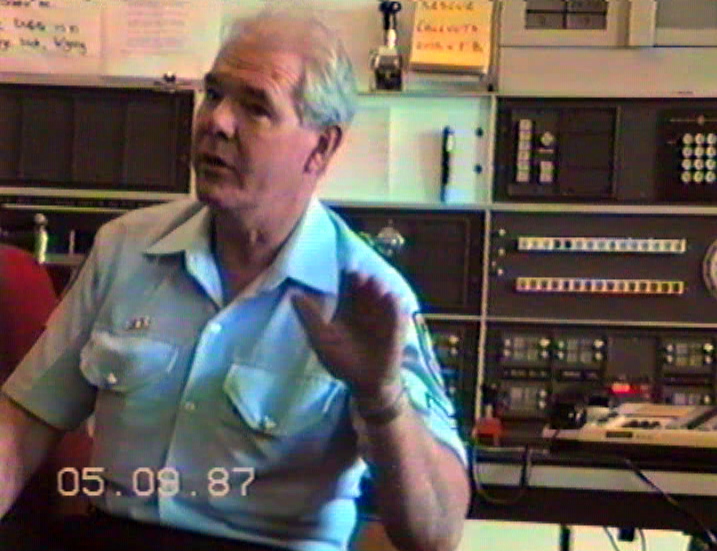
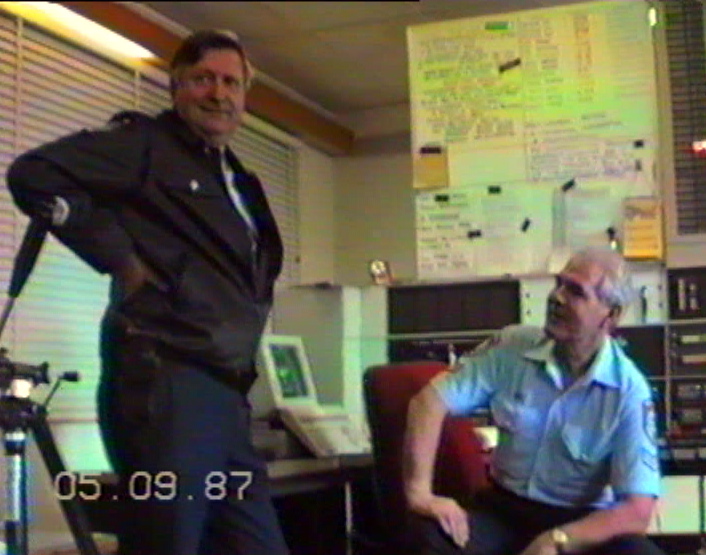
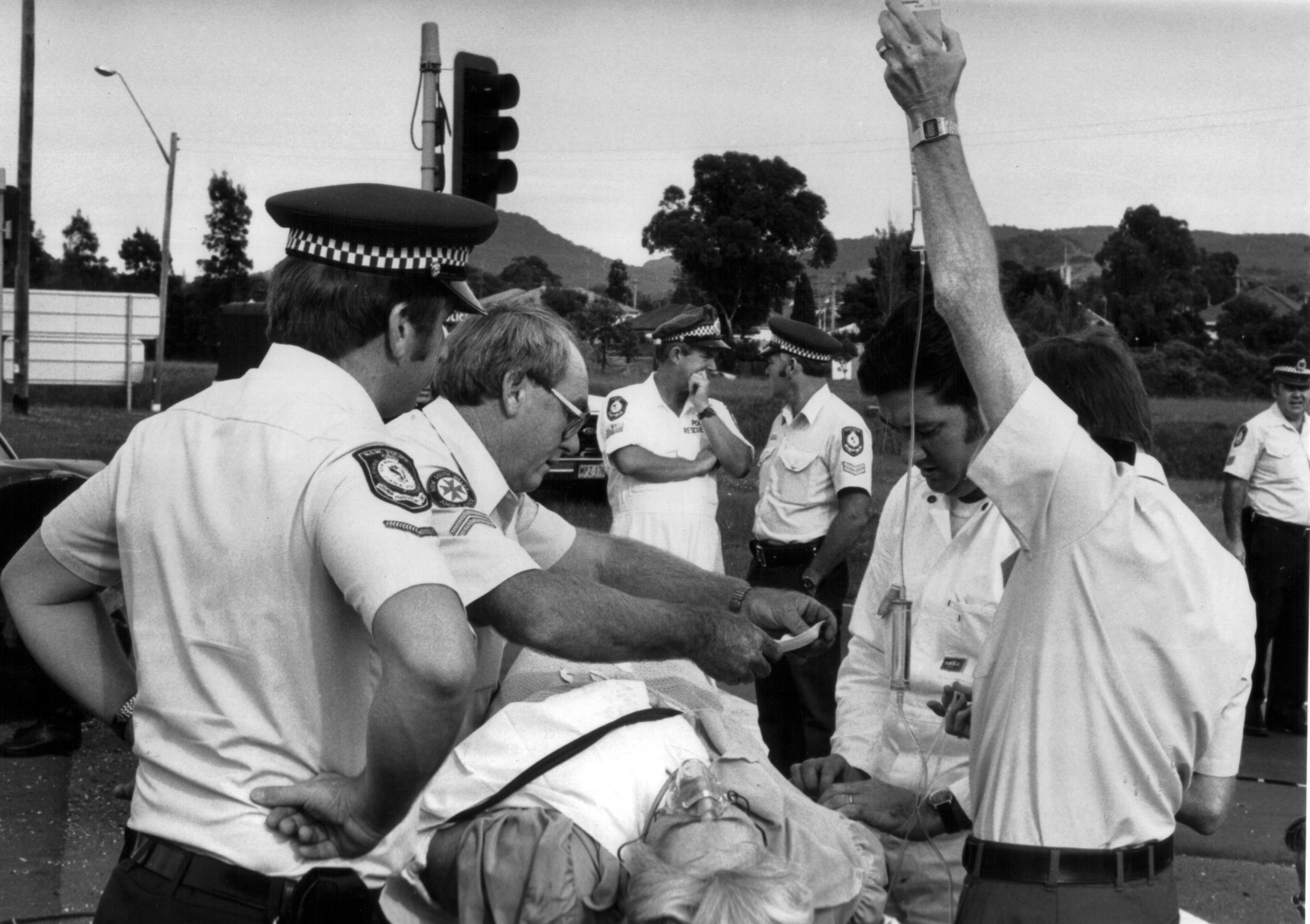
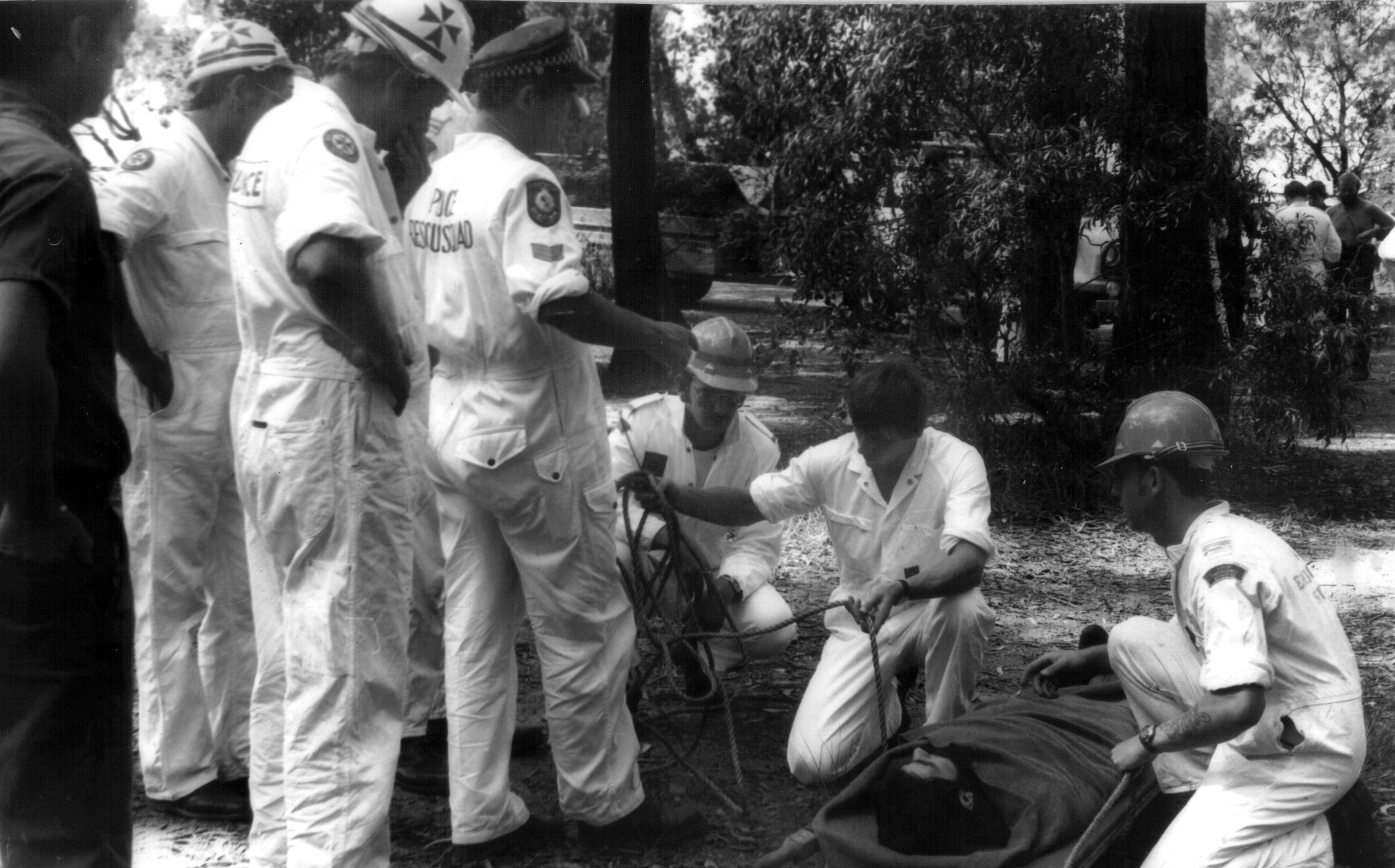
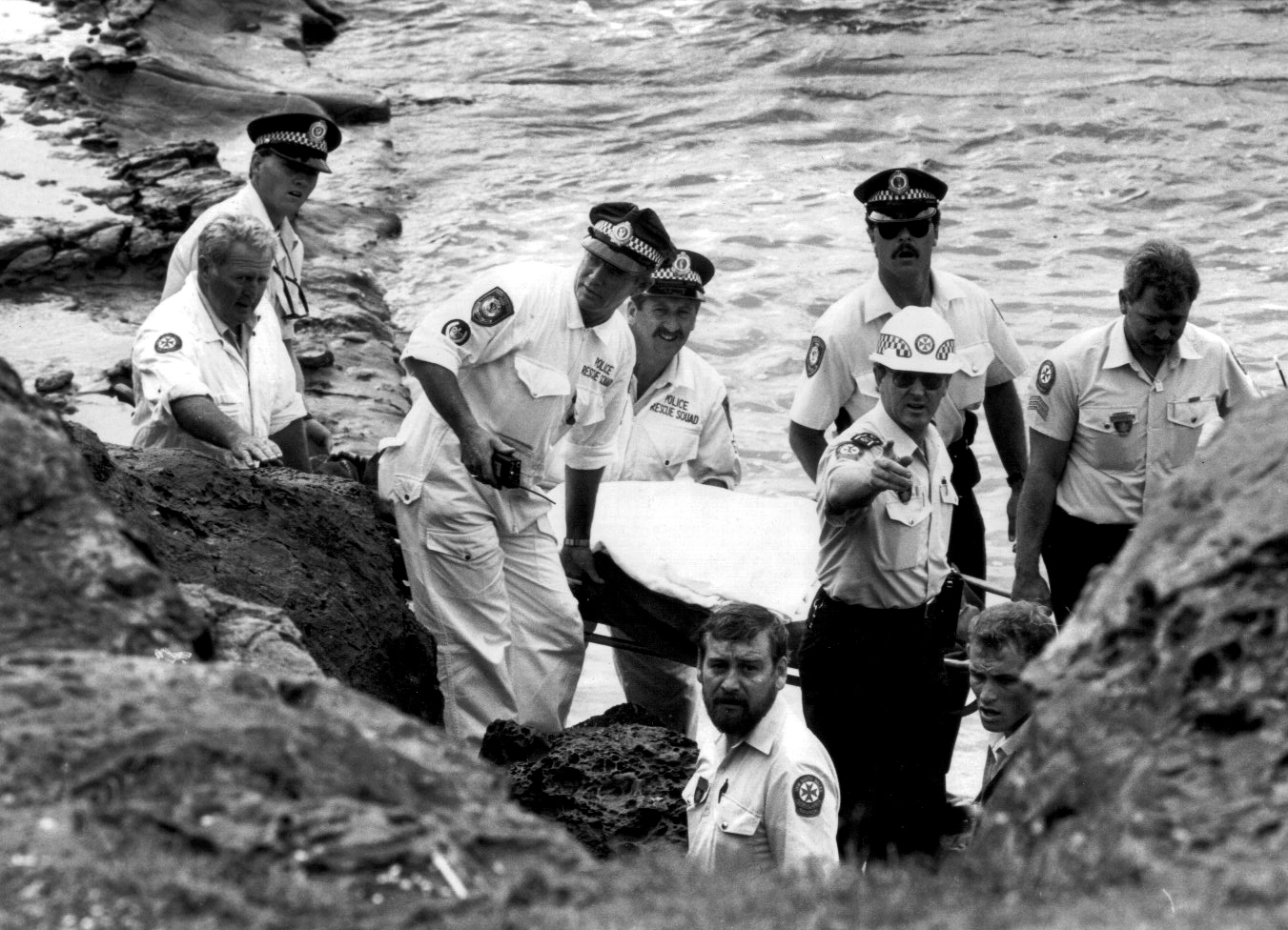
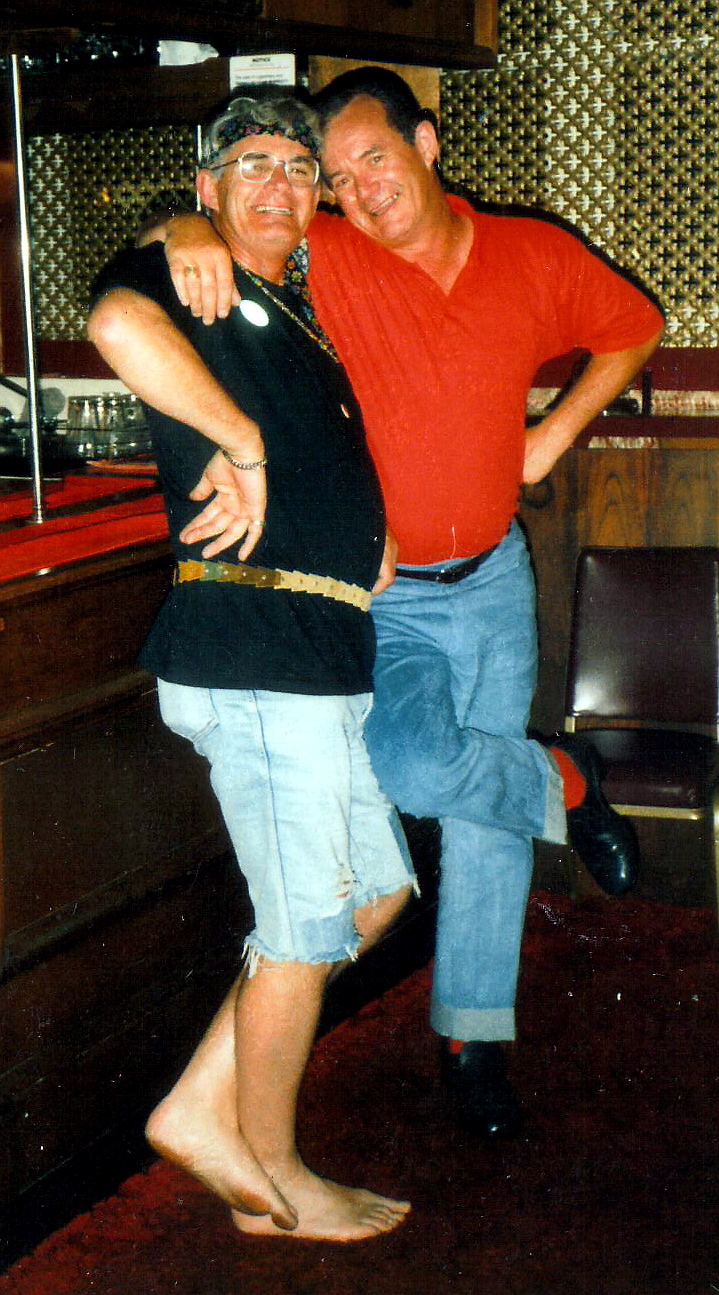
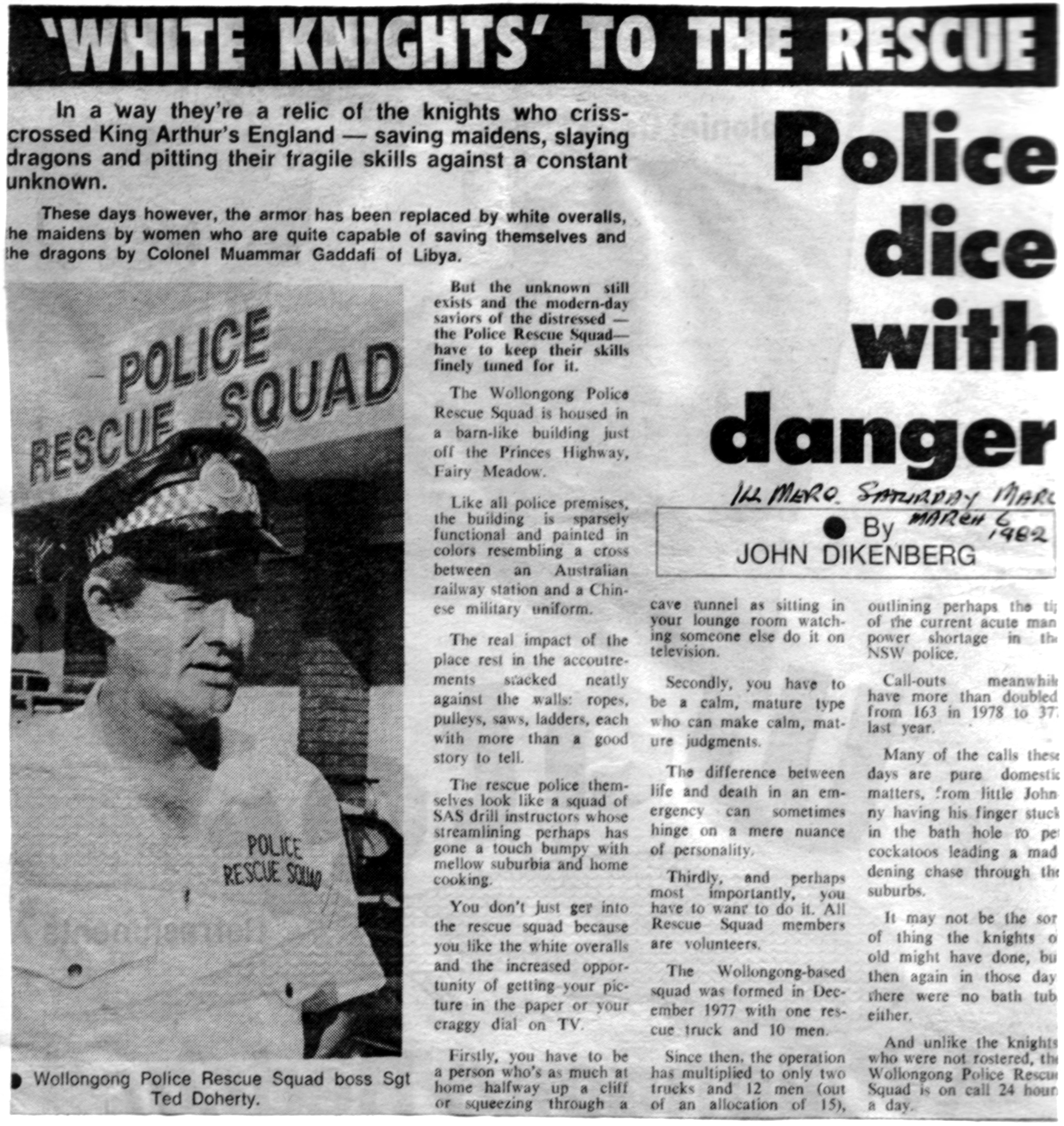
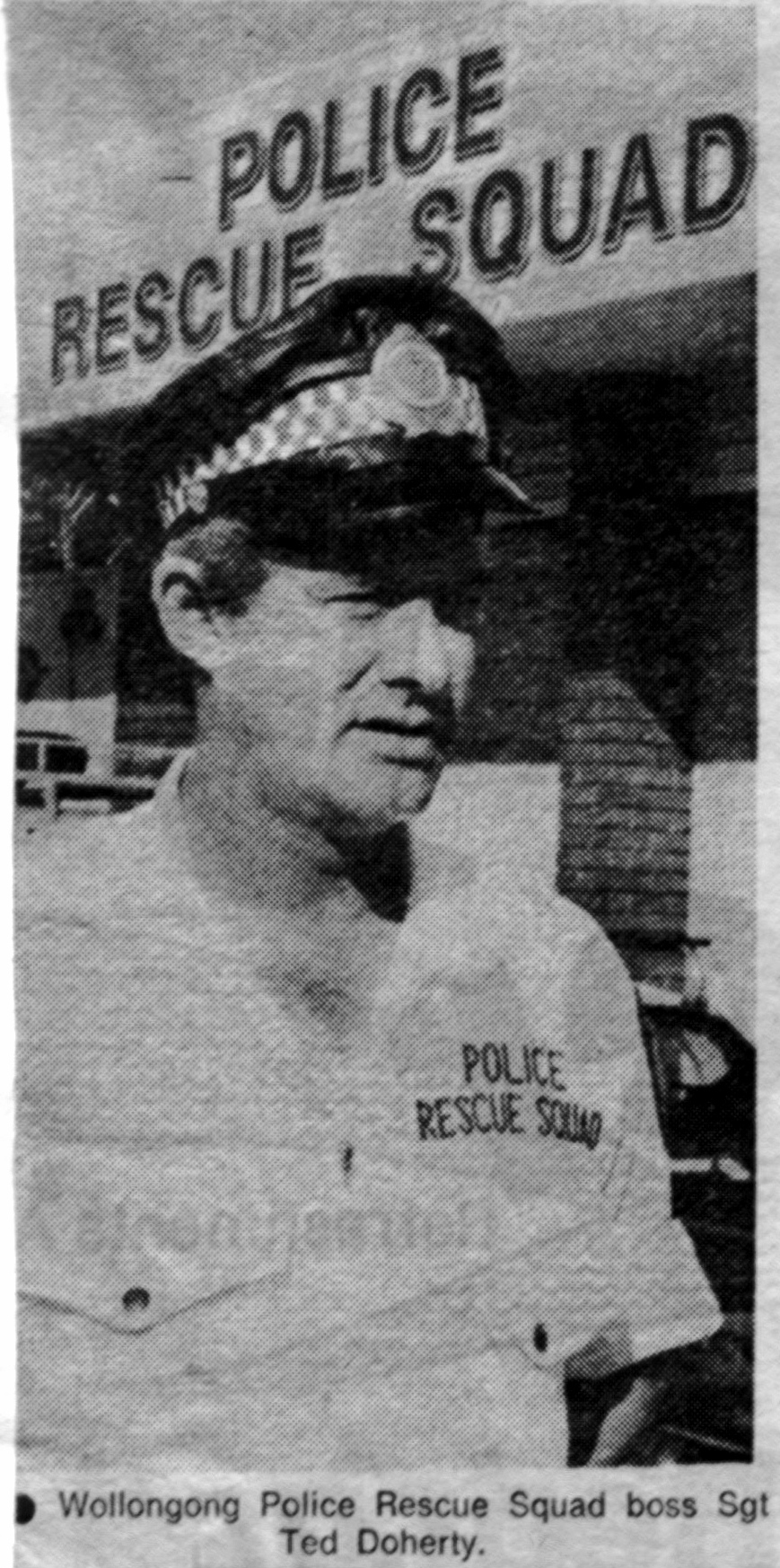
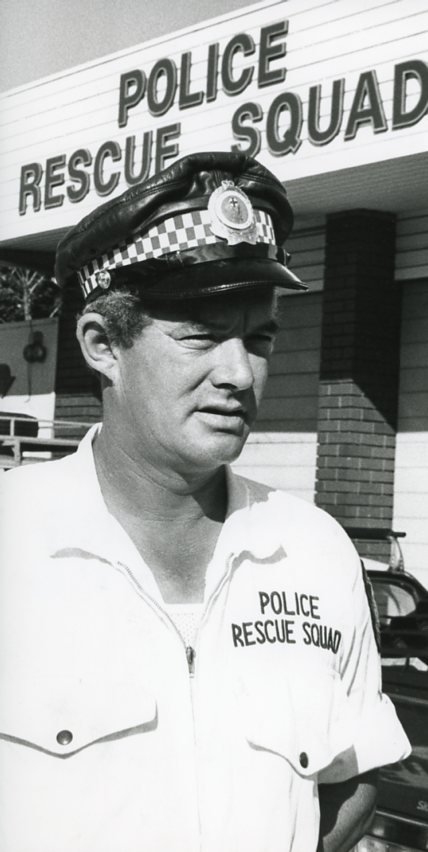
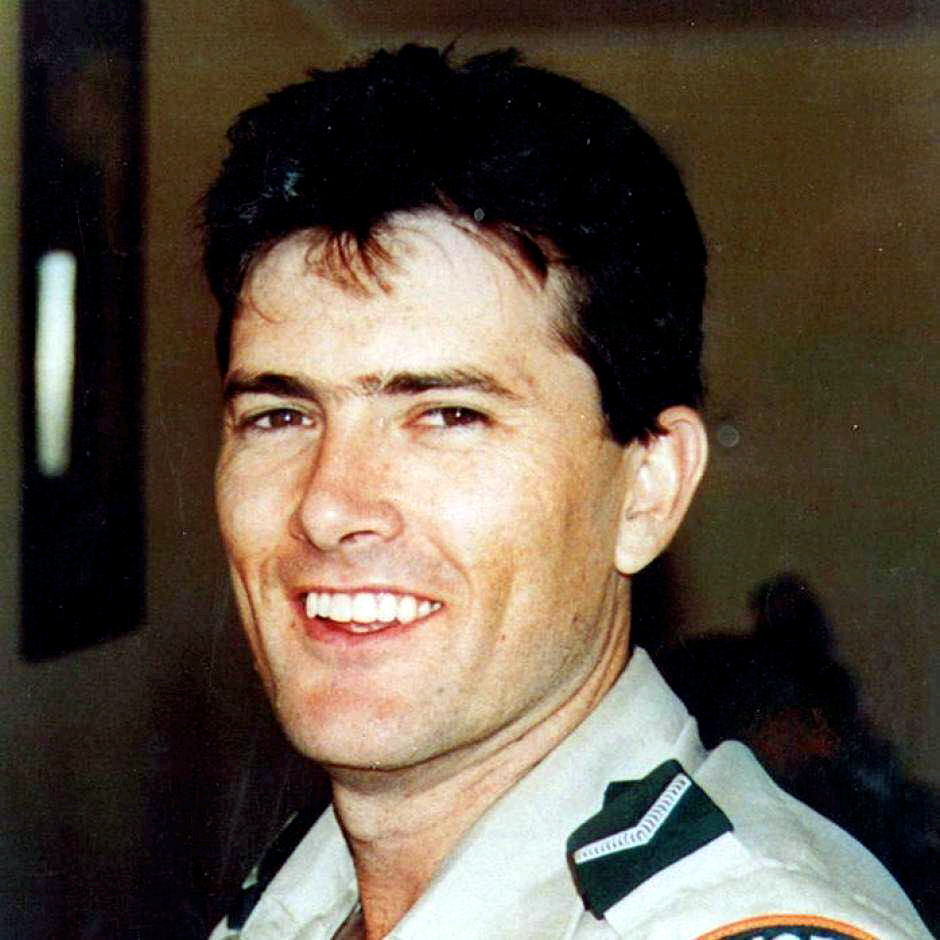
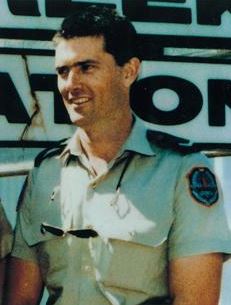
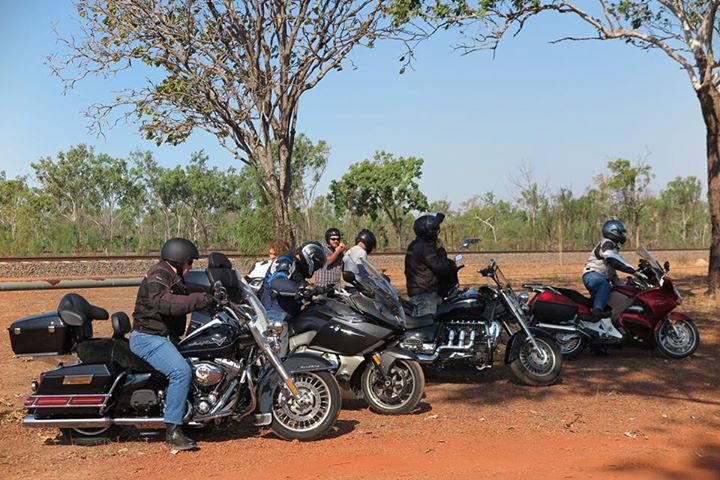
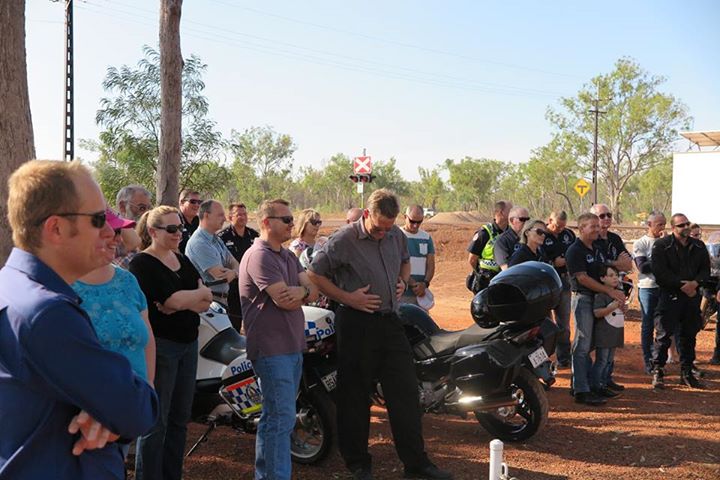
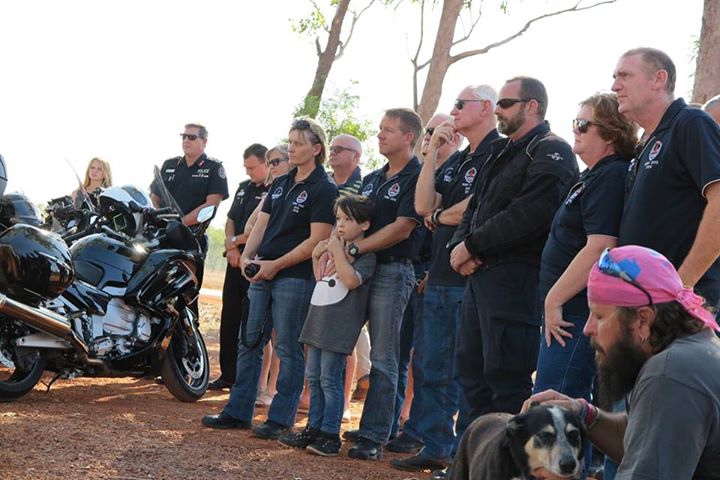
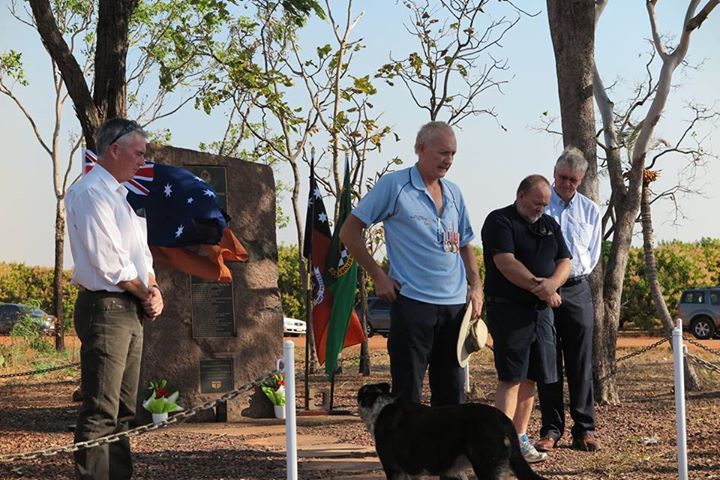
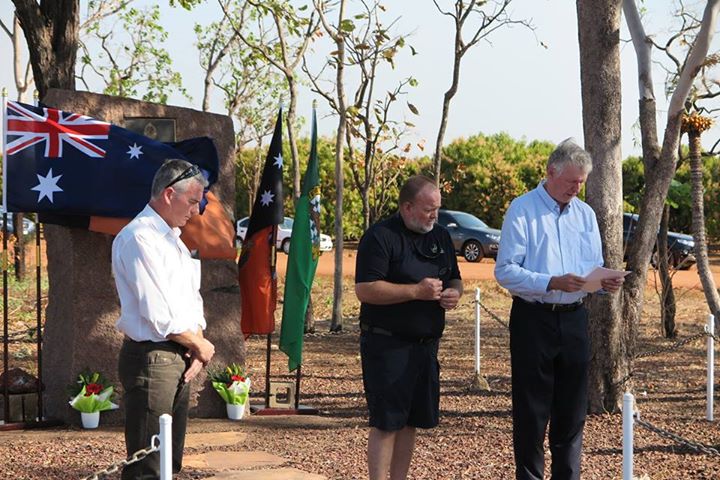
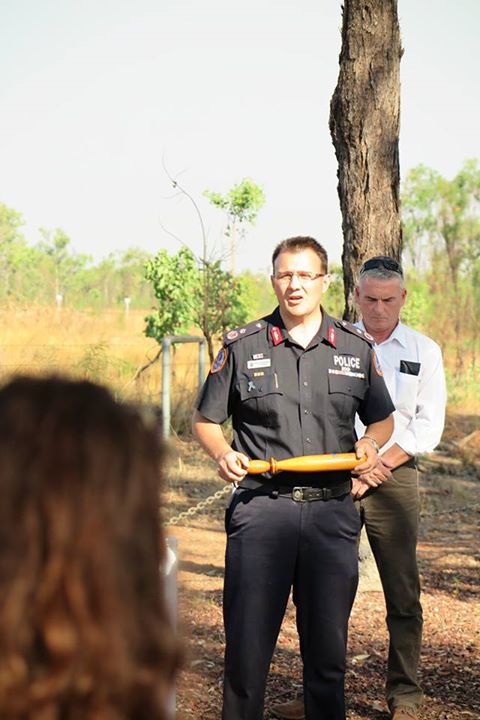
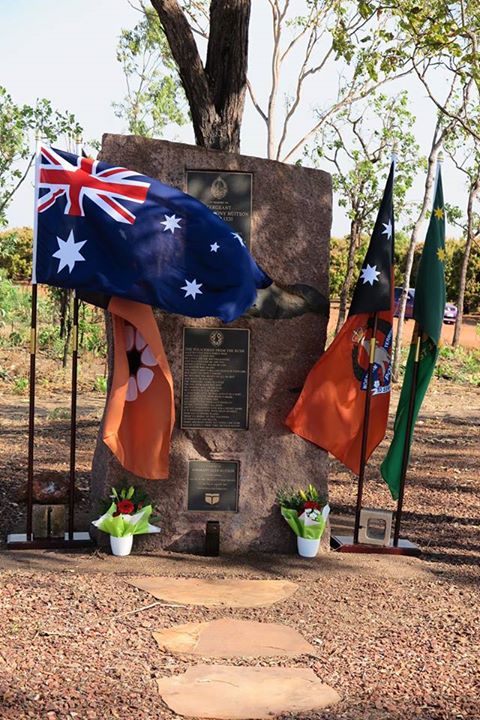


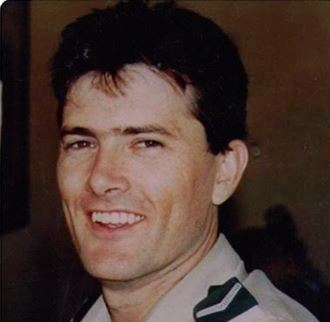
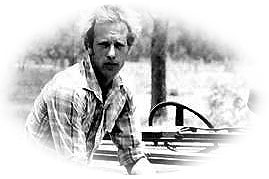
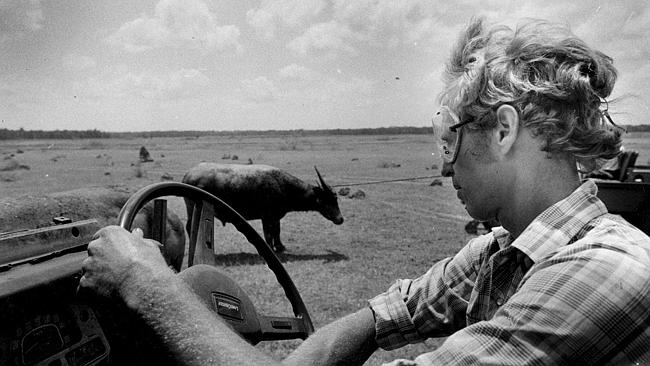
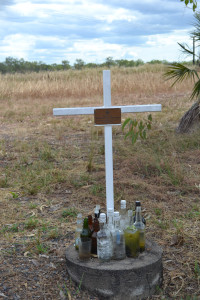
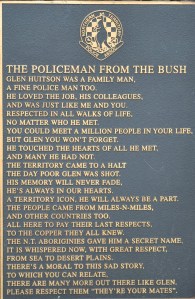

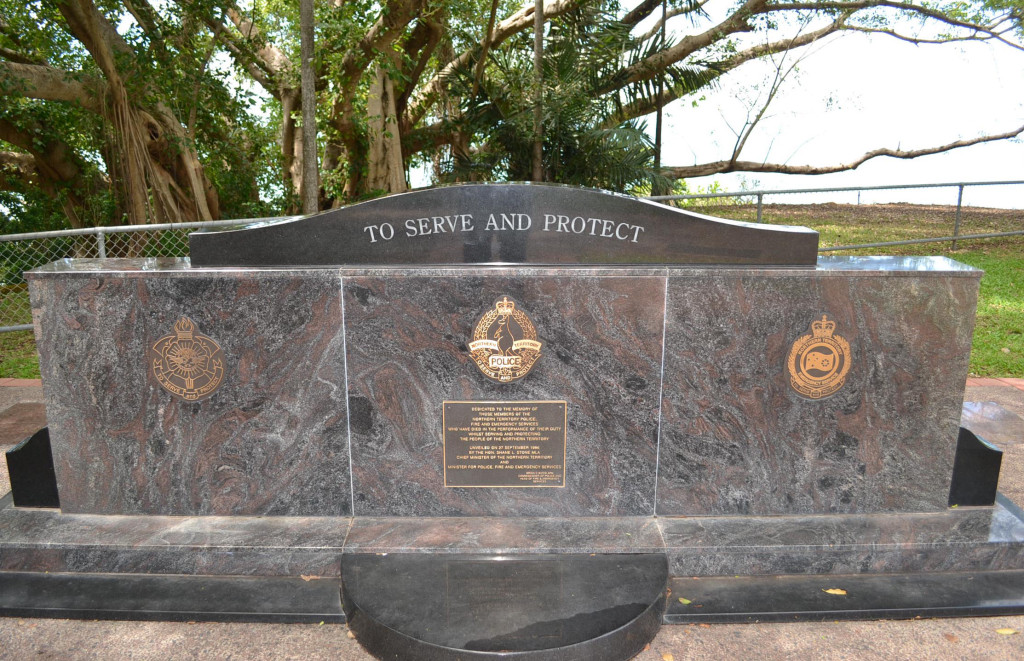
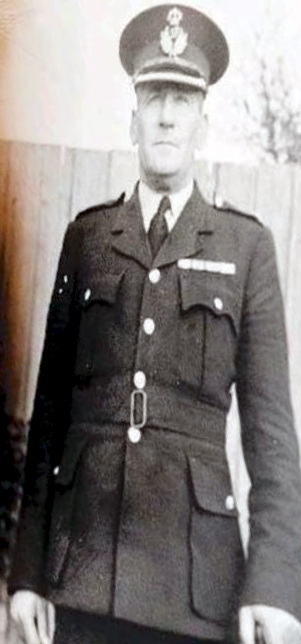
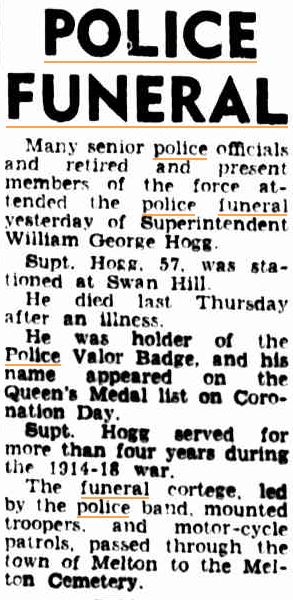
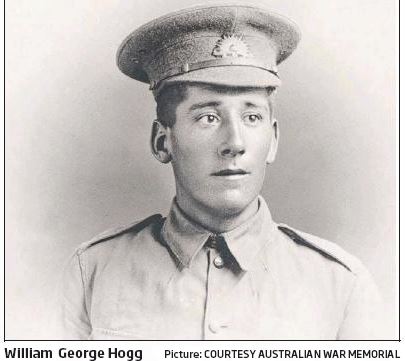
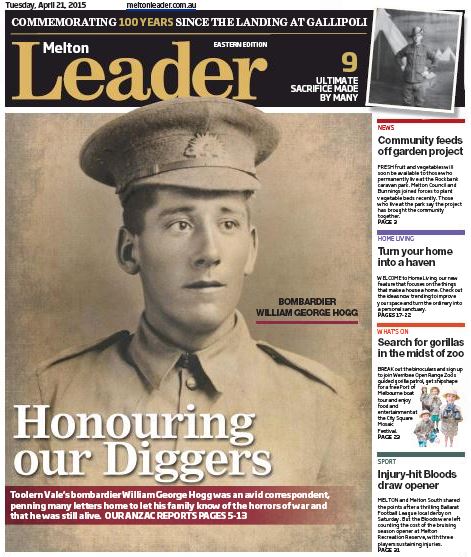
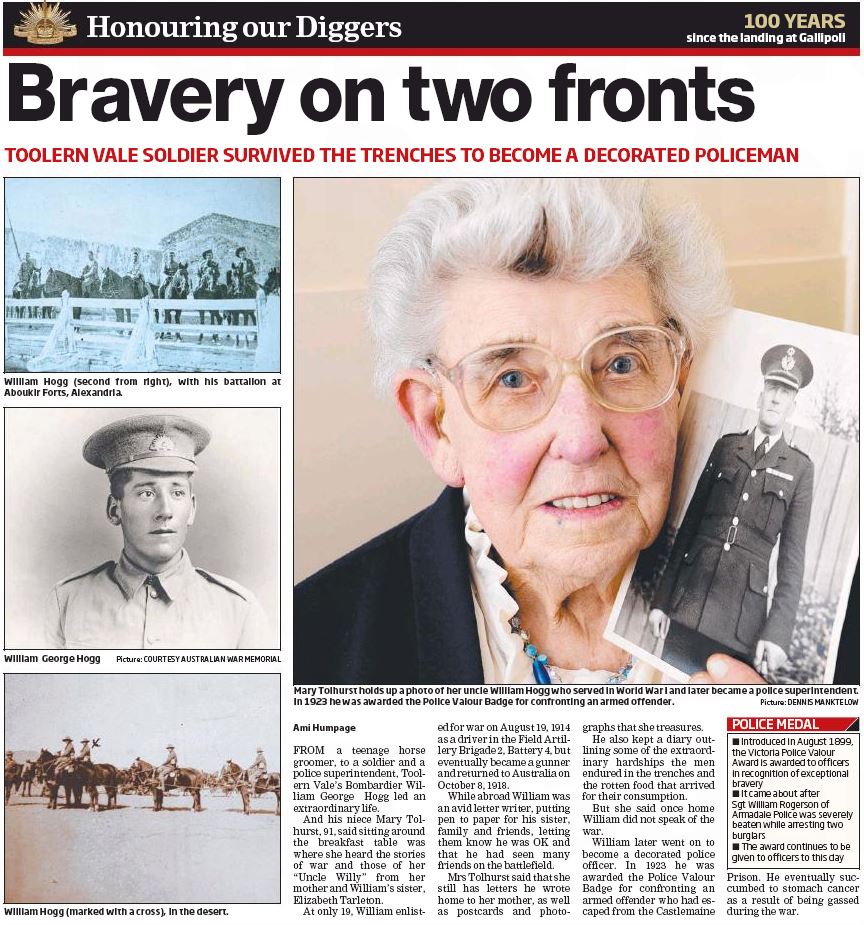
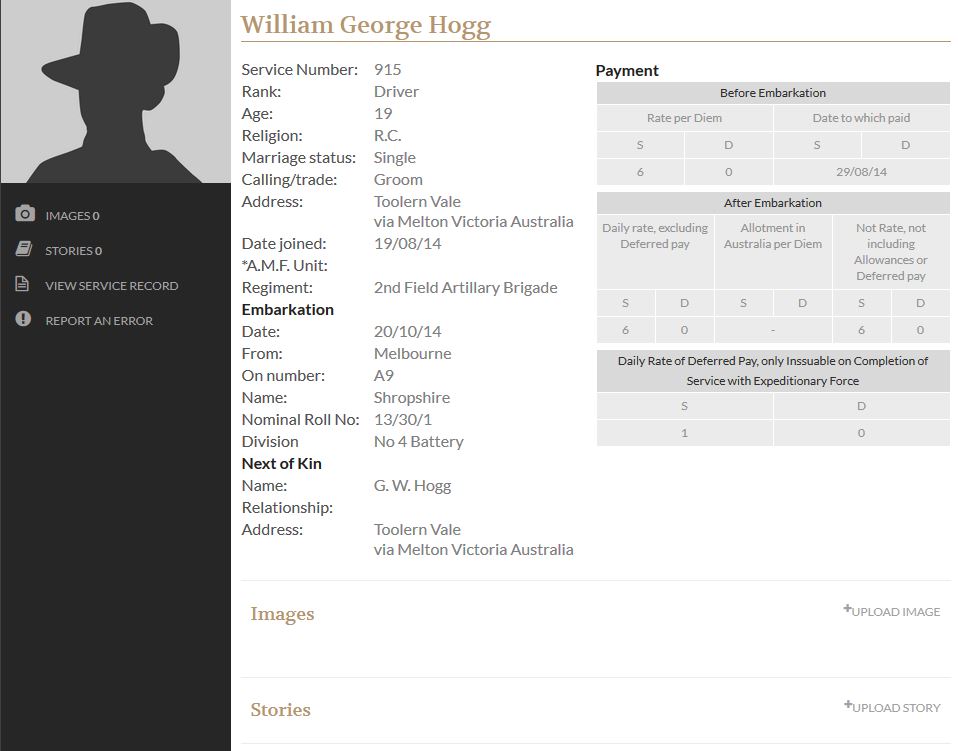
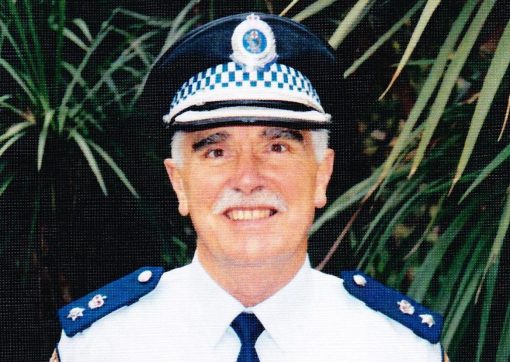
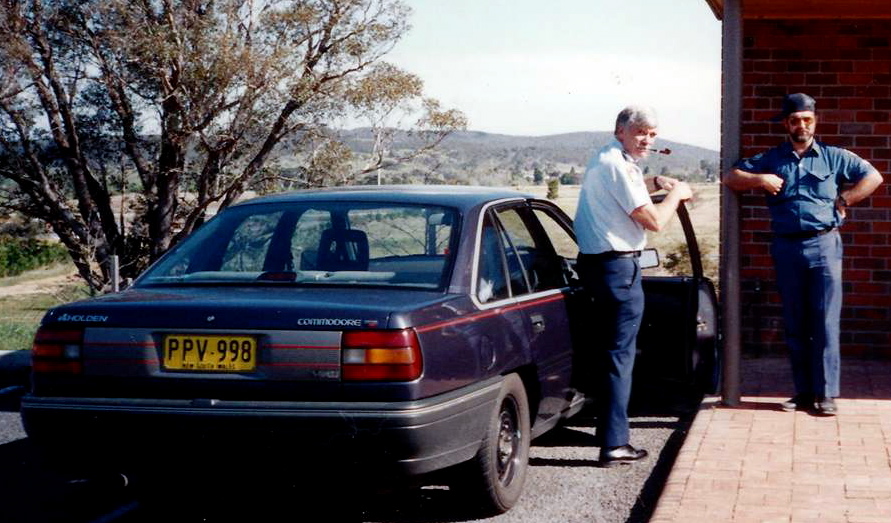
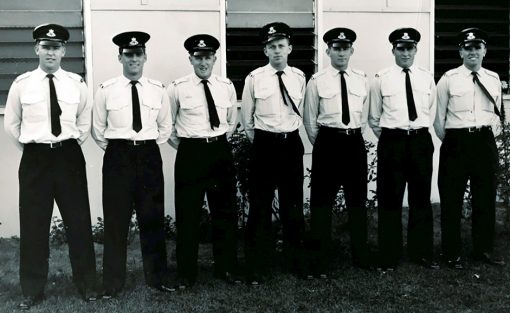
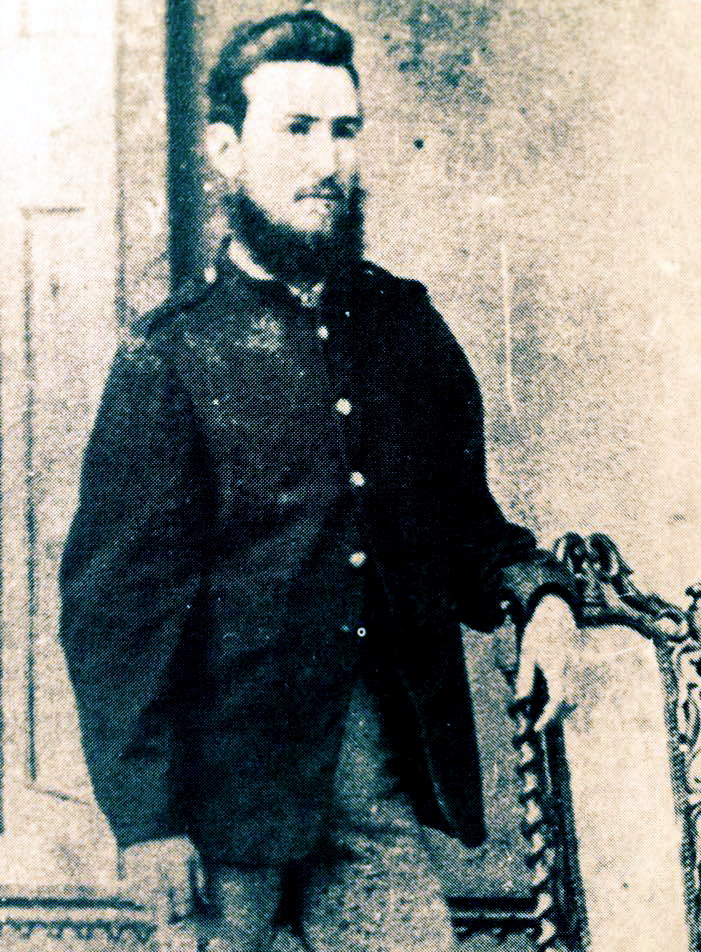
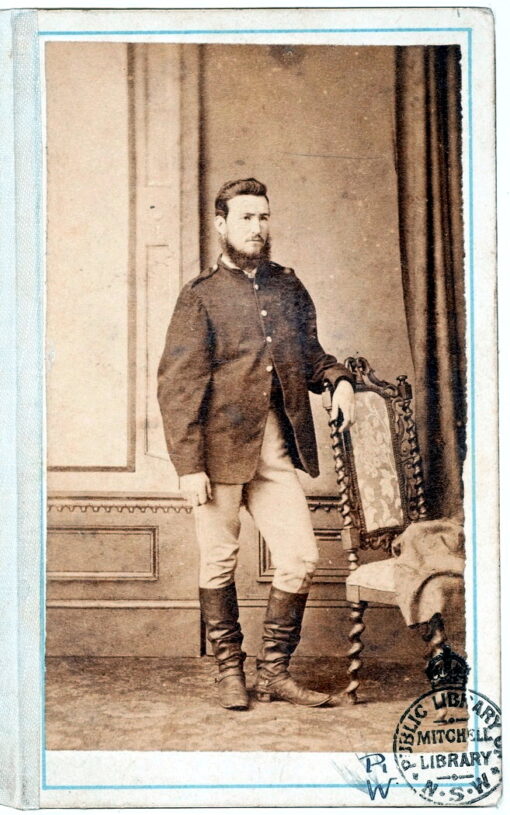
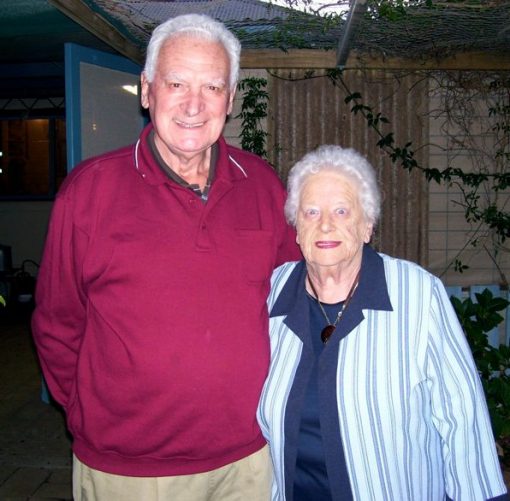


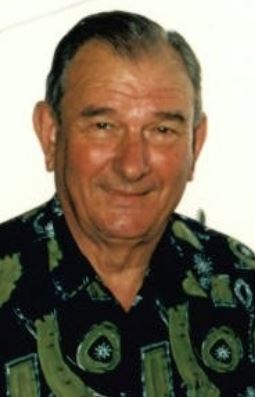
What a wonderful tribute …thank you for bringing us this introduction to a man without whom the world is a poorer place.
Thanks Chris. It happened a couple of years after we got here and was a great tragedy. I really feel for his family and the loss of a good man.
I stumbled across this post today… For some reason Glen came to my mind, and I did a search. Maybe this all came about as I saw a photo of his gorgeous sister and his 2 beautiful children.
Glen was a friend and I know his family well. He was a great man and it was an extremely sad day the day he left this life.
hi Vicki, sorry I hadn’t realised I’d omitted to reply. Thanks for sharing…it was indeed a tragic day for all concerned…we have a connection through the other officer that day though we didn’t know him at the time.