Joined NSW Police Force via NSW Police Cadet system on 2 February 1976
Cadet # 3222
Redfern Police Academy Class 157
Regd. # 17765
Uniform # 1822
Rank: NSW Police Cadet – commence 2 February 1976
Probationary Constable – appointed 5 December 1977
Constable – appointed 4 December 1978
Senior Sergeant – Death
Stations: ?, The Rock – O.I.C., School of Traffic and Mobile Policing ( S.T.A.M.P. ), Police Academy, Goulburn
Service: From 2 February 1976 to 8 June 1995 = 19+ years Service
Awards: National Medal – granted 16 September 1993
Born: Thursday 4 December1958
Died on: Thursday 8 June 1995
Cause: Motor Vehicle Accident – Police cycle – Rider
Location: Picton Rd near Almond St, Picton
Age: 36
Funeral date: ?
Funeral location: NSW Police Academy, Goulburn
Buried at: Bega Cemetery, Princes Hwy ( South )
General Section 6, Row E, Lot 11
Wayne Raymond GEORGE
Hanging at the Police Driver Training School, Goulburn.
Wayne Raymond GEORGE – Grave
Wayne Raymond GEORGE – Grave
Wayne Raymond GEORGE – Grave
Wayne Raymond GEORGE memorial plaque at NSW Police Driver Training ( S.T.AM.P. ), Goulburn
WAYNE IS mentioned on the Police Wall of Remembrance
Touch plate at the National Police Wall of Remembrance, Canberra.
Funeral location: ?
On 8 June, 1995 Senior Sergeant George was riding a police solo motor cycle from Goulburn to Sydney to attend a meeting. Whilst he was riding along Picton Road, near Almond Street, Picton his cycle was struck by a motor vehicle. The sergeant was thrown to the roadway where he was run over by a number of passing vehicles including a semi-trailer. He died as a result of injuries received.
The senior sergeant was born in 1958 and joined the New South Wales Police Force as a cadet in February, 1976. He was sworn in on 5 December, 1977. At the time of his death he was attached to the School of Traffic and Mobile Policing, Police Academy, Goulburn.
Have searched Trove and Google without success for the articles in relation to this man.
Awards: Meritorious Unit Citation for work in East Timor.
Commendation for efforts in disarming a male carrying a replica pistol in Honiara Court.
Born: ?
Died on: Wednesday 22 December 2004
Cause: Shot – Murdered
whilst deployed on official duties at Honiara, Solomon Islands
Age: 26
Funeral date: Thursday 30 December 2004
Funeral location: ANZAC Memorial Chapel,
Royal Military College, Duntroon, ACT
Buried at: Cremated
Memorial: The main street of a new AFP training village in Canberra was named Adam Dunning Drive in his memory.
Adam DUNNING
Adam IS mentioned on the Police Wall of Remembrance
Tears for the fallen as Adam comes home
By Craig Skehan and Aban Contractor December 24, 2004
AFP officers farewell their mate Adam Dunning after loading his coffin into a RAAF jet at Honiara Domestic Airport. Photo: Andy Zakeli
They had slow-marched their comrade’s casket to the plane that would take him home.
Their backs were straight, but the emotions were too much: tears tumbled down the cheeks of the Australian Federal Police pallbearers as they did Adam Dunning this last honour.
Then, once his body was stowed in the hold of the RAAF jet on the tarmac in Honiara, his mates made a last gesture of solidarity with the colleague they were farewelling forever – forming a circle, heads bowed, arms locked around each other’s shoulders.
Adam Dunning, the 26-year-old AFP protective service officer who was killed by a sniper in the early hours of Wednesday morning, was accompanied home by the Minister for Justice, Chris Ellison, and the Opposition’s home affairs spokesman, Robert McClelland, but at Fairbairn air base in Canberra, where the RAAF 737 touched down just before 6pm, it was Mr Dunning’s family and friends – his parents, Michael and Christine, his sisters, Sarah and Emma, and his girlfriend, Elise Wiscombe – who formed the guard of honour.
Standing in two straight lines, they faced the plane.
With the Australian Federal Police Commissioner, Mick Keelty, standing watch nearby, Mr Dunning’s parents held their heads high, and his sisters and Ms Wiscombe quietly sobbed as eight AFP pallbearers bore his flag-draped casket from the plane. His parents held hands and seemed to stand even straighter as their only son was placed in the hearse that would take him to the mortuary.
In the Solomons, police are questioning a taxi driver about several suspects in the murder. A Solomon Islands police source told the Herald that the taxi – seen near the murder scene with several passengers before the shooting – had been seized.
On a narrow, potholed road on the outskirts of the Solomons capital, Honiara, locals offered heartfelt apologies for the shooting.
“I am so very sorry,” said one young man. “He came here to help us.”
By the roadside at Zion Junction, investigating officers had cut the long grass to help search for clues to the identity of the person who, in darkness shortly after 3am on Wednesday, shot Mr Dunning while he was on patrol in a Toyota Land Cruiser.
Zion Junction does not have a particularly dangerous reputation. Rather, locals said, other settlements further along the same ridge were known for trouble, ranging from extortion to payback shootings.
Moffat Suiga, a community elder who was awakened by the shots that killed Mr Dunning, said he and others were at a loss to explain the murder.
A middle-aged businessman said the overwhelming majority of Solomon Islanders wanted to see those responsible put in jail. He said it would be a good thing if the Australian-led intervention force remained for the next 40 years.
At a commemoration service earlier in Honiara, Mr Keelty said Mr Dunning had “died for peace”.
The Solomon Islands Prime Minister, Sir Allan Kemakeza, said the young man had been helping the country overcome ethnic strife and crime. “We will not forget him,” he said.
A police funeral will be held for Mr Dunning on a day to be announced.
AFP officers farewell their mate Adam Dunning after loading his coffin into a RAAF jet at Honiara Domestic Airport.
Photo: Andy Zakeli
Australian Protective Services officers salute the coffin in a guard of honour at Honiara Domestic Airport before Adam Dunning’s coffin was flown back to Australia.
Photo: Andy Zakeli
Australian Protective Services officer Robert Turnbull sheds a tear at the official wake in the compund before Adam Dunning’s coffin flew back to Australia.
Photo: Andy Zakeli
The RAAF jet carrying Adam Dunning’s body touches down.
Photo: Andrew Taylor
Adam Dunning’s coffin is loaded from the aircraft to a hearse at the RAAF Base at Fairbairn.
Photo: Andrew Tayl
Senior officers and other dignatories, along with family members, watch Adam Dunning’s coffin being loaded from the aircraft to a hearse at the RAAF Base at Fairbairn in Canberra.
Photo: Andrew Taylor
The girlfriend of Adam Dunning, Elise Wiscombe (far left), cries as police salute the farewell of the coffin.
Photo: Andrew Taylor
Friends of Adam Dunning after the hearse had left the tarmac.
Photo: Andrew Taylor
Memorial Tribute to Adam DUNNING, 10 years on. 22 December 2014, National Police Wall of Remembrance, Canberra.
Excellent turnout at NPM this morning for Adam and his family. RIP and we remember.
Peacekeeper killed ADG’s funeral brings Air Force and police together
By FLGOFF Fiona Peacock
The funeral of LAC Adam Dunning, a member of the PAF and Air Force Active Reserve.
LAC Adam Dunning.
LEADING Aircraftman Adam Dunning, an ADG with No. 28 (City of Canberra) Squadron and former member of No. 2 Air Field Defence Squadron, was killed in December last year while on operational duty with the Australian Federal Police as part of the Regional Assistance Mission to the Solomon Islands (RAMSI).
In the early hours of December 22, LAC Dunning and an Australian Protective Service colleague were on a routine vehicle patrol in Honiara, protecting the Prime Minister’s and Governor General’s residences.
A concealed gunman shot at the vehicle, fatally wounding LAC Dunning, who was 26.
He deployed to the Solomons in October and, after only six weeks there, was awarded a commendation for disarming a man in front of the Magistrates Court.
At LAC Dunning’s funeral, members of 28SQN played a part in recognising his Air Force service. The squadron’s honorary air commodore, Air Commodore Justice Terence Higgins, represented 28SQN among the official party of Service chiefs.
Members of the Air Field Defence Wing provided the firing party and the guard of honour for receiving VIPs. The RAAF Ensign was carried by Pilot Officer Shane McGaughey and was escorted by Flight Sergeant John Forth.
Two close friends of LAC Dunning, Leading Aircraftmen Tim Gresham and David Pauli, were members of the bearer party. The President of 28SQN Association, Steve Williams, represented former 28SQN members. 28SQN members joined AFP personnel to form a guard of honour.
AFP Commissioner Mick Keelty praised No. 34 Squadron for the way it handled bringing LAC Dunning’s body back to Australia.
By Misha Schubert
Political correspondent
Canberra December 31, 2004
They stood side by side. Two long lines of blue uniforms facing each other along the tree-lined road. Like a slow Mexican wave, each snapped to attention and saluted as the body of one of their own passed by.
Adam Dunning, murdered by a sniper while on patrol in the Solomons early last week, had begun the last leg of his journey home.
Earlier, these men and women of the Australian Federal Police and the Royal Australian Air Force had wept openly as Mr Dunning was farewelled with full police and military honours in the Duntroon chapel. “He was a great man,” said his federal police mate Pat Castle.
The nation’s military chiefs turned out to pay tribute, as did Prime Minister John Howard, Governor-General Michael Jeffery and senior cabinet ministers.
But this ritual belonged to those who knew and loved Adam Dunning.
His mother, Christine, read from a tribute that she and her husband, Mike, had written to their son in February. They had praised his courage, sensitivity and mettle.
His partner, Elise, who had brought red roses for the man she had loved, said he was her greatest friend. “He was my strength, my inspiration, my love.”
Peacekeeper Beau Tennant, who was with Mr Dunning the night before he died, broke down as he recalled his friend’s generosity.
“Before he left me, his last words were: ‘Are you right for money mate?’ That was the kind of bloke he was,” he said.
Federal Police Commissioner Mick Keelty said Mr Dunning would live on in the memories of grateful Solomon Islanders.
“Adam Dunning died for peace and law and order. His work and his death will always be remembered by his colleagues,” he told mourners.
The federal police hope to build a memorial to Mr Dunning at their new training centre for overseas police peacekeepers.
Mr Dunning also served with RAAF in Timor before joining the AFP.
Police believe his murder and another attack on police on October 21 were carried out by three former members of the Malaitan Eagle Force militia.
They have charged two men – John Ome and Philip Kwaimani – over the attacks and are hunting James Tatau, who Mr Keelty said was present at both events and had access to a cache of weapons.
Police believe the trio were working on their own, with no sign of any broader uprising against the peacekeeping effort.
It fell to Emma, who had adored her older brother, to claim his service medals and caps from the flag-shrouded coffin and hand them to her grieving parents.
As his police mates carried Mr Dunning’s coffin from the chapel into the sunlight, drummers and bagpipers ushered him on his way. A police motorcade led the cortege through Canberra’s streets to a private service and cremation.
A plane carrying the body of murdered Australian peacekeeper Adam Dunning has landed in his home town of Canberra.
The 26-year-old Australian Protective Services officer was shot twice in the back by a sniper while serving as part of a peacekeeping mission in the Solomon Islands yesterday morning.
Members of Mr Dunning’s family, and his colleagues were on hand to formally receive his body.
Australian Federal Police Commissioner Mick Keelty returned from the Solomon Islands about half an hour before the plane bearing Officer Dunning’s body landed.
He was among those waiting for Justice Minister Chris Ellison and Labor’s homeland security spokesman Robert McClelland, who accompanied the body on the flight back to Canberra.
Commissioner Keelty, Senator Ellison, Mr McClelland and AFP officers formed a guard of honour before the coffin was removed from the plane.
Family members, including Officer Dunning’s parents Mike and Christine, and girlfriend Elise Wiscombe, stood arm in arm watching proceedings.
A guard of honour, carrying Officer Dunning’s hat, led the flag-draped coffin to the hearse.
Eight pall bearers stood tall under the weight, as Officer Dunning’s police colleagues watched on.
A cavalcade of AFP motorcycles is waiting to lead the hearse to Canberra’s mortuary.
A full police funeral will be held for Officer Dunning on a day to be announced.
Officer Dunning’s parents took the time to thank those who attended the short ceremony before the hearse headed for Kingston mortuary under police escort.
Senator Ellison later said the Solomons people were behind RAMSI and Australia’s efforts to bring law and order to the country.
He said some adjustments might be made to the conduct of night patrols but any final decision would depend on recommendations from the AFP.
He denied the Government had too quickly reduced the AFP’s military support in the Solomons.
“We’ve made fantastic progress in the Solomons and we never underestimated the danger that our people faced,” he told ABC television
By Craig Skehan and Cynthia Banham December 23, 2004
Australia is rushing 100 extra troops to the Solomon Islands in defiant reaction to the sniper murder of Adam Dunning, the nation’s first peacekeeper to be killed by hostile fire.
The murder highlights the perils of the new interventionist role in the Pacific islands, but the Prime Minister, John Howard, vowed the mission to the Solomons would go on “undeterred, unrestrained, unaffected by what’s happened”.
“We won’t be cowed by this,” the Foreign Minister, Alexander Downer, added.
Mr Dunning, a 26-year-old Australian Protective Service officer from Canberra who had dodged bullets while serving in East Timor, was shot twice in the back while on a patrol in a four-wheel drives Toyota Land Cruiser in the capital, Honiara, at 3.10am on Wednesday. The bullets were among six shots fired rapidly from a high-powered military rifle.
“It looks as though the person who fired it had training in the use of such firearms,” a Solomon Islands official said.
Members of former ethnic militias – who had formed gangs and reduced the country to anarchy – are now being questioned. Australian investigators say the involvement of former Solomon Islands police officers, or an individual officer, cannot be ruled out.
At his Canberra home, Mr Dunning’s father, Michael, was distraught as he spoke of his son’s honourable death.
“It is sad as he cared for the [Solomons] people so much and was doing something really good on their behalf,” Mr Dunning told the Herald. “He always has been a decent person, tough and soft-hearted at the same time. He was totally honourable and very stubborn – nobody could make him do anything that he did not think was right. He was a credit to us.”
Adam Dunning had been planning a future with his 22-year-old girlfriend, Elise Wiscombe, on his return home next month. “I’m very, very proud of what he’s done over there,” she said. “He’s one of the greatest people I’ve ever met.”
Mr Dunning was part of the regional intervention force which has been seeking to stem ethnic and criminal violence in the Solomons since July last year.
A rapid-response, 100-member infantry company from the First Royal Australian Regiment was to leave Townsville on Thursday for the Solomons, just a day after the murder. The Defence Minister, Robert Hill, said: “This is to send a clear message to the thugs … that we will not tolerate the murder of our police officers.”
A meeting of departmental secretaries in Canberra recommended extra forces to support the 160 defence force personnel already there. Those troops are backing the 147 Australian Federal Police members who are serving in the Regional Assistance Mission to the Solomon Islands (RAMSI) – about 95 of them from the Australian Protective Service, which comes under the federal police. The Justice Minister, Chris Ellison, and the Federal Police Commissioner, Mick Keelty, flew to Honiara on Wednesday night. Australian forensic experts also flew in.
Mr Keelty said: “Over 4000 arrests have been made and over 3700 weapons have been seized [since the intervention began]. Clearly this indicates that there are some in the community in the Solomon Islands who are not happy about RAMSI’s presence.”
He said the hot tropical climate – and the large number of weapons already recovered – were among the reasons body armour had not been used for regular patrols. However, this is now under review.
Mr Keelty called Mr Dunning “a brave and courageous young Australian” and said his killing emphasised “the danger that our people face”.
The Solomons Prime Minister, Sir Allan Kemakeza, described the killing as barbaric and cowardly.
Mr Dunning’s partner on patrol, who had been driving, tried to resuscitate him.
The murder scene, on the outskirts of Honiara, was close to two settlements which are known to be frequented by former ethnic militiaman who formed criminal gangs.
The Australian police contingent has been at the forefront of efforts to clean up local police and officers have been charged with offences from corruption to assault and robbery. A number of local politicians are either under investigation or already facing various charges.
Mr Keelty said the ammunition used indicated the murder weapon was an SLR or possibly an AK-47. This was consistent with some of the weapons used before the arrival of the intervention force. The looting of many SLRs and other military-style weapons from Solomons police armouries had fuelled the five years of unrest that prompted the intervention of the Australian-led force.
There was a major riot at the Central Prison in Honiara this year, when inmates threw rocks at Australian personnel and painted anti-Australian slogans. Two months ago, an intervention force vehicle patrol was fired on.
Protective Service Officers were deployed along with other Australian law enforcement officers in the Solomon Islands as part of RAMSI. The peacekeeping force suffered their first casualty on 22 December 2004 when PSO1 Adam Dunning was shot and killed while deployed on official duties in the Solomon Islands. Two former members of a local militia were charged but acquitted of Dunning’s murder.[5] Officer Dunning was buried with full police honours.
The main street of a new AFP training village in Canberra was named Adam Dunning Drive in his memory.[6] The $2.8 million training facility at Mount Majura just outside Canberra, has been designed to replicate situations in regional countries to which personnel might be assigned.
The main street of a new training village for Australian Federal Police and other personnel being sent overseas has been named after murdered peacekeeper Adam Dunning.
The $2.8 million training facility at Majura, just outside Canberra, has been designed to replicate situations in regional countries to which personnel might be assigned.
Prime Minister John Howard officially opened the facility on Thursday in the presence of police chiefs from across the country as well as from several regional nations.
Australian Protective Service officer Mr Dunning, 26, was fatally shot twice in the back while on night patrol in the Solomon Islands capital of Honiara in December.
He was serving as part of the Regional Assistance Mission to the Solomons.
His parents attended the opening of the village, through the centre of which runs a road now named Adam Dunning Drive.
“The loss of Adam Dunning signified that this is very dangerous work,” Justice Minister Senator Chris Ellison said.
“That was the ultimate sacrifice paid in the course of his duties.”
Mr Howard said the new facility reflected the new security reality for Australia and its region.
“Events of the last five years have totally transformed both the demands and the expectations of the Australian community on the Australian Federal Police,” he told the gathering.
“In that five-year period we have seen the threatening arrival of international terrorism.
“We’ve (also) seen the emergence of an ongoing need on the part of this country, in cooperation with our friends in the Pacific region, to involve ourselves in the restoration of conditions of law and order and cooperation with police services and governments of those countries.”
The training village, to be used by a range of emergency services personnel as well as police, recreates the environment that police experience when on overseas missions.
Designed to reflect the streetscape of a small overseas township, it enables true-to-life scenario training which helps to prepare police for unknown and sometimes dangerous challenges.
It includes 18 buildings and structures including a corner store, a town hall, a police station, a school, a pub, a marketplace and even a cemetery, reflecting the fact that police are sometimes required to perform exhumations in the course of their work.
The spokesman said 124 personnel had already trained at the complex which was completed in March.
About 4pm on 2 November, 1911 the sergeant was on duty carrying out inspections of pawn shops. At the intersection of Campbell and Castlereagh Streets he failed to hear a tram coming in his direction (he was suffering from diminished hearing) and he was struck by the tram and knocked to the roadway. He was quickly conveyed to the Sydney Hospital suffering from a fractured skull and other head injuries; however he passed away the following day.
[divider_dotted]
The Evening News of 3 November, 1911 carried quite a lengthy report of the tragedy.
“SERGEANT JEFFES KILLED. KNOCKED DOWN BY A TRAM. AN OLD SYDNEY POLICEMAN
Sergeant George Jeffes died in Sydney Hospital early this morning as the result of a city tram accident. He was on duty delivering pawn slips and inspecting pawn shops in the No. 2 (Regent-street) Police District yesterday afternoon, and while crossing Castlereagh-street, at the corner of Campbell-street, he was knocked down by tram No.81 proceeding from the railway station to Circular Quay. Senior-constable Young spoke to Jeffes at the corner of Campbell and Liverpool streets, and a few seconds later on seeing a crowd collect he went to the scene and found his comrade badly injured. He secured the Civil Ambulance, which conveyed the injured man to the hospital where he was admitted with a fractured skull. He was operated on and a lot of blood removed from his brain, but he never rallied. He will be given a police funeral tomorrow afternoon, the cortege leaving the corner of Elsternwick-street and Allen-street, Leichhardt at 1.30 p.m. for Rookwood Cemetery.
Sergeant Jeffes, who was 58 years of age, was an Englishman, and served as a bluejacket till 1882, when he came to Australia, and joined the New South Wales force. He was made a first class constable in 1885, senior-constable in 1889, and sergeant in 1895. He had thus 30 years’ service and could have retired two months ago, taking six months’ leave, but being still strong, he was, at his own desire, allowed to continue in harness, and was working in plain clothes on light duty among the pawn shops.
” THE GOOD SHEPHERD. ” Sergeant Jeffes was for many years known as, the good shepherd, and he did great work reclaiming white girls from the Chinese dens, and children from the slums and from parental hurt to their care. He was associated with Mr. Sherwood in the famous Botany poisoning case, in 1888, when Louisa Collins was hanged.
Senior-constable Sherwood ( now Metropolitan Superintendent of Police ), and Jeffes, then a constable, had charge of the cases. Superintendent Mitchell, who is acting, said this morning that Sergeant Jeffes was a good and capable officer who had the interests of the service and the community at heart, and was most energetic in the discharge of his duties. A daughter of Sergeant Jeffes was murdered in George-street a little over twelve months ago, being shot by a young man.”
With regard to the death of the sergeant’s daughter, the Evening News of 3 July, 1909 reported that “Miss Kate Jeffes, 21, the young woman who was shot in the arm and breast by a French Canadian, named Felix Perrier, in George-street on the night of June 21, died at the Sydney Hospital at 3.30 this morning from the effects of the wounds, accentuated by the shock. She was the daughter of Sergeant Jeffes, of No. 2 Police Station”.
Evening News ( Sydney ) Friday 3 November 1911 Page 9 of 16
[divider_dotted]
The sergeant was born about 1853 and joined the New South Wales Police Force in 1882. At the time of his death he was stationed at Regent Street Police Station. He is buried at Rookwood Cemetery.
[alert_red]He is NOTincluded in the NSW Police Honour Roll.[/alert_red]
[divider_dotted]
SERGEANT JEFFES’ DEATH.
CORONER’S INQUIRY.
The Coroner, Mr. Murphy, yesterday held an
inquiry Into the death of Sergeant George Jeffes, who was knocked down by a tram at the intersection of Castlereagh and Campbell streets, on Thursday afternoon last.
Evidence was tendered to the effect that the deceased was crossing the street at the intersection of Castlereagh and Campbell streets at about 4 pm. As the car approached, a witness called out to him, and the driver sounded the gong, cut off the current, and applied the emergency brake. The car moved on a couple of yards after striking deceased, who was carried along by the cow-catcher. Deceased’s hearing, it was stated, had been defective of late.
The Coroner found that death had resulted from injuries accidentally received through being knocked over by a tram.
The Sydney Morning Herald Tuesday 7 November 1911page 11 of 14
[divider_dotted]
DEATH OF SERGEANT JEFFES.
The ” Good Shepherd. ” A RESPECTED MEMBER OF THE SYDNEY POLICE FORCE.
As the result of a tram accident on Thursday afternoon last, the death occurred on Friday of a well-known figure in the Sydney police force, and a much-respected and admired officer – Sergeant George Jeffes, at the age of 58 years.
Born at Northwich, Cheshire, young Jeffes was apprenticed to the ironworking trade, beginning work when but 8 years of age, in a foundry in Salford, Manchester. At 15 he was seized with the adventurous spirit, and ran away to sea, completing a term of service in the Imperial Navy. Returning to Salford, he joined the fire brigade, and in this capacity had his first experience as a police officer, for in those days the fire-fighter did dual duty. Soon he was again seized by the wanderlust, and landed in Victoria in 1879. A year later Mr. Jeffes arrived in New South Wales, shortly afterwards joining the police.
He was first stationed at Darlinghurst, but subsequently was transferred to Botany, where he was instrumental in bringing to justice Louisa Collins, the last woman who suffered the extreme penalty of the law in New South Wales. In 1889, he was again stationed at Darlinghurst, and promoted to the rank of senior-constable. He was next promoted to Sergeant, when, in 1896, he was attached to Regent-street Police Station, where he ended his career.
To a large extent the suppression of opium traffic, rampant in Sydney a few years back, was the work of Sergeant Jeffes, who, while engaged in this duty, was responsible for saving countless unfortunate women from infamy, earning for himself the sobriquet of the ” Good Shepherd ” for the splendid success attending his efforts. Although stern with Chinese law-breakers, Sergeant Jeffes had the confidence of the whole Chinese quarter. He was regarded in the slums as one whose inclination was more to assist that portion of humanity generally regarded as homeless, than to treat them with the harshness which is generally their lot. His knowledge of the back streets and the opium trade was vast ; and Sergeant Jeffes could always openly enter houses and places that might prove dangerous indeed to any other officer.
His untimely death is greatly deplored in the police force, and by many whom he succeeded in setting on the right path again. The later Sergeant Jeffes was a staunch and practical Catholic, and a member of the Sacred Heart Confraternity. He leaves a widow and two children — a daughter and a son. The Rev. Father Darby was in attendance at the last, and administered spiritual consolation.
The funeral took place on Saturday afternoon, and the cortege conveyed an idea of the esteem in which the late sergeant was held. The Police Band played the ” Dead March in Saul ” and the ” FuneralMarch, ” and 70 uniformed policemen accompanied the hearse from deceased’s residence in Leichhardt to Petersham Railway Station, where the remains were entrained for Rookwood. There was a large gathering at the graveside, and among the mourners were his widow, Thomas Jeffes (son), Sarah Grace Jeffes (daughter), Messrs. Mark Anthony Jeffes and Charles Jeffes (brothers), Robert, Steve and Mark Jeffes (nephews), Mr. and Mrs. James Ryan ; Mr. and Mrs. Peter Ryan, Mr. and Mrs. James Paxton, Mr. and Mrs. Michael Ryan ; Mr. and Mrs. Thomas Ryan, Mr. and Mrs. Denis Ryan, Mrs. Tyler, Misses Tyler (2), Mr. and Mrs. Wm. Landrigan and Miss Mary Landrigan, Mrs. Thomas O’Toole, and Mrs. Wm. O’Toole, Mrs. J. O’Toole, Mr. and Mrs. James O’Toole, Mrs. Coghlan, Mrs. Crooks, Mr. Murphy, Mr. McQuirk, Mrs. Kembo, Mrs. Byrom, Mrs. Moran, Mrs. Hayes, Miss Vaughan, Mrs. Danhy, Mr. and Mrs. Sheedy, Miss L. Murphy, Miss Vera Jeffes, Mr. Fitzgerald, Mrs. Keating, Mrs. Angles, Mrs, Corcoran, Mr, Kilcoyne. Six brother-sergeants acted as pall-bearers, their names being Sergeants Curry, J. Hogg, Sherwood, Curtis, Corcoran and Walker. Others present were: Superintendent Mitchell ( representing the Inspector-General ) Sub- Inspectors Kelly, Brookes and Davis, ex-Inspectors Collins and Broderick, Senior Sergeant O’Dea, Sergeant Meahan, Detective Pauling ( representing the Detective Office ), Senior-Constable’s Young, Meadth, Gambold, Neary, and Mr. Twiss ( ex-senior-constable ), There were also representatives of the different branches of the police, and the Chinese community, and a number of retired officers and friends of Mr. Jeffes’s. The Rev. Father J. Peoples, assisted by the Rev. Father M. Kirby, said the last prayers. The Police Band then played ” The Long Day Closes ”
. ” – R.I.P.
[divider_dotted]
Burial Location:
[divider]
A City Sensation.
A YOUNG WOMAN SHOT. SUICIDE OF HER ASSAILANT.
A sensational shooting affray took place in George-street, near Goulburn-street, city, about half-past 9 o’clock on Monday night, during which Kate Jeffes, 21, a daughter of Sergeant Jeffes, a well-known officer connected with the Regent-street Police Station, was wounded twice, while her assailant committed suicide.
Some weeks ago, Miss Jeffes took a situation in a Pitt-street cafe, where Felix Perrier, a French-Canadian, 35 years of age, was employed as cook. Perrier, it appears, conceived a strong attachment for the young woman, but his attentions were not encouraged, although he occasionally accompanied her to the tram of an evening, at the close of the day’s work. Perrier became so persistent in his attentions that Miss Jeffes decided to leave, and she secured a situation in dining rooms in George-street.
Eventually Perrier found out where she was employed, and called there on Monday, but she refused to see him, and he went away. On ceasing work a little after 9 o’clock, Miss Jeffes started for home, and on reaching the corner of George and Goulburn streets, saw Perrier on the footpath. He addressed her, but she refused to have anything to say to him, upon which the man drew a revolver, and at close quarters fired two shots at her. The first bullet penetrated the cartilage of the left arm and spent itself in a brown paper parcel, which contained her apron and a blouse, and which she was carrying under her arm at the time. The second bullet had a more serious effect striking her beneath the right breast. The bullet did not penetrate very deeply, however, but struck the breast-bone, which caused it to deflect, and travel around a rib under the left arm, eventually embedding itself in the back portion of her left side. She fell bleeding to the footpath, and Perrier, evidently believing that his second shot had taken fatal effect, placed the muzzle of the revolver in his own mouth, and fired.
Naturally a crowd soon gathered, and Miss Jeffes was placed in a Cab, and taken to the Sydney Hospital. The Civil Ambulance was sent for and took Perrier to the Sydney Hospital, where life was pronounced extinct, and the body was conveyed to the Morgue, at Circular Quay. The bullet in Perrier’s case had entered at the mouth, and travelled upwards towards the brain. Dr. Parry extracted the bullet from Miss Jeffes’ side, and she was admitted to the hospital, where she is progressing satisfactorily, the wounds not being regarded as serious.
Evening News ( Sydney ) Tuesday 22 June 1909page 6 of 8
[divider_dotted]
A Cook’s Terrible Crime
ATTEMPTED MURDER AND SUICIDE SENSATION IN SYDNEY
Sydney. Monday
A cook named Felix Perrier, 35, employed at the Glenrock Cafe, Pitt Street and residing at Druitt Street, City, created a sensation to night by attempting to murder Kate Jeffes, 21, daughter of Sergeant Jeffes, of the Metropolitan police, by shooting her with a revolver, and afterwards shooting himself.
The affair took place in George Street, Perrier had been keeping company with Miss Jeffes, but she resented his intentions. To night when he met her in George Street near Druitt Street, he spoke to her and she refused to answer. He then drew a revolver and fired two shots. One bullet entered the young lady’s left arm and the other the side of the right breast. Neither wound is serious. Perrier then fired another shot and put an end to his own life.
National Advocate ( Bathurst, NSW ) Tuesday 22 June 1909page 2 of 4
[divider_dotted]
A GEORGE-ST. TRAGEDY.
ATTEMPTED MURDER AND SUICIDE.
A DISAPPOINTED LOVER TRIES TO MURDER A YOUNG WOMAN.
THEN BLOWS HIS BRAINS OUT.
Felix Perrier, 35, lately living in Druitt-street, city, attempted to murder a young woman named Kate Jeffes, 21, in George-street, near Goulburn-street, at about 9.30 last night. He fired two shots at her at a range of less than a couple of feet, both of which took effect, and then put the muzzle of the revolver into his own mouth and blow his brains out.
Perrier, who was apparently a foreigner, has been employed as a cook at a cafe in Pitt-street for some time, and the young woman, who is a daughter of Sergeant Jeffes, at the No. 2 police station, met him at the cafe some nine weeks ago, when she took a situation there as a waitress. Perrier conceived a strong affection for the young woman, but she refused to encourage him. She, however, occasionally allowed him to see her to the tram of a night when work was over. He eventually became so persistent in his attentions that the young woman was compelled to leave her situation at the cafe and seek employment elsewhere. She afterwards obtained work as a waitress at some dining rooms in George-street, and her troubles with Perrier ceased for a while. But he eventually found out where she was, and, yesterday afternoon, he called at the premises in George-street, and asked to be allowed to see her. Miss Jeffes refused to see him, and in order to be free of him, she asked one of the girls in the cafe to inform Perrier that she had left the place. Perrier, on receiving this information, took his departure. After work Miss Jeffes started for home shortly before 9.30, and was walking down George-street. On nearing Goulburn-street she noticed Perrier standing on the footpath. She tried to evade him, but he stepped up to her and said: “Good night.” The young woman turned her head away, and refused to speak to him, whereupon he drew a five-chambered Belgian revolver, and fired two shots point blank at her. The first bullet penetrated the cartilage of the left arm, and spent itself in a brown paper parcel, which contained her apron and a blouse, and which she was carrying under her arm at the time. The second bullet had a more serious affect, striking her beneath the right breast. The bullet did not penetrate very deeply, however, and luckily struck the breast-bone, which caused it to deflect and travel around a rib under the left arm, eventually embedding itself in the back portion of her left side. She fell bleeding to the footpath, and Perrier, evidently believing that his second shot had taken fatal effect, placed the muzzle of the revolver in his own mouth and fired. The shots had been fired at such short range that the sleeve of the young woman’s blouse was burned with powder, and powder marks were visible on the front of her dress.
There were a number of people about, and a large crowd soon gathered. A woman named Eliza O’Connor, living in Francis street, Hyde Park, who was close by at the time, put Miss Jeffes in a cab, and took her to the hospital, while a traffic constable rang up the Civil Ambulance, which was speedily in attendance, and removed Perrier to the hospital, where Dr. Parry pronounced life extinct. The body was then removed to the Morgue.
The bullet in Perrier’s case had entered at the mouth, and travelled upwards towards the brain. Dr. Parry extracted the bullet from Miss Jeffes’ side, and she was admitted to the hospital; where she made a statement to the police. Her injuries are not considered serious.
The revolver which Perrier used was a Belgium make, and contained four cartridges, three of which had been discharged.
Edward Crampton, a tobacconist, of 48 Druitt-street, who identified the body, and with whom Perrier had lately been living, stated that Perrier bought a revolver on Saturday last, and said that a young woman had been “pulling his leg.” His French blood would get the better of him,’ he said, and he would shoot her. The revolver was taken from him, together with a number of cartridges, but he appears to have regained possession of it. On the body were found Perrier’s discharge papers from the South African Light Horse, dated 1902. These show that he was a French Canadian by birth.
The Sydney Morning Herald Tuesday 22 June 1909page 7 of 12
[divider_dotted]
ATTEMPTED MURDER AND SUICIDE
PERRIER’S FRENCH BLOOD. MUST SHOOT THE GIRL
Sydney, June 22.
Felix Perrier, who last night shot at Kate Jeffs and then committed suicide, was a French-Canadian and had served in the South African light horse. Edward Crampton, with whom Perrier resided, told the police that Perrier bought a revolver on Saturday last. He told Crampton that a young lady had been ‘pulling his leg’ and that his French blood would ‘ get the better of him and he would shoot her ‘. Crampton took the revolver and cartridges from him, but Perrier, however, again got possession of them.
Miss Jeffs is not seriously hurt.
Kalgoorlie Miner ( W.A. ) Wednesday 23 June 1909page 5 of 10
[divider_dotted]
George-street Tragedy.
DEATH OF THE VICTIM.
Miss Kate Jeffes, 21, the young woman who was shot in the arm and breast by a French Canadian, named Felix Perrier, in George-street on the night of June 21, died at the Sydney Hospital at 3.30 this morning from the effects of the wounds, accentuated by the shock. She was the daughter of Sergeant Jeffes, of No. 2 Police Station.
Evening News ( Sydney ) Saturday 3 July 1909page 8 of 16
[divider_dotted]
THE GEORGE-STREET TRAGEDY.
MISS JEFFES’ DEATH.
Kate Jeffes, 21, the young woman who was shot in the arm and breast by Felix Perrier, a French Canadian in George-street near Goulburn-street, on the night of June 21 last, died at the Sydney Hospital early on Saturday morning from the effects of the wounds and the subsequent shock. She was the daughter of Sergeant Jeffes of No 2 Police Station.
The wound in Miss Jeffes’s breast proved more serious than was at first believed but it was not anticipated that it would cause death. While in hospital, however, deceased suffered considerably from shock and was unable to sleep. On Wednesday and Thursday last she was in a low state but rallied on Friday morning. At 11 o’clock on Friday night she became worse and gradually sank, death taking place at about 3.30 a.m. on Saturday.
The Sydney Morning Herald Monday 5 July 1909page 7 of 12
[divider_dotted]
THE GEORGE-ST. TRAGEDY.
SHOOTING OF MISS JEFFES. EVIDENCE AT THE INQUEST. VERDICT OF MURDER AND SUICIDE.
Mr.. H. Hawkins, P.M., at the City Coroner’s Court yesterday, held an inquiry into the deaths of Felix Perrier, 35, a cook, and Catherine Margaret Jeffes, 21 a waitress, the principals in the tragedy on the night of June 21, when Perrier mortally wounded Miss Jeffes and afterwards took his own life by firing two shots into his head, in George-street, near Goulburn street, City.
Edward Crampton, hairdresser and tobacconist, carrying on business in Druitt-street, City, said he had known Perrier for some time. He was a French-Canadian by birth, and a native of Montreal. Perrier came to lodge at his place on June 19, and told witness he was employed at a cafe in Pitt-street. Next day Perrier brought a revolver to the house, and witness asked him what he wanted it for. He replied, ‘I want to fight a duel.’ Witness, however, obtained the weapon. On June 21 Perrier asked.; him for it, saying that the man he was going to fight with had disappeared, and he wanted to raise a few shillings on the gun. Witness gave it to him.
George Jeffes, sergeant of police, stationed at the Regent-street Police Station, and living at 135 Rose-street, Darlington, said Catherine Jeffes was his daughter. He last saw her alive about half past 7 on the morning of June 21, in George-street. She was then going to work at a cafe in Pitt-street. Witness did not know his daughter was acquainted with Perrier. Catherine came home one night not long ago, and said she wasn’t going to business the next morning. Witness asked why, and his daughter replied, ‘A man is pestering me, and has made appointments to meet me.’ Witness then said, ‘You stay at home. I don’t want you to work’
Dr. Edmund Pauling said Perrier was dead when taken into Sydney Hospital. Miss Jeffes was admitted, a bullet having passed through the cartilage of the left arm, and one having entered the body below the right breast. She died on Thursday night last. Dr. Palmer, who made a post-mortem examination, said the cause of death was a bullet wound in the head.
Maria Webber, living in Lewis-street, Redfern, said she was in George-street on the night of June 21. When near Goulburn-street she saw a man accost a girl, and say, ‘Good night.’ The girl did not take any notice, and the man put his hand to his hip pocket. He fired a revolver at the girl, and she screamed, and cried out, ‘My God!’ The man fired again, and the girl dropped to the ground insensible. Perrier then shot himself twice in the head, and dropped. Witness heard no quarrel.
Sarah Williamson, a resident of Glebe, corroborated the previous witness’ evidence.
Traffic Constable Wilson searched Perrier’s body at the Morgue. He found military discharge papers in one of the pockets. Eliza O’Connor, living at 32 Francis-street, Hyde Park, deposed she was outside Messrs. Anthony Hordern and Son’s business premises, George-street, about 9.30 on the night of June 21. Witness heard three revolver shots, and rushed round into Goulburn-street. A young woman was lying on the ground. She told witness she had been shot by a man, and asked to be taken home. Witness took her to Sydney Hospital.
Senior-constable Leary had a conversation with Catherine Jeffes at Sydney Hospital on the night of June 21. She told him she went to work at the Glenrock Cafe, in Pitt-street, about four months ago. She stayed there for some time, and made the acquaintance of a man named Perrier, who was employed as a cook at the same place. They exchanged letters. She soon afterwards left the Pitt-street cafe, and went to one in King-street. Perrier pestered her there, and she had tried to avoid him.
Mark Anthony Jeffes, uncle of the deceased girl, narrated a conversation he had had with his niece two days after the shooting. She told him that she did not want to have any thing to do with Perrier.
The Coroner found that Catherine Jeffes was murdered by Felix Perrier, and that Perrier committed suicide.
Evening News ( Sydney ) Friday 9 July 1909page 3 of 12
[divider_dotted]
Louisa Collins – last woman hanged in NSW
Desmond TRANNORE
| 08/06/2015
Desmond TRANNORE
Queensland Police Force
Regd. # 5091
Rank Senior Constable
Stations Gordonvale, Cairns, Thursday Island & Brisbane
Born: 1928 – Shepparton, Victoria
Joined QPol in 1951 aged 22
Died 27 October 1964 at Little Mulgrave, FNQ
Funeral
Buried Gordonvale Cemetery, FNQ
Plot 10408, Site 181 Division SR Sect. Mon, Row RC
On Sunday October 26 it will be 50 years since Des Trannore (pictured) was shot and killed by John Thomas Verney. (Queensland Police Media)
24 October, 2014 12:07PM AEST
Remembering a hero: Senior Constable Des Trannore
By Isaac Egan and Phil Staley
Desmond Trannore is more than just a name on a far north Queensland bridge or the name of a Gordonvale police officer; it is the name of a hero who lost his life in the line of duty and saved the lives of two children in the process.
Sergeant Steve Webb has spent a lot of his life researching what happened on that fateful day and descibed the experience to the ABC’s Phil Staley.
Born in Shepparton, Victoria, Senior Constable Trannore came to Queensland to work in the cane fields before deciding he wanted to be a police officer.
“Des couldn’t swim a stroke before deciding to join the police force, so he actually used to jump off the old bridge to teach himself to swim,” said Sgt Webb.
After being sworn in he served at Gordonvale, Cairns, Thursday Island and Brisbane, before coming back to serve in Gordonvale in 1956.
Sgt Webb describes it as a time where in the small farming town of Gordonvale police officers were well known local figures in the community and some like Senior Constable Trannore were something more.
“He was a bit of a knock about bloke, he played Aussie rules and he taught boxing and he was well known to give a few of the young blokes a fair kick up the backside if they played up,” he said.
“He was well respected in that town amongst the young people and the older people, and he still is to this day.”
A dark day for FNQ
On the evening of October 27, 1964 Senior Constable Trannore was on the 4pm to midnight shift alone.
At 5:45pm he received a call saying there was a domestic disturbance on a property at Little Mulgrave.
“Des wrote a note that said ‘5:45pm, domestic brawl, Little’s place, Little Mulgrave’ and left it on the typewriter so that the officer-in-charge would know what was going on if anything happened,” said Sgt Webb.
“You’ve got to bear in mind that in those days radios were pretty well non-existent and there was no such thing as mobile phones.”
Mr Verney had assaulted one of his stepsons and was assaulting his wife.
“Verney had caught Clifford and his sister Karen playing in the creek down the road and he attempted to drown Clifford and he smashed Clifford’s head against the side of his utility,” said Sgt Webb.
“Mrs Little came down and tried to intervene and told Clifford to go to the neighbours and get them to call the police.
“Des arrived at the neighbour’s house where he saw young Clifford and he told him to get into the police car.”
Senior Constable Trannore then drove to the farmhouse and asked Mrs Verney and her daughter to get in the police car.
Mr Verney confronted Senior Constable Trannore, threatened him and repeatedly ordered him off the property before disappearing into the house.
He came back out with a .310 rifle and aimed it at Senior Constable Trannore.
“Desmond turned around, approached Verney with no fear and said ‘that’s it, I’ve had enough, give me the bloody rifle’,” said Sgt Webb.
“And with that Verney pointed the rifle and fired from the hip through Des Trannore’s chest – piercing his heart.
“Des turned and ran 20 metres towards the children and said to them ‘run for your life’ before collapsing to the ground.”
Clifford ran towards the cane fields as Mr Verney lifted his rifle to shoot at him.
“He didn’t get a shot out because Clifford disappeared into the cane,” said Sgt Webb.
Mrs Verney heard the shot and ran outside to where Senior Constable Trannore was lying dying.
She attempted to resuscitate him, but he died at the scene. Mr Verney, meanwhile ,fled in his ute.
When word got back to Gordonvale, one of the largest manhunts in far north Queensland history began.
Around 300 on and off-duty police joined the hunt for Mr Verney as well as a large group of Gordonvale residents.
The following day Mr Verney presented himself at the Cairns police station.
“It is thought that Verney got word of the lynch mob at Gordonvale and surrendered for his own safety,” said Sgt Webb.
John Thomas Verney was charged and later convicted of the wilful murder of Senior Constable Trannore and sentenced to life in prison.
Remembering Desmond Trannore
A quote from an unknown Gordonvale resident in the Cairns Post on Tuesday October 27, 1964 reads:
“[Senior Constable Desmond Trannore] was a terrific man and one of the most popular police officers we have ever had, if they ever brought the killer here I would not give much for his chances.”
A letter by Clifford Little describes the event and praises Senior Constable Trannore as a hero and a man unlike any other.
Here is an excerpt from that letter:
“He died with dignity and kept that dignity to his last breath. Desmond Trannore was a humanitarian. His actions that day went beyond that of a serving police officer. Concern for fellow human beings is the most honourable emotion. It becomes even more commendable when the courage of one’s convictions is carried out. I knew a man that other men could only hope to be.”
Researching the case became a passion of Sergeant Webb and in 2009 he suggested the new bridge over the Mulgrave River be named after Senior Constable Desmond Trannore.
“People should remember who he was and the fact that he gave his life to save a family and he did save that family,” he said.
Minister for Main Roads
The Honourable Craig Wallace
Monday, December 07, 2009
Local officer honoured in naming of Mulgrave River bridge
Main Roads Minister Craig Wallace today announced the new bridge over the Mulgrave River at Gordonvale will be officially named ‘Desmond Trannore Bridge’ as part of Queensland’s 150th birthday celebrations.
“This name is chosen in honour of Senior Constable Desmond Trannore, whose bravery and dedication to both the community and his profession is held in high regard by many Gordonvale locals,” Mr Wallace said.
“Mr Trannore was a well respected police officer and member of the Gordonvale community, where he was stationed throughout most of the late 1950s and early 1960s.
“He was heavily involved in community activities – teaching boxing at the local youth club and running the Gordonvale Pony Club, Aussie Rules, tennis and cricket clubs.
“Mr Trannore was tragically killed in the line of duty in 1964 while attending a domestic dispute at Little Mulgrave, north of Gordonvale, and this bridge naming is a community tribute to his bravery.”
Mr Wallace said the bridge name was chosen from more than 50 nominations received across the community.
“It is wonderful to see the Gordonvale and greater Cairns community getting behind this Q150 initiative,” he said.
Mr Wallace said members of the Trannore family will join local members and representatives of the Cairns community in celebrations to officially commission and name the $48 million bridge on Thursday, 17 December.
Jim Turnour, Federal Member for Leichhardt, will join Curtis Pitt, State Member for Mulgrave, on the banks of the Mulgrave River to officially commission the $48 million bridge and unveil the new name sign for the bridge.
“The new bridge is a valuable and vital piece of road infrastructure for Far North Queensland,” Mr Turnour said.
“It will reduce the duration of closures due to wet season flooding and better serve to stabilise the local economy by keeping communities connected all year round.”
The new bridge is part of the Rudd Government’s commitment to improving flood immunity and accessibility between Cairns and Townsville.
“The new 480-metre-long bridge, which opened to traffic in April this year, ahead of time and under budget, is providing significant benefits for far north Queensland.
“Standing five metres higher than the existing bridge and located on a better road alignment, this bridge will limit disruptions to residents and motorists during the wet season by minimising delays caused by wet season flooding.”
The bridge was just one component of the Australian Government’s $347 million Accelerated Bruce Highway Upgrade Package, delivered by the state government.
The majority of works have been delivered, with remaining projects to be completed in early 2010.
Mr Wallace said naming the new bridge over the Mulgrave River after Desmond Trannore recognised the integral role people have in building a community.
“We have chosen a name that recognises an important local identify and also reflects community spirit and local history,” he said.
“This is what the Q150 bridge naming celebrations are all about – Queenslanders having their say on what makes our state unique and being able to recognise these things through the naming of significant road structures.”
A memorial ceremony will be held at the Gordonvale Police Station this week:
WHEN: 10.30am Friday 24 October 2014
WHERE: Police Station, Cannon Street, Gordonvale
Gordonvale Police and members of the Trannore family would like to extend an invitation to members of the community, to help commemorate and honour the memory of Senior Constable Desmond Trannore, who so bravely gave his life in service to the community.
A 8.25 metre glass reinforced epoxy resin planing catamaran powered by twin 225 h.p. Outboard motors.
Qld Police Vessel “D.TRANNORE III” – Brisbane
“D. Trannore III”
The “D. TRANNORE III” was launched on the 9th April 2009 by Senior Constable Trannore’s widow (see photo right) in the presence of the Police Minister Neil Roberts, Deputy Commissioner Kathy Rynders and invited guest.
Capable of speeds in excess of 45 knots the “D. TRANNORE II” was built by Swift Marine of the Gold Coast and is a rigid hull inflatable speedboat capable of carrying up to 12 people. The “D. TRANNORE II” was purpose built for use by the Redland Bay Water Police to patrol the waterways and islands of Moreton Bay.
Widow of the late Constable Desmond Trannore launches the D Trannore III
[divider_dotted]
Queensland Police Service remembers fallen colleagues during Cairns march
Rebecca Elliott
The Cairns Post
September 30, 201412:00AM
RESPECT: Cairns police march down the Esplanade and towards St John’s Anglican church to mark National Police Remembrance Day. The Federal Police canine squad participated in the march. Picture: Brendan Radke.
KATELIN and Kieren Trannore never got to meet their grandfather, but yesterday the Queensland Police Service showed them just how exceptional his sacrifice was.
As the rain came down, the 16-year-old and 14-year-old marched with their dad, Shane Trannore, Aunty Karen Trannore, and Cairns police as part of National Police Remembrance Day.
The Trannores’ father and grandfather was recognised at this year’s Cairns service for the 50th anniversary of his death.
“I didn’t know much about my grandfather except that he died in the force and just being here is really nice, I am really proud,” Katelin said.
Katelin said it was overwhelming to be part of the day which honoured her grandfather.
“It was, just being part of the march and walking down the street,” she said.
“It was amazing, I really enjoyed it.”
Senior Constable Desmond Trannore was stationed at Gordonvale in 1964 when he attended a domestic disturbance and was gunned down while he was trying to get the mother and the children medical attention.
Senior Constable Trannore’s daughter, Karen, who was only a child when her father was killed, said it was a great honour to be there.
“It was very important and quite emotional to march with the officers,” she said.
“It’s such a hard job to do and I respect each and every one of them and they always have our support.”
RESPECT: Cairns police march down the Esplanade and towards St John’s Anglican church to mark National Police Remembrance Day. Picture: Brendan Radke.
Just under 80 Queensland Police and Australian Federal Police officers marched in the parade.
Acting Chief Superintendent, Brett Schafferius said the dangers involved in policing were always in the back of officers’ minds.
“Today is the most important day on the policing calendar, it is the day we get to recognise and remember the sacrifice police women and men have made over the past 150 years of policing in Queensland,” he said.
“We acknowledge our job at times can be inherently dangerous, that’s why we are here, we are here for the community and to attend those matters on their behalf.”
The names of the 140 fallen police officers were read out during the service.
There are about 850 sworn officers in the Far North district and about 1050 employees overall.
Over the past 150 years, 25 fallen Queensland officers have been from the Far North district.
[divider_dotted]
Desmond Trannore Bridge, Gordonvale, Qld:
[divider_dotted]
Gordonvale Cemetery:
Wall to Wall Ride for Remembrance
| 08/06/2015
Wall to Wall Ride logo http://www.walltowallride.com
In 2009, two mates, both police officers and both keen motorcyclists, started a conversation over a beer or two. “How about we organise some mates to ride to Canberra and meet at our National Memorial?”
Assistant Commissioner Michael Corboy from the NSW Police Force and Inspector Brian Rix of the Victorian Police had been motivated and inspired by the immense popularity of an American police motorcycle and charity event held in Austin, Texas.
Known as the “Ride for the Fallen”, the ride is a special tribute that honours the service and sacrifices of the many law enforcement officers killed in the service of Texas over its long and proud history.
Around the same time, a chance meeting with Western Australia Assistant Commissioner Steve Brown invariably turned into discussions of motorcycling and plans for Police Commissioner Karl O’Callaghan to lead a children’s charity ride across the country.
So a few phone calls later and with the much valued support and assistance of the Police Federation of Australia, a group of like minded police, serving and retired, were brought together to develop Australia’s own memorial ride.
With the National Police Memorial as a focal point and highlighting the positive image of police in the promotion of motorcycle safety and awareness, this has now become a much anticipated annual charity event in commemoration of the service and sacrifice of our police and for each of the State’s to raise much needed funds in support of their police charity organisations.
Each of the Australian Police Forces has a dedicated place of remembrance and reflection, where they pay homage to and remember their police officers who have died as a result of their service to the community. From these sites a very special journey begins with the intention of arriving at the outskirts of our national capital to meet and join the other contingents of riders from across Australia.
In a final gesture of police solidarity and remembrance, the ride travels through Canberra to the National Police Memorial for a short, but poignant ceremony to commence the week in honour of our colleagues and mates; their names recorded on the touch stones of the memorial wall.
The Wall to Wall : Ride for Remembrance is promoted through a national organising committee under the auspice of the Police Federation of Australia and the National Police Memorial. Stringent operational and financial controls are maintained to ensure the charitable status of the event and that funds raised are directly used to support the identified policing legacy organisations and charities.
Fully supported by all the police jurisdictions, every State and Territory is represented. Our past rides have been led by the Police Commissioners of the Australian Federal Police, Western Australia, New South Wales, the Northern Territory and Tasmania, all of whom share the thrills and excitement found only on a motorbike and who are integral role models in demonstrating our message of motorcycling safety and awareness
Open to serving and retired members (sworn and unsworn) and all other friends, family and proud supporters of policing, the ride is not only a wonderful commemoration of service and sacrifice , but also a fantastic social event for enthusiastic motor cyclists across Australia in celebration of the police family.
So make this the year that you get the bike out from the back of the garage and serviced, renew or obtain you riders licence and join us on a special ride in support of all that is good within the motorcycling community and the policing across Australia.
Our Website will be updated regularly throughout August and September with news of event, routes to be travelled and groups to join up with.
Like Us on Facebook and join our conversations in the lead up to our Australia’s own, Wall to Wall : Ride for Remembrance.
Police Association of Victoria President, Brian Rix travelled by motorcycle to every Capital city in Australia during the month of July 2011 to deliver a hand-made wooden Wall to Wall Ride Baton to each Police Commissioner. The Batons have been engraved with each jurisdiction’s Police Service Logo alongside the Wall to Wall Ride Logo and have a hollow centre allowing for the names of any fallen members to be inserted and carried by their Commissioner (or an appointed representative) on the Wall to Wall Ride to Canberra. These Batons will form an important part of the Wall to Wall Ride Ceremony in future.
Two decades ago at Lightning Ridge NSW Supt Stanley Single began fashioning wooden batons as a gift for departing officers. As an extra special touch each hand-made baton featured small opal doublets – one gem for each year served at the command. Supt Single, originally a fitter and turner by trade, served at Lightning Ridge from 1990 until he transferred to Walgett as commander in 1996. He said that, by then, word had spread about his novel departing gifts. “It just took off from there and it became a monster,” he said. “Everywhere I went everyone wanted one for their send-offs.” Then he got the call from Assistant Commissioner Mick Corboy about making his handiwork hobby a part of policing history – and future. The perpetual batons created for the ride are a hand-crafted wooden style classical baton, slightly embellished with the Wall to Wall logo and a laser engraving of the NSW Police Force badge, along with the wording: ‘We remember them.’
Supt Single said a unique feature of the batons will be their hollow centre. “When I started making batons back in Lightning Ridge I found it to be therapeutic – but it was a bit more work this time around because of the hollow centre, which required a bit more engineering,” he said. “There have been a few malfunctioning problems and it has been quite time consuming, however the hollow tube can contain a scroll sealed within with the names of any deceased police officers for that particular calendar year, bearing in mind the best result would be that each baton arrives at the Wall of Remembrance empty.” Each Australian Hardwood baton took around three hours to make, and each one was individually turned freehand – meaning that although they are similar in shape, size and style, no two are identical. A ceremonial ritual will mark the presentation of the batons at the Wall to Wall Ride’s arrival point in Canberra. In addition to the nine batons created for each commissioner of the nation’s policing jurisdictions, Supt Single has also produced a tenth baton to be auctioned off for charity on the day of the ride. The auction baton features engravings of each of the nine Australian police badges and will contain a scroll bearing the signatures of all the current commissioners. The vision is that from this year onwards, each police commissioner from each Australian jurisdiction will keep their perpetual baton safe, to be carried by them each year in the Wall to Wall Ride, and containing within its hollow centre a list of that year’s deceased officers. And in years to come each commissioner will also hope, as they reach for the scroll inside, to discover an empty page.
Ride – Lunch break at NSW Police Academy, Goulburn on Saturday 13 September 2014
photos taken by Greg Callander – Retired SenCon, NSWPF
[blockquote]NSW Police Academy Lunch break for the riders between Sydney and Canberra during the Wall to Wall Ride for Remembrance – Year 5.[/blockquote]
36 OF 237. Remainder will be uploaded when I have the time.
[divider]
2013
Ride – Lunch break at NSW Police Academy, Goulburn on Saturday 14 September 2013
photos taken by Greg Callander – Retired SenCon, NSWPF
[blockquote]Ride – Lunch break at NSW Police Academy, Goulburn on Saturday 14 September 2013[/blockquote]
[divider]
2012
Ride – Lunch break at NSW Police Academy, Goulburn on Saturday 15 September 2012
photos taken by Greg Callander – Retired SenCon, NSWPF
[blockquote]SATURDAY 15 SEPTEMBER 2012
WALL to WALL POLICE RIDE FOR REMEMBRANCE – TO HONOR ALL THOSE POLICE WHO HAVE BEEN KILLED ON-DUTY SINCE AUSTRALIAN POLICING STARTED OVER 150 YEARS AGO.
THIS IS THE CONTINGENT THAT ARRIVED AT THE NSW POLICE ACADEMY, GOULBURN, FROM AROUND 11AM AND LEFT AROUND 1PM FOR THE RUN TO THE NATIONAL WALL IN CANBERRA.
THIS IS THE SECOND YEAR THIS EVENT HAS BEEN HELD.[/blockquote]
[divider]
2011
Ride – Lunch break at NSW Police Academy, Goulburn on Saturday 17 September 2011
photos taken by Greg Callander – Retired SenCon, NSWPF
Interred 1 August 2014 – HENRY KENDALL GARDENS – ROSE GARDEN 40 – Position 0056
Henry BRENNAN
Harry (Henry) BRENNAN GM, 86 old, former Regd. No. 6424, an Unattached member of Caringbah.
Henry passed away on 01/06/2014 and his funeral is proposed to be held at 9am on Friday 6th Instant at Southern Chapel, Woronora Crematorium, SUTHERLAND
Funeral location: Dress is winter uniform (leather jacket) plus full size medals. For plain clothes Police it is suitable day dress with medals.
Not all names come up in the 1968 ‘ Stud Book ‘ Inscription: Traffic cyclists L – R: Jack ” Happy Jack ” AGNEW ( NSWPF # ??? ), Col ” Smoothie ” COGLE, Joe Dainer, Max ” Slobber ” Robertson, Harry ” Bren ” BRENNAN ( NSWPF # 6424 ), John Ackroyd, Charlie Spicer ( NSWPF # 7263? ), Dino Tallon, Brian ‘ Boofa ” Skyes and Wally ” Sockeye ” Salmon. Names are from an article in an old Retired Police Journal by Harry BRENNAN, which featured the photo. I am guessing mid 60’s, leather caps have given way to black helmets and BMW’s instead of the earlier Triumphs. Looks like Centennial Park – possibly on delivery of the BMW’s??? https://www.flickr.com/photos/nswpoliceforce/5599527423/in/photostream/
Constable Harry Brennan – 14 October 1954
The Sydney Morning Herald Thursday 14 October 1954 page 1 of 32
Two Policemen Shot In Wild 80-m.p.h. Chase Across City:
Dragnet Out For Gunman
In Sydney’s biggest manhunt hundreds of police last night and early this morning were searching for a gunman who had shot and wounded two police, during an 80-mile-an-hour chase through eastern and southern suburbs.
The gunman wounded Sergeant Neville Townsend and Constable John Melton ( both of Bondi ).
Sergeant Townsend was shot in the ring finger of the right hand, which was later amputated.
Constable Melton was shot under the left arm.
Police have been told that earlier the gunman fired five shots over the head of a woman at Manly and threatened to shoot her dead.
He then made off in a grey sedan car with a Victorian number-plate.
Constable Harry Brennan, a motor cyclist of the Safety Bureau, heard the description of the car over the police radio.
He was patrolling Bondi Promenade five minutes later when he saw the wanted car being driven slowly past him.
The driver saw that he was being followed but he still did not hurry.
SOUNDED SIREN
Constable Brennan sounded his siren as they passed Bondi Police Station.
The crew of the Bondi police truck – Sergeant Townsend, Constable Melton and Constable Len Ryan – heard the siren and ran out.
They jumped in the truck and joined in the chase.
The truck drew level with the car at the end of Blair Street. The car driver leant out and the shooting started.
Police said that Sergeant Townsend’s handcuffs saved his life. A bullet fired by the gunman passed through Sergeant Townsend’s clothing and struck his handcuffs, hanging from his belt.
The handcuffs deflected the bullet, which only grazed the skin around Sergeant Townsend’s ribs.
A second bullet hit him on the hand.
A shot passed through Constable Ryan’s cap just above the badge.
Another shot broke a glass wind deflector.
Police in the truck, Constable Brennan, and the driver were firing together at one stage.
One bullet whistled past Constable Brennan’s face. Constable Melton, who was driving the van, had his revolver ready but did not fire any shots. He received a bullet under the left arm, but continued to drive the van while Constable Ryan called other police cars to the scene.
When the other cars arrived the Bondi police van pulled out of the chase and took the injured officers to St. Vincent’s Hospital.
The man fired about seven shots. Constable Brennan did not know that the police in the truck had been hit. He chased the car when the driver, apparently having emptied his magazine, stopped firing and increased his speed.
Police think that the man must have reloaded while driving.
The car entered Birriga Road, slewed round at a bend and nearly overturned.
Constable Brennan, who was following close behind, nearly crashed into the side of the car.
The driver leant out and fired a shot point blank at Constable Brennan but it missed.
The chase continued through Bondi Junction, along Oxford Street, down Lang Road into Robb Road and into Anzac Parade.
CYCLE HIT
In Robb Road, approaching Centennial Park, Constable Brennan drew close to the racing car. The man slowed down suddenly and swerved across the road.
The car struck Constable Brennan’s motor cycle and sent it careering sideways, but he managed to keep it from crashing.
The man leaned out of the window and fired a shot at Constable Brennan.
The car then entered Anzac Parade at Moore Park and headed south and the man fired two more shots both of which missed.
A car in Anzac Parade near Cleveland Street was struck and hurled on to the footpath.
Soon after the fugitive car crashed into another car and then almost immediately scraped past the front of another car.
The driver braked just in time to stop a serious crash.
The fugitive swerved repeatedly in attempts to wreck Constable Brennan’s motor cycle.
Constable Brennan fired five shots during the chase and he thinks several of them hit the car.
The car was travelling at about 80 m.p.h. when it approached Prince Henry Hospital.
Constable Brennan raised his pistol to fire the last shot in the magazine, but the bullet jammed in the barrel.
The car then swerved hard to the right past St. Michael’s Golf Course. Constable Brennan had to stop when his pistol became useless.
He ran into the hospital and called for reinforcements.
A man who resembled the fugitive was seen at Yarra Bay about 10.30 p.m. and shortly afterwards near Bunnerong Power-house.
Practically every available police car in Sydney was sent to the La Perouse and Bunnerong area.
Hundreds of police, armed with pistols and “shot guns,” began to search St. Michael’s golf course and the surrounding area.
It was thought the gunman might have taken cover on the golf course.
“FROGMAN”
About midnight police began to think that the fugitive had slipped through their cordon.
The man is believed to know the area very well and in the few minutes he had after escaping from Constable Brennan he might have had time to double back possibly by the road running between Bunnerong power station and Botany Bay.
This would have enabled him to reach Botany Road and reach the southern suburbs while he was still thought to be at La Perouse.
The man is said to be an accomplished “frogman” and a strong swimmer. Police think he could have swum out to a ship or yacht anchored in Botany Bay.
Early to-day police were searching a tanker anchored in Botany Bay.
A police launch from Blakehurst was speeding to Botany Bay to assist in the search.
POLICE PUZZLED
Police are puzzled by the fact that they have not been able to find the grey car, which is believed to be bullet scarred.
Detectives have considered the possibility that the man realised he could not escape unobserved in the car and drove it over the cliffs before trying to escape on foot.
Using searchlights they began a yard by yard search last night of the cliff edges for tyre marks.
Squads of police made an intensive search of caravans, humpies, sheds, backyards, and other buildings at Yarra Bay and nearby.
Other police searched among the tombstones of the Botany cemetery.
Aborigines from the settlement assisted police in the search.
Police, outside Prince Henry Hospital confer on moves in the search for the gunman. On the left is Constable Harry Brennan who exchanged shots with the gunman.
Sunday Mail ( Brisbane, Qld ) Sunday 17 October 1954 page 1 of 36
‘DON’T SHOOT’ : GUNMAN’S PLEA TO POLICE AT CAPTURE HUNT ENDS ON THIRD DAY
Offender – Robert Brown
SYDNEY— After the grimmest manhunt New South Wales has known Robert Michael Brown, 20, surrendered to two young police officers on Bushrangers’ Hill, in the Sydney suburb, Newport, at 11.25 a.m. yesterday. Brown, who was dirty arid dishevelled, was hiding in a crevice under a clump of bushes when the police arrested him.
With their guns drawn, the two policemen, Constables Clive Curtayne and George Spowart, stood over Brown as he crouched in the bushes and ordered him to surrender.
“Throw up your hands and submit quietly or we will shoot,” Constable Curtayne ordered. Rising slowly to his feet and with both hands’ in the air, Brown said: “I’ve had it. Don’t shoot. You’re too good. I’m all in. Give me a break. I’ve thrown my gun away. I’ll go quietly.” Brown’s capture was the climax to the biggest search on land, sea, and air in the history of New South Wales. He had been at liberty for 62½ hours. The police search for Brown began on Wednesday night after two police men had been shot in a running gun battle between Bondi and La Perouse.
Ate meal
Brown threw back his head and stared defiantly at police and Press while his picture was taken from all angles. He made no attempt to conceal his face and made a couple of half-hearted wise cracks to photographers as the bulbs flashed. With the Commissioner of Police ( Mr. C. J. Delaney ) in the front seat, Brown was driven to the Collaroy Police Station where he dictated a long statement.
[blockquote]While making the statement Brown ate ravenously and gulped down several cups of water. Later he smoked cigarettes and drank tea. [/blockquote]
It is understood that Brown commandeered the trawler Aklavic from The Spit about 9 p.m. on Friday and sailed it out of Sydney Harbour. The trawler struck heavy seas late on Friday night and about 1 a.m. yesterday it is believed that Brown dived overboard. Brown told police that the trawler was running against a strong wind and a high tide. The vessel was found firmly aground on the sand on Newport Beach. It showed no signs of serious damage.
‘The swim knocked it out of me.” Brown told police. “I didn’t think I would make the shore. I’ve had practically no sleep since last Wednesday. It’s been a terrible business.”
After receiving countless false alarms, police finally pinpointed Brown soon after 9.15 a.m. yesterday, when residents sighted him on Bushrangers’ Hill.
No shoes
An anonymous phone caller told police: “Brown is at Newport on Bushrangers’ Hill. He has just gone into a house. I think the house is unoccupied.”
About 20 police cars, police trucks, and motor cycle police gathered at the foot of the hill, and the hunt began. A shout went up when Brown was sighted by police about 300 yards from a house.
Brown, who was wearing a light sweatshirt, shorts, and gaberdine overcoat, was barefooted when police caught him.
He showed only one visible sign of injury — a deep scratch on the left side of the face.
He looked a picture of misery when police handcuffed him and marched him back to the main road, where scores of police had been posted.
His shoulders sagged, and he was limping. His eyes were bloodshot, and he had a stubble of beard on his chin.
Had limp
At times police had to hold him up as he staggered through the dense bush back to the road. Placed in a police car between the two arresting officers. Brown said wearily: “There’s no doubt about you boys, you’re too hot.” “For God’s sake, give me a cigarette, and I want a drink of water. I’m thirsty and I’m hungry.” ‘There was no need to worry about a gun. I threw it away. It went into the water. I had to throw it away.”
Brown’s grandmother, Mrs. Florence Brown, said to-day: “My grandson, Bobbie, is ill . . . mentally very ill … I am sure of it.”
Last Tuesday he had told her : “I’ve got women-trouble Nan. Bad women-trouble.” Mrs. Brown said Brown’s wife had a maintenance order out against him. His parents had divorced when he was about 16, and his father, a dog trainer; now lived at Southport, Queensland.
After Brown had been questioned he was charged with the following: —
Shooting with intent to murder Constable Harry Brennan, Detective Sergeant N Townsend, and Constable Len Ryan.
Stealing a diesel trawler, valued at £5000, the property of Dr. T. J. Cottee, sen., dentist, of Military Road, Mosman.
Disobeying a maintenance order. Having in his possession a motor car stolen from another State.
Police refused bail and Brown will appear before the Central Court of Petty Sessions tomorrow.
Find car
Police late yesterday found a stolen Victorian car, in dense bush on St. Michael’s golf course near Malabar with seven bullet holes in it. The car was reported stolen from Victoria at the beginning of the week.
On Wednesday night about 25 shots were exchanged by police and a man in the car during a chase.
DETECTIVES escort fugitive gunman Robert Michael Brown, 20, to a waiting police car after his capture yesterday. — RADIOPHOTO.
The Sun-Herald ( Sydney ) Sunday 24 October 1954 page 40 of 64
FEATURES
A Worried Young Man Has –
ONE LESS FEAR
By A Staff Correspondent
ROBERT MICHAEL BROWN, the 20-year-old ex-skin diver who sits today in Long Bay Gaol on remand, has at least one thing less to worry him at the moment. He has not got T.B.
AS 300 police, armed with sub-machine guns, turned Sydney into what seemed like Chicago on-Sea the week before last, word spread that Brown was worried about a spot on his lung.
Pleas to surrender went out from his girl friend. Relatives said he needed medical treatment.
He was reported to be extremely worried about the condition of his lungs. This amounted, it was said, almost to a phobia with him.
But last week that fear ended. Under a heavily armed escort of prison officers, Brown was taken from behind the big walls of Long Bay Gaol to the Prince Henry Hospital for an X-ray examination.
This showed that his lungs were clear.
Back in Long Bay the young man spends much of his time in a padded cell under constant observation.
Glass panels give prison officers a view of him, even as he sleeps.
However, he is not isolated in the observation block. Every day about 35 other detained men are his companions, and with them Brown plays handball, cards, and chess.
The only member of his family to see him in the gaol so far has been his father.
Last week, only a few minutes walk from Long Bay’s grim walls, a “Sun Herald” reporter visited Brown’s grandmother. Mrs. Florence Brown.
Her well-kept, modern, little brick home in Anzac Parade, Maroubra, was shuttered against inquisitive eyes.
A doctor’s car stood outside. Mrs. Brown peered through the half-open door and nervously said that her grandson’s alleged escapade had no effect on her apart from the worry and strain.
People had left her alone.
She had not been bothered by the curious.
She obviously intends to stay that way, for she shut the door very firmly as she said: “I don’t think I had better say anything at all now.”
Brown will appear in court on November 1.
He is charged with wounding two policemen with intent to murder them; shooting at two other policemen with intent to murder them; having an unlicensed pistol and a stolen car in his possession; and stealing the trawler Aklavic from The Spit on October 14.
Queensland Times ( Ipswich ) Wednesday 3 November 1954 page 3 of 8
Policeman’s Claim:
“FIRED AT FROM 10ft., BUT MISSED”
SYDNEY, Nov. 2. – A motor cycle policeman said today that Robert Michael Brown (20) had fired at him from a distance of 10ft., but missed. The policeman, Constable Harry Brennan, was giving evidence in the Central Court in the hearing of seven charges against Brown.
Brown was charged with having attempted to murder four policemen, having carried an unlicensed revolver, possessed a stolen car, and stolen a £5000 trawler.
Police have alleged that Brown tried to murder the police officers when he fired at them during an 80 mile an-hour car chase through Sydney streets on October 13.
Constable Brennan described how he questioned Brown on October 13, at Bondi, about the Holden car he was driving. The car had been reported stolen from Victoria. Brennan said he asked Brown to follow him to the police station.
Brown had agreed, but instead accelerated the car and drove at the police motor cycle. The car collided with the cycle and then drove off.
Brennan said he followed the car, and saw Brown lean out the window and fire a shot in his direction. The chase sped past Bondi Police Station, and a police van carrying three policemen joined in.
[blockquote]Brennan said at one stage during the chase Brown aimed at him from 10ft. away, but the bullet struck the ground between the motor cycle’s wheels. Brennan said his gun jammed, and Brown eluded the police pursuers. [/blockquote]
Constable Clive Curtayne said he and another officer arrested Brown on October 16 near the beach at Newport, 11 miles north of Sydney. Brown told them he had jumped overboard to swim to shore from the trawler Aklavic.
Curtayne said Brown told the police he would have shot them if he had not lost his gun in the swim for the shore. The hearing was adjourned until tomorrow.
Barrier Daily Truth ( Broken Hill, NSW ) Thursday 4 November 1954 page 2 of 8
GUNMAN FOR TRIAL
Sydney, November 3. — In Central Court today Robert Michael Brown, 20, was committed for trial on seven charges, including four of having attempted to murder policemen.
Mr. Beavers, S.M. refused bail and directed that Brown should stand trial at Central Criminal Court next Monday.
When he was asked if he had anything to say, Brown replied: “I have nothing to say, Your Worship.” During the proceedings Brown stood stiffly erect, with his fists clenched, and stared sternly ahead.
Illawarra Daily Mercury ( Wollongong, NSW ) Wednesday 8 December 1954 PAGE 1 of 12
Date Fixed For Hearing
SYDNEY, Tues. — Robert Michael Brown will stand trial in Central Criminal Court next March.
Brown, 20, of Darley Rd., Manly, is charged with having in October, wounded a police officer and shot at another with intent to prevent arrest, with possessing an unlicensed pistol and with larceny.
Brown is at present in custody in Long Bay gaol.
Mr. Justice Dovey, in Central Criminal Court today, adjourned the trial till the first week in March on the application of solicitor, Mr. P. Roach, who made no application for bail.
The Sydney Morning Herald Wednesday 8 December 1954 page 11 of 36
TRIAL OF BROWN
IN MARCH
Mr. Justice Dovey yesterday adjourned the trial of Robert Michael Brown until the March sittings of the Central Criminal Court.
Brown, 20, labourer, of Darley Road, Manly, was committed for trial at Central Court of Petty Sessions on November 3, on seven charges.
Indictments for Brown’s trial have not yet been laid, but he was committed on charges of having wounded a sergeant and a constable with intent to murder, having shot at two constables with intent
to murder, having used an unlicensed pistol, having been in possession of a car stolen from Melbourne, and larceny.
Brown’s solicitor. Mr. P. N. Roach, asked Mr. Justice Dovey yesterday to postpone the trial to enable him to interview a number of witnesses and obtain evidence.
Brown was in gaol, and no application would be made for bail, he said. Brown, therefore, would have to remain in gaol until the trial.
CAR REPAIRS
The Senior Crown Prosecutor, Mr. W. J. Knight, said the Crown did not object to the trial being stood over, but said the owner of the car, which would be an exhibit in the case, would like to have the car repaired.
Mr. Roach said he had no objection to photographs of the car being used in evidence.
The North Western Courier ( Narrabri, NSW ) Monday 28 March 1955 page 1 of 10
Manhunt Ends IN COURT
SYDNEY, Monday,
The central figure in a dramatic police search last October, Robert Michael Brown, (20) of Darley Rd., Manly, pleaded guilty to seven charges in the Central Criminal Court today.
Two of the charges alleged Brown maliciously wounded two police officers with intent to prevent his lawful apprehension, and two others alleged he shot at two other policemen to prevent lawful apprehension.
Brown also pleaded guilty to having in his possession a stolen car, without lawful excuse, having used a pistol, without a license, and, having stolen a trawler from Mosman.
The Canberra Times Tuesday 29 March 1955 page 1 of 6
GUNMAN PLEADS GUILTY TO FIRING AT POLICE
SYDNEY. Monday,
Robert Michael Brown, 21, of Darley Road, Manly, pleaded guilty in Central Criminal Court today to four charges of shooting at police.
Detective Inspector Aldridge described the manhunt in Sydney last october in which Brown was alleged to have exchanged a number of shots with police.
The four charges were malicious shooting at Bondi of Sgt. Neville Bernard Townsend and Constables Henry Brennan, Leonard Ryand and Charles Melton, with intent to prevent arrest.
Brown also pleaded guilty to three other charge, relating to the possession of a stolen car, use of a pistol without a licence and the stealing of a trawler.
Inspector Aldridge said that last October a message was received from the Melbourne C.I.B. stating that Brown had left Melbourne in a stolen car with the intention of shooting his wife in Sydney.
After threatening his wife with a gun, she agreed to withdraw the warrant if he did not shoot her, Aldridge said.
Brown was detained at Bondi by Constable Brennan.
Brown swerved his car at Brennan’s motor cycle and drove off.
Brown fired a shot at Constable Brennan and later fired four more shots, all of which struck a police truck.
More shots were fired during the chase, and one struck Sgt. Townsend on a finger, which was later amputated.
The next day Brown boarded the trawler Aklavic and headed out to sea.
Inspector Aldridge said Brown swam ashore at Newport and was arrested.
Aldridge said Brown had told him he intended to shoot himself at Melbourne but he did not have the nerve.
Brown had said that he had never intended to injure the police, but had fired so that “they would get serious and shoot me.”
Mr. Justice MacGuire remanded Brown for medical observation before passing sentence.
The Argus ( Melbourne ) Friday 22 April 1955 page 5 of 26
Crown appeal on sentence
SYDNEY, Thursday : The Crown will appeal against a five years’ gaol sentence imposed on Robert Michael Brown, 21, frogman, for a number of offences, including maliciously shooting at police.
Mr. Sheahan, Attorney General, said today he had directed that an appeal be lodged.
On March 31 Judge Maguire imposed two sentences of five years, one of three years, two years, and one of six months’ gaol, , on Brown.
The Canberra Times Tuesday 22 November 1955 page 5 of 8
Cooma Police In Bravery Awards
SYDNEY, Monday.
Six policemen who took part in gun battles have been awarded bravery medals by the Queen, the Governor, Sir John Northcoft, announced to-day.
They are:
Constable Henry Brennan (George Medal), Sergeant Neville Townsend, Constable Leonard Eyan and Charles John Melton (British Empire Medals) for their part in the capture of Robert Michael Brown in October, 1954.
Sergeant Alfred Edmund Frederick Chapman and Constable William Alexander Graham (British Empire Medals), who shot dead Canadian migrant Harry Edgar Rymal, in a gun duel at Cooma in May this year.
In the Cooma gun battle, Rymal was shot by Constable Graham, as he was about to shoot Sergeant Chapman at almost point blank range.
Rymal and the police exchanged 10 shots at a range of less than 20ft. during the fight.
Earlier Rymal had dragged a woman acquaintance from a Cooma hotel and shot her in the thigh as she lay in a shop doorway.
The George Medal was granted to Henry Brennan on the 22 November 1955 as a result of apprehending an armed man during a shootout whilst pursuing the offender(s) on his motor cycle.
On the 8 June 1988, Henry was granted the National Medal.
May Henry forever Rest In Peace
Cal
Henry MORAN
| 08/06/2015
Henry MORAN
New South Wales Police Force
Senior Constable
Regd. # 282
Stations: ?
Accidentally killed
Mt Lambie, NSW
Died 4 February, 1890
Funeral ?
On 15 June, 1862Constable Havilland, Sergeant James Condell, Senior Constable Henry Moran and Constable Rafferty were travelling as protection for the Forbes Gold Escort. At a locality known as the Eugowra Rocks the coach was ambushed by a gang of bushrangers which included the notorious Frank Gardiner, John Gilbert and Ben Hall. As a result of the attack, Sergeant Condell and Senior Constable Moranwere wounded, the coach was overturned and 14,000 pounds in gold and banknotes and bags of registered mail stolen. The following day ( 16 June 1862 ) the coach was righted and driven into Orange. Shortly after arriving in town a revolver under a seat in the coach discharged, with the shot travelling upwards through the seat and striking the unfortunate Constable Havilland under the chin and killing him instantly.
The Empire dated 19 June, 1862 provided some interesting background information on the constable.
CONSTABLE HAVILAND – This man, who was shot under such mysterious circumstances in the vehicle of the gold escort, just after its arrival in Orange, was a very deserving officer of the force. He was formerly a sergeant in the Royal Artillery at Woolwich, and, leaving the regiment, he arrived in Sydney about four years since from India, when he entered the metropolitan police. He was for a considerable time in the Parramatta street division, where he was always known as a very efficient member of the force. He was a first-rate marksman and a good shot, and, we believe, he was so well versed in drill exercises that it was intended at one time by the Inspector General, to make him act as an instructor to the Sydney Police. He subsequently acted as orderly to the Inspector General, in which capacity he was looked upon as a confidential servant. From that position he entered the gold escort, in which service his untimely fate is to be regretted. Havilandhas left a widow and two children residing in Sydney, to deplore their loss; and Mrs Haviland is at present, we understand on the eve of her confinement.
At the time of Haviland’s death, the constable was aged 33 years and had joined the police force about 1858. He was attached to the Forbes Gold Escort which on 1 March, 1862 had become part of the New South Wales Police Force.
( This is believed to have been the first on-duty death of a member of the New South Wales Police Force, which had been created on 1 March, 1862 following the passing of the Police Regulation Act 1862. On that date all existing police forces, units and constabularies were amalgamated into one organization which was led by Inspector General Captain John McLerie. The original force consisted of about eight hundred men. )
Senior Constable Henry MORAN was later accidentally killed on the 4 February 1890 and a memorial to MORAN is located at Mt Lambie, between Bathurst & Lithgow, NSW.
Rank: Commenced Training at Goulburn Police Academy on 9 May 1988 ( aged 18 years, 11 months, 6 days )
Probationary Constable ( # 60233 ) – appointed 29 July 1988 ( aged 19 years, 1 months, 26 days )
Constable 1st Class – appointed ? ? ?
Detective – appointed ? ? ? ( YES )
Senior Constable – appointed ? ? ?
Sergeant 3rd Class – appointed ? ? ?
Sergeant 2nd Class – appointed ? ? ?
Final Rank: Detective Sergeant – Retired – Hurt on Duty 6 December 2012
Stations: Manly, TRG North Region, Manly, Moree, Kempsey, Port Macquarie, The Rocks, Special Crimes, City Central, Unsolved Homicide, Homicide Squad, Bourke, Ballina
Service: From 9 May 1988 to 6 December 2012 = 24 years, 6 months, 27 days Service
Age at Retirement: 43 years, 6 months, 3 days
Time in Retirement: 1 year, 0 months, 10 days
In Service Awards: Detective – 1 March 2000
Bachelor of Policing (Investigations), CSU – 25 October 2002
Detective Sergeant – 9 January 2007
Statement of Attainment in Bachelor of Laws (Posthumous) – 12 April 2014
Awards: No find on It’s An Honour
Born: Tuesday 3 June 1969
Died on: Monday 16 December 2013
Cause: Suicide stemming from PTSD – Jump
Event location: Minyon Falls, Border National Park, NSW
Age: 44 years, 6 months, 13 days
Funeral date: Saturday 21 December 2013 @ 11am
Funeral location: Innes Gardens Memorial Park Crematorium, Phillip Charley Drive, Port Macquarie.
Buried at: Cremated
* Stemming from the continued work of the wives of four Fallen NSW Police to Suicide – those four names will now be included in the newly refurbished NSW Police Wall of Remembrance, Sydney, as of 2017
Congratulations to those family members who fought the fight to right this wrong.
Inquest: initially set for 5 days, 18 – 22 May 2015, at Downing Centre Courts, Sydney & being led by the State Coroner, Michael Barnes.
Now set for 4 days 29 Feb – 3 March 2016 at Glebe Coroner’s Court, Sydney, by State Coroner, Michael Barnes.
Feb – March 2016 vacated at family request.
Now scheduled for 25 – 29 July 2016,
Coroner was unavailable for the scheduled Inquest of 25 – 29 July
New Inquest date is from Wednesday 26 April 2017
at Glebe Coroner’s Court, Sydney, by State Coroner, Michael Barnes.
Date of Coronial findings – Tuesday 17 October 2017. Result
Ashley Newton BRYANT
Ashley Newton BRYANT
With regret I advise the death of Ashley Newton BRYANT, 44 old, former Regd. No. 25603, a non-member of Port Macquarie.
Ashley passed away on 16/12/2013 and his funeral is proposed to be held at 11am on Saturday 21st Instant at Innes Gardens Memorial Park Crematorium, Phillip Charley Drive, PORT MACQUARIE.
The family requests the company of former colleagues and friends of Ashley to join them following the service at The Westport Club (Upstairs) Address: 25 Buller Street, Port Macquarie.
Memorial plaque upon the front wall of Bourke Police Station, NSW, remembering Ashley Bryant. Set in place – June 2015
Memorial plaque upon the front wall of Bourke Police Station, NSW, remembering Ashley Bryant. Ash’s plaque is on the right side of the window ( closest to door ). The plaque on the left of window is the memorial for Jacko. Set in place – June 2015
The final call made by former detective Ashley Bryant before he killed himself was an explanation and a plea for help for the families of those suffering post traumatic stress.
In the four years since her husband made the 000 call, his widow Deb Bryant has continued his campaign.
Here we look at one man and why he died, and how his life and death affected those around him.
A warning that this program contains references to suicide. If it raises any issues for you please contact Lifeline or Beyond Blue.
I joined the Tasmania Police force in 1976.
Unfortunately, after a couple of years, I started to change but I could not put my finger on the cause.
I was addicted to the job. I attended every accident I could, went to as many domestic situations as possible and made my aim to attend any occurrence which involved serious injury and death.
In December 1989 when I had returned to my station, whilst walking down the hall towards the lunch room, I just stopped as if I had walked into an invisible wall and just stood there. In the station at the time was our resident doctor, having a smoke and a coffee.
He later told me that when he saw me I was just standing erect with a blank look in my eyes. He informed me that he had turned me around and taken me home. I lived in the station residence at the time some 10 metres away. He undressed me, put me into bed and gave me a sedative.
He returned the next morning and told me that I was unfit to return to work because of PTSD and gave me a certificate to cover me. The doctor arranged an appointment with a Consultant Psychiatrist whom I still see now.
During the years from 1990 ’til now, I have attempted suicide on too many occasions to count, spent not months but years in psychiatric hospitals and used numerous antidepressants to control my feelings. I was given the nickname “Loopy” by a group of Vietnam Vets.
And I use this name with pride.
I have been asked what is my illness like and can I describe it? I just say what I can about it but I do not understand how or why I am the way I am. It is all too hard. I just try to accept it and I don’t care what others think or say so long as it is to my face.
The Police Force dropped me like a hot brick and did not want to know me. I received no help of any sort from the Police Force and if anything I was ignored totally.
As the result of my illness, I lost the job I loved, a spouse of nearly thirty years and any love for myself. In fact, I no longer know what it is to love or hate… which may or may not be a good thing.
I have tried to end it but it never works, i suppose because i am not fair dinkum about ending this misery.
I have a wonderful daughter, grand daughter and son in law. Sister and partner. But no one to sit with and talk to when the garbage hits the fan. it can happen at anytime anywhere and without notice. The first thing that happens is tears rolling down my cheeks uncontrollably. I can feel for his family, unfortunately my wife of nearly 30 years walked away.
Brett carhart :
15 Aug 2017 3:44:02pm
You are a top bloke bill, you should remember me from all those years ago on your beat, I went through the same thing as you, tried to take my life 2 times and there are places out there that listen but no one that can answer your questions. Guidance in the right direction is what’s called for. Chin up bill and maybe we have a chat sometime over a coffee about old times. The cop and the crim.
Paul Olsen :
15 Aug 2017 3:04:57pm
I read this story and tears started rolling down my cheeks. It is a story that is in a lot of ways similar to mine. I had 34 years as a general duties Policeman in Victoria. The last 20 years as a Sergeant in a busy suburban Police Station. I also spent 5 years on a 2 man station in the bush. Bush Policing in a lot of ways had more stress, trauma than the city. motorcar fatalities, suicides, and even a triple fatal small airplane crash. Working one up and being 22 years old with all that responsibility. None of this worried me at the time. In fact nothing worried me ever in the job. I too grabbed every death message I could get my hands on and found myself drawn to every serious accident situation that I could get to. After 25 years service I noticed changes in my life. Began to withdraw and being super sensitive to things that were happening around me. Conflict in the workplace became a common occurrence and although I would leave for work with the hope of no conflict I would find myself yelling within 5 minutes of arriving at work. I used to think I would see the Doctor but it took me 7 years to actually go and see the doctor about my continuing problems. I saw the doctor and went to work that afternoon. I had a complete breakdown started crying and left the station within 5 minutes of arriving. I have never returned and still now 10 years later I cry for no reason and have been diagnosed with Chronic PTSD, major depressive disorder, anxiety and other assorted mental disorders. Psychiatrists say I will never work again but Workcover send me to the IME every 18 months in the hope that one will say I can work and they will get me off their books. I continue treatment and have been lucky enough to still have my wife of 40 years and 2 kids that still talk to me. I gave up drinking 25 years ago and I think that was a lucky decision. Nightmares poor sleep habits. unable to concentrate or stay focused and basic antisocial behavour are a regular part of my life. I consider myself lucky as the ESSS has looked after me and to date I have never tried suicide or self harm. The Police Force gave me no support and sacked me after I had been off for 2 years. I am a firm believer that there needs to be a Royal Commission into the behavour of Work Cover Insurance Agents and the sooner the better.
Ross Beckley :
15 Aug 2017 4:43:18pm
An amazing interview and one that brought tears….many tears as the loss of Ash was so preventable by those supposedly there to help us in times of crisis.
Insurance Companies / Case Managers the whole Workers Compensation System and Organisational Heads should all feel ashamed for their participation in yet another life lost.
I have so much admiration for you Deb, in your commitment in making CHANGE and ensuring the loss of Ash and the effects on you and your family aren’t in vain.
You hold the light of hope for a lot of us still on this journey of PTSD due to our work a Emergency Service Personnel.
I also am thankful for William Verity and the ABC for airing this well presented story.
Much respect to you,
Cheers
Rossco.
#herotozero
Our family thank William Verity for his compassion in telling part of Ashley’s story.
I feel it is important to state, though, that Ashley’s alcohol use was but a symptom of his PTSD and he clearly stated that he used it to ‘self-medicate’, as do a large number of Police Officers due to the culture in the Force.
It is undoubtedly a fact that if the NSW Police Force Insurers allowed Ashley time to recover, rather than denying his TPD & pressuring him to seek job counselling (against medical advice), then Ashley’s downward spiral would not have occurred & he would still be here today.
Our family plead with the NSW State Coroner to shine a light on the hidden side of this tragedy.
I listened to this today, Deborah, through many tears. You are such an amazing wife and mother-Ash would be so very proud of you, I know we all are xxxx
I miss Uncle Ashley so much and I know that He would be proud of us all. Thinking of you always Auntie Deborah Bryant and I will never ever forget Uncle Ashley as He was the best Uncle to me and the best Dad to Joel, Blake and Claire and He was also the best Husband to you and the best brother to my Dad and one of the best sons to Grandma. xx ❤️
An amazing interview and one that brought tears….many tears as the loss of Ash was so preventable by those supposedly there to help us in times of crisis.
Insurance Companies / Case Managers the whole Workers Compensation System and Organisational Heads should all feel ashamed for their participation in yet another life lost.
I have so much admiration for you Deb, in your commitment in making CHANGE and ensuring the loss of Ash and the effects on you and your family aren’t in vain.
You hold the light of hope for a lot of us still on this journey of PTSD due to our work a Emergency Service Personnel.
I also am thankful for William Verity and the ABC for airing this well presented story.
Much respect to you,
Cheers
Rossco. #herotozero
A beautifully presented piece by my good friend William Verity. Painful, heartbreaking, honourable and thought provoking. My heartfelt wishes to Deb, children, friends, family and colleagues of Ashley. One could not possibly listen without tears ❤️
I joined the Force in 1968, and I know first hand that a large number of police used alcohol on a regular basis to help them cope with the stressors of the job. In those days PTSD was non existent by name. Usually small groups of mates would get together to debrief with a glass of beer or two. There were no other support given to us. So I understand how police use alcohol as a crutch to cope. My heart ???? goes out to all those involved. Deborah you amaze me!
So many tears, so heartbreaking to hear the despair!! These bastard insurance filth have got to be held accountable for the atrocious vindictive way in which they treat the men & women who struggle with the mental health conditions brought on by the nature of the jobs they are faced with from day to day! Deb your one incredibly strong woman & I’m so very proud of what you have done to bring about positive change!
Commissioner Scipione has telephoned each of us today to advise that our loved ones names are being added to the replacement NSW Police Force Wall of Remembrance, to be unveiled in the next few weeks.
We would like to thank everyone who has offered support over a long and difficult journey and truly hope this sets a precedent for all police departments, not only in Australia but the global policing community.
It is so very important to remember that policing can and often does have a detrimental effect on those who serve.
We believe that the inclusion of suicide deaths, stemming from a work related psychological injury, is the most compassionate way of showing that the police hierarchy truly cares.
NSW police officer Ashley Bryant called for review into own death
Wednesday 26 April 2017
A former NSW policeman made a triple-zero call minutes before his suicide requesting his death be investigated, a Sydney coroner’s court has heard.
Ashley Bryant fell to his death in December 2013 in the Border National Park after battling for several years with a multitude of mental health problems brought on by exposure to traumatic events in his job.
“I understand this is being recorded and that’s exactly what I want,” the 44-year-old former detective sergeant said a triple-zero call from Minyon Falls shortly before his death.
“I want this to get to the coroner.”
In the call, Mr Bryant said he suffered from PTSD and could “no longer live with the pain”.
Asked by the operator if he could wait for police to arrive at the National Park, he responded “no, I’ll be gone before they arrive, thank you,” and hung up.
Police soon arrived at the falls to find his body.
Chilling The court heard on Wednesday morning that Mr Bryant had suffered from PTSD, alcoholism and anxiety for several years.
Council assisting the coroner Ian Bourke said Mr Bryant had once told his wife that he hadn’t initially disclosed his mental health problems to police because he was scared of losing his job.
A former colleague and friend, Detective Inspector Matthew Kehoe, told the court he had not known of Mr Bryant’s alcohol problems for several years, but there had been a “strong culture of abuse of alcohol” in the NSW police force when he began his career.
“We may go out and drink until the sun comes up,” Det Insp Kehoe said of the 1990s.
Officers were inclined to hide the fact they were struggling as they didn’t want to feel they were letting anyone down by leaving work or seeking help, he added.
“Police are very good at hiding things from people.”
A lawyer for Mr Bryant’s family, Jim Glissan, asked: “They will go on until they break?”
“Yes,” the detective inspector replied.
The inquest continues.
Readers seeking support and information about suicide prevention can contact Lifeline on 13 11 14.
Like soldiers returning from combat, police officers around Australia are battling the symptoms of post traumatic stress after years of front-line work.
For their troubles, they’re shunned, isolated, and further traumatised by insurance companies when they seek compensation.
In extreme cases they end their suffering by taking their own lives.
But police forces won’t reveal suicide figures and the PTSD epidemic has remained hidden.
Now, the dramatic final words of one police officer, and a push for a Parliamentary inquiry, may end the silence.
Listen to the full report on Background Briefing, Sunday 2nd March at 8am, repeated Tuesday 4th March at 7pm
Death in the line of duty
Sunday 2 March 2014 8:05AM
Image: Detective Inspector Bryson Anderson is the most recent police officer to be killed in the line of duty in NSW. Since his death in December 2012 there have been at least five police suicides in NSW. (AAP: Dean Lewins)
Too often, traumatised police officers are shunned, isolated and put under surveillance. They lose their careers, friendships and often their homes, marriages and children, and a growing number are taking their own lives. William Verity investigates the silence around police, post traumatic stress and suicide. (Warning: some listeners and readers may find the content of this report disturbing).
For decades, silence has surrounded the issue of traumatised police officers taking their own lives.
Police forces and unions have viewed public discussion as taboo, arguing that raising the issue will only encourage more suicides.
But the final words of a suicidal former NSW detective sergeant look set to change that.
The minute you put up your hand and say, listen I am just not coping, I am ill and I can’t sleep and I’m crying uncontrollably in the corner of the office, and you can’t type because your fingers won’t send the message from your brain … that’s career suicide.
Karol Blackley, former police officer
Ashley Bryant left behind a wife and three young children when he killed himself at a waterfall near Byron Bay in NSW on 16 December 2013.
Before he died, he called 000.
‘I suffer post traumatic stress disorder,’ he said.
‘I can no longer live with the trauma of it and I want this to go to the coroner.’
‘There needs to be more things put in place for what happens. For partners of those that suffer, because I suffer and so do the partners.’
‘And there has to be more done for them. Alright, I have no more to say.’
His widow, Deborah Bryant, is taking up the campaign and has launched a scathing attack on the lack of support provided by the NSW Police Force.
‘I don’t think we were even a glitch on their radar,’ she told Background Briefing.
As a first step, she is calling for police who commit suicide with post traumatic stress to be included at remembrance days and included on the honour board. Suicides are specifically excluded from the National Police Memorial in Canberra.
She believes that nothing short of a change of culture is necessary to prevent further deaths.
‘These people have given their life for their career, and they have gotten to the point where they are broken and they should be recognised for that,’ she said.
‘As far as I am concerned, that’s death in the line of duty.’
This article represents part of a larger Background Briefing investigation. Listen to William Verity’s full report on Sunday at 8.05 am or use the podcast links above after broadcast.
The lack of recognition hit home last year for another widow, Kimberley Galvin, whose husband, Tom Galvin, killed himself after living with chronic post traumatic stress for six years.
She said Police Remembrance Day was one of the hardest times of her life.
‘It came in the same year as an officer killed on duty,’ she said.
‘With all due respect, it was like no-one else had died that year.’
‘It was very difficult for me to comes to terms with … your husband goes to work and he doesn’t come back, as opposed to your husband suffering and suffering and suffering and ends his life.’
‘That those two things are acknowledged in such different ways. Or one is acknowledged extensively and one is not acknowledged at all.’
Although the order of service listed many police who had died from a variety of causes—including old age and ill health—Tom Galvin’s name was conspicuous by its absence.
The story of isolation is repeated by thousands of police officers across Australia who become too sick to work.
Karol Blackley was dux of her class when she graduated and enjoyed a distinguished 22-year career in the NSW Police Force before—in police jargon—’falling off the perch’.
‘They didn’t care about me at all, not one iota,’ she said.
‘It was astounding, disappointing, hurtful, gut-wrenching. Here I am, with what could be a permanent psychological debilitation and they couldn’t give two hoots.’
At her lowest point, Blackley tried to hang herself and then drove to a local hotel, drank as much as she could stomach, and then drove her car in the hope that she would crash and die.
‘The minute you put up your hand and say, listen I am just not coping, I am ill and I can’t sleep and I’m crying uncontrollably in the corner of the office, and you can’t type because your fingers won’t send the message from your brain … that’s career suicide,’ she said.
‘So people hang on and they hang on until they commit actual suicide.’
Blackley runs one of several Facebook support sites set up by former officers—there is no site run by NSW Police—and says isolation can be one of the most damaging effects of post traumatic stress disorder.
‘No-one from the police department contacts you when you are off sick,’ she said.
‘No-one contacts you when you are medically discharged and certainly no-one contacts you when you are not in the police [force] anymore.’
The experience of these officers is in stark contrast to the message from Assistant Commissioner Carlene York, head of human resources at the NSW Police Force.
‘Whilst they are with us we have many intervention programs that we will go through with the officers to make sure those services are given to them urgently and immediately,’ York said.
‘They are very much supported in the workplace by their commanders and fellow officers.’
Although she declined to reveal suicide statistics, York maintained that indicators such as the number of officers leaving the force due to mental stress had improved dramatically in recent years.
‘We put a lot of services in place and we very much rally around the family in the regretful circumstance where there is a suicide,’ she said.
‘We make sure we can help them through those difficult times.’
One aspect of the treatment received by traumatised officers may soon face scrutiny thanks to NSW Greens MP David Shoebridge.
Next week, he will call for an inquiry into the treatment of sick officers seeking compensation from their insurance companies.
Shoebridge became aware of the issue when he represented injured police as a barrister, before entering parliament.
‘We need to ensure that those claims are handled promptly, fairly and independently,’ he said.
‘At the moment, there are many outstanding psychological injury claims that have been running for years. That aggravates the injury.’
The inquiry will look into the treatment of officers such as Andy Peverill, who has been fighting for compensation for three years with no end in sight.
The former constable sits in his farm outside Parkes, in western NSW, with the blinds drawn for fear of surveillance by his insurance company, MetLife.
The company has already made him see 10 psychologists—they all confirm that he has post traumatic stress disorder—but no decision is on the horizon.
Peverill’s wife, Michele, believes it is a tactic to grind them down and told Background Briefing that more than half of the officers who put in a claim end up giving up.
Like other officers, they say they have received no support from NSW Police or from former colleagues.
‘When I ask Andy he says he thinks they are frightened of catching it,’ Michele Peverill said.
‘Almost like it is contagious. I don’t know if there are any undermining things where senior officers say you mustn’t have a bar of him, I don’t know.’
‘They won’t even reply to my texts if I text them, so I don’t know.’
If you need help, or know someone who does, then contact Lifeline on 13 11 14.
This issue is not isolated to NSW Police. I am currently in similar circumstances as a member of the AFP. The lack of contact and support from both the AFP and the Police Association are truly saddening.
It seems the only concern they have is in covering the force’s backside. I left on an ‘assisted exit’ but was told you either come back full time, resign or we will sack you. When a debrief after a critical incident is the whole team in a room with the duty officer asking, “are we all okay?”. Who wants to be the one raising their hand?
I have attended a number of ‘ugly’ jobs in the past. The only
Comment ever made to me was in the week following where
I was told, “here’s the number for EAP”…
I find comfort in the good mates I’ve made in the job. I’ve been asked by more junior staff ‘Are you ok’? It has never been asked by a senior officer. Now I’m that person who will always pull aside individually each officer & ask them are they coping? Do they need anything?
We all have a duty of care for our fellow officers. Our mates. Whilst I agree management Should be doing more you might find that by asking your mate how are you coping may be the best thing to ask. We need to be there for each other. At the end of it all, we are the ones who look out for and after the community. Who’s going to look out for and after us? Simple answer, we are! We look out for and after ourselves.
To any and all who have, are currently or know someone who is suffering and not coping. Please don’t ever be ashamed at putting your hand up. I know I’ve met some damn good mates in this place and I’m sure everyone else has too. Talk with them. Ask how’s things going? Keep an eye on them and most of all, be a mate to them and make sure they are looked after.
It makes me angry when I read responses like A/Com York…” The number of police leaving in recent years has decreased due to interventions in the work place” (paraphrased). They aren’t leaving because they can’t afford it! The death and disability scheme was altered to provide a lesser and negligible payout figure for mental health issues caused by policing. Instead I foresee a future of mentally injured police remaining in the Force because of no other option. Shame Barry Shame.
It is a feature of Rightwing neo-liberal regimes, particularly in the Anglosphere, that pay and conditions, pension entitlements, healthcare etc, are all being eviscerated as ‘savings’ are sought, to be transferred to the rich rulers. When this process is even affecting the forces of ‘Law and Order’, then you know that the proverbial is about to hit the fan. I suspect that the wealthy owners of society put more faith in the burgeoning private security industry.
My husband died by suicide after having exited the police service with PTSD. No-one from NSW Police has ever contacted me, no-one from the Police seemed to acknowledge what happened. We have small children. I thought we were alone in this, it’s very sad this has happened to others too.
You are not alone ooxoxo RIP to your partner. If you are on facebook join the Forgotten 300 you will find alot of support there… i am sorry for your loss .
My heart goes out to you Anon. I acknowledge the struggle for your husband but I equally acknowledge the struggle you have and are enduring. This is an aweful situation which none of us would ever have predicted when applying for the job. It has turned your life upside down through no fault of yours or your husbands. I cry when I stop to think about everything my partner has done to support me over the past 3 years of hell. The partners are the forgotten ones. You are the passenger in an out of control vehicle. You couldn’t reach the brake or control the steering wheel. You just had to watch and plead with the driver to calm down. I wish you every ounce of happiness you can find in the rest of your years as he rest in peace.
Sorry for your loss, as someone on the job17+ years I understand your anger. I’m sorry for your children. Unfortunately the one things that bonds us in the job is the uniform, there is an alleged brotherhood, basically if you don’t play police footy, drink or womainse, you are on the outer. You are probably better off without them . My respect to u ma’am
Yes, the force rallied around Ashley’s family immediately after he committed suicide. A dignified guard of honor was formed by uniformed officers; a police chaplain respectfully led the service at the cemetery; and a deputy commissioner formally presented Ashley a police hat, flag, and a posthumous award.
There were around 100 officers at the funeral and wake, most of whom Ashley knew well and had worked with him over many years. They were all visibly moved by his passing. However, in my conversations with these brave men and women, it was clear that none of them knew Ashley was depressed and suicidal. Not one.
Police men and women must be allowed to support one-another. In order to do so, they need to know when one of their own is struggling. For 100 police from all over the state to turn up to a funeral in Port Macquarie at short notice, it is clear that someone at the force knew who Ashley’s friends and supporters were. Sadly, calling them together for a funeral is too little, too late.
There is no honor in suicide it is an insult to those who put down their lives in the service to our community to be held in the same regard as those who took the easy way out
More often than not, people who take their own life have struggled against that option for many years. Far from being the easy way out – to them suicide seems to be the only way out.
In some ways it is an incredibly brave action. The complexities of suicide are easy to dismiss until you are unfortunate enough to have someone you know go through it.
It is brave to leave your kids with the grief for the rest of their lives?. I agree it is a terrible situation and something I pray I never face however how can you call it brave or honourable to leave someone else to clean up the mess and somehow fill the hole you left?
What is easy about suicide???? and how dare you . Shame on you sir for even commenting that when a grieving widow is reading these posts. I couldn’t imagine being at the point where i felt that was my only option the mental torment alone before the act is committed is horrific. How dare you say its the EASY WAY OUT. Its your lack of sensitivity and empathy in regard for human life that GREATLY concerns me. There is nothing EASY about suicide. These men and woman are worthy of the same respect and HONOR as any serving or past serving officer. Your mentally for this day and age is disgusting. And i truly pray you never find yourself in the same position as these men and woman before you who have ended their lives…. SHAME ON YOU !
Do you honestly think for ten seconds they believe they are leaving their loved ones in a worse place ??? They arent Sardistic ? They are mental health …. What you believe and what they believe they have done are completely different things…. Do you think its easy for the families of those who suffer from PTSD to watch their loved ones walking about muddled,confused often drinking to numb to the pain…. The Anger that can be built up can lead to horrific changes in the persons mentality and often children are left scared and cowering in the corner from a man or woman they love and normally isnt aggressive at all.The guilt of the changes that PTSD brings often makes the sufferer feel their families and loved ones are better off without them cause they are walking every step with them.Once a VERY PROUD parent and now can no longer provide emotionally mentally or physically for their families having to go to salvation army for food ? or Housing commission and ending up in the same lines at centrelink or Gov assistance places with the crooks they had arrested just months earlier. Being shunned by your work colleagues completely. Yes at the funeral of ASH you all did the Guard of honor cried your tears and WALKED AWAY ….. Who has been to deb recently ? to check her and the kids are ok ? who has even made a phone call to ensure she is coping ? everyone walked away….. there is NO HONOR IN PTSD!!! and not because of the disease but because of the LACK OF SUPPORT FROM THOSE THAT ARE MEANT TO SUPPORT THE PEOPLE WHO SUPPORT THE PUBLIC!
Suicide is a very honorable death especially for these fine men and woman. They gave their lives for this job and it gladly took every last piece of mental health it could and then threw them away. RIP ASH
Now, Daniel, a little compassion and empathy might be in order. Perhaps at least stop a while before you post, and put yourself in the victim’s situation, or realise that you, luckily, can not.
Daniel,you obviously have never been brought to the end of your tether. People who ACTUALLY follow through with the ACT of SUICIDE reach a point of feeling OUT OF CONTROL of ANYTHING, their pain, humiliation and disgrace is BEYOND anything that you could imagine.B4 U make illinformed & uneducated heartless comments,perhaps U should know a bit more about the content of your remarks.
Don’t go too for off the rocker to him – why is he so passionate in his reply and hatred of suicide? (maybe apart from seeing and dealing with it’s immediate effects)
Maybe he’s intimidated by it’s possibility in his own demise.
(But he can’t tell his boss, or he’ll be sacked and then be unemployable) (and he won’t get any workers comp or rehab…)
When years of mental health options have been tried over and over and your partner continues to cry and lash out from the pain you continue to cause to them and the children and you cannot afford or have the energy to forge a life on your own, Suicide becomes the hard option to ease the pain of those around you. I hope you never have to learn this first hand.
How dare you. Suicide is not an easy way out. People are dying on the inside, struggling, desperate for help, maybe even ashamed for feeling like this. Police and other essential services need help and the government, unions and associations must realise and provide support, both financially and medically.
Your comment is offensive to a grieving widow.You acknowledge you have no experience in this type of loss…Therefore your ignorance is profound…Let us not forget these officers suffered AND STILL put their own lives at risk often for many years before they took their own.My husband included.
Sometimes when you speak from a place of no experience and no knowledge,silence is an option.In my opinion those who suffer from a lack of compassion and ignorance lack honor, integrity and an array of other horrible afflictions
Daniel,
Listen to the views and emotions expressed by others to get a different perspective on the tragedy, and the notion of courage and honour.
Ashley was an honourable and courageous man. I knew his courage in the line of service. He was a man you would be thankful to have on your side. He didn’t puff and beat his chest – but you could be certain he would be there when others may not. He had bucket loads of courage. He could just as easily have been amongst those other fallen officers – he was no less selfless in his exposure to personal risk to serve community…and did so for a greater time than most.
Even more special – he was a genuine gentleman – courteous and respectful. He was humble – a genuine quiet achiever. I’ve never heard a bad word spoken against him – not even a syllable….no easy reputation amongst a tough, strong minded culture.
His pride as a person who embodied such admirable character – a man who others could depend on, could trust, who seemed to want to do right and good by others could well have been as much a curse – motivating him to conceal his suffering – not to “bother” or “complain” to others and to manage the “stigma” of an illness. It’s so saddening to find that such a wonderful person found himself so consumed.
So please don’t judge him or others who seem trapped in a lonely place where the hard decision to end their life seems their only choice.
Daniel you obviously have never experienced the traumatising effects PTSD can cause, then there is the treatment from insurance companies and their alleged Doctors. the loneliness ans isolation you feel from everyone except fellow sufferers.
People say suicide is selfish etc.
It takes the pain away from the sufferer, the pain they have tried to explain to Doctors yet tried to spare loved ones.
I will attempt to enlighten you.
Q, is the glass of water half full or half empty?
A. who cares the correct questions is this, how long can you carry that glass around with you before it seems like a ton of bricks? a day? 3 days? a week? month?
Perspective Daniel, look from another perspective before you condemn someone.
The cops beat the shit out of protestors who have serious problems with so-called democracy, then they lie through their teeth in court about why they did what they did. To anyone who has been almost killed by a cop, or just ridiculously manhandled and even spat upon by a cop, it comes as sweet music to find that they also treat each other like shit.
This is not the type of forum to bad mouth the police. It a horrible topic that is not wished upon anyone. How dare you say things like that, it reads to me that you could not care less that they commit suicide and that you are glad this occurs. It is a tragedy that should not occur as a result of being in a job that helps people. I can guarantee you are one of those people that calls us constantly if you have an issue that is of minuscule proportions but expect police to assist. I bet you also have been charged by police and have resisted arrest and assaulted police and they have had to react but as usual you say police lie and ‘manhandle’ you. The amount of times police get spat on by criminals, I don’t believe you got spat on by an officer.
I don’t believe this and know if this did happen to you it was by one of a very few minority in the police in Australia.
You should be ashamed of yourself.
Dear No Surprises Here and Daniel,
I am appalled that you would use this forum as a topic for your own self interest when clearly the people who have voiced their grief by getting on air and writing in are using it to better educate people about post traumatic stress disorder.
No Surprises Here,
Many of the PEOPLE working in our Police Force have had to deal with extremely rude, aggressive, violent and/ or disrespectful filth such as yourself. They are human. You are speaking of a very few number who have taken power into their hands as is the case in all courses/ professions and walks of life. Bare your grudge but do not applaud others for their mistreatment of any worker/ policeman or policewoman. What they have to deal with on a day to day basis is just horrific and soul destroying. I could not do their job and you obviously wouldn’t either.
Daniel,
I have no words to describe the sorrow I feel for you right now. You must be such a warm, caring and sympathetic fellow. You show a lack of intelligence and understanding. SHAME on you.
You don’t even have the balls to identify yourself. You are a gutless coward who hides behind anonymity. Go on another more appropriate forum and have your whinge. Idiot
I know not of the circumstances your engagement with Police members has been, but I am guessing that you really have idea what Police members can and do encounter. Are we all perfect? No, but the overwhelming majority I have worked alongside with have been decent people.
Does it take a toll? Hell yes. For me-
Assaulted on duty? Yep.
Cut bodies from vehicles? Yep.
Cut living people from vehicles? Yep (even worse- the dead don’t scream)
Recover body parts from a plane crash? Yep…took 2 days to do.
Investigate SIDS deaths? Yep…multiple.
Done body recoveries at Police suicides. Sadly yes more than once.
I could go on as with 26 years plus, and a fair chunk of that in the Rescue role plus overseas deployments, I have seen and done a lot that was not pretty but I hope you get my point.
And the toll? PTSD….Who would have thought?
While you may or may not have a grievance with Police members now or in the past, this is certainly not the place to vent your angst.
And finally, do Police Agencies deal with PTSD well? In my experience, no. Three operations since (1 at least pending) back me on this when I was later deployed to duties that I clearly unsuitable for.
No surprises here, are you for real? When was the last time you had to zip up a body bag containing a three year old child, pulled your firearm on a person wielding an axe walking towards other people or got spat in the face by someone with hep C? Get over yourself!
While I too found a lot of the comments on here insensitive, responding to someone making allegations about violent behaviour with “i am not a cop but my goodness i would love to watch you tasered” is stupid and I hope you can see why.
I am not at all surprised to hear that the police have no understanding of the dangers of PTSD for their colleagues. I have PTSD and have been repeatedly harassed by my local police now for over 12 months. When I lodge formal complaints with them it is abundantly clear they have zero understanding and empathy of people who have PTSD.
Having read this article I can now understand why I have experienced the attitudes I have from as high as the divisional inspector on the mid North Coast.
if I am pushed to suicide by their actions I will certainly be leaving a very detailed letter for the coroner. I pity those officer who have to work in such a culture. It is inhumane in this day and age.
1. I hope you have found yourself some good quality mental health experts to keep you going. Currumbin Clinic on the Gold Coast is a great option if you find yourself at breaking point. I dial their number before I reach for the noose and three weeks later I feel much better. If you have private health insurance, put there number in your phone!
2. Rest rest and then rest. No just physically. Take a rest from bashing yourself up mentally. You are ill and you need to be gentle on yourself. Let 10% of you fight off the insurance companies and police paper pushers and play body guard to the other 90% of you which is recovering from a chronic illness that very few understand.
3. You are not alone. I feel for you and wish you so very well in your ongoing battle. Its a long battle (3 years for me) but it gets easier in time as you learn to adapt and live with it. BIG HUG
After nearly 25 years on the road and a lot of that in Prime Real Estate of domestic welfare and substance abuse, it only took a few seconds whilst prepping the trigger of my Glock to terminate my career. This was followed by the quickest movements I have ever seen within the QPS to get rid of me. Whilst our Commissioner dwelt over 4 years whether we should be wearing a tie whilst in operational duties. It only took them 12 months and a number of quick succession psyc visits to terminate my employment whilst directing HSO staff not to visit as I was a danger to them. Its was only due to the strength of my wife, family and close friends that I am still here to tell the story. Senior management brag as to how they look after their staff but the reality is most are only interested in their pay and bonuses for staying within their budgets and wont spend money on assisting staff getting help even when it is so obvious to everyone that they are suffering. Funnily enough a lot of these managers rose through the ranks in protected positions where they rarely if ever had to deal with an angry or drug f*&ked client, and the closest thing to dealing with a suicide or accidental death is reading the crime report. 4 years on and am still trying to get some employment and here I thought someone would like to employ an ex copper but the wording “medically retired” appear to have a stigma attached to it. I see some of the new staff coming through with the enthusiasm and wonder how many will last and for how long. For those still “in the JOB” take care and look after yourself and don’t let it get to you before it is too late..
There’s no ‘support’ If you speak to the more common self serving supervisor, rather than the rarer sergeant with real ‘on the truck’ time – the former will red flag you as a problem, put you on restricted duty and double padlock your gun.
That gives them more management arrows to their quiver and can help with a promotion. Career advancement is the primary consideration for a large percentage of career cops. They don’t care about you or your career, just don’t be a problem and carry on.
“I see dead people” – well yes, often. Vehicle collisions, train incidents, suicides, deceased people in their homes (in varying stages of decomposition) Do the job, deal with it, get the paperwork done, next job.
With car crashes I have always found it easier if the persons involved were already dead, it’s pretty awful to see people suffer so badly as they die in front of you or they get carted off by ambo’s and you generally don’t find out how they went.
No wonder they amount of cops going out on workers comp has gone down, the Japanese company that now owns the scheme doesn’t fund the ‘mortgage busters’ that a certain % of cops ran away with and destroyed the scheme. Most of the previous people off on the scheme were genuine don’t get me wrong, but a small group ruined it. Now, if you have dramas – good luck sunshine.
There should be some form of rememberance for police suicides – but It’s a form of immortality to be etched onto a wall forever. Unfortunately suicide is seen as the ultimate weakness – and they became a cop killer. It’s not nice, they spread their hurt and damage to their workmates who witness and deal with what they have done. And all the associated families.
PTSD needs to be addressed, the ordinary people that put their hand up to maintain law and order need to be looked out for properly.
Where’s the police association? Ha, probably off at some police funded drinking junket. They showed their true worth when they surrendered to the new D&D scheme. We all got ‘schemed’ there.
This type of denial by Gov departments must be universal.
I am a Worksafe Inspector who has seen his fair share of incidents and in particular a fatal “workplace incident’ that was the trigger for a downward spiral.
No support no acknowledgement only advise was to contact eap to “tick that box”
I wish I was like some of my collegues who have no regards for human life, unfortunatly I am not like that and I am the one made to suffer.
Goes on everywhere
It is so sad that nothing has changed. My husband went out with PTSD about 7 years ago with 23 years service and has never fully recovered. I am unsworn (still – 28 years service) and have given up waiting for someone to ask if we are ok. The damage this illness caused to our marriage, our children’s lives and my faith in the ‘Police Family’ was and is collateral .
That it still happens and very few care is heartbreaking. Why do police consider PTSD a weakness rather than an illness?
1) Once the “do you have access to a firearm” question has been asked and answered, the level of management interest dwindles.
2) When a uniformed welfare officer in his initial visit describes part of his role as dealing with the “broken biscuits” you gain a sense your worth to the job.
After enduring severe PTSD as a result of experiencing pretty much every bad job imaginable in the NSW Police and also losing a best mate and former Police Officer to suicide, I concur that there is nothing more Ex than an Ex Cop. It is a hidden problem that nobody wishes to acknowledge. There are current Police who think its funny to target Ex Police. Some of us didn’t get “mortgage busting payouts” We are the ones they know about, but don’t want to know us. Thanks only to a Forensic Psychiatrist who continues to help me (as I continue to see him), nobody else comes near. Perhaps they think its contagious…..
This problem is just as prevalent in the Ambulance Service of NSW.
They forget about you, brush it under the rug or ignore the warning signs. Trent Speering was a perfect example of this. Any Ambulance official that says it has improved is lying.
As if dealing with constant trauma everyday is not bad enough, the bullying that is rampant pushes you even further!
If you push back or say you need a break then they make you feel weak and push you out. And don’t get me started on what happens when you fight back…lets just say they will ignore every fact just to make you look bad!
Where has this YORK character been.. under a rock.. Do you really know that Commands support officers they go out on stress.. REALLY???? From the day I put in a complaint about begin spat at… YES spat at and verbal abused and held in a room by no other then my A/Sgt I was harrased, belittled, swapped teams to isolate me from fellow officers who I had a good relationship with and who would have been able to support me in this difficult stage I was being subject too. Officers were told by senior staff “she won’t get away with this complaint we will make her life hell till she quits” and “if you don’t want a bad name now too Id stay away from her”.. This went on for 7 months before I went off on stress.. Only to receive harassing phone calls saying if I didn’t return to work immediately I would be placed in an inner city station (over 2 hours from home) rather then asking if I was Ok.. ANYTHING to tick those little boxes they have in order to look like they care…and cover their butts.. As several other senior management began the harassment too.. On 3 occasions after contacting Professional Standards begging for help the complaint was sent back to my command ( as they felt it was important enough for them to complete the investigation ) and those who were harassing me helped complete it and/or their close work colleagues.. It was a joke plenty of witnesses that observed my harassment were never spoken too.. I went from an officer receiving 3 awards within 14 months prior to the first initial incident to an officer being labelled now since putting in my harassment complaints as now “a poor worker”.. REALLY !!! Anything to protect their butts.. Yet the Act/sgt (the spitter) won a Promotion that they assist him to achieve.. It was mind-blowing for myself and other staff to witness it all happening…I would have to say the harassment I endured from the command management including Duty Officers and Professional Standards following my initial complaint was more horrific then that of being spat on.. Unfortunately your then slowly forgotten about by even the colleagues that you did have a good working relationship with as they are conscience of not looking like they are going against the management they have to work with on a daily basis.. My HOD took 3 years through insurance to prove.. 7 independent psychologists to try and discredit me, which they all supported me apart from one..He informed me he red all the statements from my harasses (including Sgts, duty officers.. wow even the uniform lady provided a statement yet I had never met her and was a statement of all hearsay information.. They I was given 15 minutes to tell my side of the story…. what a joke… in the end and now I am left with a very poor taste about the New South Wales Police one which I dreamt of joining for so many years, was good at and thought it would be a lifelong career till I went against them and tried to prove officers should not be subject t
‘Witnesses’ who may not be favourable to the investigating officers questions are either excluded or asked questions in a certain way that makes it impossible to support your accusation.
“Did you see officer X ever not do what is alleged?”
Well, yes, they were seen not doing that thing a lot.
They operate on the CARE principle – Cover Arse Retain Employment. They cover each others arses very well.
Dishonesty, small scale corruption (yes, corruption is corruption) dangerous driving, workplace bullying – oh yes, investigated but recorded as ‘a lapse of judgement’ and the bullying as ‘sour grapes’ Funny that, sour grapes were quite common in that particular office.
The majority of cops are good, honest, hard working people that do a tough job well. There are some genuine pigs amongst them. And they herd.
Your story sounds exactly like mine, Albeit I wasn’t spat on, instead in statements the police said I was a slovenly, drug affected domestic violence victim who had been put in hospital due. to domestic violence. ( none of which was true), at the time they were investigating the actions of bullying and harrassment, they gave me shit jobs, sticking stickers on envelopes for months, they being NSWPF done everything in their power to try and make me quit. My psychological mental breakdown was declined by EML as they claimed I had sustained a psychological injury due to my physical injury, rather than from being harassed. They claim I had a bad attitude as I didn’t want to work with my employer and try to get back to full duties, even though the NSWPF were told by six specialist that it will never happen, as I had a fusion in my neck in 2010, to wit I was made PRD. They unfairly dismissed me from my PRD position, with the only excuse given, I want a sergeant in this role. My case is before the ombudsmen at present, and the ombudsmen believe I have a case for the NSWPF to answer, I think it is a disgrace the way injured police are treated, their is no care factor, because they would rather cut their losses and hire another graduate from the college of knowledge. Due to their being no partial disability anymore we are thrown on a garbage heap, with everything thrown at us to make our lives miserable in the workplace, including writing to the RTA in an attempt to cancel our licence, writing to the insurance company and lying about things we did on holiday, when questioned about who their informant is the cover ups occurr. I hope their is an inquiry, it is well over due. Having gone through depression, I wouldn’t wish it on anyone. I am now working at a different LAC where my Sgt is supportive and understanding, this helped a lot in my recovery. I can look back now and think WTF, when reading their statements, as it is quite obvious they had an agenda to make me quit, but I have come full circle and know now their is more to life than the NSWPF, to which I gave so much.
Well, to help people –
No.1. To really help people, that’s what it’s all about. Bad things happen and we are there to deal with it and help people deal with it. Thats why ‘we’ are police. Not the bullies and the jerks who get paid by the police to wear a uniform.
That stuff hurts people and we are there to help you with it.
Stuff is all sorts of ‘stuff’ You name it.
It hurts you a lot, and it hurts us too. Sometimes because you are physically hurt – maybe you are burnt in a house fire and we have taken you out – yeah, you may die, but you are in my hands (like really, you are holding my hands) and you are still #$%@& smoking and you are trying to talk to me. Maybe you died, I don’t know. I tried mate. I could smell you on my jacket for weeks. How many years later, it’s like that job was last week.
The deceased people. We are there to give you respect and help your family begin to grieve. I climb in through your back window and tap you on the shoulder – oh your died X weeks ago. We pity you that no-one found you earlier. I won’t say how long earlier.
The motor vehicle accidents. Yes, I see what has happened, it wasn’t your fault but you are about to die and you are looking at me to save you. I can’t. But…
Another accident – oh you are already dead – I search your pockets and get a car crew to your home while I continue.
Oh, was that upsetting? Never mind that – why are your person search/move along stats down for this month? You aren’t being pro-active enough. What? You are being lazy and not suited to being a cop.
wow, so glad that I have stumbled across this. Here I was thinking it only happens in the QPS.
Could not agree more, when you go on sick leave you are the ‘he who should not be named’. They don’t give a damn about you. My husband has recently gone on sick leave and its like he never existed. Prior to this there was a long list of harassing management action that drove him out. Just what the bosses want hey. They would rather have a junior officer who dares not ask questions then an experienced officer of over 20 years.
The worst thing is that I am also in the job and now its started on me. Bullying by ignoring me, under valuing my skills and isolation. Boy its hard to go to work.
Its nice to hear about life on the other side of policing, because that’s what the QPS never want you to hear about in case you dare to leave.
When you joined this job you hated grubs then over time you hate management because they are just looking out for themselves, have to cling to this job because they have no other options. They are the ones who make the job hard, zero support.
Police are the only organisation who torture their wounded. I am a former member of the NSW Police Force with 20 years service. I was “discharged, medically unfit, hurt on duty for physical and psychological injuries received in a major incident in 1988, leading to my discharge in 1993.
I was one of the first members to be assessed with PTSD which, at the time, had no guidelines for treatment or convalescence. Some 25 years after the event I still suffer from the incident and as I approach middle age, my physical injuries are compounded by the onset of arthritis. During my time in the Police Force and subsequent discharge,
I have had no contact from the NSW Police Association, which I have been a member for 35 years or the Welfare Section inquiring about my health nor any subsequent followup treatment. There is a saying in the NSW Police – “There is nothing more EX than and EX Copper”, which is a very apt description, a case of out-of-sight-out-of-mind.
I thank ABC RN for this story, it highlights those of us who have given all but received very little from the Department in return. Maybe something will come of it.
Ambos, Police & Child Protection Workers see what no one should see. “Debriefing” is “at the pub”!
The images never leave.
PTSD is not handled well & any sign of weakness is often targeted by Supervisors.
Thank you for this program.
More assistance for family members of all these careers
should be mandatory.
They are also placed in a vulnerable position.
When you read the NSWPF values: integrity, honesty, respect… Then reflect on the way members with PTSD are treated by senior management, it is no surprise that these poor souls are committing suicide. I say to members & former members partners, husbands, wives, friends, family – rally around your loved one. Keep a close eye one them, help them get the support & medical treatment that they desperately need to get back to some resemblance of the person they were before they joined the police.
I am appauled at the way injured cops are and have been treated not only by the NSW Police and Government but their poisonous agents undertaking their manipulating “dirty deeds” This is not limited to their contracted insurers, GIO, ALLIANZ, EMPLOYERS MUTUAL.
What is always not mentioned is the decision makers in executive of the NSW pilice are all on lifetime CPI pensions of over 160k per year.
The current NSW Police and other front bench Ministers are also on the same, and do not even have to be injurerd. A little hypercritical dont you think?.
There is no help when you are injured so ms York stop the B/S. You are only helped or forced out the door and thrown on the police scrap heap. Then treated like beggers and or criminals by some insurance clerk when you are Discharged offically by the Commissoner.
The Statutory bodies of the Government are empowered to stop individuals seeking proper remedy as a result of the appalling corruption and clear bullying within.
Time for another Royal Commission.
Bless you all.
My thoughts are with the Bryant families and others suffering this trauma, including my own loved ones.
xxxooo
When you add the extreme callousness displayed to these fellow officers by the police hierarchy, to the tsunami of hideous abuse, continuing over decades, inflicted on children in ‘care’, to the cruelty and barbarity inflicted on refugees, to the readiness to join in genocidal aggressions like Iraq, the villainous Northern Territory ‘Intervention’, the creation of a New Stolen Generation far greater than that revealed by the ‘Bringing Them Home’ Report, the epidemic of bullying, and myriad other daily nastinesses and displays of contempt by the powerful for the rest, you see a true picture of Australian ‘society’ as it really is, not the pretty, self-deluding image we like to paint in our boundless smug self-satisfaction.
What a sad world you inhabit; it is not the Australia in which I live. Also, spleen-venting of your egregious sort is especially unpleasant when it’s off-topic.
While I do not agree with the aggression expressed in the first comment, I can relate because there is a pandemic in our lives. We all see many of the symptoms and we all know many of the causes. We don’t talk about it, we don’t confront it, instead we defer our focus and delegate our lives to more comfortable dreams. Only briefly do we reflect when we are forced by the empty mark it leaves on us with stories like this. It is not isolated and it is growing.
Just today I have seen it defended by individuals like Assistant Commissioner Carlene York or William Churchill of Ausveg, instead of the men and women who live and die around us everyday.
I am invigorated by the splendor of our growing knowledge and technology only to watch it be perverted by those we place our trust in. Our political mechanisms are antiquated, our law dysfunctional, our economics a racket, our environment dying, our education corrupt, our day-to-day passion regulated by hierarchies open for abuse.
I don’t think his comment is off-topic, I think it is more likely that we don’t want acknowledge that there is truth in it.
An interesting article. Perhaps the police forces should undertake better resilience testing practices. It could lessen the PTSD instances; choosing the right people for the right job may be the answer. Some people may be more prone to suffering and psychological issues arising from exposure to death, violence etc than others. We select and employ people based on traits in other employment fields so why not with policing?
After 20+ years ‘in the job’ any level of resilience is well and truly exhausted. Perhaps a 20 year retirement option would be the most compassionate way for these great men and women to end their careers with dignity.
Elizabeth,
How exactly do you ascertain whether a person is going to be resilient to constant exposure to abused children, death and threats to their life. No one is resistant to that level of trauma forever. It is the ‘cost of Policing’. We just need support, recognition, respect, and the means to financially support ourselves and our families after the fall out. I am a very resilient person… but at well over 20 years.. There are cracks. I’m pretty confident at 19 I’d have got through resilience testing.
My husband is currently at the academy finishing in the next couple of months and to date has had no counselling lectures, grief work or anything that would prepare him for the potential horrors ahead.I find this very concerning ,surely concentration in these areas will minimize this chance of mental burnout and reduce suicide numbers-
Jo, he wont get it either. They paint it as rosy and its anything but. He will appear to cope with attending tragedy on a constant basis but eventually the bucket gets full. You don’t have a great deal of responsibility in the first few years as its all put on the fellow officer he will work with. I am out of the job, medically discharged and am trying just to cope day to day. It ruined my life.
Jo
They will not discuss the bad side of policing at the Academy. When he get out he will discover that the bad side is revealed and talked about in the pub. My advice to your husband is to start a journal from his first day and continue to the last. Include in that all the nasty incidents he attends and the support he receives. You will find that there is no support and as soon as he ask for it, his career will be over. They will bully him and harass him until he resigns or goes on long term sick report. Once gone he will be forgotten and all the mates he had in the job will disappear. He will be left alone to deal with his Demons and then he will need your support to get through each and every day and night. I hope for you and your family that he is blessed and gets through because the other is a constant nightmare. Good luck!
I cried. I was listening Sunday morning and I cried. I haven’t cried over this issue since 2007 when I resigned from the Australian Federal Police, diagnosed with PTSD.
Briefly. High achiever. Det Sgt. Drugs. Undercover. Terrorists. Financial scams. Same as the rest of these correspondents. Attended a 6 week Sgt’s course. Was bastardized by the lead instructor. Brutally held up to ridicule in front of the class. Two weeks in I’m on top of the college ready to jump and land on the pavement outside her office. That will show her. That will bring her down. I came home. Never the same. Depression and anger.
Like a bucket of water, slowly accumulating drops of water, it built up. Eventually, one more drop and I fell over. Drugs. Psychiatrists. The AFP went after me like a criminal. From 2IC of a State to working a line at an airport.
The AFP’s psyche said it was the instructor. My Psyche said it was the instructor. The AFP sent me to a high end forensic psychiatrist for 6 weeks. He said it was the instructor.
Years of limbo, depression, drugs and anger. I missed out on my family growing up.
Insurance company refused liability. We started to collect evidence. We found 7 other people similarly attacked by this instructor, willing to go to court. We even told AFP Professional standards and they did nothting.
She was a serial abuser and workplace bully. The medical people said that if we sue, it will take years and the stats are that I wouldn’t survive. Turn into a vegetable. My choice was drop the action or go mad. I dropped the action. Resigned. Slowly earned some self respect and a sunrise of happiness.
This program broke the dam. If a serial killer was persisting with this course of conduct, injuring people it would invoke a national taskforce. Because it’s an insurance company, supported by police service that say your weak winging malinger, somehow they can get away with it.
In the words of Rake. “My old life. I want it back.”
I am a statistic now.
The flashbacks, the dreams,the anxiety, the sweats, the overwhelming sadness, the alcohol, the anger, the noose, the medication, hiding behind the facade, the powerlessness, the guilt, the fights with spouse, the kids, everyone walking on eggshells around you, no motivation, the struggle to get out of bed, even though it’s such a negative place where a lot of the bad thoughts and dreams are, the powerlessness, the anxiety, every time you see a train thinking of suicide, or at any given time having suicidal thoughts, the lack of support, the insurance company, the medication and side effects, the disassociation, not being able to show love to the people you love the most, being unable to show love, feeling unloved, not caring about yourself, not eating for days at a time, the endless cigarettes, the memory loss, the obsessive compulsive times, no compassion but crying at the slightest thing, and so, so much more. I didn’t think it would happen to me. I didn’t choose this. I loved the job. I was good at it. I am seeking and getting help. I have spoken out. I am off the grog. I hope I come through the other side. It’s is going to take a long time and I am hopeful that I will be able to have some semblance of normal in the future. It was 9 years in the making. I wonder how long I will take to fix me, or if I am even fixable.
This problem within Emergency Service Personnel is getting to crisis point.
There are so many personnel suffering from the effects of incident stress across Australia BUT the Organisational management are not taking action to help us cope.
I’ve been a member of the Fire Service Industry for over 20 years and am now paying price for the “Harden Up” culture that we are all expected to abide by.
I’m the silent victim nobody sees after helping the general public deal with their loss of family members BUT nobody thinks of me or my mates that are affected.
As Emergency Service Organisations DONT have a proactive approach to incident stress, I have started a program to fill that gap and help others not fall down like I did.
Police are but a part of this bigger issue effecting all emergency services. Fire Ambulance etc.
PTSD is the silent killer of emergency service workers.
As a firefighter of 30 years I can assure you many of my friends are no longer alive. I myself feel like I walk a tightrope.
To be treated like a pedophile with the clap by insurance companies is dehumanising in itself let alone their so called doctors.
You have but scraped the tip of the iceberg Sir.
Death in the line of duty: breaking the silence on police psychological injuries
This week’s Background Briefing on ABC Radio National covers the issue of post-traumatic stress and police suicides.My office has heard from many current and former police officers who have been shunned, isolated and left without meaningful assistance after suffering psychological injuries at work.Before I came to Parliament I acted for a number of police in similar situations and saw first-hand how badly they were treated by the force and insurers.Having heard first hand how police and their families are suffering I can’t turn a blind eye on this issue.I would urge you to take the time to listen to the report on ABC and then see if you also think it is time to break the silence.ABC Radio National Background Briefing: Death In The Line Of Duty by David Shoebridge GreensToo often, traumatised police officers are shunned, isolated and put under surveillance. They lose their careers, friendships and often their homes, marriages and children, and a growing number are taking their own lives. William Verity investigates the silence around police, post traumatic stress and suicide.For decades, silence has surrounded the issue of traumatised police officers taking their own lives.Police forces and unions have viewed public discussion as taboo, arguing that raising the issue will only encourage more suicides.But the final words of a suicidal former NSW detective sergeant look set to change that.Ashley Bryant left behind a wife and three young children when he killed himself at a waterfall near Bryon Bay in NSW on 16 December 2013.
Before he died, he called 000.
‘I suffer post traumatic stress disorder,’ he said.
‘I can no longer live with the trauma of it and I want this to go to the coroner.’
‘There needs to be more things put in place for what happens. For partners of those that suffer, because I suffer and so do the partners.’
‘And there has to be more done for them. Alright, I have no more to say.’
His widow, Deborah Bryant, is taking up the campaign and has launched a scathing attack on the lack of support provided by the NSW Police Force.
‘I don’t think we were even a glitch on their radar,’ she told Background Briefing.
As a first step, she is calling for police who commit suicide with post traumatic stress to be included at remembrance days and included on the honour board. Suicides are specifically excluded from the National Police Memorial in Canberra.
As a first step, she is calling for police who commit suicide with post traumatic stress to be included at remembrance days and included on the honour board. Suicides are specifically excluded from the National Police Memorial in Canberra.
She believes that nothing short of a change of culture is necessary to prevent further deaths.
‘These people have given their life for their career, and they have gotten to the point where they are broken and they should be recognised for that,’ she said.
‘As far as I am concerned, that’s death in the line of duty.’
The lack of recognition hit home last year for another widow, Kimberley Galvin, whose husband, Tom Galvin, killed himself after living with chronic post traumatic stress for six years.
She said Police Remembrance Day was one of the hardest times of her life.
‘It came in the same year as an officer killed on duty,’ she said.
‘With all due respect, it was like no-one else had died that year.’
‘It was very difficult for me to comes to terms with … your husband goes to work and he doesn’t come back, as opposed to your husband suffering and suffering and suffering and ends his life.’
‘That those two things are acknowledged in such different ways. Or one is acknowledged extensively and one is not acknowledged at all.’
Although the order of service listed many police who had died from a variety of causes—including old age and ill health—Tom Galvin’s name was conspicuous by its absence.
The story of isolation is repeated by thousands of police officers across Australia who become too sick to work.
Karol Blackley was dux of her class when she graduated and enjoyed a distinguished 22-year career in the NSW Police Force before—in police jargon—’falling off the perch’.
‘They didn’t care about me at all, not one iota,’ she said.
‘It was astounding, disappointing, hurtful, gut-wrenching. Here I am, with what could be a permanent psychological debilitation and they couldn’t give two hoots.’
At her lowest point, Blackley tried to hang herself and then drove to a local hotel, drank as much as she could stomach, and then drove her car in the hope that she would crash and die.
‘The minute you put up your hand and say, listen I am just not coping, I am ill and I can’t sleep and I’m crying uncontrollably in the corner of the office, and you can’t type because your fingers won’t send the message from your brain … that’s career suicide,’ she said.
‘So people hang on and they hang on until they commit actual suicide.’
Blackley runs one of several Facebook support sites set up by former officers—there is no site run by NSW Police—and says isolation can be one of the most damaging effects of post traumatic stress disorder.
‘No-one from the police department contacts you when you are off sick,’ she said.
‘No-one contacts you when you are medically discharged and certainly no-one contacts you when you are not in the police [force] anymore.’
The experience of these officers is in stark contrast to the message from Assistant Commissioner Carlene York, head of human resources at the NSW Police Force.
‘Whilst they are with us we have many intervention programs that we will go through with the officers to make sure those services are given to them urgently and immediately,’ York said.
‘They are very much supported in the workplace by their commanders and fellow officers.’
Although she declined to reveal suicide statistics, York maintained that indicators such as the number of officers leaving the force due to mental stress had improved dramatically in recent years.
‘We put a lot of services in place and we very much rally around the family in the regretful circumstance where there is a suicide,’ she said.
‘We make sure we can help them through those difficult times.’
One aspect of the treatment received by traumatised officers may soon face scrutiny thanks to NSW Greens MP David Shoebridge.
Next week, he will call for an inquiry into the treatment of sick officers seeking compensation from their insurance companies.
Shoebridge became aware of the issue when he represented injured police as a barrister, before entering parliament.
‘We need to ensure that those claims are handled promptly, fairly and independently,’ he said.
‘At the moment, there are many outstanding psychological injury claims that have been running for years. That aggravates the injury.’
The inquiry will look into the treatment of officers such as Andy Peverill, who has been fighting for compensation for three years with no end in sight.
The former constable sits in his farm outside Parkes, in western NSW, with the blinds drawn for fear of surveillance by his insurance company, MetLife.
The company has already made him see 10 psychologists—they all confirm that he has post traumatic stress disorder—but no decision is on the horizon.
Peverill’s wife, Michele, believes it is a tactic to grind them down and told Background Briefing that more than half of the officers who put in a claim end up giving up.
Like other officers, they say they have received no support from NSW Police or from former colleagues.
‘When I ask Andy he says he thinks they are frightened of catching it,’ Michele Peverill said.
‘Almost like it is contagious. I don’t know if there are any undermining things where senior officers say you mustn’t have a bar of him, I don’t know.’
‘They won’t even reply to my texts if I text them, so I don’t know.’
David introduced a Notice of Motion into the NSW Upper House on Tuesday seeking support for a Parliamentary Inquiry into how the NSW Police Force and insurers deal with serving and former NSW police who have suffered psychological injuries.
The suffocating silence around suicide in the police force and the lack of support for officers suffering mental trauma amounts to a national scandal, writes William Verity.
If it takes the death of yet another police officer to wake us up to the scandal occurring all around us, his life may not be entirely wasted.
Ashley Bryant was not the last serving or former officer in NSW to take his own life, despite the fact that he only died just before Christmas.
Another officer killed himself in Sydney in January.
In fact, since the last NSW officer – Inspector Bryson Anderson – was killed in the line of duty in December 2012, at least five officers have taken their own lives.
You won’t have heard their names, you won’t hear them honoured at Police Remembrance Days, and their names are specifically excluded from the National Police Memorial in Canberra.
It’s as if their many years of honourable service leading to the ultimate sacrifice never happened.
Ashley Bryant was 44 years old when the “head noises” (as he called them) of post traumatic stress disorder finally pushed him over the edge.
As his widow, Deborah Bryant, relates, it was an act of mercy. He had become so impossible to be around. His cycling through heavy drinking followed by bouts of manic exercise, his anger, his moods, his nightmares.
He killed himself because he believed it was his compassionate act towards his wife and three young children.
Yet before he died, the former detective sergeant made one last call – to 000 – where he broadcast to the world a desperate plea on behalf of the thousands of police in Australia who suffer mental stress.
“I can no longer live with the trauma of it and I want this to go to the coroner,” he said.
“There needs to be more, more things put in place for what happens. Listen, for partners, of those that suffer, cause I suffer and so do the partners. And there has to be more done for them.
“Alright, I have no more to say.”
We are used to hearing about post traumatic stress in the military, and it was the condition of Vietnam veterans in the 1970s that first formalized the condition in the psychiatric diagnostic manual.
Yet conditions for police can be every bit as traumatic as for soldiers, some would argue worse.
One officer described putting out the washing and seeing a dead body that wasn’t there. Or feeding her cat and when the animal looked up at her, it had the face of a murder victim.
Another officer would bang his headboard as he suffered nightmares and he put a hole in the wall. He would relive crime scenes in his sleep, shouting out orders, so his partner learnt more about his work from his nightmares than his conscious self.
All of them contemplate suicide at some point, many of them attempt either violently or over time, often drinking themselves to an early grave or overdosing on their medication.
If you’ve ever wondered about that semi-comical police jargon used, where a dead man is described as “a deceased male person”, ask yourself, why the special language?
Could it be a defence mechanism, a way of distancing yourself from the daily horror, an imperfect shield against impending head noises?
This need to defend oneself may explain why, almost universally, police who fall sick with mental trauma are shunned by colleagues and isolated from any meaningful help from the police bureaucracy.
As one recent widow put it: “When you can’t do what you’re supposed to do, you’re just out and move up and someone else fills your spot. You’re just out.”
The astonishing fact is that this mental carnage is nothing new. There are many thousands of sick and medically discharged police around Australia, one or more in every suburb. It’s been going on for decades.
So why the silence?
One issue is that police forces and unions will not discuss the issue of suicide, arguing that it will only encourage more. As if police officers, who deal with death on a daily basis and carry a Glock pistol on their belt, could be so easily swayed into taking their own lives.
Another issue may be one of money. Police forces may fear a deluge of claims coming their way if there is any suggestion that they have failed in their duty of care.
A third issue is that in this male culture, post traumatic stress is seen – quite understandably – as a contagious disease. If I lower my defences to become empathetic to my colleagues, I become vulnerable to breakdown myself.
Though blame will not save a single life, there is no doubt that the silence and lack of action by police unions is a national scandal.
Can you imagine the CFMEU staying silent – even having a policy to stay silent – if five of its members had died on building sites in NSW alone in the past 14 months? God knows how many more have died in other states.
Or the journalists’ union? Even the Health Services Union in the hands of Thompson and Williamson would have done a better job.
The systemic problem here, it seems, is that the NSW Police Association is staffed by serving officers, with the same blind spots as other serving officers.
In addition, there appears to be a game played where they can campaign on behalf of their members, but only within certain parameters. Unlike other relationships between employers and unions, the NSW Police Association and the NSW Police Force are so close as to be a single organisation.
There is no room here to describe the shameful treatment – surveillance, delays, harassment – meted out to sick officers seeking the compensation owed to them after years of paying their insurance premiums.
If you want to hear the full catastrophe, you will need to download “Death In the line of duty” from the ABC Radio National Background Briefing website.
Let’s remember, these are men and women who have performed one of the hardest, most selfless jobs in society. And when they become sick, we discard them and leave them to shattered lives or worse.
We all bear a responsibility for that and it’s time we did better. The time for silence is over.
If you or someone you know needs help, call Lifeline on 13 11 14.
William Verity has been a journalist for more than 20 years. View his full profile here.
First posted
Comments (89)
Comments for this story are closed, but you can still have your say.
Serenity:
03 Mar 2014 10:05:24am
It’s typical of governments and the hierarchy of the services and their union leaders that they overlook what’s happening on the ground.
Having to do the dirty work of governments and seeing the horror of reality of crime on the streets, having to check for bodies in car wrecks and in domestic violence situations.
Union leaders, governments and bureaucrats live in a world divorced from the reality of life.
“deceased male” means nothing when a person knows the name and sees the family of a person that an officer is forced to shoot because the victim is drug-enraged or suffering mental problems (that have been exacerbated by the closing down of “mental hospitals” and the degradation of mental health units)
As someone who has looked at suicide as a solution myself, without seeing the trauma of daily life, I fully support anything that can be done to help these heroic men and women who protect us.
In our society males have always been considered “disposable” when they are no longer useful or performing the tasks so necessary to keep things going.
Plus, a few decades ago, by my observations, at least most of the people respected the work of the men and women of the force. They were seen to be relatively low-key, helping keep the community safe from criminal activities.
Now they don’t have that respect, being seen to be working for the State rather than the people, as surveillance and infringement taxes and random stopping and restriction of movement increase. Another contributor to the stress of many officers?
Sadly, there are also many people who still have their blinkers on, and believe the claim that this is all done for our own good.
The police have always been a political tool rather than a group working for the people. It seemed to you that they got worse a few decades ago because we only realise how bad he police are as an organisation as get older.
A few decades ago we were automatically gaoling people for low level drink driving and we were also doing the same to people who attempted to commit suicide. Being treated as a criminal is just the thing that a suicidal person needs to make them more determined than ever to succeed in their suicide bid.
Still goes. Threating suicide is considered an act of domestic violence. So you will be arrested held while a temporary order is obtained. If you breach you will probable be locked up. No mental health intervention is available under these conditions. Would be easier to hand the man a rope. The law is written gender neutral however it seems it is only applied to men.
That’s a perceptive comment, Leigh. There’s a lot more ‘questioning’ of authority now. At least, it seems that way. But I don’t think this is a direct cause of the boys and girls in blue. Rather, it has more to do with a peculiar societal need to keep on pushing the boundaries of what’s currently permissible. It’s as though ‘obeying the law’ is just not enough anymore. Who keeps turning up as the nay-sayer in this scenario, those people in blue uniforms, again and again.
Yes Jimob and if you do your best to drive properly (don’t speed or drink drive) then you won’t be paying those extra taxes, eh? If you haven’t got it by now that these are taxes for stupidity then I feel really sorry for you.
This article indicates that mental health issues, no matter where they occur do not have the full understanding and sympathy of the general community they should have.
Most, undoubtedly, all, police forces have occupational health and welfare units,staffed with full time psychologists. Officers are generally advised, or in fact ordered to seek counselling following traumatic incidents. This is well known, and the problem does not lie there.
The problem is obviously with those officers that do not respond to early treatment, or continue in a position where traumatic incidents are the norm, and their condition worsens.
No two officers react the same to any given situation, and some may be entirely non affected by situations that cause others stress.
Unaffected officers, and probably even the Department could easily get hard nosed, and accuse the affected person of malingering, or not being up to the job.
Most police services had a fairly extensive list if officers on permanent stress leave. Suicide is probably the tragic end result of an officers position of not being taken seriously.
What to do about this is the question, and probably, as the author suggests, ending the silence is a start.
Something has changed in the Police culture. I’m not sure what it is, but it isn’t nice.
Recently I was assaulted by a total stranger. The ambulance arrived before the police did, although the police station is only a 6 minute walk from where the incident occurred. Next day I attended the police station to give a statement. There was a total lack of empathy from the police involved.
I didn’t expect them to make me a cup of tea and hold my hand, but the process of taking the statement was just that, a process. The officer involved was an automaton operating a computer terminal on a very impersonal level.
I’ve noticed the same reaction whenever I’ve gone to the station to report stolen vehicles parked in my street. There is an invisible wall between me and the person on the other side of the glass barrier. They don’t seem to have time to smile or be human. It’s just “name, date of birth, etc” as they fiddle with the computer terminal. Not even a “thank you” at the end of it.
Whatever the police are learning at the academy is putting them further and further away from the society they serve. Consequently when they themselves need help society can’t or won’t respond.
I know exactly where you are coming from. Not long ago a drunk totalled his car into a parked car in our suburban street. It took numerous (3 by myself and then the other neighbours) phone calls to 000 to get the police to investigate, during the 70 or so minutes it took for a unit to arrive the drunk had walked off to whereever his house was and returned with other people. He wanted to try and drive his car even though its front axle was totalled.
Lets repeat the pertinent point though – 60min to 70min response time with the local neighbourhood directing traffic around the wrecks and attempting to stop the fool from driving again.
A few weeks later I was rammed by an absoultely moron who was making a left hand turn from the right hand land (3 lane roadway) and then I get the excuse he cant pay for the damage because he is an International student. After calling 000 again OUR police force was too busy to attend an accident clearly caused by reckless driving and said let the insurance company sort it out. Guess shutting down those speed cameras booking people a day’s pay for travelling a few clicks over the posted speed whilst in a controlled manner would cost their political overlords a nice fat lunch.
I have zero respect for todays revenue raisers or their political masters.
Unless someone is injured or a vehicle is unable to be moved, Police don’t routinely attend minor accidents. You have the guy’s details, or at the very least the registration number of the car he is driving, take some pictures with your phone and call your insurance company.
The trend these days is for enforcement of traffic laws to be carried out by civilians. Expect to see more of these RMS operated speed camera vehicles and less police on the roads.
Wouldn’t you rather have the Police take their time with anincident similar to what you have reported rather then give up chasing a drug dealer or child molester?
Firstly I could have died following the assault. Calling the police is usually a waste of time. All I’ve ever got from them is excuses and a little card with a reference number on it to give to my insurance company.
Secondly, the person who assaulted me was a drug dealer. If the police had walked from the police station (6 minutes) they would have been able to arrest him, but as usual, the ambulance beat them to the scene of the crime by at least an hour.
P of M. There are innumerable bikies, criminals, and other low life elements that resent police too. However that is hardly the point.
Your particular gripe seems to be at the government. The police no longer set up speeding cameras, nor attend them, any intelligent correspondent would know that.
Are you prepared to pay for what is necessary to get immediate police attention for all of your own personal life dramas?
I should point out that the police didn’t arrive at my home before the ambulance whisked me off to hospital to have my head stitched up.
On another recent occasion I went to the local police station to report a crime. I was told by the interviewing officer that nothing much would be done about the crime because all police resources were allocated to surveillance on members of bikie gangs.
Putting a handful of bikies in prison is more important in Queensland than protecting the public from ordinary decent criminals.
You want a super-efficient police force, capable of fighting all crime, stopping all criminals, and attending to all scenes (no matter how insignificant) within seconds?
You want cops who can switch from compassion to ruthless pursuit in a second? Cops who can take down armed criminals without using violence or getting hurt themselves? Who can make accurate snap judgements in milliseconds? Who can appease the demands of every single citizen, no matter how trivial?
I reckon that’ll cost a few trillion dollars. Let me know when you come up with the money.
My partner has PTSD and depression, a police officer of 24 years. There are no confidential support services within the police force for him. He is at work more than he is at home because his biggest fear is that someone from work will find out and he will be ‘gone’. I listened to the full 000 call from Ashley Bryant yesterday. The goosebumps took so long to calm. My partner could be next.
Silenced, it is indeed a shame when you consider that so many corporate entities pay third party providers for the provision of confidential counselling and advice services known as “Employee Assistance Services”.
In any event, if your partner needs help, he needs to get it. If that means doing it privately, then that’s what you have to do. The alternative result is pretty worrying.
Police Officers like Prison Officers, Firies and Ambos, deal with situations every day that the average person would never encounter. They are also under intense public and media scrutiny and their every action is examined to determine if any blame can be attributed to them as bad news makes news.
During my time as a Police Officer and then a Prison Officer I personally experienced things that went beyond what a reasonable person should have to see and endure. Coupled with this we have to put up with the armchair critics and the civil libertarians who are anti authority and never miss an opportunity to put the boot in, not to mention defence lawyers who aren’t interested in the truth and are prepared to do or say anything however outrageous to get their client off. It’s hardly surprising that some police choose to end it all. Just remember, when everyone else is fleeing an incident we are the ones going the other way.
I understand and appreciate every point you’ve made Traveller.
If you had been sold into the job by human traffickers or press-ganged as a youth by a roving gang of recruitment special constables armed with clubs I would feel sympathy as well.
Barring that, you may wish to appreciate that the rest of us don’t have the luxury of taking on a job voluntarily and thinking we’ve got unlimited access to people’s heartstrings for the substantial challenges it poses.
If it all got too hard you should have taken a tip from the current Prime Minister and liberated yourself. Otherwise, deal with it as quietly as you can like everyone else.
“Otherwise, deal with it as quietly as you can like everyone else.”
Isn’t that the point of the article ? That everyone else is dealing with the issue in as quiet a manner as possible, including the officers themselves, & if people completing suicide is the aim then it is a successful policy.
If suicides are not the desired result, then perhaps it’s time we shone some light into the dark corner.
Your comment makes me think that you haven’t understood either the article or Traveller’s comment at all.
Think about how you might feel if the distressed person was a close family member, your child perhaps or even your own spouse.
I believe your ‘understanding’ & attitude would be markedly different.
Read it again, got the same result, so perhaps I need further clarification of your meaning.
“Barring that, you may wish to appreciate that the rest of us don’t have the luxury of taking on a job voluntarily and thinking we’ve got unlimited access to people’s heartstrings for the substantial challenges it poses.”
Yep, read it once more just to be really certain that I think you are saying suck it up officer, after all, you volunteered. Please go away & deal with your issues where I can’t notice you.
All I’m getting is that the”it” you refer to is the job that they voluntarily do. I must have misunderstood.
Clearly you must have; Traveller also spent considerable time rambling about “armchair critics”, “civil libertarians”, and “defence lawyers” – all potentially annoying species to be sure, but hardly suicide-inducing material (at least in my opinion). You are, by all means, entitled to view someone with all the sympathy you can muster who has to endure such outrageous slings and arrows, myself – well, I struggle to build up the same amount of empathy.
And, as regard the earlier comment that “…you haven’t understood either the article or Traveller’s comment at all”, could I gently point out that there is (or, at least, there used to be) a world of difference between understanding someone’s point of view and agreeing with it.
Police are armed by the state, and therefore have life and death powers over people , in particular circumstances.
Why shouldnt people , armed with potentially lethal force, be scrutinised?
Why do police always think they are victimised.?
After all, to use a well known police clich? – what have they got to hide, why are they nervous?
If that is good enough for the police to justify a lot of what they do, then it equally applies to police officers.
As I whinged to my dad about a crap, poor paying job I was doing years ago he told me to take my labour elsewhere where I would be happy to go to work. It’s like the saying, “if you can’t stand the heat, get out of the kitchen”.
Having done some very unpleasant jobs which most people would baulk at due to gross/dirty/grizzly nature of the tasks I have found that not everyone can do them & will leave ASAP when they find out it isn’t like it is on TV (no smellovision). Just remember it’s people like me that tidy up after the event, after all someone has to do it. However I don’t whinge about it if I don’t like it & unhappily stay there, I just change to a ‘better’ job.
Oh, and BTW my brother took his life years ago, as well as two work collegues who I looked up to (not at the same time or over the same issues) so I do understand the huge effect on all the people around the recently deceased. If only the issue of suicide was given a bit more concern than speeding 1km over the limit, then some of these people may still be with us today.
I am sick & tired of hearing the same old sad story from the police & their supporters. Police officers elected of their own free volition to undertake this line of work. Nothing has greatly changed in the scenes which they must deal with. They are now better protected & supported by advanced equipment & technology than they have ever been in the past & yet they still cry “Foul”. If they can’t do the job then they should never undertaken a career in policing. The NSW Police are well known for their rorting of their own self insured workers’ compensation scheme. Common usage of the “Mortgage Buster” mental breakdown is all too well known amongst the staff who look after their workers’ compensation claims. These people after receiving their very generous payout can go on to pursue other careers & make a motza. Police should “Man Up” & stop crying & selling the story that the world is a bad place.
You may well have a point…sorta…kinda…but I’d raise two issues. Firstly, the training received for community policing doesn’t really prepare people to see severed heads or squashed babies. These things are disturbing for anyone. Secondly, employers have an obligation to provide a safe workplace, but given that you can’t control the world, then support mechanisms. Policing, like the military, have a culture which can do much more in terms of couselling, suppoting and treating PTSD and a variety of other work related illnesses. We’re not talking about the minority of rorters here, but rather the majority of those that are genuinely injured.
Don: Spoken like someone that has cause to resent law enforcement on any kind.
“Nothing has greatly changed” Oh really, over what time period are you talking. Certainly not the period on our streets when drugs were unknown. When harming a police officer to escape, or spend years in gaol was not the option.
Certainly not since drive by shootings, and criminal activities causing pay back killings were a rarity.
Certainly not since cars could not do excessively high speeds, and the human body was more able to cope with the impact.
Things have changes. Numbers of police have increased. They are recruited from the general public,and it is probably true to say that because of the numbers required, it is more difficult to the best suited for such an onerous occupation.
No guesses where you work. It’s very easy to be an armchair critic when you sit behind a desk pushing a pen and waiting for YOUR bonus when one of your ‘clients’ case gets knocked back.
How about walking a day in a Police Officers shoes. You have got absolutely no idea!
You guys put profits before people and their families.
$100m policy for only $138K payout – who’s got the ‘mortgage buster’??
Please keep you appalling and offensive opinion to yourself.
I’d like to think you are a troll, but I hear people in the community and media commentators saying similar things. I would suggest that people join the police because they have a deep desire to make things better – otherwise why on earth would you continue.
At least in the armed forces you aren’t also expected to be a revenue-raising arm of government – as well as deal with domestic situations where both perpetrator and victim turn on the police, scrape people out of their cars, be vomited on, spat on, kicked – and with absolutely no recourse. Any physical response becomes a civil liberties issue and is plastered all over the media. No “alleged” when you are a cop.
Dear Police, thank you for pulling me over to random breath test. It makes it safer to be on the road. Thank you for fining texters and speeders. It makes it safer on the road. Thank you for putting up with people who seem to think you are a heartless automaton, when you are just like the rest of us, except you have the courage to try to make a difference. While most of us just sit and put words on a screen.
And I’m not a police spokesman of any kind, just a grateful member of the community.
I suspect one of the ones that approaches every claim on the basis that the insurer’s prime responsibility is to its shareholders first, the insured a long way last.
Every person I have spoken to who has had call to use Income Protection has had a nightmare getting anything out of the insurer. “Mortgage Buster”? You can’t even get a proportion of your salary!
Don spoken like a true coward. It is easy to hide behind a ABC opinion piece to slag off Cops and I suppose the Soldiers who suffer PTSD should man up because they chose to be soldiers. Like I said spoken like a true coward.
Don: If everyone working in the police force took your advice, we wouldn’t have cops at all. Or firefighters, or paramedics, or any profession that faces significant stress and danger.
No problem in the world was ever solved by the words “Like it or leave it”.
Yes Don, I’m sure the officers who complete suicide are really just in it for the compensation payout.
No doubt they’ve had some good financial advice that detailed just how quickly they’ll pay off their mortgage & be on easy street, all at the expense of the down trodden, honest taxpayer such as yourself.
Taking care of one’s family is the highest of priorities for most working people, so naturally one wouldn’t hesitate to do what ever it took to ensure a secure & comfortable future for loved ones.
If this includes denying yourself the ability to enjoy said future then sometimes life involves sacrifices & well, that’s just life isn’t it. Or, in this case, death.
Because remember Don, they have killed themselves, haven’t they.
Don
Mortgage buster what a joke, people assessing these claims should spend a month on the streets before they comment on whether a rort is in place or not, its just a perception. The effects of PTSD or not something that can be tested for prior to an event or after, but in your wisdom you say get out, sadly by the time Police realize they need to get out it is well beyond that point, the damage has been done.
The police are one of the most essential of services. Where would we be without a group of people who voluntarily put themselves in harm’s way? If you are a law-abiding citizen, you have very little direct contact and hence a bad attitude towards authority does not cause yourSELF consequences. Funding is also a huge issue. Individual police officers have no say in how much or in what way things are prioritised. No organisation on this earth is perfect. Can’t we put aside our own personal irks or even very serious concerns about response times, for this article/topic- and agree that all essential service organisations need a culture of support and to look after their members, like we expect a family or any service org to do? Silence and suicide are two GLARING SYMPTOMS.
I think our respect should go out to the police services in general, and our sympathies for the families of individual policemen who’ve succumbed to whatever it is was that drove them to the fateful decisions they took.
I don’t know that we’ve cause for more or less reason for sympathy among certain occupations than others. Individual cases in any less statistically significant sample need to be examined on their merits rather than lumped together to make generalisations that prove difficult to extrapolate to a wider class of cases. Yet if part of the honour and respect we afford police officers is for their apparent capacity to function user extraordinary stress then we do individual members a disservice if that creates an expectation not to seek help when it is needed.
If we need to more widely address stressors within law enforcement then we probably do better to acknowledge a link between community standards and expectations of policing when they begin to diverge making life more difficult. If most people’s main impression of police is a negative one then they attitudes and tension that creates can’t be good for morale.
The kind of enforcement that creates those impressions is almost always overdue for reconsideration by our political masters whose obsession, nowhere more obvious than in Queensland at present, with “getting tough on crime” creates laws that are an absolute nightmare for police public relations. The stress that must put on the people who chose to serve their community in that role must be enormous and is by and large mostly unnecessary.
Work stress no doubt contributes to police shootings in confronting situations. They’re scared, the fight or flight button is pushed once too often, and they finally snap – and shoot. Other instances of police violent over-reaction could be stress related. Personality would determine your tipping point. Horror and anger at what is encountered. Empathy.
Pity the poor souls who finally turn the gun on themselves.
The only way out of that sort of stress is treatment or escape. Police management should include regular stress monitoring & early intervention. Shorter hours and longer holidays for police generally as a circuit breaker – unions should try offsetting wage rises for these conditions.
My Dad was a cop and an active in his union both before and after retirement. I’m very proud of what he achieved for police superannuation and the wellbeing of his colleagues. He was a decent man. Unions made of decent men and women who know about the issues confronting police are a potent force for good. Police union leaders do not live in a world divorced from real life. They connect to it. My late Dad in proof positive.
I have great sympathy for those police who try to “battle on”, even though I know it is the wrong thing for them to do.
I did it for years before being forced to stop work. I was grateful though, that I had income protection insurance. At least I would continue to receive a proportion of my salary.
How na?ve I was! Little did I know that after a year I would be dumped by my insurance company. They argued that I should take a job that paid less than a quarter of my salary, as that was all I was now capable of doing.
My argument that “income protection” meant just that was treated as a joke. Apparently it means until the insurers think they have paid enough. That my employer fired me on the basis that I was incapable of performing my duties was irrelevant: the insurer thought I was as good as new.
So I can understand why police try to cover up any sign of “weakness” or feelings that they cannot go on. They have families to support and take these responsibilities seriously. Unfortunately this leads to the problems getting worse.
The first step should be a change in the way we control insurers. At the moment, they are have a “win-win” situation. They cut off payments, and the worst that can happen is they are forced to pay, years later. In most cases, the person suffering the disability has no funds to fight and gives up. Unlike the USA, there is no chance of damages or penalties: a court win just forces the insurer to pay what they owed anyway.
So the insurers keep blatantly breaking their own agreements, confident that this immoral behaviour will lead to bigger profits.
Fix this and then those, like the police, who are covered by insurance and who may be suffering early stages of mental illness, can take time off to recover without condemning their families to poverty.
Married to an ex detective for 30 years. The damage done began to show with massive adrenaline needs – speed in anything on water, land, cars, bikes. Maybe to cover for ED. Bad temper, and constant orders on how to do anything and everything a better way. Very nasty personal attacks were the norm.
This was closely followed by ED so no marriage to speak of for 15 years. No discussion, no treatment, just ignore the problem. He became severely addicted to serious porn and has now moved on out of our lives.
He was a fine man, but hid all emotion and ran away from any problem – job after job. He could cope as long as I could fund his needs, but I couldn’t keep up the money and needed peace so turned away from him.
He found solace with someone forty years his junior in a far away place. Hopefully he will find peace and not be ripped off and torn apart.
A sad story. You know better than I do, but is it possible that he joined the police because of his desire for speed and excitement?
A lot of young cops I have known or seen are big risk-takers, and love car chases, prangs, accidents, adrenalin-causing interaction with local crims.
By contrast, they are bored stiff with essential jobs like patrolling trains and chasing people who don’t have tickets.
It’s hard to know which is the chicken and which is the egg, but a lot of male ambos and firies also get stuck into the grog pretty heavily, and more than a few will indulge in gambling, money-making schemes and illicit substances.
I once worked for the police (as a public servant) and have every sympathy for them as young people entering the job. Each day is a lottery as to what they will have to face, and many of the public tend to make their job more difficult.
The work has become increasingly dangerous with the introduction of the drug culture into our society. Politics intrude and distort their functionality and popularity. Partners have a big load to carry in supporting Police members.
I often provided tea and sympathy for recruits after their first road accident attendance on their first posting from Russell Street. As an untrained and very young counsellor I have no idea whether that helped, but it did give them an opportunity to talk it out. The other police were very supportive, but I am guessing they are now much busier than in those long-gone days and the new rather tougher culture born of tv dramas probably precludes much discussion.
The selection and training process could do much to prepare Police Trainees for the ordeals they will face, as would competent debriefing after trying experiences. It all comes down to funding and resources, but I believe that more attention to this area would improve morale and prevent so much aftermath.
There are two main types of people who join the police force, The ones that want to help and the ones that see police harassment and think ” I want some of that.”.
Unfortunately the people who want to help can be easily overruled by the others as they always have to look after each other. This creates an atmosphere where the helpful police feel like the job is not what they wanted to do and leave the police force for other work. Also arresting and harassing people for self harm legislation must also effect their self esteem since they want to help people but are instead told they have to arrest those people who often need the most help. These power issues within the police mean that the best police are often hounded out of the police force and very few ever climb the police hierarchy which leaves the police with the worse people for the job and even worse people in charge.
Police on the ground are not the only people within police who suffer, there are also the people who have to read the reports every day and also people in the police ministers office who often need to read about the worse situations that have arisen. A friend of mine was working within the police ministers office a number of years ago and had to read a report that went into great detail about a car accident and my friend read how the people in the accident had suffered for a long time in great detail, the problem was that the report was for a family members death that had occurred some time before that and it caused them great distress.
I have met few former police officers who are not alcoholics who are often divorced and their lives are falling apart.
It’s a difficult balancing act. We expect a level of psychological fortitude in those taking Queen Elizabeth’s penny for work in which it ought not be surprising to be stressful, distressing and sometimes ugly. At the same time political masters of both stripes at state level are addicted to exploiting police as revenue raisers and being “tough” which causes dissonance between community members and coppers.
Tough coppers who deal with an assault by way of retaliatory force are prosecuted, even where it would otherwise be seem as acceptable by general community standards, while the politically correct and inquisitorial culture encourages informing against ones comrades and causes division within the forces between those who join to police and political careerists in the force.
I’m not sure what the answer is, the fact that many officers no longer trust their comrades and the ironic catch .22 in which if an officer decides he requires no assistance in dealing with an on duty incident it is often read as a symptom of needing treatment, means that too often the strongest are unable to progress.
I personally advocate a return to community policing, the removal of road traffic enforcement from the purview of the police and the creation of a separate enforcement body with limited powers and policy aim of fostering trust and comradeship amongst serving officers. Not sure it’s the answer though.
The concept of suicide reality is further dismissed by the shear nature of a large percentage of the Police Forces domestic incident call outs. With everyone from over indulged Teenagers to alcoholic wife bashers threatening suicide at the merest mention of consequences for actions or taking responsibility, then it’s hardly surprising that they would distance themselves from any possible perception they might also be similaly weak.
There is so much “cry wolf” syndrome attached to the word suicide these days that it isn’t just the Police Force that take it with a pinch of salt. Add to this the leniency applied by Courts to Sociopaths and their sociopathic defence Lawyers who use depression and Suicide to manipulate legal outcomes and the Moral destruction is complete.
Where ever did you get your information? Women are more likely to threaten suicide but not carry it through, whereas men generally do carry out their stated intention to suicide. Oh and gender neutral studies are showing women are more likely to commit DV while under the influence of alcohol than men.
Occupations like police officers, ambos, nurses and doctors should be treated much better. They should have less time on the front line and more time to recover.
The public are rightly concerned when police ‘snap’ and use excessive violence and it is easy to assume that a significant percentage join up because they like to be tough but sometimes some poor bugger is in the wrong place at the wrong time with a stressed out officer.
Maybe they should make marijuana legal so not only do they stop wasting their time chasing non-violent users but could chill out with the occasional cookie instead of alcohol and the violence and despair that it leads to.
A work colleague whose husband was in the force told me that a lot of the officers liked doing a roster with 12 hour shifts so they could work a second job. 12 hours is too long on the front line especially combined with ‘security work’ instead of relaxation during time off.
This was at least six years ago. Has the rostering changed?
You are spot on! For these people, the 3 twelve hour shifts provide them with their basic income, and their real interest lies in their furniture importing business, working as bouncers or security, lawn-mowing, painting, landscape gardening, home-lending, personal training, etc.
Same with many nurses and firefighters.
PTSD is a recognised mental illness and those who suffer from it are seriously ill, just because there are no external manifestations does not make it any less serious. Having said this, I believe that any employer (Police, emergency services, Defence etc) has the responsibility to train their staff with the aim of providing resilience against this condition. A previous poster mentioned that what is devastating for one person might have no effect on another, mandatory de-briefs after every serious incident for all involved should be the norm. De-briefs with a person highly trained to spot the tell tale signs – some people may claim to be unaffected by an incident to ward off a possible diagnosis of PTSD given the stigma that it attracts.
Its time we did better with mental health accross the board.
Frontline public servants are just the tip of the iceberg.
If we cant get it sorted for them… were there is a obvious cause and effect for their distress, how do we ever hope to have effective positive intervention for the general population?
I would have assumed that by now PTSD was a recognised occupational hazard just as NIHL (noise induced hearing loss) is for industry.
I have great sympathy and empathy for those who are so depressed that they take their own lives. I have had family and friends over years who have taken this as the way out, even some I have known about who have gone the voluntary euthanasia route and one who has had a family member take the opportunity of this in Europe.
In police forces, these pressures and risks to good mental health have been known for many years and not many organisations will have their profession stress-test-compared with policing anywhere in the western world. But the state police have been dealing with these issues for hundreds of years and over a century in Australia alone.
That said, some caution has to be taken when buying into the current NSW police union battle against the government closing loopholes to shut off the flood of new claims which were presented once the ?mortgage busters? lump sum payments were approved some years ago. Only the na?ve would think that the psycho-social false or minor claims would not rise to muddy the waters and allow good intentions to be diverted into unjust enrichment for questionable claims. In fact, the rise of such claims, some of which are so contentious that doing anything commonly associated with police work for the past 150 years has seemingly been included in the ?over the edge? mental collapse of certain officers screamed for caution to be exercised before they were accepted without question. The fact that legitimate claims are swamped by the potential for fraud is regrettable, but whilever the ?sight of a dead body and one bad dream? is sufficient to made a police officer forever dependent on the state (as one long-serving NSW detective put it on his retirement a few years ago)puts into the spotlight the issue of whether the current hard line on such claims hasn?t disadvantaged the truly damaged because of the questionable claims.
The pity of it all is that when a certain handful of psychiatrists are the referral for many claims (recently one was running over 100 NSW cases) the current response of the government insurer getting their own ‘brick wall’ psychiatrist in opposition, we are back to the bad old days of negligence claims when it was always black v white in court.
The police need to receive instruction on presenting a professional face to the public, and doing their job of serving. They also need to be better educated, psychologically tested and extensively trained. Recently I was tailgated and harrassed by an irrate driver very late at night after he tried to pass at high speed but couldn’t since the second lane reduced to a single lane. I was in a rural area, approaching the suburbs and due to my fear, I was going too fast in a 60 area and was stopped by NSW police. Before I had a chance to say anything, the officer just demanded my license and went back his vehicle. He returned to inform me that I had an ‘appalling’ driving record and should be ashamed. My record over the last 30 years is a few speeding fines and a couple of red light cameras! I haven’t harmed anyone, hit anything, nothing like that. I was stunned at his attitude. I tried to explain about the driver harrassment but of course, since the other driver was nowhere to be seen it was dismissed out of hand. Funny how the police on real life cop shows on TV always seem eminently reasonable, must be something to do with the camera. And I notice they don’t have a show about the NSW police!
If the numbers of serving Police committing suicide is of concern, well I suggest you do not look at the number of former Police who have taken this route, and the number that have tried to do so. Not that long ago it was easier to charge Police than it was to seek medical assistance for obvious deficiencies.
The current NSW promotion system just leaves those that are depressed and suffering as mere tools for another officers promotion.
Its not only…Police Officers. What about us that HAD to retire Medically unfit and there was NO such thing as counselling!!!!,
oh sorry there was ….grab another stubbie you’ll be right!!!!
We are left with horrendous medical bills for hospital, counselling and medications.
I am a serving member of an Australian police force, and am a little taken back regarding (a few) comments. I joined quite young with a mindset of joining an occupation that involves helping people. And mostly, nothing has changed. I pride myself in how I speak with people, and the impression that I leave with them. But what I noticed from day 1 was the overwhelming number of people who will stereotype, and often abuse you, from word go. Like the people here leaving comments such as ‘ambulances and tow trucks always get there before the police’ (proof?) After a bad day I often question why bother. After a good day where I help someone in a bad situation I remember exactly why I do what I do. I’m not claiming that were perfect (who is?) But personally I feel that the unrealistic expectations contribute to the pressures that this article is all about. We don’t ask to be treated like heroes, just be realistic. Police don’t sit around in the police station ignoring calls (as much as some seem to think). Slow response times are nearly always due to lack of staff dealing with a high number of taskings of varying natures. I guess my point is, if you appreciate what police do, when you see them, let them know. You have no idea how much it will mean to them. If you feel like you can do a better job, state police forces are always recruiting ; )
I always wonder if in the NSWPA, they think that it’s better to remain silent as they believe that suicide is a cowards way out.
But let me say this: isn’t it society’s fault as a whole – that we allowed them (what were once the very people that protected us) to feel that they had to take their own life, as the only way to end the battle?
The same goes for our vets coming home and our emergency services men and women;
ambos, firefighters, doctors and nurses and let’s not forget our state emergency service responders in times of natural disasters.
For me and those I know who’ve gone throug this themselves or watched a love one go through it, the fight against the black dog of PTSD starts in the community. It’s a fight we need to fight together, in our police stations, our safe base bravos, our ambulance stations, fire houses, hospitals and emergency response teams at a whole of state govt departmental level and most of all in our homes and over the back fence.
Do one thing for all those who’ve passed on to the other side –
make sure their death is not in vain by taking the simple concept of paying it forward to ask a real life hero are they ok? You may just save a life.
It’s at least a little likely that those police officers more prone to PSTD are officers who are more negatively affected by some of the shocking incidents they have to attend to. If there’s any truth in this then our society should instigate better management, better support, of PSTD in the police force because otherwise the police force will become dominated by officers who don’t care, who are immune to the tragedies that make up their work day, and that’s not a good look.
Let’s not isolate the Police in this tragic issue, although I can see that the Macho image of the tough cop must be withheld at all cost.
But this also applies to other people in professions that serve the public; Ambulance Officers & Nurses on the front line.
I have spent 35 years on the front line as an Intensive Care/ Emergency/ Cardiac Nurse. Dealing with trauma and death are things we share with our colleagues in the Police Force and Ambulance Services, but we are supposed to “suck it up”!
We are not meant to feel, we are not allowed to cry for the people we fight so desperately to save, and lose.
And all the while the ante is upped by Governments who expect more and more from us, for very poor returns! I haven’t included Doctors in this, because at least they have the financial rewards available to them, and in a sense a means of escape, by climbing the ladder and leaving the really hard stuff to their underlings.
I have always believed that people who work at the front line of death, dying and human cruelty need greater support, a lot more opportunities for more leave, and a greater acknowledgement, and positive action, when we are reaching the limits.
This means we need open access to counselors, not token access, but active involvement by professionals who can identify the signs that we are falling apart, i.e. the increased use of alcohol, silence in the presence of people who should be trusted, and general withdrawal from “normal society”. Because we are not “normal society”.
But the cone of silence will persist, particularly for the front line workers, because we cannot be seen to be weak. We have to possess no feelings because it is our job!
Meanwhile the Politicians who rule us take the credit for our work and take the profits by demanding higher wages, more leave, and lifetime benefits.
But I despair, we will never see proper reforms because our rulers would never bend to our needs.
In March last year I walked away from the front line of the Queensland Police Service due to an “incident” that happened in the line of duty two weeks prior. To say that I was utterly deserted by my supervisors would be an understatement. The only help and support I received was that I found myself, via my G.P. who saved my life quite frankly. Lip service was paid to the so called police protocols for stress and it was more than clear that statistics were the only concern, due to the incident being a road traffic death. I have had to endure the most hostile and uncaring administrators who are more concerned with a quick resolution than actively looking to support me. All came to a head when I finally told my “Rehab officer” I use the term loosely, to “stick your money and job……….this is about me and my recovery!” Following that out burst I will admit, things have improved. I have wanted to do nothing more than return to the job I love to do, but time is not on my side. The QPS want me back to work or out via a retraining program. No consideration is given to the serious nature of this injury, and how long it can take just to function as a normal human being. Even the insurer relating to the incident SUNCORP, are taking officers to court to object to claims made by officers who are now out due to similar incidents. So on top of all that can be thrown at you, even the insurers are attempting to remove their responsibilities. I could have very nearly been yet another police statistic re suicide and I have no shame in saying that and my marriage and family have had to travel this road with me. How many more do we lose before someone takes the bull by the horns and realizes that if you deal with Anger, stress, bitterness, hate, sorrow, threats, sleep dep due to ridiculous shift expectations, assaults and death natural, unnatural and violent, not to mention the internal pressures re complaints and discipline ,that something is going to give! “Give yourself an uppercut princess and have a beer” is the usual response. Do the public realise that we don’t even have critical incident debriefs in my service. We get a phone call from a “peer support” who is employed by the same organisation, and you are really going to trust that line of assistance. No one knows the extent of this problem for sure but from first hand experience I can tell anyone that wants to listen that this is a ticking bomb, and one day some poor distressed copper might just crack and do something that we will all live to regret.
For all the ignorant people who have posted ridiculous comments re this article, I implore you to strap on a gun put on the blue suit and walk one day in a Police Officer’s shoes. Witness the trauma see mans inhumanity to man first hand, deliver a death message, hold a dying child who has been shot or killed in a MVA, then feel free to comment on what this story is about. Then you have to understand the police culture..then and only then post a comment!
Police, firees, ambos, teachers, nurses, – are there to serve the public. But it’s tough. Initially because those who are attracted to these roles are not all there to serve. For some it’s money and job stability, for some its the adrenaline rush, for some its status, and regrettably for some its for darker reasons.
Then society lets them down with training which often lacks the capacity to screen out those who are capable but unfit for the realities of the job. Finally once in the role these public servants face the conflicting realities of the public at its best and worst, of traumatized individuals, of people in need of support, of government policy implementation, of departmental bean counters and of the emotional stress that becomes a part of each working day.
All this in the company of colleagues who have adopted various coping mechanisms in order to survive the reality of the job.
It’s time that we the public, and our elected governments realised that a society’s carers (police etc) are only as good as the status and respect we give them, the clarity of the role we assign to them, the quality of the training and support provided and the level of effort put into attracting the right people to these roles.
Suicide and mental illness in all these roles of public service are on the rise. Let’s not blame the individuals but look rather at the inadequacies we the public and our government have created that are the cause.
What sort of job would allow you to hold the power of life in your hands? Doctors. Surgeons and the like. Yet when our officers are witnessing the very horrific, the most awful crime scenes we turn away from not wanting to know. its been going on for years in the Police Force. Yet unfortunately in our society we think going to the counsellor as unattractive as the dentist. Butt worse…at least with the dentist there is some relief. when cops make mistakes they are subjected to the most intense scrutiny as one should be. But where is the scrutiny of occupational health and safety to the officer? Before they come home to their beautiful families? Our most vulnerable are not being supported enough.
it happens in all govt departments and private business.
why such a fuss about cops.
the best thing people can do is leave job if that’s how they start to feel.
really a lot of them should not be cops
If you can’t stand the heat, get out of the hitchen?
What if the kitchen isn’t actually safe for anyone to start with?
While there are always going to be some people who find out they are not suited to a job, telling a worker to leave their job if they get think they are injured a strange fix when all other reasonably practicable avenues remain to be identified, assessed and implement.
… 40 years ago that was the attitudes to physical injury and illness in industry…
its a manual job of course you expect to have a bad back at your age.
Asbestos? No proof it is a real problem!!..
Noisy workplace.. you want earplugs? what are you? bit of a mummy’s boy?
Just drive the tractor, doesn’t matter whats in spray tank..
When people are pointing out the support for psychological injury is inadequate and may be contributing to the problem…
and the culture being exposed is still about blaming the injured worker for being weak, then we have plenty to do waay before telling workers to go get another job if they start feeling stressed/ unsafe
The authorities and associations are not going to do anything about this matter as outlined in the article. So we citizens could(should) form support groups around each police station in our neighbourhoods, investigate and document the current and past trauma instances and make known to our local communities. That will stir the possum whilst lending practical assistance to the victims of this horrendous hidden conspiracy.
A little perspective might help. Dr Allison Milner presented a paper at the National Suicide Prevention Conference in Melbourne last year which stated that the workers at greatest risk of suicide were unskilled, low paid workers. Labourers, cleaners agricultural workers were the occupations most over represented in suicide – not police. Other studies have shown that police suicide is on par with the general population.
Police have a tough job but so do many other people. Many jobs are more dangerous than policing if we look at the work related death statistics in this country. Suicide and mental health are very real issues but to focus on one occupation seems to ignore the reality of the problem.
1. I have dealings with someone who is constantly referring to stress situations and manipulating for a payout.
2. I have dealings with several cops who are working their butts off trying to do a great job.
3. In every job there are people who will try to manipulate the system for their own ends.
4. Why is anyone allowed to go home without immediate conferencing at the end of each day?
5. Mandatory conferencing should be included in costings.
6. Where are the studies to find out what changes a police officer from helpful mode to automaton mode?
7. Why are cops allowed to work all their lives in the job exacerbating the PTSD circumstances?
8. Why aren’t cops constantly assessed without favoritism?
9. Why are the INSURANCE companies allowed to control how much help an officer is able to get?
10. Society has changed. It is now a war out on the streets.
This is not a racist comment but
Everyone that comes from a war zone comes with a certain amount of paranoia. That is then reflected in society, in homes and out on the streets.
That social unrest is reflected in movies, books, pornography and computer games.
Computer games were designed to makes soldiers more efficient in controlling situations and kill scenarios.
Children and adults have access to these games constantly.
Society has changed. The old policing strategy no longer works.
Some cops realize that and their suicides reflect the situation.
Cops are being sent out into a 21st century environment with an almost 18th century training.
I can hear the screams now that the training is good. If that is so – why are so many cops killing themselves?
I find it so distressing that theses brave defenders of our society do not get the help they deserve. All assistance is offered to our criminals in detention and people who enter our country illegally , who claim to be refugees.
Some of the things these dedicated officers have to deal with is enough to traumatise the toughest person .
I work in a small hospital where there are only 2 female nurses on duty after 5pm weekdays and weekends, we deal with some very nasty people, the police could not be more helpful when called .
Finally?. they are human beings with feelings and reactions just the same as you or me.
Thank you William for drawing attention to this very important issue. This situation is very similar to that which affects defense personnel but clearly requires more attention in the public and political spheres than it is currently receiving. Personally I can’t imaging just how difficult it is to be a copper and having to deal with what comes up for them on a daily basis. One thing is for sure – I am always careful on the roads or when I go out to the pub. By doing I hope not to give them anything difficult to deal with. I just wish that morons who think they can do what they please and that there will be no bad consequences for stupid actions (drug taking, drink driving and so on) would come to the same realization. That would make everyone’s life better!
It is an unspeakable tragedy when a young man or woman lays down their life in the line of duty.
I have always had the upmost respect for the men and women who leave their families to protect my own.
It’s much, much more than a job. Yes it’s their choice and yes they get paid to do it but sometimes no money in the world could justify the pressures they are forced to work under or the horrors they are forced to endure.
We watch as they put their lives on the line, time and time again, so we can enjoy the freedom and safety we so often take for granted. Not all of them are perfect (who is?) but the vast majority are irrefutably honest and downright hardworking.
Being a police officer can be an incredibly thankless job. Everyone is eager to point out their shortfalls or scrutinise their lack of action.
The police were too slow to respond. The police don’t do enough. The police give too many tickets, and so on and so on. Very few could comprehend, I mean really comprehend, the complexity of their position.
Most police stations in are understaffed and under resourced.
The stretched officers that man the stations are frequently required to work ridiculously long shifts, usually either side of just a few hours of sleep. They miss out on family birthdays, public holidays and their children’s school assemblies.
They do this so they can be spat at, sworn at, physically abused, and in the worst instance, killed. Yes it’s their choice and yes they get paid to do it but that does not mean for a single second they don’t deserve our upmost appreciation and admiration.
I urge you all to pay your respects to the men and women in blue. Our local police officers live in, and contribute to, the community they serve; they protect our property and our loved ones; they put their lives on the line each and every time they clock on for work; and they do it with very little gratitude and are constantly let down by our courts.
DON’T LIKE COPS? Next time you’re in trouble, call a crack head.
In recent times more and more junior officers are one putting their welfare over the job. Much of this attitude is not just seeing the results or 20 plus years of policing on their senior officers, it is also because of people like Don and his comments. Their thinking is why should I risk my life for a person like that with an obvious dislike for me and what I do. That attitude is brought about by people with Don’s views who represent a growing number of the community.
Many Police don’t like the department they work for but they love their job. Why do they do it, it’s not money, it not working crappy shifts, missing public holidays, Christmas, New Year with their families. Its not the enjoyment of seeing things that no one should ever see, it’s not living with a constant threat of violence, putting yourself in harms way at every job or even your family, children and yourself being on the end of personal attacks just because what you do for a job. There is only one reason you would be a cop and that is because you do care and want to make a difference. If that was not the case they would not last 12 months.
A couple of thing some people leaving comments need to remember:
Firstly, a cop knows what it is like to be a police officer and a citizen but a citizen only knows what it is like to be a citizen. No amount of study or degrees or perception will ever change that.
Secondly, like it or not, a police officer is sworn to protect you arse, not kiss it.
As an ex cop, I can say most cops stay in the job for the job security(even though it’s risky), the holidays and because after a few years in the job, most can’t do anything else that would pay the same with the same perks.
As a serving officer from WA I just wanted to thank all those who have left kind and thoughtful comments on this thread.
Yes, it is an occupation I chose to do 24yrs ago when still a pimply 19yr old and I have had many ups and downs along the way. But I like to think I have helped many people through the years by either catching the crooks or being the first shoulder people cry on after I have informed them a loved one has passed away tragically.
There have been silly comments here about revenue raising and corruption etc but most of the guys and gals do the right thing every shift they book on. Yes, there are bad eggs out there and they embarrass and anger me immensely when I hear about it.
I just know that when I go home after a hectic shift and see my 9 and 7 year old boys I can think I have in some small way contributed to their and the communities safety.
Police officer’s suicide call ‘I’ll be gone before they arrive’
An emergency call from Detective Sergeant Ashley Bryant about to commit suicide has aired as part of an investigation into PTSD in the police force.
WARNING: This article deals with suicide and could be triggering for some readers.
Police refuse to release figures for the number of serving or retired police officers who have taken their lives as a result of PTSD, but in NSW alone in the last 18 months more than five times as many officers died by their own hand than were killed in the line of duty.
These startling figures are revealed in a Sunday Night investigation into post-traumatic-stress-disorder in the police force.
An emergency call from Detective Sergeant Ashley Bryant also aired. The call was placed before he took his own life and in it he asked for more to be done to assist sufferers.
In December 2012, after 23 years with the force, Bryant resigned from the force due to ongoing PTSD.
He had been treated on and off for a decade and considered quitting the job he loved as a last resort.
“It made him feel much, much, worse,” his wife Deb Bryant told Sunday Night.
“From my point of view I was really happy that he’d finally taken that step, but he was devastated.”
“It’s what he called the pinnacle of his career. There’s no greater privilege than to investigate the homicide of someone and so he was very, very, proud to do that.”
When his disability insurance was denied, his world finally fell apart.
“That just began a downhill spiral, things became really difficult at home again.”
“We discussed him going back to the rehab centre, and again he refused to do that.”
In the recording Bryan requests that his reason for taking his life be recorded by the coroner.
“I understand that this is being recorded and I suffer from post-traumatic stress disorder. I can no longer live with the trauma of it and I want this to go to the coroner,” he said in the 000 call.
“There needs to be more done, more things put in place for what happens. Listen, for partners, of those that suffer, because I suffer and so do the partners. And there has to be more done for them alright, I have no more to say.”
Mrs Bryant said her husband’s work began affecting him early in his career.
“From the early days there were always incidents and he could come home and was affected by it. Whether it be motor vehicle accidents or self-harm, suicides, infant deaths.”
“It was really heartbreaking to see that strong person become a shell of himself.”
In over 20 years as a cop Allan Sparkes’ experienced the extremes of the job.
Esther McKay was also a dedicated cop for 21 years – most of it as a forensic crime scene investigator – until she was medically discharged with PTSD in 2000.
She said she felt forced to walk away from the job she loved.
“I realised that I was going to lose my career which was quite devastating and I think when you talk to police you will see that they love their job, it’s a real passion.”
“It got to a stage where I was effectively negotiating with myself not jump off a cliff.”
‘I’ll be gone before they arrive’. Police officer Ashley Bryant’s chilling 000 call before he took his own life
The Daily Telegraph
November 17, 20148:14AM
THE widow of a homicide detective who took his life following a battle with Post Traumatic Stress disorder has called for more support for police officers suffering stress after his final Triple 0 call was aired last night.
Former detective sergeant Ashley Bryant had service for more than two decades when he quit the police service in December 2012.
He had endured several traumatic experiences on the job, had been treated on and off for a decade and had regularly contemplated walking away. Eventually it all became too much.
A year later he phoned Triple 0 from Minyon Falls in the NSW Northern Rivers Region.
Harrowing 000 call … Former Detective Sergeant Ashley Bryant
A job that took its toll … Ashley Bryant who took his own life after battling PTSD
“I understand that this is being recorded and I suffer from post-traumatic stress disorder. I can no longer live with the trauma of it and I want this to go to the coroner,” he said in the call aired by Seven’s Sunday Night program.
“There needs to be more done, more things put in place for what happens.
“Listen, for partners, of those that suffer, because I suffer and so do the partners. And there has to be more done for them all right, I have no more to say.”
The Triple 0 operator then urged Mr Bryant to wait until emergency service arrived. He replied ‘I’ll be gone before they arrive.’
‘Heartbreaking’…. Deborah Bryant’s former police officer husband battled PTSD.
‘He became a shell of himself’ … Bryant pictured with wife Deborah and children.
Mr Bryant’s wife Deborah, who played the recording to Sunday Night’s Melissa Doyle, said the rigours of his job took its toll.“From the early days there were always incidents and he could come home and was affected by it,” she said.
“Whether it be motor vehicle accidents or self-harm, suicides, infant deaths.
“It was really heartbreaking to see that strong person become a shell of himself.”
Despite the devastation of leaving a career he had been intensely proud of, Mr Bryant had optimism for the future.
But when his disability insurance was denied his life went on a downward spiral.
According to Sunday Night in NSW alone in the last 18 months more than five times as many officers died by their own hand than were killed in the line of duty.
In a statement to the program NSW Police Minister Stuart Ayres said the welfare of police officers remained one of his highest priorities
“I am committed to working with the NSW Police Force to improve police officer welfare and note the NSW Government has invested $15-million in welfare focused programs.
‘The NSW Police Force now has over 79 activities and initiatives in place to promote wellbeing and prevent injury, improve injury management, and rehabilitate and redeploy injured officers.”
If you need help, or know someone who does, then contact Lifeline on 13 11 14.
He was suffering from PTSD and killed himself from what seems to be as a result of the poor the treatment he was receiving at the time from the workers compensation insurer. He was such a nice bloke. Such a huge loss. His death should not be in vain….
The documentary highlighted the number of police suicides. What needs to be highlighted as well are those medically discharged police who suicide.
And what about the many police/ex-police who have attempted suicide?
I fall into that category. If it wasn’t for a mate who called the police and their quick response, I may very well have been dead right now.
I just hope that attempt suicide statistics are also gathered as they are part of this greatly important inquiry that seems to be developing in light of the program. There would be a huge amount. And this would correlate closely to the number of police/ex-police hospitalised into psychiatric wards – many repeatedly for suicidal attempts as well as for feeling suicidal (without an attempt) and seeking help, plus those riddled with depressions, anxiety and PTSD symptoms that have got so bad that hospitalisation is the outcome. I believe hospitalisation statistics also should be added to the information provided to an inquiry.
The Forgotten 300 I know have been campaigning as well for the atrocious treatment of injured workers by the insurer MetLife.
Ashley’s suicide surely means that a royal commission or very thorough inquiry and investigation needs to be made throughout the whole Workers Compensation system, the allegations of illegal fraudulent reporting by IMEs (Independent Medical Examiners), the potential criminal conduct of insurance agents, the lack of adherence to OH&S by Police and their relationship with insurers, the carte blanche surveillance approaches, the whole legal process and the defence basing evidence off biased doctors, what levels of integrity were used to decide to use these doctors and what is their history and relationship to insurance companies and police defence teams in court.
What are the levels of bias within the IME system with the appeals being overseen by other IMEs known to each other in the WCC? We need to look at all IMEs and what they are being paid and what they are being used for as well as IMEs in the past who have been favourable towards a claimants claim being struck off their books. My first IME was sacked after he made a mistake as to the type of interview he was supposed to be carrying out. i.e. an administrative oversight – but EML sacked him. Not given another chance. And instead I went to a hired gun IME.
Investigations into IMEs need to be deployed in an intrusive thorough and secretive manner. There needs to be the use of the ICAC and an independent investigative authority with no conflict of interests.
This needs to span deep within the whole system.
Witnesses are needed who can roll-over and provide incriminating evidence. People need to be charged, convicted, gaoled, sued, have their practicing licenses taken off them. They need to be named and shamed.
As has been shown on 60 Minutes New Zealand – there are witnesses within the insurance system for starters who have mentioned using these highly paid IMEs to ‘exit’ difficult and long term claimants. And they are now in Australia.
It makes me feel physically sick.
Please can you set up a page dedicated to Ashley Bryant and address what needs to take place.
This is for all the honest hard working police and ex-police in NSW, but also for everyone else embroiled in this system who has been touched in any way by suicide and/or attempt suicides.
FIVE women have accused an Alstonville based osteopath, Garth Duggan, of sexually assaulting them while they sought professional medical services at his health clinic.
Duggan, 29, appeared in Ballina Local Court yesterday charged with three counts of aggravated sexual assault on November 3, last year, January 28 and February 16, this year; and two counts of aggravated indecent assault on October 27, 2005, and February 26, this year.
The police allegations put before magistrate Kim Pogson involve five different patients with four matters said to have taken place at Alstonville and one matter at Lismore.
Defence lawyer Ralph James made a successful application to reduce his client’s police reporting conditions to one day a week.
Mr James was unsuccessful in his application to have his client not publicly named by the media on the grounds it was ‘a very live issue’, although he acknowledged the defence view was very different to that of Police.
“I ask that the name (of the accused) not be published because it would lead to the identification of the complainants,” argued Mr James.
He made the application to be in place only until next Tuesday when the matter would be mentioned by the Director of Public Prosecutions in the Lismore Local Court.
The police prosecutor opposed any suppression of Duggan’s name stating there were ‘no grounds’ and that the senior police officer in charge of the case had instructed that such publication would not identify the female complainants.
Mr Pogson ruled a non-publication order was in place on any material before the court that would identify the patients making the complaints.
He adjourned the matter to Lismore Local Court on Tuesday, April 20.
Speaking outside the court, investigating officer Detective Sergeant Ashley Bryant said the first complaint was made to police in early February with Duggan accused of carrying out the assault on a patient at his operating rooms in Alstonville.
Five separate complaints had now been made.
“The allegations are that these assaults occurred during treatment with one (allegation) going back to 2005,” Det Bryant said.
“Anyone with information on these matters should contact Crime Stoppers on 1800 333 000 or phone Ballina Police on 66818627.
Det Bryant said Duggan is believed to have been taken off the Australian Osteopathic Association register until the matters are resolved.
Memorial location: All Nations Park war memorial, Separation St, Northcote, Vic.
James, Andrea and Joshua Kilmartin.
First Constable Andrea Walsh at a service honouring the late Sergeant Brian Kilmartin.
Servicemen and women honoured the late Sergeant Brian Kilmartin.
[alert_blue]BRIAN is NOT mentioned on the Police Wall of Remembrance[/alert_blue]
* NOT JOB RELATED
The Funeral of Sergeant BRIAN KILMARTIN will be held in the Chapel of the Victoria Police Academy, View Mount Rd, Glen Waverley on THURSDAY (October 10) at 2.00 pm.
POLICE HONOURS
Brian’s interment will take place at the Tatura Lawn Cemetery (Winter Rd) on FRIDAY (October 11) at 12.00 noon.
In lieu of flowers, a donation to the Heart Foundation would be appreciated. Envelopes at the Service.
The Age, Tuesday October 8, 2013
Messages:
KILMARTIN. Brian Gerard.
11.6.1964 – 30.9.2013
Beloved husband of Andrea.
Loved and loving father of Joshua and James.
Youngest son of Tom (dec. ) and Pat (Kyabram/Tatura) and brother of David and Chris, Tony and Angela, Dennis and Rosemary, Brendan and their families.
KILMARTIN. Brian. Killer, you are a legend of the job and will never be forgotten.
Steve “Trigger and Robyn Waite.
KILMARTIN. Brian. Always knowledgeable, always approachable. Best Sergeant we ever had. Rest In Peace
Nick and Jo Parissis.
KILMARTIN Brian Sergeant 24519
Members past and present of Northcote Police Station are saddened by the sudden loss of our highly respected work colleague and friend.
Killer, you were a man of few words but those words were always full of wisdom and humour. You will be sadly missed.
Condolences to Andrea, Josh, James and the Kilmartin family.
KILMARTIN. Brian. Sergeant 24519
Management and Staff of North West Metro Region, Division 5 extend their deepest sympathy to Andrea, Josh and James on the loss of Brian. Our thoughts are with you.
KILMARTIN. Brian. Sincere sympathy to our friend Andrea and Joshua and James on the loss of your beloved husband and father, Brian. He will be sadly missed
David, Rosemary, Linda, Sheryl, Judy, Grace, Alyx and all at North Balwyn Eye Clinic and Specialist Centre.
KILMARTIN. Brian. The Members of the Doncaster Junior Football Club are deeply saddened by the sudden passing of our fellow member and friend. Sincere condolences to Andrea, Josh and James.
KILMARTIN. Brian. You will be missed by all of your old detective buddies and friends at the High Street Blues.
KILMARTIN. Brian. Thank you for your friendship, memories and wonderful sense of humour. You always made me laugh. I can’t believe you’re gone. Much love to Andrea, your beautiful boys and the Kilmartin family. Muzza Porter and family.
KILMARTIN. Brian. Sgt. 24519 Good man, great Sergeant Sadly missed by all at Reservoir Police Station.
KILMARTIN Brian Loved son-in-law of Judith Robinson, brother-in-law and uncle of Louise, Sarah and Aaron, Aimee, Samuel and Jessie Lucas; Peter, Sharon, Christopher, Laura and Alex Robinson; Paul, Elsa, Matthew and John Robinson. Simply the Best
KILMARTIN. Brian. Sergeant 24519 The Chief Commissioner, Officers and Employees of the Victoria Police Force regret the passing of their colleague and offer their deepest sympathy to his family.
KILMARTIN. Brian. Cherished nephew and Godson of Bill (dec. ) and Marie Davies. Loved cousin of Jill, Denise, John, Anne, Nick and Cathy. Forever in our hearts
KILMARTIN. Brian Gerard. Loved brother of Dennis and Rosemary. Uncle of Thomas and Anna. Death leaves a heartache no one can heal, Love leaves a memory no one can steal.
KILMARTIN. Brian. From those heady days at Carlton and Fairfield until now. Killer, you will be sadly missed. Ray and Leanne Foster.
KILMARTIN. Brian. The President, Executive and Members of The Police Association mourn the passing of Sergeant Kilmartin and extend their deepest sympathy to his family. At Rest
[divider_dotted]
Northcote police officer posthumously honoured with Breavington Award
Julia Irwin, Northcote Leader
A NORTHCOTE police officer known for quietly going beyond the call of duty was posthumously recognised for his outstanding service to the community.
Peers at Northcote police station were unanimous in their decision to honour the late Sergeant Brian Kilmartin with the Breavington Award, which was presented to his widow Andrea and sons Joshua, 16, and James, 14, after a ceremony at All Nations Park war memorial last week.
Sergeant Kilmartin died from heart failure on September 30 last year, aged 49.
The award for policing excellence is presented annually in memory of former Northcote police officer and World War II prisoner of war Corporal Rodney Breavington.
Northcote police Senior Sergeant David Yates described the late Sergeant Kilmartin as a dedicated, kind and caring police officer.
“He was particularly caring when it came to the elderly,” Sen-Sgt Yates said.
“When an elderly man was reported missing in Fairfield, Brian came back on his own time and continued the search. That was the kind of man he was.”
During Tuesday’s ceremony, a plaque honouring Sergeant Kilmartin and former posthumous Breavington Award winners Senior Constables Mark Bateman and Fiona Robinson (killed in a car crash in May 2000), was unveiled on the war memorial usually reserved for military personnel.
Corporal Rodney Breavington, a former Fairfield resident, was executed by the Japanese in Singapore in 1942 during World War II after escaping from a prison camp where thousands of allies were held.
He and three other prisoners were forced to dig their own graves before facing a firing squad.
Breavington pleaded with his executioners to shoot him and free the other men but his captors ignored the plea.
He refused a blindfold and clutched a photo of his wife as he was shot dead.
Darebin RSL spokesman Bill Mountford said police, like other servicemen and women, put their lives on the line.
He said it was fitting that recipients of the Breavington Award who’d lost their lives while serving their communities should get recognition with a plaque on the war memorial.
But Mr Mountford said he hoped there would be no need for any more plaques to be awarded posthumously.
Rank: Commenced Training at Goulburn Police Academy on 25 June 2006
Probationary Constable – appointed 30 January 2007
Constable – appointed ? ? ?
Final Rank: Posthumously promoted to Detective Constable
Service: From ? ? ?to 9 September 2010 = ? years Service
Stations: Bathurst, Campsie, Bankstown
Cause: Accidentally Shot – friendly fire
Event location: Cairds Avenue, Bankstown
Born: Tuesday 29 May 1984
Died on: Thursday 9 September, 2010
Age: 26 years, 3 months, 11 days
Funeral: 16 September 2010 at St Andrew’s Cathedral, central Sydney, NSW
The constable was accidentally shot during the execution of a search warrant in Bankstown on 9 September, 2010. He was posthumously awarded Commissioner’s Valour Award.
At the time of his death the constable was aged 26 years and had joined the New South Wales Police Force in 2007.
Shot officer awarded posthumous promotion and valour medal
Date
William Crews remembered at funeral
Tributes to William Crews from his brother and the NSW Police Commissioner at his funeral in Sydney.
NSW police officer William Crews, who died during a drug raid a week ago, has been posthumously awarded the Police Commissioner’s Valour Award and promoted to detective.
The 26-year-old trainee detective had been with the force for just three years when he was accidentally shot by a fellow police officer during the operation in Sydney’s southwest on September 9.
He loved his job and gave it everything that he could offer and I believe that this was why he was so successful in his chosen profession. He was a larrikin and loved to laugh but also knew when the job had to be done.
About 5000 well-wishers, mostly made up of members of the NSW Police Force and including members of the emergency services, public and political leaders, gathered in and outside of St Andrew’s Cathedral in central Sydney to pay their respects at his funeral.
Officers carry the coffin into the cathedral. Photo: Peter Rae
After graduating from Goulburn Police Academy in 2007, the newly promoted Detective Constable Crews served at Campsie Local Area Command before he was rapidly promoted to the Middle Eastern Organised Crime Squad earlier this year.
It was an extraordinary achievement, NSW Police Commissioner Andrew Scipione said at his funeral today.
“William was not in the NSW Police Force for long, but by anyone’s record, he was on a rapid upward path,” he said.
Fellow officers carry the coffin to the altar. Photo: Peter Rae
Positions within the State Crime Command were highly sought after, Mr Scipione added.
“It is a place where our most-skilled detectives want to go,” he said.
“If you get there at all, it’s usually after a long apprenticeship.
William Crews.
“If you get there quickly, it is because you have something that sets you apart.
“And William had that certain something.”
Along with the Valour Award, for “conspicuous merit and exceptional bravery” during the raid at Bankstown, Mr Scipione also posthumously promoted Constable Crews to the rank of detective.
The detective constable’s coffin, draped with the Australian flag and native flowers, was carried into the church by officers including his brother, Constable Ben Crews. ( #41398 ).
Moments earlier, a pianist played an uplifting version of the pop music ballad He Ain’t Heavy, He’s My Brother.
Ben Crews described his younger brother as a larrikin who loved to laugh, loved his job and motor bikes, camping and farm life.
“He was man of great achievement, a man of integrity, a man of loyalty and a man of honour, a man of ethics and, lastly, a man who never gave up and kept fighting to the end,” Ben Crews said.
“I will never forget you and miss you with all that I have.
“I know you will be looking down upon us today with that smile which touched and enriched the lives of so many, thinking how lucky you were to be loved so much by so many people.
“Rest in peace mate.”
Senior Constable Ben Kemp( #34819 ) from Det Const Crews‘ home town of Glen Innes, where it is believed he will be buried, told police mourners the fallen officer was a reason for them to keep getting up each day to go to work.
“His legacy is our legacy …” he said.
“He is 15,000 of us …
“He made a difference.”
The Anglican Archbishop of Sydney Dr Peter Jensen said the family had set an example for the community on how to grieve.
They had met with the officer who accidentally shot Det Const Crews to assure him they did not hold him responsible for his death.
“In particular, we want to thank you for showing us how to forgive,” Archbishop Jensen said.
“Like it or not, some people in your position may have responded with anger and even cries for vengeance.”
After the service, police officers formed a guard of honour down George Street.
The funeral procession included mounted police, a police band and colleagues from Campsie Local Area Command and the Middle East Crime Squad.
TO his brother he was Bill; to his uni mates he was Will; to his police colleagues he was Crewsy.
To the thousands of strangers who yesterday attended the funeral of the slain constable despite never having met him, William Arthur George Crews was a hero who represented everything that is good about the force.
More than 5000 people, including 2300 uniformed police officers, looked on at Sydney’s St Andrew’s Cathedral as Constable Crews was remembered as a loyal and honest man who died just as he was beginning to realise his potential.
The 26-year-old trainee detective was accidentally shot dead by fellow police officer Dave Roberts during a drug raid in Sydney last week.
Sergeant Roberts was among the mourners yesterday, having been publicly reassured by the Crews family earlier this week that he was not to blame for the tragedy.
NSW Police Commissioner Andrew Scipione described Constable Crews as a brave young officer whose career was on “a rapid, upward path”.
“William Crews didn’t lose his life on the 9th of September; he gave his life,” Mr Scipione said. “And he gave it in the very way that he lived — in the service of others.”
Constable Crews had only recently been deployed to the Middle Eastern Organised Crime Squad, which was a reflection of his abilities, the Police Commissioner said.
“If you get there at all, it’s usually after a long apprenticeship,” Mr Scipione said. “If you get there quickly, it is because you have something that sets you apart. And William had that certain something.”
Mr Scipione said Constable Crews, who grew up in Glen Innes in northern NSW, would be honoured with a posthumous designation of detective constable. He also posthumously received the Commissioner’s Valour Award for “exceptional courage” shown during the fatal drug raid.
Constable Crews‘s older brother, Ben, who is also a policeman, said his younger sibling was a “larrikin” who always looked out for others.
“He was man of great achievement, a man of integrity, a man of loyalty and a man of honour, a man of ethics and, lastly, a man who never gave up and kept fighting to the end,” Constable Ben Crews said. “I know you will be looking down upon us today with that smile which touched and enriched the lives of so many, thinking how lucky you were to be loved so much by so many people.
Mr TONY STEWART (Bankstown—Parliamentary Secretary) [1.46 p.m.]: Yesterday I travelled to Glen Innes where I attended the funeral of Detective Constable William Arthur George Crews, known by his family, his friends and the police community as Bill or Crewsy. Also in attendance at the funeral were the Premier of New South Wales, Kristina Keneally; the Minister for Police, Michael Daley; the Speaker of the House, Richard Torbay; the New South Wales Commissioner of Police; police commissioners from other States; high-ranking police officers throughout New South Wales; and more than 500 general duties police officers. Also present were family, friends and community members; people lined the street. It is tragic to attend the funeral of a person who has passed away at 26 years of age. It is even more tragic when the courageous person—a member of our New South Wales Police Force from my electorate of Bankstown—was killed in action. The Bankstown community is really hurting. I have received many condolences, more than 1,000 at this stage, from friends and constituents of Bankstown who want to say one simple thing to the family: Sorry.
Yesterday the funeral was presided over by Reverend Chris Brennan, Vicar of the Holy Trinity Anglican Church, Glen Innes; Reverend Alex Thomas, Police Chaplain of Bankstown Local Area Command; and Reverend Alan Lowe, Senior State Police Chaplain. It was a beautiful service. In addition, friends of Bill Crews gave a wonderful rendition of aspects of his life, and the opportunities that he afforded to them and to others in the Glen Innes community. It was one big family coming together to celebrate this great man’s life. At 26 years of age this man had lived three lives in terms of his contributions and achievements. This funeral and the State funeral, which was held last week at St Andrew’s Cathedral in Sydney, have had a profound impact on me and my understanding of the Police Force.
Last Thursday, following the State funeral, more than 400 police came to Bankstown to attend the wake, which was held with minimal notice at Bankstown Sports Club. I pay tribute to Bankstown Sports Club for providing the facilities, services, food and beverages. It was an opportunity to bring the brothers and sisters of the New South Wales Police Force together as a family to recognise not only the achievements of Constable Bill Crews, posthumously Detective Constable Bill Crews, but also the work of our police officers. I will read to the House a poem recited by Constable Kemp at last week’s funeral. It is important for us as members of Parliament to note the words. The poem reads:
Ben
Stay strong brother. Nothing we say can change what’s happened.
Your brother, our brother, died for what’s right.
He gave his all for what we believe in. He did what you would do.
He is the reason why we get up each and every day and go to work to keep our streets as safe as we can.
He is you. You are him. We are him. He gives us hope.
He is the reason why we will continue to get up and go to work.
Stay strong brother. He is gone but we will always remember his courage and strength in the face of grave danger.
You will survive and grow stronger, we will grow stronger with you.
Stay strong brother. The ultimate sacrifice was paid by one of New South Wales’ finest.
He lays peaceful, knowing he has done all for our cause, his cause.
Stay strong brother. His legacy is our legacy. He is us. 15000 of us.
We will continue to stand and fight, fight with all our heart for what we believe is right.
To protect our families, to protect the weak, to protect the helpless, to protect our way of life as Australians.
He did not leave us in vain, none of us will.
Stay strong brother. Fight or flight is a word we learn early on.
And fight your brother did, and to that end he makes us all proud, because that is what is expected of a New South Wales police officer, and that, my brother, is what he delivered.
Stay strong brother. Not many people live in your world, his world, our world.
Our society takes for granted what he did for us, what you do for us, what we do for them.
It is an unforgiving, terrible, gutless world sometimes, most times.
But every now and then someone makes a difference, he made a difference—a big difference.
Stay strong brother.
He is their hero, our hero, my hero.
He is Will Crews. May he rest in peace.
PROSECUTORS will appeal the seven year sentence given to Philip Nguyen, the man responsible for the death of trainee detective William Crews. NSW Attorney General Greg Smith released a statement this morning saying he has been informed by the DPP Lloyd Babb SC that they “have decided to appeal against the sentence handed down to Philip Nguyen.”
The 57-year-old was sentenced to at least seven years behind bars, but with time already in custody he will be eligible for release in September 2017.
He pleaded guilty to the manslaughter of Constable Crews, who was killed from a bullet to the neck while on a raid of a Bankstown garage in September 2010.
The gunshot which killed the promising 26-year-old officer came from his colleague’s gun, but the court found Nguyen had been responsible for the death by starting a shoot-out with police.
In sentencing him to a maximum of nine years and six months in prison, Justice Elizabeth Fullerton said “although he didn’t fire the shot which killed him, he caused his death.”
Mr Smith and Police Commissioner Andrew Scipione said on the day of Nguyen’s sentence earlier this month they hoped the DPP would appeal.
Constable Crews’ father Kel said outside the courtroom following the sentence “it doesn’t seem to us to be appropriate for our family, for the police and for the community.”
“He has given his life in the line of duty, we have been sentenced to life- the sentence that has been given down has been nothing to what we have been sentenced to,” Mr Crews said.
The matter will be mentioned in the Court of Criminal Appeal later this year.
THE incident lasted just 2.8 seconds – from the time police shouted “search warrant” to the last of five bullets being fired. For three years Detective Senior Constable Dave Roberts, 42, has been struggling to understand how a routine warrant ended with his mate killed from a bullet he fired.”For a long time I couldn’t think clearly about the matter,” Roberts said.
In 2010, his team from the Middle Eastern Organised Crime Squad were in the carpark of a Bankstown unit block to search drug supplier Philip Nguyen, 55.
It was considered so low-risk that detectives walked into the garage without guns drawn.
Constable Crews, 26, had just joined the squad as a highly recommended recruit. He was carrying a folder under his arm.
Extensive intelligence checks would tell police Nguyen was not armed.
Then they spotted him.
Roberts remembers an incredibly cramped space, Nguyen walking quickly out of his garage, the muzzle of his gun flashing as it fired, and Crews promptly returning fire three times.
“I’ve dropped what I was holding, drew my gun and fired once,” he said. “All that took less than three seconds.”
His words slow as he recalls regrouping with his colleagues behind a brick wall when the shooting stopped. They realised Bill was missing.
“We were looking down the garage … we saw Bill lying motionless.”
He exhales deeply before continuing.
“I was expecting to see Nguyen on the ground as well. I was hoping like crazy my round had struck him.
“About 10 seconds after it dawned on me that my round may have struck Bill.” Roberts‘ world fell apart after that night – his colleagues’ too. The commanding officer who approved the warrant later quit the force and to this day blames himself for the whole incident.
Another detective who saw the tragedy unfold self-medicates with alcohol and medication. He is a mess.
Roberts suffered the most. He has held his silence since but agreed to share his story in the hope it might assist others suffering extreme trauma.
His path has been a lonely one. It is the only friendly fire case in NSW Police Force history where a policeman has died in the line of duty.
After the incident he was taken to hospital and treated for injuries caused during a grief-stricken rage. His knuckles still bear the scars from that night as he tried to punch holes through brick walls inside the garage.
He woke to discover Nguyen was in custody and uninjured, ending any hope his bullet struck its intended target.
A carload of senior police would arrive on his doorstep later that evening to break the news his bullet struck Crews.
“That was one of the worst days of my life.”
At his lowest point Roberts was gambling heavily and dependent on Xanax to regulate his moods. He also began experiencing debilitating panic attacks. He had previously never gone near a poker machine now he was addicted. His marriage of 18 years nearly collapsed.
“I lost thousands over a 12-month period. Initially I played low amounts _ $10 at a time _ but on occasions I would put in $500. It was an escape … a very expensive way to numb the mind.”
With the help of sessions at a post-traumatic stress clinic he managed to walk away from gambling in April last year but there would be other struggles.
Crews’ desk had been left untouched when he returned to work a month after the incident. Little reminders of him were everywhere. They exchanged two emails just before heading off that night.
“I’ve only just deleted them,” Roberts said. “I kept them for two years.
“When I hit send on those emails everything was good. Bill was still alive. They’re a painful reminder.” Compounding his grief were reports suggesting the search was “botched”, implying he was clumsy or ill-prepared.
“It hits hard,” he said. “I knew the word `botched’ wasn’t a nice word. I looked it up and the definition is everything I’m not.”
Nguyen‘s solicitor would later assert in court that Roberts, a stickler for safety precaution, was the only officer wearing a ballistic vest that night. Incorrect. Another detective, Tom Howes ( # 40442 ) was wearing body armour – and for good reason. Howes was with Roberts the night of December 27, 2007, when a Comanchero bikie pointed a gun in their direction during a traffic stop, prompting two shots to be fired.
Both officers, ever since, insist on body armour.
Until just a few months ago, Roberts said he could not forgive himself. Nagging questions were dogging his mind. What if he had aimed better? What if the bullet had been two centimetres to the right? What if the gun was angled higher?
He would return to the Bankstown garage several months after the shooting with two police colleagues – one a tactical weapons expert, the other a detective – to reconstruct the incident and seek their impartial advice.
Statistically it was impossible to replicate the circumstances of the shooting. The whole thing was a tragic, freakish one-in-a-million, they said.
“I beat myself up for a long time over this,” Roberts said, citing family, close friends, police colleagues and the police chaplain, Frank, as those who brought him back from his living hell. “I don’t `what if‘ so much anymore. I don’t blame myself anymore.”
Nguyen has been sentenced to seven years jail over the death of Crews that night. Prosecutors have appealed, saying the punishment was “manifestly inadequate“.
Roberts is still in the force, but in a different command. He has several important reasons for staying – he wants to set a positive example for people and show life can go on after even the worst tragedies. The job, he says, is an extremely noble profession. But a major factor that is close to his heart is Crews‘ mother. “I made a promise to Sharon … She said if we left the cops it would compound her grief.”
On September 8, the anniversary of Crews’ death, Roberts will visit the memorial. Every year he goes by himself, looks at Crews‘ name, and remembers that night and his colleague in private.
“There isn’t a day that goes by that I don’t think about what happened and not a day goes by where I don’t think about Bill. And there hasn’t been for the past three years.
“I think about Bill only being a young man and he had everything ahead of him.
“I know he was well-loved by his family, by his friends.
“I know there isn’t a day that goes by (that) they wouldn’t miss him either.”
National Police Wall of Remembrance, Canberra. TOUCH PLATE DETECTIVE CONSTABLE WILLIAM ARTHUR GEORGE CREWS
Officer’s death hits local police hard
By BRENDAN ARROW
ANOTHER LIFE LOST: Chifley Local Area Command Acting Inspector Lionel White ( # 24873 ) said police in Bathurst have been personally affected by the death of Constable William Crews in Sydney on Wednesday night. Photo: BRENDAN ARROW 091010
POLICE in the ChifleyLocal Area Command have been personally affected by the death of trainee detective William Crews.
The 26-year-old died in a Sydney hospital after he was shot while carrying out a drug operation on Wednesday night with seven other officers from the Middle Eastern Organised Crime Squad in Bankstown, in Sydney’s south-west.
The officers were fired upon outside the targeted property in Cairds Avenue about 9pm. Constable Crews was hit in the head and neck.
Philip Nguyen, 55, has since been charged with shooting with intent to murder and discharging a firearm with intent to cause grievous bodily harm.
Geehad Ghazi, 27, has been charged with possession of an unauthorised firearm.
Yesterday, Acting Inspector Lionel White said the tragic situation in Sydney had personally impacted on a number of officers who knew Constable Crews.
“It is a very shocking situation, a couple of the officers here at the Bathurst Police Station knew him and have been left very upset by the situation,” he said.
“Some of the officers worked with him and trained with him before he became a detective.
“For those officers, we are offering them support and counselling during this tough time.”
Reminding people of those officers who lost their lives in the Bathurst area in the line of duty is a memorial board naming the 13 policemen who have died in the line of duty.
Since Trooper Robert Lovell McDougall died in 1853 near Sofala, 12 officers have fallen in the line of duty in Bathurst area with Sergeant Paul Mitchell Quinn the last, on the March 30, 1986.
Acting Inspector White said the latest death in Sydney brought to the forefront the difficult circumstances that police can find themselves in daily.
“On top of the very mundane things we do every day this is a stark reminder of the dangers police officers can face while in the front line,” he said. “This very much reminded us of the risk officers sometimes have to take while in the line of duty.
An inquest into the shooting death of a Sydney police officer in a botched drugs raid five years ago has found errors in the planning and execution of a search warrant, stemming from “inadequate training” and “ineffective supervision”.
Constable William ‘Bill’ Crews was unintentionally shot by a colleague in returning fire from a drug dealer, in the underground car park of an apartment block at Bankstown in Sydney’s south west in September 2010.
He later died in hospital.
In handing down his findings, New South Wales Coroner Michael Barnes said Crews was killed as a result of “cascading, compounding errors“.
“Sadly, it seems likely that had these errors not occurred Bill Crews may not have died,” Mr Barnes said.
Outside the Glebe Coroners Court, Crew’s father Kelvin Crews said he was emotional.
“Our family has tragically been affected for the rest of our lives,” he said.
“It’s a tragic incident that’s occurred and we never want it to happen again.”
Young and ‘relatively junior’
Crews was “a good bloke and a good cop” committed to learning his new role as a detective in the Middle Eastern Organised Crime Squad.
On September 8, 2010, the 26-year-old was one of several “relatively junior detectives”, who thought they were attending a routine search after being tipped off about a man dealing cocaine and heroin from a garage to Middle Eastern crime families, including the Hamze and Kalache families.
None of them had advanced weapons training and none were prepared for what unfolded, according to the coroner.
William Crews’ father Kelvin speaks to the media outside the inquest into his son’s death.
When the group, led by Crews, entered the basement, they headed towards the wrong garage.
Affected by drugs and with little English, 58-year-old Philip Nguyen fired on the seven undercover officers who were not displaying identification, thinking they were robbers.
Detective Senior Constable Dave Roberts returned fired whilst trying to get cover.
The coroner said Detective Senior Constable Roberts did not know exactly where Crews was at the time and his movement meant he could not control where his gun was pointing when it fired.
This is contrary to police procedures and training.
Risk assessment ‘critically compromised’
Police expected a drug deal would occur at Nguyen’s garage that night involving Middle Eastern crime families; however, the operation was deemed low-risk.
The NSW coroner was highly critical of the risk assessment and its approval by more senior ranking officers.
The court heard Detective Inspector Michael Ryan( # 20029 ) sought to downplay the risks by suggesting Nguyen, an Asian male, was less likely to possess weapons or attack police because “Asians tend to be businessmen”.
Inspector Ryan also asserted the Kalache family was “a spent force”.
Mr Barnes said the risk assessment was also informed by inadequate intelligence gathering and reconnaissance, which could have prevented the officers attending the wrong garage that night.
“To merely drive by the premises and stop outside briefly when two inhabitants of the unit block were able to facilitate access was unwise and unnecessarily scant,” Mr Barnes said.
The coroner noted NSW Police had made improvements in the way risk assessments were now conducted and in training and oversight.
Whilst body armour would not have saved Crews, the coroner also noted NSW Police was planning to introduce soft body armour vests that would clearly identify the wearer as a police officer.
“I am satisfied NSW Police has rigorously engaged with each of the inadequacies highlighted by the circumstances in which Detective Bill Crews died,” Mr Barnes said.
Police Commissioner Andrew Scipione has refused to say if he would consider disciplinary action against the officers involved, saying he would need to first read the coroner’s report.
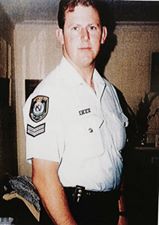
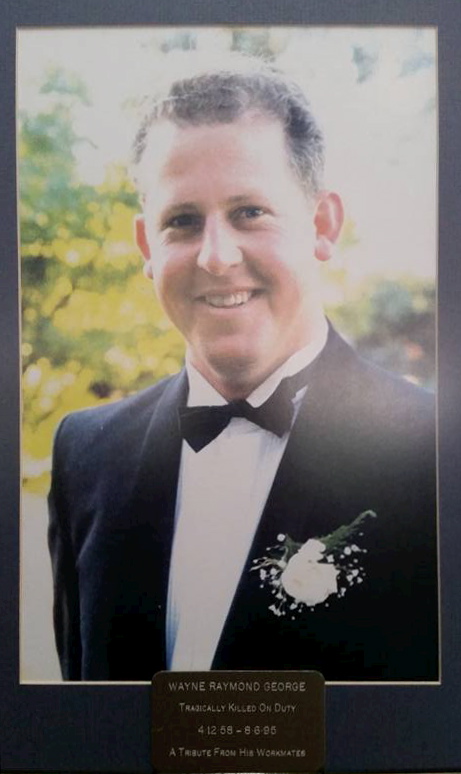
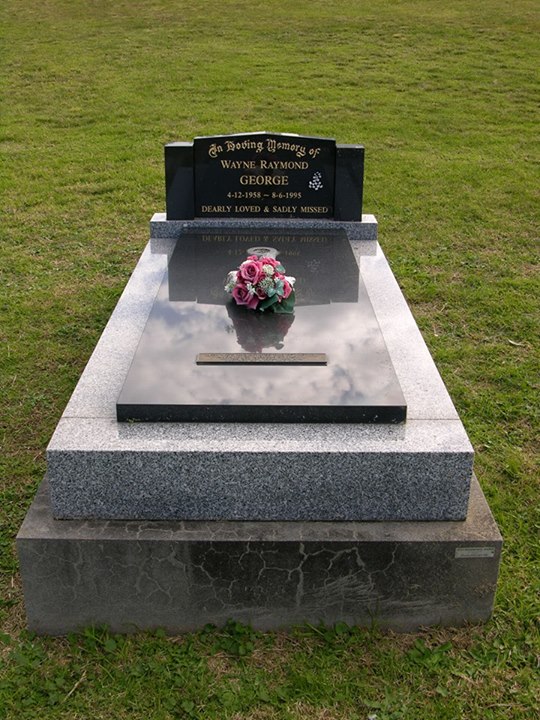
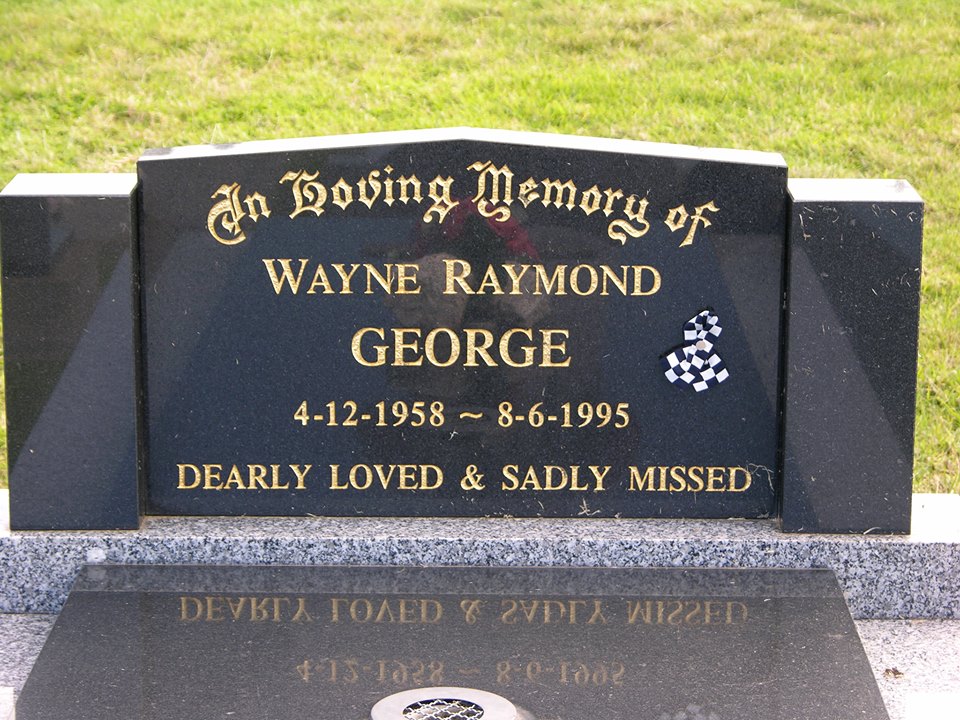
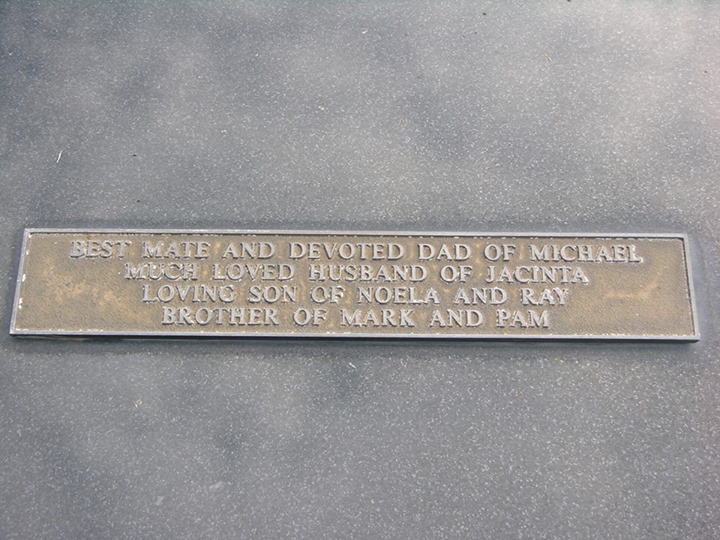
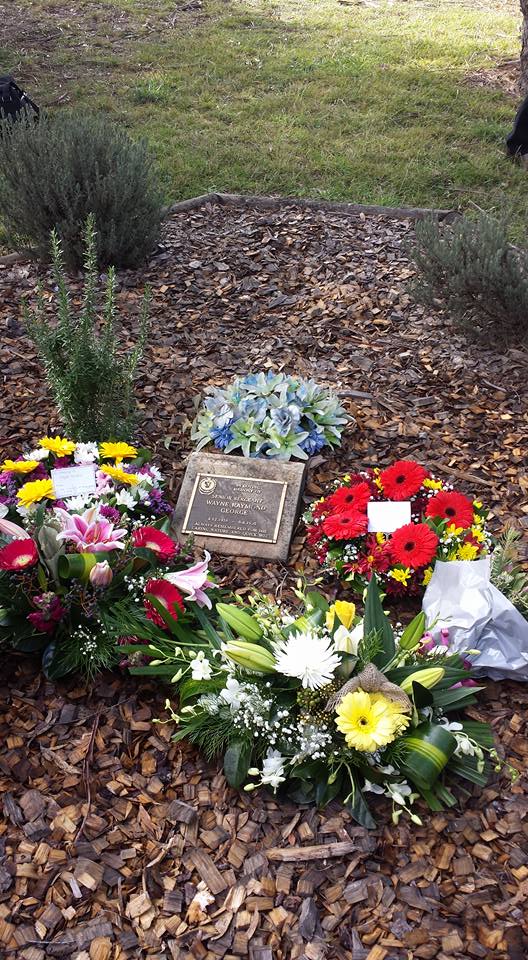
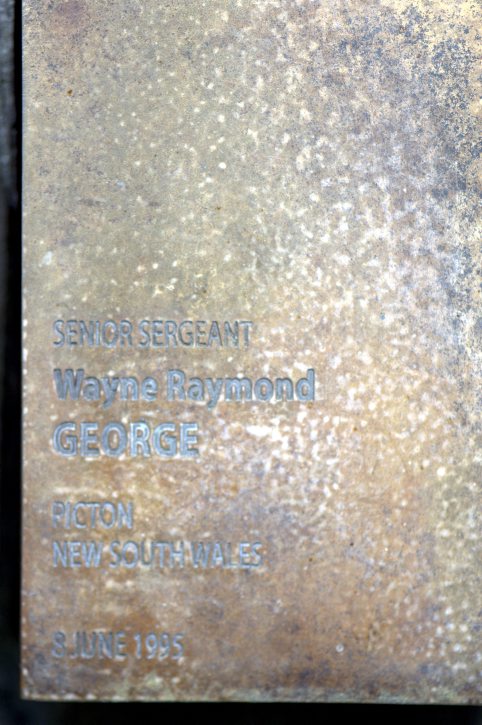
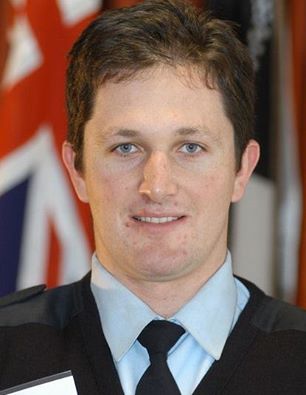
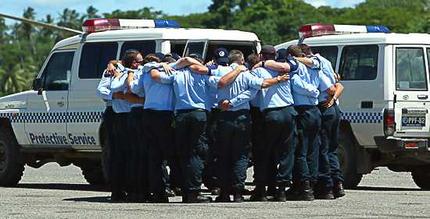

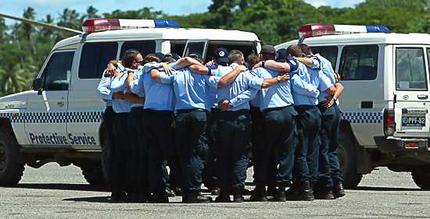
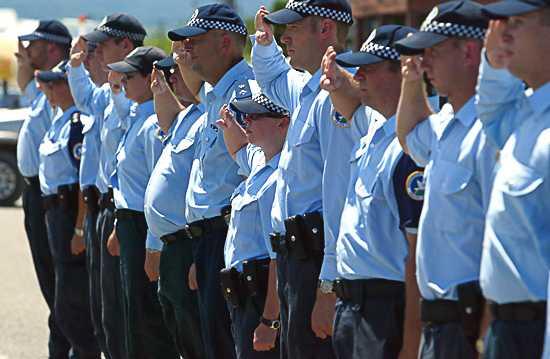
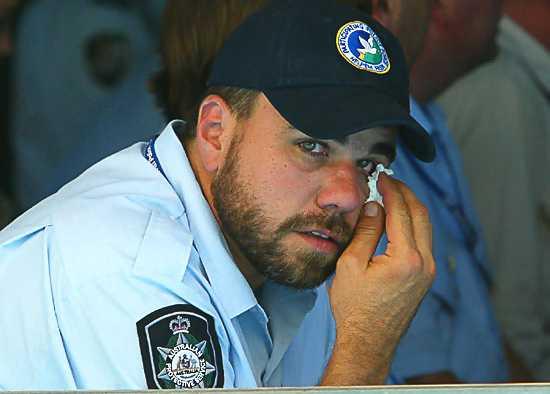

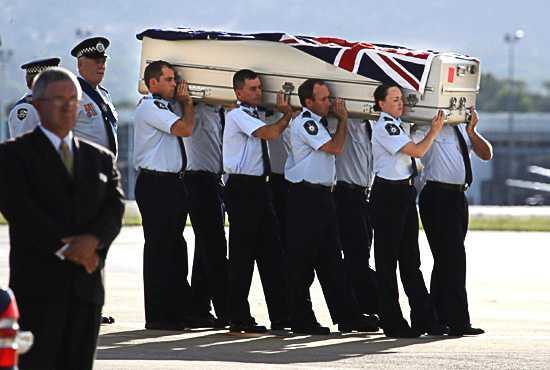
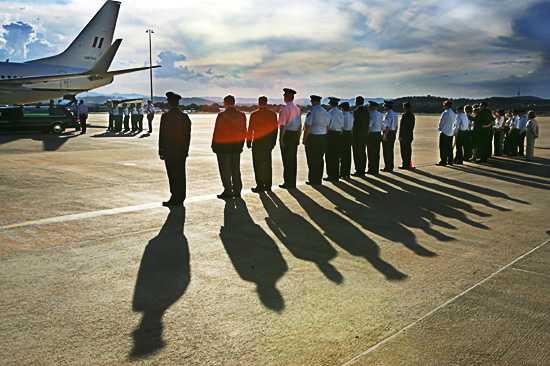
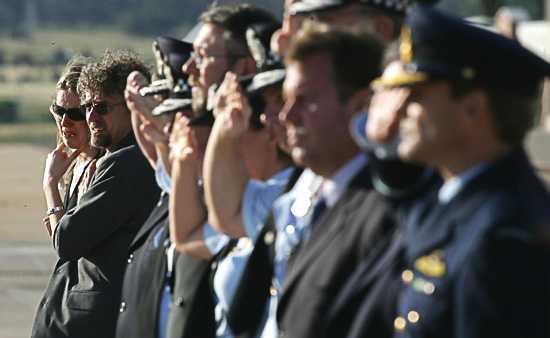
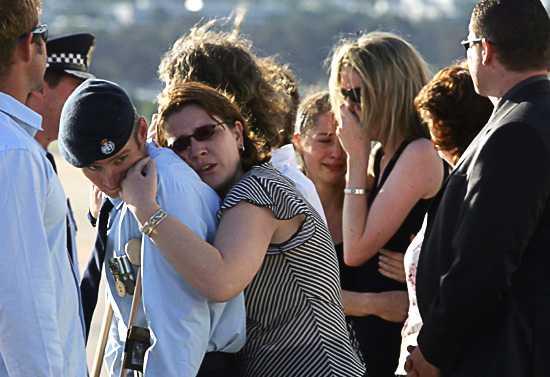
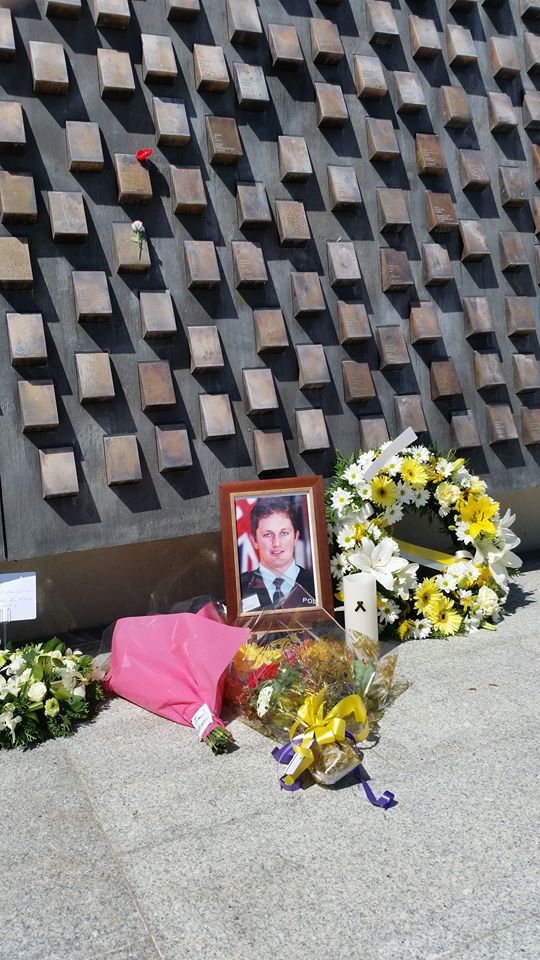


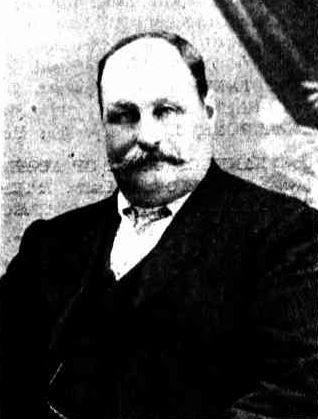
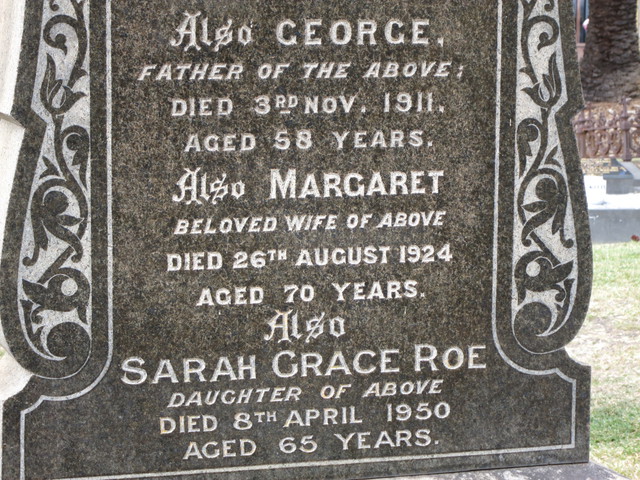
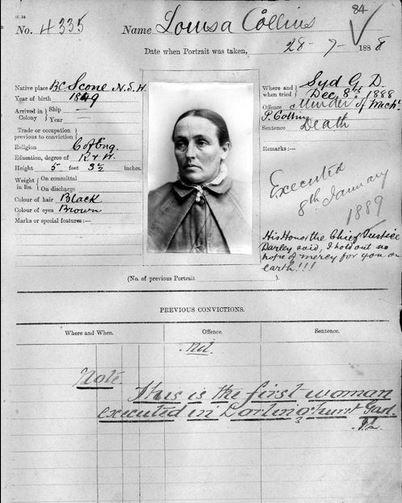
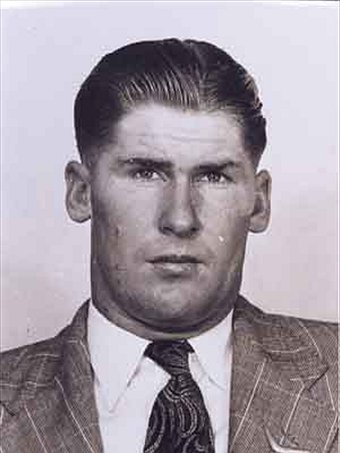

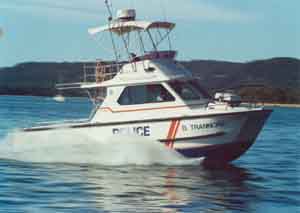
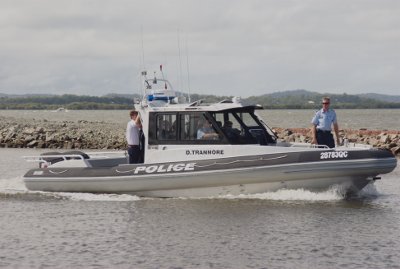
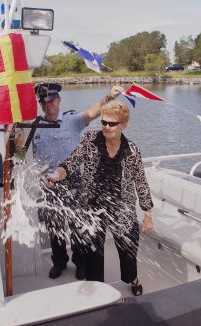
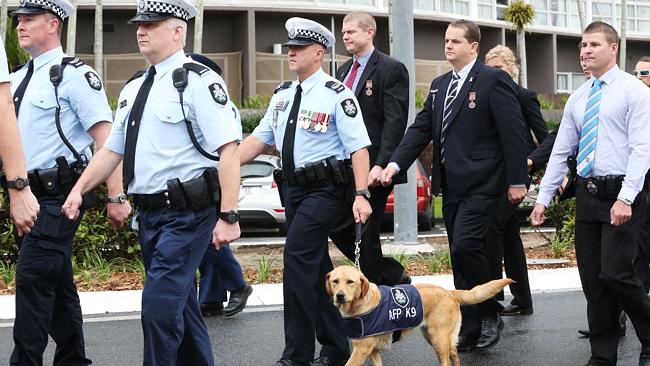
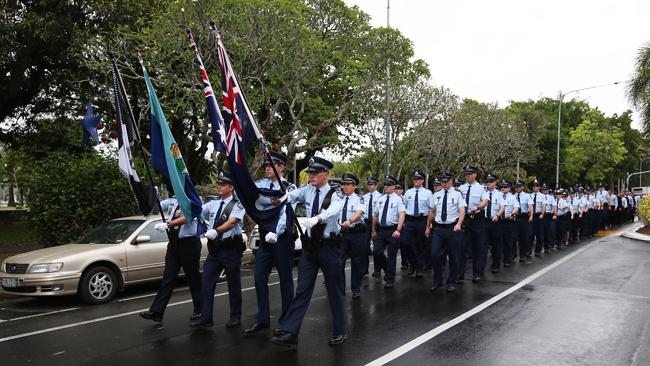


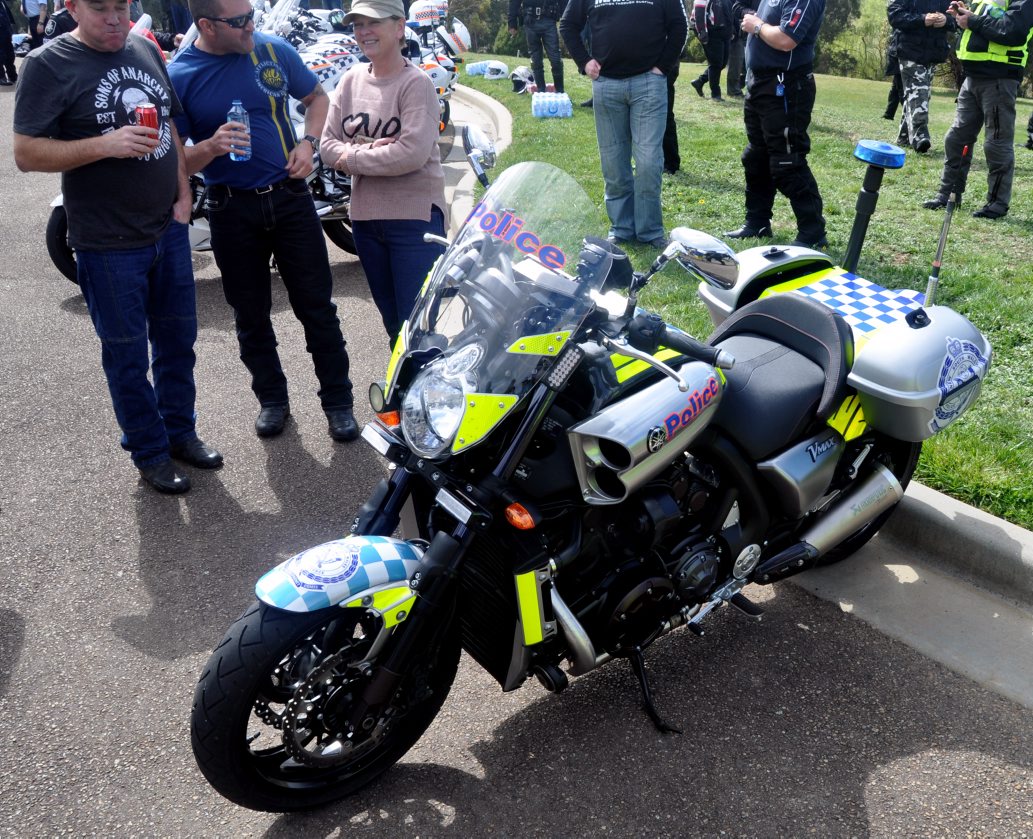
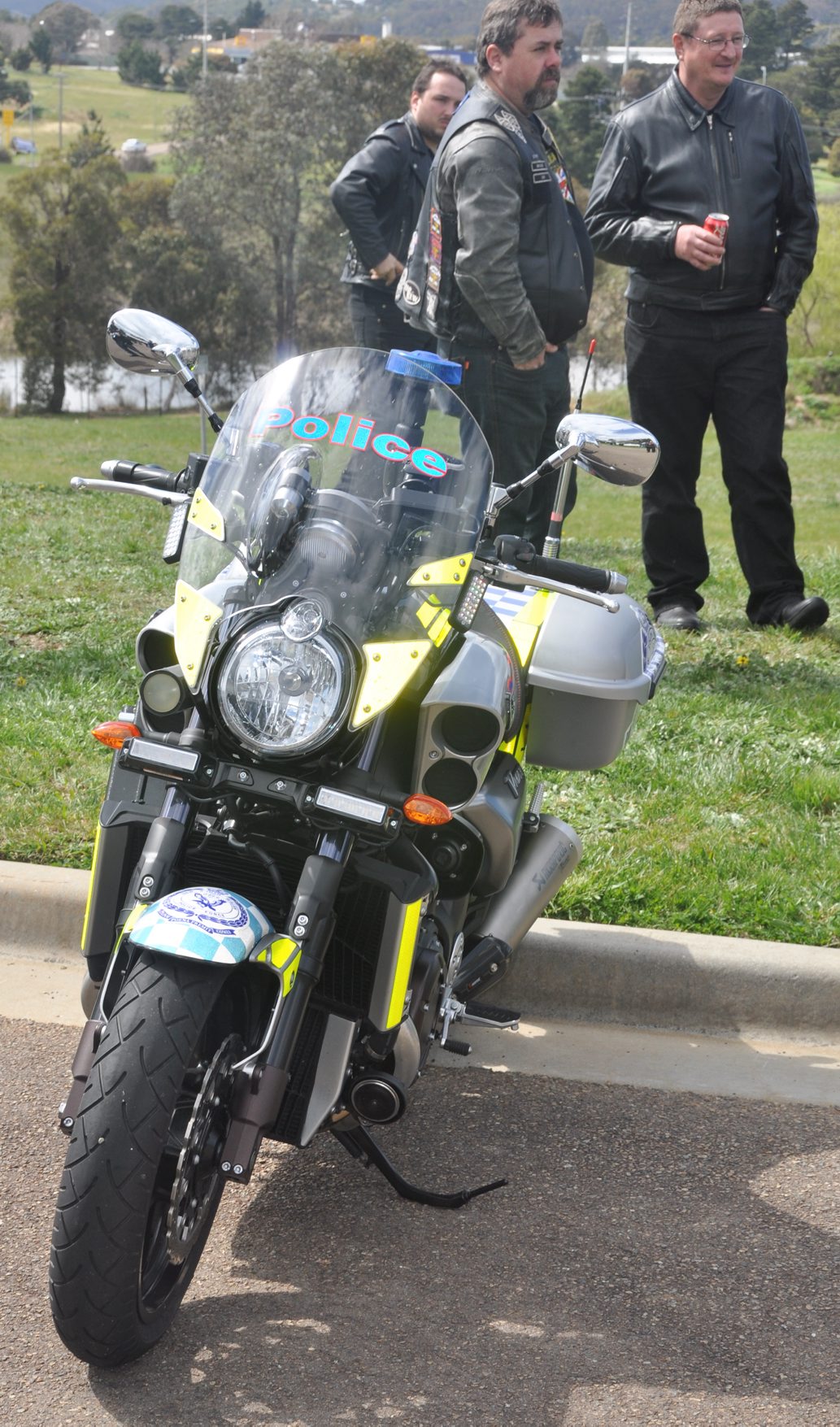
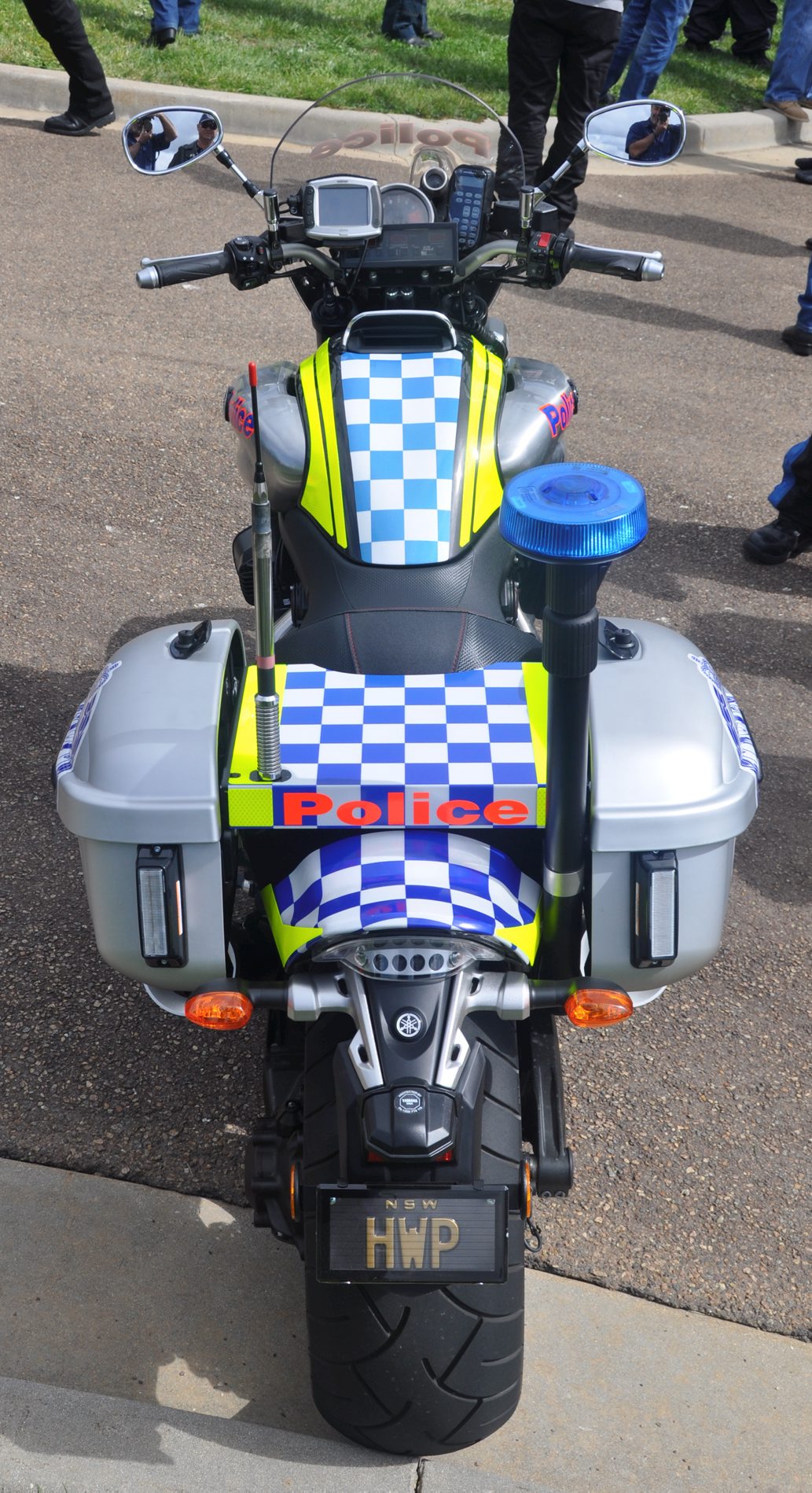
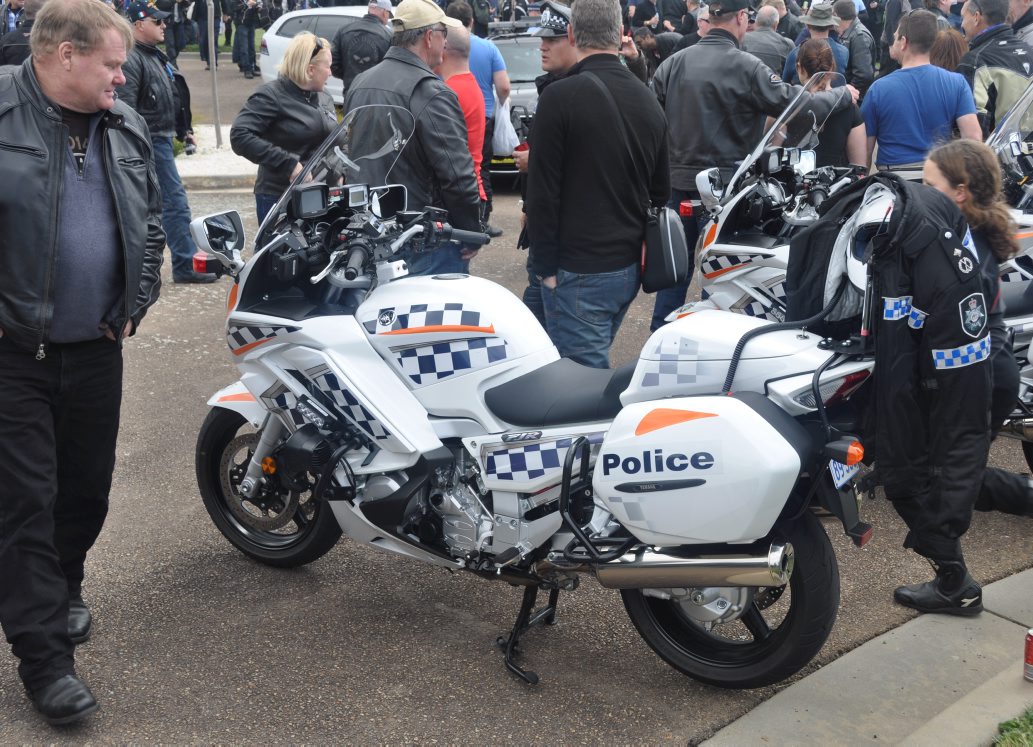
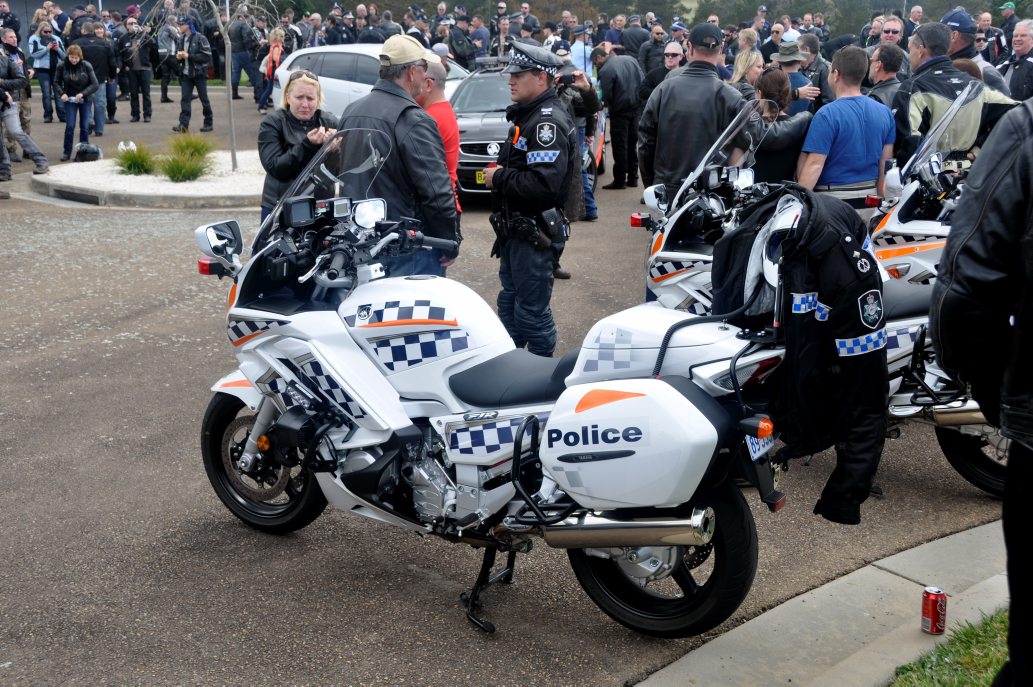
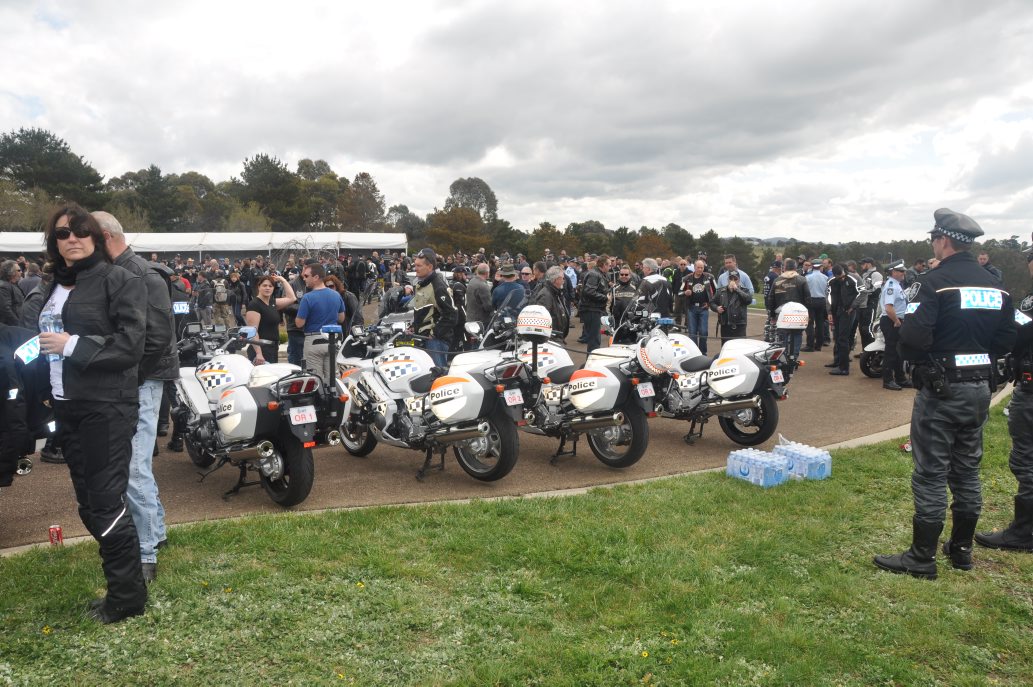
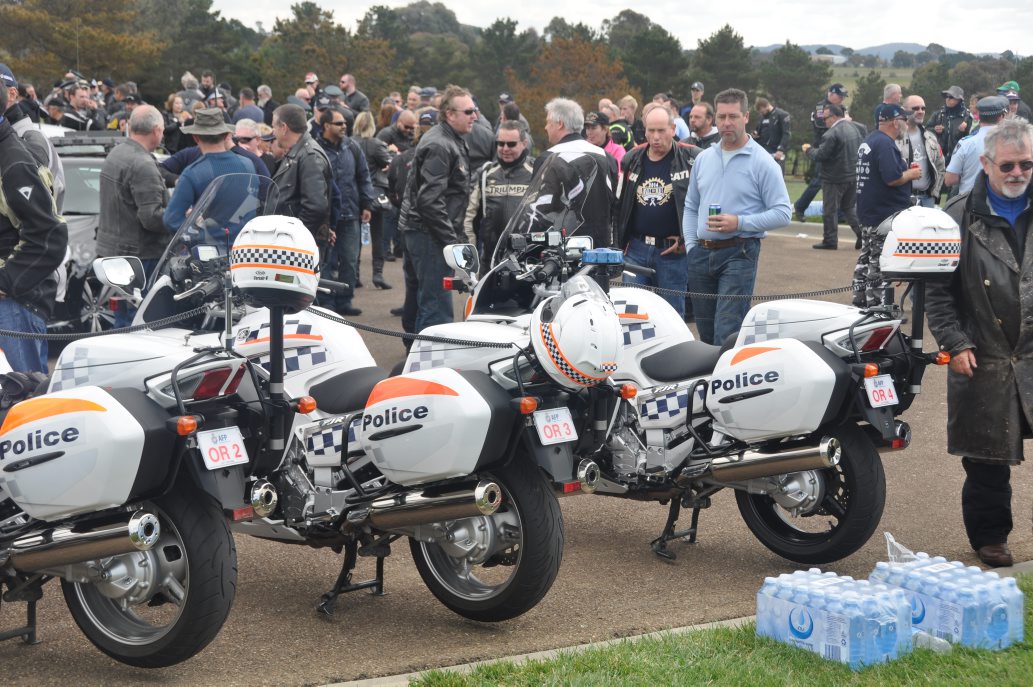
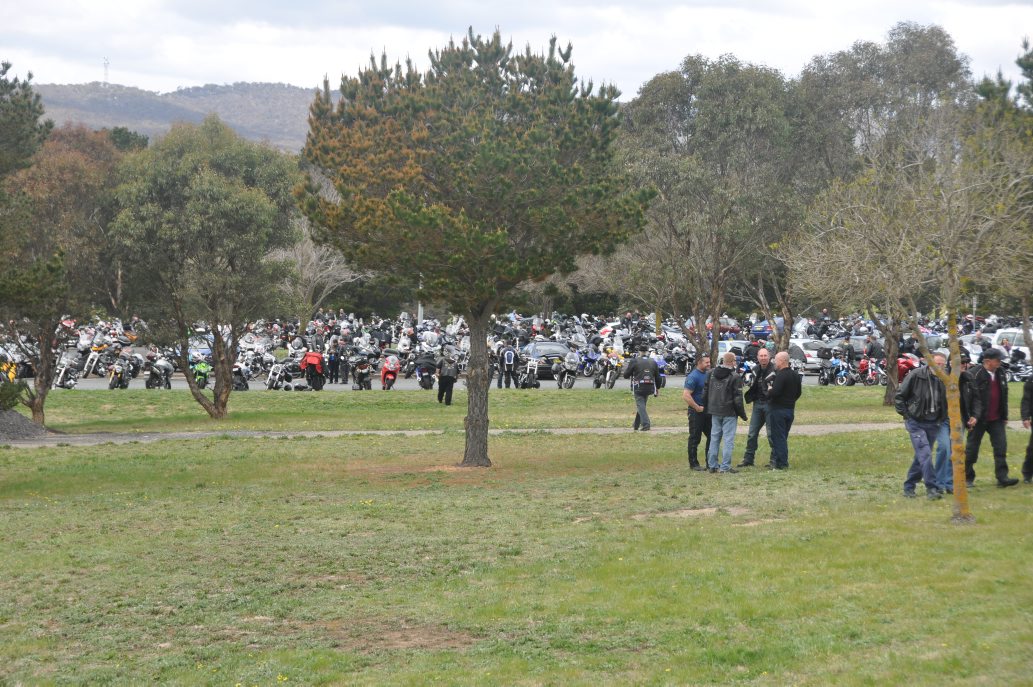
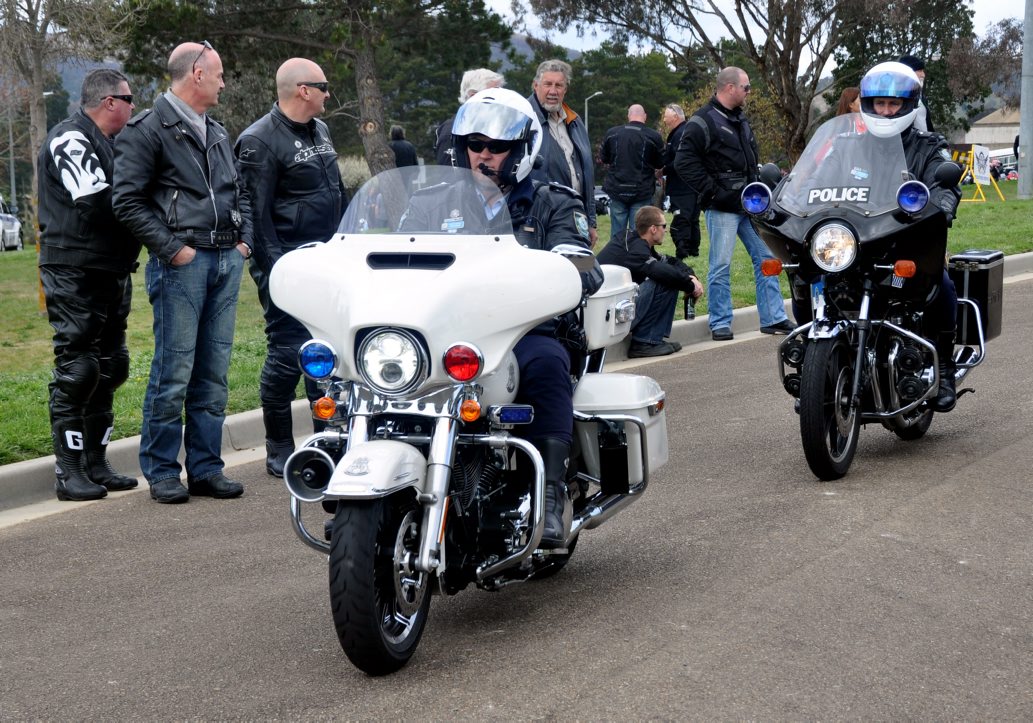
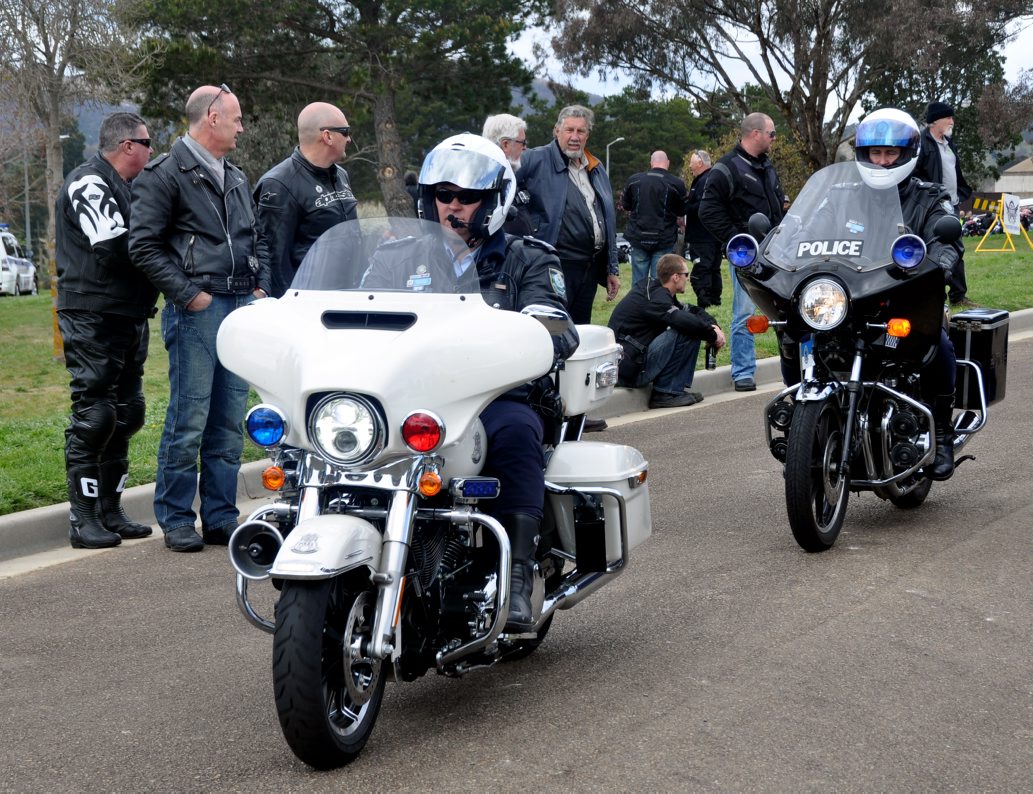
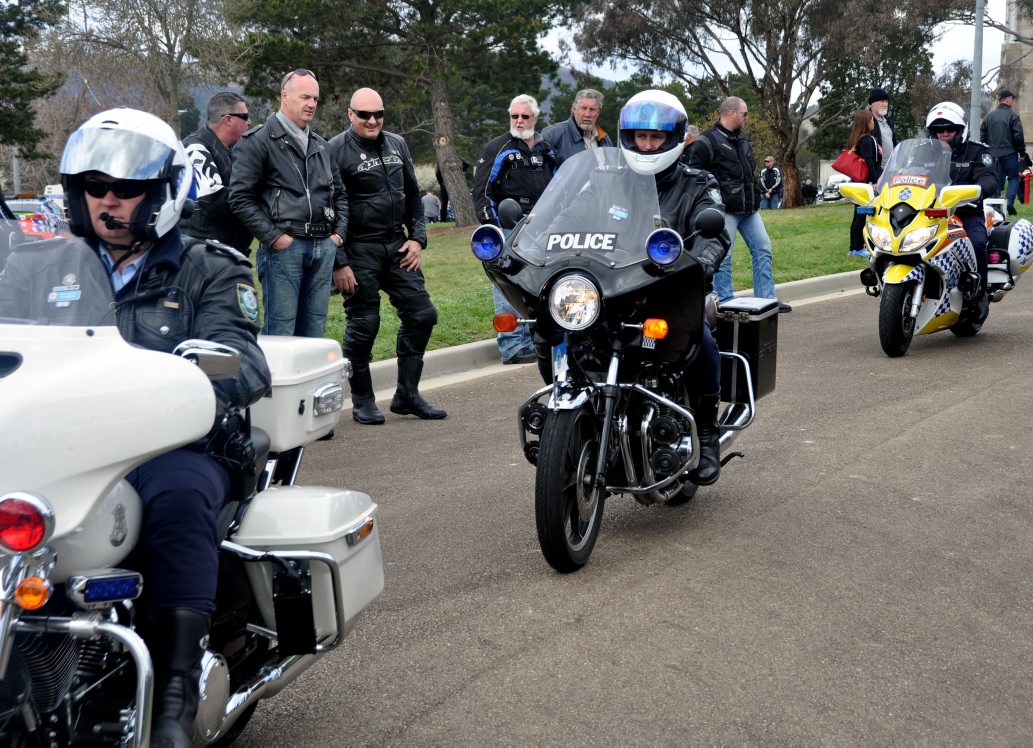
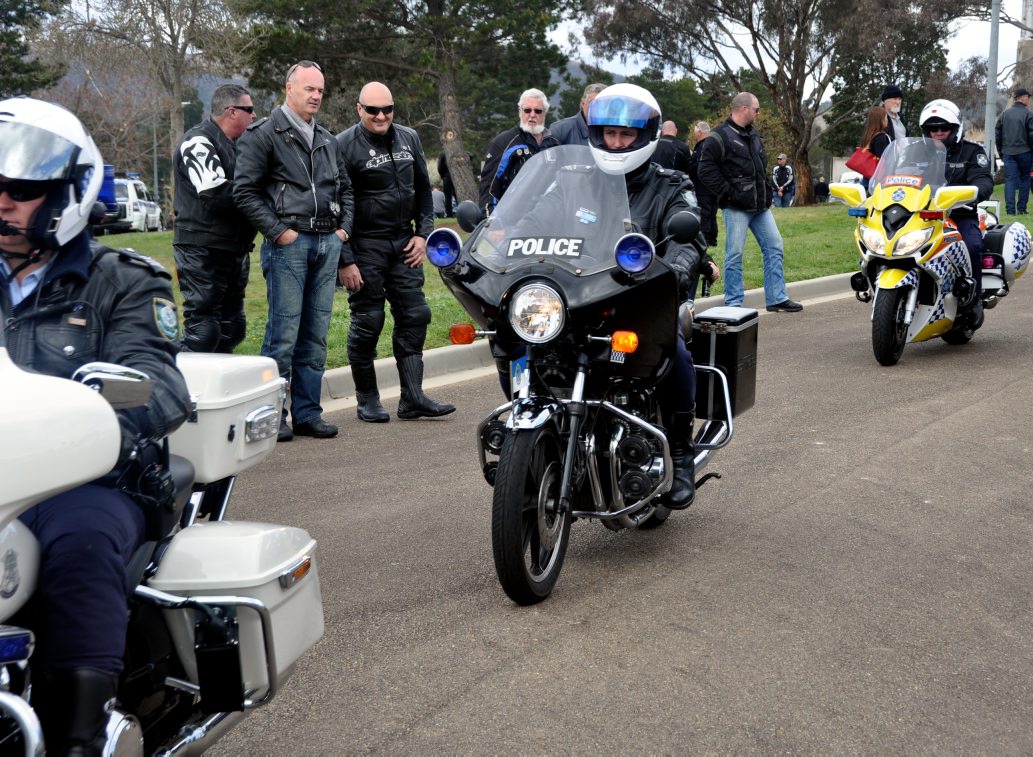
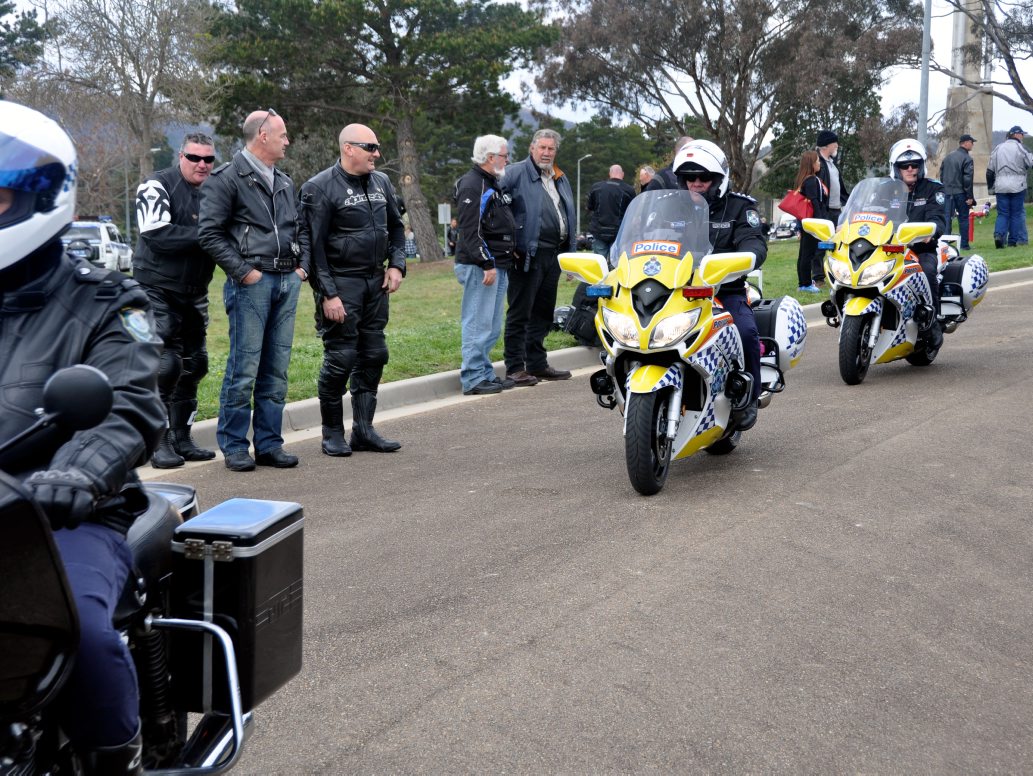
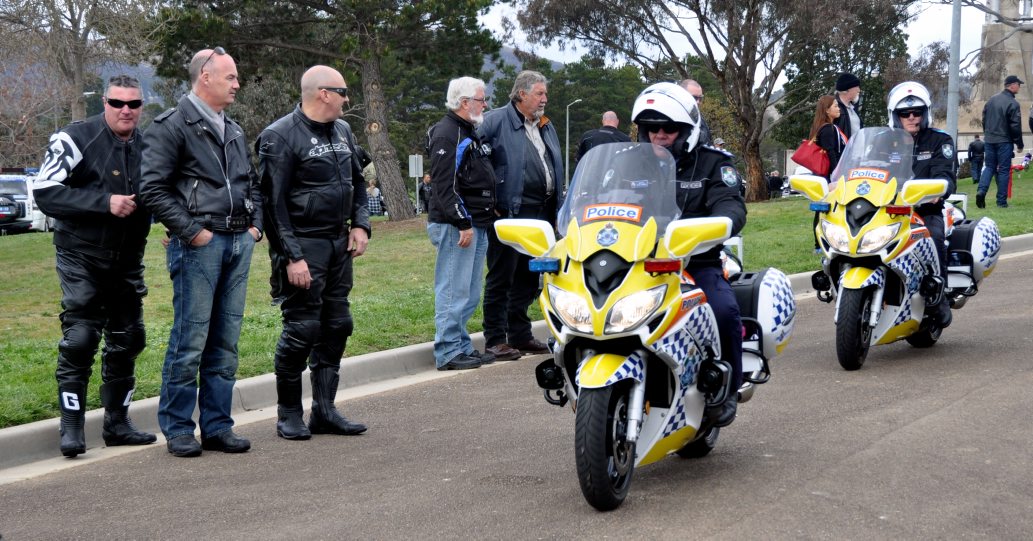
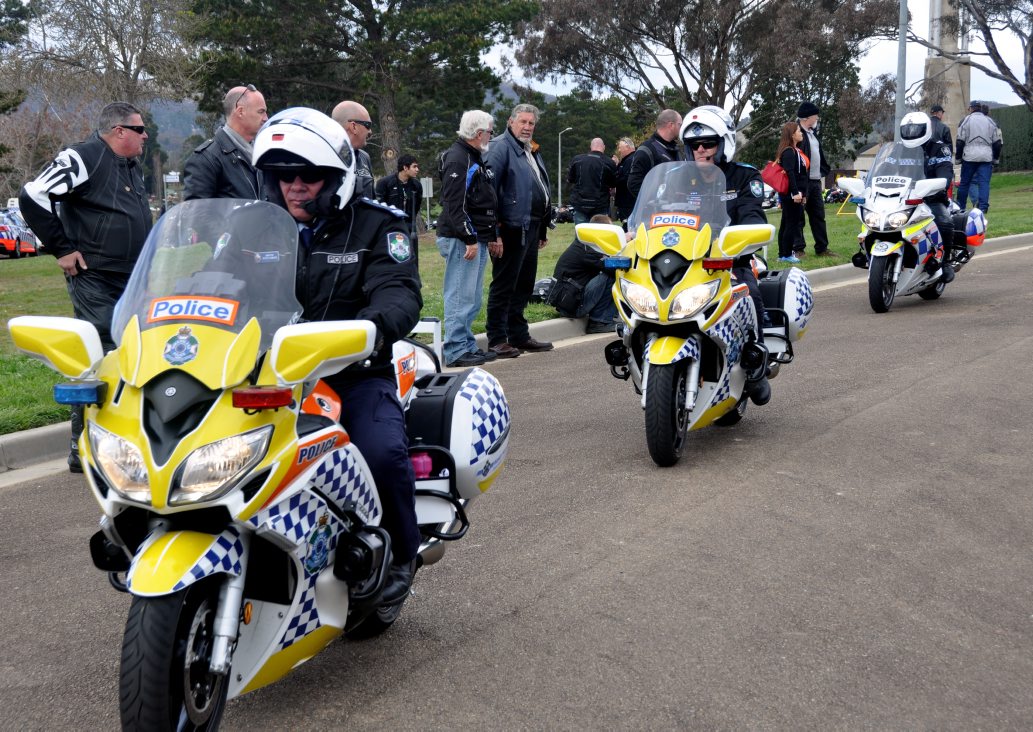
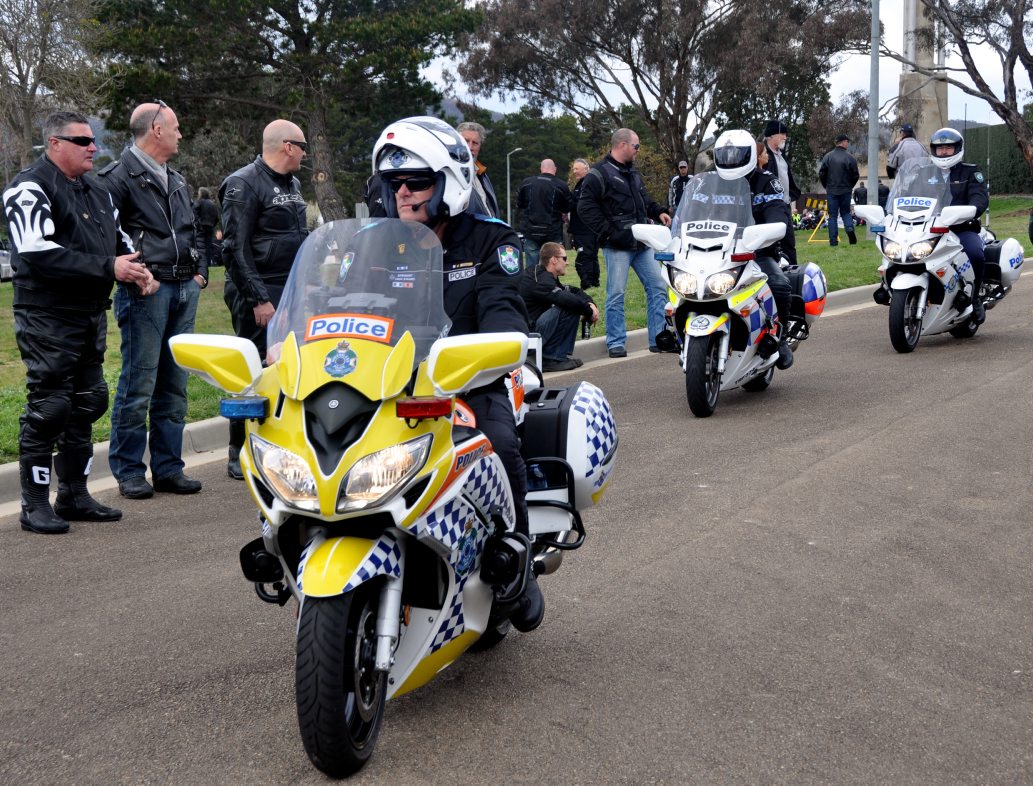
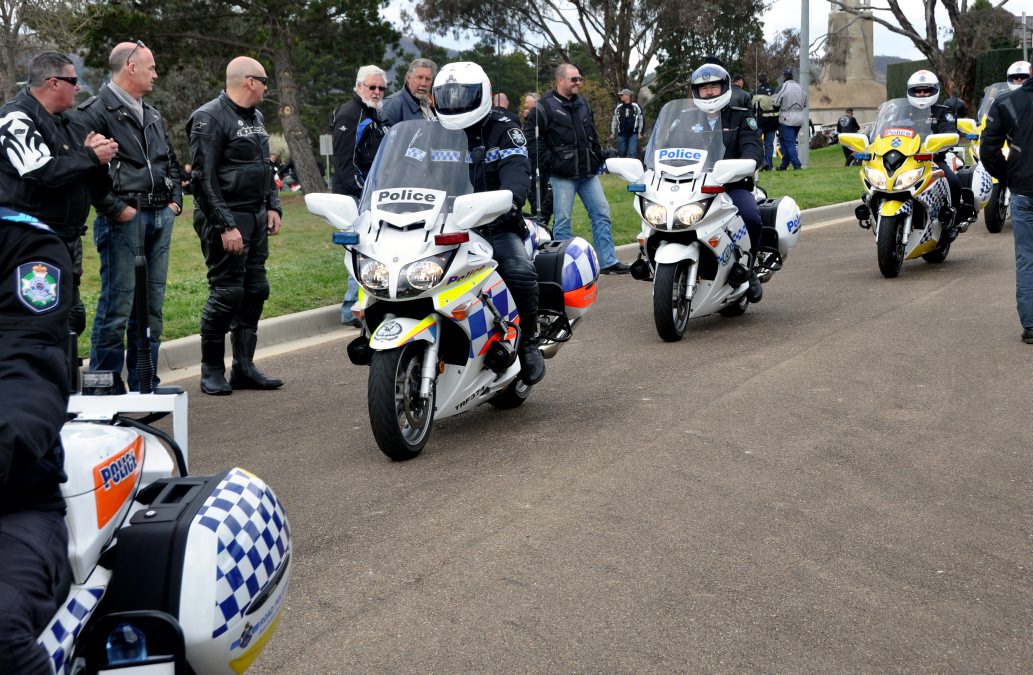
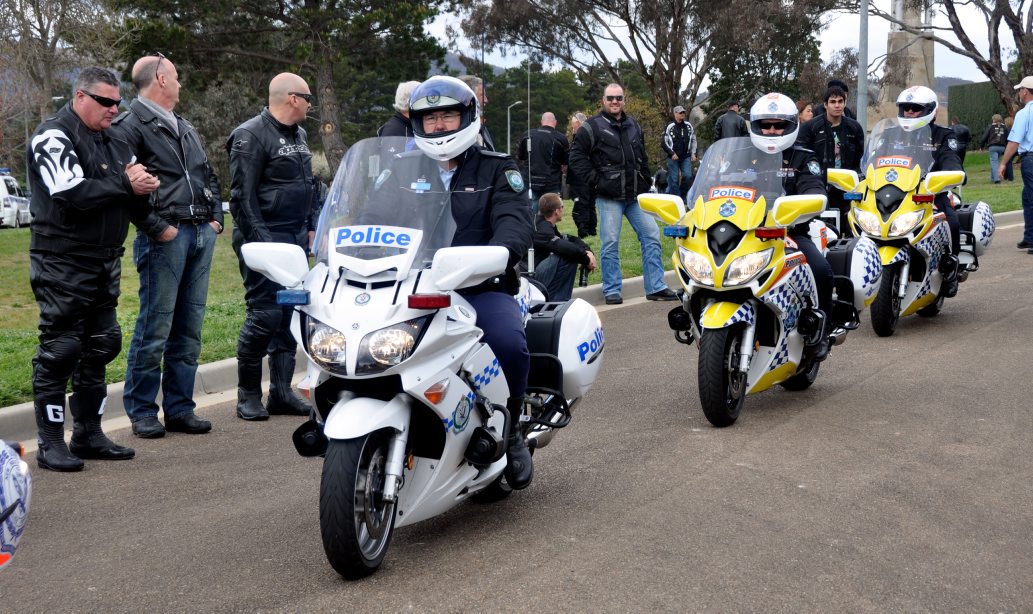
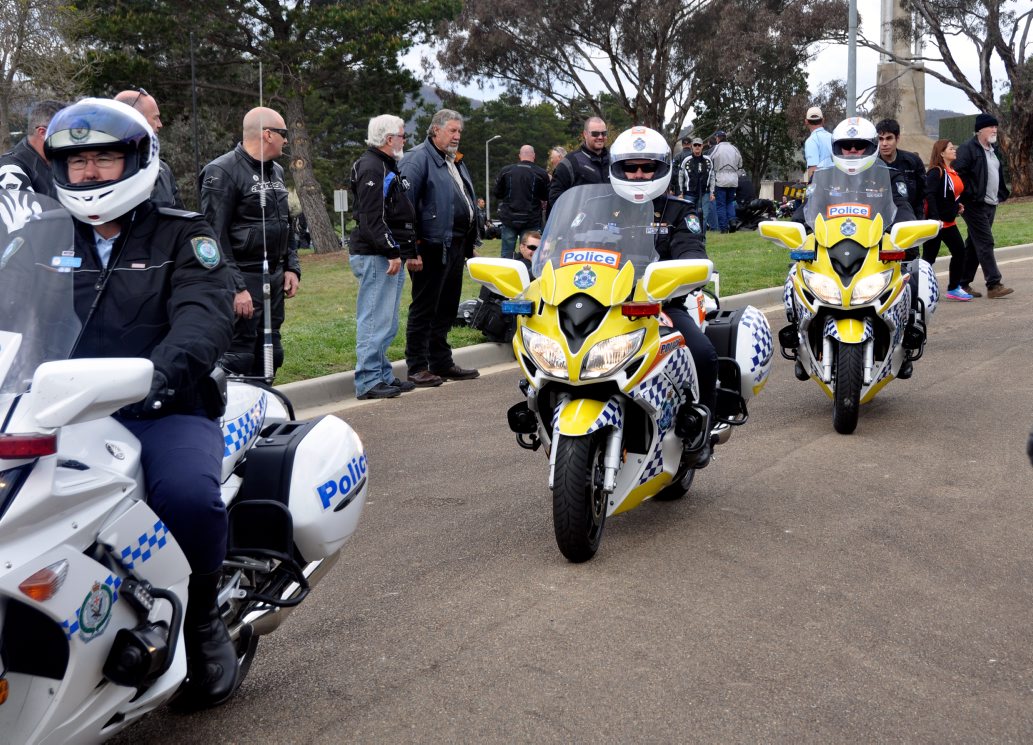
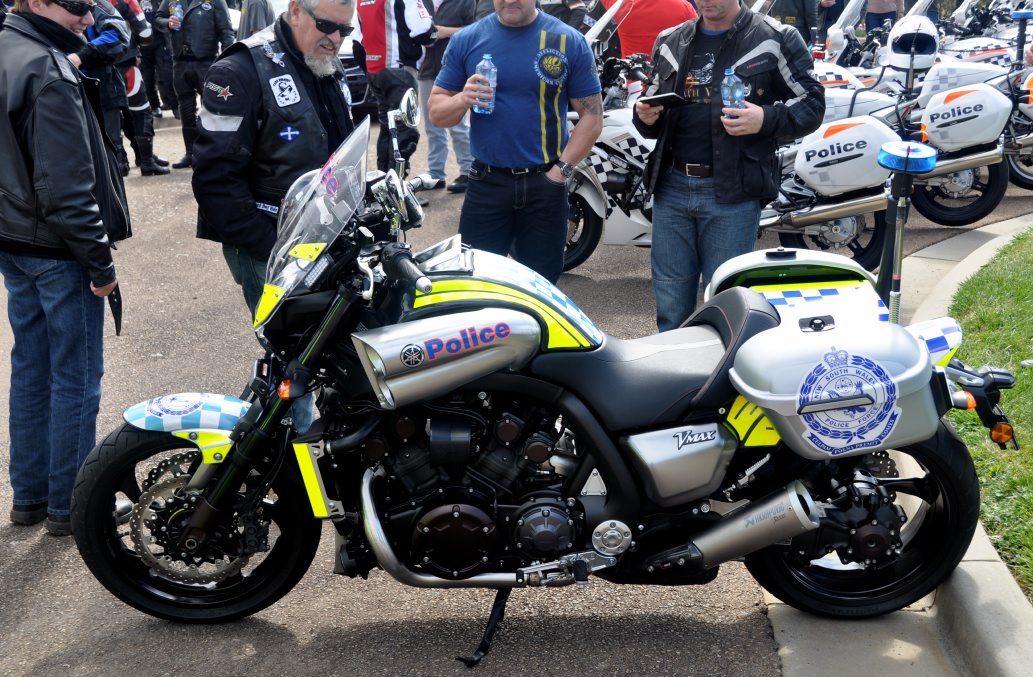
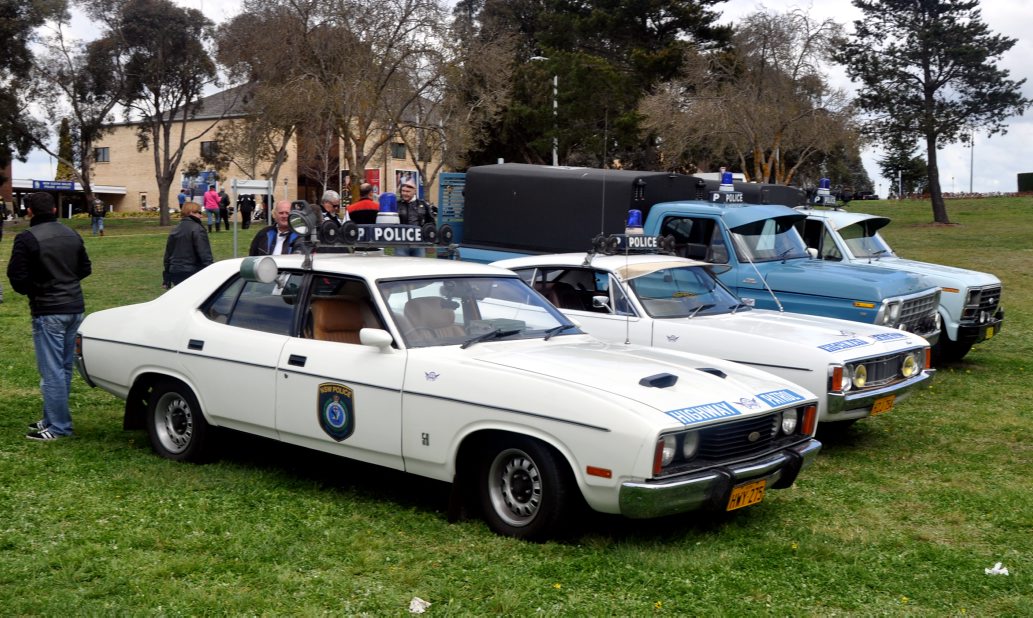
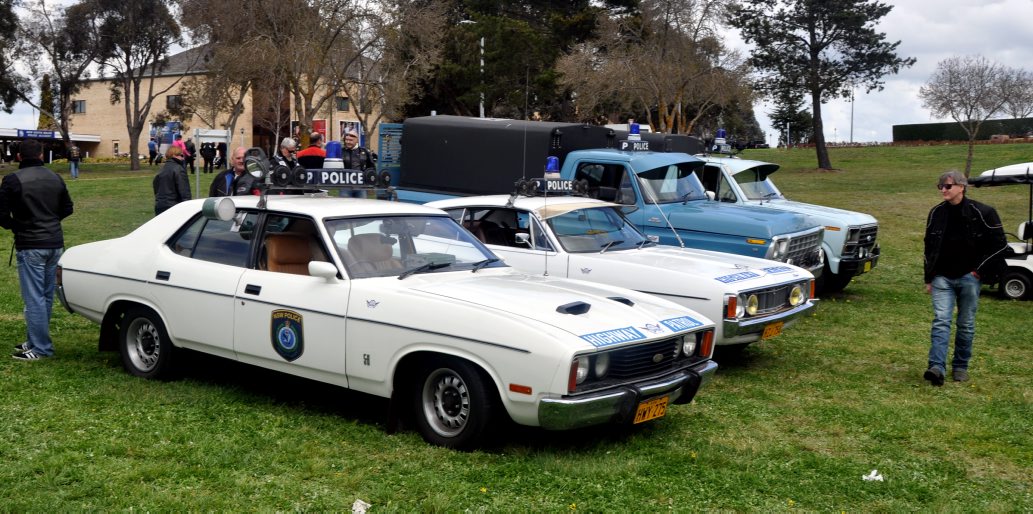
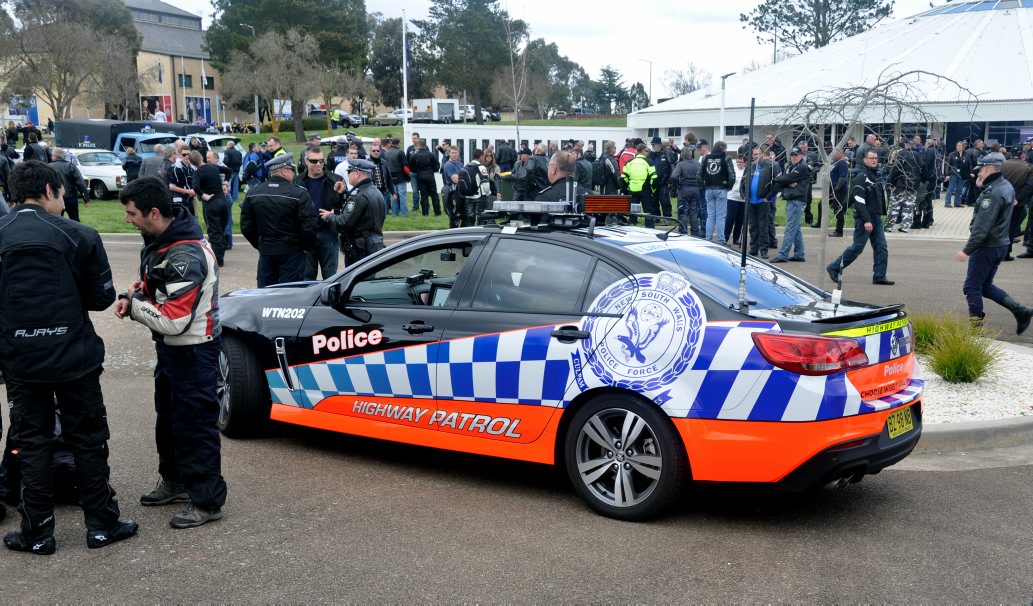
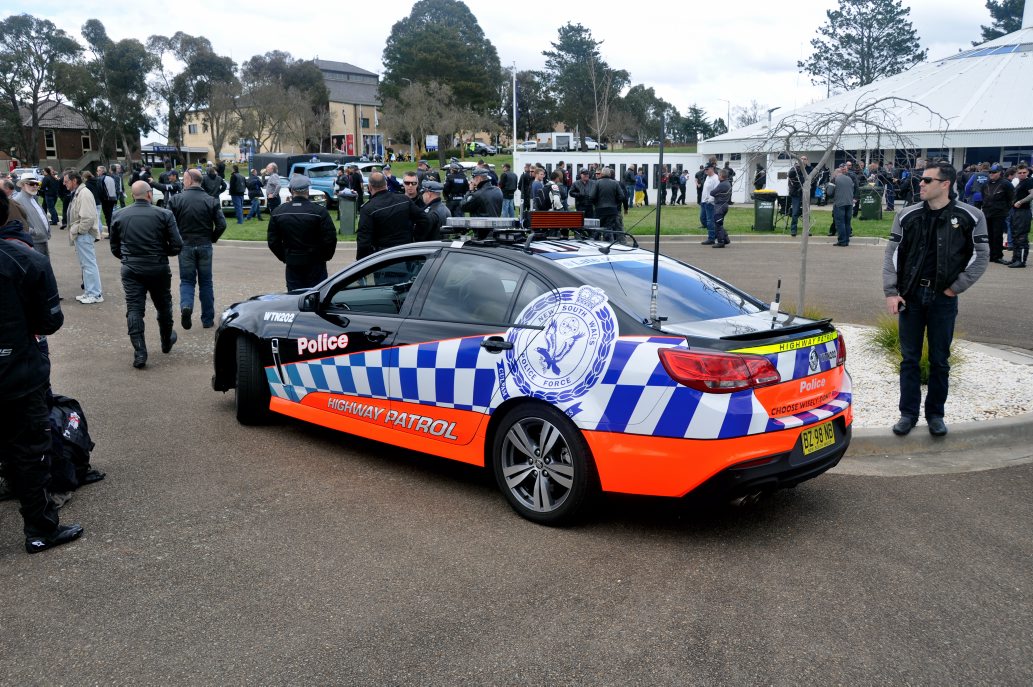
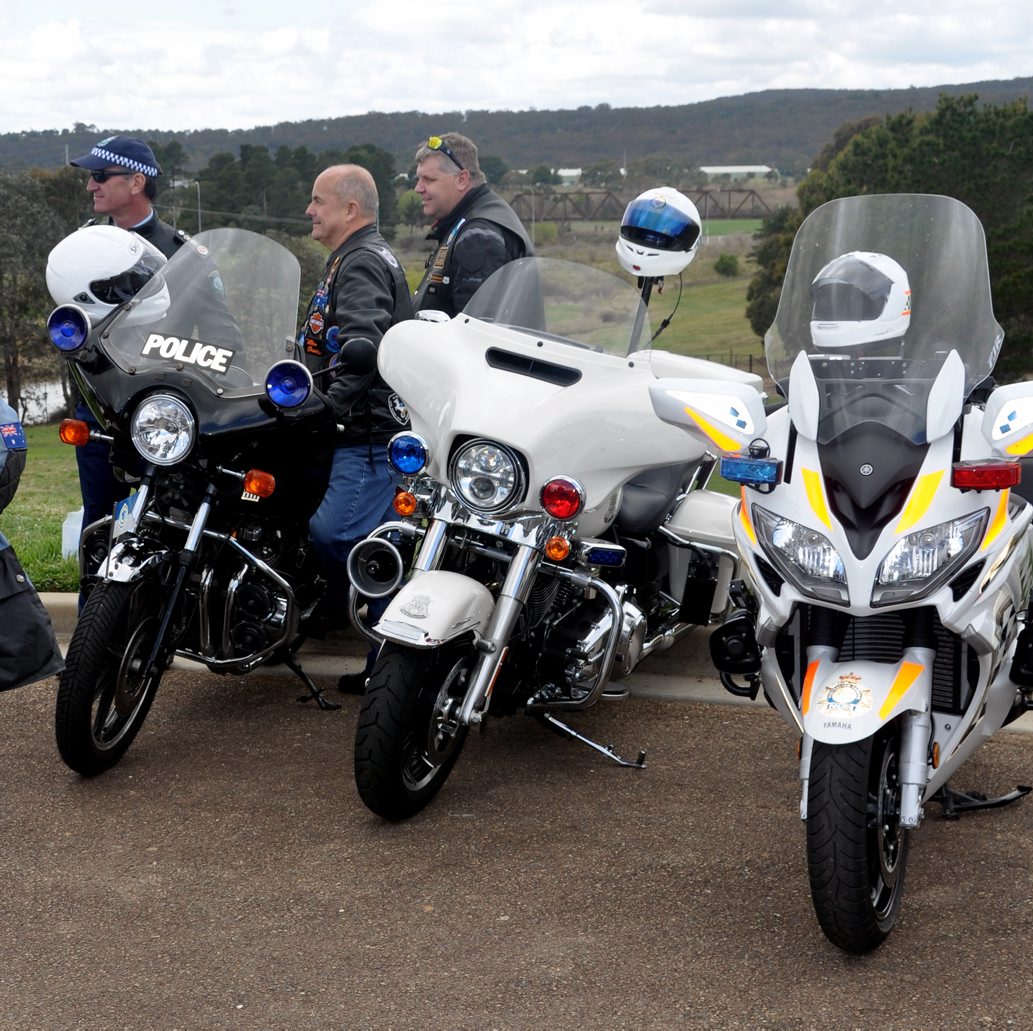
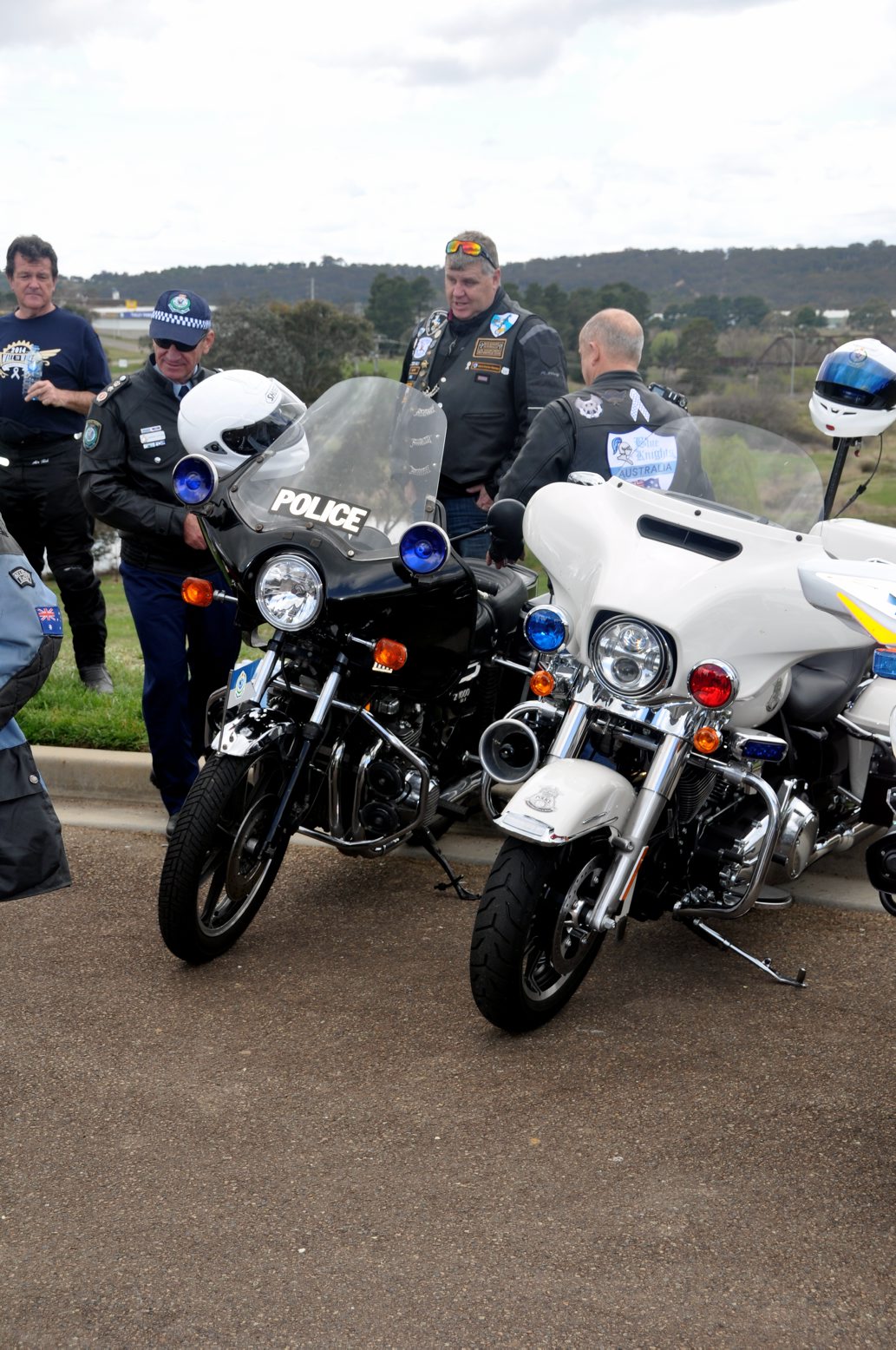
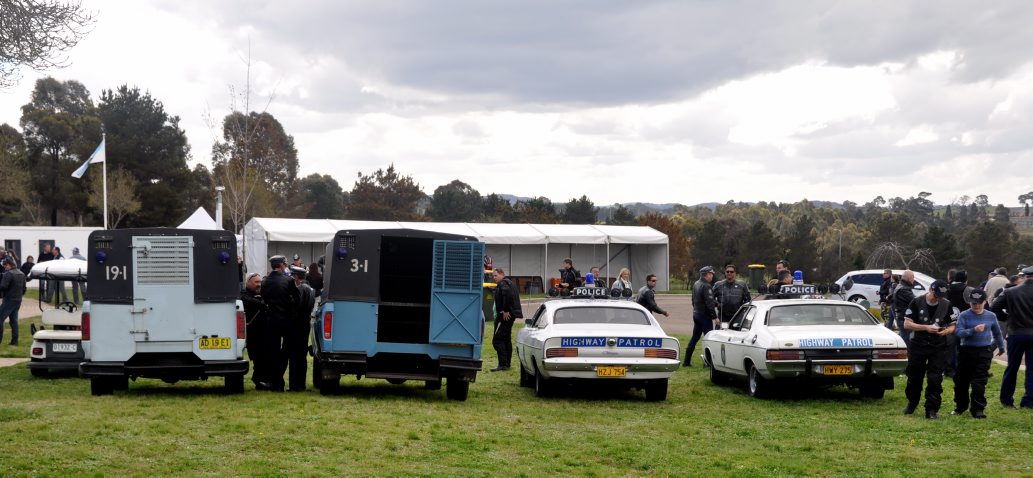
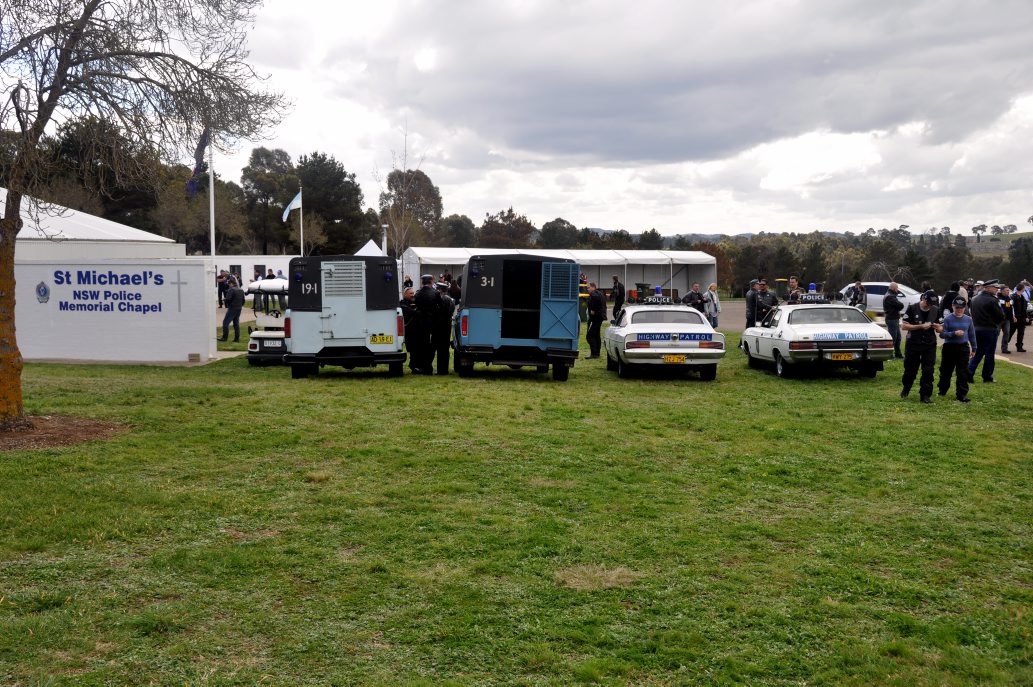
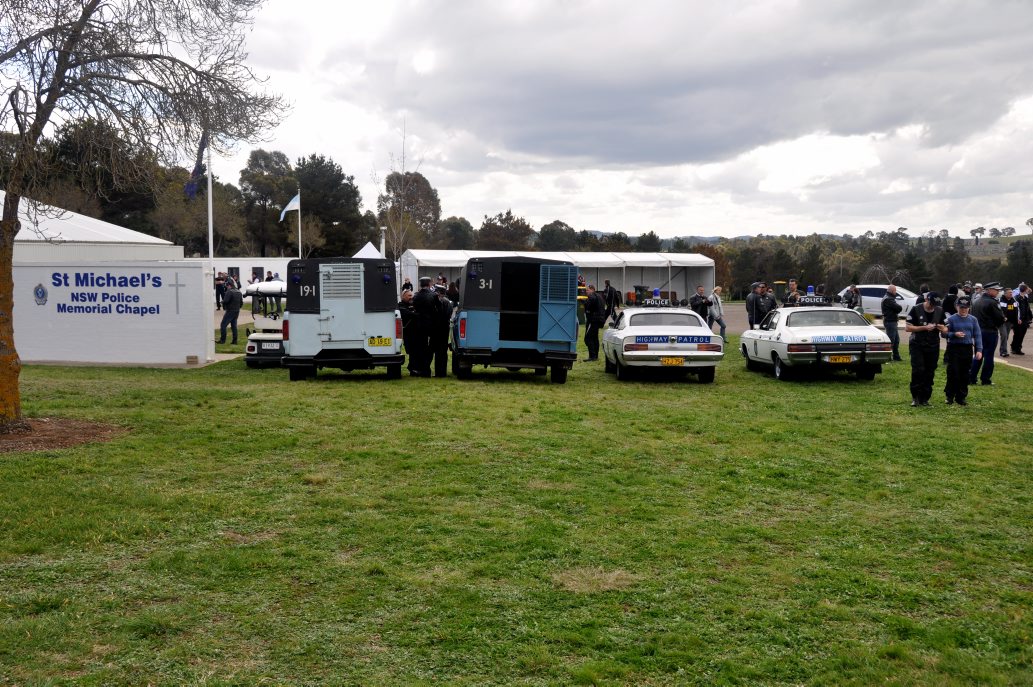
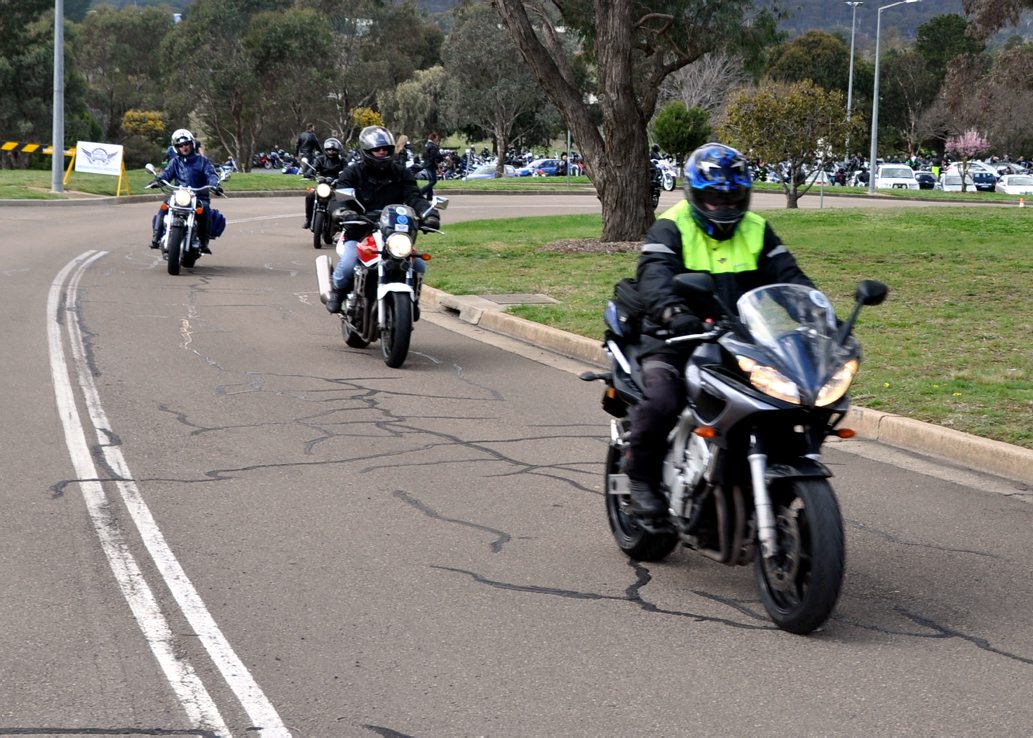
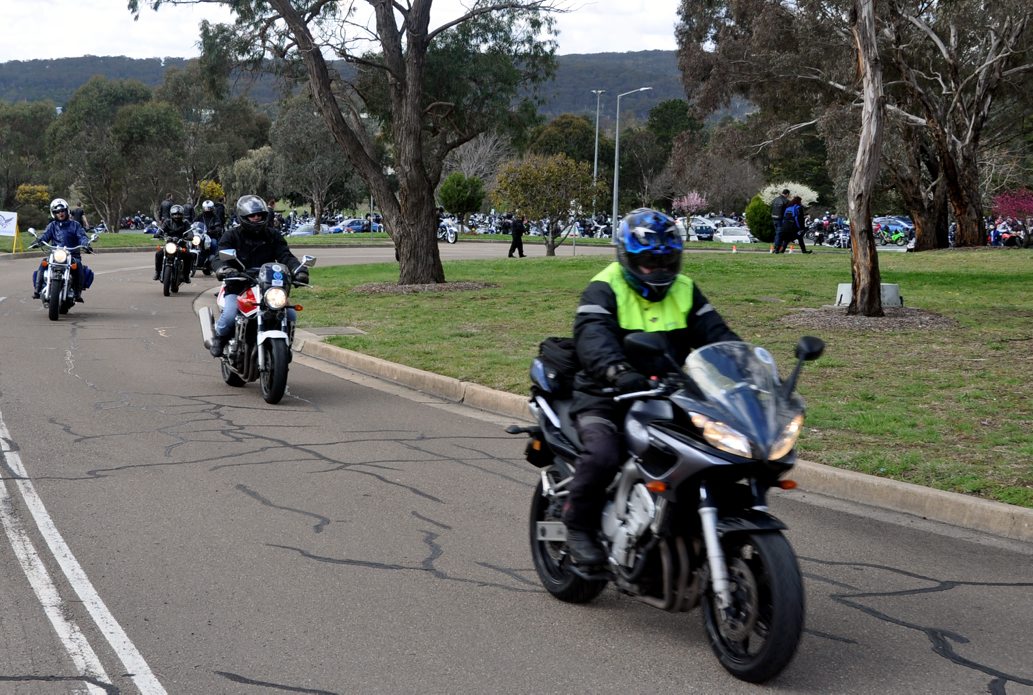
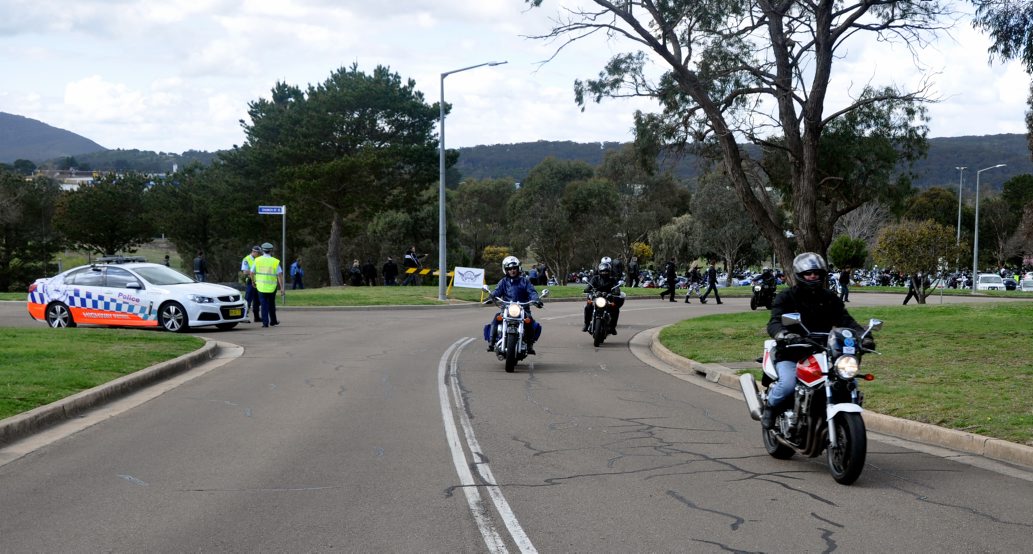
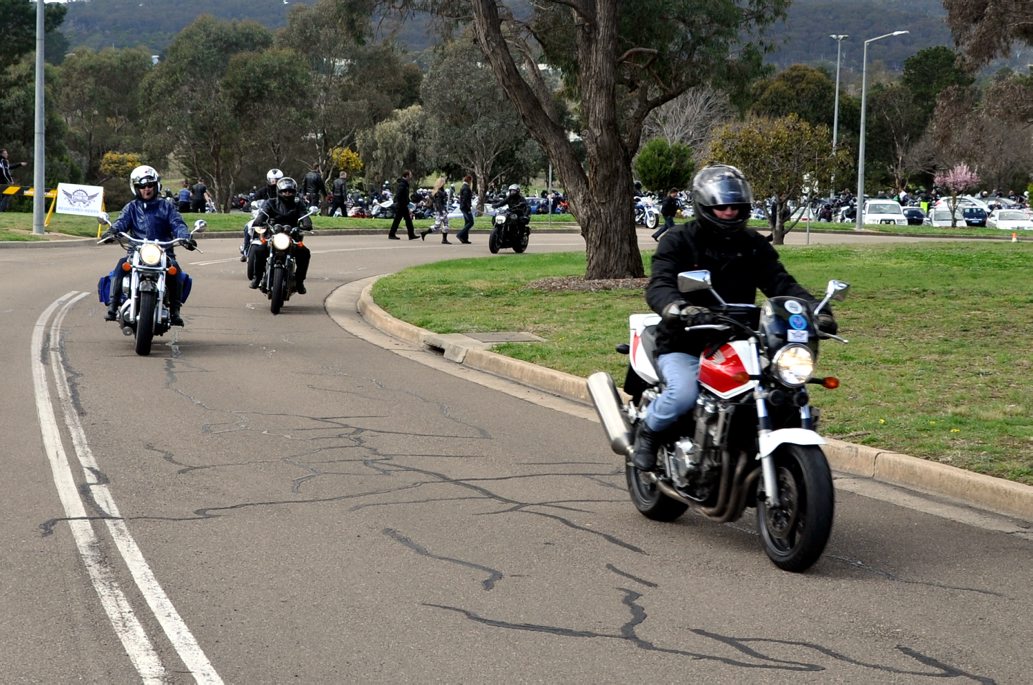
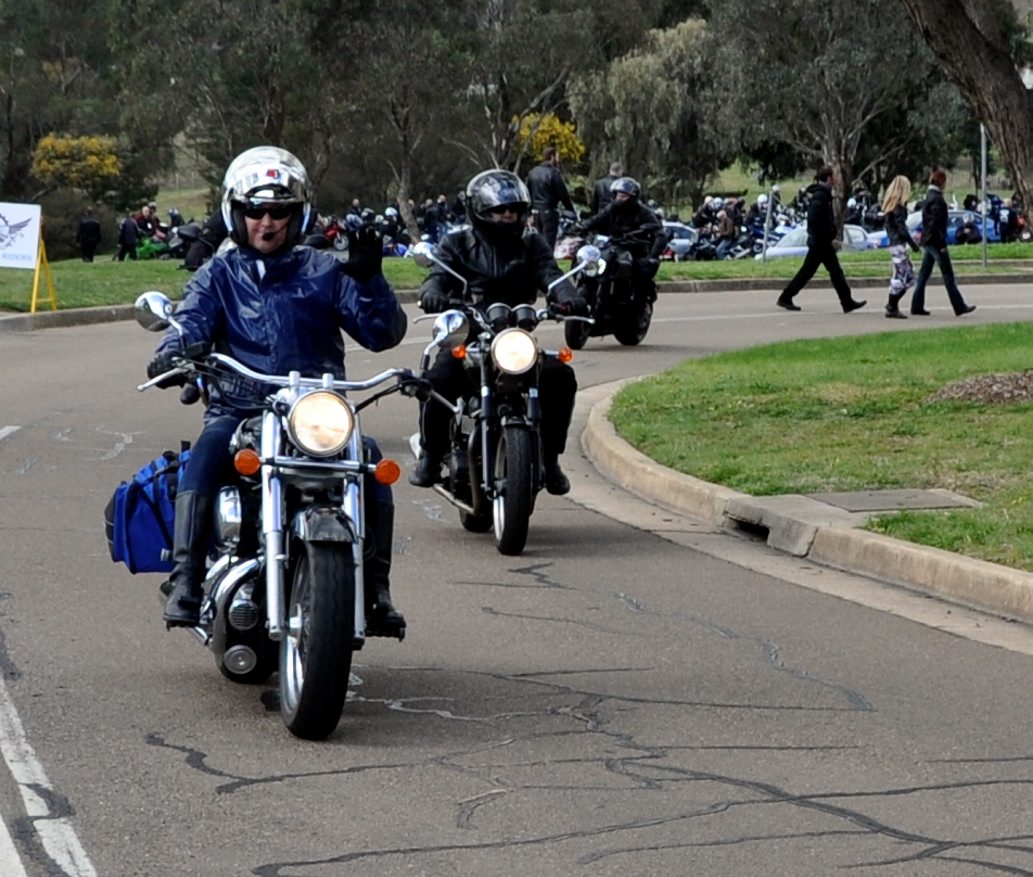
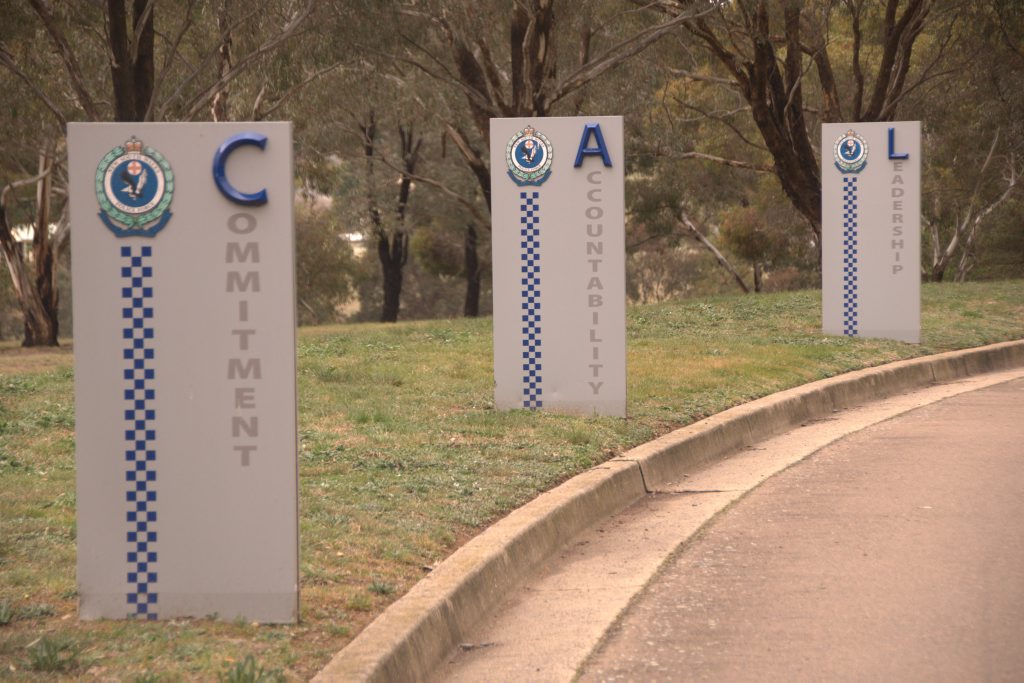
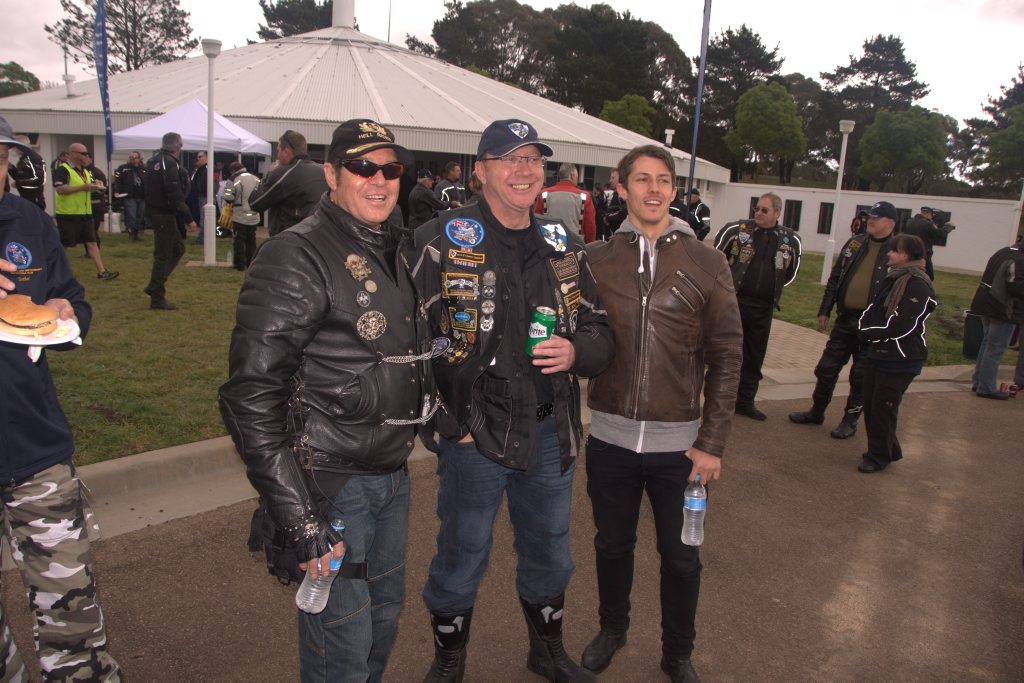
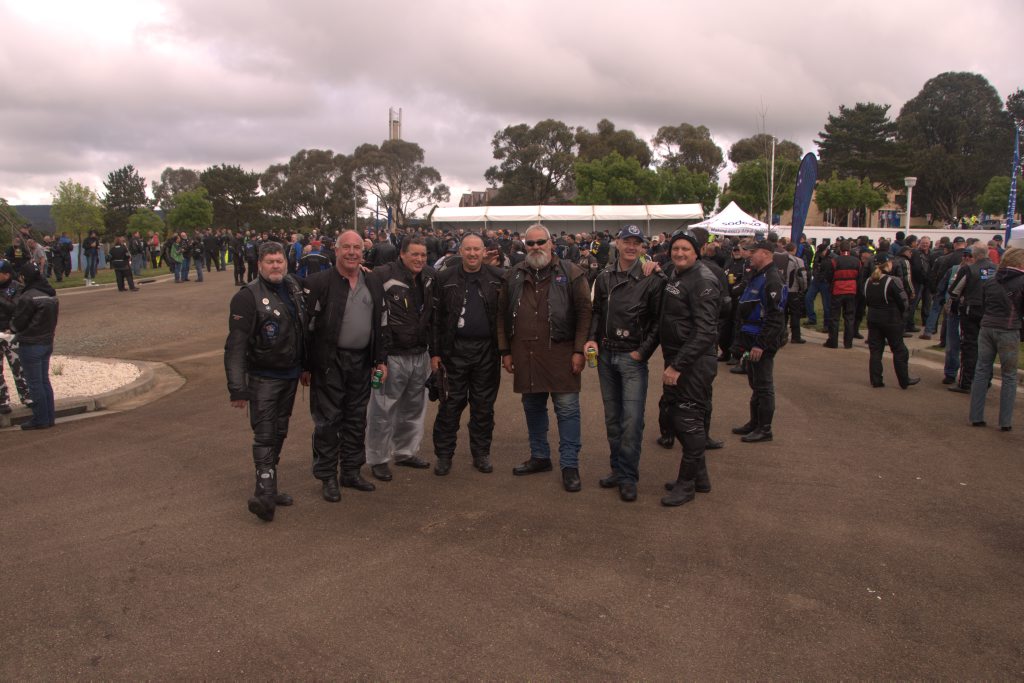
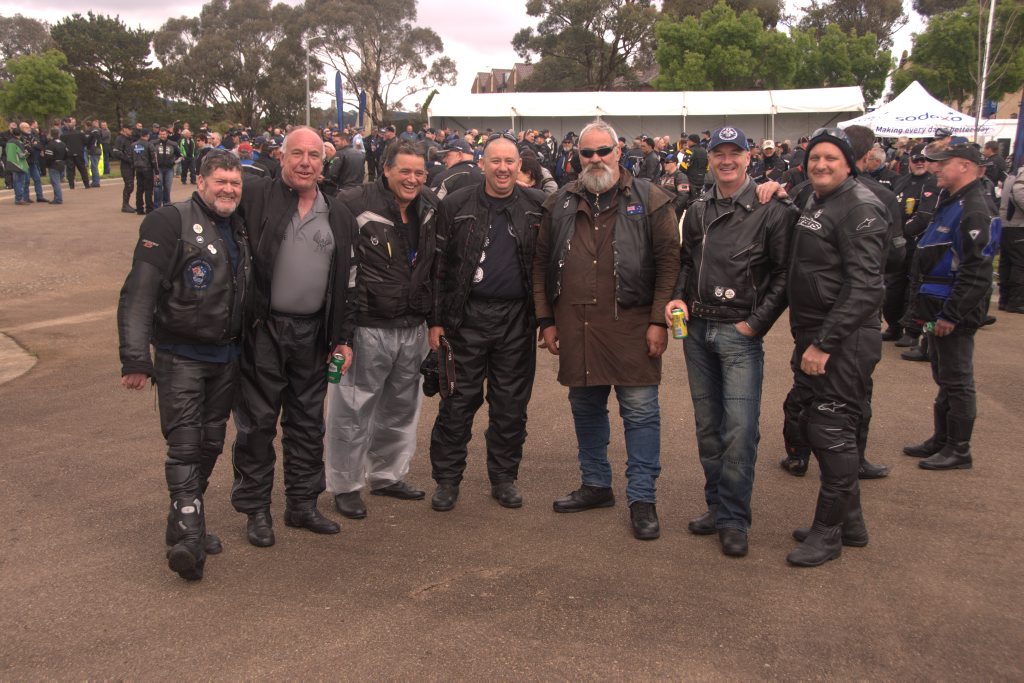
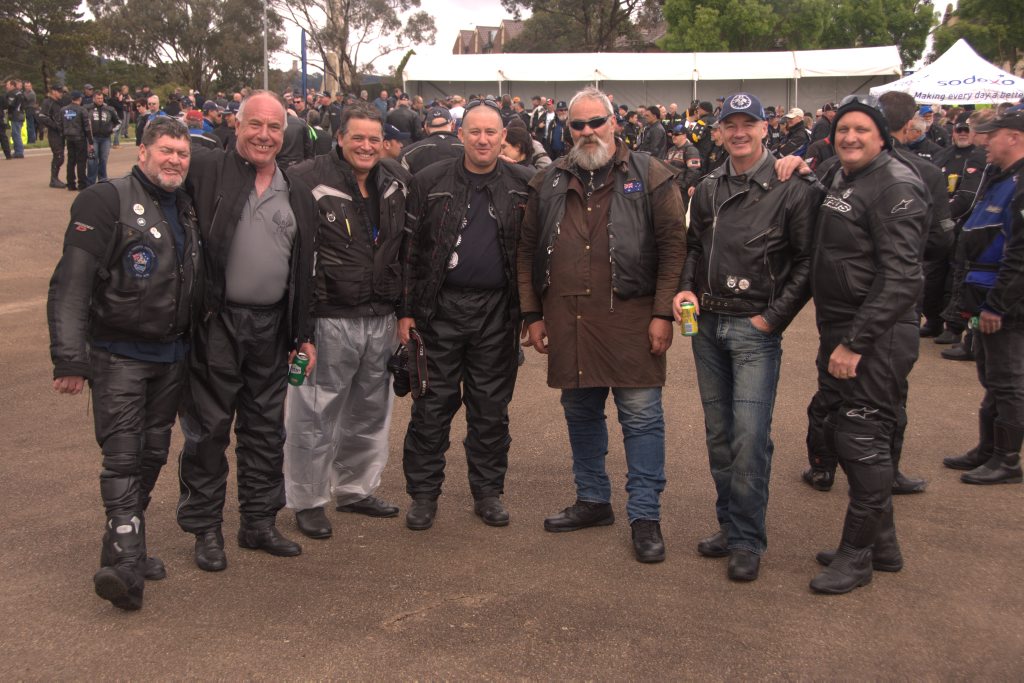
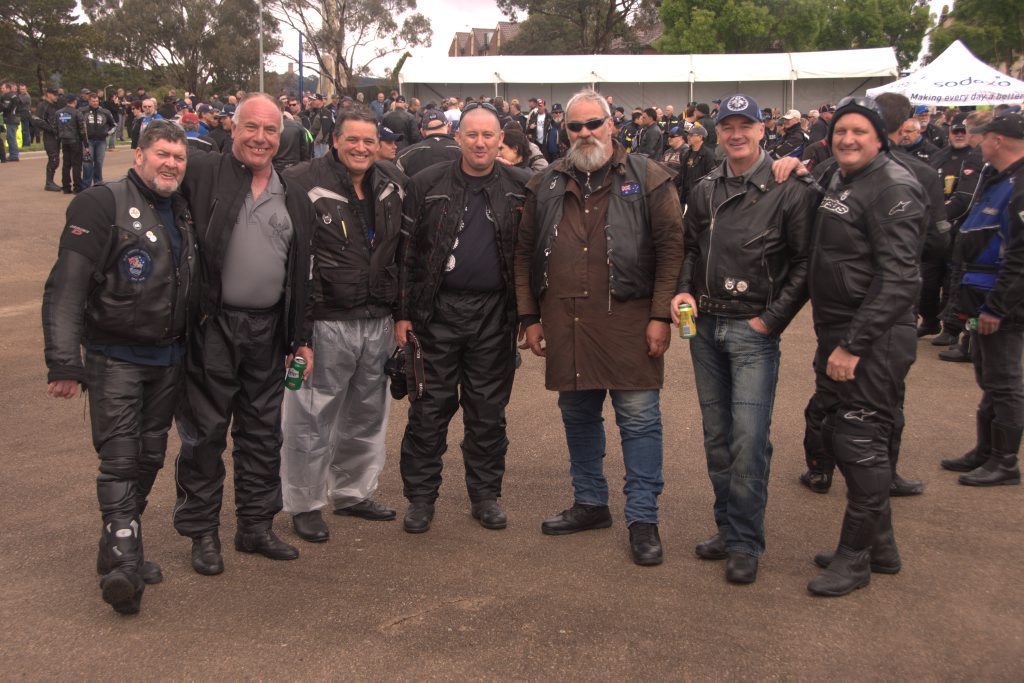
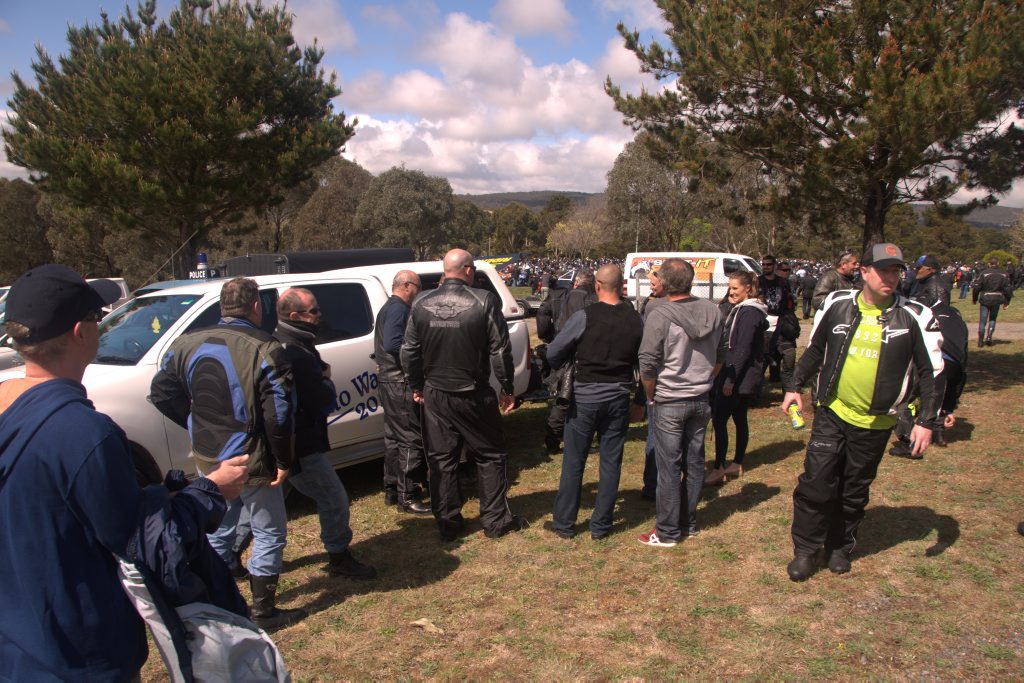
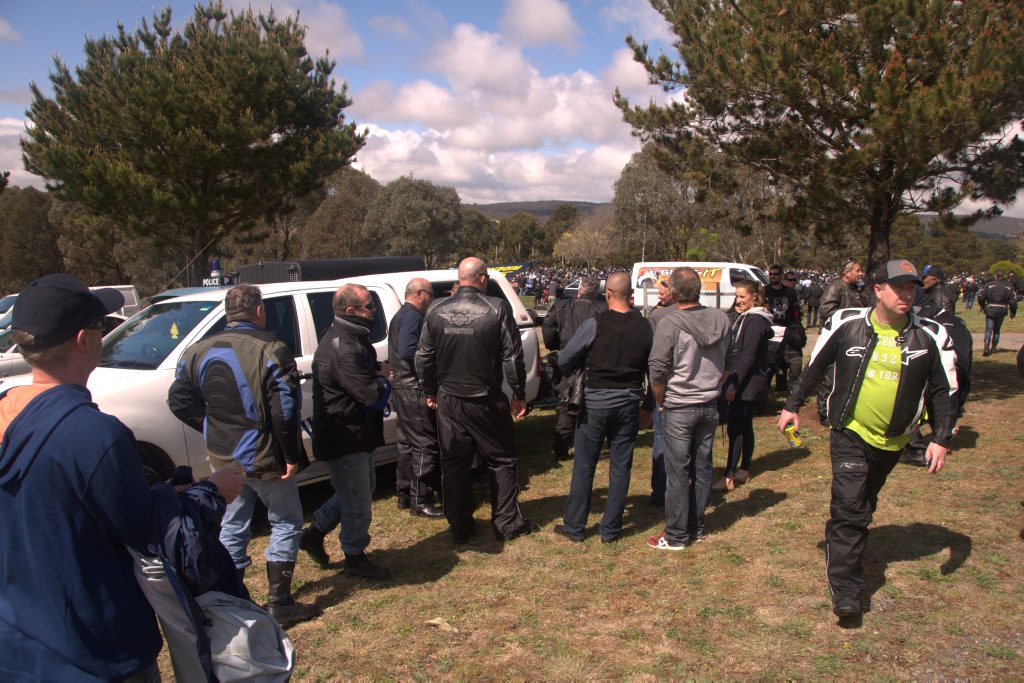
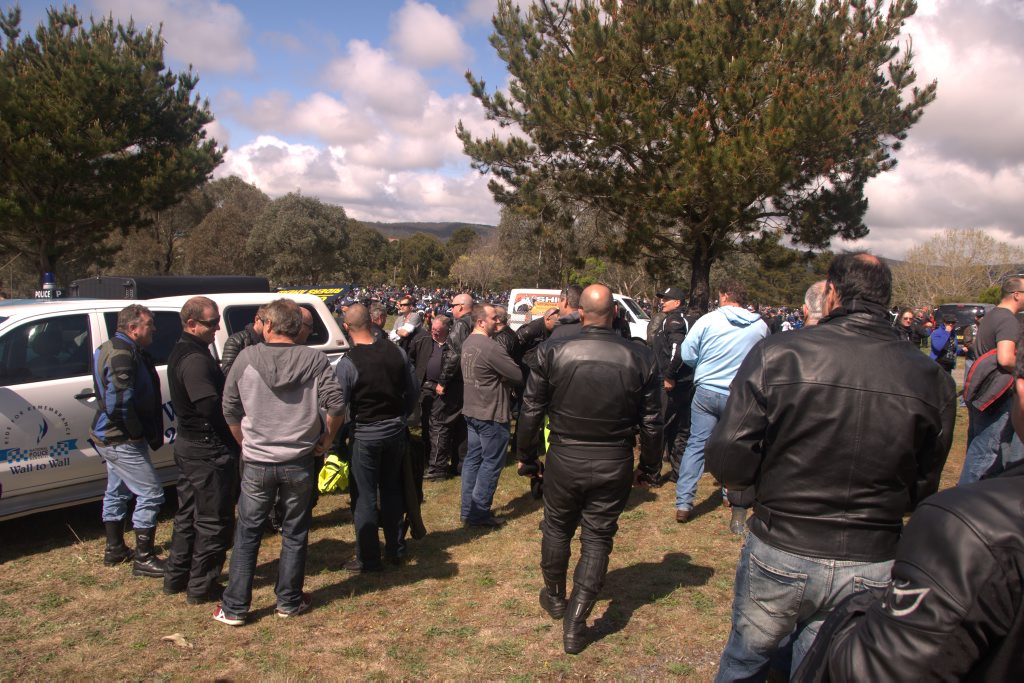
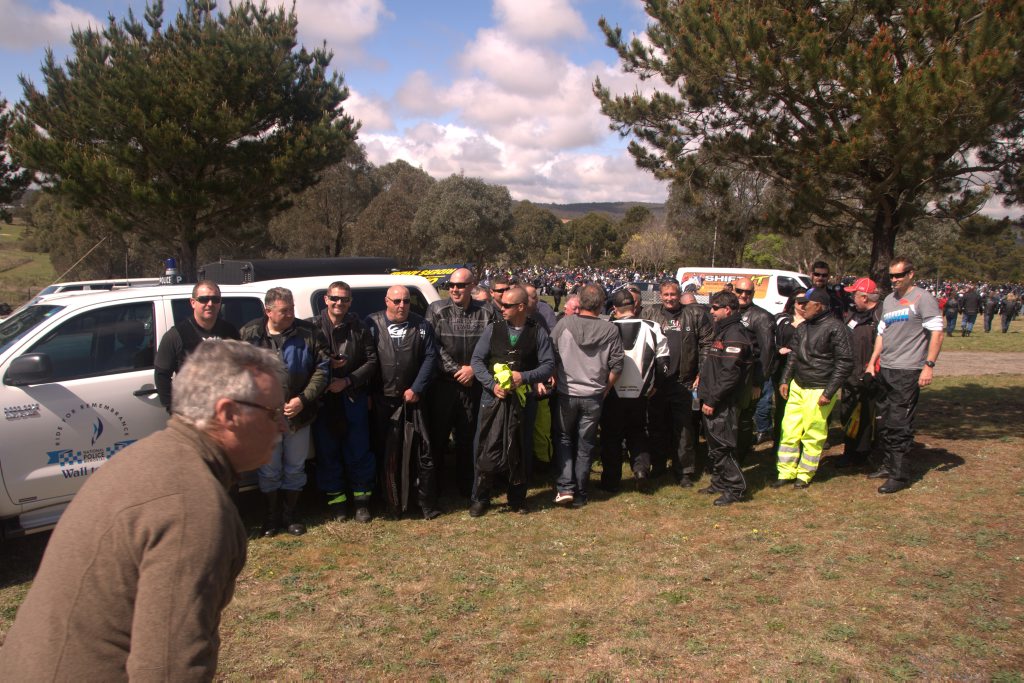
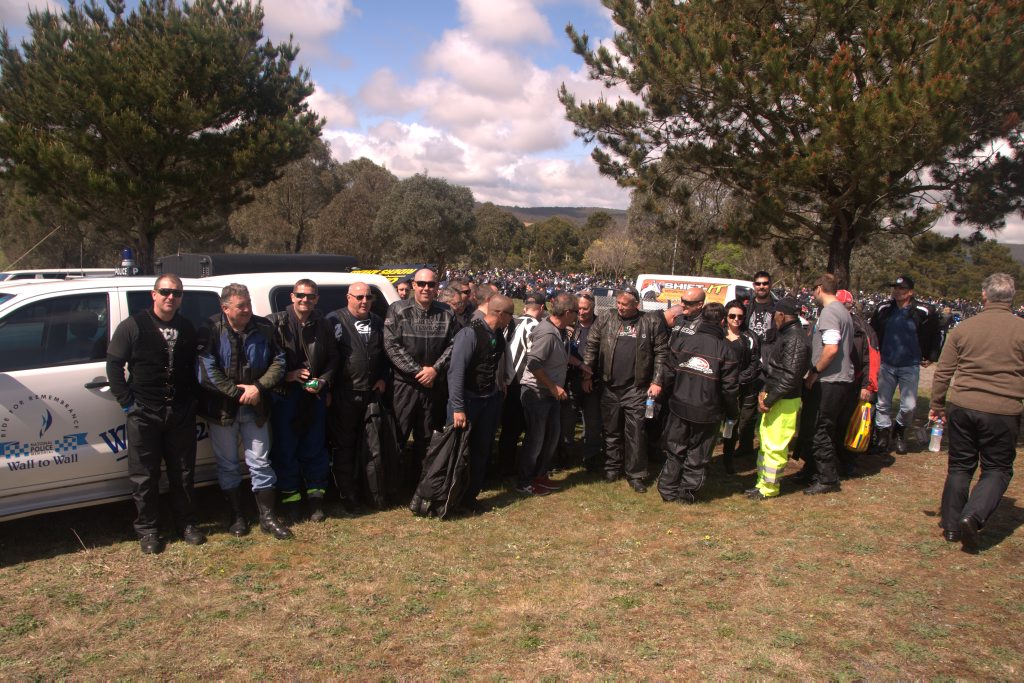
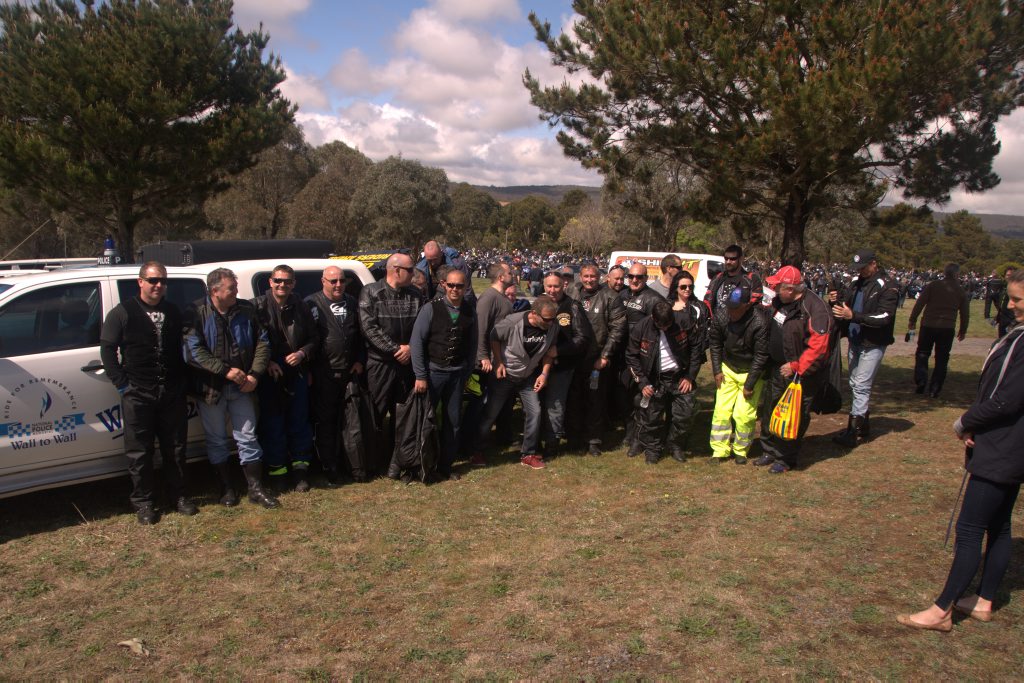
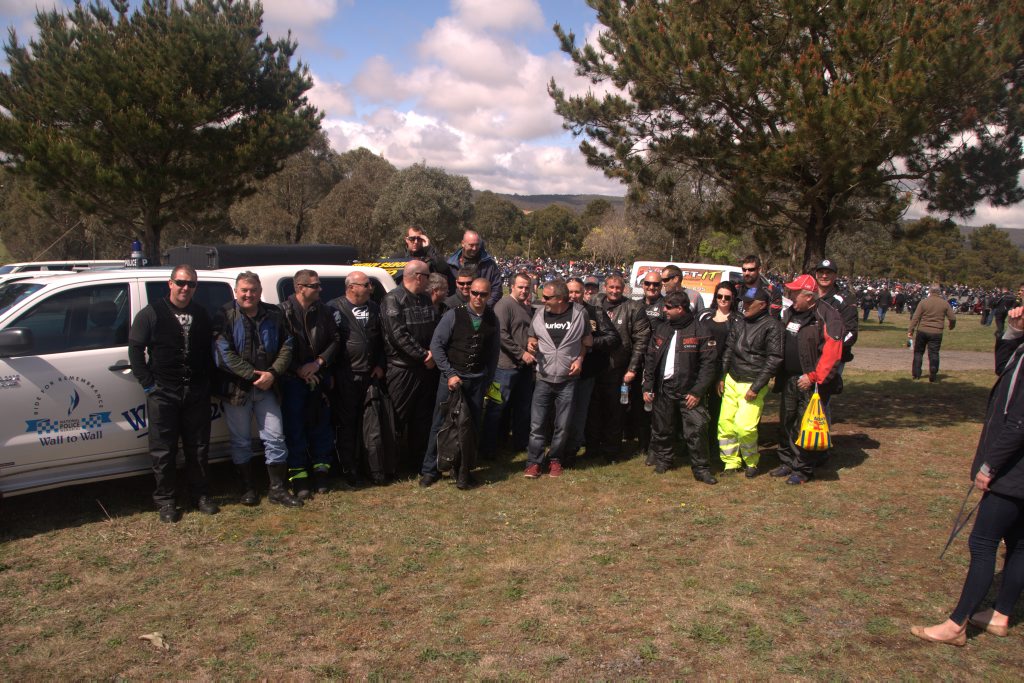
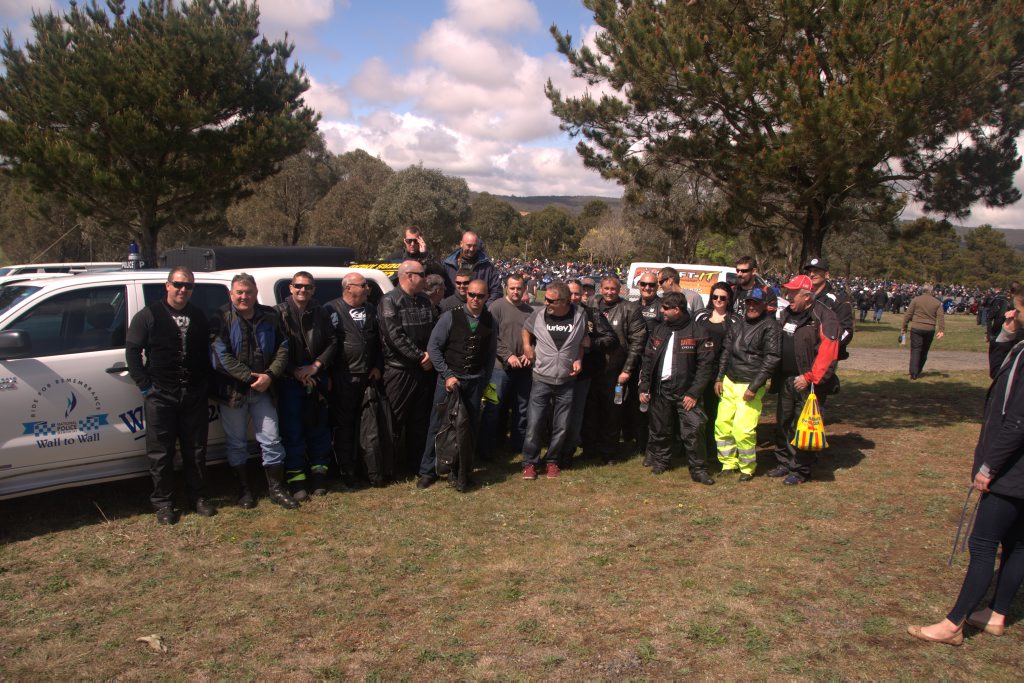
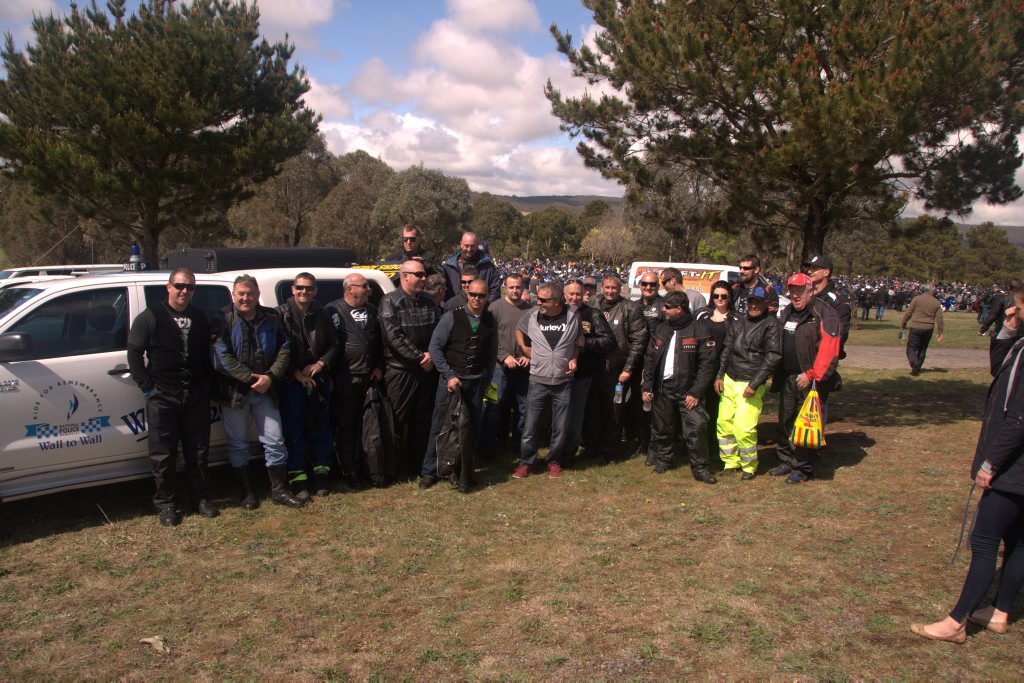
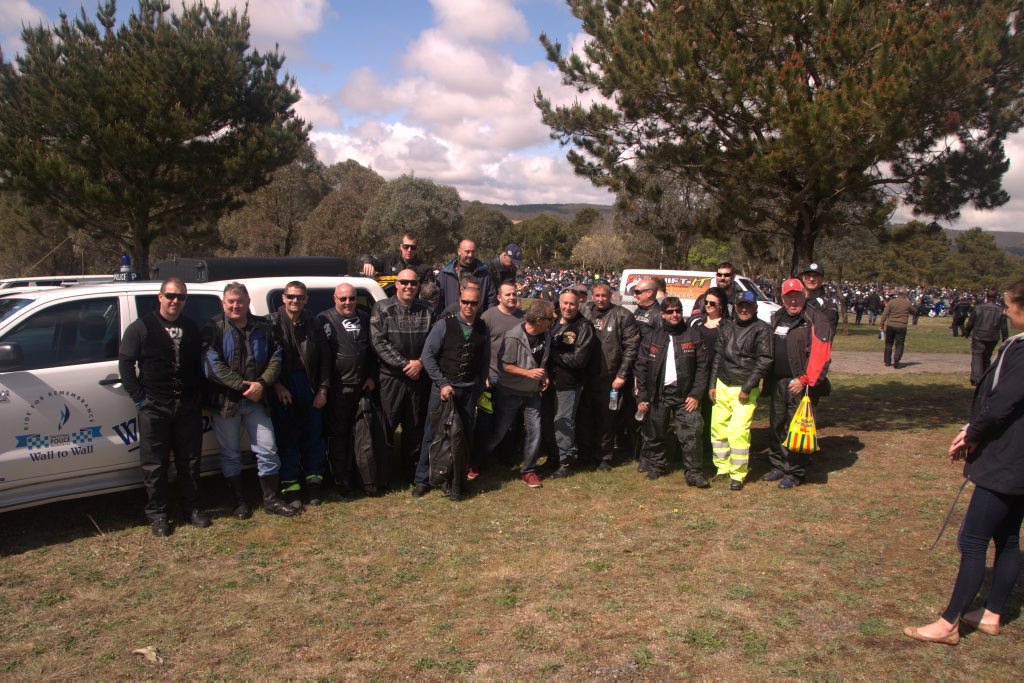
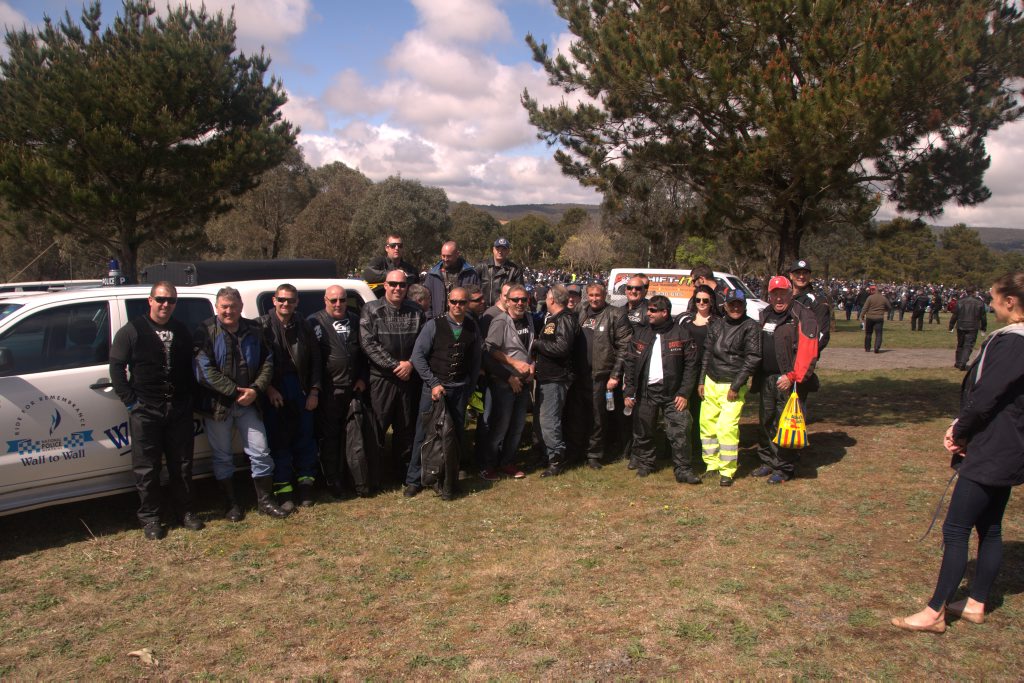
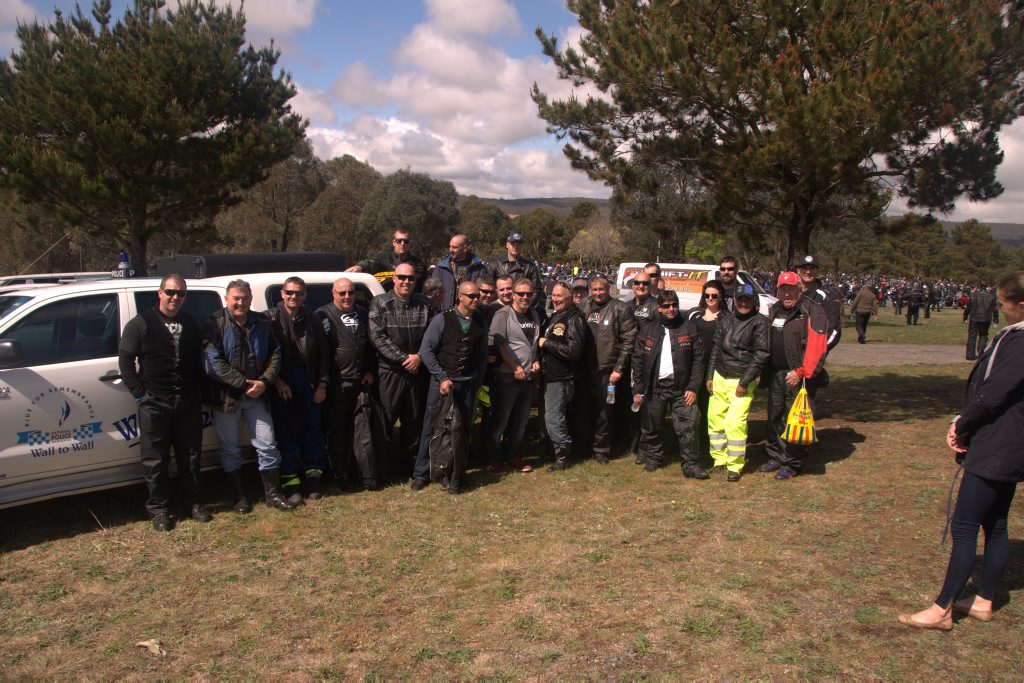
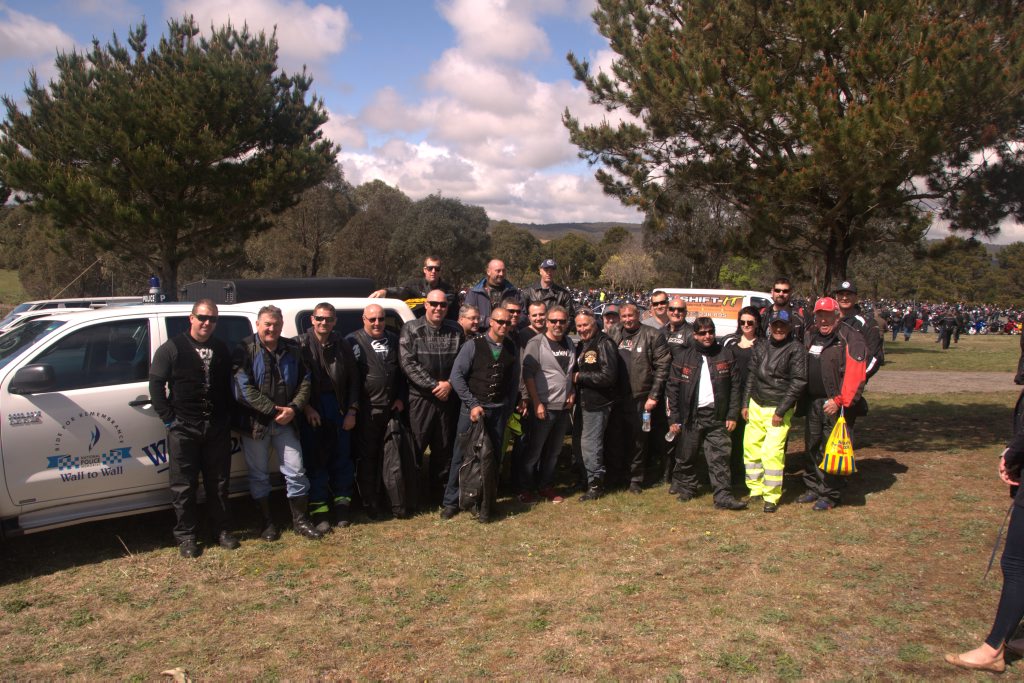
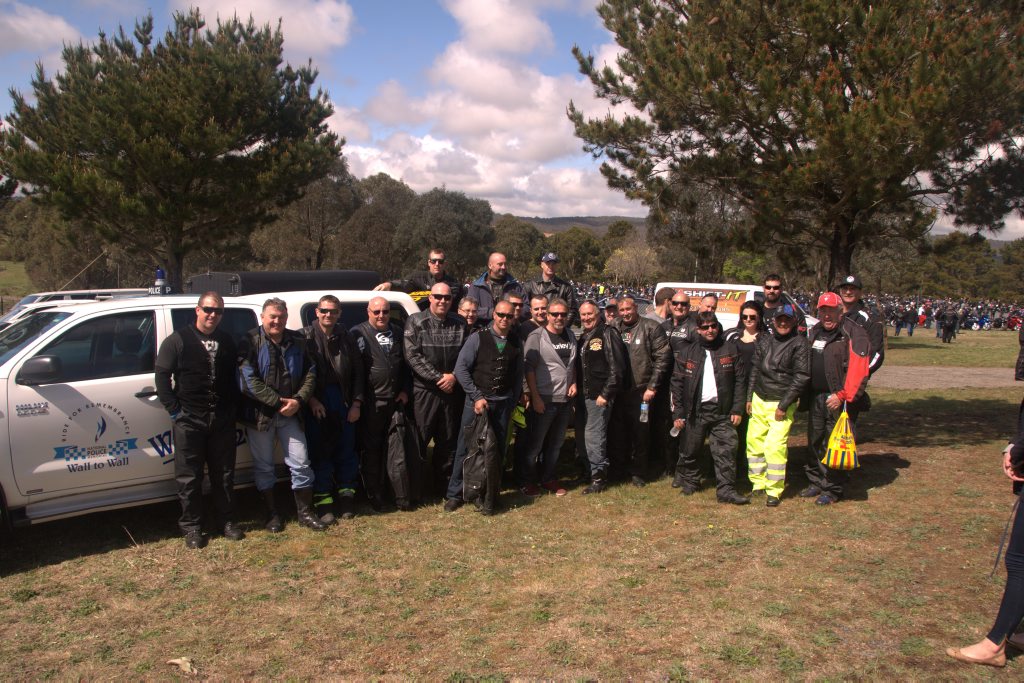
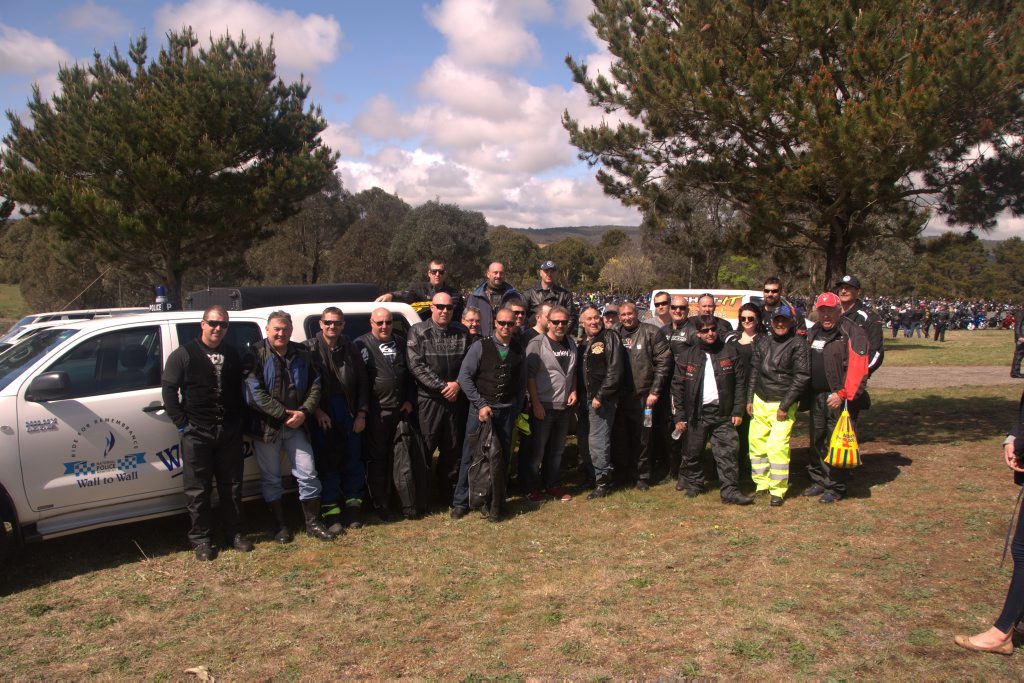
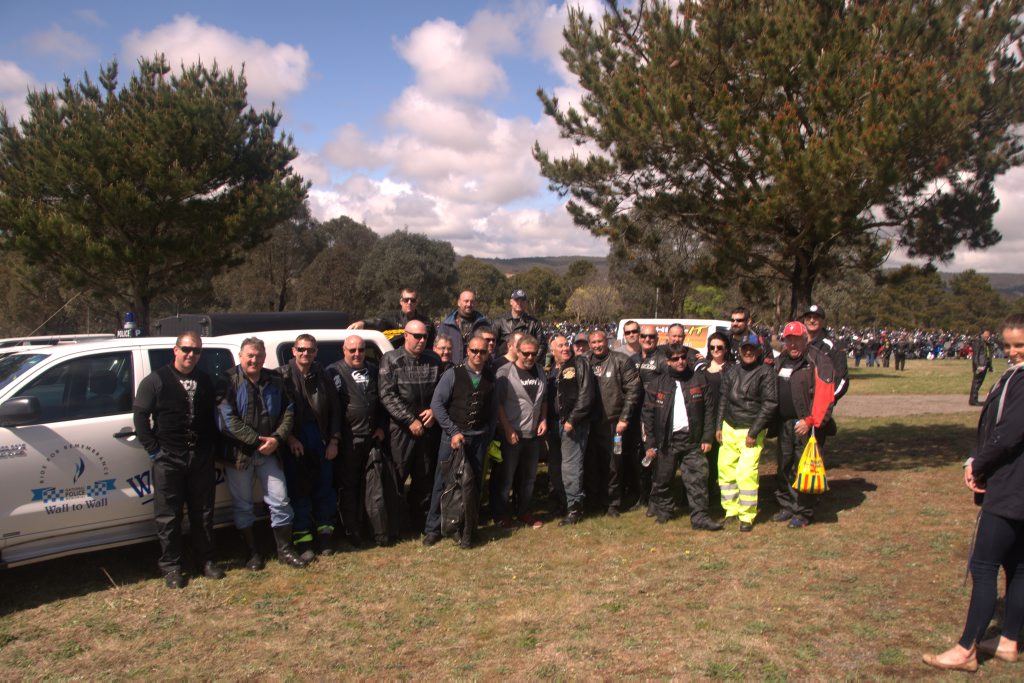
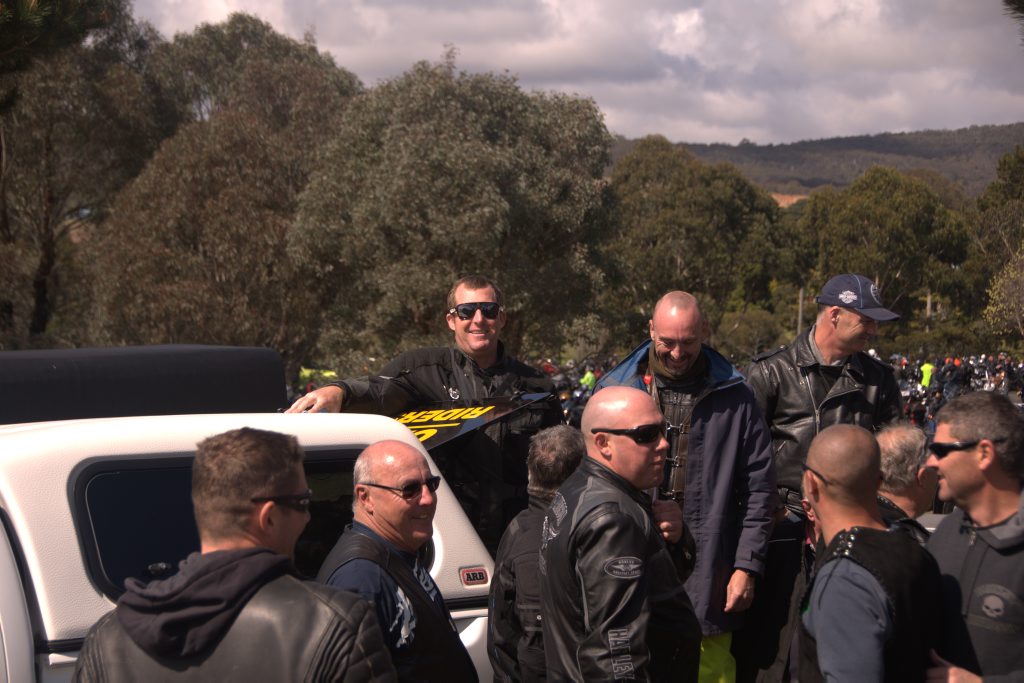
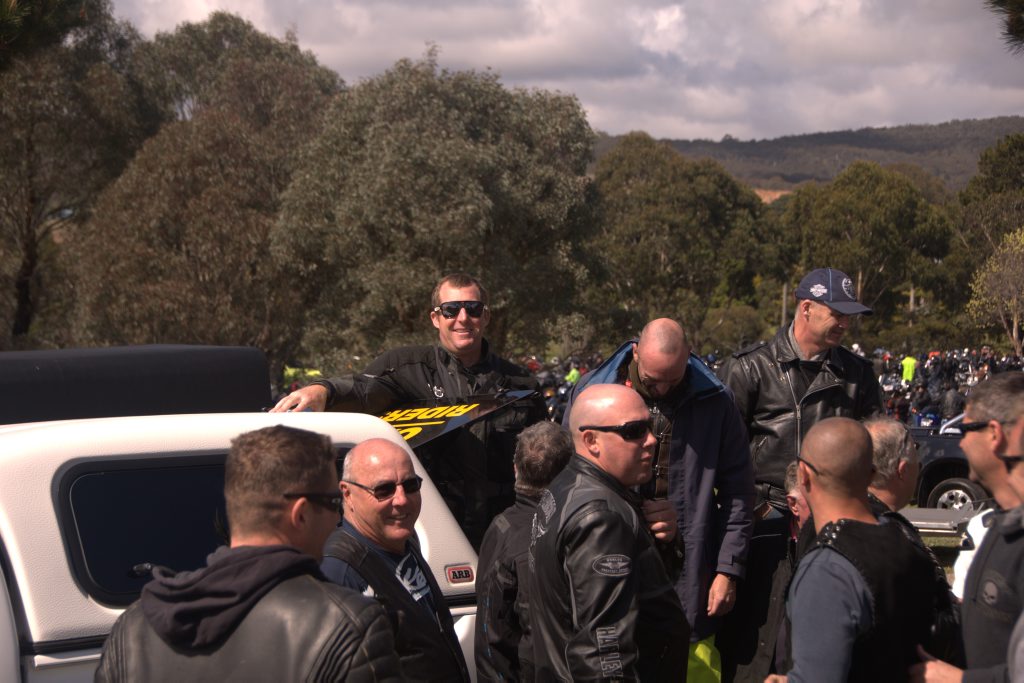
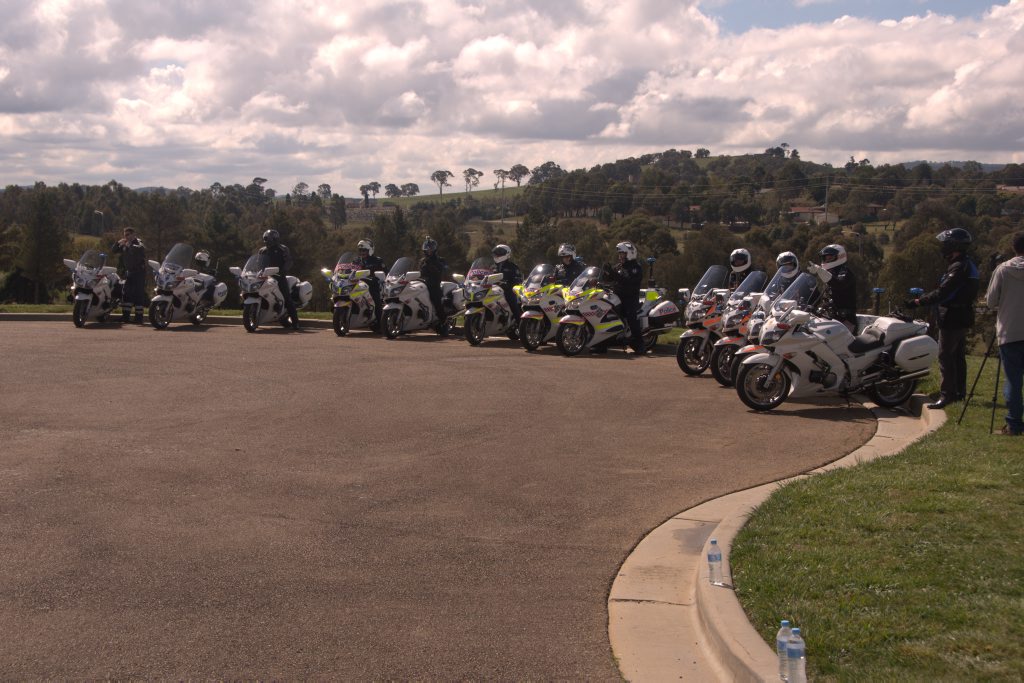
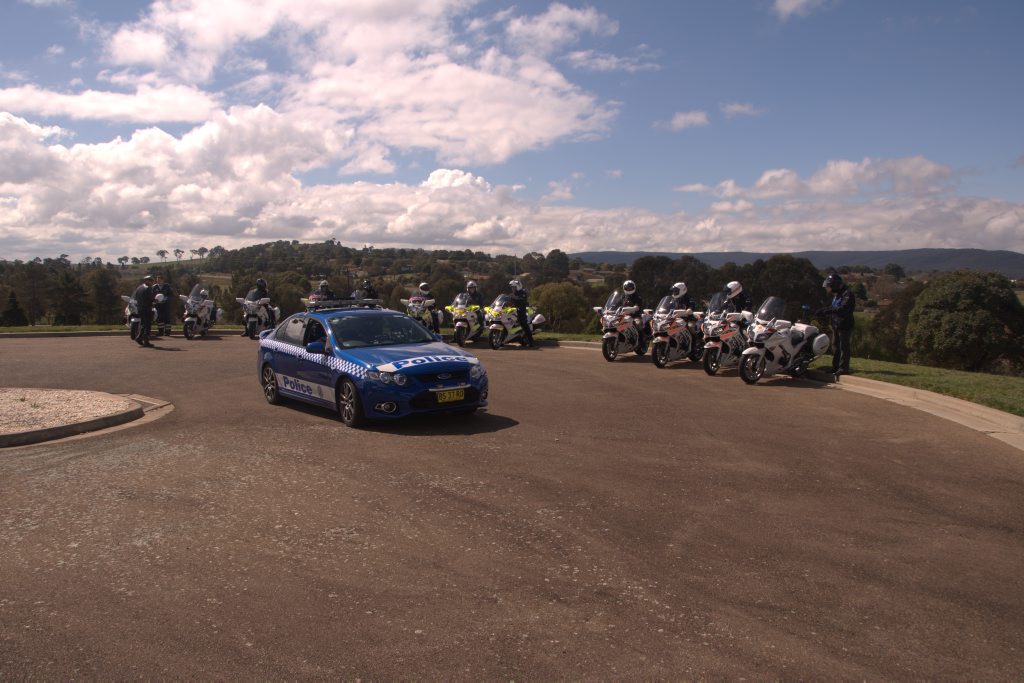
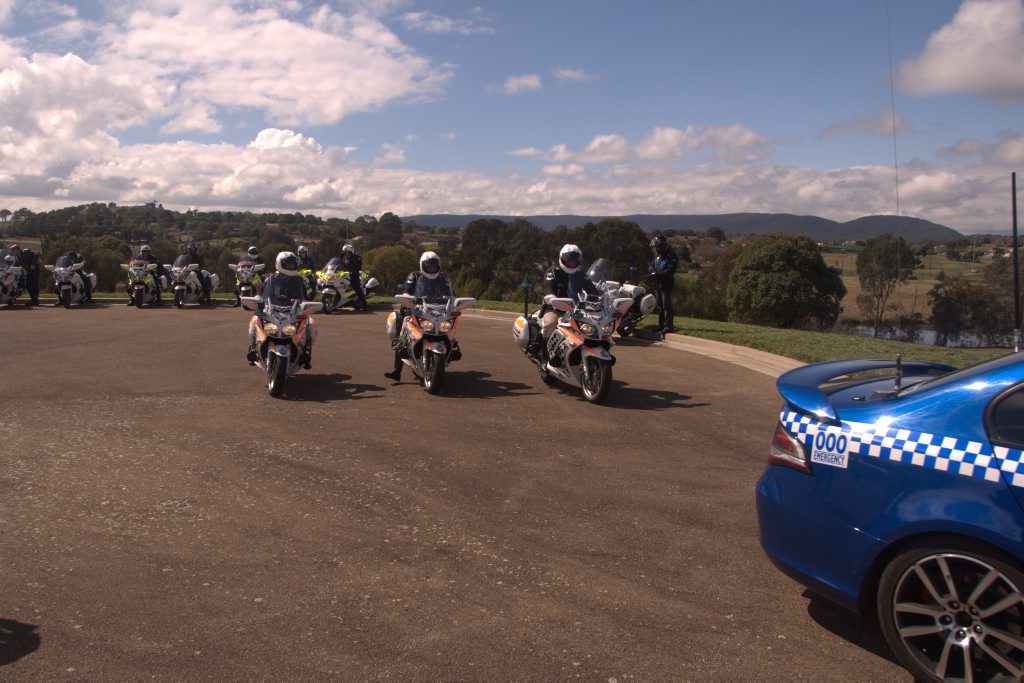
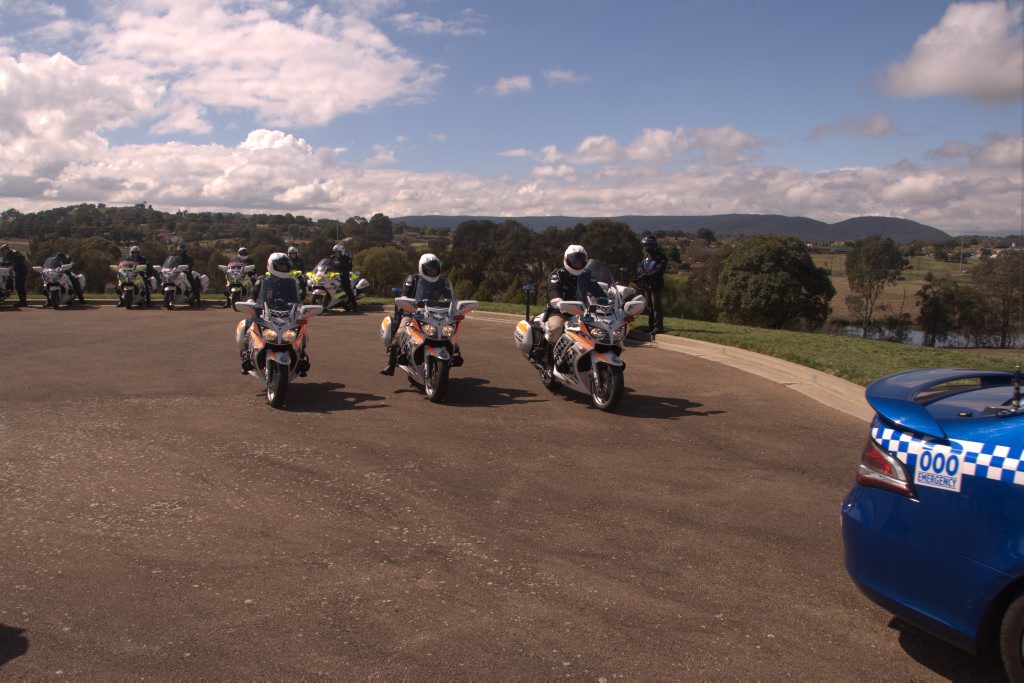
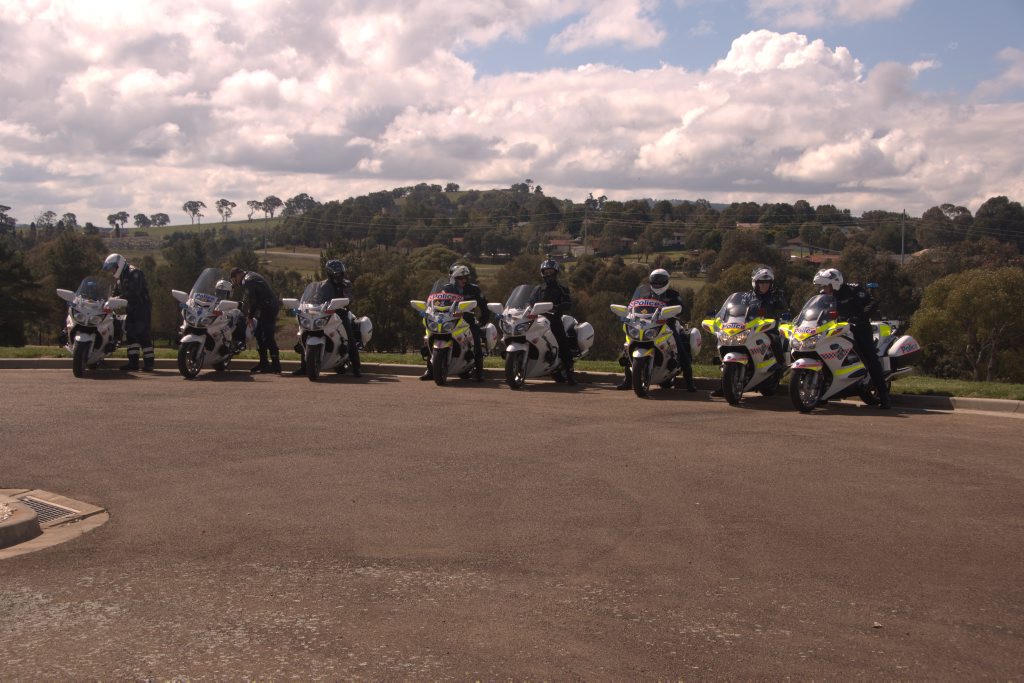
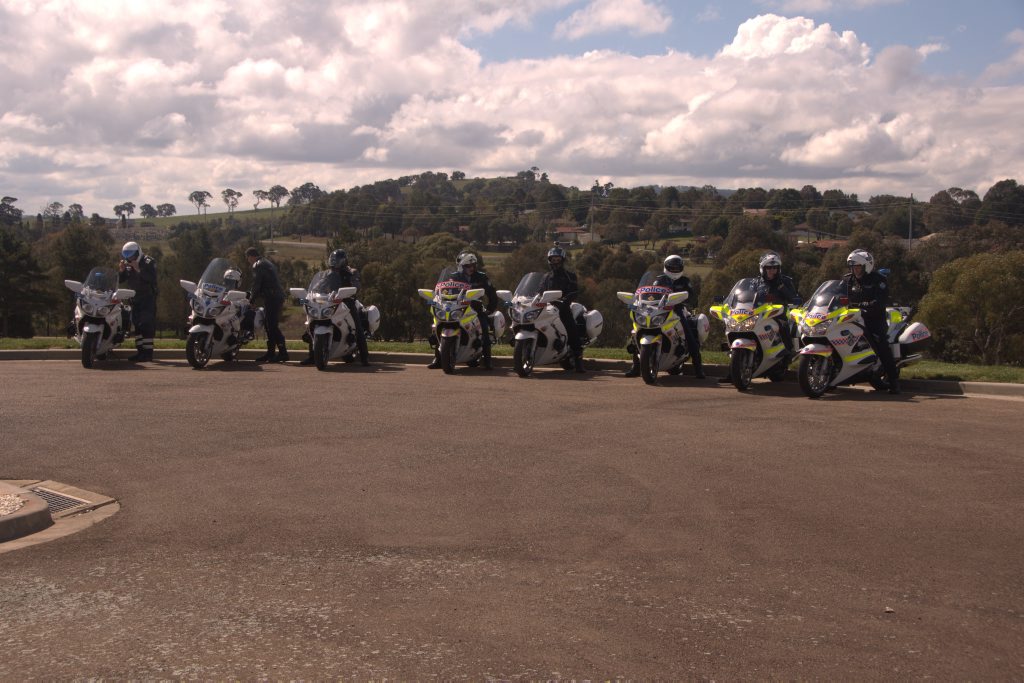
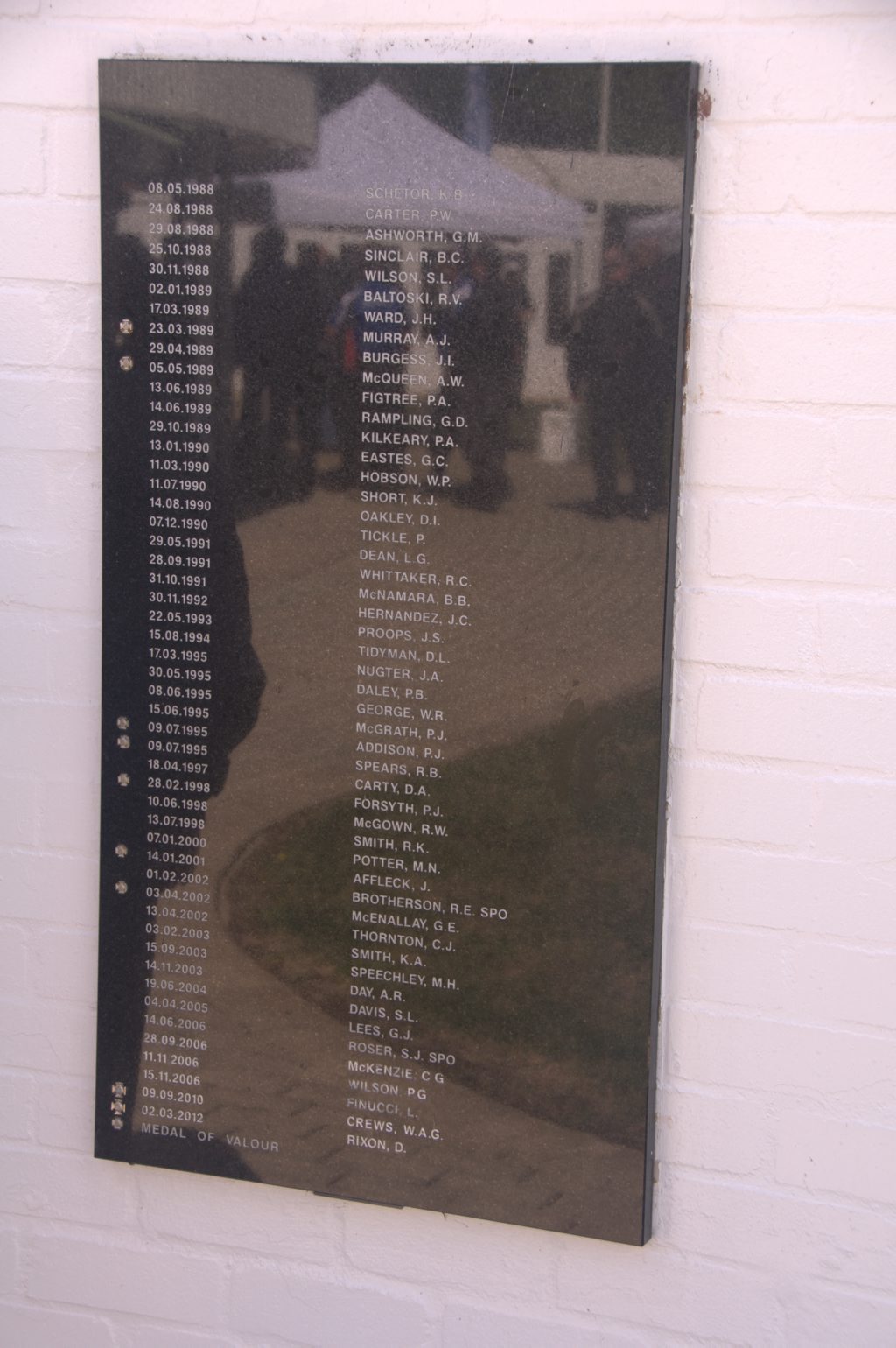
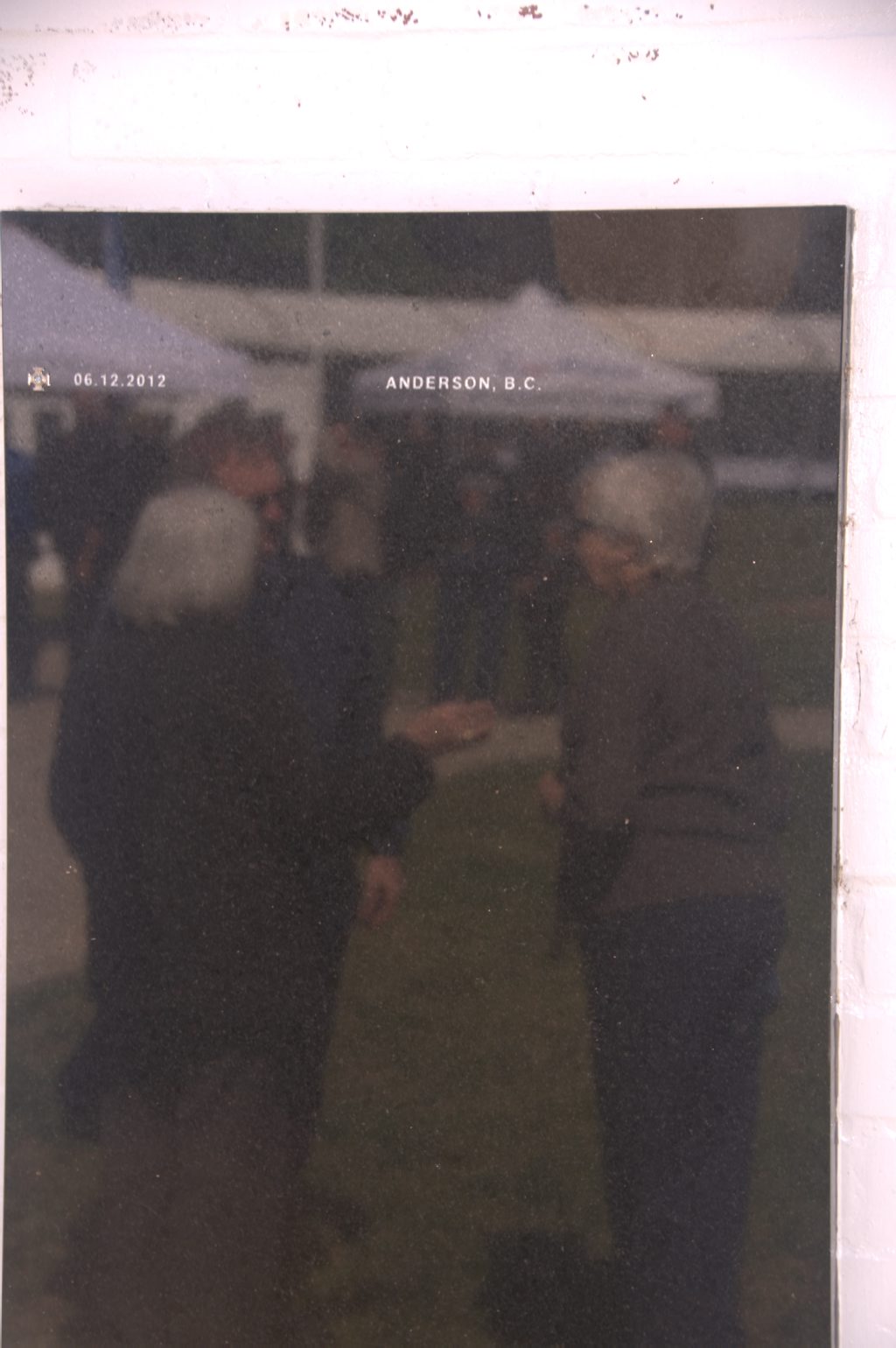
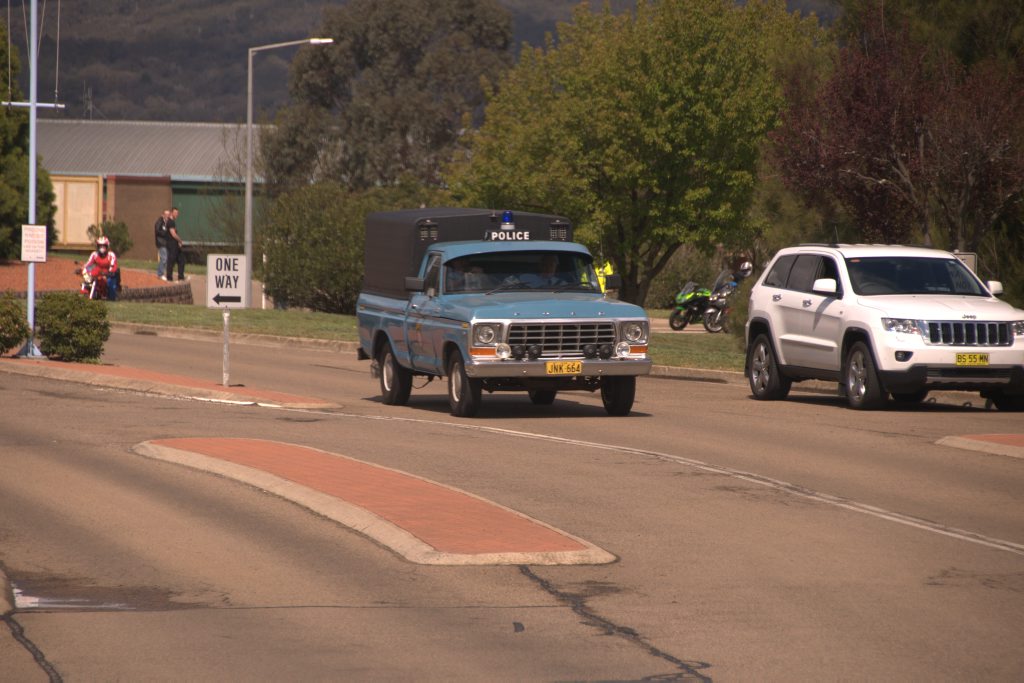
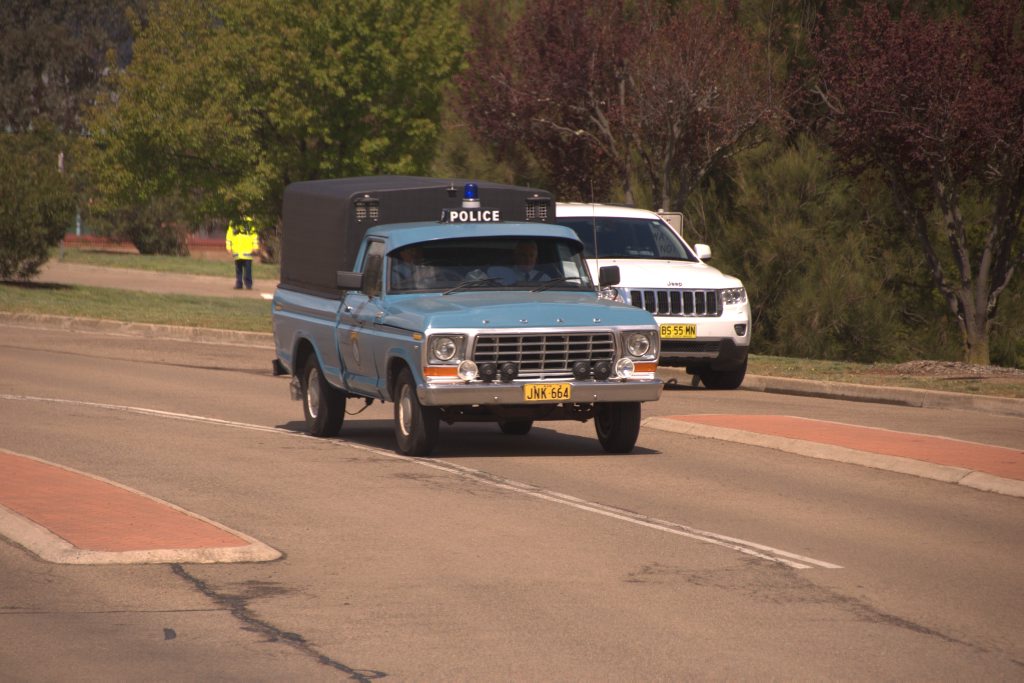
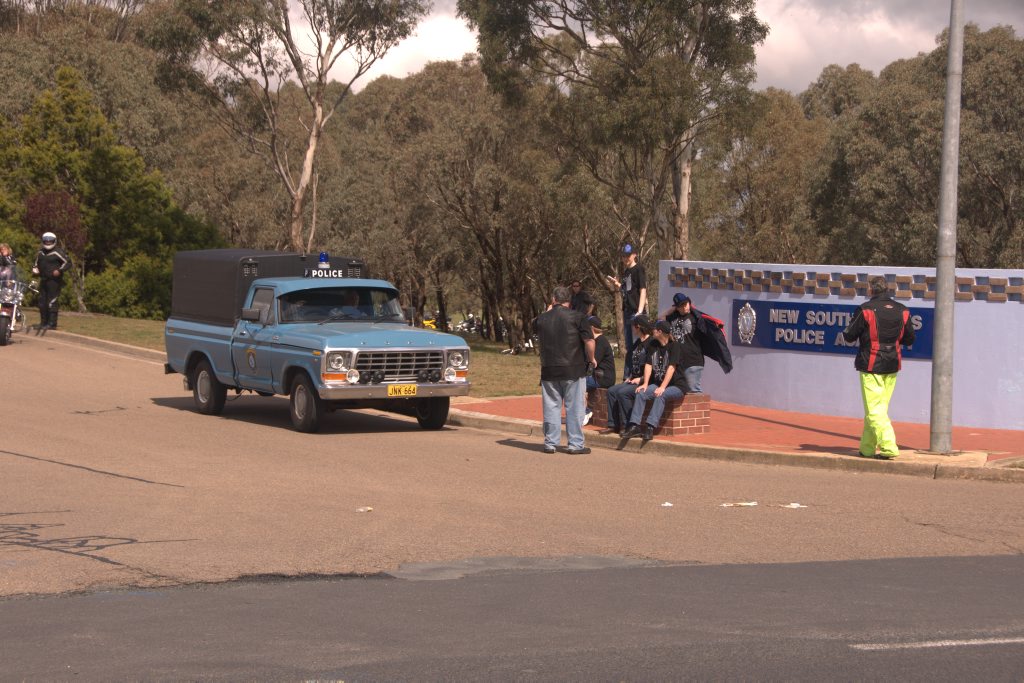
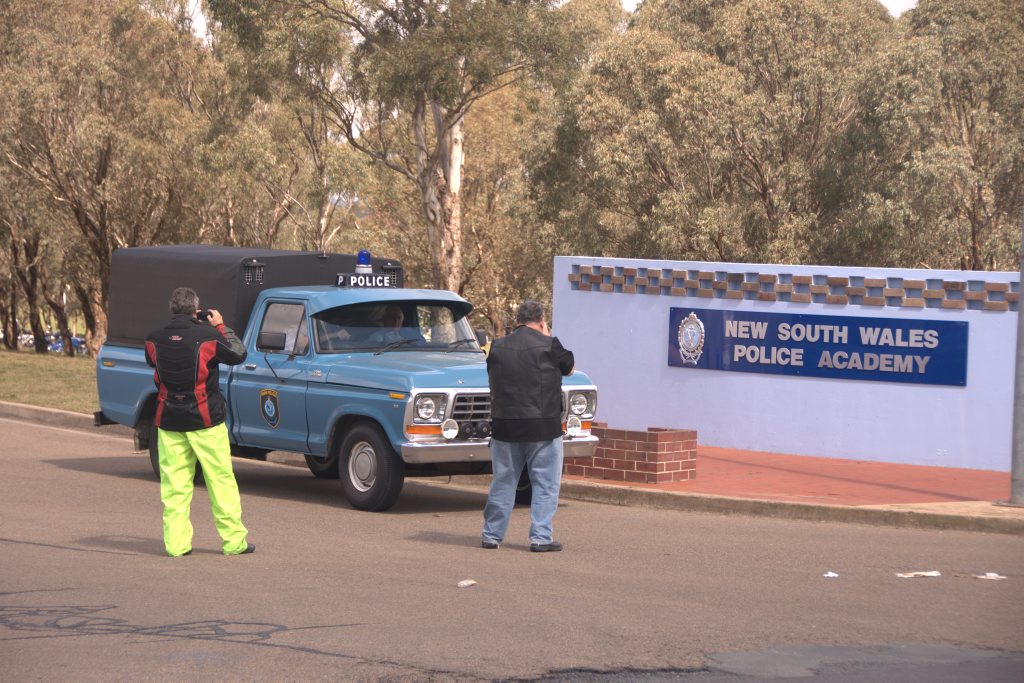
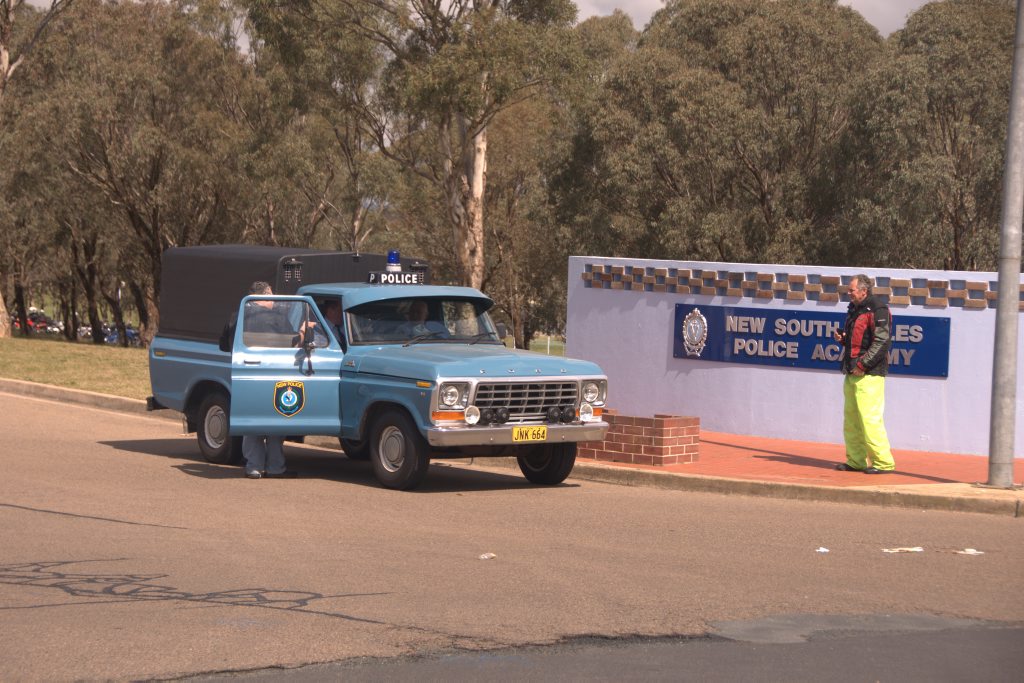
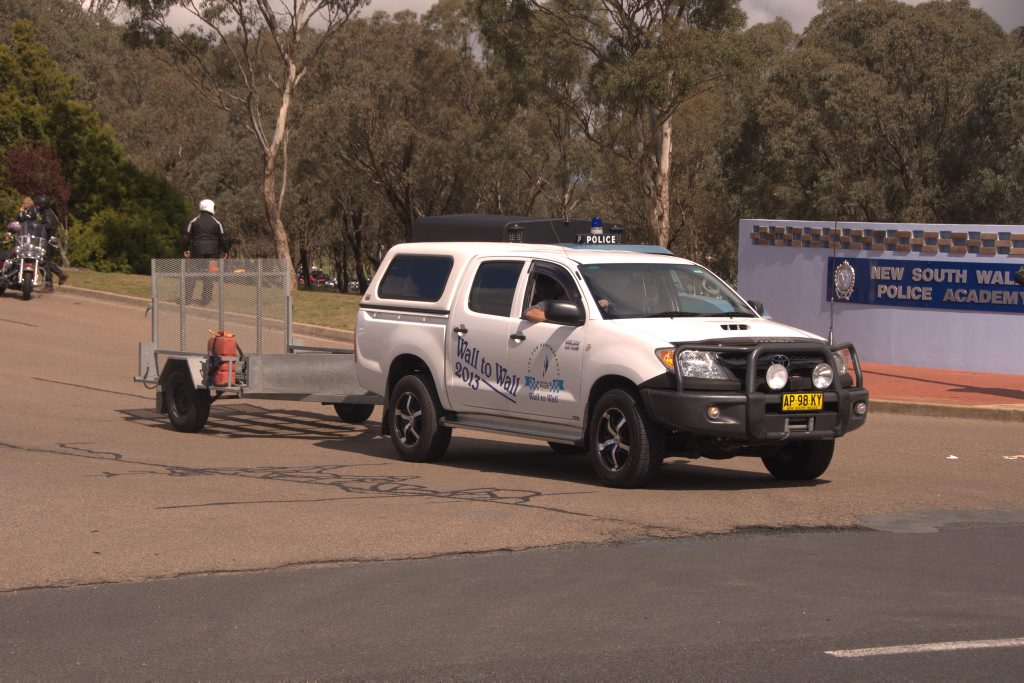
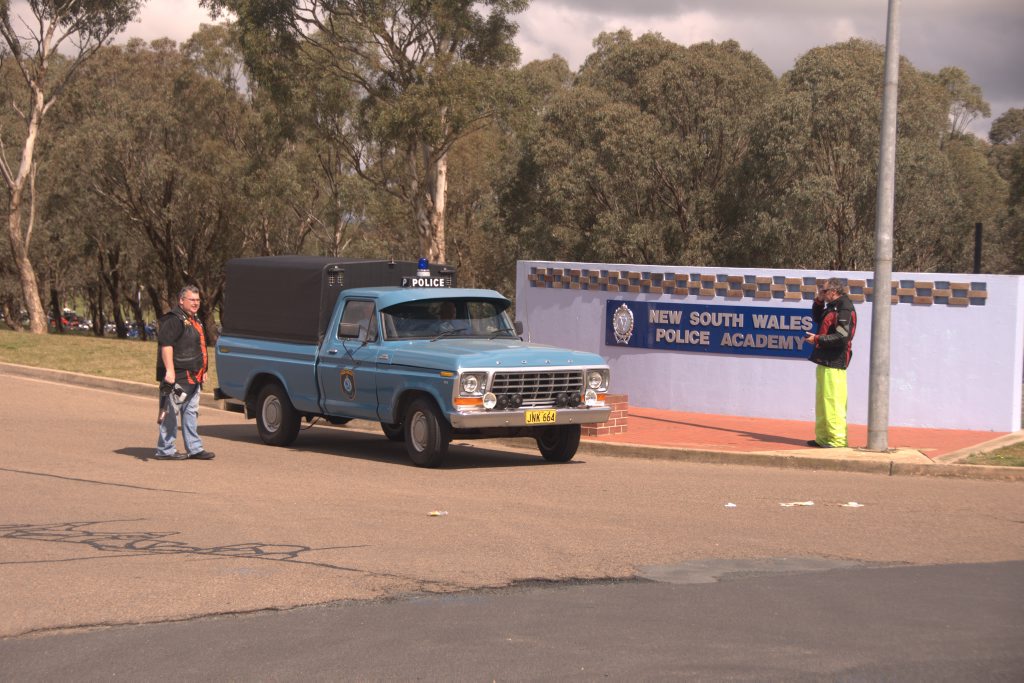
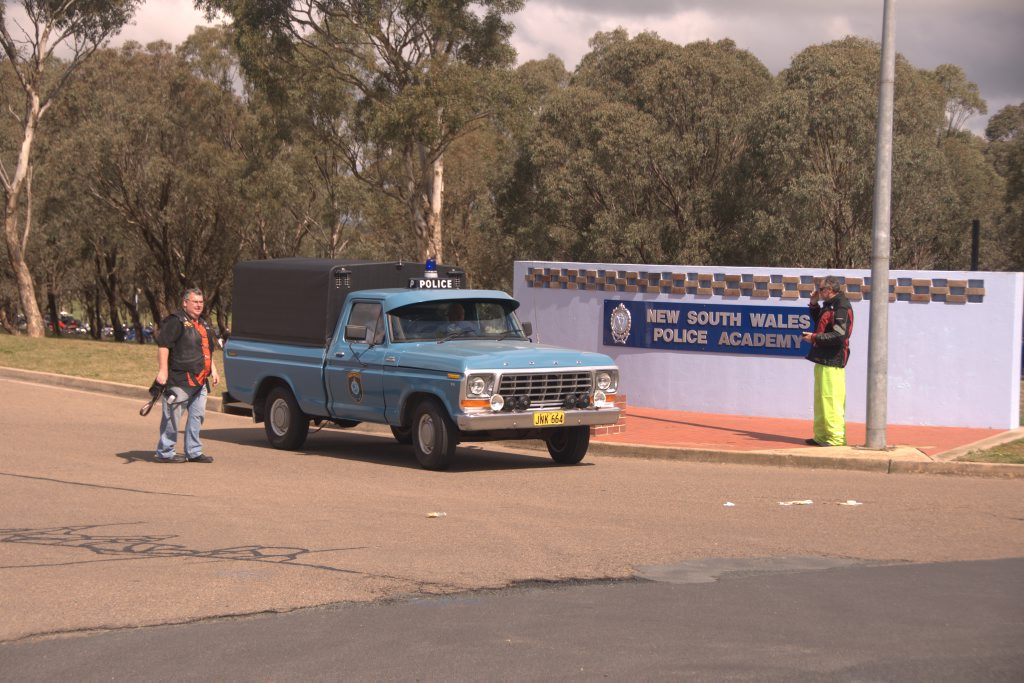
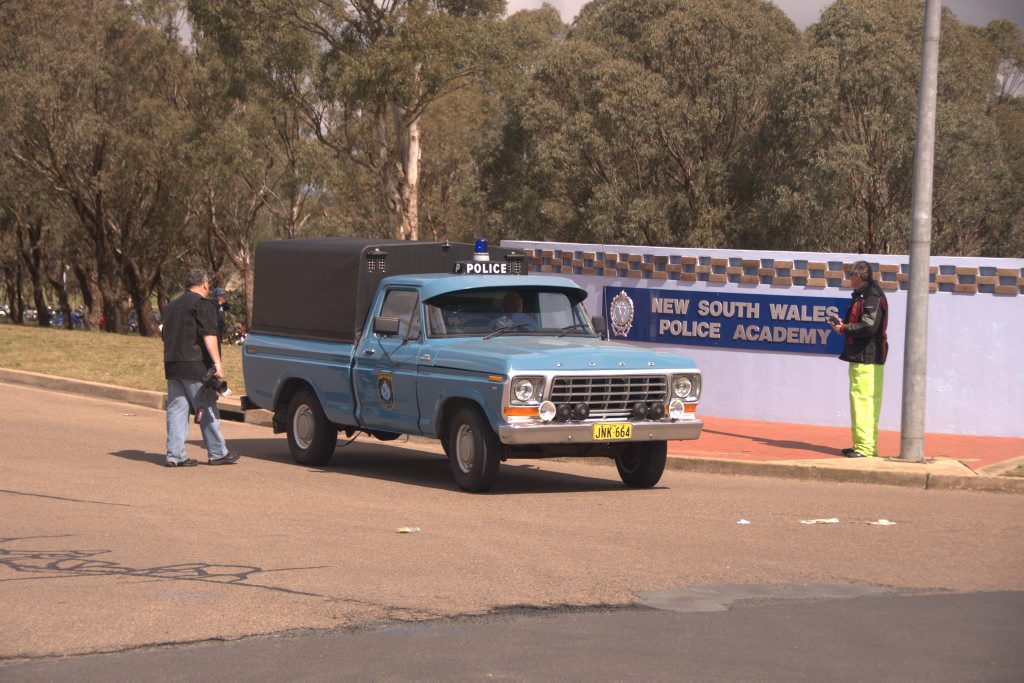
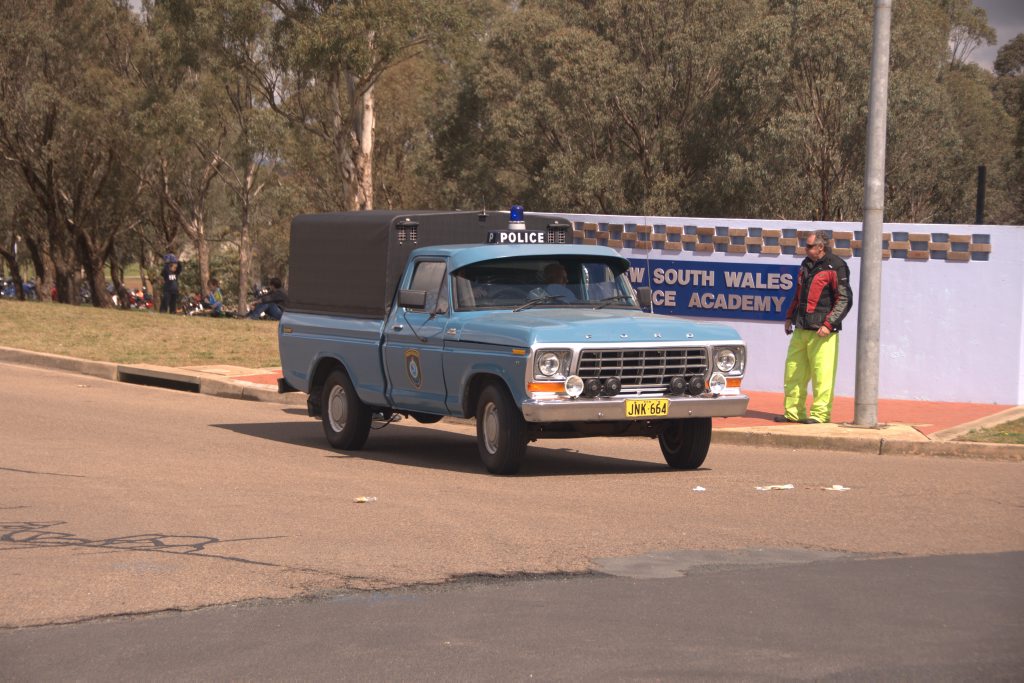
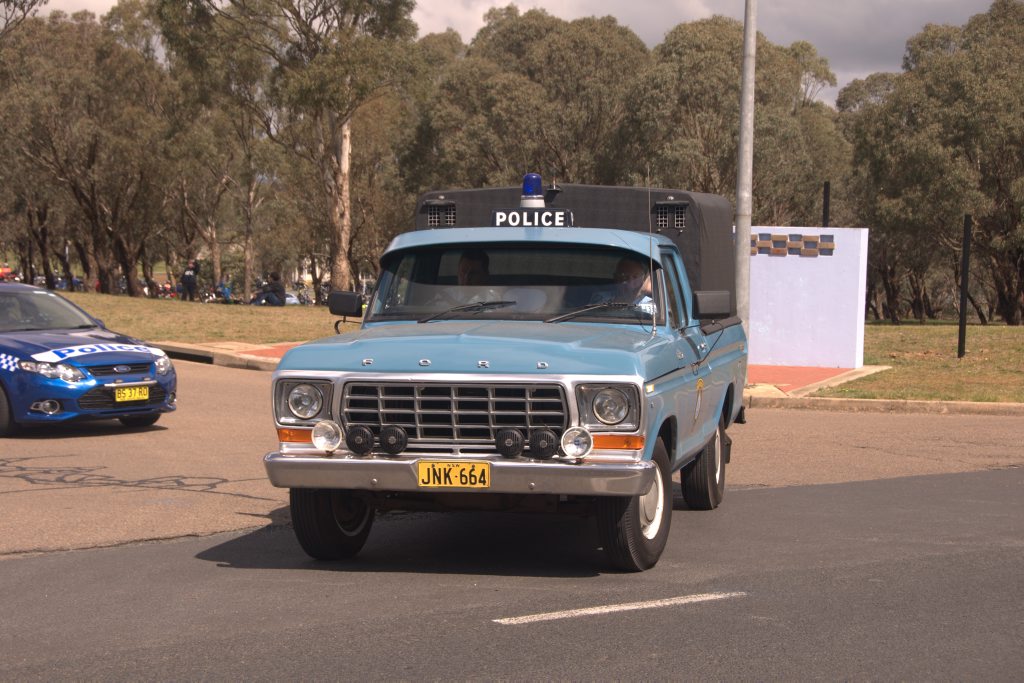
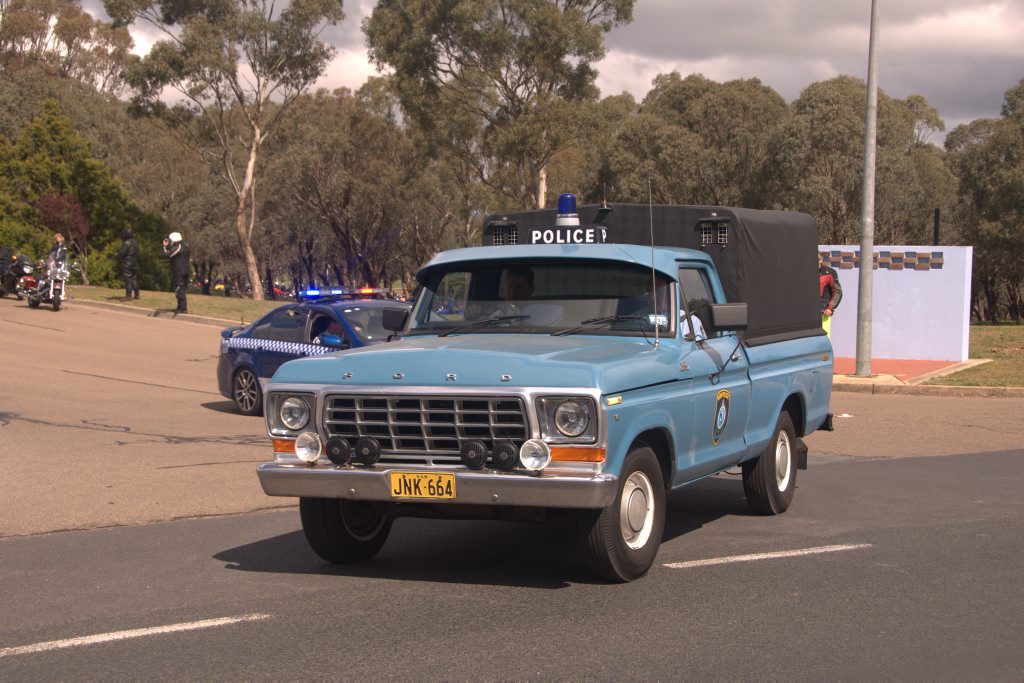
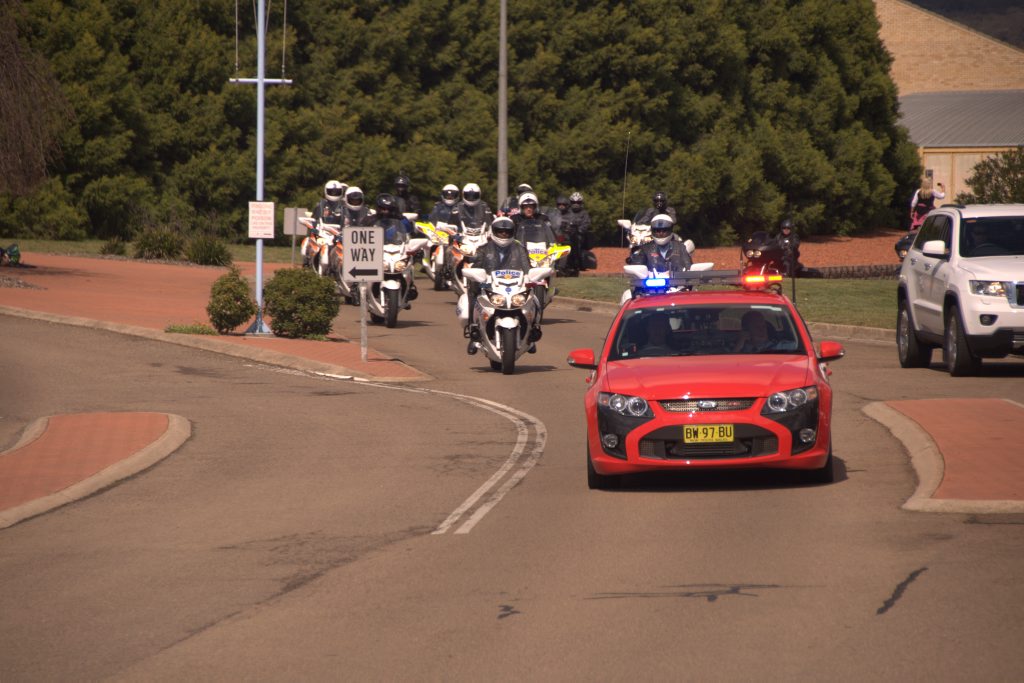
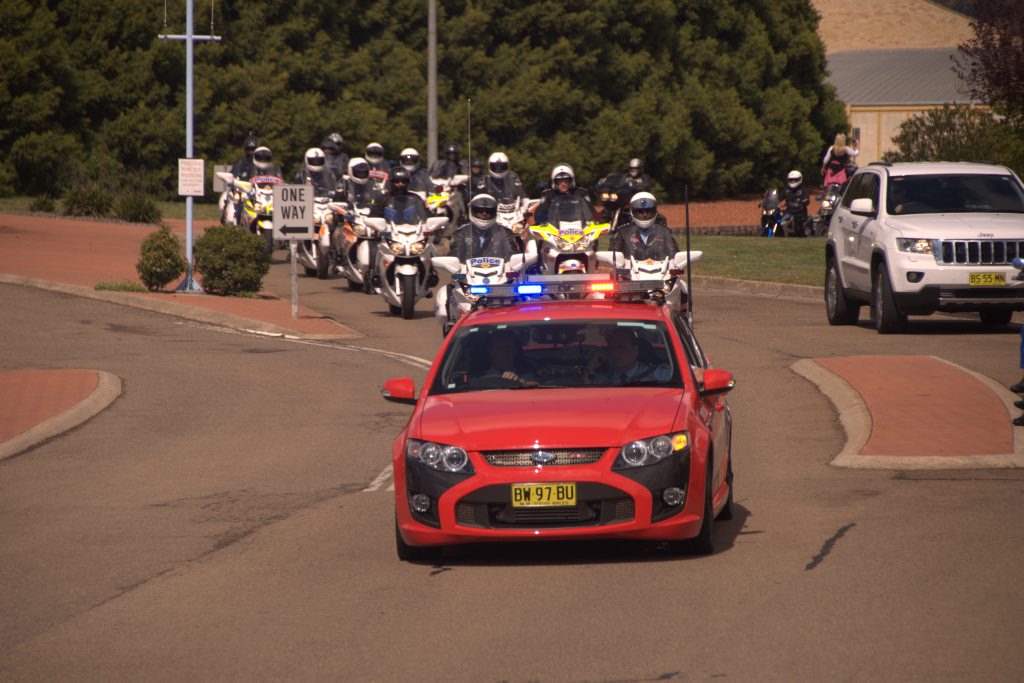
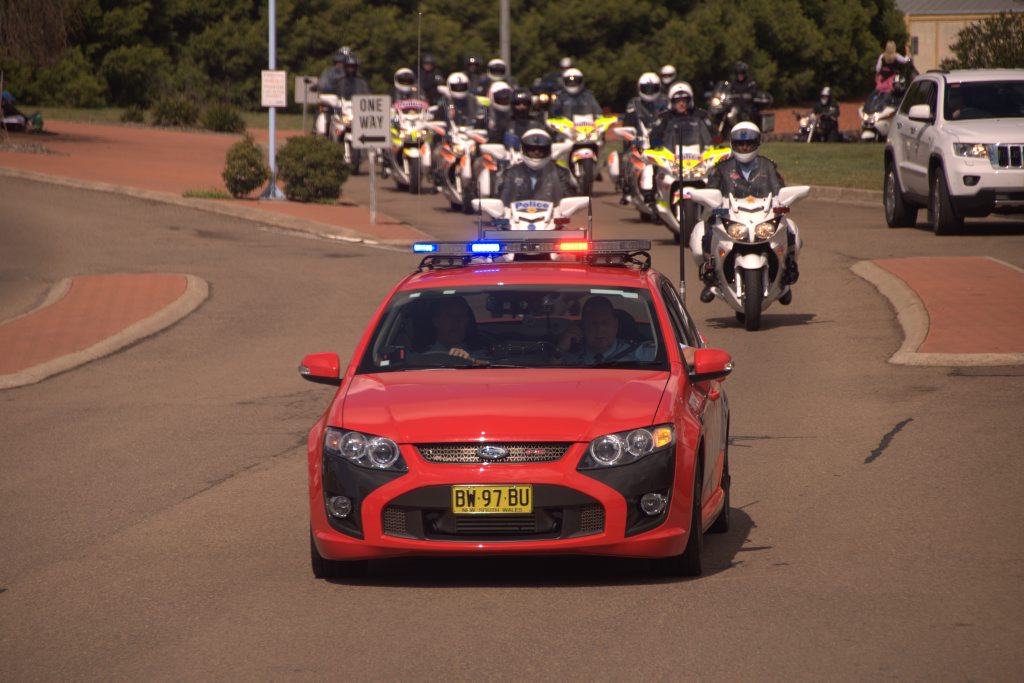
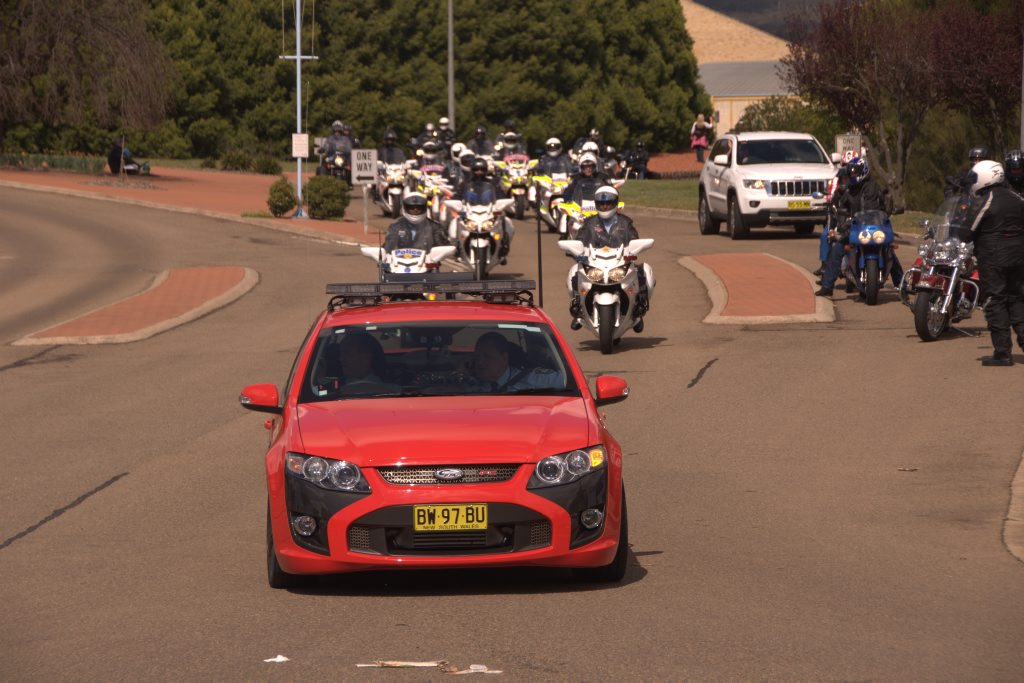
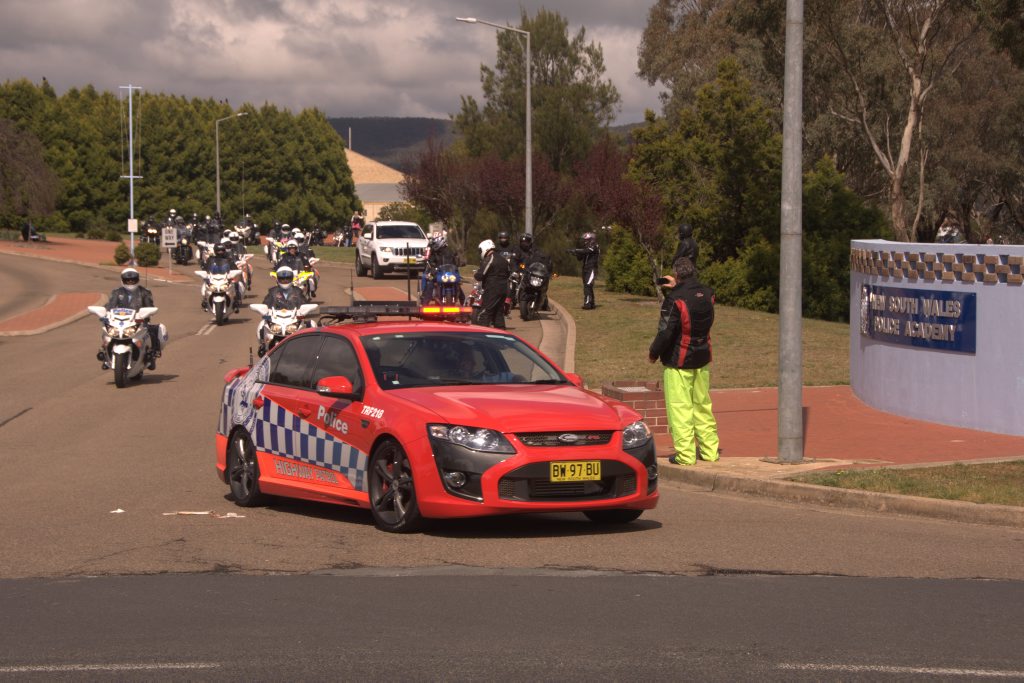
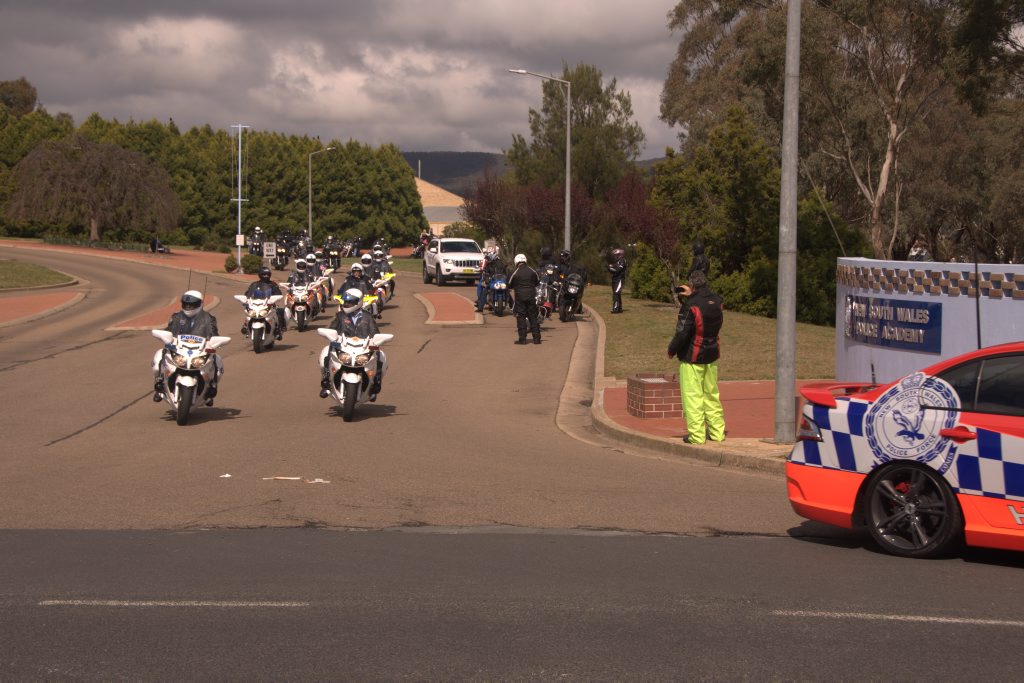
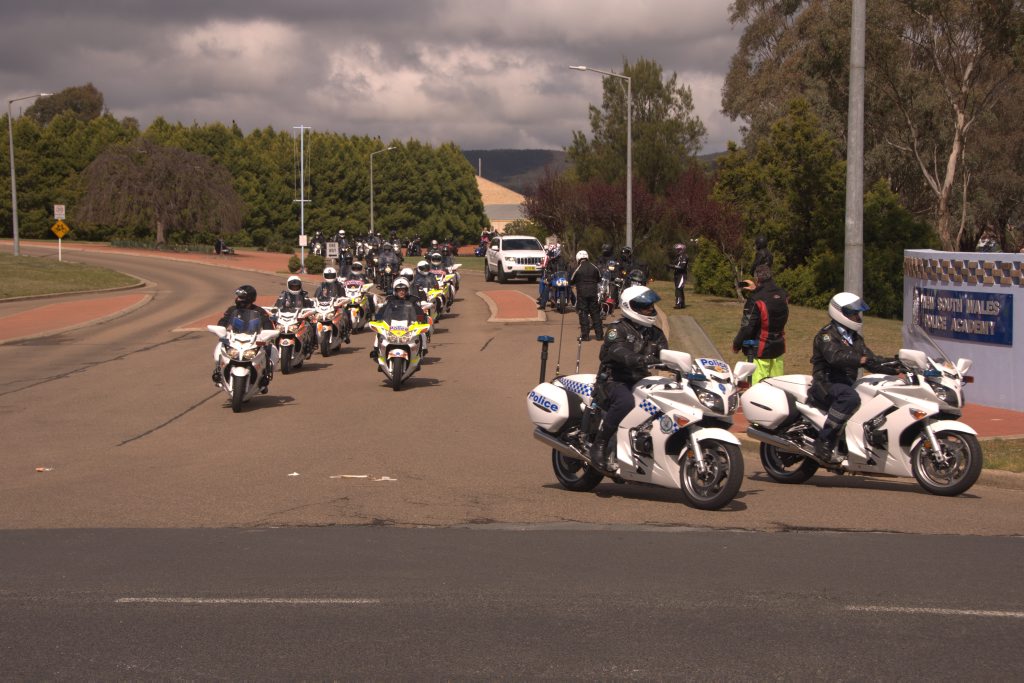
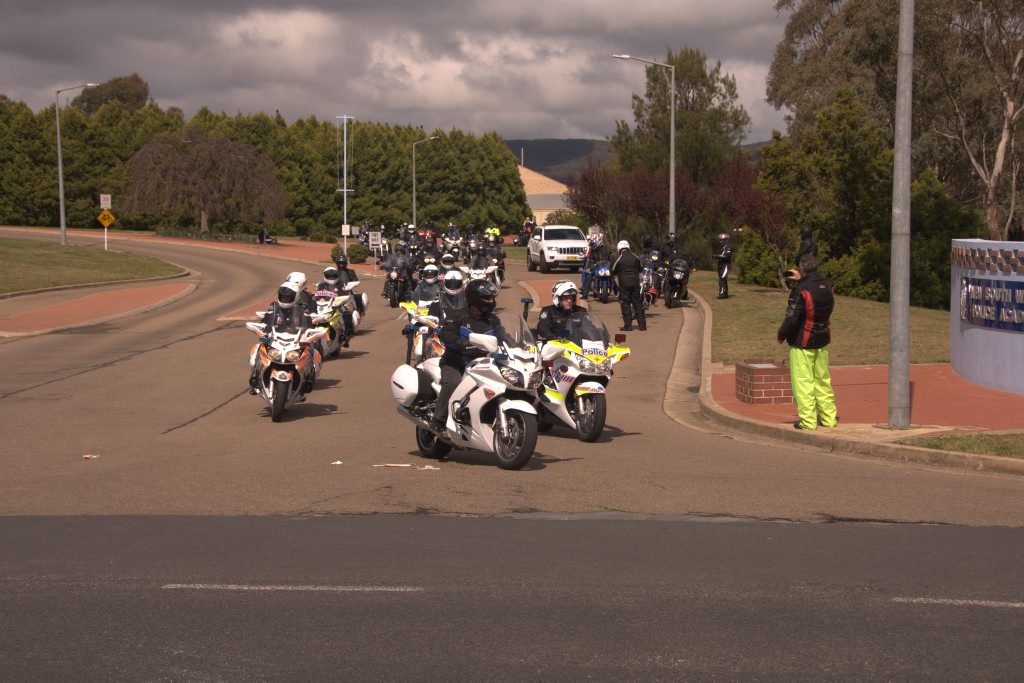
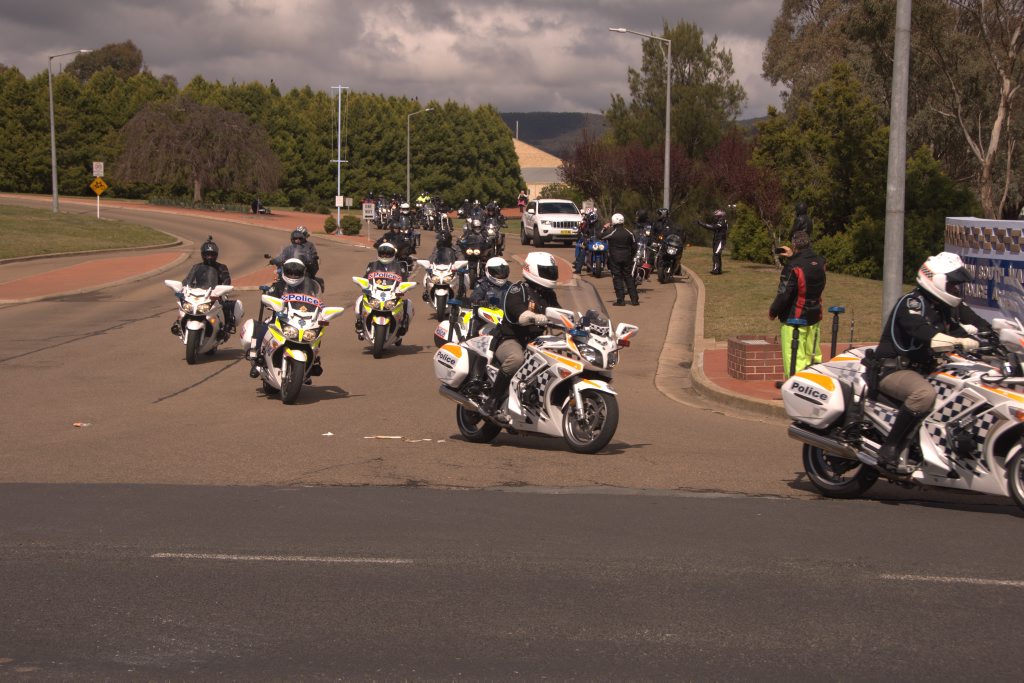
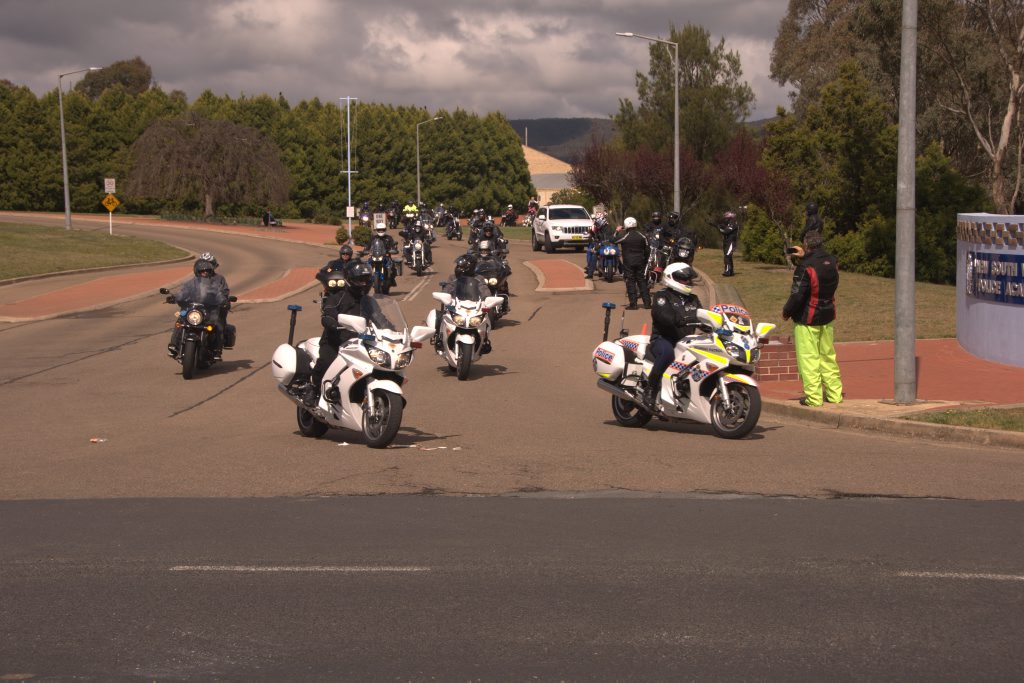
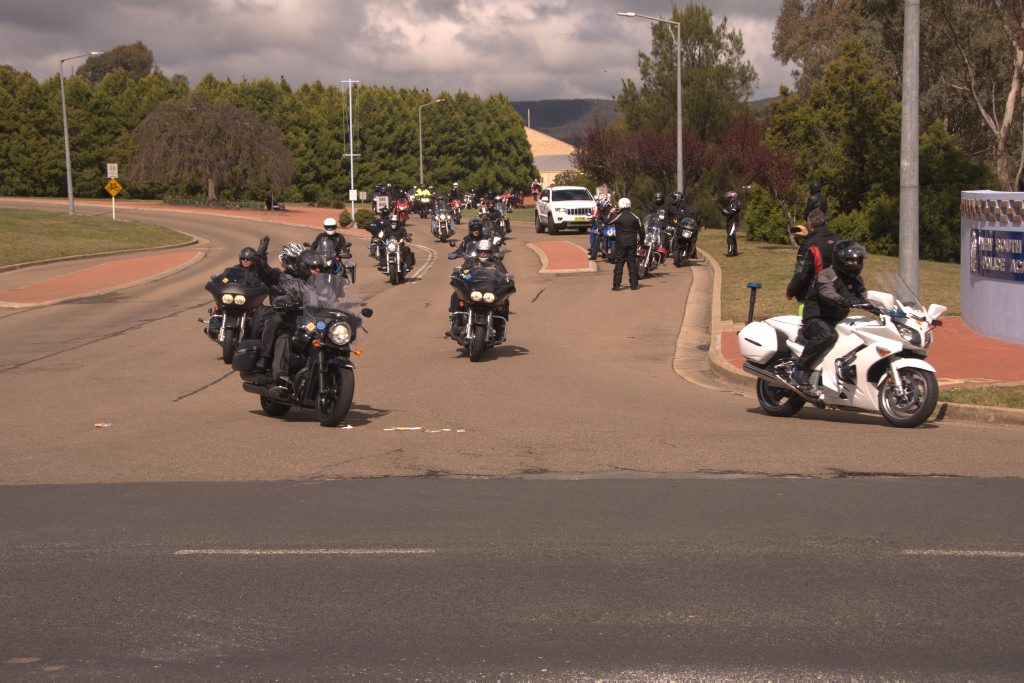
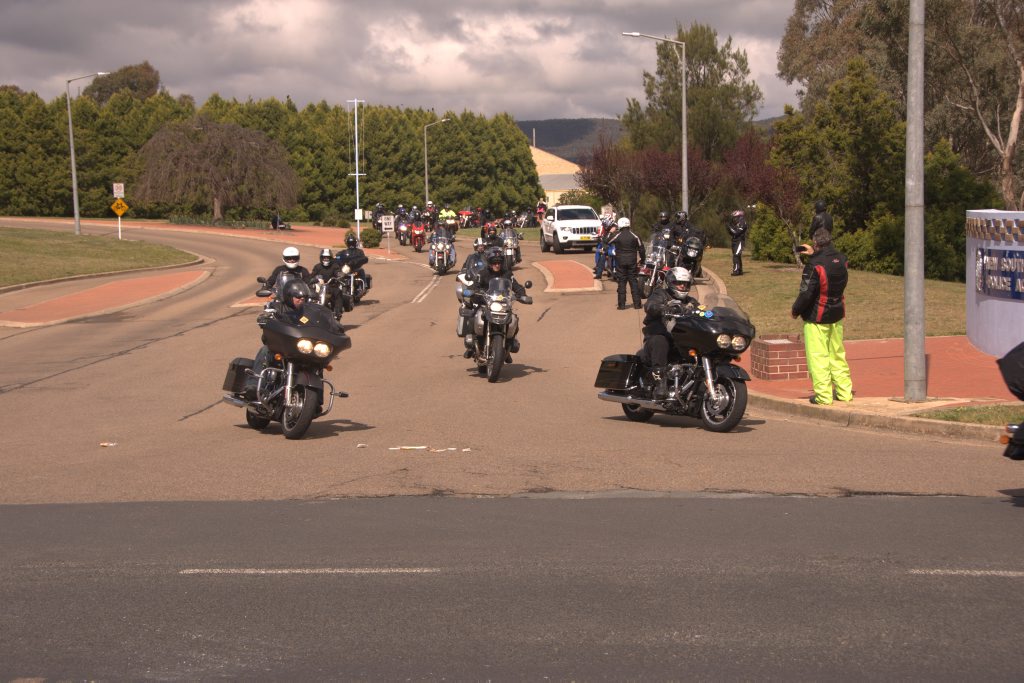
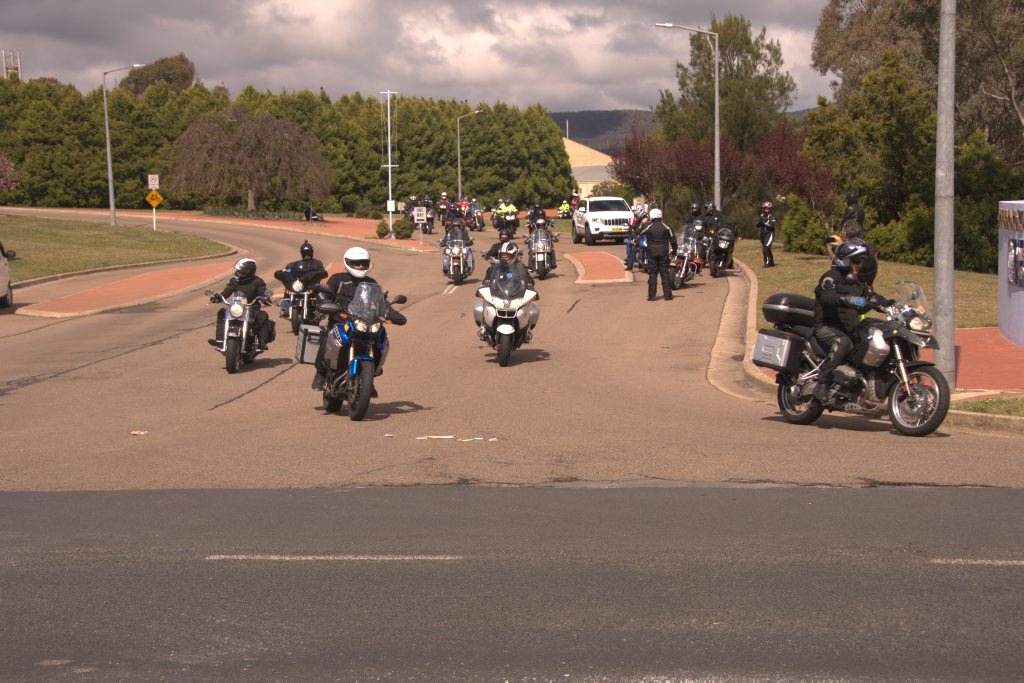
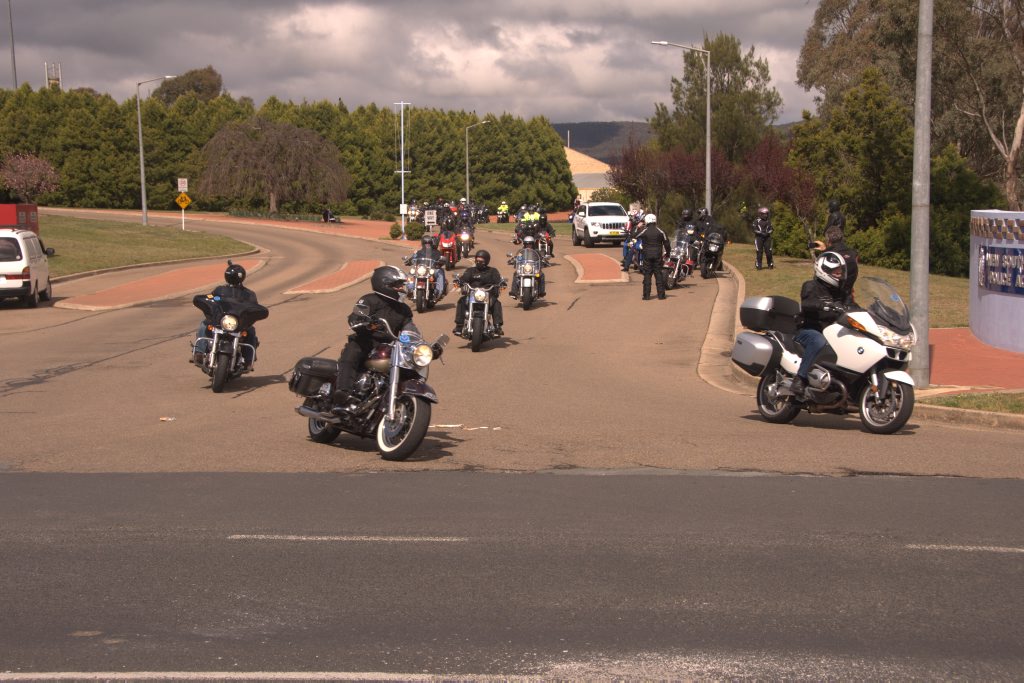
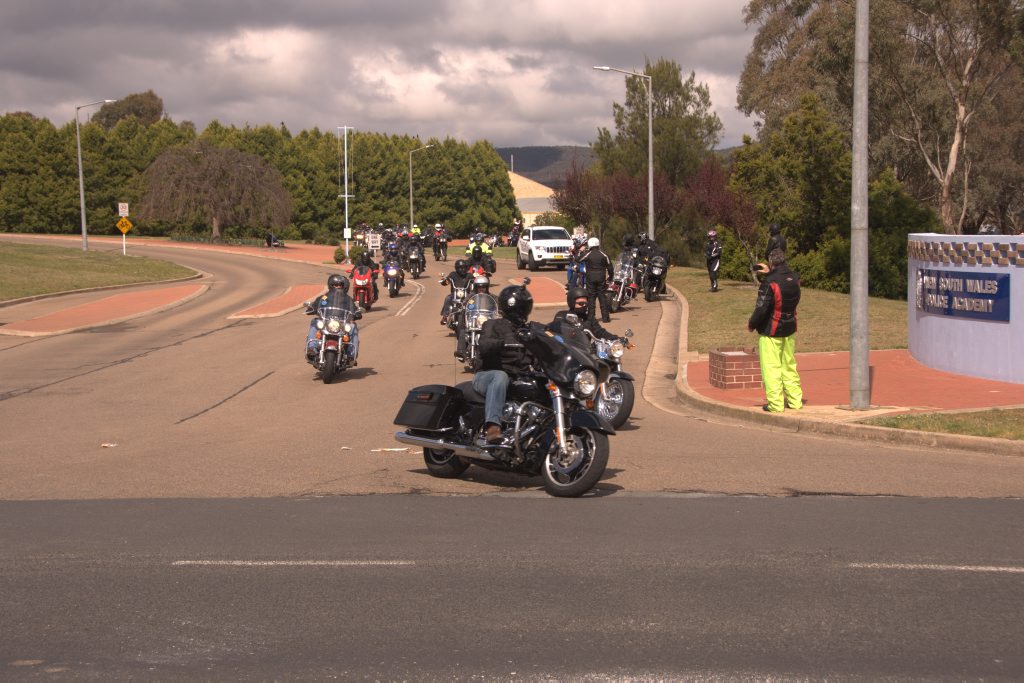
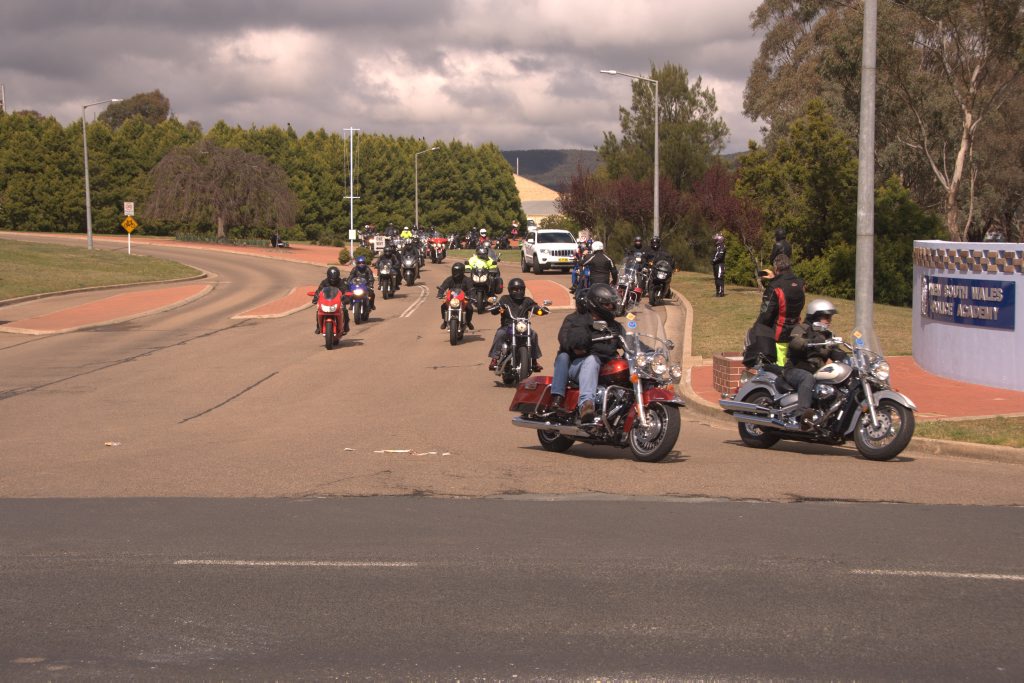
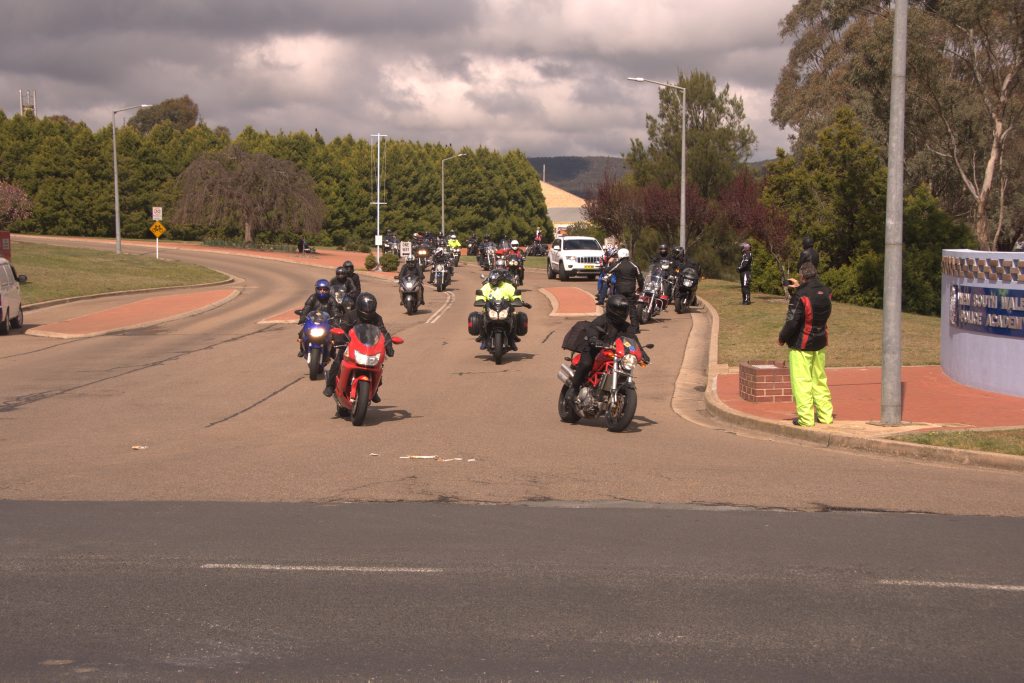
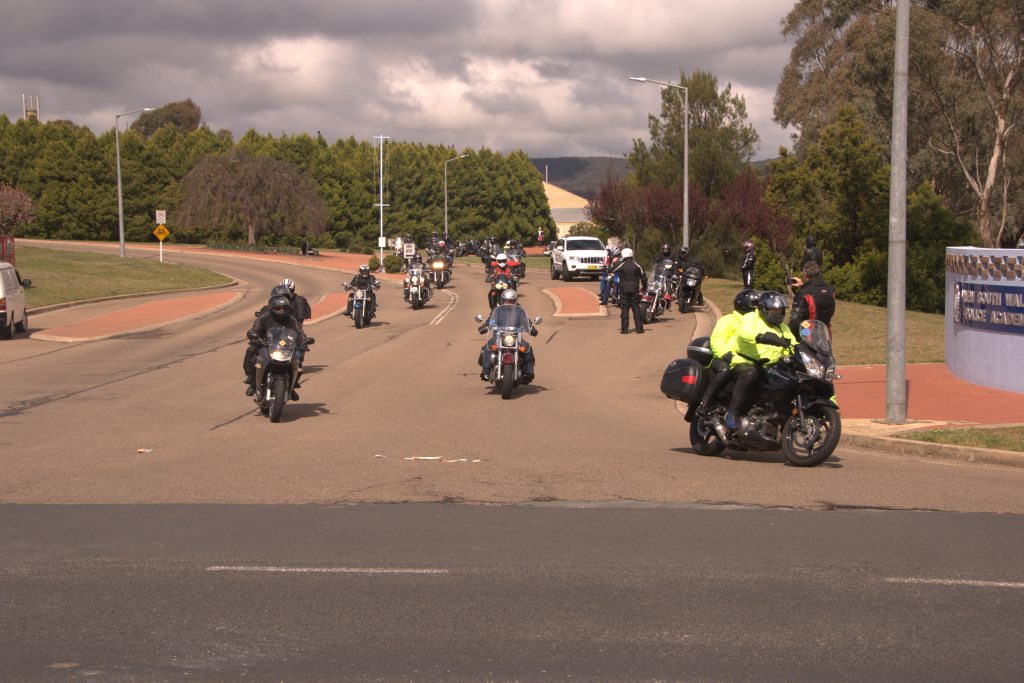
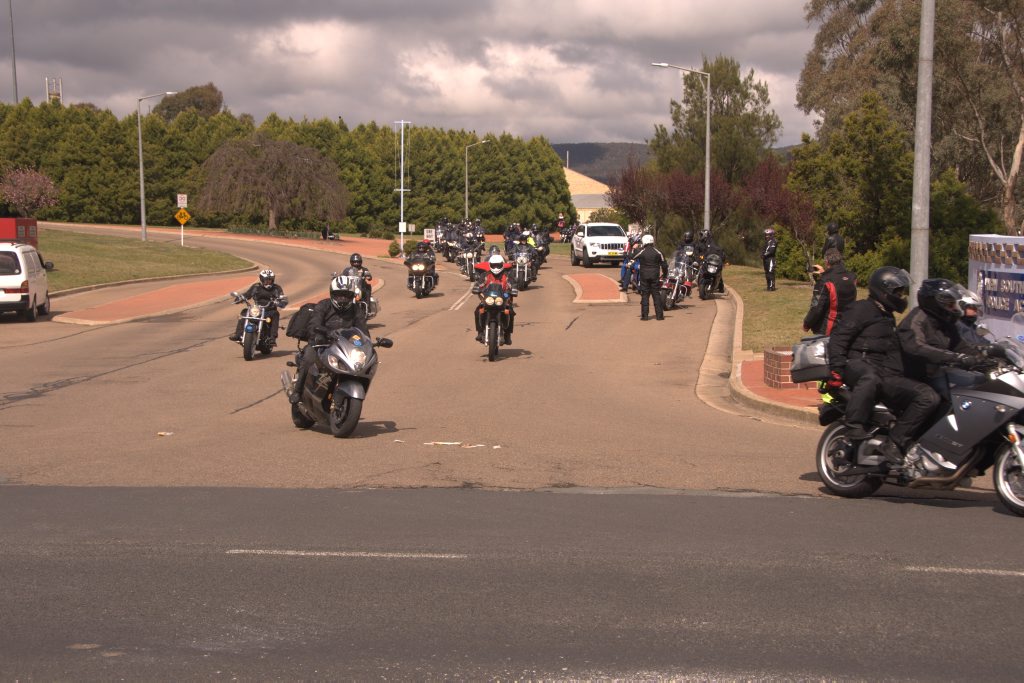
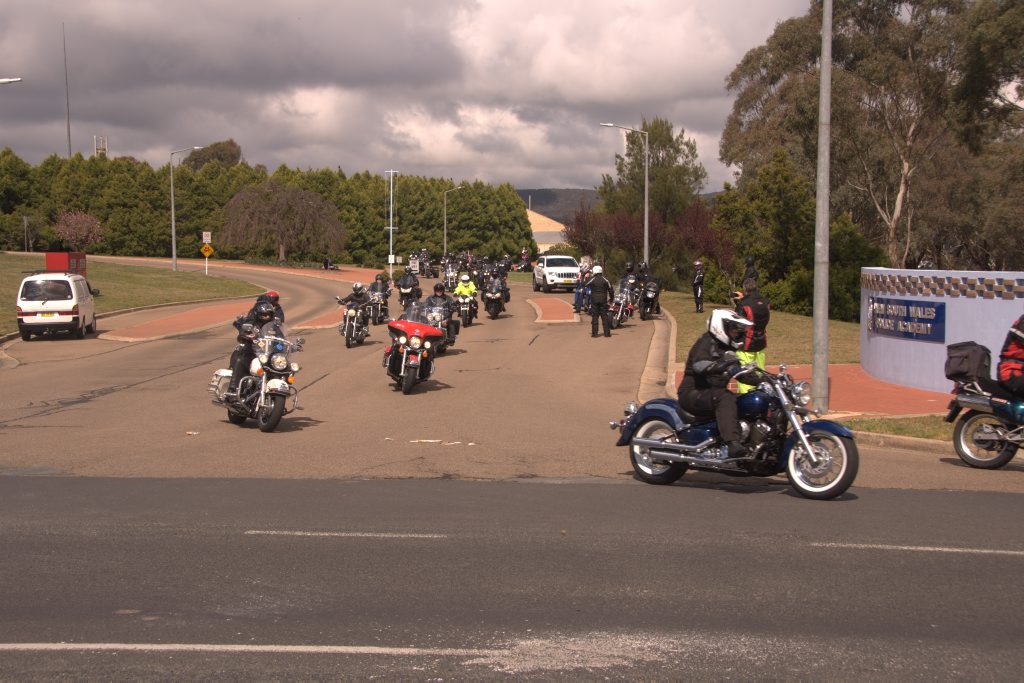
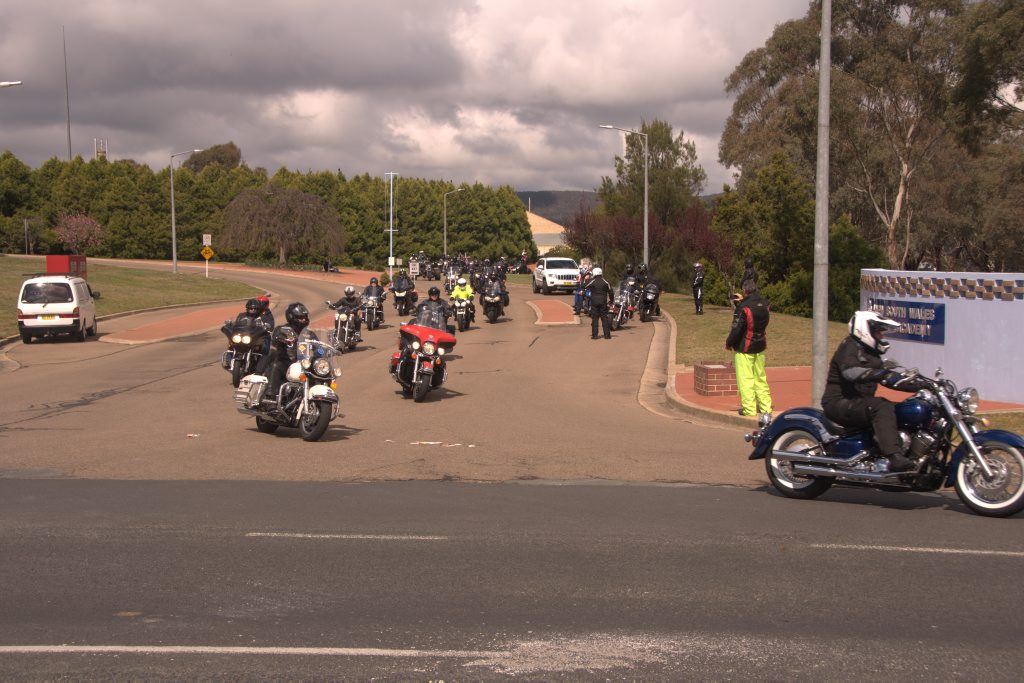
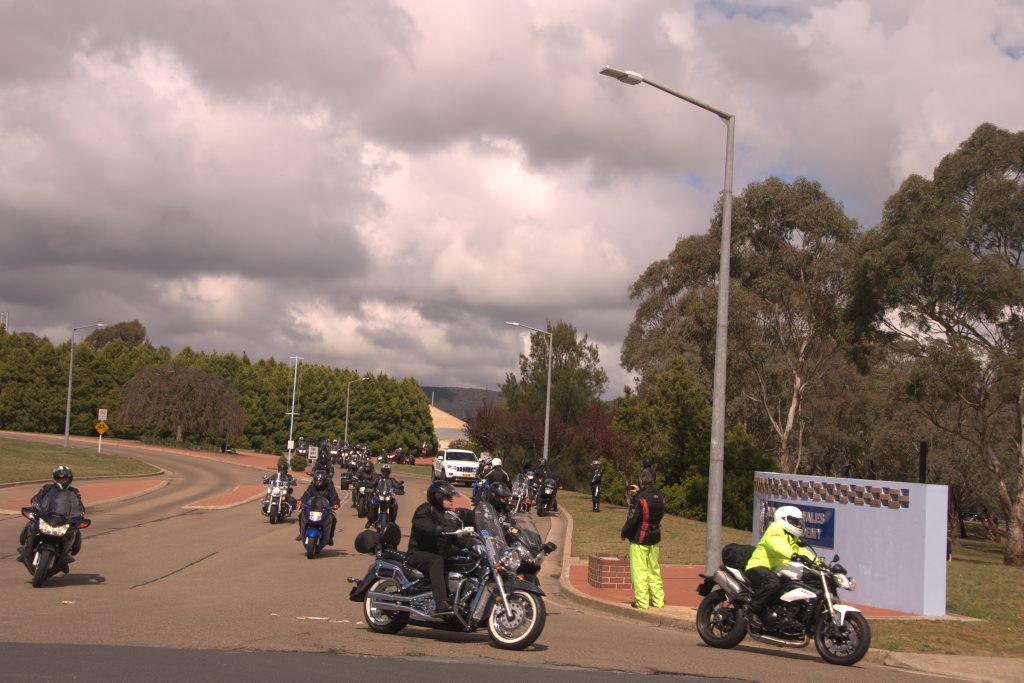
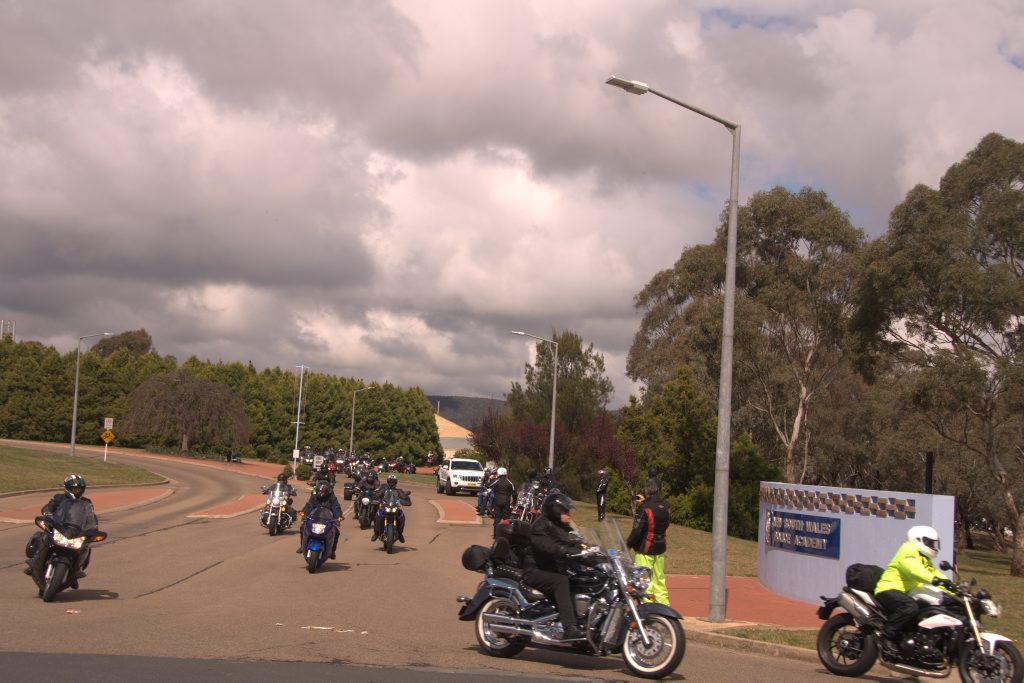
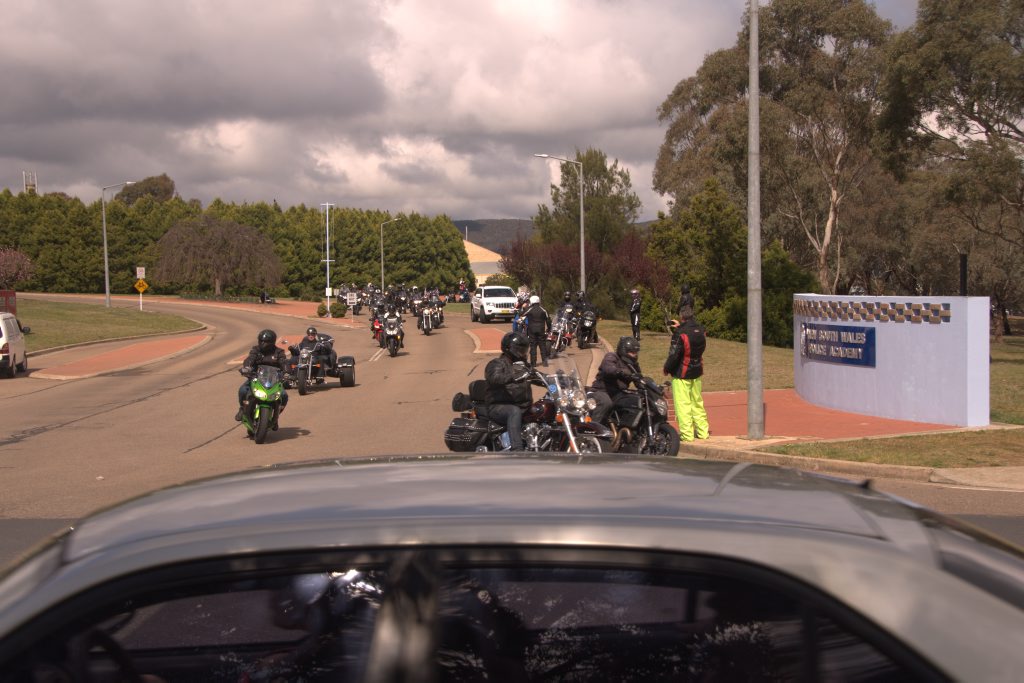
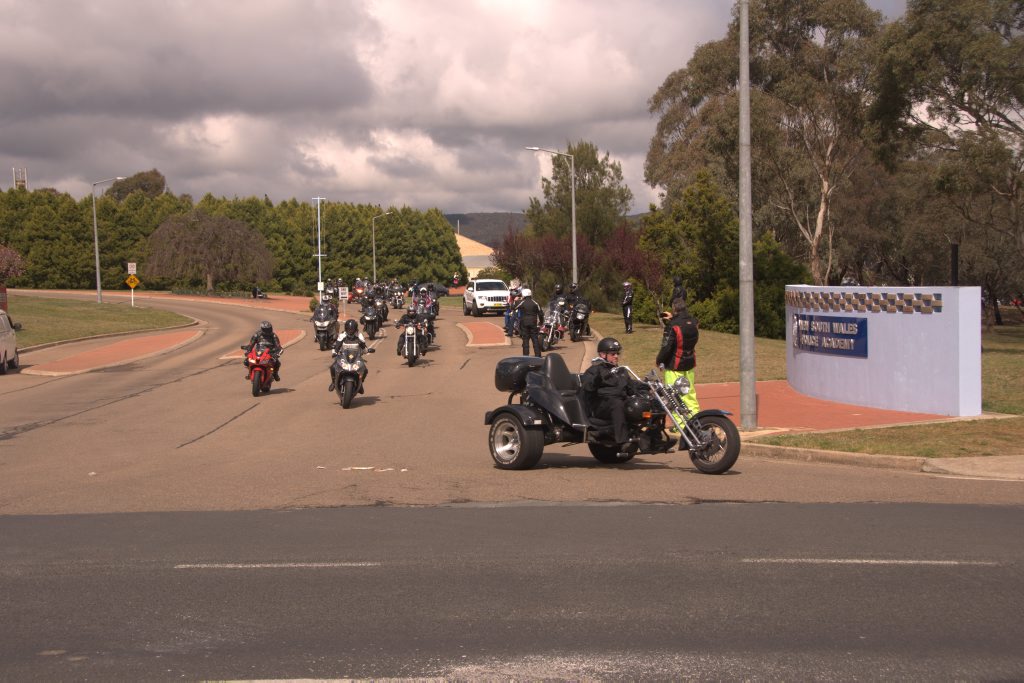
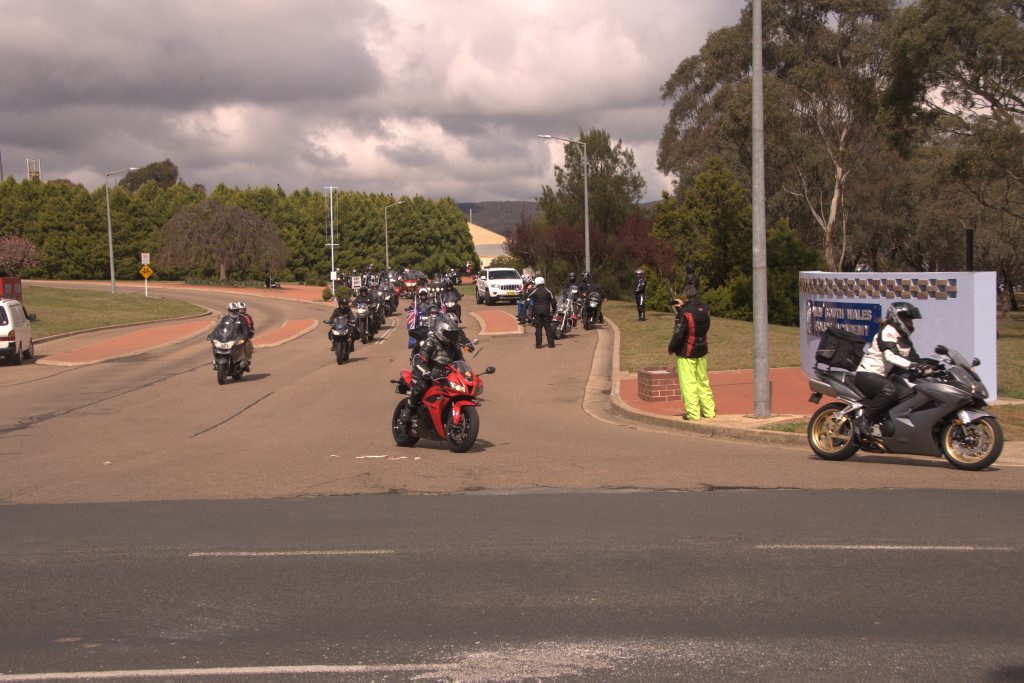
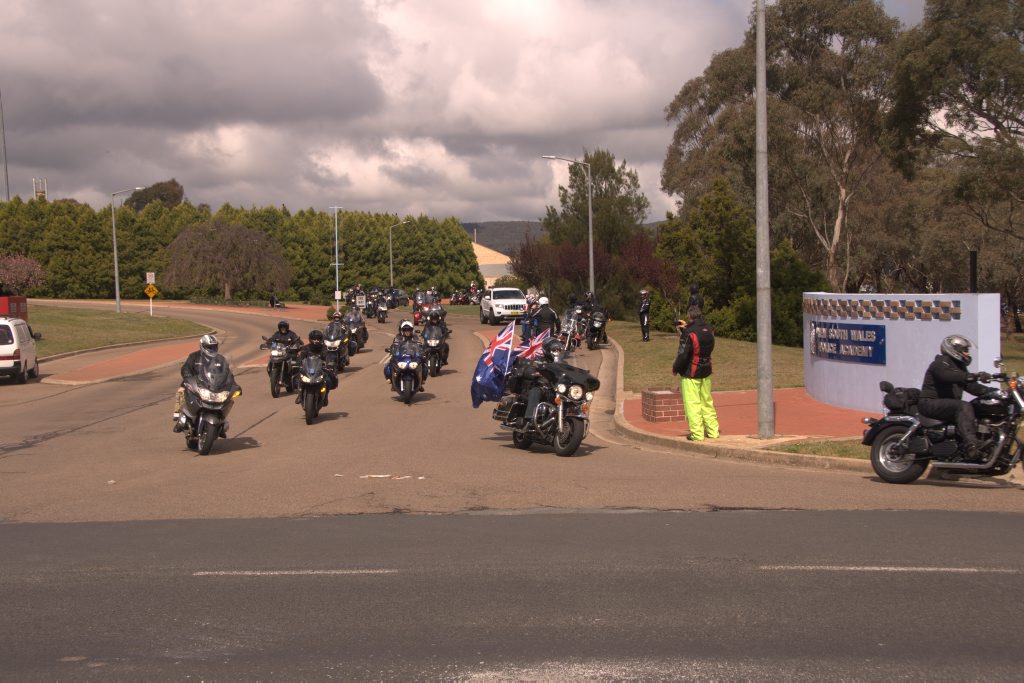
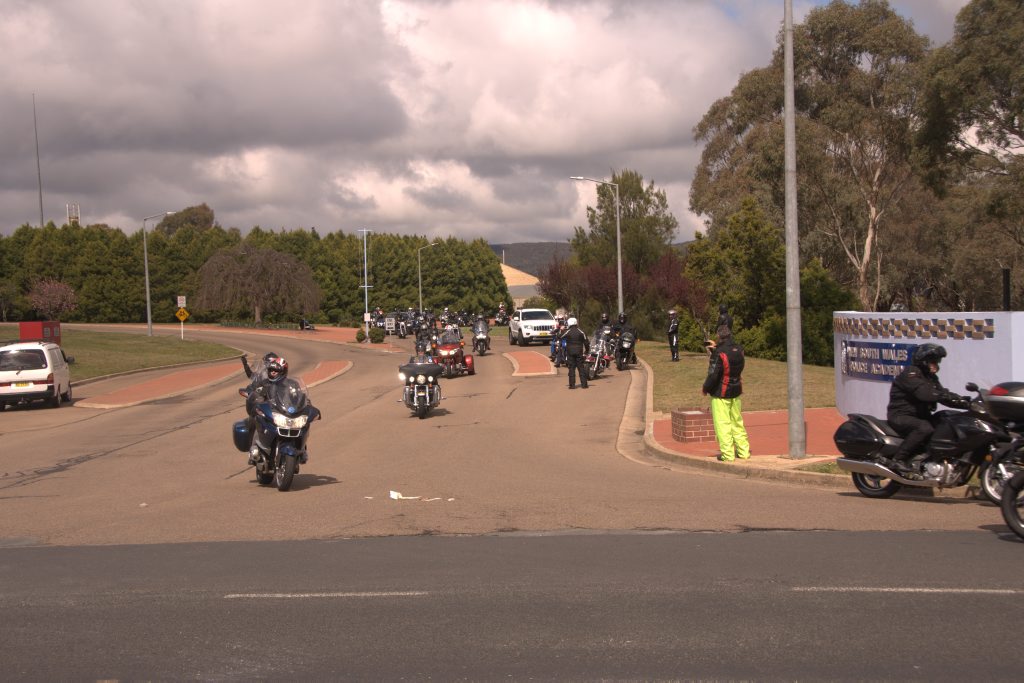
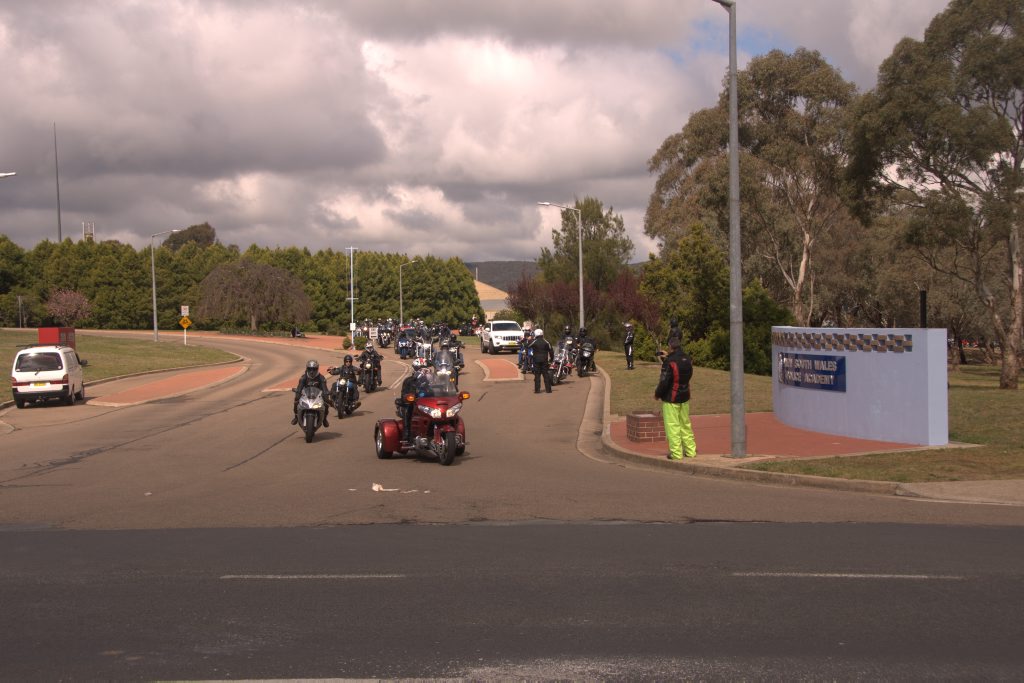
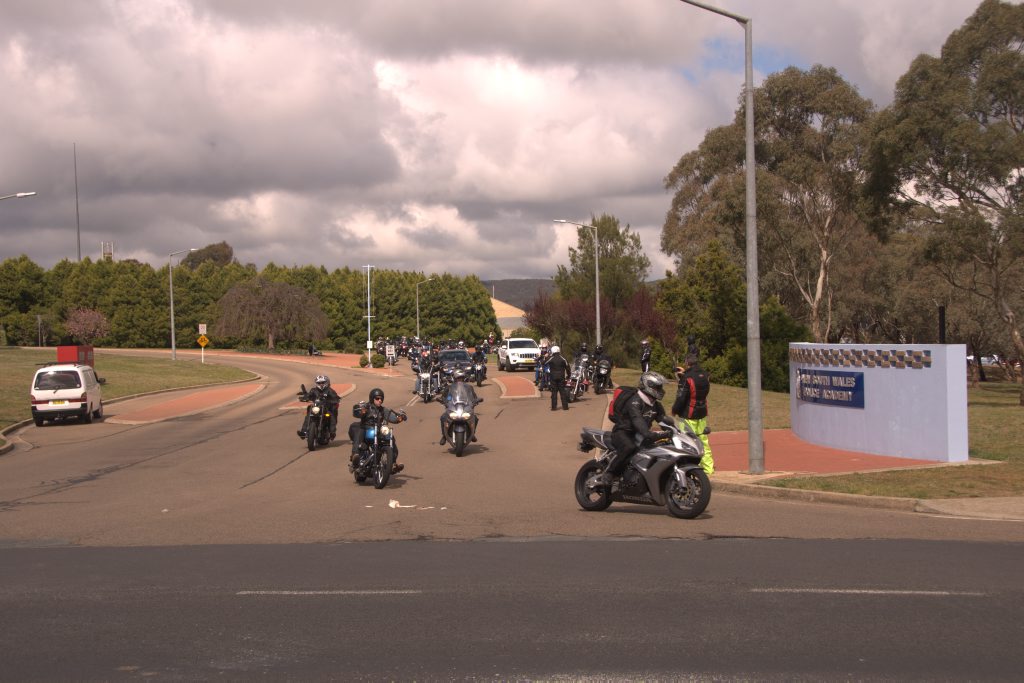
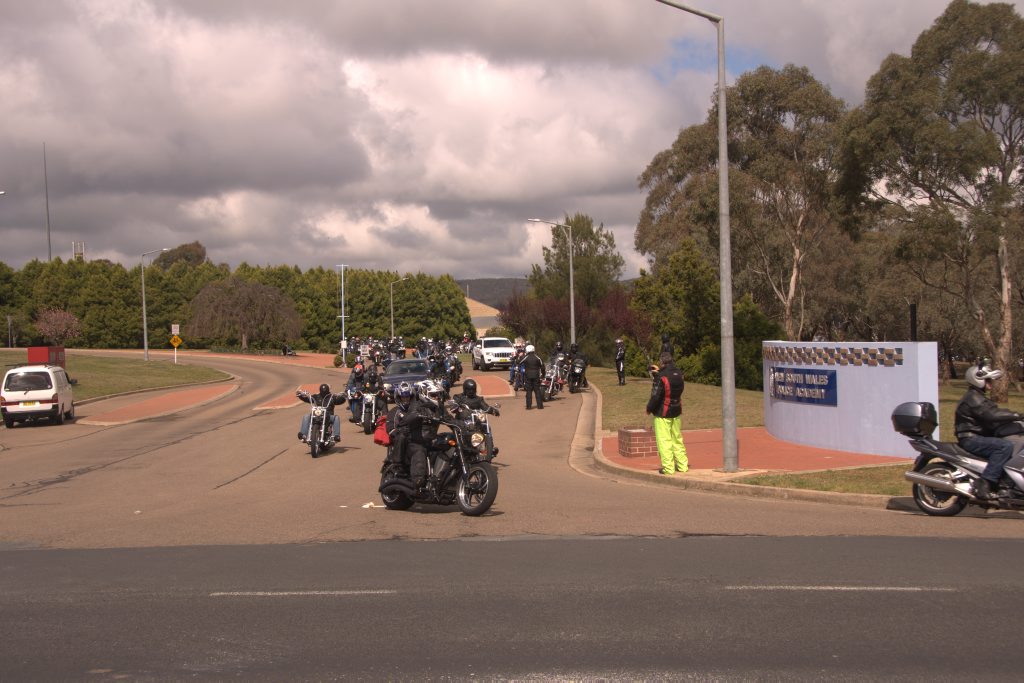
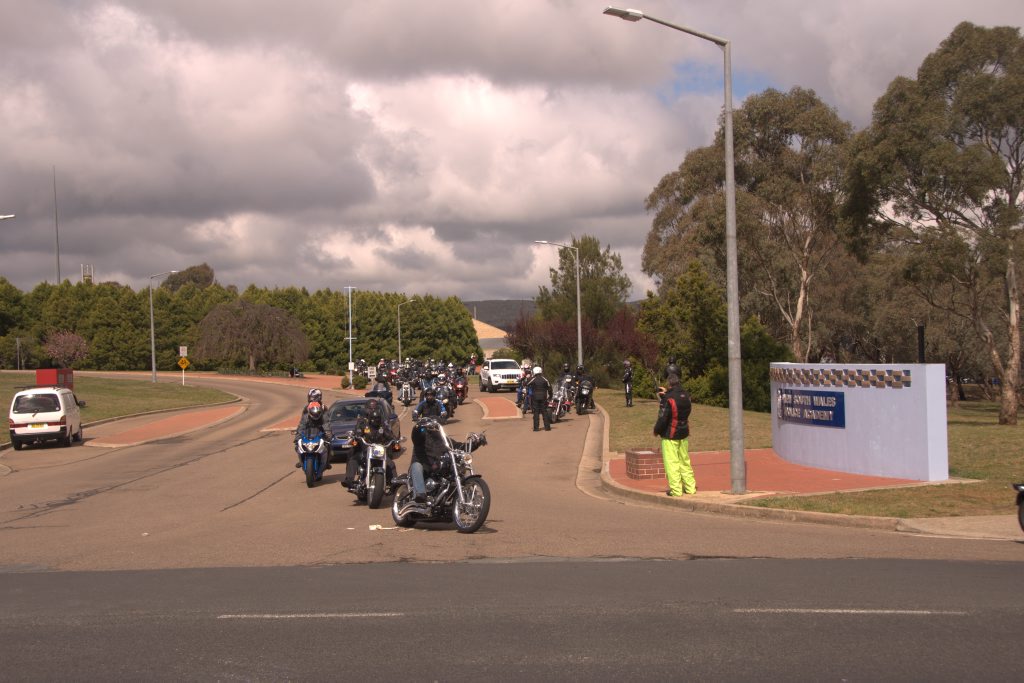
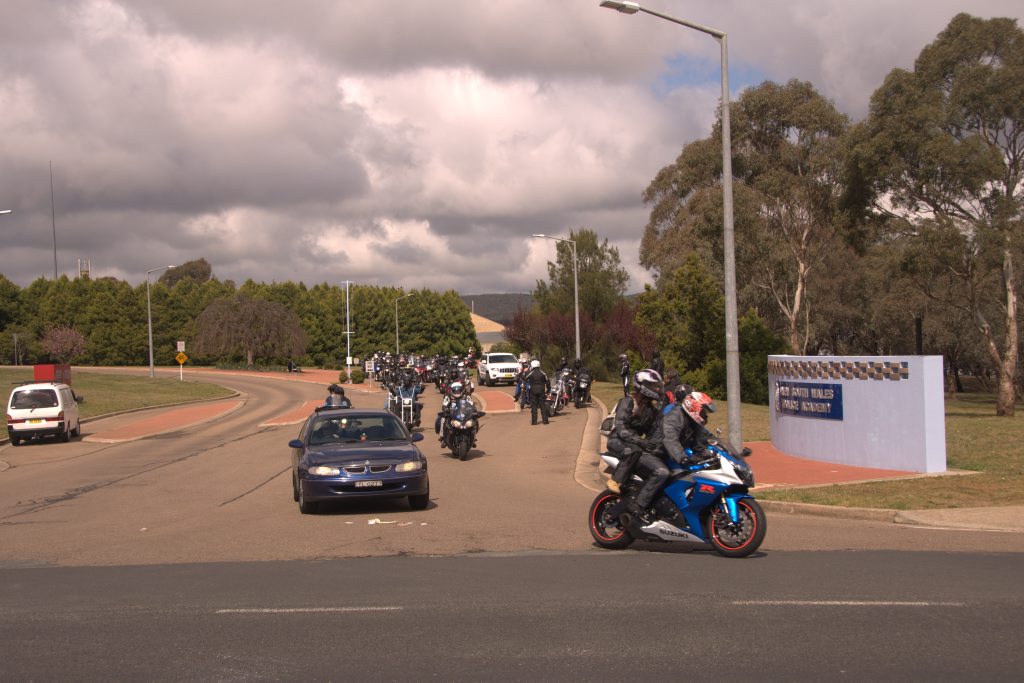
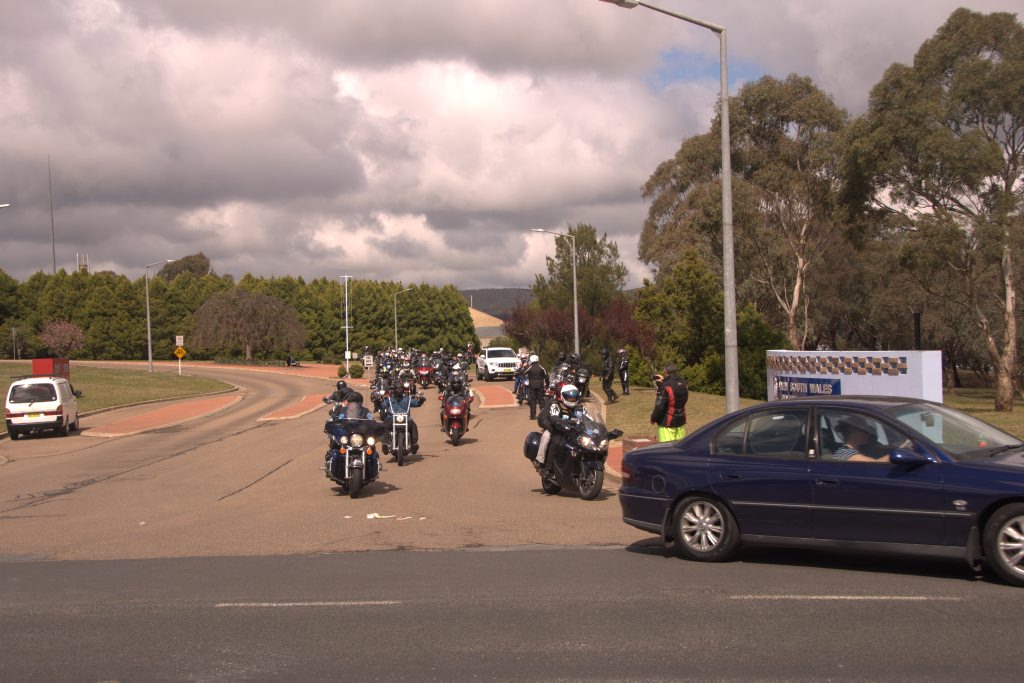
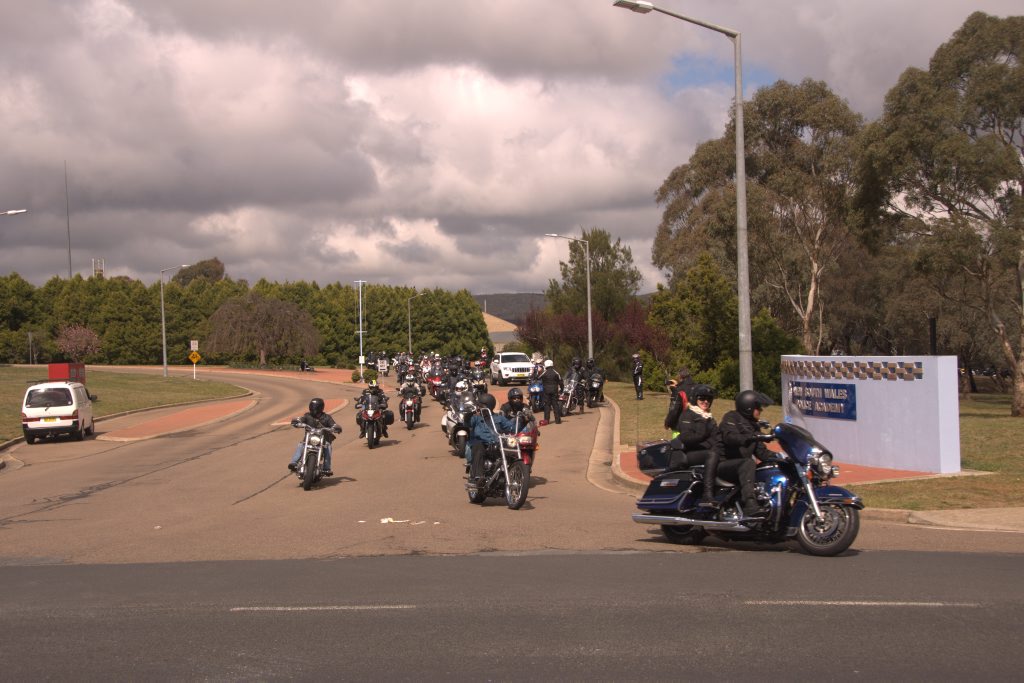
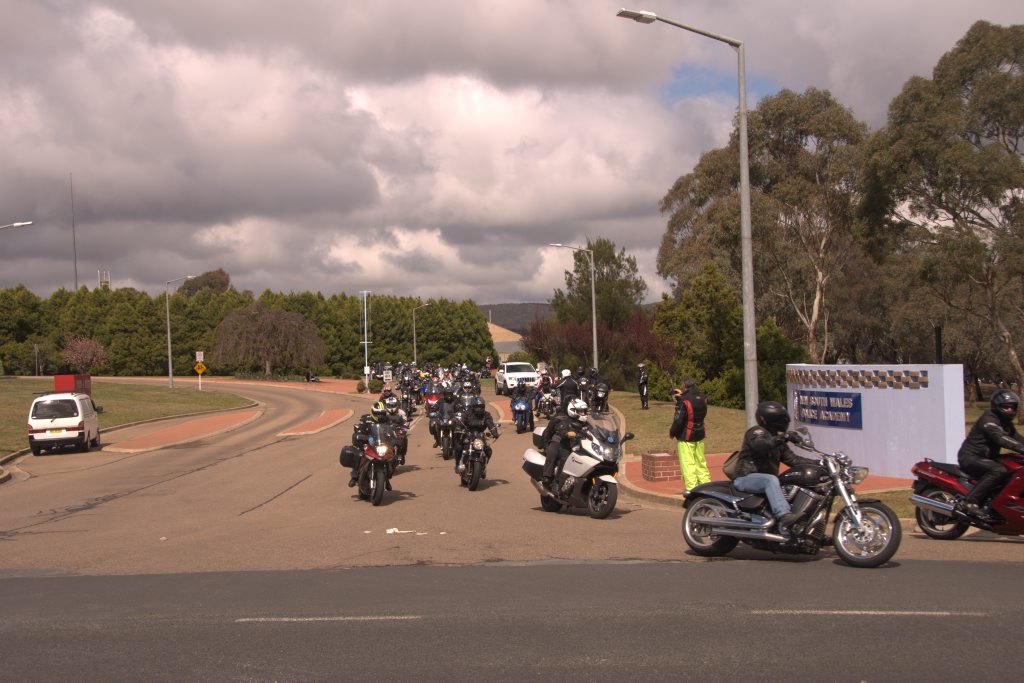
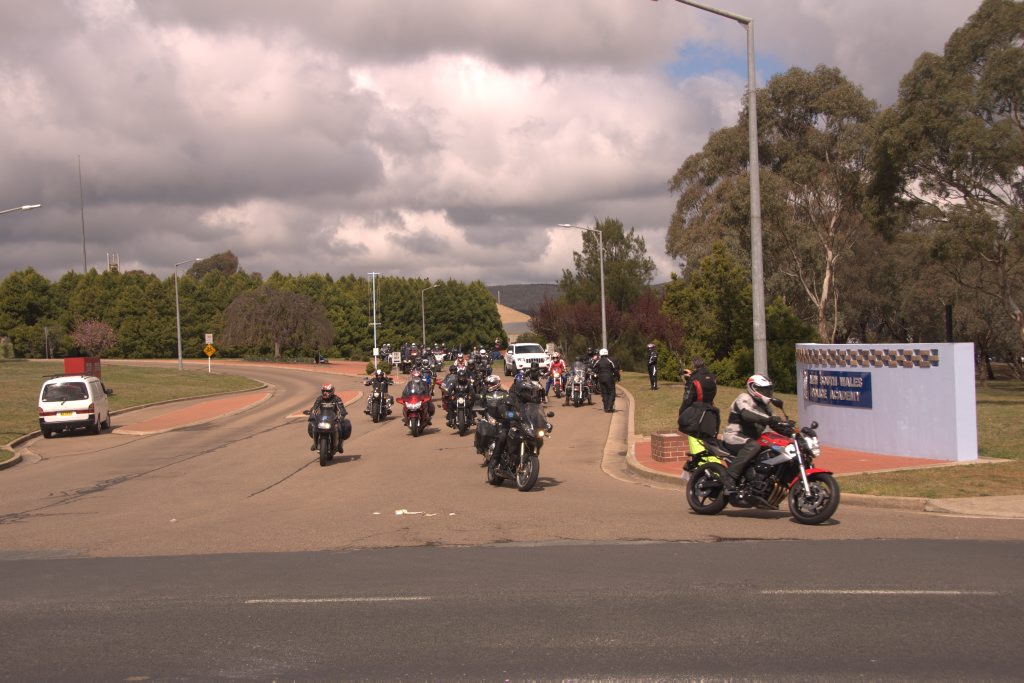
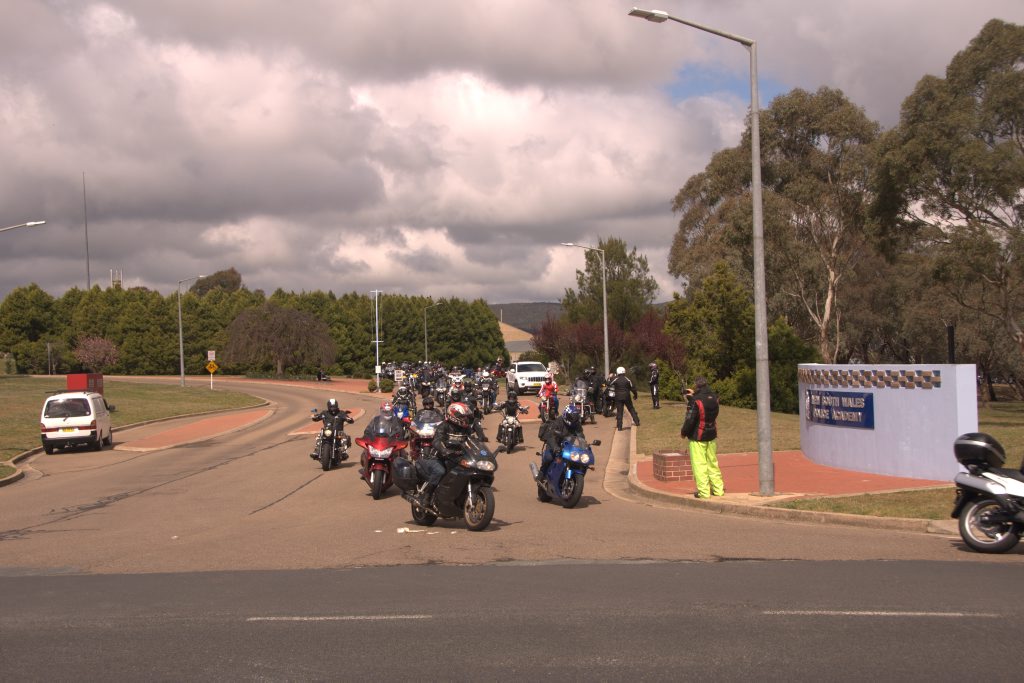
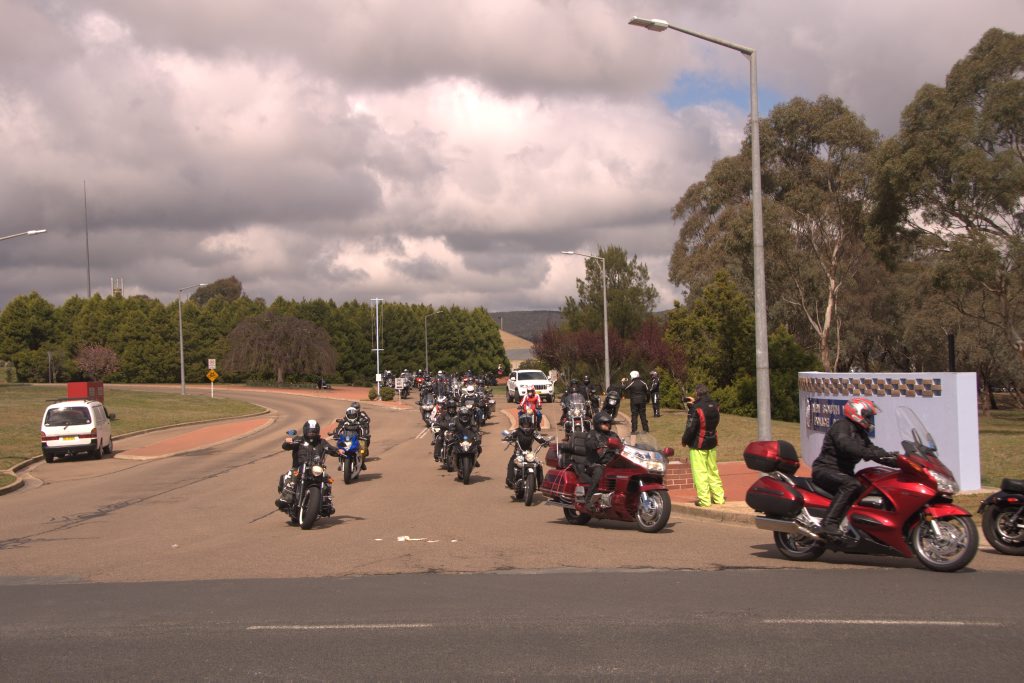
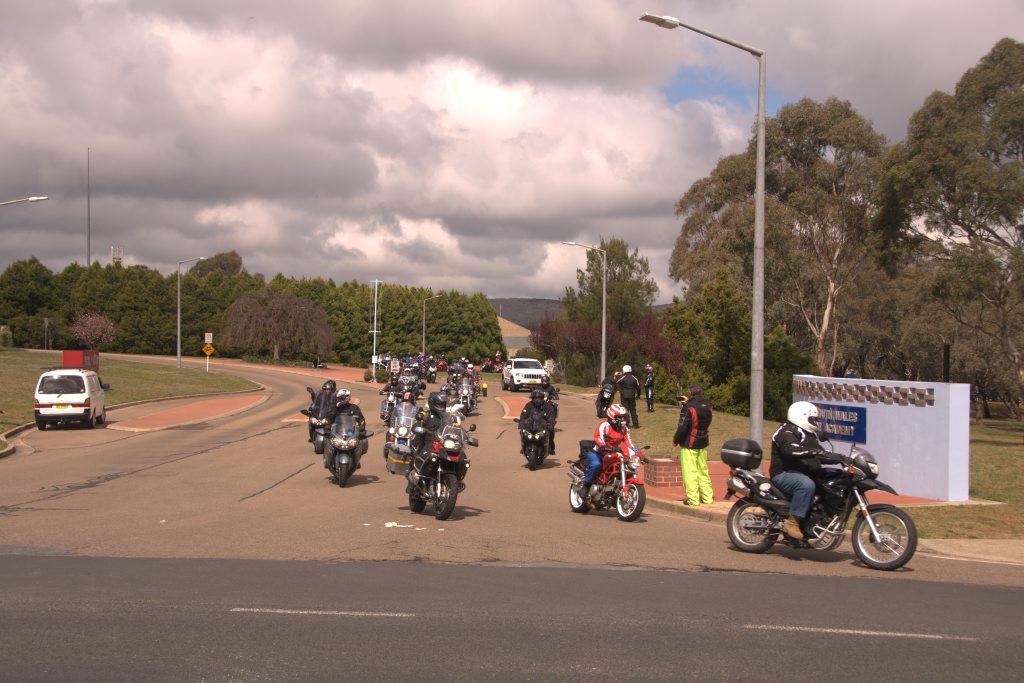
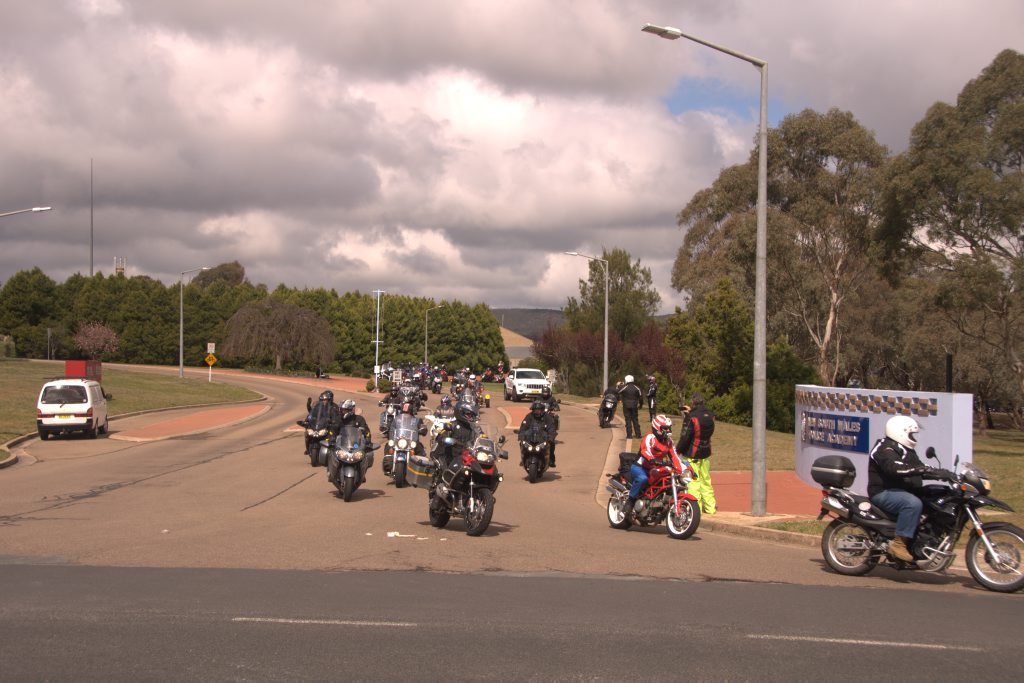
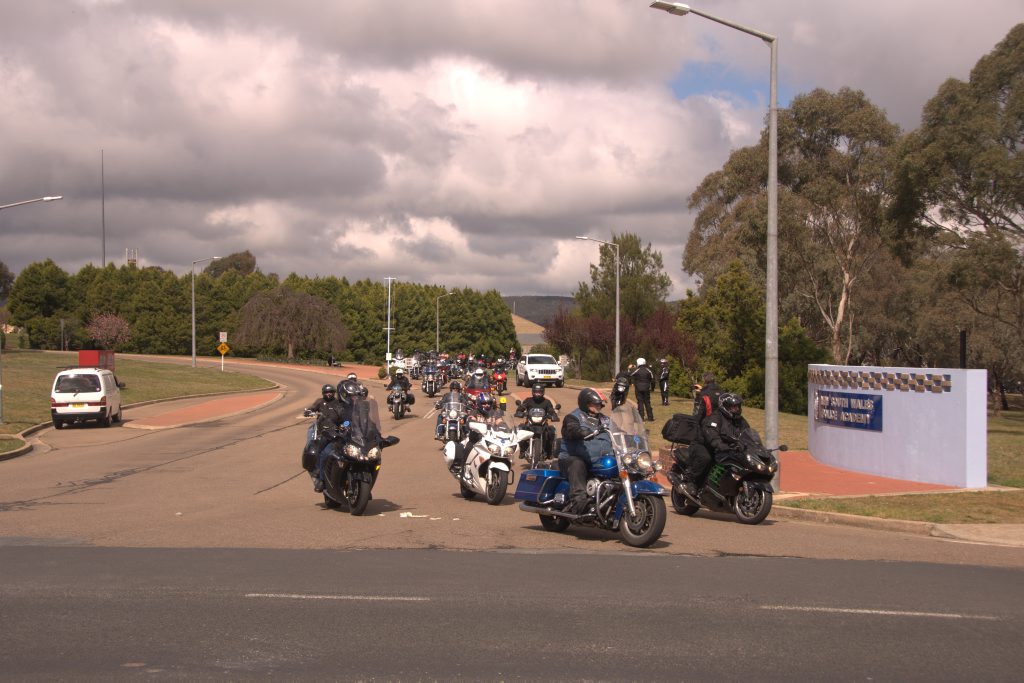
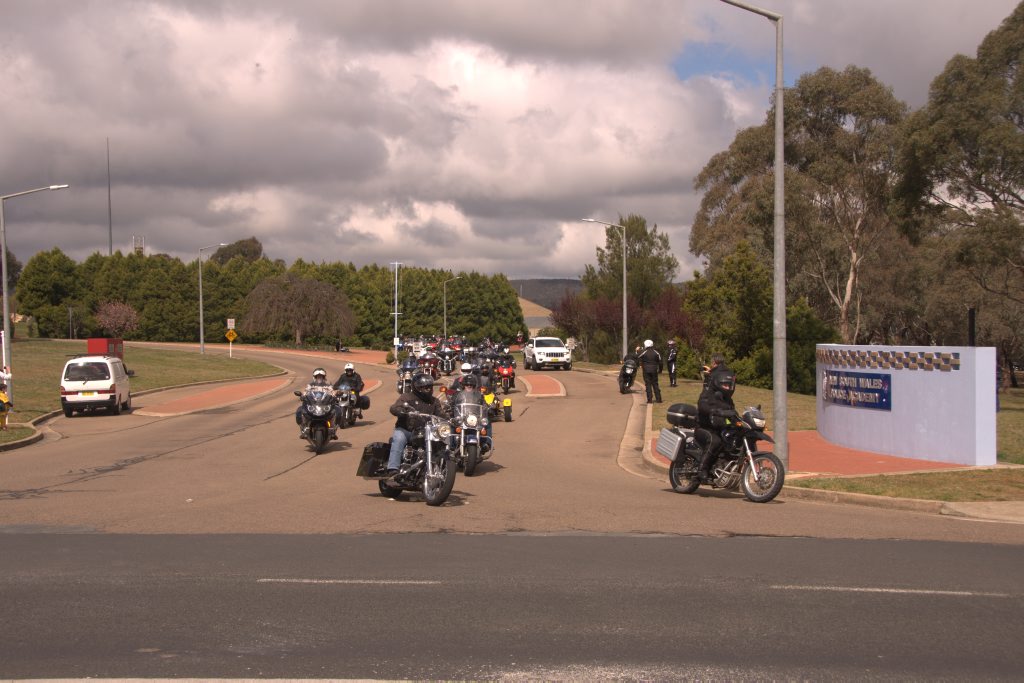
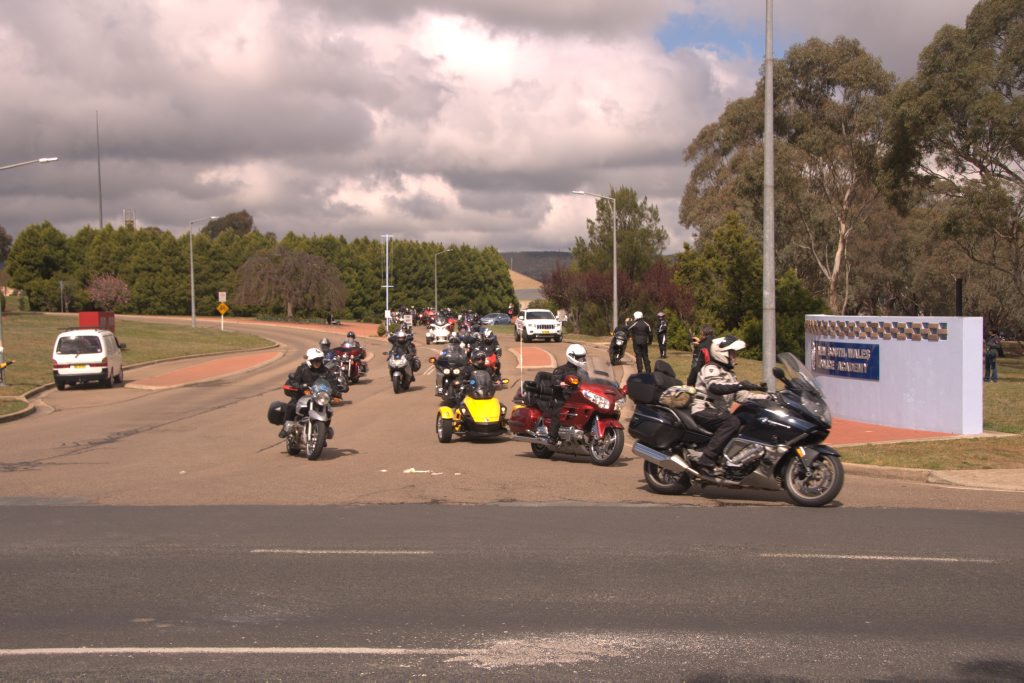
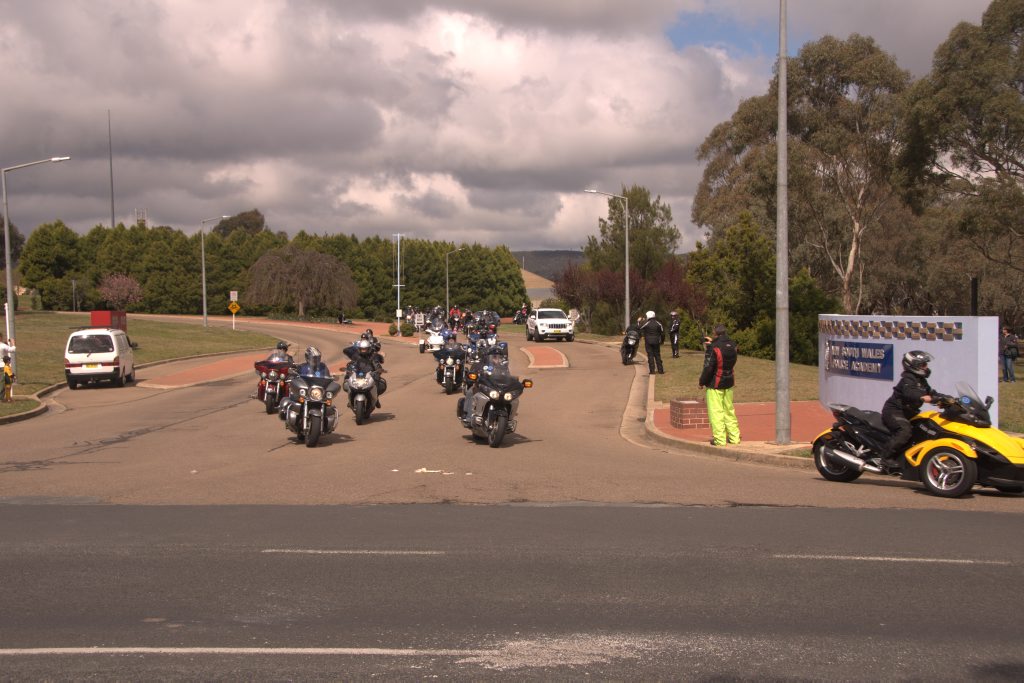
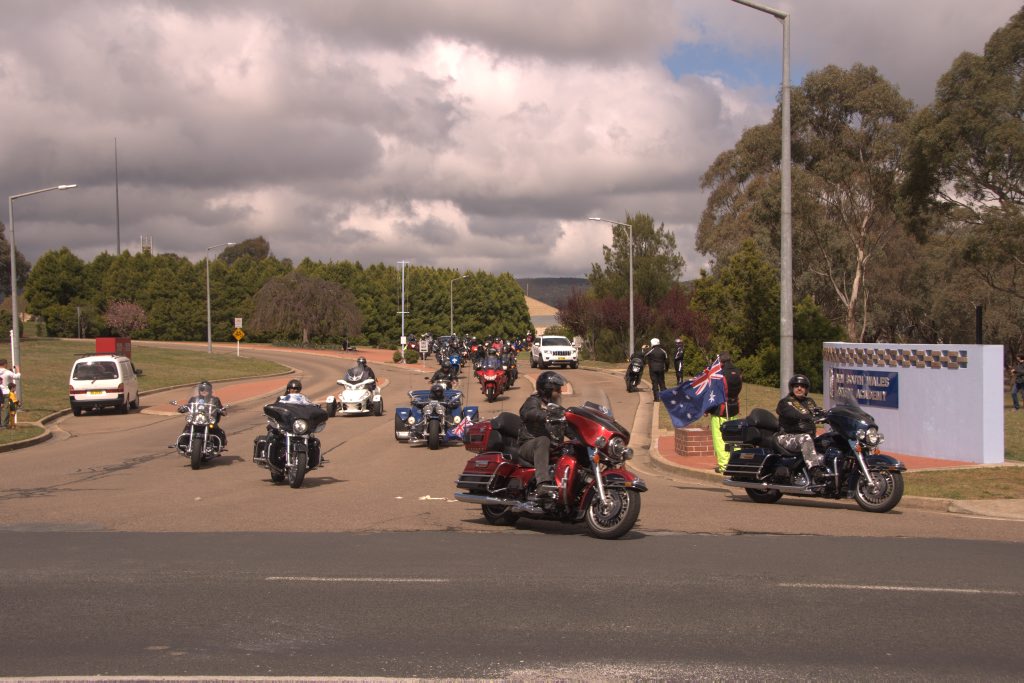
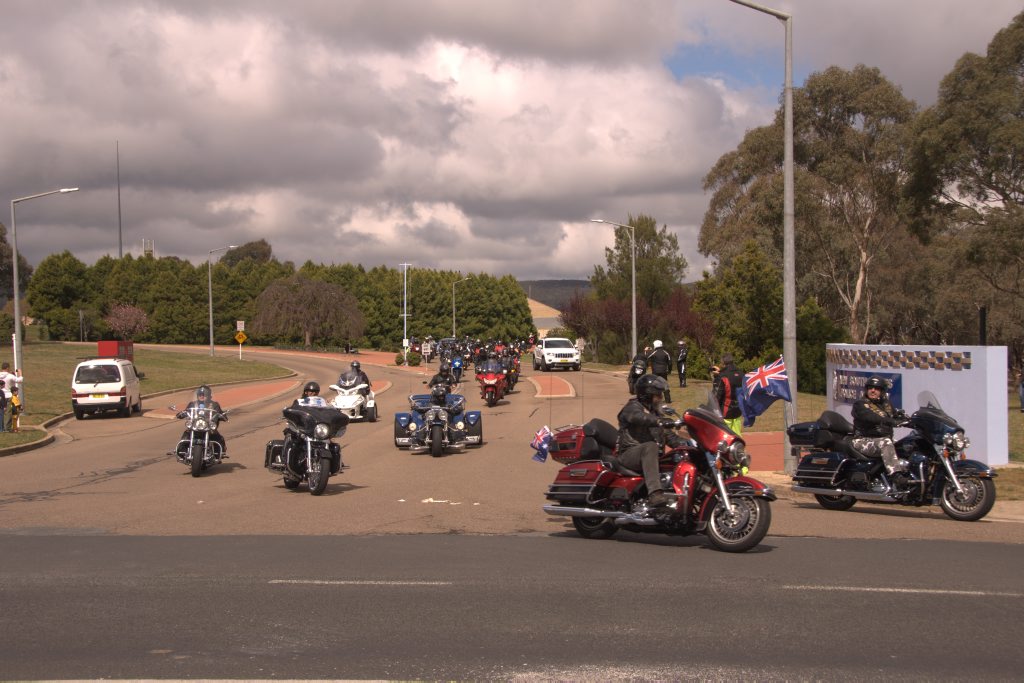
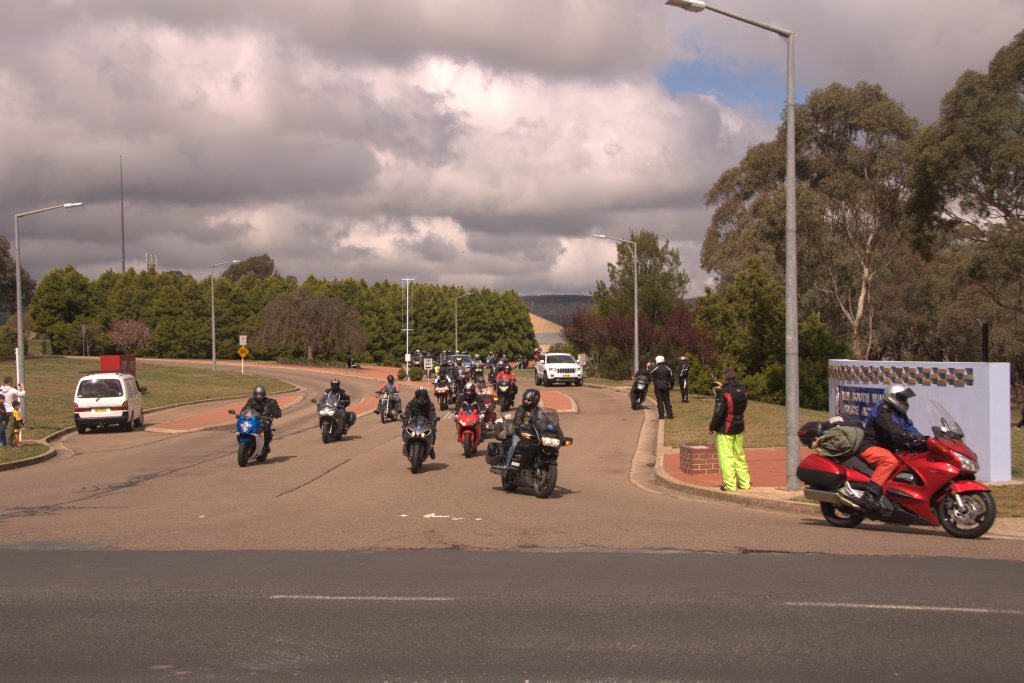
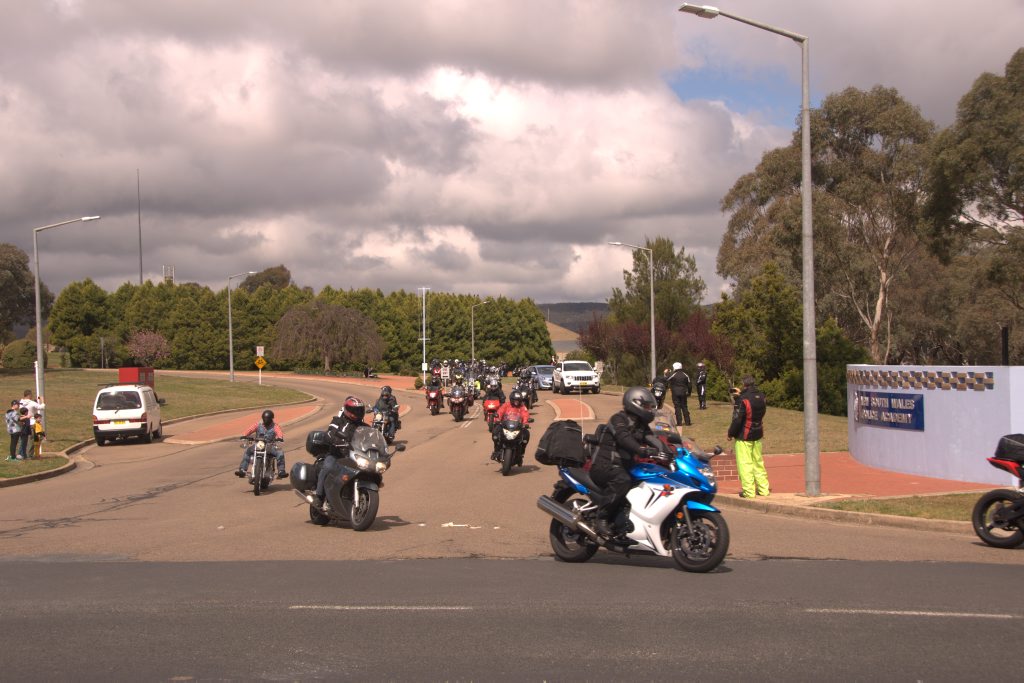
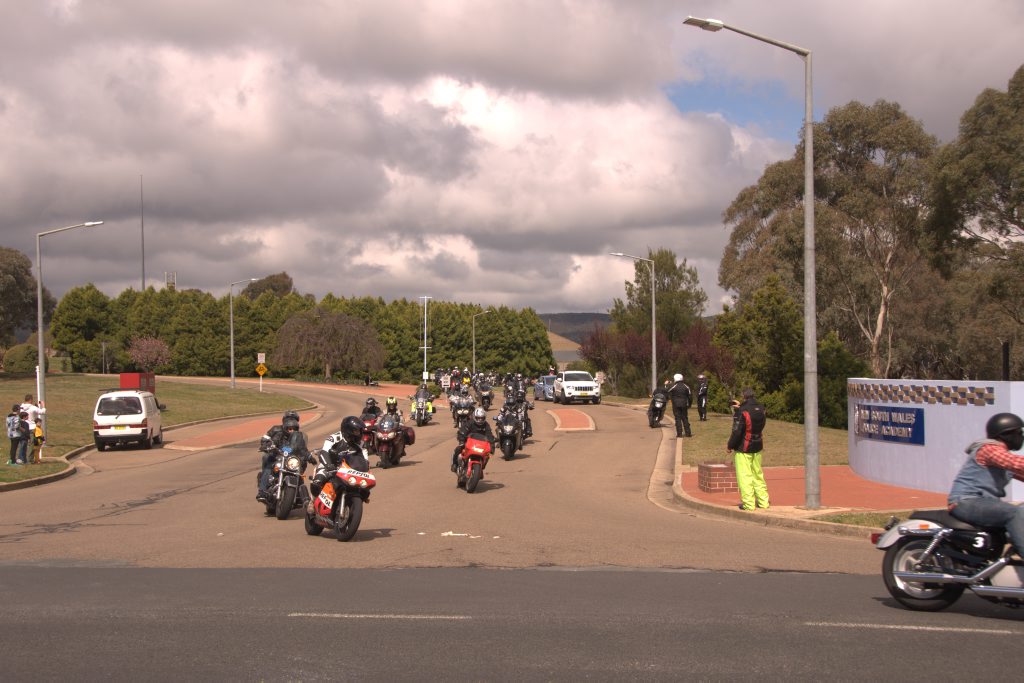
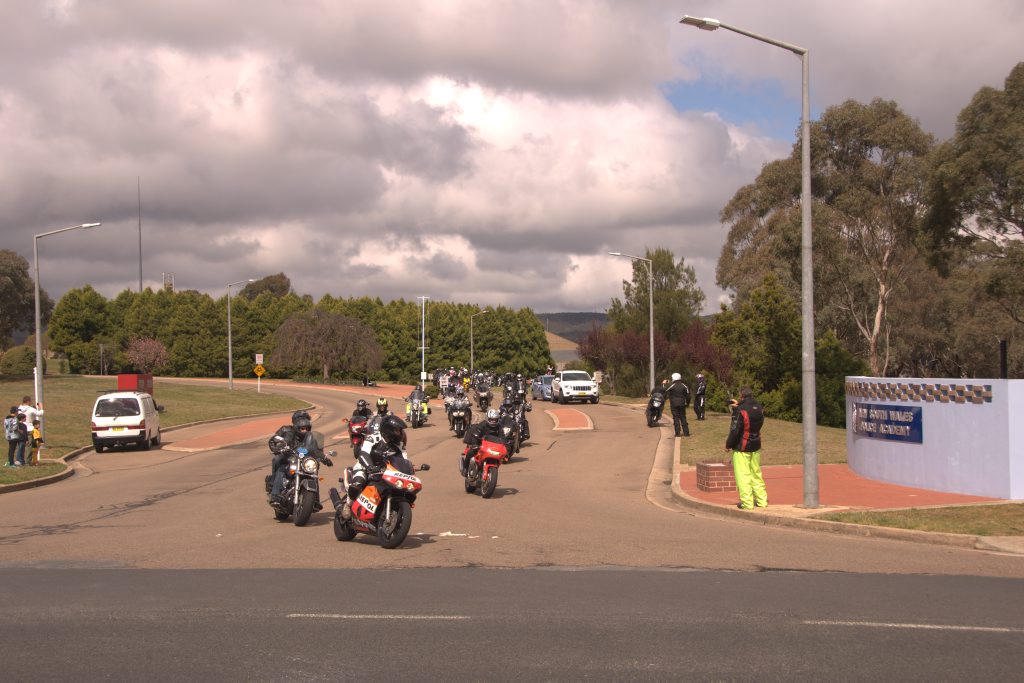
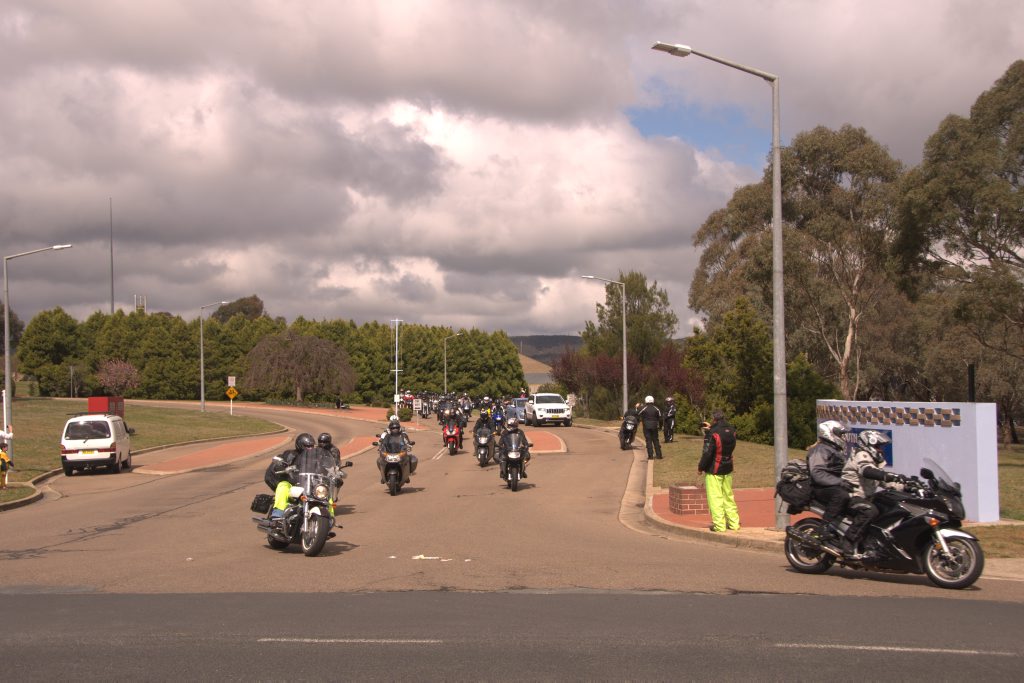
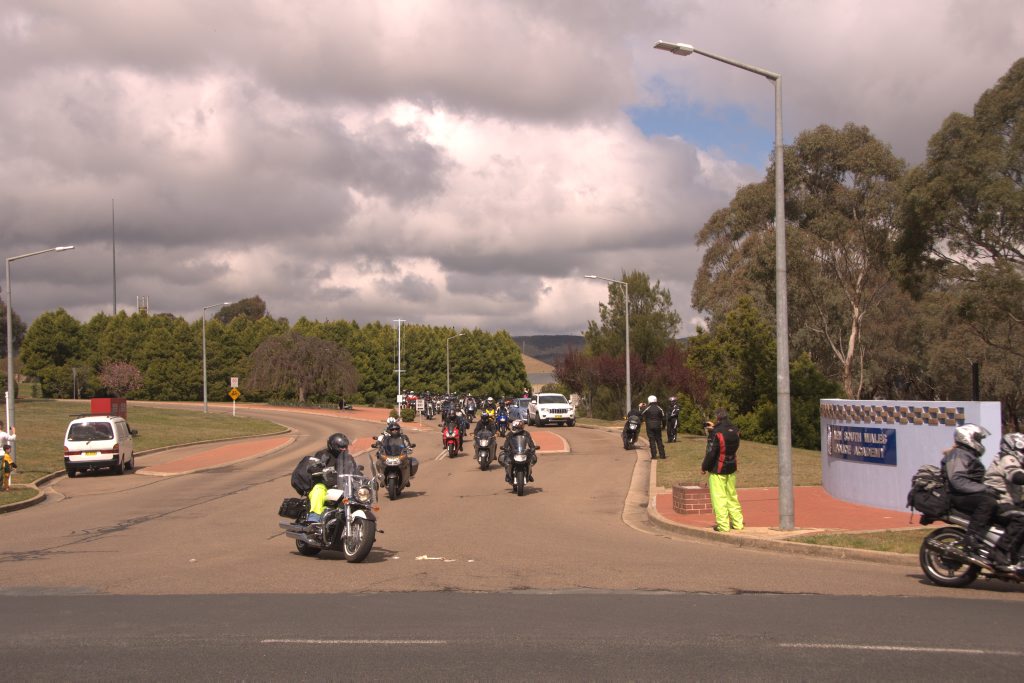
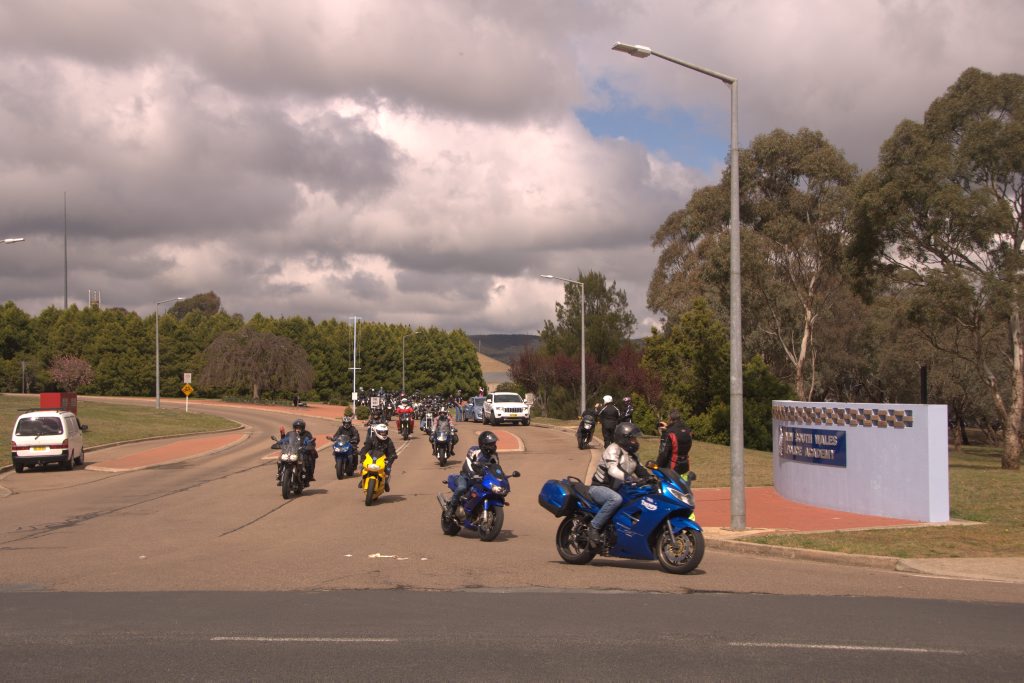
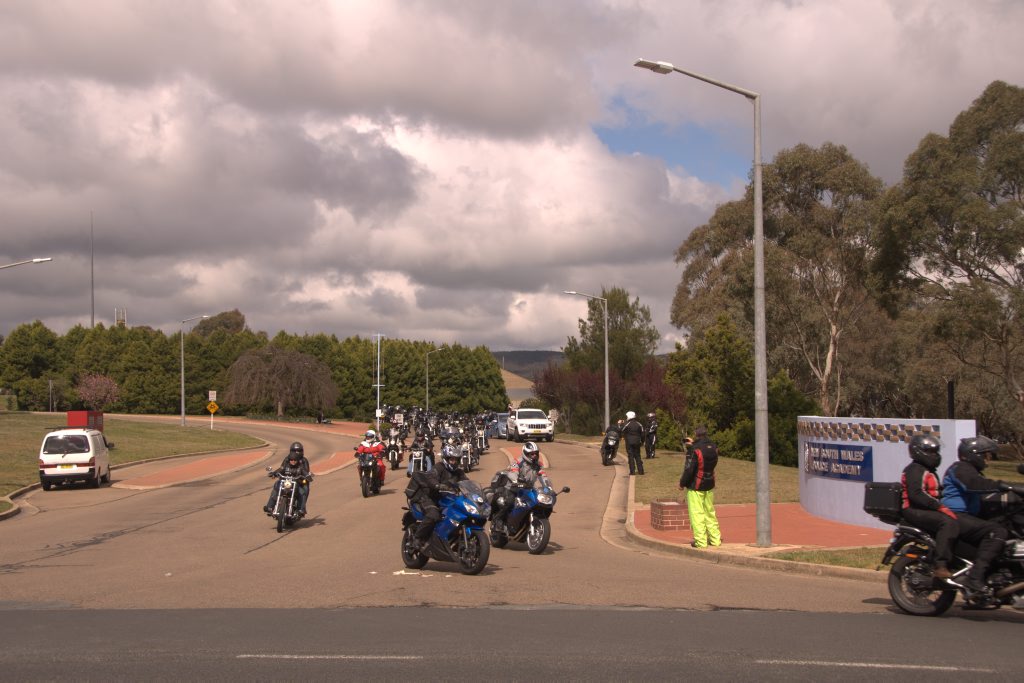
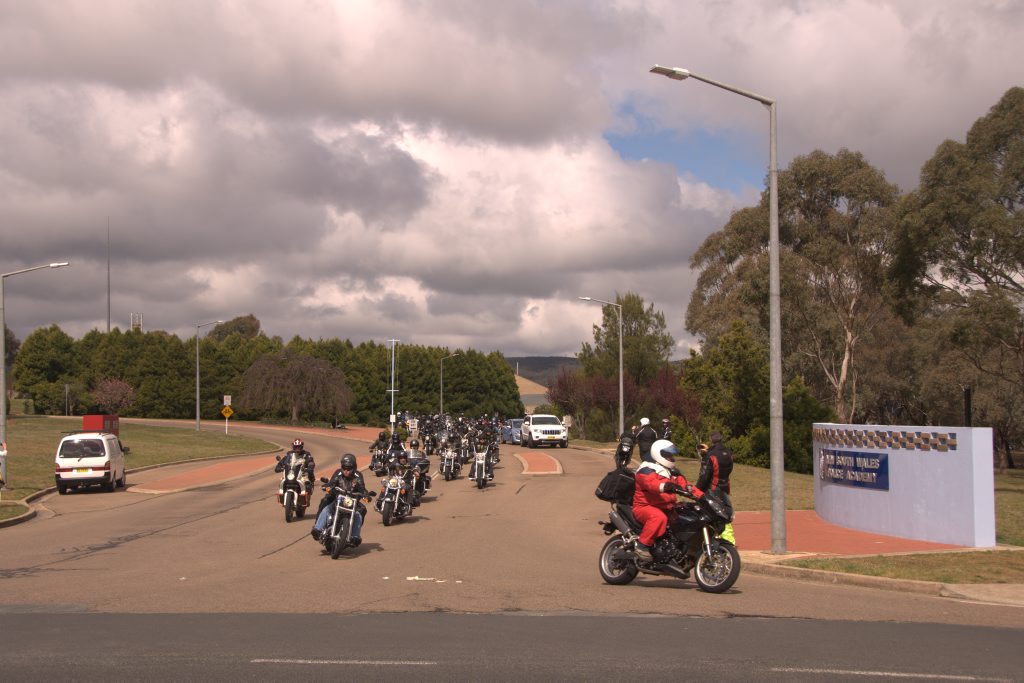
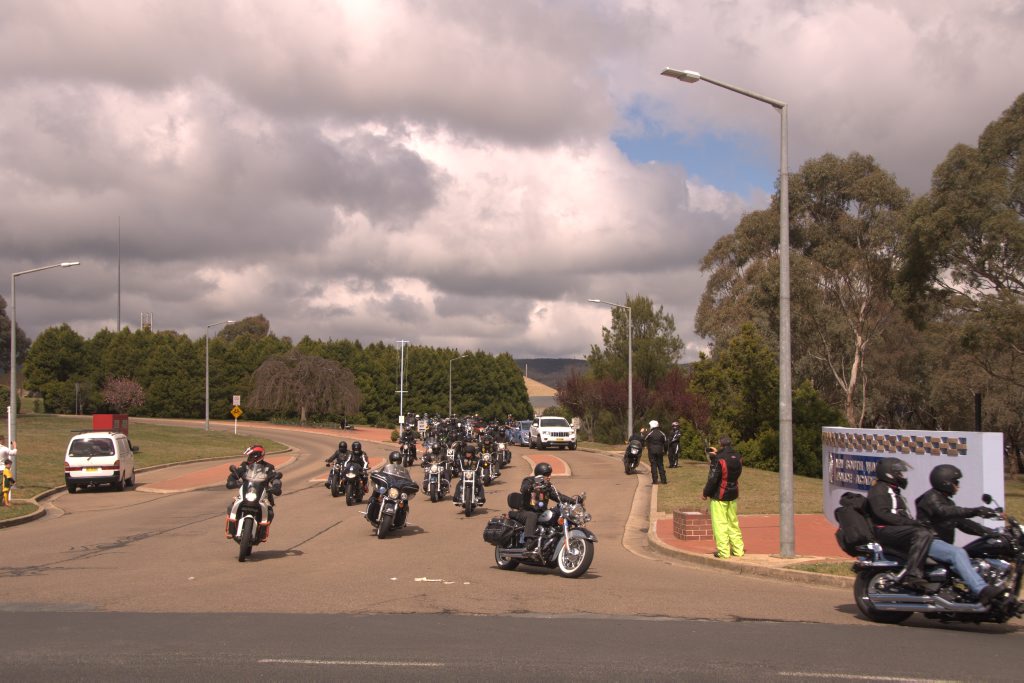
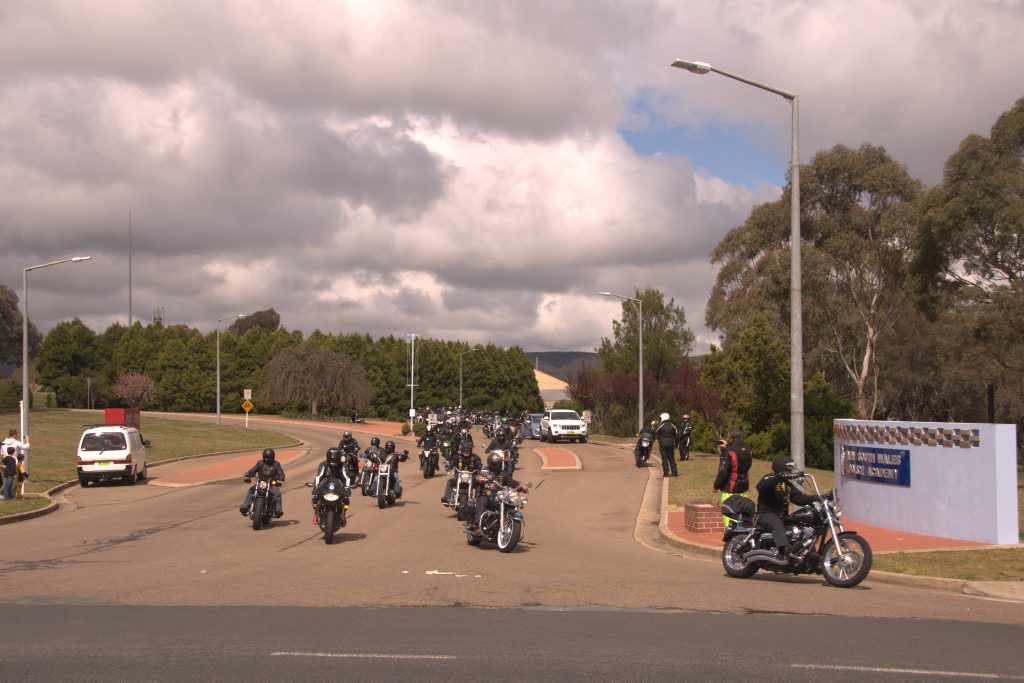
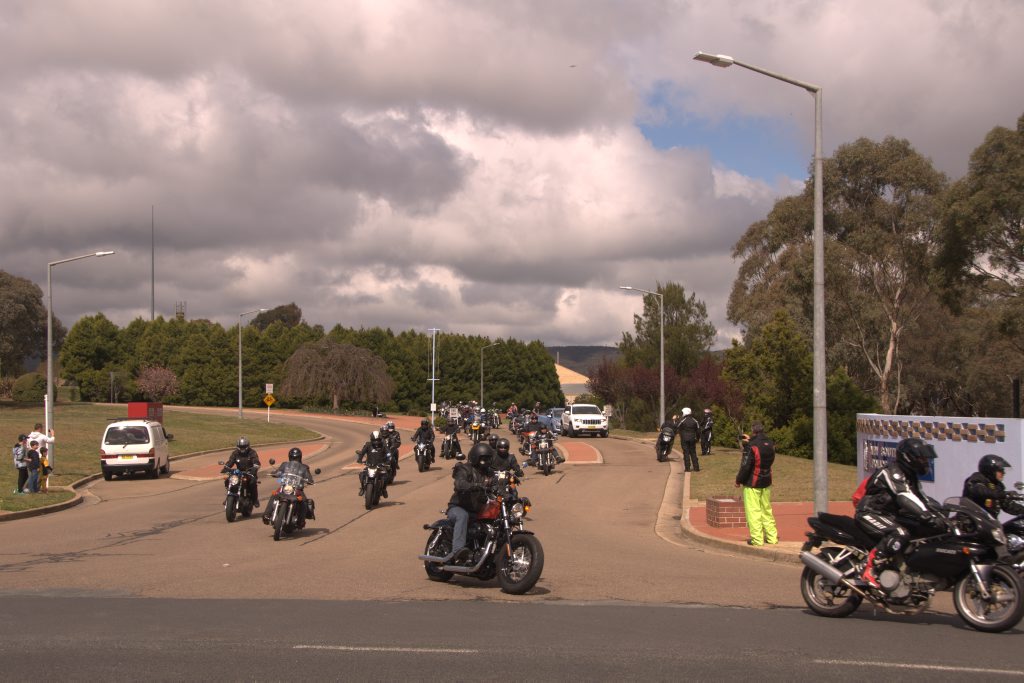
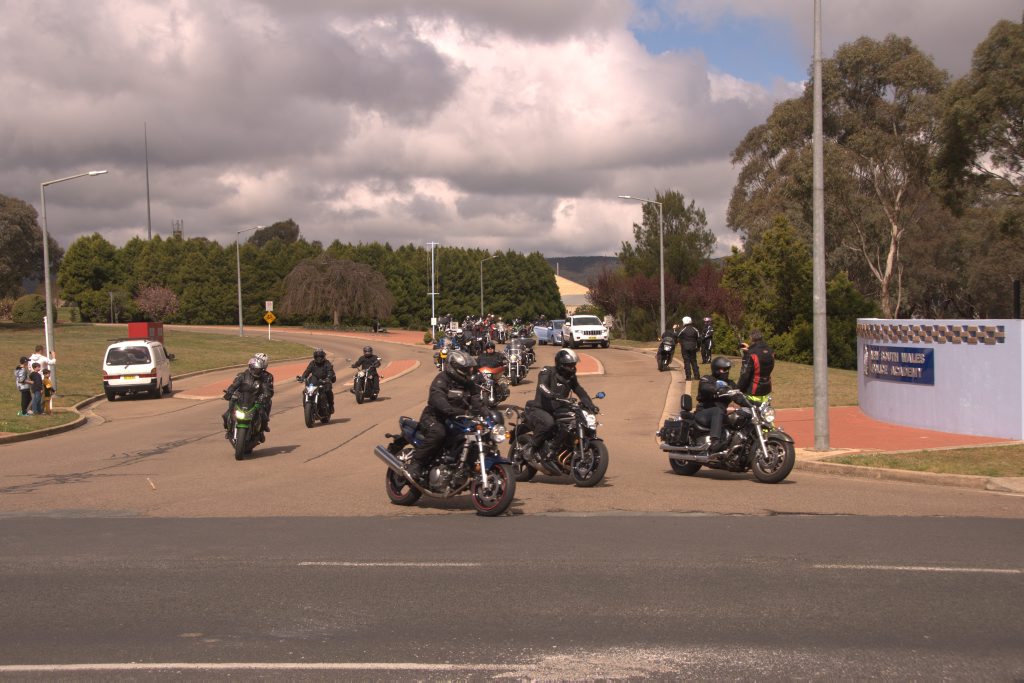
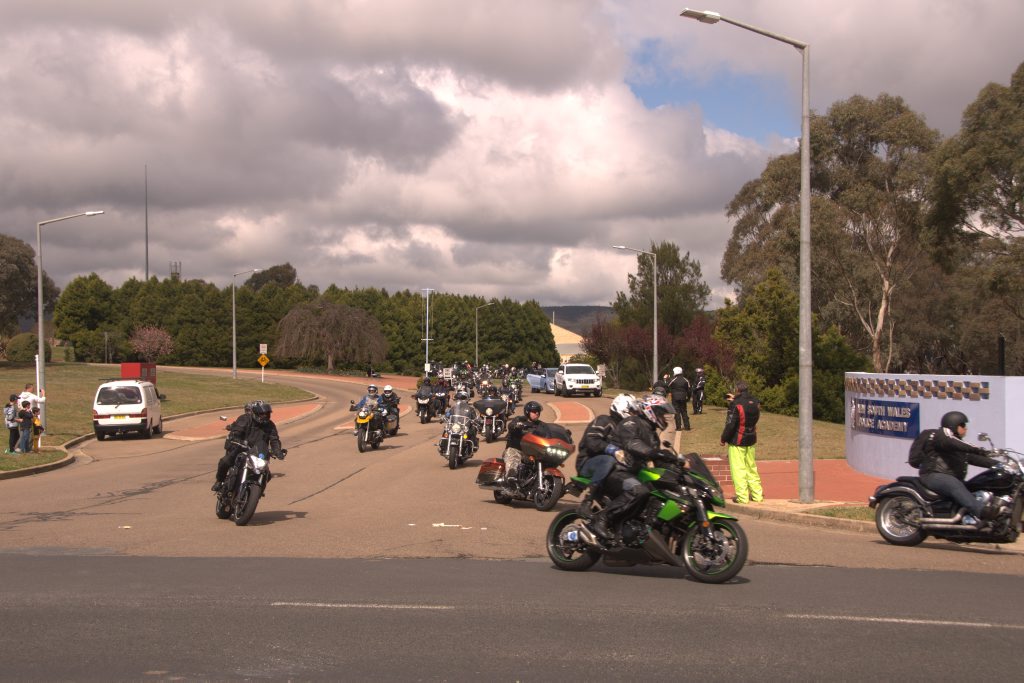
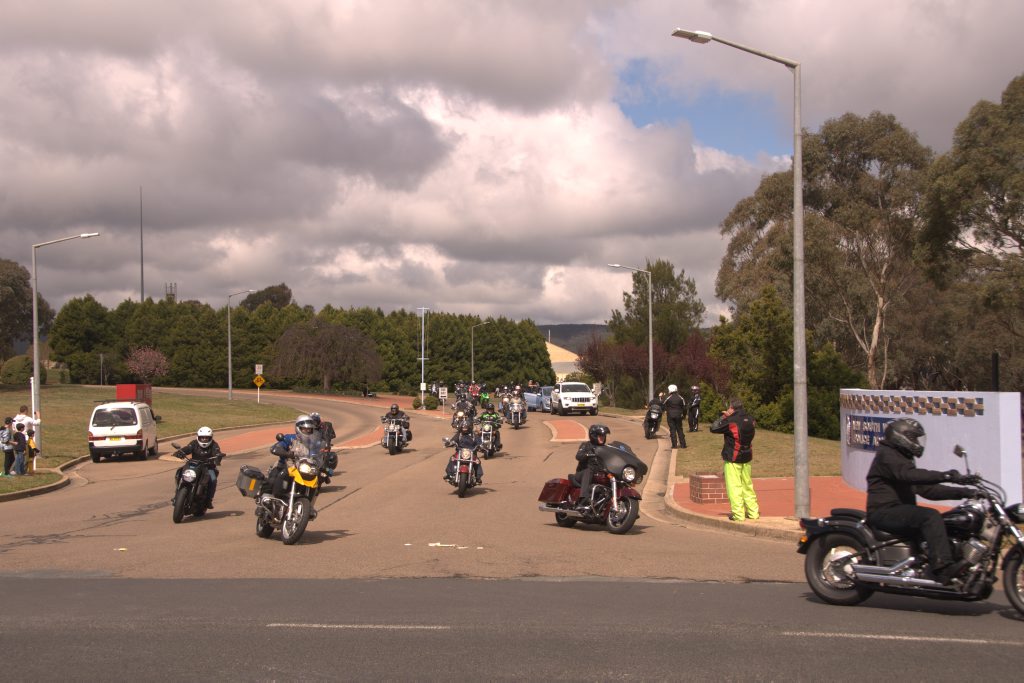
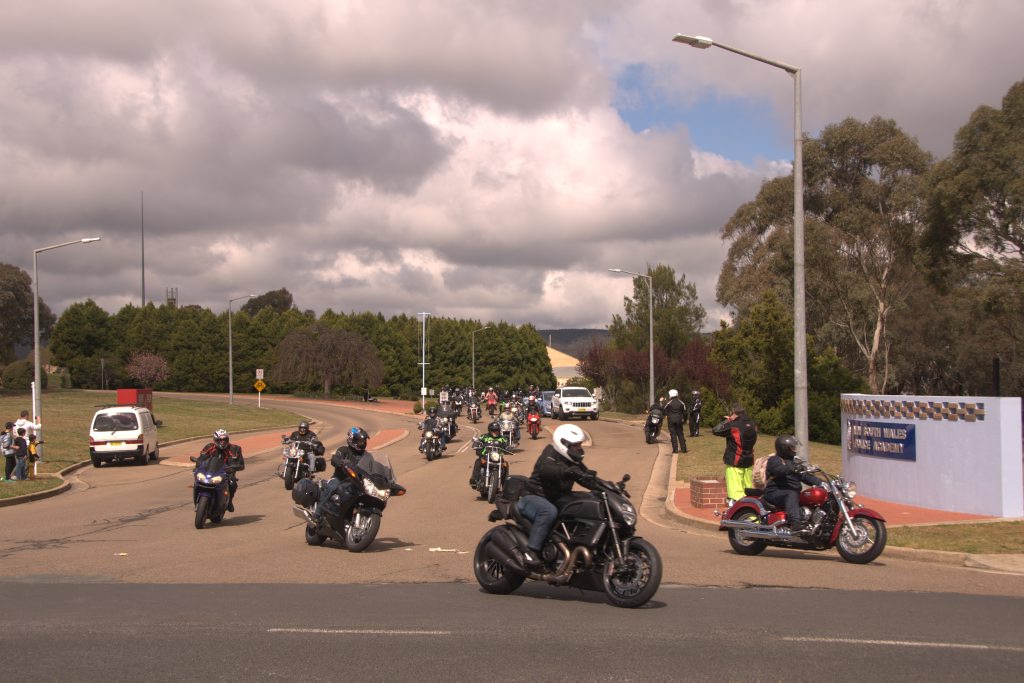
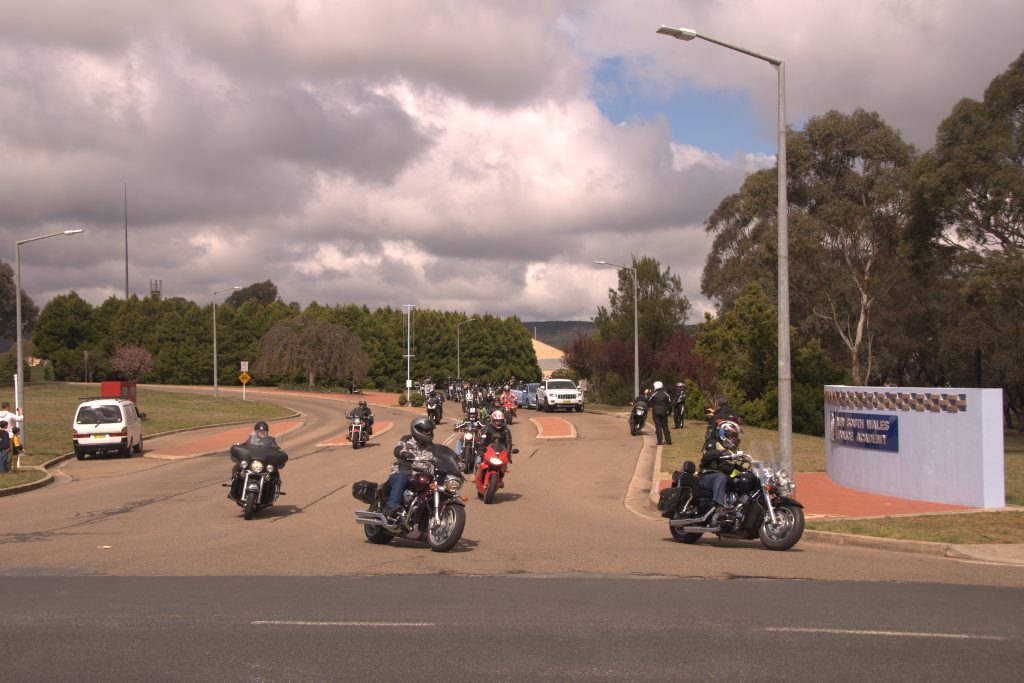
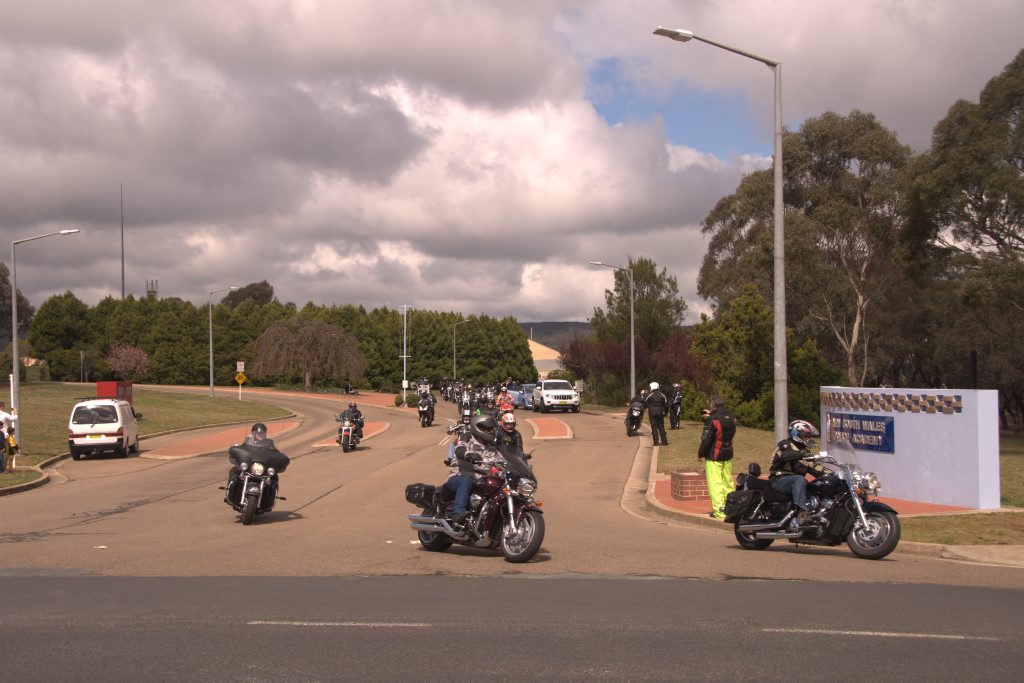
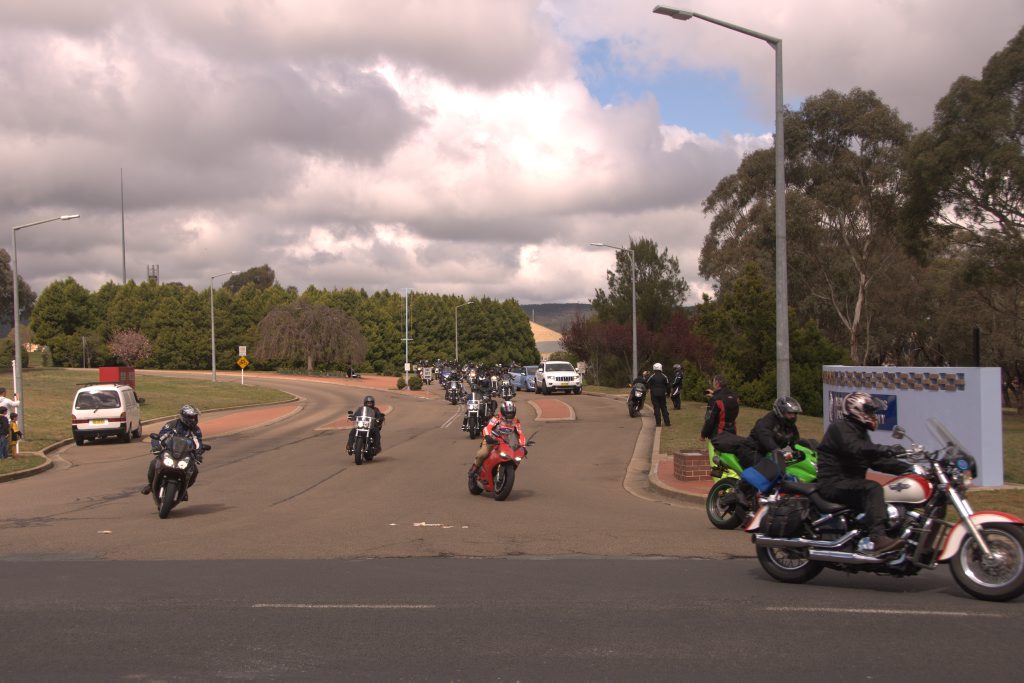
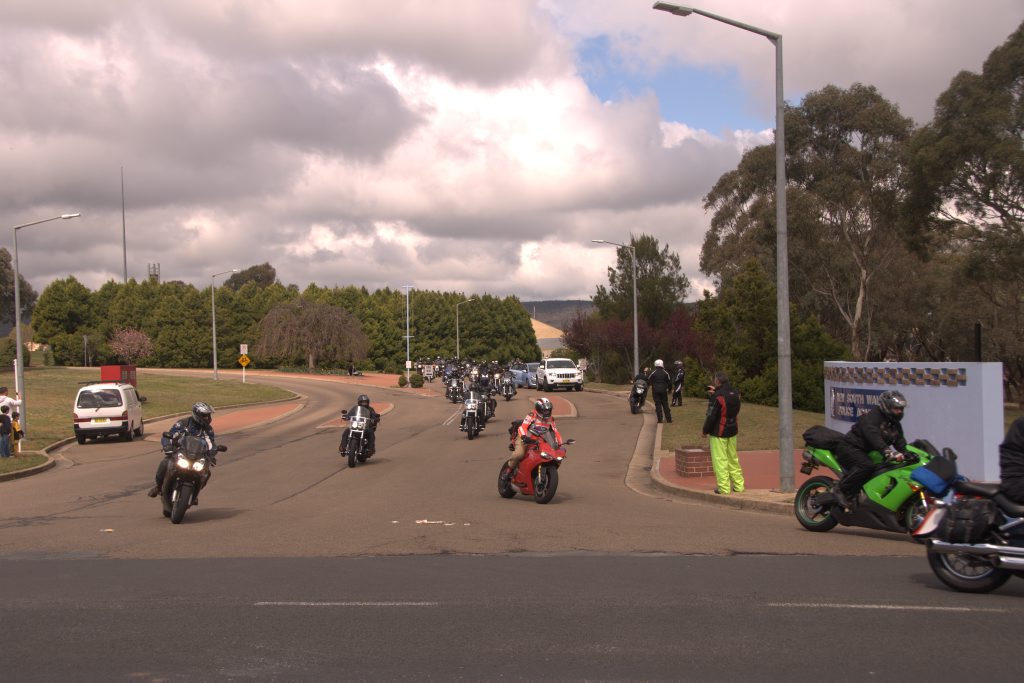
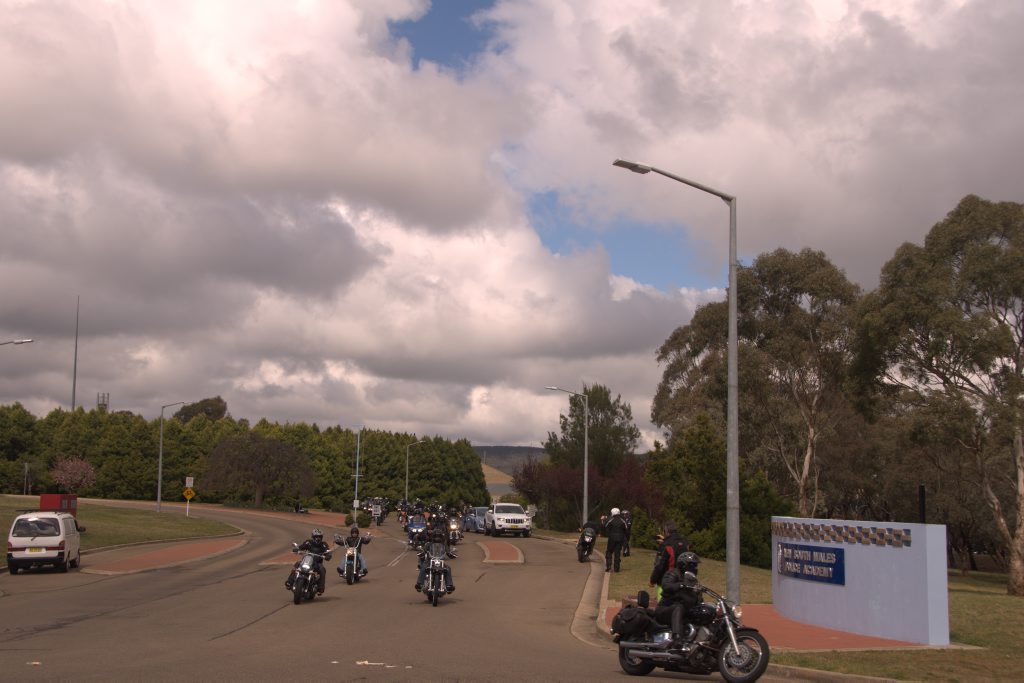
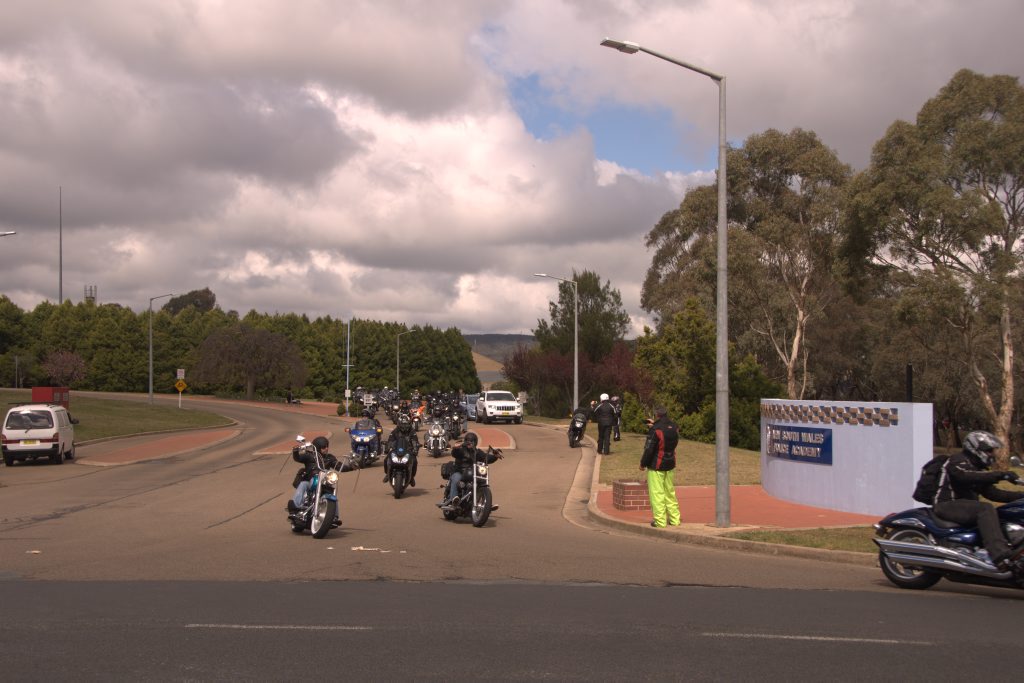
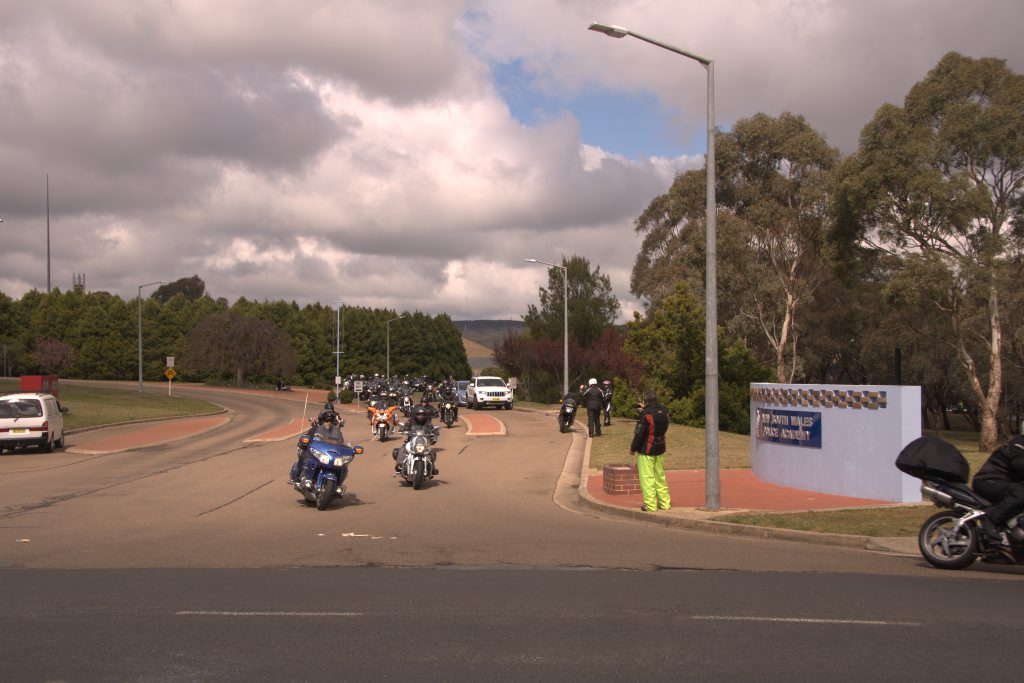
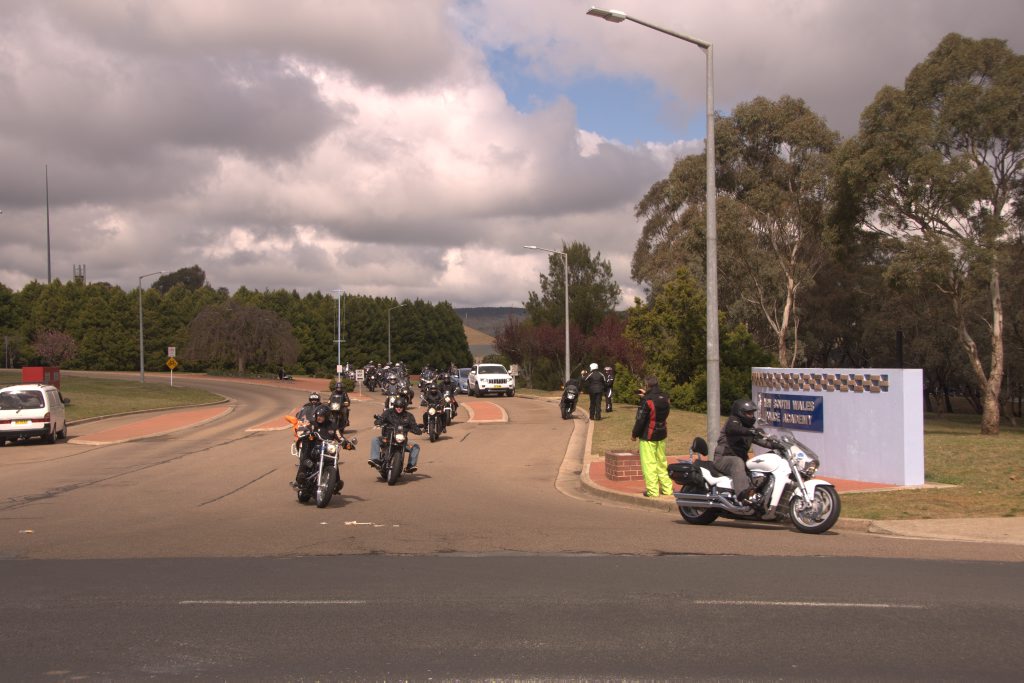
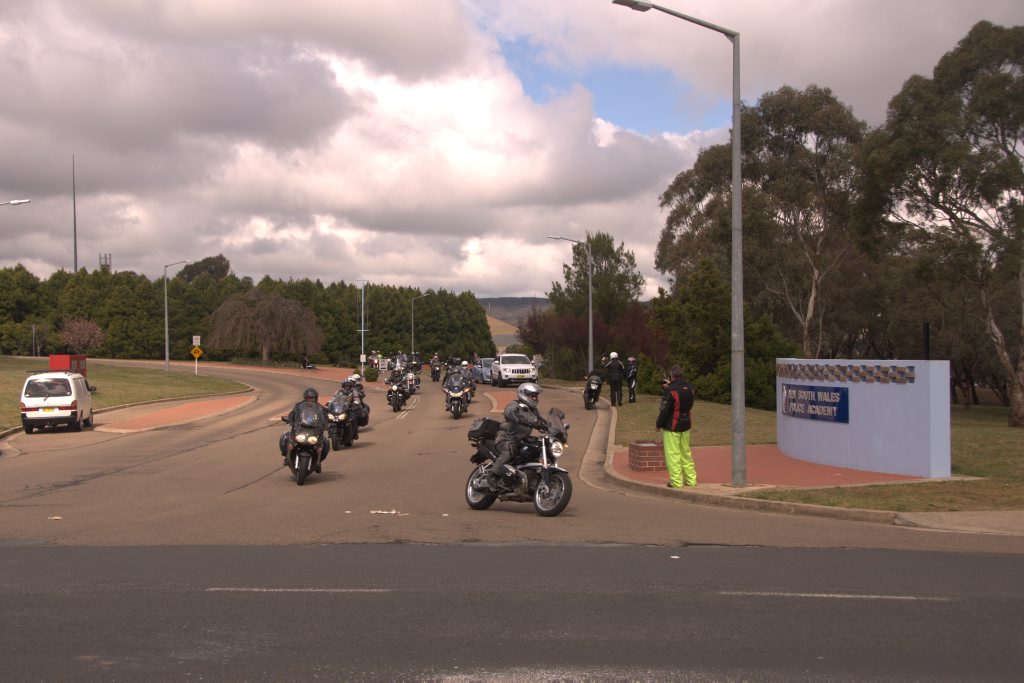
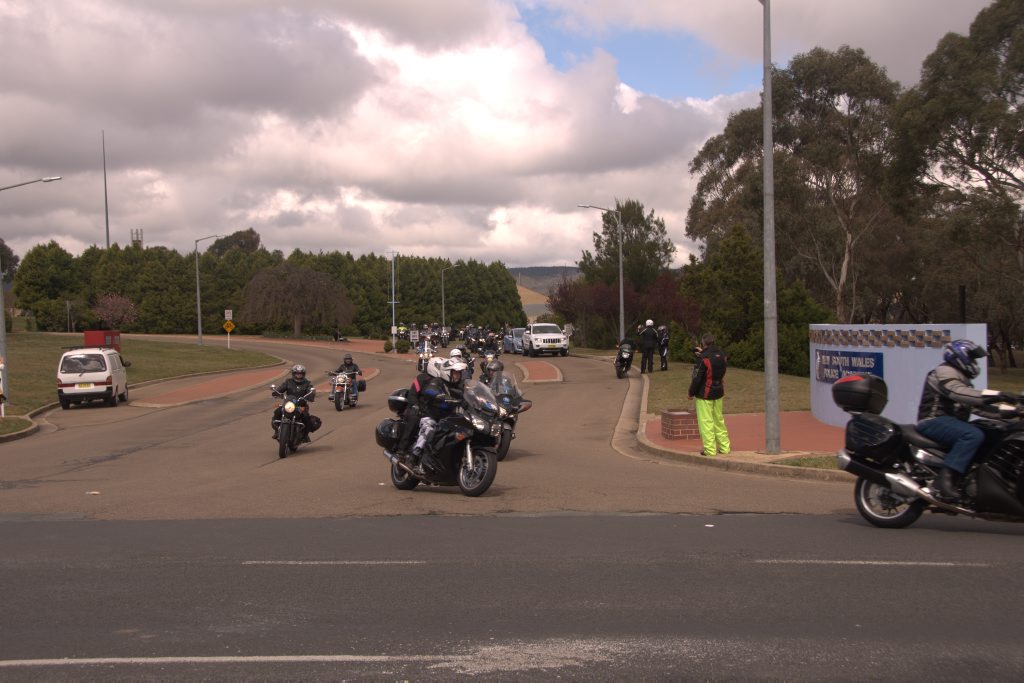
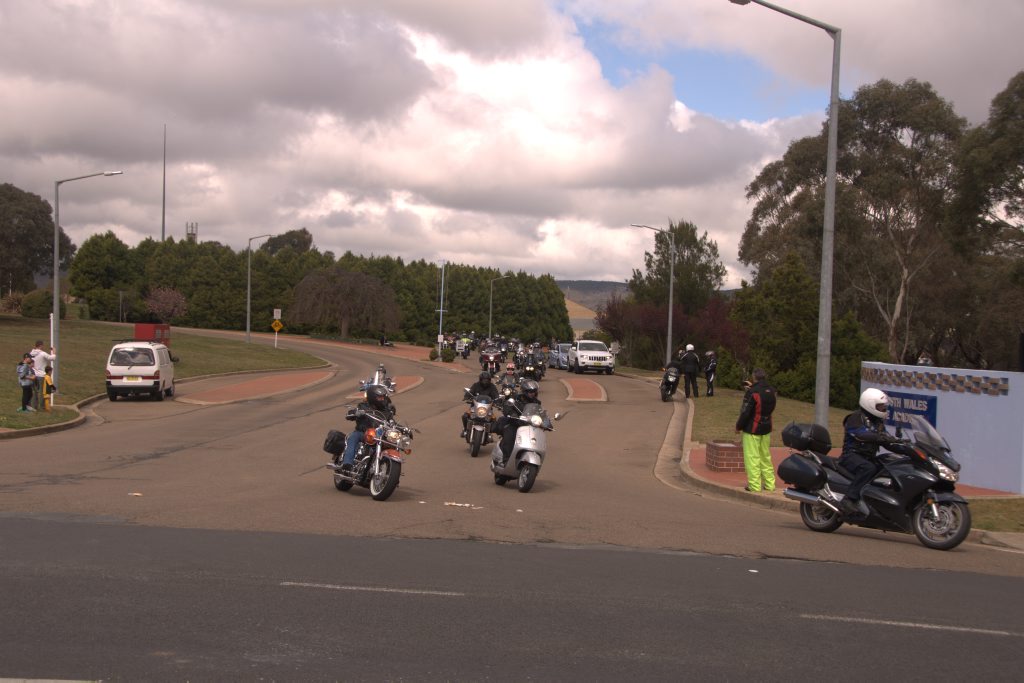
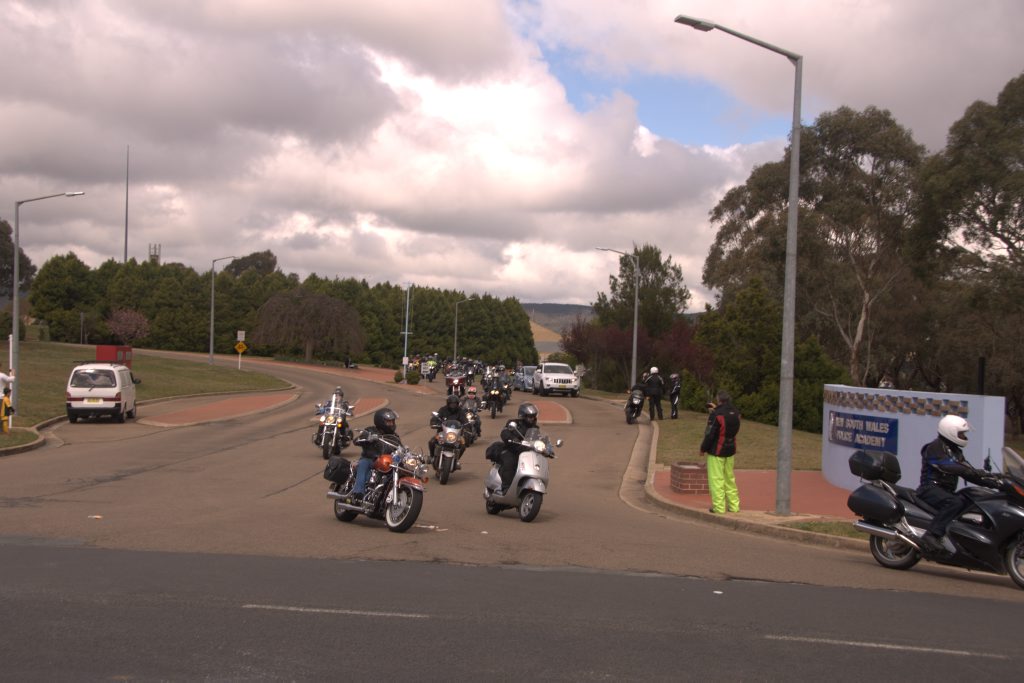
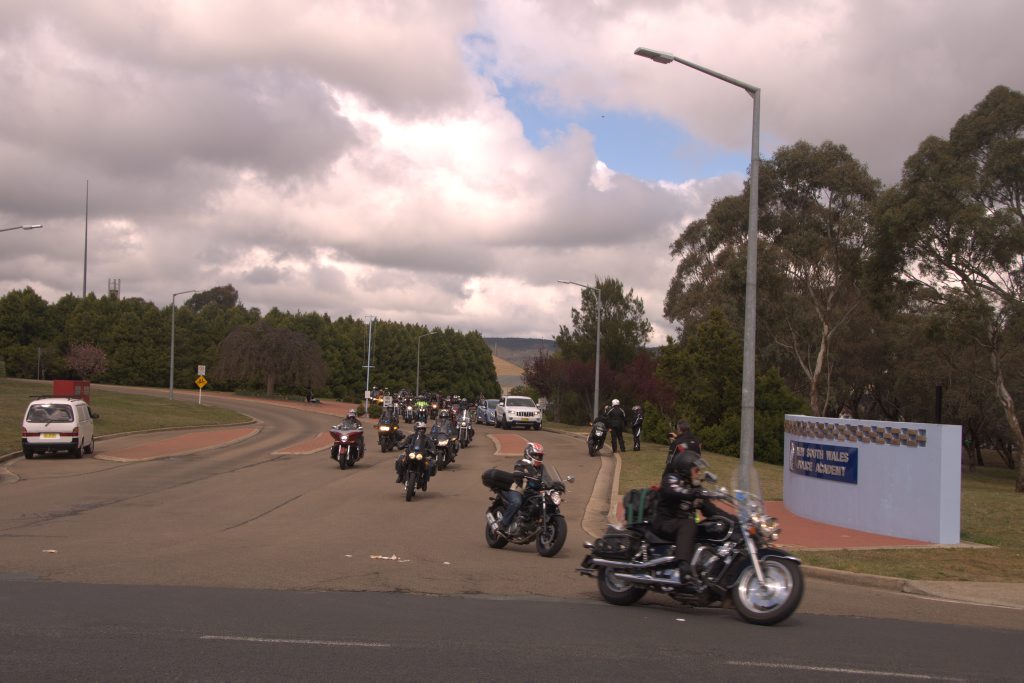
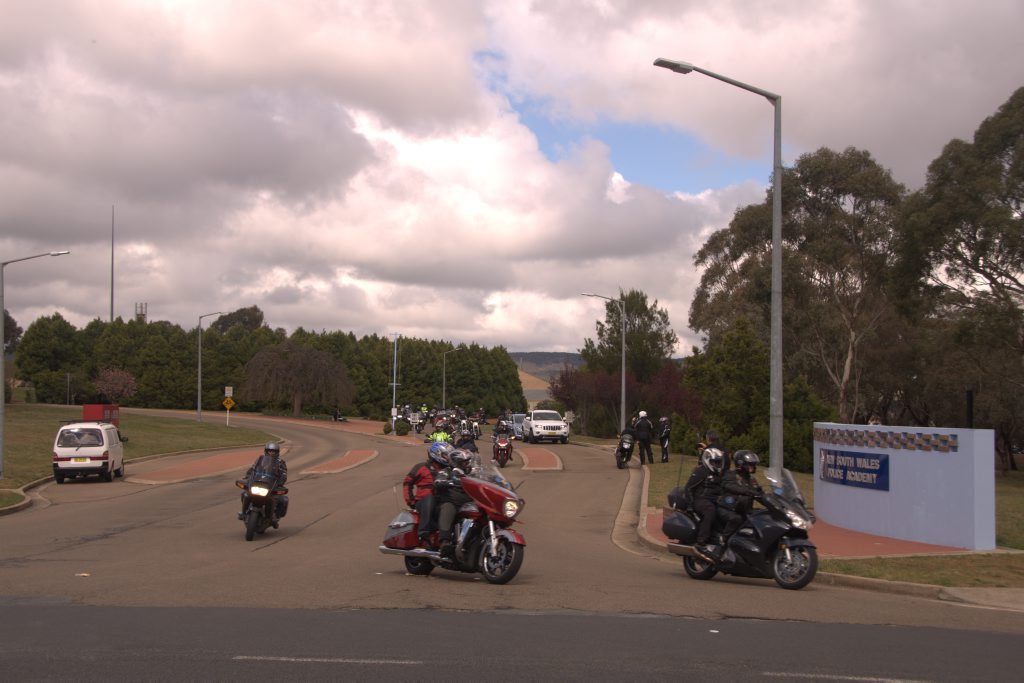
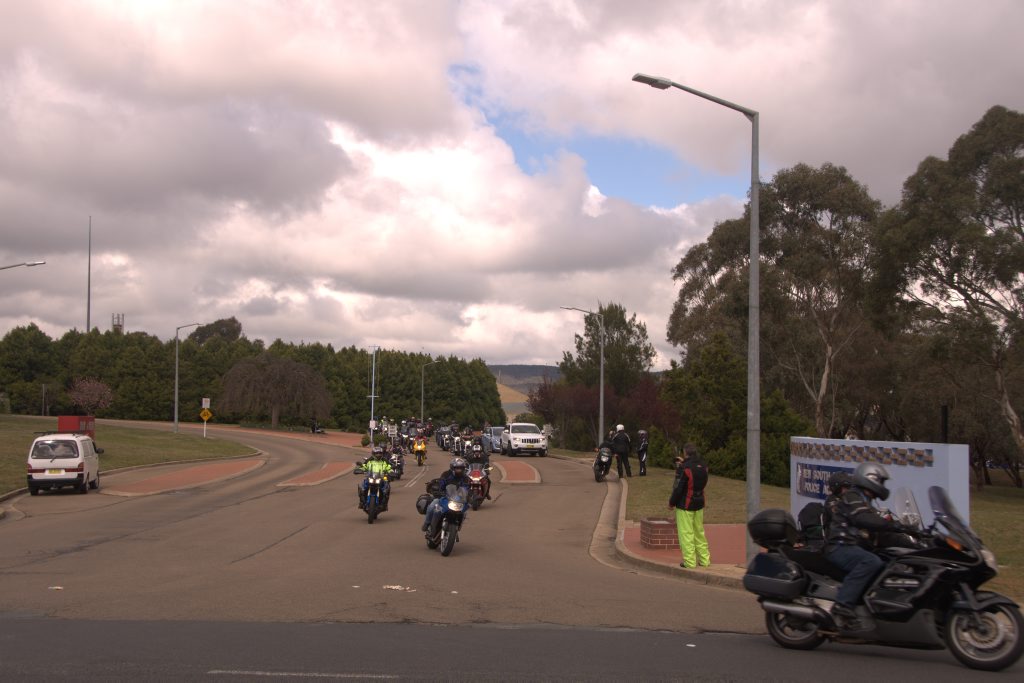
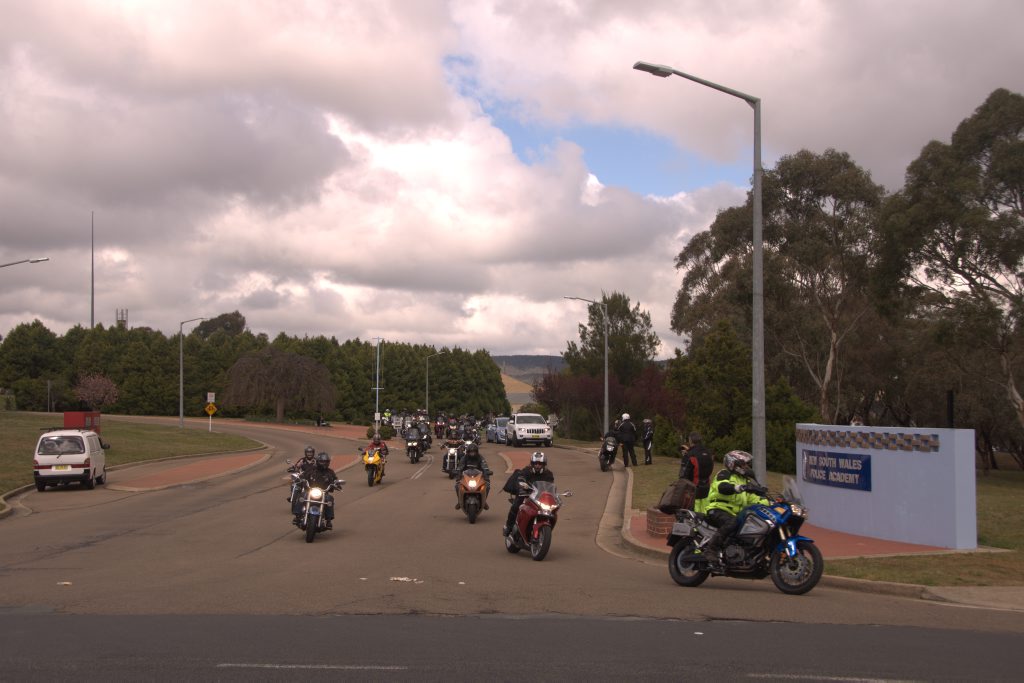
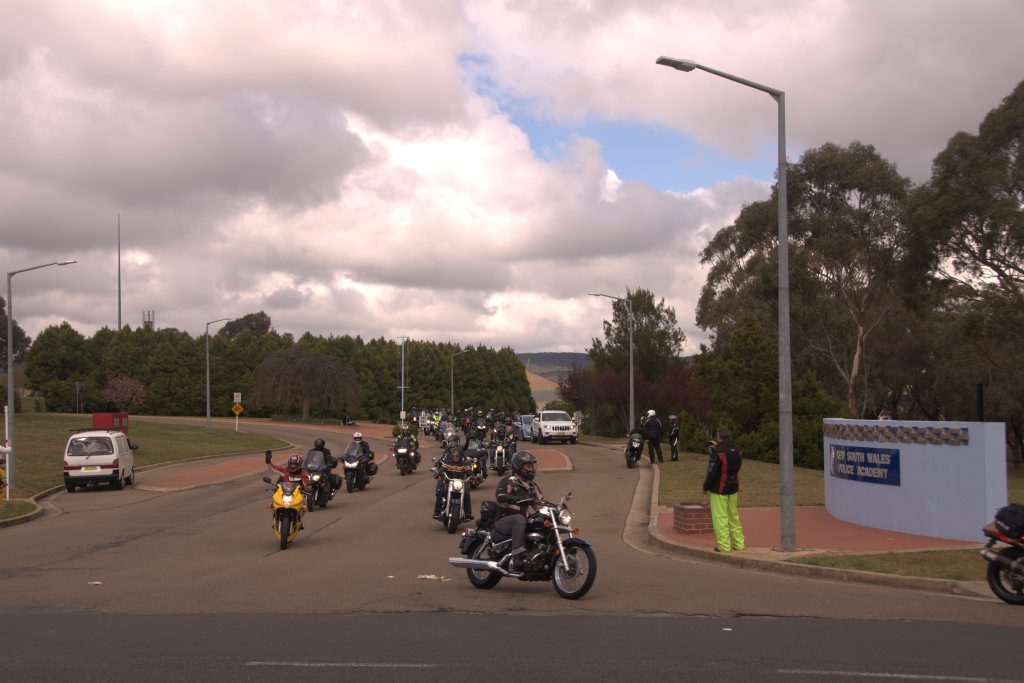
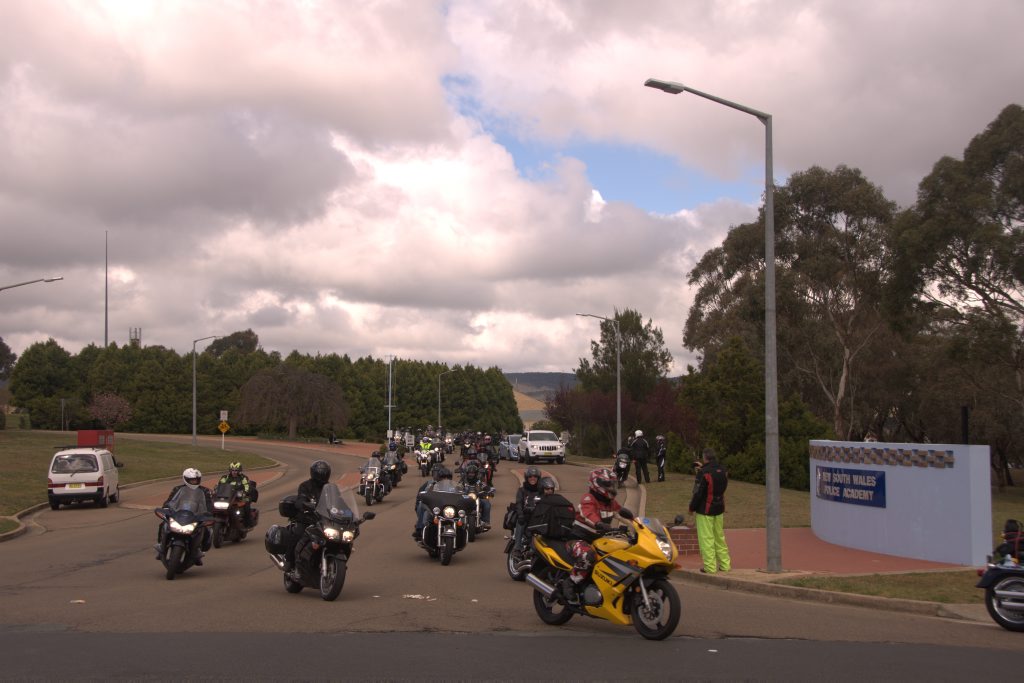
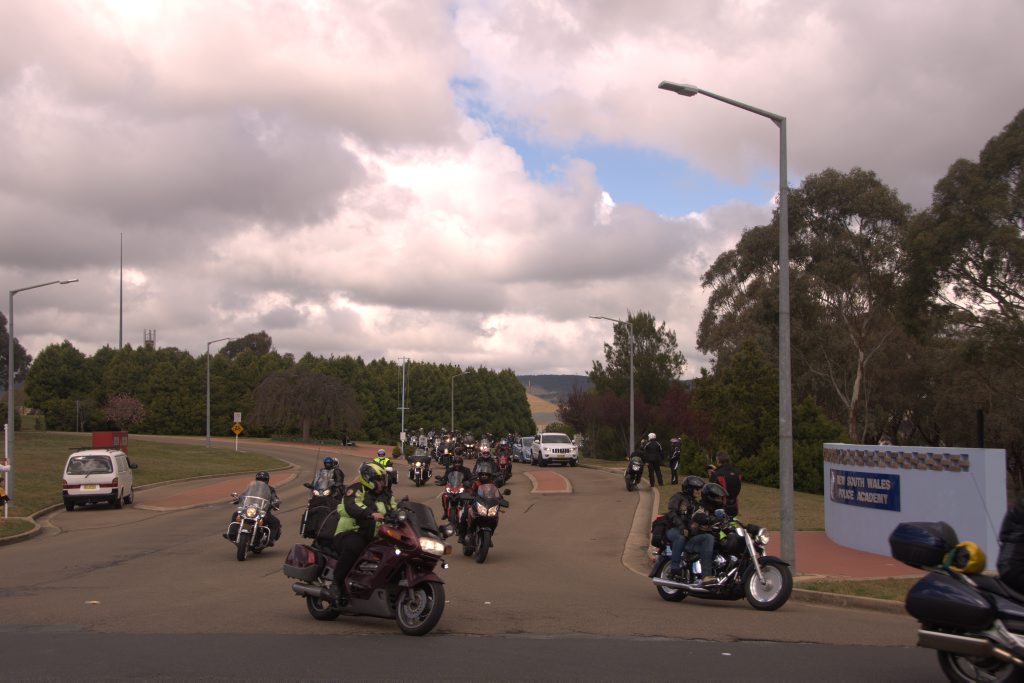
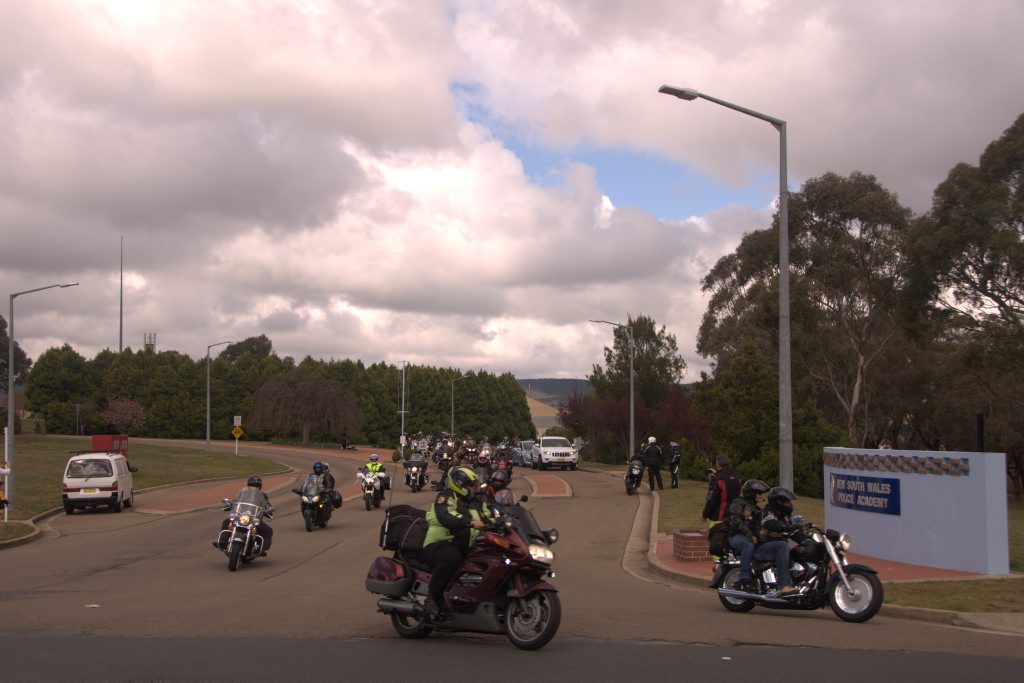
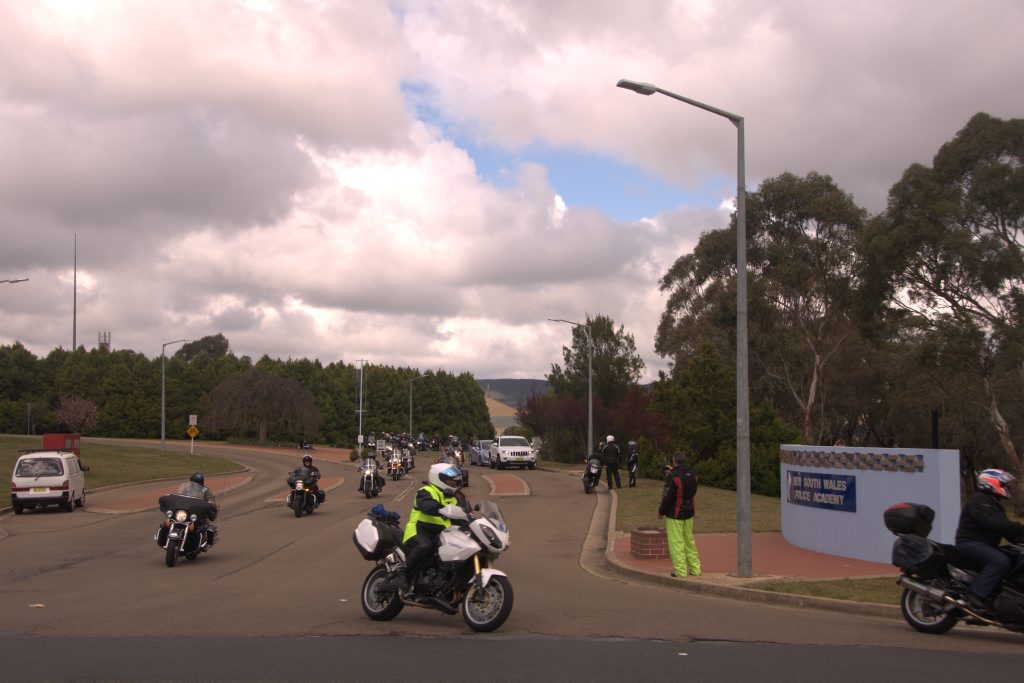
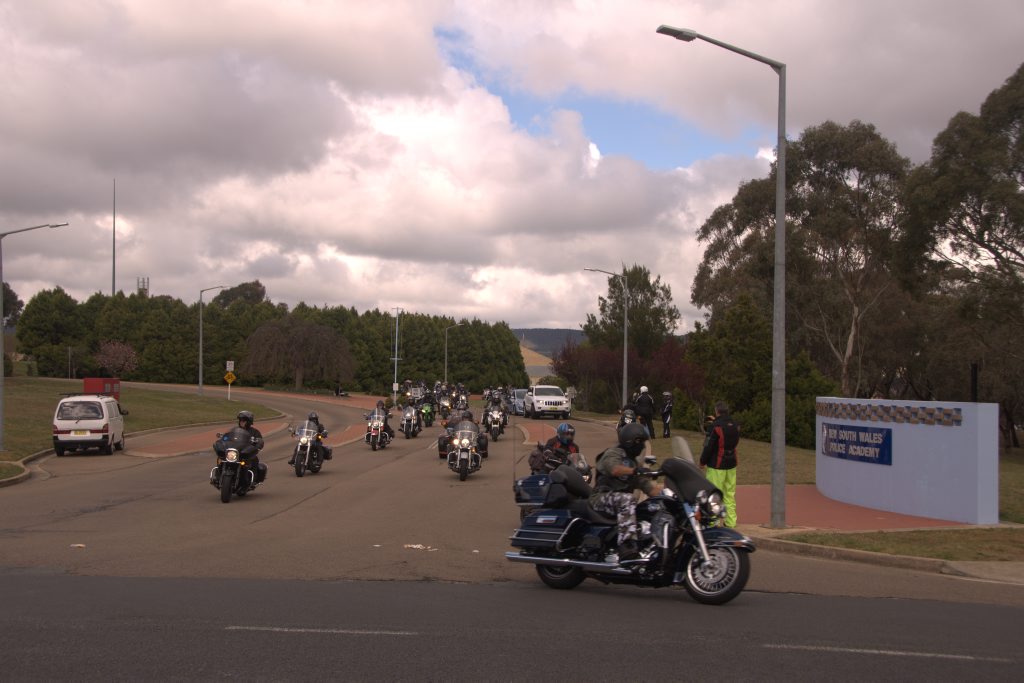
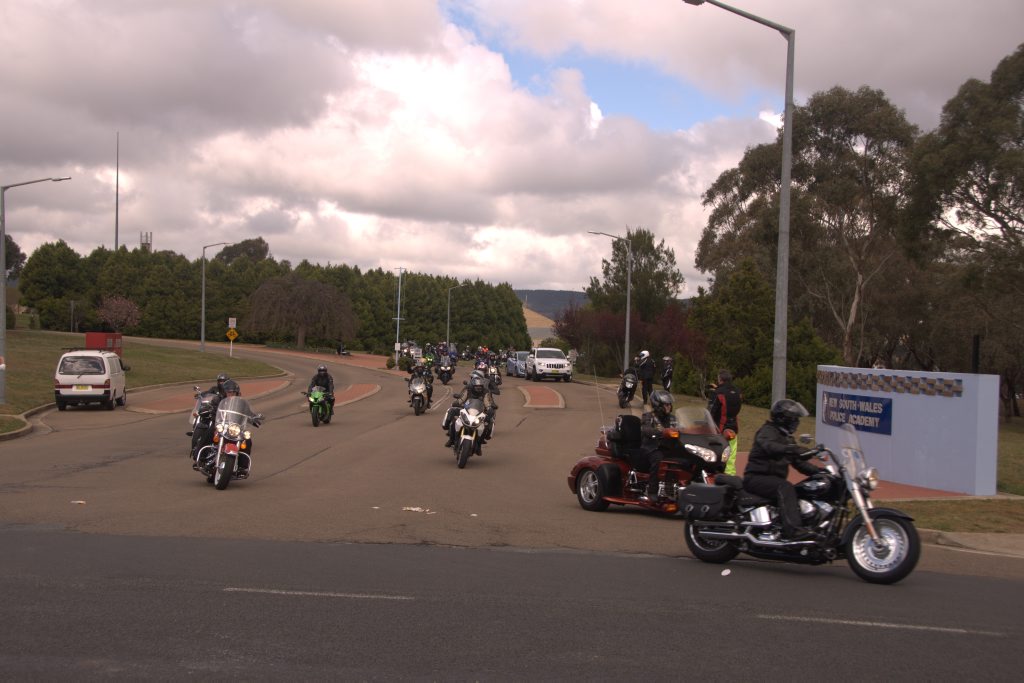
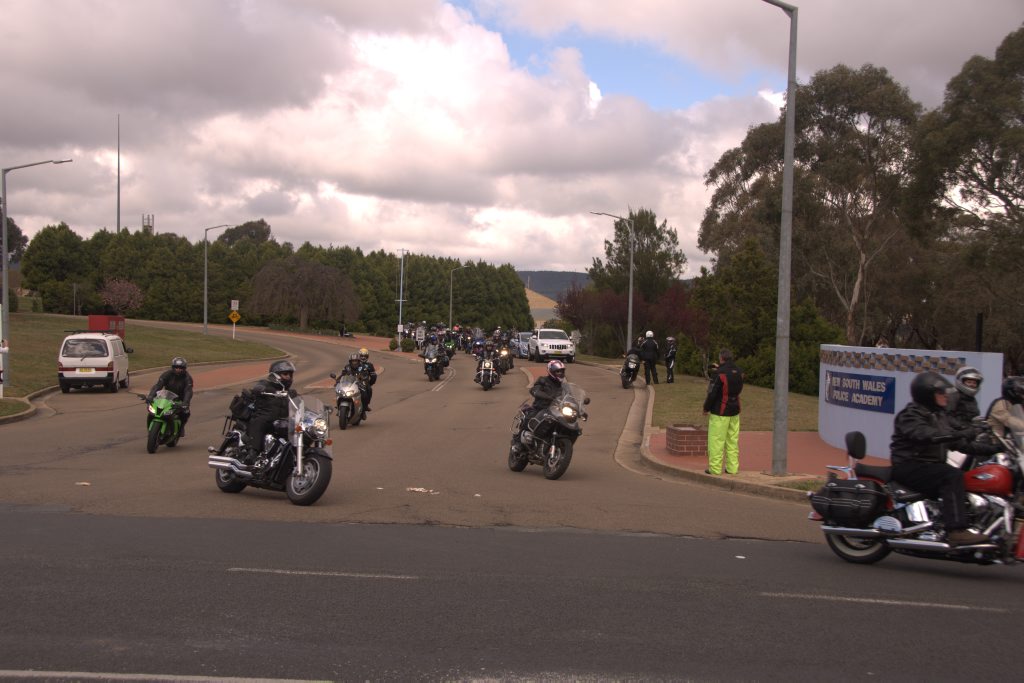
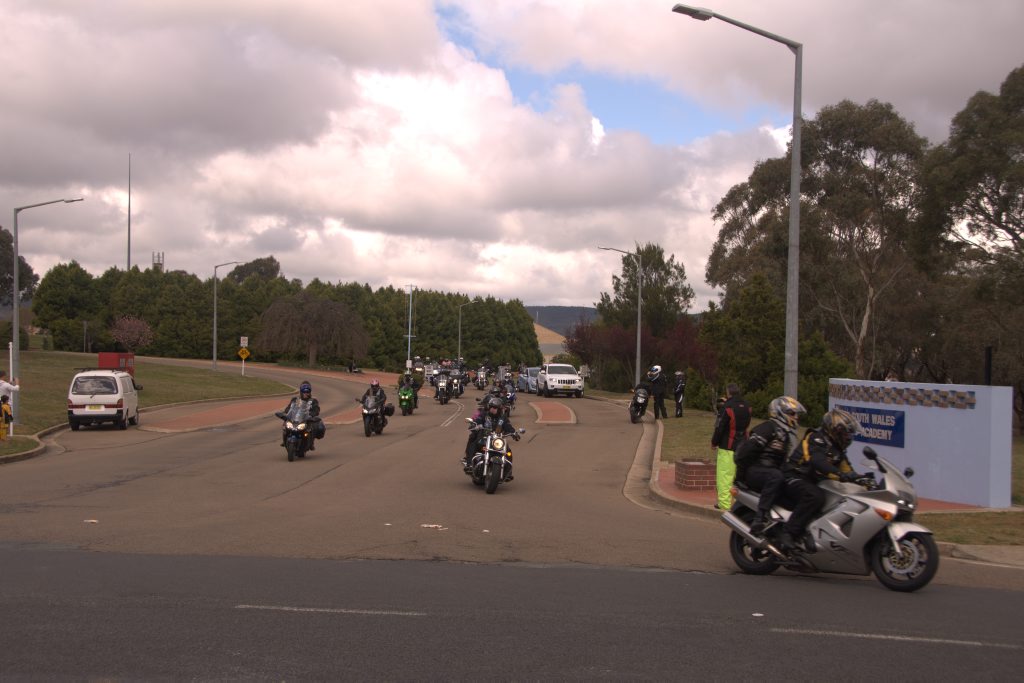
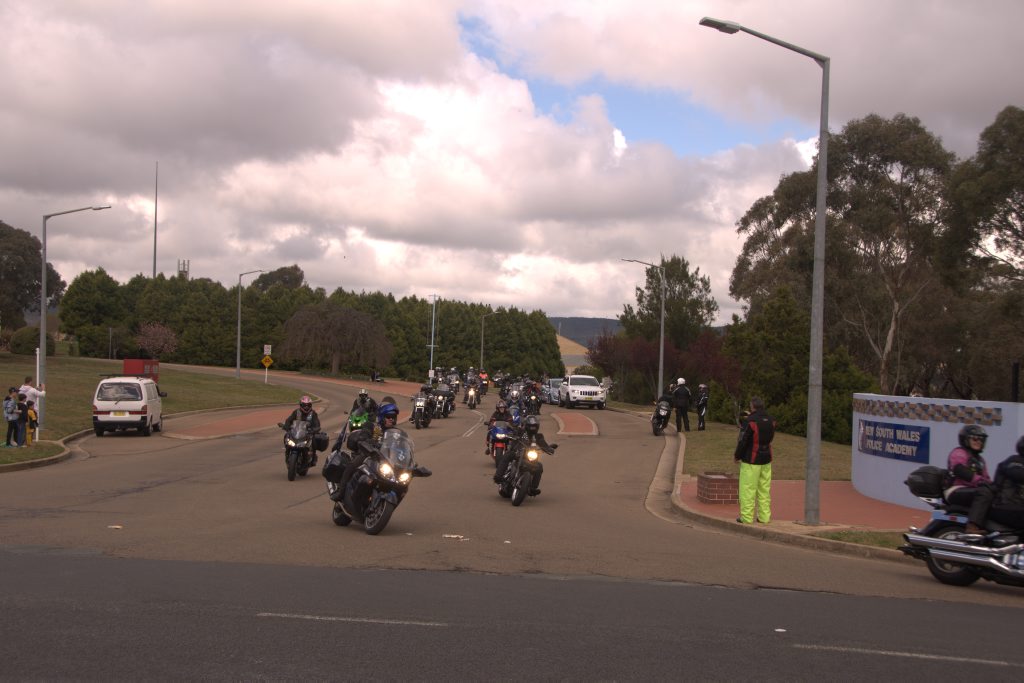
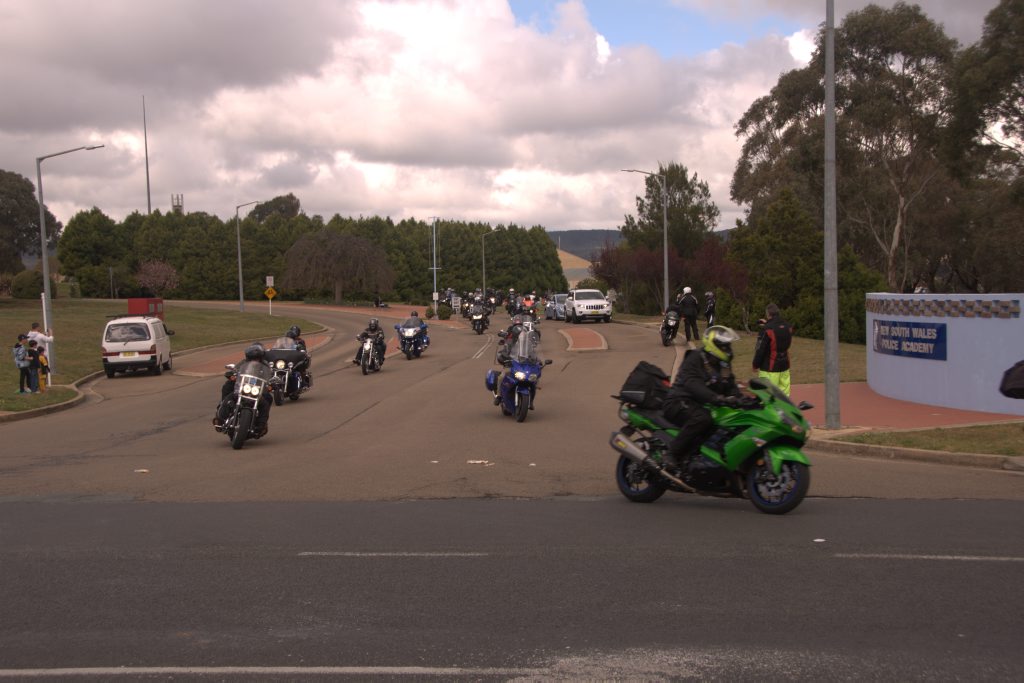
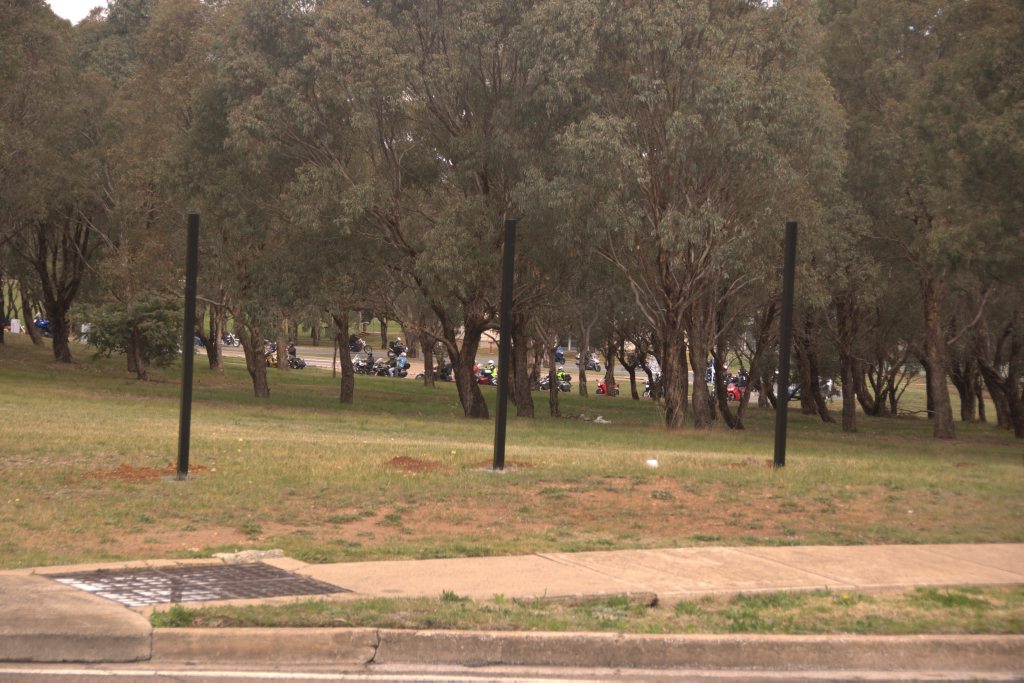
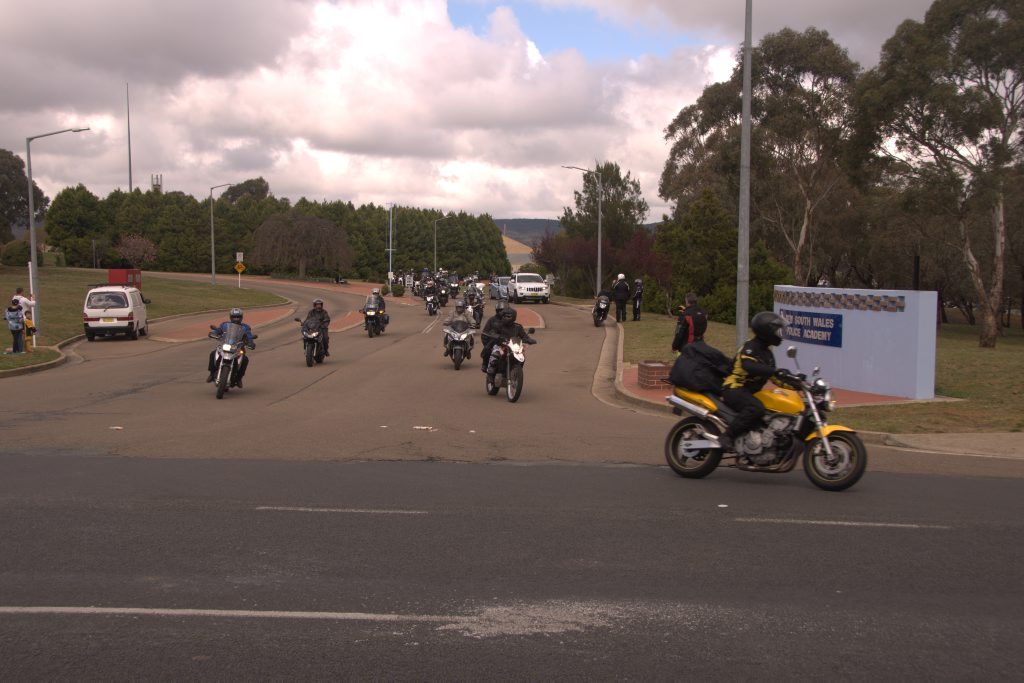
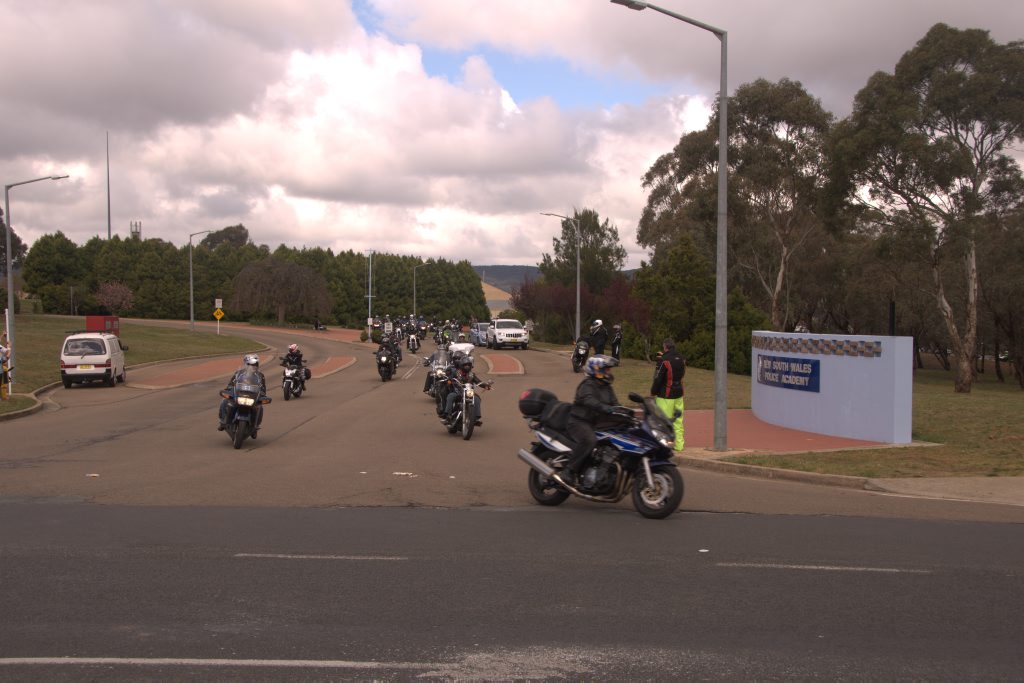
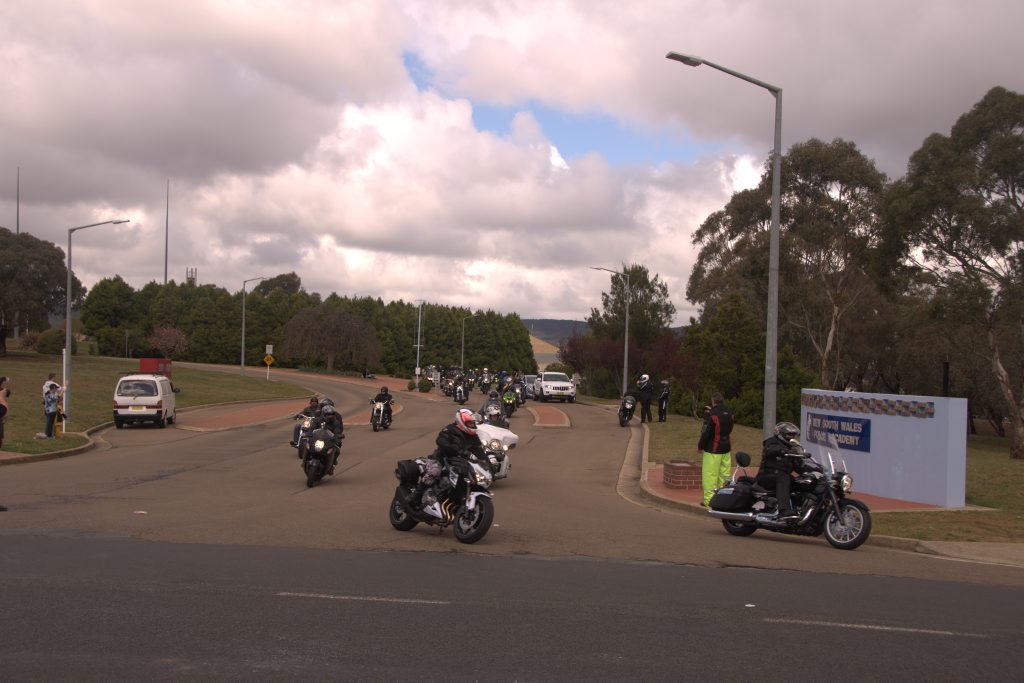
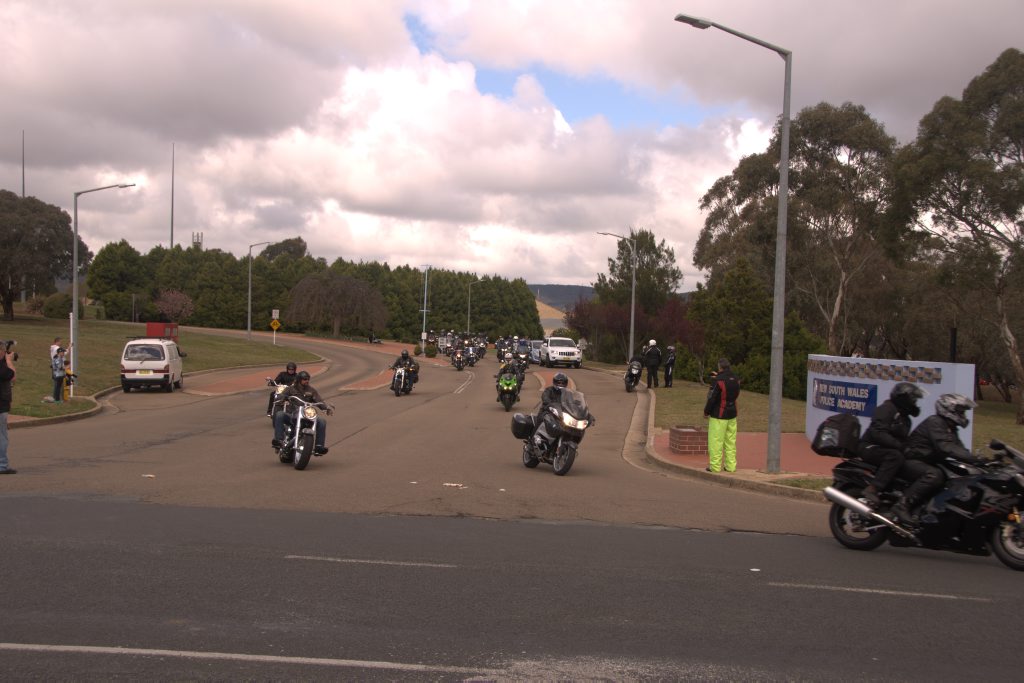
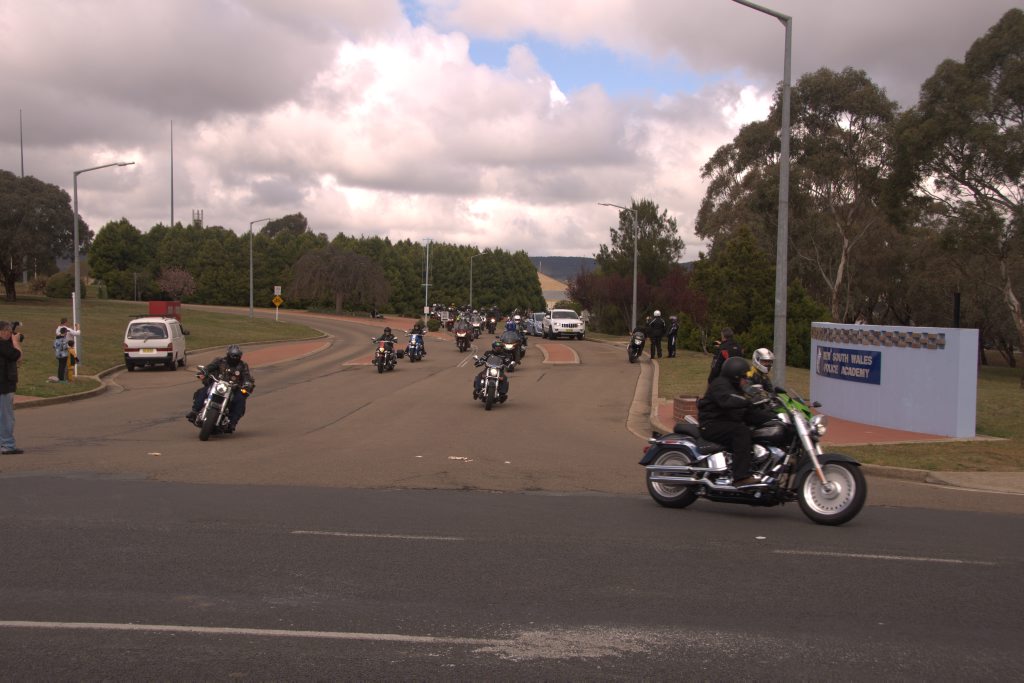
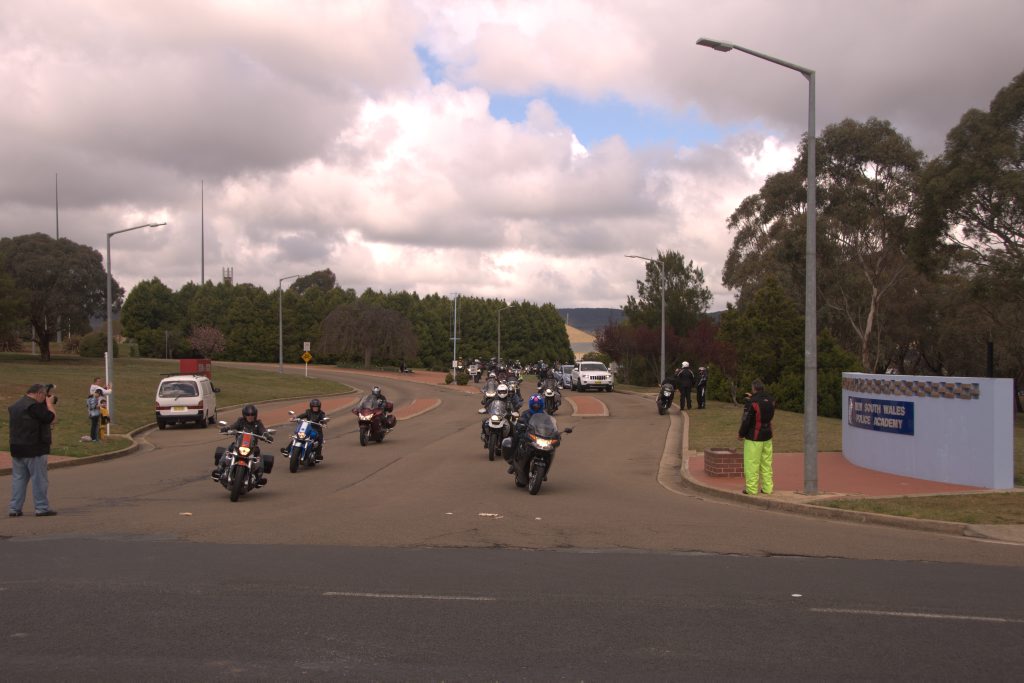
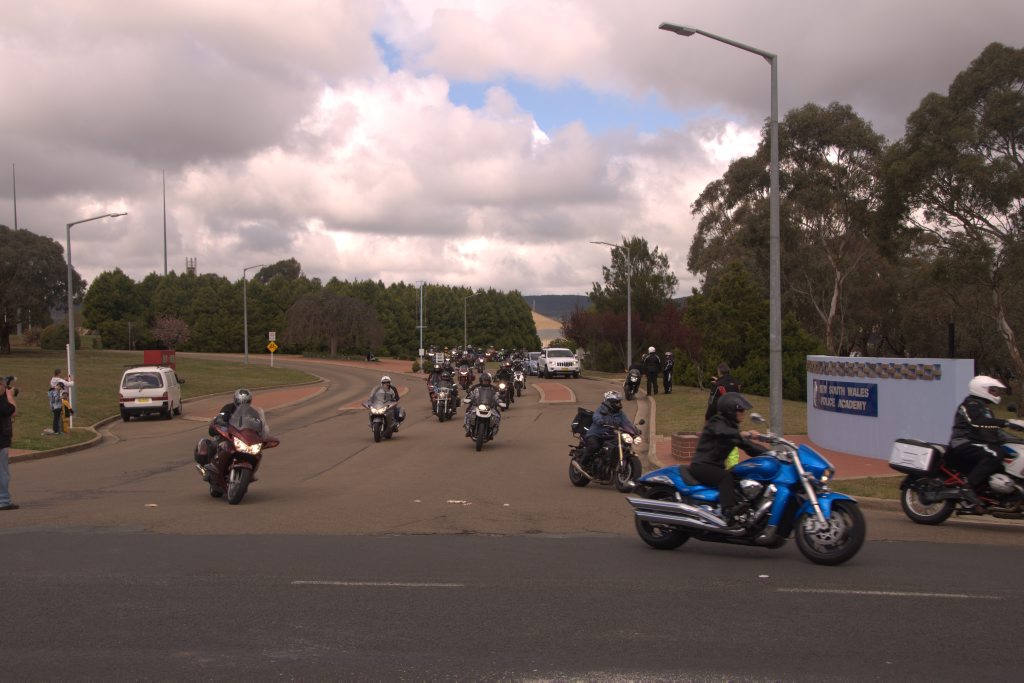
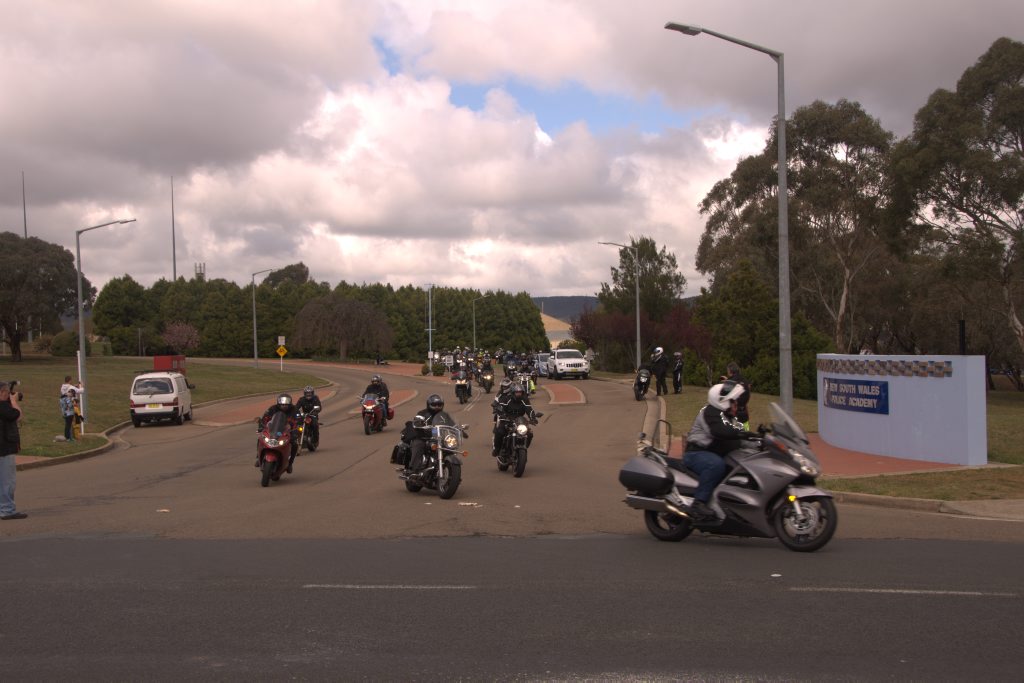
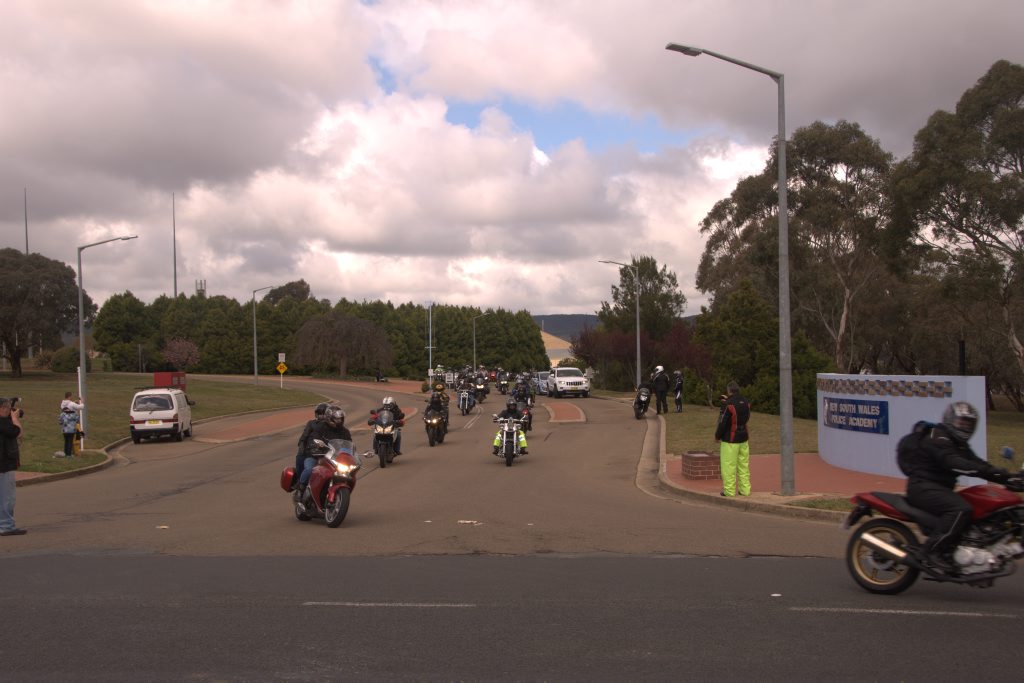
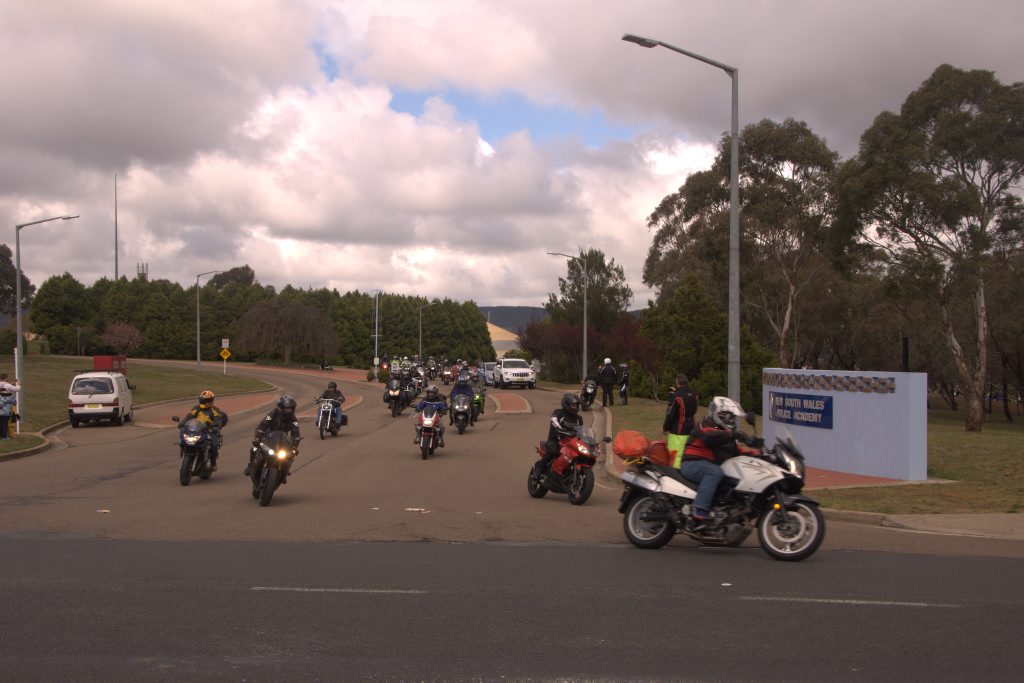
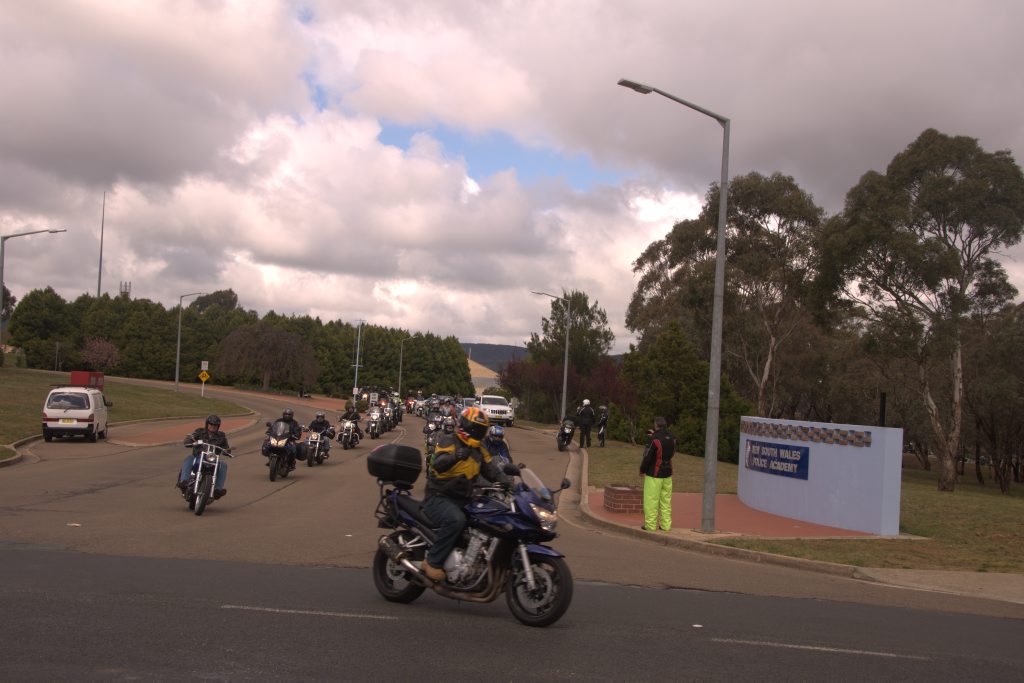
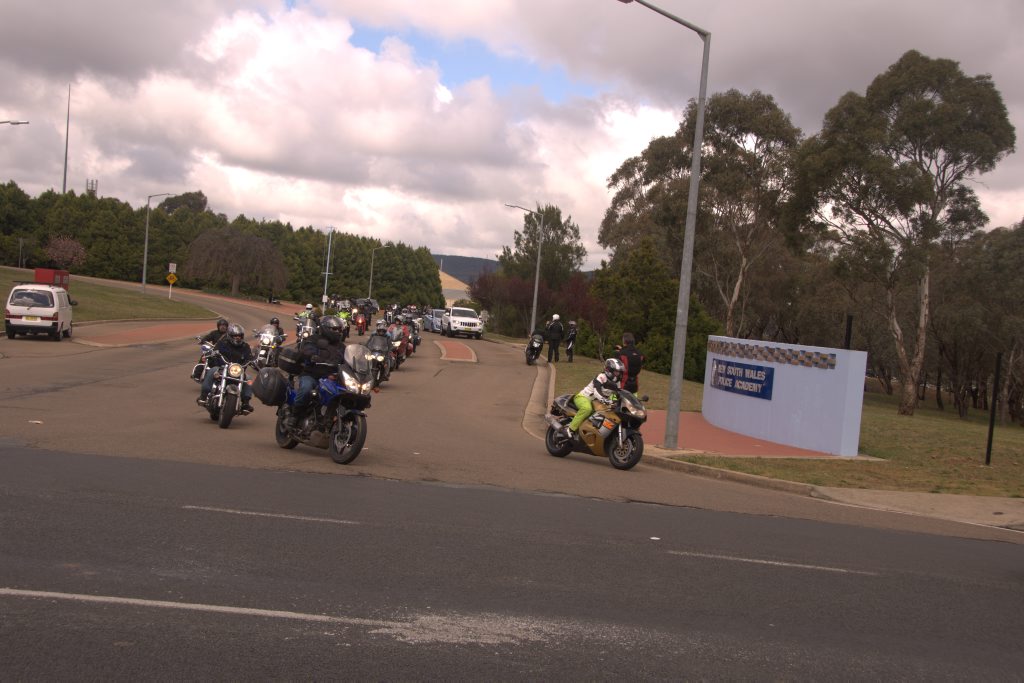
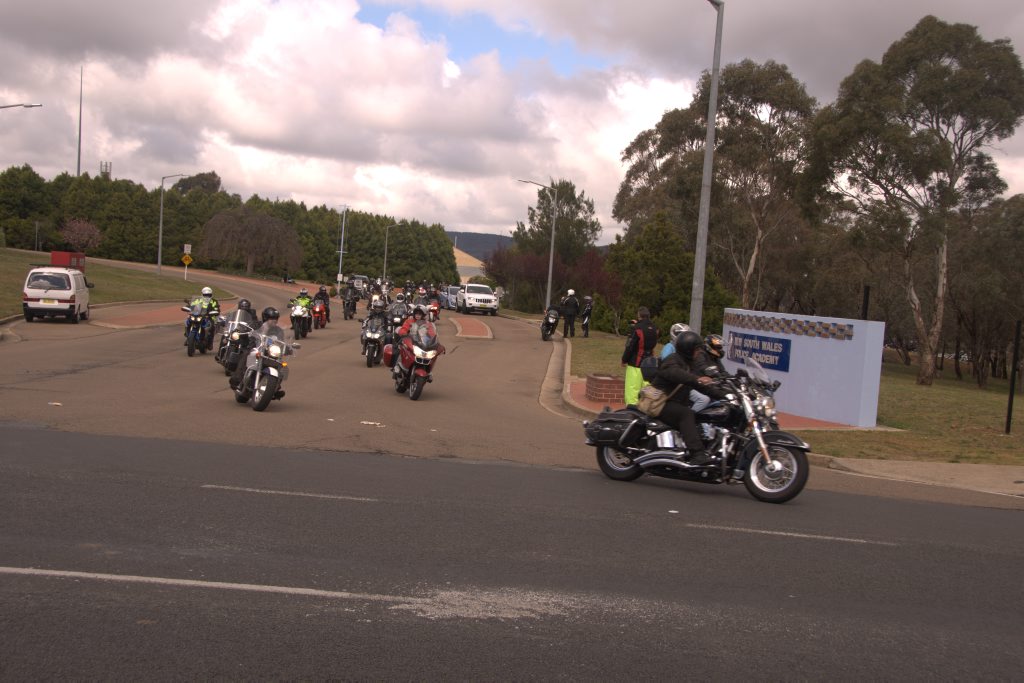
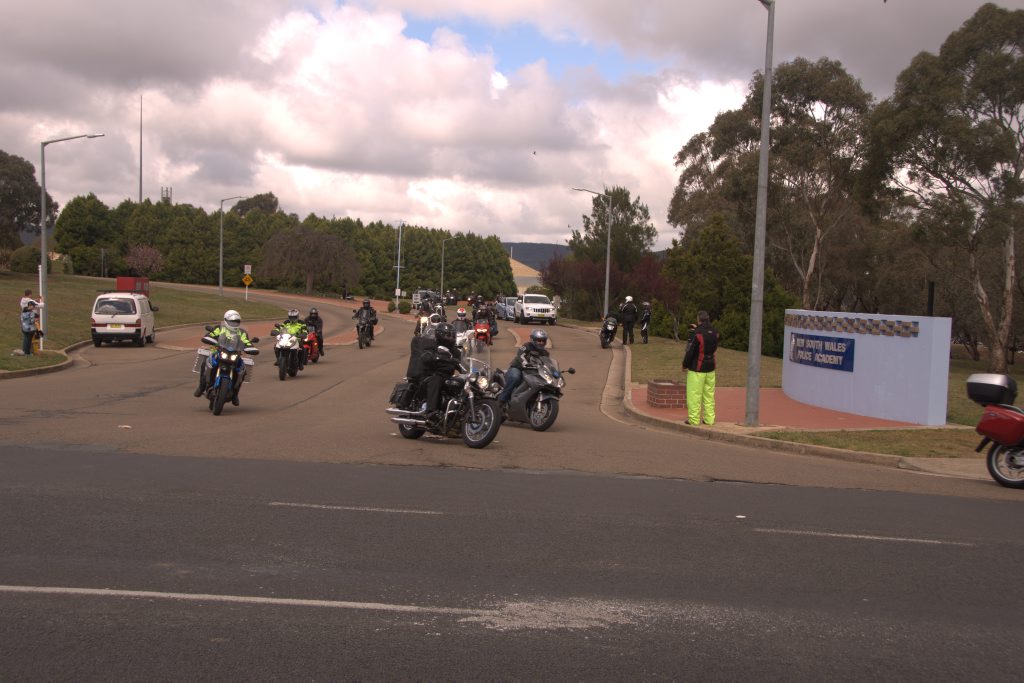
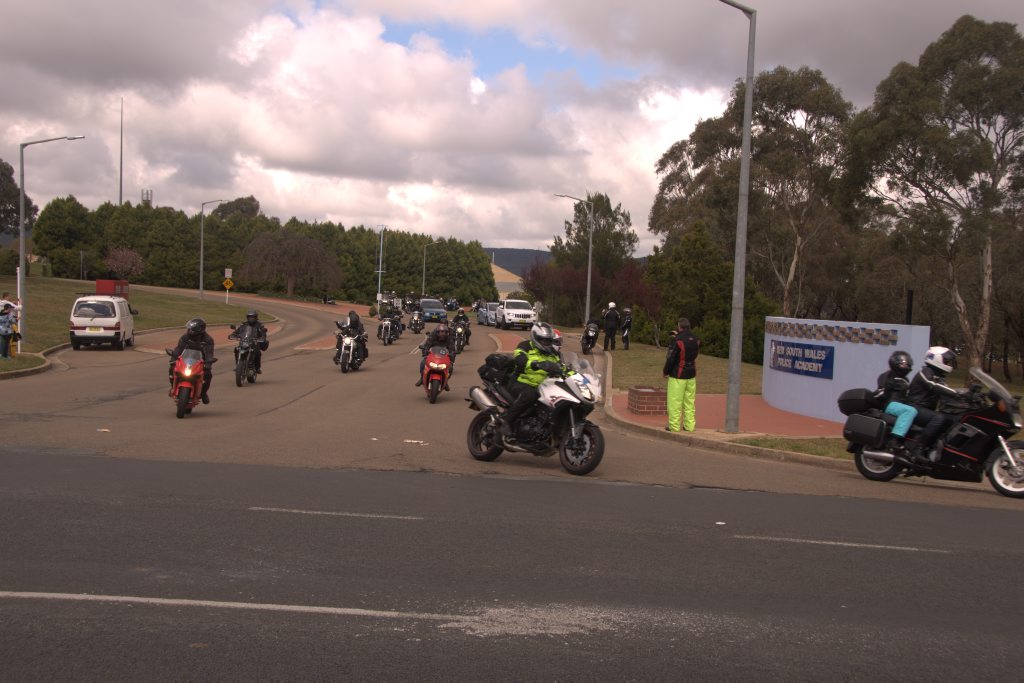
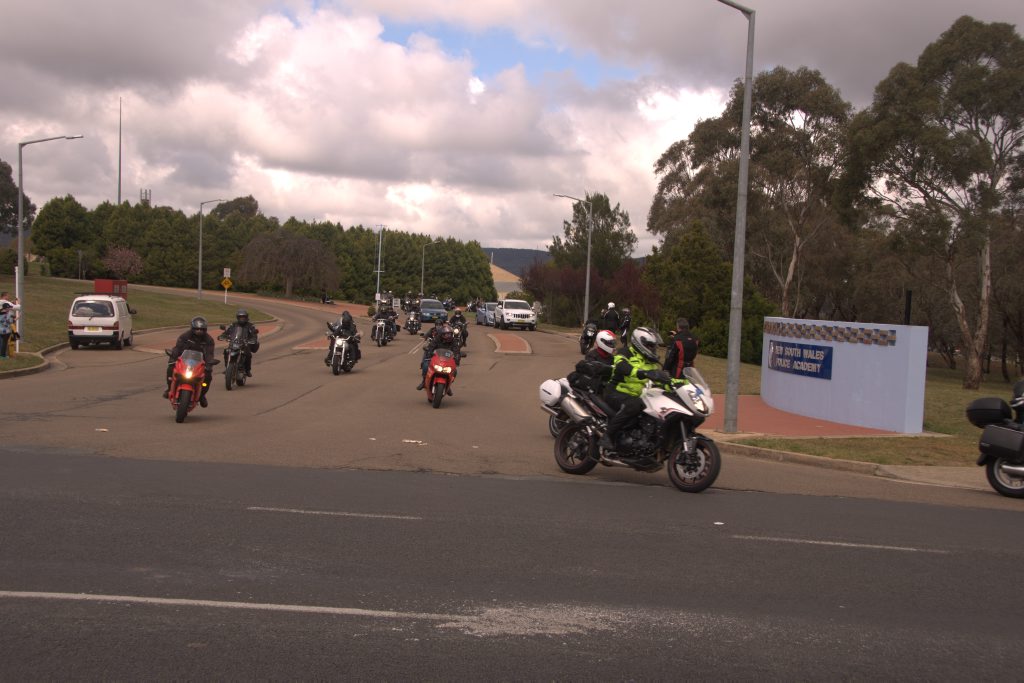
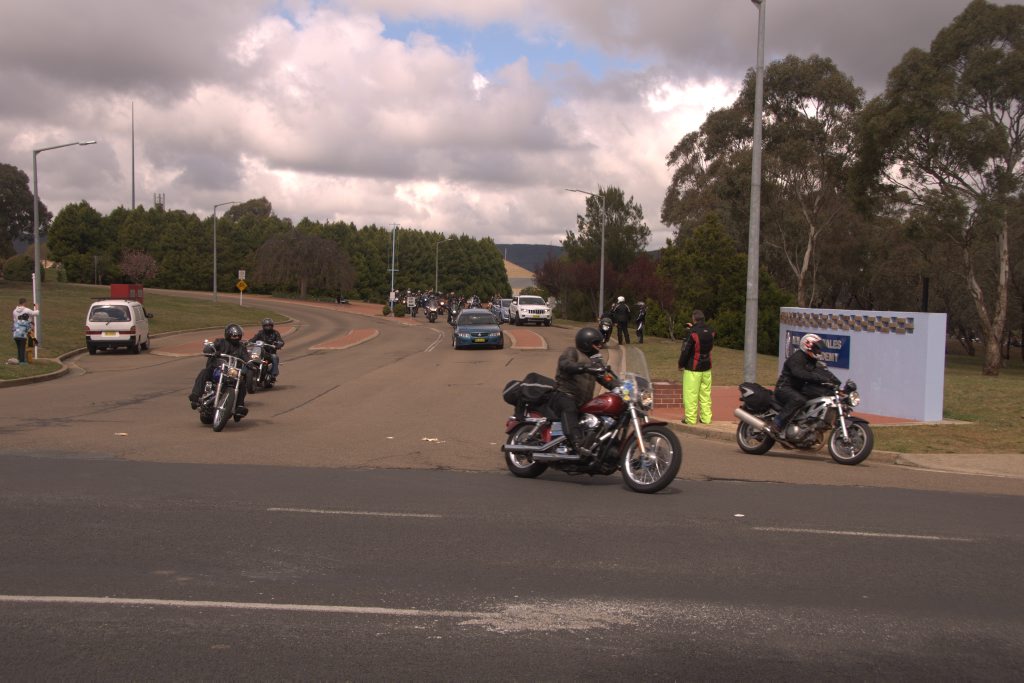
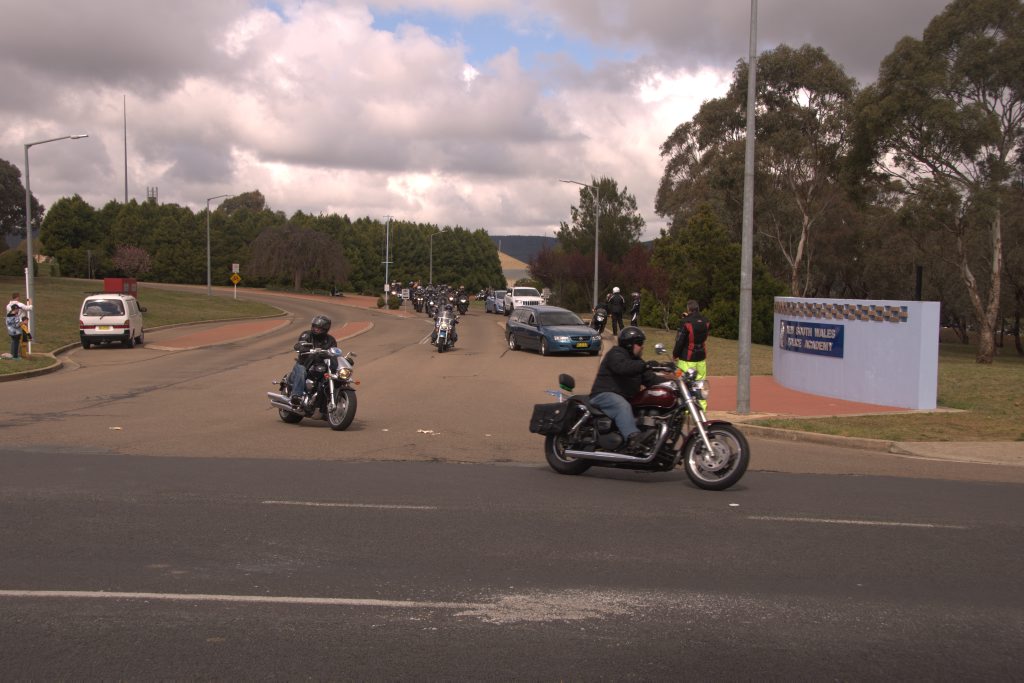
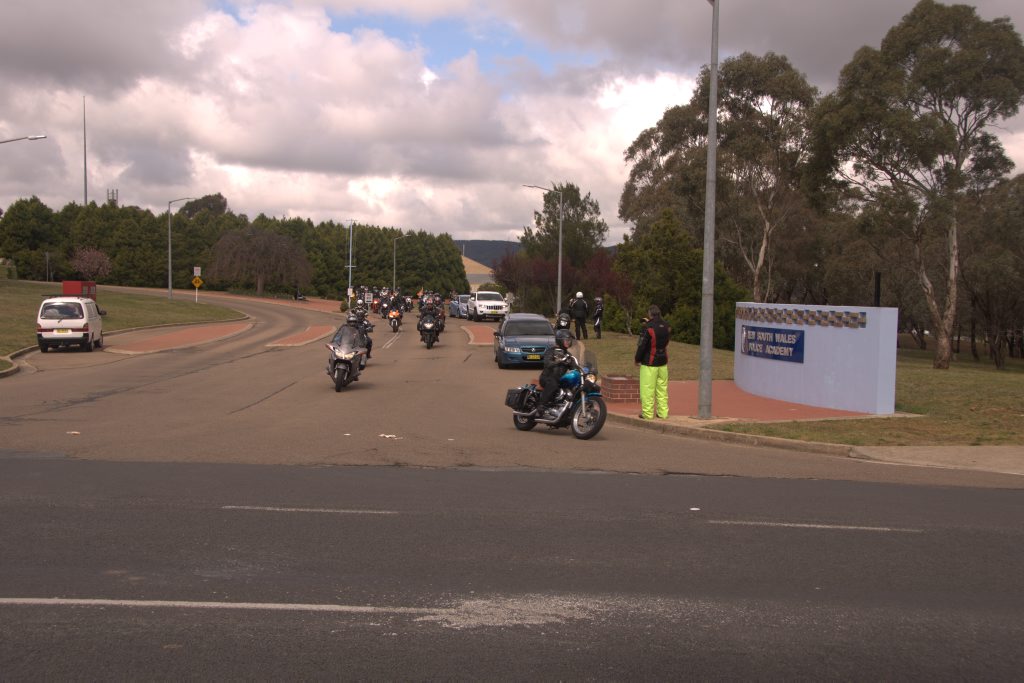
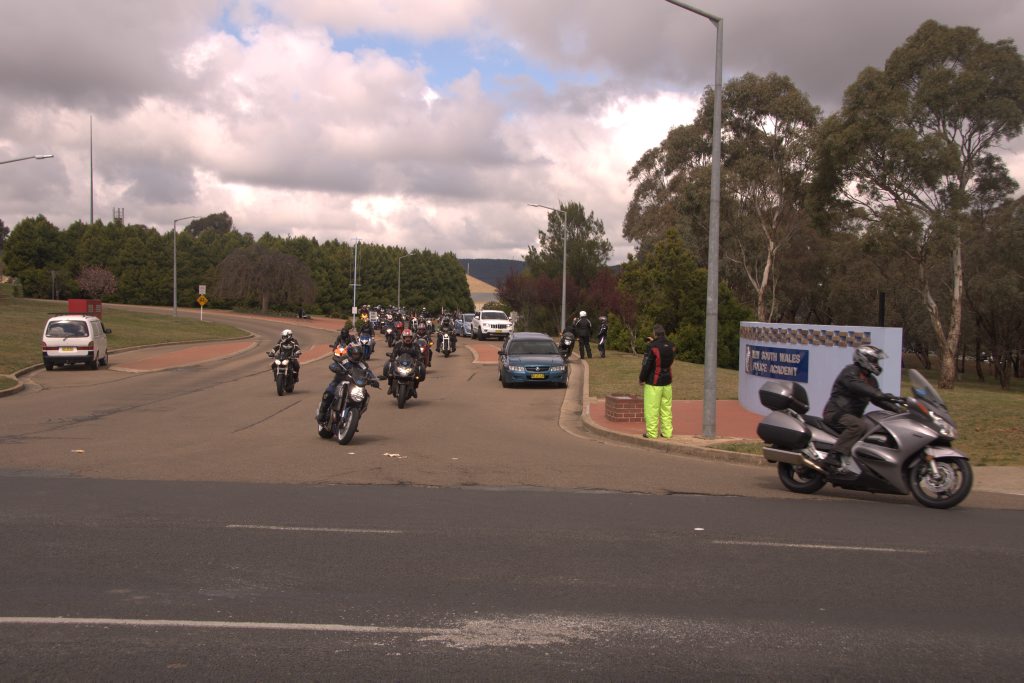
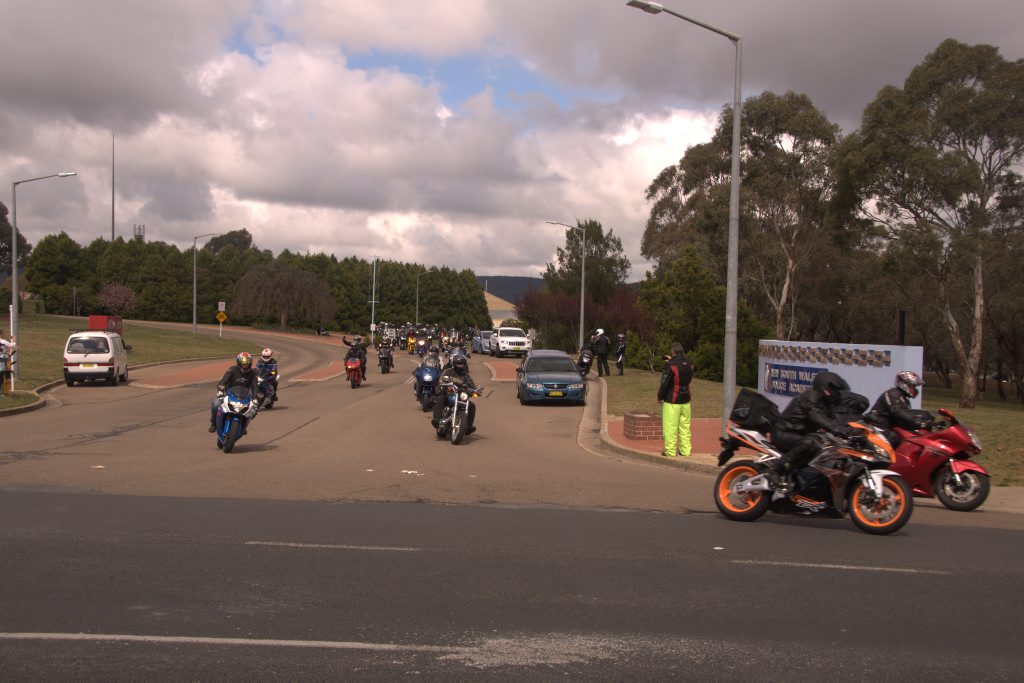
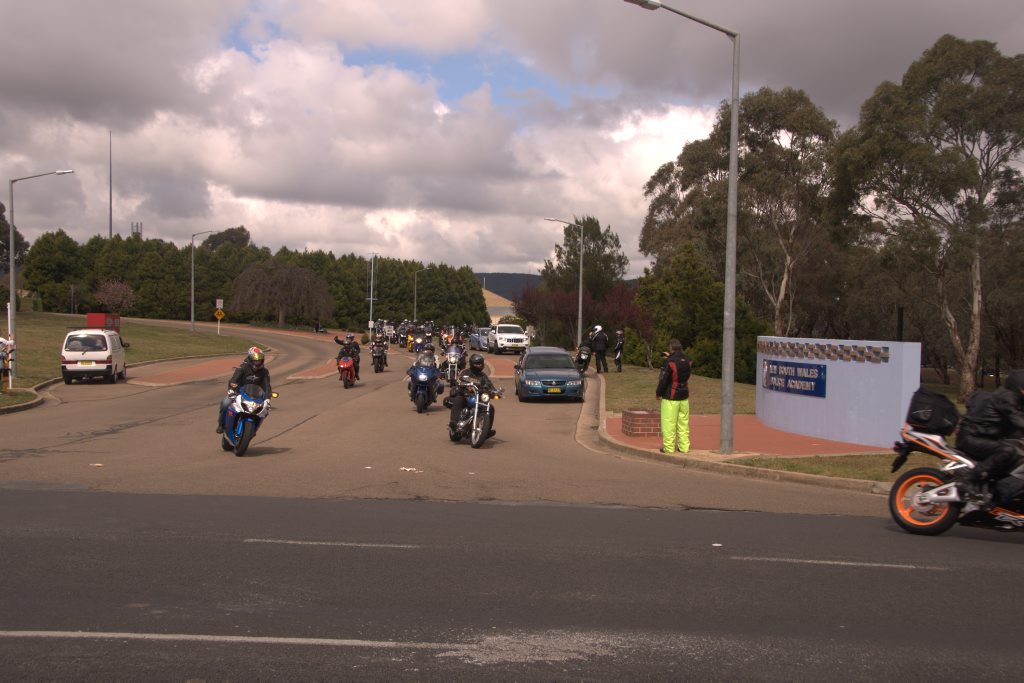
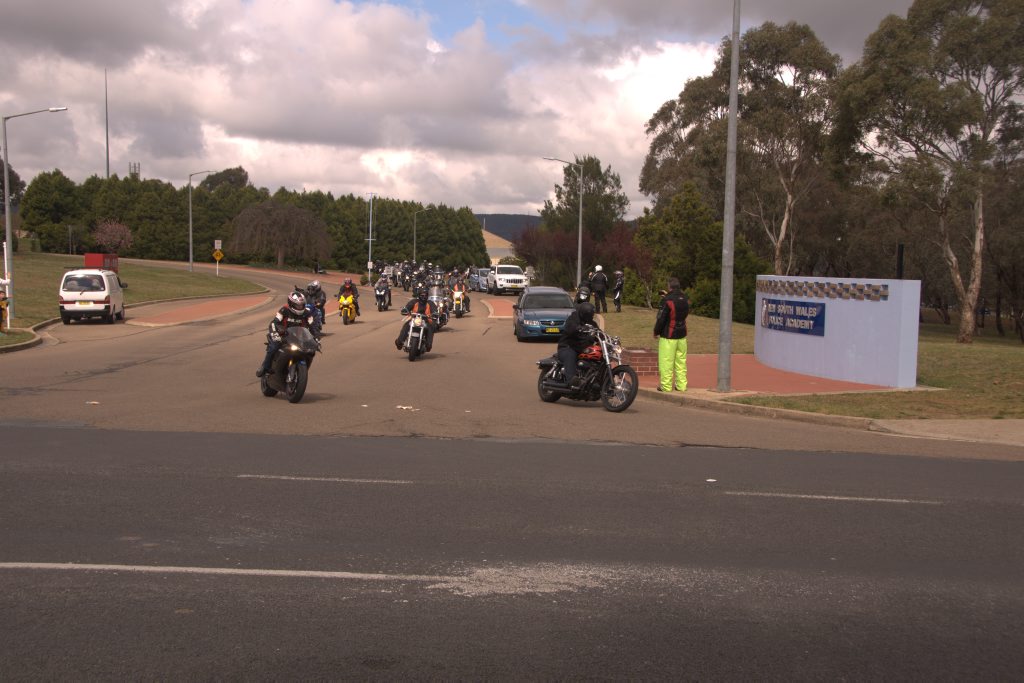
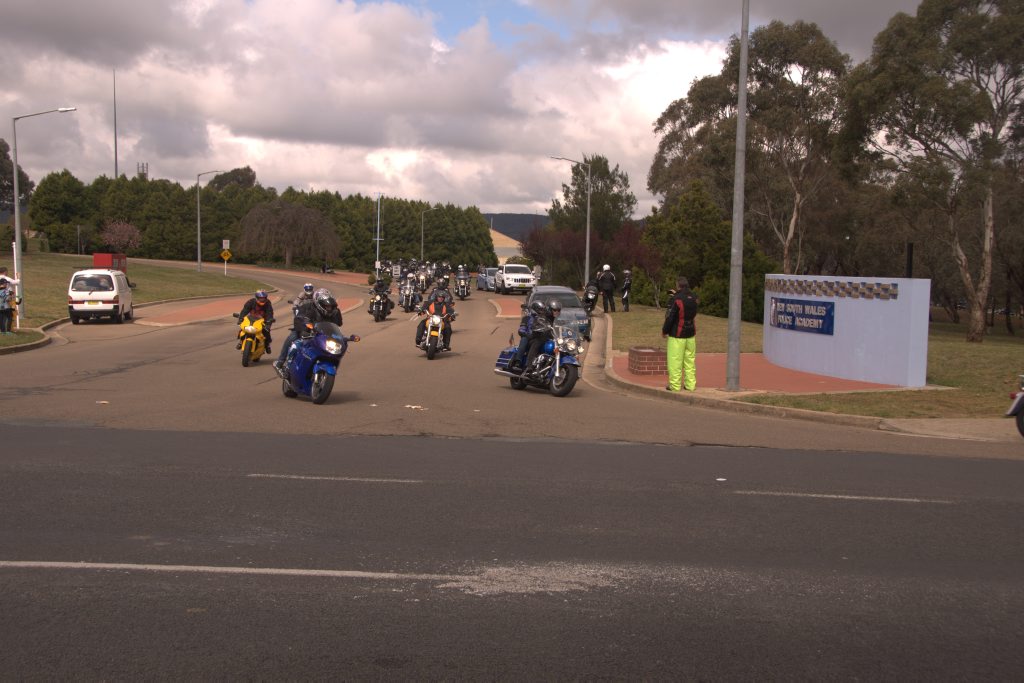
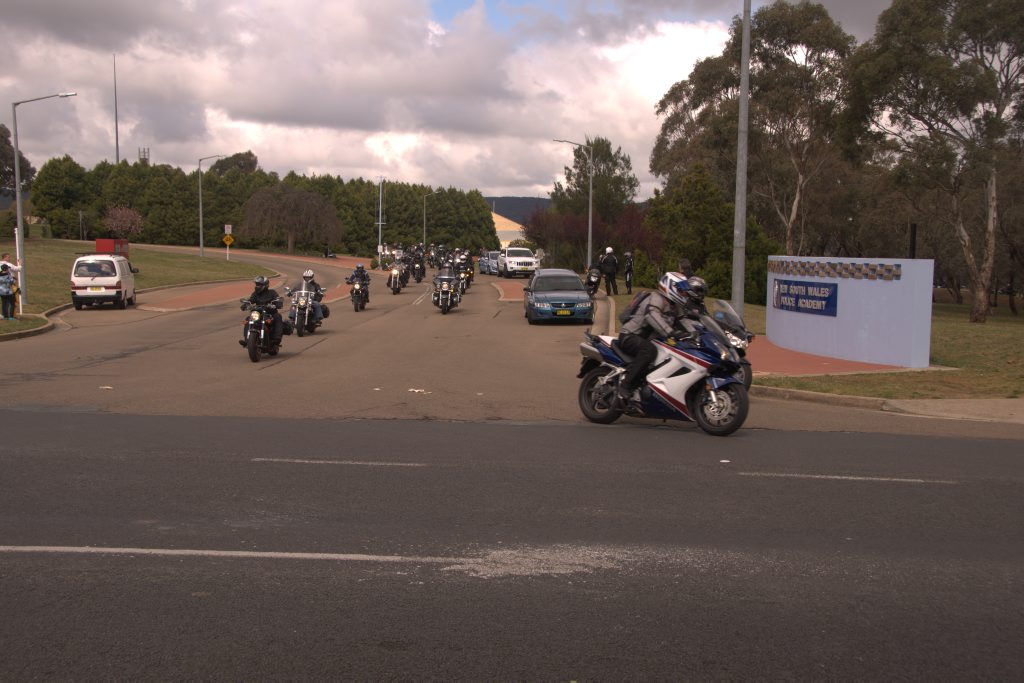
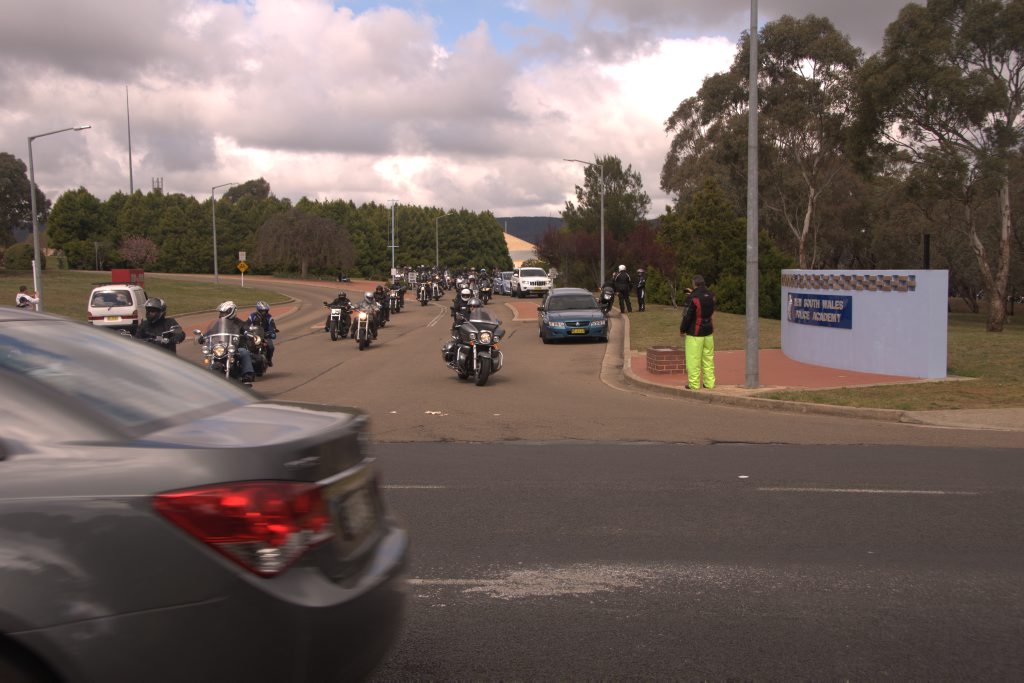
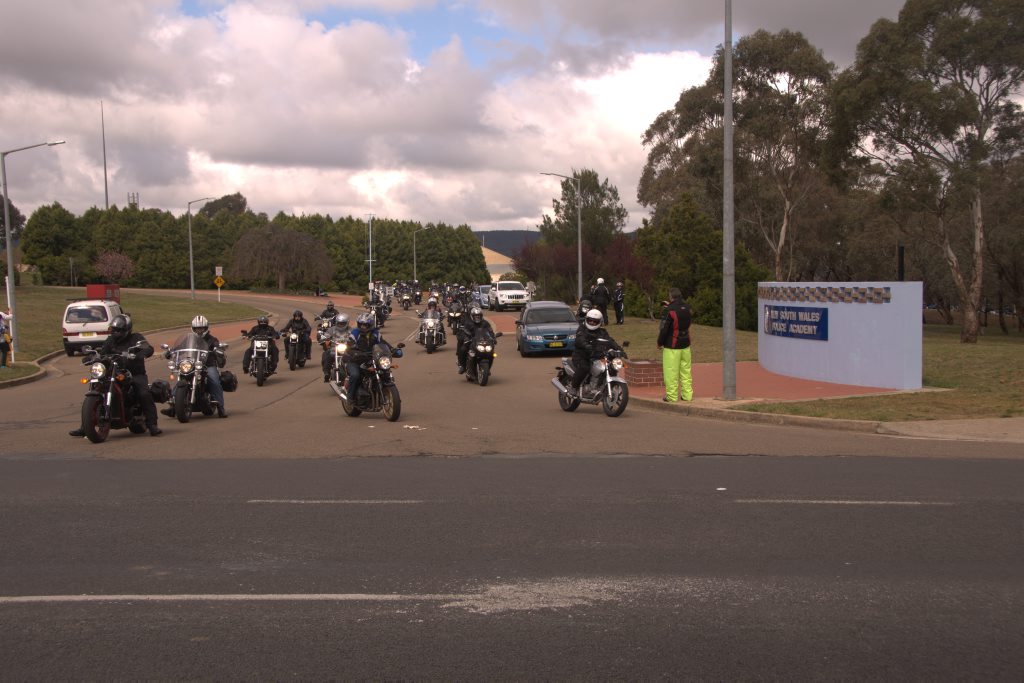
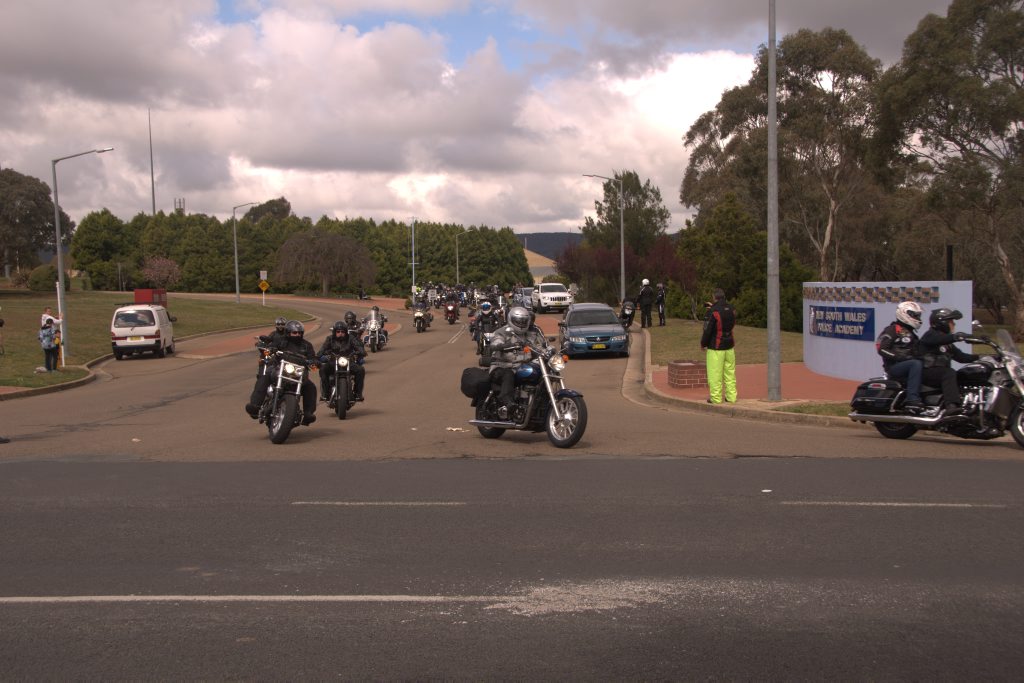
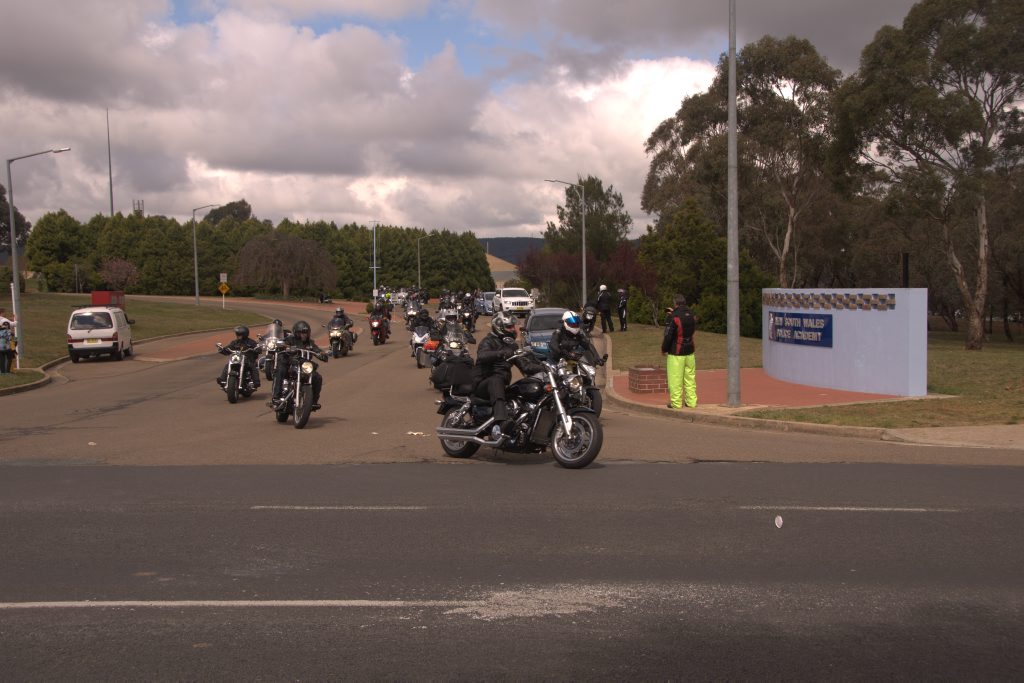
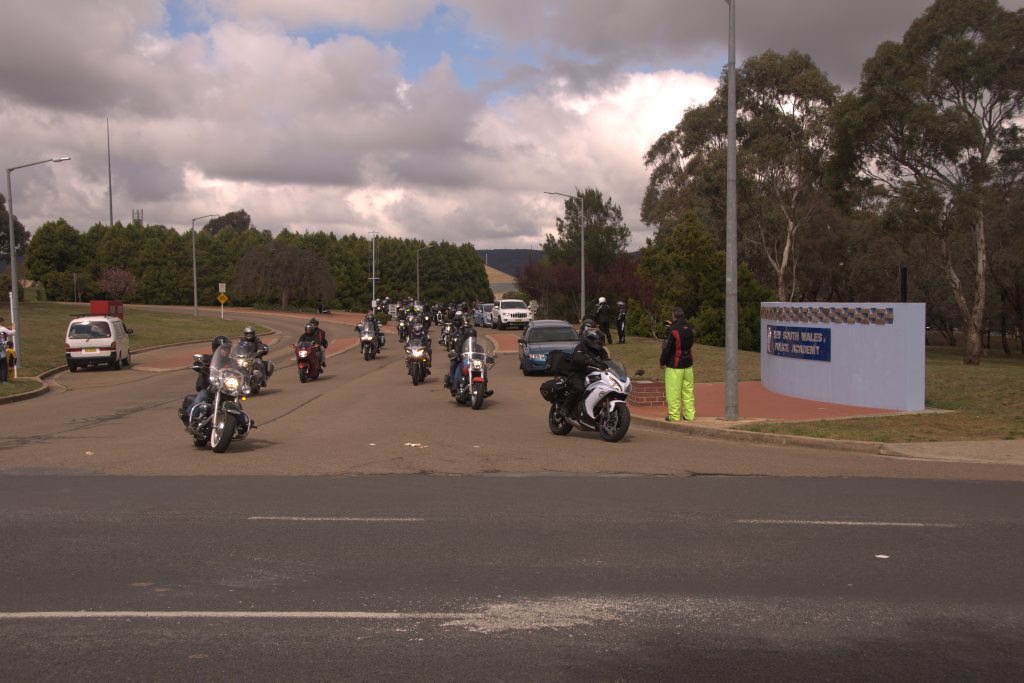
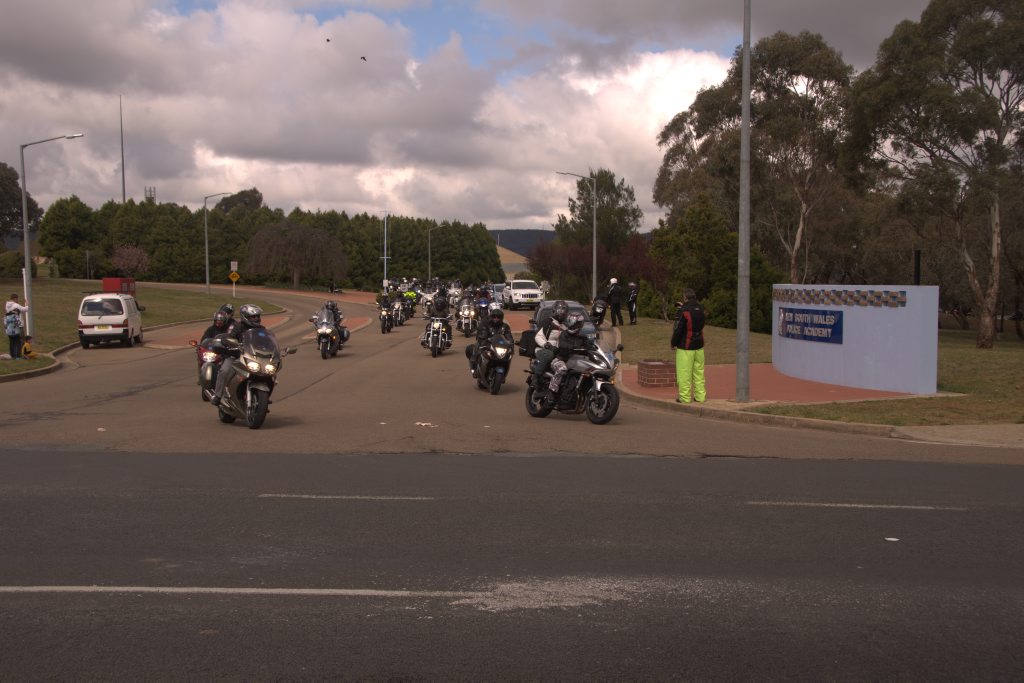
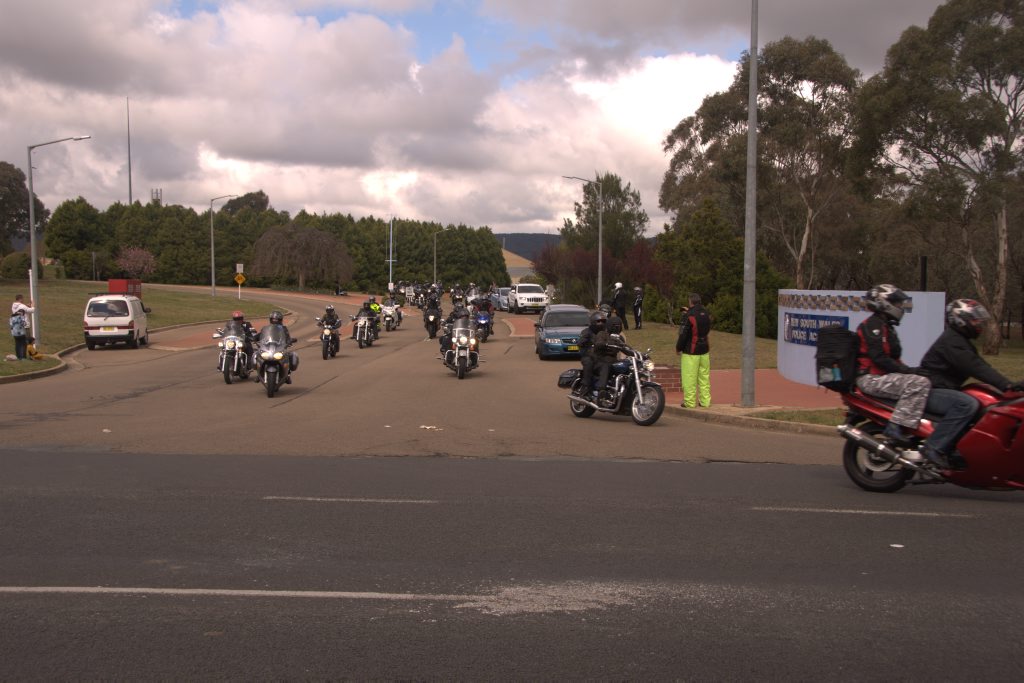
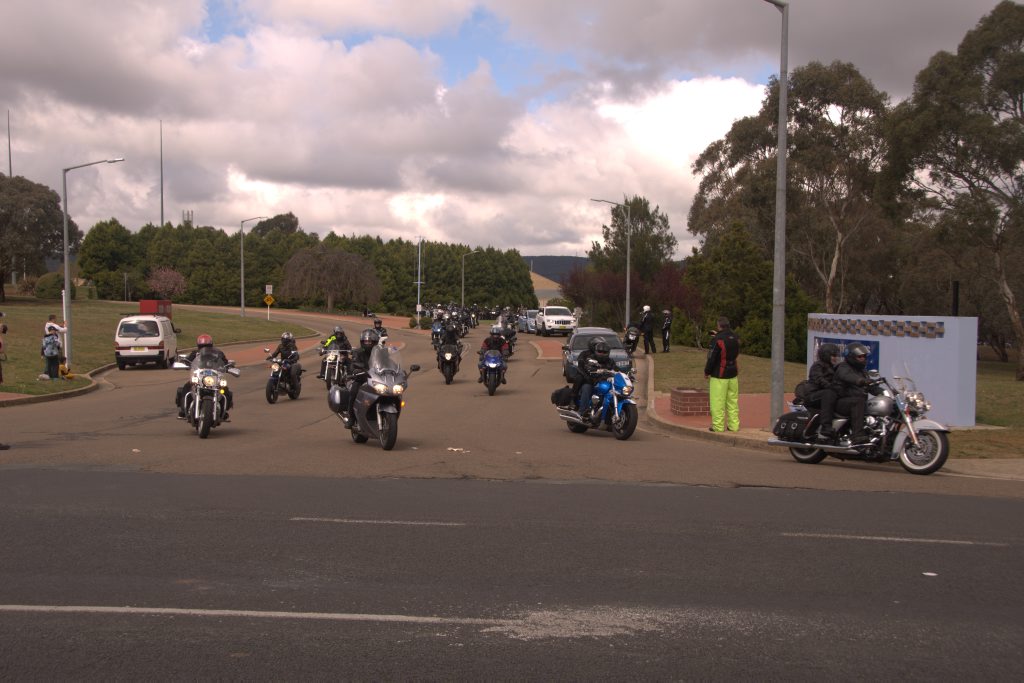
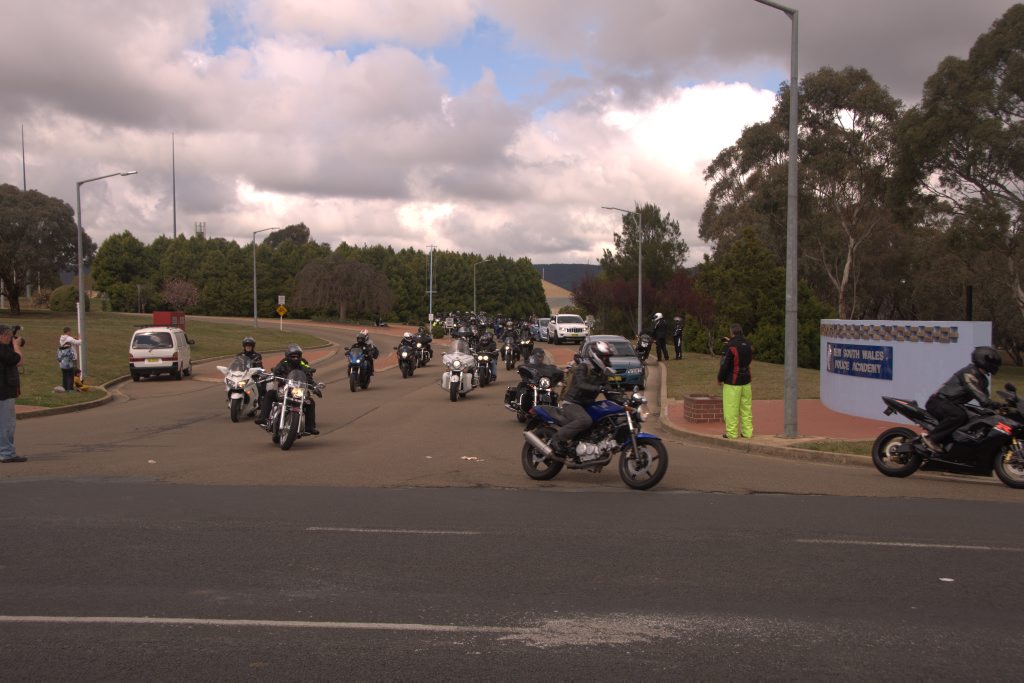
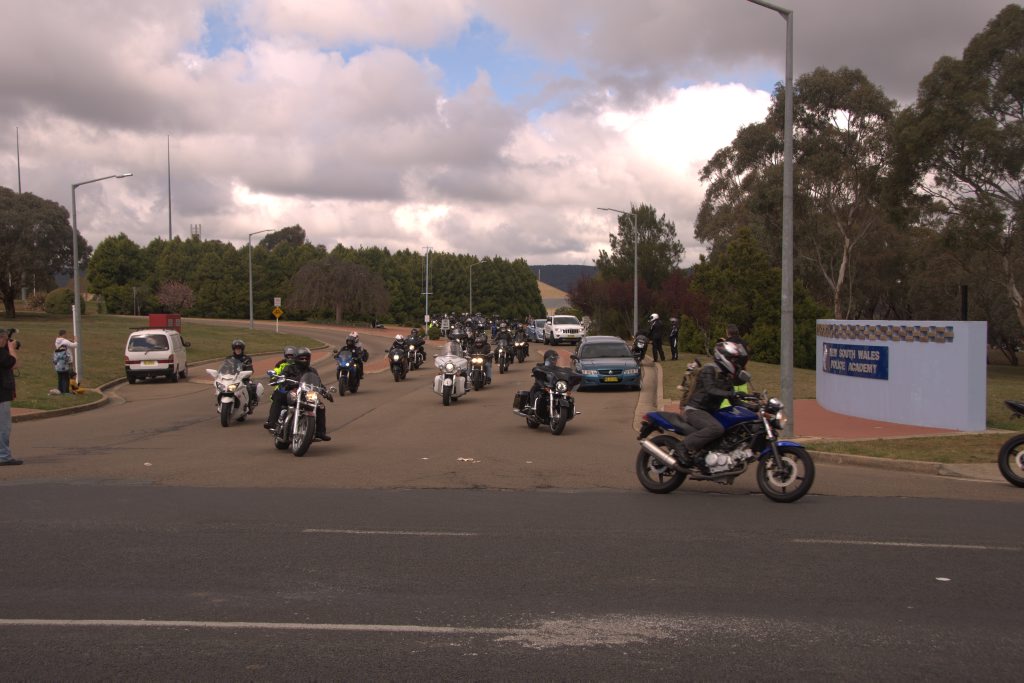
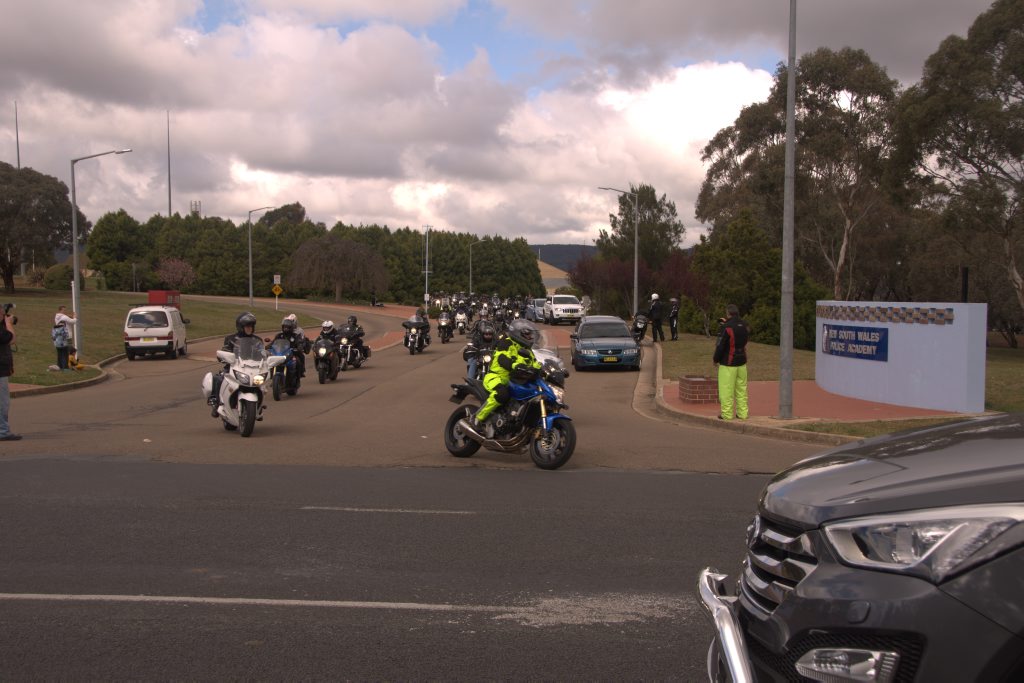
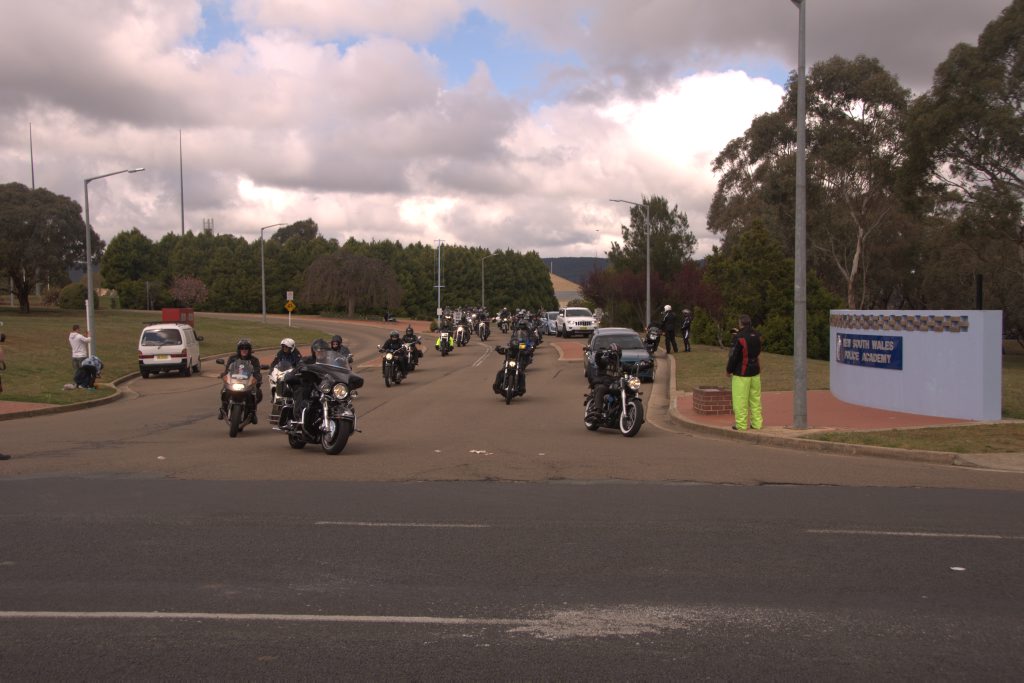
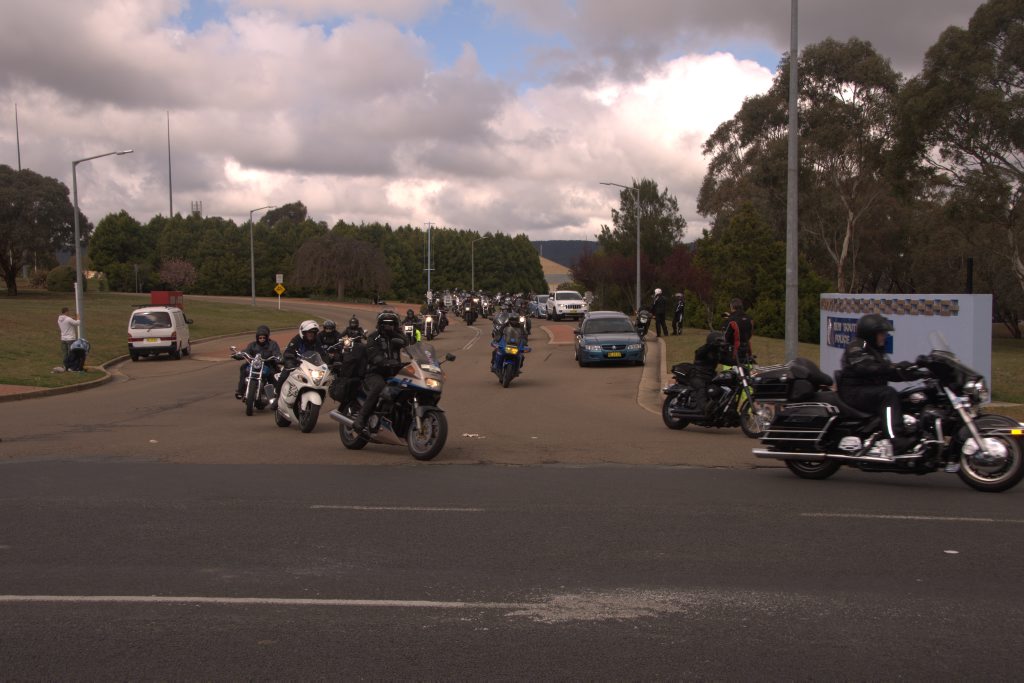
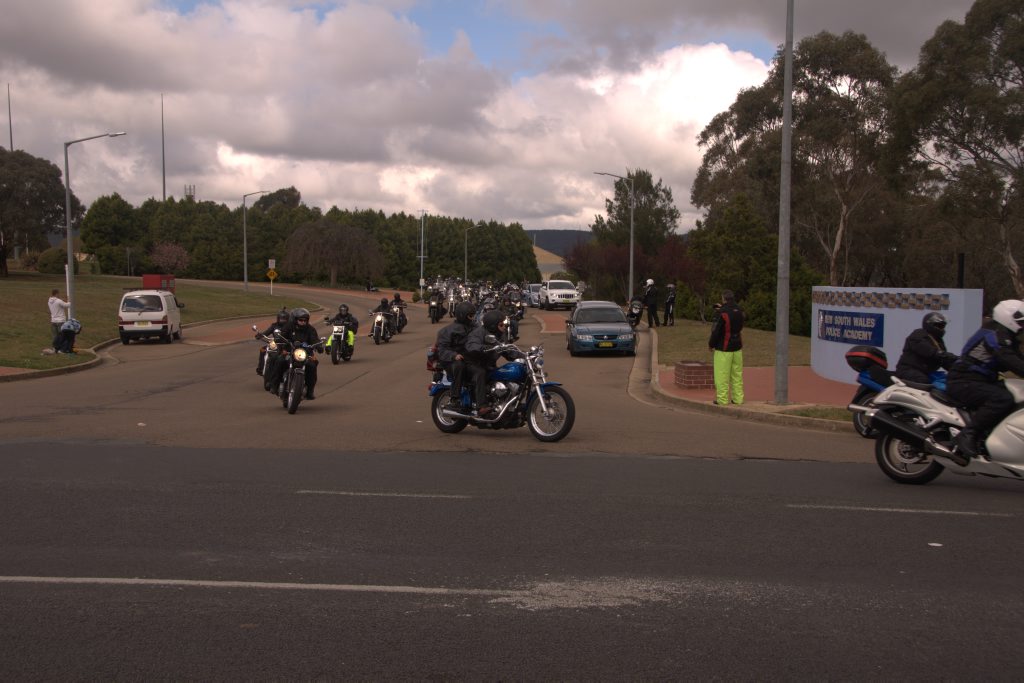
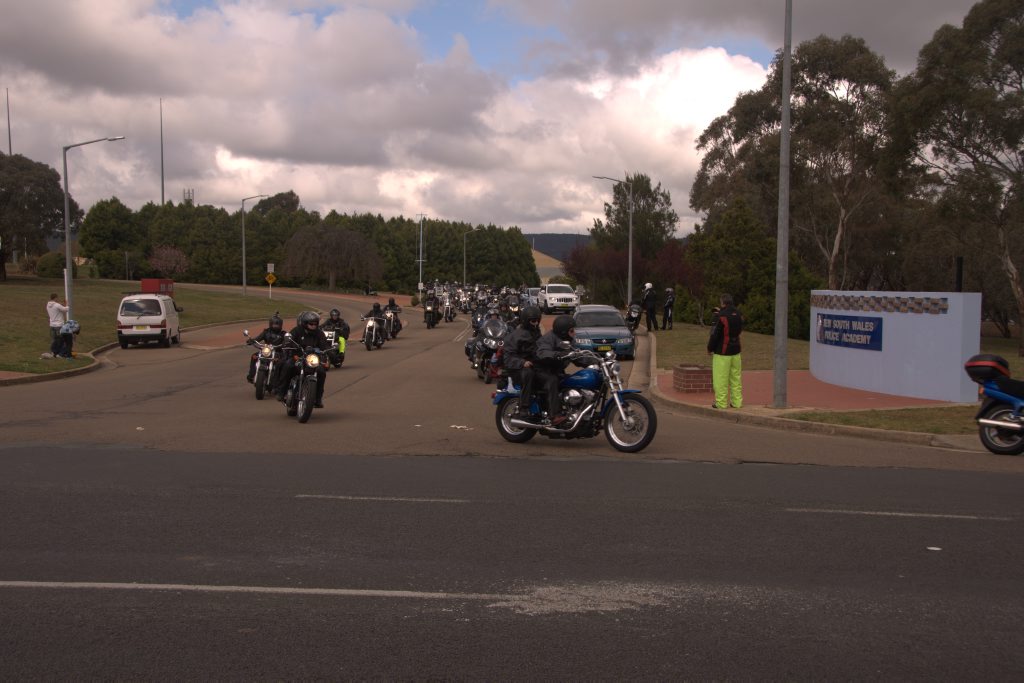
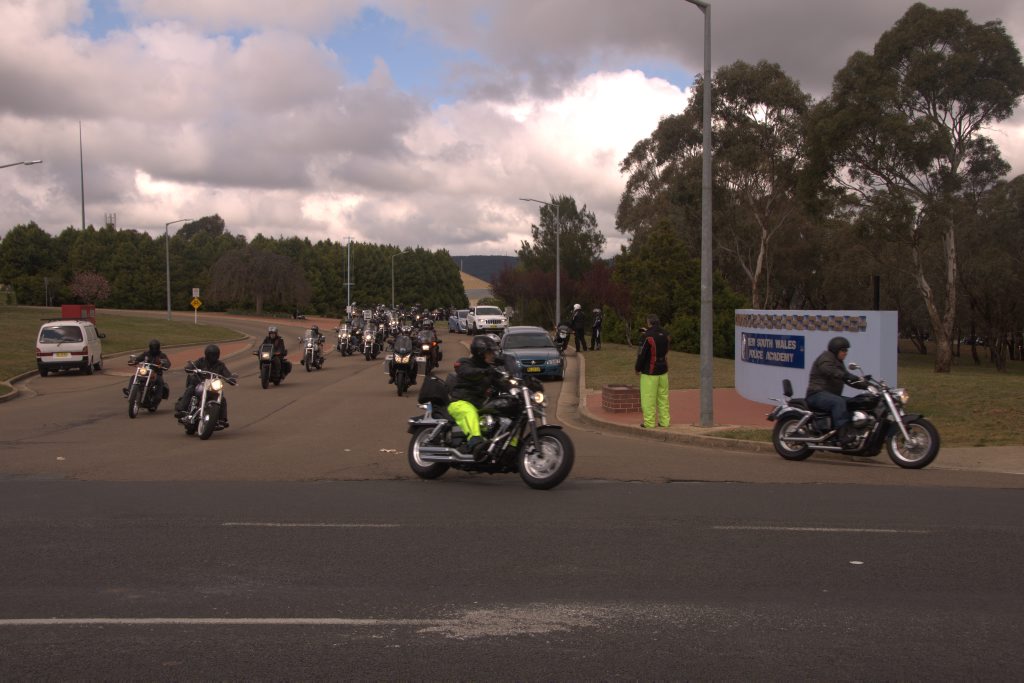
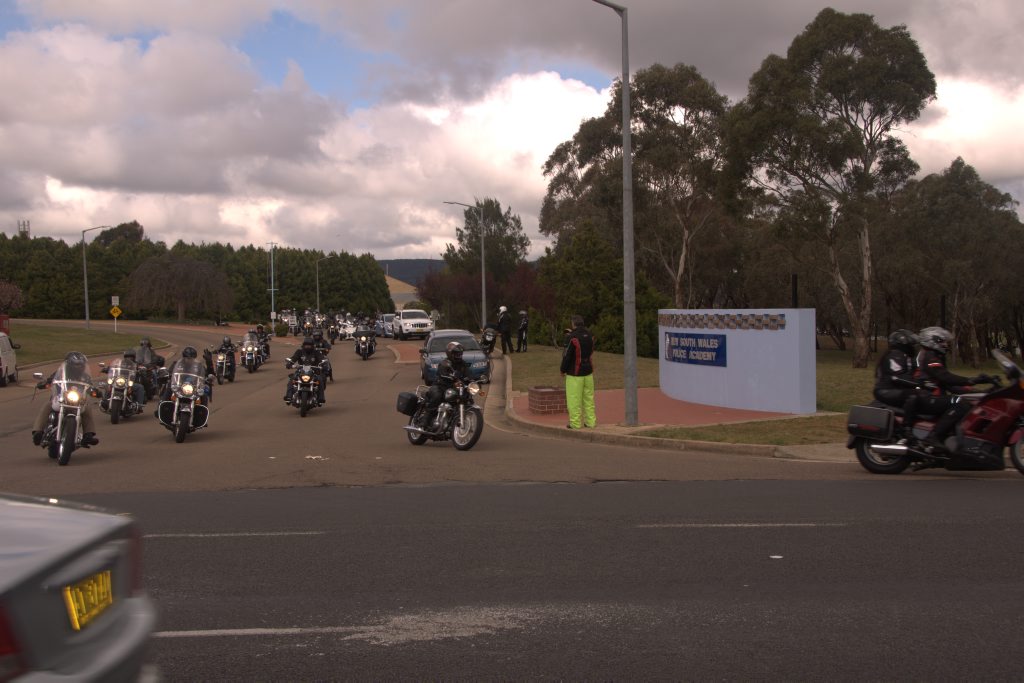
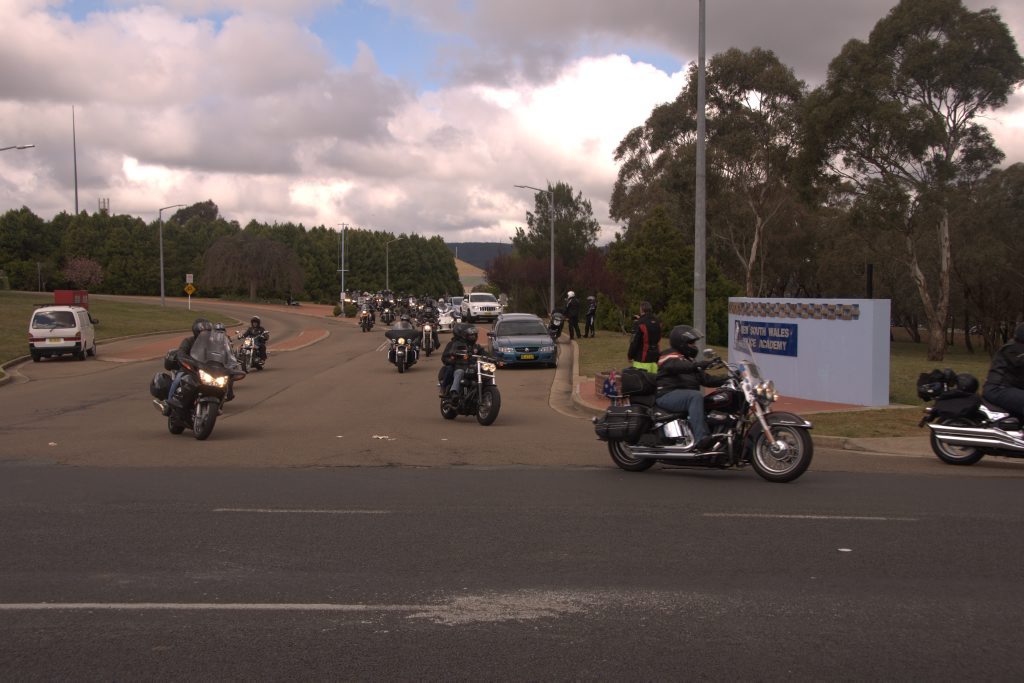
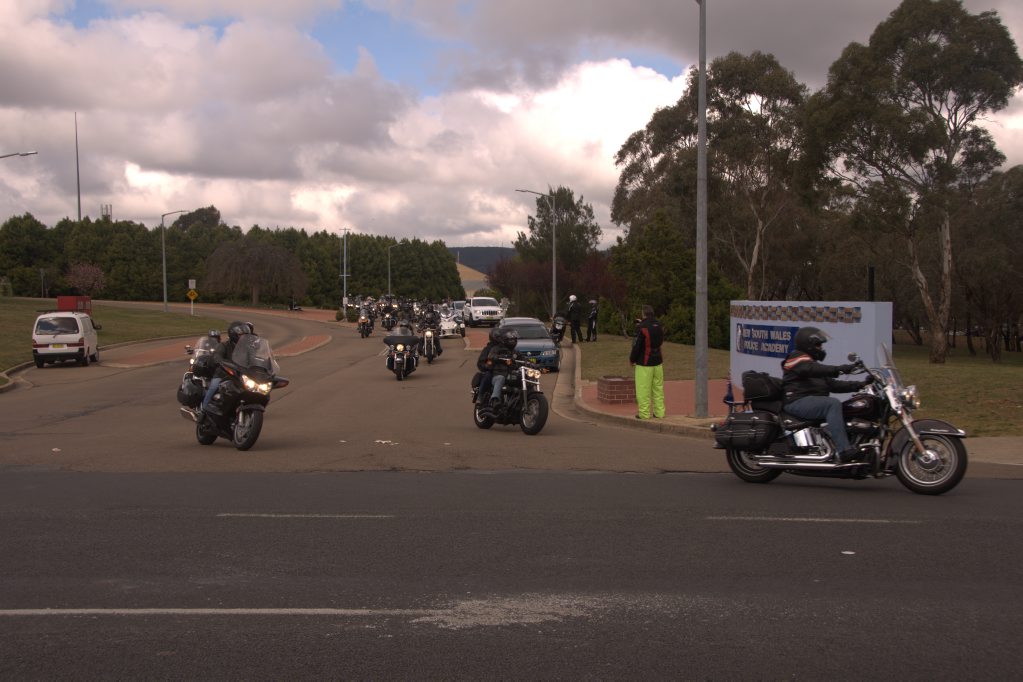
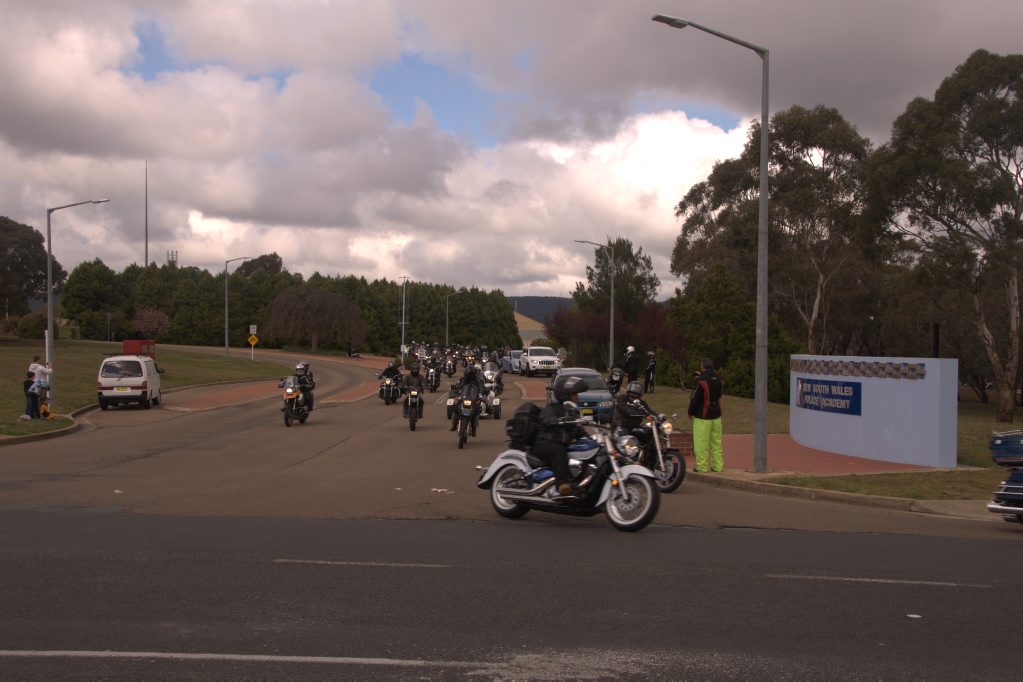
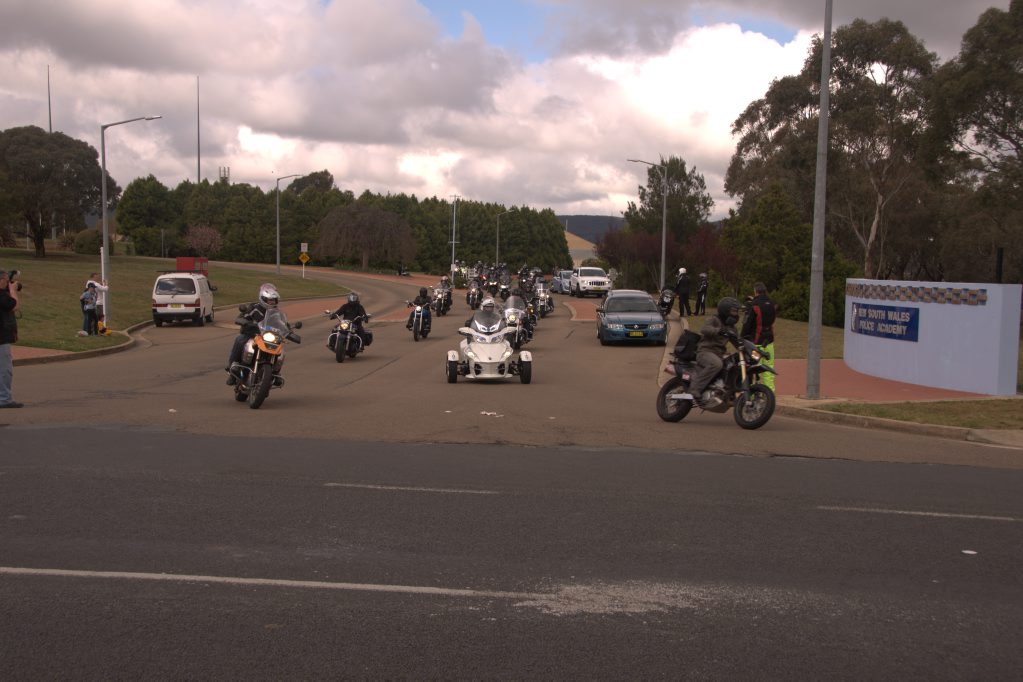
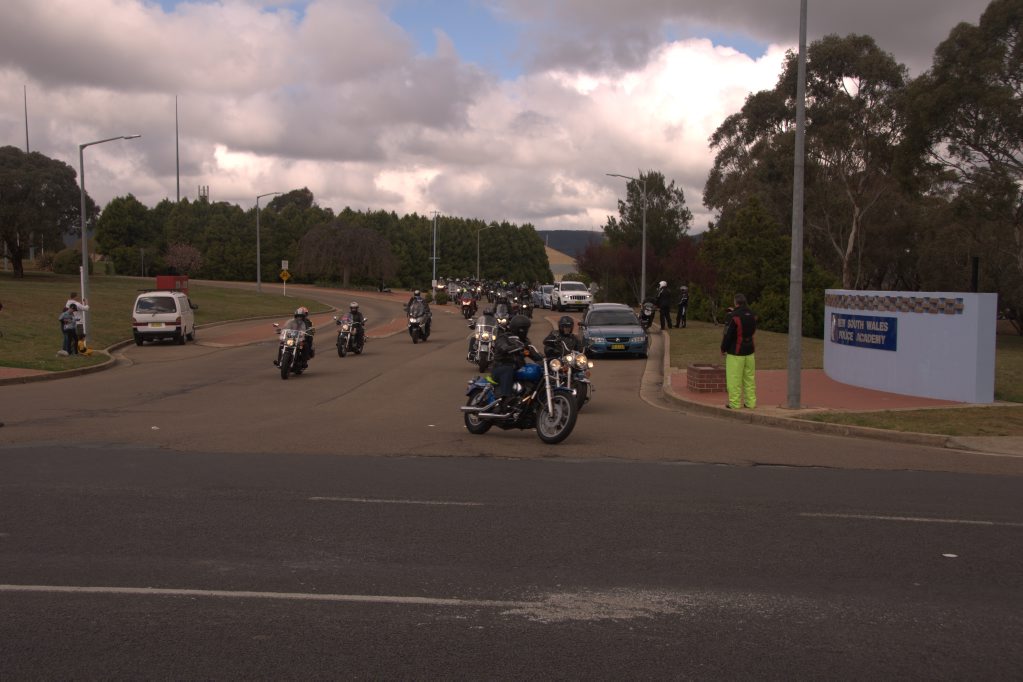
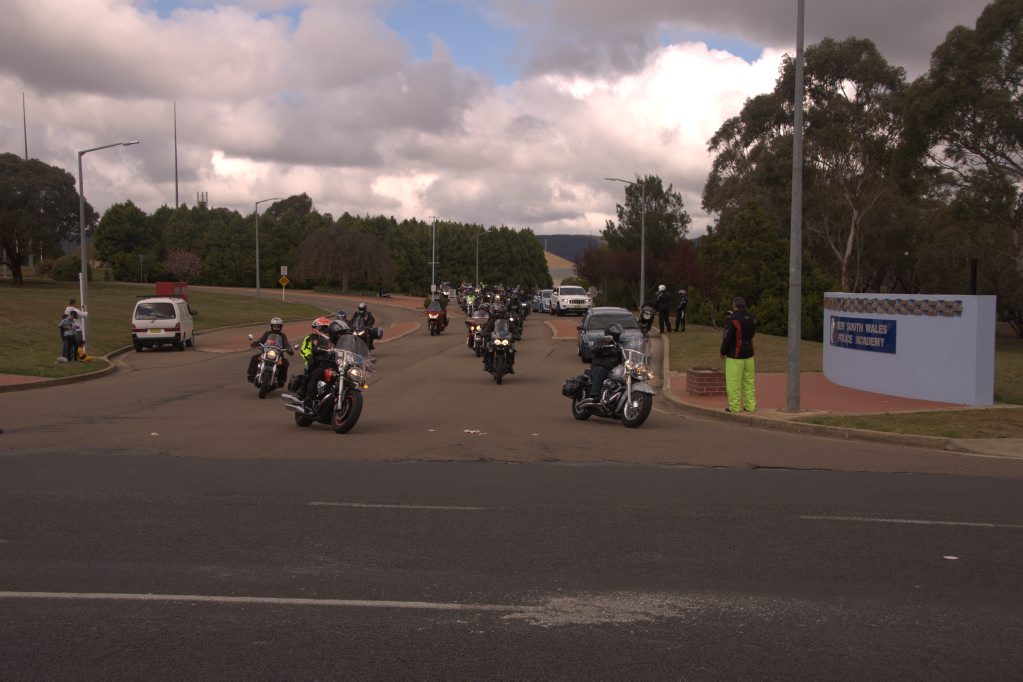
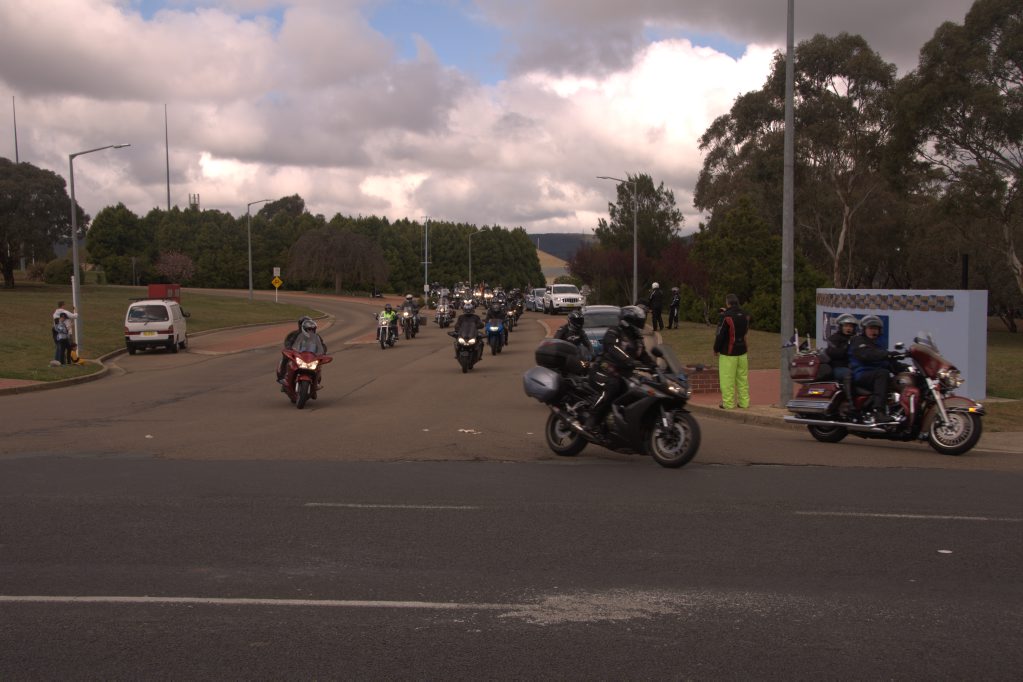
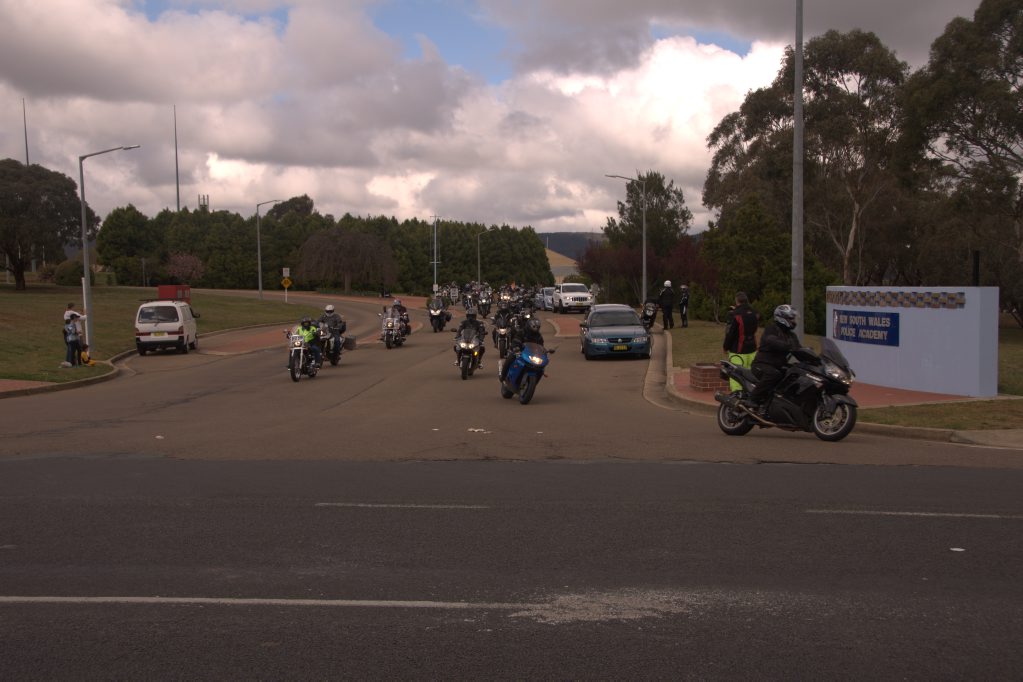
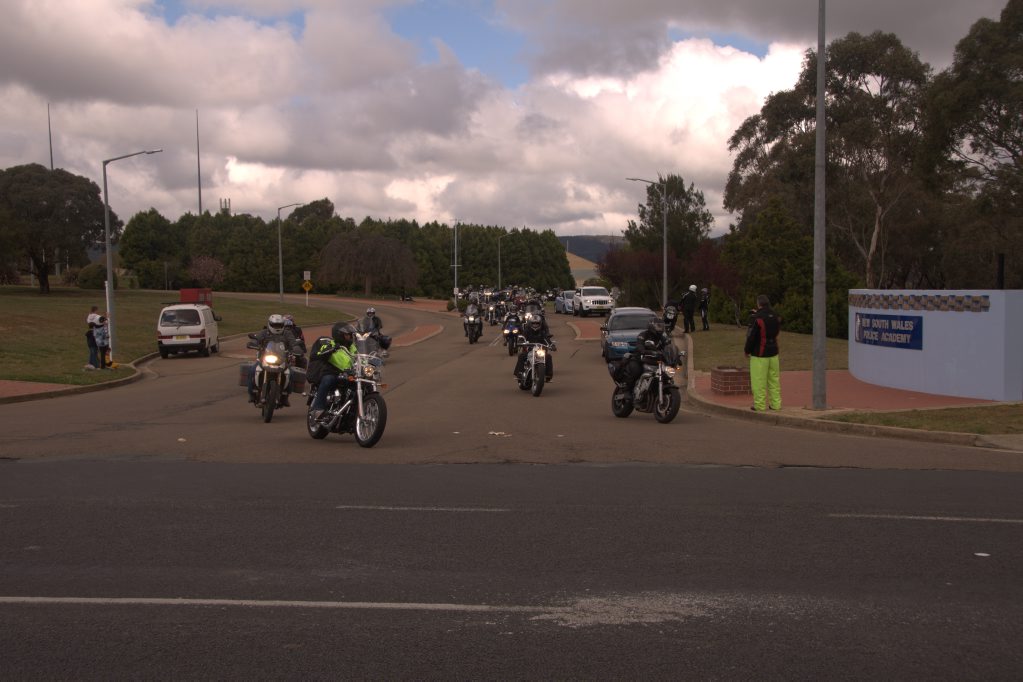
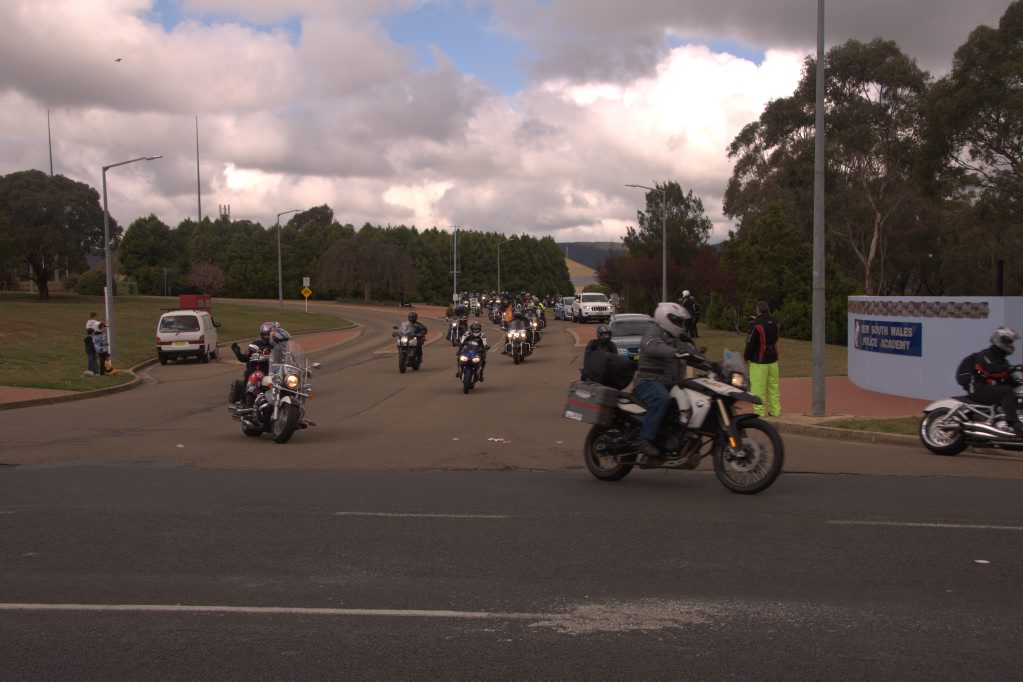
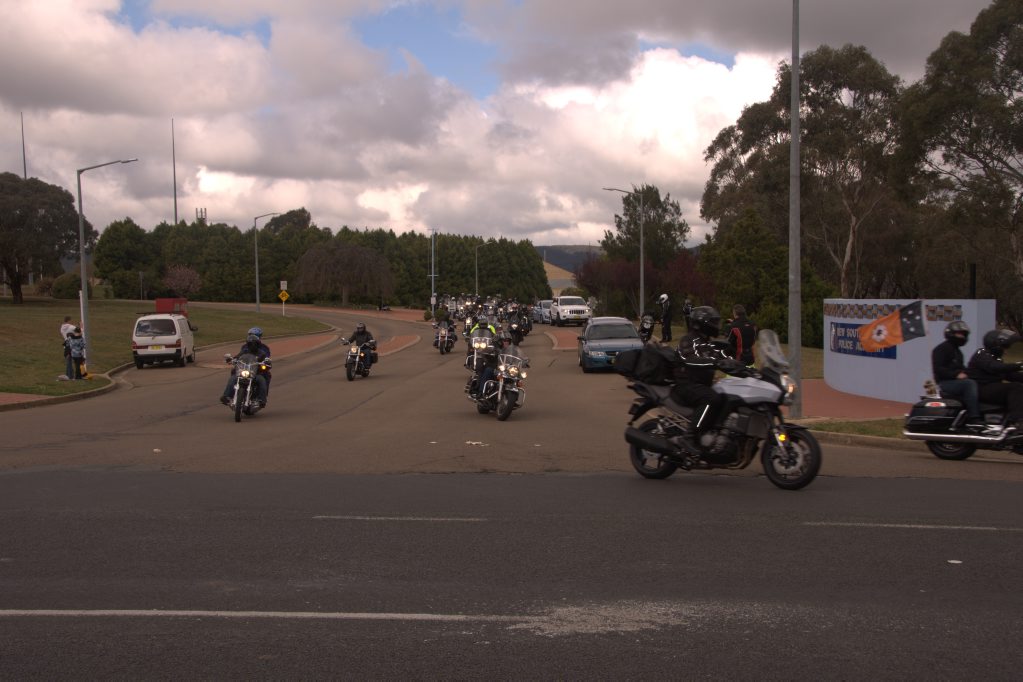
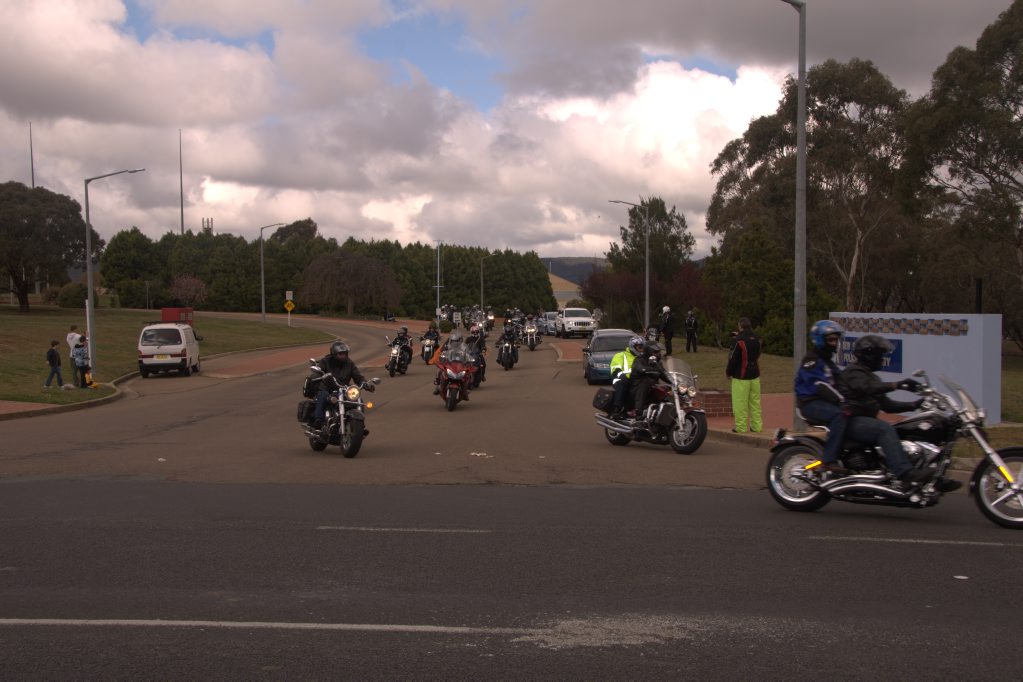
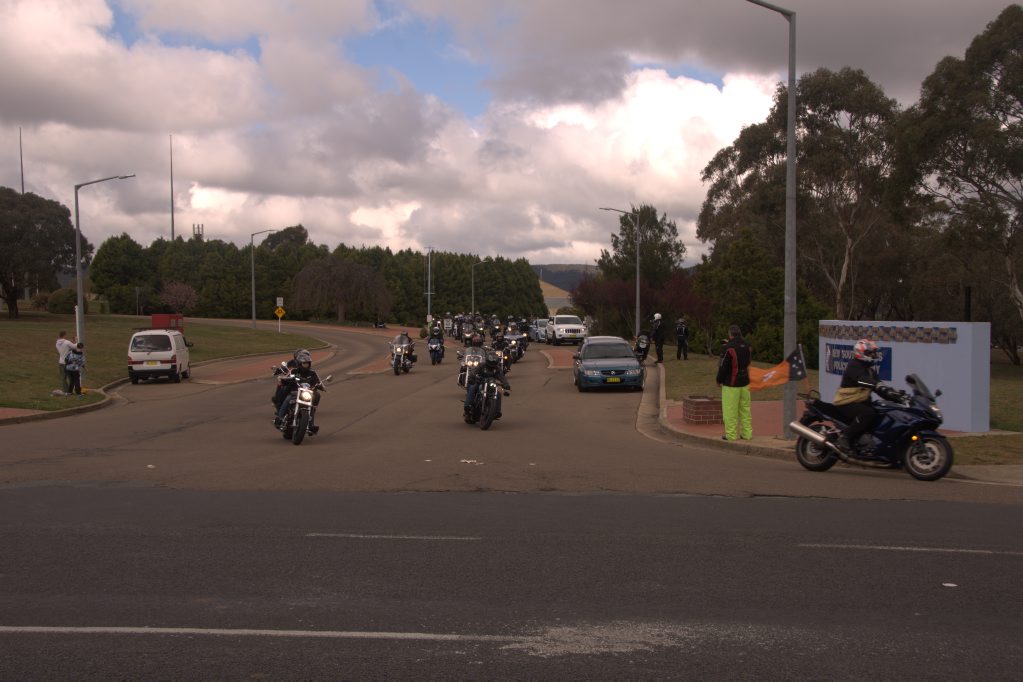
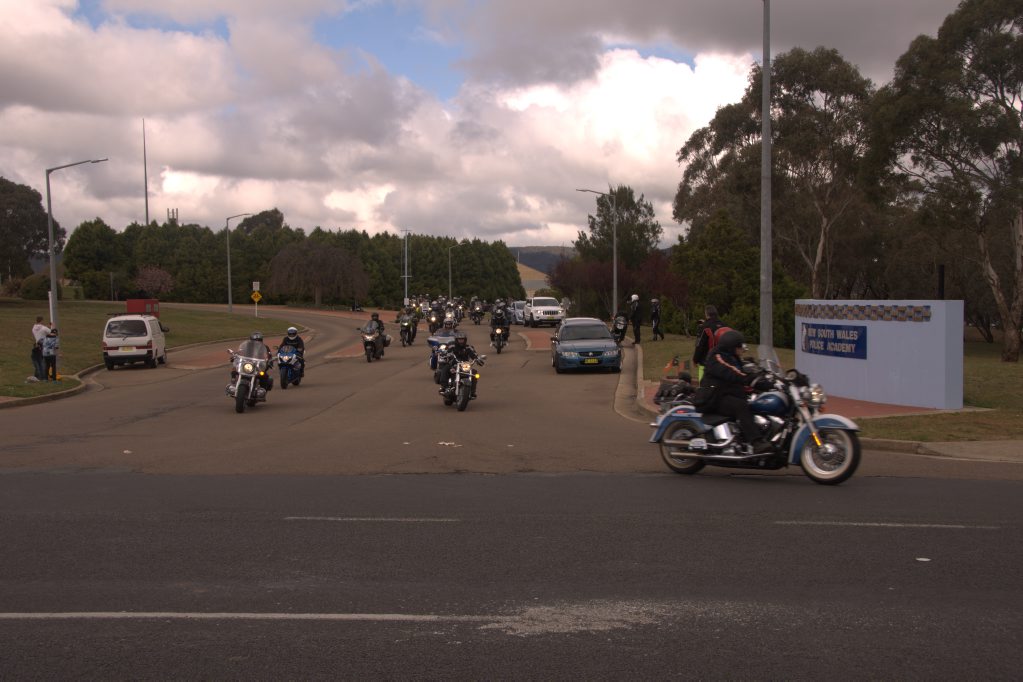
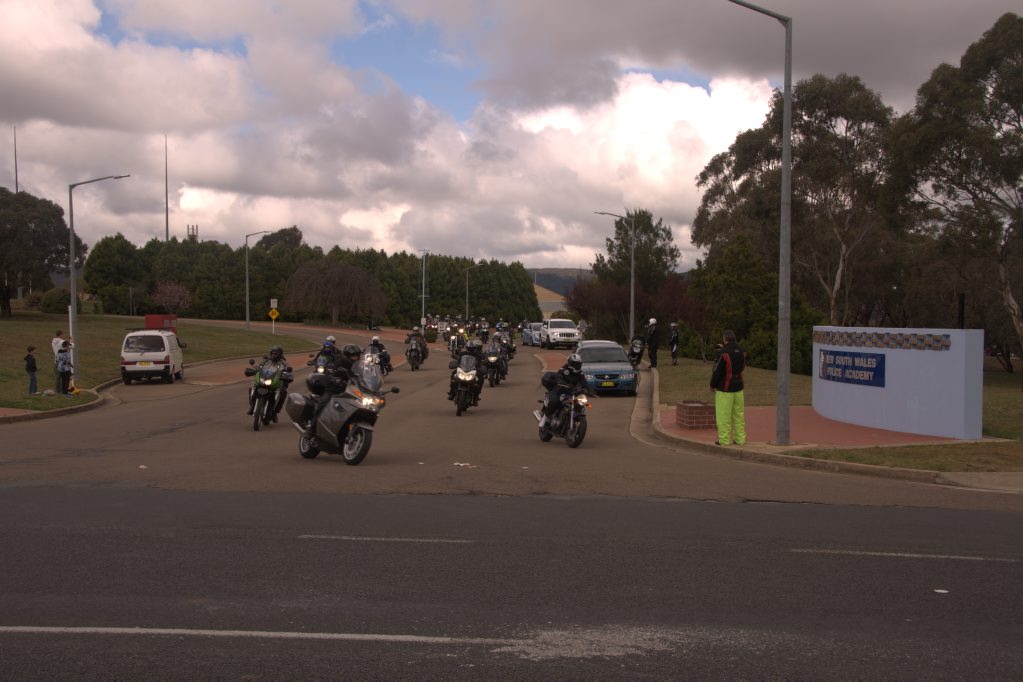
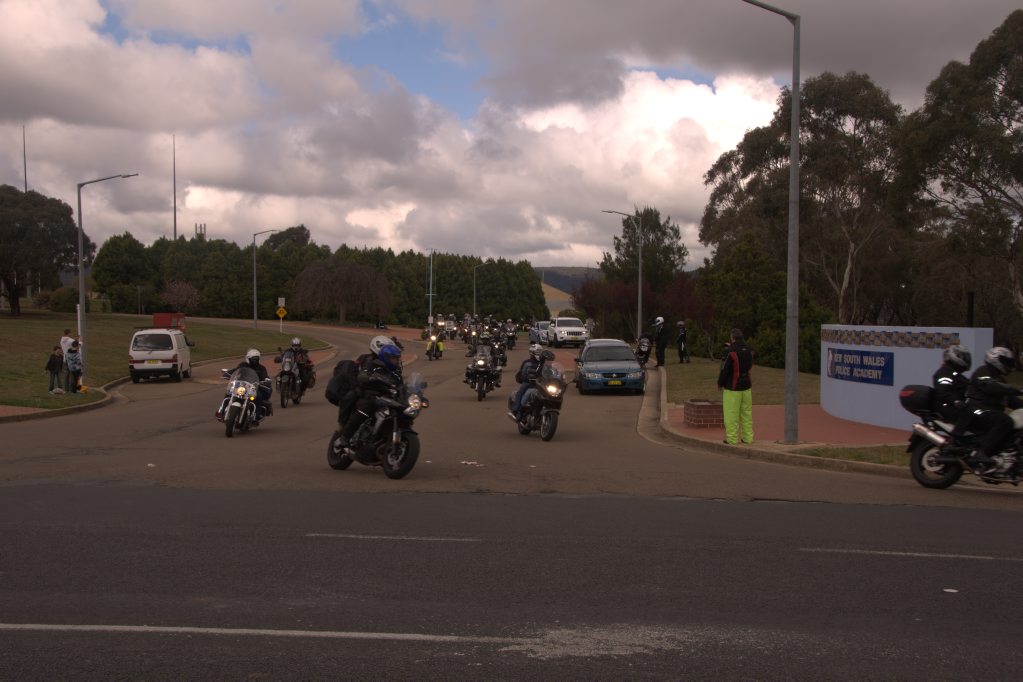
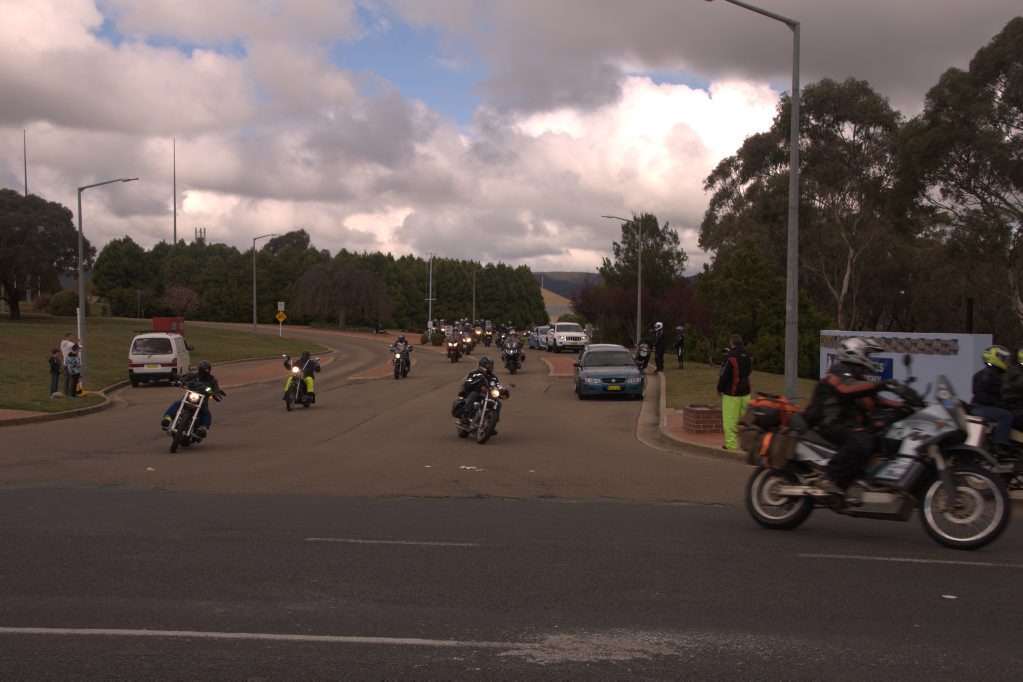
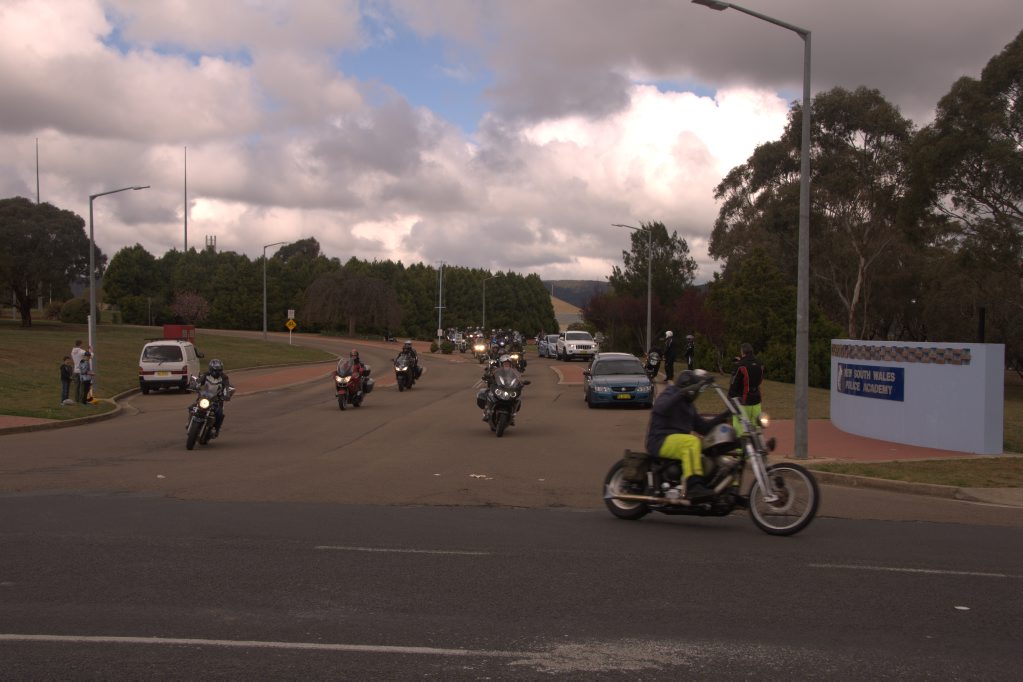
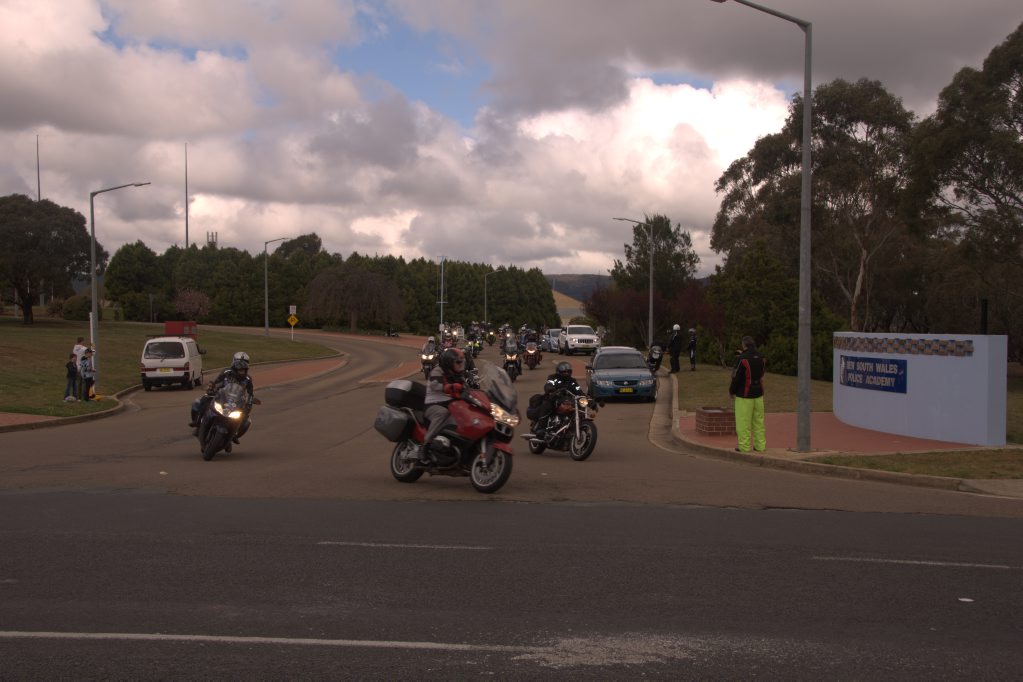
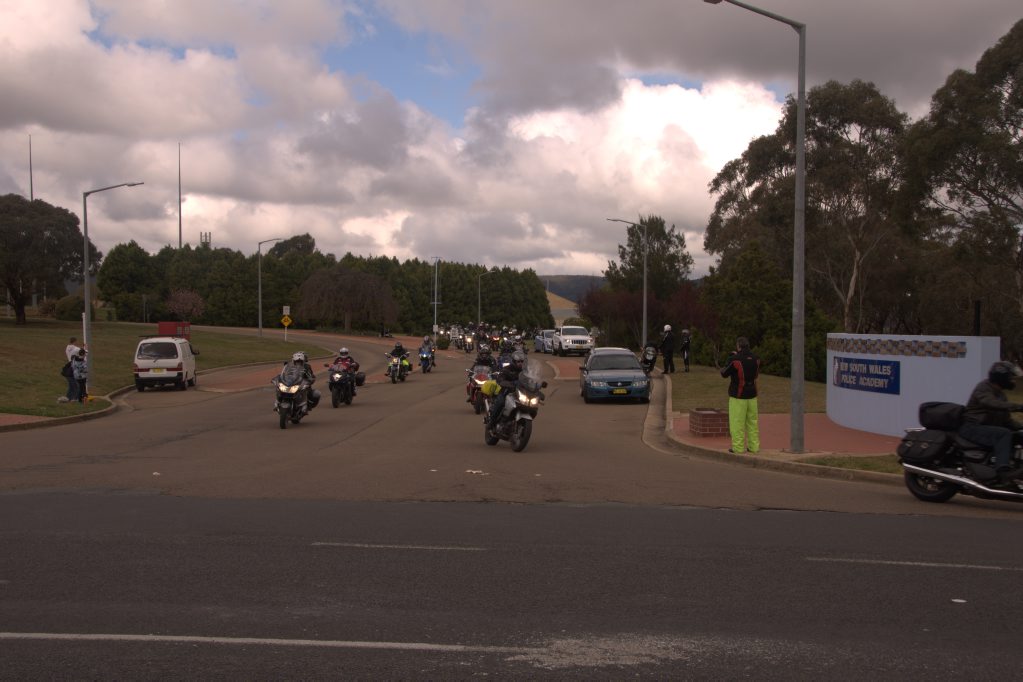
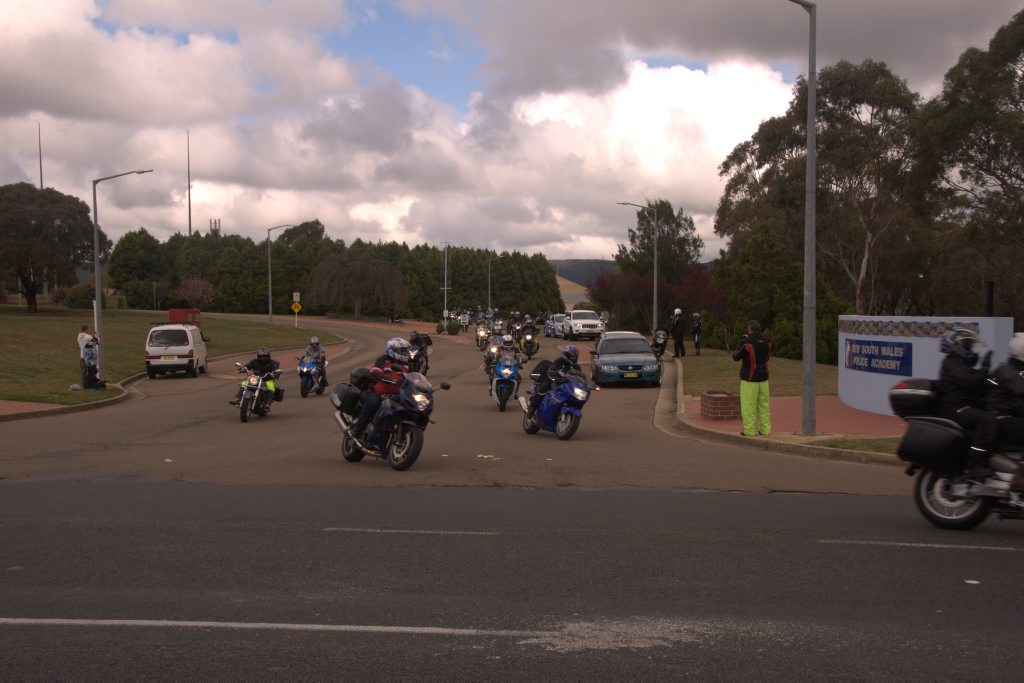
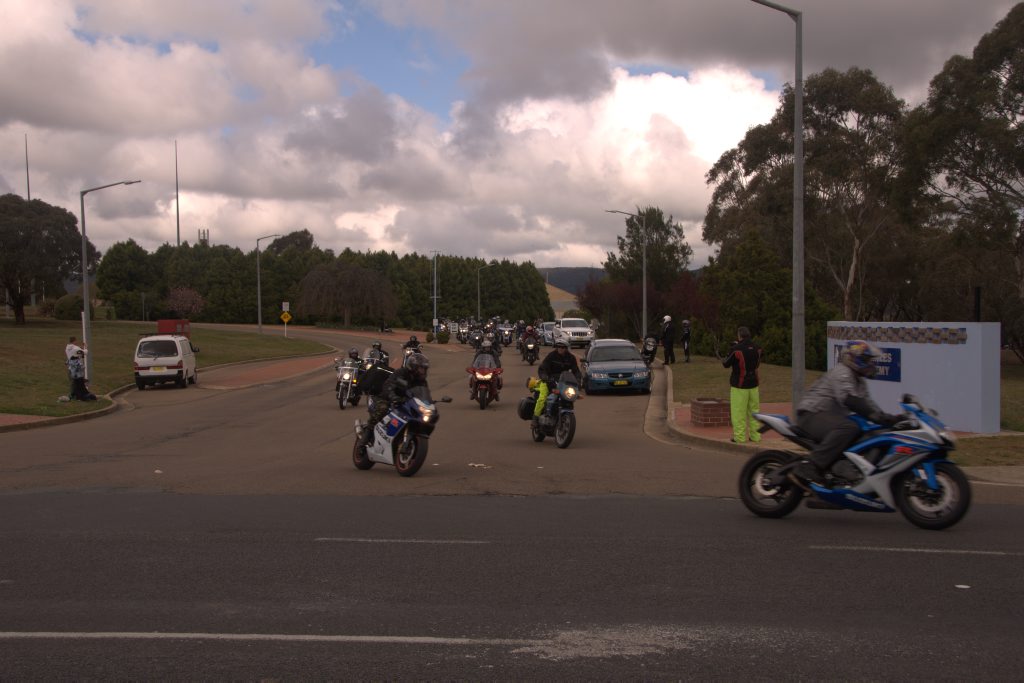
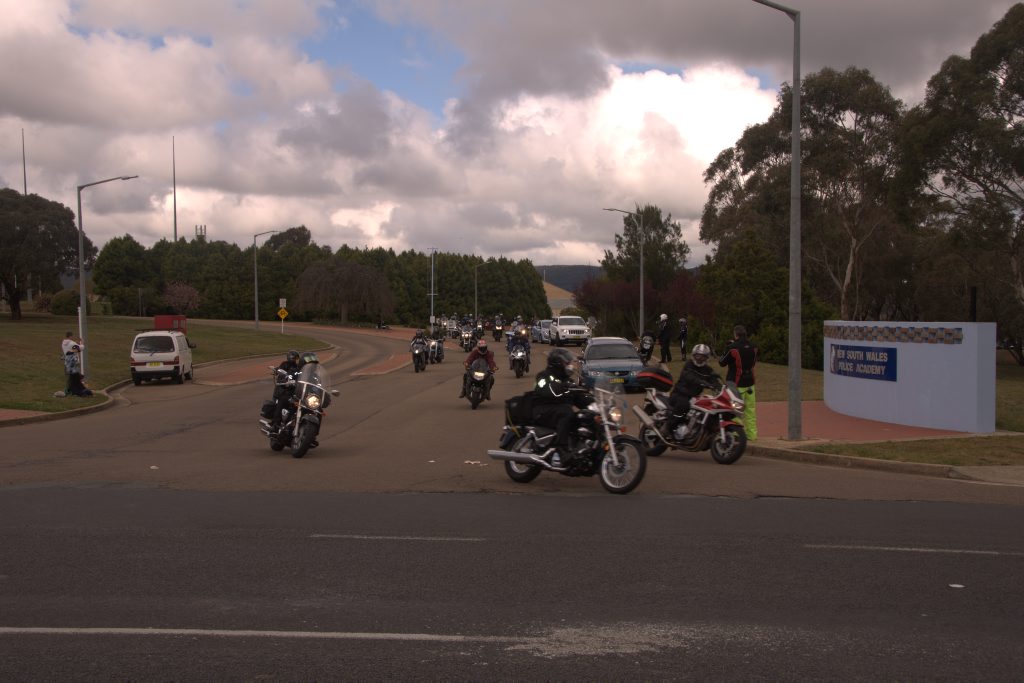
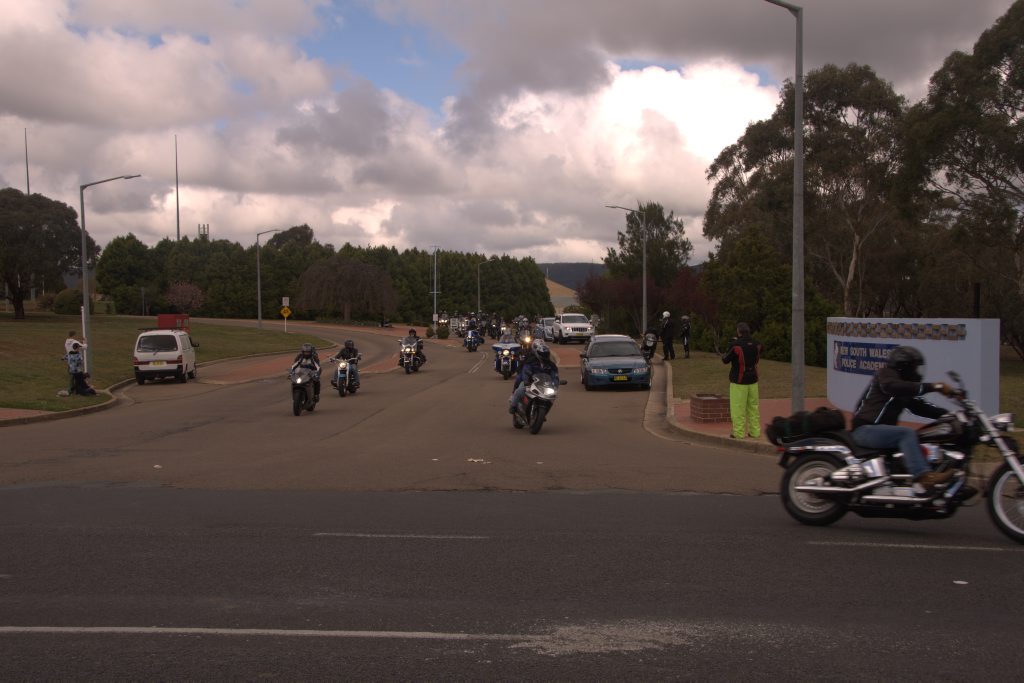
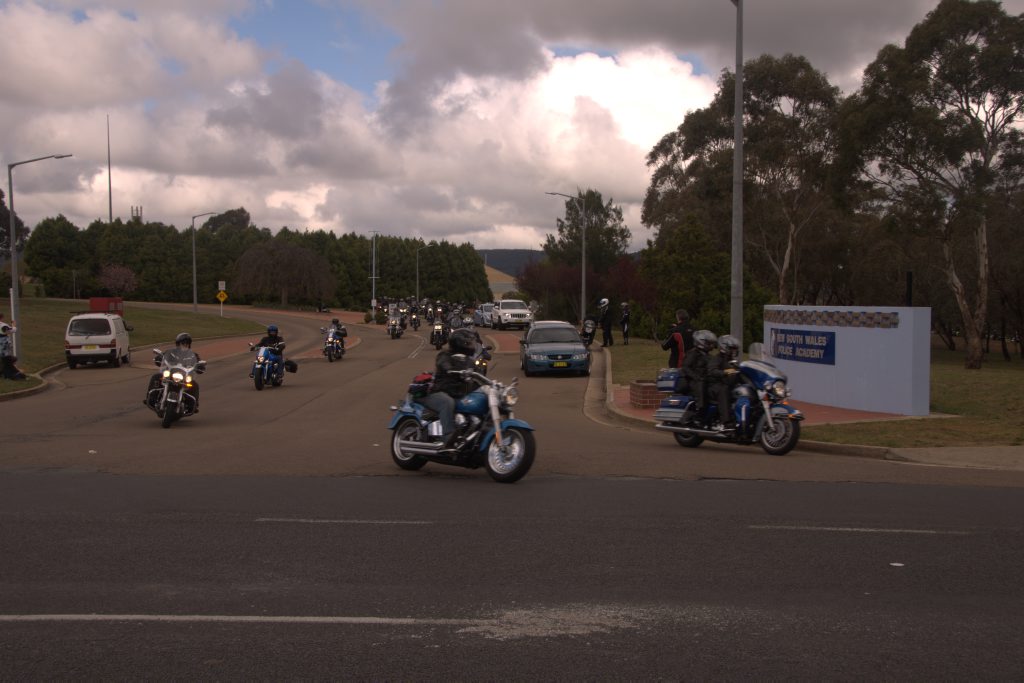
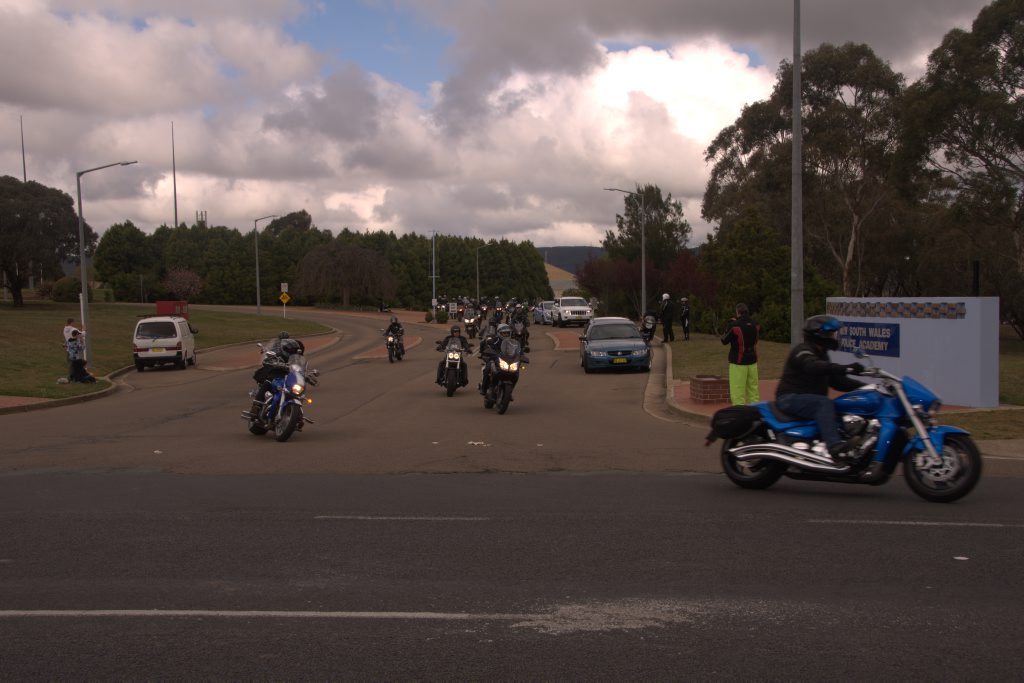
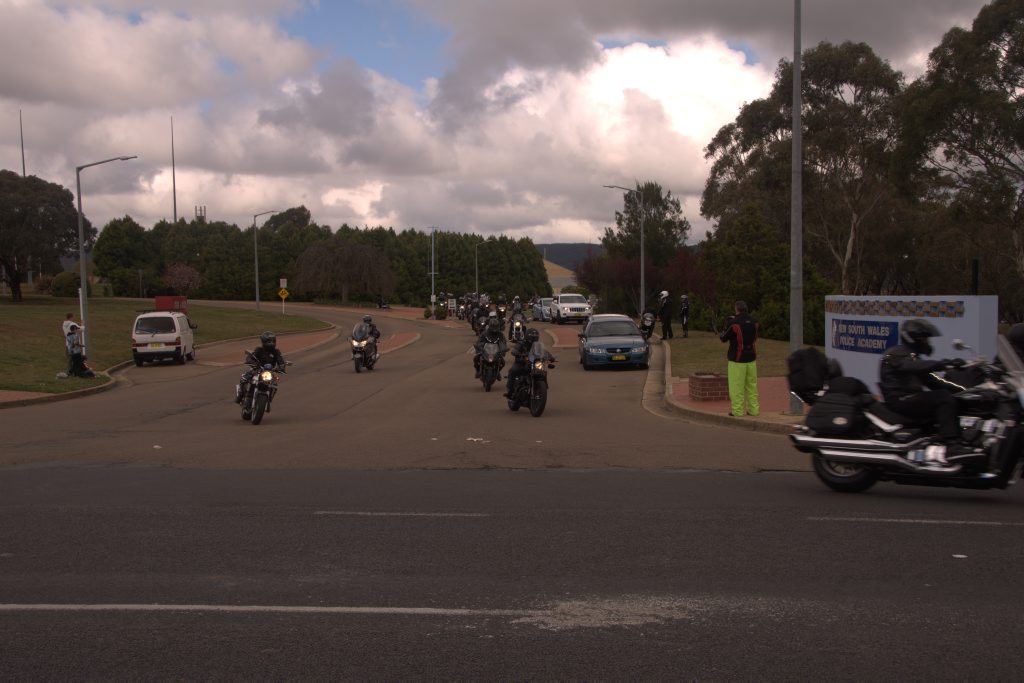
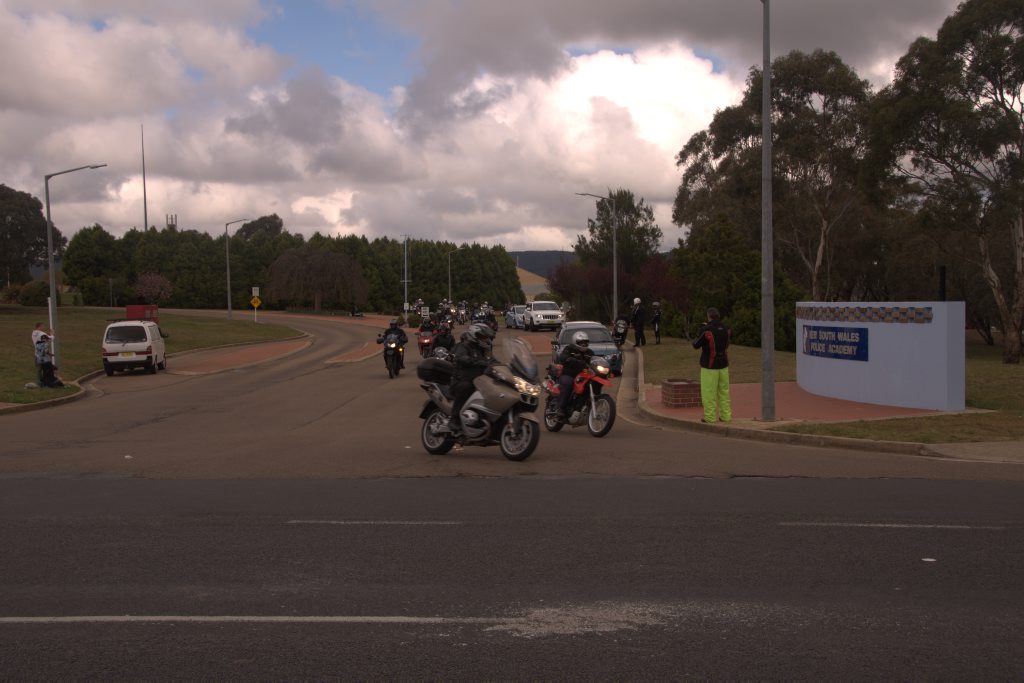
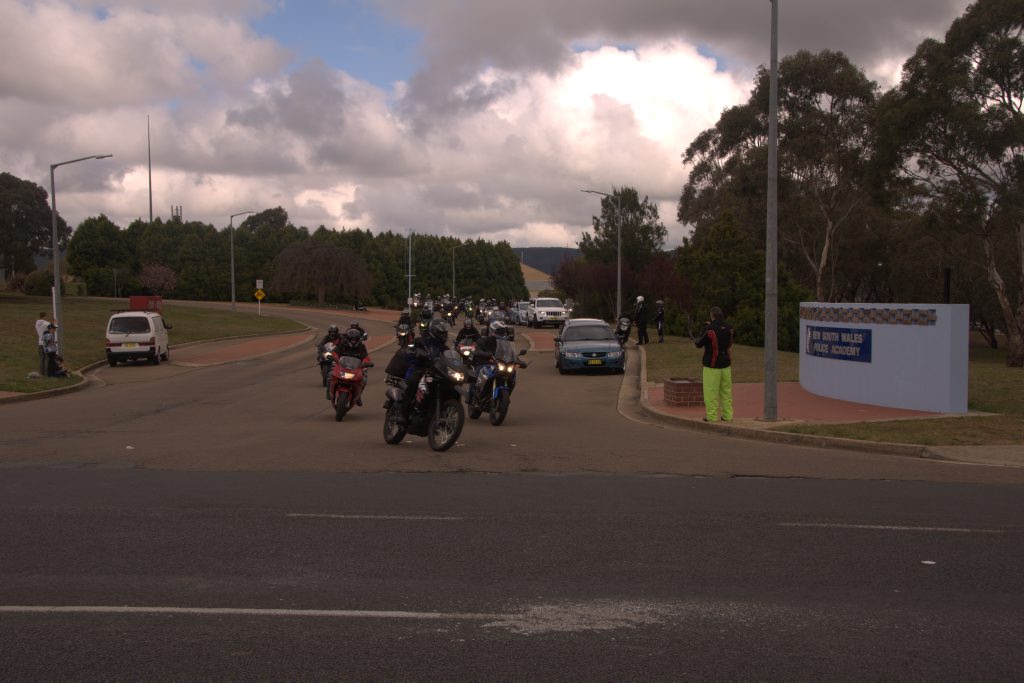
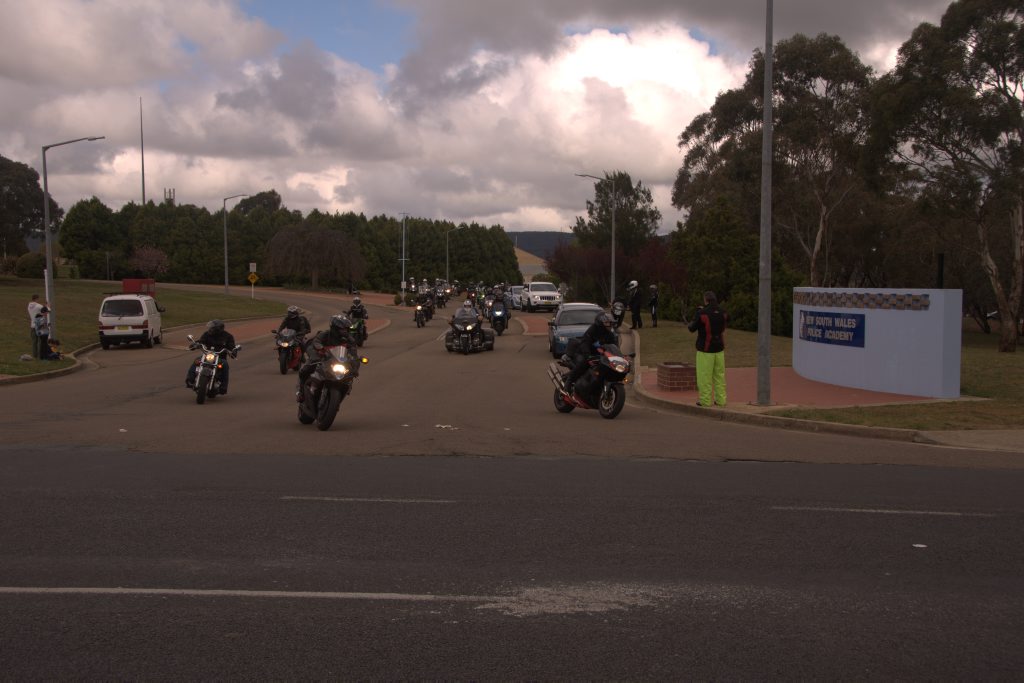
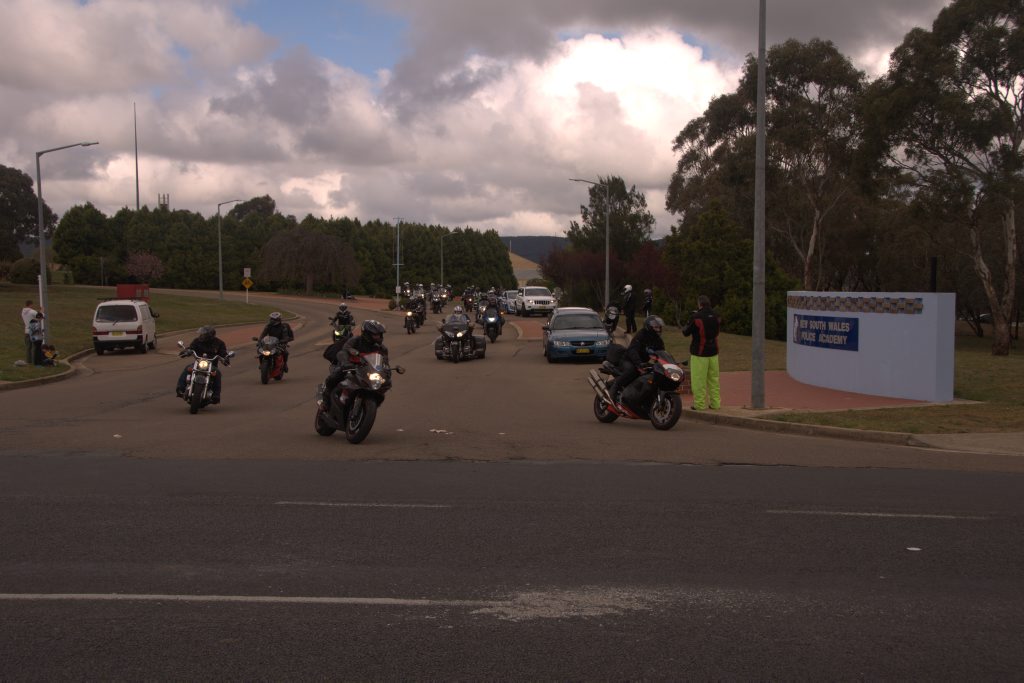
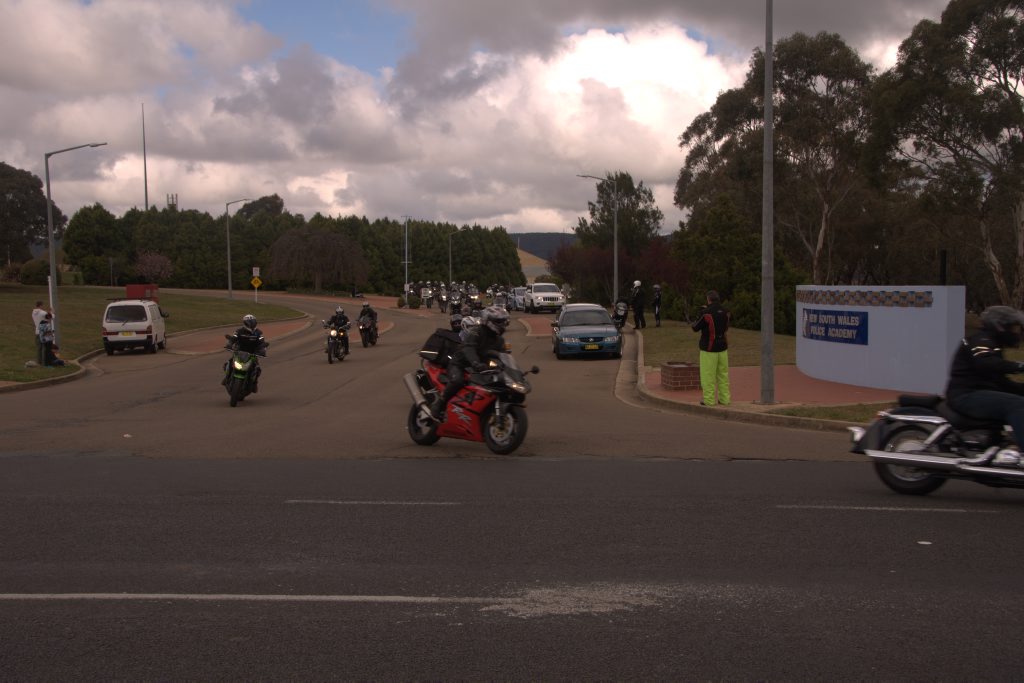
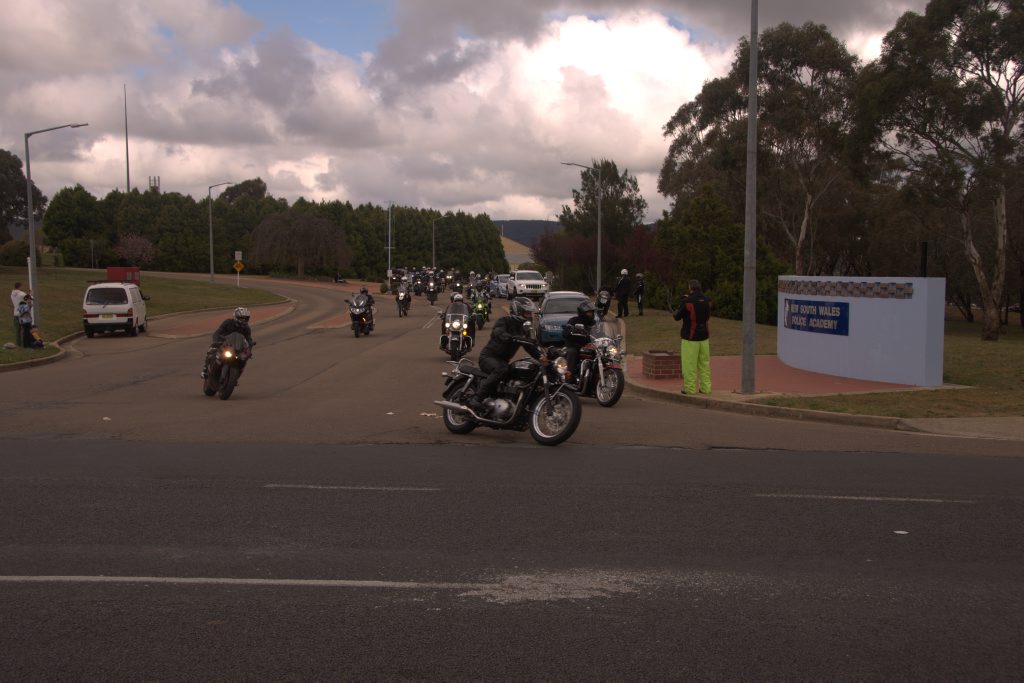
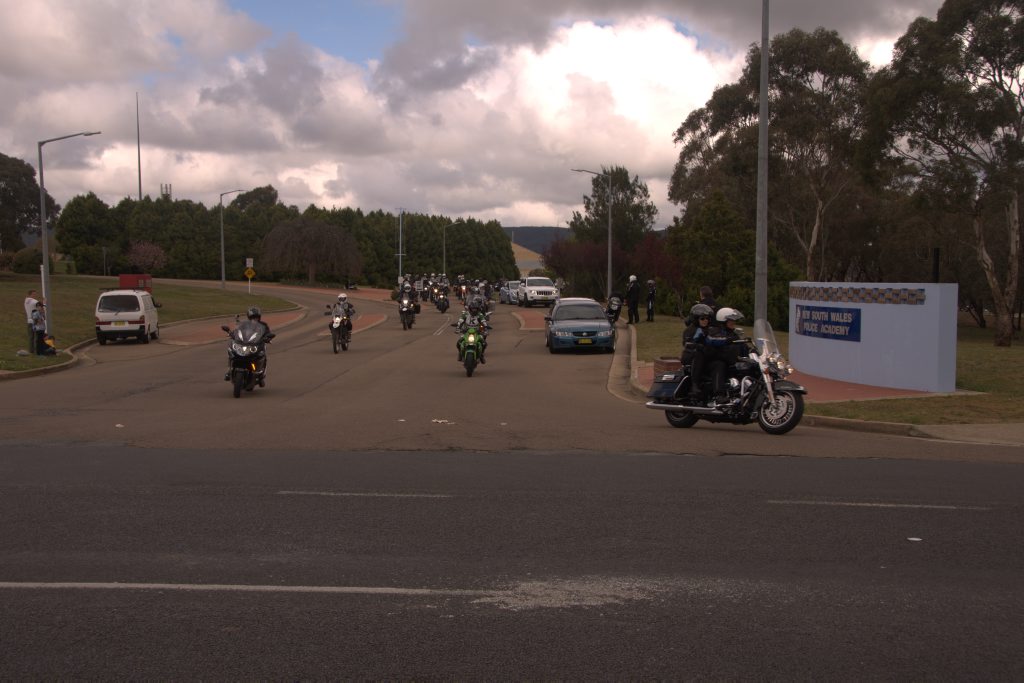
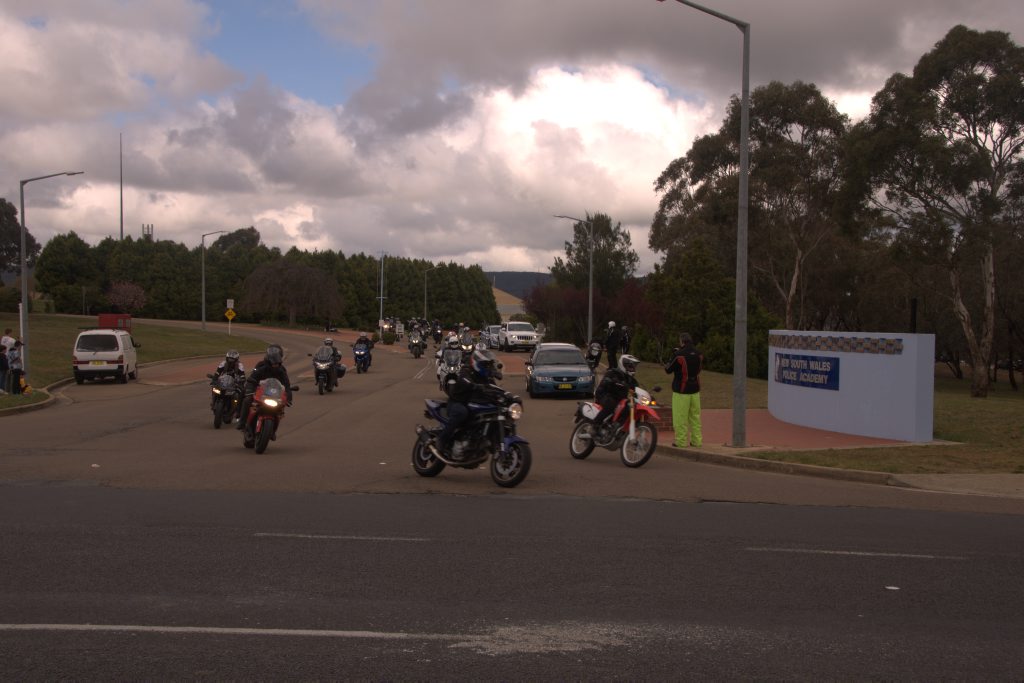
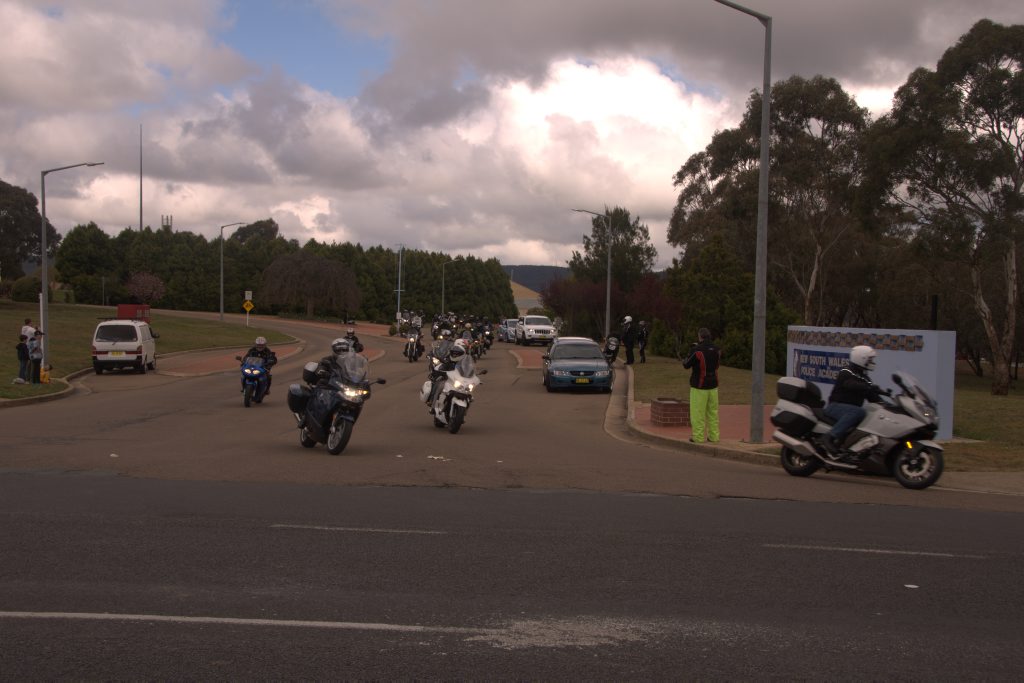
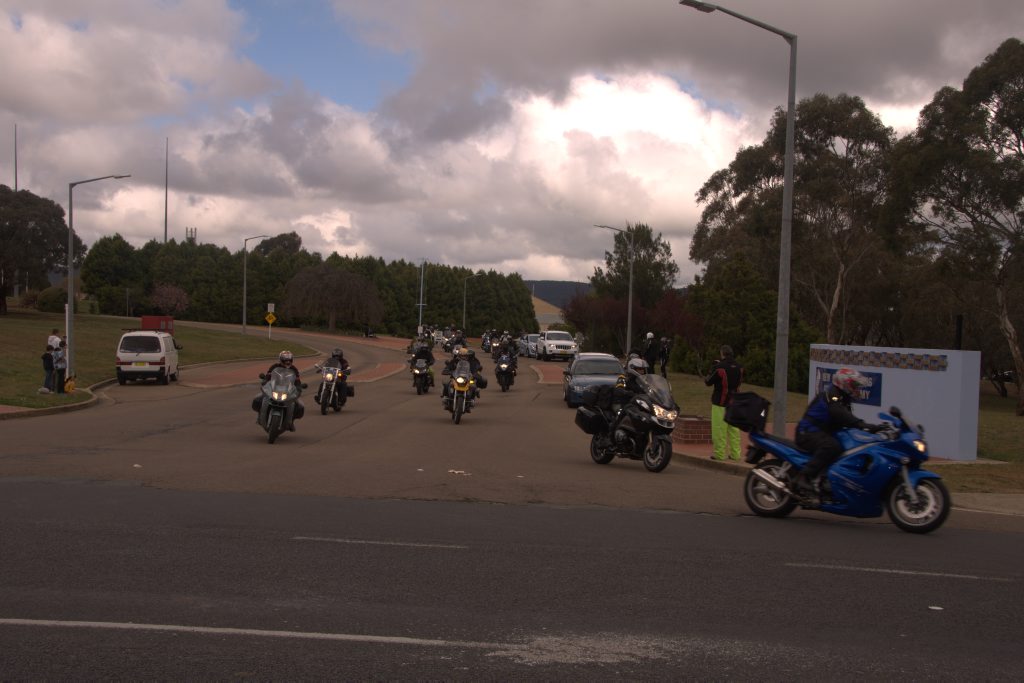
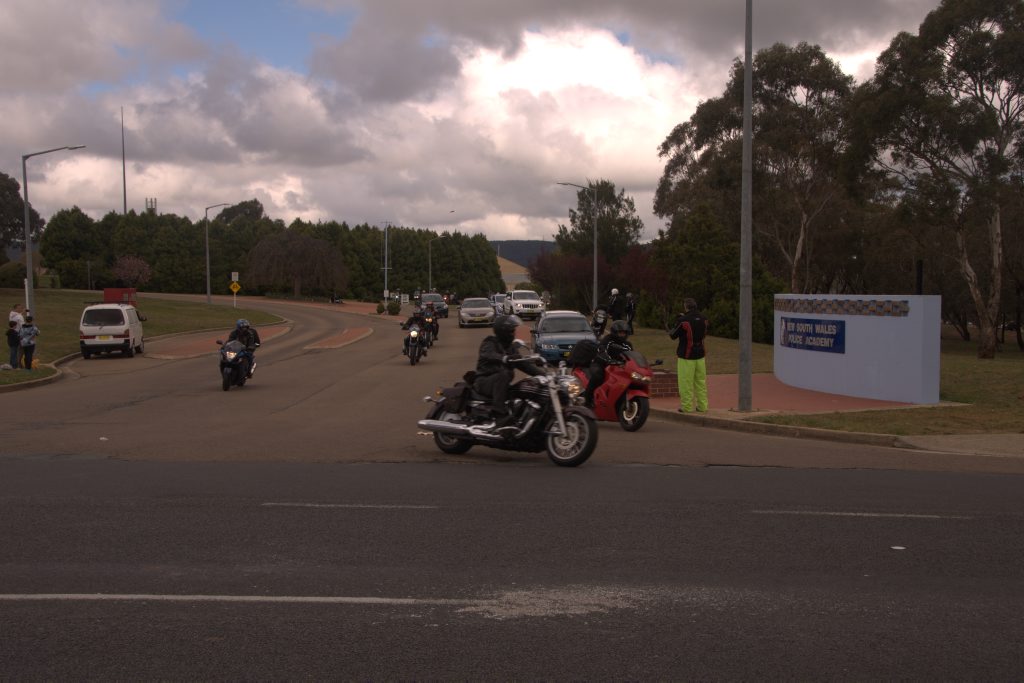
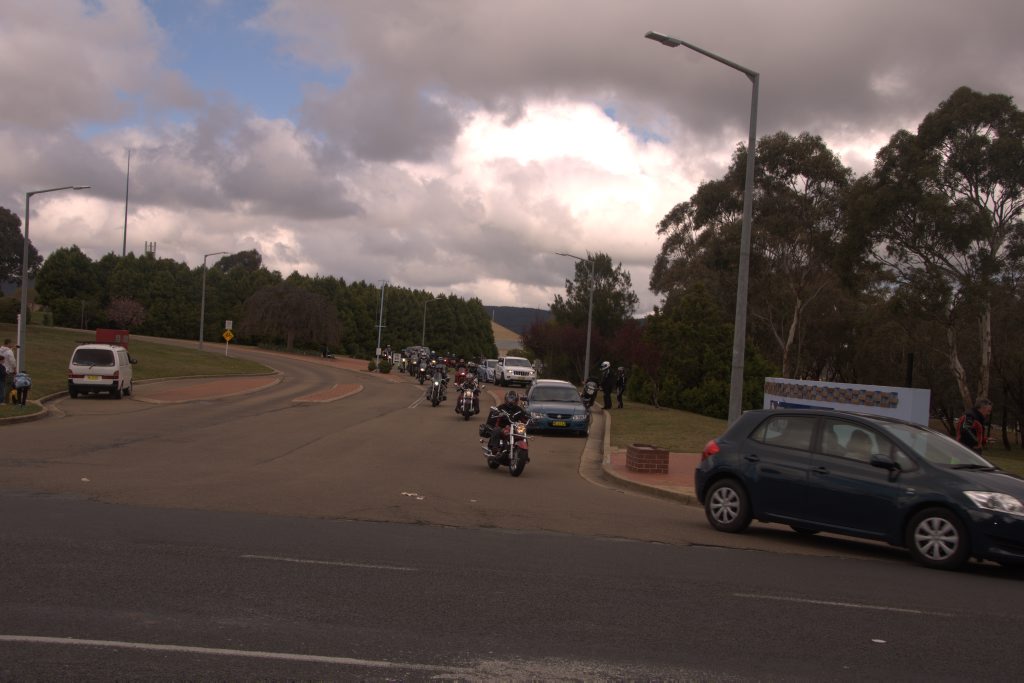
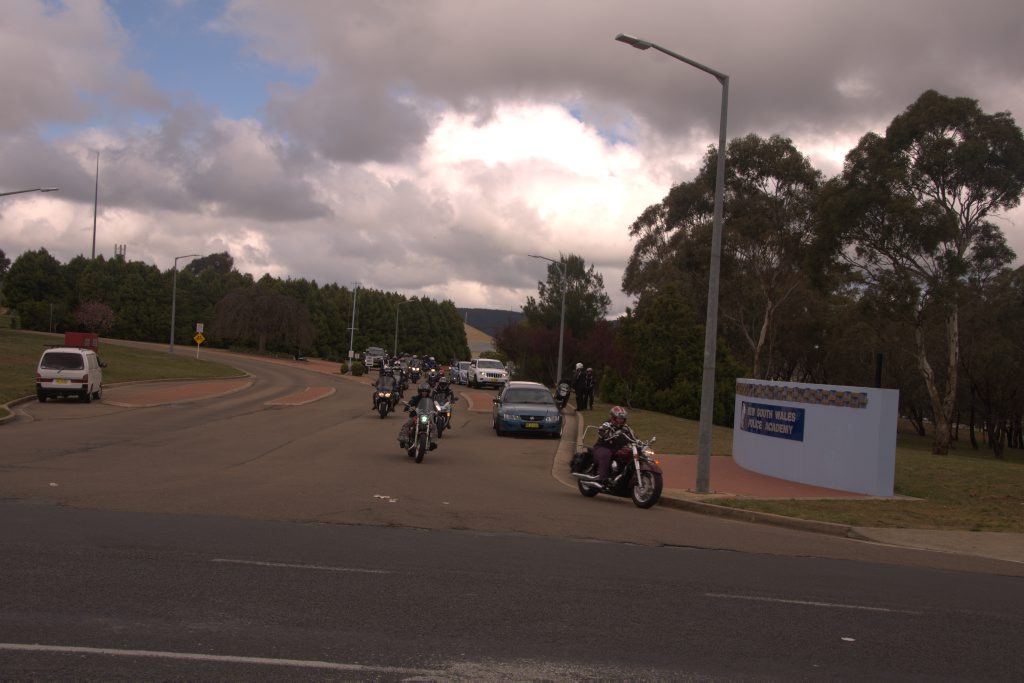
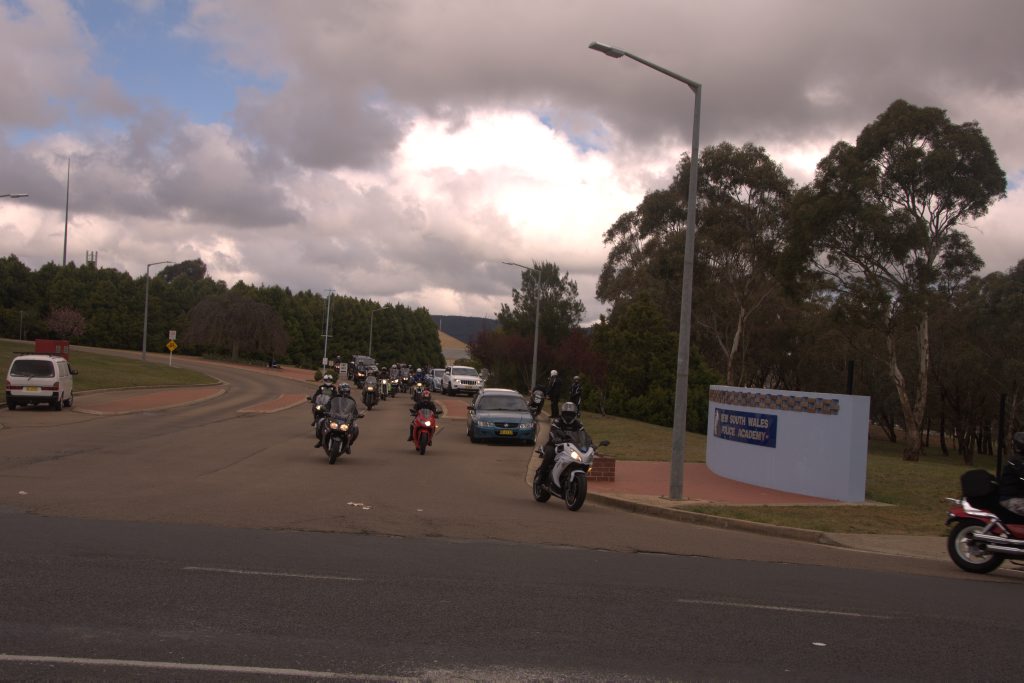
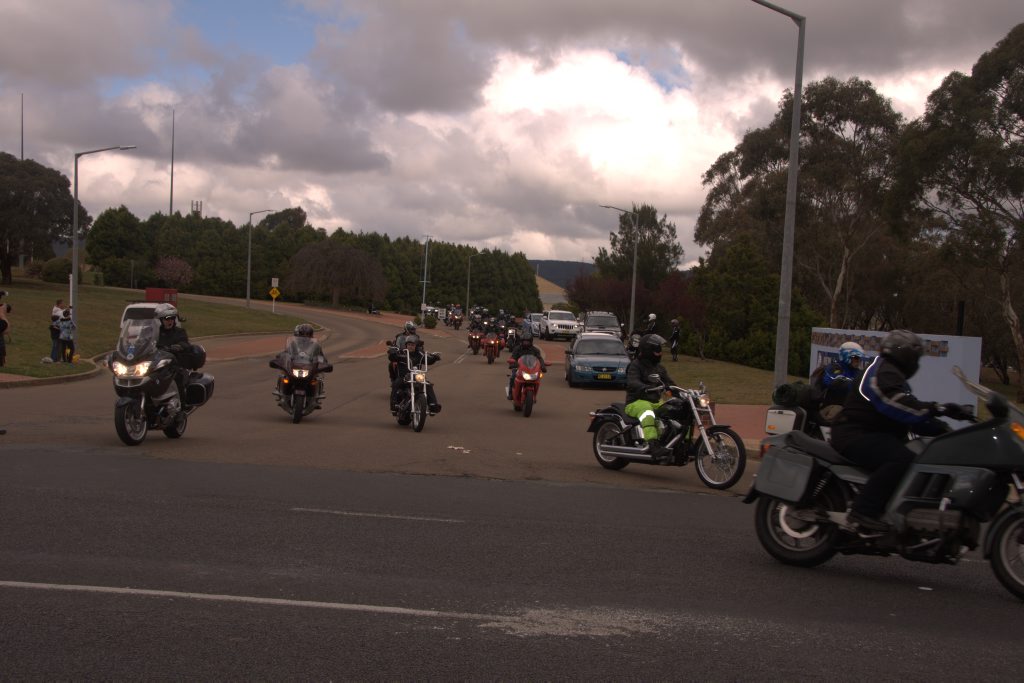
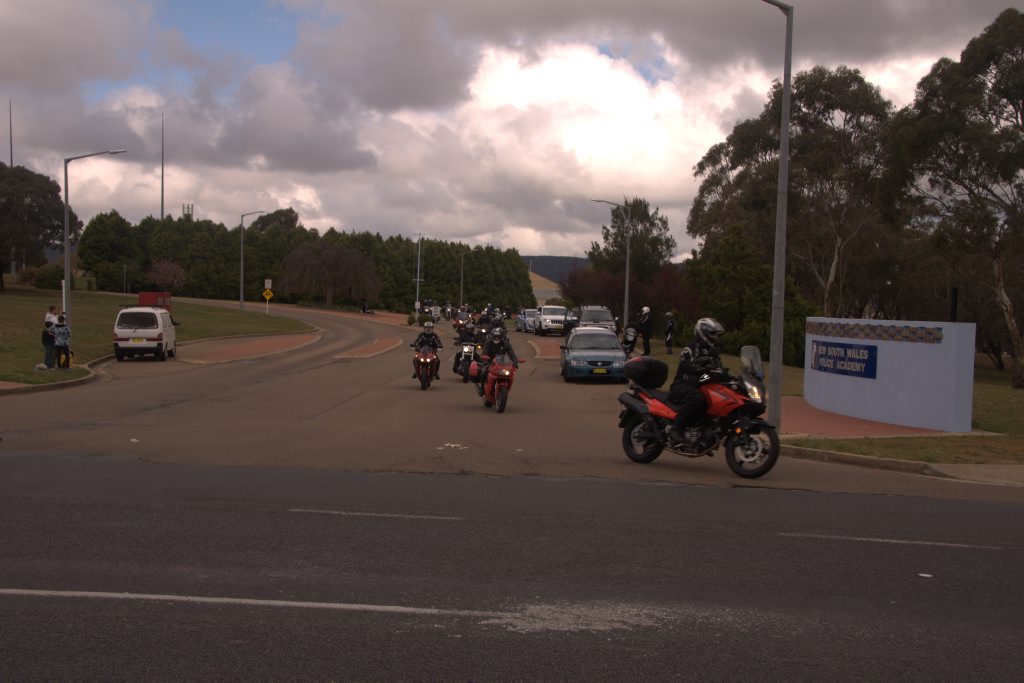
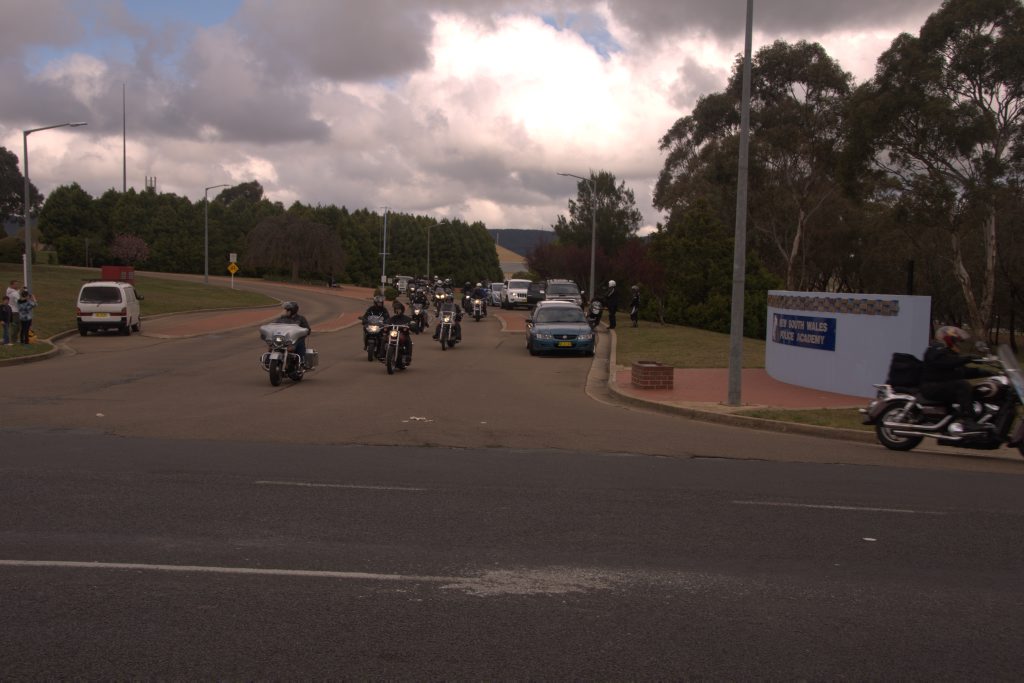
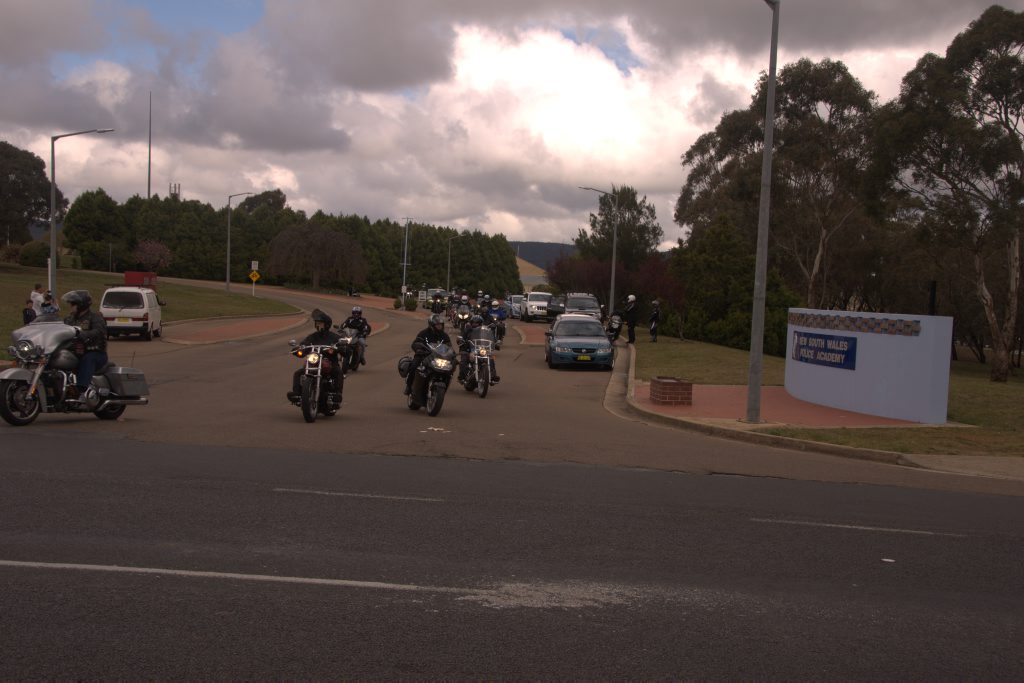
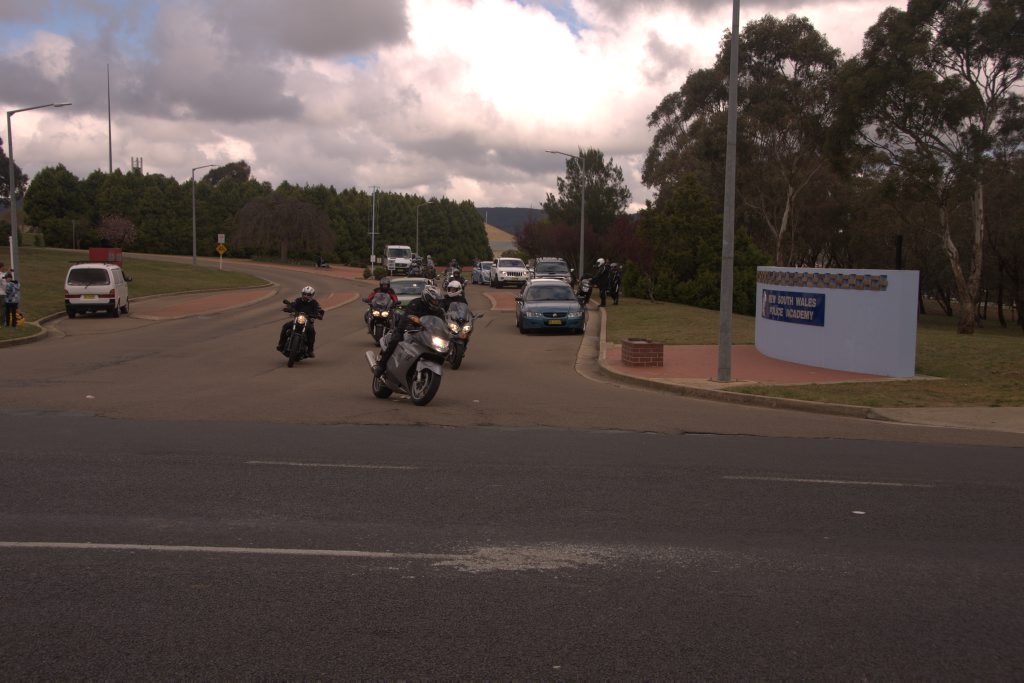
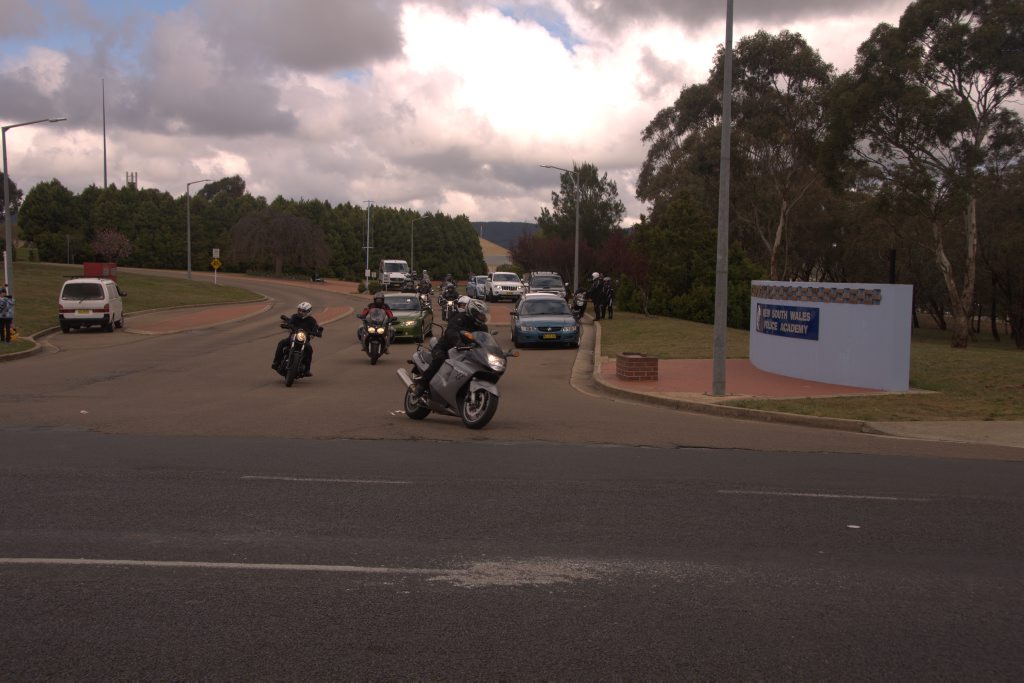
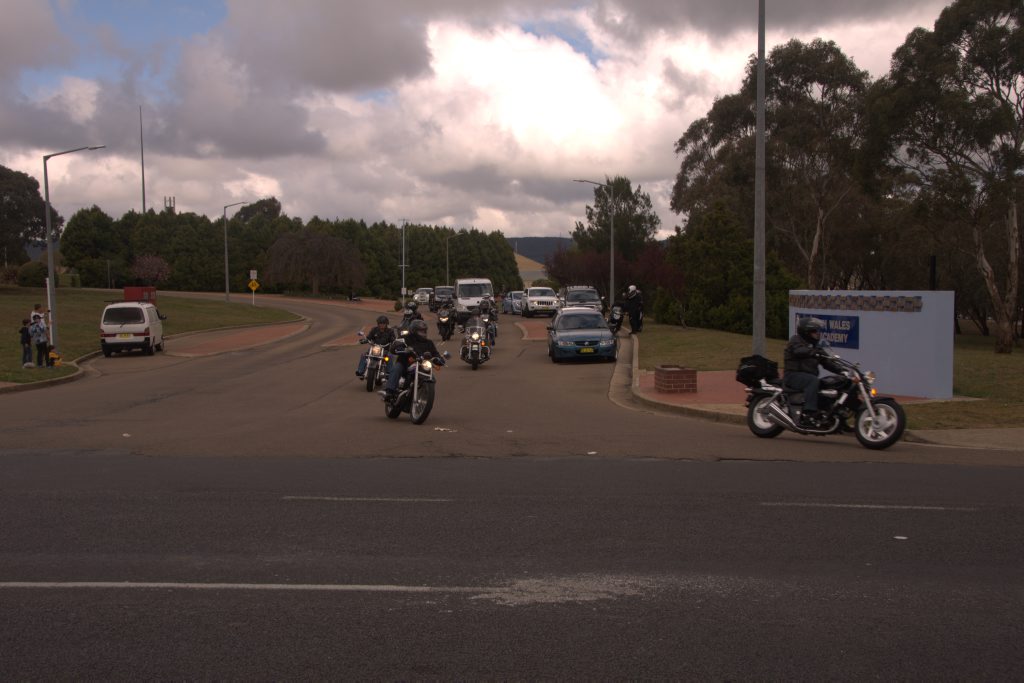
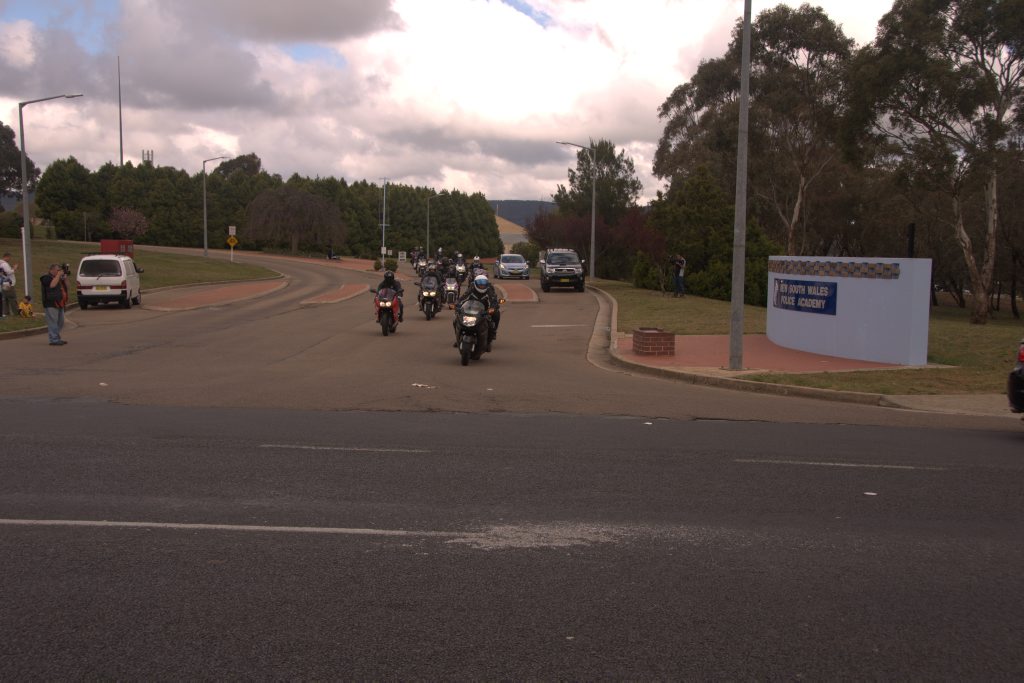
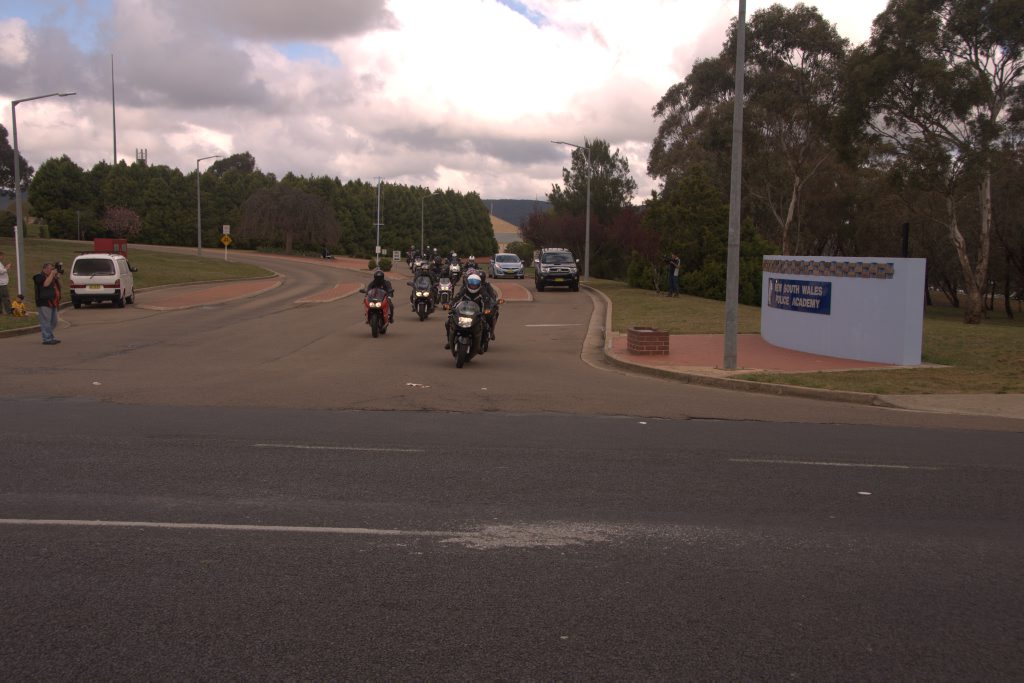
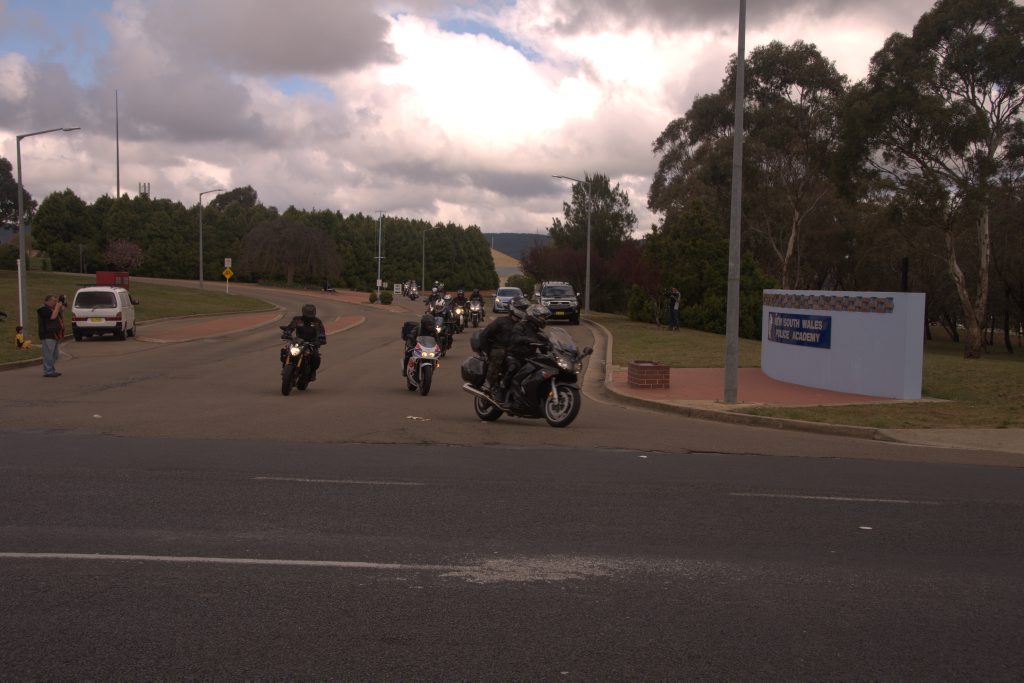
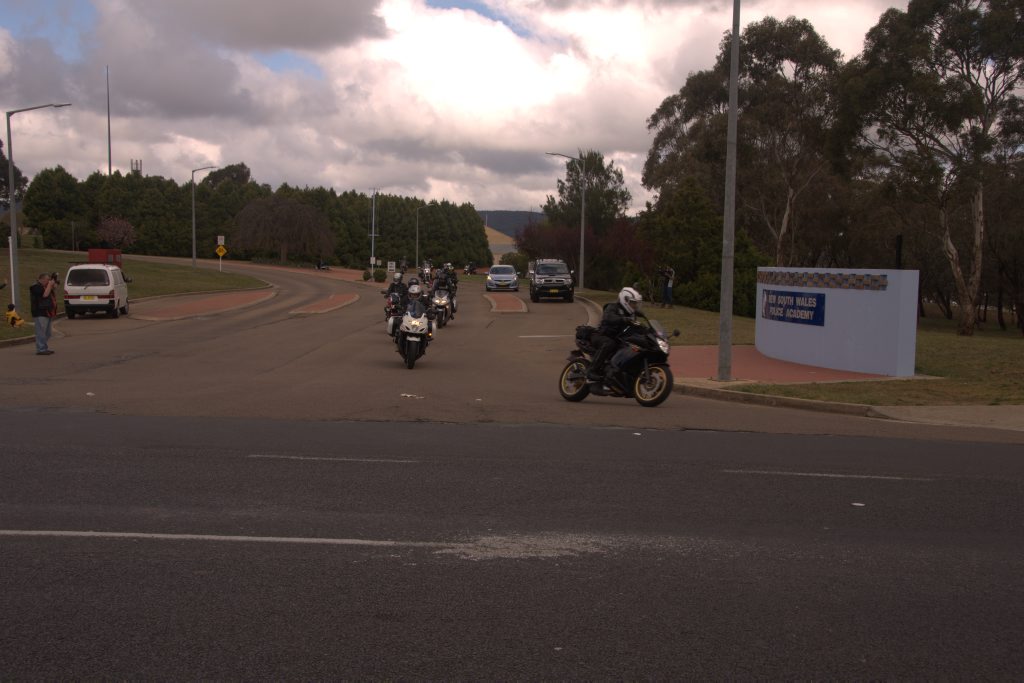
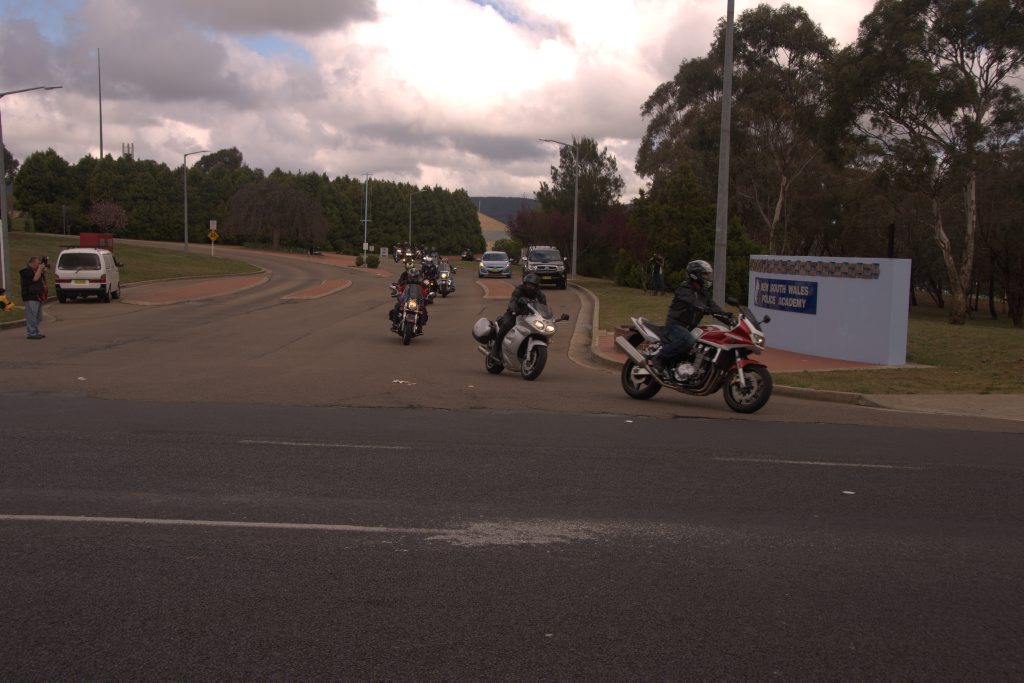
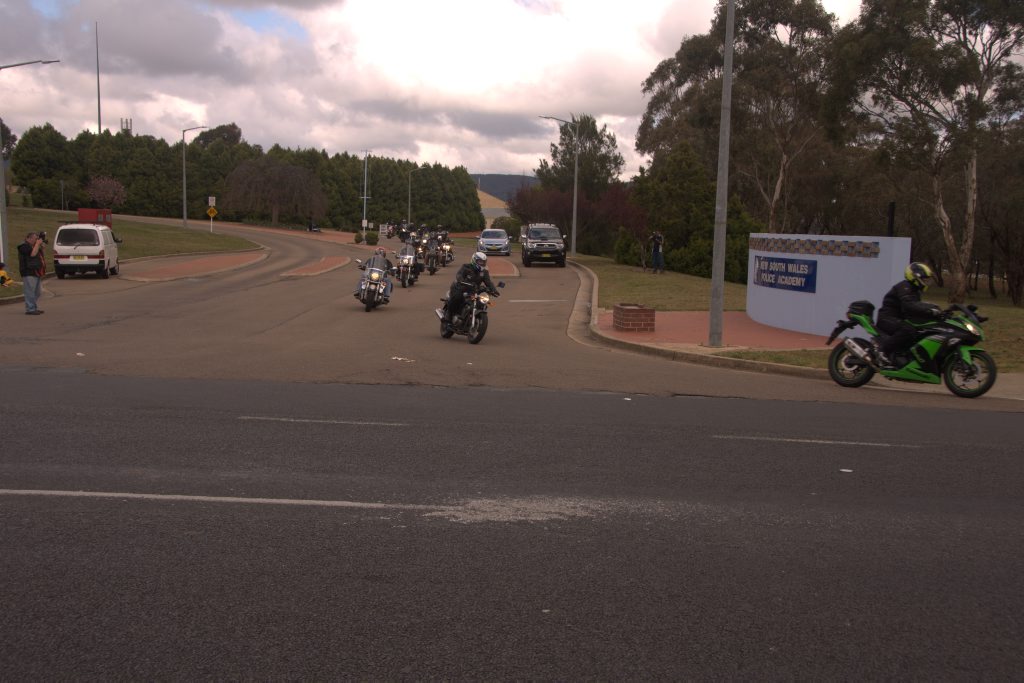
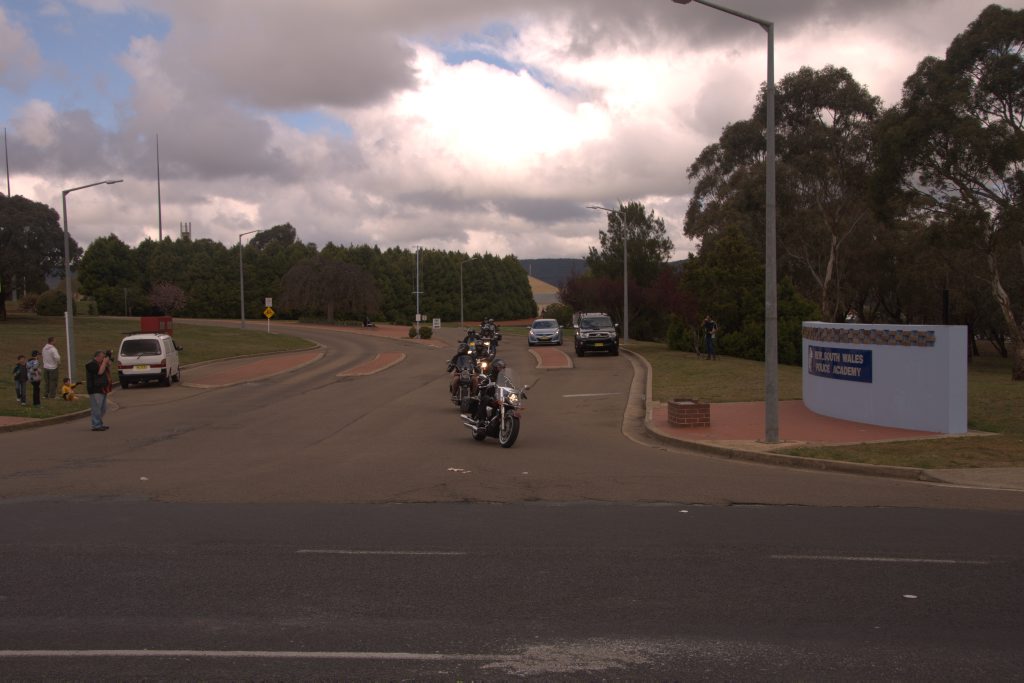
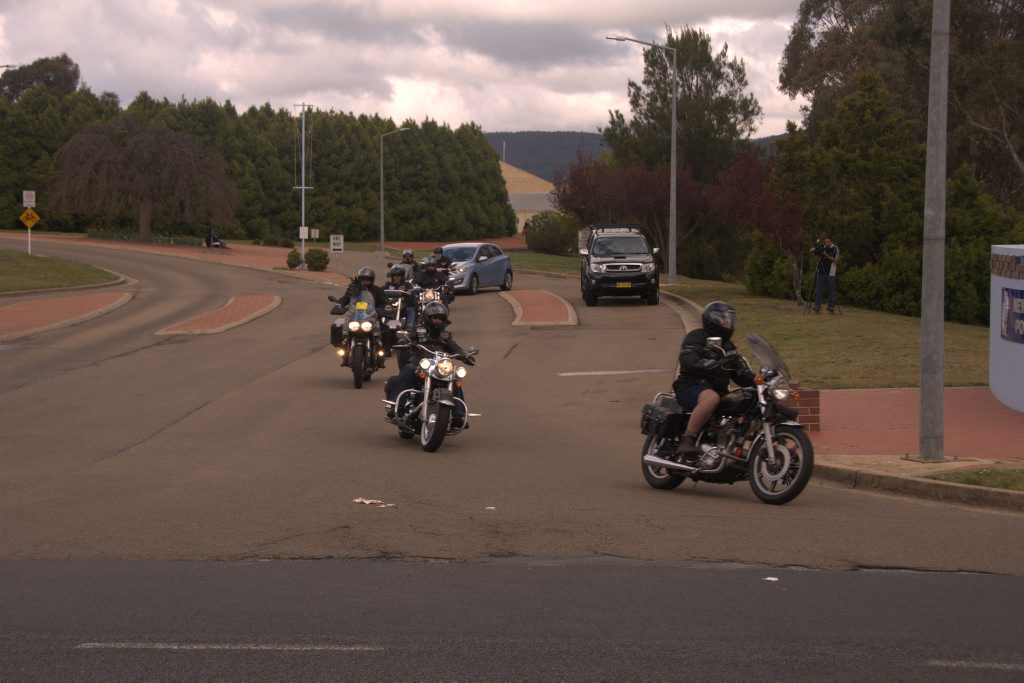
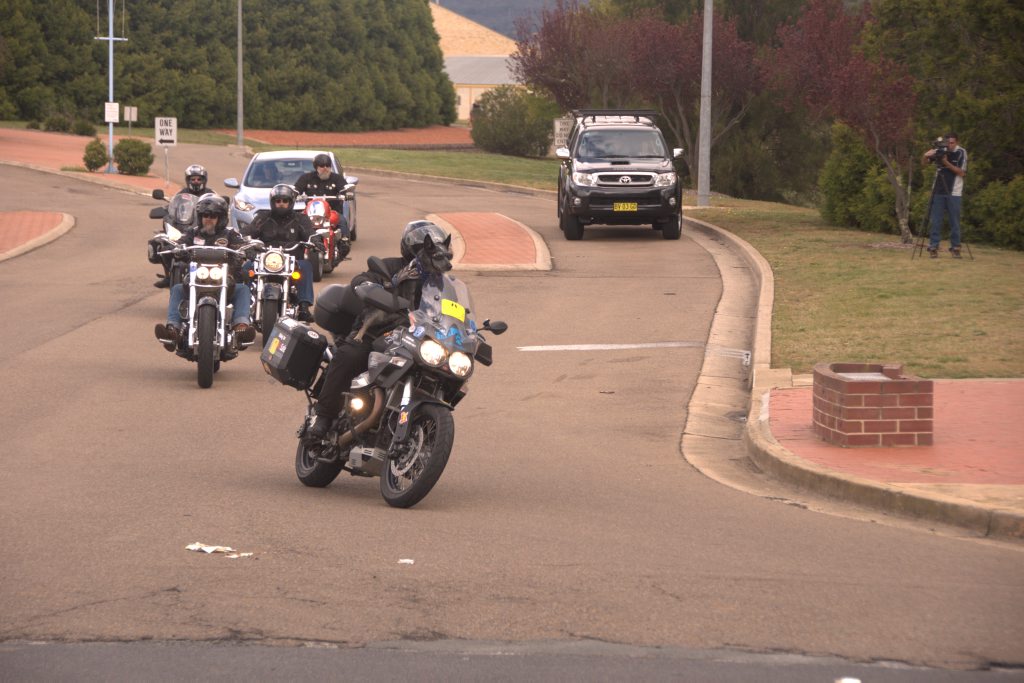
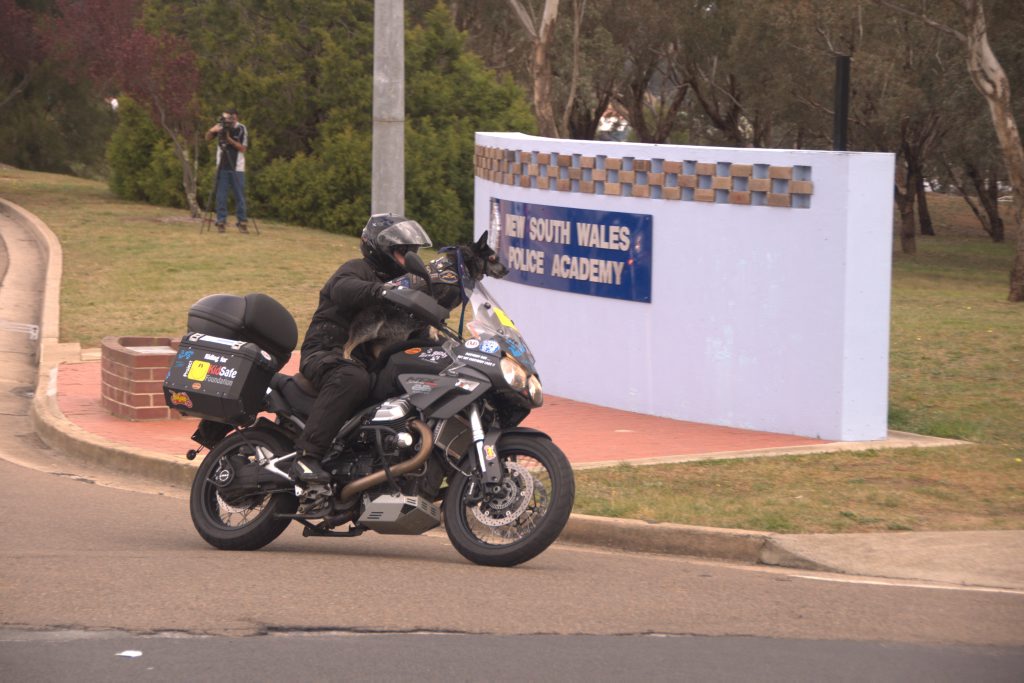
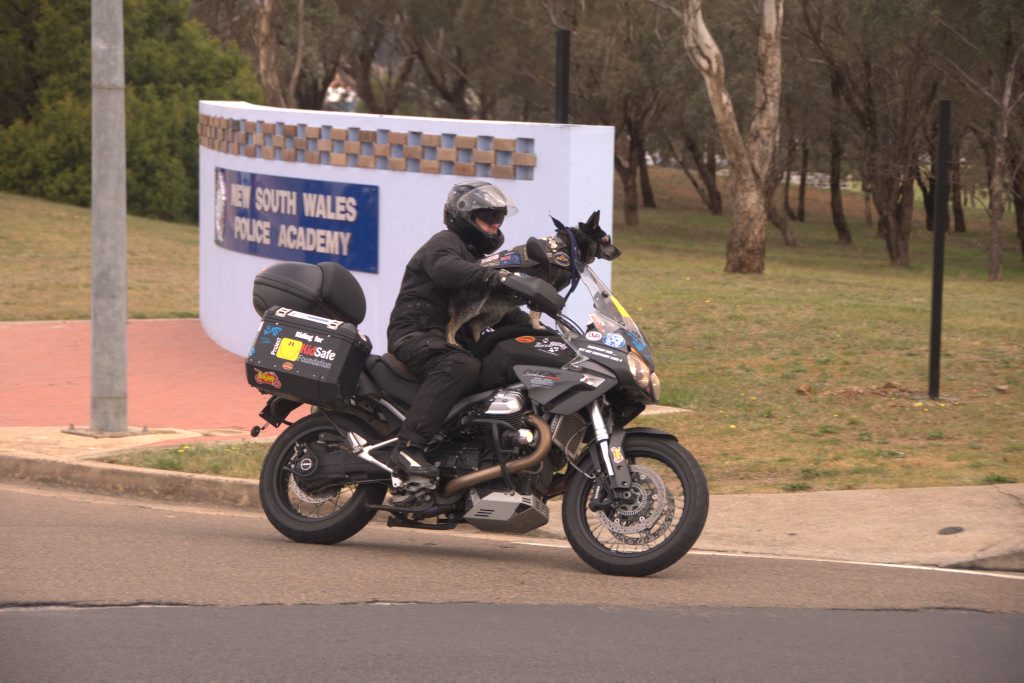
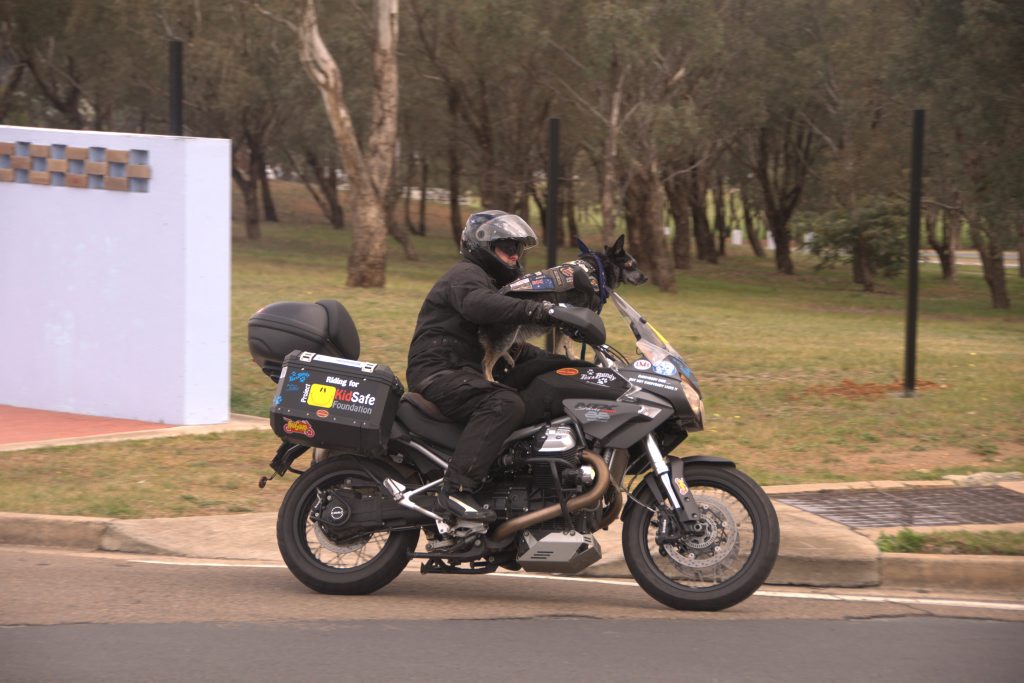
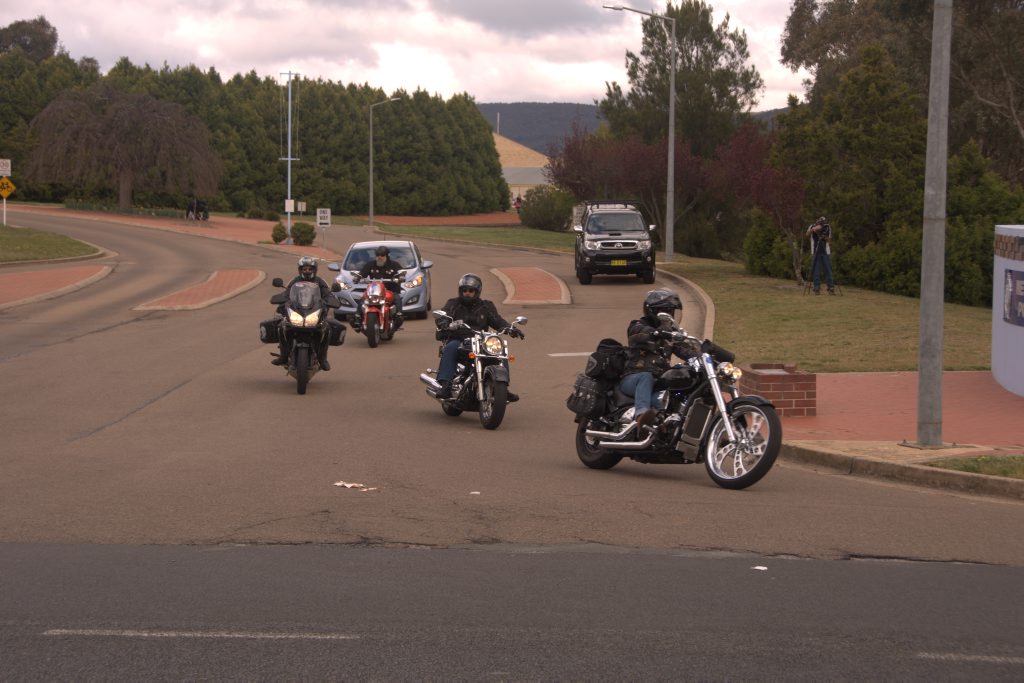
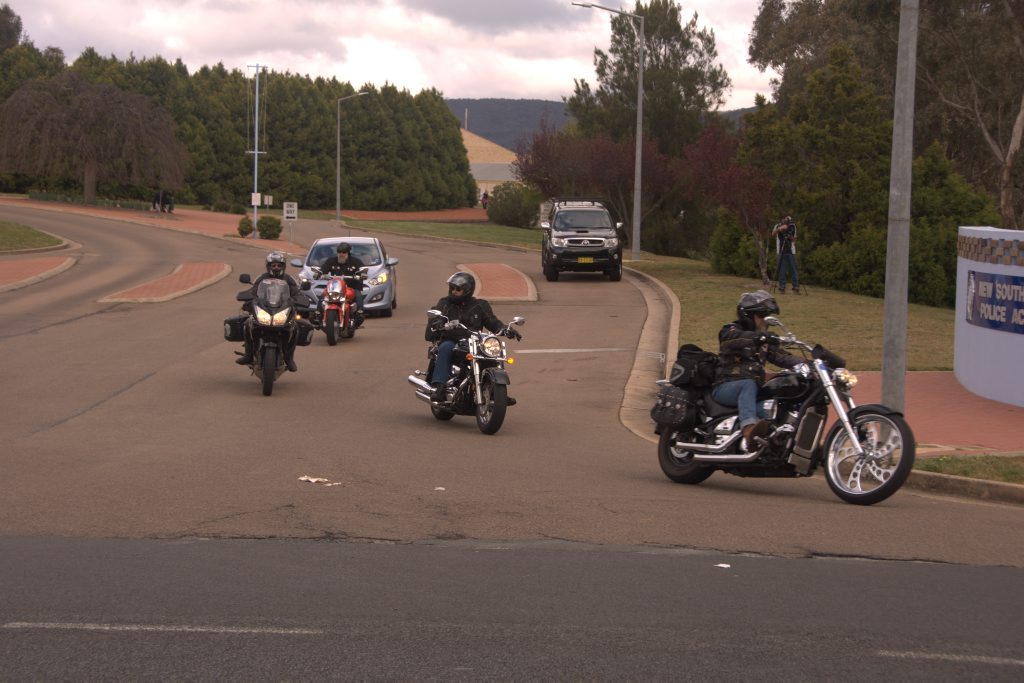
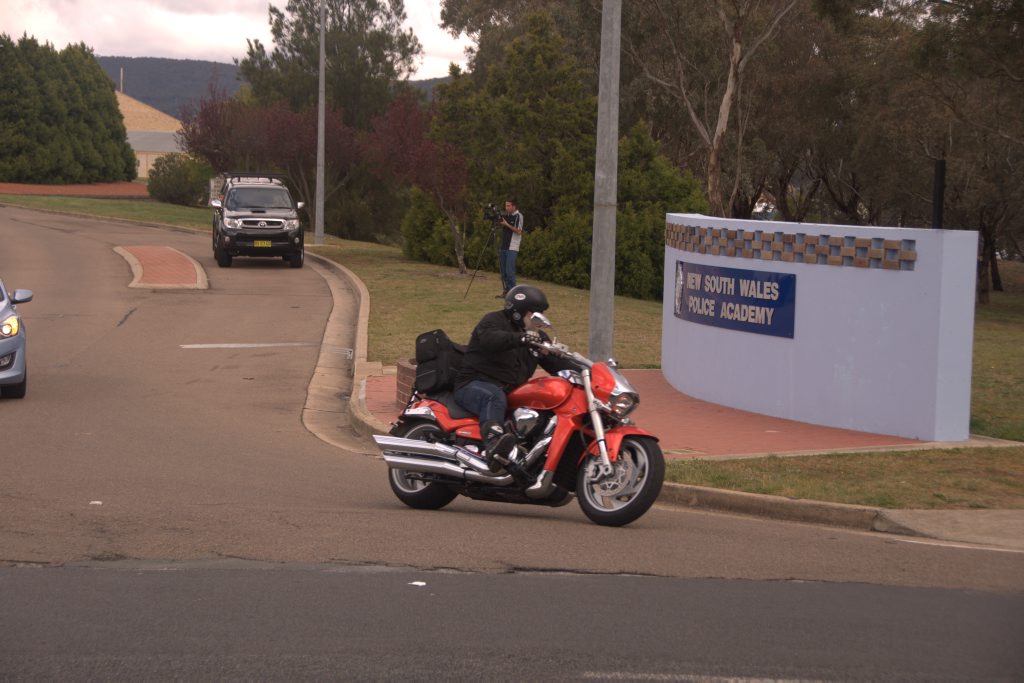
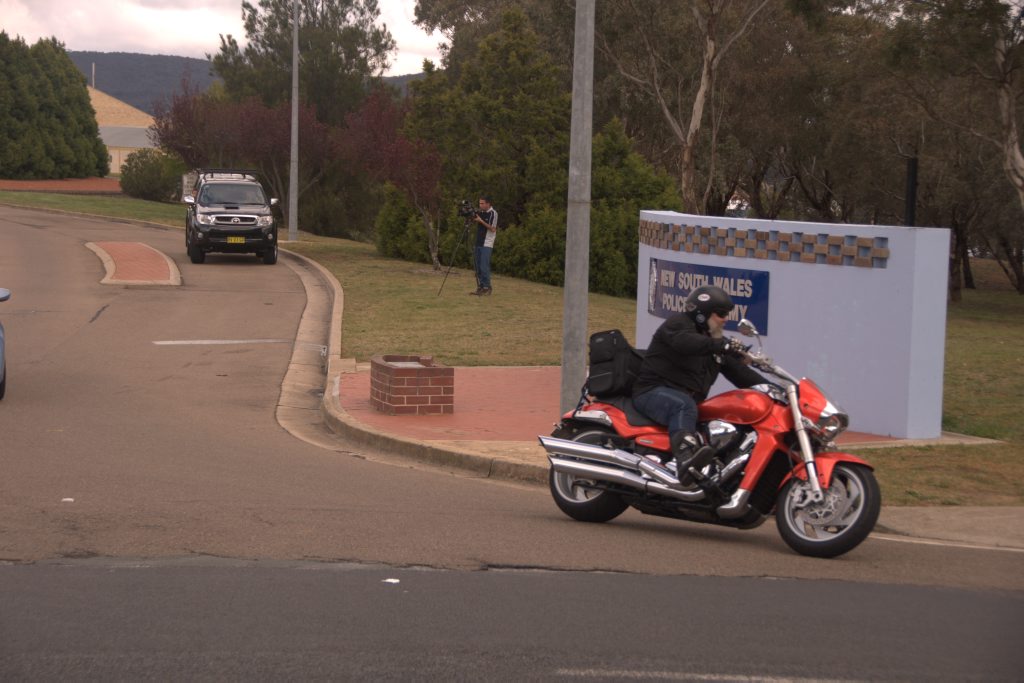
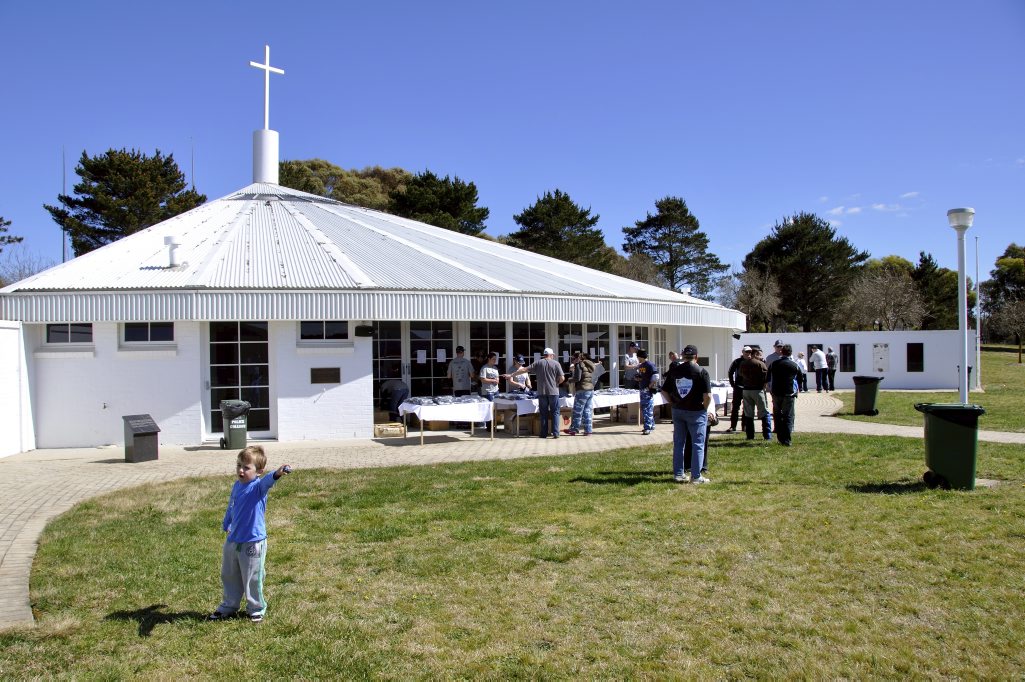
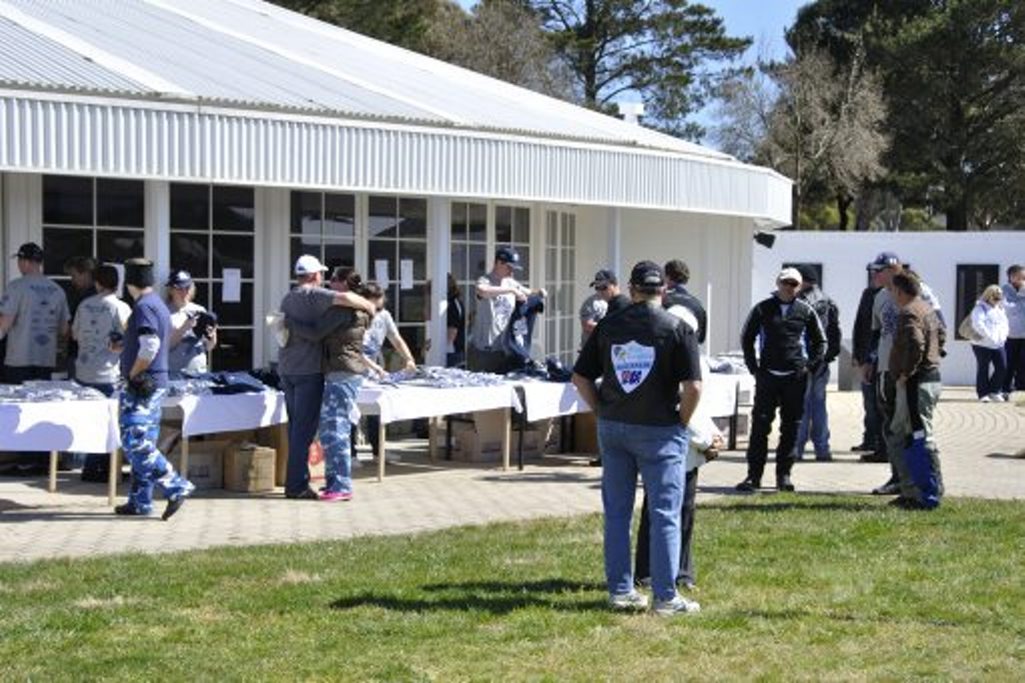
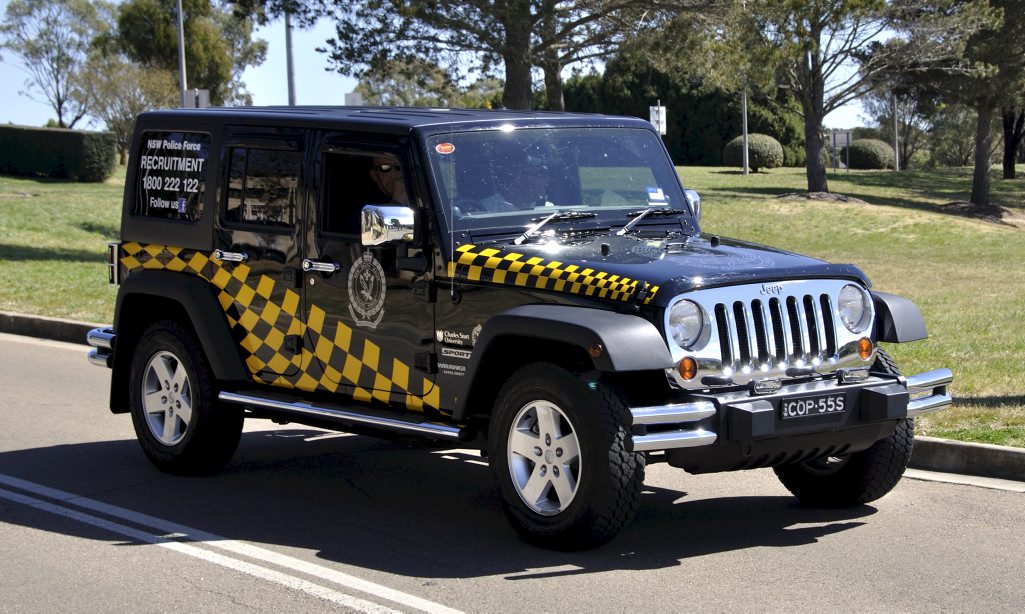
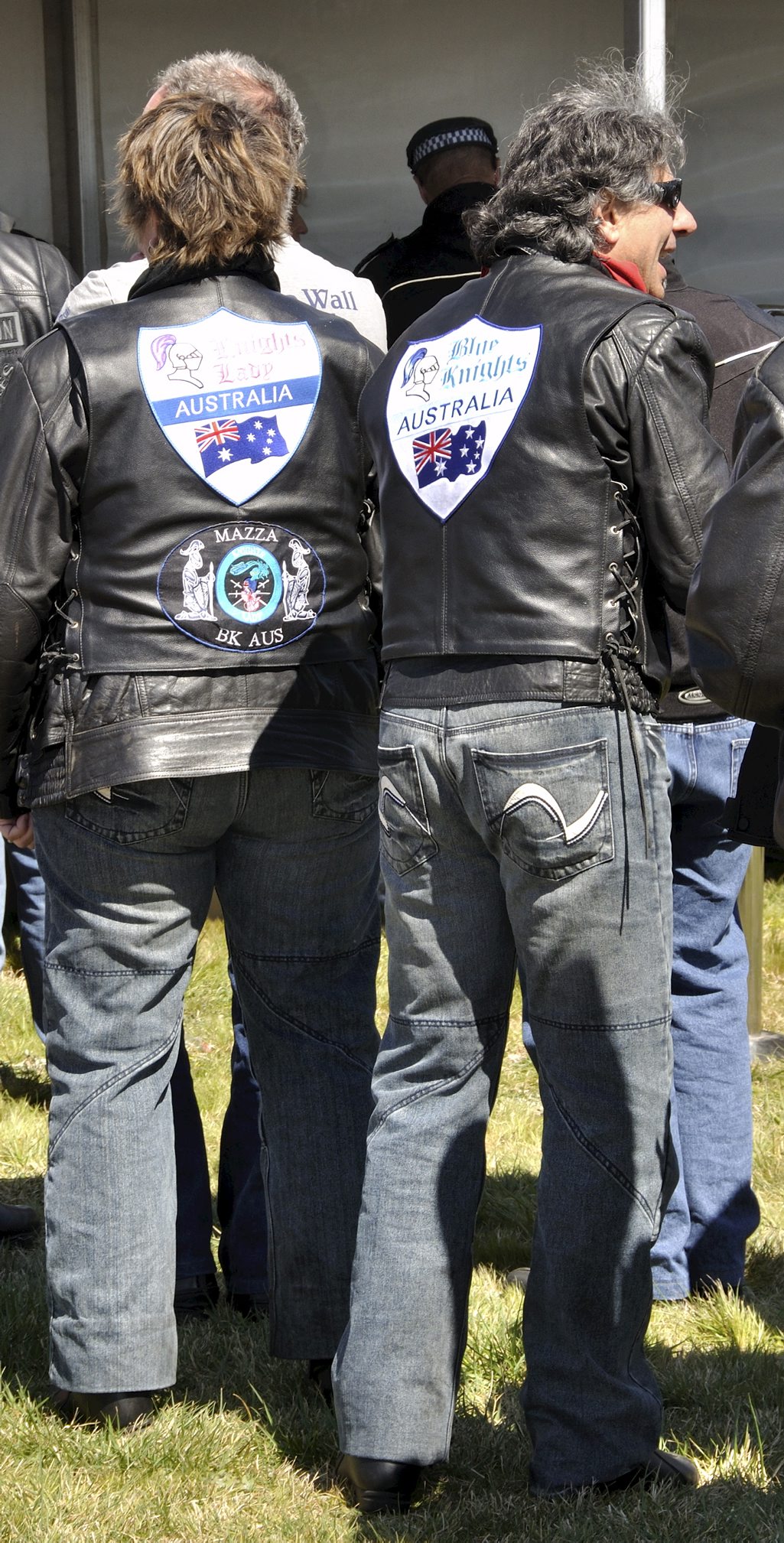
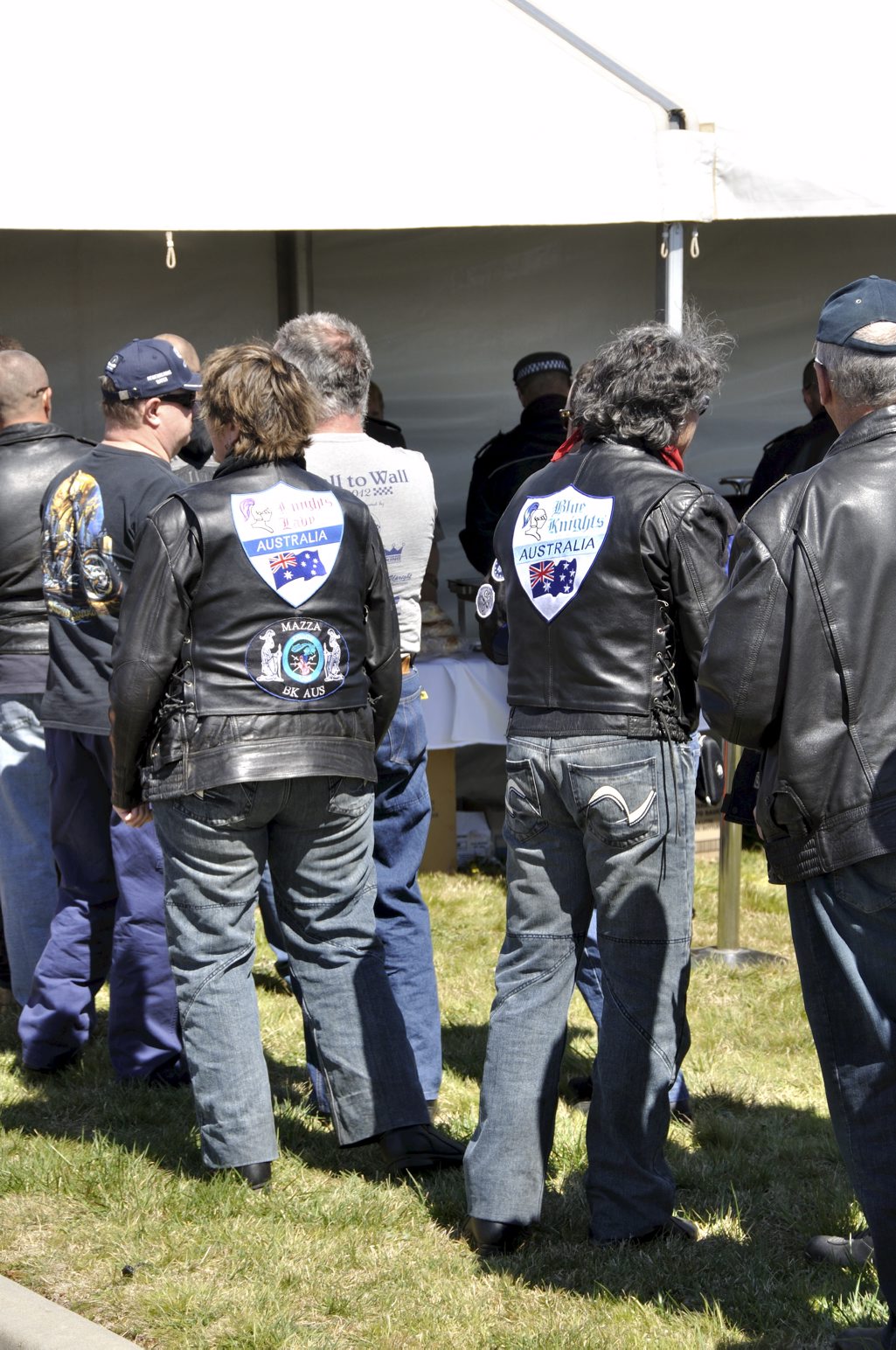
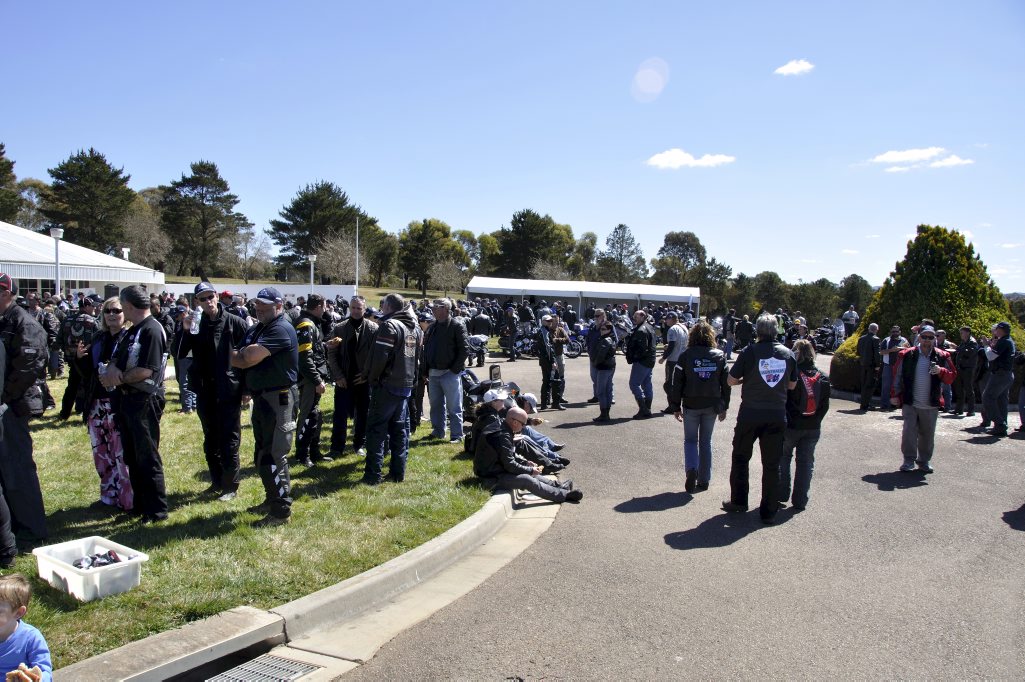
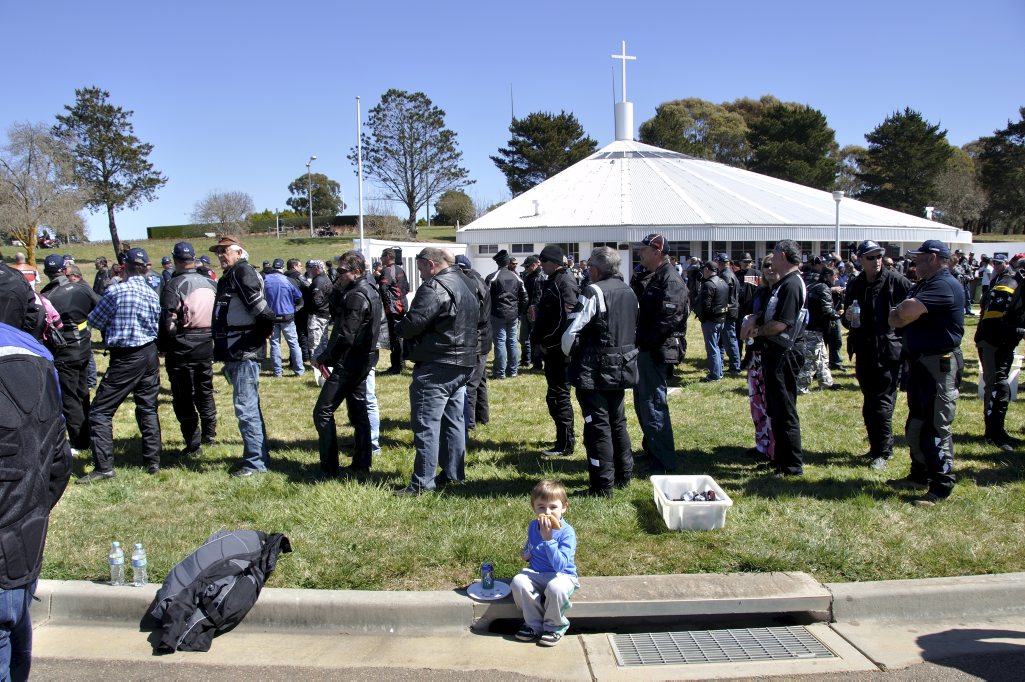
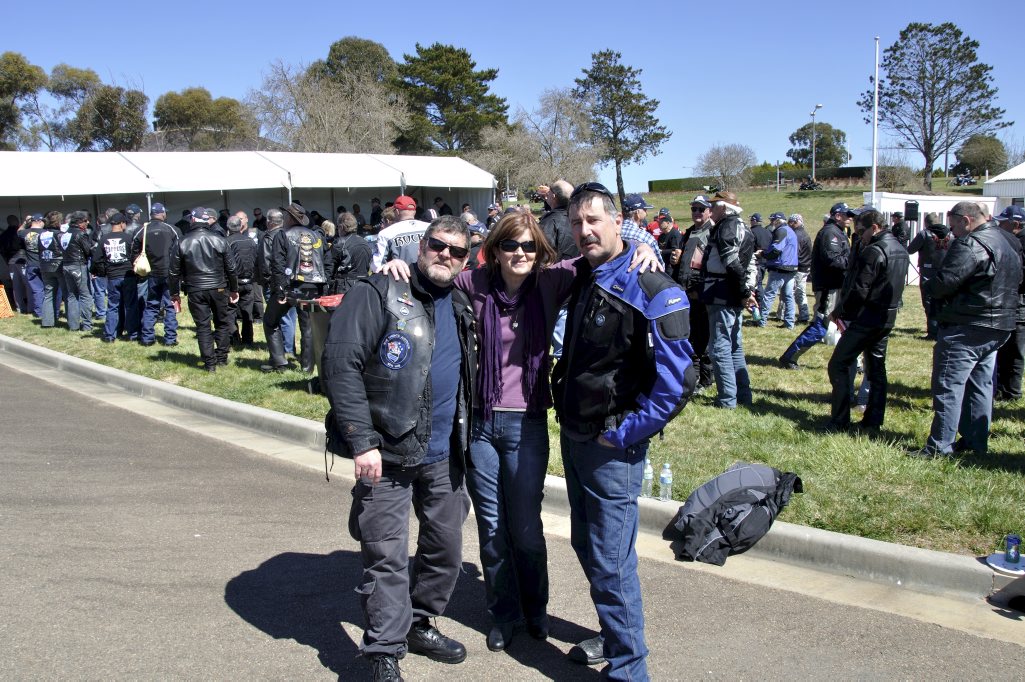
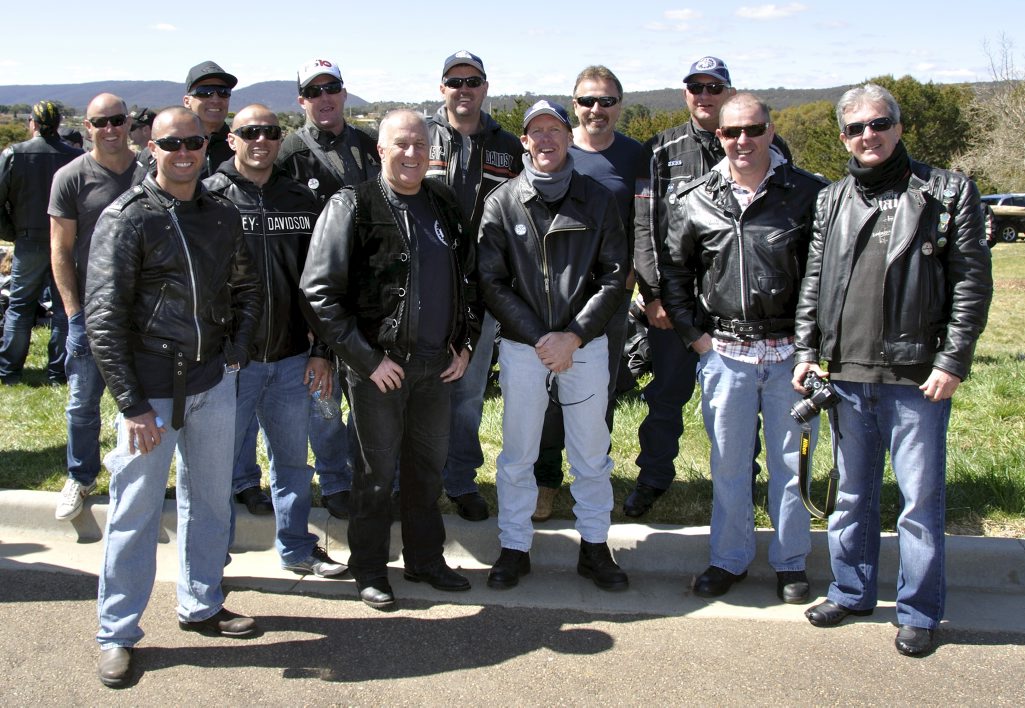
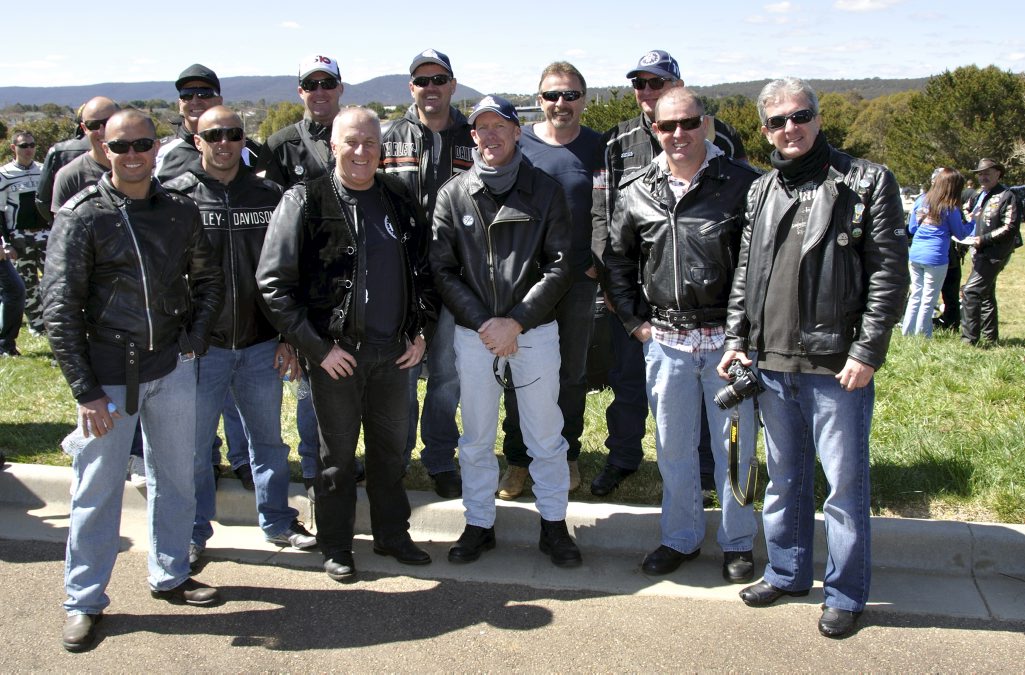
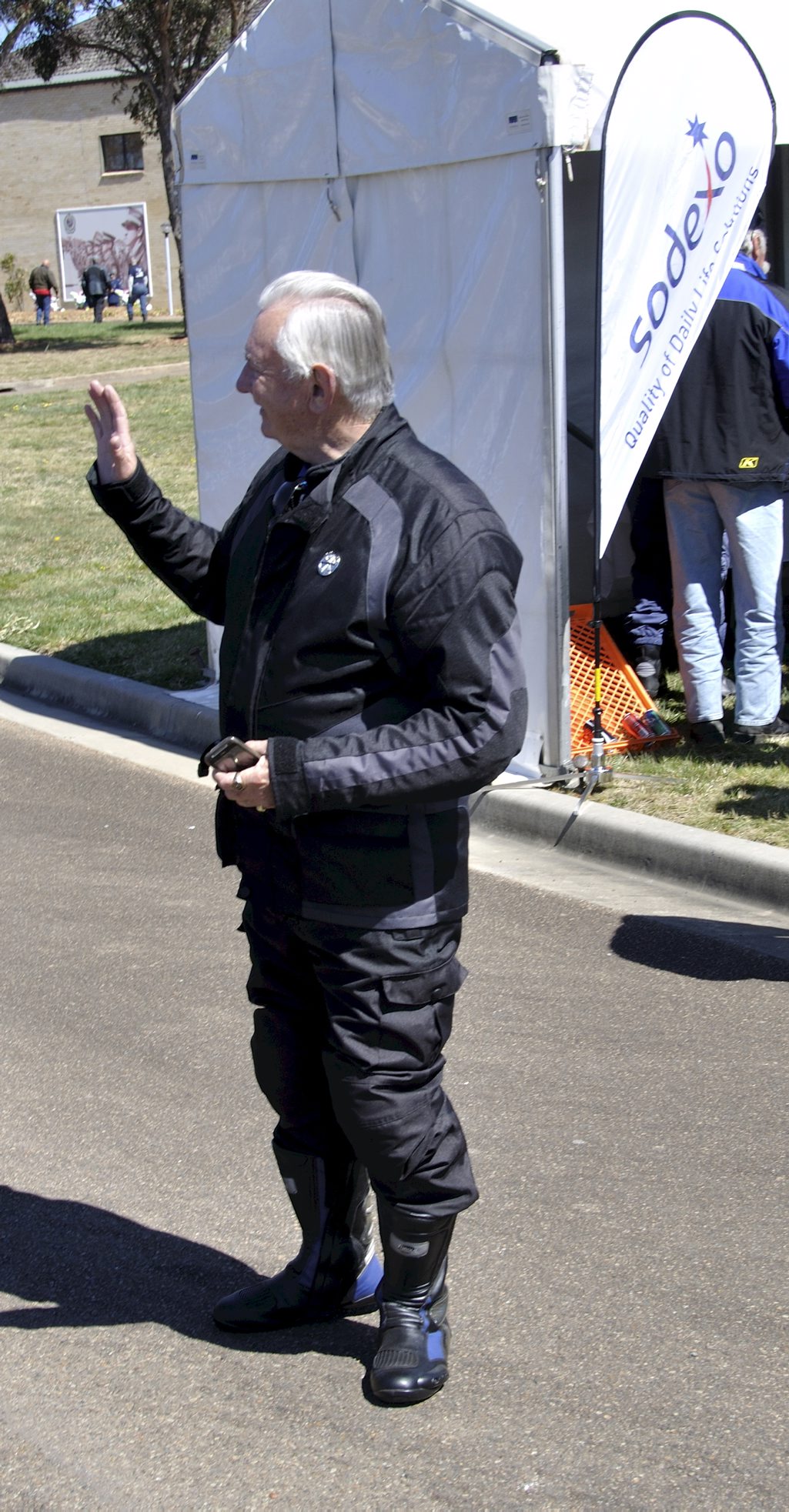
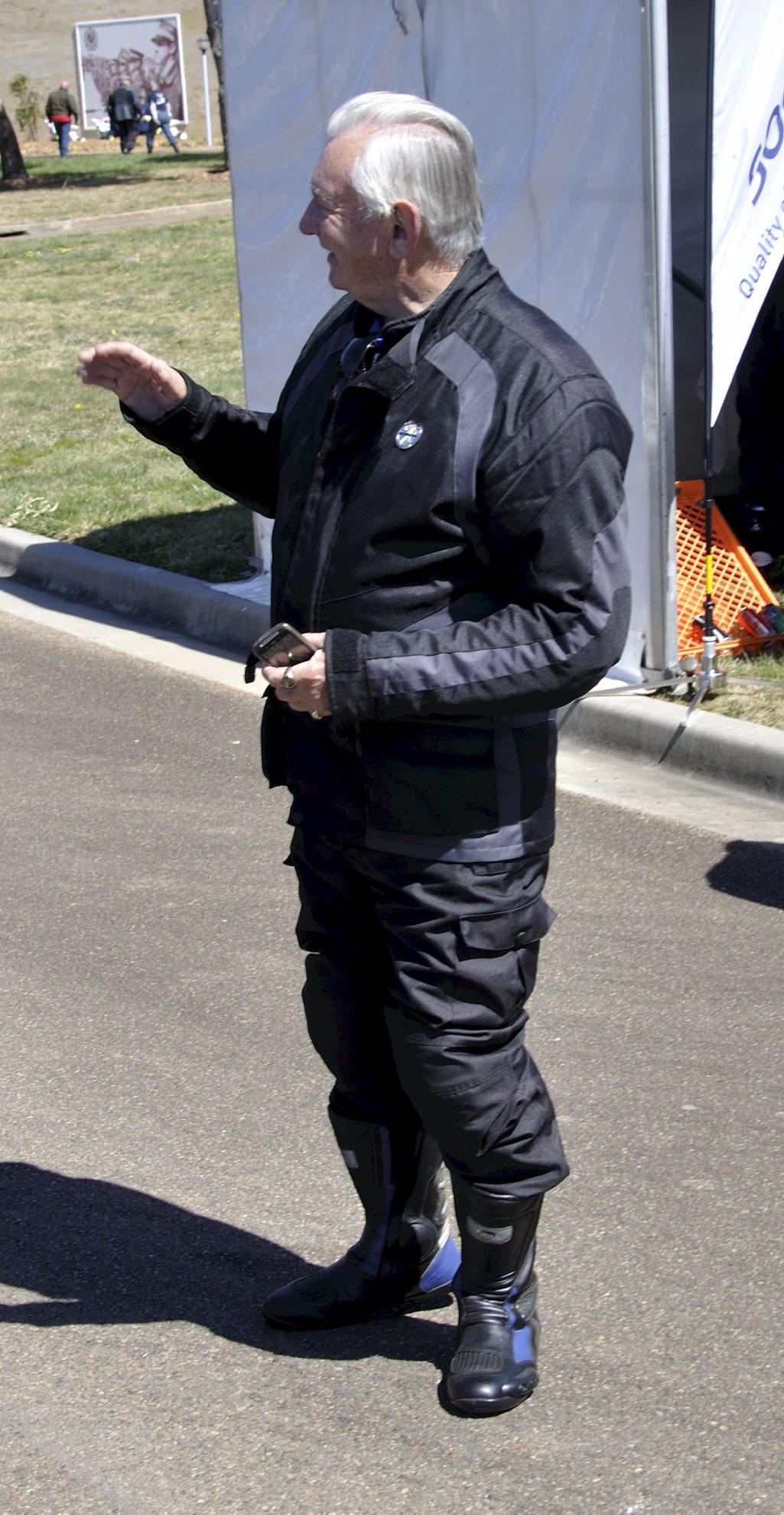
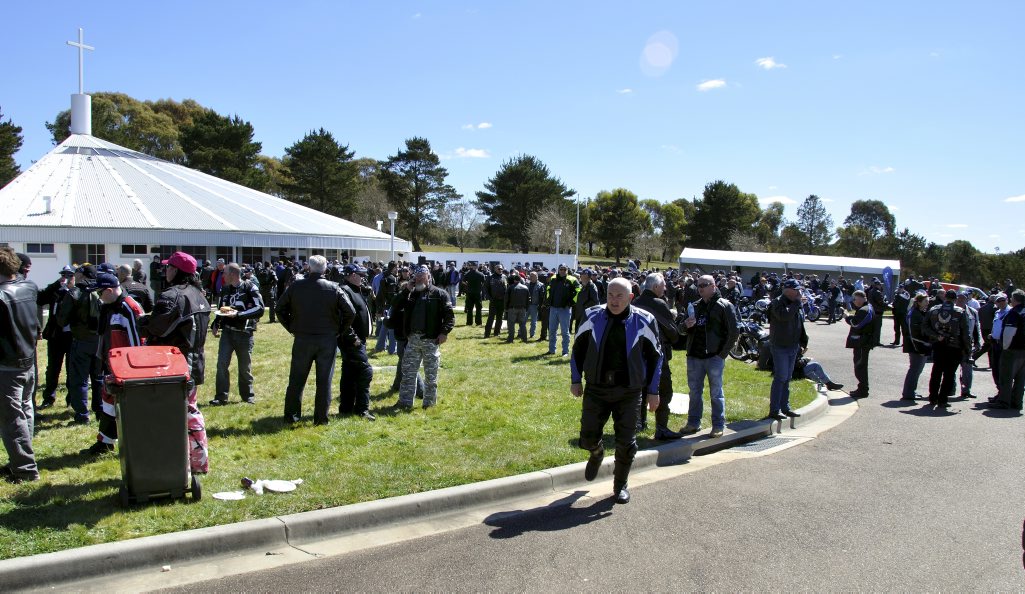
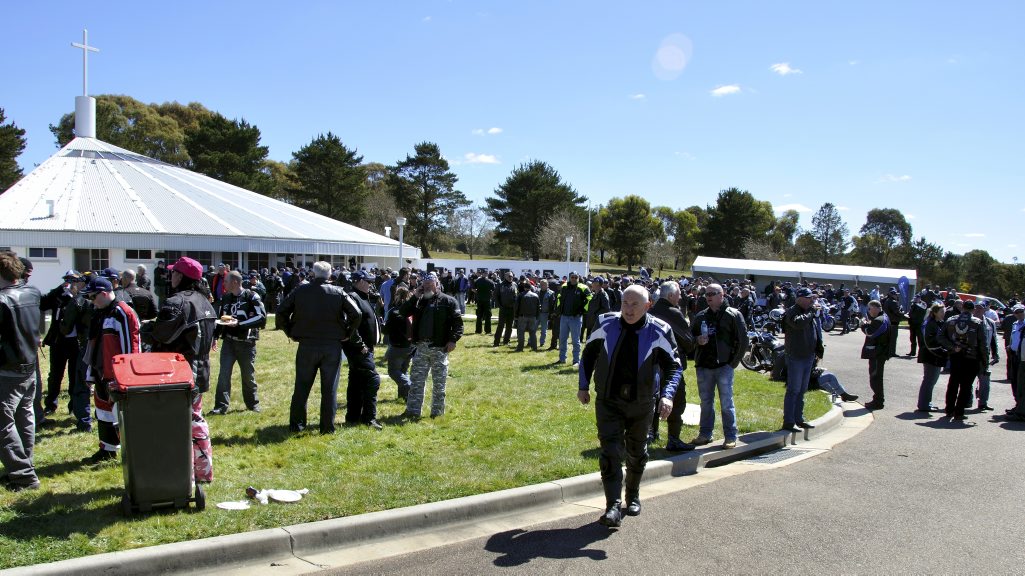
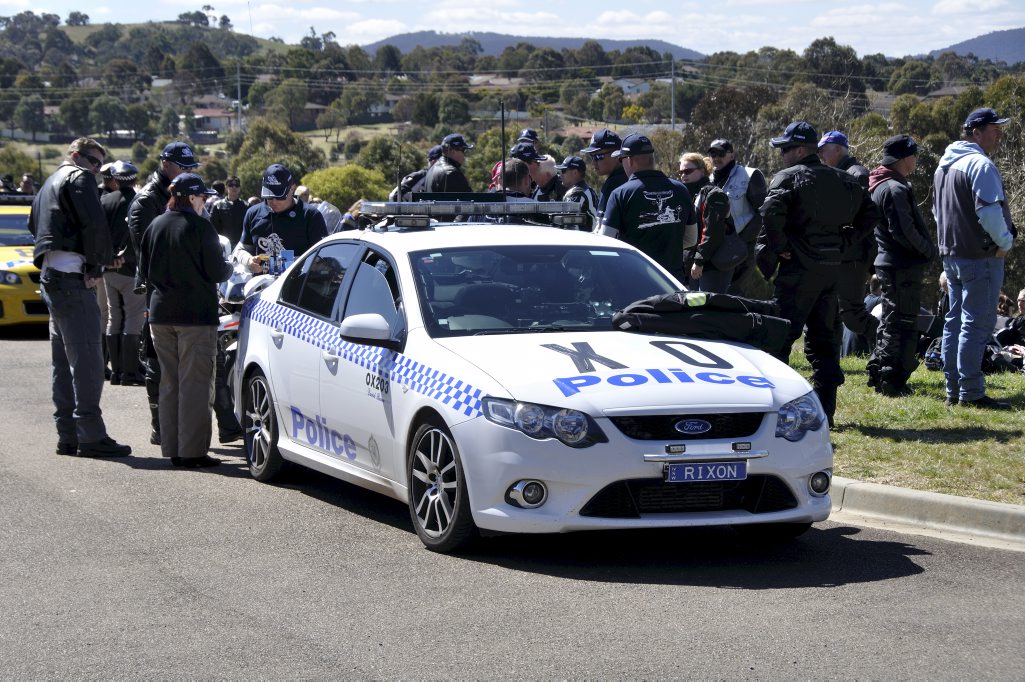
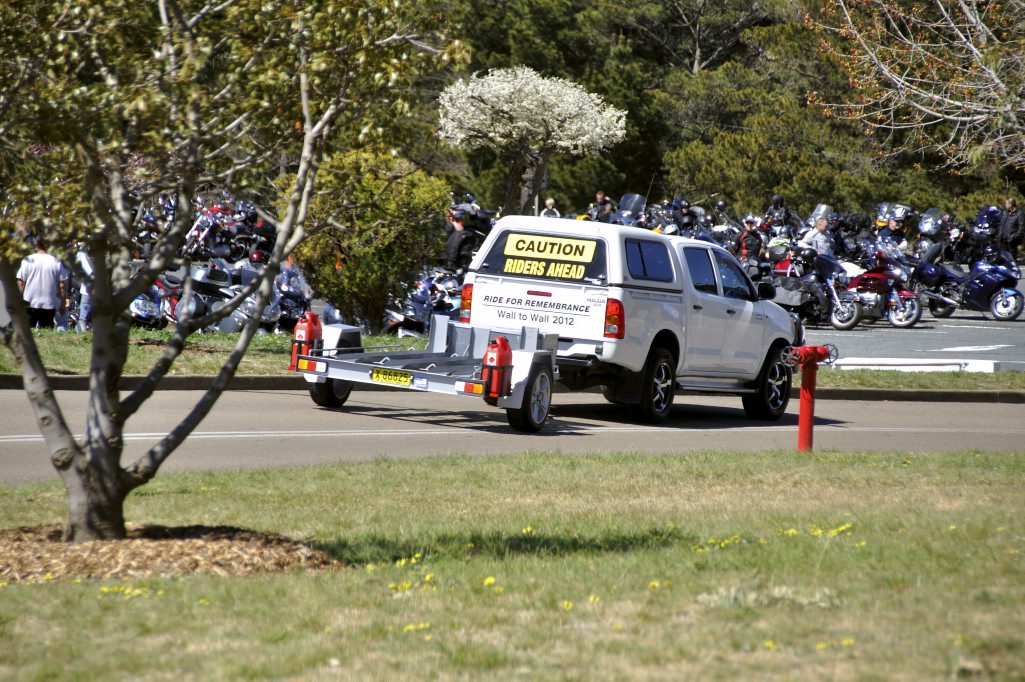
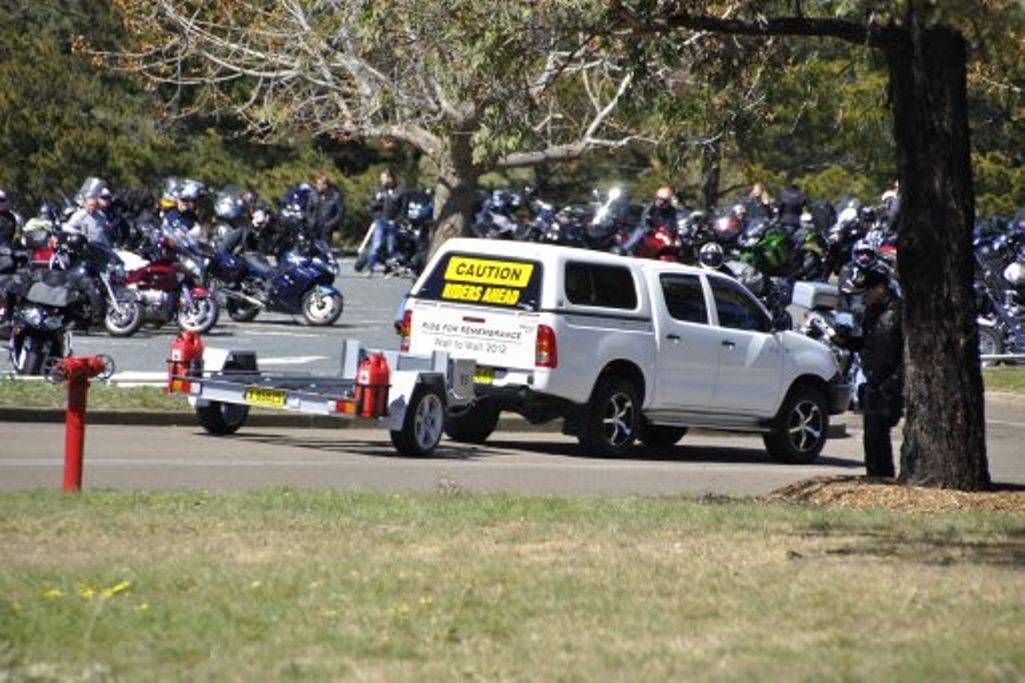
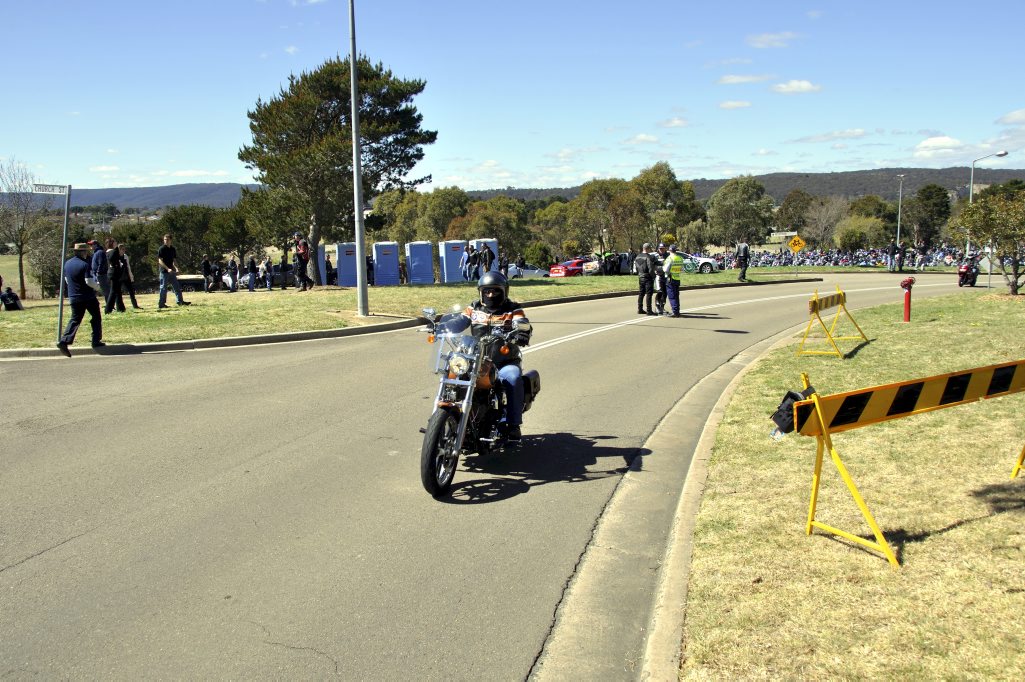
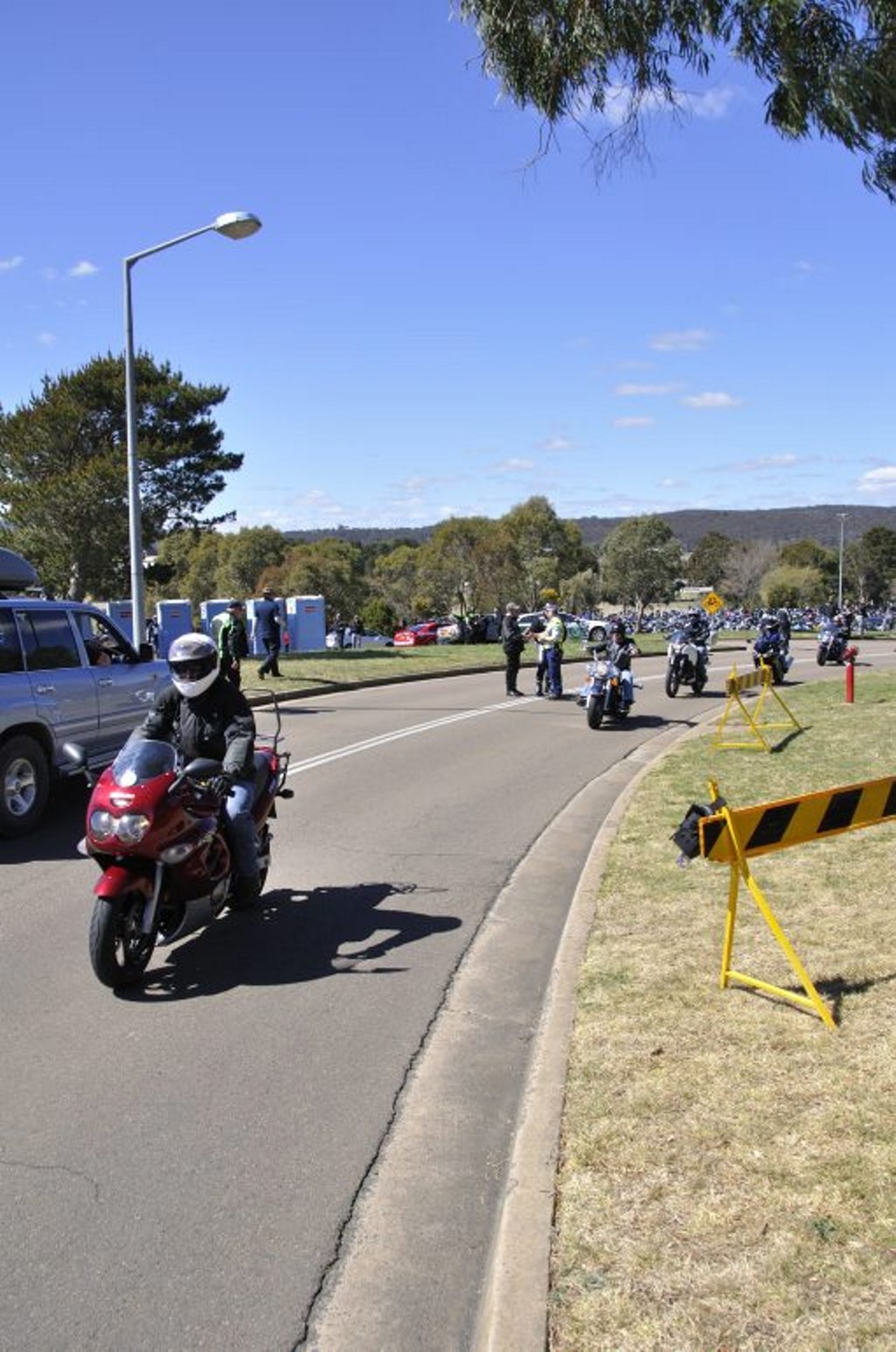
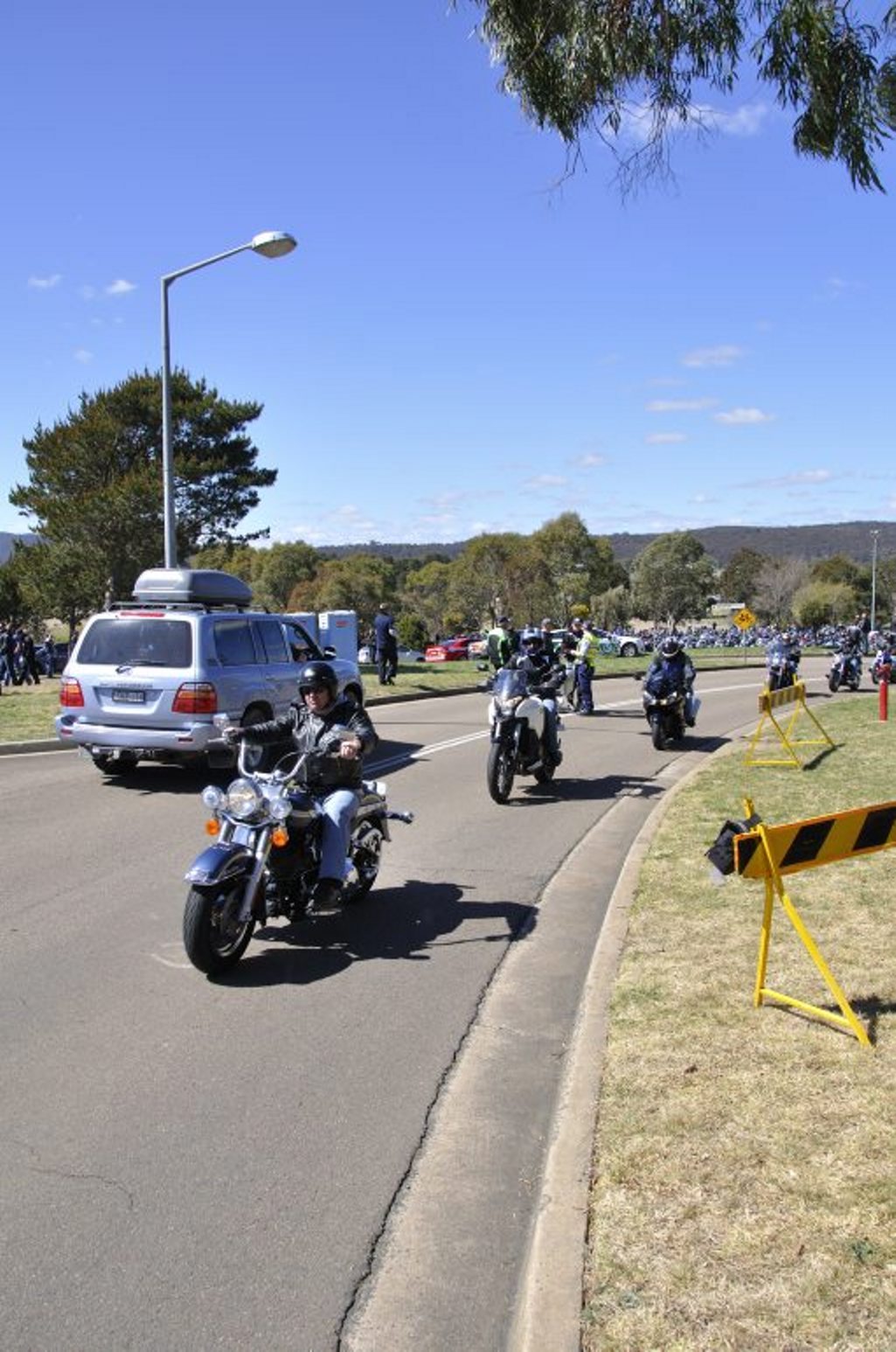
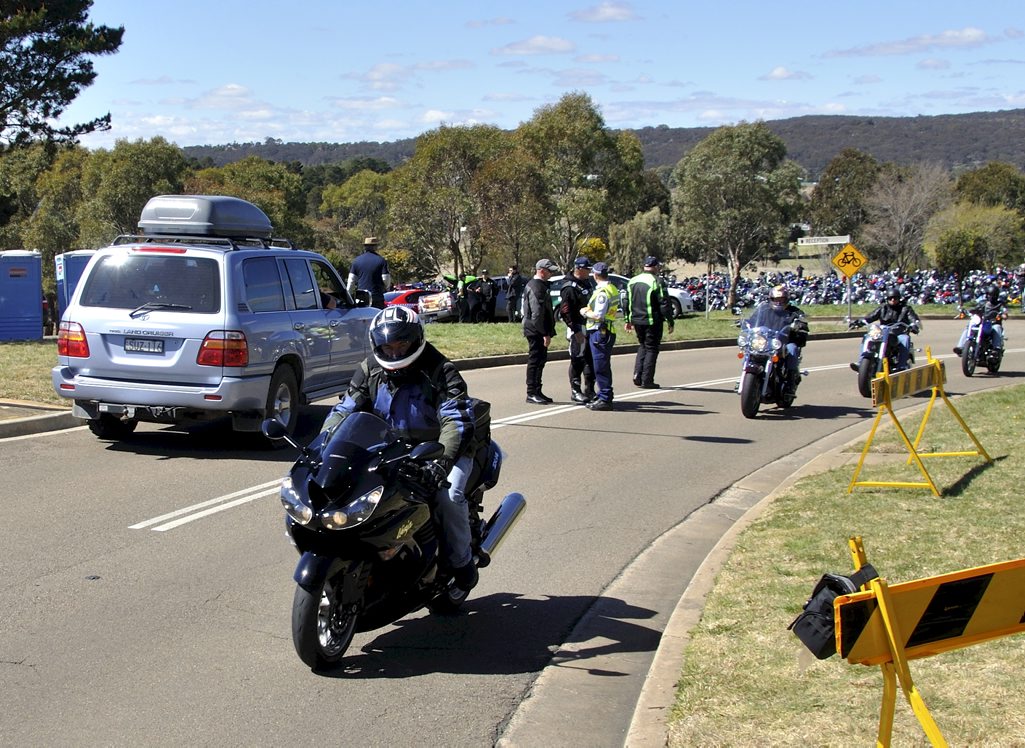
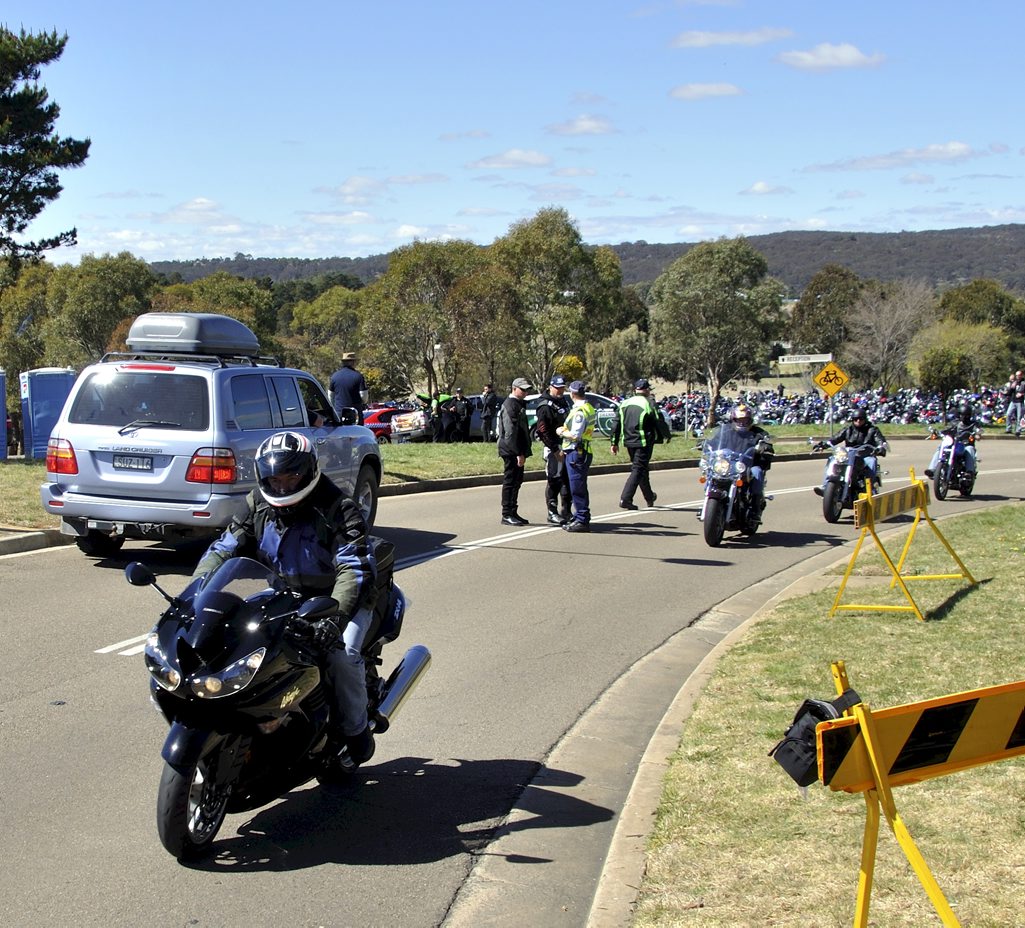
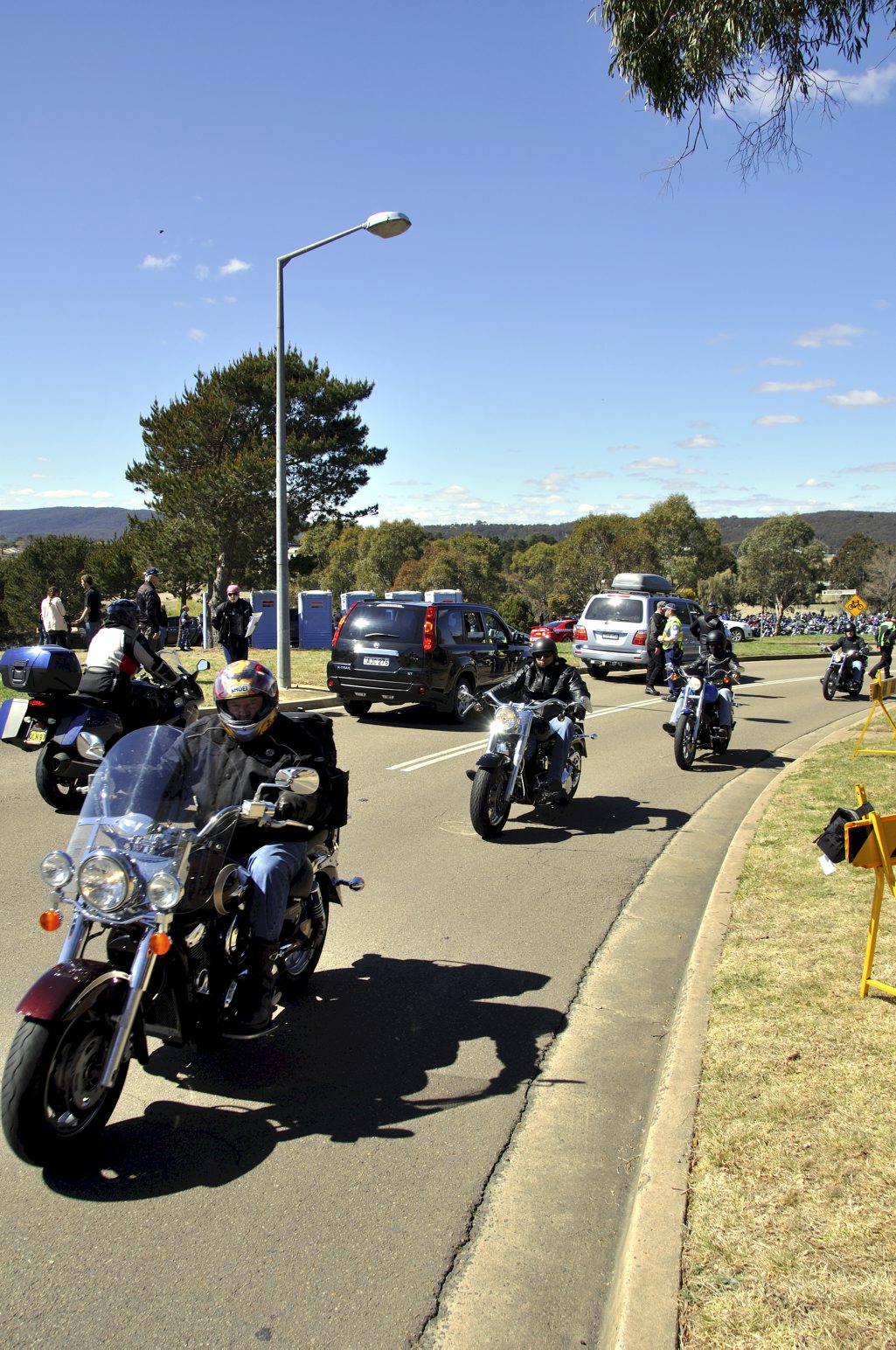
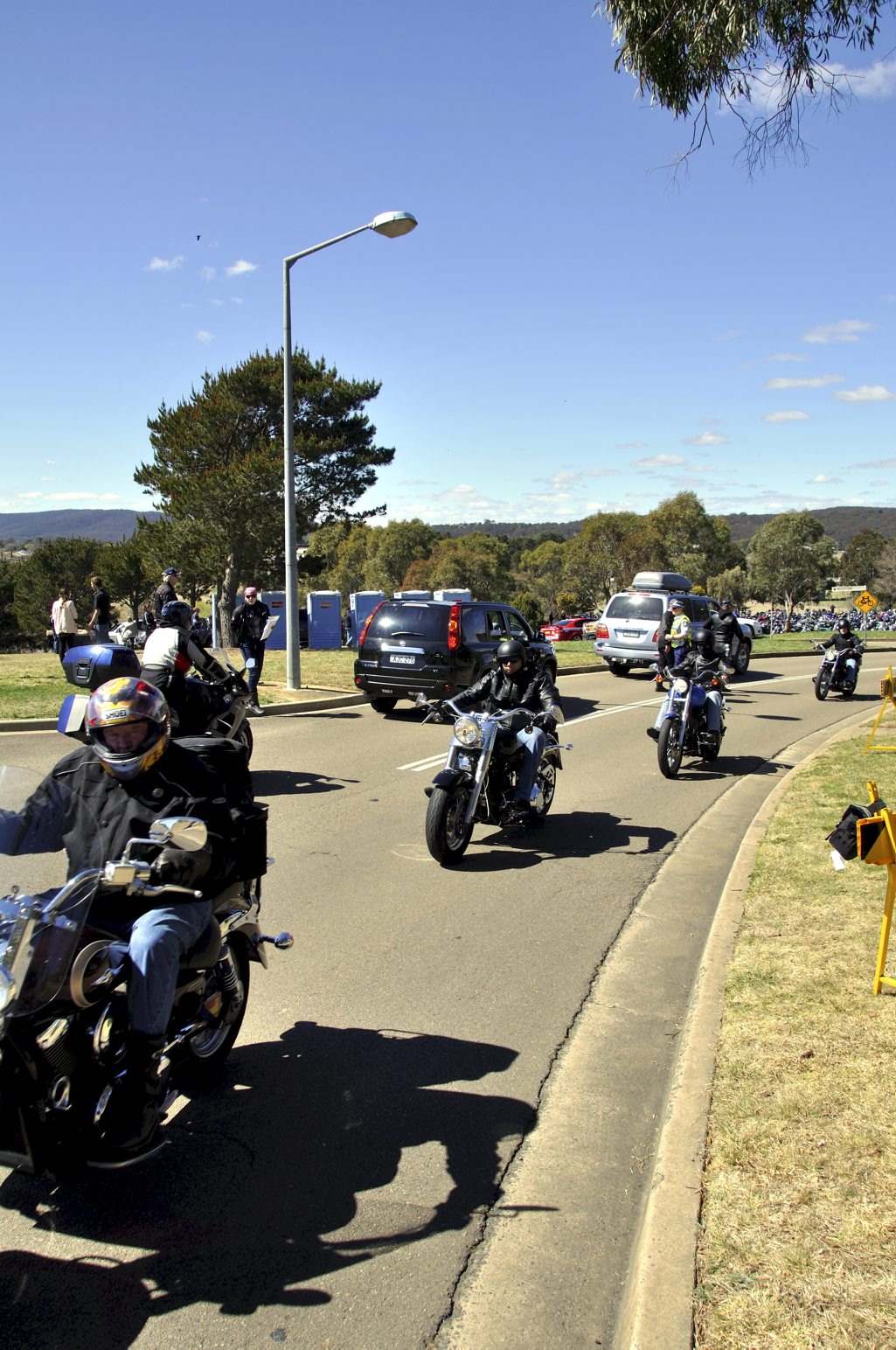
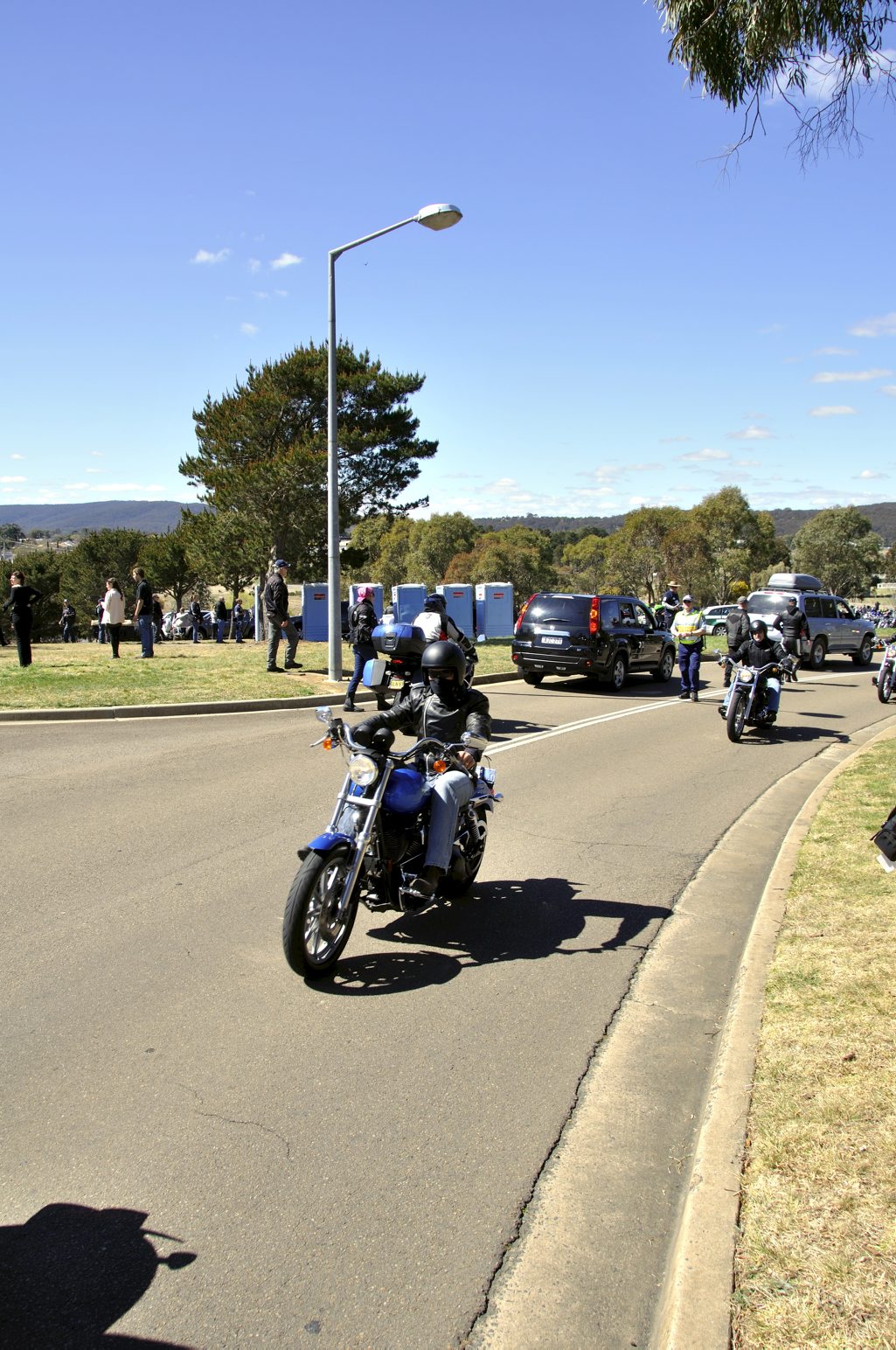
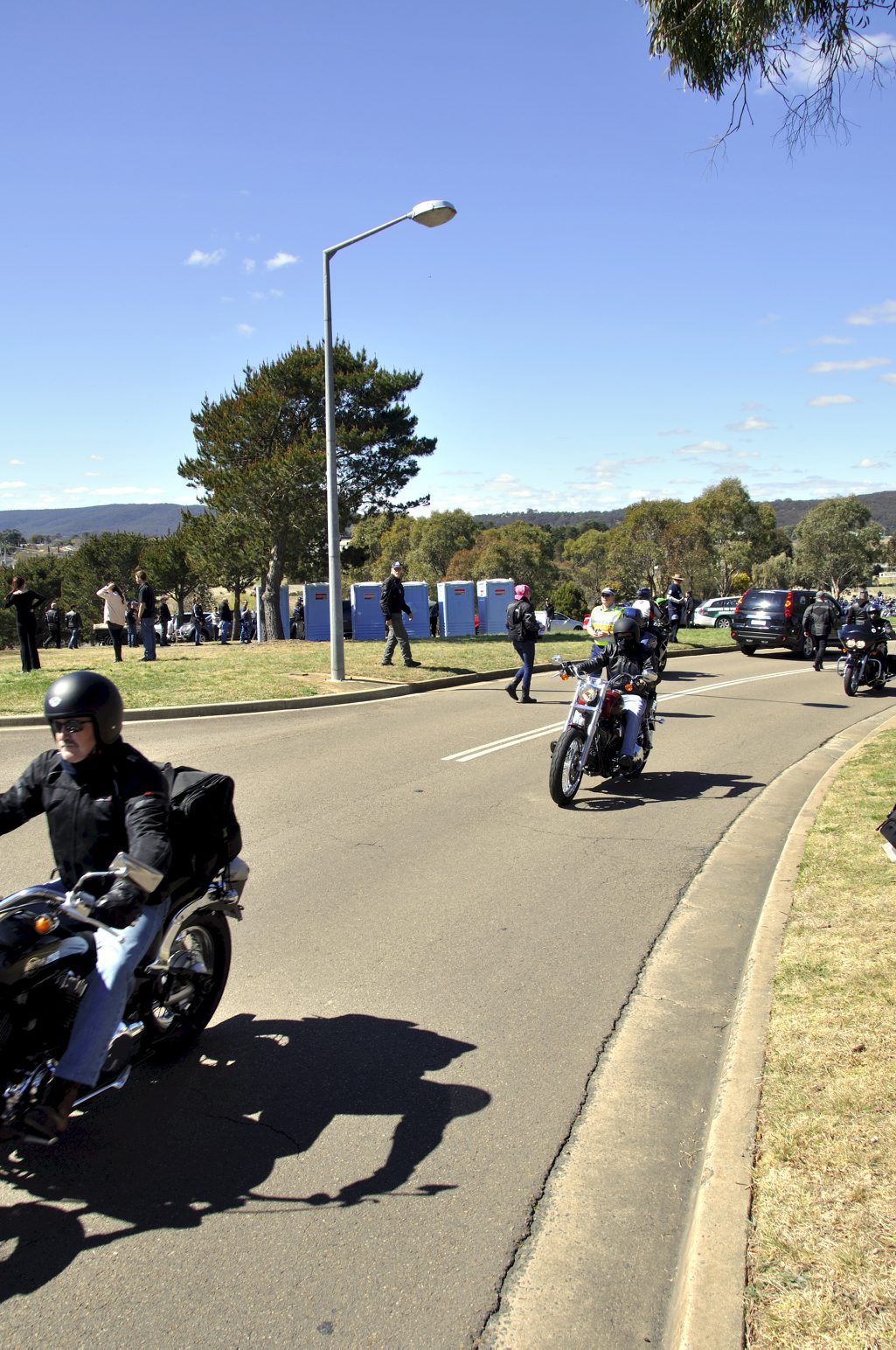
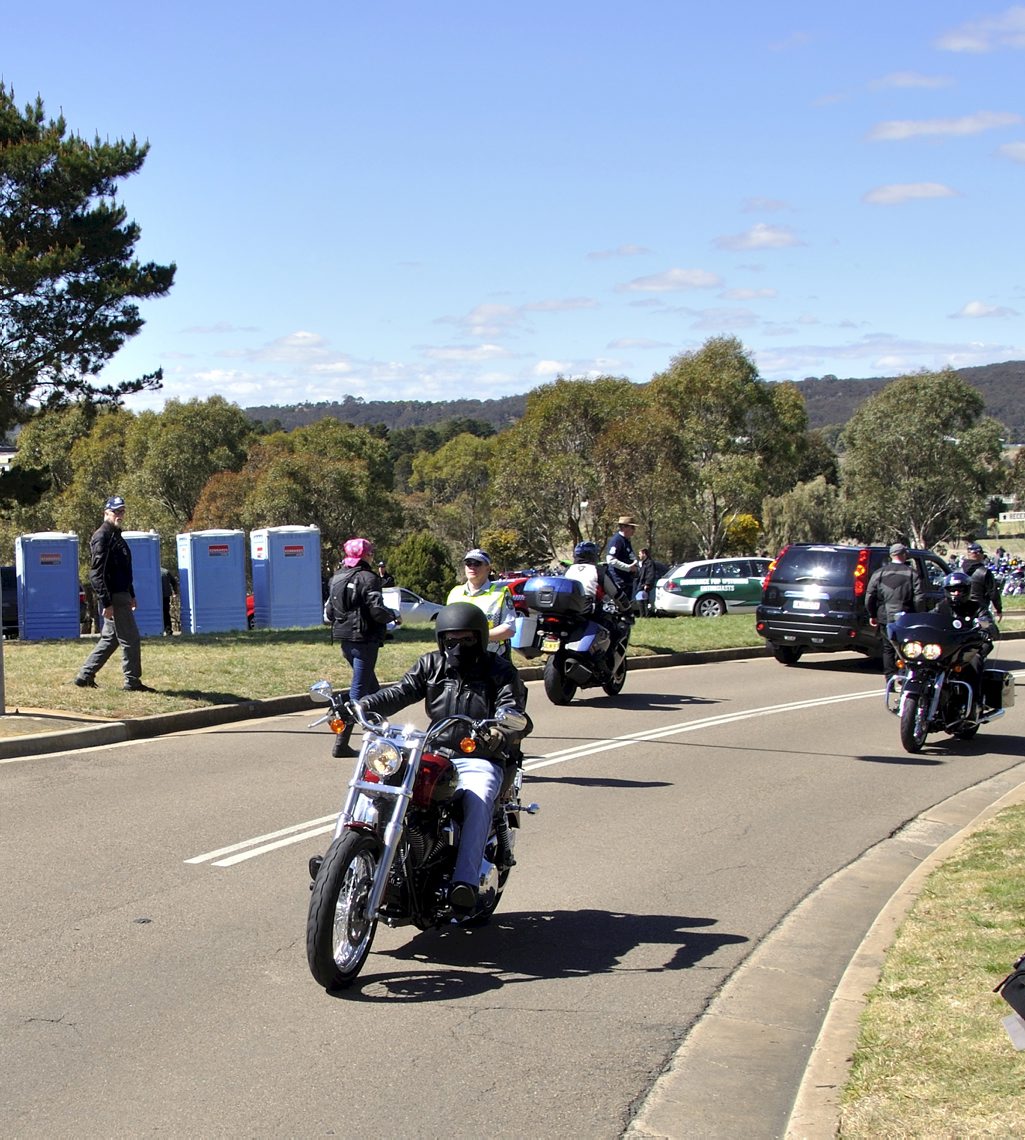
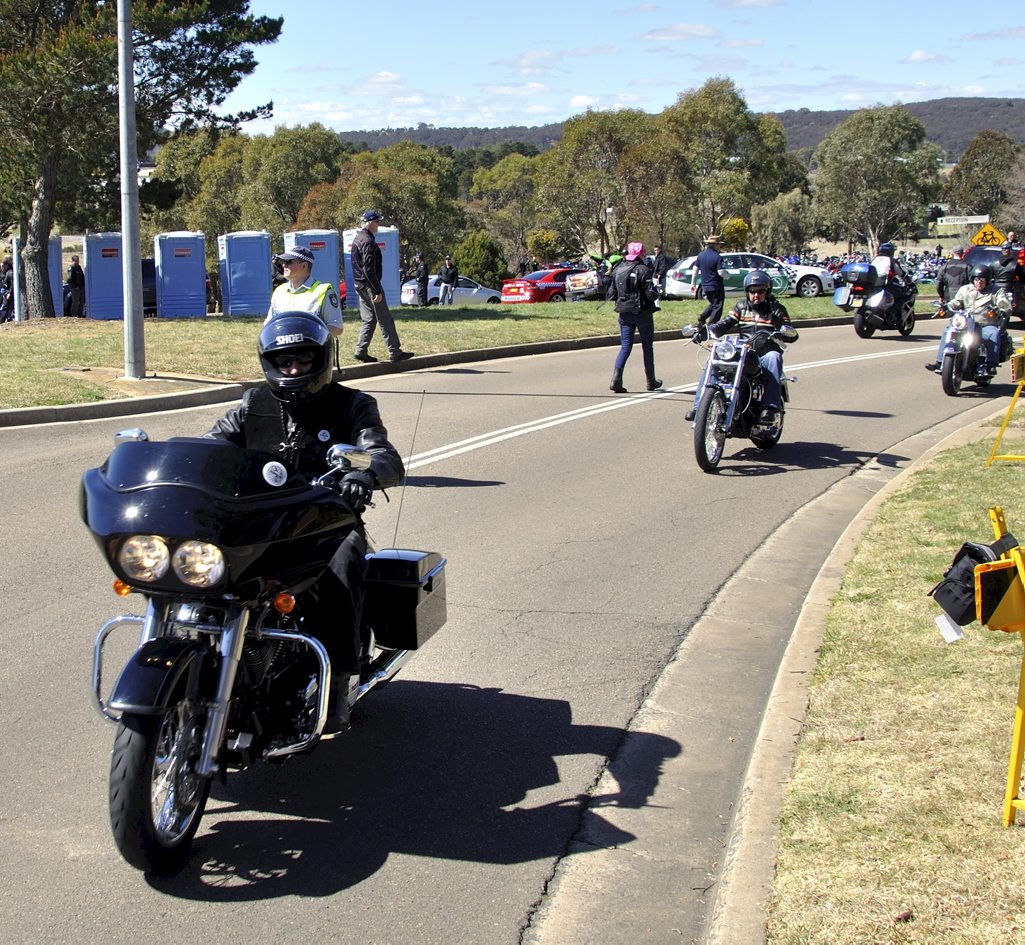
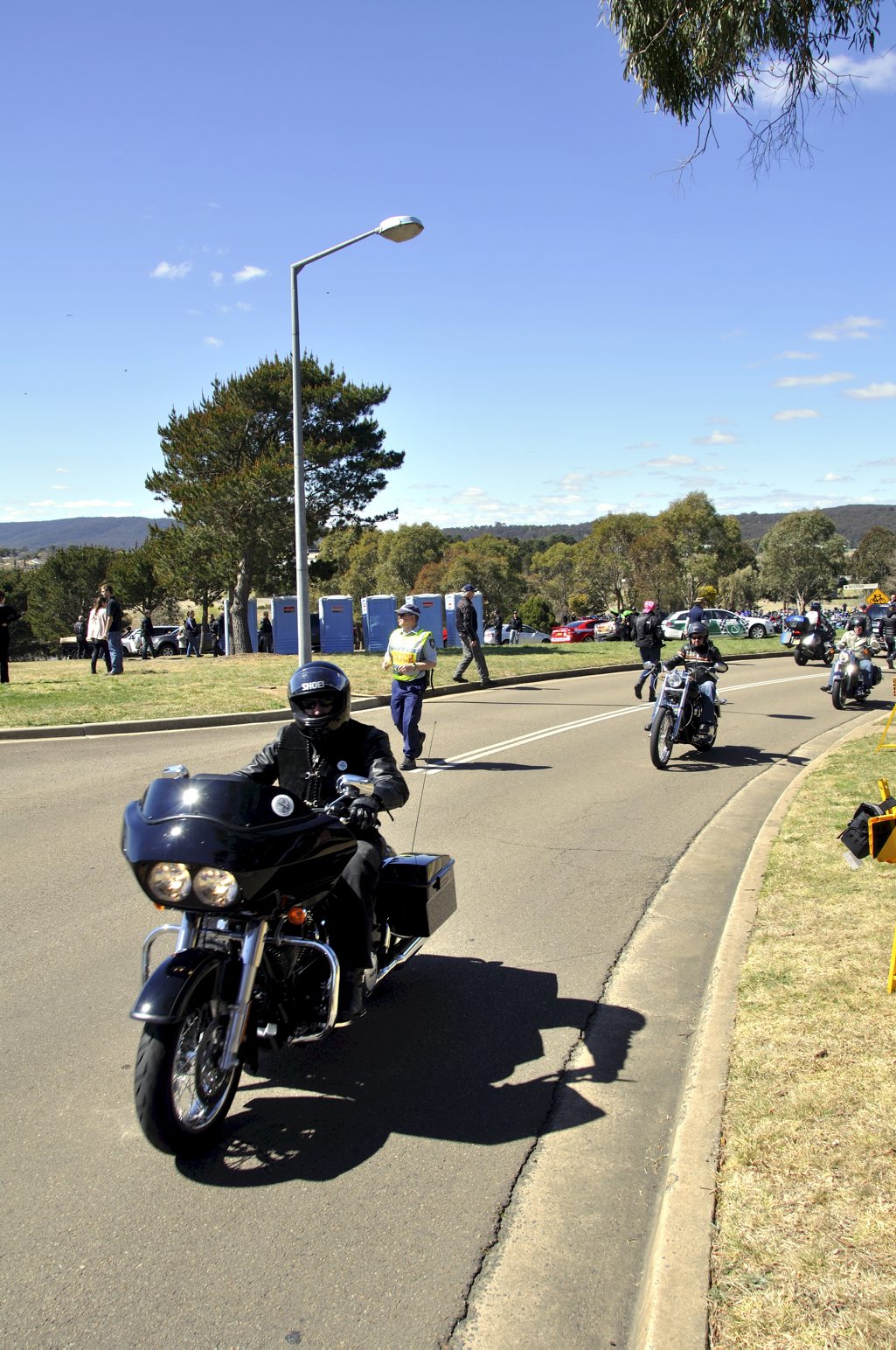
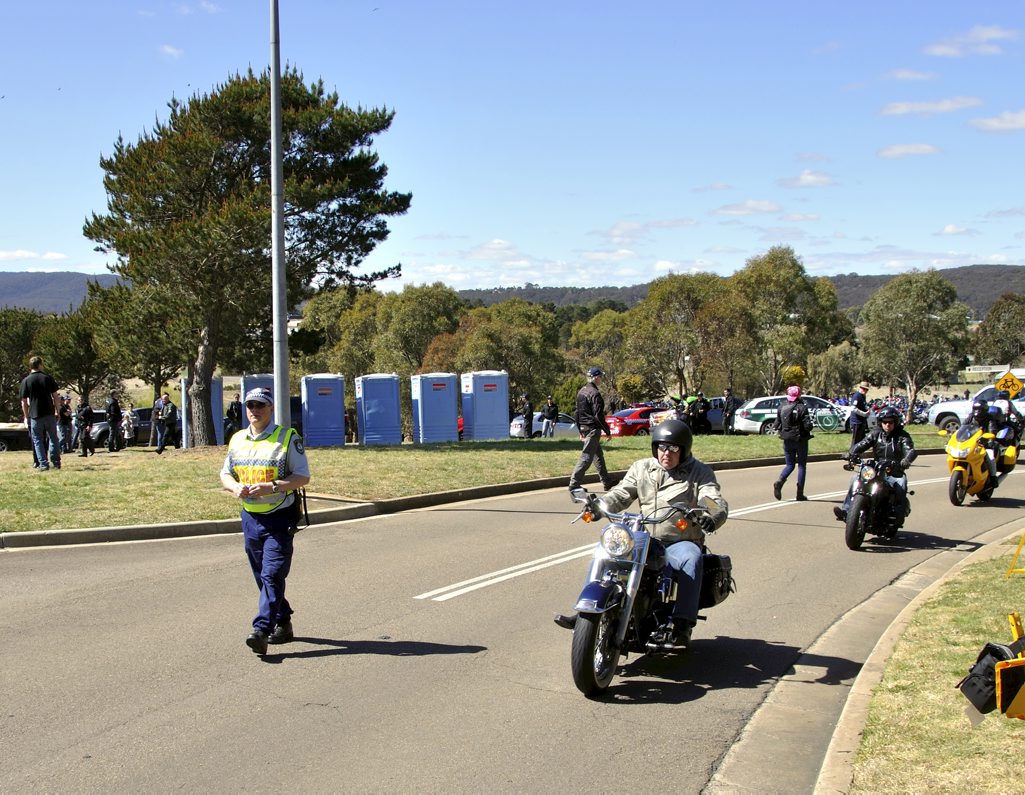
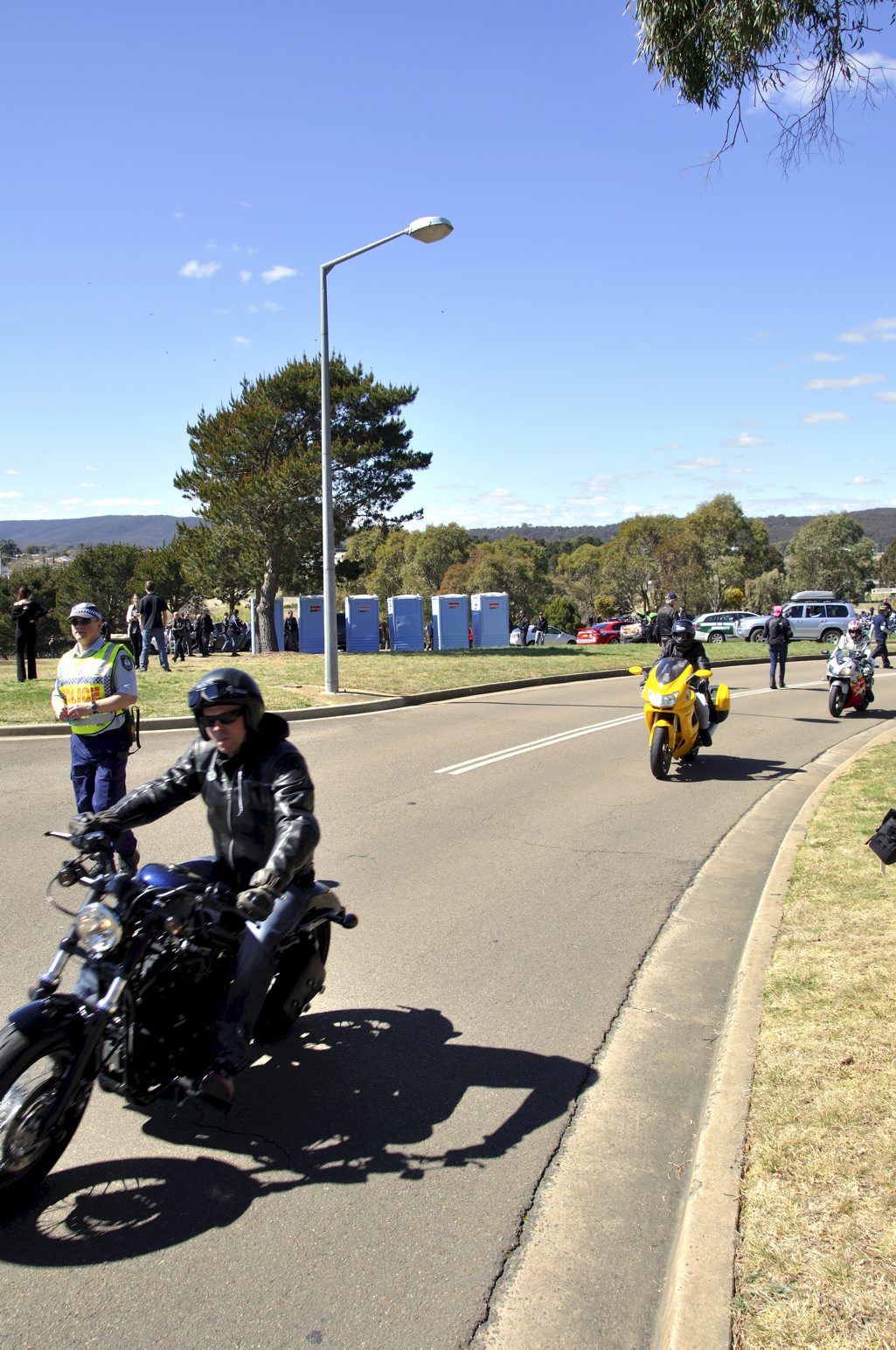
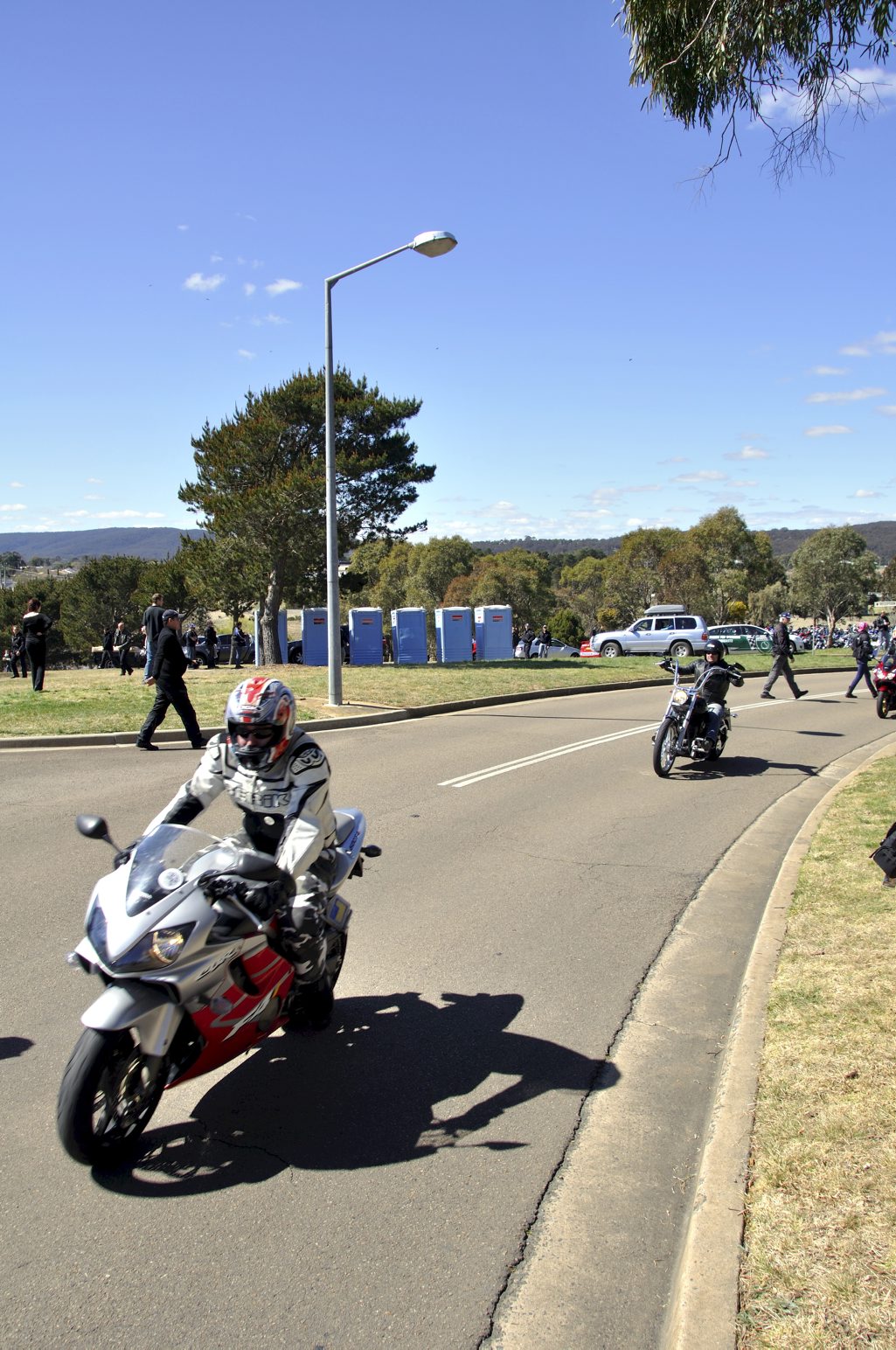
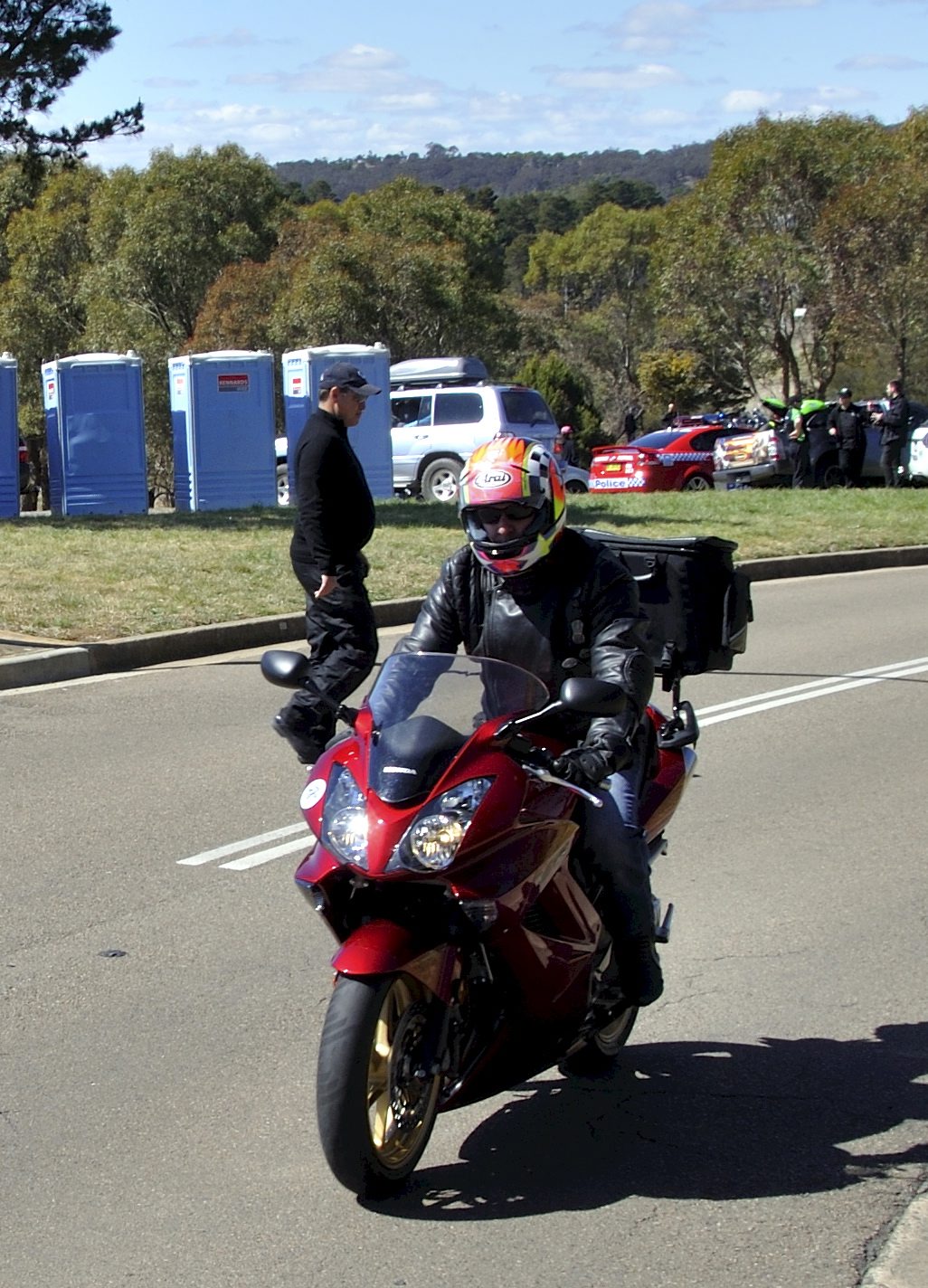
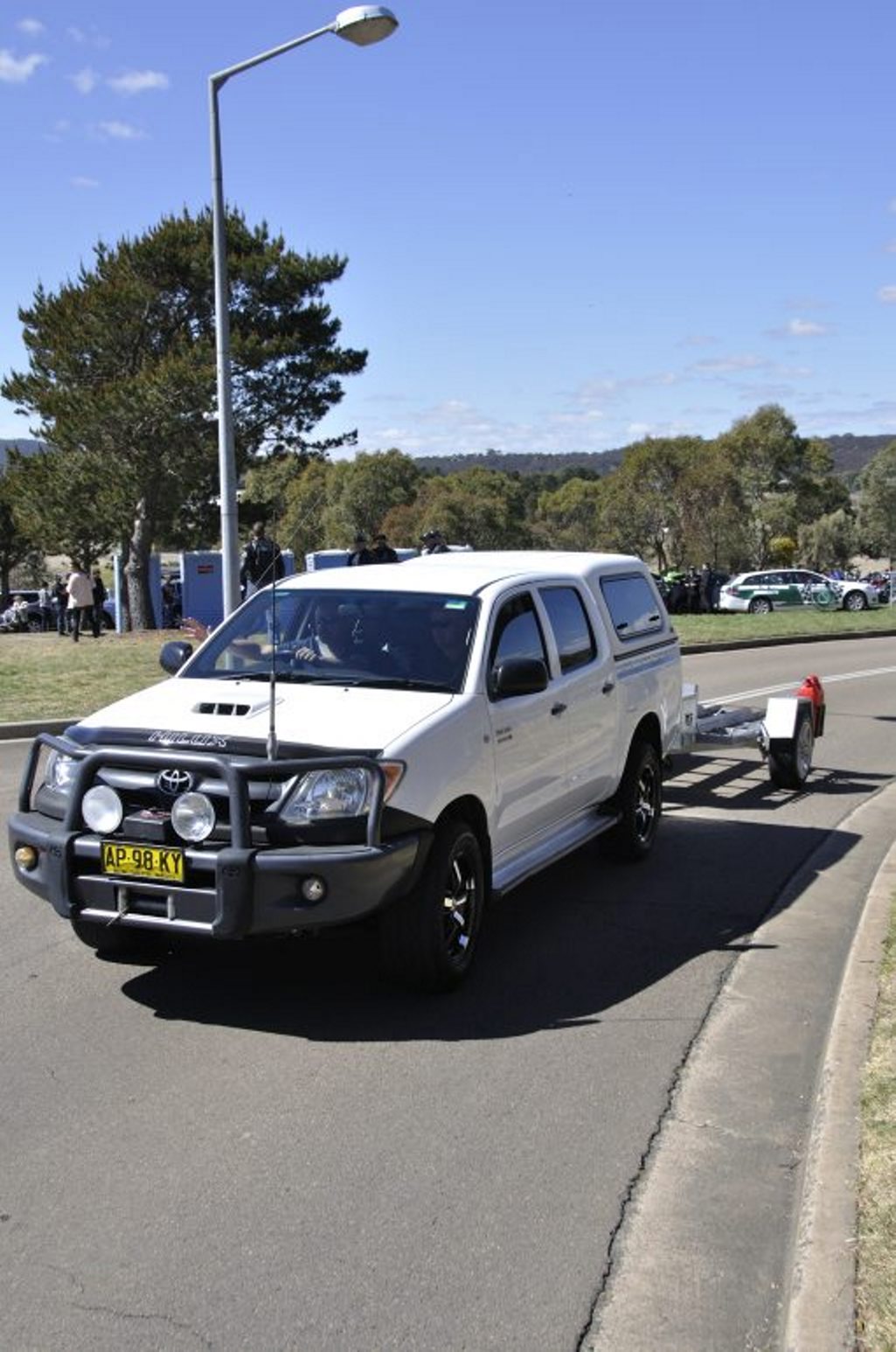
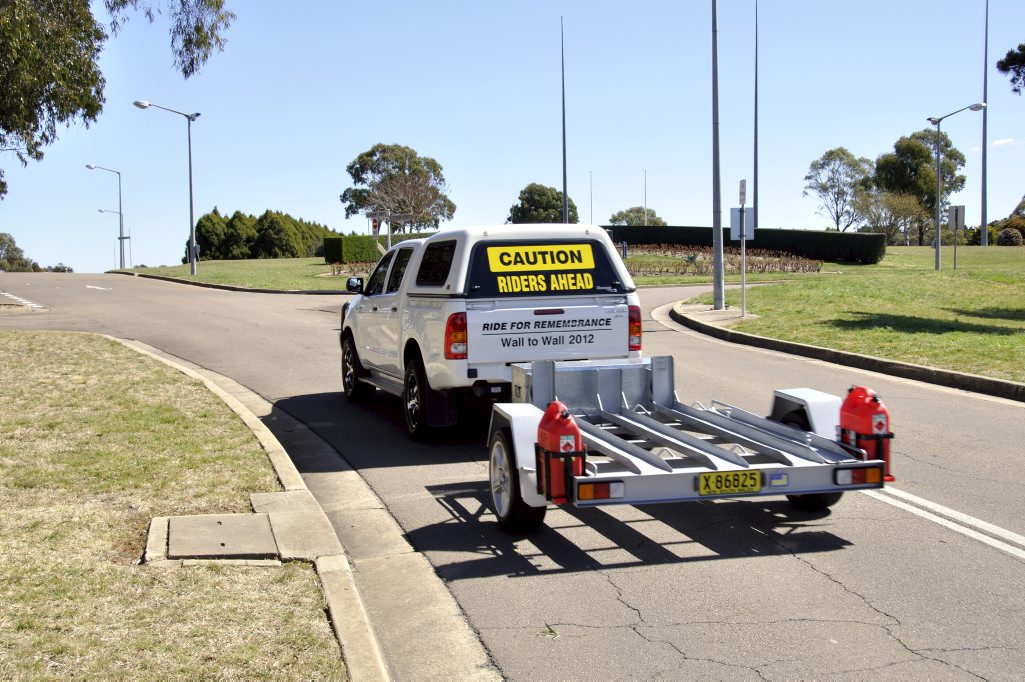
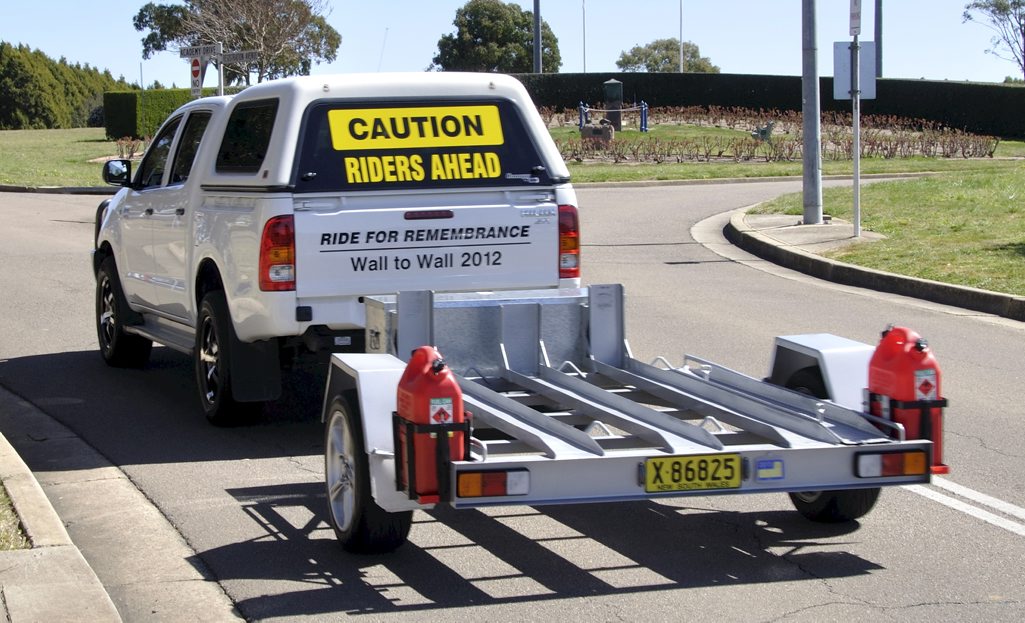
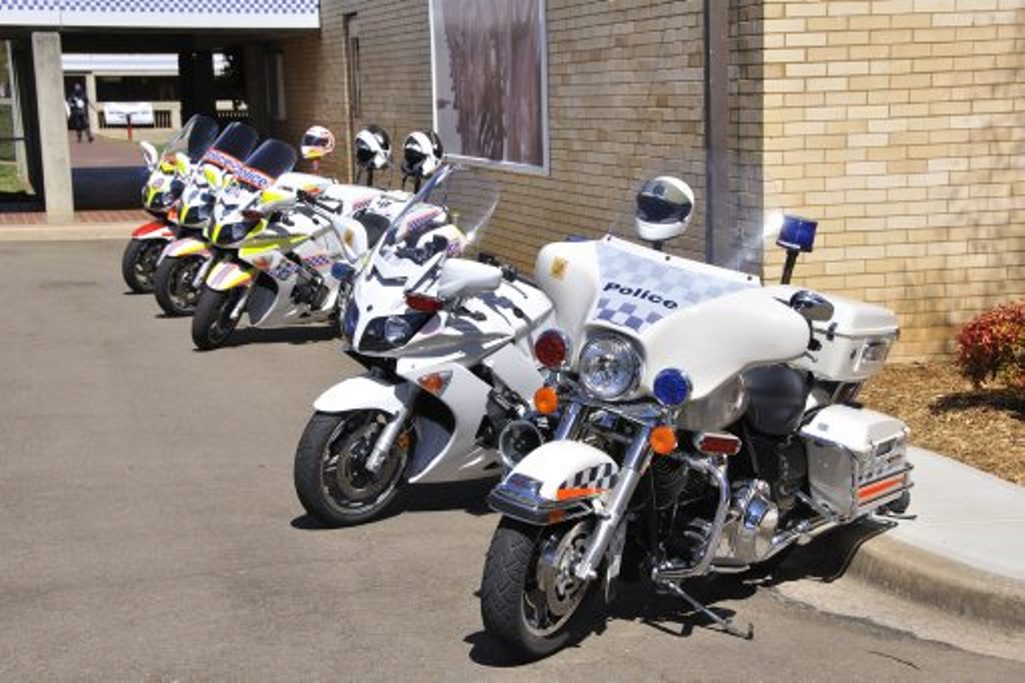
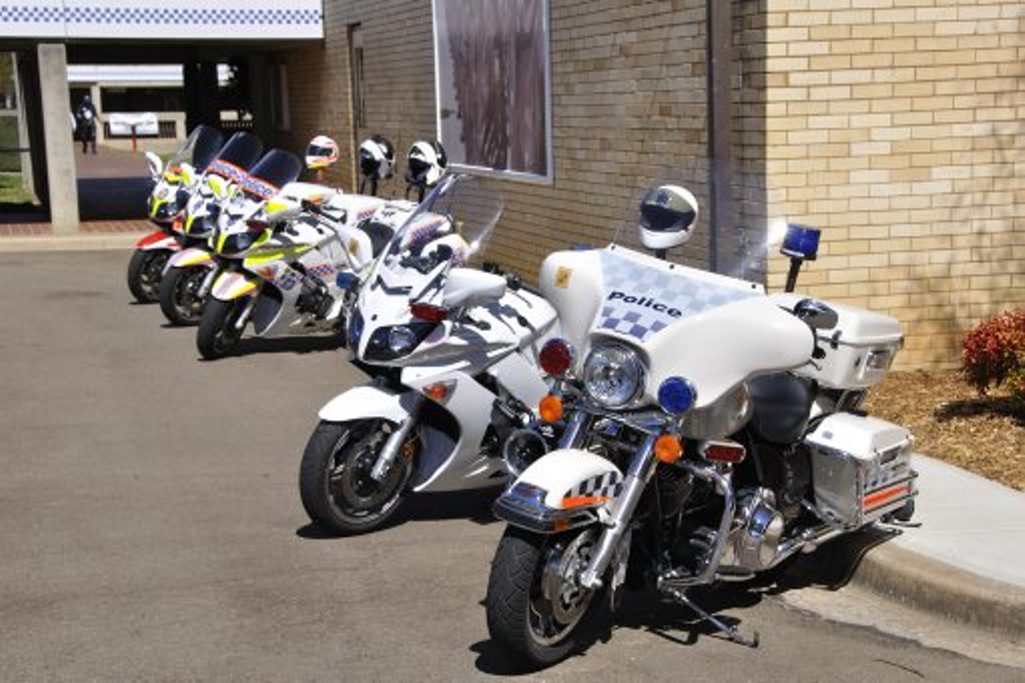
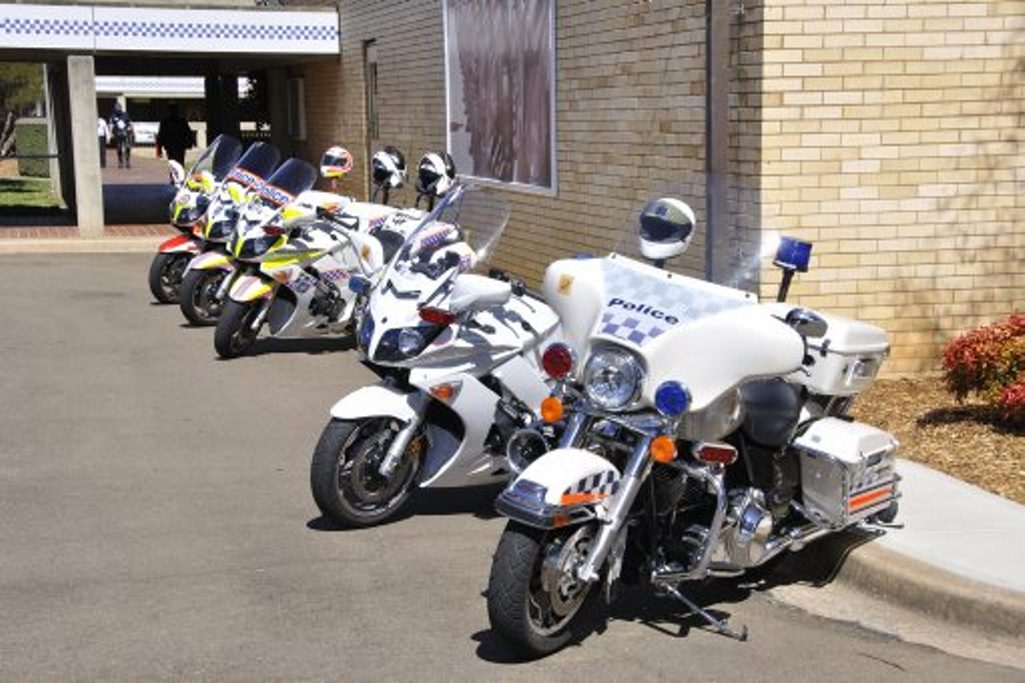
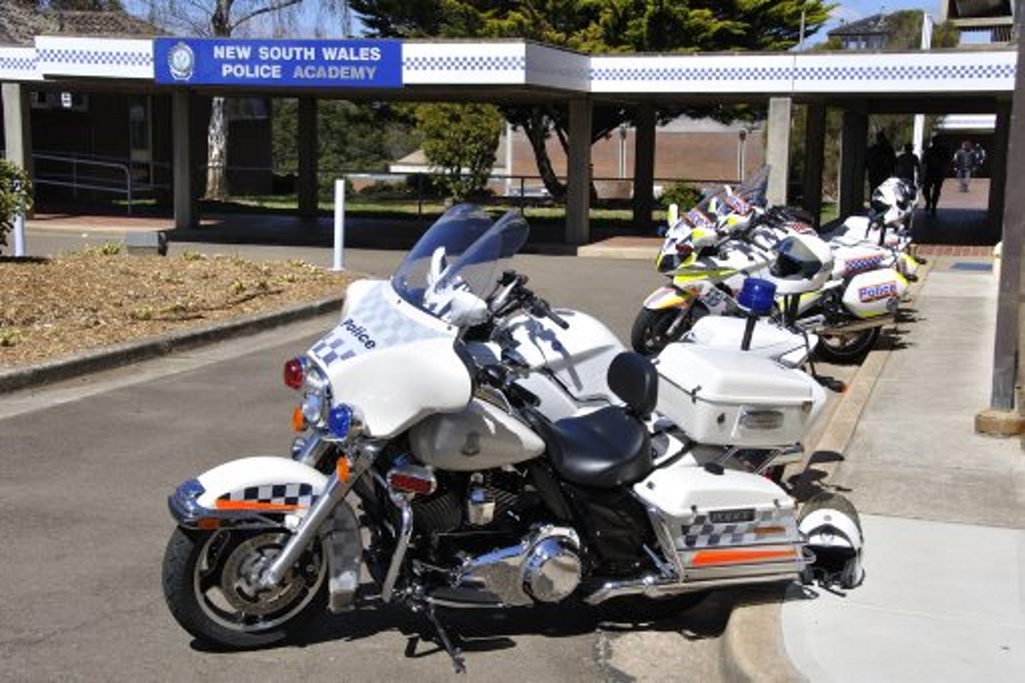
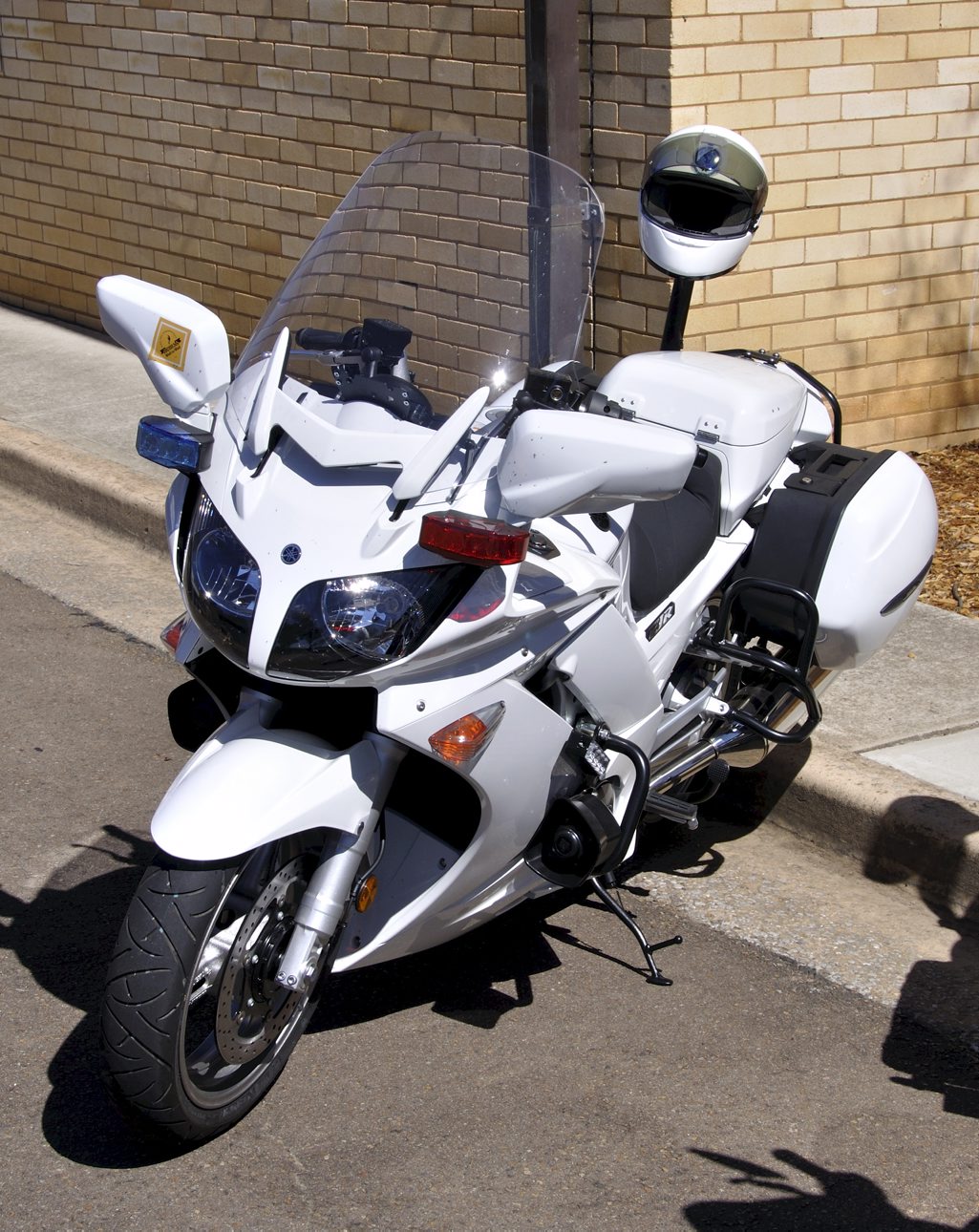
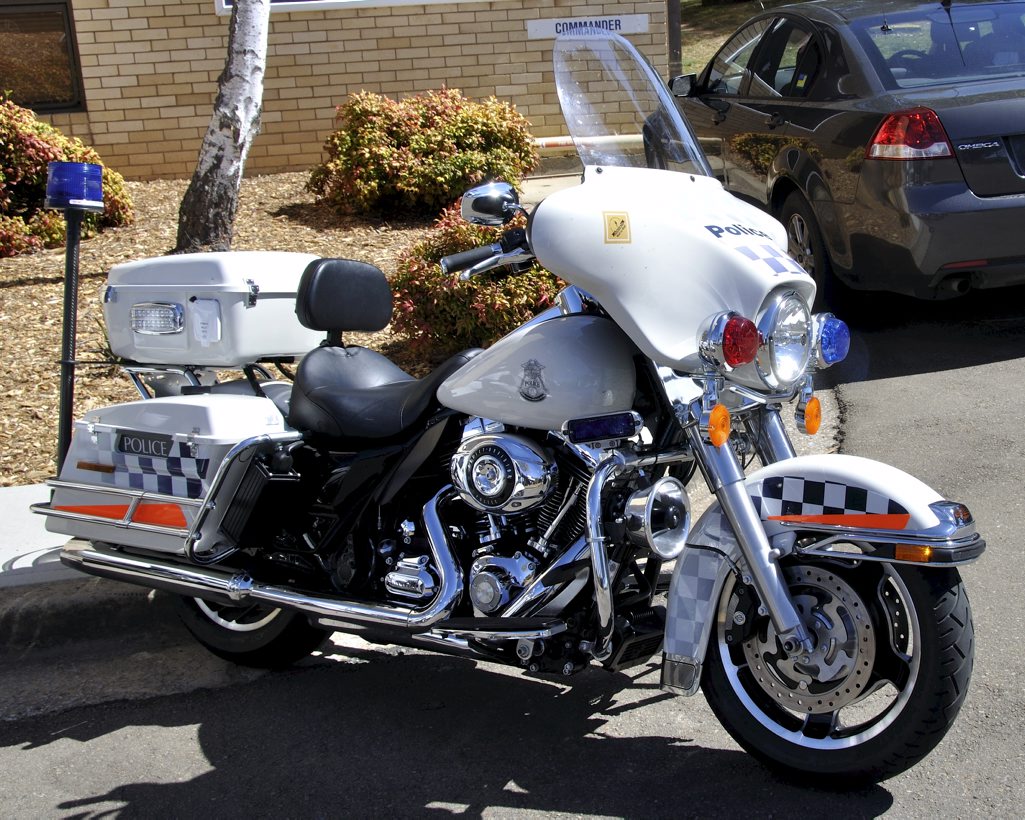
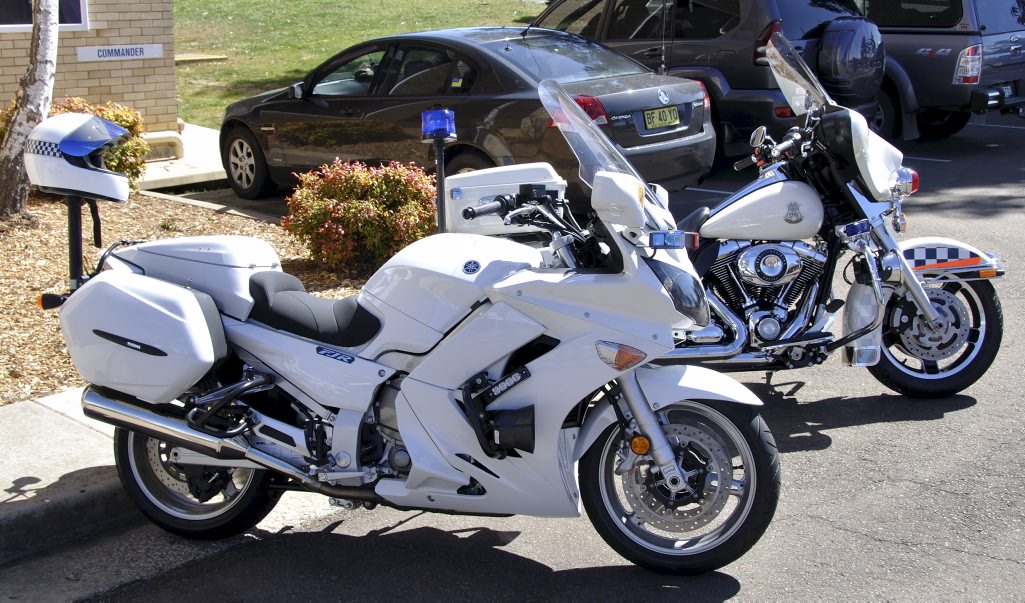
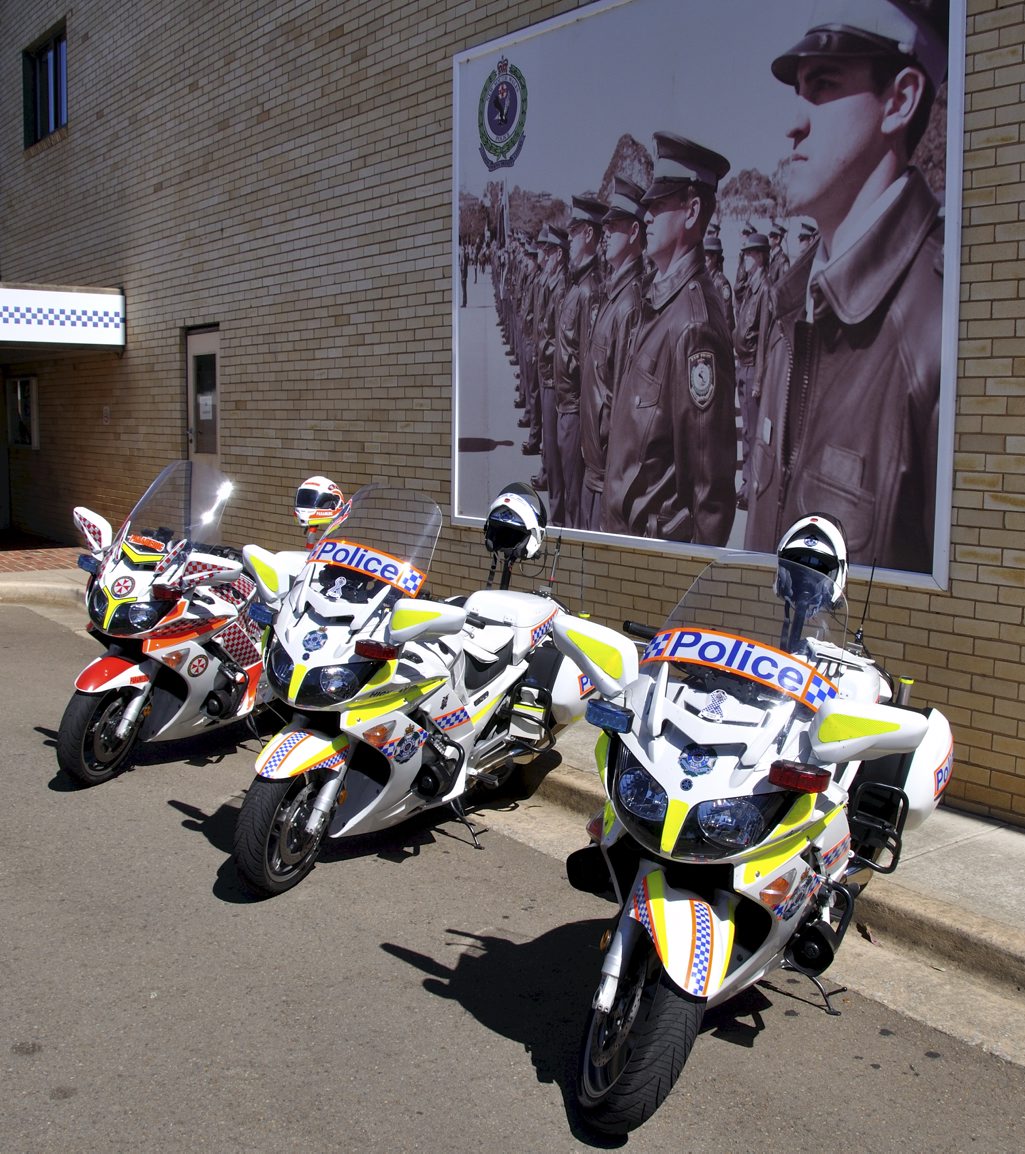
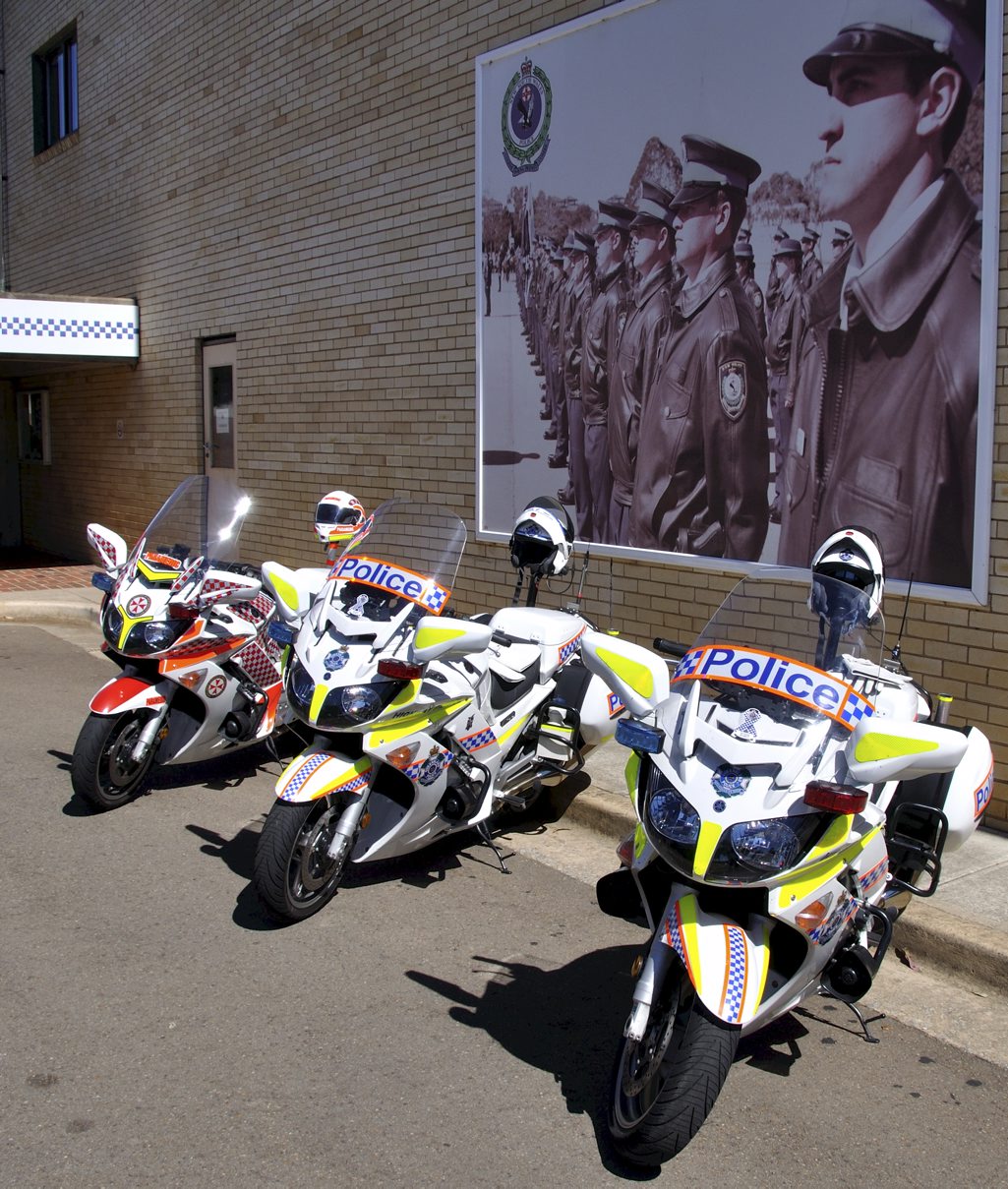
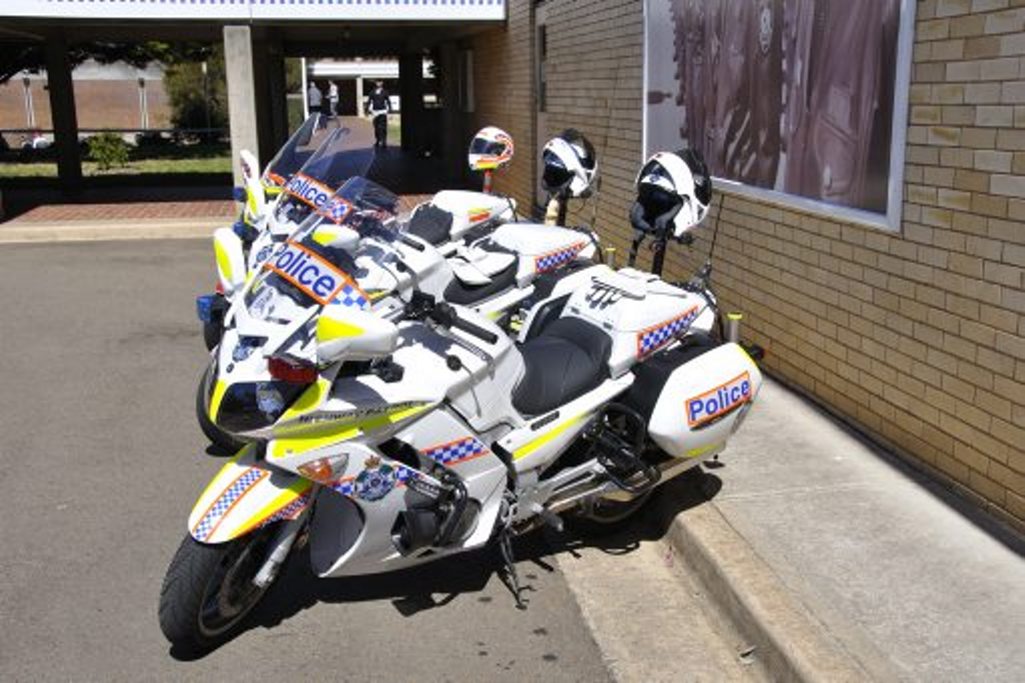
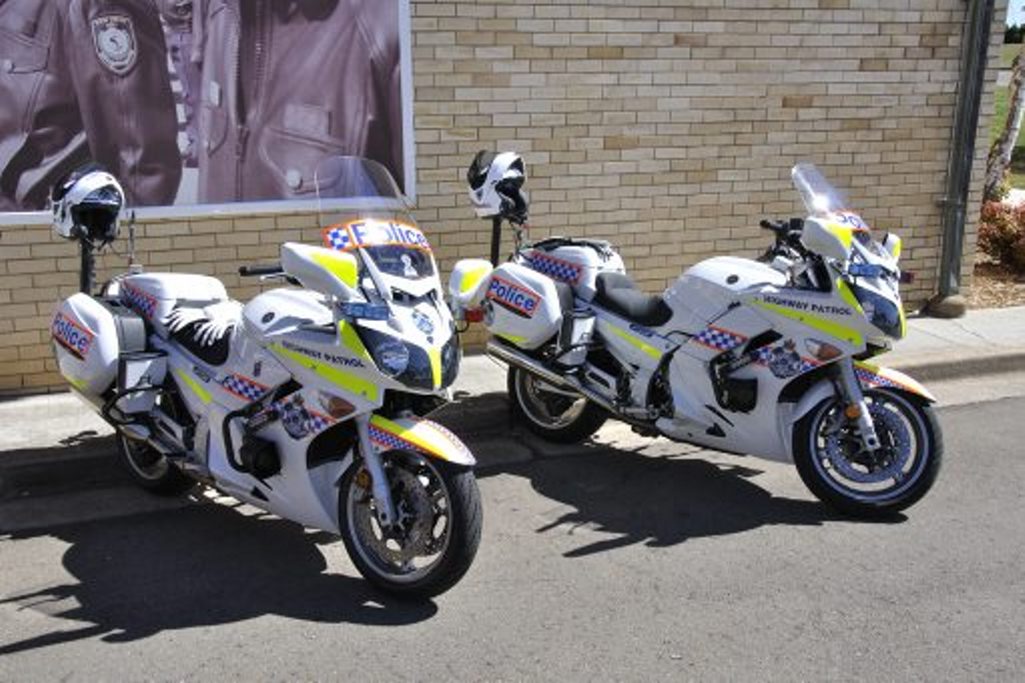
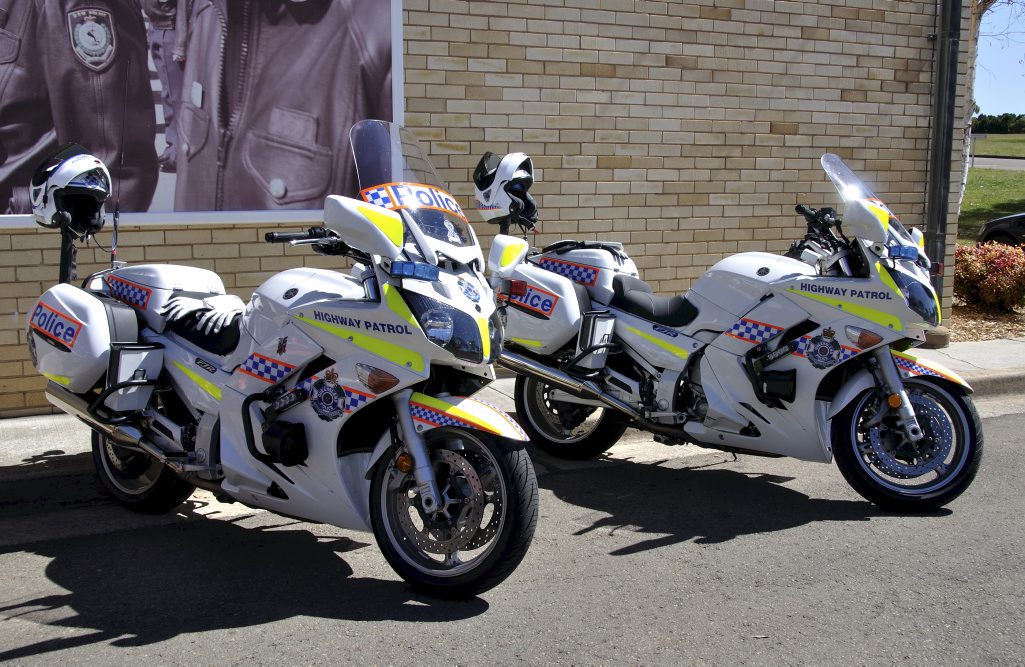
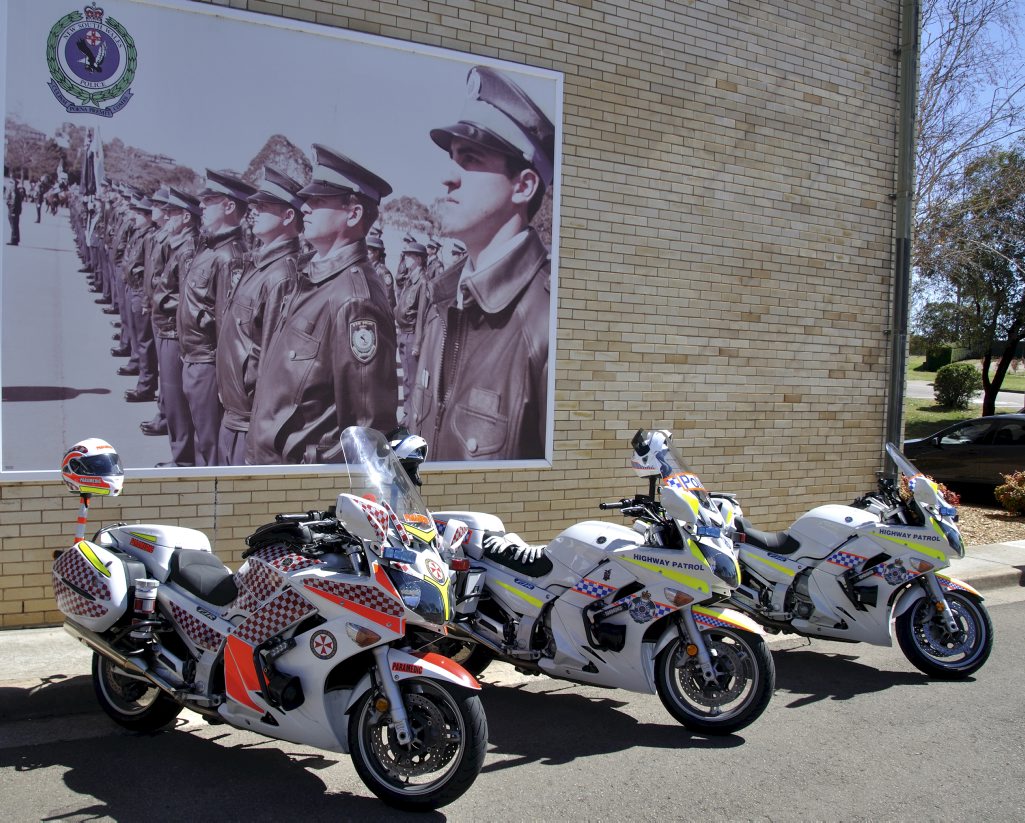
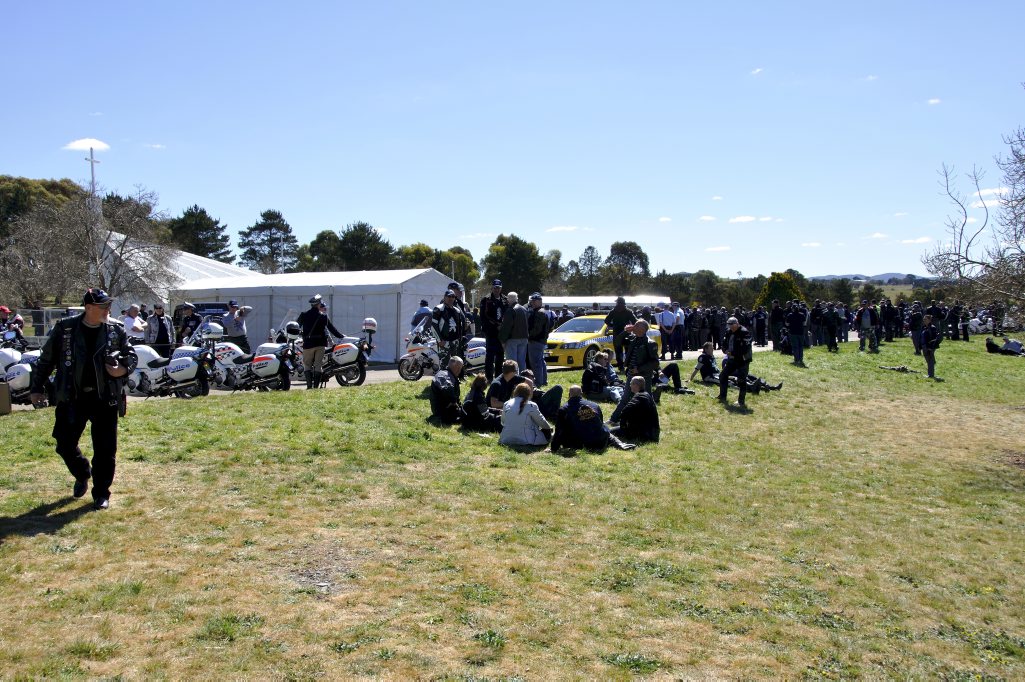
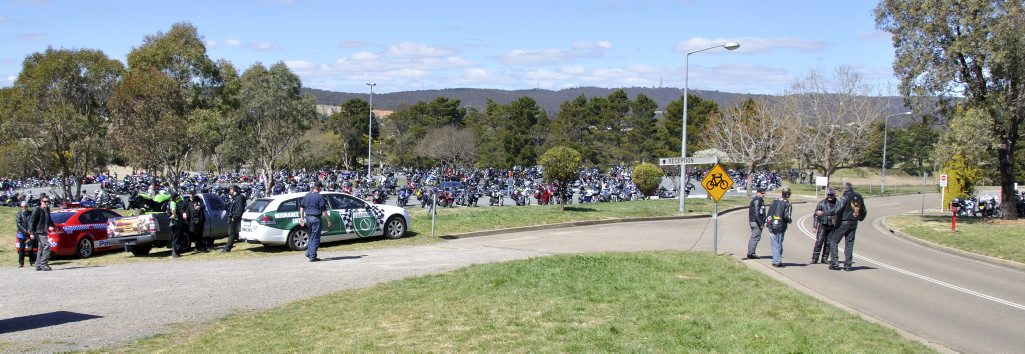
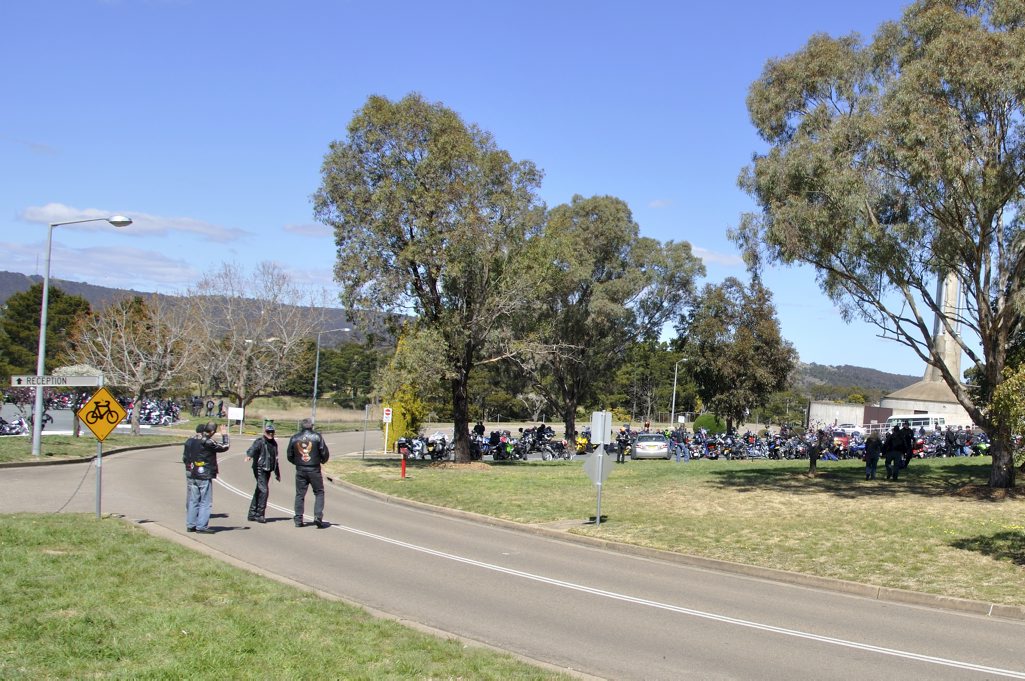
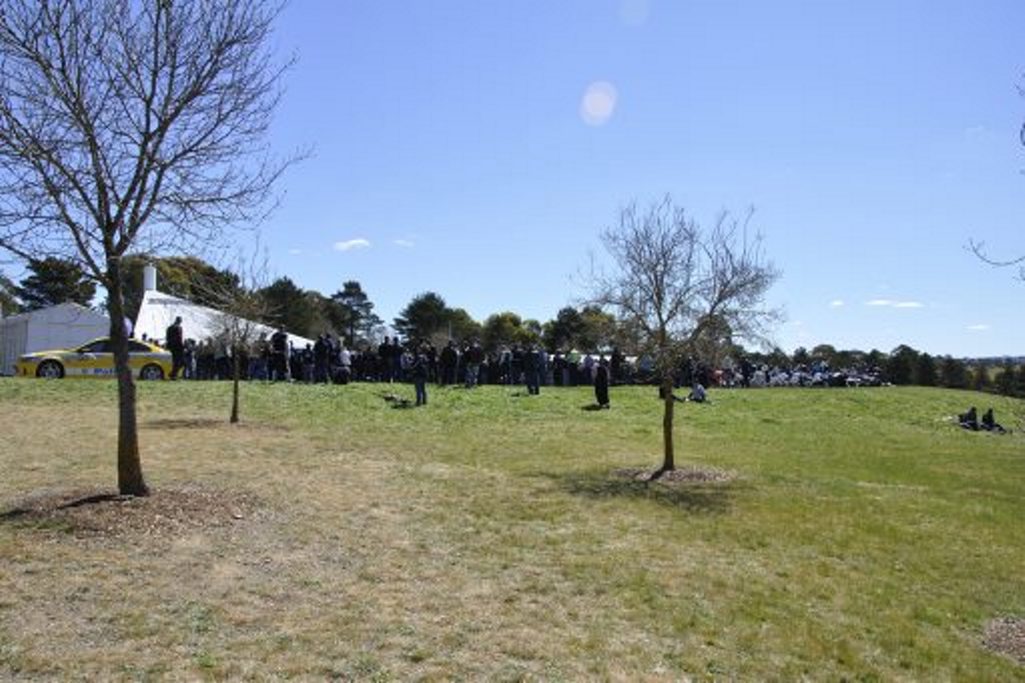
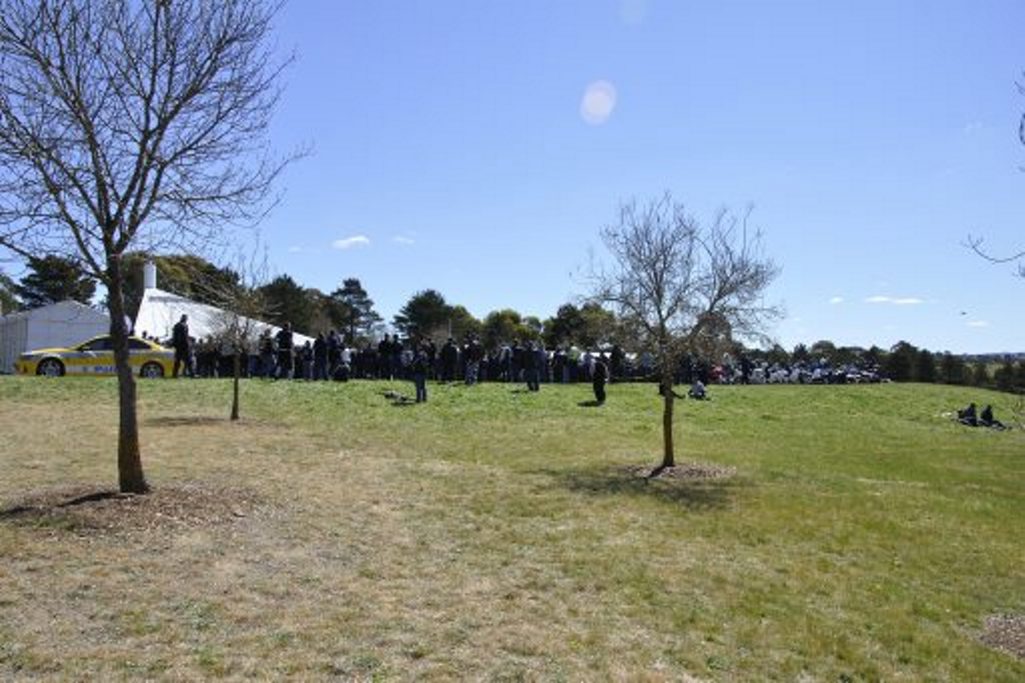
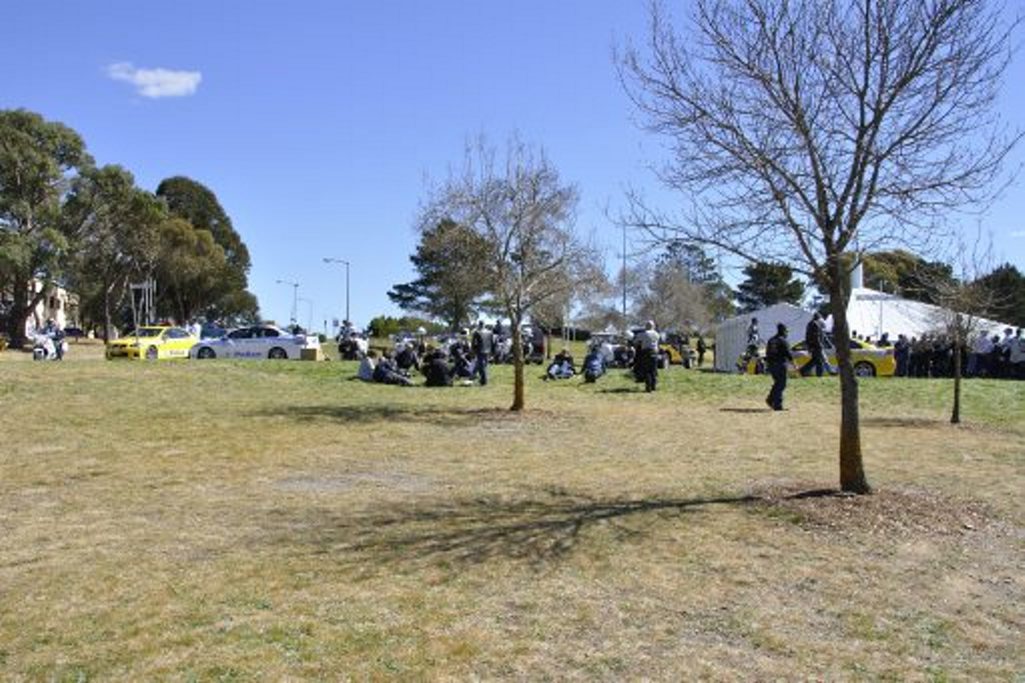
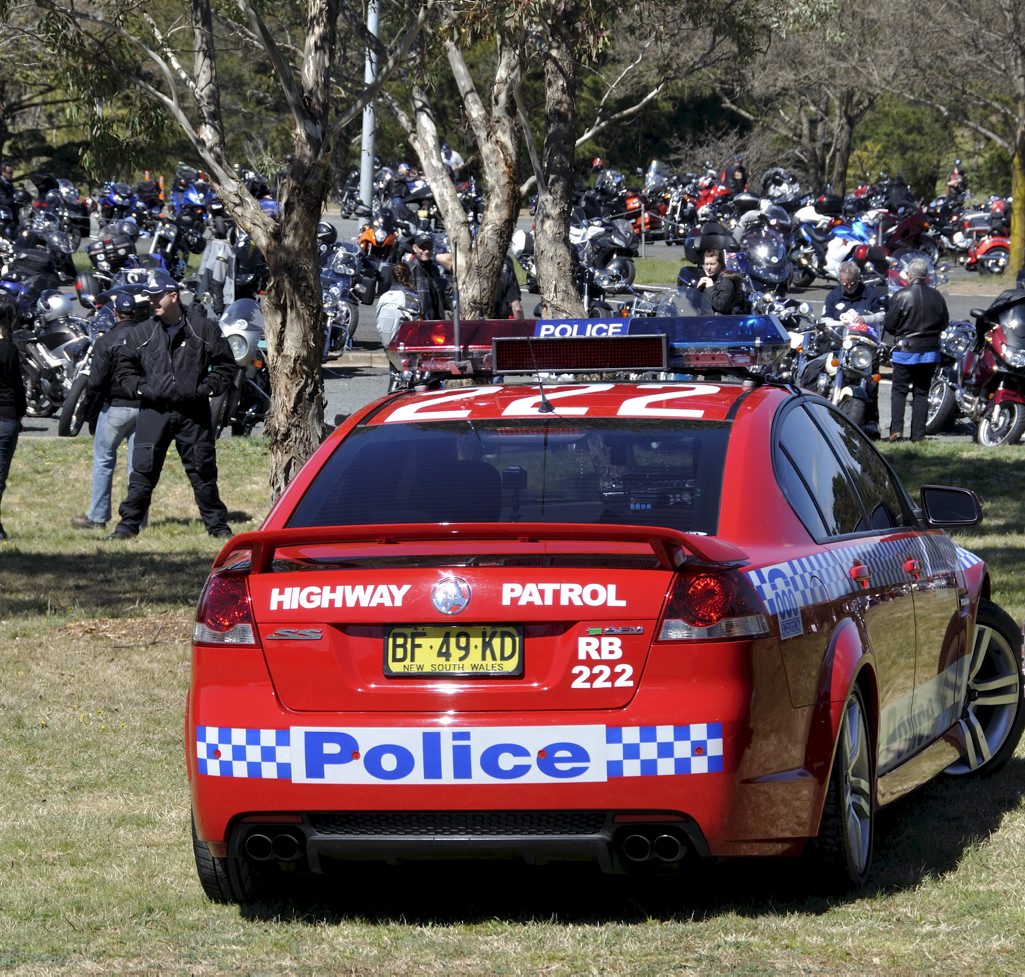
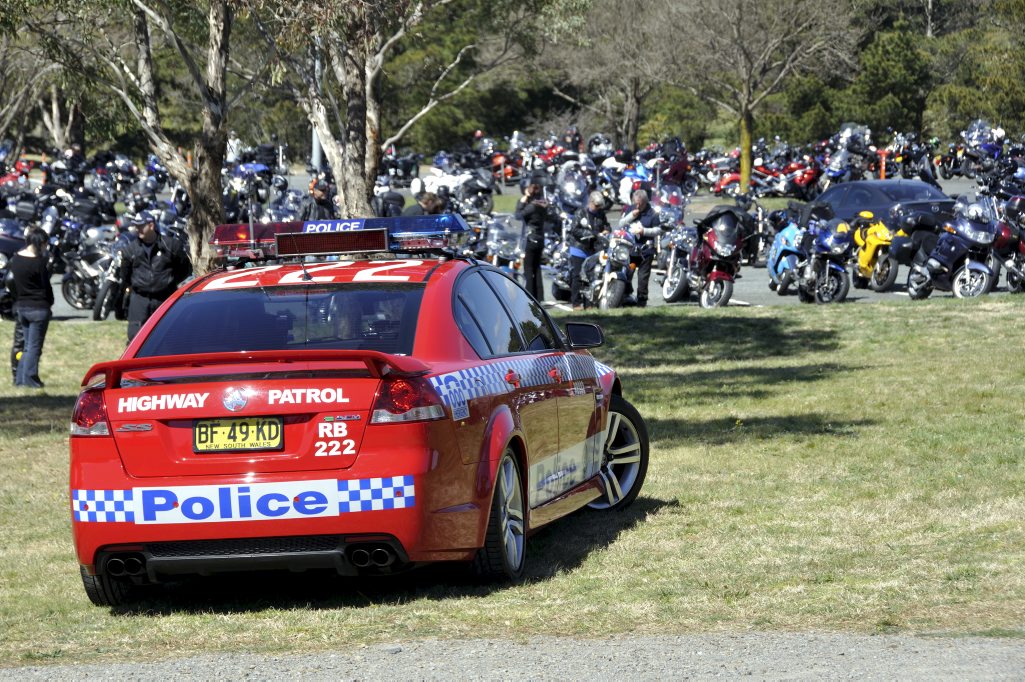
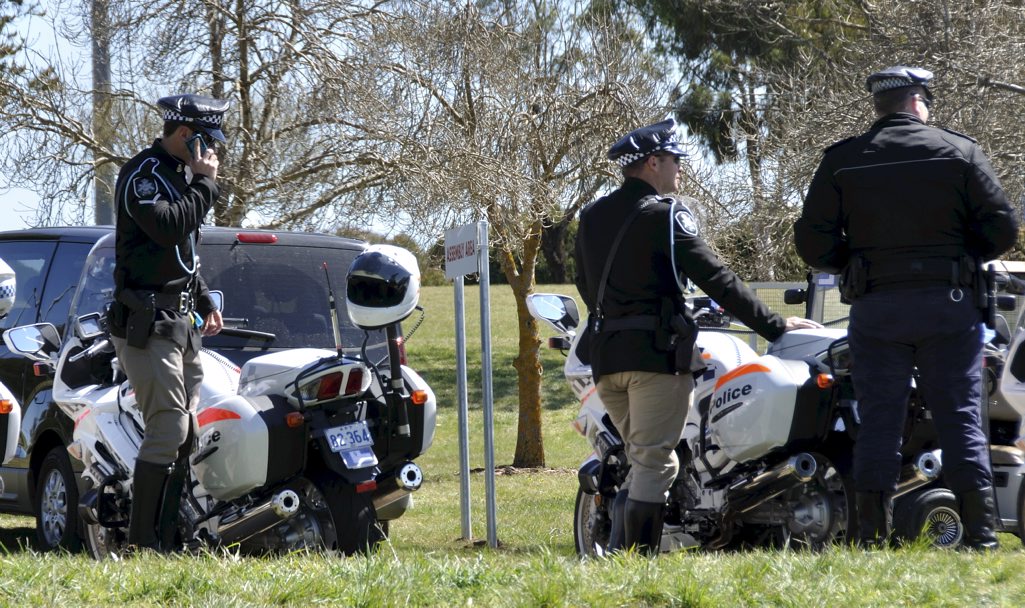
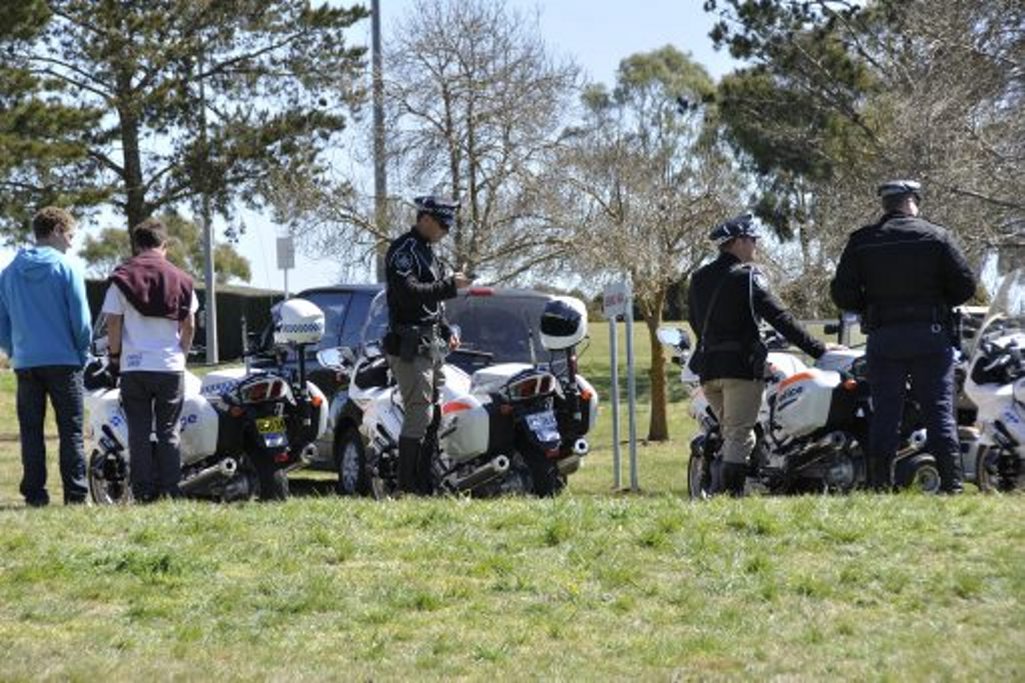
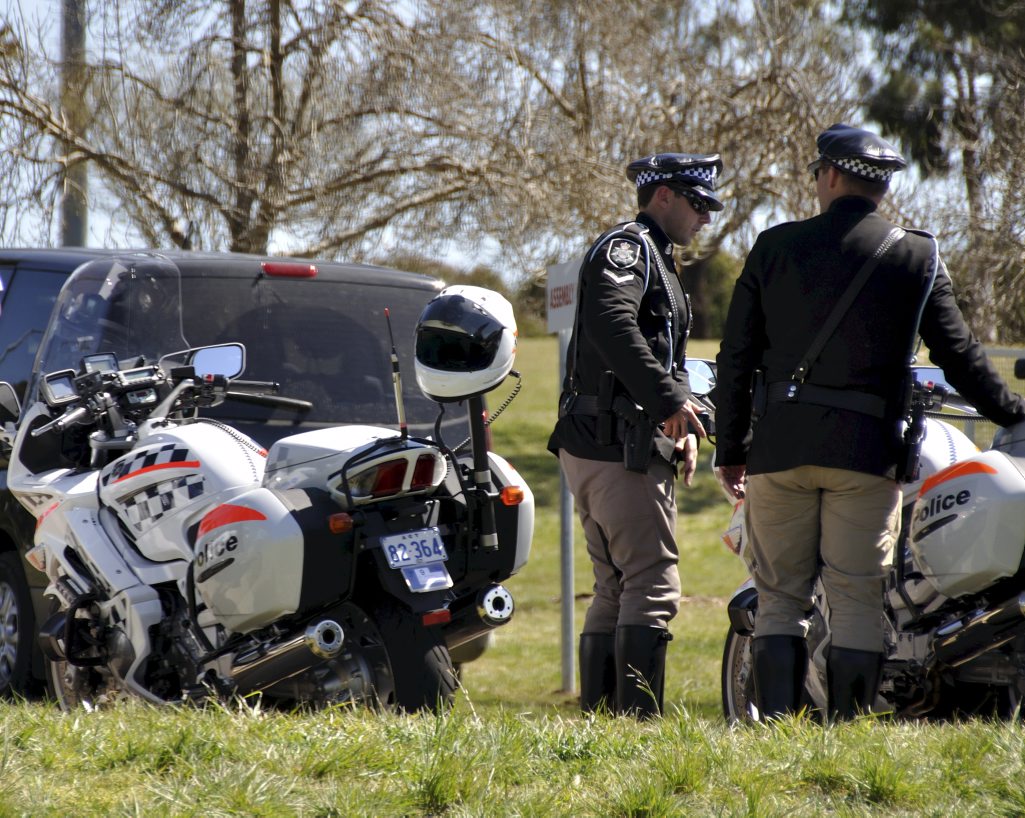
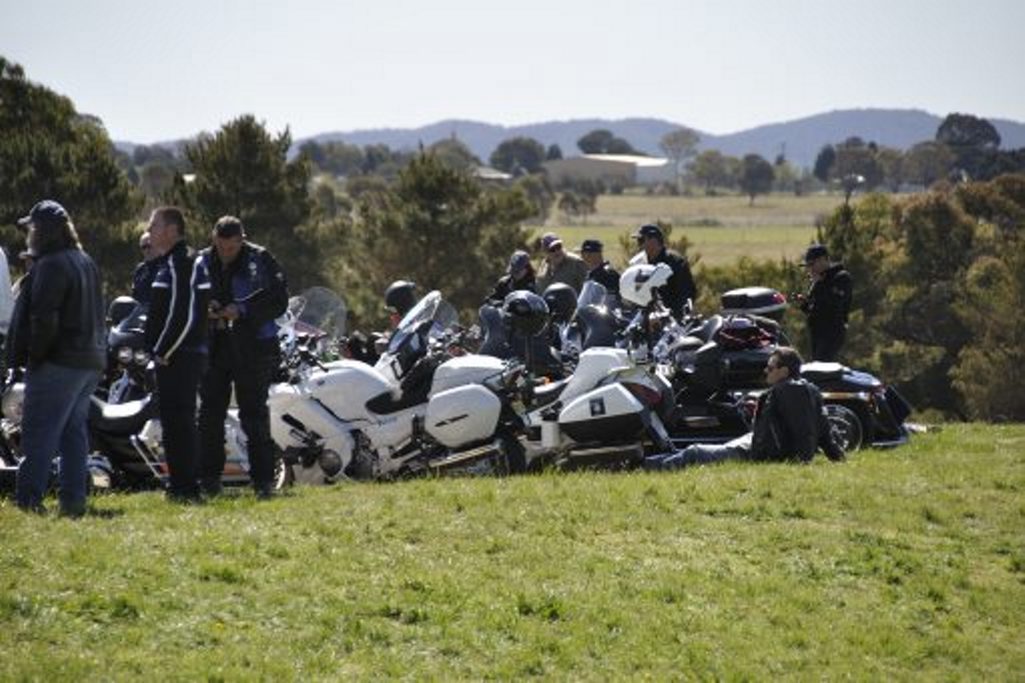
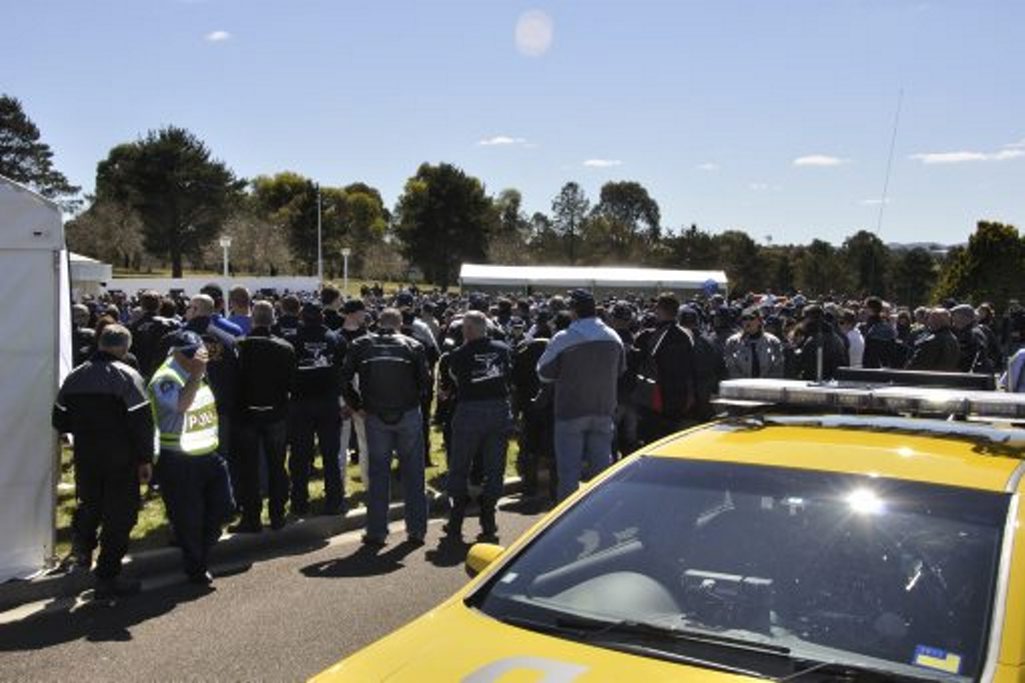
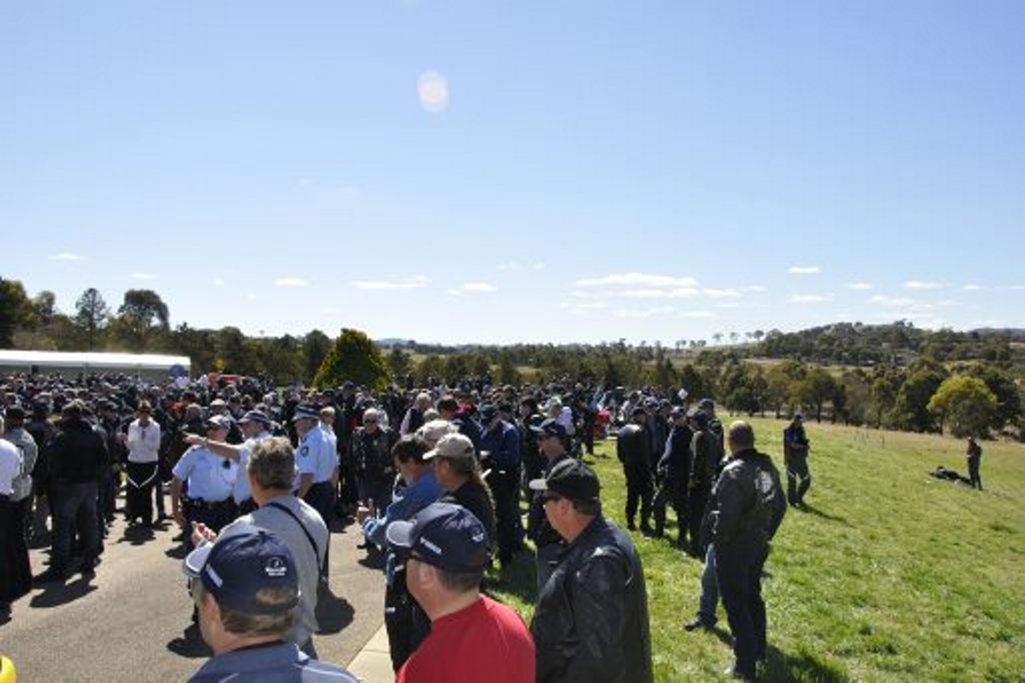
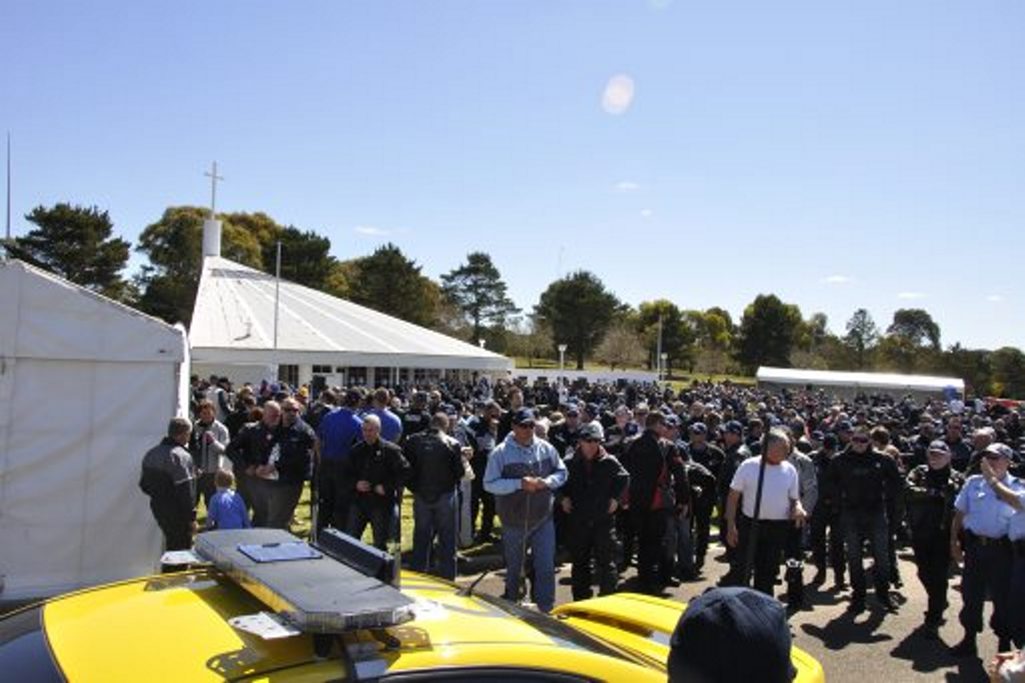
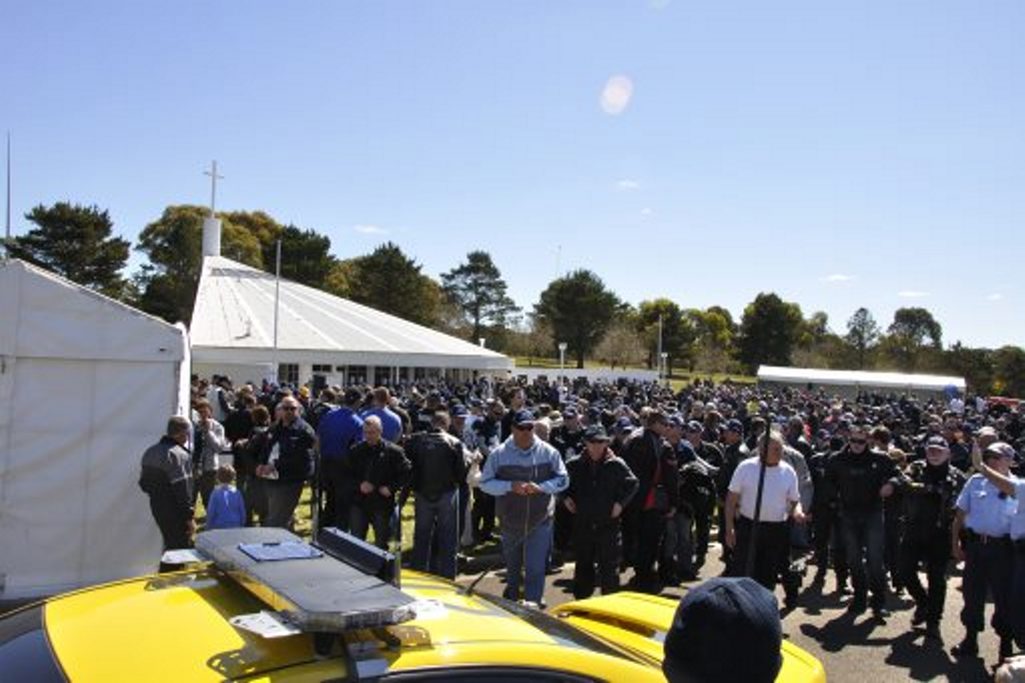
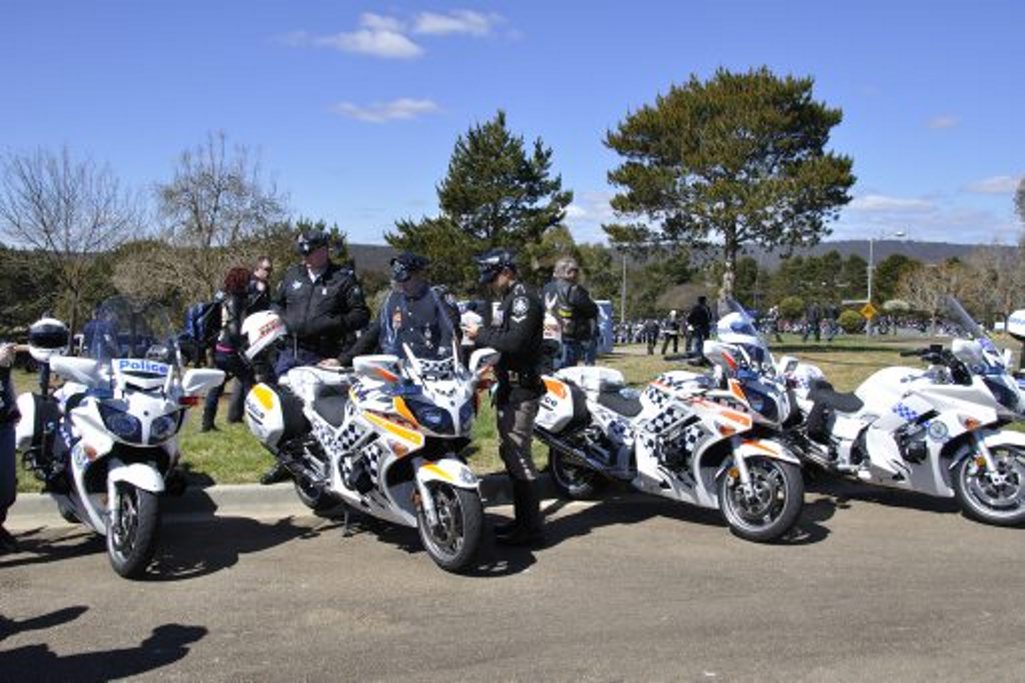
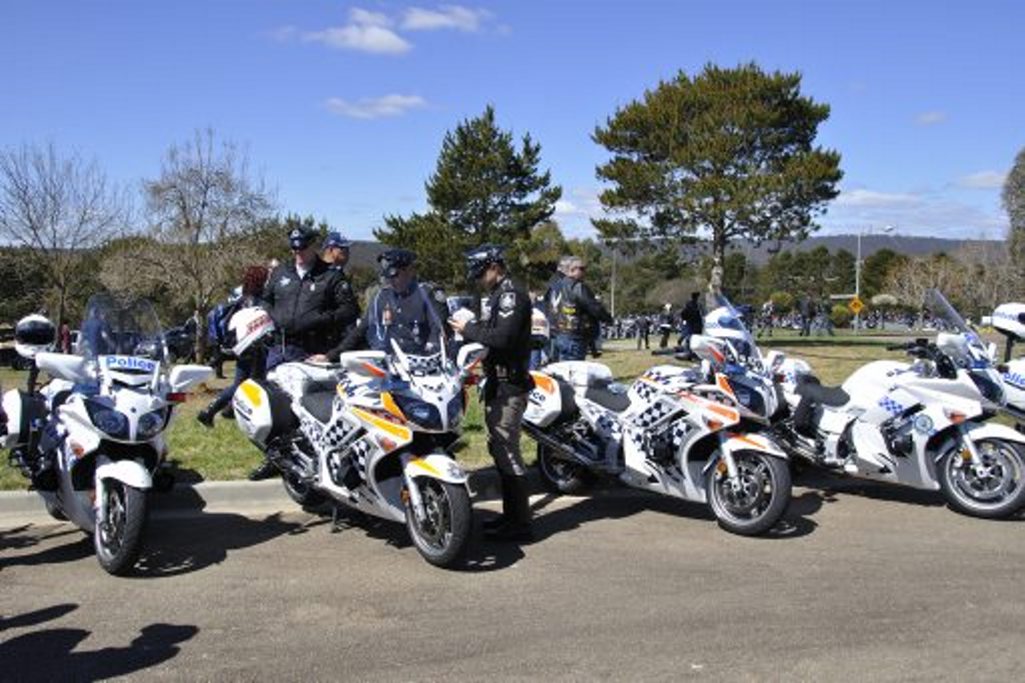
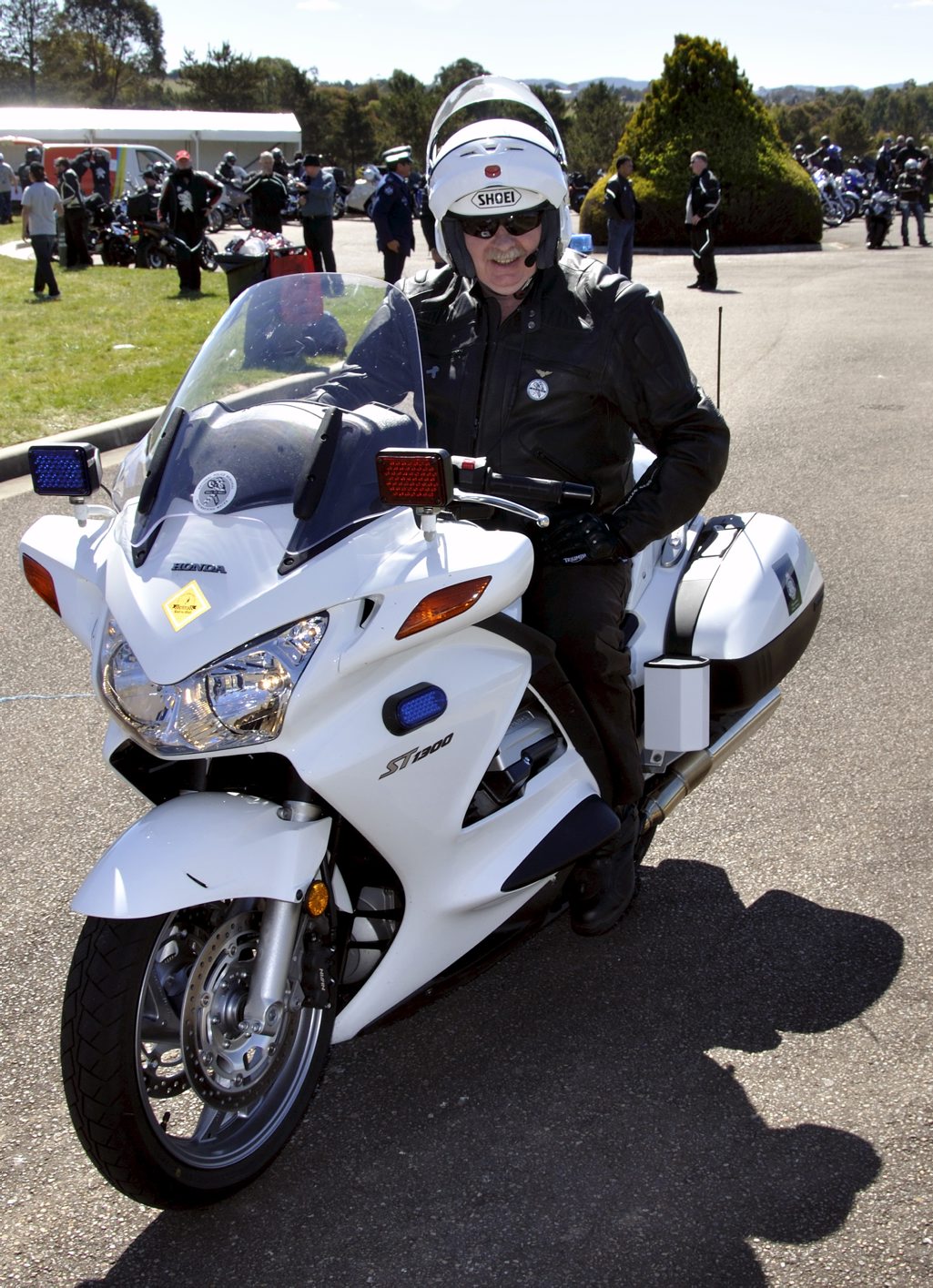
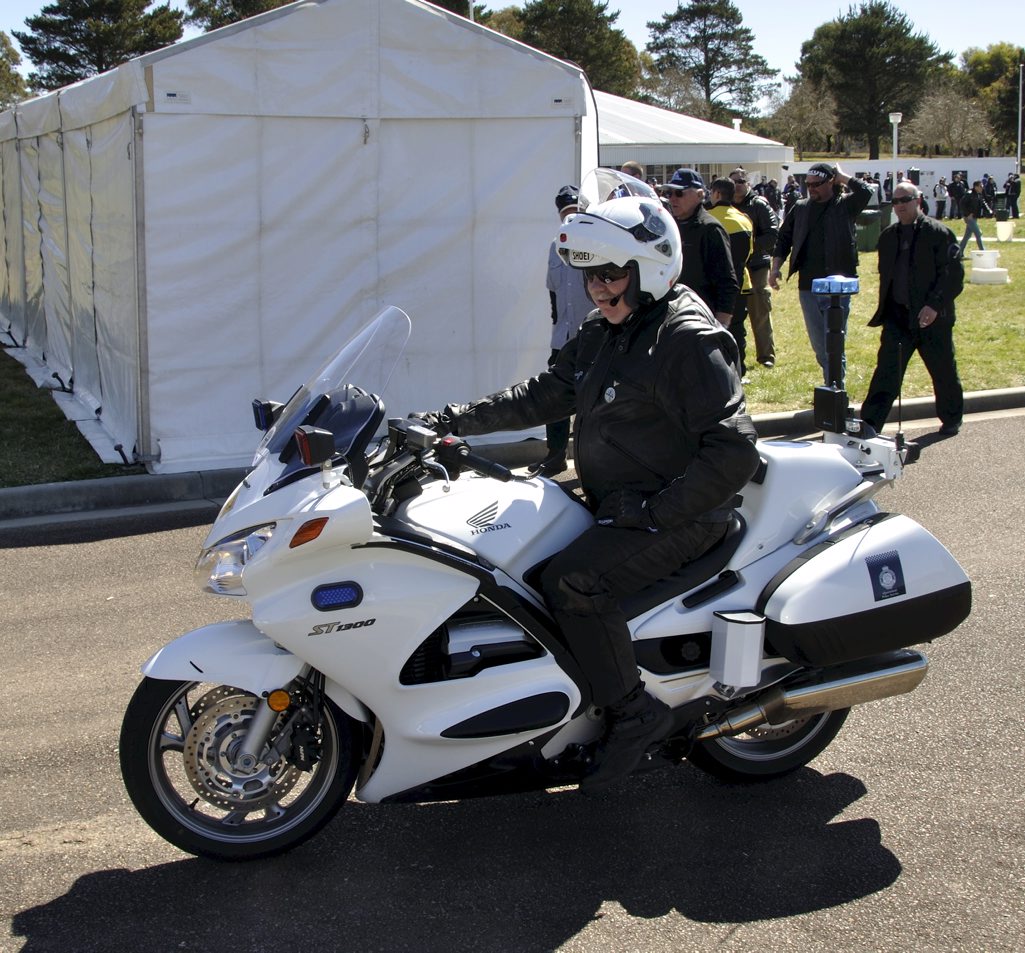
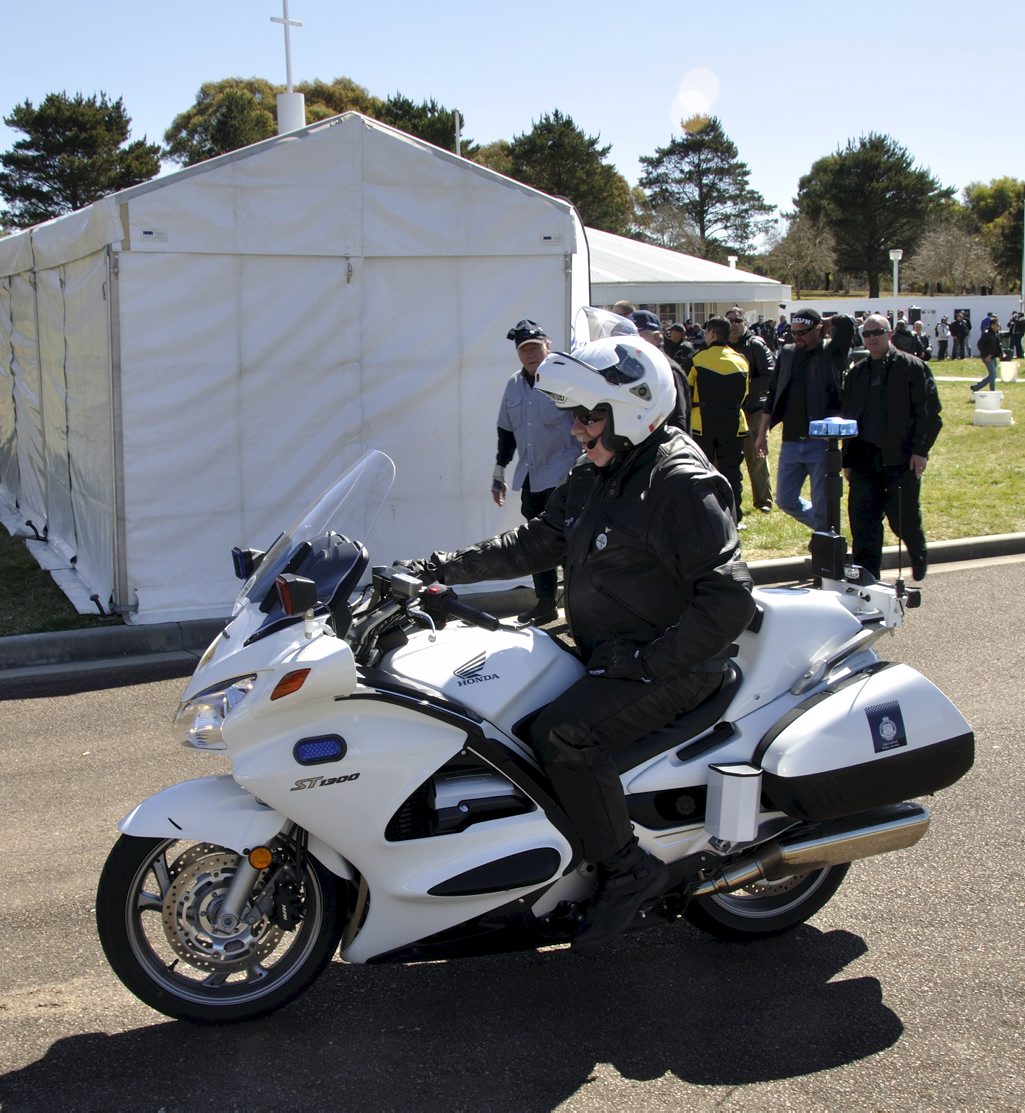
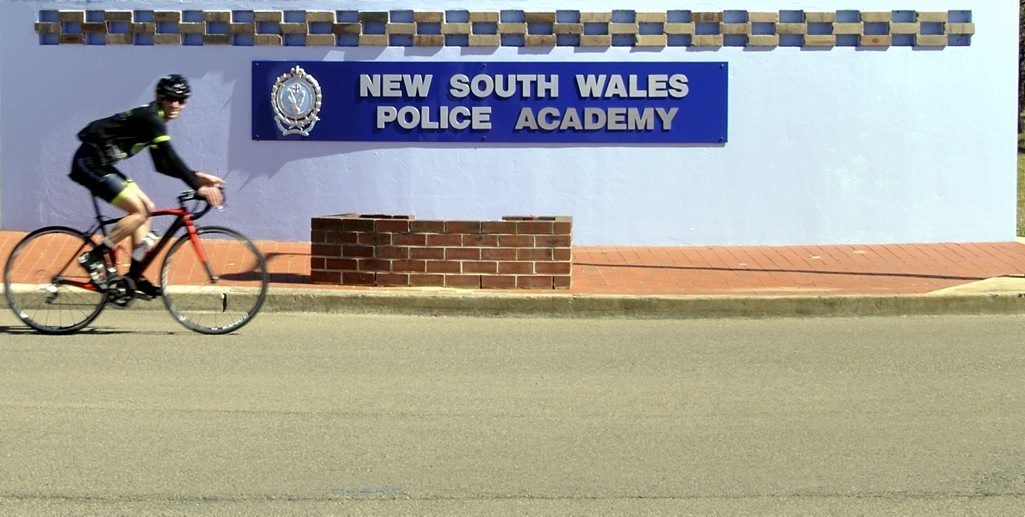
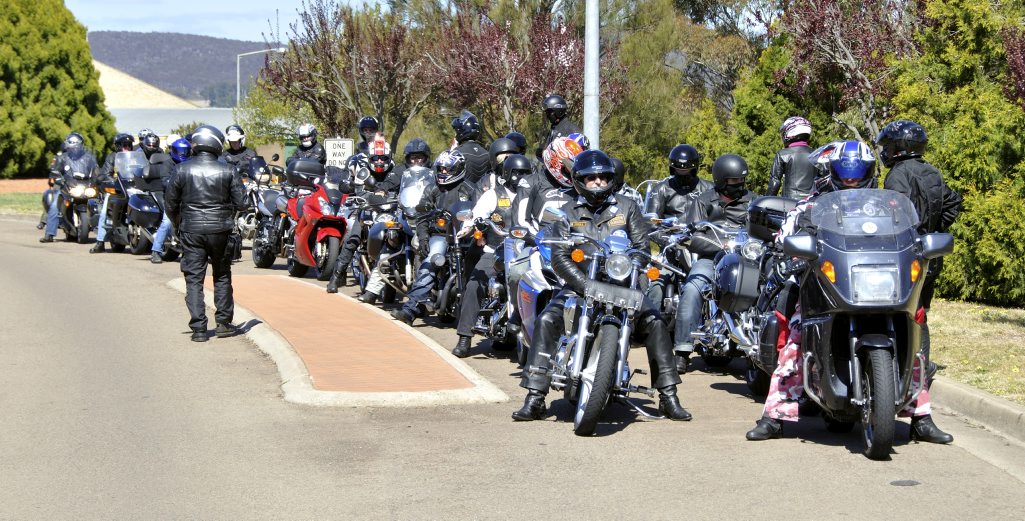
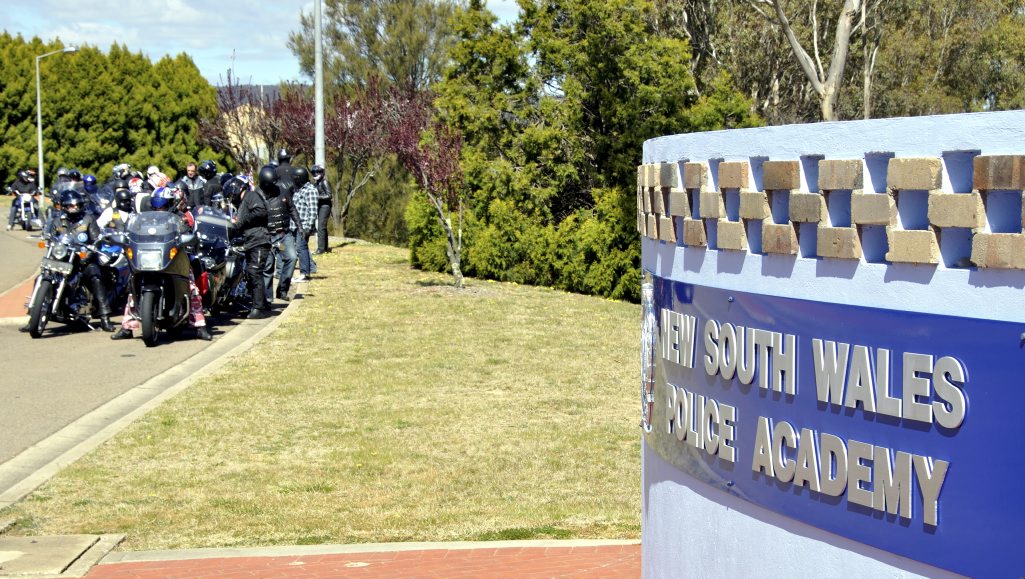
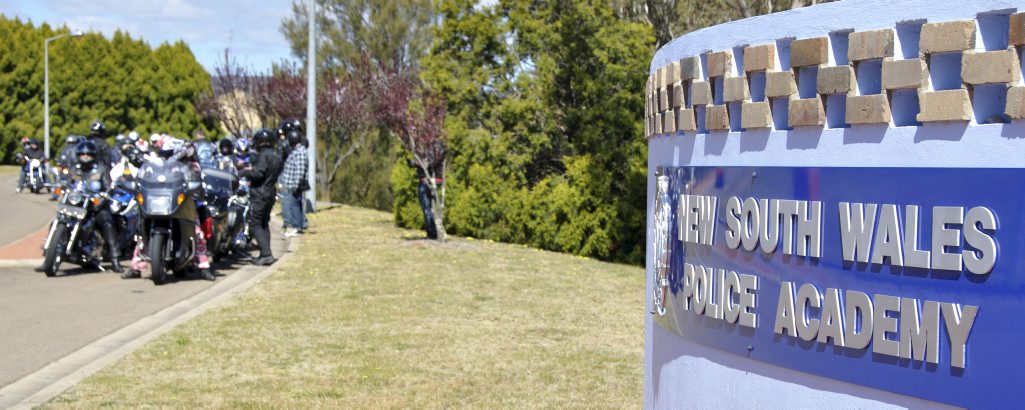
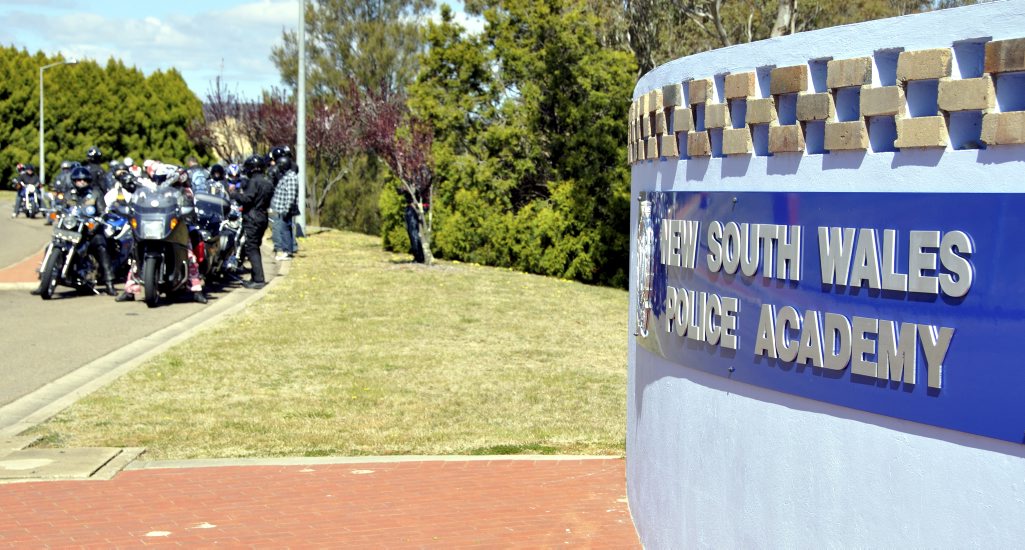
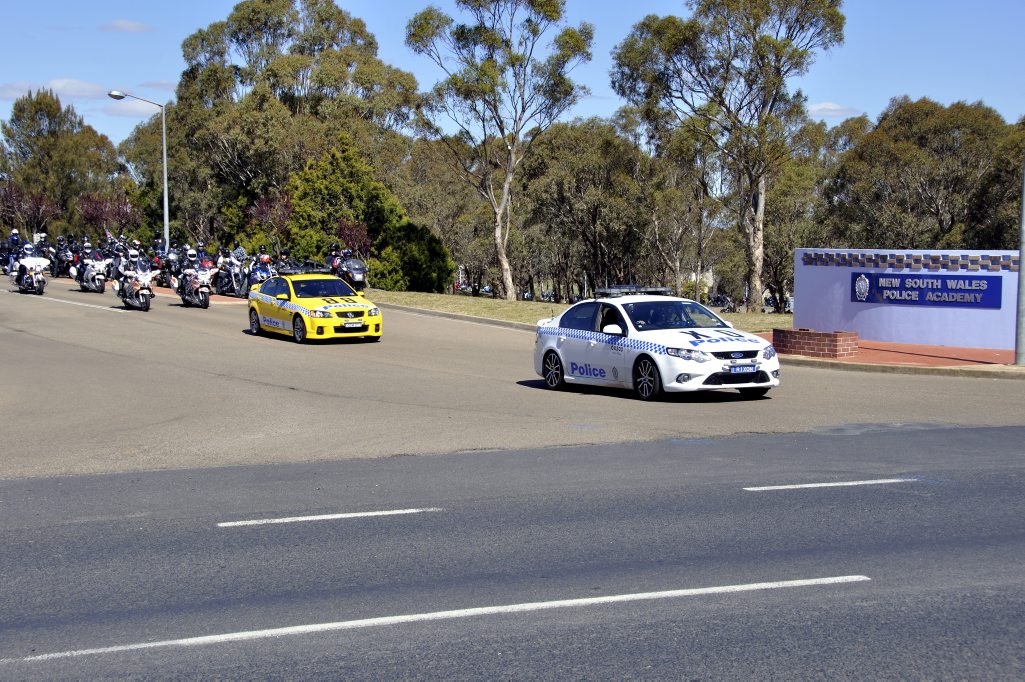
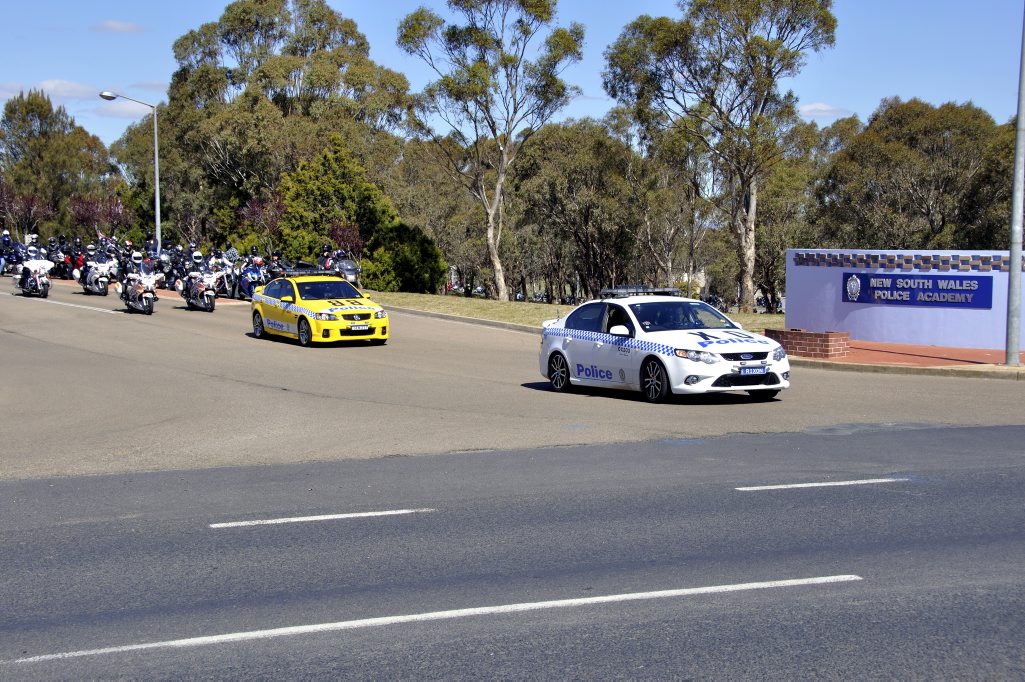
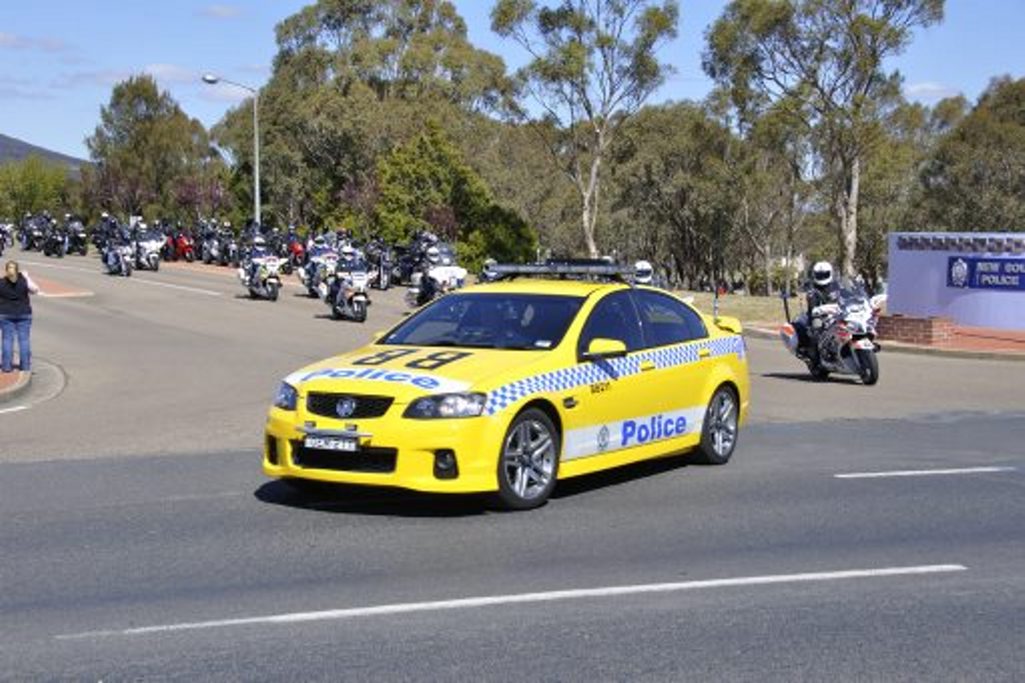
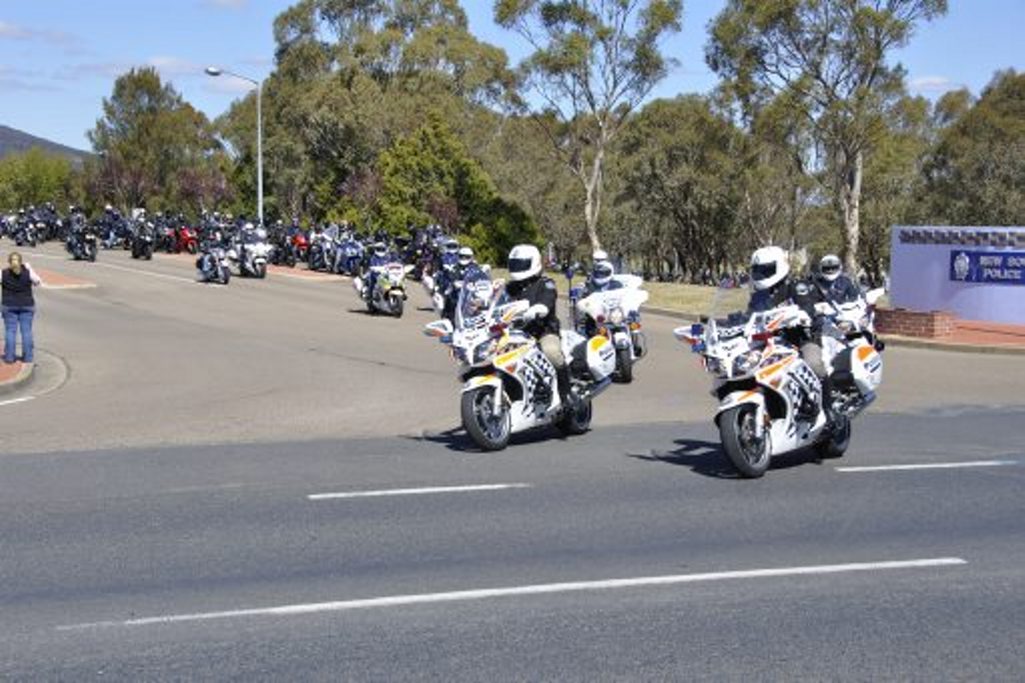
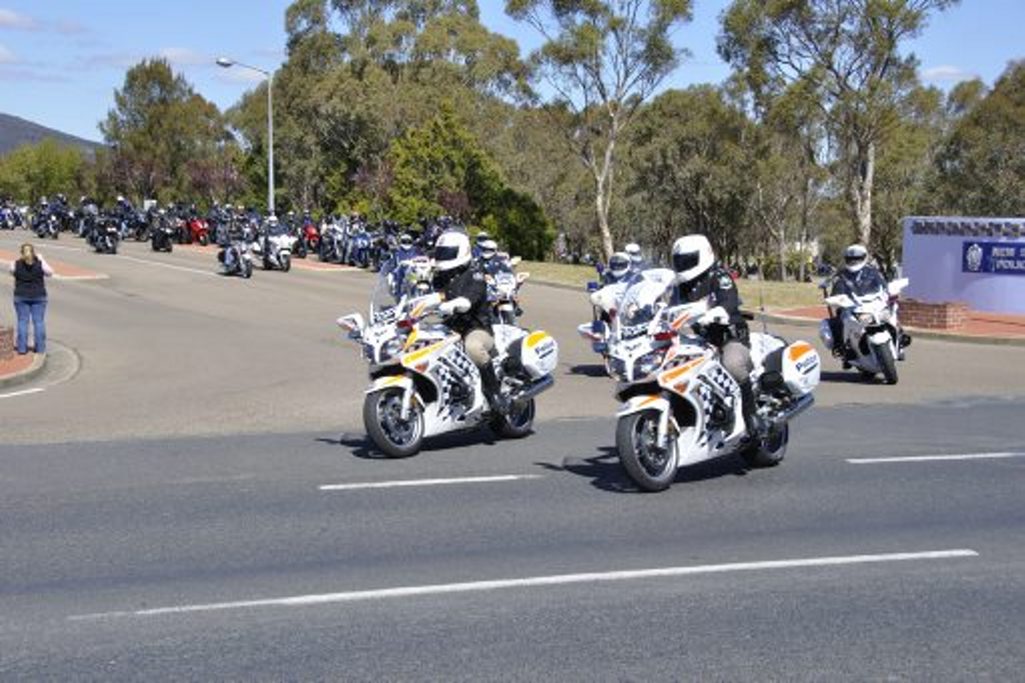
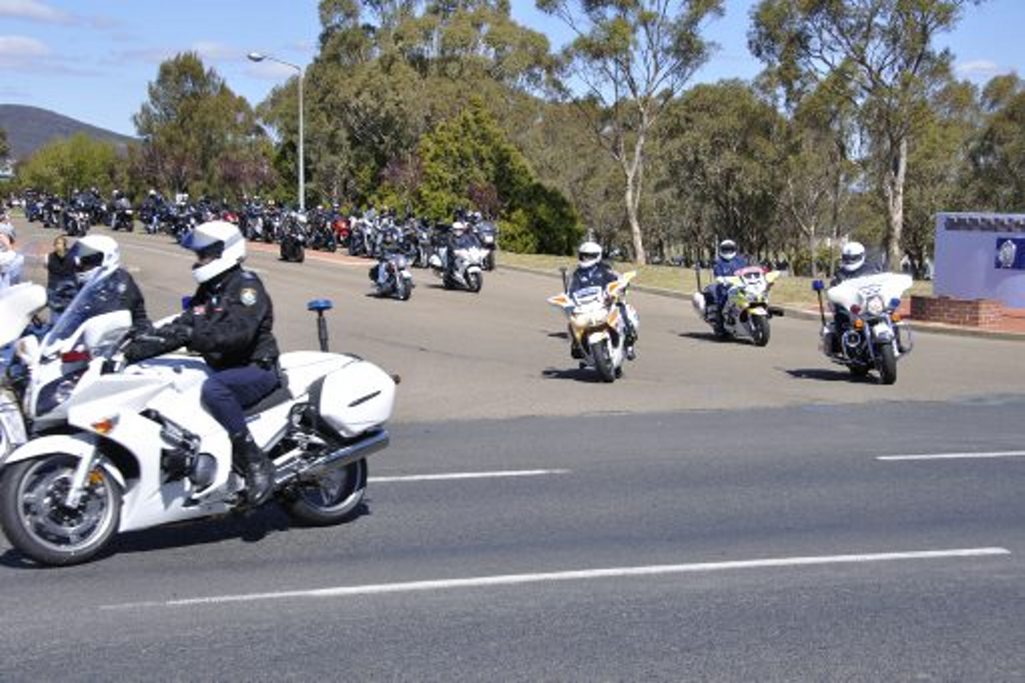
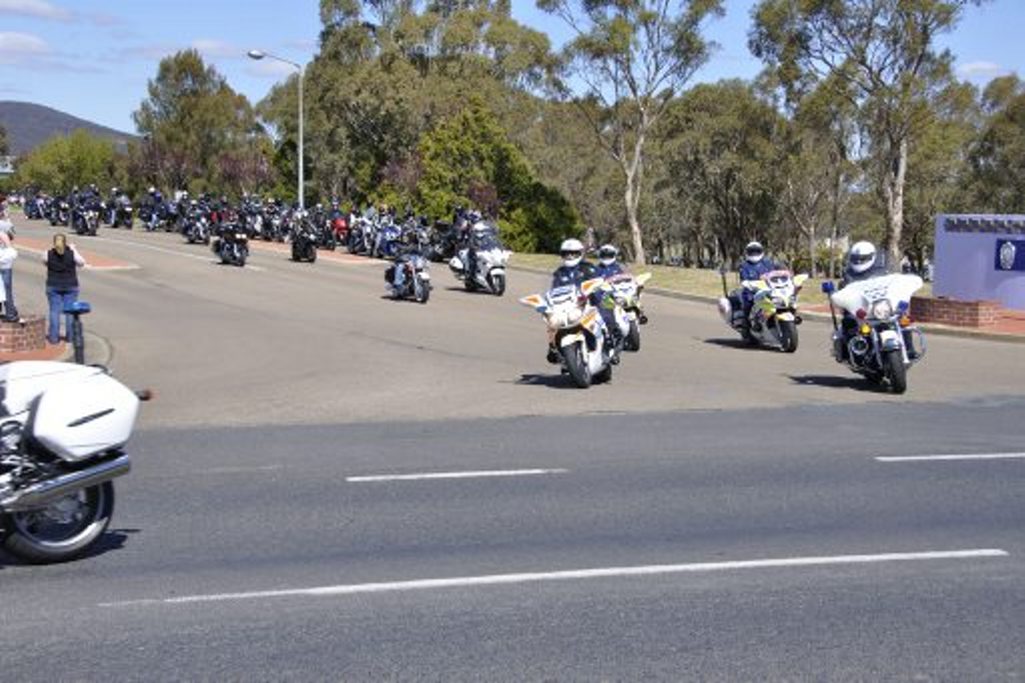
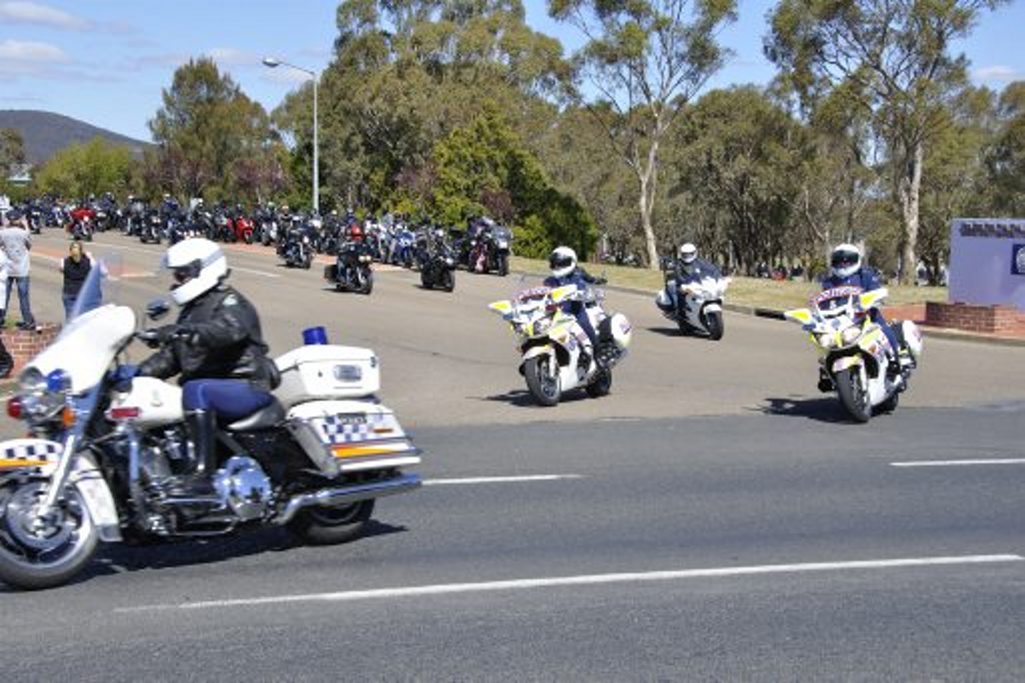
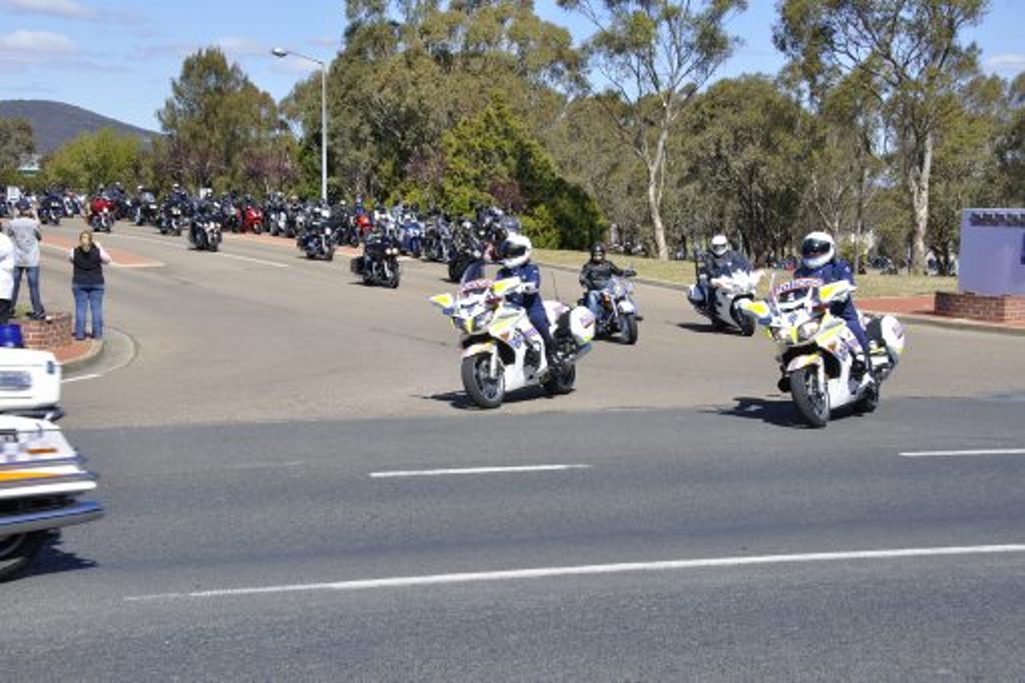
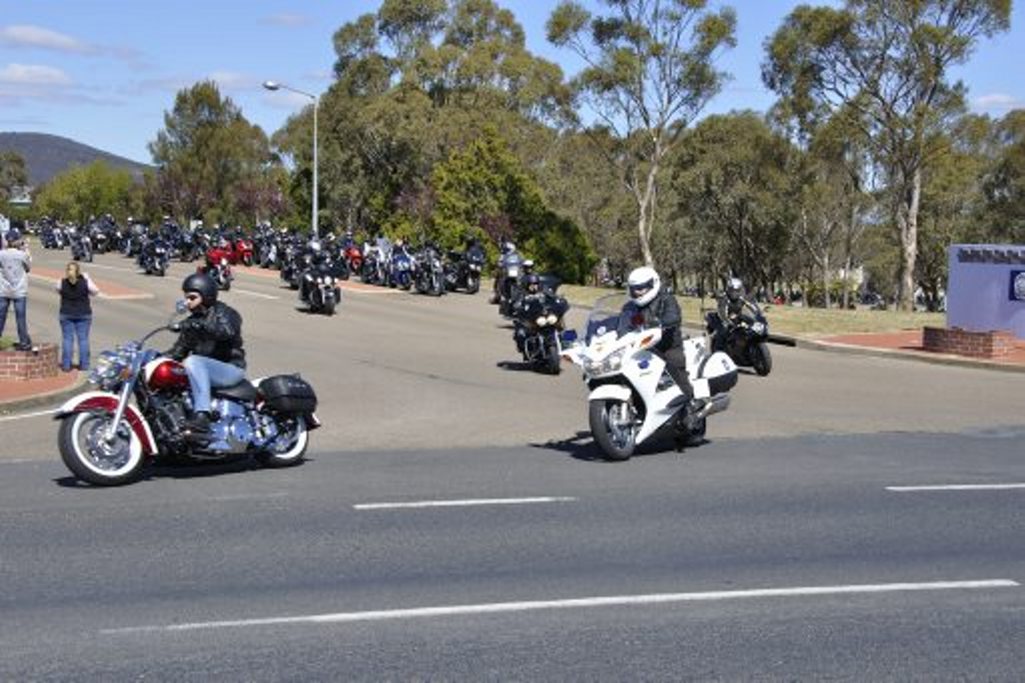
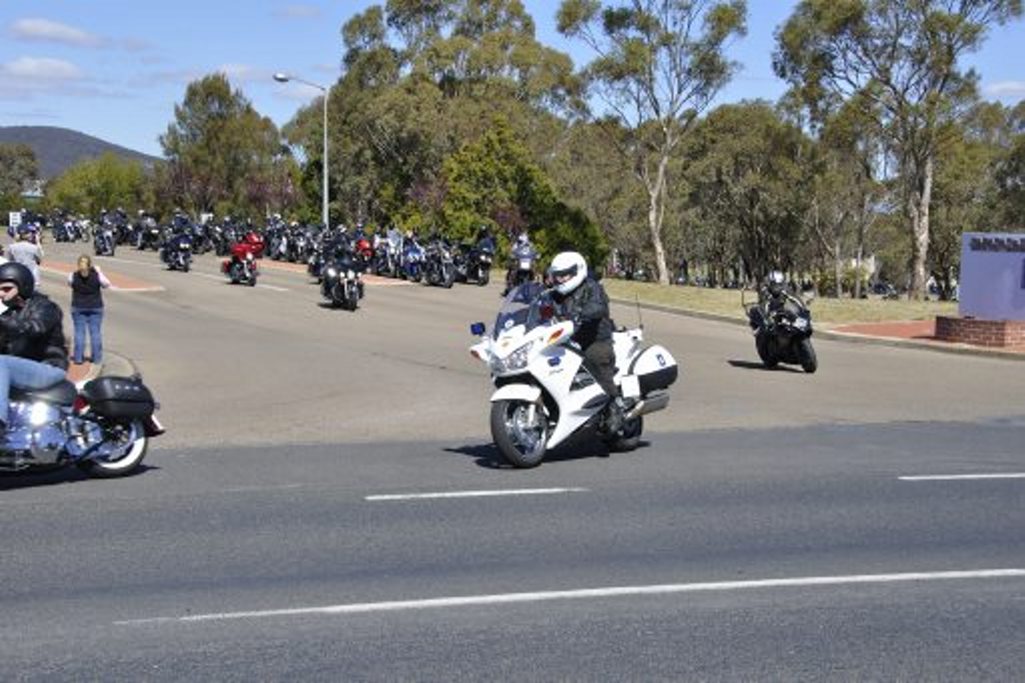
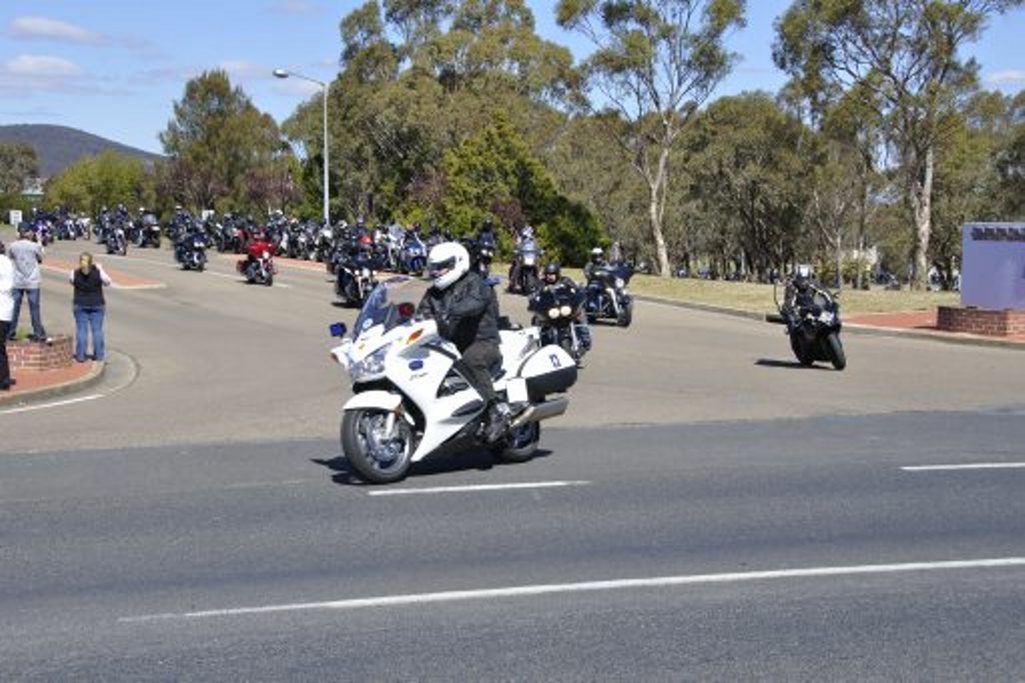
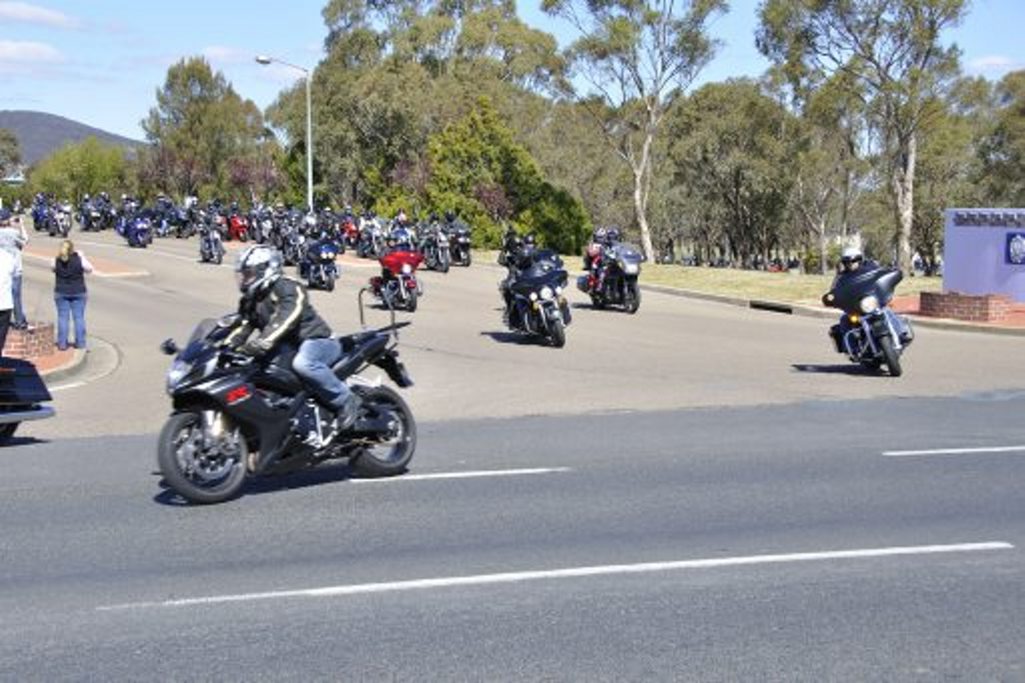
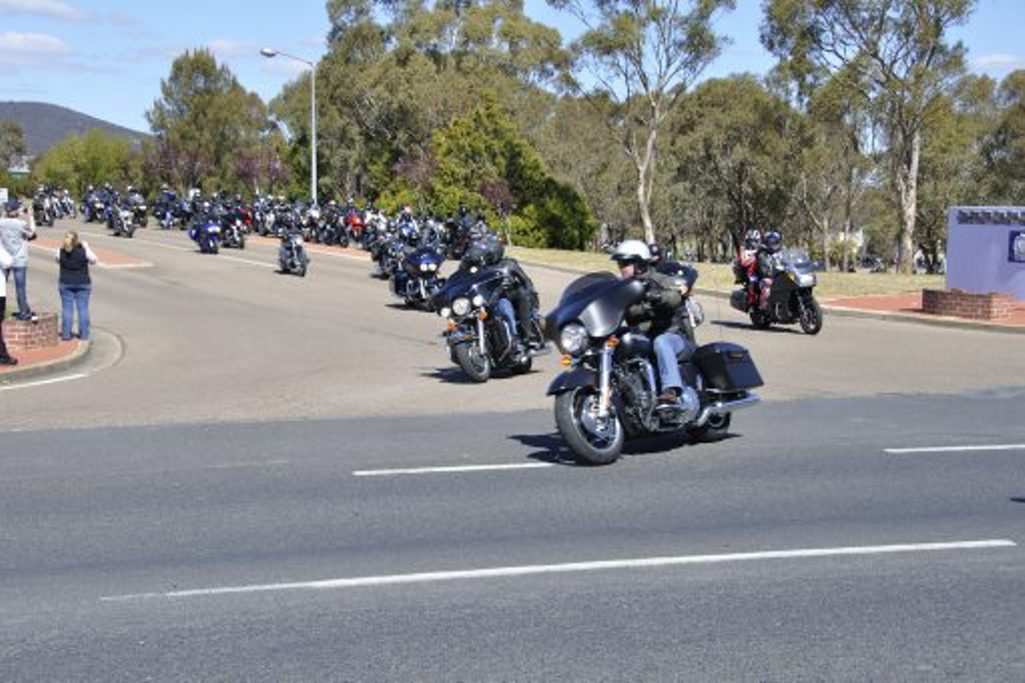
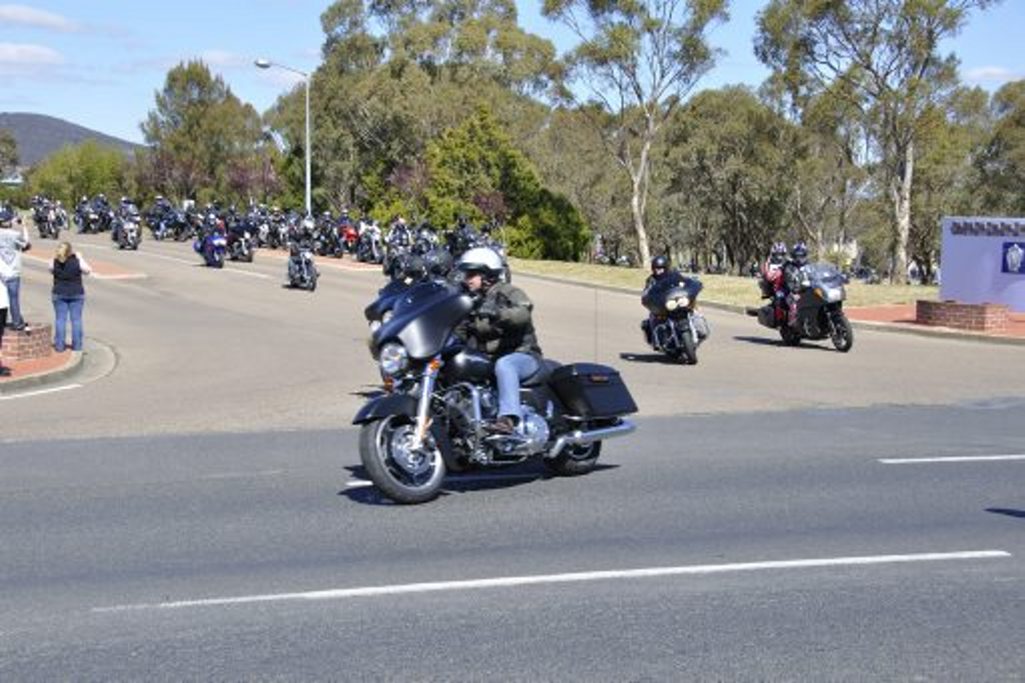
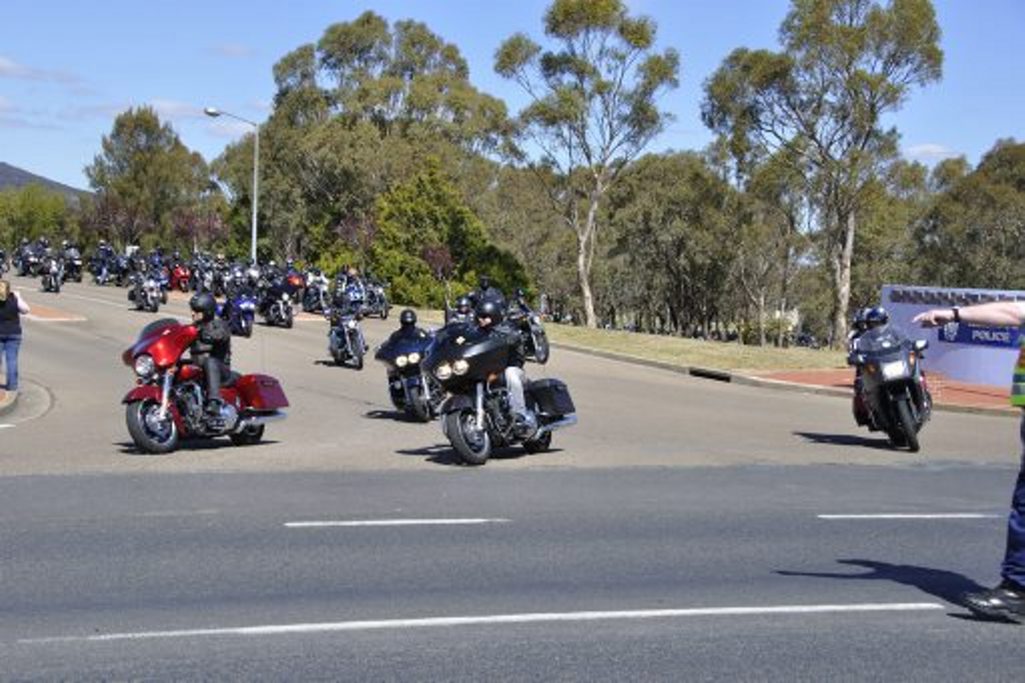
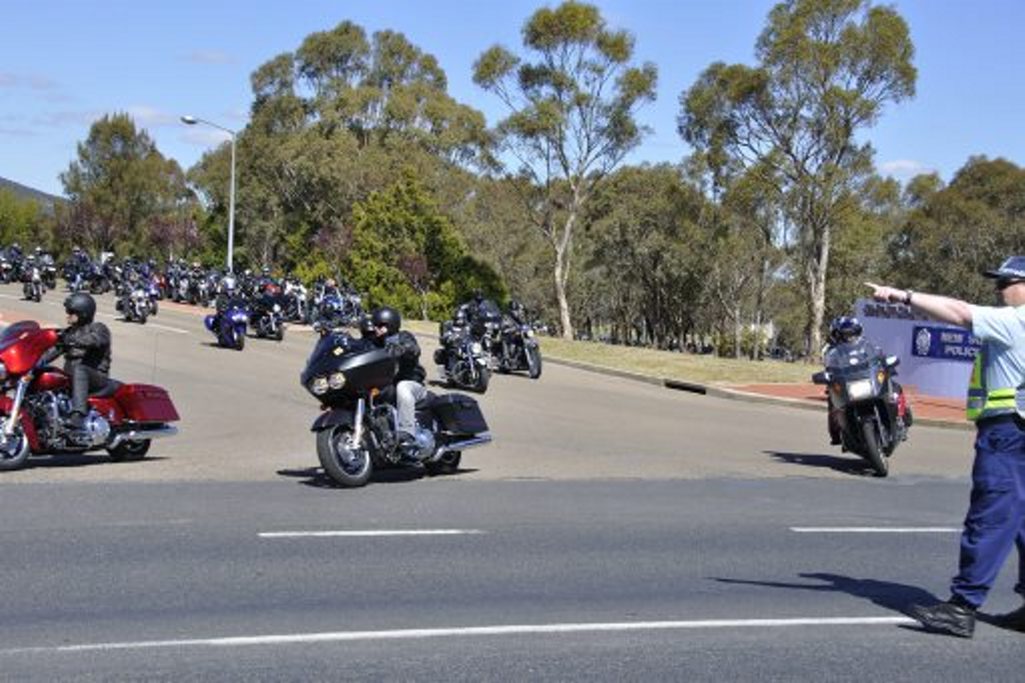
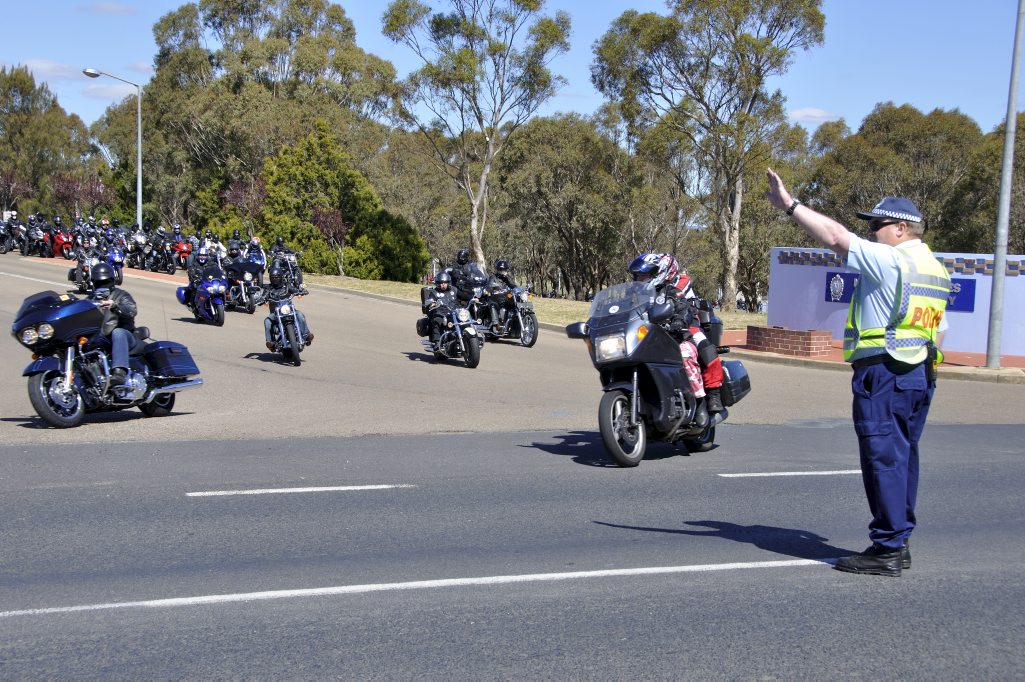
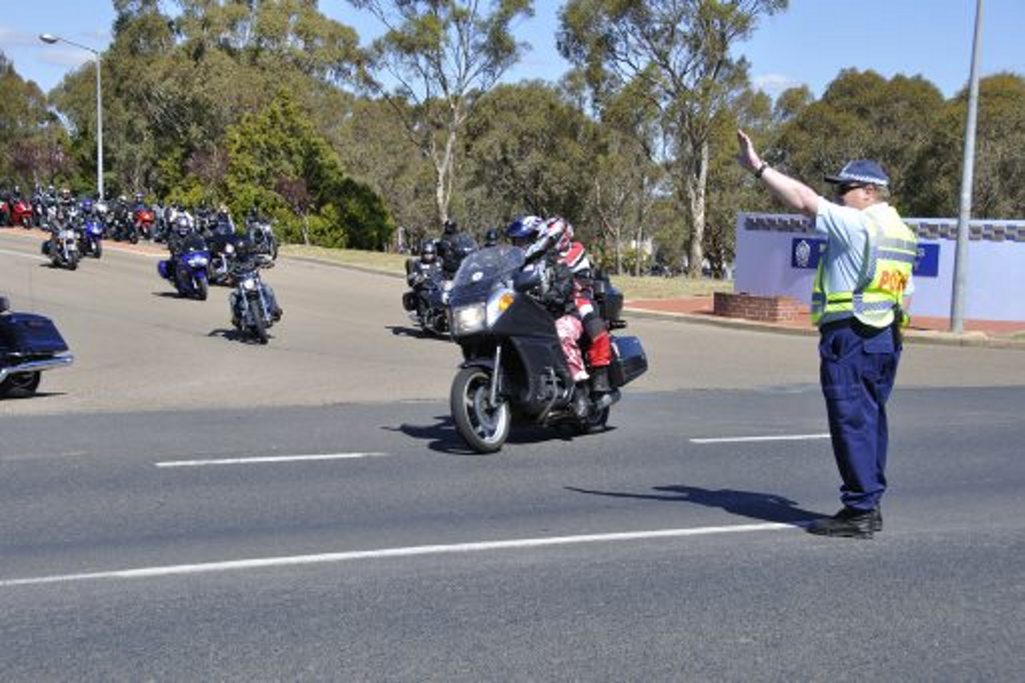
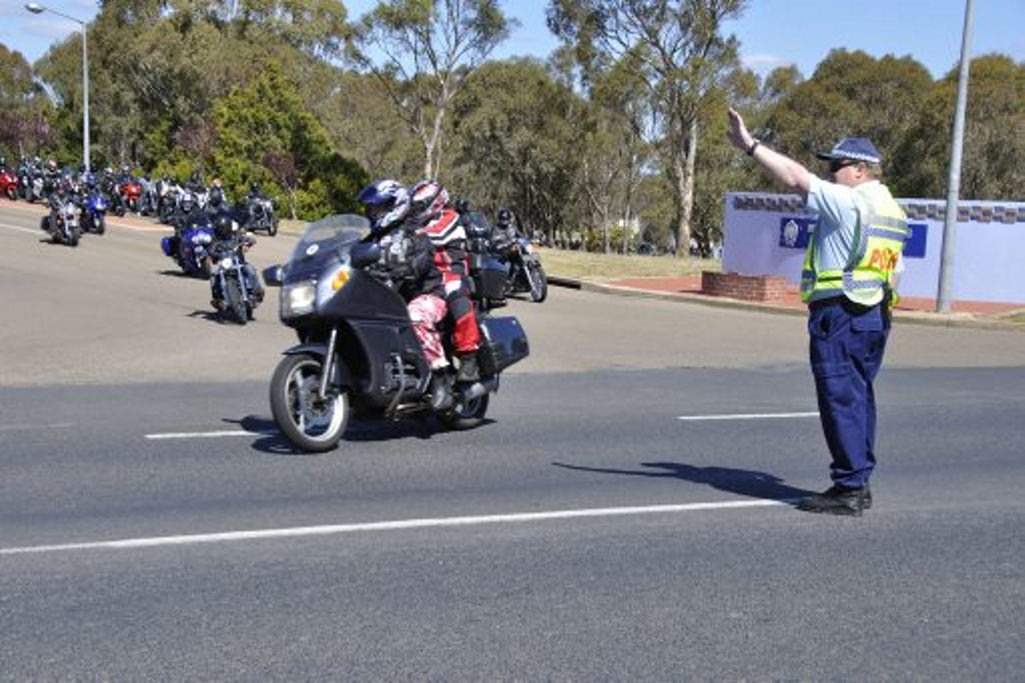
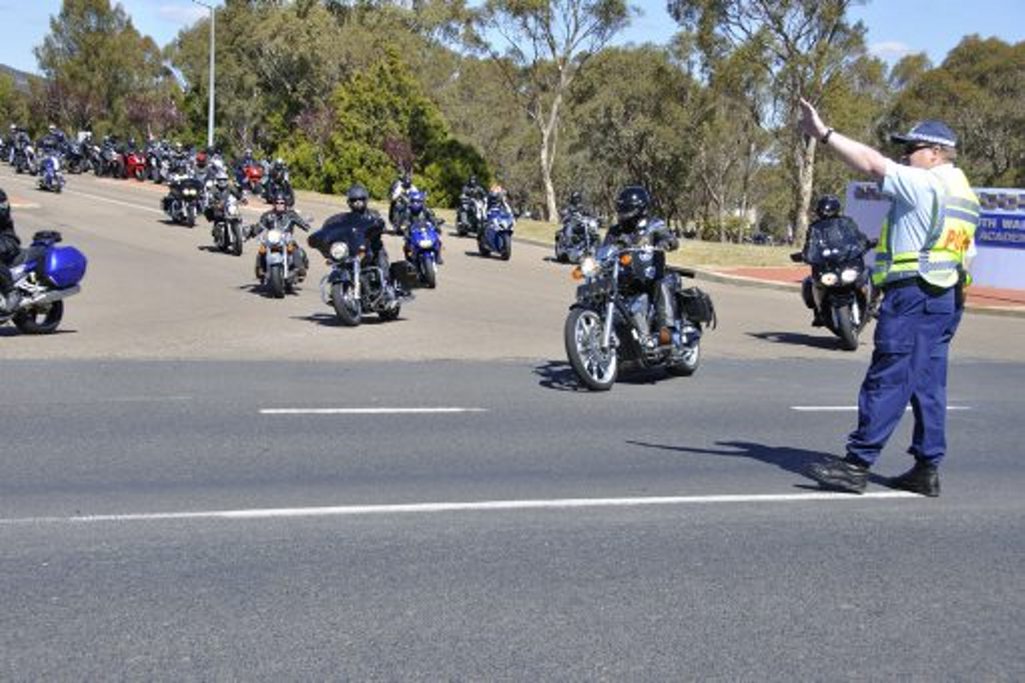
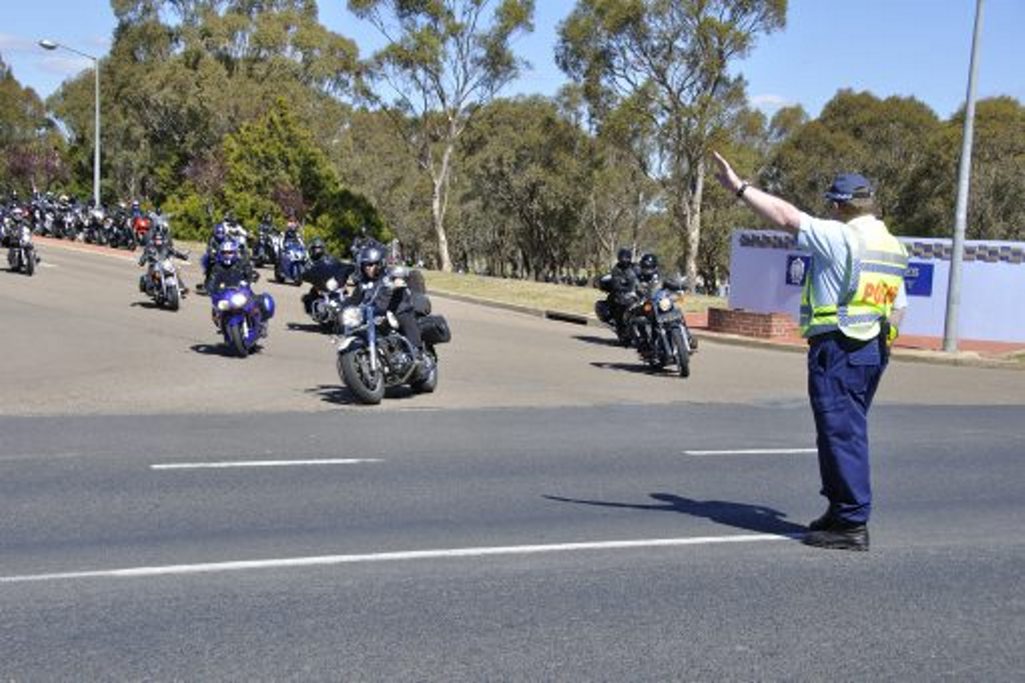
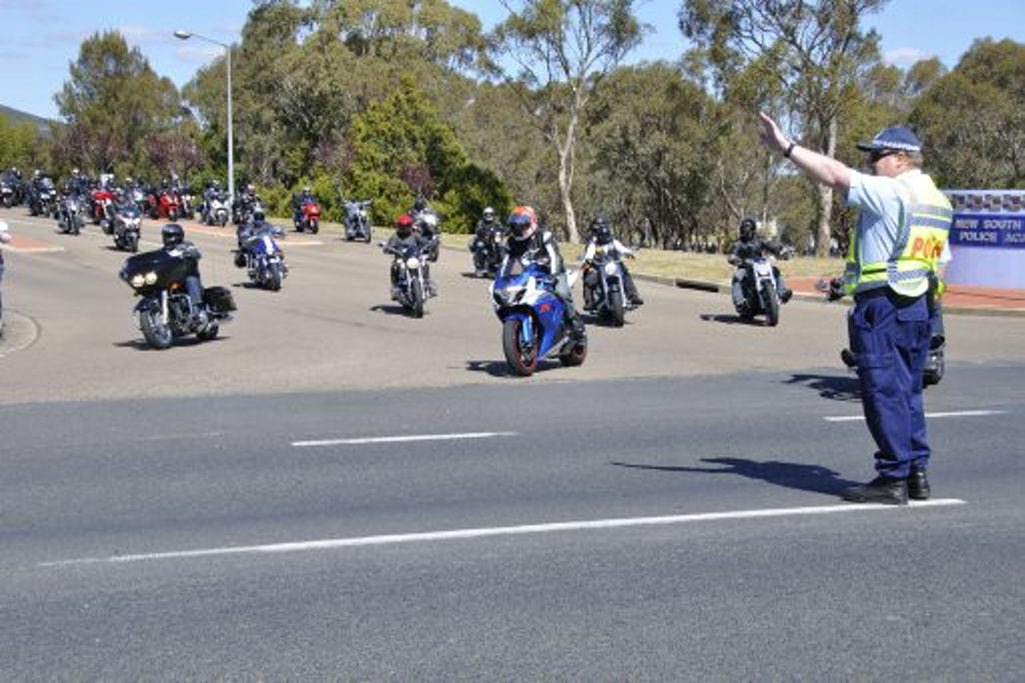
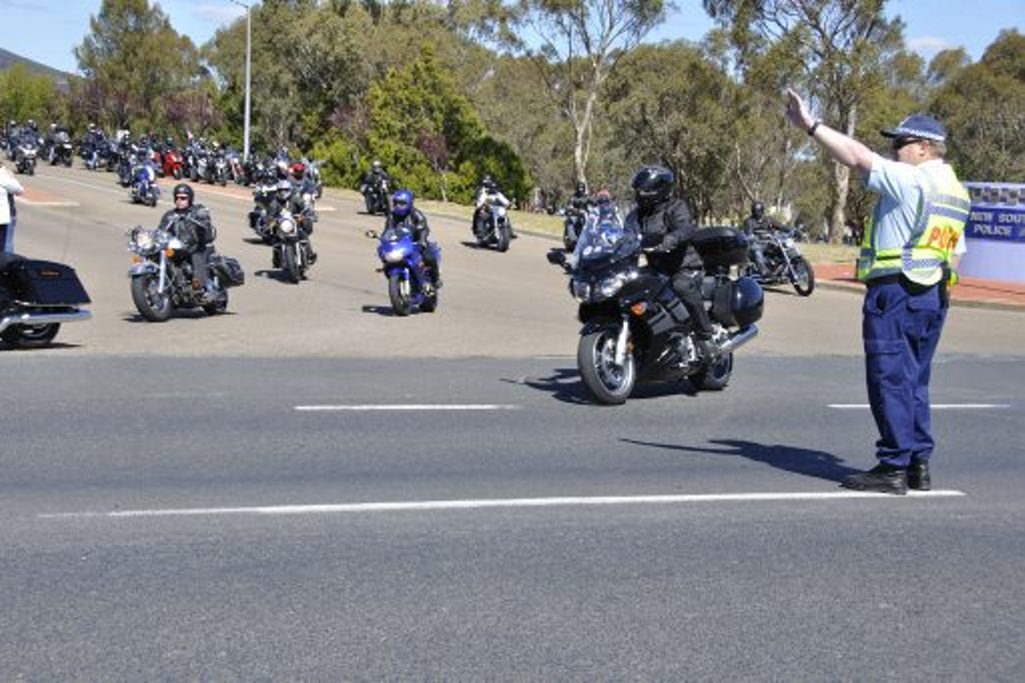
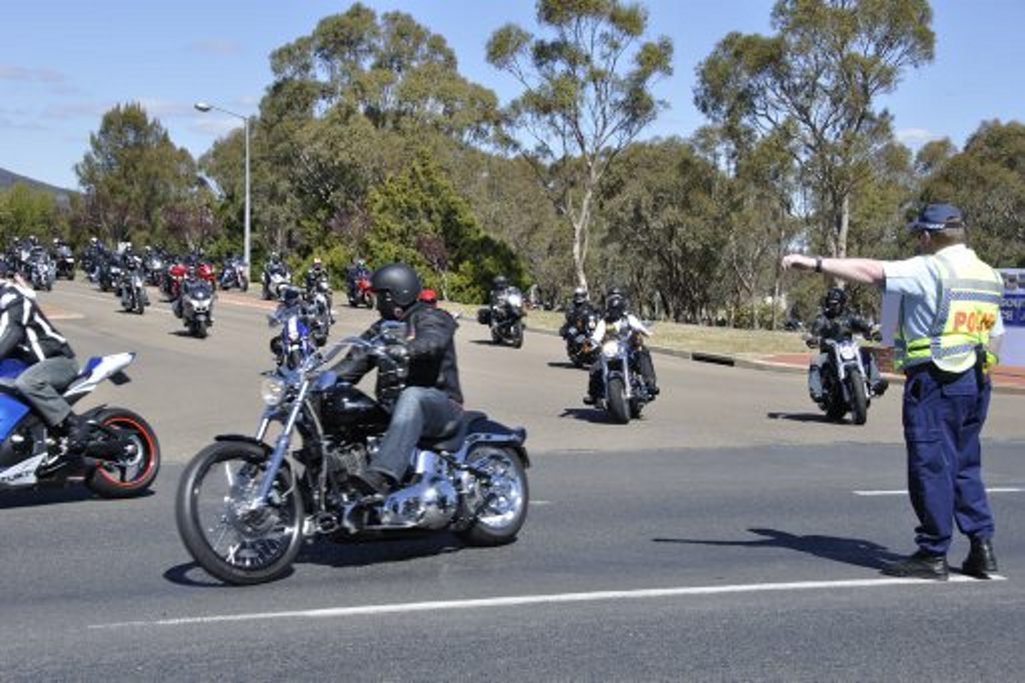
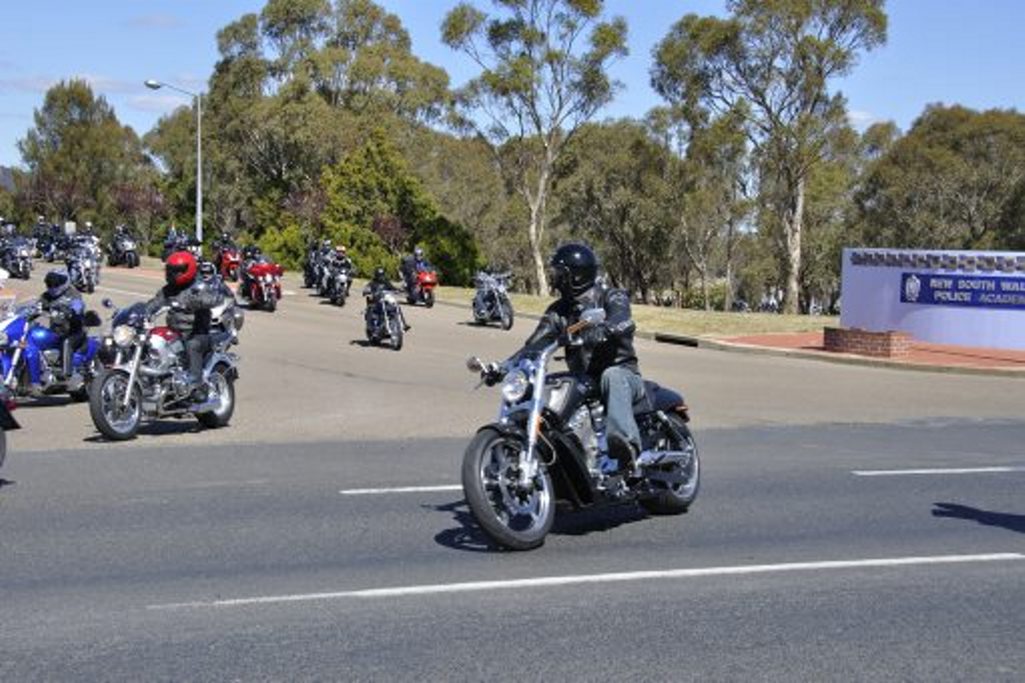
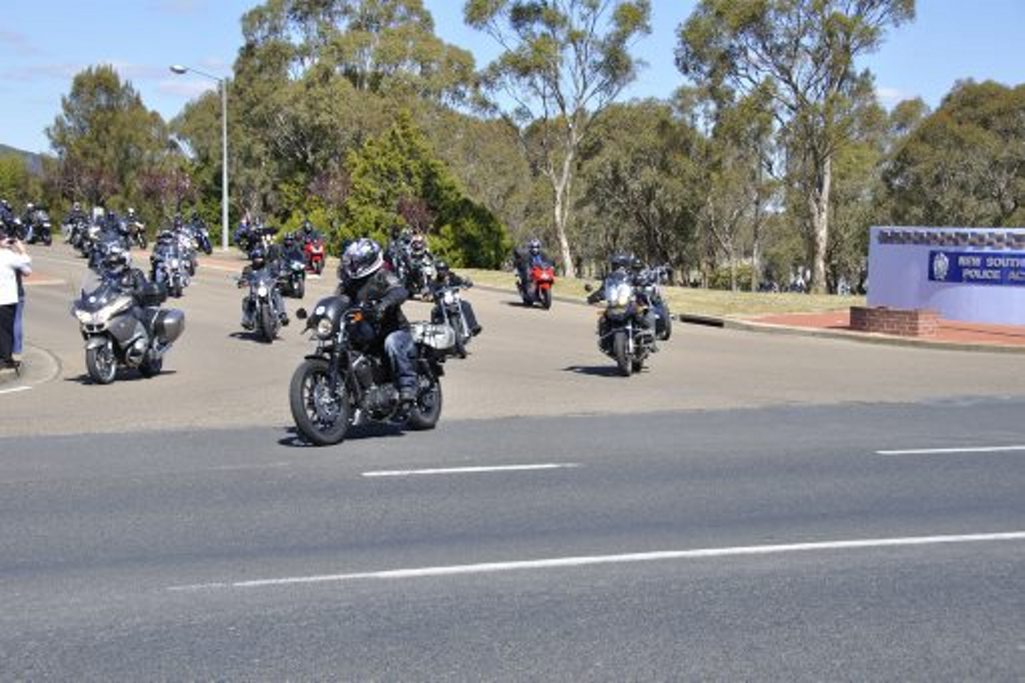
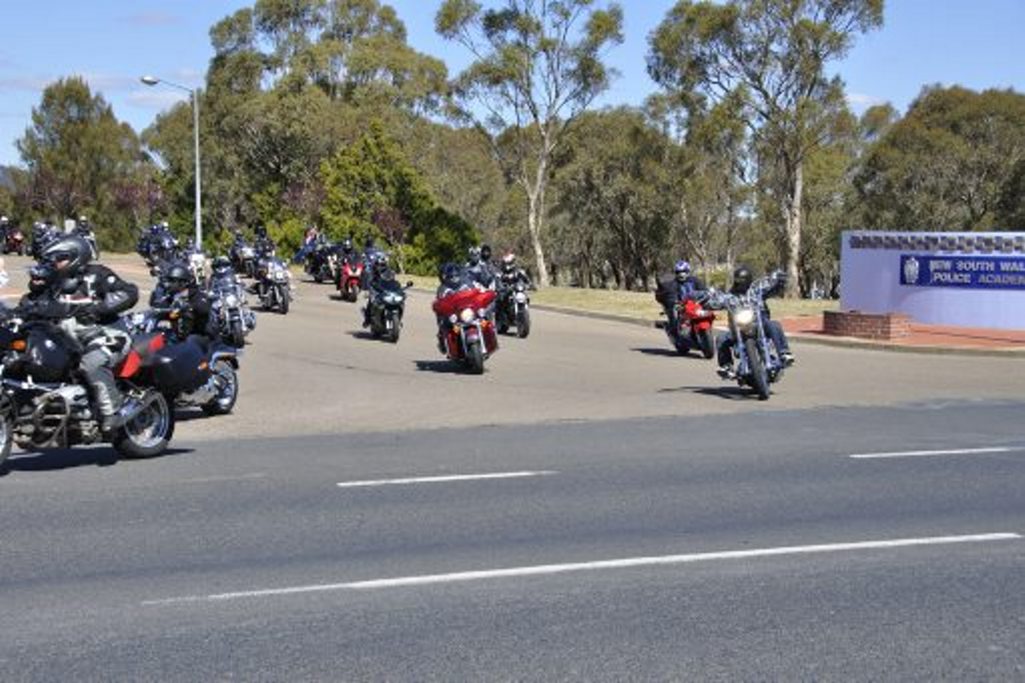
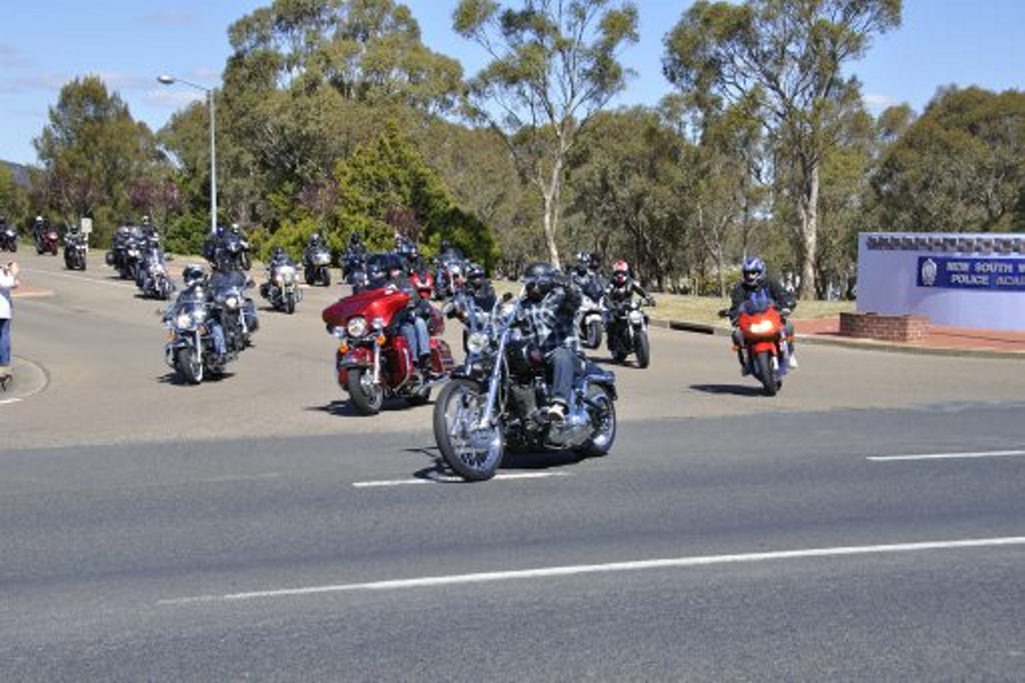
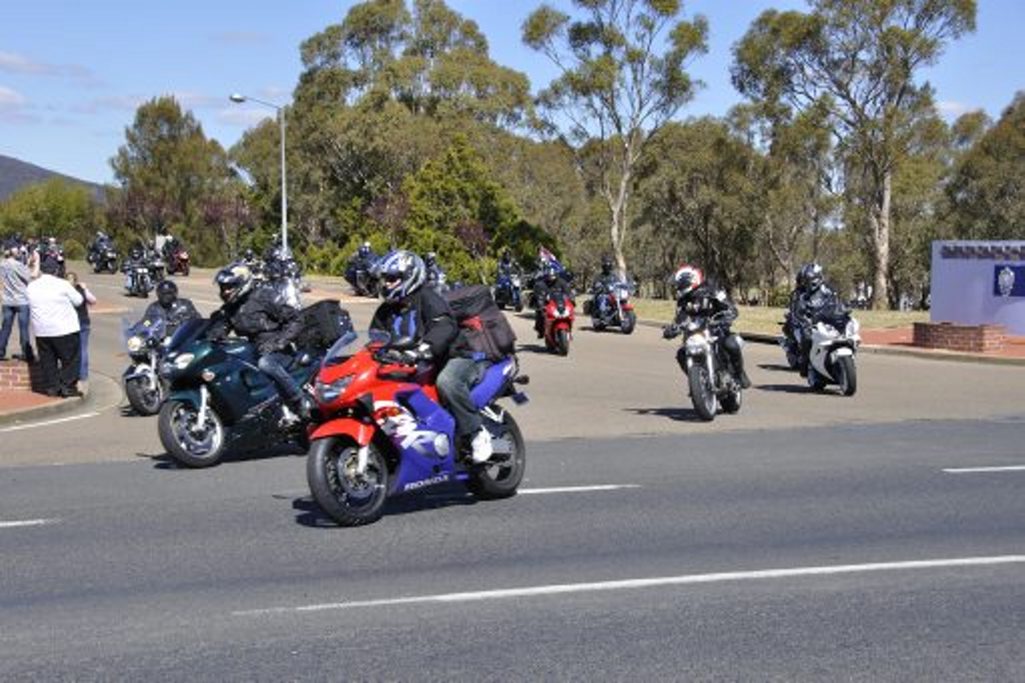
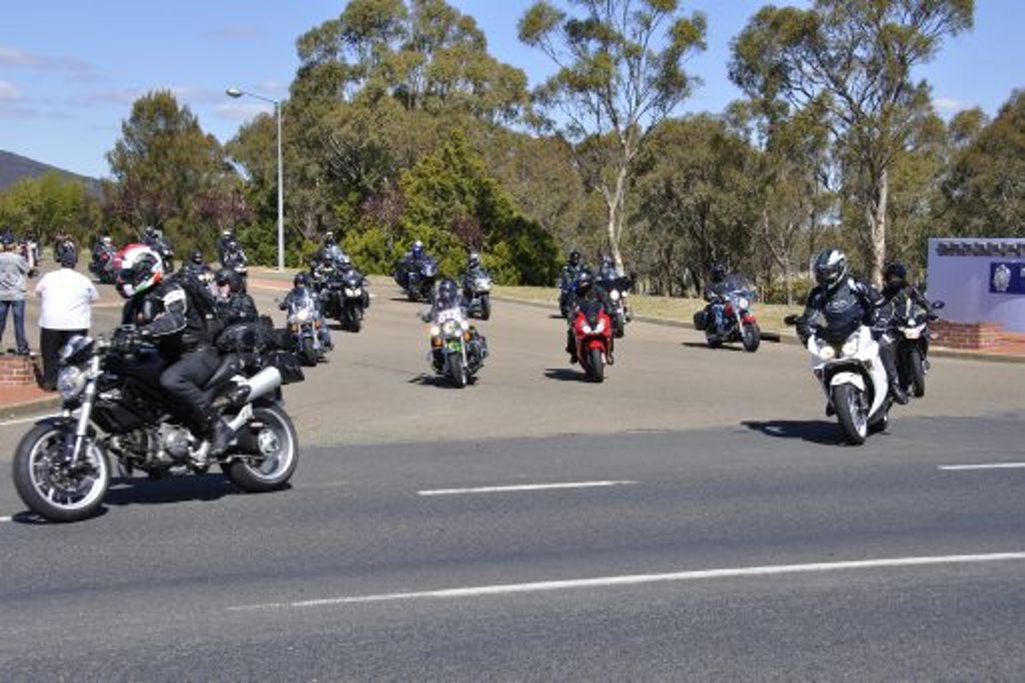
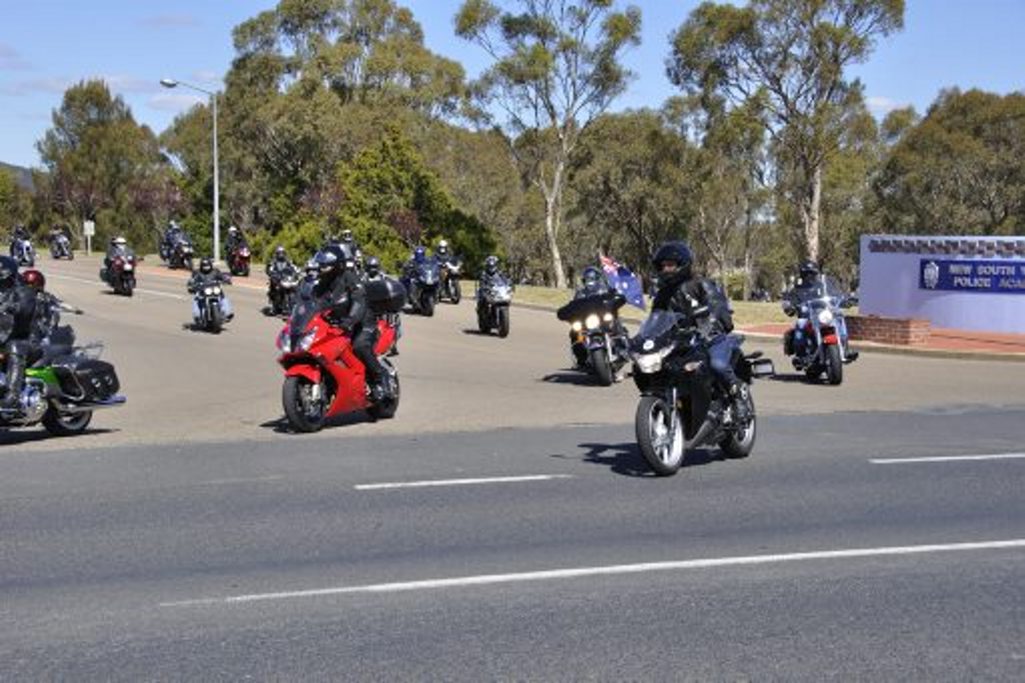
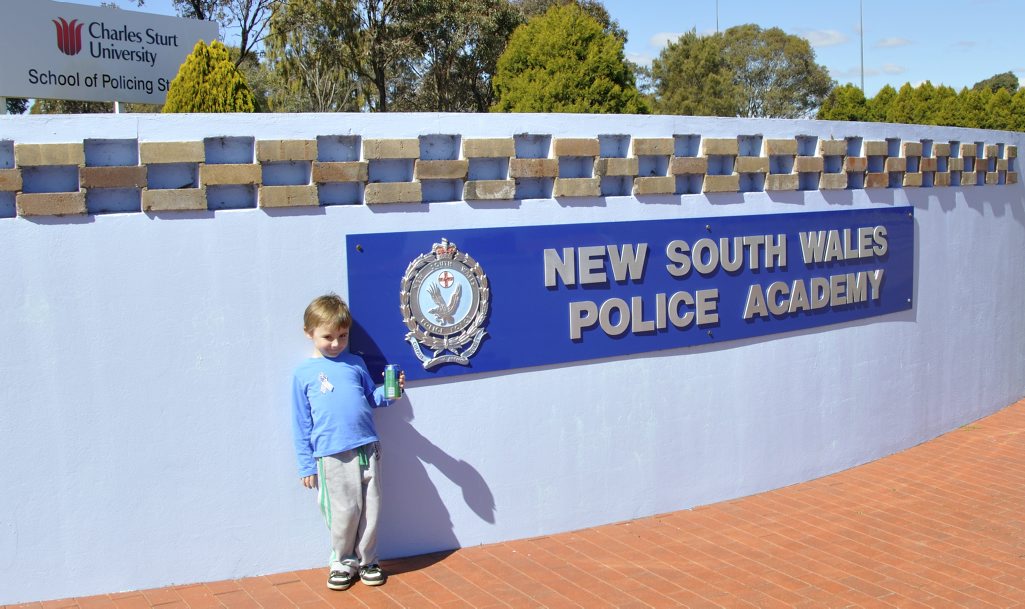
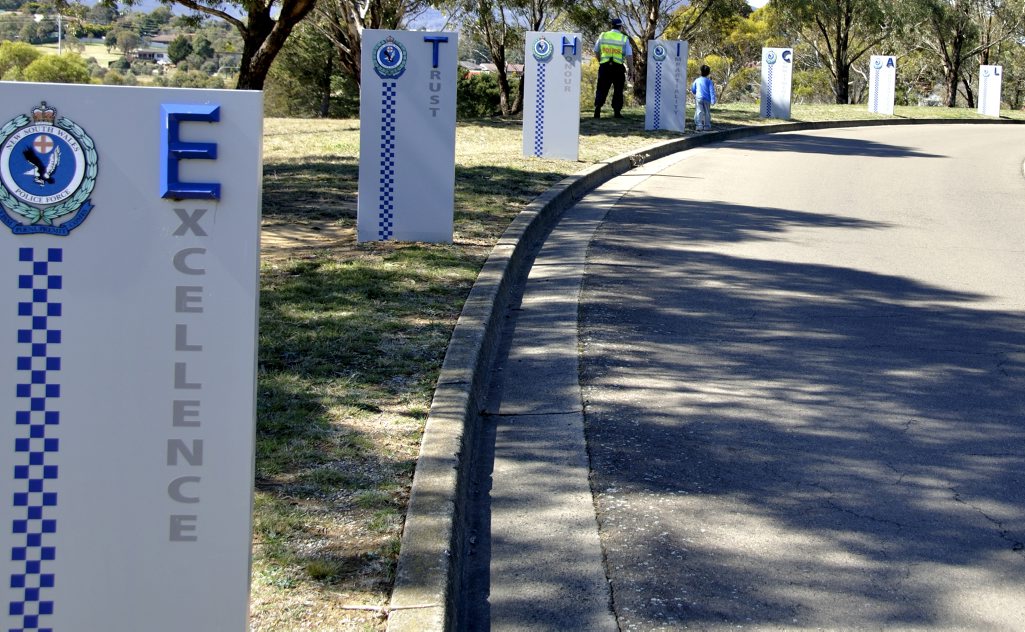

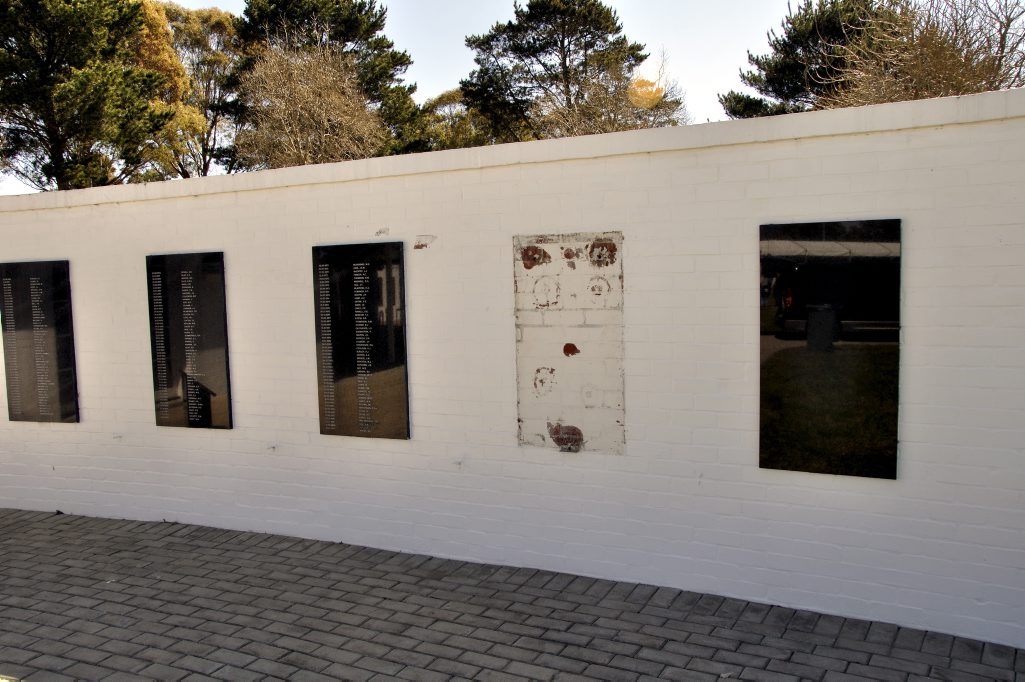


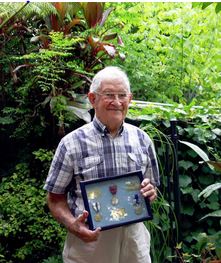
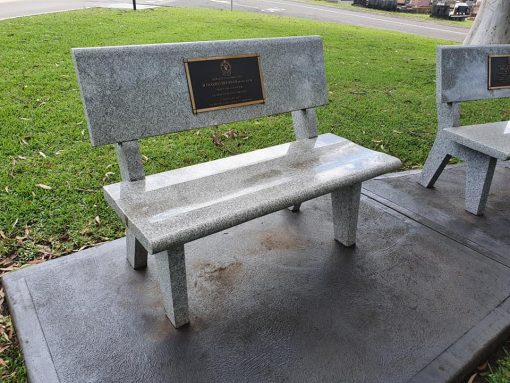
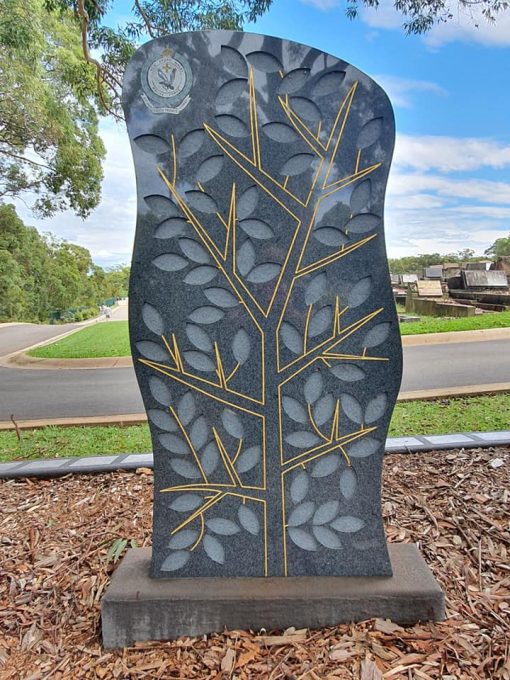
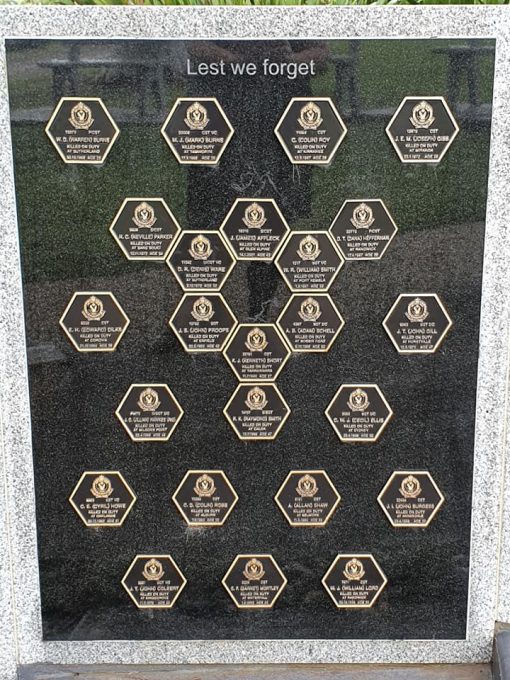
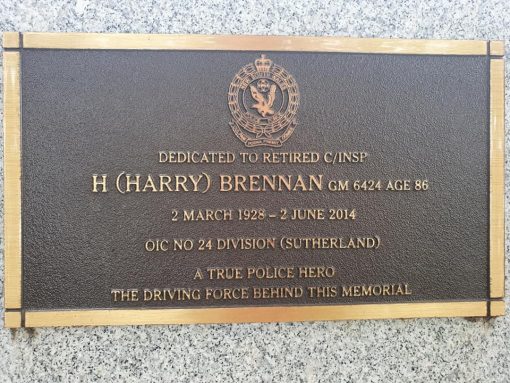
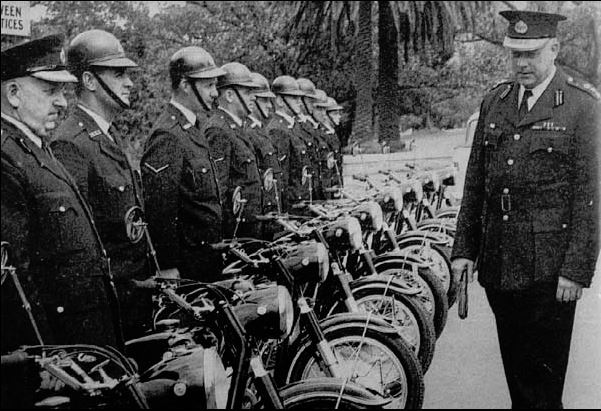
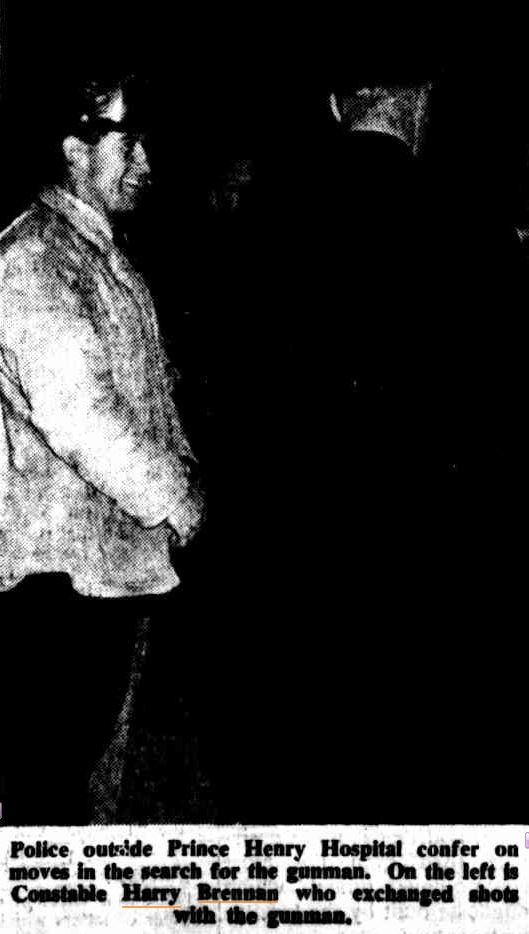
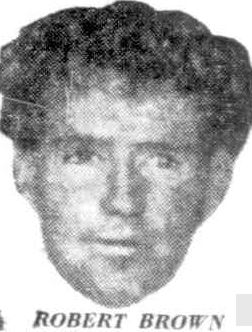
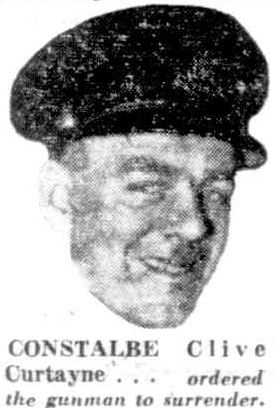
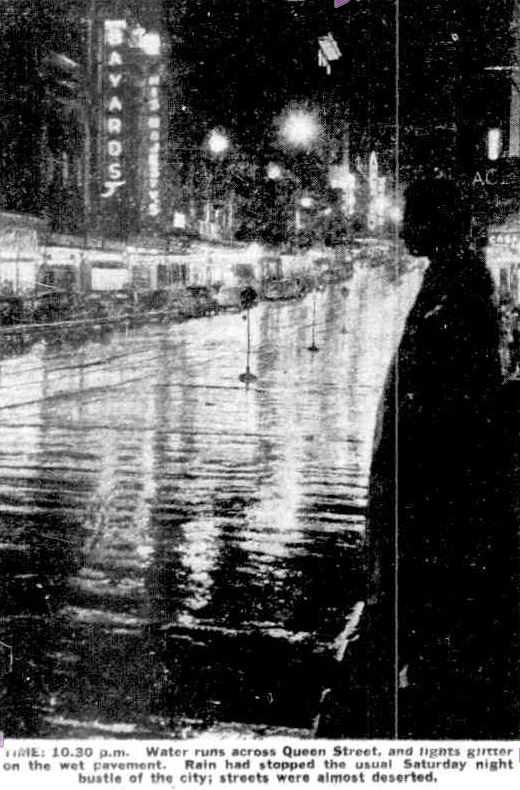
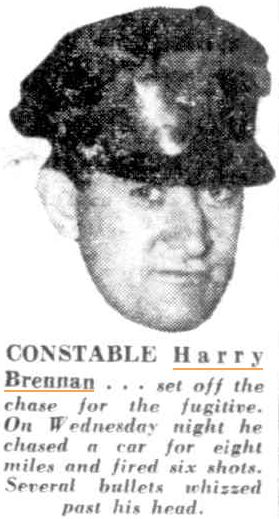
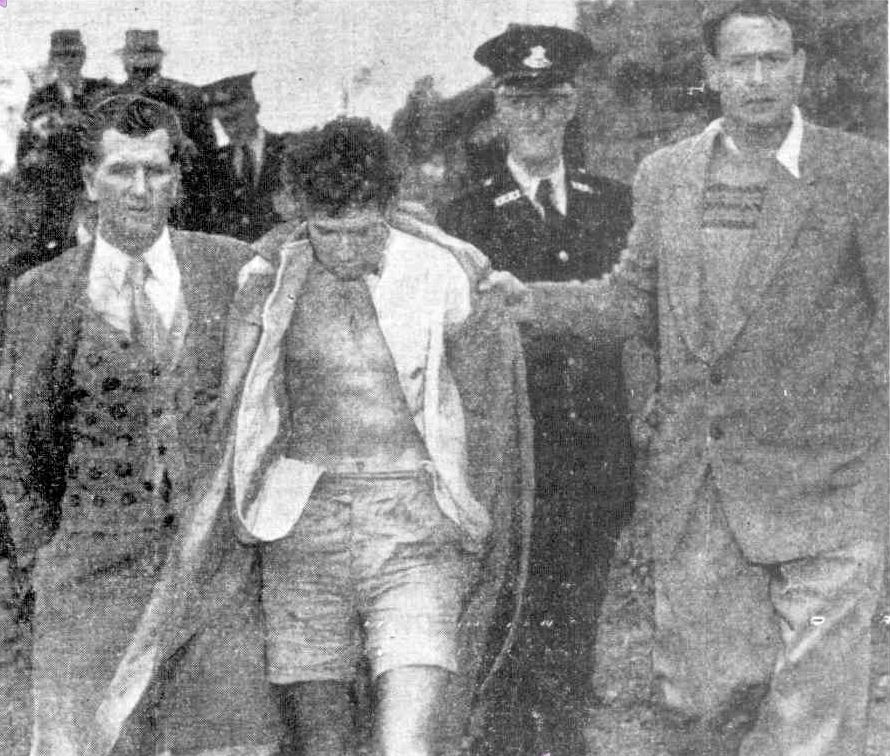
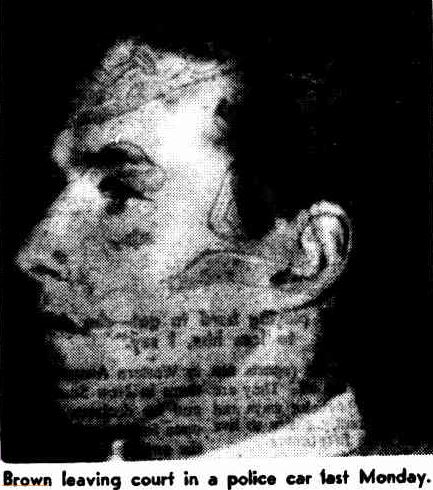
 The George Medal

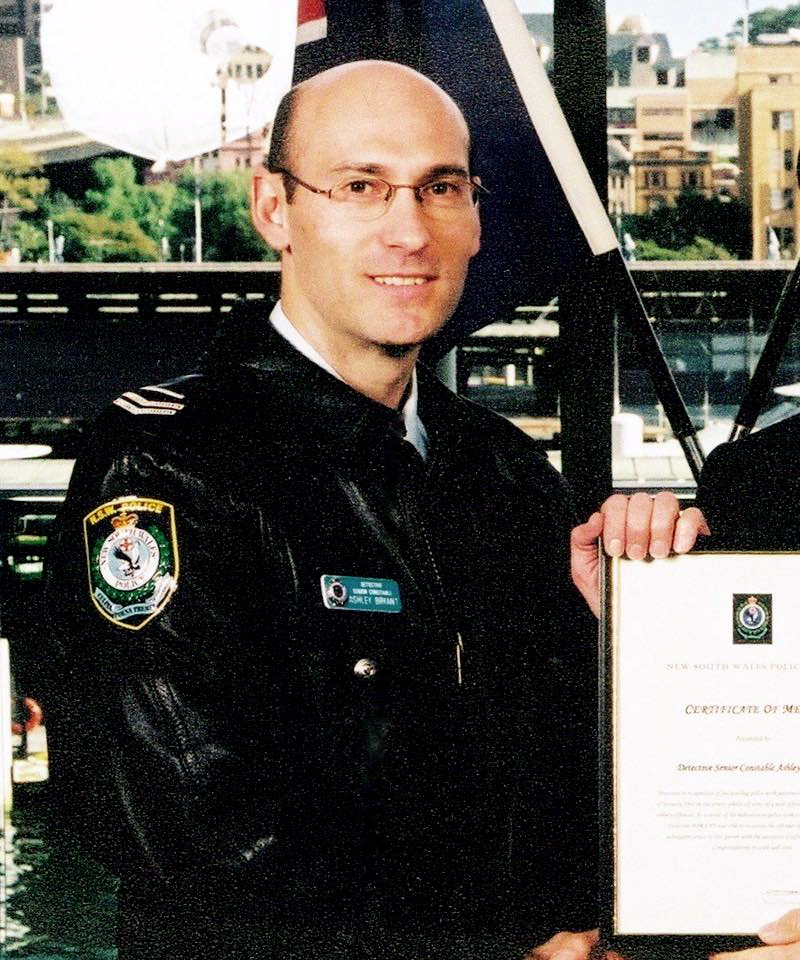
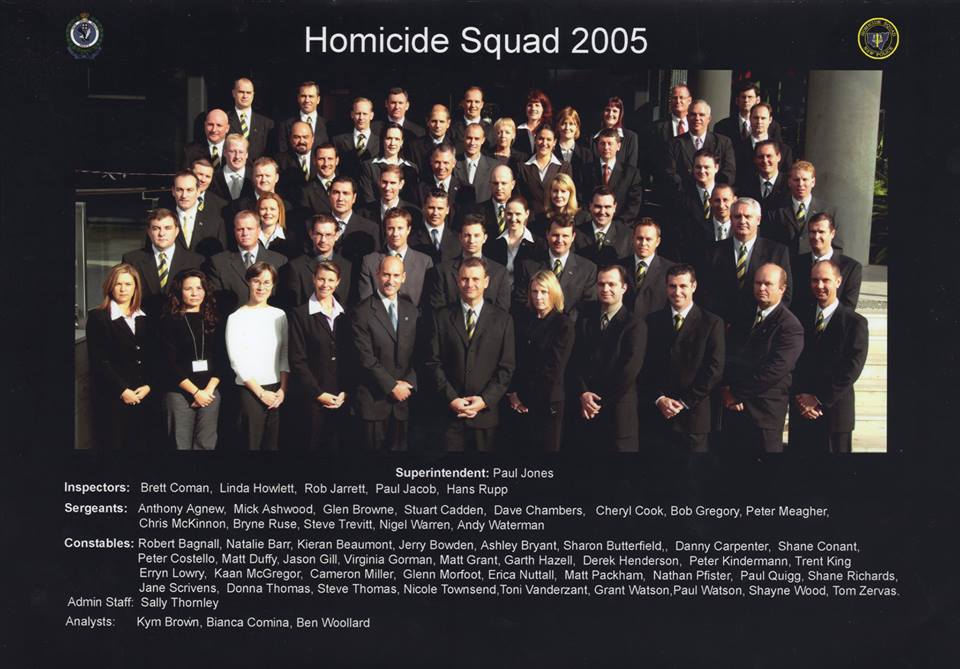
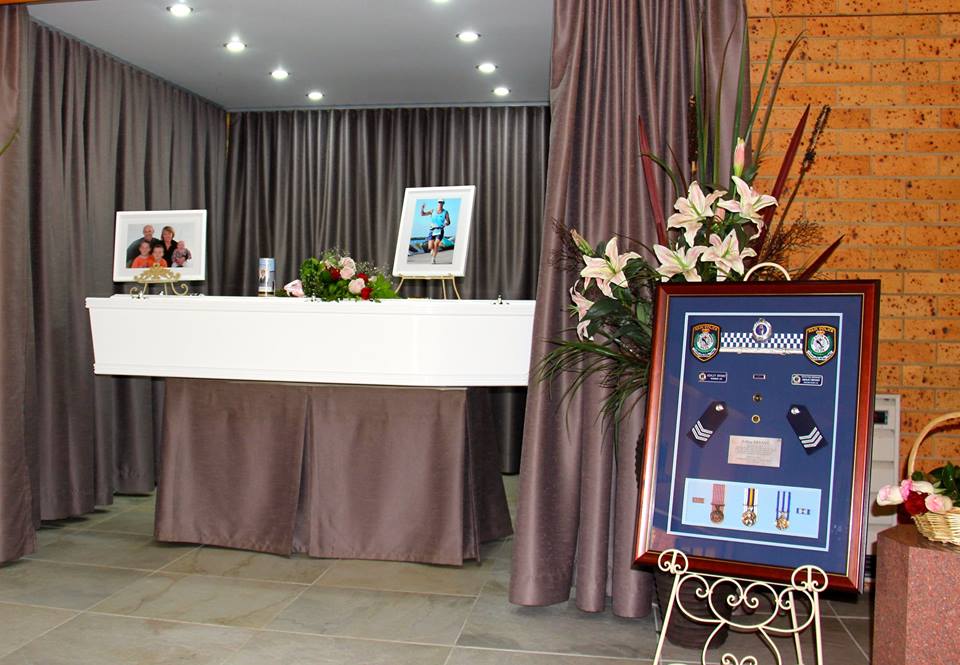

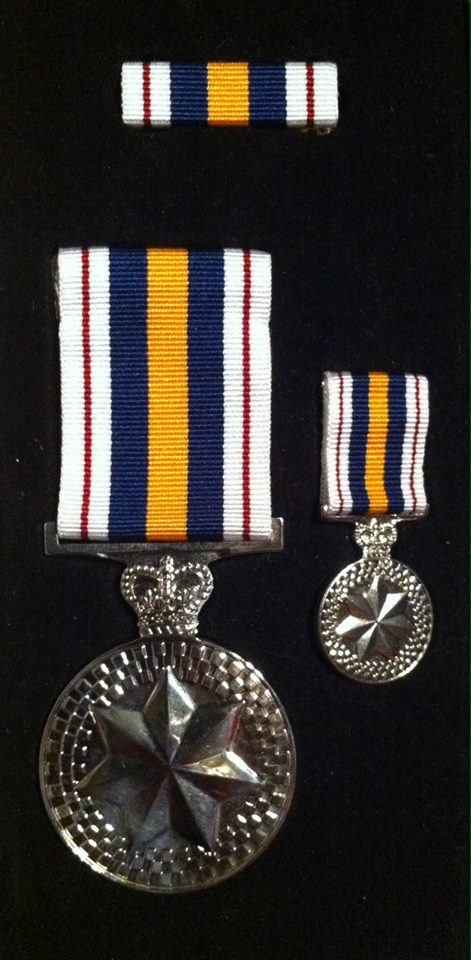


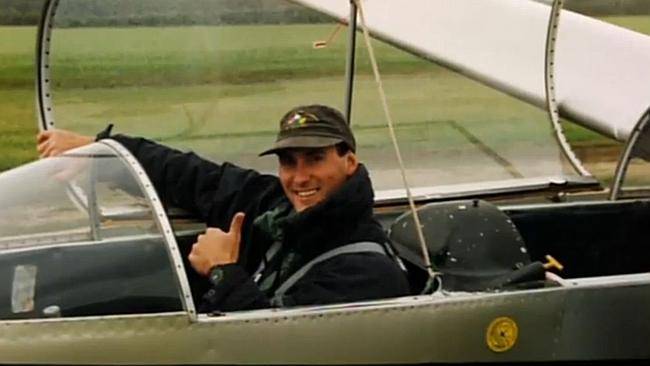
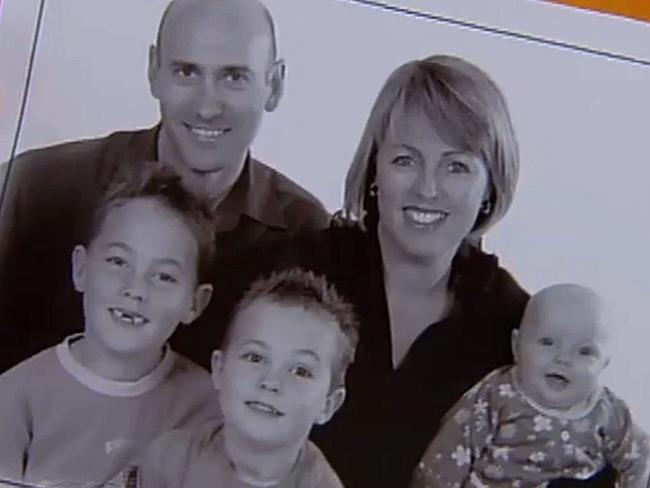
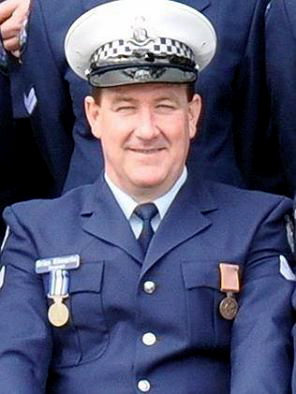
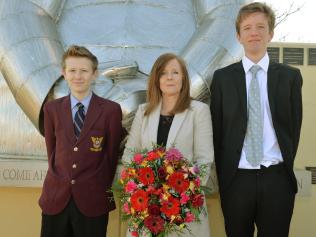
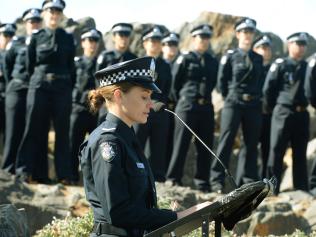
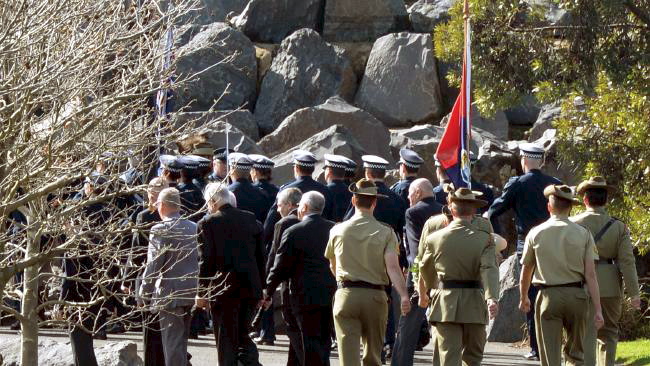


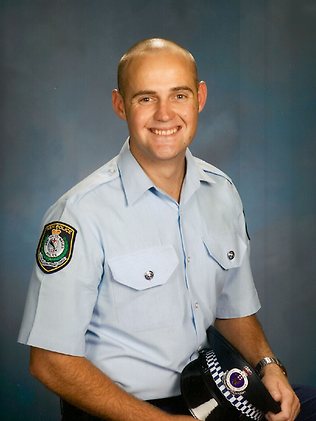
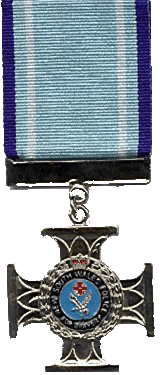
 Officers carry the coffin into the cathedral. Photo: Peter Rae
 Fellow officers carry the coffin to the altar. Photo: Peter Rae
 William Crews.


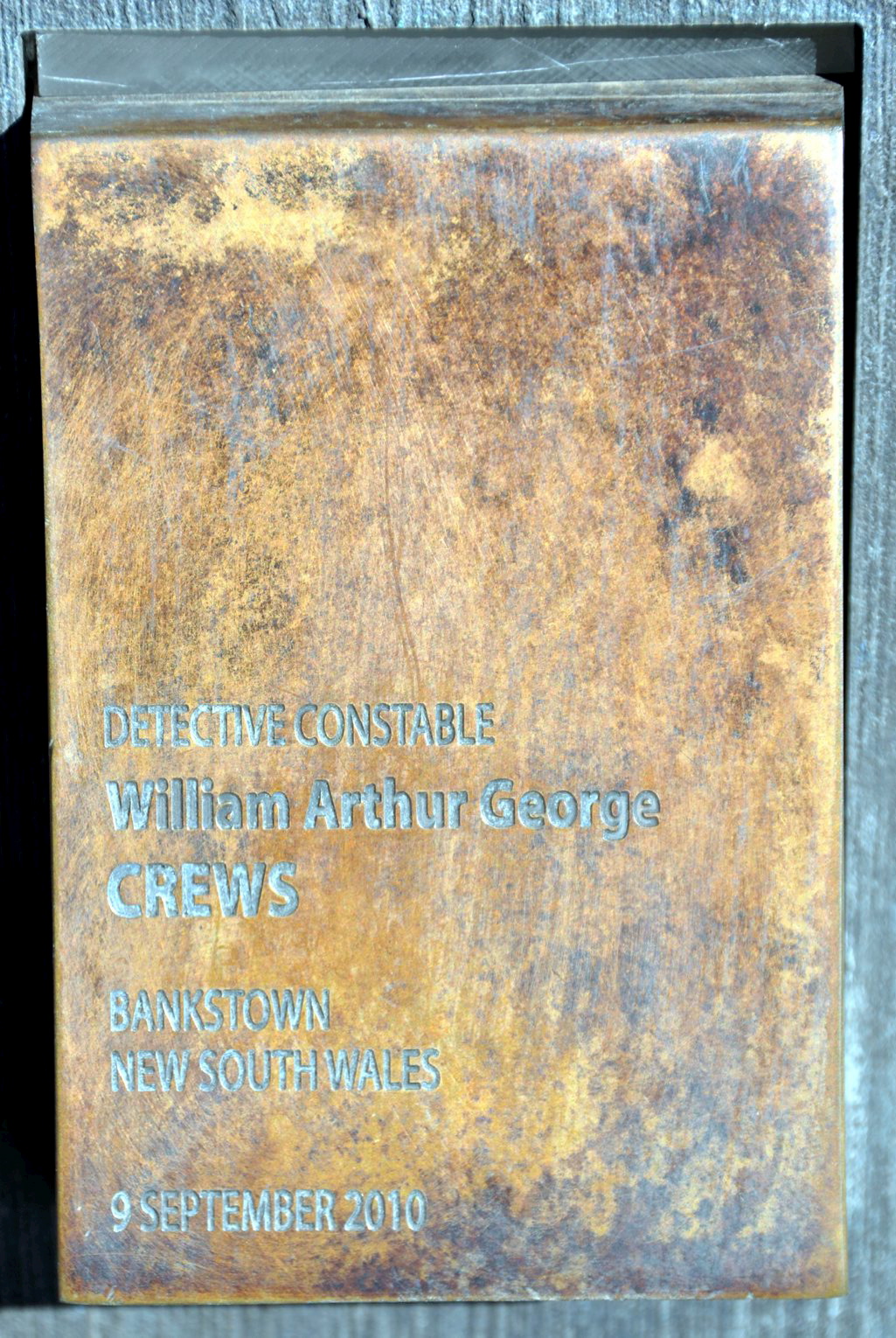
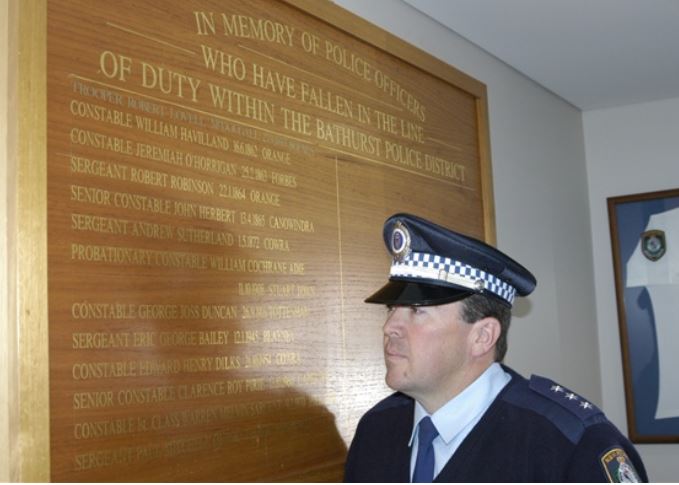

Comments (89)
Comments for this story are closed, but you can still have your say.
Serenity:
03 Mar 2014 10:05:24am
It’s typical of governments and the hierarchy of the services and their union leaders that they overlook what’s happening on the ground.
Having to do the dirty work of governments and seeing the horror of reality of crime on the streets, having to check for bodies in car wrecks and in domestic violence situations.
Union leaders, governments and bureaucrats live in a world divorced from the reality of life.
“deceased male” means nothing when a person knows the name and sees the family of a person that an officer is forced to shoot because the victim is drug-enraged or suffering mental problems (that have been exacerbated by the closing down of “mental hospitals” and the degradation of mental health units)
As someone who has looked at suicide as a solution myself, without seeing the trauma of daily life, I fully support anything that can be done to help these heroic men and women who protect us.
Alert moderator
Bev:
03 Mar 2014 3:14:06pm
In our society males have always been considered “disposable” when they are no longer useful or performing the tasks so necessary to keep things going.
Alert moderator
leigh of Tregevis:
03 Mar 2014 10:09:04am
Plus, a few decades ago, by my observations, at least most of the people respected the work of the men and women of the force. They were seen to be relatively low-key, helping keep the community safe from criminal activities.
Now they don’t have that respect, being seen to be working for the State rather than the people, as surveillance and infringement taxes and random stopping and restriction of movement increase. Another contributor to the stress of many officers?
Sadly, there are also many people who still have their blinkers on, and believe the claim that this is all done for our own good.
Alert moderator
Early Grayce:
03 Mar 2014 12:19:35pm
The police have always been a political tool rather than a group working for the people. It seemed to you that they got worse a few decades ago because we only realise how bad he police are as an organisation as get older.
A few decades ago we were automatically gaoling people for low level drink driving and we were also doing the same to people who attempted to commit suicide. Being treated as a criminal is just the thing that a suicidal person needs to make them more determined than ever to succeed in their suicide bid.
Alert moderator
Bev:
03 Mar 2014 3:10:37pm
Still goes. Threating suicide is considered an act of domestic violence. So you will be arrested held while a temporary order is obtained. If you breach you will probable be locked up. No mental health intervention is available under these conditions. Would be easier to hand the man a rope. The law is written gender neutral however it seems it is only applied to men.
Alert moderator
EarlyGrayce:
04 Mar 2014 3:05:10pm
I thought I might clarify that I did say attempt suicide, not threaten suicide.
Alert moderator
Applaudanum:
03 Mar 2014 5:46:53pm
That’s a perceptive comment, Leigh. There’s a lot more ‘questioning’ of authority now. At least, it seems that way. But I don’t think this is a direct cause of the boys and girls in blue. Rather, it has more to do with a peculiar societal need to keep on pushing the boundaries of what’s currently permissible. It’s as though ‘obeying the law’ is just not enough anymore. Who keeps turning up as the nay-sayer in this scenario, those people in blue uniforms, again and again.
Alert moderator
jimbo:
04 Mar 2014 10:02:21am
I live in WA, we do not have police officers, we only have tax collectors, thats all they are there for. bang thg the motorist.
Alert moderator
Skeptic:
04 Mar 2014 11:54:43am
Yes Jimob and if you do your best to drive properly (don’t speed or drink drive) then you won’t be paying those extra taxes, eh? If you haven’t got it by now that these are taxes for stupidity then I feel really sorry for you.
Alert moderator
Tom1:
03 Mar 2014 10:38:53am
This article indicates that mental health issues, no matter where they occur do not have the full understanding and sympathy of the general community they should have.
Most, undoubtedly, all, police forces have occupational health and welfare units,staffed with full time psychologists. Officers are generally advised, or in fact ordered to seek counselling following traumatic incidents. This is well known, and the problem does not lie there.
The problem is obviously with those officers that do not respond to early treatment, or continue in a position where traumatic incidents are the norm, and their condition worsens.
No two officers react the same to any given situation, and some may be entirely non affected by situations that cause others stress.
Unaffected officers, and probably even the Department could easily get hard nosed, and accuse the affected person of malingering, or not being up to the job.
Most police services had a fairly extensive list if officers on permanent stress leave. Suicide is probably the tragic end result of an officers position of not being taken seriously.
What to do about this is the question, and probably, as the author suggests, ending the silence is a start.
Alert moderator
Rattus rattus:
03 Mar 2014 10:53:48am
Something has changed in the Police culture. I’m not sure what it is, but it isn’t nice.
Recently I was assaulted by a total stranger. The ambulance arrived before the police did, although the police station is only a 6 minute walk from where the incident occurred. Next day I attended the police station to give a statement. There was a total lack of empathy from the police involved.
I didn’t expect them to make me a cup of tea and hold my hand, but the process of taking the statement was just that, a process. The officer involved was an automaton operating a computer terminal on a very impersonal level.
I’ve noticed the same reaction whenever I’ve gone to the station to report stolen vehicles parked in my street. There is an invisible wall between me and the person on the other side of the glass barrier. They don’t seem to have time to smile or be human. It’s just “name, date of birth, etc” as they fiddle with the computer terminal. Not even a “thank you” at the end of it.
Whatever the police are learning at the academy is putting them further and further away from the society they serve. Consequently when they themselves need help society can’t or won’t respond.
Alert moderator
Peter of Melbourne:
03 Mar 2014 11:21:54am
I know exactly where you are coming from. Not long ago a drunk totalled his car into a parked car in our suburban street. It took numerous (3 by myself and then the other neighbours) phone calls to 000 to get the police to investigate, during the 70 or so minutes it took for a unit to arrive the drunk had walked off to whereever his house was and returned with other people. He wanted to try and drive his car even though its front axle was totalled.
Lets repeat the pertinent point though – 60min to 70min response time with the local neighbourhood directing traffic around the wrecks and attempting to stop the fool from driving again.
A few weeks later I was rammed by an absoultely moron who was making a left hand turn from the right hand land (3 lane roadway) and then I get the excuse he cant pay for the damage because he is an International student. After calling 000 again OUR police force was too busy to attend an accident clearly caused by reckless driving and said let the insurance company sort it out. Guess shutting down those speed cameras booking people a day’s pay for travelling a few clicks over the posted speed whilst in a controlled manner would cost their political overlords a nice fat lunch.
I have zero respect for todays revenue raisers or their political masters.
Alert moderator
PW:
03 Mar 2014 12:05:21pm
Unless someone is injured or a vehicle is unable to be moved, Police don’t routinely attend minor accidents. You have the guy’s details, or at the very least the registration number of the car he is driving, take some pictures with your phone and call your insurance company.
The trend these days is for enforcement of traffic laws to be carried out by civilians. Expect to see more of these RMS operated speed camera vehicles and less police on the roads.
Alert moderator
awake:
03 Mar 2014 2:06:11pm
Wouldn’t you rather have the Police take their time with anincident similar to what you have reported rather then give up chasing a drug dealer or child molester?
Alert moderator
Rattus rattus:
03 Mar 2014 4:45:10pm
Firstly I could have died following the assault. Calling the police is usually a waste of time. All I’ve ever got from them is excuses and a little card with a reference number on it to give to my insurance company.
Secondly, the person who assaulted me was a drug dealer. If the police had walked from the police station (6 minutes) they would have been able to arrest him, but as usual, the ambulance beat them to the scene of the crime by at least an hour.
Alert moderator
Tom1:
03 Mar 2014 3:13:53pm
P of M. There are innumerable bikies, criminals, and other low life elements that resent police too. However that is hardly the point.
Your particular gripe seems to be at the government. The police no longer set up speeding cameras, nor attend them, any intelligent correspondent would know that.
Are you prepared to pay for what is necessary to get immediate police attention for all of your own personal life dramas?
Alert moderator
Rattus rattus:
03 Mar 2014 12:18:12pm
I should point out that the police didn’t arrive at my home before the ambulance whisked me off to hospital to have my head stitched up.
On another recent occasion I went to the local police station to report a crime. I was told by the interviewing officer that nothing much would be done about the crime because all police resources were allocated to surveillance on members of bikie gangs.
Putting a handful of bikies in prison is more important in Queensland than protecting the public from ordinary decent criminals.
Alert moderator
Tim P:
03 Mar 2014 1:53:02pm
“When seconds count, the police are only minutes away.”
Alert moderator
Bob:
03 Mar 2014 3:48:34pm
You want a super-efficient police force, capable of fighting all crime, stopping all criminals, and attending to all scenes (no matter how insignificant) within seconds?
You want cops who can switch from compassion to ruthless pursuit in a second? Cops who can take down armed criminals without using violence or getting hurt themselves? Who can make accurate snap judgements in milliseconds? Who can appease the demands of every single citizen, no matter how trivial?
I reckon that’ll cost a few trillion dollars. Let me know when you come up with the money.
Alert moderator
Rattus rattus:
03 Mar 2014 4:38:58pm
Ambulance crews and tow truck drivers always get to the scene of accidents before the police do. How do you account for that?
Alert moderator
Silenced:
03 Mar 2014 10:54:12am
My partner has PTSD and depression, a police officer of 24 years. There are no confidential support services within the police force for him. He is at work more than he is at home because his biggest fear is that someone from work will find out and he will be ‘gone’. I listened to the full 000 call from Ashley Bryant yesterday. The goosebumps took so long to calm. My partner could be next.
Alert moderator
Oztraveller:
03 Mar 2014 5:36:00pm
Silenced, it is indeed a shame when you consider that so many corporate entities pay third party providers for the provision of confidential counselling and advice services known as “Employee Assistance Services”.
In any event, if your partner needs help, he needs to get it. If that means doing it privately, then that’s what you have to do. The alternative result is pretty worrying.
Alert moderator
Traveller:
03 Mar 2014 10:58:14am
Police Officers like Prison Officers, Firies and Ambos, deal with situations every day that the average person would never encounter. They are also under intense public and media scrutiny and their every action is examined to determine if any blame can be attributed to them as bad news makes news.
During my time as a Police Officer and then a Prison Officer I personally experienced things that went beyond what a reasonable person should have to see and endure. Coupled with this we have to put up with the armchair critics and the civil libertarians who are anti authority and never miss an opportunity to put the boot in, not to mention defence lawyers who aren’t interested in the truth and are prepared to do or say anything however outrageous to get their client off. It’s hardly surprising that some police choose to end it all. Just remember, when everyone else is fleeing an incident we are the ones going the other way.
Alert moderator
MJLC:
03 Mar 2014 2:11:13pm
I understand and appreciate every point you’ve made Traveller.
If you had been sold into the job by human traffickers or press-ganged as a youth by a roving gang of recruitment special constables armed with clubs I would feel sympathy as well.
Barring that, you may wish to appreciate that the rest of us don’t have the luxury of taking on a job voluntarily and thinking we’ve got unlimited access to people’s heartstrings for the substantial challenges it poses.
If it all got too hard you should have taken a tip from the current Prime Minister and liberated yourself. Otherwise, deal with it as quietly as you can like everyone else.
Alert moderator
damo:
03 Mar 2014 6:37:35pm
“Otherwise, deal with it as quietly as you can like everyone else.”
Isn’t that the point of the article ? That everyone else is dealing with the issue in as quiet a manner as possible, including the officers themselves, & if people completing suicide is the aim then it is a successful policy.
If suicides are not the desired result, then perhaps it’s time we shone some light into the dark corner.
Your comment makes me think that you haven’t understood either the article or Traveller’s comment at all.
Think about how you might feel if the distressed person was a close family member, your child perhaps or even your own spouse.
I believe your ‘understanding’ & attitude would be markedly different.
Alert moderator
MJLC:
03 Mar 2014 7:27:09pm
I think you might be a tad confused about what “it” I’m referring to. (Hint: try reading the bit that starts “Barring that,…” again)
Alert moderator
damo:
03 Mar 2014 8:00:40pm
Read it again, got the same result, so perhaps I need further clarification of your meaning.
“Barring that, you may wish to appreciate that the rest of us don’t have the luxury of taking on a job voluntarily and thinking we’ve got unlimited access to people’s heartstrings for the substantial challenges it poses.”
Yep, read it once more just to be really certain that I think you are saying suck it up officer, after all, you volunteered. Please go away & deal with your issues where I can’t notice you.
All I’m getting is that the”it” you refer to is the job that they voluntarily do. I must have misunderstood.
Alert moderator
S:
03 Mar 2014 10:36:15pm
I wish I couldn’t notice you, believe me…ignorance is all around us
Alert moderator
MJLC:
03 Mar 2014 11:00:28pm
Clearly you must have; Traveller also spent considerable time rambling about “armchair critics”, “civil libertarians”, and “defence lawyers” – all potentially annoying species to be sure, but hardly suicide-inducing material (at least in my opinion). You are, by all means, entitled to view someone with all the sympathy you can muster who has to endure such outrageous slings and arrows, myself – well, I struggle to build up the same amount of empathy.
And, as regard the earlier comment that “…you haven’t understood either the article or Traveller’s comment at all”, could I gently point out that there is (or, at least, there used to be) a world of difference between understanding someone’s point of view and agreeing with it.
Alert moderator
LeftyRoy:
03 Mar 2014 3:22:56pm
Police are armed by the state, and therefore have life and death powers over people , in particular circumstances.
Why shouldnt people , armed with potentially lethal force, be scrutinised?
Why do police always think they are victimised.?
After all, to use a well known police clich? – what have they got to hide, why are they nervous?
If that is good enough for the police to justify a lot of what they do, then it equally applies to police officers.
Alert moderator
Just sayin’:
04 Mar 2014 6:58:37am
As I whinged to my dad about a crap, poor paying job I was doing years ago he told me to take my labour elsewhere where I would be happy to go to work. It’s like the saying, “if you can’t stand the heat, get out of the kitchen”.
Having done some very unpleasant jobs which most people would baulk at due to gross/dirty/grizzly nature of the tasks I have found that not everyone can do them & will leave ASAP when they find out it isn’t like it is on TV (no smellovision). Just remember it’s people like me that tidy up after the event, after all someone has to do it. However I don’t whinge about it if I don’t like it & unhappily stay there, I just change to a ‘better’ job.
Oh, and BTW my brother took his life years ago, as well as two work collegues who I looked up to (not at the same time or over the same issues) so I do understand the huge effect on all the people around the recently deceased. If only the issue of suicide was given a bit more concern than speeding 1km over the limit, then some of these people may still be with us today.
Alert moderator
Don:
03 Mar 2014 11:10:17am
I am sick & tired of hearing the same old sad story from the police & their supporters. Police officers elected of their own free volition to undertake this line of work. Nothing has greatly changed in the scenes which they must deal with. They are now better protected & supported by advanced equipment & technology than they have ever been in the past & yet they still cry “Foul”. If they can’t do the job then they should never undertaken a career in policing. The NSW Police are well known for their rorting of their own self insured workers’ compensation scheme. Common usage of the “Mortgage Buster” mental breakdown is all too well known amongst the staff who look after their workers’ compensation claims. These people after receiving their very generous payout can go on to pursue other careers & make a motza. Police should “Man Up” & stop crying & selling the story that the world is a bad place.
Alert moderator
Dove:
03 Mar 2014 11:46:38am
You may well have a point…sorta…kinda…but I’d raise two issues. Firstly, the training received for community policing doesn’t really prepare people to see severed heads or squashed babies. These things are disturbing for anyone. Secondly, employers have an obligation to provide a safe workplace, but given that you can’t control the world, then support mechanisms. Policing, like the military, have a culture which can do much more in terms of couselling, suppoting and treating PTSD and a variety of other work related illnesses. We’re not talking about the minority of rorters here, but rather the majority of those that are genuinely injured.
Alert moderator
Tom1:
03 Mar 2014 12:02:11pm
Don: Spoken like someone that has cause to resent law enforcement on any kind.
“Nothing has greatly changed” Oh really, over what time period are you talking. Certainly not the period on our streets when drugs were unknown. When harming a police officer to escape, or spend years in gaol was not the option.
Certainly not since drive by shootings, and criminal activities causing pay back killings were a rarity.
Certainly not since cars could not do excessively high speeds, and the human body was more able to cope with the impact.
Things have changes. Numbers of police have increased. They are recruited from the general public,and it is probably true to say that because of the numbers required, it is more difficult to the best suited for such an onerous occupation.
What they do not need are knockers like you.
Alert moderator
I Care:
03 Mar 2014 12:06:02pm
No guesses where you work. It’s very easy to be an armchair critic when you sit behind a desk pushing a pen and waiting for YOUR bonus when one of your ‘clients’ case gets knocked back.
How about walking a day in a Police Officers shoes. You have got absolutely no idea!
You guys put profits before people and their families.
$100m policy for only $138K payout – who’s got the ‘mortgage buster’??
Please keep you appalling and offensive opinion to yourself.
Alert moderator
Hellen Wheels:
03 Mar 2014 12:08:28pm
I’d like to think you are a troll, but I hear people in the community and media commentators saying similar things. I would suggest that people join the police because they have a deep desire to make things better – otherwise why on earth would you continue.
At least in the armed forces you aren’t also expected to be a revenue-raising arm of government – as well as deal with domestic situations where both perpetrator and victim turn on the police, scrape people out of their cars, be vomited on, spat on, kicked – and with absolutely no recourse. Any physical response becomes a civil liberties issue and is plastered all over the media. No “alleged” when you are a cop.
Dear Police, thank you for pulling me over to random breath test. It makes it safer to be on the road. Thank you for fining texters and speeders. It makes it safer on the road. Thank you for putting up with people who seem to think you are a heartless automaton, when you are just like the rest of us, except you have the courage to try to make a difference. While most of us just sit and put words on a screen.
And I’m not a police spokesman of any kind, just a grateful member of the community.
Alert moderator
PW:
03 Mar 2014 12:09:33pm
Had a few speeding tickets, have you Don?
Alert moderator
awake:
03 Mar 2014 12:22:22pm
Sick and tired are you? Well when you next need help call a grocer or a plumber forget the extremely well paid boys in blue.
You have no idea what you are talking about and foolish to even post your ignorance.
Alert moderator
anote:
03 Mar 2014 12:36:08pm
Oh well, that explains the suicides then; NOT.
Remaining silent is shameful. If the police forces have a policy to remain silent then that is much worse. The people involved can still be respected.
I personally think suicide is the tip of an ice berg that is an ill of our society and spreads far beyond the machinations of the police forces.
Alert moderator
Terry3:
03 Mar 2014 1:04:40pm
What insurance company do you work for?
I suspect one of the ones that approaches every claim on the basis that the insurer’s prime responsibility is to its shareholders first, the insured a long way last.
Every person I have spoken to who has had call to use Income Protection has had a nightmare getting anything out of the insurer. “Mortgage Buster”? You can’t even get a proportion of your salary!
Alert moderator
David:
03 Mar 2014 1:30:05pm
Don spoken like a true coward. It is easy to hide behind a ABC opinion piece to slag off Cops and I suppose the Soldiers who suffer PTSD should man up because they chose to be soldiers. Like I said spoken like a true coward.
Alert moderator
Bob:
03 Mar 2014 3:58:29pm
Don: If everyone working in the police force took your advice, we wouldn’t have cops at all. Or firefighters, or paramedics, or any profession that faces significant stress and danger.
No problem in the world was ever solved by the words “Like it or leave it”.
Alert moderator
damo:
03 Mar 2014 6:10:53pm
Yes Don, I’m sure the officers who complete suicide are really just in it for the compensation payout.
No doubt they’ve had some good financial advice that detailed just how quickly they’ll pay off their mortgage & be on easy street, all at the expense of the down trodden, honest taxpayer such as yourself.
Taking care of one’s family is the highest of priorities for most working people, so naturally one wouldn’t hesitate to do what ever it took to ensure a secure & comfortable future for loved ones.
If this includes denying yourself the ability to enjoy said future then sometimes life involves sacrifices & well, that’s just life isn’t it. Or, in this case, death.
Because remember Don, they have killed themselves, haven’t they.
Alert moderator
shiny in Tville:
03 Mar 2014 9:22:10pm
Don
Mortgage buster what a joke, people assessing these claims should spend a month on the streets before they comment on whether a rort is in place or not, its just a perception. The effects of PTSD or not something that can be tested for prior to an event or after, but in your wisdom you say get out, sadly by the time Police realize they need to get out it is well beyond that point, the damage has been done.
Alert moderator
kezzybear1968:
04 Mar 2014 10:01:14am
The police are one of the most essential of services. Where would we be without a group of people who voluntarily put themselves in harm’s way? If you are a law-abiding citizen, you have very little direct contact and hence a bad attitude towards authority does not cause yourSELF consequences. Funding is also a huge issue. Individual police officers have no say in how much or in what way things are prioritised. No organisation on this earth is perfect. Can’t we put aside our own personal irks or even very serious concerns about response times, for this article/topic- and agree that all essential service organisations need a culture of support and to look after their members, like we expect a family or any service org to do? Silence and suicide are two GLARING SYMPTOMS.
I found this article powerful.
Alert moderator
Hudson Godfrey:
03 Mar 2014 11:10:52am
I think our respect should go out to the police services in general, and our sympathies for the families of individual policemen who’ve succumbed to whatever it is was that drove them to the fateful decisions they took.
I don’t know that we’ve cause for more or less reason for sympathy among certain occupations than others. Individual cases in any less statistically significant sample need to be examined on their merits rather than lumped together to make generalisations that prove difficult to extrapolate to a wider class of cases. Yet if part of the honour and respect we afford police officers is for their apparent capacity to function user extraordinary stress then we do individual members a disservice if that creates an expectation not to seek help when it is needed.
If we need to more widely address stressors within law enforcement then we probably do better to acknowledge a link between community standards and expectations of policing when they begin to diverge making life more difficult. If most people’s main impression of police is a negative one then they attitudes and tension that creates can’t be good for morale.
The kind of enforcement that creates those impressions is almost always overdue for reconsideration by our political masters whose obsession, nowhere more obvious than in Queensland at present, with “getting tough on crime” creates laws that are an absolute nightmare for police public relations. The stress that must put on the people who chose to serve their community in that role must be enormous and is by and large mostly unnecessary.
Alert moderator
Tony Gurnett:
03 Mar 2014 11:12:13am
ADF Vs Police Force(s)…24/7 while in “country”…both sides have weapons often more powerful than ADF (getting blown up)!
ADF aren’t perceived as “crooks and on the take/power crazed) like the police?
Everybody has history of family that have had ADF experience…defend the country…WW1.
While the police have the “ugly history” of graft and corruption and stand-over tactics…tolerated but not respected!
Alert moderator
pearl:
03 Mar 2014 11:21:26am
Work stress no doubt contributes to police shootings in confronting situations. They’re scared, the fight or flight button is pushed once too often, and they finally snap – and shoot. Other instances of police violent over-reaction could be stress related. Personality would determine your tipping point. Horror and anger at what is encountered. Empathy.
Pity the poor souls who finally turn the gun on themselves.
The only way out of that sort of stress is treatment or escape. Police management should include regular stress monitoring & early intervention. Shorter hours and longer holidays for police generally as a circuit breaker – unions should try offsetting wage rises for these conditions.
Alert moderator
Dave:
03 Mar 2014 11:31:30am
My Dad was a cop and an active in his union both before and after retirement. I’m very proud of what he achieved for police superannuation and the wellbeing of his colleagues. He was a decent man. Unions made of decent men and women who know about the issues confronting police are a potent force for good. Police union leaders do not live in a world divorced from real life. They connect to it. My late Dad in proof positive.
Alert moderator
Terry3:
03 Mar 2014 12:10:47pm
I have great sympathy for those police who try to “battle on”, even though I know it is the wrong thing for them to do.
I did it for years before being forced to stop work. I was grateful though, that I had income protection insurance. At least I would continue to receive a proportion of my salary.
How na?ve I was! Little did I know that after a year I would be dumped by my insurance company. They argued that I should take a job that paid less than a quarter of my salary, as that was all I was now capable of doing.
My argument that “income protection” meant just that was treated as a joke. Apparently it means until the insurers think they have paid enough. That my employer fired me on the basis that I was incapable of performing my duties was irrelevant: the insurer thought I was as good as new.
So I can understand why police try to cover up any sign of “weakness” or feelings that they cannot go on. They have families to support and take these responsibilities seriously. Unfortunately this leads to the problems getting worse.
The first step should be a change in the way we control insurers. At the moment, they are have a “win-win” situation. They cut off payments, and the worst that can happen is they are forced to pay, years later. In most cases, the person suffering the disability has no funds to fight and gives up. Unlike the USA, there is no chance of damages or penalties: a court win just forces the insurer to pay what they owed anyway.
So the insurers keep blatantly breaking their own agreements, confident that this immoral behaviour will lead to bigger profits.
Fix this and then those, like the police, who are covered by insurance and who may be suffering early stages of mental illness, can take time off to recover without condemning their families to poverty.
Alert moderator
noname:
03 Mar 2014 12:18:54pm
Married to an ex detective for 30 years. The damage done began to show with massive adrenaline needs – speed in anything on water, land, cars, bikes. Maybe to cover for ED. Bad temper, and constant orders on how to do anything and everything a better way. Very nasty personal attacks were the norm.
This was closely followed by ED so no marriage to speak of for 15 years. No discussion, no treatment, just ignore the problem. He became severely addicted to serious porn and has now moved on out of our lives.
He was a fine man, but hid all emotion and ran away from any problem – job after job. He could cope as long as I could fund his needs, but I couldn’t keep up the money and needed peace so turned away from him.
He found solace with someone forty years his junior in a far away place. Hopefully he will find peace and not be ripped off and torn apart.
Alert moderator
Professor Rosseforp:
03 Mar 2014 9:13:03pm
A sad story. You know better than I do, but is it possible that he joined the police because of his desire for speed and excitement?
A lot of young cops I have known or seen are big risk-takers, and love car chases, prangs, accidents, adrenalin-causing interaction with local crims.
By contrast, they are bored stiff with essential jobs like patrolling trains and chasing people who don’t have tickets.
It’s hard to know which is the chicken and which is the egg, but a lot of male ambos and firies also get stuck into the grog pretty heavily, and more than a few will indulge in gambling, money-making schemes and illicit substances.
Alert moderator
Oaktree:
03 Mar 2014 12:20:17pm
I once worked for the police (as a public servant) and have every sympathy for them as young people entering the job. Each day is a lottery as to what they will have to face, and many of the public tend to make their job more difficult.
The work has become increasingly dangerous with the introduction of the drug culture into our society. Politics intrude and distort their functionality and popularity. Partners have a big load to carry in supporting Police members.
I often provided tea and sympathy for recruits after their first road accident attendance on their first posting from Russell Street. As an untrained and very young counsellor I have no idea whether that helped, but it did give them an opportunity to talk it out. The other police were very supportive, but I am guessing they are now much busier than in those long-gone days and the new rather tougher culture born of tv dramas probably precludes much discussion.
The selection and training process could do much to prepare Police Trainees for the ordeals they will face, as would competent debriefing after trying experiences. It all comes down to funding and resources, but I believe that more attention to this area would improve morale and prevent so much aftermath.
Alert moderator
Early Grayce:
03 Mar 2014 12:44:55pm
There are two main types of people who join the police force, The ones that want to help and the ones that see police harassment and think ” I want some of that.”.
Unfortunately the people who want to help can be easily overruled by the others as they always have to look after each other. This creates an atmosphere where the helpful police feel like the job is not what they wanted to do and leave the police force for other work. Also arresting and harassing people for self harm legislation must also effect their self esteem since they want to help people but are instead told they have to arrest those people who often need the most help. These power issues within the police mean that the best police are often hounded out of the police force and very few ever climb the police hierarchy which leaves the police with the worse people for the job and even worse people in charge.
Police on the ground are not the only people within police who suffer, there are also the people who have to read the reports every day and also people in the police ministers office who often need to read about the worse situations that have arisen. A friend of mine was working within the police ministers office a number of years ago and had to read a report that went into great detail about a car accident and my friend read how the people in the accident had suffered for a long time in great detail, the problem was that the report was for a family members death that had occurred some time before that and it caused them great distress.
I have met few former police officers who are not alcoholics who are often divorced and their lives are falling apart.
Alert moderator
Tombowler:
03 Mar 2014 12:48:50pm
It’s a difficult balancing act. We expect a level of psychological fortitude in those taking Queen Elizabeth’s penny for work in which it ought not be surprising to be stressful, distressing and sometimes ugly. At the same time political masters of both stripes at state level are addicted to exploiting police as revenue raisers and being “tough” which causes dissonance between community members and coppers.
Tough coppers who deal with an assault by way of retaliatory force are prosecuted, even where it would otherwise be seem as acceptable by general community standards, while the politically correct and inquisitorial culture encourages informing against ones comrades and causes division within the forces between those who join to police and political careerists in the force.
I’m not sure what the answer is, the fact that many officers no longer trust their comrades and the ironic catch .22 in which if an officer decides he requires no assistance in dealing with an on duty incident it is often read as a symptom of needing treatment, means that too often the strongest are unable to progress.
I personally advocate a return to community policing, the removal of road traffic enforcement from the purview of the police and the creation of a separate enforcement body with limited powers and policy aim of fostering trust and comradeship amongst serving officers. Not sure it’s the answer though.
Alert moderator
Chris:
03 Mar 2014 1:01:44pm
The concept of suicide reality is further dismissed by the shear nature of a large percentage of the Police Forces domestic incident call outs. With everyone from over indulged Teenagers to alcoholic wife bashers threatening suicide at the merest mention of consequences for actions or taking responsibility, then it’s hardly surprising that they would distance themselves from any possible perception they might also be similaly weak.
There is so much “cry wolf” syndrome attached to the word suicide these days that it isn’t just the Police Force that take it with a pinch of salt. Add to this the leniency applied by Courts to Sociopaths and their sociopathic defence Lawyers who use depression and Suicide to manipulate legal outcomes and the Moral destruction is complete.
Alert moderator
Bev:
03 Mar 2014 3:25:58pm
Where ever did you get your information? Women are more likely to threaten suicide but not carry it through, whereas men generally do carry out their stated intention to suicide. Oh and gender neutral studies are showing women are more likely to commit DV while under the influence of alcohol than men.
Alert moderator
davidlb:
03 Mar 2014 1:21:47pm
All our dangerous services workers are treated with disdain – medals and grandiose words whilst serving.
But ostracized, demoted, ridiculed or fired when the signs and symptoms of mental disorder caused in the line of duty occur.
Suicide is the result of the hypocrisy manifest in the management of our service men and women.
Our society does little to care for the damage caused to those who protect us. Except of course for grandiose words and the occasional trinket.
Alert moderator
Bev:
03 Mar 2014 6:35:12pm
Has been so ever since civilization (city state) first started.
Alert moderator
GraemeF:
03 Mar 2014 1:27:01pm
Occupations like police officers, ambos, nurses and doctors should be treated much better. They should have less time on the front line and more time to recover.
The public are rightly concerned when police ‘snap’ and use excessive violence and it is easy to assume that a significant percentage join up because they like to be tough but sometimes some poor bugger is in the wrong place at the wrong time with a stressed out officer.
Maybe they should make marijuana legal so not only do they stop wasting their time chasing non-violent users but could chill out with the occasional cookie instead of alcohol and the violence and despair that it leads to.
Alert moderator
GraemeF:
03 Mar 2014 1:32:58pm
A work colleague whose husband was in the force told me that a lot of the officers liked doing a roster with 12 hour shifts so they could work a second job. 12 hours is too long on the front line especially combined with ‘security work’ instead of relaxation during time off.
This was at least six years ago. Has the rostering changed?
Alert moderator
Professor Rosseforp:
03 Mar 2014 9:16:37pm
You are spot on! For these people, the 3 twelve hour shifts provide them with their basic income, and their real interest lies in their furniture importing business, working as bouncers or security, lawn-mowing, painting, landscape gardening, home-lending, personal training, etc.
Same with many nurses and firefighters.
Alert moderator
Magoo:
03 Mar 2014 1:50:22pm
PTSD is a recognised mental illness and those who suffer from it are seriously ill, just because there are no external manifestations does not make it any less serious. Having said this, I believe that any employer (Police, emergency services, Defence etc) has the responsibility to train their staff with the aim of providing resilience against this condition. A previous poster mentioned that what is devastating for one person might have no effect on another, mandatory de-briefs after every serious incident for all involved should be the norm. De-briefs with a person highly trained to spot the tell tale signs – some people may claim to be unaffected by an incident to ward off a possible diagnosis of PTSD given the stigma that it attracts.
Alert moderator
leafygreens:
03 Mar 2014 2:06:31pm
Its time we did better with mental health accross the board.
Frontline public servants are just the tip of the iceberg.
If we cant get it sorted for them… were there is a obvious cause and effect for their distress, how do we ever hope to have effective positive intervention for the general population?
I would have assumed that by now PTSD was a recognised occupational hazard just as NIHL (noise induced hearing loss) is for industry.
Alert moderator
M Ryutin:
03 Mar 2014 2:22:13pm
If at first you don’t succeed….
I have great sympathy and empathy for those who are so depressed that they take their own lives. I have had family and friends over years who have taken this as the way out, even some I have known about who have gone the voluntary euthanasia route and one who has had a family member take the opportunity of this in Europe.
In police forces, these pressures and risks to good mental health have been known for many years and not many organisations will have their profession stress-test-compared with policing anywhere in the western world. But the state police have been dealing with these issues for hundreds of years and over a century in Australia alone.
That said, some caution has to be taken when buying into the current NSW police union battle against the government closing loopholes to shut off the flood of new claims which were presented once the ?mortgage busters? lump sum payments were approved some years ago. Only the na?ve would think that the psycho-social false or minor claims would not rise to muddy the waters and allow good intentions to be diverted into unjust enrichment for questionable claims. In fact, the rise of such claims, some of which are so contentious that doing anything commonly associated with police work for the past 150 years has seemingly been included in the ?over the edge? mental collapse of certain officers screamed for caution to be exercised before they were accepted without question. The fact that legitimate claims are swamped by the potential for fraud is regrettable, but whilever the ?sight of a dead body and one bad dream? is sufficient to made a police officer forever dependent on the state (as one long-serving NSW detective put it on his retirement a few years ago)puts into the spotlight the issue of whether the current hard line on such claims hasn?t disadvantaged the truly damaged because of the questionable claims.
The pity of it all is that when a certain handful of psychiatrists are the referral for many claims (recently one was running over 100 NSW cases) the current response of the government insurer getting their own ‘brick wall’ psychiatrist in opposition, we are back to the bad old days of negligence claims when it was always black v white in court.
Alert moderator
Mimi:
03 Mar 2014 5:46:55pm
The police need to receive instruction on presenting a professional face to the public, and doing their job of serving. They also need to be better educated, psychologically tested and extensively trained. Recently I was tailgated and harrassed by an irrate driver very late at night after he tried to pass at high speed but couldn’t since the second lane reduced to a single lane. I was in a rural area, approaching the suburbs and due to my fear, I was going too fast in a 60 area and was stopped by NSW police. Before I had a chance to say anything, the officer just demanded my license and went back his vehicle. He returned to inform me that I had an ‘appalling’ driving record and should be ashamed. My record over the last 30 years is a few speeding fines and a couple of red light cameras! I haven’t harmed anyone, hit anything, nothing like that. I was stunned at his attitude. I tried to explain about the driver harrassment but of course, since the other driver was nowhere to be seen it was dismissed out of hand. Funny how the police on real life cop shows on TV always seem eminently reasonable, must be something to do with the camera. And I notice they don’t have a show about the NSW police!
Alert moderator
shiny in Tville:
03 Mar 2014 9:40:21pm
If the numbers of serving Police committing suicide is of concern, well I suggest you do not look at the number of former Police who have taken this route, and the number that have tried to do so. Not that long ago it was easier to charge Police than it was to seek medical assistance for obvious deficiencies.
The current NSW promotion system just leaves those that are depressed and suffering as mere tools for another officers promotion.
Alert moderator
brad austin:
03 Mar 2014 10:05:06pm
Its not only…Police Officers. What about us that HAD to retire Medically unfit and there was NO such thing as counselling!!!!,
oh sorry there was ….grab another stubbie you’ll be right!!!!
We are left with horrendous medical bills for hospital, counselling and medications.
Alert moderator
Steven:
03 Mar 2014 10:28:58pm
I am a serving member of an Australian police force, and am a little taken back regarding (a few) comments. I joined quite young with a mindset of joining an occupation that involves helping people. And mostly, nothing has changed. I pride myself in how I speak with people, and the impression that I leave with them. But what I noticed from day 1 was the overwhelming number of people who will stereotype, and often abuse you, from word go. Like the people here leaving comments such as ‘ambulances and tow trucks always get there before the police’ (proof?) After a bad day I often question why bother. After a good day where I help someone in a bad situation I remember exactly why I do what I do. I’m not claiming that were perfect (who is?) But personally I feel that the unrealistic expectations contribute to the pressures that this article is all about. We don’t ask to be treated like heroes, just be realistic. Police don’t sit around in the police station ignoring calls (as much as some seem to think). Slow response times are nearly always due to lack of staff dealing with a high number of taskings of varying natures. I guess my point is, if you appreciate what police do, when you see them, let them know. You have no idea how much it will mean to them. If you feel like you can do a better job, state police forces are always recruiting ; )
Alert moderator
standing on the sideline SYD:
03 Mar 2014 10:48:16pm
I always wonder if in the NSWPA, they think that it’s better to remain silent as they believe that suicide is a cowards way out.
But let me say this: isn’t it society’s fault as a whole – that we allowed them (what were once the very people that protected us) to feel that they had to take their own life, as the only way to end the battle?
The same goes for our vets coming home and our emergency services men and women;
ambos, firefighters, doctors and nurses and let’s not forget our state emergency service responders in times of natural disasters.
For me and those I know who’ve gone throug this themselves or watched a love one go through it, the fight against the black dog of PTSD starts in the community. It’s a fight we need to fight together, in our police stations, our safe base bravos, our ambulance stations, fire houses, hospitals and emergency response teams at a whole of state govt departmental level and most of all in our homes and over the back fence.
Do one thing for all those who’ve passed on to the other side –
make sure their death is not in vain by taking the simple concept of paying it forward to ask a real life hero are they ok? You may just save a life.
He’ll let’s start a ‘Ask a Hero – R U OK?’ day!
Alert moderator
AskFor:
03 Mar 2014 11:48:07pm
It’s at least a little likely that those police officers more prone to PSTD are officers who are more negatively affected by some of the shocking incidents they have to attend to. If there’s any truth in this then our society should instigate better management, better support, of PSTD in the police force because otherwise the police force will become dominated by officers who don’t care, who are immune to the tragedies that make up their work day, and that’s not a good look.
Alert moderator
AJ Power:
04 Mar 2014 2:44:07pm
My friend you hit the nail on the head. Its the ones that don’t suffer that scare the crap out of me!
Alert moderator
Gary Lopez:
03 Mar 2014 11:49:55pm
Let’s not isolate the Police in this tragic issue, although I can see that the Macho image of the tough cop must be withheld at all cost.
But this also applies to other people in professions that serve the public; Ambulance Officers & Nurses on the front line.
I have spent 35 years on the front line as an Intensive Care/ Emergency/ Cardiac Nurse. Dealing with trauma and death are things we share with our colleagues in the Police Force and Ambulance Services, but we are supposed to “suck it up”!
We are not meant to feel, we are not allowed to cry for the people we fight so desperately to save, and lose.
And all the while the ante is upped by Governments who expect more and more from us, for very poor returns! I haven’t included Doctors in this, because at least they have the financial rewards available to them, and in a sense a means of escape, by climbing the ladder and leaving the really hard stuff to their underlings.
I have always believed that people who work at the front line of death, dying and human cruelty need greater support, a lot more opportunities for more leave, and a greater acknowledgement, and positive action, when we are reaching the limits.
This means we need open access to counselors, not token access, but active involvement by professionals who can identify the signs that we are falling apart, i.e. the increased use of alcohol, silence in the presence of people who should be trusted, and general withdrawal from “normal society”. Because we are not “normal society”.
But the cone of silence will persist, particularly for the front line workers, because we cannot be seen to be weak. We have to possess no feelings because it is our job!
Meanwhile the Politicians who rule us take the credit for our work and take the profits by demanding higher wages, more leave, and lifetime benefits.
But I despair, we will never see proper reforms because our rulers would never bend to our needs.
Alert moderator
David Caffrey Senior Constable:
04 Mar 2014 12:12:13am
In March last year I walked away from the front line of the Queensland Police Service due to an “incident” that happened in the line of duty two weeks prior. To say that I was utterly deserted by my supervisors would be an understatement. The only help and support I received was that I found myself, via my G.P. who saved my life quite frankly. Lip service was paid to the so called police protocols for stress and it was more than clear that statistics were the only concern, due to the incident being a road traffic death. I have had to endure the most hostile and uncaring administrators who are more concerned with a quick resolution than actively looking to support me. All came to a head when I finally told my “Rehab officer” I use the term loosely, to “stick your money and job……….this is about me and my recovery!” Following that out burst I will admit, things have improved. I have wanted to do nothing more than return to the job I love to do, but time is not on my side. The QPS want me back to work or out via a retraining program. No consideration is given to the serious nature of this injury, and how long it can take just to function as a normal human being. Even the insurer relating to the incident SUNCORP, are taking officers to court to object to claims made by officers who are now out due to similar incidents. So on top of all that can be thrown at you, even the insurers are attempting to remove their responsibilities. I could have very nearly been yet another police statistic re suicide and I have no shame in saying that and my marriage and family have had to travel this road with me. How many more do we lose before someone takes the bull by the horns and realizes that if you deal with Anger, stress, bitterness, hate, sorrow, threats, sleep dep due to ridiculous shift expectations, assaults and death natural, unnatural and violent, not to mention the internal pressures re complaints and discipline ,that something is going to give! “Give yourself an uppercut princess and have a beer” is the usual response. Do the public realise that we don’t even have critical incident debriefs in my service. We get a phone call from a “peer support” who is employed by the same organisation, and you are really going to trust that line of assistance. No one knows the extent of this problem for sure but from first hand experience I can tell anyone that wants to listen that this is a ticking bomb, and one day some poor distressed copper might just crack and do something that we will all live to regret.
Regards
Unashamed and on the road to normality.
Alert moderator
Mark Hawthorne:
04 Mar 2014 1:03:19am
For all the ignorant people who have posted ridiculous comments re this article, I implore you to strap on a gun put on the blue suit and walk one day in a Police Officer’s shoes. Witness the trauma see mans inhumanity to man first hand, deliver a death message, hold a dying child who has been shot or killed in a MVA, then feel free to comment on what this story is about. Then you have to understand the police culture..then and only then post a comment!
Alert moderator
Mark Hawthorne:
04 Mar 2014 1:05:26am
Mimi: RBT, Missing Persons, Recruitment, how many shows by the NSW police do you want?
Alert moderator
jim:
04 Mar 2014 7:01:14am
Police, firees, ambos, teachers, nurses, – are there to serve the public. But it’s tough. Initially because those who are attracted to these roles are not all there to serve. For some it’s money and job stability, for some its the adrenaline rush, for some its status, and regrettably for some its for darker reasons.
Then society lets them down with training which often lacks the capacity to screen out those who are capable but unfit for the realities of the job. Finally once in the role these public servants face the conflicting realities of the public at its best and worst, of traumatized individuals, of people in need of support, of government policy implementation, of departmental bean counters and of the emotional stress that becomes a part of each working day.
All this in the company of colleagues who have adopted various coping mechanisms in order to survive the reality of the job.
It’s time that we the public, and our elected governments realised that a society’s carers (police etc) are only as good as the status and respect we give them, the clarity of the role we assign to them, the quality of the training and support provided and the level of effort put into attracting the right people to these roles.
Suicide and mental illness in all these roles of public service are on the rise. Let’s not blame the individuals but look rather at the inadequacies we the public and our government have created that are the cause.
Alert moderator
bee:
04 Mar 2014 7:18:41am
What sort of job would allow you to hold the power of life in your hands? Doctors. Surgeons and the like. Yet when our officers are witnessing the very horrific, the most awful crime scenes we turn away from not wanting to know. its been going on for years in the Police Force. Yet unfortunately in our society we think going to the counsellor as unattractive as the dentist. Butt worse…at least with the dentist there is some relief. when cops make mistakes they are subjected to the most intense scrutiny as one should be. But where is the scrutiny of occupational health and safety to the officer? Before they come home to their beautiful families? Our most vulnerable are not being supported enough.
Alert moderator
mick:
04 Mar 2014 8:56:02am
it happens in all govt departments and private business.
why such a fuss about cops.
the best thing people can do is leave job if that’s how they start to feel.
really a lot of them should not be cops
Alert moderator
leafygreens:
04 Mar 2014 10:10:49am
If you can’t stand the heat, get out of the hitchen?
What if the kitchen isn’t actually safe for anyone to start with?
While there are always going to be some people who find out they are not suited to a job, telling a worker to leave their job if they get think they are injured a strange fix when all other reasonably practicable avenues remain to be identified, assessed and implement.
… 40 years ago that was the attitudes to physical injury and illness in industry…
its a manual job of course you expect to have a bad back at your age.
Asbestos? No proof it is a real problem!!..
Noisy workplace.. you want earplugs? what are you? bit of a mummy’s boy?
Just drive the tractor, doesn’t matter whats in spray tank..
When people are pointing out the support for psychological injury is inadequate and may be contributing to the problem…
and the culture being exposed is still about blaming the injured worker for being weak, then we have plenty to do waay before telling workers to go get another job if they start feeling stressed/ unsafe
Alert moderator
opavanm:
04 Mar 2014 9:34:14am
The authorities and associations are not going to do anything about this matter as outlined in the article. So we citizens could(should) form support groups around each police station in our neighbourhoods, investigate and document the current and past trauma instances and make known to our local communities. That will stir the possum whilst lending practical assistance to the victims of this horrendous hidden conspiracy.
Alert moderator
Andrew:
04 Mar 2014 10:45:55am
A little perspective might help. Dr Allison Milner presented a paper at the National Suicide Prevention Conference in Melbourne last year which stated that the workers at greatest risk of suicide were unskilled, low paid workers. Labourers, cleaners agricultural workers were the occupations most over represented in suicide – not police. Other studies have shown that police suicide is on par with the general population.
Police have a tough job but so do many other people. Many jobs are more dangerous than policing if we look at the work related death statistics in this country. Suicide and mental health are very real issues but to focus on one occupation seems to ignore the reality of the problem.
Alert moderator
vulcan:
04 Mar 2014 11:38:13am
1. I have dealings with someone who is constantly referring to stress situations and manipulating for a payout.
2. I have dealings with several cops who are working their butts off trying to do a great job.
3. In every job there are people who will try to manipulate the system for their own ends.
4. Why is anyone allowed to go home without immediate conferencing at the end of each day?
5. Mandatory conferencing should be included in costings.
6. Where are the studies to find out what changes a police officer from helpful mode to automaton mode?
7. Why are cops allowed to work all their lives in the job exacerbating the PTSD circumstances?
8. Why aren’t cops constantly assessed without favoritism?
9. Why are the INSURANCE companies allowed to control how much help an officer is able to get?
10. Society has changed. It is now a war out on the streets.
This is not a racist comment but
Everyone that comes from a war zone comes with a certain amount of paranoia. That is then reflected in society, in homes and out on the streets.
That social unrest is reflected in movies, books, pornography and computer games.
Computer games were designed to makes soldiers more efficient in controlling situations and kill scenarios.
Children and adults have access to these games constantly.
Society has changed. The old policing strategy no longer works.
Some cops realize that and their suicides reflect the situation.
Cops are being sent out into a 21st century environment with an almost 18th century training.
I can hear the screams now that the training is good. If that is so – why are so many cops killing themselves?
Alert moderator
Di :
04 Mar 2014 11:50:58am
I find it so distressing that theses brave defenders of our society do not get the help they deserve. All assistance is offered to our criminals in detention and people who enter our country illegally , who claim to be refugees.
Some of the things these dedicated officers have to deal with is enough to traumatise the toughest person .
I work in a small hospital where there are only 2 female nurses on duty after 5pm weekdays and weekends, we deal with some very nasty people, the police could not be more helpful when called .
Finally?. they are human beings with feelings and reactions just the same as you or me.
Alert moderator
Skeptic:
04 Mar 2014 11:52:14am
Thank you William for drawing attention to this very important issue. This situation is very similar to that which affects defense personnel but clearly requires more attention in the public and political spheres than it is currently receiving. Personally I can’t imaging just how difficult it is to be a copper and having to deal with what comes up for them on a daily basis. One thing is for sure – I am always careful on the roads or when I go out to the pub. By doing I hope not to give them anything difficult to deal with. I just wish that morons who think they can do what they please and that there will be no bad consequences for stupid actions (drug taking, drink driving and so on) would come to the same realization. That would make everyone’s life better!
Alert moderator
Mykel:
04 Mar 2014 11:54:05am
It is a very thin blue line…
It is an unspeakable tragedy when a young man or woman lays down their life in the line of duty.
I have always had the upmost respect for the men and women who leave their families to protect my own.
It’s much, much more than a job. Yes it’s their choice and yes they get paid to do it but sometimes no money in the world could justify the pressures they are forced to work under or the horrors they are forced to endure.
We watch as they put their lives on the line, time and time again, so we can enjoy the freedom and safety we so often take for granted. Not all of them are perfect (who is?) but the vast majority are irrefutably honest and downright hardworking.
Being a police officer can be an incredibly thankless job. Everyone is eager to point out their shortfalls or scrutinise their lack of action.
The police were too slow to respond. The police don’t do enough. The police give too many tickets, and so on and so on. Very few could comprehend, I mean really comprehend, the complexity of their position.
Most police stations in are understaffed and under resourced.
The stretched officers that man the stations are frequently required to work ridiculously long shifts, usually either side of just a few hours of sleep. They miss out on family birthdays, public holidays and their children’s school assemblies.
They do this so they can be spat at, sworn at, physically abused, and in the worst instance, killed. Yes it’s their choice and yes they get paid to do it but that does not mean for a single second they don’t deserve our upmost appreciation and admiration.
I urge you all to pay your respects to the men and women in blue. Our local police officers live in, and contribute to, the community they serve; they protect our property and our loved ones; they put their lives on the line each and every time they clock on for work; and they do it with very little gratitude and are constantly let down by our courts.
DON’T LIKE COPS? Next time you’re in trouble, call a crack head.
Alert moderator
Lynn:
04 Mar 2014 1:39:43pm
In recent times more and more junior officers are one putting their welfare over the job. Much of this attitude is not just seeing the results or 20 plus years of policing on their senior officers, it is also because of people like Don and his comments. Their thinking is why should I risk my life for a person like that with an obvious dislike for me and what I do. That attitude is brought about by people with Don’s views who represent a growing number of the community.
Many Police don’t like the department they work for but they love their job. Why do they do it, it’s not money, it not working crappy shifts, missing public holidays, Christmas, New Year with their families. Its not the enjoyment of seeing things that no one should ever see, it’s not living with a constant threat of violence, putting yourself in harms way at every job or even your family, children and yourself being on the end of personal attacks just because what you do for a job. There is only one reason you would be a cop and that is because you do care and want to make a difference. If that was not the case they would not last 12 months.
A couple of thing some people leaving comments need to remember:
Firstly, a cop knows what it is like to be a police officer and a citizen but a citizen only knows what it is like to be a citizen. No amount of study or degrees or perception will ever change that.
Secondly, like it or not, a police officer is sworn to protect you arse, not kiss it.
Alert moderator
Sumit:
04 Mar 2014 2:14:36pm
As an ex cop, I can say most cops stay in the job for the job security(even though it’s risky), the holidays and because after a few years in the job, most can’t do anything else that would pay the same with the same perks.
Alert moderator
Thinblueline:
04 Mar 2014 2:36:47pm
As a serving officer from WA I just wanted to thank all those who have left kind and thoughtful comments on this thread.
Yes, it is an occupation I chose to do 24yrs ago when still a pimply 19yr old and I have had many ups and downs along the way. But I like to think I have helped many people through the years by either catching the crooks or being the first shoulder people cry on after I have informed them a loved one has passed away tragically.
There have been silly comments here about revenue raising and corruption etc but most of the guys and gals do the right thing every shift they book on. Yes, there are bad eggs out there and they embarrass and anger me immensely when I hear about it.
I just know that when I go home after a hectic shift and see my 9 and 7 year old boys I can think I have in some small way contributed to their and the communities safety.
Alert moderator
Comments for this story are closed, but you can still have your say.
http://www.abc.net.au/news/2014-03-03/verity-our-shameful-silence-on-police-suicide/5294142