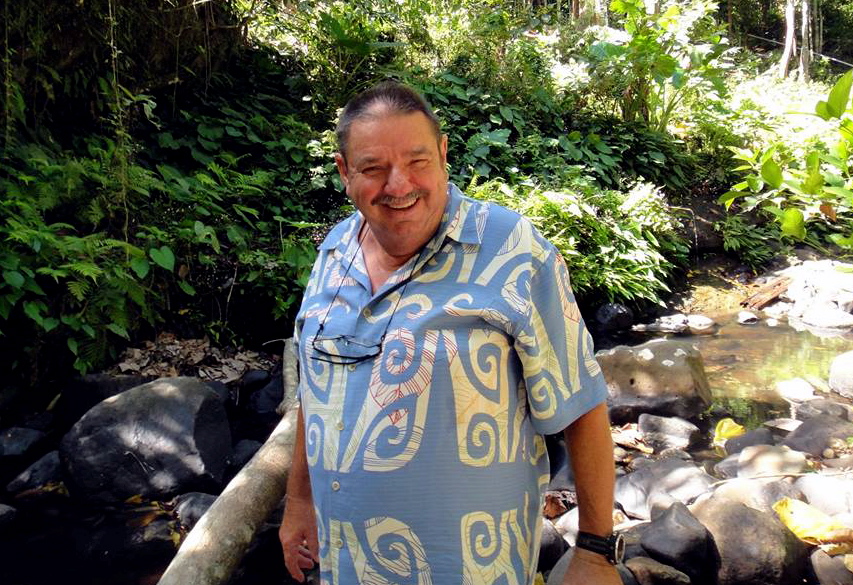
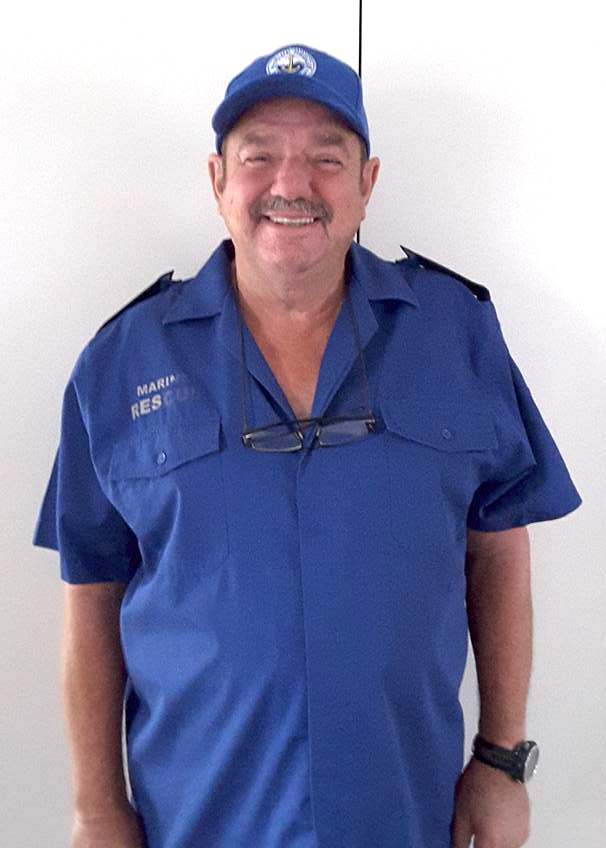
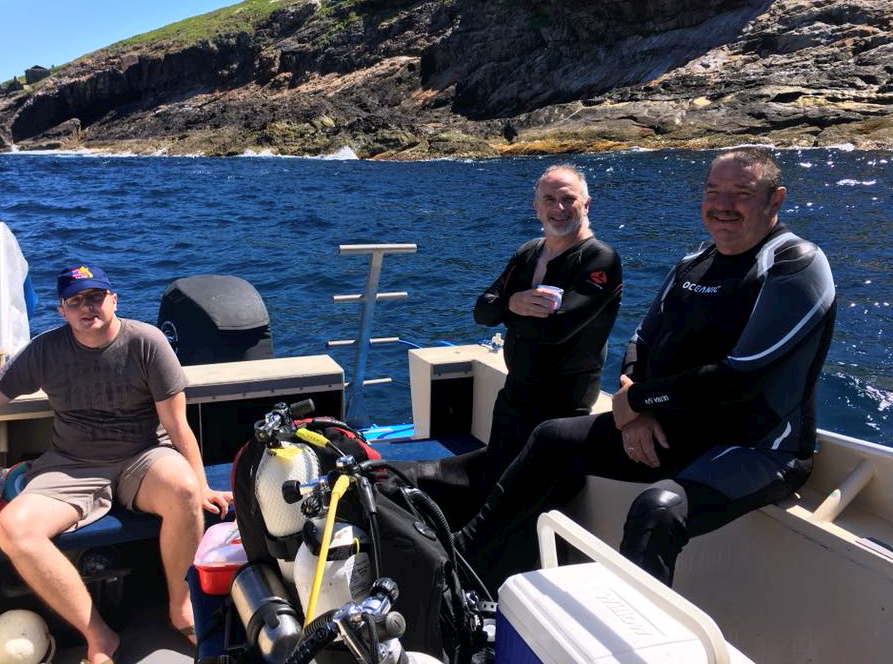
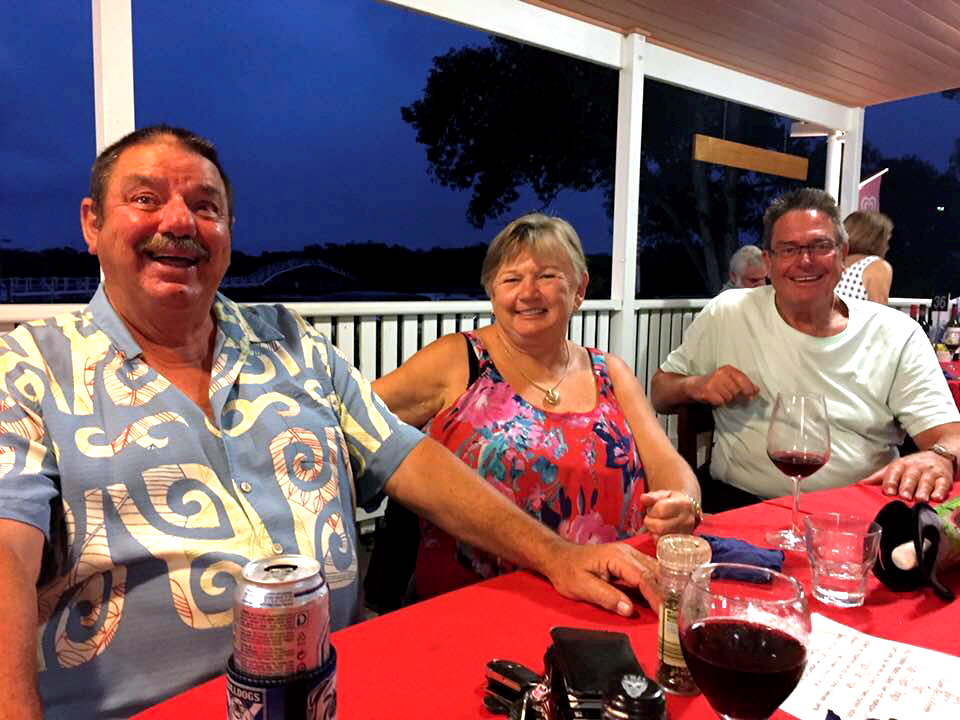
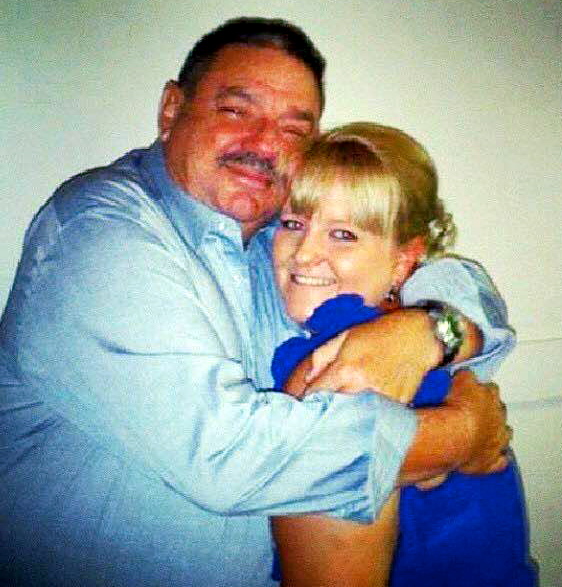
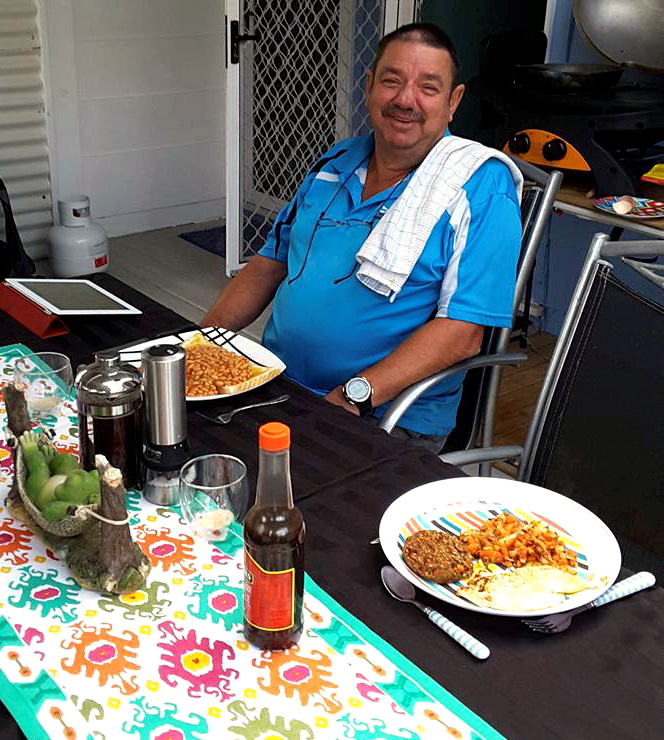
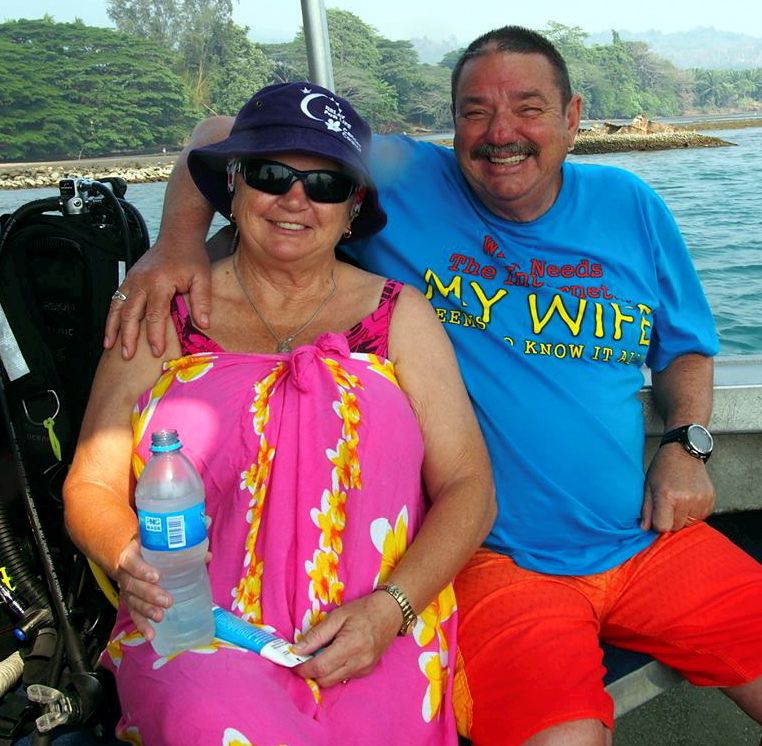
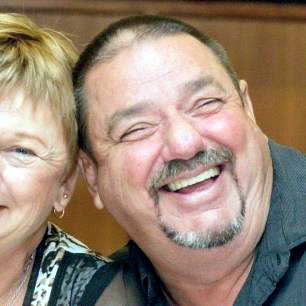
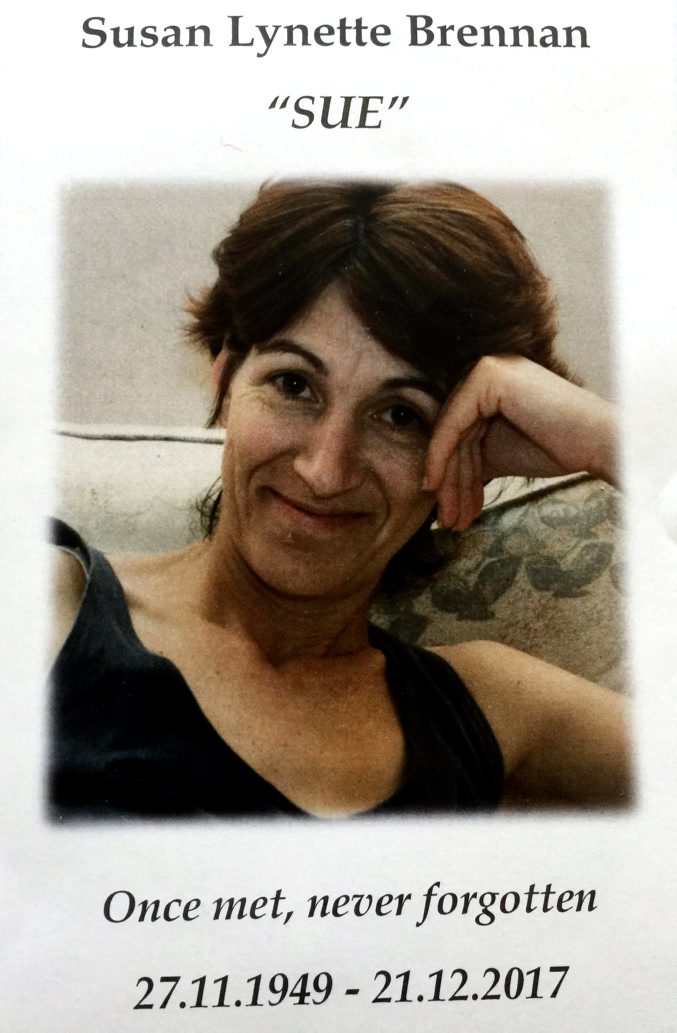
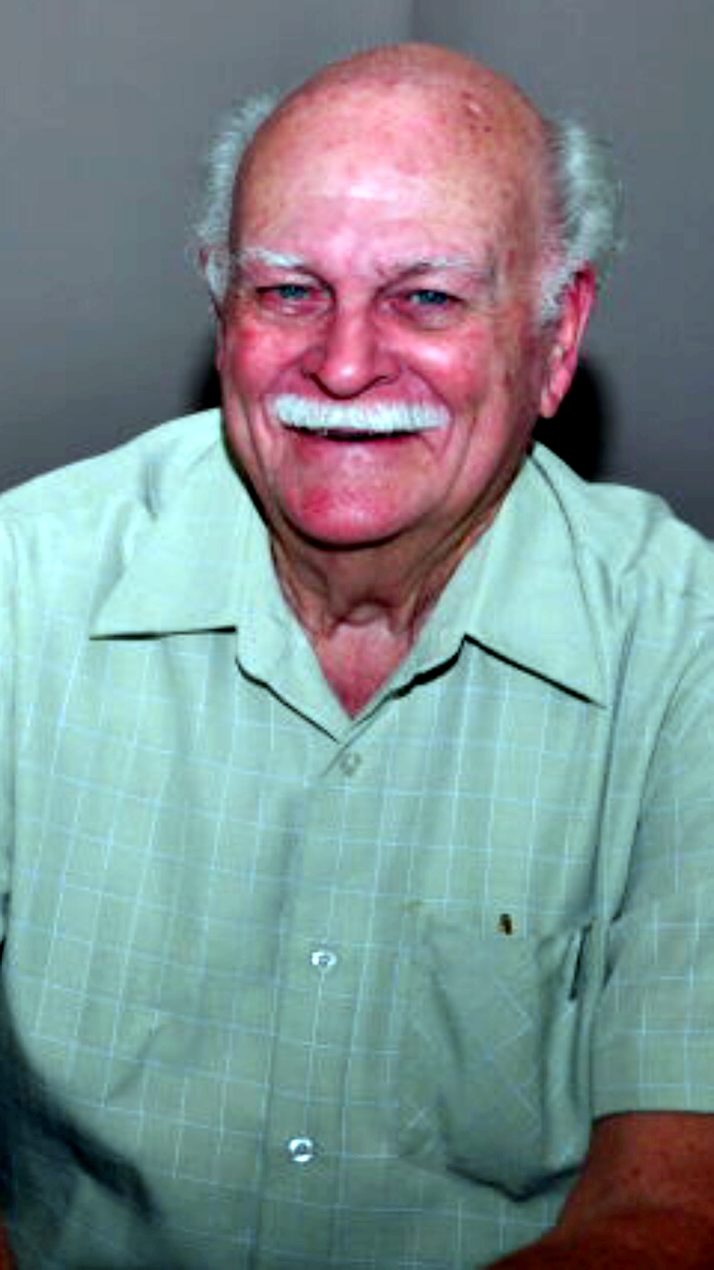
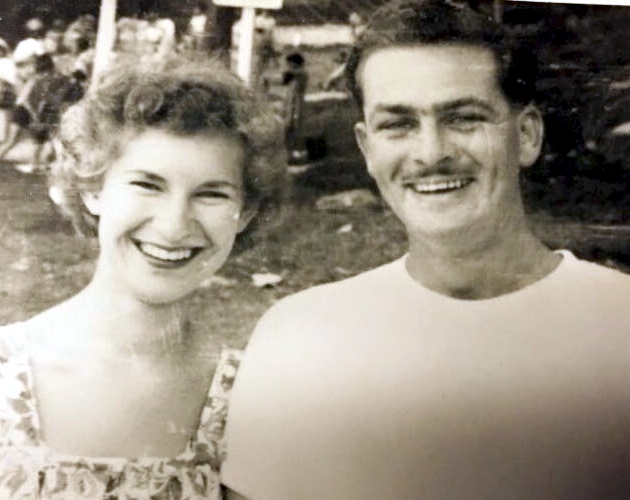
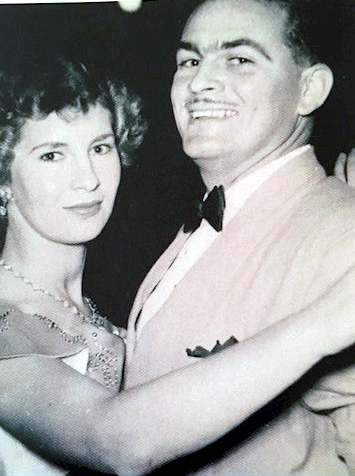
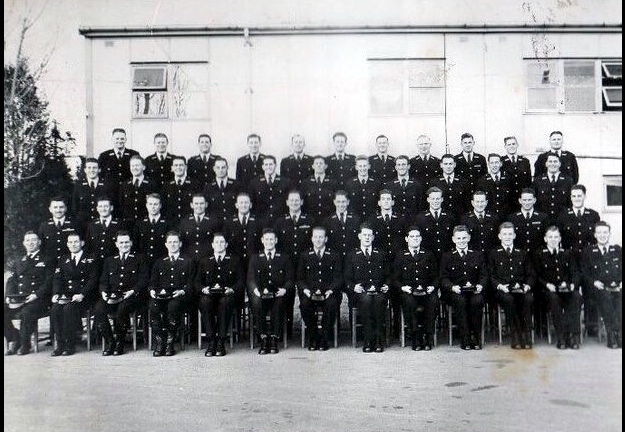
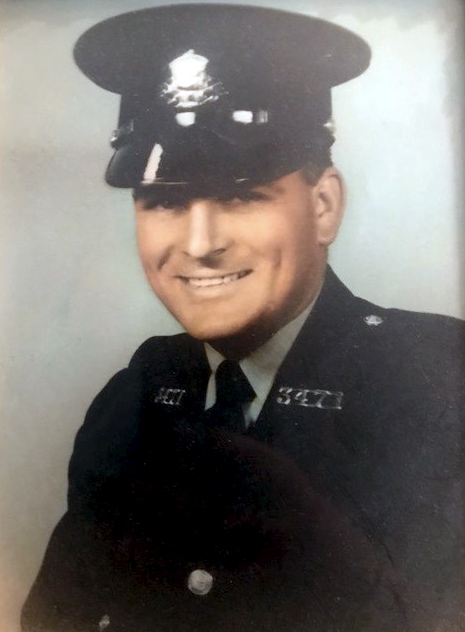
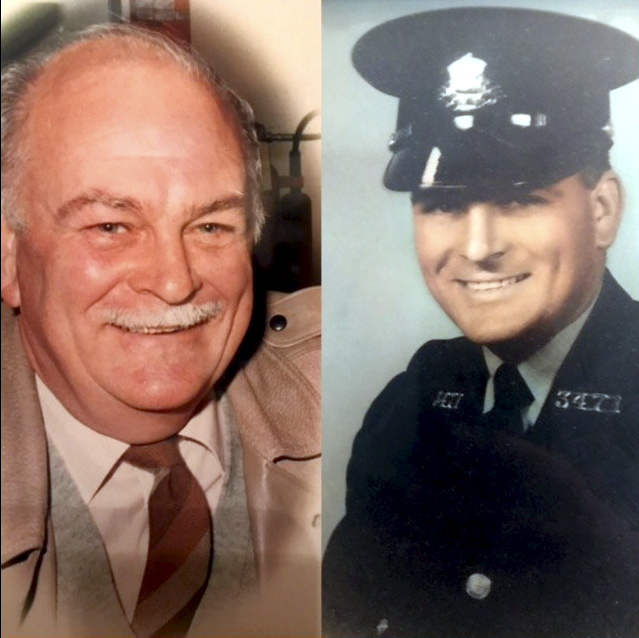
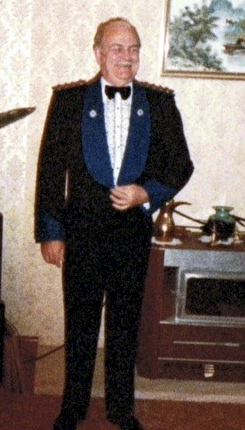
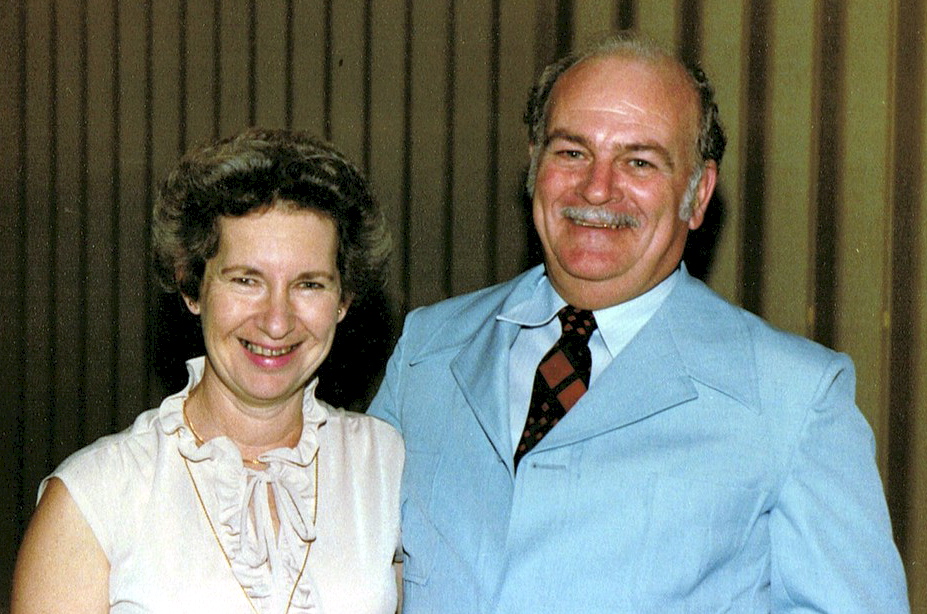
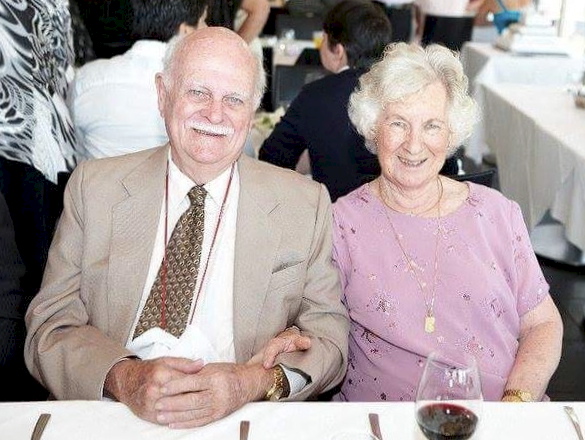
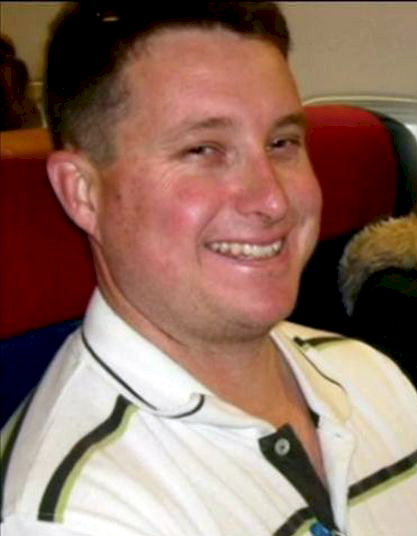
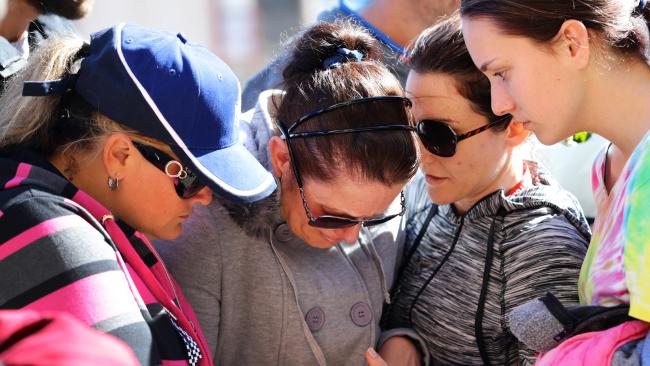
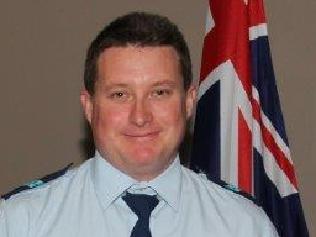
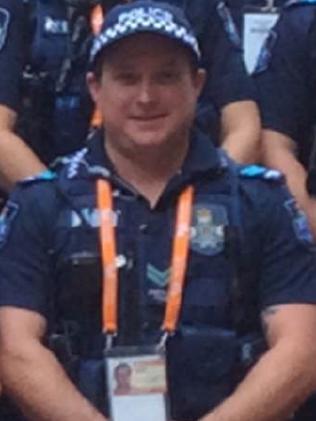
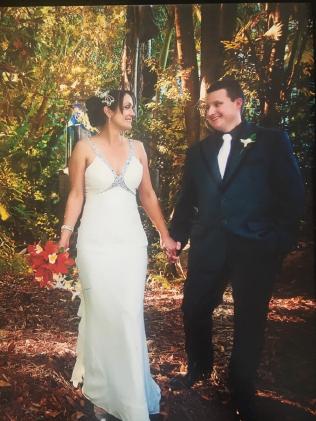
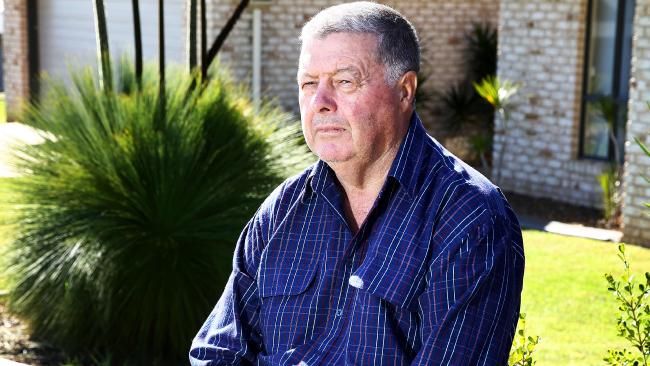
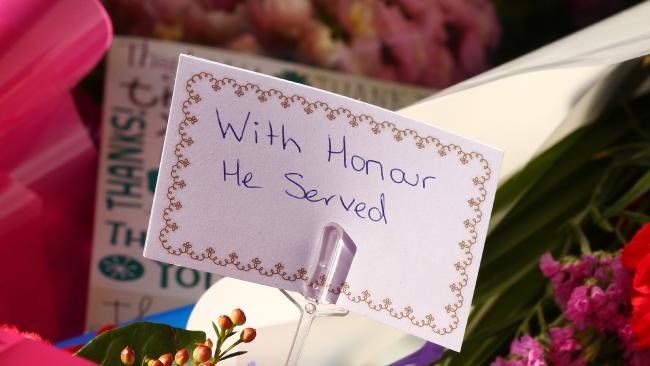
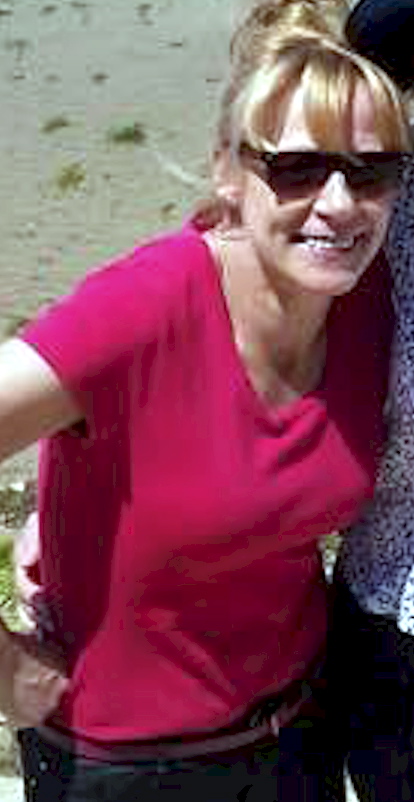
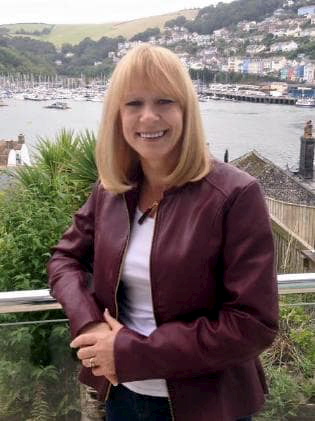
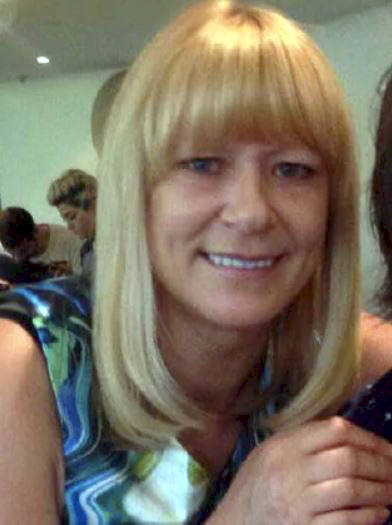
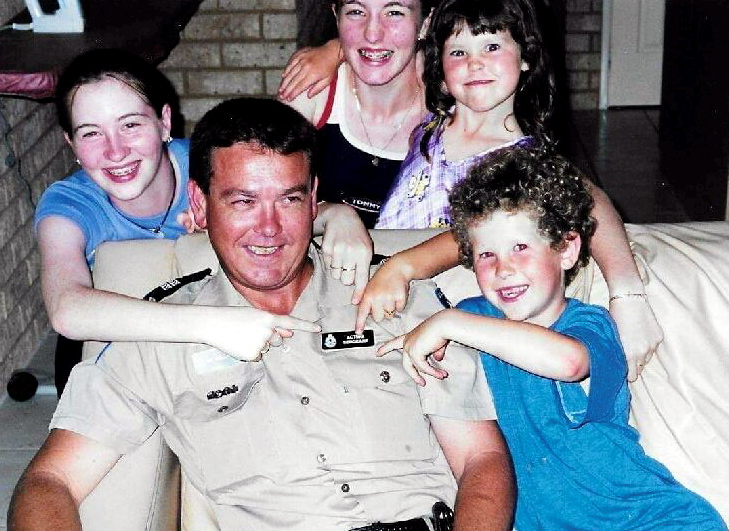
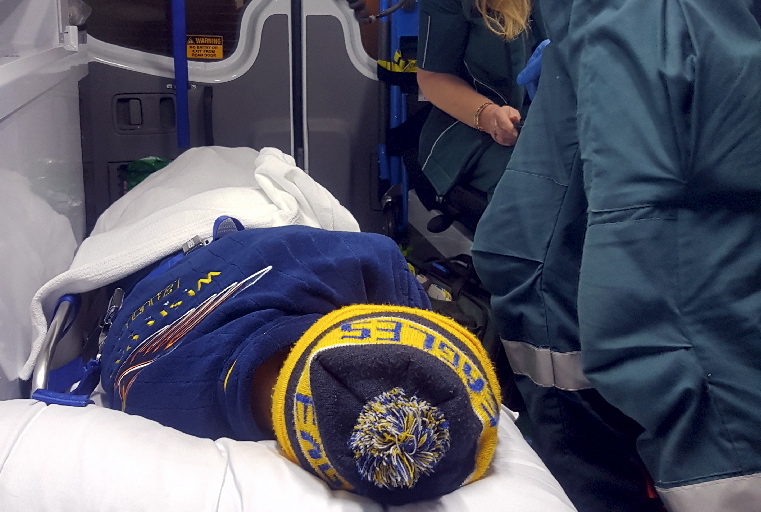
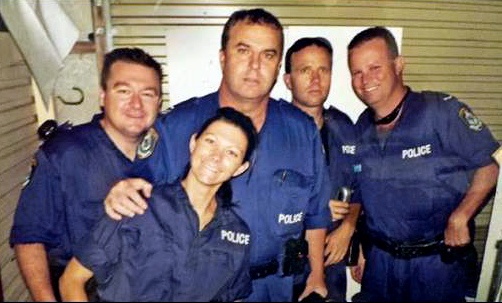
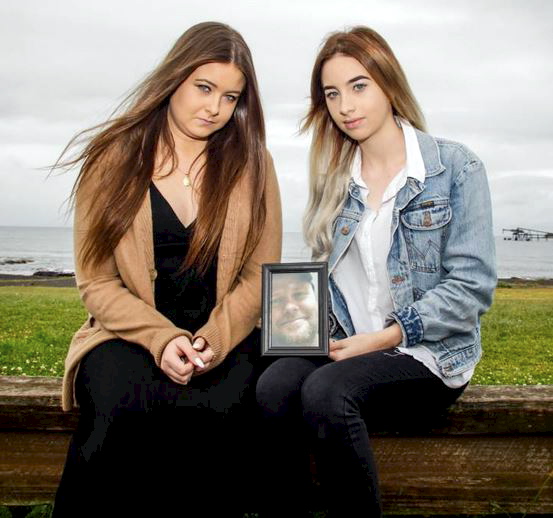
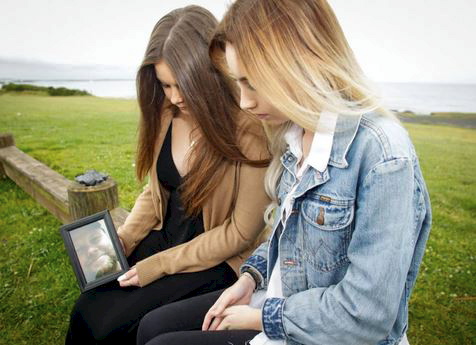
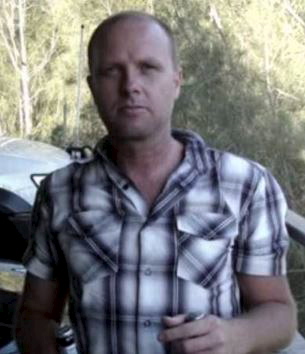
Everyone is welcome to farewell Stephen Colyer (My Dad) on Monday 19/03/2018 at 12 Midday at Walkers Crematorium and Memorial Gardens in Frederickton.
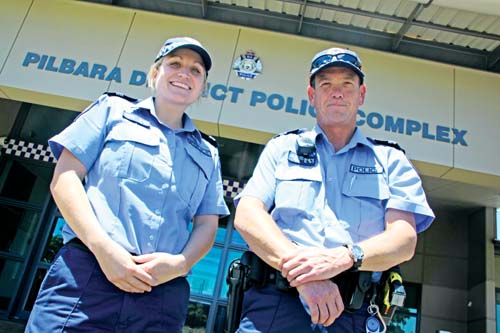
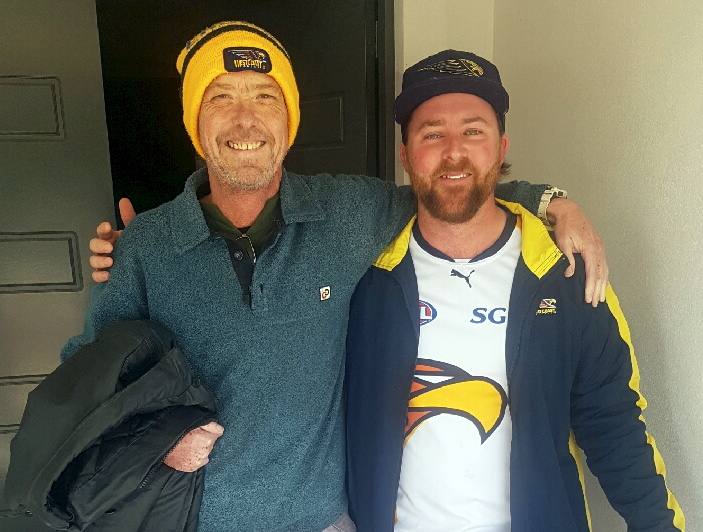
If you know Dad from The Golf club, Bowles or The Marine Rescue Annette(My Mum) and I would love you to wear your uniforms or if your a die hard Bulldog supporter like Dad wear your jerseys!
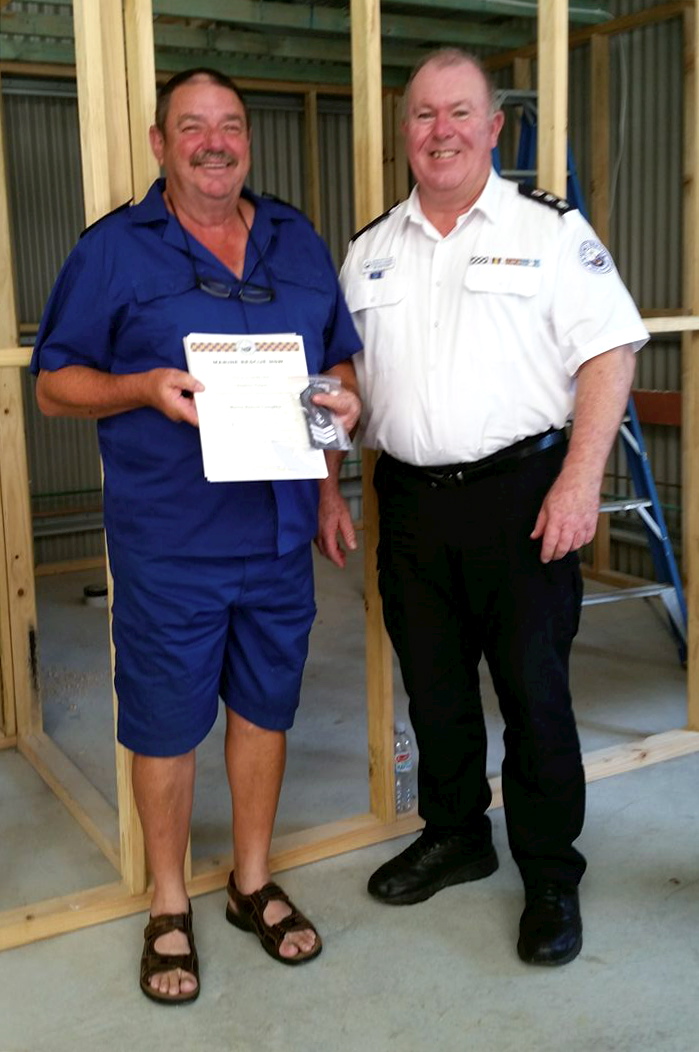
Stephen Colyer October 30, 2017 · South West Rocks · Received my Coxswain certificate from Marine Rescue today
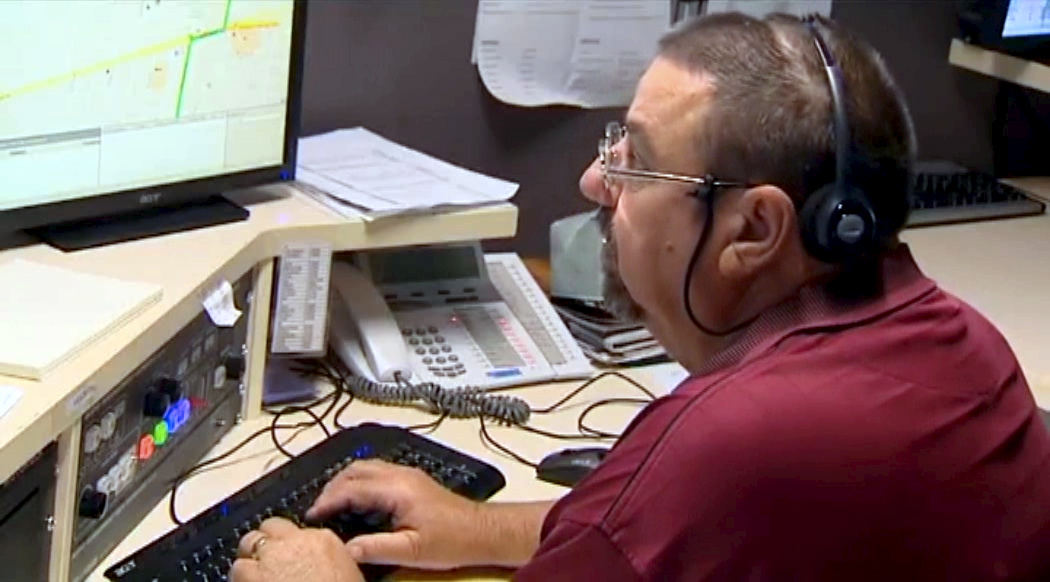
Steve at the console of VKG 2. – 5 January 2015
Stephen Colyer October 30, 2017 · South West Rocks · Received my Coxswain certificate from Marine Rescue today
Linda N Joe November 25, 2017 · A great day on the water with William Jackson Stephen Colyer. Missing Hottie…
Loraine Barnett is with Stephen Colyer and Ronald Rider. March 2 at 7:40pm ·
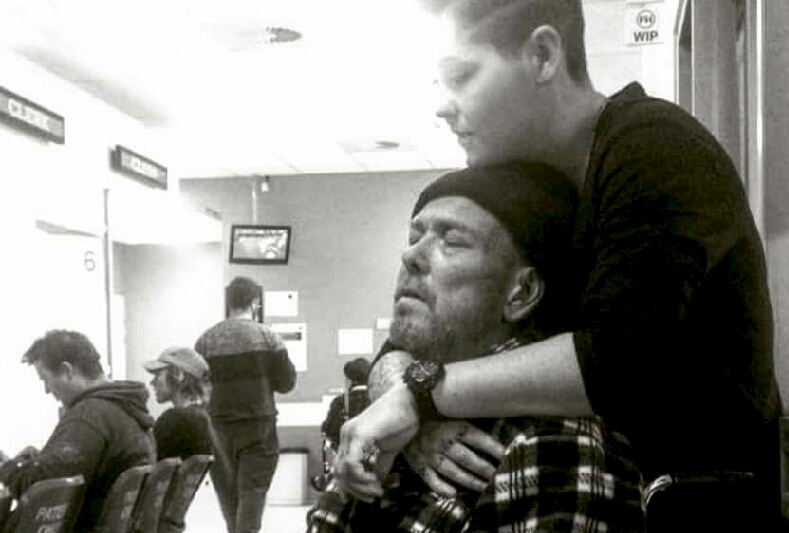
Amanda Reynolds added 4 new photos — with Stephen Colyer. March 14 at 3:44pm · Coniston · To the greatest man that’s ever walked the planet, Rest In Peace my beautiful Dad! You were taken far to soon and shocked all of us but we all will miss your amazing smile, crazy laugh and selfless personality! You’re my hero and you will never ever leave my heart xxx
Bob Sedgwick is with Stephen Colyer. March 14 at 5:40pm · Stephen Colyer you left us too early it’s a crying shame.. all our condolences to Annette and the family during this time of sadness. from the diving fraternity from Bass Point…you will be sadly missed but not forgotten……….14-03-2018. RIP Steve.
[divider_dotted]
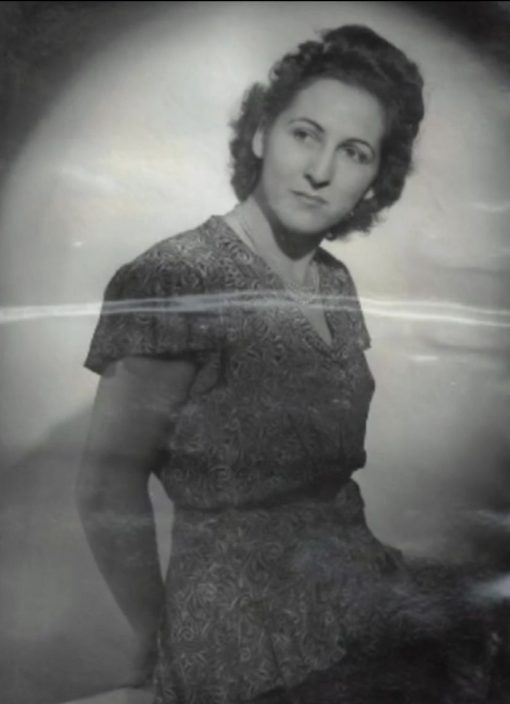
Amy Katherine TAYLOR
| 18/03/2018
Amy Katherine TAYLOR – nee MILLGATE AM, OAM
Late of Artarmon, NSW
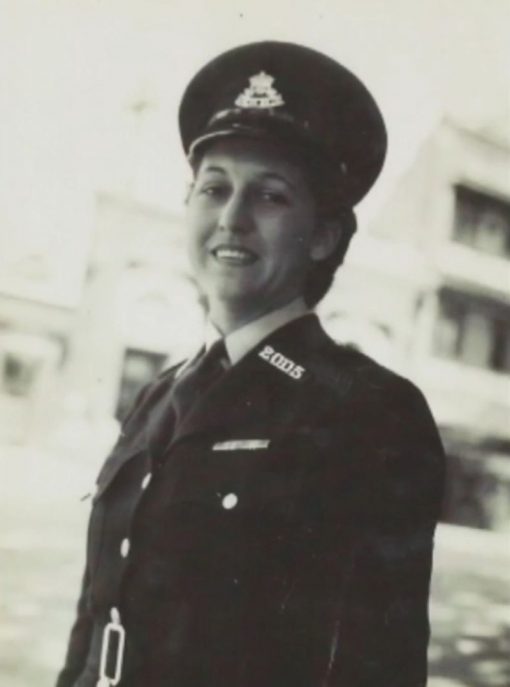
first policewoman in uniform in NSW and the youngest Policewoman to join NSW Police at this time.
Commissioner MacKay wanted women 25 and older but Amy was only 22 but, due to the fact she had served in the Army and was trained, he gave her a chance – thus being the youngest female recruit at that time.
Daughter to Det Sgt ? MILLGATE, NSWPF # ????
Wife to Bruce TAYLOR, NSWPF # ” Possibly ” 4548 – born on 2 November 1919
Sister to Clement MILLGATE, NSWPF # ????
New South Wales Police Force
Regd. # P/W 00??
Uniform # 2005
Rank: Senior Constable
Stations: ?, Traffic Branch – Resignation
Service: From? ? 1946? to 27 January 1950= 4years Service upon Resignation due to marriage.
Later became a Store Detective.
Awards: OAM – Member of the Order of Australia for service to Veterans, particularly through the Australian Women’s Army Service, and the education committee of the Australia Remembers programme. – Granted 9 June 1997
OAM – Medal of the Order of Australia for Service to the Welfare of Ex-Service Personnel – granted 26 January 1982
Born: Friday 28 December 1923 at Annandale. Attended Annandale Primary School
Died on: Sunday 28 January 2018
Age: 94 years, 1 month, 0 days
Cause: ?
Event location: ?
Event date: ?
Funeral date: Monday 5 February 2018 @ 9.15am
Funeral location: North Chapel, Northern Suburbs Memorial Gardens and Crematorium, 199 Delhi Road, NORTH RYDE
Buried at: ?
Memorial located at: ?
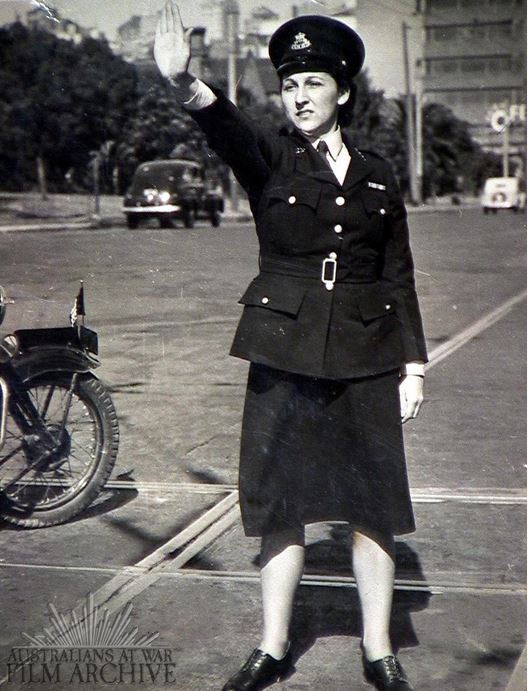
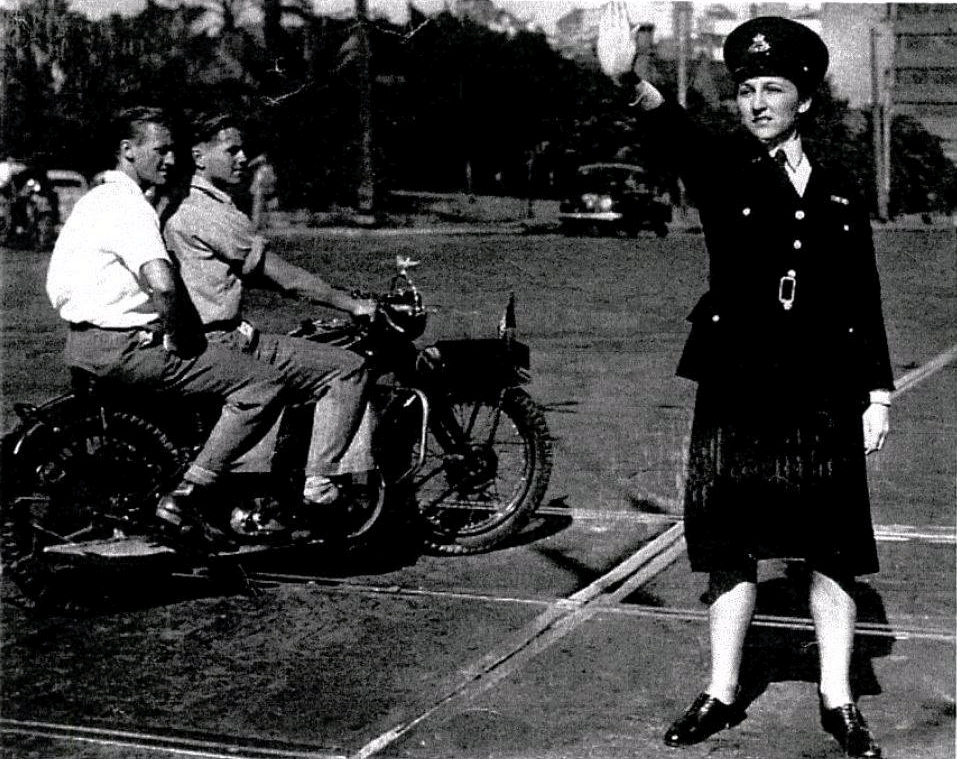
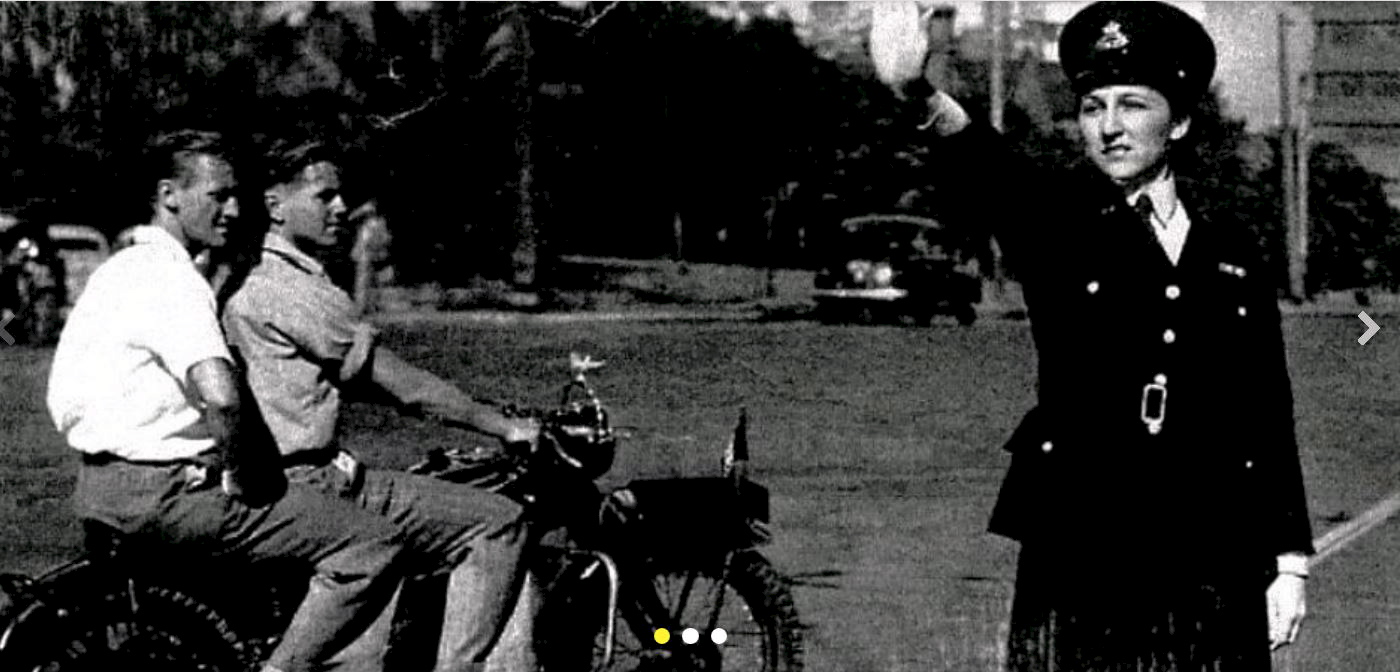
Amy TAYLOR doing Point Duty at the corner of College and Park St, Sydney
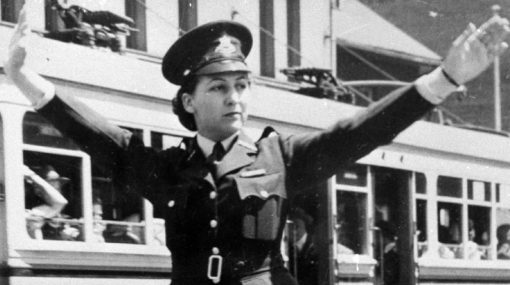
Amy MILLGATE – Directs traffic in 1948
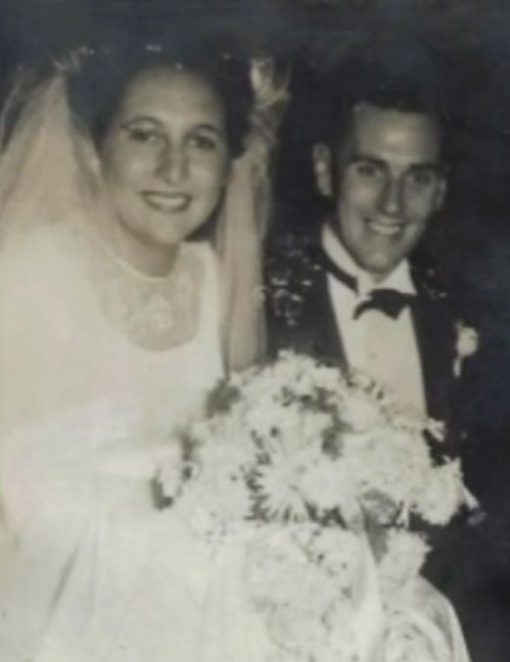
Amy MILLGATE & Bruce TAYLOR
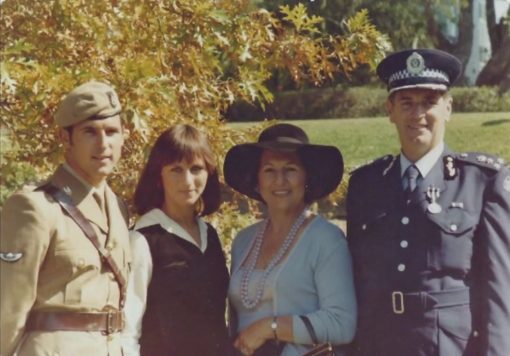
Robert TAYLOR, Jennifer TAYLOR ( Jennifer HENDERSON ), Amy TAYLOR & Bruce TAYLOR
AMY is NOT mentioned on the Police Wall of Remembrance *NEED MORE INFO
Funeral location:
FURTHER INFORMATION IS NEEDED ABOUT THIS PERSON, THEIR LIFE, THEIR CAREER AND THEIR DEATH.
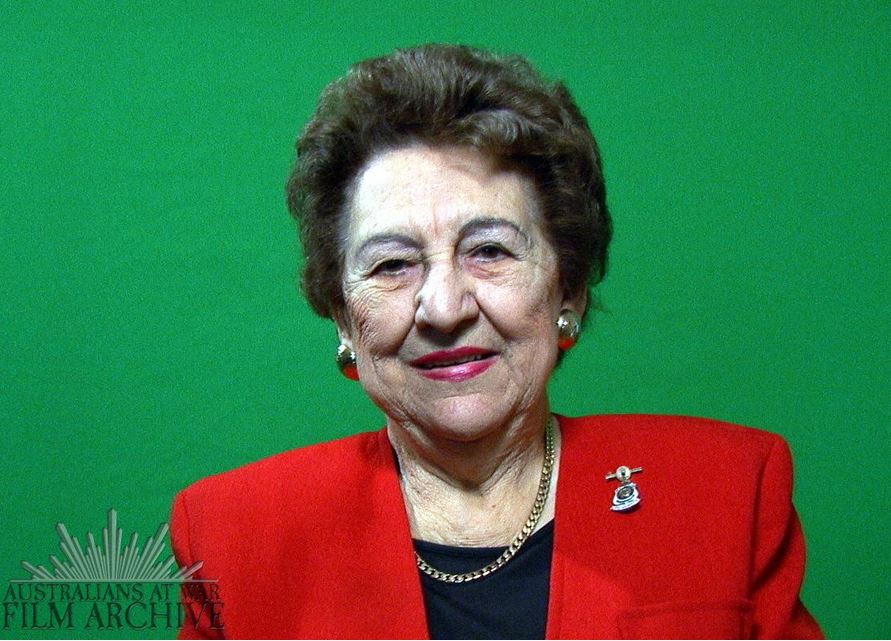
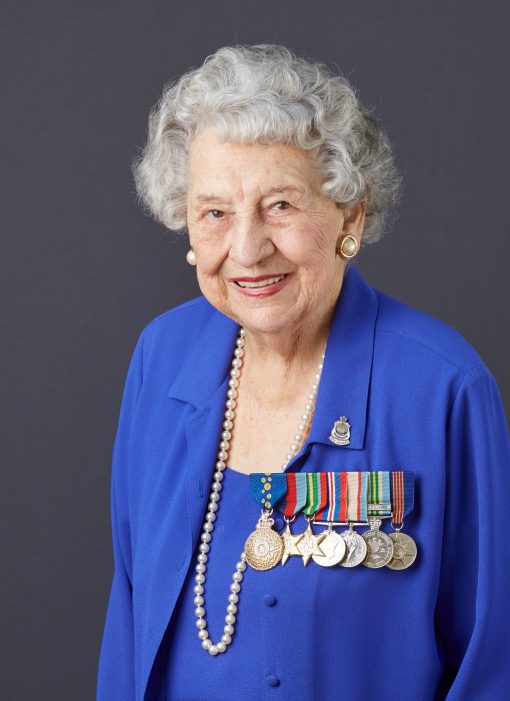
Amy Taylor was an inspiration and lead the way for women in the NSW Police Force, joining in 1946 and then becoming the first female police officer in uniform to perform traffic duties.
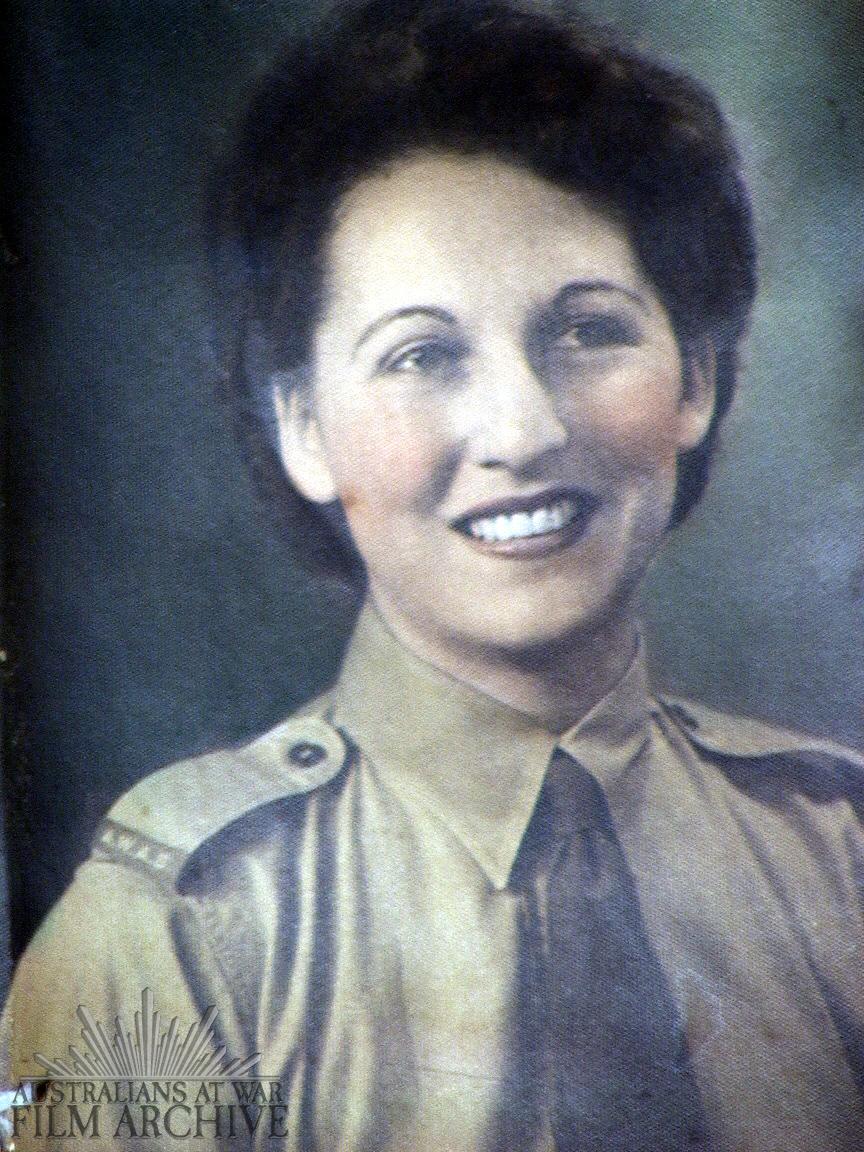
Amy Taylor was the first policewoman in uniform in NSW. She joined the Police Services in 1946, after serving four years in the Women’s Army Services, including active duty in New Guinea.
Amy was one of our oldest Legatees, and a proud and active member of our Police Family. She passed away peacefully surrounded by friends and family in January 2018.
In her own words (and inimitable style), here are a few highlights of Amy’s long and varied life.
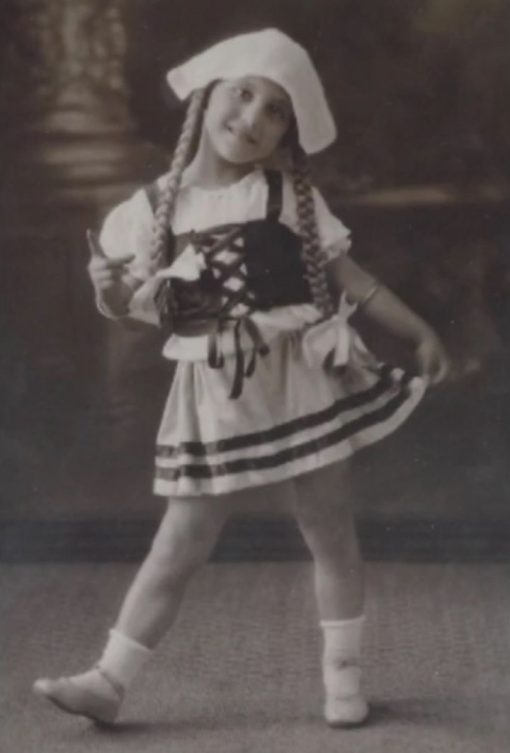
“I think it all stemmed from when I was young: I learnt to dance and performed in concerts; I sang and tap danced. I was Queen of Annandale at the age of 8. When I joined the Army I was called out to be a drill instructor. I never backed away from a challenge.
I was 16 when the war broke out. I used to go to the local school on Saturday afternoons where they held classes on air raid precautions and training in case there was an invasion. They formed the Women’s Australian National Service after that. The WANS they called it. You had to be 16 years old to join, so I joined. We learnt drill, Morse code signals and first aid.
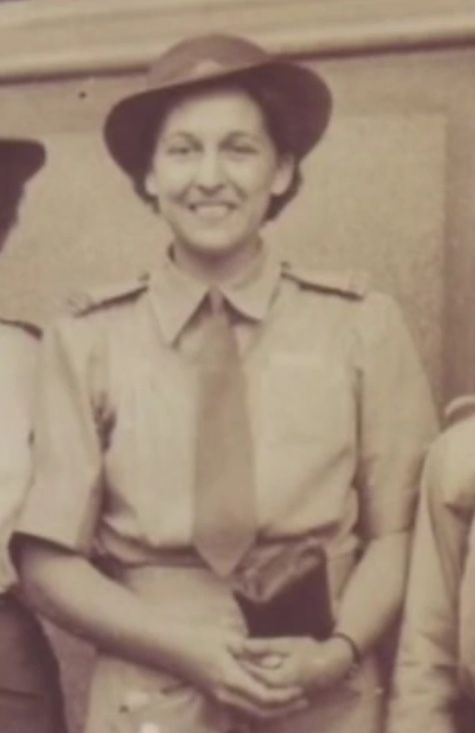
As a result of the WANS, they formed the Australian Women’s Army Service. It seemed a natural progression so I joined the Army and was sent to Killara to do the training. I was posted to the Districts Records Office as a stenographer and typist. As the war developed it was decided that there was a role for women to go to New Guinea and replace the men so they could be moved into more active areas. Needless to say, I put my hand up. You had to be 21 years of age and I was exactly that. I was sent to have a medical and they selected me because of my typing skills.
“You had to be 16 years old to join, so I joined.”
So that’s how it all happened. We got a train to Brisbane and were staged in Frazer’s Paddock. We were given a course of medicine for Malaria and had lectures on the climate in the tropics and behaving ourselves. One of the Army lecturers showed us photos of a male solider and a woman and said, You see these two, well we don’t recommend that they get together. I’ve never forgotten that.
When we left, we had a big send-off procession in the middle of Brisbane. Everyone was waving as we boarded the troop ship. When we arrived we were taken to our barracks, 71 Beauty Bum Road. They called it that after the women. I went back 20 years later and our barracks had been made into a little hotel, they showed me the sign. It was still called Beauty Bum Road.
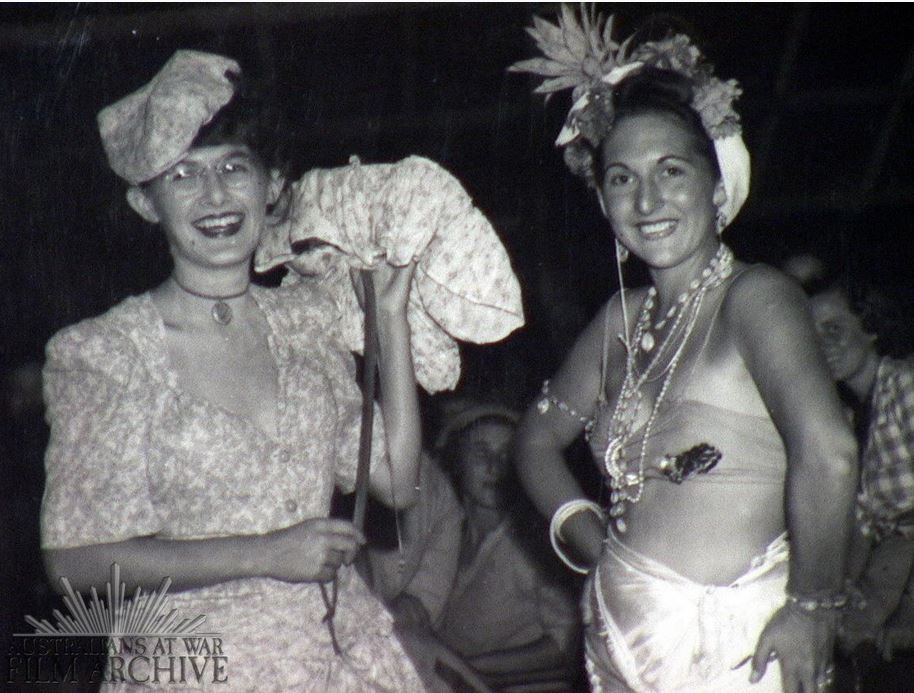
I was placed in the Quarter Masters store and was in charge of the entertainment too. I used to get all the boys in, George Wallis Judas, a comedian, and Michael Pate. We’d get a good selection of entertainment and put on a dance. The entertainment unit would send out the band, the Islanders Concert Party they called themselves. We danced the barn dance, the gypsy tap, and all those old dances. That’s where I learnt to jive too. We met the American sailors and they taught us how to jitterbug, and boy did we jitterbug!
I was 22 years old when I came back home after being discharged from the Army. My father, a Detective Sergeant in the NSW Police Force said, “And now what are you going to do?” I said I’d open a coffee shop. He suggested I meet Lillian Armfield and join the women police. I thought, “I don’t want to be a probo!” but he assured me it was nothing like that.
There were just 15 women working in the women’s unit when I started. Gladys Johnson had been in the Women’s Auxiliary Australian Air Force, another ex-service woman so we got on well. I worked in plain clothes for two years, usually with a couple of detectives to investigate child welfare.
“Well boys and girls, we are police women, and there are police men, but the police women don’t wear pants!”
I was given a partner after that. Beth Handler, a very good police woman. We used to go around Woolworths and Coles and look for shop lifters and the like. We had an indecent assault once at the Christmas Card Counters. It really was very objectionable. We got rid of those sorts of people.
I used to patrol the city and when the detectives brought someone in they’d call me down to take a statement, and I worked with the men then, but when we went to the suburbs it was just Beth and I. One day there was a request that the Commissioner wanted to see us. All 15 of us women police piled into his office and he said that he’d been talking with the London police and that they thought there was a place in Australia for women in uniform, particularly directing traffic outside of schools and also lecturing to the school assemblies.
I still had my Army tunic and skirt so I took it to the commonwealth clothing place for the tailor to have a look. I asked him to do the same in a navy blue with a shirt, collar and tie and stockings. They sent us to David Jones to buy two pairs of lace up shoes as well. So that’s how it was that Gladys Johnson and I were chosen to trial the uniform for 12 months. We used to go to Sydney High School and give lectures. Gladys and I used to go in there and say, “Well boys and girls, we are police women, and there are police men, but the police women don’t wear pants!”
In the meantime I had met Bruce. He was a prosecutor down at Central which was below the police women’s office. We used to go down there when they had a line-up so we could familiarise ourselves with the faces. One day I was down there and all of a sudden this guy comes out and I had a little moment. From then on I used to go down a quarter of an hour earlier so we could sit on the stools outside and have a chat. I called him the handsome prosecutor. He asked me to go to the Police Ball with him.
When Bruce and I married we became a part of the police family even more. I had to retire when we got married which was just the way it was back then; you were only allowed to stay in the police force if you were a widow. I wasn’t too thrilled that I had to leave the job that I loved.
“I’ve never had any regrets, just funny experiences.”
I really loved my job at the Police. I liked going on dawn patrol because we’d work with the boys from the vice squad, taking statements. Yes you had to learn the rules, and there were definitely rules. You had to have tact, common sense, and not overdo it by speaking up too much and putting your foot in it! I learnt so much. I still consider myself a part of the police family and army family as well. I got involved in the RSL and stayed in contact with so many people from all the networks and NSW Police Legacy too.
I learnt a lot from my career. Now they talk about us as women making history but I was just happy I was able to do something for my country, I was able to do something for the job that I was in and I hope that it paid off.
Bruce and I had an excellent life together. He was marvellous to put up with me. I was a sort of free spirit, very independent and he supported everything I did and I supported everything he did. He retired as Assistant Commissioner. Life is definitely what you make of it.”
In 1939 Amy Taylor joined the Women’s Australian National Service and in 1942 (aged 18 years) enlisted in the Australian Women’s Army Service (AWAS). During her service she served in both Australia and Papua New Guinea (12 months).
On discharge from the Army, Amy Taylor joined the New South Wales Police Force and served for four years (1946-1951). She pioneered the uniform branch of the Women Police and was the first woman to do traffic duty in the city in 1948.
A Foundation member of the Australian Women’s Army Service Association (NSW), formed in 1948, she has served on the committee from that date. She is currently a Life Member and State President of the Association.
From 1978, Amy Taylor served as Vice-Chairman of the Council of Ex-Servicewomen’s Associations (NSW) and State Councillor – Women’s Services – Returned & Services League of Australia NSW Branch. In this role she represented female veteran members throughout New South Wales. She became a Life Member as well as a member of both the State Executive and the State Council.
In 1994 she was appointed a Board member of the RSL Retirement Villages at Narrabeen and Yass. Amy Taylor retired in May 1999 and was appointed Life Governor.
She volunteered and served on the Commemoration Committee and was Chairman of the Education Committee for the Australia Remembers events in 1995. In January 2001, Amy Taylor co-ordinated the AWAS participants in the Centenary of Federation Parade.
Appointed to the Advisory Committee by the Australian War Memorial for the Australian Servicewomen’s Memorial, Amy Taylor is also Patron and Life Member of the Thirty Niners Association of Australia NSW Branch.
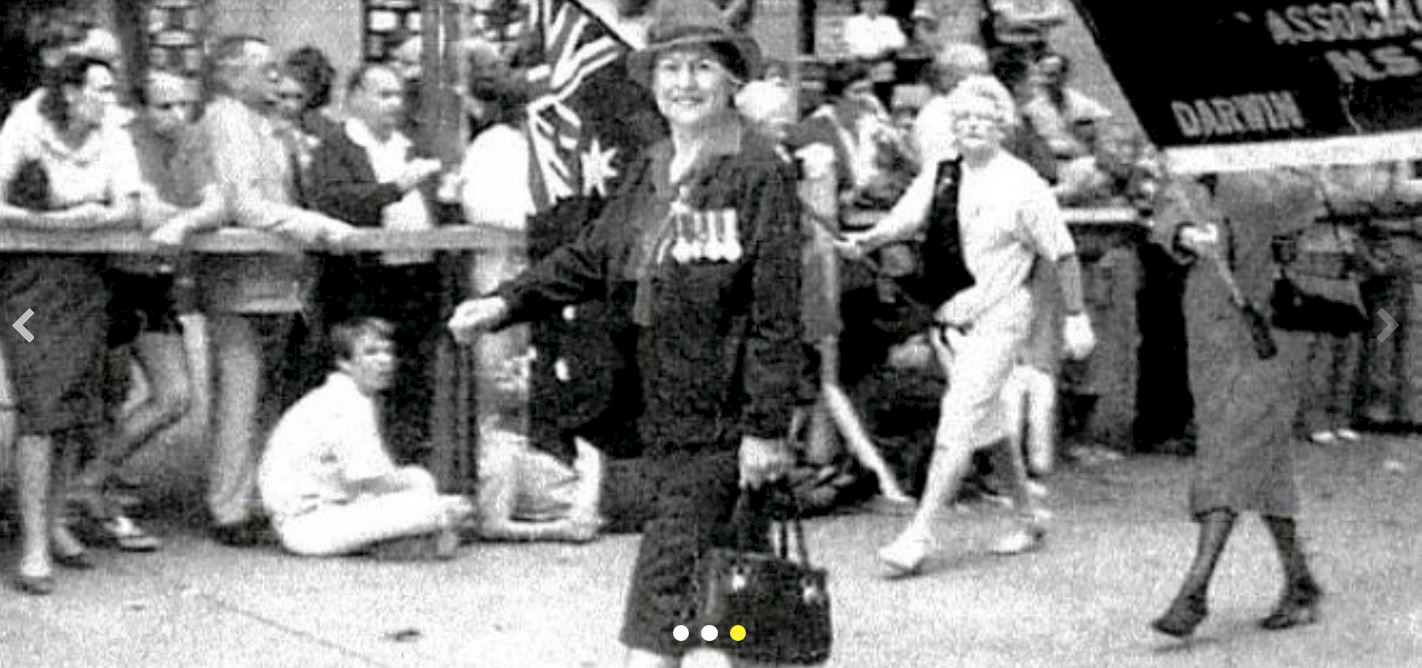
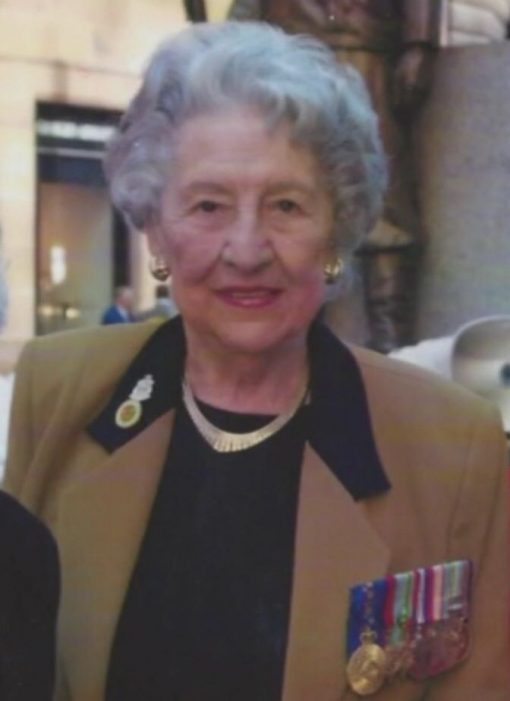
For her service during World War II, Amy Taylor was awarded the War Medal 1939/45, Australian Service Medal 1939/45, The 1939-45 Star, Pacific Star and Australia Service Medal 1945/75 with N.G. clasp. On Australia Day 1992 she was awarded the Medal of the Order of Australia (OAM) for service to the welfare of ex-service personnel. She was later (3 June 1997) appointed a Member of the Order of Australia (AM) for service to veterans, particularly through the Australian Women’s Army Service, and the Education Committee of the ‘Australia Remembers’ Programme.
In October 2002, she became a member of the working group for the “Women in War Project.”
In 2005, Amy Taylor was elected Chair of the Council of Ex-Servicewomen’s Associations.
Council of Ex-Servicewomen’s Associations (NSW) (1975 – ) Amy Taylor has been a delegate on the Council of Ex-Servicewomen’s Associations (NSW) representing Australian Women’s Army Service Association (NSW) since 1978. She was elected Vice Chair in 1981, then Chair in 2005.
Australian Servicewomen’s Memorial Appointed to the Advisory Committee of the Australian Servicewomen’s Memorial by the Australian War Memorial
Archival resources
Australian War Memorial Research Centre
Amy Taylor (neé Millgate), as a corporal in the Australian Women’s Army Service, serving in New Guinea, interviewed by Ruth Thompson for The Keith Murdoch Sound Archive of Australia in the War of 1939-45., 15 December 1989, S00758; Australian War Memorial Research Centre. Details
Published resources
Newspaper Articles
Adams, Liz, ‘Lady at arms’, Sunday life, 25 April 2004, p. 15. Details
Great, so Amy perhaps we could start off by you giving us, telling us your life story briefly?
Well I was born on the 28th December 1923 and I was born in Annandale and I went and did my primary school there and from there I, when I turned 16 war had started and I joined the Women’s Australian National Service which was then called the WANS and the idea there was to train you in Morse code, to drill and to prepare yourself for perhaps going into the forces later which did happen.
After two years I joined the Australian Women’s Army Service when I turned eighteen. And then they sent me to Killara to do my rookies training and from there I went to the District Records Office at the Showground and because I was a typist stenographer I was given the job of typing the routine orders for the troops that were going overseas, so I had three years there and doing extra training in there as well and then they asked for volunteers to go to New Guinea and by that time we’d been moved from the Showground to Grace Bros. up at Broadway.
They had to Make room at the Showground for the male troops who were going overseas so from there from Grace Bros. There were three hundred of us in Grace Bros. attached to District Records Office and they only took five to go to New Guinea so I felt very privileged because out of the whole of Australia there were only 340 of us. So then we prepared to go to the tropics and the first thing you had to do was get on a troop train at Central and then proceed to Brisbane.
We moved into a training camp at Enoggera, and then we had to learn all about the tropics, be issued with tropical gear, we had to start a course of Atebrin which was a preventative for malaria and we had certain hygiene lectures, further drilling and allocation of duties and then after six weeks we boarded the troop ship Duntroon.
I could always remember we went down in the trucks to board the ship and there were over the three hundred and forty of us and there were fifteen hundred men on board so we received a very warm welcome, as you could imagine, but of course when they knew we were going up there the general idea was to release the men to go to the more forward areas.
They were absolutely delighted because they knew that a lot of their mates were up in Lae which we were heading for, who were itching to get to the front. So after four or five days we arrived in Lae and unfortunately the wharf had been washed away. They were trying to decide how they were going to land these 350 females so they got these landing barges and you could imagine us climbing down the rope trail on the ship and then we boarded the landing barges with our kit and then we got ashore and got into trucks and they took us through to our barracks. It was rather unique, we were in seventy two AWAS barracks and they were located on Beauty Bum road. We thought that was rather funny with all the females but anyhow that was our home for the next twelve months and I was allocated to duty on the barrack staff because I indicated earlier that I would like to go into Stores. And that came from the fact that I wanted to have a shop in Civvy Street and they sort of felt well, she can get started on the stores so they called it the Quartermaster store, so I was stationed there and then the girls were allocated other duties, they went to singles, ordinance and cipher and canteens. Everybody had a job to do so then
05:00
after twelve months we found that on August 1945 that peace was declared, and so there was great excitement but we were certainly told that no you’re not going home because lets face it you just can’t knock off what you are doing, there were jobs to be completed and we didn’t come home ‘til the February the next year. But one thing I remembered very
05:30
clearly was when our Colonel came around to let some of the girls know that the word had got through that the POW were being released and some of them had husbands and brothers, and sadly some of the news wasn’t good, they found out the person had died, so the Colonel came around and I went with her and we comforted those who’d received the bad news and then we were excited for those
06:00
whose husbands were released and all their brothers. But what we didn’t know that the Colonel’s own husband, she’d got word that he’d died and yet she was very brave and she came around and looked after all of our ladies which she had that sadness herself, and I felt that was great character showing from your army training. However, later on, in the December I got tropical ear
06:30
and I had quite a time in hospital and then straight after that I got malaria so I wasn’t in very good shape over Christmas and New Year, but however you survive, you’ve got to do the best you can with what you’ve got. So then we came home, the first lot came home in January and I came home in February/March, and I decided I wanted to be discharged because
07:00
I felt I wanted to get into Civvy Street and I had this great idea of opening a shop, then I thought of a coffee shop, but then my father was a Detective Sergeant in the Police Force and he said why don’t you join the Women’s Police and I said oh God no, I don’t want to be a Provo. He said oh it’s nothing like that, he said after the experience you’ve had in your Army career I think you’d cope with this and I think you’d like it.
07:30
So eventually I filled in the papers and I was called up and I did my exams and the Colonel… the Commissioner Mackay decided that really he said, really you’re too young because I was only twenty two and you have to be twenty five to join the Women Police. But he said owing to the fact you’ve been overseas and you’ve experienced all that Army life, we’ll give you a go, so I was the youngest woman to be recruited into the Police Force. And I’ll tell you what, it was a
08:00
whole new experience. I certainly learnt a lot about human nature, people. I learnt a lot about the treatment of children, so I was in plain clothes for about two years, I worked with the Vice Squad and I worked with the Children’s Court and eventually Mr Mackay the Commissioner said he’d like a volunteer to pioneer the Uniform Branch.
08:30
Of course there were only fifteen of us in the job at the time and he said if I don’t get a volunteer I’ll delegate, and as you could appreciate having been a service woman and being used to uniform that was no trouble to me, and I had felt really I had done enough of that plain clothes work. I was looking for something different, so I volunteered to go into uniform as did one of the other ladies who was an ex WRAAF. So we
09:00
pioneered the Uniform Branch, we did that for twelve months on our own and what we had to do and what we had to do was be trained in traffic duty because the ultimate idea was to go to the schools, look after the children crossing the roads on those crossings, and then go into the schools and lecture on road safety. So Gladys and I were in uniform for twelve months and we started our traffic duty in the City and it was through a flick of a coin that I be became
09:30
the first Policewoman in uniform to direct traffic, and my first crossing was College and Park Street and that is quite a big intersection and you could imagine with me going out there and putting my hand up and hoping that they would stop, it was a great thrill to see that people actually obeyed the signals. So then we went around to every intersection and I remember going down to King and George Street and in those days the
10:00
trams were running and in King Street they had a box up on top of the pole and there was a man up there controlling the trams and he used to work in conjunction with the Police Officer, so when the Police Officer stopped the traffic so then we could let the tram through, and I can remember doing that there very clearly and who should ride up on a bicycle but Bee Myles and Bee was a colourful character so she
10:30
came over to me and she says you’d better go, you’re going to get killed stuck out here and I said don’t you worry Bee, we’ll be all right but I knew she was going to be a distraction so I just told her to go and see the nice young Constable at the next intersection, so that was a little bit of a highlight of my experience with the traffic and then it was such a success and then the Police Department recruited other women then to go into Uniform
11:00
and that’s what happens today, when you join the Police Force you go into training, you’re in Uniform and then you gradually graduate into plains clothes work. So in the meantime I had met my husband who was a prosecutor and we decided to get married. In those days you weren’t allowed to stay in the job when you got married, you had to resign, so I resigned from the job. I had four years altogether which was
11:30
quite good. So then I continued on until I had my two children and then I took on part time work I mean as a Store Detective for a couple of stores in Sydney, then I gradually went into the fashion business but then into the meantime, it was 1948 a couple of my previous army officers asked me if I’d like to join a committee which was being formed
12:00
to form an Association of the former members of the Australian Women’s Army Service so I was quite happy to do that. So we started the Association in 1948 and had the first reunion and we’ve been having them ever since, and I became elected President in 1971 and I’m still the President of the Australian Women’s Army Service. We’ve built
12:30
a wonderful membership with the Association. We have ANZAC Day reunion, we participate in the ANZAC day march, we have commemoration services not only at the Cenotaph but down at Jesse Street Gardens, we’ve built a memorial down there to honour the women that served and we’ve also formed the Council of Ex-Service Women’s Association which is Army, Navy, Airforce and Medical
13:00
which helps to approach government to improve conditions for veterans and also I joined the R.S.L. when I came back from overseas and along the way I became Vice President of the Sub-Branch. I belonged to the combined services in Barrack Street. I gave my service there and was made a life member. Then I was elected to be the Women’s Services State Counsellor twelve years ago at Headquarters
13:30
and that’s a position I still hold. We still continue looking after our female veterans and particularly in 2003 we’re finding that the ladies the majority are eighty plus, they are really needing care, we are really needing to keep them motivated, keep them interested because I feel that gives them a little bit more longevity of life.
14:00
Wow,
I’ve skimmed on it.
That’s exactly what we wanted. Ok, so now we’ll go right back to the beginning. Can you tell me a bit about your childhood.
As I said I was born in Annandale and I lived next door to Paul Keating’s father, Matt Keating
14:30
and he had a brother Jack and we were great great friends and it was during that time I learnt the piano and Jack was trying to learn the piano, then I learnt dancing and I belonged to the Story Dancing School and went into various competitions for tap dancing, and then I went into the Queen of Annandale competition and
15:00
I won that. I think this where it all started because I think by going on the stage that’s where you learn the confidence and then I joined the Women’s Australian National Service which brought us up into the war time. I found that quite interesting because we went out on camps and we, it was just like the Girl Guide movement ‘cause we had the Girl Guide officers
15:30
showing us certain things to do as well as the Army boys came out to teach us to drill. So we really prepared ourselves for war. I was the eldest of six children, three brothers and two sisters and we all grew up together and then we moved to Five Dock and it was actually in Five Dock that I was living when I joined the Army.
16:00
So being the eldest I was the only one old enough to join the Army you see but later on in life my brothers joined the Army and I found that quite interesting to have members of the family in the Services as well. I’m lost now.
Tell me a bit about your parents?
Oh Dad was a country boy, he came from Peak Hill.
16:30
He was the first boy born on the platinum fields, and he was in the Police Force. He joined as a Constable. He came from a big family, of course my maiden name was Middlegate and then Mum was an only child so Mum and Dad got married and my mother’s mother, my Grandmother, she was the local midwife at Annandale
17:00
and that’s how I got to know the Keatings and everybody in Annandale. We all lived together, like Mum and Dad even when they got married and even when she had children we all lived together for many years. Until we moved to Five Dock, and then Mum and Dad, they lived in 36 Garphill Street and then Granny and my Grandfather and I, we moved into 34 because Mummy, Mum having all these children
17:30
my Grandmother decided to take care of me, so I lived with my Grandmother and I did with her for the rest of the time until I got married.
So you were obviously very close to your Grandmother.
Yes. Yes. Very much so, my grandparents reared me and I’m very grateful for that but I still had the guidance of my father next door, particularly when he was pleased when I joined the Police Department and he felt he had a partner in crime as you might say,
18:00
but you know Dad had a good career, he was a Detective Sergeant, he was on the Motor Squad and he went to Burwood Police Station so he had a very good career, but he worked very long hours. In those days they didn’t sort of have a shift, they worked ‘till they finished the job and I always remember that because when my husband was in the Police Force I sort of said to him I hope you’re not going to be like my Father and not, never come home.
18:30
But that soon sorted itself out.
What was it like living through the Depression?
Well, I didn’t find it a great inconvenience but I can always remember, I remember my Mother and my Grandmother boiling the copper for the clothes. We didn’t have fridges in those days. I remember having a square square box with mesh and you put your meat in,
19:00
things like that. You had to, you had to, you accepted what came but I never sort of thought it was any different, it was just there, and I had what I had to do but I can’t remember a great deal. I can remember the coupon, the rationing and then my parents and my Grandmother had me go to the shop with coupons to buy things or if you wanted to
19:30
buy clothes, particularly when I was in the Army one of my friends was getting married and we had to sort of double up on our coupons to get the material to buy the bridesmaid’s dress. Little things like that but I didn’t feel, I don’t think I really suffered too well, too much; my Granny looked after me very well.
Did you witness other families suffering during the Depression?
20:00
Well, you’d see the odd family where I sort of felt the children weren’t getting the food and they weren’t dressed as well as they should be because a lot of the, in those days they’d say oh we’re on the dole but you know, keep in mind I had a father who had a good job. So we did pretty well and my Grandfather was a chef at David Jones. So, we were well provided for.
20:30
So would your Grandfather bring home goodies from D.J.’s?
No, no. I can always remember my Grandfather coming home smelling of fish because he, cooking in the kitchen he always smelt of food and no, I don’t recall anything like that but I do know that he cooked some great meals.
So, I’m just curious, did your Grandma cook at home or did your Grandfather cook at home?
My Grandpa did most of the cooking. I can remember my Grandfather
21:00
making Christmas puddings and boiling them up in the copper and he would make Christmas cakes and with my Grandmother being a midwife we had a local doctor that she worked with, a Dr Aminetti, and I can always remember my Grandmother saying we have to make a pudding for Dr and we have to make him a Christmas cake and that was a ritual. I remember my Grandfather as really being the cook in the place.
21:30
Good role reversal…
Yes.
Tell me a bit about your schooling?
Annandale, South Annandale School in Annan… that’s where I started school and strangely enough my husband was in the same school but he was four years ahead of me. I can remember going to school there, but what I remember more about schooling is my Grandmother had a house at Ettalong Beach, Woy Woy and we used to go up there for weekends and she
22:00
decided that she wanted to live up there because they offered her the midwife job in the area so I moved up there with her and I went to school at Ettalong Beach Public School and I, when I finished my primary I went to Gosford Girls High School and not really girls, it was a mixed school, but I can remember some of the highlights were I were very good at athletics and they used to pick a team to go into the
22:30
Sydney Sports Carnival and that’s when I would get to be able to see my Mum and Dad, when I came down or you know Mum and Dad came up for weekends. But I had very enjoyable high school at Gosford, that was really good and, and then because I was getting up into the school, they call it the intermediate certificate I didn’t want to go on to
23:00
Leaving as they call it because I wanted to be a stenographer, so my Grandmother thought it would be better for us to go back to Sydney and she enrolled me into the Metropolitan Business College and I went there fulltime for twelve months because I wanted to pursue that office career. So we moved back down with Mum and Dad and the rest of the family and I did my training and then I
23:30
went out and got a couple of jobs as a stenographer and I finished up in Sydney Snows and learnt the book-keeping machine, and from Sydney Snows I went out to a timber factory at Rosebery and I hadn’t got there very long when my call up came. I’d already put my papers in to join the Army and the word got through that I was accepted, that I had to go in and have my medical. It was from that job that I left to go into the Army
24:00
and we were still living at Five Dock at the time, so I did my rookies at Killara and continued with my Army career from there.
Tell me more about the Business College that you went to. What did they teach you there?
I did shorthand, typing, English, book-keeping. They really were very very strict on
24:30
your shorthand and your typing. I was very keen on it so I, I did very well with those subjects. So I went there fulltime for twelve months, then when you finished you graduated, you went out to get a job.
In what ways were they strict?
Well we had a lot of homework to do. We had a lot of tests. Half, half good was not good enough, you had to do
25:00
a hundred percent. I felt the Metropolitan Business College was a great training ground for anybody going into the business world, and as a result my husband had been, he’d done his twelve months there. I sent my son and my daughter, they did training there and the wonderful thing about learning typing, you never lose it. And whatever job you do, it’s very handy to be a typist, and my
25:30
son joined the Police Force so the typing was wonderful. He needed that for his reports. My daughter, she got jobs in offices and then she ended up a hostess with Ansett and then went on the ground staff at Qantas so the Metropolitan Business College played a big part in all of our lives, it was really great.
Amy, I’m wondering whether you had any contact with anyone who’d been involved in World War I
26:00
during your childhood?
No. No I don’t recall. I don’t recall the World War I’s at all. I just knew that soldiers had been to war in World War I. I don’t recall ever meeting anybody from WWI. I’ve met WWI veterans in the last twelve years than I’ve ever met in my life.
26:30
So I’m interest in what was involved in becoming Miss Annandale?
Oh that, that was a, that was a competition and it was really raising funds and I can’t remember for what charity, but the idea was raising money for this charity and then the entrants, we had to parade in
27:00
our little white dresses, and, and I won it but I was only seven, so you can see, I didn’t remember a lot.
So you can’t remember what you did to win?
No, I can’t remember what I did to win. My Grandmother looked after all of that.
That’s great. OK, so, we’ll move on now. Where were you when war broke out.
I, I was living in Annandale
27:30
and at that time I was working, I remember working out at Rosebery at the timber factory as a, in the office and then I heard about the, the WANS and… I heard about the WANS when I was working with Cindy Snows and I remember now because they were the ones who were selling, you had to buy your uniform
28:00
and they had the uniforms on display and that’s when I first heard about it, and when I was, see, you had to be sixteen so I was able to join the WANS and then my Grandmother purchased my uniform so that I could go and participate. It was sort of the ground breaking area of going into the Services.
So when war did break out how did that affect you?
28:30
Well, it was rather frightening because we went through all this blackout, we had, of course you had the shelling on Sydney and I can remember us going practising the air raids. I can remember us walking down the street and we had to assemble somewhere, that’s about as much as I can remember.
29:00
It was just, it was a situation where you automatically wanted to be of assistance and wanted to help your country, so I just followed through because I had girlfriends and we all decided well, well we wanted to join the Army. Whereas some of the other girls joined the Air Force or the Navy because the Air Force were established first, the Women’s Australians in the Air Force, then the Women’s Royal Australian Naval
29:30
Service was second, and then the Australian Women’s Army Service was formed in August ’41. So it was an automatic thing, to go from the WANS, as soon as it was available, to go into the Army.
Was a lot of it about Empire, King and Country?
Oh I think so, yes, because when you’re at school, when you assembled, you salute the flag, you honour your King, the King
30:00
and your country and we were very patriotic because we used to have Empire Day and all of those ceremonies at school and, and it was the school training in those things that made you very much aware, and I guess people are talking to you and telling you about those things.
Did you feel that you were more of an Australian Citizen or a citizen of the Empire.
30:30
What, what was your take on that?
Well I, I’ve always, it’s always been Australian citizen for me. Australia was my country and I’ve always felt I was an Australian citizen but I was always very much aware of the Royal family and we knew that we were part of the Commonwealth, ‘cause we learnt that in school. I think the emphasis on being a true Australian
31:00
was the thing that we were always aware of.
Tell me more about the WANS. What did you do?
Well in the WANS, first of all we had to learn to drill, so that’s when the Army sergeants would come up and line us up and we’d learn the right turn and how to halt and how to get up, how to form up in threes and march and parade so that was one segment of it. Then we had the, I can always remember
31:30
Miss Eleanor Manning, she eventually became Major Manning in the Army but she was a Commissioner in the Girl Guides and she came out and she trained us in drill and it was mostly flag drill because in those days it was hand signalling, the Morse code was being used so we were learning Morse code and signalling and we also learn air raid
32:00
precautions, we learnt about gas masks and first aid, you definitely had to get your first aid certificate, that was very important. That’s about all I can remember about the WANS.
Can you go into a bit more detail about the drills, the drill?
Well, the drill is sort of keeping everybody in order. It’s important
32:30
if you want to move a body of people, you’ve got to move them in an orderly fashion and the best way to do it was to line them up in threes, and then you had to learn to march so that you’d have your left and your right, left, right and you’d swing your arms accordingly and then you’d have to learn how to halt and you had to halt altogether. And there was a certain ruling, you know, he’d give the order on the left foot so you would all halt together and then wheeling and
33:00
forming up into a platoon to see, I didn’t know what a platoon was and the Army taught us. It was, a platoon is a body of so many soldiers and then you had parades and so that when you have a march past it you have a saluting base with a Senior Officer or dignitary you had to learn to march past and then you had to do the eyes right and if you had a rank you learn how to salute.
33:30
On a march past you had to learn to salute because if ever you met an officer you had to salute them so that was all part of the drill.
And how often did you go WANS. Go?
I went one night a week and Saturday afternoons. I did that all the time.
And were many of your friends doing this as well?
Yes, I had, I had two or three friends and we all joined the WANS together
34:00
we went to Leichhardt School and actually it was only this last ANZAC day that I met one of those friends and it was really lovely. She had joined the Army as well and it was really nice to sort of pick up the threads again. Yes you did, you did have your friends there, but you also made a lot of other friends. You met a lot of girls that you didn’t know and there were quite a big number of us there, there would have been, you know, one to two hundred.
34:30
And can you, you mentioned a uniform. Can you describe the uniform of the WANS?
The uniform was teal blue, I can remember the teal blue and it was very similar to my Army uniform but I don’t recall it, as a matter of fact there’s a photograph of it and we wore a cap. It was a cap with a WANS badge on the front and we also carried gloves, so it was a skirt and
35:00
jacket and it was very smart and attractive.
Just before we move on to enlistment in the Army, can you tell me what, just give me a general feel of what Sydney was like at this time?
Sydney was very different to what it is today. As I said before
35:30
Sydney had the trams. We had all those wonderful historical buildings, you know, the grand Town Hall, wonderful GPO at Martin Place, we had St Andrews Cathedrals, all of those places were places I remember and why I remember because if you were going out on a date you’d meet your boyfriend on the Town Hall steps or Woolworth’s corner opposite the Town Hall.
36:00
They were spots that people remembered or you met people at Wynyard or the GPO, but of course you had the old cars in those days, the old Fords. The vehicles were different and it wasn’t as fast as it is today. I find that Sydney today everybody is in a hurry. In my day we sort of moved around in a nice even pace and
36:30
we had all those lovely shops like Farmers and Anthony Horden’s. There’s another, a shop I’ll always remember. I can always remember the slogan with the tree, “while I live, I’ll grow”, and with Anthony Horden’s, ironically when we formed the Association we ended up, we had a reunion there one year, in the Aranda room, because Anthony Horden’s was a well known spot.
37:00
So what else did you do for entertainment during this time?
I think the entertainment that was most popular was to go dancing. We used to, we used to love to go dancing, the barn dance, the gypsy tap, all of that, the progressive barn dance particularly and we used to always go to the Sydney Trocadero so it was not uncommon to hear us say “Where are you going tonight”.. “oh, we’re going trucking at the Troc” and
37:30
all the service men and women used to go to the Trocadero or we’d go to Surryville, Ivy dance hall there. Also we used to go down to, they formed the Australian Women’s Weekly Club in David Jones in George Street and that was a place where you had a lovely lounge area where you could meet your friends. They had accommodation where you could stay and they had the dances and the same thing happened up at St Andrews Cathedral
38:00
next door in the hut next door, they had accommodation, or you’d go to the movies. The movies in those days was always a popular place to go, where you met your partner, so I’d say it was movies and dancing and another place I rather enjoyed, it was on the Show Boat that we used to go of a Saturday night to Circular Quay and that was dancing
38:30
on the Show Boat and later on they had entertainment, so I think we did very well for our entertainment. It was good entertainment or if you wanted to go swimming, go out to Bondi Beach, those sort of places. I think we did very well in our age group for the entertainment.
Sounds like a lot of fun!
Absolutely, we thoroughly enjoyed it.
Part 2/6
00:32
Looking back at Annandale for a moment, Annandale, could you describe it as a community, was it a cohesive community?
Oh yeah, Annandale was very good. Yes, a lovely community and I think particularly with my Grandma being the midwife we got to know more people than usual, so to me it was a very friendly, very open and very nice suburb to live in and there was lots of nice
01:00
activities there. Of course I was only very young but because my Grandmother had arranged for me to learn the dancing, that’s how I got involved in going to enter this competition for Miss Annandale although I was only very young but I think the dancing training is something that stuck by me for the rest of my life.
01:30
Looking now at outbreak of war. I don’t know that we’ve dealt with outbreak of war in terms of the announcement. Did you hear Mr Menzies speech at the time of the outbreak of war?
Well that would have been on radio in those times. Look I can only recall my parents saying “oh we’re at war” and then I was very conscious of the air raid precautions
02:00
we had to go through the blackouts, then we started to go through the rationing, I can remember those sort of incidents and I can remember for air raid sirens going and we went out into the street and it was absolutely pitch black and everybody said you’ve got to keep close to your home. That’s all I can remember really about the commencement of war.
02:30
Could we talk now about your enlistment. What, what was the deciding factor in your decision to enlist?
Well because I had been going through this training with the WANS and during that training the emphasis was on the fact our men were at war. At that time the men had gone to the Middle East and I remember some of the girls in the WANS were marr… were a lot older than me, some of them, were married to men who sailed on the Queen Mary
03:00
and all of a sudden I had that great feeling that I wanted to do my bit and the fact that I’d had this training I felt that I was being prepared for it, and I automatically felt that this is what I should do. So when it came time for the recruitment of women I had no hesitation but to enlist in the Australian Women’s Army Service and of course I had my girlfriends with me also that motivated me…
03:30
but I think it was the general spirit, you know, that we’re going to fight for our country, we’ve got to honour the flag and we’re also conscious of the King. I think this was just part of your life that you did automatically.
What was your family’s attitude to your enlistment?
Well my parents weren’t really thrilled about it at first, but I told my Dad and of course he went down
04:00
to the Headquarters to have a look at my papers to see what I’d put there and he never said anything after that. He just sort of said oh well, good luck, you won’t be going anywhere, you’ll be in Sydney and you could imagine when I came out of rookies and I went to get my posting and they said you’ll be living at home and you’ll be going to the showground every day so my parents were delighted. So I became one of those daily commuters and you’d go to, in the tram
04:30
we’d get the tram to Central, change trains, trams at Central and that’s when I got to meet a few other girlfriends and we went out to the showground and then when we went to the showground we came back in to Grace Bros. They’d organised that Records Office be transferred there. It was from there that I volunteered to go to New Guinea and I think that’s when
05:00
my family started to get a little bit edgy and I never said anything to them until it was time to go and find a leave and then when I said I was going to New Guinea there was a lot of tears. I can always remember my Grandmother saying I’ll stop you and I think she really went into the Army place where the recruitment was and of course you had to be twenty one to go to New Guinea, and I had turned twenty one and so that’s what the officer said, she’s twenty one, you cannot stop her
05:30
and I could always remember when it was time to get on the troop train, they let the family come down to see you off. In Central Railway if you were getting a train, a steam train there was a cafeteria there that sold box lunches and I think they were two and six and I can always remember my Grandmother behind the barrier waving with these two box lunches saying to the guard, please let by Granddaughter have some food
06:00
to go on the train and I took these two box lunches with me and shared it with my friends because it was sandwiches, cake and a drink and that was really a special treat and there were lots of tears, but I think the main thing was that you kept corresponding while you were away, and we looked forward to their letters and I think the fact that the war was on. I think a lot of Mum and Dads friends, their sons were going to war
06:30
whereas they didn’t have a son old enough, it was the daughter that went. They’d got used to me going into these uniforms, what with the WANS and then into the Army and although there was sadness I think they felt very proud.
Moving back to the Records Department at the showground, can you describe the setup there. I mean did they occupy one of the pavilions?
Yes, we had, today those pavilions are the sample bags pavilions. The one on the left was the sample bag where I was,
07:00
and the one on the right for DFO, the District Finance Office used to be the old skating rink. So they commandeered that building and there was no great lot of petitioning off. The only petitioning was down the end where we had the typing pool but in the rest of the building there was this great vast set of tables and chairs and troops working at their desks. So it was very open
07:30
and then we used to go out on the road that divided the two buildings, that’s where we lined up of a morning for roll call, then we’d be marched out of there over to the Centennial Park and we still had to do our drill, we still had to learn to obey orders and because I’ve got a loud voice they made me a drill instructor and it was always quite interesting because I can remember the Mounted Police used to exercise their horses
08:00
over there and they used to come over to watch us marching and then we’d march back into the showground and then we’d be dismissed and then we went in to do our work.
In this large hall what, what was the range of work being done, what was the purpose of the office?
Well, it was, there’s always paperwork when there’s troop movements. I was, I was involved in the routine orders of troops. There was a lot of correspondence that had to be dealt with, there are a lot of
08:30
telegrams from troops that had to be dealt with. It was generally a lot of, the paperwork that’s involved in running an Army and it was done by all these troops and in the building next door which was the District Finance Office they had a huge lot of book keeping, book-keeping machines because let’s face it there was pays, you had to get paid, some of them on three shilling or four and six a day and so the District Finance Office
09:00
they ran the DFO for the financial side of the Army
So in the building that you were working in, what proportion of those personnel were women?
We would have had a quarter to fifty percent.. and I might add when it rained sometimes we had to put our umbrellas up. It was a very leaky old building.
People have spoken about World War II in retrospect
09:30
as a liberating time for women, particularly women entering the professions. Do you have a particular perspective on that?.. On the massive changes it made for work opportunities for women?
Well it opened the doors for a lot of women. I think all of a sudden the women now became more prominent in the workplace. A lot of women were just at home, married, looking after their children and weren’t encouraged to go out in the workplace but I think the war opened the doors because
10:00
women who didn’t get called up in the Services went into the munition factories and they were engaged in those duties. I think the women found a place and then, that is how women were appreciated and I think then they encouraged them to get more into the workplace.
I think it had a long term affect didn’t it?
It did, absolutely.
Moving now to, moving into the Grace Bros. building.
10:30
What was the set up there, could you describe the set up as it existed?
In the Grace Bros. building I can remember it being only one floor and they had a reception, a big long reception desk in the front and then it was divided up into various sections. We had a typing pool in one area, there was an ordinance area, there was another area for movement of troops, there was also another small
11:00
area for finances and the various officers were in charge for that, but that’s about all I can recall in the Grace Bros. building.
Now I believe it was around this time that you were involved in a show that was put on at the Tivoli?
That, that’s right, we, for our entertainment, and this was very important for the morale of the troops we decided to have an amateur hour and it’s amazing that amongst the people
11:30
in the Grace building who had talent, we had some great singers, we had like the Shola brothers and they were great singers, and having done the tap dancing like I did, I sort of got myself together and learnt a song called “Why I’m always the Bridesmaid” so I went into the talent quest, that’s what it was, a talent quest. The bouquet I had was vegetables and I can always remember when I finished the song I handed the vegetables
12:00
to our C.O. and anyhow I won that and that then made me eligible to go into a competition run by 2CH and the lady who used to commentate on the radio, I remember her name now, Dorothy Woods, and she was the compere for this talent show and in I go singing “Why I’m always the Bridesmaid”. I had my old army boots and I had a black
12:30
spotted orange skirt and I rustled up a funny hat and I did, did my turn and I won it, so I was the winner of Stars of the Services which enabled me to be able to go back to be a guest artist but I was on final leave at that time to go to New Guinea so they had to sort of wave me goodbye. I didn’t really take that up because I think as I got older, and particularly after being in New Guinea
13:00
I decided that I’d had enough of that.
Moving back to your family’s reaction to your initial enlistment, you said they weren’t too happy about it. Can you be more specific about their reasons?
Well, we were a very close knit family, and I don’t think they really wanted to see me leave home and I don’t think they sort of understood why women were in the Services, but I decided because all my friends were going that I wanted to
13:30
do that but my family were made sure that everything was going to be all right for me to go and they, I think they really tried to stop me and but then when they realised I was twenty one and the Army just said well she’s twenty one and you cannot stop her, so by then they accepted it but of course when I went down to get the troop train to go up to Brisbane the tears and the upsets were very obvious
14:00
and I can recall my Grandmother going over to the cafeteria and buying a couple of these lunch boxes and they were the thing in those days, because you’d go on a steam train, you’d take a lunch box and I think was about two and six and she raced up to the barrier and waved these two lunch boxes around so that the soldier there would give it to me. I don’t mind telling you we were very grateful because we were on a troop train and all they were, were canvas bunks and there was nothing to
14:30
eat of any consequence so those lunch boxes were shared around very, very well and that is something I will always remember when I was leaving Sydney.
Can you recall that journey aboard the troop train?
I can, recall to keep ourselves occupied a lot of the girls played cards, we had sing-alongs. Of course we stopped every so often and I can remember, you know, the
15:00
people always cheering us on and waving goodbye. But I think it was a getting to know you type of thing for the ladies we didn’t know and all of a sudden we started to realise we were really going somewhere. To get posted to New Guinea, see this was a major thing… the AWAS other than the Medical Women’s Service were the only ones to serve overseas. See, the WAAAF didn’t go, or the WRANS didn’t go
15:30
so this was quite a significant thing for the women, the Australian Women’s Army Service to serve overseas. So we were quite proud and quite thrilled about that, it was a new challenge.
Why weren’t other women allowed to serve overseas?
Well I think it’s because when you were going to be posted overseas you had to have a job to go to and war cabinet had approved of the Australian Women’s Army Service to go and
16:00
when they sent us to New Guinea there were certain jobs allocated and certain men we had to replace. I don’t know why the Navy weren’t, weren’t sent. The only two WAAAF that went were two dieticians and they only went over for a short time, but see the war, the war got on and finished before they decided to recruit anymore servicewomen so we were very very privileged. It was quite a wonderful experience.
16:30
Just before we cover a little bit more of that journey, after your enlistment did you undergo further training? You’ve mentioned the drill.
Yes
What other forms of training was there?
As I’d been made a drill instructor at the Records Office and they wanted to promote me to Corporal, you had to go to the NCO school
17:00
which is called the Non Commissioned Officers School and that was at Killara where we trained. But we, what they’d done, they put up these American bell tents and that was part of the training, to live under canvas, so I was sent up to that camp for three weeks to learn a little bit more about being in charge, your responsibilities and advancing your training and then when I came back I was Corporal
17:30
and incidentally if you were a Corporal you had to do an NCO school before you went to New Guinea. It was unfortunate that when we got up to Brisbane to do the training a couple of the girls were taken off the draft because they hadn’t done the NCOs training so that was a big disappointment. But you see the Army was very strong and very strict on the training and the qualifications.
What were your first impressions
18:00
of the instructors?
Oh, I, we were very impressed. They had a job to do, they did it well, they got the message across, we didn’t have any problems with the instructors at all. We found them very good and quite helpful.
And what was the general mood among the trainees?
It was excitement. I think the fact that we were going overseas was something that really got us motivated.
18:30
I think we, we were prepared to do anything because we wanted to stay on that draft and the big thrill was when we got onto the big open trucks to be taken to the troop ship and we had our tropical kit on which was the big brimmed hat and whenever troops were going overseas they put the white ticket in the top of your hat with the number, embarkation number and I never thought the day would ever come when I’d see myself going up the gang plank with all the kit and this number on my hat
19:00
and I felt well I’m really going away and we were really excited.
So, you’ve taken the train to Brisbane.
That’s right
From where did you embark on to the troop ship?
From the Brisbane River. We went down to the wharf down in Brisbane because we’d been into a place called Frazer’s Paddock at Enoggera which was an Army camp and we did our training for six weeks there. We had to be there for six weeks for the Atebrin to kick in and then we went by truck down to the
19:30
Brisbane Harbour to the wharves to board the SS Duntroon.
The training that you did at Enoggera was further officer training?
It was not what you called officer training, it was more training to be prepared for the tropics. We were given advice on living in the tropics. Also, how the huts we would be living in, we’d had thatched roofs, important it was to be careful of our hygiene and
20:00
it was, it was an important part of our training to know and be prepared to go into the tropics knowing exactly what was ahead of you.
And when you were packing for the ship what sort of gear were you packing? What did you actually take with you on board the ship?
Well we had, we had safari jackets and long trousers, and boots and gaiters so we had extra boots and extra gaiters, four pair of trousers
20:30
we had four safari jackets, we had one big hat, we had a gas mask and a cape, a tin trunk and of course we had the Army issue as we called the Bombay bloomers, and these were the khaki called pantaloons as we call them and a vest and socks. The general things, we had what I call a dixie,
21:00
which was a square tin with a handle, so that when you went to get your food that’s what you put your food in, a dixie and a mug and we had a, a first aid kit. I just can’t recall anything further than that, oh of course the usual pyjamas or nightie that you had for your bed attire, but it was, it was just the basic kit that you were issued with and we added to it. Oh naturally we took
21:30
a swimming suit. We had a swimming suit because we knew we were going to the tropics and in those days a two piece swimming suit was nothing like it is today. It was like, like a pair of shorts with a big wide top on it so there was very little skin to be seen. Eventually when we were up in New Guinea we found a girl who was a good dressmaker so if you’d picked up some material she’d be able to make you another swimsuit, but that was part of our recreation.
22:00
All this gear that you’ve described, was that packed into a kit bag?
No, it was packed into a tin trunk and, but we also had a kit bag that we kept our, we had a gas cape which we found very good in New Guinea particularly to wear like a raincoat, it covered you over for the tropical rain, because when it rained up there it really rained, it was really tropical.
What was the purpose of the gas cape?
Well, see, when we were in Sydney, that was part of our kit, ‘cause there was evidence there was going to be
22:30
gas used in the war and it was an all purpose cape. We found it very handy, it was even good if you went on a picnic to sit on but the best part of the equipment was the gas cape.
As part of your training, had you trained in fitting on the gas masks?
Yes, particularly we went, put the gas mask on, we went into the room where they released the gas so that we would be
23:00
familiar with what would happen and some of the girls came out feeling very groggy but the idea was that we were told how to handle the situation.
What sort of gas was this, was this standard tear gas?
It was a standa…
You don’t recall what the gas was? No.
I can remember it was a gas, but I can’t remember what it was
It can’t have been too lethal?
No, no. It was, I
23:30
think it was like a tear gas. I can’t remember.
Now you’ve mentioned a swimming cossie and other more personal things, but what other personal items did you pack?
The tin of Johnson’s Baby Powder, that was number one on the list and soap, a washer. We had an army issue towel that had a stripe in it, I remember that. The basic things that you would need for
24:00
everyday usage, toothbrush, toothpaste, things like that.
Were you expected to wash your own clothes?
Absolutely and we had ironing boards outside our hut, like a laundry room, there was an iron and ironing board and it was always a queue to use it but what happened eventually, when I was in the Q store, there was a laundry unit in the area and the girls were allowed to put their safari jackets and long trousers
24:30
into the, I’d accept them into the laundry with, and they’d be labelled and they’d be sent away and washed and then they were brought back to the queue store, the girls picked them up and then you had to iron your own and we used starch. We had the starch, we used to use our dixies to melt the starch and so you could get a nice starched safari jacket. That was about the only thing we really had to do
25:00
wash our undies of course. We had the lines outside of the hut and all you could see was rows of these Army issued Bombay bloomers and of course, the bras. We had vests, bras, pants.
Well you’d probably have to have everything marked as your own possession?
Oh yes, everything was tagged. We had to do that.
Now what ship did you actually travel on?
I travelled on
25:30
I travelled on the Duntroon. It was a merchant type ship and it was very comfortable. There were about six bunks to a cabin and it just had a washbasin and a porthole. There were showers, but they were saltwater showers. You really had to really feel you wanted it because when you had a saltwater shower you became very sticky so we had organized
26:00
what we call a APC and we’d say to the girls, “I’m going to have an APC”, so they’d all look the other way and you’d fill up the basin with water, and you’d have your wash and you’d wash under your arms and the APC is armpits and crotch.
That was a fairly standard term?
That was a standard thing. It was acceptable, and boy when we got to New Guinea did we all go straight for the showers, we had the most wonderful shower when we first arrived up there
26:30
because travelling on the troop ship it wasn’t what you called that pleasant in relation to bathing.
What sort of food was being served aboard the ship?
Pretty good food on board ship, it was pretty standard food. You know, the old mash potato, four veg and the meat and we had no problems with the food, it was basic but it was good.
And when you were up there in Lae was the food much the same?
Well, in
27:00
it wasn’t as good because then we’d got used to the powdered egg and if you wanted a piece of toast we had to go and get a stick out of the bushes, and stick the bread on the end and hold it. They had these coal fires outside, and we used to hold it up against the flame to make a piece of toast but sometimes the cooks would excel themselves and come up with some nice kedgeree, that became the popular dish.
27:30
It was, it was like a chicken or a rabbit and it was quite edible but it was basic food. And of course, the old tin peaches and Nestles cream was our dessert so that, you know, generally speaking we coped.
How popular was rice at that time?
Rice was acceptable. It was another dish. You know, rice pudding,
28:00
we’re used to that at home, weren’t we?
That’s right, that’s right. I was speaking to another, I was speaking to a former soldier about rice. He said the only time I had rice before about 1955 was in a rice pudding.
That’s right, we only had it in rice pudding.
So what route did the ship take?
We went up to, we left Brisbane, we went up through Townsville, we went up through the waters where the Centaur had been sunk. We went up right past Cape York
28:30
and then around, around the edge of New Guinea and up and into Lae and it was pretty straightforward but we were escorted by two destroyers.
Now knowing that the Centaur had been sunk , were you concerned at all about how many submarines or attacks from the enemy.
Very much so. As a matter of fact before we realised we had two escorts the scuttle bug on the ship said the Japs are bombing us but then when we went up on deck and
29:00
had a look the officers said no, they’re the two destroyers that are escorting us through, because we were going through in blackout conditions, you weren’t allowed to have any light shining. So, there was a lot of anxiety, you know, we realized that we were really getting in to troubled waters.
What sort of impact had the sinking of the Centaur had?
Oh terrible, it was a disaster and we are very mindful of the
29:30
survivors of the Centaur particularly Nurse Savage. She was the only one on the raft and we felt it was a very very sad and terrible thing to happen to have the Centaur sunk like it was and we were just concerned that we didn’t know where the Japs were. We felt that we were prone to a torpedo, but fortunately, we had no worries, so we got through all right
30:00
We landed in Lae very relieved and very grateful that we saw all those happy men’s’ faces at the other end who were very anxious to go up and continue fighting and they knew that we were there to release them, so that the men could go to the more forward areas and that’s all we really felt were really important and we we were doing our bit for our country. That’s where the loyalty comes in.
So you were, basically in a vanguard of a group of women who were replacing men that had been doing the work that you
30:30
now took over?
That’s exactly right because as, as the nurses were already established and serving overseas, they were in medical units so that was a special area for hospitals, whereas the women coming into it as the Army, we came in with a, we were in forty four Army categories so we filled a lot of positions and that’s what the war cabinet wanted.
31:00
They wanted the women to replace the men and this would help the war effort because we had a shortage of people.
Can you describe to us your arrival in Lae?
Well when we were due to arrive in Lae, because we were all excited about going from the ship onto land, but we said how are we going to get there because we found the wharf had been washed away and so there was a lot of signals going backwards and
31:30
forwards so they decided they’d take us ashore in landing barges and I found that quite an interesting exercise, going down the rope track on the side of the ship and then trying to struggle into a landing barge with a tin hat and our gas masks and all of our kit. We felt as if we were like the American marines, jumping off the back of the barge and getting the water on our feet
32:00
but we did it and the trucks were all lined up there ready for us to be taken to our barracks and they had special barracks built for us and they were called the AWA barracks, and it was ironical, it was placed on Beauty Bum Road and we used to get a lot of comments about going to the barracks on Beauty Bum Road but we thoroughly, we enjoyed it, ‘cause we were comfortable.
32:30
We lived on stretchers, we had about twenty two to a hut, it was a thatched roof with open louvers because we were definitely in tropical weather. It was very hot and we found you perspired very freely.
If you can transport us back to Lae, can you give us a description, almost a first person camera account of walking through Lae. Can you describe the place for us?
Well coming through Lae
33:00
it was, we thought we were going to go to an island with the swinging palms and the golden sands. The first thing we encountered was the black sand and the droopy coconut trees and we found we also saw the New Guinea, the Papuan people, the first time I’d ever seen the Fuzzy Wuzzies and it was, it was different to what we expected but we adjusted to that
33:30
We found that the Fuzzy Wuzzies became an important part in the New Guinea campaign because they were recruited and they were the ones that helped carry our wounded, so we had a high regard for those.
Can you describe the kinds of buildings that were there?
Mostly open, there were open type buildings with the thatched roof. Very primitive,
34:00
everything had to be open because it was so hot. Roads were, never any decent roads. As a matter of fact, our barracks were so bad that we had a bunch of Japanese prisoners of war march in and they came up to the Q store and they asked me if I would issue them with tools, and we got them to do, drain our drains and get everything flowing a bit better and then we got the
34:30
Formosan prisoners of war, they marched in ‘cause they were great gardeners so we got them to get into our grounds there and they made very good walking areas and planted some colourful trees so we’d have a little bit of civilian living and we were grateful for that. New Guinea is not an exciting place, it’s dull.
35:00
It really is because it’s tropical, but it’s not the tropical like you’re going to Honolulu.
Were you surrounded by rainforest?
Mostly, yeah, mostly, and I can always remember all these coconut trees and pawpaw trees.
Now when the Japanese and Formosan prisoners arrived, what was your feeling towards them?
I, first of all, I was frightened. Then I had a lot of animosity
35:30
because we knew we had, our boys were prisoners. We hadn’t got a lot of word about the actual treatment they got but as far as I was concerned they were the enemy but then I knew I had a job to do and the sergeant in charge said they are Prisoners of War and they have to do what we tell them, and we need them to do this job, so we want you to help us with the equipment so I, I did that with a lot of reluctance
36:00
but then we got the job done.
Were you speaking to them through an interpreter?
Yes, one of the, one of our girls was a Japanese interpreter, she was the only one up there and the sergeant in charge of them, he had mastered the proper commands for them. But we didn’t have a lot of personal contact with them. We treated them as a group.
36:30
So, just considering those Prisoners of War, what was their attitude in terms of taking orders, taking instructions?
Oh, they they, the prisoners of war, they took the instructions but they they weren’t altogether one hundred percent with being honest with their behaviour because I can remember a couple of the girls saying did you have the Prisoners of War in the camp today
37:00
They said yes. They said yes, oh well my cake of soaps gone. Because the huts were open and you could put your hands in the louvers some of the girls lost some things. Well understandably they took them didn’t they because it was there for them to look at and nobody had any control over them. They were working there, but nobody nobody liked them.
Was there anything about the attitude of these prisoners that showed they were either ashamed or resentful of being prisoners?
37:30
No, all I can remember is these prisoners always smiling. You know, they didn’t, they didn’t show any animosity at all. I just sort of, I took the attitude, or I sort of felt all right we’re prisoners we’ll get on with it, we’ll do it, but I sort of feel they felt we’ll do the best we can but we’ll get what we can. It was just a difficult thing to assess.
Now just in reading some of the research material as the background
38:00
for your interview I came upon a reference, that on your arrival, you or you and your colleagues were enclosed in wire. What was that?
Oh, in the, when we arrived at our barracks, it was in a high twelve foot wire fence with the barb wire around the top. There were two guards on the gate at a guard house. We were very much protected and secure
38:30
so the only way in and out were through these double gates and if , if ever we had any visitors. Sometimes we had a visitors night and if you wanted a friend of yours to come in you had to fill the form in and leave his name at the gate and sometimes I was Orderly Sergeant with the guard and we had the list and so we used to check them in and then when it was ten o’clock it was time for them to go we checked them out because we had a recreation hut where they can talk
39:00
and have a cold drink, and of course the cold drink up there was called Lolly water so you’d got and buy a bottle of Lolly water from the canteen and that’s how you’d entertain your friend.
So the wire enclosure was to defend and protect the women?
Yes
It was
Definitely. For the simple reason we had the American coloured boys had a unit there
39:30
and one night there was a great panic on, and we’d heard that one of them had cut through the fence and got into one of the huts and fortunately we had the green mosquito netting over each bed which we tucked in the side and when he came in the girl woke up and screamed and of course the guards come flying down and they wounded him. It wasn’t long after that they shipped them out, but then they patrolled
40:00
the area because lets face it, we were three hundred and fifty women in a man’s world and we needed that protection.
What was your attitude to the black Americans who were out there?
I sort of felt, okay, they’re here to do a job but I was worried about them, I didn’t feel quite comfortable.
Why was that?
I don’t know. I think it was you just hear a lot of stories about what these people
40:30
were doing and I I just felt afraid.
Part 3/6
00:35
You’ve referred to black Americans, what was your opinion of white Americans during World War II?
Well we used to meet a lot of white Americans when we went dancing at the Trocadero or at Surryville and we always found them quite interesting and and of course in those days they had a very smart uniform and I think the girls used to lose their hearts to the Americans
01:00
But we found them good company, but we, I had no problem with them at all. They were interesting people to talk to because they came from another country and we wouldn’t have had the opportunity to have met anybody like that so my experience with the Americans was quite pleasant.
There’s been this term used, overpaid, oversexed, over here.
Yeah.
Would you agree with that?
Well I would say so, that was the problem you see, particularly with
01:30
the Australian boys, they always felt they were on such a short pay. The Americans got more money and and of course they were better equipped. I don’t know about the sex part, I didn’t get involved in that.
Did you hear stories about other, other women who might have gone a little far overboard in their affections for Americans, particularly married women?
No, because the circle of people I was in the Army,
02:00
most of the girls were singles but we did have girls who got engaged to American boys and we had one of my friends in the District Records Office when we were in Broadway. We went up to Brisbane for a two or three day holiday and she married him up there and I was the bridesmaid and then I came back and she went AWL for a week to go on the honeymoon
02:30
and of course when she came back she was charged with being absent without leave but he was a nice guy, she married him and eventually he came out to Australia after the war and they lived out here. We only ever had, I only heard about good things, they were just like sweethearts. Boys and girls getting together, irrespective of whether you’re American, Australian but they were always treated with respect.
03:00
Did you ever hear of girls during the war, either directly under your command or people that you knew who got into trouble, in terms of unwanted pregnancies?
No, as a matter of fact, now I’m speaking of New Guinea. In New Guinea it was wonderful. We didn’t have any problem whatsoever. We had nobody sent home being pregnant but we had heard of girls who, before we went away who had fallen astray
03:30
and they had, in those days you had the baby, but you had it adopted out but I didn’t come across any of this too personally but we were always mindful of the fact that we went overseas that we didn’t have any problems with the girls going astray. See this is where we had the education of the training in Brisbane. We learnt the hygiene, we learnt what to do, what not to do. And I think that’s what stuck by us.
So that part of the training was
04:00
how to conduct yourself, and how to take precautions?
Exactly, I think the biggest shock, the first lecture I went into the first thing they pulled a chart out was a male in the nude and a female in the nude and they were educating us as to what part belonged to what because we were only, we were very green, we were very innocent and I think that enlightened us a lot.
Was this your first experience of sex education?
Yes, definitely.
04:30
Hadn’t your parents spoken to you about it?
No, it was one of those things. Mum never said anything. Granny … all they ever say to me was look after yourself and, but I learnt a lot when I was on my New Guinea hygiene lesson.
What sort of things were emphasised?
Oh, the emphasis was on your general health. Also we had to know how to handle yourselves, particularly when you girls have your monthly periods.
05:00
It’s always the thing that had to be attended to but not a lot of emphasis but it was just the right and the wrong thing.
And you mentioned the Trocadero, could you talk a little more about the dances at the Trocadero?
The dances at the Trocadero, we can always remember, I can always remember the band was Frank Cogman and his orchestra and the solo singer was Jimmy Parkinson and we used to always love to go in
05:30
the barn dance and in those days it was progressive barn dance which was great because you changed partners and you get to know all the boys and then , then you’d end up with another dance but we used to have dances like the Gypsy Tap, the Pride of Erin and of course with the Americans in town we learnt to Jitter Bug so we had a lot of the the Jitter Bugging in each corner of the room. I don’t think I was too
06:00
good at that but gee some of the girls were good and the boys used to throw them up in the air and I thought oh I, what a shame I’m so tall but we, we learnt a lot on the dance floor. It was really a wonderful time for us because it was a place we could relax. We really, we enjoyed those dances.
So how many of the women going along to those dances would form attachments as a result of meeting men there?
Oh quite a number
06:30
Quite a number, there was a lot of courting, a lot of courting and of course you ended up with engagements and some of the girls got married. It was inevitable, but it was a mixture, but it was the same with the Australians as it is with the Americans or whatever other nationality. If your heart beat hard enough then you’d know you’d met the right one.
Was it also a safe way of going out and being without… sorry, I’ll put it another way
07:00
Was it a safe way of going out and being with men without having to form those attachments?
I think so, yeah. It was good companionship and male companion are always interesting and not only did we go to the Trocadero, we went to the movies and I can always remember going to Luna Park. Luna Park was another favourite place, even to sit on the merry-go-round, on the horse. We got a great thrill out of that.
Did you meet anyone special at this time?
07:30
No, nobody special. I met a lot of nice guys but I never met anybody that I really felt I wanted to settle down with, so I just coasted along but I didn’t meet my husband ‘til I was discharged from the Army.
And just sort of moving us back to, to New Guinea. What memories do you have of the white Americans in New Guinea?
I have more memories of the white Americans
08:00
really, the white American females who were the WAC . And how I got to know them, we formed a baseball team and we went over to their barracks to play the sport with them and I can remember very clearly that we had to walk around in our barracks with our long sleeve jackets and our long trousers and our gaiters and put on the mosquito repellent. We went over to the American lines and
08:30
their girls were walking around in shirts, shorts and t-shirts. They were very easy going, but very pleasant and then some of the girls got to know some of the American boys, particularly down at the beach called Malahan Beach where we went swimming. You might meet some of the Americans but I, my little group, we seemed to mix more with the Australian boys and and if you met anybody who belonged to ANGAU, that’s the Australian New Guinea
09:00
outfit there they had a lovely swimming pool and they used to invite us over there on our day off and we go there swimming and this is where it was handy to have the swimsuit, and the two piece swimsuit in those days is not like it is today, it was a pair of shorts and a half a blouse, but we enjoyed it. We used to enjoy the day to go and relax and if you didn’t go swimming, you went on and had a picnic
09:30
but you couldn’t go out under six. There had to be six people and a guard, and you also had to have a a special leave pass to go out on a picnic on a Sunday if it wasn’t in a bus, we had no more than six. That’s how we enjoyed our relaxation.
Just staying with the Americans for a moment, you said you found the Americans interesting to talk to. What sort of things did they talk about?
10:00
Well they they talked about back home. Some of them lived in different parts of America. They had a different accent. Some of them had a long drawl, some of them were hard to understand but we sort of asked them about their family life, their going to college. There seemed to be more emphasis on college in their education than we do here.. I’m going to cough.
10:30
Now you mentioned before, you said you’d become a Corporal by the end of your officer training, then you mentioned being a Sergeant by the time you were in Lae.
No, what they called me, because your on the barrack staff, you had to take your turn with the officer who was a duty officer or they call you an Orderly Sergeant
11:00
but I was still only a Corporal but for that particular job I became Orderly Sergeant and I never ever progressed any further than that. I think it was because I preferred being with the girls and I didn’t want to go too much more of the discipline so, and I was only young so I just stayed as a Corporal, enjoyed my service as a Corporal, and came out as a Corporal.
Was there a good camaraderie and mateship among the women?
Very
11:30
much so. We had a wonderful relationship. The relationship was stemmed, mainly when you’re living in barracks, that’s when you get close and there are about fifteen of us that have became very close friends and we have met nearly every month since we came home from New Guinea. We’ve been through the engagements, the marriages, the babies
12:00
and also now we’re into the grandchildren and to this very day, even on ANZAC day, 2003 we had a table of the New Guinea girls at the reunion and it was because those friendships were forged by living, close living and under those conditions.
Who were some of your closest friends up there?
A girl we call Westie. Marion Young her name is now, she was Marion West. She was on duty with me in the Q store.
12:30
Olive Taylor, she’s now Olive Macmarine. She had a daughter and I had a son and only a week apart so we’ve grown very closely together and Del Cose whose now Del Norrie, she’s Treasurer of my Association. She and I were in huts together in staging camp before we got up to New Guinea and
13:00
Norma Johnson, she’s my Vice President, she was Norma Taylor. Wonderful thing to meet those during the war, and to be now working together in the Association to keep the bonds of friendship.
How important was humour as part of that friendship in New Guinea?
Very much so. We love a good laugh and we love a good joke
13:30
and I, I think we were pretty easy going and we enjoyed each others company and none of us had to get too serious. We only were responsible for ourselves. We didn’t have to worry about the everyday things, because everything was organised so we had a good, good situation there.
Can you remember some of the funny incidents that you’d have a good laugh over?
Oh I can remember there was the first, the
14:00
first draft went home after the war was over, and which was the signal group which meant that that end of the camp all those huts were empty, so near that barbed wire fence, there was a part there where some of the girls put a couple of stools up and they used to hop over and go out on AWL because those couple of girls had met their future husbands and they were very serious
14:30
so they used to meet them outside the fence and then eventually when they got home they got married and we see them now to this day. I remember one, one girl, Olive.. um Gwen Curly her name was and now she’s now Gwen Stevenson, she met Captain Stevenson up there and they came back. Actually she got discharged up there
15:00
when he was sent to Rabaul and they stayed together, then came home and got married, so it was a lot of nice friendships.
You were going to use this as an example of humour, I mean was it particularly amusing to see the fact that these people were going through the fence?
Oh, well we thought that was funny because one of the girls was about twelve stone and got stuck up there one night and particularly when the AC come past in a jeep, so that was the end of that
15:30
the stool, the stools went
She was literally stuck in the fence, was she?
Stuck on top, she couldn’t go over or come back, so those little incidents didn’t last very long. You always get found out don’t you, you always get found out.
Can you describe for me what specifically your job was in Lae?
Well I was in the Quartermaster’s store, we had to issue equipment,
16:00
replacement of uniforms, they had a laundry unit. We had tilly lamps because inevitably, and it happened often, we’d have blackouts and so the girls used to have to come up and sign for a lamp to be taken up into their quarters. It was mainly to keep the equipment up to scratch.
So you were basically administering the issuing of this equipment
16:30
and the maintenance as well?
That’s right, and then because I was on the barrack staff I used to have to do my turn as Duty Sergeant and in the main office and when the girls were having their friends over well then we were responsible to check them in and to check them out, so it kept us busy.
Can you describe the living conditions in the huts?
The living conditions were
17:00
living on stretchers. We did have sheets and later on through the, the Army education and the YWCA they organized some material so we made some bedspreads to make things look a little bit more homely. We had one wardrobe which we could hang our safari jackets in after we’d ironed them and there were drawers for our
17:30
small things and we had a bedside table which mainly contained photos of loved ones or anything, some of the girls collected shells or whatever. And there were, the wardrobes divided your hut up into sections of four and so there were sort of four of you in the area that you got to know one another then there was four in the next area so it built up to about twenty two, but it was just
18:00
the floorboards and we were responsible for cleaning it, we had to scrub our floor and we also had duty with the showers and we had to make sure all that was clean. You got your job to do and your order to do and then up the end of the camp was the latrines as you’d call them and they were holes in the ground with a seat on top, so we were responsible for each of our own areas.
18:30
Were they cold showers?
No, we had warm showers. We had, but it was fresh water which was lovely.
And what was the water heated by flame?
They had, they had a heating system at the back of the barracks and I can remember somebody stoking something and it was the sort of heating that you could only do by that sort of thing out in that area.
And was the electricity
19:00
by generator?
Yes.
So what kind of clothing were you issued with in Lae?
We were given a four safari jackets, and four pairs of long pants, the Army khaki drill, and two gait.. two pair of gaiters and two pair of boots because the whole thing was you had to have yourself covered because of the mosquitoes and the preventing
19:30
of malaria and dengue fever and we had to roll the sleeves down after five o’clock or we’d roll them up during the day. Later on, because I was on the barrack staff in the Q store Westie and I were able to get a couple of Army shirts and we wore of couple of Army shirts to do our work in which was a lot easier but it was, the main thing is the laundry washed them for us but we had to iron them
20:00
and we got an issue of cold starch so we made starch and cold water so that we could spruce them up a bit and that’s mainly all we had to do. We did our own other own washing, we had lines outside and we had the underwear and so forth to look after.
So what were the weather conditions like?
Very, very humid, very hot and I found
20:30
that every time you looked at the back of a girls safari it was completely sopping wet. We perspired very freely and I think it was through this perspiration that the girls got the skin complaints and a lot of complaints with boils under the arms, and dermatitis and it was all caused through the weather conditions.
Now you’ve mentioned a couple of times the recreation in Lae. Can you be a little more specific about
21:00
what kind of recreation was available there. You’ve mentioned the swimming pools for instance, but I believe there was theatre for instance?
Well, we had an open air, open air theatre with just a screen there with all these long bench type stools and we used to sit there, with the, here’s the gas cape came in very handy because sometimes it was tropical rain and it was amazing to see everyone sitting there looking at the movies through the rain and but you knew it was the only way to see it so you sat it out.
21:30
or in, within the barracks some of the surrounding units would send in a list and say that we’re having a dance and would you send twenty girls and we’d put our names down and it was like a lucky lottery and then they’d send a truck up for us and we’d go down and the boys would have improvised a band and they’d organized with their chef to put on a bit of food so we enjoyed dancing outside the camp
22:00
or to reciprocate we’d put on a dance in our barracks and we had a big rec hut and I can remember hearing about the Islanders’ concert party and they had a great band so they used to come in and play for us and then I found that there was a concert party and this was run by George Wallace Junior and Michael Pate and George Pommeroy so they did like the Vaudeville show
22:30
and then there was another concert party that did shows called “French Without Tears” and in the business these two shows was called, one was the Legits and one was called the Illegits and the Legits was the “French Without Tears” and the Illegits was George Wallace Junior. So they came in and entertained us and they were quite good.
“French Without Tears” was actually a play wasn’t it?
Yeah, they were plays they put on. “Mid
23:00
Summer Night’s Dream” and
Shakespeare?
Yes. With that, with that particular one there were two or three AWAS who were attached to that unit who were the actresses and they were recruited from Australia to tour the Islands, to put these shows on because they were qualified.
What was more popular, the Legits or the Illegits?
Oh, I think the Illegits because I think it’s because the girls also liked the
23:30
comedians. You see George Wallace Junior was fantastic and also because they had a band and they were able to come in and entertain us and then George Pommeroy was a singer and we used to enjoy listening to George sing.
Can you describe some of the other acts that appeared in the Islanders?… I mean Michael Pate for instance?
Oh yes, Michael Pate was a good straight
24:00
actor. They used to do these comedy skits, or what George Wallace Junior used to do was, he had the guillotine and he’d call a volunteer from the audience and they’d put your head in the guillotine and what we didn’t know that you know your head wouldn’t come off, but they had tomato sauce all handy ready to give everybody a fright and that was very entertaining.
What, you’d see the head
24:30
go down and you’d think the head was being chopped off?
That’s right, but they didn’t put it down far enough but they organized the tomato sauce to spurt everywhere. That caused a few concerns. I just can’t remember a lot of the acts, but when you talk about entertainment I can remember we organised a fancy dress ball and the girls said what on earth are we going to wear at the fancy dress ball and we said you’ve got to improvise and we were amazed at what the
25:00
girls turned up in. We had one girl turn up as a fairy, she got the mosquito netting and made a tutu and another girl went as a nun, she’d organised the white sheet. I got organized, I found a parachute and made myself a skirt and some fruit and I went as Carmen Miranda. One of our Army officers who was a very smart tailoress, she made a lovely tailored suit out of a Hessian bag
25:30
and then there was a football team, they all got these football jumpers. I don’t know where they got them from and another one went as a bridal setting, they went as a best man and a bride and a bridesmaid and it is amazing how you can improvise with very little, and it all worked out extremely well.
These were men as well as women?
No, all girls.
All girls, so there was an all girl football team?
All girl football team, and they put these Army
26:00
little berets on and tucked their hair up underneath and in the bridal one they chalked on moustaches and side levers and slicked their hair back. It was absolutely amazing and a wonderful thing to see.
Of course Lae had been quite a significant area for battle. Did you hear much talk of the fight, the battle, did you hear much talk of the conflict between the Australians, the Americans and the Japanese?
We’d only heard that that’s where the fighting
26:30
had been where we were stationed and the only evidence we had, we were showed the foxholes and also that the mountain in Lae, they said that within that mountain was a Japanese hospital and when they moved out they bombed the entrance to it and everything was buried inside and we also went to Salamaua, another island where there was a recreation camp which they allowed us to go to
27:00
to have a seven day break and I, I particularly went there after I had malaria and it was on Salamaua, it was very evident where the Japanese had been and we’d seen the remains of the battle over there and back in Lae. Malahan Beach there’s a wreck, a shipwreck there that was very obvious.
And that that was a wreck of ship that had been bombed during World War II?
That’s right, yes, so it was those
27:30
little things that we noticed but the actual fighting would have been on some of that land but we didn’t see anything other than the foxholes which was obvious to us.
Of course Salamaua is another quite famous place in the history of World War II. Can you, give us a bit of a walk through description of what you saw there in terms of battle remains?
Mostly you would see the beaches were very badly damaged and the barbed wire was
28:00
all lying down when we got there and it was mainly the foxholes that we were shown and because, what they’d done, they’d built this little area there. There was the, the ANGAU master there, the Police master. He had his residence and they only had enough room to take seven females and we went over there as a, as a recuperation and there was the big wharf and we went over in a launch
28:30
and it was a very isolated place but it was very restful and if you’d been ill it was a nice place to be because what we’d love, we got the cup of tea in bed before breakfast, then we went to the dining room for breakfast and it was a good pick-me-up.
How long had you been in New Guinea when you got malaria?
I was in, I went up there in the May and I got malaria in the
29:00
December and I was the one that was standing out in front of the hut taking the Atebrin and showing everybody else that you know this is what we’ve got to do and I was bright orange in my skin and I think I was unlucky because I’d already had this tropical ear problem and I’d been very sick with that and I felt that my resistance had been lowered and I was just unlucky because I was the only one that got malaria in New Guinea
29:30
out of the AWAS but when we went home a lot of the girls got malaria after they got home and I had two or three occurrences.
What were your symptoms there when you first got malaria?
Feeling very sick, very nauseous, terrible shakes, perspiring rapidly, shaking on the bed and just being, being very ill
30:00
and so then they put me into hospital, you see they do the blood test and they find that I had malaria MT positive and then you have to go through a course of treatment with quinine and unfortunately when I took the quinine it made me very sick and I vomited for four days and then they go from quinine onto Plasmoquine and then you go from Plasmoquine back on to the Atebrin again so I would
30:30
have been in hospital for ten days at least.
All of this must have been very worrying?
Oh very, very frightening because none of the girls had had it. When they found I had malaria they started to worry because they thought oh golly it’s like a disease that’s going around because most of the girls in the hospital with me were being treated for tropical ulcers, and some of them had appendicitis or things like that. So that
31:00
when eventually I got out of hospital and they sent me to Salamaua I think it also put the camp on alert that you had to be very very specific with your Atebrin intake. You had to make sure that you didn’t have your arms exposed after sunset and it was just one of those things that made everybody aware.
I wonder how many of those American women ended up with malaria?
That would be most interesting to find out because I’m sure they would have.
Of course, for a soldier to get
31:30
malaria certain judgements would be passed. I mean were you scrutinised or questioned as to how this had happen, despite that you knew it was probably due to your lowered resistance?
The, the big question to me, to me was “Are you sure you took your Atebrin?” The doctors were very anxious to know how you got malaria when you’d been taking the Atebrin because that’s part of the process but
32:00
you know, they agree I was just unlucky because my resistance was low. I wasn’t one hundred percent in health. I didn’t have anything to fight it back and one of the, one of the girls got scrub typhus and that’s really a fatal disease and she was sent home. Then we had some of the girls got dengue fever. I can remember when the first draft was coming home I can remember they carried her on board the Morella on a stretcher, so it was
32:30
only a small percentage that got them, but it did happen.
You’ve referred to the first draft, how many drafts were there in your time up there?
The, there was one draft to go up and then, every so often they might have flown somebody up to fill a particular job but because peace had been declared and we were ready to come home, which was in 1946 they split it into two, so the first draft came home in the January and then I was on the second draft that came home later
33:00
and because I was on the barrack staff I had to be there because we had to collect all the equipment and tick it all off and make sure everything was wound up before we vacated the barracks.
And how many women were there at that time, at the end?
There would have been about one hundred and fifty, would have been half the draft.
You’ve referred to the reason the wire was there, to basically protect the women.
33:30
Did that wire remain up until the time you left?
Yes it certainly did. That, that wasn’t pulled down an all. We only had one instance where the wire was cut where we had an intruder but that was soon repaired but no that stayed up until the very end.
In the talk, the health talk you had initially was there any emphasis on how women should, how Army women should interact with Army
34:00
men. How they should conduct themselves?
Well we were always advised that we had to be careful. It was like really the mother and daughter pep talk, but a lot of the girls didn’t have that. In my case I didn’t have it so we were glad to have this awareness brought to us but it, it made you more aware of what you had to avoid doing and how you had to look after yourself
34:30
because after all it’s your future. You are going to ruin your future if you get into trouble. It’s not always, you know, a good thing. It’s all very well if you’ve got a nice romance going and you’re going to get married but that wasn’t always the case.
So where were you when the war ended?
I was in Lae, in my hut because I remember it was in, in the night time over the p.a.
35:00
system, the announcement was “The war is over, the war is over. It’s all finished” and I could hear all this screaming and laughing and excitement and then all of a sudden the guards down at the gates were getting worried because all of the boyfriends were coming, wanting to come in and they were trying to climb up the gate but they weren’t allowed in and they kept them, kept them outside and then our officers
35:30
made the announcement although the war is over your job is not finished. So we just had to carry on, because that was August ’45 and we were still then in March/April ’46.
What did you hear of atomic bombs being dropped on Japan?
I don’t recall a lot of that. I recall that some terrible thing, some terrible thing was dropped on Japan which was contributing
36:00
to the war being over, but we didn’t hear a lot about what had actually happened until we got home and, and I didn’t hear a lot of things until even later on with my Ex-Services organisations. We certainly heard a lot about what happened to the prisoners and we were quite horrified. The prisoners, the treatment of the prisoners was really frightening.
36:30
Were there any particular celebrations in the camp to celebrate the end of the war?
I can’t remember.
Were there parties with the men for instance?
No, … I think we just carried on and we just, we continued with our dances and we were able to go out and visit around the barracks and I think they, they made up for it then but there was no mixed party with the men on the night
37:00
that peace was declared. We had it amongst ourselves. There was a lot of talking and a lot of planning but we just carried on after that but we sort of felt that things were a little bit more relaxed. We didn’t have the the strictness but we still had to abide by the rules.
Of course you were told there was still a lot of work to be done. What sort work were you doing between Victory and Pacific Day and your return to Australia?
Well…
37:30
one of our girls, I mentioned Norma Johnson, who was Norma Taylor, she was a stenographer. There was a bunch of those girls out there, they were typing up the surrender papers that had to go on to the Missouri and the, the peace arrangements were all done up there on board ship and so our girls were responsible for doing a lot of the paperwork and
38:00
and also, there’s a lot of routine orders that had to, to be done because the troops were still up there. They didn’t just pack everybody up and come home. You still had to carry on, you still had to do the work and stores and supplies had to be brought it and they had to be checked off and wherever we got our stores from, from the ordinance, they still had to keep their records and keep the flow coming so, you know, the work had to be done.
38:30
Of course you’ve referred to the Q store, but there must have been other administrative aspects which were dealing not only with surrender but with the movement of troops out of the area?
That’s right, that’s right. There’s, there’s a lot of work in the movement of troops because it’s not only the paperwork but the organising of transport. Making sure that everybody was well equipped and planning, if you wanted to fly out of
39:00
Lae, well the flights always went about three or four in the morning so you had to organize the transport of the troops to go to the Airport to do that, so life just went on.
Why three, why two or three or four in the morning?
Because, the great ones in the Army had you there on time and everybody had to be there and even if you didn’t take off ‘til six, it was very important that you were there.
Part 4/6
00:50
So Amy you’ve talked a bit about the Q store that you were working in. I’m really interested to know what a typical day would involve for you. Can you
01:00
walk us through a typical day?
Yes. When Westie and I went into the Q store the first thing we had to do was scrub the floor because we had a tough Staff Sergeant who wanted everything spick and span, so we’d scrub the floor and scrub the steps and then we’d go and do a stock take. We had to be very careful of our records because you couldn’t afford to lose any of the stock because it was very hard to get it
01:30
so we did a stock take of that and then sometimes we got some very important officers visit our camp and one of those was General Blamey and so he came into the Q store with our officer. She was Colonel Spencer and I can always remember him saying, he said “well you’re certainly spick and span here aren’t you Corporal?” and I said “yes Sir, we scrub it every morning” and he did an inspection
02:00
of the barracks, so, and then the girls who were coming off duty would be calling in to get supplies or get their laundry or whatever, so it was a busy time.
What was it like to meet General Blamey?
It was very exciting and very interesting. He was a … a very high rank soldier that I would never have the chance to meet before and so when he came in, he was,
02:30
he was quite friendly and asked us all, you know, how we were enjoying camp life and then later on we had the Duke of Gloucester. He came and we had a special parade for him and we had a special assembly in the rec hut and he came down and he met everybody and then I can also remember there was a big concert put on out
03:00
at the back of the hospital and they took us out in these big army buses and it was, one of the entertainers was the English one, Gracie Fields and we got a great kick out of meeting Grace Fields and she entertained us and the troops which was, you know, part of our relaxation so we did get the opportunities to meet some very special people.
What was the general attitude towards Blamey
03:30
amongst the soldiers?
Well some of them liked him and some of them didn’t. We also had a General Robins, Robinson. They called him Red Robbie. He seemed to be the one that they liked. General Blamey had a tremendous job to do and I think the troops realised he had a hard situation and lets face it, he was the head of the Army there so, but generally
04:00
speaking I would say, he was the one that had to do the job and that’s it.
And what was the attitude towards MacArthur?
Oh MacArthur, well I think they were favourable, they were favourable.
Because I’ve heard that some soldiers actually didn’t think that at all. They were unfavourable?
Yes, some of the men but you see we didn’t have much to do with that side of the war and I I think General MacArthur was the head of the American
04:30
troops. We had Blamey and we sort of leant towards him.
OK. You mentioned before the local people, I think you referred to them as the Fuzzy Wuzzies?
That’s right
Can you tell me more about what role they played?
Well the Fuzzy Wuzzy, called the Fuzzy Wuzzy angels, they were the ones that helped our troops, particularly when the fighting was in New Guinea they, they were stretchers bearers, and
05:00
also they helped our troops get out of the hot areas. I think a very famous picture is one of our soldiers being helped by a Fuzzy Wuzzy. We, we met some of those and we met a lot of their families because they were still living up there and the, the native people are very quiet people and the Chief of the natives came down into our barracks one day. He brought his son day
05:30
because he wanted to see the, the white ladies and and not often they’d see a white female up there. They’d only been involved with the soldiers so they come down to see the white Marys and, but they were quite good and we used to love it because they’d wear the hibiscus on their fuzzy hair and they’d bring us coconuts down. So we found them quite pleasant.
06:00
What about the, the native women?
The biggest shock I got with the native women that a lot of them went topless but that was a common thing. That was something we had to get used to and also I noticed their teeth were always red by chewing the, the betel nut but, you know, we couldn’t talk to them very much but they, they,
06:30
sometimes used in our barracks, particularly in our officers as laundry girls. Our officers had the privilege of having somebody do, do their laundry and that usually fell on the native ladies.
You mentioned before we were talking about hygiene and I’m interested to know as a woman what you actually did
07:00
how you dealt with your period and your monthlies. What did you do in that situation?
Well, you see initially when we first went up to Lae they had the Modess pads so that the girls would have to come along to the Q store and we would dish them out and we were only allowed to give them twelve. They were only allowed twelve a month. Then all of a sudden we ran out and there were no replacements so we had to send a message up to the hospital to send down
07:30
rolls of thick gauze and Westie and I sat in the Q store, we sat for hours making Modess pads so that the girls would be able to have them but it was very hard for the girls who wanted more than twelve, that’s where the difficulty was and there was a lot of “you have these this month, and I’ll give you mine next month” because not everybody had their periods at the same time but it was quite
08:00
a worrying time when we ran out but eventually it got back but a story that we had heard and, it was in the Middle East when the nurses were going through this. They didn’t get their supply and when they went into Cairo on leave, here they could see the Arabs, they had the Modess on their forehead tucked over their ear wearing them for ear shades, for eye shades so sometimes it can have a humorous
08:30
side of it but at the time I was there in New Guinea, that was the worrying time, because we didn’t mind making them but let’s face it, we only had enough equipment for that issue so the girls had to make do.
That must have been quite uncomfortable at times?
Very hard particularly in the tropics. Very difficult. Otherwise I think we did very well with our equipment.
So, sorry they were called Modess pads were they?
Yes
09:00
And were they quite large?
Yes, they were… the standards were thick because today I’m amazed when I go along in the supermarket shelf and they have panty liners and small ones and little ones. I’d never seen any of those before. We just had the one thick Modess pad and, and then if you can remember gauze by the roll and it was padded and that gauze
09:30
was used in the Military hospital to put on a wound as a pad so that’s the next best thing. Now it wasn’t as thick as a Modess pad but it, it did the trick but it, the girls had to wear them longer, you know, until it got embarrassing.
And also, so were there any embarrassing situations with that kind of thing?
No that I
10:00
recall. No, No. You see that was another thing. We were all rather sheltered. Now, if anybody had an embarrassing moment they would have gone very quietly gone into the ablution block and treated it and would have gone back to their hut, put on a clean pair of pants and wouldn’t have told anybody. It was a very closed subject. Those sort of things we didn’t talk about. The only time we ever talked about them was when
10:30
the girls got a lot of pain and some of them had to lie on the floor with their legs up against the wall. Some of them had to try and find some method of painkiller. That’s the only time you really talked about it.
And what about other rations, your food ration for instance. What was that like?
The food was very good. We sort of, we didn’t like the
11:00
powdered egg. Some of the vegetables were all right. Certain amount of meat, you only get a certain amount of meat but from what I recall we didn’t do too bad on the food department. We sort of made the most of it.
And did you ever get any treats?
Yeah, the treat was tinned peaches and Nestles cream for dessert. We
11:30
we really loved that and the puddings. You had the old bread and butter puddings or the rice pudding. They were standard things and you just accepted it.
So how often would you get the tin of peaches?
Oh, not very often, not very often.
And what about alcohol. I know the men had an alcohol ration, did the girls ever get to..?
Yes, two bottles of beer
12:00
If you were a beer drinker, otherwise we had lolly water and that was mainly what the issue, the girls took up. It was just a soft drink and they called it lolly water and when we went into the recreation hut you’d go to the canteen and get your issue and go into the rec hut to sit down and have a chat and talk or some of the girls would take it back to their hut, but there wasn’t a great emphasis on the drinking. We did hear of occasions
12:30
where the men were making Jungle Juice and we were warned not to get caught because the Jungle Juice was pretty, pretty potent and some of the girls had a couple of experiences but generally speaking we didn’t have much trouble with the overindulgence of alcohol.
Now during all this time what sort of news were you getting from home?
Very little actually
13:00
but we would get the news mostly on the radio over there. They had a radio station in Lae and there was a newspaper called Guinea Gold and that was delivered to our barracks and that was the one that carried the headlines THE WAR IS OVER or it would also talk about General Blamey’s visit or the Duke of Gloucester or those entertainers that were coming. It just gave you general news
13:30
and it also showed, I remember the pictures about when peace was declared it showed you the pictures in Sydney, what was going on. Later on we saw that but we didn’t get a lot of news.
What about communication with your family?
Mostly by letters. I suppose I wouldn’t get … my … one a month. Then we had to post our letters. You had to go through
14:00
the, the security. Some of the girls would write too much and the words were cut out but my Grandmother used to send me a little parcel so often and she’d send me some new underwear, she’d send me some treats and I’ll always remember opening one day and there was a little bottle of Ford pills and I thought she’s trying to give me a message here, make sure you look after
14:30
yourself.
And what sort of treats did she include in the parcel?
Oh she’d send biscuits or chocolate.
And when you received one of these parcels would you share it with the girls?
Oh absolutely, yes, because I think they felt, my mates on the beds next to me, they felt the parcel was for them too so we just opened it all up and we’d share what we could and I think that was the best part and that was something about Army life that
15:00
stuck with us. We learnt to share and we learnt to be with one another.
So we talked before about your experience, your illness, having had malaria. I believe you also had an ear infection?
Tropical ear.
Tropical ear. Can you talk about that?
Yes, I can remember waking up one night in the barracks with this terrible earache. I’ve never experienced pain like it
15:30
and I can remember going out and I said to the guard, I need to go up to the, there was a little, a little sort of a tiny education hut where I knew there was a kettle and a hot water bottle and I boiled some water up and got the hot water bottle and he walked with me up and down in between the barracks. I was holding the hot water bottle on my ear because it was so painful and then the sergeant,
16:00
the lady sergeant came out and took me up to the hut and she made me a cup of tea and then the next day it got worse so I was admitted into the R.A.P. they call it. It’s like a little medical centre. It’s got four beds in it and then the sister came on duty and they diagnosed I had the tropical ears and they put yards and yards of gauze in your ear for part of the treatment but I’ve never
16:30
ever, I can always remember the pain. It was the most horrible pain and I got it in both ears and it just went on and on but eventually it just cleared up and I was really run down and I think that’s probably the reason why I contracted malaria because I’d been so ill and, but then I had to go into the 2/7th AGH Hospital and I went in there two days before
17:00
Christmas. So I was in hospital with malaria for Christmas and my birthday is on the 28th. I was there for New Year, so I’ll never forget that Christmas.
And did that, that illness, the tropical ear, did that affect your hearing?
Yes. I recovered and when I got home I said to my Grandmother, she was a nurse.
17:30
I said would you have a look in my ear, it feels as if it blocked up all the time and there was, you know, nothing she could see and then, it didn’t worry me for a while and I’d passed my medical to go into the, the Police Force and then it was after I come out of the Police Force I found that my hearing was really getting bad and I went to the, the doctor and he said
18:00
oh yes, your hearing is definitely depleted so eventually I was issued with a hearing aid and I found that a big help. But I can remember in those days when they gave you hearing aids, you had one plug in your ear and then you had the microphone in your bra and the battery on your hip and I found it very annoying at times but, but then with the progression of
18:30
improving these things we eventually got the hearing aid that just fits in the ear so I wear two hearing aids now. One in each ear and they’ve been a great help and it’s helped me get through all of my careers since I left the Army. So although it’s a disadvantage in some ways, at least I’ve, I’ve had the assistance and I can’t praise the Department of Veteran Affairs more highly
19:00
in the fact that when you’ve been a Veteran they look after you well and that’s important.
And I believe that some of the women got, is it scrub typhus?
One of the ladies got scrub typhus and was sent home and fortunately she recovered but I don’t know what her, I don’t know whether she survived now or what. It was a very rare one and our men got that. Dengue fever was very
19:30
prevalent. That’s another complaint with the mosquito and tropical boils and skin irritations and tropical ulcers were the ones that were very prominent and of course, you know, even in the tropics you get a cold. So you know some of the girls got a bad cold, and appendicitis, but we had a good hospital in the 2/7th AGH, that was one that looked
20:00
after us over there.
What are the symptoms of the scrub typhus?
I, I couldn’t really give you the full symptoms of the scrub typhus. All I know is it’s a very, very bad disease.
And I believe you also got a leg ulcer as well.
Yes, when I, actually my leg ulcer erupted on my way home and I had it, it was right on the shin which is a bad place but you see as soon as I got home I got the doctor to treat it. It took a
20:30
long while to dry up and you’ve got to be very careful with ulcers, particularly on the shins and then I had one on the stomach and I think it was all, because we were acclimatizing to a different climate and once I got out of the tropical climate, well things healed up a lot better.
How many Christmases did you have away from home?
Only the one.
And that was the one when you were ill?
When I was in New Guinea, yes.
And can you remember
21:00
much of that Christmas, even though you were quite ill?
I can’t remember the Christmas Day, but I can remember that after Christmas Day, about the 27th I was starting to sit up and take notice and because it was my birthday they put on a special meal and I can remember the chef making a little tiny cake and putting a candle on it. So I did have a little birthday party.
I bet that made you feel a bit better?
Oh, absolutely
21:30
yes, I was feeling very miserable because everybody was back in the barracks having a great Yuletide part of their life and I was stuck up in bed.
Now, I’m also interested to know about some of the soldiers who’d been, who returned from the front line whether or not they ever talked to you or the girls about their experiences?
No, the men. In, in New Guinea, the men would sort of, some of them would come back from the front and stayed in Lae before they went to Sydney and when we asked them where they’d been, they’d either say Rabaul and Morotai but they never talked about the conflict or their participation. They never seemed to want to talk about and I found after I came home and even right up to 1995
22:30
I went on a pilgrimage to New Guinea during the Australia Remembers Year and there were 150 men and we had interviewers on board and I knew a lot of the men had never spoken about their Army life, but through the interviews I never forget the change in the men. After they’d told their story and opened up their hearts they were different people. They really, I felt did them a lot of
23:00
good to tell the story and know that it was recorded and that was part of history. So a lot of good came out of that particular “Australia Remembers” year and I think that this is what has been going on since. There have been other pilgrimages and it has given the troops the opportunity to tell their story and get it off their chests and get on with their lives.
But at the time they were reticent to talk about their experiences?
Absolutely, yes.
23:30
Now you talked a little bit about the cinema that was at Lae. Were newsreels popular?
Oh we had the usual Movietone news, that Twentieth Century Fox. We used to enjoy that because they’d put that on and sometimes we got some news from home or we got updated news on the war but then again
24:00
we still liked those lovely old movies. Of course those movies in those days were movies you could understand. You’d have a story from beginning to end but you’d go to the movies today and it’s all different, and also they were black and white.
What were some of your favourite movies from that time?
“Gone with the Wind”. We loved those Gregory Peck, all that, Rock Hudson, all those old favourites. We enjoyed
24:30
those, Bette Davis. They were the film stars of the time.
They’re good ones aren’t they?
Yeah.
There’s nothing quite like those ones. So you mentioned before to Graham there was quite a long delay in, once war, once the war had ended and actually going home to Australia. What, what was that like during that time?
Well during that time
25:00
we sort of had, it was like a big weight off our shoulders. We thought, good, the war’s over. We wanted to go home and the girls who had husbands and loved ones, they wanted to be reunited but of course it wasn’t until after peace was declared that they found out about the Japanese prisoners of war, I mean the Australian soldiers who were prisoners of war and so eventually some of the word through to our camp
25:30
that these peace people were being released and our Colonel came around and she was able to tell some of the girls your brother or husband is being released and he is on his way home or sadly she had to tell them, I’m sorry, your husband or brother had died as a POW and that was very moving and what we didn’t know was that she had just received word herself that her own husband had died
26:00
and she never mentioned a word. She just carried on. Looked after the girls and the troops but down deep within she was having her own sorrow. So, I sort of feel, that’s what Army life was all about. You’re able to learn to cope and handle situations, and she certainly handled that very well.
When did you find out that had actually happened to her?
That, we didn’t find out until three days later. She kept it very quietly under
26:30
wraps until she got all these girls settled down and then we learnt, you know, she had that tragedy. So she was held in high regard.
And how did you find out?
I found out through my, the orderly room. The lieutenant in charge. She was Lieutenant Sprules. She said you didn’t know that the boss has lost her husband. I said good heavens, when. She said, oh, She said when the news got through and I said but that was three nights ago. She said yes,
27:00
she’s been down there doing her own mourning but she wouldn’t tell anybody.
So were the girls then able to offer her the same compassion that she had shown them?
The girls, the girls let her know through our orderly room that they were also thinking of her, you know, thanked her for being so considerate of them
That’s very wonderful leadership that she showed.
Well that’s exactly
27:30
the right word. She, she was a wonderful leader. She, she held that position for the whole time we were there and she carried us through all of our situations.
So, you obviously did have high regard for the Colonel. Is that what you called her?
Yes, yes
Did you have the same respect for your, for other superiors?
Yes we had.. The chief of our AWAS was Colonel
28:00
Sybil Irving and she also came up to visit us and she was the one that started the AWAS and she was the one called upon to be the leader and she was instigated in forming the AWAS and she travelled all over Australia visiting the camps and our troops and she was a wonderful inspiration. She came from an Army family so she’d had that Army training even before
28:30
So she was another one of our leaders that we had a high regard for and I think this is what keeps you going, when you have somebody that you can look up to. We had a wonderful band of officers. I don’t think I could say a bad word about any of them. They made their contribution, they led us through. Like, everybody’s got to have a leader and we found that our leaders were excellent.
29:00
So the time came for you to go back home to Australia. How did you get back home?
We were taken by truck to the wharf and, I, we came back on the, I came back on the Canberra and we were rather sad in a way because the first draft went on the Morella and it took them right back into Sydney and what better thing as to go through the heads of Sydney Harbour, we would have loved that but when I came back on the Canberra
29:30
we were only brought to Brisbane. But that was quite exciting because when we got off the ship at Brisbane we boarded the trucks and then we got a ticker-tape parade through the Brisbane streets and everybody was lining the streets and cheering us and saying good on you girl, well done. So that made our chests swell and we were very proud. So we went in to the barracks where we were before at Frazers Paddock because what we’d done there, we’d stored
30:00
our Australian uniforms in the store there and so we got out of our tropical kit and, what they gave us, instead of having the tropical trousers we had, they gave us a tropical skirt because it was still in the summertime so we wore the safari and the skirt and the big hat when we got to Sydney. But then we also had our winter uniforms that we sort of had to
30:30
air out ready for the winter months. So the staging in, in Brisbane would have only been about three or four days just to get all of that together and then we came back home by troop train and I can always remember still seeing my Grandmother behind the railing and the guards were keeping them back and as soon as we all got off the train they broke the ranks and they all came up and we got all the lovely
31:00
hugs and kisses to say welcome home, but they were also horrified to see all these orange faces through taking the Atebrin. Another interesting thing that was part of my experience in New Guinea reflected on that day, were my Mother and Father there holding a new baby. So I had a new baby sister because when I was in New Guinea I got the telegram to say Barbara Ann was my new sister,
31:30
and she was born in the August. So when I came back here was Mum and Dad with the new baby so that made six.
That must have been, quite a bit of a shock. Was it?
Well it was because, I was a bit horrified at first but Mum said oh it’s a change of life baby so and then when I came home Mum got very sick with pleurisy so it sort of fell on my shoulders
32:00
to help out with the baby and I can remember going to visit her in the Balmain hospital. I had to get the tram and I took the baby with me, and you can imagine me holding this baby and me with a bright orange face. I had no trouble getting a seat, everybody thought I looked very ill and I took my sister to see my mother in hospital and when, Mum recovered all right and then she came back.
32:30
But you can imagine the look on the faces when they see this horrible looking girl with this orange skin and this lovely little baby, and she’s grown up into a lovely girl and she’s, there’s twenty one years difference between us. But you know, there’s four in between so it was a nice, nice present to have.
Did any of your other brothers and sisters go to war?
Not in World War II. My
33:00
my older brother went into the small ships, and then when he came out of the small ships he joined the Police Force in the Northern Territory. And then my next brother, he joined the Army and he went to the Korean War so I can remember him coming home on the troop ship and I met him at the wharf with my son at the time and we had a big placard made “Welcome Home, Clem”
33:30
and so he had the experience of going to war at that time. My other brother, he didn’t, he was busy in the work that he was doing which was Protection.
How long did your orange face last?
I think it would have lasted about three or four months afterwards because you had to take the Atebrin a certain time after you came back and then when you stopped taking it, it took three or four months for it to wear right
34:00
off.
And what had changed about Australia when you, when you got back home?
Well I didn’t see a lot of great changes. I sort of felt that there was more of a peaceful attitude but things were still being, there were a lot of protected industries still functioning. I got a part time job in Sydney Snows and I think, what was obvious there is nylon stockings was a premium and
34:30
they were hard, hard to get, but there were a certain amount given into the Department and, and if you were lucky to know anybody who worked in the Department you got a pair of stockings so I became very popular with my friends who wanted a pair of silk stockings. That was about the only thing that I remembered.
And did people you had known before you went away to New Guinea treat you differently when you came back home?
35:00
No, no they didn’t treat me differently. They were all anxious to know what I’d seen, what I thought about the Army as a female in an overseas situation. I think, I think I can honestly say that a lot of people thought I was a very lucky person to have had the opportunity to go away and I, I sort of felt that myself.
So
35:30
You mentioned that you were working at Snows. Am I pronouncing it the right way?
Yes, Sydney Snows.
Sydney Snows.
It’s a department store and they carried haberdashery, manchester, soft furnishings, clothes. It was a general store like you’ve got Grace Bros. today. I worked in the office there. I worked, at one time,
36:00
before I went away I worked on the book keeping machine and I worked in the cash office and that was all part of earning your keep, earning your money and, and then when I came back from the war I got a part time job as the shop detective up at Wynns at Oxford Street and I worked there part time for a while and then in the meantime
36:30
my father asked me what would I, what had I planned really to do and I wanted to open a shop and he suggested I join the Police Force so it was through him that I went in to be interviewed by Commissioner Mackay. But at the time I was 22 and you really had to be 25 but he felt because I’d had this overseas Army training service that I would be able to cope. So I was fortunate that I was accepted
37:00
and I joined the Women Police.
And, I’m just wondering whether we should stop and do more of this tomorrow, because we’re coming to the end of a tape
Well, that would be good to start on that.
Part 5/6
00:35
… new connections were given priority when it came to travelling back to Australia?
Well in the case of the AWAS in New Guinea we had some of our ladies whose husbands were released or the brothers. But I remember two of them whose husbands were released, they flew them back so that they would be there to welcome them home and we thought that was a great gesture.
01:00
Do these ex-POW’s ever talk about their experiences immediately after the war?
For, to my knowledge I think they kept things well and truly bottled up for many many years as did a lot of the World War II veterans but then occasions came when they had to be interviewed and that gave them to the opportunity to open up the book as you might say and I found, found that the case when I was on the pilgrimage and when they did the interviews
01:30
I found the that the veterans felt a lot better after they’d spoken to somebody, recorded their story and they seemed to have, be in a better frame of mind, they were very relieved and I think it was a great relief to be able to tell somebody the story and not hold back whereas they wouldn’t talk to their families because I guess they didn’t want to let their loved ones know what they’d actually been through and some of them had been through
02:00
some very horrific situations.
Do you think it was also a situation of not wanting to tell the story, because in a way it was, it was a way for them of reliving the situation?
I would say so. I think it was a story they really wanted to forget because of the pain and suffering but I think through the expertise of some of the interviews they sort of reassured them that it was really for historical purposes and if they don’t tell the story, how would people know how they suffered and it was
02:30
important that that go down in the history books.
Looking back at the context of the immediate postwar period. Were you aware of any ex-POW’s in your circle who suffered somewhat and were traumatised and therefore had problems, either within themselves or problems that caused issues for their families?
I, after the war I became friendly with some of the members of the POW
03:00
Association. They had a, rooms down in Clarence Street in Sydney and I was actually amazed at the spirit and the wonderful being that they had but I never actually noticed any affects on them but from my information a lot of it was mentally withheld and a lot of the worries were more or less behind the four doors
03:30
but I didn’t notice anything outwardly amongst the ones that I knew. All I hear about is their medical problems through their torturing and their suffering, some of them had lost limbs and some of them had eye problems but in my instance I didn’t come against it really up close.
Did you meet a number of veterans who simply wanted to forget about the war to the extent that they didn’t
04:00
want to become members of Associations?
Yes, I, I found a lot of the men, they didn’t want to belong to Associations because they didn’t want to talk about it, they wanted to forget about it and they sort of went into their shells but it would have only been a small percentage. But I think since then along the years they’ve reconsidered and I feel now that they’re getting a lot of comfort by being with their ex Army friends and, and as I’ve said
04:30
before now they are starting to open up and I think they are sort of pleased now that they’ve renewed those friends, they’re able to talk to one another and I think now they’re able to have a bit of a laugh about somethings whereas before it was just very very sad and very severe.
For yourself though, it was quite different because you were involved in the setting up of an Association within a year or so of the end of the war. Could you talk us through the setting up of that Association and what it’s aims were?
05:00
This was a wonderful idea by a couple of our senior Officers and I was in the Police Force at the time and they rang me up and asked me if I would like to join a committee because they’d like to organise a reunion of the former members of the Australian Women’s Army Service and I was absolutely delighted and we were amazed at the number of women who turned up. We had over 400 and
05:30
it was a great reunion and as a result of that they decided to continue with that committee and, and have another reunion the next year and with the result it was then decided to form a proper Association and have it registered which we did. And then every year we had a reunion, not only in October. We had it as close to August as we could. We’d make it the last
06:00
Friday in October now and as a result we have one also on ANZAC Day. Of course, the big problem is getting a venue and getting one to suit everybody’s pocket but we’ve been very fortunate so we had the, the AWAS had their reunions at the All Seasons Menzies Hotel who are very supportive of the veterans. And the Association produces a quarterly magazine called Khaki and
06:30
that’s how we let our members know what is happening and they get a form to fill in. We have an annual, annual subscription which helps to get this magazine off the ground and we also have a system where we get donations for our welfare fund, because we have established a Welfare Officer and she does the hospital visiting or she helps the girls who need to make submissions to the Department of Veteran Affairs for benefits and
07:00
we had the usual, you know, the election for Office Bearers and we have got a very very happy group of ladies and at one time we had over 600 come to one of our reunions which that marked a 50 years or 60 year, well 60 years we had our Diamond Jubilee which was wonderful.
Now this is a national or state Association?
A State Association but as a result of that from the other States from the AWAS
07:30
have formed their own Associations which I liaise with and I represented all states on an Advisory Committee because we’re going to have a memorial built in Canberra for the Servicewomen of Australia. So the Associations are Australia wide and this also applies to the other Women’s Services. You’ve got the WAAAF, you’ve got them in every state and the Medical
08:00
Service and the WRANS so you know, the membership of Ex-servicewomen throughout Australia is very strong.
And are there national reunions?
We have had a national reunion of the girls who served in New Guinea. We have had a number of those, but we have not had a national reunion of AWAS. I think the original thought was, how can we fit everybody in. Where can we have it because our memberships
08:30
are very strong. The NSW has the largest membership in Australia of any Ex-Servicewomen’s Association so we find it’s a lot of work to cope with our numbers so we haven’t had a national of AWAS but we have had it, all the New Guinea girls.
Do you think one of the reasons one of the Association movement was so strong to begin with was because here was a group of women who’d basically been in the workforce for the duration of the war and they had very different lives many of them after the war. They became married,
09:00
they left the workforce. Do you think a lot of the appeal of the Association was to commemorate what they had been?
Yes I would agree with that. I would say not only did they want to commemorate, they were very proud of their service and they also wanted to be able to reunite with the friends they made in the Services. A lot of women would have a special friend that they would privately keep in touch with but through the reunions
09:30
we found the best success we have in seating, we have Unit tables and we put a sign on Search Lights, ACAC, Darwin, New Guinea and with that the girls register to sit at that table and that’s where we have a wonderful reunion of friends that you may not have seen for many years because sometimes they don’t come for every year and you hear this hilarious joyful cry, Oh I haven’t seen you for years
10:00
and it gives you a great feeling to see those friendships being formed again.
Do you get fairly concerned when people don’t turn up?
Yes we do. It, it’s always what happened to Molly, or what happened to Sarah and. You get, sometimes you get a response and say oh well she’s not feeling well, or she’s on holidays or her mother’s sick but I’m afraid lately when somebody doesn’t turn up, we do get the news Oh, she passed
10:30
away last week, or something like that. So we have to be prepared for that to happen, more so in the future?
Now besides dinners and receptions and so forth, are there other activities that take place at the Reunions, such as talks?
The, sometimes in our reunion we’ve put on a film clip of some of the service the girls did during the war. Or we’ve had patrons like Lady
11:00
Cutler who was a former AWAS and Shirley Sinclair, the Governors’ wives we’ve had as Patrons and we invite them as the Guest of Honour and they address the gathering and of course, particularly the ladies from the country, they love to be able to meet the Governors’ wives and they’ve been a very good draw card.
And the magazine. How often has the magazine involved itself in issues of history, personal reminiscences and so forth?
The magazine is very, very popular for that
11:30
We’ve got a wonderful editor, Jane Weir and our magazine called Khaki comes out quarterly. And we have a segment in their called “Looking Back” and Jane has those published and it’s a wonderful record of the experiences of the women who served and it’s also a, a wonderful magazine for the husbands. They are waiting in line to read it because they want to read about what the women did
12:00
and this is a great tool, an invaluable source for our members and I think, it comes with the membership and you know, a very popular magazine.
Moving now to your, beginning work with the Police Force. You spoke about your initial interview with Commissioner Mackay. Now Commissioner Mackay of course was a fairly legendary figure, he was Police Commissioner for the better part of at least two decades?
Oh, very much so.
Can you
12:30
give us a bit of character description of him?
Well Commissioner Mackay, I found to be a very approachable man. Some people get a bit frightened to approach their superiors but I found with my father taking me in to meet him personally I found him very receptive and he listened to all about my experience and he weighed it up very fairly, and then so he, he was very fair and he said Oh
13:00
we’ll give you a go. I know you are not in the age group but with your experiences in the Services that could be a great attribute. So I found him very good and particularly, after I’d been in plain clothes for two years they called for the volunteer to pioneer the Uniform Branch and there were only 15 women in the Force at the time and we were all called up to the office and he said well I’m going to call for two volunteers
13:30
or I’m going to delegate. And having been experienced in the Army with delegation I straight away put my hand up because I thought right, I’ve got no worries about wearing a uniform, I’m used to that but at the time I’d been working on the Vice Squad and up at the Children’s Court and I’d got a little bit, bit saddened and tired of seeing these neglected children and seeing how they were treated and then we had to rely on the
14:00
Salvation Army people to help us. And I’d done quite a bit of that, so I was really glad for a change, so the opportunity to do that, to pioneer the Women’s uniform was really great. And then I, and then Gladys Johnson, she volunteered with me, she was a former WAAAF and she had the same feeling, that the uniform didn’t worry us whereas the other ladies were a bit worried about the uniform. But we went out to Bourke Street
14:30
and we had to go through training on traffic. How to do traffic duty. I had to learn the traffic laws and we’d already been through the training of how to address and handle people. So all in all, Gladys and I had 12 months on our own pioneering and getting the people to get to know us in uniform. We even were asked to escort a group
15:00
of the Young Australia League children. We joined a train and went to Canberra and we were invited by the Governor General, Mr McKell and he entertained us for afternoon tea and the children were very receptive of us and the Governor General were very interested in seeing two Policewomen in uniform. So that was just part of the course and we also went out to the
15:30
Royal Easter Show. We were stood up on the stand each side of the trophies and let people see these are the new uniforms and this is what you are going to see in the City. So it was a good training ground so that when we really went into the City and did all the traffic the people were quite intrigued, it made them aware and we had great publicity.
Why was it such a significant move to go from plain
16:00
clothes to uniform?
Well, in my case it was because I was, I got tired of the, the sexual harassment of children. I was very interested in children and that really, it really got me, particularly when you saw children who were neglected and, and I’d also been through the courts, I’d given evidence, I’d taken statements, I’d been on the
16:30
dawn patrol because that was in 1946 when I joined and of course, we still had some Servicemen still around the town and I think I found that I needed a change. I needed to refurbish my brain a bit.
Can you provide us with a bit of a broader context, what were plain clothes Policemen? What was involved in being a plain clothes
17:00
Policewoman? What were their duties?
Well the plain clothes Policewoman, the same as a man, you would become involved in criminal investigations, shoplifting, also the soliciting, you get involved with the prostitutes and the brothels and going into the residentials. The main object of the residentials, we’d go their on dawn patrols, because what we were looking for underage girls. You see we had girls
17:30
14 years of age who were sleeping with American servicemen and so we had to sort of extradite those from that situation. So it was a protective thing so when we did that it meant that if they were overage we had to make sure they had sufficient lawful means of support, otherwise we’d charge them with vagrancy. And that was the object, the object
18:00
was to protect them.
What would happen to say a 14 year old if she was charged with vagrancy? What would happen to her then?
Well we couldn’t charge her with vagrancy because she was underage. We’d take her to the Children’s Court and she would, we would investigate the family situation and try and do something about the parents, getting them back together again. It was more or less, it went over into the Child Welfare Department after we’d done that.
So some of those girls could theoretically end up in a Girls Home?
Oh absolutely, yes.
18:30
Some of them didn’t want to go home. That’s the reason they left home. There were always family problems. It’s amazing the number of children who would not adhere to being supervised. They were disobedient and, and we hope that sometimes with our interference and our talks that we would just make them more aware that that’s just not what life’s all about, so we’d help them get them back onto the track.
And what percentage of them
19:00
did end back up on the track? I mean what percentage of them were helped by the work you did?
It would only have been a small percentage because you’ve got a group of people who just don’t want to be told what to do and just don’t want to do the right thing. But all you can do is help them, but eventually they would just get tired of being rebellious. I think down the track eventually you would have had a lot of winners.
Did you have anything to do with either
19:30
Tilly Divine or Kate Leigh?
I had, had met Tilly Divine and Kate Leigh. I’d met them in the Central Court on many occasions and my father introduced me to Kate Leigh and Kate Leigh said to me well if you’re half as good as your father will be, you’ll make a good Copper. So they were quite pleasant ladies to talk to, and I think it was, yes Kate Leigh did a lot of good
20:00
She was very charitable lady, and but they were quite a.. they were fine.
Can you give us a bit of a character portrait of both those people?
Well, I can’t, I can’t remember a lot about… all I remember meeting them and I remember the word getting out that they were charitable to the poor. And they tried to run the ship the way they wanted to but I can’t add much more to that.
They would’ve been very tough ladies in their day?
20:30
Oh, tough is not the word, but then even being tough they still had a heart.
It’s said that Kate ran street parties for children every Christmas?
This is right, this is what I am saying. She was a very generous woman, she really looked over, looked after those that needed it but then she’d be a tough person for the person that wouldn’t help themselves and were really bad and she would really let them know.
Could you describe Lillian Armfield for us?
21:00
Lillian Armfield was a the Sergeant in Charge when I joined the Women’s Police. She was a tough lady but she was very approachable and my close experience with her was when I was on the Dawn Patrol, we used to go and pick her up. She lived up at Darlinghurst and pick her up to bring her into the office. And she’d always like us to say will you take me for a quick ride through the Domain. She used to love that ride through the Domain
21:30
and I brought her into the office and Lillian was a great one who would like her cup of tea and piece of toast when she got into the Office. Because I was the junior guess who made the toast. So I got to the stage where I seemed to be making toast and cups of tea for Lillian and then all of a sudden I decided I’d had enough, so I burnt the toast. And so somebody else got that job.
It was said that Lillian could be a fairly tough
22:00
sort of individual?
Oh, very tough lady. She had to be, she had to be, but she still had a heart of gold. She was well liked and we knew she was the boss.
I think she had to retire early due to arthritis didn’t she?
She had a health problem and she was getting on in years. I just can’t recall the age she retired, but there, there is a book out that is written about Lillian Armfield’s life
22:30
in the Force. It’s a very interesting book.
I think it’s called “Rugged Angel”?
That’s the one, yes “Rugged Angel”. And I think it’s well worth reading and that gives you the full insight onto Lillian Armfield.
Did she ever talk about the earlier days, the 1920’s and ‘30’s when she first began?
She first began when the Razor gangs were in vogue and that’s about all I can remember her speaking about because that was quite a thing in those days.
23:00
But she had the advantage over us by being in there very early and being the only one.
Were Policewomen allowed to carry guns in the late ‘40’s, early ‘50’s?
Not in, not in my time. We didn’t have guns, we didn’t have batons. That all came along later. And gee Policewomen now, they do all of that, they drive cars, motorbikes, they do it all now because they are all on equal footing.
I read somewhere that it was a good idea
23:30
for a Policewoman to have quite a heavy handbag?
Oh yes, the heavy handbag would have been very handy on many occasions.
How did, did you ever use the heavy handbag.
No, I didn’t have to. I was very, very fortunate.
Could you describe for us what the Dawn Patrol was?
Well the Dawn Patrol was the 5am to 1pm shift and you’d go with two detectives and I can remember going with Walsh and McCallaf on the Dawn Patrol.
24:00
Two great detectives and we would be going out looking for missing girls mainly, and also trying to help these young girls who were underage. And we knew the places to go or sometimes we’d get a call from the wharves, from down at the ships. And I can remember an occasion when we went down to a cargo ship and the Captain, he couldn’t care less what we were thinking about. And we said well we want to go and have a look, so
24:30
we went down in the quarters and you went into the living area and of course, there were all rows of bunks and these sailors were all asleep because we were down there at 5 in the morning. And he said, see there was nobody here and I looked up on one bunk and I said since when do your sailors have red toenails. And of course we looked up and there was a young girl asleep up there with the Sailors so we had to take her into Central and do an investigation. And this is where I felt it was important
25:00
we try and help these girl because they were really getting into a life of sin. And also we had to keep in mind, we had to watch the V.D. and also during my time we had the first marijuana smoker. One of our Policewomen went to one of these places during her shift and that’s when that surfaced. So a lot, a lot of things started
25:30
in that era, but of course today, you know it’s all different.
Was there much of a problem… Kate Leigh of course, had made a living for many years out of sly grog. Was sly grog still an issue at that time?
Oh yes, yes. I can remember when I first joined the job I didn’t go into Headquarters straightaway. They sent me to a hideout and what they were forming was 21 Division and there was selected new recruits
26:00
and we used to have to go around to the nightclubs just to check that they weren’t selling sly grog illegally. That was a big issue at the time, so eventually 21 Division was well and truly formed and then they were stationed out at Bourke Street. So a lot of that had to be rectified and attended to but they did it through that Division.
Do you have any memories of Bumper Farrell?
Oh, yes Bumper Farrell
26:30
with the Cauliflower ears. The footballer and he used to work with my Dad up at Darlinghurst. He had a great reputation in Kings Cross. He’d go up and he’d catch the girls soliciting and he didn’t have to sort of physically take them down to Darlinghurst. He’d say I’d meet you down at the station. It was a recognised thing and they’d wander down and they’d get charged and bail themselves out and then they’d go to Court the next day.
27:00
He was a nice… he was really a personality.
What was the Police attitude to homosexuality at that time?
I never even, I don’t think I ever heard about it. It didn’t surface or it didn’t come up in my time or if it had it wasn’t an issue.
I saw a television interview years later with Bumper Farrell where he talked about raiding a homosexual party and I went oh I wonder how often this happened?
Well you know, I didn’t get involved in
27:30
that so I you know I really don’t know much about that side of it.
And so once you’d moved into Uniform you were not dealing with the social issues as much?
No, no. I found that it was a wonderful project. I really enjoyed going into the schools and talking to the children and teaching them road safety and at one time I went out to a school at Maroubra. They were having a safety
28:00
competition and I helped the students do their drill and do their presentations and that was very rewarding I felt. To see the benefit of that go into the children and the schools used to invite me out there and have general Assembly and I’d either lecture the whole school or they would take me in class for class and a lot of good came out of that. And also particularly on the school crossings outside the school
28:30
we’d get the children across and that made the motorists more aware of our activities. So that, that worked very well at that time.
So your, your prime emphasis at this time was on traffic?
That’s right, yes.
Did you ever miss having to deal with the social issues that you’d been dealing with?
No, no because I think this was quite a full time job, you know. And I had to make sure I had all the
29:00
facts right before I could lecture. So it was a job that I concentrated on. No, I didn’t miss the city side and the sleazy side. I was quite happy.
Were, ok you were dealing with road safety. Were there any noticeable advances in road safety and road safety education? I mean, did the female Police for instance, were they the vanguard of a new awareness of road safety?
29:30
No, I think, I think the awareness was more or less to let them see that there were women in the Force as well as men and also we proved that the women could do the job as well as the men so this is where it came to equality. And at that time, see we were called Special Constables because we were sworn in but we didn’t come under a Superannuation scheme, we had to take out an insurance policy.
30:00
So what eventuated, because our work was so successful, then they swore us in as Full Constables and we went through the same system as the men and the same promotion. And had to do the exams and through the years it just became an equal thing and the women do exactly the same as the men.
Could you describe the kind of changes there were
30:30
for women generally after the war?
I think women became more independent. Where at one time women… they’d say a woman’s place is in the home but I think as a result of war and, and the progress women became an identity to themselves. Women proved that they could do things, so you could look back now and say we had women Tram Conductors
31:00
Women played a role in a lot of places where it was only a man’s field. So I think that is what eventuated and of course today, there is no discrimination is there. It’s just men and women together.
Did you meeting any women or have friends among women who would have liked to have been out in the workforce, but because of social attitudes had to confine themselves to the home front?
There were a lot of my, a lot of my ladies I found they were quite happy to
31:30
be at, stay at home and be the mother. But that didn’t last very long. Once the children got old enough, we found with the economy you had to have two salaries to be able to get your own home and to educate your children. So I would say that as my era, as the children got to school age and were able to cope, they took on the second job. Like in my case I did that. I found
32:00
that once my children got to a stage where, you know, they were at school. So I would take a job between 10 and 2 , and that would help supplement the income and you could, you know, have the extra things in life you wanted. Saved, we bought a block of land, saved up to get a home and through my war service I got a war service homes loan and that considerably when we wanted to build
32:30
and I, I think all the families became, it was a two man band. You both had to contribute.
How did you meet your husband?
Well, the first day I joined the job we went out to this George Street North Police Station because they were putting the new recruits there, particularly with the selling liquor without a licence and my husband was the offsider to Superintendent Harry Boswell
33:00
and when we were going to these places we’d have to sign a chit to go and my husband was the one that I had to go to to get this chit. So our eyes met and we sort of took a liking to one another but we were on that job for six weeks so we didn’t get to really, to go out. But then I got posted to Central and lo and behold he was posted to Central as a prosecutor and that’s where I met him
33:30
because when I was on the Dawn Patrol we had to go to Court and a couple of times I had to give evidence. And we started going out and the first date we had was a Police Ball at Burwood. And from then on we kept on going out and when we eventually got engaged the media got a tip about it and I can still see the headlines “Courtship Blossomed in Court”. So, so we had four years
34:00
going out before I retired from the job to get married.
What was your husbands name?
Bruce Darnley Taylor.
And can you tell us about his career?
He had a, a wonderful variation in his career. He, he started as a prosecutor, then he went into the Licensing and then he was made Assistant Commissioner and his portfolio was the Police Boats and the Police Horses
34:30
(phone rings & interrupts)
35:00
So, your husband was with the Water Police as well?
Yes, yes. He loved his Water Police. That came under his portfolio and so he had, he had a very interesting career
36:00
He was a wonderful man for studying and had a very retentive brain. And he was the sort of fellow that could sort of quote the law verbatim. And he’d always refer Section 143 and go boom and he knew exactly. He should have been a lawyer. He was really good. He was a wonderful husband, a great father and he was the person who encouraged me in I’ve done through my life and without him
36:30
I couldn’t have done half of what I’ve done because he tolerated me going into all these meetings and leaving home and minding the children of a night time which in those days our meetings were of a night time. So we had a very good relationship.
When did he retire?
He retired in 1981 and he passed away 6 years ago.
And tell us about your children?
I have a son first of all, Robert Bruce
37:00
and he was called up for National Service. In actual fact when he left school he decided to, he wanted to go into engineering and to be an apprentice but after a while he said Dad I don’t think this is the sort of job I want. So his Father said why don’t you join the Police Cadets, so he joined the Police Cadets. And he went into the
37:30
Police Force because he had also been trained in shorthand and typing which was a great qualification in those days and then he eventually became a constable and he was stationed at Eastwood and then he got called up for National Service. So he went to Kapooka at Wagga and did his training and through his training they recommended him to go to Officer’s School at Skyville. And so he got his commission
38:00
and then he went all around the country and ended up in Queensland in the Commando Unit. Then he was made Aide to the General and then they invited him to join the SAS so he did his training in Melbourne and went across to Perth. And that’s where he met his wife Cheryl. And then he was posted to San Diego to be with Seal Team. He did a
38:30
couple of years over there and went to the Philippines and then eventually came back to Sydney and was stationed at Victoria Barracks so he had about twelve years in the Army. But here again when you’re behind a desk and you’re used to being out on the road you get a bit tired of it and an opportunity to came to give classes at a scuba diving school because he’d learning scuba diving through the Army. And
39:00
as a result he was offered a partnership so he left the Army and became, now he owns both businesses. But the interesting thing was that after he finished his two years of National Service and he had a Commission. You see normally he would have left and come back into the Police Force but he said to his Father, he said Why am I leaving my Commission to be a Constable. He said I’ve got a leg in, I may as well stay
39:30
and that’s why he ended up a Captain.
And other children?
Oh my daughter, Jennifer. Here again, she had the shorthand and typing and she worked in offices and her ambition was to be an Air Hostess. So Jenny joined Ansett and she did quite a, she was stationed in Melbourne and did quite a lot of flying and then she, she met a girlfriend and they wanted to come back to Sydney so they got a
40:00
job in Qantas on the ground staff. And through my son being in, in the Army she met, she met this English Army Major who was out here on exchange from the Welsh Guards and Robert used to bring him home to stay at my place on weekends when they were in Holsworthy. And with a result he met my daughter and within four months, like he was going to return to England so he asked
40:30
could they get married. So they were married at the time Robert was going over to San Diego so it worked out quite well really. So she married John Henderson and they went over to England and they had many years with postings in Europe and England and down at Jerusalem. So it was quite interesting. Each of my children have got two children each and eventually
41:00
Jennifer came back to Sydney to live and I’ve got them living close by. I’ve got my son in Chatswood and my daughter in Mosman.
Part 6/6
00:36
So Amy I believe that when you got married to your husband you actually had to leave the Police Force?
Yes, that’s correct. In those days the only women who could be married were widows but you could not be married in a current marriage relationship so the idea you had to retire when you got married so which I did.
01:00
I tried hard to see if I could stay in but rules are rules so I retired.
So how did you feel about that, having to do that?
Oh, well I was unhappy because I, I really enjoyed my police service and I would have liked to have continued on but, but having said that I think that perhaps the, the shift work may not have been very favourable in a marriage situation so I just took it as I could and became a family lady.
01:30
Had my babies and then I continued on.
Were you quite, were you a bit resentful of that law having served your country and …
I don’t think I would say I was resentful. I sort of, in the back of my mind I thought somewhere along the line they’ve got to sort of give a bit of leniency to the fact that although women are married they should allow them to work and then you know, having said that, that’s what really happened along the way
02:00
The rules were remade and they accepted them.
So what else did you do in your work life, what did you do for work?
Well the first jobs I took on after my children were at school. I took on security work. There was a shop called Wynns Limited up at Oxford Street so I was part time Security Officer up there. Then I took on a job
02:30
at Holeproof Hosiery and I was a Security Officer out there for a while and I worked closely with Parramatta Police for that one and, and then along the way, up at one of the schools they were having a fundraiser and they were having a fashion parade to raise money and the lady that had the fashion house said she’d like a couple of the mothers to be a model for the fashions. So being tall I was asked would I like to
03:00
act as a model. And having been on that stage and having all this confidence it was no trouble to me. So I went in the fashion parade and the lady who had the clothes said oh, you know, you’re a good stock size and you present well so would you like to do another one for me at another school. So I did a number of those and I got spotted by June Dally Watkins and I went in and had an interview and had photographs taken and she took me on her books and
03:30
that’s what they called the Matron Model. You know, you’re over 30. You’re really getting on to 40 before I started to do that. So I did that for a number of years and then I became a compere and I arranged fashion shows and, and then I got an agreement with [Shaw] Saville and I did Fashions At Sea for 4 years. And when they were getting a new ship they offered me the Duty Free shop on the
04:00
ship but that became too much of a full time job so I didn’t take that one on. So that was 4 years of a good opportunity for my husband and I to be able to save to get the home we really wanted eventually and, but during all this time I was still very involved with the Ex-Service movement so I was really doing two things at once, but I knew that the fashion business
04:30
would not last forever so I put that down to a nice experience and I saw a lot of the country.
During this time did you talk to your son and your daughter about your experience during the war?
Not a great deal. It’s strange. They knew, they would know more about it, particularly when it was near ANZAC Day. They were very interested in the fact that oh yes, Mum was in the Army and Mum went to New Guinea. That’s as far as
05:00
their information was. But now they’re most interested and they’re very keen and they still love to look at the photos and the grandchildren are doing projects at school. And, and I’m very thrilled that they’ve taken this interest and they’re writing it down, recording it and treating it as part of their life as well as mine.
You were saying before, yesterday, your granddaughter did very well on a project that she did
05:30
about you?
Yes, my granddaughter Rebecca. She goes to Ravenswood and her project was to interview a veteran. So she came over here with a camera, a video camera and she did notes and she produced a fantastic video of my life and she got 100% for it and she was absolutely elated because she found… She learnt a lot more than she knew about me.
06:00
You see it all comes out eventually and it all comes out because if you’re asked the question and you answer it, well then you are able to pass on the information.
I’m just wondering, like was there a certain amount of prestige being one of the few women that did go to New Guinea.
Oh, I think so. I think we were, we were envied. A lot, you see a lot of the Ex-Servicewomen volunteered
06:30
but they weren’t accepted but mainly with the Australian Women’s Army Service like, they only had 350 jobs so you could only send 350 women and so it was very disappointing. A lot of our ladies are very disappointed that they didn’t service overseas. And of course the thing too, there are certain benefits and this is what the other women and the men are conscious of. When you served overseas you get the benefit of the use of the Gold Card for your medical
07:00
and other benefits. And we are well looked after, particularly when you have got disabilities. I, I’ve got my disabilities with my hearing. And this is where the Gold Card has been invaluable. But yes, I would say that a lot of the veterans would loved to have gone overseas because they think that was part of what they joined up for is to serve their
07:30
country and to go to wherever they were sent because they did join up. When they signed up it was to go anywhere you know, for the war but a lot of them didn’t get the opportunity and I think a lot of them, they were disappointed. So yes, they would be envious.
Did your husband serve in the war?
No, he joined the Police Force. He was a Police Cadet when he was young and when the war broke out he applied to join the Navy
08:00
and the Parliament, the Government said no they wouldn’t release him because they said he was in more valued work. I guess it was like people who were in munitions factories. They wouldn’t let them go because they were in a protected industry. So Bruce was always very sad about that. But I’ve still got the letter that was written to him to say I’m sorry but we cannot release you for your application for Navy Service and I don’t think he ever got over that.
08:30
Why is that, do you think?
Well he wanted to serve. He wanted to be part, part of the war. He wanted to do it but however, when he realised he couldn’t do it he put his head down and he really made a good fist of the job he was doing in the Police Force.
Well he sure did didn’t he.
Yes
He excelled?
Well he excelled himself and he grew. He went through the ranks and that’s the good part. He worked his way through the ranks
09:00
to Assistant Commissioner and we were very proud of that.
Well I guess that during that time for men in particular there was a lot of pressure for men to serve during the war and if you couldn’t do that there was a bit of a stigma attached. Was there?
I think there was a lot of disappointment and then a lot of them, the men were very angry
09:30
that they couldn’t serve because their mates were serving and it made a break. So there was a lot of unhappiness. But you see eventually things settle down and you just had to accept it or get on with it or, and the job that you were doing probably was an important job anyway so you probably thought to yourself well if I’ve got to do a job then I may as well do it well because this is my contribution irrespective of whether I’m in the Services or at home.
10:00
For you having been, having served in the Army and having been a Policewoman, did you miss service life when you had to leave the Police Force?
Oh yes, yes. I thoroughly enjoyed my service. I enjoyed the camaraderie, the friendships that we made. Wonderful relationship with my ladies and I did miss that and I think through that, in my
10:30
mind was we must not let these friendships go, we’ve got to keep together. So I confidently I can say I instigated this through the women by encouraging the formation of this Association and, and then with the New Guinea girls with the 15 of us. By us meeting at each others house once a month since the war, this was a
11:00
great opportunity for us to be with one another. We got married, each one got married. We had our babies together. We’ve continued all the time and I even remember last ANZAC Day when we sat at our reunion I looked around the table and I thought I can’t believe that we are sitting here after all those years. And even when I was on the phone last night to my friend Misty
11:30
who served with me in the Q store. I think it’s wonderful, that you know, after all those years here we are, we’re still talking, we are still enjoying each others’ company and we’re doing things together.
It’s quite remarkable really?
It is. It gets very emotional because you know, life’s passing, passing on for us and we just want to continue as long as we can.
Because those friendships
12:00
are you know are really important to you and I know that’s such an amazing thing to have, quite a unique thing perhaps?
It certainly is and I tell you what, now I know what the word mateship is. You hear mateship through men. Well it’s certainly very strong with the women because we say we were mates in the Service together just like the men and it, it seems to be different. Now if you go to a social function
12:30
and you know, you don’t know too many people there. Sometimes it’s not easy to get conversations going but as soon as you strike somebody who’s been in the Services it’s amazing, you sit back and the conversation just flows because you’ve got a bond with the Serviceperson. Even today when I go into any function and it’s a mixed crowd it’s the Serviceperson, the Servicepeople who seem to get together
13:00
because we have an understanding. But, but having said that I’ve noticed lately that the other people that I’m starting to meet. They have now got an interest to know what we did in the war and they’re wanting to find out. So all of a sudden our horizons are broadening, so where we walked into a room and we’d sort of go for a Serviceperson now I’m finding that we can really go into an open area because the interest is there
13:30
by everybody and I think this has been brought about particularly with the other conflicts. See, we’ve had the Korean War, and Malaya and Borneo, Vietnam, the British Occupation Forces. And then you’ve come into the Gulf War and East Timor. Now all of a sudden we are having a very good rapport with present day serving personnel. And an … instance of that is ANZAC Day. We have
14:00
the Lady Army Cadets carry a banner to lead the AWAS Association in the ANZAC Day march. And this is what I’m very thrilled about because the present day youth are very anxious to be able to support those that served in war, and that is one way they can help us.
Why do you think there is this interest?
I think it all comes down to loyalty to your country
14:30
I think it’s part of training now that is being produced. It all gets back to schools. You have your school cadet system. You see the Pittwater House down in on the peninsular. They’ve got a wonderful Cadet Unit down there and they have their Commemoration services and they run a very good ceremony and they provide Cadet support. And I find that these young people are very
15:00
very keen. My Grandson is a Cadet at Shore and it’s through that that he starts to turn around and say to me, oh what did you do in the war Grandma. It’s created an interest.
Why is it important to you to march on ANZAC Day?
It’s important to me to march on ANZAC Day because it’s there for me to remember those who served and those who lost their lives
15:30
and, and it’s not only the women, it’s the men and the women because particularly if you had members of the family who not only died because they were Servicepeople, they’ve died later. And it’s a day of remembrance and I, I think you’ve got to commemorate these special days. Like V.P. Day, there’s a wreath laying ceremony down at the Cenotaph on August 15th. Well here again we commemorate the end of war
16:00
and I think it’s very important to uphold these traditions.
I believe that you were awarded some Nominals, is that..?
Post-nominals
Post-nominals sorry, yep?
Yes, in 19… in the 1980’s I was awarded the Order of Australia medal for my service to veterans and in 1997 I was elevated to become a Member
16:30
so now I’m Amy Taylor AM and and just recently I’ve been awarded the Centenary of Federation medal which is for service throughout the last century. Service to the veterans in NSW. So I’m very proud of that but I look upon each of those awards as a reflection on my AWAS and the Association because it is through the work with them that these medals are awarded and I know
17:00
it’s to an individual but I would say it’s awarded to me for the support that the, that the AWAS have given.
And what do you, what do you actually think about the conflict that has been happening recently in Iraq?
Very concerning. I think the most horrific thing to start with was the September 11. And none of us could believe what really happened then
17:30
and we were all wondering, you know, where’s it going to happen next and that’s been a big worry. But the one in Iraq I think, I personally feel this is to be handled by the United Nations Council. That’s what it’s there for. But I’m very proud to think Australia has been there to assist. Our, our troops have gone over there to play a role. They did the job well
18:00
and, but I don’t think any of us wanted it to happen. But the, the situation did arise where Mr Howard had to make a decision and I think he made the right decision. And you know I’ll just be glad to see it all over because we don’t want to see any loss of life with our troops. And it’s been a very traumatic time and a very hard decision to make.
And what do you think of the role women are playing now in the Services?
18:30
Well the women are playing a very good role in the fact that they’ve proved that they can do the jobs. The only thing that concerns me is, it’s all very well to have the equality of men and women but I get worried about them when they’ve had children. And they are serving and they are leaving small children at home and I don’t know whether I agree with that. It, It’s very difficult I know particularly when a woman
19:00
has been highly qualified but it just worries me that there are young children being left in the hands of grandparents.
What about women in combat zones?
I don’t agree with women in combat. I, I think that’s a man’s world. I think women can be a great support. I think there are jobs they can do behind the lines which would release the men to go to the more forward areas and I agree with that. But I wouldn’t like to see
19:30
a woman out in combat.
And do you ever, do you still have any dreams about your wartime experience?
I have wonderful memories of wartime experience and my memories are stimulated by two paintings I bought when I went back to New Guinea. I’ve got paintings of New Guinea Village and every time I go past and look at that
20:00
I always remember my days in Lae and I have great memories of my service in that 71 AWAS Barracks.
You’ve mentioned a couple of times that you did make the pilgrimage back to New Guinea. How long after the war did you do that?
It was in, in the ‘70s. I took 22 of my New Guinea girls
20:30
We did a private tour and we flew to Port Moresby and we did wreath laying ceremonies at Port Moresby because some of the girls had lost brothers and, and the RSL in Port Moresby helped us organise the ceremony and then we went to Lae and we did a visit to where our old barracks were and the different places where we visited. We used to swim at Malahan Beach but unfortunately we couldn’t get there because of the bad roads
21:00
and we had a wreath lay ceremony there. Then we went up to Mount [Hagen] and they organised the Fuzzy Wuzzies to do some entertainment for us. So that was quite interesting but I can always remember the local radio said that 22 elderly women are coming back to a pilgrimage for we didn’t think we were elderly at all. So the Airforce invited us out to their hangar for a reception
21:30
and they were quite amazed that these 22 elderly women were very active and fun loving women and … So that was a wonderful experience and we also went down to a place called Sittom School and the 7th Division sponsored that and they told us about it and the 7th Division had bought a school bell. And I said what can we do and they said if you can erect a bell tower to put the bell on that would be a great combination
22:00
so we put the hat round and we got enough money to have them build a bell tower and put the bell on and that was in memory of not only the 7th Division but for the AWAS in New Guinea and so when we left there we felt that we had left our mark.
What was it like being, walking around Lae many years later?
Unbelievable. When we got out to the area we were trying to find
22:30
our barracks and when we left in ’46 they turned our barracks into a, into like a hotel and they called the lady Mars Stewart who ran it as a hotel and then eventually it was demolished. So that when we got there we had to find an old New Guinea Chief and he got, told his son where for us to have a look because it was all undergrowth. It was all covered over and we went and found, all we could see was some of the
23:00
barbed wire that was on top of our fence and then we wanted to go out to to see where we swam at ANGAU and Malahan Beach and here again all we saw was a shell of a pool. Couldn’t get to Malahan Beach. It was rather disappointing but Lae in itself, of course there’s a town there now but I went back again in 1995 and it had never changed. It was still the same but the sign is still up.
23:30
It is still Beauty Bum Road.
Was that an emotional time for you?
Very much so and I find it more emotional because I was the only woman who served in New Guinea on the pilgrimage when I went back in the ‘90’s and I had a lot of the men with me and the men became very emotional, particularly through the ceremonies. And I think we all, we all shed a tear.
24:00
Because it took us, it took us back to our service days and it made us remember those who aren’t with us today.
Amy, I think we are probably coming to the end here but I was just wondering if you had anything else that you wanted to say or…
No, I just wanted to say that I think it is a wonderful idea to do the interviews with veterans and produce this program because it is very important for historical purposes and I think it’s very important for the youth of today and those who are coming later to know what happened in war. And I think the veterans are very grateful to have the opportunity to open their hearts, tell their stories and we say thank you.
Well Graham and I would like to thank you so much for sharing your incredible story with us. It’s been a real privilege for us. Thank you.
Joined the Women’s Australian National Service in 1940 and in 1942 enlisted in the Australian Women’s Army Service.
Served in Australia for three years an d in Papua New Guinea for 12 months.
On discharge from the Army joined the NSW Police Force and served for four years. Pioneered the uniform branch of the Women Police, and was the first woman to do traffic duty in the NSW Police Force.
Foundation member of the Australian Women’s Army Service Association (NSW) which was formed in 1948 and currently State President, position having been held for the past 23 years. Still current and Life Member.
Vice Chairman – Council of Ex-Servicewomen’s Associations (NSW). Delegate since 1977.
Current Women’s Services State Councillor Returned & Services League of Australia NSW Branch elected in 1990. Current and Life Member.
Former Board member RSL Retirement Villages at Narrabeen & Yass appointed in 1994. Retired in May, 199- Life Governor
PATRON & LIFE MEMBER Thirty Niners Association of Australia NSW Branch.
AWARDS;
War Medal 1939 – 1945,
Australia Service Medal 1939 – 1945,
The 1939 – 1945 Star,
Pacific Star.
Australia Service Medal 1945/75 with N.G. clasp
Awarded the Order of Australia Medal (OAM) in 1982 for service to veterans.
Elevated to be a Member of the Order of Australia (AM) in 1997 for service to veterans, the Australia Women’s Army
Service, and as Chairman- Education Committee for “Australia Remembers 1995.
“I was born in Annandale in Sydney and then I went on to Adelong Beach, Woy Woy, to go into primary school…What made you join? Was a friend of yours going or did you just decide to go? Well, I think it was because, you know, war was very predominant at the time and they had a big rally in the Sydney Town Hall and they said they wanted the women to come forward and do their training because, probably in the future, that they would be needed to help out in the war effort. And being only seventeen at the time and – not that I can remember now but I guess there were some girlfriends about who joined – so we decided to join and we joined at Leichhardt which was close by….” –Amy Katherine Taylor (neé Millgate), as a corporal in the Australian Women’s Army Service, serving in New Guinea, interviewed by Ruth Thompson for The Keith Murdoch Sound Archive of Australia in the War of 1939-45.
Rank: Probationary Constable – appointed 25 February 1974
Senior Constable – appointed 25 February 1983
( as of the 1989 Stud Book – Sue had passed her Sgt 3/c exam )
Detective Sergeant
Stations: ?, National Crime Authority ( N.C.A. ), Marrickville, Newtown Detectives, Drug Special Forces Unit ( D.S.F.U. ) from 1974, Petersham – Retirement
Service: From 14 January 1974to 1 October 1997= 23+years Service
Awards: National Medal – granted28 May 1990
Born: 27 November 1949
Died on: Thursday 21 December 2017
Age: 68
Cause: Heart attack
Event location: Goulburn shopping centre, ( Centro ), Auburn St, Goulburn, NSW
Event date: Thursday 21 December 2017
Funeral date: Wednesday 10 January 2018 @ 10.15am
Funeral location: Northern Suburbs Crematorium, North Chapel, 199 Delhi Rd, North Ryde, NSW
Susan Lynette BRENNAN
aka Twiggy & Olive Oil
Class 138 of Feb 1974 – 30th Class Reunion
Buried at: Cremated
Memorial located at: ?
SUE is NOT mentioned on the Police Wall of Remembrance *NEED MORE INFO
Funeral location:
FURTHER INFORMATION IS NEEDED ABOUT THIS PERSON, THEIR LIFE, THEIR CAREER AND THEIR DEATH.
BACK ROW: ( L – R ) Steve COLEMAN # 16303, Peter RACKLEY # 16113, Peter STARLING # 16173, Peter JOHNSON # 16180, Harry BAKER # 16055, Noel RADBURN # 16167, Don COLQUHOUN # 16252 MIDDLE ROW: George MANERA # 16109, Sam NICHOLSON # 16282, Colin CROSSLAND # 16267, Paul McKAY # 16231, Steve MAWSON # 16163, Stephen DAVIES # 16137, Ross EMERSON # 15904 FRONT ROW: Robert DREW # 16134, Sue BRENNAN # P/W 190, Roger FORD # 11545 ( Instructor ), Kevin JOHNSON # 7887 ( Director ), Peter MOFFATT # 8171 ( Instructor ), Geoffrey JENKINS # 16130, Hank KIRCH # 16011
Sue – demonstrating one of her skills with the bonsai
Presentation Photo: Sue Brennan standing in for Colin Hugo at the Presentation.
Bruce passed away peacefully in his sleep in the early hours of Friday morning and, although the cause is unknown, it is believed that he simply died from natural causes.
Bruce wished to be cremated and that his ashes be scattered in his garden at the family home.
[divider_dotted]
Dearest Pam, Michelle & Colin,
So sad for the loss of Bruce. Such a wonderful life companion and dad. Sending our love and deepest sympathies.
Lois, Peter and family
Canberra Times (ACT : 1926 – 1995), Thursday 14 February 1974, page 10
Man had gun, police say
SYDNEY, Wednesday, –
A man involved in a ” violent incident ” at Kirribilli yesterday was charged in North Sydney Court today with possessing an unlicensed revolver and with two counts of housebreaking at Kirribilli.
He was Mr Leos Buschenhagen, 26, plumber, of Bondi.
One charge alleged that he had in his possession yesterday at Kirribilli a .45 calibre Webley revolver without holding a licence.
The others alleged that: At Kirribilli yesterday he broke and entered the dwelling house of Alan Marshall in Carrabella Street, and stole a TV set, a pair of binoculars, 107 LP records, a travelling case and 13 bottles of spirits.
At Kirribilli yesterday he broke and entered the dwelling house of Lurline Caffrey in Carrabella Street and stole a TV set, cassette recorder, transistor radio, record player, clock, 12 sets of records, a pair of sheets and a pillowcase.
Mr Buschenhagen was led into court in-handcuffs.
Mr Evans adjourned the matter to February 21 and refused bail.
Canberra Times (ACT : 1926 – 1995), Wednesday 13 February 1974, page 7
Man shot by police to be charged
SYDNEY. Tuesday. – A 24-year-old man will be charged when he leaves hospital tomorrow after being shot by a policeman at Kirribilli today.
The man underwent surgery at the Mater Misericordiae Hospital tonight. A police constable required several stitches in a cut hand after the incident.
Constable J. Murray and Senior Constable B. E. Link were investigating an alleged break and enter in a block of flats in Kirribilli, when a man armed with a .38 pistol ran out and grappled with Constable Murray before forcing him to walk to where Constable Link had handcuffed his companion.
Detectives said the man forced Senior Constable Link to release the handcuffed man. Constable Murray tried to take the gun and cut his hand. The man carrying the gun was shot in the elbow as he and his companion ran off.
Another police officer found the men in a lavatory in a nearby apartment block.
North Sydney detectives charged a 24-year-old man tonight with escaping from lawful custody, having an unlicensed pistol, breaking, entering and stealing and three charges of aggravated assault.
QUEENSLAND’S police union has labelled the torment of Brett Forte’s wife today as “nothing short of a disgrace”.
Widow and fellow senior constable Susan Forte built the courage to make a midday public appearance, after spending the morning surrounded by family, friends and colleagues inside the Toowoomba police station.
About 10.45am, Susan emerged from the station with tears streaming down her face and a large bouquet of flowers in her hand.
She walked slowly towards the makeshift memorial that had been made in her husband’s honour.
Susan Forte is supported by friends and family as she visits a makeshift memorial to her husband outside Toowoomba police station. Picture: Darren England
But as she laid the bouquet down — inconsolable and barely able to stand on her own accord — Rick Maddison’s supporters saw an opportunity to let their voice be heard.
One person in a full car yelled “What about Rick?” as the Forte family huddled together, hunched over Susan in the floral sea of colours.
A gasp could be heard, but the family did not retaliate as the station wagon continued down Neil St.
Union president Ian Leavers lambasted the culprit.
“It is nothing short of a disgrace that associates of a career criminal and murderer would dare heckle a grieving widow while she pays tribute to her husband,” he said.
“Police and their families deserve better than to be treated like this.”
Queensland Police Union president Ian Leavers says officers and their families deserve better
Despite the shock, Brett’s father Stuart turned and smiled as the family walked away — Susan arm-in-arm with her daughter Emma Morris.
Stuart confirmed yesterday that Brett’s funeral would be held in Toowoomba next Wednesday at the University of Southern Queensland campus.
Stuart said the family was doing its best to cope with the tragedy and the subsequent attention it had received.
Early morning visits to the Brett’s shrine outside the station have formed part of the grieving process for the family over the last two days.
Via a lawyer yesterday, Maddison’s family also spoke of their pain.
Memorial located at: ? A card left by Brett Fortes in-laws. Picture: Darren England
A statement — read out by Alroe and Sullivan’s Solicitors practice manager Michele Alroe -claimed the murderer was more than just a career criminal.
“To us he was not the one-dimensional career criminal which the media are now portraying but rather a loved son, brother, nephew, uncle, grandson, friend and mate to many and as such will be sadly mourned,” the statement read.
The statement went on to say that Maddison’s actions may never be fully understood, but it expressed condolences to the police force and the Forte family.
The streets of Toowoomba are rife with anecdotes about Maddison’s self-destructive behaviour.
Friend Anthony Hogan said Maddison was “banned from more licenced venues than he was allowed into”, but said he would never hesitate to help out a mate.
“His name can strike fear into people. He was notorious … I’ve known Rick for many years and I’m not ashamed to say,” Mr Hogan said.
“I loved the guy and I will miss him.
“I’m not defending his actions or his criminal side, nor would he want me to defend him, but those who truly know him, well there was a caring and fiercely loyal side to the man too.”
Stuart acknowledged that the Forte’s were not the only family grieving and maintained that he felt no ill-will towards Maddison for his actions.
Susan and Brett Forte on their wedding day.
Brett Forte’s funeral is expected to be held in Toowoomba next Wednesday.
Constable Forte was shot by Maddison as he gave chase to the criminal in bushland on Monday.
It is understood Constable Forte and his partner were in one of three police cars that followed known criminal Maddison down a dirt road in a “low speed chase” around 2pm on Monday at Seventeen Mile, near Toowoomba.
His colleague used her bare hands to tear a hole in the windscreen of their upturned car so she and others could drag him to safety — all while under fire from a crazed gunman with an automatic weapon.
The Courier-Mail understands Constable Forte and his partner were in one of three police cars that followed known criminal Maddison down a dirt road in a “low speed chase” around 2pm on Monday at Seventeen Mile, near Toowoomba.
In bushland, Maddison stopped and opened fire with a high-powered automatic weapon, hitting Toowoomba Tactical Crime Squad officer Constable Forte.
His vehicle and the other vehicles tried to reverse, but his rolled on the rough terrain, trapping him and his partner inside. With Maddison still firing, several officers from the second vehicle ran back to try to get their badly injured colleague out.
THE FAMILY of a gunman who shot dead Senior Constable Brett Forte have called his actions inexcusable but deny he was a “one dimensional career criminal”.
In a statement released through lawyers this morning, the family of Toowoomba man Rick Maddison expressed their condolences to the family and friends of Senior Constable Brett Forte.
“The Maddison family wishes to express our heartfelt condolences to the family and friends of the late Senior Constable Brett Forte for their tragic loss,” the statement read.
Senior Constable Forte’s funeral is expected to be held in Toowoomba next Wednesday.
The scene of a tense stand-off between police and Rick Maddison near Gatton earlier this week.
They said Rick’s actions could not be excused, “nor is it likely they will be ever fully understood”.
“To us he was not the one- dimensional career criminal which the media are now portraying but rather a loved son, brother, nephew, uncle, grandson, friend and mate to many and as such will be sadly mourned,” the statement read.
The family also expressed their support for QPS and thanked negotiators for their attempts to resolve the situation peacefully.
Senior Constable Brett Forte.
“We express our support for the Queensland Police Service and the often difficult and dangerous work its officers are required to undertake. We particularly wish to thank the police negotiators for their attempts to resolve a very difficult situation peacefully.
“The Maddison family thank the many people who have expressed to them their overwhelming support, sympathy, love and prayers,
“We ask both the press and public to accept the pain and remorse we are feeling and to respect our privacy at this very difficult time.”
Rick Maddison was shot dead by specialist police officers after a tense 20-hour standoff at his barricaded rural property in Adare, east of Toowoomba on Tuesday
Constable grew up to passionately follow in his father’s policing footsteps
Chris Clarke, The Courier
Senior Constable Brett Forte.
-Mail
AN OLD police hat will be placed in Senior Constable Brett Forte’s hands when he is laid to rest in the coming days.
It was the hat his father Stuart wore during his more than 42 years with Queensland Police.
More than a decade ago – soon after Brett had married the love of his life and fellow officer Susan – the respected Toowoomba officer had found the hat sitting in the laundry of his father’s home.
He claimed it and wore it as his own until his final day on Monday when he was shot and killed by a cop-fearing gunman.
The hat is a symbol of the Forte family’s affinity for policing, Stuart told The Courier-Mail yesterday.
A treasured possession that will forever remind him of the boy who would sneak out of home to turn on his old man’s police radio.
The boy who would grow up to passionately follow in his father’s policing footsteps – like Stuart had done himself years earlier.
“He’s just a hero,” Stuart said. “He was a great bloke and he needs to be remembered,” he said.
Brett – known for his humour at home and at work – wasn’t afraid to do the hard yards and he rose through the ranks by doing his time in the regions around Brisbane.
Brett Forte with wife Susan on their wedding day.
Brett’s children: Step-daughter Emma with Brodie and Samuel.
His career had him sent to Cunnamulla, west of Brisbane, before going to Toowoomba, then Caboolture and settling down in Toowoomba again.
Brett leaves behind two sons, Brodie, 9, and Samuel, 3, and stepdaughter Emma, 16.
Similarly, Brett grew up in a family of three, but it wasn’t until early adulthood that he informed his father of his desire to join the force.
While Stuart’s father had some reservations about his own son joining the force around 1970, Stuart himself was never reluctant to see his son sign up.
“(Brett) was always that way (passionate about policing),” he said.
“I wouldn’t say he was gungho, but he wanted to get in there and do the job and do the job right.
Brett’s father Stuart Forte: He was a great bloke and he needs to be remembered. Picture: Liam Kidston
“I’ve been told that he was the guy who had the knowledge of the guidelines and how you’re supposed to do things.
“If anyone wanted any advice, he’d tell them that you do it this way.
“He knew what he was doing and he was very smart in that area.”
Brett’s heartbroken stepdaughter Emma Morris yesterday laid flowers outside Toowoomba Police Station in memory of her father figure.
Bretts son Samuel, 3, is comforted at the Toowoomba police station memorial. Picture: 7 News Queensland
She echoed her grandfather’s sentiments, calling Brett a hero.
But Emma wept at the thought of her brothers growing up without the guidance she had received from him.
“Brett was just a true hero to everybody he knew … a true family man that would put his life on the line for anybody,” she said.
Slain police officer Brett Forte’s step-daughter Emma, 16, placed flowers and read cards with a friend at the Southern District Headquarters Memorial, Toowoomba. Picture: Liam Kidston
“Especially because I have younger siblings and they’re never going to remember him.”
Brett is expected to be laid to rest in coming days with his faded police hat.
But Stuart expects his son’s legacy to live forever within Queensland police ranks.
It remains to be seen whether Brodie and Samuel will follow in their father’s footsteps and continue the family tradition.
One thing Stuart will ensure is that they will grow up knowing their dad was a hero.
Arrangements for Brett’s funeral are still being discussed by his family, who gathered at the home he and Susan shared at Highlands, a suburb of Toowoomba, yesterday. The funeral will be held in Toowoomba next Wednesday in Toowoomba but the location of the ceremony is yet to be determined.
While some in the Forte family have expressed anger towards the slain officer’s killer, Stuart says he has no ill will.
“I don’t hate anybody,” he said. “Funnily enough I thought I would, but there’s no hatred there.”
A tribute outside police Regional Headquarters in Toowoomba. Picture: Liam Kidston
Such a waste…………………both to Brett’s personal family and friends and his Police Family. Why such a good soul has to be taken from this world, is beyond comprehension!! Cherryl
You’re a hero of the thin blue line. May you now rest in peace brother. Fred
No words can be said other than THANK YOU and you will be missed. noel
[divider_dotted]
EXCLUSIVE: Harrowing video shows the frantic moment police race to save the life of a fellow officer and married father-of-two ‘shot dead by a wanted man armed with a machine gun’
Video has emerged of the moment police tried to save an injured officer’s life
Snr Const Brett Forte was shot and killed in the Lockyer Valley, west of Brisbane
Mr Forte was shot by a wanted man during the incident west of Brisbane
Harrowing footage shows police frantically performing CPR on Snr Const Forte
Local residents have reported hearing ‘non-stop automatic machine gunfire’
The gunman is believed to currently be holed up in a rural farmhouse nearby
Published: 22:00 +10:00, 29 May 2017 | Updated: 01:50 +10:00, 30 May 2017
Harrowing video has emerged of the frantic moment police officers bravely tried to save the life of a hero Queensland senior constable who was shot dead allegedly by a wanted man on Monday.
Daily Mail Australia has obtained video from a Lockyer Valley resident who watched with her heart in her mouth as cops worked frantically to save the life of a married father-of-two.
A known offender, Rick Charles Maddison, 41, allegedly shot Senior Constable Brett Forte at about 1.40pm during a police chase in the regional area near Toowoomba, an hour west of Brisbane.
‘A hero lost his life today,’ state police minister Mark Ryan said in a statement.
In the video, filmed on a mobile phone from the window of a nearby home, officers sprint up the road, sirens wail and police can be seen performing CPR on Snr Const Forte.
WARNING *******UPSETTING AUDIO IN THIS CLIP ***** PTSD TRIGGERS
‘Jesus Christ!’ the woman could be heard exclaiming.
Police later bellowed for her to step away from the windows due to the active shooter, sources said.
Maddison, who was believed to be armed with a machine gun, abruptly stopped and got out of his car during the chase involving two police vehicles and four officers and allegedly shot Snr Const Forte.
Maddison, from Toowoomba, then drove down a dirt road at Seventeen Mile, just northwest of Gatton.
A police vehicle is towed from the scene where Snr Const Forte was killed on Monday afternoon
It was understood the police vehicle Snr Const Forte had been travelling in rolled over after the chase resumed and Maddison also allegedly fired at a police helicopter while fleeing into bushland before entering a farm house.
The husband of the woman who filmed the video told Daily Mail Australia she was frightened and ‘freaking out a bit’ after gunfire rang out through the area.
Police officers would later carry the wounded officer off the paddy wagon onto her front lawn and ‘keep him alive’, he said.
Several locals were forced to watch helplessly behind a barricade for hours while their wives were stuck in their homes behind police lines.
Truck driver Peter Hills had been stuck outside on Adare Road for six hours when he spoke to Daily Mail Australia.
Mr Hills, who drives fresh produce for a living, said his wife called him on Monday afternoon asked: ‘Do you know if they’re shooting a movie or something?’
His partner witnessed streams of police cars, including black specialist vehicles and detective vehicles zooming down her street and then changing direction.
‘There’s a black paddy wagon, there’s another police car, now there’s an unmarked D-car… and then there was a little bit more – and then more went!’ he recounted her telling him.
‘And then all of a sudden they’ve all gone back the other way.’
Fatally wounded as he pursued the offender through the Lockyer Valley Region, Snr Const Forte was remembered as a hero by the Queensland police minister.
‘My thoughts are with the family, friends and colleagues of the Queensland Police Service officer who was tragically killed this afternoon while doing his job selflessly serving the people of Queensland,’ Mr Ryan said.
‘Along with millions of Queenslanders, I pay tribute to his service. He will never be forgotten. With honour, he served.’
TIMELINE OF EVENTS
– Tactical response officers travelling in two police cars tried to pull over a vehicle on Wellers Road, Seventeen Mile, in Queensland’s Lockyer Valley about 1.40pm on Monday
– Rick Charles Maddison, who was believed to be armed with a machine gun, got out of his car and allegedly opened fire on the police vehicles
– Senior Constable Brett Forte was shot
– Maddison then drove down a dirt road and it was understood one of the police vehicles rolled over after the chase resumed
– Maddison also allegedly fired at a police helicopter while fleeing into a farm house
– Snr Constable Forte was airlifted to Brisbane Hospital but was confirmed to have died by 4pm
– Police announce an emergency declaration has been declared under the provisions of the Public Safety Preservation Act and an exclusion zone has been put in place
– A manhunt begins for Maddison who is believed to be holed up in the farm house
Police are now negotiating with Maddison who is holed up in a farm house inside a locked-down area.
‘We have a person contained and at my last advice we were negotiating with that person,’ Queensland Police Commissioner Ian Stewart said at a press conference on Monday night.
Police had warned locals to stay indoors while negotiations were underway.
Local resident Kyal Pennell, 23, who was trapped in his home due to the exclusion zone, said he could hear ‘non-stop bursts of automatic gunfire’ and police sirens.
‘Every five minutes there’s gunfire. There’s been handgun shots, machine gun shots, and shotgun shots from what I can tell,’ he told Daily Mail Australia on Monday afternoon.
At 4.30pm, Mr Pennell said police holding semi-machine guns arrived at the front gate of his home to evacuate him and his neighbours from the area. Gunshot bursts were still echoing through the valley.
‘As far as I know, a couple of guys broke out of a jail and they’ve shot a police officer on the front lawn,’ one man told 9 News.
I had to go pick up the kids because the wife couldn’t get out, I was at work.’
Snr Const Forte was airlifted to Brisbane Hospital but was confirmed to have died by 4pm.
He had served in the force for 15 years and was a member of Toowoomba’s Tactical Crime Squad.
His wife, Susan, is also a police officer.
Queensland Premier Annastacia Palaszczuk said in a statement her thoughts and prayers were with Snr Const Forte’s family and friends.
‘Every day, the brave officers of the Queensland Police Service put their lives on the line when they go to work,’ Ms Palaszczuk said.
‘Each of us should be immensely grateful for the work they do.’
In a tragic coincidence, Snr Const Forte’s death comes on the anniversary of slain Gold Coast detective Damian Leeding‘s shooting after he responded to an armed robbery at the Pacific Pines Tavern in 2011.
Heartbreaking attempt to save ‘hero’ cop caught on camera
May 30, 2017 1:51am
A DESPERATE attempt to save a dying policeman shot by a gunman in Queensland has been caught on camera.
Senior Constable Brett Forte, a father of two, was shot in Queensland’s Lockyer Valley on Monday afternoon when a man got out of his vehicle and opened fire on a number of police cars with an automatic weapon.
Police officers try to save the life of their shot colleague Brett Forte. Picture: Daily MailSource: Supplied
The heartbreaking footage, obtained by the Daily Mail, shows cops performing mouth-to-mouth and heart massage in a ditch beside a police car.
When officers notice the woman shooting the video, they yell at her to “get inside” and “get away from the window” because the shooter was still at large.
Queensland Police confirmed that Snr Const Forte had died in a statement on Monday night.
“A hero lost his life today,” Queensland Police Minister Mark Ryan said.
Officers try to revive Brett Forte. Source: Supplied
The gunman, who The Courier-Mail identified as “career criminal” Rick Maddison, is in a stand-off with police in an area near Gatton in southeast Queensland.
The incident began about 2pm when police attempted to stop a vehicle being driven by a “person of interest” on Wellers Rd at Seventeen Mile, near Toowoomba.
Snr Const Forte’s fellow officers were able to move him away and extract themselves from the scene.
Police are in negotiations with the gunman, who fled the vehicle into nearby bushland.
While neighbours reported hearing what sounded like machine-gun fire, police did not confirm details about the weapon.
Queensland Police Commissioner Ian Stewart described the situation as an “active scene” and said the gunman was considered to be “at large”.
“Obviously we want to resolve this situation as peacefully as humanly possible,” he said.
Officers from the Special Emergency Response Team have arrived at the scene and a huge area has been locked down around Seventeen Mile, 115km west of Brisbane.
Gatton resident Kyal Pennell told news.com.au that he heard the first shots, which sounded like machine-gun fire, about 2.30pm and then a police siren for about 15 minutes.
“Then there was basically gunfire every 10 to 15 minutes from about 2.45pm through to 4.30pm,” he said.
“It was pretty scary, I wasn’t sure what to think, I wasn’t sure what was going on and I couldn’t see anything. I was only hoping it wasn’t getting any closer.”
Mr Pennell said he was eventually evacuated about 5.30pm and was now staying at a hotel with his family as police continued to hunt for the shooter.
Snr Const Forte was part of Toowoomba’s Tactical Crime Squad and worked with Queensland Police for about 15 years.
“My thoughts are with the family, friends and colleagues … along with millions of Queenslanders, I pay tribute to his service,” Mr Ryan said in his tribute.
“He will never be forgotten.
“With honour, he served.”
There were also unconfirmed reports shots were fired at a police helicopter, which was forced to land for its own safety.
Police have urged nearby residents to remain inside as they try to locate the gunman.
A Queensland Ambulance Service spokesman earlier confirmed paramedics had been called to the scene to treat two people, one with critical injuries, however only one was transported to hospital.
One person was taken to nearby Toowoomba Hospital with shortness of breath.
An exclusion zone in place for the area of Fords Rd, Forestry Rd West, Sandy Creek Rd, Gerard Lane, 17 Mile, Wallers Rd and Forest Rd.
Cop shot dead as he tried to escape crashed police car
Yahoo7 News
Senior Constable Brett Forte had been pursuing the wanted violent offender when he opened fire at a patrol car.
Shortly after the officer was killed, police engaged in a shoot-out with the fugitive as residents reported hearing a volley of gunshots.
Pictured: Cop shot dead as he tried to escape crashed police car. Source: 7 News
On a country road in the rural Locker Valley is where a police pursuit came to a bloody and abrupt end.
Some residents have recorded the moment a gunman opened fire on police with a semi-automatic weapon.
It’s understood Senior Constable Brett Forte and his partner had pulled over wanted man Rick Maddison on Waller Street just after 2pm on Monday when the fugitive began shooting their patrol car.
It’s believed it rolled down an embankment during the gunfire.
The Toowoomba tactical crime officer was critically injured.
Details aren’t clear but it’s understood police had tried to return fire.
Those nearby attempted CPR however his injuries were too severe.
Police say the shooter then fled in a vehicle and then on foot.
An exclusion zone was set up across several hectares streets locked down and residents told to stay inside.
“I looked out the window, couldn’t see nothing but I could hear sirens then all of a sudden like 6 or 7 short bursts of a machine gun,” Kyal Pennell a neighbour told 7 News.
PolAir assisted from above until Maddison opened fire on the police helicopter.
“I haven’t heard police fire for about 25 minutes, half an hour, but the machine gun every five or then minutes he’s letting off like quick bursts,” Pennell continued.
It’s understood the man was wanted over a series of serious crimes – including torture.
He was being pursued at the time by Senior Constable Brett Forte, a married father of two and the son of a highly regarded retired police officer.
The tragedy comes on the anniversary of the shootings of detective senior constable Damien Leading and former deputy Commissioner Ross Barnett.
Queensland Police have requested locals avoid Wallers, Forestry, Ringwood, and Fords Rds near Seventeen Mile.
Bravery awards for police who tried to save fellow officer’s life
Brisbane Times on 28 March 2018, 6:30pm
When thousands of mourners had filed away, as slain Queensland policeman Brett Forte’s family stood by his grave for a private service, a woman approached them.
“Brett saved my life,” she said.
Thousands of mourners farewelled slain police officer Senior Constable Brett Forte at his funeral in Toowoomba.
Photo: Supplied
It’s one of many memories that make Stuart Forte proud as he struggles to come to terms with the killing that tore his family apart 10 months ago to the day.
When Senior Constable Brett Forte is posthumously awarded a Commendation for Brave Conduct on Thursday, it will be “lovely”, a fitting recognition of his sacrifice.
But it won’t stop Stuart Forte breaking down when he tries to pick out a photo to go up on the wall from his son’s wedding to still-distraught fellow officer Susan, a tribute that’s been a work-in-progress for months.
When Brett’s policing partner Senior Constable Cath Nielsen, along with Senior Constable Stephen Barlow, Acting Sergeant Scott Hill and Constable Brittany Poulton, are bestowed with Bravery Medals for trying to save his life, the 67-year-old won’t find it easy to express his thanks for what they did.
Brett Forte’s wife Susan and daughter Emma at his funeral in Toowoomba last June.
Photo: Dan Peled/AAP
Those four officers risked their lives deep in the Lockyer Valley, west of Brisbane, on the afternoon of May 29, as a cop killer sprayed them with bullets from an automatic rifle.
On Thursday, they will be among 34 Bravery Medal recipients to be honoured in this year’s Australian Bravery Awards, a federal tradition dating back to 1975.
“It’s hard to answer because we still feel the tragedy of it,” former cop Stuart Forte said.
“It’s had a huge impact on the family and everything and it’s lovely to hear when these things are going to happen and everything.
“Because it’s a recognition of the sacrifice that he made and what sort of person he was and the heroic things that went on by the other officers there trying to save him.”
The repeat offender had been convicted of assault and charged with torture at one point and had a “grievance” with the Toowoomba Tactical Crime Squad, according to police.
By the time Maddison had driven down the hill from Toowoomba, the crew from Gatton and another from Helidon had joined in.
He avoided road spikes before driving off the edge of the highway, eventually ending up on Wallers Road, where he seemed to lie in wait for the first car to come over the hill.
Senior Constable Barlow heard the shots first, before the Helidon crew started reversing back over the rise and Senior Constable Nielsen shouted for help over the radio.
Confronted with such a heavily armed offender, Senior Constables Hill and Barlow and Constable Poulton knew their cars would be too large a target, so ran along a driveway up to the scrub and down the hill to rescue their colleagues.
“It was daunting,” Senior Constable Barlow said.
“At first when we got out of the car, our training kicked in.
“ … When we got to the actual scene, the police vehicle was on its side. The siren was blaring out.
“It was quite overwhelming but, as I say, we knew what we had to do.”
All the while Senior Constable Nielsen was firing back at Maddison with nothing but her police service handgun.
When the other three arrived, Constable Poulton laid down cover fire as officers Nielsen and Barlow kicked in the window to rescue their dying colleague.
Despite the gunfire, Senior Constable Barlow started first aid, before Constable Poulton raced away from the area in a squad car with Senior Constable Forte on board, according to the bravery citation.
“We didn’t know where he was but we could certainly hear machinegun fire,” Senior Constable Barlow said.
“We didn’t know whether he had us in his sights or what he was doing.”
Realising they were outgunned, officers Barlow, Nielsen and Hill retreated once the car was safely away.
Ten months on, the extended Forte family will gather in Narangba for Easter, where Stuart promises there will be a massive Easter egg hunt as Brett loved it last year.
The 2018 awards will also recognise with the Star of Courage slain Lindt Cafe manager Tori Johnson for his role in calming the gunman in the December 2014 Sydney siege, and NSW man Antonio Rokov, who died saving the life of a 14-year-old boy in a skydiving accident.
Also in Queensland, 65-year-old Norman Olsen will be posthumously awarded a Bravery Medal for freeing a woman from her partner’s assault in Toowoomba, on February 22, 2016.
The woman was able to run from the scene, but Mr Olsen was punched in the head and fell backwards, fatally striking his head on the footpath.
Several other Queenslanders, both in and out of the emergency services, will be recognised with a Commendation for Brave Conduct.
Rank: 1/ Constable 21 August 1972 to 28 January 1974 ( ComPol )
2/ Probationary Constable – appointed 29 January 1974 ( VicPol )
Senior Constable – appointed 14 June 1979
Sergeant – appointed 30 December 1982
Senior Sergeant – appointed 26 March 1989
Stations: Russell St ( 17 June 1974 ), Fitzroy ( 14 May 1975 ), Detective at Russell St, then City West and then Homicide Squad. CIB ( 14 March 1979 ), Broadmeadow, Avondale Hts ( 30 November 1983 ), City West ( 22 April 1987 – 1989 ), Altona North, Crime Courses Unit ( Detective Training School ) 20 February 1995 – Retirement
Service 1: ( ComPol ) From? ? 1972to28 January 1974=1 year 161 days years Service with ComPol
Service 2: ( VicPol ) From 29 January 1974to23 September 2000= 26+years Service
Total Policing Service: 28+ years Service
Awards: Nation Medal – granted 7 September 1990
Service Medal – 2nd Clasp – granted 1 September 1997
1st Clasp to National Medal – granted 31 July 1999
Service Medal – 3rd Clasp – granted 1 September 1999
Victoria Police Star – granted 2006
1.75 shot whilst on night shift. 2.20am when with Det S/C Kim West – laneway at rear of Cremorne St IRM – 3 shots fired at chest/head height. (Awarded the Victoria Police Star in 2006) . Sick leave 24.1.75 to 11.3.75. Clerical duties in Property Office from 12.3.75 to Retention on 1.4.75.
Born: 3 July 1950 at Euroa Bush Nursing hospital
Died on: 11 September 2010
Age: 60
Cause: Suicide –
Event location: Home
Event date: 11 September 2010
Funeral date: 18 September 2010
Funeral location: Victoria Police Academy Chapel
Buried at: Sunbury Lawn Cemetery, 80A Shields St, Sunbury, Victoria
Memorial:
Grave location:
-37.58941978049802 144.73147629682012
Memorial located at: ?
[alert_yellow]BOB is NOT mentioned on the Police Wall of Remembrance[/alert_yellow] *NEED MORE INFO
[divider_dotted]
FURTHER INFORMATION IS NEEDED ABOUT THIS PERSON, THEIR LIFE, THEIR CAREER AND THEIR DEATH.
BOB CROXFORD – EULOGY – POLICE ACADEMY SATURDAY 18 SEP 2010
Thanks to Bob’s family for giving me the opportunity to speak about Bob today – privilege to be asked. Also pleased to have Nigel up here with me to act as my ‘wingman’ which he’s done many times before.
My aim is give you an overview of Bob’s professional life; his employment career. To do that I need to cover a 45 year period in the space of about 10/15 minutes. As a consequence I’ll be very brief but hopefully it will add to what you already know about his working life and perhaps fill some gaps.
If any of you have been to a trivia night, you may have taken part in a game they call ‘sit down if’. The way it’s run is that everybody stands up and the host asks a question. If the answer applies to you, you keep standing. If it doesn’t, you sit down. It goes on until there’s only one person standing. For example if everybody stood up now I could say something like ‘sit down if…you’ve eaten takeaway this week. If you had, you’d sit down and I’d keep finding things to ask to get people to sit down.
If we used that approach here today, I’d ask you to sit down each time I told you something about Bob’s life that you didn’t know about. …and then see how many people were left standing.
The reason I thought about it was that I found that Bob had such a diverse and extensive life – and that’s just from the employment perspective.
Let’s set the scene.
Born at the Bush Nursing hospital in Euroa. July 3rd, 1950
Full name was Robert Jeffrey Joseph
He attended Euroa State and High Schools.
Left at age 15 (Form 4) (or Year 10) in July/August 1965
How many people would be left standing?
Bob had four major occupations during his working life.
First Employment – Butchery
His first job – almost the day after he left school (July/Aug 65) was with Smith and Ryan (Butchers in Euroa). (Left when widowed mum moved to Wangaratta).
When mum moved the family to Wangaratta in April 70 he went to work for L & M.Goodwin (Butchers) Rowan St Wangaratta.
It was during this time Bob decided to pursue another career – policing – and in Aug 71 he first applied for VicPol – but fail to pass entrance exam. Education test – 65 errors (40 ‘general ability’.)
He decided instead to try for the Commonwealth Police and wrote on his application that he was leaving the butchery because he was “looking for a more interesting position”!
Second Employment – Commonwealth Police
He was successful and joined the Commonwealth Police in 1972 at the age of 22.
4 week training course – came 10th of 28.
He served as a uniform Constable 21.8.72 to 28.1.74 (1 yr 161 days)
Obviously, however, it wasn’t much more of ….”an interesting position…” as while with CommPol – applied to join VicPol after only 15 months. (Nov 73).
I noted that in his entrance exam for VicPol, this time made only 43 errors (31 in general ability’)
How many of you would still be standing now?
Third and longest Employment – Victoria Police
Joined (Sworn in) 29.1.74
5ft 8 ½ ins (174 cm) 11 stone 7 lb (73kg) – Jarrod Blair (77kg)
Blue Eyes; Brown Hair (!) – How many of you would be sitting down now?
Living in a flat in Brunswick Rd EBBR
Graduated 14.6.74 (Dux of 21 recruits – Squad 1/74)
90%. Sqd avg 84.2%
Registered Number 18267
Russell Street6.74
(Married 74)
1.75 shot whilst on night shift. 2.20am when with Det S/C Kim West – laneway at rear of Cremorne St IRM – 3 shots fired at chest/head height. (Awarded the Victoria Police Star in 2006) . Sick leave 24.1.75 to 11.3.75. Clerical duties in Property Office from 12.3.75 to Retention on 1.4.75.
2 serious operations. Lengthy scar. Grandfather died while in hospital
Passed retention 30.4.75
Fitzroy uniform 14.5.75
It was then I first met Bob – I was at Collingwood which shared a boundary with Fitzroy – between us we covered 70 pubs and would often be ‘backing each other up at brawls’.
It was also then that I first formed a personal relationship with him during the annual football match between Collingwood and Fitzroy Police at Victoria Park or the Brunswick Street Oval called the ‘Crusader Cup’. I’m pretty sure the winner was the team that consumed the most stubbies – during the game!
It was also at that time that I left a lasting impression on Bob – a facial scar – when during a social cricket game I balled a pathetic ball to him which he tried to smash out of the ground only to miss hit it and end up bloodied and sore. (And, typically of Bob – never brought it up again.)
Bob was a great copper. In the 5 yrs at Fitzroy he was officially commended 4 times.
……..for keen observation and zealous and intelligence follow-up action resulting in apprehension and conviction of an offender for motor vehicle theft and other offences. (12.1.76)
………for alertness, keen observation, prompt action, and dedication to duty resulting in the single-hand arrest and successful prosecution of a violent and troublesome offender for a number of serious offences. (3.7.76)
……….for observation, initiative and intelligent action which resulted in the detection of an active and dangerous criminal and the location of exhibits to support other criminal charges. (26.5.77)
……….for observation and attention to duty which led to the apprehension and conviction of three offenders charged with the possession of a large amount of money which they admitted was obtained from the sale of illicit drugs.5.2.79)
His Fitzroy uniform days set the scene for a successful career – initially becoming a detective – first at Russell Street and then at City West and then to the highly sought-after Homicide Squad, seen as one of the elite areas of the Force.
Joined CIB 14.3.79
Promoted to Sen Constable 14.6.79
CIB ARS and ACW 79-80
Jan-March 1980 – DTS Course 115
Homicide 80-82
I was fortunate to work with Bob at Homicide for 2 of those years. It was clear that he was well suited to the role as he was as thorough and meticulous as any person I’d met.
More importantly, it was then that I learnt of one of his most respected characteristics, his empathy and ability to relate to people. Bob was able to establish a rapport with people, a sincere rapport, better than anyone I’d seen. As Maureen could tell you, the family of homicide victims continued to stay in touch for many years, often sending Bob presents and birthday cards for a long time after he left the squad.
When he left Homicide two years later he took promotion to Sergeant in a Police Community Involvement program at Broadmeadows, then to Avondale Hts and back to a detective position at City West until he took promotion to Senior Sergeant at Altona North.
Promoted to Sgt 30.12.82 to Police Community Involvement Program VBC
Feb-April 1983 – Sub-Officers Course 101
Sgt at Avondale Hts 30.11.83
Oct-Nov 1986 – Advanced Detective training School No.27
CIB City West 22.4.87-89
Promoted to S/Sgt 26.3.89 as sub charge Altona Nth
NCA secondment (Sydney) 89
NCA Secondment (Melb) 89-91 – upgraded to Chief Inspector for lengthy periods. (NCA 25.7.88 to 7.4.91)
It was during these years that Bob was seconded to the National Crime Authority with secondments to Melbourne and to Sydney, and at one stage was upgraded to Chief Inspector – a major recognition of his ability, remembering he was a Senior Sergeant at that time.
S/Sgt O/C MAN 91-93
In 1991 Bob was appointed to the position of Senior Sergeant and in charge of the police station at Altona North. He quickly recognised the need to interact with the local community. In his file I found a letter from the Migrant Resource Centre for Westgate Region to CCP thanking Bob for presenting himself to elderly migrant groups and ..’managed through your simplistic approach to gain trust; and the elderly people are confident and feel comfortable with your presence. I thank you for this. I hope other police will adopt the same method and offer the same service as you have provided.
Royal NZ Police College – Inspectors Qualifying Course March – May 1993.
On Feb 20 1995 Bob transferred to his last potions – Detective Senior Sergeant at the Crime Courses Unit (Detective Training School) where he would remain until he retired from policing.
Bob relished the opportunity to lecture young investigators and to use his unique coaching and mentoring skills. In the 5 years at DTS he had a role in the development of 100’s of police members and representatives from various other organisations.
Again his ability was recognised through the promotion into an Acting Chief Inspector position. In (Aug 1999) a file note, his Supt said of Bob – “…adopts a common sense approach. He has demonstrated the mental courage to make hard decisions with appropriate consideration and balance for corporate, unit and individual needs. He is an extremely intelligent, responsible and dedicated member.”
DTS was a special part of Bob’s career and fitting place to close off his policing life. He was highly respected by the staff and I’m proud to use this moment to make an announcement. DTS hold four courses each year and one of the detectives on the course are selected as the Dux (for those unfamiliar with the term it’s spelt DUX!) and are presented with a special award. In addition, one of the four Dux of each year is selected to receive what you may call a Top Gun award…..the best of the best. I’m pleased to announce that from this year onwards, in commemoration of his life, The Dux of The Year award will be known as the Bob Croxford Award.
Bob retired 23.9. 2000 (soon after turning 50) as Detective Acting Chief Inspector after 26 yrs + 239 days service. (Sick leave credit of 384 days)
During that time he received numerous awards, including
The Victoria police Star
National medal 7.9.90
Service Medal Second Clasp 1.9.97
National Medal First Clasp 31.7.99
Service Medal 3rd Clasp 1.9.99
Last entry on his Record of Service described Bob as a loyal and dedicated member who gave consistent and reliable service to Victoria Police and the community.”
Australia Post
The fourth and final chapter in Bob’s career was with Australia Post. Someone had encouraged Bob to take a move and he started with Post as Victorian State Manager of the Corporate Security Group on September 25th 2000.
On November 1st 2004 both was promoted to a national Position in the group as the Manager of Security Operations. It was the last time I’d have the privilege of working with Bob.
In October 2008 he became the head of Corporate Security and was formally appointed to the position on 20 January 2010.
Bob applied his personality and character to people at post and quickly became respected and loved. He could relate to everyone from every part of the organisation and had the same respect for all, whether they were the CEO or the mail room assistant.
“Warmth, sense of humour and genuine care for others”
“A life most people would aspire to….”
“Good luck with your projects”
“a good friend and valued colleague”
When I asked people at Post what they thought of when they thought of Bob, this was some of their responses….
“Bloody Collingwood”
“Beautiful handwriting – a magnificent signature”
“Loved the Soprano’s” – (ironically, today being the birthday of James Gandolfini (who played Tony Soprano), someone whom I suspect Bob secretly aspired to be!
“Ice cream” – you could be in the flashest of restaurants yet Bob would order 3 scoops of vanilla ice-cream for dessert”.
Bob’s professional career was exemplary and will form the major basis for people’s memories of Bob.
It would be wrong though to forget his other work roles – those he did on a voluntary or honorary basis. Just as an example:
Merriwa Wangaratta Apex Club (early 70’s)
Sunbury Fire Brigade (Mgt Team – HR)
Kiwanis Club of Sunbury (Secretary 94/95)
Football League Umpires Assoc. VFL Reserves (69-77)
Vic Amateur Football Assoc. (78-80) Umpired GF 78 and 79
Apex Club Sunbury
Salesian College Team Mgr U16
Sunbury Fair Committee
Tribunal Member Sunbury Basketball Association
Riddell District Umpires Association (Boundary Umpire late 80’s/early 90’s and later as a goal umpire, Tribunal Convenor and Umpire Advisor)
Tennis Australia (Volunteer Driver at Aust. Open) 98-2000
Presenter at Australian institute of Public Safety.
Justice of the Peace
If we had played the Trivia Night ‘sit-down’ game, I’m confident none of us would still be standing.
Bob had lived a full life and along the way touched thousands of people, rewarding each of us with the experience of having known him.
Over his 60 year journey, I believe Bob had given a little of himself to every one he’d touched ……..and the well had now run dry.
Rest In Peace my friend.
[divider_dotted]
Patrick Francis CURTIN
| 18/03/2018
Patrick Francis CURTIN
Late of
Victoria Police Force
Regd. # 1564
Rank: Trooper / Mounted Constable
Stations: ?, Euroa Police Station
Service: From17 June 1859to 28 May 1872= 12+ years Service
Previous member of the Irish Constabulary
Awards: No find on It’s An Honour
Victoria Police Star – awarded 22 March 2017
Born: 17 March 1836 in Faithlegg, Waterford, Ireland
Died on: 28 May 1872 near Violet Town, Victoria
Age: 36
Cause: Horse riding incident – whilst in a wagonette – see article below
Event location: Violet Town to Euroa Rd, Victoria
Funeral date: ? ? ?
Funeral location: ?
Buried at: Euroa Public Cemetery, Hume Fwy
Roman Catholic – Section A
Memorial located at: ?
[alert_green]PATRICK is mentioned on the Police Wall of Remembrance[/alert_green]
[divider_dotted]
Funeral location: TBA
[divider_dotted]
FURTHER INFORMATION IS NEEDED ABOUT THIS PERSON, THEIR LIFE, THEIR CAREER AND THEIR DEATH.
Former Euroa public cemetery caretaker Max Burnside never expected to discover the grave of a police officer who died in the line of duty almost 150 years ago.
He was busy mowing the lawn at the cemetery about 10 years ago when he spotted some white marble sticking out of the ground.
‘‘I thought it was just a stone that would hit the mower and do some damage one day, but it turned out to be a headstone completely under the ground,’’ Mr Burnside said.
The headstone belonged to Victoria Police Mounted Trooper Constable Patrick Francis Curtin, who was born in Ireland on March 17, 1836, and died near Violet Town on May 28, 1872.
Mr Burnside managed to uncover Const Curtin’s headstone and cleaned it up.
Having an active interest in history, Mr Burnside then went home and started researching the police officer’s death.
It was believed Const Curtin was the first police officer to serve at the Euroa police station and died when he was travelling back from Violet Town by wagonette after obtaining a warrant.
While attempting to avoid a rough area on the road the horse stopped, causing Const Curtin to be thrown from the wagon.
The incident caused Const Curtin’s pistol to perforate his bowel and his neck was broken during the incident.
He died a short time later, aged 36, and was buried at the Euroa public cemetery, where he quietly rested until his grave was brought to the attention of police in 2009 when a break-in happened at the cemetery’s storage shed.
During this event Mr Burnside met Leading Senior Constable Simon Hutchings, who was stationed at Euroa police station and showed a keen interest in the discovery.
Leading Sen Const Hutchings obtained a range of records about Const Curtin’s service and brought the grave to the attention of the Victoria Police Graves Committee.
The committee was known to restore graves of police officers who died in the line of duty and hold ceremonies to honour the sacrifice they made in the line of duty.
Const Curtin was honoured during a grave re-dedication ceremony on Wednesday at the Euroa public cemetery.
The service was attended by Victoria Police Chief Commission Graham Ashton, who spoke about the importance of these ceremonies in showing police that their service would never be forgotten.
Const Curtin’s great-great-granddaughter Dawn De Vond accepted a Victoria Police Star from Chief Comm Ashton.
Ms De Vond said it was wonderful for her great-great-grandfather to receive recognition.
‘‘When I got the initially phone call I was just blown out of the world, I just thought this is incredible,’’ Ms De Vond said.
‘‘I’m proud to be here, it’s just really lovely and I didn’t expect such an occasion.’’
Before Victoria Police contacted Ms De Vond she did not know a lot about Const Curtin.
She said the Victoria Police Star she accepted on her great-great-grandfather’s behalf would be donated to the historic society.
Benalla Ensign and Farmer’s and Squatter’s Journal (Vic. : 1869 – 1872), Saturday 29 April 1871, page 2
SHOCKING DEATH AT EUROA. Dr. Henry, M.B., deputy coroner for the Benalla district, held an inquest on Wednesday, the 26th inst., at the Pilgrim Inn, Euroa, on the body of Fritz Bohlmann, a waggoner.
The jury consisted of Messrs. Joseph Freeman, foreman ; James Fraser, David Cree, John Morgan, Charles Pratt, William Hewish, William Hogg, William Beaton, Andrew McGee, Charles Clusky, Thomas Lake, and John Gordon.
The jury having viewed the body, Daniel Kelly, carrier, residing at Benalla, deposed on oath.- I know the deceased Fritz Bohlmann. Have been acquainted with him seven or eight years. He was about 40 years of age. He was born in Holstein-Schleswig. He was, I believe, a single man. I saw him last alive at the Duck Ponds about 12 o’clock noon yesterday. He was a little the worse for drink when I first saw him; and I advised him to go into his waggon and have a sleep, and I promised to drive his team till we came to Euroa, which I did. When I went to awaken him I found he was dead. He was lying with his face downwards on his blankets. His head was lower than his feet, which were resting on some sheep. skins. I reported the matter to the police immediately.
By the Foreman. – It is five miles from the Duck Ponds to Euroa. I saw him several times during the journey, and he had not altered his position. He never spoke to me after he got into the waggon. I did not disturb him thinking him to be asleep.
By the Police. – He has a brother in Melbourne. He has a waggon and seven horses. On the waggon were some sheepskins and a hide. The harness was complete all but one set.
John Nicholson, M.D., deposed.- I am a legally.qualified medical practitioner, residing at Benalla. I have this day made a post-mortem examination of the body of deceased Fritz Bohlmann, now lying dead at the Pilgrim Inn. The body is of a stout, muscular build, height about 5 feet 7 1/2 inches, and aged I should say about 40. The head,, neck, and upper part of the chest were very much congested and black. There were no marks of violence externally, nor any old scars. Internally the lungs were gorged with blood; all the other organs were healthy. It appears to me that deceased died from suffocation. Lying on his face in the manner described by last witness, during a state of intoxication, would be sufficient to account for the suffocation. There was no blood in the pleural cavity. I did not examine the stomach.
Patrick. Francis Curtin, police constable stationed at Euroa, deposed.- From Information I received yesterday I proceeded to a waggon in the main street of Euroa. nearly opposite the Pilgrim Inn. – I found the deceased Fritz Bohlmann, and had him removed to the Pilgrim Inn. I searched him in company with several others. and found 17s. in one pocket and 6d. in another, also a knife. I and two others searched the waggon by candlelight to see if we could find any money, as the deceased was supposed to have some. Not finding any last night I tried again to-day in company with others, and found three £5 notes and two half-crowns. The total amount in my possession is £16 2s 6d., together with seven horses, a waggon and harness, a hide, and some sheepskins When I went first to the waggon he was partly sitting, one leg being bent under him.
The jury brought in the following verdict:- ” That Fritz Bohlmann did, on the 25th day of April, 1871, on his journey from the Duck Ponds to Euroa, die of suffocation, and that there were no marks of external injury on the body of deceased.”
Benalla Ensign and Farmer’s and Squatter’s Journal (Vic. : 1869 – 1872), Saturday 15 April 1871, page 2
FATAL ACCIDENT AT EUROA.
A magisterial inquiry was held by Mr Gall, on Friday evening, the 8th instant, at the Seven Creeks Hotel, Euroa, touching the death of Henry Bond, who had been run over that morning.
John Wakenshaw, residing at Model Farm, near Violet Town, deposed — I have seen the deceased, Henry Bond. He was in my employment about seven weeks. He was assisting me to break in a young horse to harness for Alexander Munroe, and to see him safely on the road. Henry Bond took charge of the break at the incline on the bridge where the floods washed it away. I was in charge of the body horse when going up the incline, and I looked back and saw the wheel go over the deceased’s body. I called to Mr Munroe to stop the team, but seeing that the wheel was likely to come back on the body I called to him to go on to level ground. I then assisted deceased to the nearest hotel. He then said he thought he was dying. Deceased was perfectly sober at the time.
Alexander Munroe deposed — The deceased, Henry Bond, was helping me with a young horse to break it into harness. When we came to the Euroa bridge I asked him to take charge of the break. Next saw him lying on the road. I stopped the horses and came back to his assistance. Deceased said that the wheel of the dray had gone over him. Assisted to carry him to the nearest hotel. The weight on the dray was about 35cwt. There were three horses in the dray at the time of the accident. We started this morning from Mr Garrett’s, Euroa. The accident happened about half-past 11 this day (Friday).
John De Boos deposed — At about half-past 11 o’clock to-day I saw the deceased Henry Bond, and assisted him into my hotel and placed him on a bed, having heard he had been run over. I assisted to undress him. A doctor who was in the township arrived 10 minutes after the accident. In answer to the doctor, deceased said that the wheel of the dray had gone over his body. The doctor examined deceased and said that he could not do anything for him at the present, that the injuries were internal, and deceased was bleeding internally. Remained with deceased until he expired, which was at 12 o’clock at noon. The doctor, being under engagement to attend a patient at the Broken River was unable to be present at this inquiry.
Thomas Bond, son of John Bond, farmer, residing at the Bald hills, near Violet Town, deposed — At about half-past 12 o’clock to-day (Friday) I received information that my brother Henry Bond was hurt at Euroa. Arrived at Euroa at about 1 o’clock, and then saw my brother dead. He was about 22 years of age, and in the employment of John Wakenshaw.
Patrick Francis Curtin, police constable stationed at Euroa, deposed — At about half-past 11 o’clock to-day from information received I ran from the tollhouse on to the road. I saw Mr Wakenshaw assist Henry Bond off the road. Mr Munroe came up nearly at the same time. I spoke to deceased and asked him what had happened to him. He told me that the wheel of the dray had gone over his loins. He then walked about 70 yards with the assistance of two men to the Seven Creeks Hotel, at which place he was supplied with a bed and other necessaries. His clothing and boots were taken off. Mr Clarke was sent for. The doctor was in attendance in about 12 minutes after he was placed on the bed. From the time of the accident up to his death was about half an hour.
The finding was that the deceased, Henry Bond, was accidentally killed by a loaded dray going over him on the bridge at Euroa.
Benalla Ensign and Farmer’s and Squatter’s Journal (Vic. : 1869 – 1872), Friday 1 April 1870, page 2
Inspectors of slaughter yards have been gazetted within the shire of Benalla as follows.:. Constables Patrick Francis Curtin, Euroa;. Timothy Riordan, Violet Town; William Arthur, Benalla, and Augustus Harris Purcell at Longwood.
Detective Leading Senior Constable Susanne Elise JONES
AFP Service Number: 3390
13 March 1963 – 6 February 2017
As previously advised, Detective Leading Senior Constable Susanne Jones passed away on 6 February 2017.
Susanne Jones (nee GOTTSCHALK) joined the AFP in January 1983 and was initially attached to a joint AFP/VICPOL task force, she then moved to work in Legal-Projects and Planning Section, Drug Operations and at Melbourne Airport gaining a wide range of experience that enabled her to achieve the designation of Detective in 1988.
During her extensive career that continued at the Melbourne Office, her duties covered the full range of investigation operations including Criminal Assets Confiscation and Professional Standards. Her most recent posting was with the Joint Organised Crime Task Force.
During her 34 years of service Detective Leading Senior Constable Jones was awarded the National Police Service Medal, National Medal with clasp, AFP Service Medal with 30-year clasp and an Australia Day Achievement Medallion.
Funeral Details Follow:
Date: Tuesday, 21 February 2017
Time: 10:00am
Location:
Victoria Police Academy Chapel
1 View Mount Road, Glen Waverley, VIC
Dress:
Uniform members – Full Ceremonial uniform with tunic and medals. Plain clothes members – Lounge suit or equivalent with medals.
*****
Spare a moment today to think about Susanne and her family during this time and please share your kind thoughts and messages of support for her family.
If you or anyone you know has been affected by this tragedy please reach out and ask for help. Blue HOPE stands ready.
[divider_dotted]
Date of birth: 13 March, 1963 Date of passing: 06 February, 2017
JONES (nee Gottschalk), Susanne Elise
Detective Leading Senior Constable – AFP 3390
Passed way on Monday Feb 6th, 2017.
Loved daughter of Dorothy and Klaus (both dec),
Sister of Angelica,
Loved mother of Cameron and Christian,
Wife of Terry,
Friend to many.
Always loved and remembered.
Order of Service
A Service to celebrate the life of Susanne Elise Jones will be held at The Victorian Police Academy Chapel, 1 View Mt Rd, Glen Waverley on Tuesday 21st February, 2017 commencing at 10am. At the conclusion of the service, a burial will be held at the Springvale Botanical Cemetery.
In the gentle care of
Greenhaven Funerals
9569 0534
In loving memory of my dearest friend of 33 years. A kind, generous, honest and intelligent lady. I will miss our weekly coffees, and our almost daily conversations. Most of all I will miss you so very much, my beautiful friend. Always and forever Corinne. You will also be very sadly missed by Justin, Channy and families and no less by Brigitte.
JONES (Gottschalk). Susanne Elise 13.3.1963 – 6.2.2017
Loved daughter of Dorothy and Klaus (both dec. ) and younger sister of Angelika.
Much loved wife of Terry and much loved and adored Mum to Cameron and Christian.
There are no words that adequately reflect the degree of our pain and grief nor describe how desperately we miss you. Our World will never be the same again. We miss you Susanne, Mum and little sister.
No child could have a mother who loved and cared for her children more than you, nor one who was more loyal to and proud of her two son’s every milestone and life achievements. A fantastic and supportive wife of 24 years who brought great joy to Terry. All who knew Susanne would say these same words. She was vibrant, enthusiastic, extroverted, a beautiful smile, kind hearted, a loyal friend to many and extremely proud of her AFP career.
Our family wish to thank the Luther College Community for their love and support through this difficult time.
Our friend and colleague who we miss dearly. Our movie nights, Langham lunches and dinners will never be the same. The wine glass will always be full. Rest Peacefully Susie You will always be remembered.
JONES (nee Gottschalk). Susanne Elise (Detective Leading Senior Constable)
Passed away on Monday, Feb. 6, 2017
Loved daughter of Dorothy and Klaus (both dec. ). Sister of Angelica. Loved mother of Cameron and Christian. Wife of Terry. Friend to many. Always loved and remembered
Tears in our eyes will wipe away. You were always so loving, caring and kind. You may have left this world but the love in our hearts is there to stay forever.
Your loving sister Angelika Gottschalk and partner Neville Milne.
Australian Federal Police officer dies after shooting at Melbourne headquarters
February 7, 20176:39am
AN AUSTRALIAN Federal Police officer has died after suffering a gunshot wound at the crime-fighting body’s Melbourne headquarters.
The female officer was rushed to hospital in a critical condition after suffering a gunshot wound at the ( 383 )Latrobe St building at 5.45pm.
She died a short time later.
AFP Commissioner Andrew Colvin said the circumstances around the tragic incident are being investigated by Victoria Police who will prepare a report for the coroner.
“Our colleague’s death is not believed to be suspicious,” he said.
“My thoughts are with her loved ones and the broader AFP family who are dealing with the loss of one of our own today.
“We are offering support to her family and the wider AFP workforce.”
The AFP confirmed this morning that the death was ‘not accidental’.
A Victoria Police statement last night read: “Police are not looking for anyone else connected to the shooting. Police are investigating the incident.”
Attention current and former Australian Federal Police members. Please don’t suffer in silence. We stand ready to help you. If you would like to confidentially tell your story or speak with someone who has a first hand understanding of what you are going through please reach out to us. We can get you the help you need. Please contact Mark (former AFP member) at mark@bluehope.org.au
[divider_dotted]
Stuart RawlinsAs a former Qld Police Officer/Det who left due to mental illness (which i kept a secret for fear of the sigma that comes with) it is very disappointing to see this type of thing still going on. I have created a website www.healthymindhealthyfuture.com and a Facebook page Healthy Mind Healthy Future where I now write articles about my mental health journey to help others. I also explore different ways to improve my mental health which is the basis of a lot of my articles. Please feel free to share and/or have a read, if i can help some of my Police family, even just one then it has been worth it. Kind Regards Stu Rawlins Ex Sgt/Det 10909.
HOLLINS:
The Funeral Service for Snr Constable Ian Hollins of WA Police will be held in the Police Academy Chapel Joondalup commencing at 2pm on WEDNESDAY (2.11.2016). The family request all wear blue.
A private Cremation will take place at a later time.
Our hearts go out to the family, friends and colleagues of Member Ian Hollins, who sadly lost his battle with melanoma.
As the sun surely sets: dawn will see it arise, for service, above self, demands its own prize.
You have fought the good fight: life’s race has been run, and peace, your reward, for eternity begun.
And we that are left, shall never forget, rest in peace friend and colleague, for the sun has now set. We will remember. Hasten the dawn.
[divider_dotted]
Ian HOLLINS
HOLLINS (Ian):
A Pop, Father, Son and Husband too
A serving officer of our country who we lost too soon
The smile, the giggle and the cheeky attitude
Are only a few of the many ways we will remember you
We saw the suffering and we felt the pain
We fought along side you each and every day
As time went on you began to fade away
But inside all of us your memory remains
Although our hearts ache and our souls bleed
Your legacy lives on in all of us and your spirit is free
We love you now and will forever
Your life is and always will be treasured
So watch over us for now and we will see you again soon
We’ll carry you with us in all that we do.
Love always Shaz, Courts, Ryles, Brycey and Shaelz
HOLLINS (Ian):
Dearly loved son and brother of Des (dec), Cynthia and Bruce, Lynda, Denise and their families.
Fly like an eagle Ian, love and miss you.
So happy you are free of pain.Funeral Director Info
Published in The West Australian on Oct. 29, 2016
Tuesday, 1 November 2016
My beautiful big brother and uncle Ian. you left such a hole inside me that will never be filled. I love you always and ever.
Thank you for being my big brother. Until we see each other again xxxxxxx
~
Kayla Hollins,
Perth, Western Australia
Tuesday, 1 November 2016
RIP Ian Hollins PD7201.
The bloke with a smoke and a can ‘a’ coke.
With both in hand there he would stand resilient- under the vehicle awning of Karratha cop shop.
Bloody Legend.
~
Matt Lunny,
Alkimos, Western Australia
Tuesday, 1 November 2016
May you forever Rest In Peace.
https://police.freom.com/ian-hollins/
Tuesday, 1 November 2016
HOLLINS (Ian):
Rest in peace valued friend and colleague, sadly missed by all who knew and served with him. Deepest condolences to Sharon and family. Our thoughts are with you at this very difficult time. Members, Directors and Staff WA Police Union.
Published in: The West Australian
Tuesday, 1 November 2016
HOLLINS (Ian ): Staff of the Mid West-Gascoyne District Police extend their condolences to Sharon and family on the passing of Ian.
Ian worked in Geraldton Nov 1999 to Feb 2005 he will be remembered fondly by all who new him R.I.P.
Published in: The West Australian
Monday, 31 October 2016
HOLLINS (Ian Desmond): The Commissioner of Police and all members of the Western Australia Police regret the passing of our colleague Ian Hollins Registered Number 7201. Deepest sympathy to all of his loved ones.
Published in: The West Australian
Saturday, 29 October 2016
HOLLINS (Ian ): To Sharon and family. Our deepest sympathy on the passing of Ian. A loyal friend and work mate.
RIP.
Gary and Vicki
Published in: The West Australian
Monday, 31 October 2016
HOLLINS (Ian):
To Sharon, Courtney, Ryleigh, Bryce and Shaelyn, our thoughts are with you all on the sad loss of your beloved Ian. Love Aunty Shirl, Uncle Dave, Jo and Tim, Amanda and Matt, and families.
Published in: The West Australian
Monday, 31 October 2016
HOLLINS (Ian ): If our love could have saved you, you would never have died.
You were taken from us far too soon, but the wonderful memories of our times together will bring comfort to us all.
Our heartfelt deepest sympathy to our Sister and Aunty Shaz, Nieces, Nephew and Cousins, Courtney, Ryleigh, Bryce and Shaelyn.
Love Always, Michelle, Stuart, Olivia and Jasmine.
Published in: The West Australian
Monday, 31 October 2016
HOLLINS (Ian):
To Sharon, Courts – Ryles, Bryce and Shaelz.
Still hard to accept the loss of our son-in-law, your grief is shared by us. He was always happy to see us, Ian will be missed. Pain free now. Mum and Dad (Nan, Pop)
Published in: The West Australian
Monday, 31 October 2016
HOLLINS (Ian):
My heartfelt sympathy to Sharon and family on your sad loss.
Love Nana
Published in: The West Australian
Monday, 31 October 2016
HOLLINS (Ian):Dearly loved son and brother of Des (dec), Cynthia and Bruce, Lynda, Denise, Kayla, Jeannette, Louise and their families.
Fly like an eagle Ian, love and miss you. So happy you are free of pain.
My dad’s name is Ian Hollins and he has been a police officer for 30 years. He is a loving father of 4, husband, son, brother, uncle and poppy to 2 beautiful little girls. He has been diagnosed with stage 4 melanoma. This is his story. Early last year, my dad had a small mole on his hip that had never been a concern in the past and i doubt he even knew was there. He walked through a door and bumped the mole. It immediately grew to 12cm in diameter. Dad ignored the pain and continued to work through it for months. My mum had noticed the mole leaking and could see that it was making my dad very uncomfortable. But instead of going to the dr, my dad worked through the pain and got on with his job. By this stage simple things and getting out of the police car and wearing a gun belt were excruciating. Yet he continued.. The pain became too much to handle so my dad drove himself down to the emergency room at Nickol Bay Hospital in Karratha. The drs took one look at him, took a scan, and delivered the news to my dad. It was in fact an aggressive melanoma that had spread to the lymph nodes, lung and ribcage. My dad was diagnosed with melanoma in October 2015 at 49 years of age. We knew it was going to be a long and difficult road, especially living in Karratha! The police department transferred my dad to Lancelin WA to be closer to medical help and to his family. My darling mum had to leave her job to help look after my dad. Since october he has had 2 major surgeries, treatments, countless appointments, scans and tests and he is still fighting. It wasn’t until he had a seizure in june 2016 we then realised that the melanoma had spread to his brain. Another major bump in the road but we will continue to fight! So i am starting up this go fund me page to help out my parents with travel, appointment costs, treatments, medicines and accommodation for the family if things become very hard. Money should be the last thing they need to stress about and i feel this will help my dad along his way and get him the best treatment possible! We are refusing to give up on him. Thank you to all of our family and friends. You have all been so wonderful and we are incredibly lucky to have you. My dad is a brave wonderful man and is an asset to the police department and to the community. Please help us fight!
Update 1
3 months ago
1
To everyone that has donated, We are ever so grateful and this has absolutely filled our hearts with love and hope! Love the Hollins Family xx
Update 2
2 months ago
1
Hey everyone! Just an update on my dad! He will be having his last radiation treatment next monday! The radiotherapy makes him very tired and a little light headed but apart from that he is doing ok. Time to work on getting his strength back and putting on the weight he has lost. Thankyou all for your donations and kind wishes. He will beat this. Love from Courtney xx
Update 3
1 month ago
Hey guys! I know a lot of you have been asking me how dad has been going so i thought i would update everyone at once. For the last couple of weeks dad has been very sick and lethargic. We decided to take him to joondalup hospital last Sunday where we waited 7 hours in emergency! Poor dad was very frail which was heartbreaking for us to see as we are used to this big strong cop! They finally got him through and tried taking some blood which was nearly impossible with him being as dehydrated as he was. Tests come back and yes it was severe dehydration. Dad spent 4 nights in hospital. A couple of drs delivered the same news “ian we can’t do anything else for you” which is bullshit. Dad is out of hospital now looking better! We WILL keep fighting and trying everything!! No one can tell us otherwise. HOLLINS blood is strong ❤
Update 4
1 month ago
My father’s day present to dad was a ticket to the Eagles prelim final tonight! From as long as i can remember, dad has been a die hard eagles fan and not once has had the chance to go to a live game. I remember when i was young, rolling my eyes as he swore and screamed at the tv during a game. Definitely a passionate fan! Have the best night dad!! This will give him the boost he needs❤ thankfully he is having a good day:)
Update 5
1 month ago
Hey everyone! Once again thank you for the shares and donations! I’m boosting this post as we have more plans in place. Its really up to us now to cure dad as the dr has said there is nothing else they can do. (Which is typical) We WILL NOT give up and there will be a way we can help him. ❤ #fightingforian
Update 6
1 month ago
So here’s the latest news on dad for everyone who has been asking:)
Dad’s radiologist, Professor Spry has started more radiation on the new tumours that have appeared around dads original operation site. Professor sounds confident that this will fix them quick.This means that dad is back at the Genesis Cancer lodge where the wonderful Jo and Ron will look after dad. The immunotherapy treatments have failed and the last round put dad in hospital and nearly killed him so we are sticking to the radiation and alternative medicines
Dad is in a massive amount of pain which affects him for long car rides and sitting in general but the radiation should start to reduce the tumours right away! Dad has his good days and terrible ones but everyone’s positivity is giving him the boost to keep fighting! We will try everything because this man is special. Thank you again to everyone. Love from the Hollins family❤
Update 7
8 days ago
Last Wednesday dad took a turn for the worse. We had to call the ambo to take him from lancelin to joondalup hospital. Dad was dehydrated and in absolute agony. He’s back at home since yesterday everyone is keeping a close eye on him. I would share the recent photos of his tumours all over his lower back but the pictures are quite shocking. Dad cries with pain and it breaks our heart because we wish we could do more. The doctors have given up hope but we NEVER will! Miracles happen everyday. ❤
Update 8
5 days ago ( Thursday 27 September 2016 )
This is an update to everyone who has helped with love, positive vibes and donations to my dad’s fund. I want to thank you on behalf of my dad and the family. This fund helped take the stress of dad in his final months. Love to you all.
1:15pm today we lost our beautiful, strong brave father. He fought so hard until his last breath. He knew we were by his side and he waited to say goodbye to every single one of his loved ones. I have never ever been so proud of one man like I was my dad. We fought for him but his time was up. He will remain in our hearts and through the hearts of the thousands of people he fought for. While our hearts are broken his memory will remain for as long as we will. We love you dad. We will make you so proud dad. See you on the other side and don’t worry about mum…we will take care of her❤
To everyone who has donated thank you so much, sometimes we set goals all in hope that we can get somewhere close. In just one day we’ve almost reached our goal. You are all so wonderful, we cannot thank you enough for your generosity Xxx
Kayla D Hollins
3 months ago
Absolutely amazing to see such support and love for my brother. Ty to each of you. Xxxxxxxxx
Jeannette Baxter
3 months ago
I can’t believe the goal has almost been reached! What an amazing bunch of people xxx
Anna Paccani
4 days ago
Oh Courtney – such sad news to hear. It surely was a pleasure having known Ian – even for the short time he was here in Lano. I suppose we can only take comfort in knowing that he is no longer in pain. From all of us at the Hardware, accept and pass on our heartfelt condolences – and huge hugs to all the family.
Nellster Nellster
5 days ago
Huge condolences to Shaz and kids. A fantastic wonderful loving and caring man. He will be sadly missed by many….
Sylvia Eaton
5 days ago
I have just been told by my son that Ian passed away ……Terry and I got to know Ian and Sharon and the kids when they lived in Cunderdin a very long time ago you were a fantastic farther and a fantastic friend you became our sons godfather . I cannot believe or understand why this horrible disease takes such wonderful and brave people away from us ..you will always be remembered by me and my son terry I am so sorry for your lose Sharon your always be in my heart
Kylie Day
3 months ago
So sorry to hear the news . Stay strong guys , you have an amazing family Ian ,and a load of support , thinking of you x
Lisa Phillips
3 months ago
So sorry to hear the sad news, I knew your mum and dad when they lived in Margaret River, we were all close friends but lost contact when they left town. Good luck and best wishes to Ian and to you all 🙂
[divider_dotted]
Leighton John McQUADE
| 18/03/2018
Leighton John McQUADE
( Late of Boro formerly of Blackbutt )
aka Leigh
New South Wales Police Force
Academy Class DPP 5
[alert_yellow]Regd. # 33903[/alert_yellow]
Rank: Senior Constable – Medical Discharge HOD – PTSD
Stations: ?, Warilla ( Lake Illawarra / Oak Flats ) TAG Unit,
Service: From 12 May 2000to6 January 2011 ( Medically retired 2013 ) =13+ years Service
Awards: Local Area Command Commendation – Lake Illawarra – 2008
Leigh, prior to joining NSW Police, worked at Appin Mine and later became a Senior Constable at Lake Illawarra ( Oak Flats ) Police Station for many years.
On the morning of Thursday 18 August 2016, he was found deceased at his property at Boro near Braidwood, NSW, resulting from an overdose.
Leigh had recently ‘sold up’ in the Illawarra and moved to his property to make a fresh start in life – but, sadly, the demons continued to follow him after a previous suicide attempt some years earlier.
May you forever Rest In Peace mate. You were a good bloke.
[divider_dotted]
McQUADE Leighton John (Leigh)
Passed away on 18th August, 2016.
Late of Boro formerly of Blackbutt.
Dearly beloved Dad of Taylah and Maddison.
Loving and thoughtful Son of Tom & Lyn.
Much loved Brother of Shane and Dan.
Loved Grandson of Jack & Ellie (both dec) and Arthur & Sarah (both dec).
Will be sadly missed by his many Aunties, Uncles, Cousins and Friends.
Aged 43 Years
Your Memory Is Our Greatest Treasure
To Have And To Hold In Our Hearts Forever
The relatives and friends of Leigh are invited to attend his Funeral Service to be held at the Northcliffe Chapel of Hansen & Cole, 634 Northcliffe Drive, Kembla Grange on Monday 29th August, 2016 commencing at 10am. At the conclusion of the Chapel Service the funeral will proceed to Lakeside Cemetery for burial.
In lieu of flowers donations are invited to Beyond Blue. A bowl will be provided at the Chapel door.
Illawarra sisters speak out after cop dad’s suicide
Cydonee Mardon
Sisters Maddison and Taylah McQuade with a picture of their father Leigh McQuade who recently committed suicide. Picture: Georgia Matts
Leigh McQuade had no trouble staring down the hardest of criminals and never thought twice about throwing himself in the line of fire.
His police academy training supplied him with the tools necessary to bring down the toughest of crooks and soothe the hearts of the most broken victims.
But no one taught Senior Constable McQuade how to tackle the black dog that terrorised him. The wild beast that has brought down far too many NSW cops, got him too.
Maddison and Taylah McQuade are now left wondering why no one could help their dad – the brave Illawarra cop who took his own life, aged 43.
‘’When dad began to get sick, I was quite young so I wasn’t entirely aware of what was going on but as I grew up I learnt what the basics were … his anxiety affected the daily things that he used to be able to do so carefreely,’’ Maddison said.
‘’It wasn’t until after his death that I actually researched what PTSD actually entails, and it just blew me away to believe how an individual can suffer so much.’’
Maddison said police officers entering the force should be better supported for the mental struggles they could face.
‘’They should sit them down and say ‘hey you might have to learn to fire this gun but you also need to learn how to mentally deal with seeing deceased bodies, by being able to save people and all the horrific things that are on the cards’.
‘’It’s pretty evident that there’s not much of that.’’
The McQuade girls are angry their family was ‘’kept in the dark’’ with no support or education on how to help their dad during his six year-struggle before he was medically retired in 2013.
Taylah and Maddison don’t want their dad Leigh McQuade’s death to be in vain. Picture: Georgia Matts
‘’Everyone puts so much crap on cops … but they put up with some inhumane sights, they are suffering,’’ Maddison said.
‘’There is minimal awareness, support and education about PTSD and these types of diseases.
’’If any good can come of Dad’s death it would have to be to try and help those suffering before it’s too late because I could never wish this pain on anyone.
‘’It’s too horrific to lose someone you love to a disease that they didn’t deserve. There could be so much more support.’’
As the McQuade family struggles to move on without Leigh, they still feel the support is lacklustre.
‘’Even now we haven’t been provided much help, we were assisted with NSW Police Association counselling with only three appointments and as I’ve been going through my HSC they ‘couldn’t’ help me with paperwork to explain why I need privileges,’’ Maddison said.
‘’It was horrible, all the stuffing around and telling stories to people who claimed they were there to help but never did.’’
Brave cop ill-equipped to battle his demons
Lake Illawarra Senior Constable Leigh McQuade
The death of an Illawarra police officer has again highlighted the dire need for better support for emergency service workers suffering mental health issues, Greens Justice Spokesperson David Shoebridge said.
The MP is taking their fight to Parliament on Monday.
Lake Illawarra Senior Constable Leigh McQuade took his own life in August after years of battling debilitating symptoms of PTSD. He went from a loving, happy dad with a close-knit group of friends, to an isolated, withdrawn man who drank excessively to ‘’coat the pain’’.
His daughters Maddison and Taylah remember feeling helpless and on ‘’high alert’’ for a trigger that could end in a bad episode for their dad.
‘’I understand in the job there’s tragedies of deaths with accidents, murders, drug busts … but criminals get assistance and the opportunity to rehabilitate,’’ Maddison said.
‘’No assistance is given to these police officers that suffer PTSD and other mental illnesses and diseases. Their only escape from it is to end it, usually with suicide.’’
Mr Shoebridge said the story was all too familiar. ‘’First responders, whether police, firefighters or paramedics, see things and deal with trauma that is almost unthinkable for most of us, and it happens to them on a daily basis’’.
“For police in particular the lack of organisational support while they are in the force is then magnified by the complete absence of support once a psychologically injured officer leaves the force,’’ Mr Shoebridge said. “The fact is once an injured officer leaves it is their family, their spouse and children, who take on the burden and suffer the impacts of the injury. Theirs is an often unspoken need and it is well past time it was addressed.’’
Berrick Boland, a former police officer who runs a support page for injured police officers and the families of those who have died, says the issue of suicide is hidden from public view.’’
In NSW you are better positioned if you are a dead greyhound than an injured or deceased policeman or emergency services government employee,’’ Mr Bolland, the administrator of the Forgotten 000s Facebook page says.
A NSW Police Association spokeswoman said a new Police Legacy program was available to officers and families called BACKUP for Life. The Government has committed $500,000 annually over the next four years for the program to ‘’design, implement and manage post service support strategies for former NSW police officers and immediate families’’.
The Association runs a CARE Program and promotes Beyondblue’s ‘‘Good Practice Framework for Mental Health and Wellbeing in First Responder Organisations’’.
Illawarra cops pay tribute to struggling friend
The NSW Police Force can hold themselves responsible for Leigh’s death, an unnamed colleague said.
‘’He left there with a messed-up head and not any kind of support. He had so much anger and hurt in his heart, this wouldn’t have come as no surprise to anyone who knew him. And as a police officer he managed to have care and respect for the people he was forced to arrest.
‘’More than any police officer EVER he cared for the families and genuinely wanted to see positive change in people and always done his absolute best to give people a second chance.
‘’No police officer will ever live up to his standards. R.I.P mate save that beer for us when we see you again.’’
Another colleague said: ‘’Leigh worked in the Lake Illawarra TAG Unit, now it’s called the proactive crime unit. It was very busy, non stop.
‘’Work involved drug raids, DNA hits targeting high-risk offenders … ,’’ the officer said.
‘’He was in the face of crooks, searching people, brawls … he was a great bloke with a good heart.’’
Anyone needing support can call Lifeline on 13 11 14 or beyondblue on 1300 224 636.