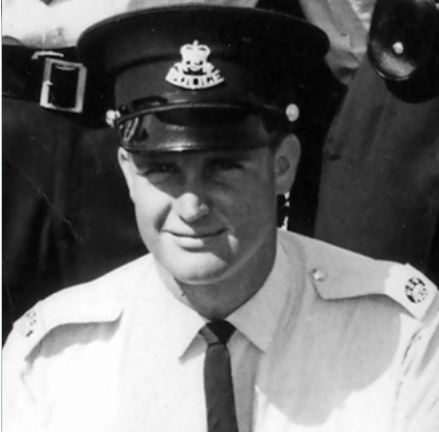
Probationary Constable – appointed 21 February 1947
Sergeant 2nd Class – appointed 19 May 1968
Detective Sergeant 1st Class – SHOT
Detective Inspector – appointed 6 March 1976
Detective Inspector – Retirement
Joined: NSW Police Force via
NSW Police Cadet System on 1 March 1943
Cadet # 400
Stations: ?, General Detectives at the old CIB in the old Hat Factory, Darlinghurst ( # 3 Division – Det Sgt, early 1970’s ), Newtown
Service: From 1 March 1943 to ? ? ?
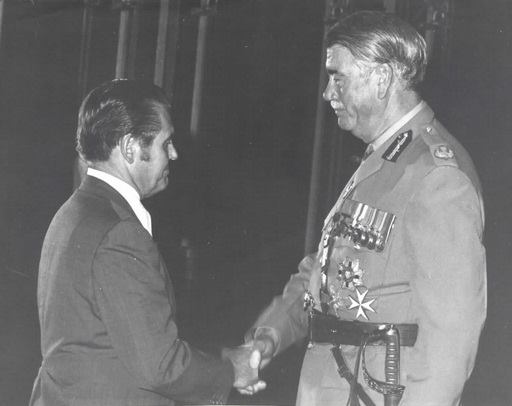
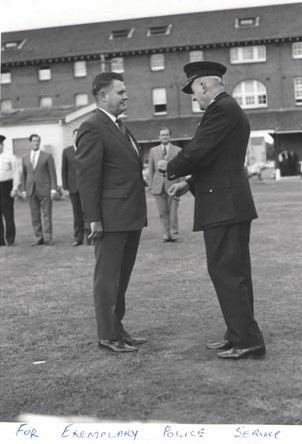
Awards: Queen’s Commendation for Brave Conduct – granted 17 February 1976
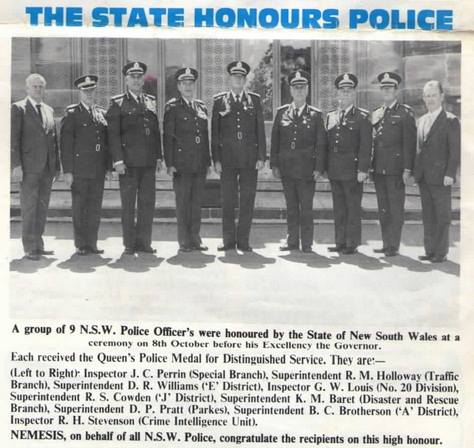
Queen’s Police Medal – QPM – granted 16 June 1979
Born: 20 February 1926
Event Date: 9 December 1974
Event type / Cause: Shot – 1974. Damage to liver & kidney / Heart Attack in 1980
Event location: Newtown
Died on: 19 January 1980
Age: 53
Funeral date: 11 February 1980
Funeral location: ?
Buried at: Cremated & Buried in Botany ( NOT Rookwood ) Cemetery
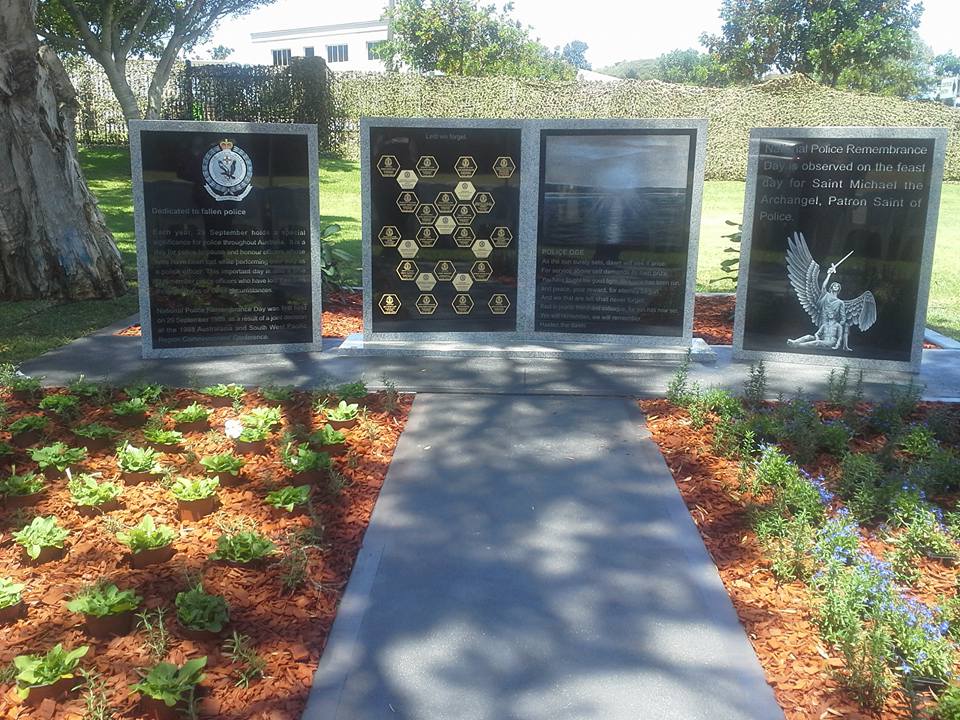
Banks Court Loggia, Wall A
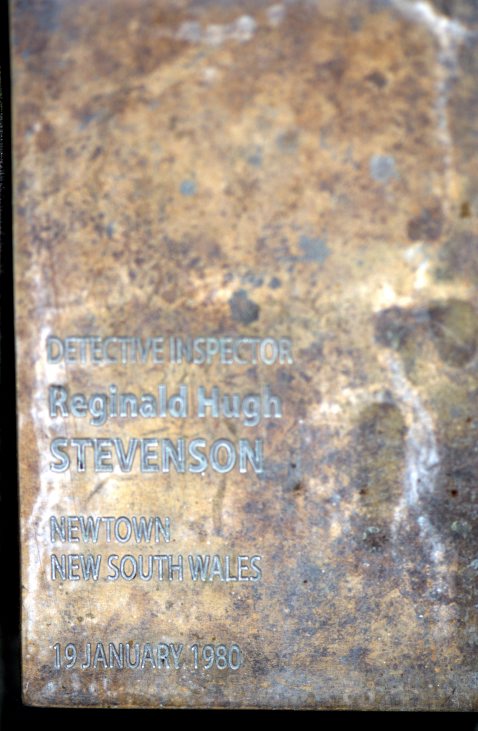
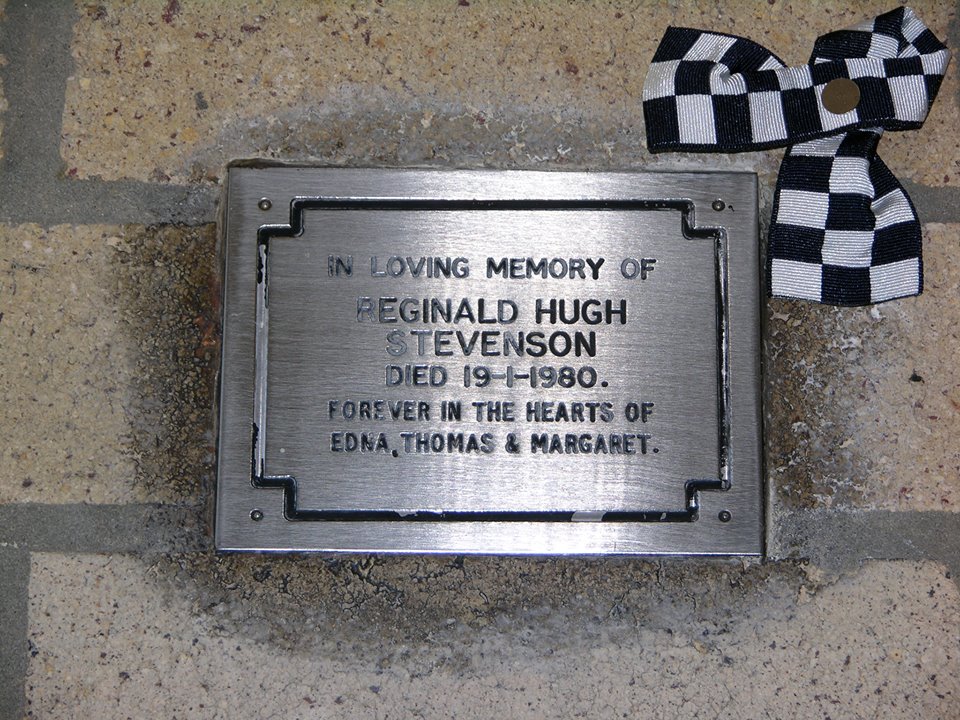
Touch plate at the National Police Wall of Remembrance, Canberra
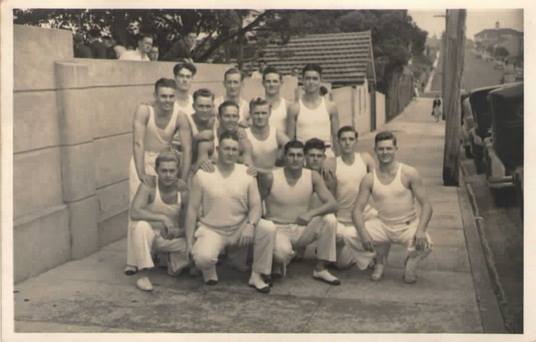
Academy athletics 1943
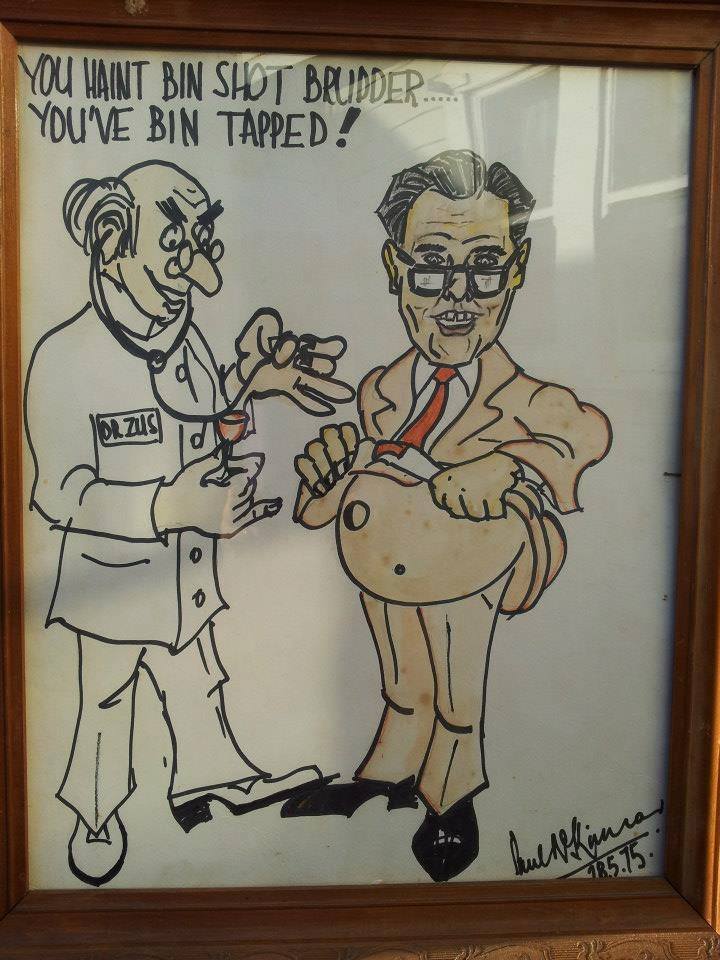
The cartoon was presented to Detective Inspector Stevenson when he returned to work after being shot. It was donated by the Detective Inspectors wife to Newtown Police Station last year ( 2013 ) as part of their memorabilia collection.
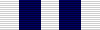
Queens Police Medal ribbon
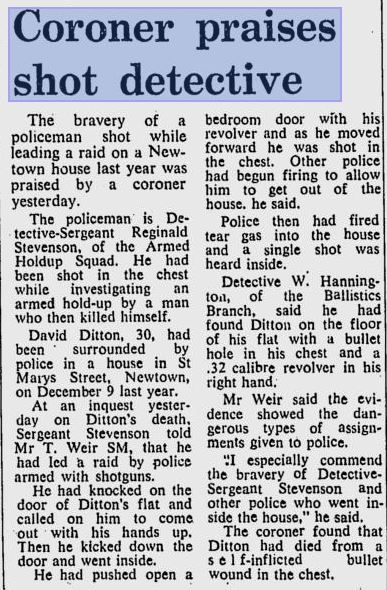
Offender, David DITTON who shot Reg.
The Sydney Morning Herald
2 May 1975
page 6 of 12
Botany Cemetery
Botany Cemetery
Botany Cemetery
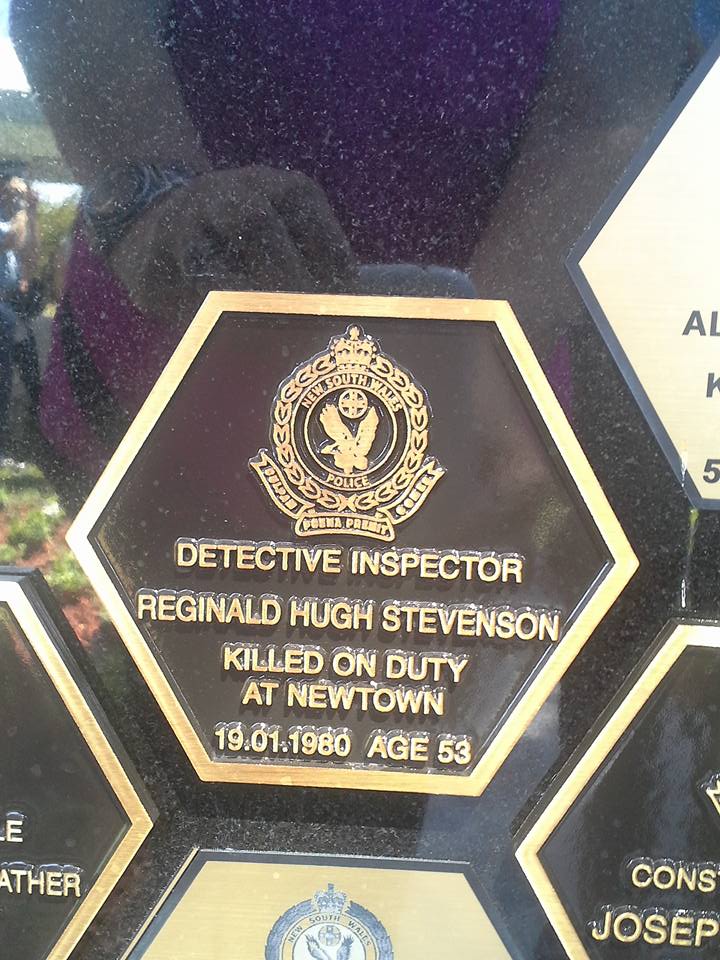
On 9 December, 1974Detective Sergeant 1st Class Stevenson was shot in the chest after confronting an armed offender in Newtown. Although seriously wounded at the time he continued to direct other police at the scene until he was taken to safety. As a result of the incident Sergeant Stevenson was awarded the Queen’s Commendation for Brave Conduct and the Queen’s Police Medal for Distinguished Service. He was promoted to the rank of detective inspector in 1976.
On 19 January, 1980 Inspector Stevenson died of a heart attack and it was determined that his death was ultimately caused by the 1974 injuries.
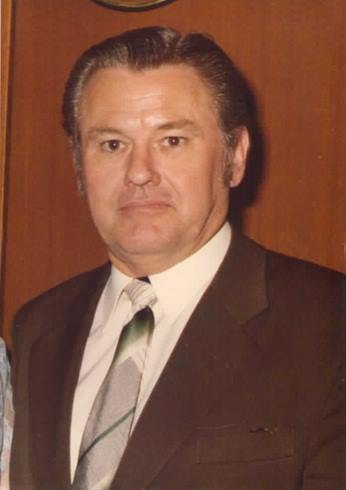
The detective inspector was born in 1926 and joined the New South Wales Police Force as a Cadet in 1943. He was sworn in on 21 February, 1947.
[divider_dotted]
NEWTOWN LOCAL AREA COMMAND POLICE COMMEMORATION SERVICE
Ms CARMEL TEBBUTT (Marrickville) [7.07 p.m. 8 May 2013]: Recently at Rookwood Cemetery I attended a memorial service to commemorate police officers from the Newtown local area command killed in the line of duty. The moving service was attended by Deputy Police Commissioner Nick Kaldis, Superintendent Simon Hardman, the commander of the Newtown Area Local Command, many other police representatives, and relatives and descendants of the police officers. Those attendees included Ms Avona Wallace, Mr and Mrs Norman Stephenson, Mrs Lynette Everton and Ms Edna Stevenson. Representatives from the emergency services and community members were also in attendance. The member for Campbelltown, Bryan Doyle, attended representing the Premier.
The five officers being remembered at the ceremony gave their lives to protect the community. They were Constable First Class John Wallace, Constable First Class Ruston Stephenson, Constable Lionel Guise, Detective Inspector Reginald Stevenson and Constable Pashalis Katsivelas. The ceremony to mark the sacrifice of these officers reflected on the enormity of their contribution to the community, as well as the impact of their death on their families. It is often said, and it is true, that police officers leave their homes for each shift uncertain of what any day may bring and whether they will return at the end of the day. We owe these men and women our deepest gratitude for the risks they face and take every day in their job. At Rookwood Cemetery we visited each of the graves of those officers who lost their lives in the line of duty and behind each individual was an illuminating life story.
We began at the grave of Constable First Class Ruston Stephenson, who died 80 years almost to the day of the commemoration. Constable Stephenson joined the Police Force in 1912, and four years later enlisted in the army, later joining the fight in France during the First World War. He was awarded the Distinguished Conduct Medal for conspicuous gallantry in rescuing injured soldiers while under fire. Remarkably, when he returned he rejoined the Police Force and continued to serve until his death on 9 April 1933 after a tragic accident involving a motorcycle at the then Newtown Stadium while performing general duties policing.
We were also told the story of Detective Inspector Reginald Hugh Stevenson—I was honoured on the day to meet his widow, Ms Edna Stevenson, who still had strong memories of the incident that led to Inspector Stevenson’s death. Detective Inspector Stevenson joined the NSW Police Force as a cadet in 1943 at the age of 17. In an act of extraordinary selflessness, Detective Inspector Stevenson was on annual leave on 9 December 1974 when he decided to go to work to assist in the planned arrest of a dangerous offender in Newtown, at the time telling his wife, “I don’t want my boys doing this on their own.” During the operation he was shot in the chest after leading his team in pursuit of the offender.
Detective Inspector Stevenson partially recovered and was awarded the Queen’s Commendation for Brave Conduct and the Queen’s Police Medal for Distinguished Service. However, he died in 1980 of a heart attack, deemed to be the result of the injuries he sustained on duty in 1974. These officers are just a few of many across New South Wales whose lives have been cut short as they have gone about performing their duty. I pay tribute to them all. They will not be forgotten and local events such as this are a powerful reminder of their sacrifice.
I also take this opportunity to acknowledge two Marrickville police officers, Sergeant Stewart and Constable Steele, who on Monday of this week rescued an intellectually disabled person from a house fire in Marrickville. Thankfully, those two officers who took huge risks survived and are quite rightly being hailed as heroes by their colleagues and the community. It is yet another example of the risk our police men and women take every day in order to keep the community safe. I take this opportunity to pay tribute to them.
[divider]
Ian Donald WARD
| 27/10/2012
Ian Donald WARD
late of Padstow, NSW
New South Wales Police Force
Joined via NSW Police Cadets on 21 February 1966
Cadet # 2109
Rank: NSW Police Cadet – commenced 21 February 1966
Probationary Constable – 12 April 1968
Constable 1st Class ( Acting Sergeant in Cyprus )
Regd. # ? – Most possibly between 13171 – 13193
Stations: ? & Cyprus as part of the 11th Australian Contingent of UN Peacekeeping Mission
UNFICYP AUSCIVPOL
Service: From 21 February 1966 to 12 November 1974 = 8+ years Service
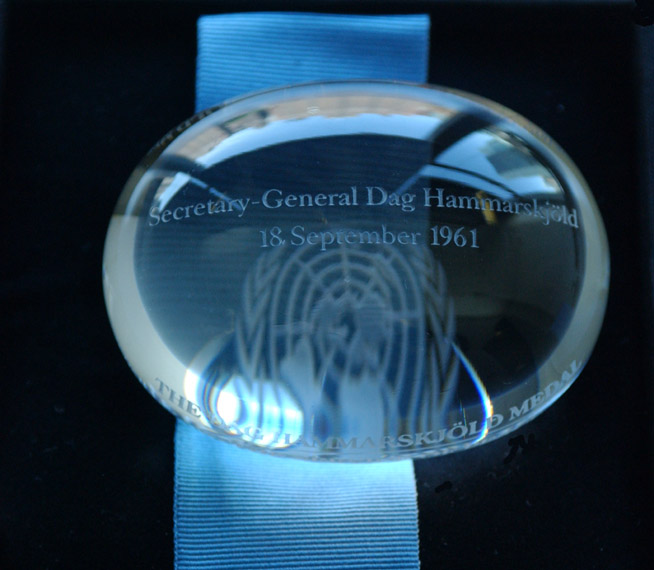
Awarded the Dag Hammarskjöld Medal. The U.N. Secretary-General established the Dag Hammarskjöld medal for posthumous award to members of peacekeeping operations who lost their lives during service with a peacekeeping operation under the operational control and authority of the United Nations.
Born: 12 April 1949 at Ryde, NSW
Died: Tuesday 12 November 1974
Cause of death: Murdered – Land Mine Explosion
Event location: near Lefka, Cyprus ( 5 days after arriving in the country )
Age: 25
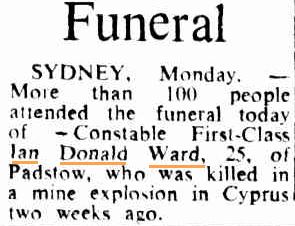
Funeral date: 26 November 1974
Funeral location: ???
Grave location: Rookwood Cemetery, Rookwood
Ian Donald WARD
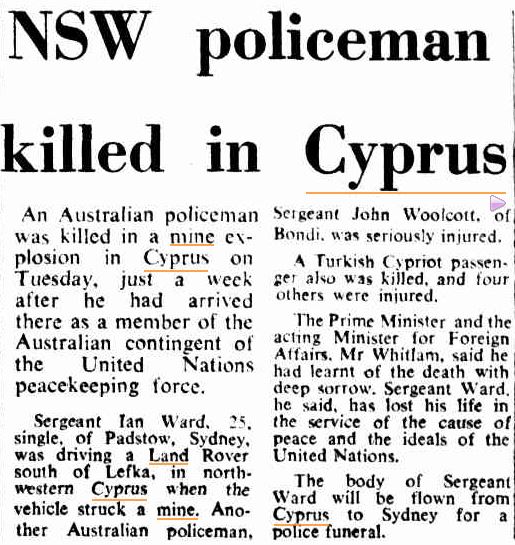
On 12 November, 1974 Constable Ward was serving with the Eleventh Australian Police Element in Cyprus. Whilst travelling in a Land Rover near Lefka the vehicle hit a landmine in the buffer zone. As a result Constable Ward was killed and Constable 1st Class John Woolcott was seriously injured.
Constable Ward is the 3rd and last Australian to die in Cyprus.
The constable was born in 1949 and joined the New South Wales Police Force on 12 April, 1968. At the time of his death he was stationed in Cyprus and an Acting Sergeant.
John Woolcott recovered from his injuries and ” Wooly ” later retired from NSW Police Force either as an Sergeant at Manly Police Station or an Inspector at North Sydney / Mosman. This, is yet, to be confirmed. ( 10 August 2017 ).
[divider_dotted]
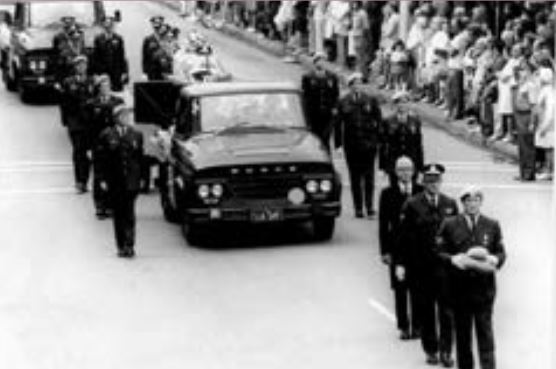
1974 – the funeral for Sergeant Ian Ward
[divider_dotted]
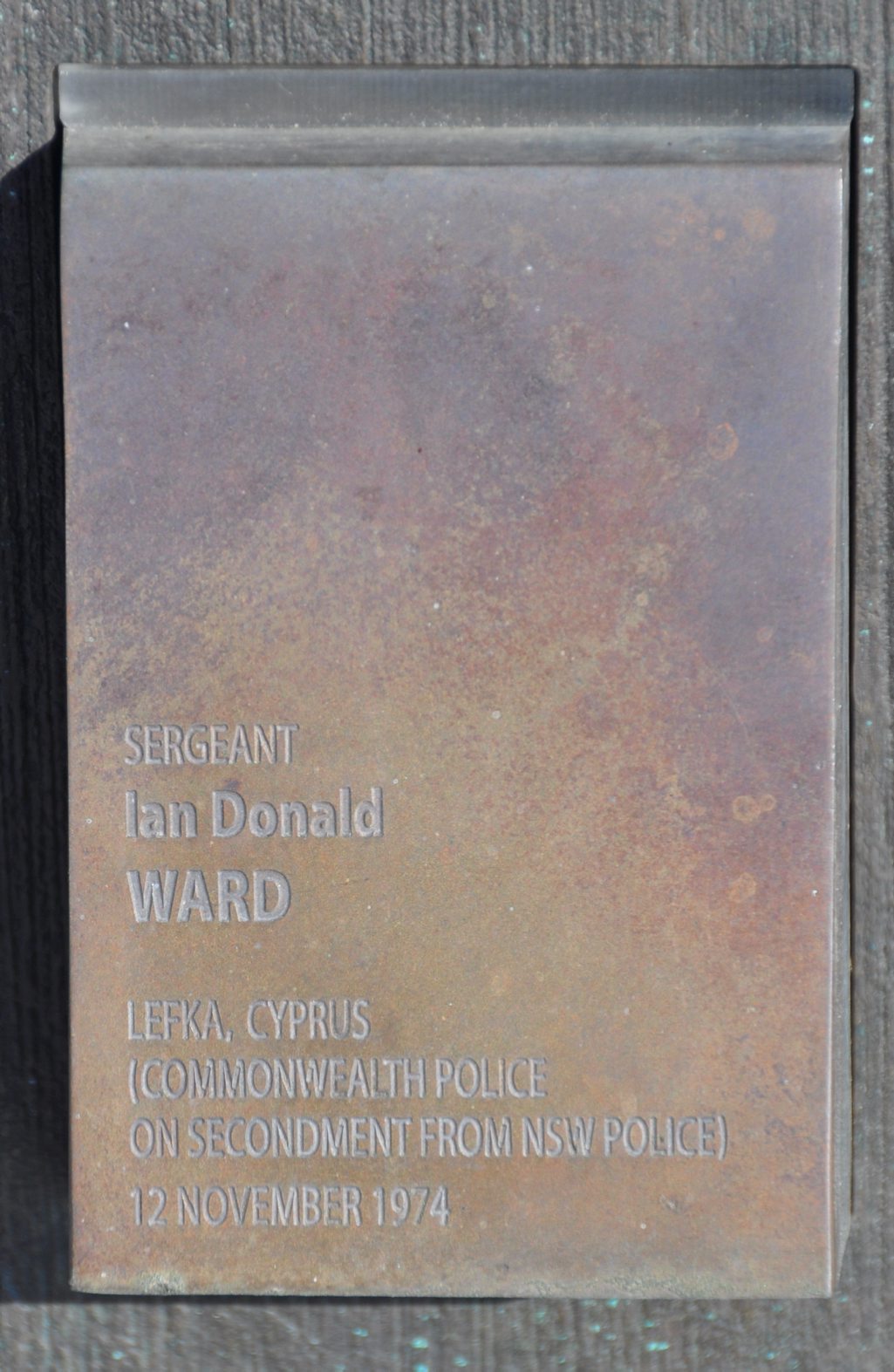
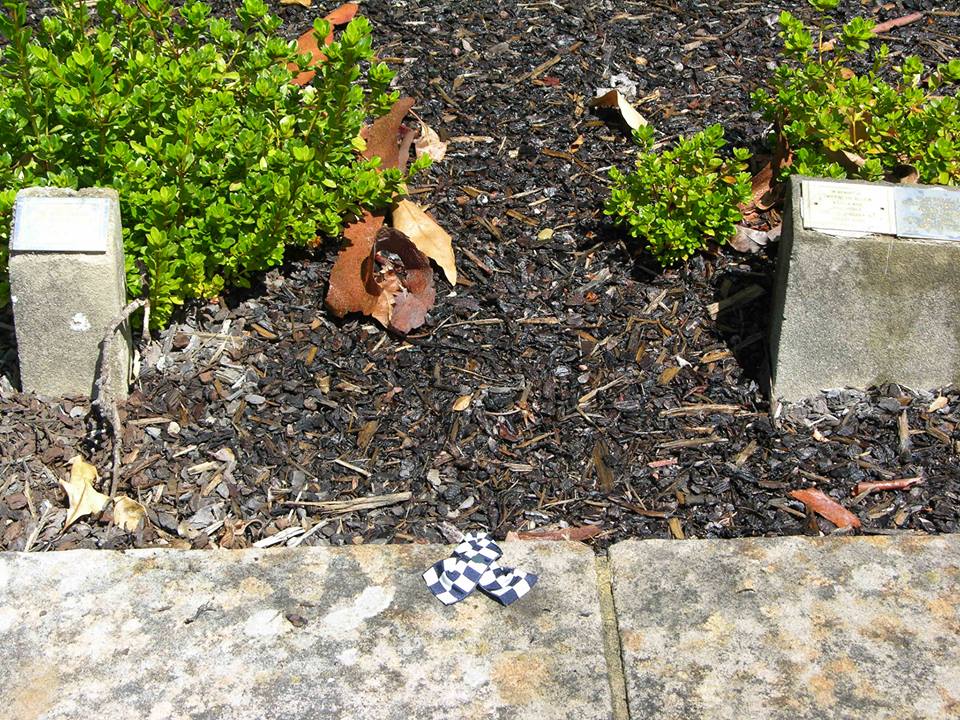
National Police Wall of Remembrance Touch Plate for Ian WARD
[divider_dotted]
17 June 2017 – Malaysia Memorial in Cyprus taken today as Australian Police complete the long mission and are leaving Cyprus.
[divider_dotted]
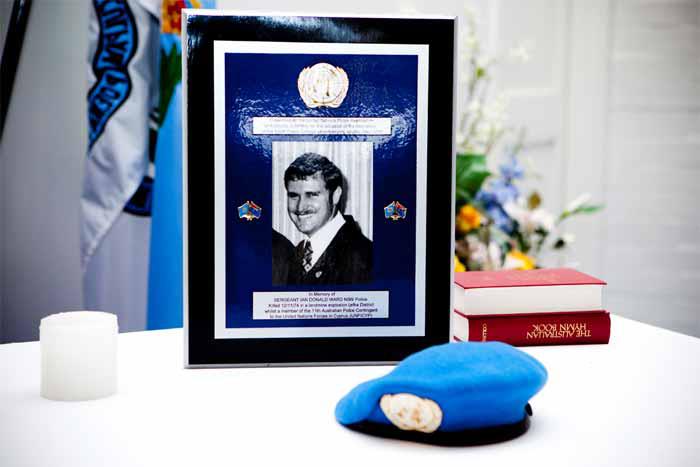
Ian’s memorial at the Goulburn Police Academy.
[divider_dotted]
Dag Hammarskjold Medal
[divider_dotted]
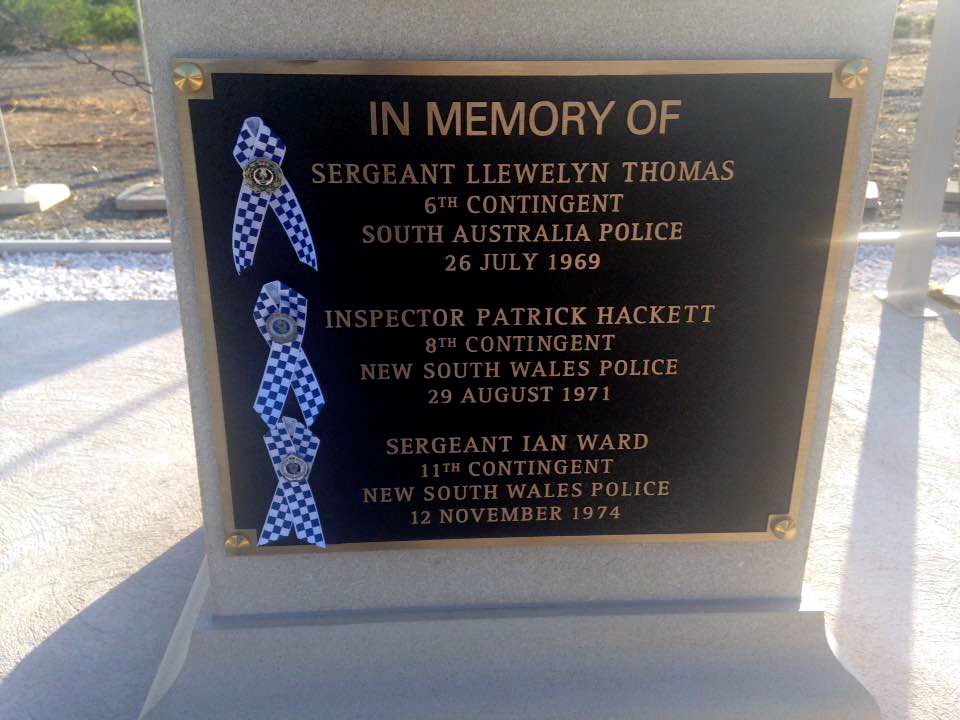
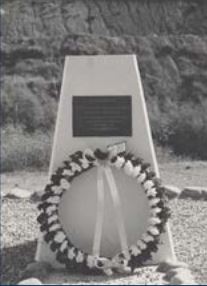
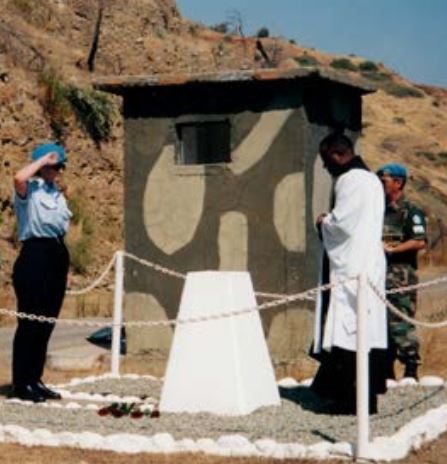
Memorial to Ian WARD – unveiled in 1985
2003 Police Remembrance Day is marked with a ceremony at the cairn erected in memory of Sergeant Ian Ward.
[divider_dotted]
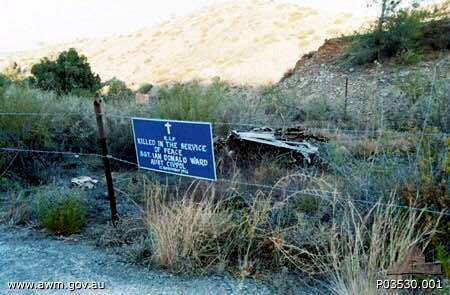
Inscription: Killed in the service of peane Sgt Ian Donald Ward Aust. CivPol
The closure of Nicosia Airport meant a circuitous route to Cyprus for the second half of the eleventh contingent led by Merv Beck.
Although it was not known at the time, conditions on the Island and consequent reduction in UNFlCYP strength would make this the
last November rotation.
The group left Sydney on 6 November and were welcomed some days later at Akrotiri after flying with Qantas to London then busing to
the Brize Norton RAF Base near Oxford and thence via Malta to Cyprus.
RAF flights were ‘dry’ and the seats faced the rear, so the Australians appreciated the traditional welcome at Limassol Headquarters.
The newcomers ‘pumped’ the old hands for news of the war while they themselves were pressed for information about events in Australia.
The new arrivals were soon split up. Ray Leister was assigned Control Room duties while others went to Ktima and Polis.
After only five days on the Island the unthinkable happened near a road-block approaching Lefka.
Ian Ward, a replacement from New South Wales, was killed and John Woolcott injured when their Land Rover detonated a land-mine in an unmarked field.
The Australians were conveying a Turkish Cypriot family from Ayios Nicolaos to the Turkish Cypriot controlled area at Lefka and one of the four passengers was killed and the other three seriously injured.
The fatality cast a pall over the contingent.
A number of moving ceremonies were held before his body was flown home to Australia.
Twelve months later a cairn was erected to commemorate the tragedy and each twelve months a short service is held near the memorial.
Geoff Baker was a member of the Board of Inquiry convened under British military regulations to investigate the incident.
Land-mines were the major component of fortifications along the confrontation zone. UNFICYP had lodged a number of protests about mine-laying procedures and the fact that many fields were neither marked nor adequately recorded. UNFICYP began a special programme to remedy the deficiencies, but two UNFICYP soldiers were killed in similar circumstances during the following twelve months.
Canberra Times (ACT : 1926 – 1995), Wednesday 20 November 1974, page 3
Service
LONDON, Tuesday (AAP). – Representatives of all United Nations peace keeping forces in Cyprus will take part in a memorial service today for Sergeant Ian Ward, 25, a Commonwealth policeman of Sydney, who was killed in landmine explosion last week. His body will later be flown to Sydney for burial.
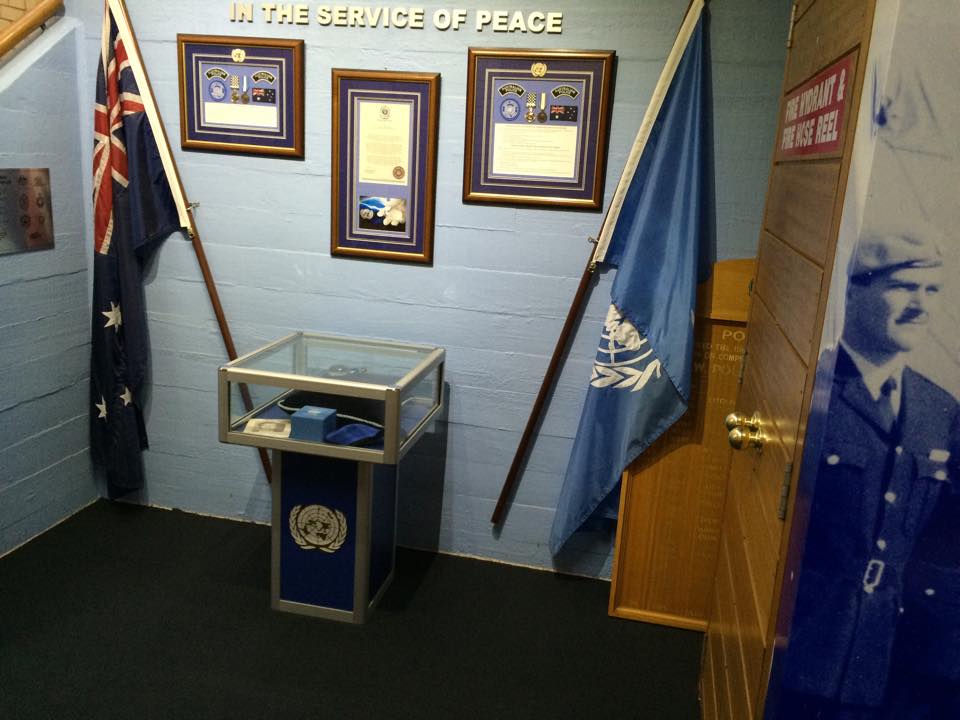
Located within the Honour Precinct is an original ornate marble tablet featuring early losses of New South Wales Police Officers. The tablet is flanked by the New South Wales state flag and the New South Wales Police Force flag.
The Peacekeeping Display honours all members of the NSW Police Force who have served in peacekeeping operations throughout the world and houses the Dag Hammerskjold medal belonging to the late SGT Ian Donald Ward who died in UNFICYP. This was donated to the NSW Police College on the 29th May, 2010 from Mr Ken Ward, OAM, father of SGT Ward.
On the 12th November, 1974, a member of this Force, Constable 1st Class I. D. Ward, who had arrived in Cyprus a few days before, and Constable 1st Class J. Woolcott, also of this Force, were carrying out humanitarian work transporting refugees. The United Nation’s land rover in which they were travelling struck a land mine on a road between Limassol and Lefka resulting in the death of Constable 1st Class Ward and severe injuries to Constable 1st Class Woolcott, Constable 1st Class Ward was posthumously awarded the United Nations Medal, Cyprus Division.
On 25 June, 1974 Sergeant Kemp was undertaking the Sergeants Course at the Redfern Police Academy. While participating in a jog along Cooper Street the sergeant collapsed. Other police commenced cardio-pulmonary resuscitation until an ambulance arrived and conveyed Sergeant Kemp to the Rachel Forster Hospital. He unfortunately suffered a cardiac arrest on 13 July, 1974 and passed away.
The sergeant was born in 1932 and joined the New South Wales Police Force on 29 October, 1956. At the time of his death he was stationed at Mayfield.
[alert_green]Dallas IS memorialised on the Police Wall of Remembrance [/alert_green]
James Ralph MARTIN
| 27/10/2012
James Ralph MARTIN
Late of ?
New South Wales Police Force
NSW Police Cadet # 2397
Regd. # ?
Rank: NSW Police Cadet – commenced 2 December 1968 ( aged 15 years, 9 months, 18 days )
Probationary Constable – appointed 14 February 1972 ( aged 19 years, 0 months, 0 days )
Constable – appointed ? ? ?
Stations: Manly
Service: From 2 December 1968 to 24 May 1974= 5years, 7 months, 22 days Service
Awards: No find on It’s An Honour
Born: Saturday 14 February 1953
Died on: Wednesday 24 May 1974
Age: 21 years, 3 months, 10 days
Cause: Motor Vehicle Accident – Pedestrian
Event location: Warringah Rd, Forestville, NSW
Funeral date: ? ? ?
Funeral location: St Mathews Church, Manly, NSW
Buried at: Cremated – Interned at Northern Suburbs Crematorium, 199 Delhi Rd, North Ryde, NSW
Memorial located at: ?
could not find a marker at Constable Martins ‘spot’, I will do some more research.
JIMMY is mentioned on the Police Wall of Remembrance
FURTHER INFORMATION IS NEEDED ABOUT THIS PERSON, THEIR LIFE, THEIR CAREER AND THEIR DEATH.
On the night of the 24 May, 1974 Constable Martin was riding a Police Special Traffic Patrol solo motor cycle in Warringah Road, Forestville. After stopping a motor cycle for a possible traffic breach the constable stood on the footpath speaking to the rider and pillion passenger. As they were talking a car approached at high speed, veered off the roadway and struck both Constable Martin and the pillion passenger. Both were killed.
The constable was born in 1952 and joined the New South Wales Police Force on 14 February, 1972. At the time of his death he was stationed at Manly.
Robert Thomas DOMINISH
| 27/10/2012
Robert Thomas DOMINISH
New South Wales Police Force
Joined via the NSW Police Cadets system on 12 August 1963
Cadet # 1864
Regd. #: ?
Rank: Constable 1st Class
Stations: Petersham,21 Special Squad
Service: From 12 August 1963 to 17 February 1974
Awards: ?
Born: 1946
Died on: 17 February 1974
Cause: Motor Vehicle Accident, High St, Penrith
Age: 27
Funeral date: ?
Funeral location: ?
Buried at: Pinegrove Memorial Garden, Minchinbury
[alert_blue]ROBERT IS mentioned on the Police Wall of Remembrance[/alert_blue]
About 2am on 16 February, 1974 Constable Dominish was driving home at the completion of his shift. As he drove along High Street, Penrith a car travelling in the opposite direction crossed to the incorrect side of the roadway and collided head-on with Constable Dominish’s vehicle. He died later that morning at Penrith District Hospital from injuries received in the collision.
The constable was born in 1946 and joined the New South Wales Police Force on 16 June, 1963. At the time of his death he was attached to the No. 21 Special Squad, CIB.