Commonwealth of Australia Gazette Thursday 25 October 1945 P. 2268
The following warrant officers and non-commissioned officers ( Air Gunners ) are appointed to commissions on probation with the rank of Pilot Officer with effect from the dates indicated:
…….
No. 433311 Thomas Richard HANNAN, 23rd March, 1945 ……
Goulburn Evening Post (NSW : 1940 – 1954), Monday 2 July 1951, page 2
Police Say Truck Hit Fence, Light Pole
It was possible that a utility truck had continued on after an accident because the driver’s body had slipped on to the accelerator, a police constable said in Goulburn Coroner’s Court on Saturday.
He was John Herbert Gunness, who was giving evidence at the inquest into the death of Arthur David Eady, of Yass. Eedy was found dead in a crashed utility truck on Braidwood Road on June 2.
Deputy Coroner, Mr. Peter Jackson, found death had been caused by head injuries received when Eedy‘s car had crashed into a telephone post.
Constable John Herbert Gunness said, about 3.15 p.m. on June 2 he had gone to the scene of an accident, 3½ miles from Goulburn on Braidwood Road.
There he had seen a utility truck through a fence on the eastern side of the roadway. He had noticed skid marks the first 340 yards from the vehicle. They had indicated the vehicle had veered across the roadway before leaving it. The vehicle had gone between a telephone post and fence and had knocked out two fence posts. It had continued on and struck a telephone post. “It would appear that prior to this deceased was thrown from his driving seat onto the floor, his head and shoulders protruding from the door,”. said Constable Gunness. When the vehicles struck the post, the door in turn struck deceased.”
Cross examined by Mr. P. Baker ( for relatives of deceased ). Gunness said indications were that the vehicle had been travelling at high speed.
Kathleen Isabel Livingstone barmaid at Alcestan Hotel, said that on June 2 at 2.30 pm. she was in the hotel saloon bar, where she saw deceased. He had had two or three small beers, then a whisky and water. At about 2.40 p.m. he had left the hotel. That was the last she had seen of him. At that time he was perfectly sober.
Rupert Fraser Taylor, of “Homeden,” Gundary, said about 3 p.m. on. June 2 he was driving his car along Braidwood Road. About 3½, miles from Goulburn he noticed a fence was down, and a car in the paddock. He noticed a man hanging out of the car door. He could see he was beyond hope, so rang the police.
Dr. Ronald Lloyd-Jones said that on June 2 at 6 p.m. he had examined Eedy’s body. There were indications of a fracture at the base of the skull. In his opinion death was due to brain damage as a result of this injury.
Goulburn Evening Post (NSW : 1940 – 1954), Tuesday 20 June 1950, page 4
MAN FOUND WEARING STOLEN CLOTHES, Fined £15 Or Thirty Days
A man said in the Goulburn Court of Petty Sessions yesterday that after his suitcases had been stolen from the railway station on Wednesday he had seen another man in Sloane Street wearing clothes belonging to him.
The man was Frederick William Bannard, petrol pump fitter, of Wattle Street, Punchbowl.
John Wilson France, 35, pleaded guilty to a charge that on June 14, at Goulburn, he had stolen two suitcases, clothing, and carpenter’s tools, valued at £15, the property of Bannard.
Constable John Herbert Gunness said that at 1 a.m. on June 14 he had seen the defendants on the island platform at Goulburn railway station. He asked him where he had come from, and France had told him he had come from Yass, and he was going to try to get a job here. ” He was dressed as he is now, ” Constable Gunness told the court. ( France appeared in custody wearing light blue slacks, a dark grey coat, a blue shirt, open at the neck, and tan shoes ).
At about 3a.m. the same day he had had a conversation with Bannard, the Constable said, and later he had seen France at the corner of Sloane and Clinton Streets. He was carrying one large and one small case, and he was dressed in a leather overcoat, grey shirt, and navy blue trousers. When questioned he had admitted he had taken the property from the railway station and it belonged to Bannard.
At the police station France had said: ” You know how it is when a man has a few drinks. While I was at Yass I had my own property stolen. ” He was slightly under the influence at the time. Bannard said that last Wednesday he had arrived at Goulburn in the early hours of the morning. He had left his suitcases in the waiting room on the island platform while he went to get refreshments. When he returned his belongings were missing.
At about 5 a.m. he was walking down Sloane Street from Clinton Street. He saw a man there and noticed he was wearing his leather overcoat. There were also two bags nearby which he recognised as his property. Later he noticed the man had on his clothes. He had notified the police. All his property had been recovered with the exception of a pair of old trousers which he used as overalls.
Asked whether he had anything to say, France said he had been left in the middle of winter without any clothes. All his possessions had been stolen twice since summer.
Mr. A. J. Paton, S.M., told France to steal anyone else’s things was mean and paltry. If drink was the cause of his lapses the best thing for him to do would be give it up. ” A lot of luggage does go off this way, ” Mr. Paton said. ” I don’t know what to do with you, I am sure. I will give you an opportunity. ”
He fined France £15 in default 30 days hard labour, and ordered that the property be returned to the owner.
Mr. Paton: ” Can you pay that? ” France: ” No; sir. ” Mr. Paton: ” Are you asking for time to pay? ” France: ” No. ” Mr. Paton remanded France till July 10 on a second charge of stealing clothing worth £7/10.
Goulburn Evening Post (NSW : 1940 – 1954), Tuesday 25 April 1950, page 3
NEGLIGENT DRIVING
A man charged with negligent driving said in the Goulburn Court of Petty Sessions yesterday that one of the prime causes of an accident he was involved in, was that he was dazzled by another car’s headlights.
He was Melville Cavanagh Aubrey, of Faithfull Street, Goulburn, who pleaded not guilty to a charge that on December 25, he had driven a motor car on the Hume Highway in a negligent manner.
Constable John Herbert Gunness, of Goulburn, said that on December 25, at 10 p.m. he had gone to the scene of an accident on the Hume Highway, at Yarra.
Two cars had been involved. Both had been severely damaged on the off-side front mudguards. Aubrey was the driver of one of the cars and Ralph Stone was the other driver. Stone had told him: ” I was driving along and I saw the lights of the other car coming. I slowed down and pulled as far to the left as I could. “The other car kept coming, and all I could do was sit and wait for the accident. ” Aubrey had said: ” I was travelling north at about 40 miles per hour. For a moment I did not know there had been an accident. I do not think I was on the wrong side of the yellow line. ”
GLAZIER’S EVIDENCE
Ralph Ewart Stone, grazier, Stoneleigh, Dalton, said that at about 8,.45 p.m. on December 25, he was driving south along the Hume Highway, near Yarra. ” I was about 60 yards from the bridge when I first saw the lights of the approaching car. ” I dipped the lights, slowed down, and eased over to the safety fence on the left. ” As far as I could see the other car was going slightly from one side of the road to the other. It continued on and struck the right hand mudguard of my car. ” When the car stopped, it was about 200 yards away from my stationary car.
Aubrey gave evidence that he was travelling north on the Hume Highway at that time. He came over the Yarra viaduct, crossed down the road and noticed a car coming in the other direction with its head lights on full beam. He said: ” I dipped my lights pulled towards the left and then there was a crash.
Mr. A. J. Paton,:S.M., adjourned the hearing till Monday, May 8.
Buried at: Marge ( Reg’s wife who predeceased him ) & Reg’s Ashes will be interred at Nowendoc later in 2018, as per Reg’s request where he and Marge shared very happy times when he was stationed there as the Lock Up Keeper.
Memorial located at: ?
Greville Reginald PINKERTON – 2016
[alert_yellow]REG is NOT mentioned on the Police Wall of Remembrance[/alert_yellow] *NEED MORE INFO
[divider_dotted]
Funeral location: TBA
[divider_dotted]
FURTHER INFORMATION IS NEEDED ABOUT THIS PERSON, THEIR LIFE, THEIR CAREER AND THEIR DEATH.
Passed away in Adelaide 4/3/18, age 94 ( police sergeant in Broken Hill 1960 – 1979 ).
Loved and missed by Marge ( deceased ), Ron and Polly, Max and Anita, Peter and Rosemary and his grandchildren and great grandchildren.
[divider_dotted]
[divider_dotted]
This Plaque will be presented to Superintendent Paul SMITH at the Back To Barrier Reunion in May, 2017.
[divider_dotted]
City’s finest to reunite
Thursday, 14th July, 2016
By Michael Murphy
BEST EVER: A Ford 351 GT/XB 2 door hardtop patrolling the border at Curlwaa near Wentworth circa 1977.
Former local police officers have already begun telling tales of the good old days ahead of a reunion next year.
Ray Gardoll, who served with the local police force from 1995 to 2009, has started to get inquiries from as far away as Thailand about the two-day event planned in May.
Even a 95-year-old former sergeant has put his hand up to make the trek back to the Hill for the occasion. After he got word on the street, former sergeant Reg Pinkerton rang the local police station to confirm details.
Sergeant Pinkerton retired around 1979. As well as Broken Hill, he served at Albion Park, Mullumbimby and Nowendock, where he was issued a horse and had the assistance of “black trackers” to look for stolen cattle throughout the local ranges.
One local bloke reported he had been “saved from a life of crime by a swift boot up the bum from Sgt Pinkerton back in the day”.
Many locals would remember one of the city’s longest serving police officers, Garry Nowlan, who has been in fine form posting old pictures and yarns on the Back to Barrier Facebook site.
The former highwayman rated the Ford 351 GT/XB 2 door Hardtop as the best patrol car he ever had the pleasure to drive.
“It was easy to catch the hoodlums at the Hill in those days,” Nowlan wrote.
“If they got away, you just parked in Argent Street for a while and they were back in 10 minutes.
“They just could not resist doing ‘the lap’ and we were there waiting for them.”
Ray Gardoll got the idea for the Back to Barrier reunion after celebrating a similar event in Blacktown, NSW, earlier this year.
“I had a ball, an absolute ball, and I thought I would do it here and see what the response is … and the response has been great.”
He said word was beginning to spread, and about 300 people had logged on and liked the Facebook page, with about three quarters of those having served in the local district.
The Barrier police region stretches from Tibooburra in the north to Wentworth, Dareton and Buronga in the south, to Ivanhoe in the east.
Ray said about ten local retired officers still lived in the Hill.
Ray’s own career was cut short when a “drunken crook” tripped over and destroyed his knee.
“We were carrying her out to put her in the cells, and she tripped and fell and grabbed the first thing she could, and it just happened to be my knee,” Ray said.
Ray said he would love to hear from anyone who would be interested in the reunion, and he would be forming a committee in the next few months to work out and organise the finer details of the event.
If you know anyone who would be interested, point them to Facebook.com/BarrierReunion2017.
Standing: Geoff Mobbs. Peter Cinitis. Russell Lloyd. Harry Steele. Seated. Steve Behsmann. Reg Pinkerton. Ted Murray. All these officers served in the Barrier Command. Photo taken at the Back To Barrier Reunion 2017 in May.
Reg Pinkerton being presented with his National Police Service Medal by Superintendent Paul Smith. Geoff Mobbs supporting Reg.
Police Association meeting at the Broken Hill Musicians Club 1977. Back Row. L to R Neil Stewart, Dave Stuart, Reg Pinkerton, ?, Ken Richards, Bob Morgan (mostly obscured) Terry Picker, Don Forsyth, Jim Brown, Barry Esling, Bryce Farlow, Allan Moseley, ?, Neville Wenban. Front Row. L to R. John Sylvester Wilkinson aka Yogi, ?, Bill Lidden aka Truthfull (?), Steven Behsmann, Garry Nowlan & Neil Scarr.
Police Association meeting at the Broken Hill Musicians Club 1977. Reg Pinkerton
[divider_dotted]
Douglas William John MAGEE
| 24/04/2018
Douglas William John MAGEE
Late of ?
NSW Police Cadet # 0163
New South Wales Police Force
Regd. # 4558
Rank: NSW Police Cadet – commenced 31 January 1938
Probationary Constable – attested 24 March 1941
Sergeant 1st Class – appointed 1 January 1968
Inspector 3rd Class – appointed 1 June 1973
Inspector 1st Class – appointed 12 March 1976
Superintendent 3rd Class – appointed 17 April 1976
Superintendent 1st Class – appointed 16 November 1977
Senior Superintendent – appointed 14 April 1978
Stations: ( as a Cadet ) Parramatta – 18 Division, C.I.B. ( 1938 ), 20 Division ( 1939 ), C.I.B. ( 1939 ), Police Depot ( 1940 ), 2 Division ( 1940 ). Police Training Centre in March 1941 with the next class.
( as a Constable ) – the Depot Police Stables ( 24 March 1941 – May 1943 ), ‘Shadow Squad’ ( May 1943 ). Was then granted leave of absence to enlist in the R.A.A.F. on 25 March 1944 reaching the rank of Flight Sergeant. Discharged from R.A.A.F. on 4 October 1945 then returned to the ‘Shadowing Squad’ ( October 1945 – January 1949 ) ( Designated as Detective in 1948 ), 9 Division – C.I. Duties ( January 1949 – January 1951 ), 18 Division and placed at Liverpool Detectives Office ( at the time, Liverpool was sub-station of Parramatta )( January 1951 – November 1951 ). In November 1951 he was ‘formally’ transferred to Liverpool Detectives, when 22 Division – Liverpool was created. 4 Division ( 1954 – ), 2 Division, Vice Squad, 23 Division, 18 Division, 7 Division, 27 Division, C.I.B., ‘H’ & ‘F’ Districts, Police Personnel Branch
Service: From 31 January 1938to? March 1980= 42+years Service
Lifelong St George resident John William Baxter died peacefully in his sleep at his Rockdale home on Saturday morning aged 92.
‘Jack’ was well-known in the community for his love of golf and played at Kogarah Golf Club every week until he was no longer able.
Mr Baxter was born in Bexley on January 24,1926 as the fifth of six children.
He attended Hurstville Boys High School before enlisting in the Royal Australian Air Force at age 18.
Mr Baxter served in the RAF for two years achieving the rank of Leading Aircraftman (LAC).
He saw action in Borneo, where he was wounded by a gunshot to the leg and spent six months recovering in Jervis Bay.
Mr Baxter met his future-wife Valerie soon after and the pair were married January, 1957.
He served in the NSW Police Force for 35 years, retiring in 1981 after being injured in a serious car accident. The sergeant served at Regent Street, Philip Street, Darlinghurst and Maroubra commands.
Mr Baxter also played rugby union with St George Rugby Union Football Club (now known as Southern Districts), delivering a man of the match performance – his final appearance in the league – in the club’s then only premiership victory, against Gordon.
The football highlights didn’t end there, with the forward captaining a NSW Police side against the New Zealand police team in a 1958 interdominion.
Mr Baxter was also known to play a friendly spot of tennis with local legend Ken Rosewall.
He also coached junior cricket at Arncliffe Cricket Club in the 1970s.
Mr Baxter was a voracious reader and his love of books was rivalled only by his joy in sharing a glass of wine with his wife.
The Baxters raised their children in the same Rockdale house they lived in for 53 years.
Mr Baxter is survived by two children, three grandchildren and two great-grandchildren.
He will be farewelled in a funeral service at Rockdale Guardian Funerals (374 Princes Highway, Banksia) at 10.30am on Friday, February 9.
Amy Katherine TAYLOR
| 24/04/2018
Amy Katherine TAYLOR – nee MILLGATE AM, OAM
Late of Artarmon, NSW
first policewoman in uniform in NSW and the youngest Policewoman to join NSW Police at this time.
Commissioner MacKay wanted women 25 and older but Amy was only 22 but, due to the fact she had served in the Army and was trained, he gave her a chance – thus being the youngest female recruit at that time.
Daughter to Det Sgt ? MILLGATE, NSWPF # ????
Wife to Bruce TAYLOR, NSWPF # ” Possibly ” 4548 – born on 2 November 1919
Sister to Clement MILLGATE, NSWPF # ????
New South Wales Police Force
Regd. # P/W 00??
Uniform # 2005
Rank: Senior Constable
Stations: ?, Traffic Branch – Resignation
Service: From? ? 1946? to 27 January 1950= 4years Service upon Resignation due to marriage.
Later became a Store Detective.
Awards: OAM – Member of the Order of Australia for service to Veterans, particularly through the Australian Women’s Army Service, and the education committee of the Australia Remembers programme. – Granted 9 June 1997
OAM – Medal of the Order of Australia for Service to the Welfare of Ex-Service Personnel – granted 26 January 1982
Born: Friday 28 December 1923 at Annandale. Attended Annandale Primary School
Died on: Sunday 28 January 2018
Age: 94 years, 1 month, 0 days
Cause: ?
Event location: ?
Event date: ?
Funeral date: Monday 5 February 2018 @ 9.15am
Funeral location: North Chapel, Northern Suburbs Memorial Gardens and Crematorium, 199 Delhi Road, NORTH RYDE
Buried at: ?
Memorial located at: ?
Amy TAYLOR doing Point Duty at the corner of College and Park St, Sydney
Amy MILLGATE – Directs traffic in 1948
Amy MILLGATE & Bruce TAYLOR
Robert TAYLOR, Jennifer TAYLOR ( Jennifer HENDERSON ), Amy TAYLOR & Bruce TAYLOR
AMY is NOT mentioned on the Police Wall of Remembrance *NEED MORE INFO
Funeral location:
FURTHER INFORMATION IS NEEDED ABOUT THIS PERSON, THEIR LIFE, THEIR CAREER AND THEIR DEATH.
Amy Taylor was an inspiration and lead the way for women in the NSW Police Force, joining in 1946 and then becoming the first female police officer in uniform to perform traffic duties.
Amy Taylor was the first policewoman in uniform in NSW. She joined the Police Services in 1946, after serving four years in the Women’s Army Services, including active duty in New Guinea.
Amy was one of our oldest Legatees, and a proud and active member of our Police Family. She passed away peacefully surrounded by friends and family in January 2018.
In her own words (and inimitable style), here are a few highlights of Amy’s long and varied life.
“I think it all stemmed from when I was young: I learnt to dance and performed in concerts; I sang and tap danced. I was Queen of Annandale at the age of 8. When I joined the Army I was called out to be a drill instructor. I never backed away from a challenge.
I was 16 when the war broke out. I used to go to the local school on Saturday afternoons where they held classes on air raid precautions and training in case there was an invasion. They formed the Women’s Australian National Service after that. The WANS they called it. You had to be 16 years old to join, so I joined. We learnt drill, Morse code signals and first aid.
As a result of the WANS, they formed the Australian Women’s Army Service. It seemed a natural progression so I joined the Army and was sent to Killara to do the training. I was posted to the Districts Records Office as a stenographer and typist. As the war developed it was decided that there was a role for women to go to New Guinea and replace the men so they could be moved into more active areas. Needless to say, I put my hand up. You had to be 21 years of age and I was exactly that. I was sent to have a medical and they selected me because of my typing skills.
“You had to be 16 years old to join, so I joined.”
So that’s how it all happened. We got a train to Brisbane and were staged in Frazer’s Paddock. We were given a course of medicine for Malaria and had lectures on the climate in the tropics and behaving ourselves. One of the Army lecturers showed us photos of a male solider and a woman and said, You see these two, well we don’t recommend that they get together. I’ve never forgotten that.
When we left, we had a big send-off procession in the middle of Brisbane. Everyone was waving as we boarded the troop ship. When we arrived we were taken to our barracks, 71 Beauty Bum Road. They called it that after the women. I went back 20 years later and our barracks had been made into a little hotel, they showed me the sign. It was still called Beauty Bum Road.
I was placed in the Quarter Masters store and was in charge of the entertainment too. I used to get all the boys in, George Wallis Judas, a comedian, and Michael Pate. We’d get a good selection of entertainment and put on a dance. The entertainment unit would send out the band, the Islanders Concert Party they called themselves. We danced the barn dance, the gypsy tap, and all those old dances. That’s where I learnt to jive too. We met the American sailors and they taught us how to jitterbug, and boy did we jitterbug!
I was 22 years old when I came back home after being discharged from the Army. My father, a Detective Sergeant in the NSW Police Force said, “And now what are you going to do?” I said I’d open a coffee shop. He suggested I meet Lillian Armfield and join the women police. I thought, “I don’t want to be a probo!” but he assured me it was nothing like that.
There were just 15 women working in the women’s unit when I started. Gladys Johnson had been in the Women’s Auxiliary Australian Air Force, another ex-service woman so we got on well. I worked in plain clothes for two years, usually with a couple of detectives to investigate child welfare.
“Well boys and girls, we are police women, and there are police men, but the police women don’t wear pants!”
I was given a partner after that. Beth Handler, a very good police woman. We used to go around Woolworths and Coles and look for shop lifters and the like. We had an indecent assault once at the Christmas Card Counters. It really was very objectionable. We got rid of those sorts of people.
I used to patrol the city and when the detectives brought someone in they’d call me down to take a statement, and I worked with the men then, but when we went to the suburbs it was just Beth and I. One day there was a request that the Commissioner wanted to see us. All 15 of us women police piled into his office and he said that he’d been talking with the London police and that they thought there was a place in Australia for women in uniform, particularly directing traffic outside of schools and also lecturing to the school assemblies.
I still had my Army tunic and skirt so I took it to the commonwealth clothing place for the tailor to have a look. I asked him to do the same in a navy blue with a shirt, collar and tie and stockings. They sent us to David Jones to buy two pairs of lace up shoes as well. So that’s how it was that Gladys Johnson and I were chosen to trial the uniform for 12 months. We used to go to Sydney High School and give lectures. Gladys and I used to go in there and say, “Well boys and girls, we are police women, and there are police men, but the police women don’t wear pants!”
In the meantime I had met Bruce. He was a prosecutor down at Central which was below the police women’s office. We used to go down there when they had a line-up so we could familiarise ourselves with the faces. One day I was down there and all of a sudden this guy comes out and I had a little moment. From then on I used to go down a quarter of an hour earlier so we could sit on the stools outside and have a chat. I called him the handsome prosecutor. He asked me to go to the Police Ball with him.
When Bruce and I married we became a part of the police family even more. I had to retire when we got married which was just the way it was back then; you were only allowed to stay in the police force if you were a widow. I wasn’t too thrilled that I had to leave the job that I loved.
“I’ve never had any regrets, just funny experiences.”
I really loved my job at the Police. I liked going on dawn patrol because we’d work with the boys from the vice squad, taking statements. Yes you had to learn the rules, and there were definitely rules. You had to have tact, common sense, and not overdo it by speaking up too much and putting your foot in it! I learnt so much. I still consider myself a part of the police family and army family as well. I got involved in the RSL and stayed in contact with so many people from all the networks and NSW Police Legacy too.
I learnt a lot from my career. Now they talk about us as women making history but I was just happy I was able to do something for my country, I was able to do something for the job that I was in and I hope that it paid off.
Bruce and I had an excellent life together. He was marvellous to put up with me. I was a sort of free spirit, very independent and he supported everything I did and I supported everything he did. He retired as Assistant Commissioner. Life is definitely what you make of it.”
In 1939 Amy Taylor joined the Women’s Australian National Service and in 1942 (aged 18 years) enlisted in the Australian Women’s Army Service (AWAS). During her service she served in both Australia and Papua New Guinea (12 months).
On discharge from the Army, Amy Taylor joined the New South Wales Police Force and served for four years (1946-1951). She pioneered the uniform branch of the Women Police and was the first woman to do traffic duty in the city in 1948.
A Foundation member of the Australian Women’s Army Service Association (NSW), formed in 1948, she has served on the committee from that date. She is currently a Life Member and State President of the Association.
From 1978, Amy Taylor served as Vice-Chairman of the Council of Ex-Servicewomen’s Associations (NSW) and State Councillor – Women’s Services – Returned & Services League of Australia NSW Branch. In this role she represented female veteran members throughout New South Wales. She became a Life Member as well as a member of both the State Executive and the State Council.
In 1994 she was appointed a Board member of the RSL Retirement Villages at Narrabeen and Yass. Amy Taylor retired in May 1999 and was appointed Life Governor.
She volunteered and served on the Commemoration Committee and was Chairman of the Education Committee for the Australia Remembers events in 1995. In January 2001, Amy Taylor co-ordinated the AWAS participants in the Centenary of Federation Parade.
Appointed to the Advisory Committee by the Australian War Memorial for the Australian Servicewomen’s Memorial, Amy Taylor is also Patron and Life Member of the Thirty Niners Association of Australia NSW Branch.
For her service during World War II, Amy Taylor was awarded the War Medal 1939/45, Australian Service Medal 1939/45, The 1939-45 Star, Pacific Star and Australia Service Medal 1945/75 with N.G. clasp. On Australia Day 1992 she was awarded the Medal of the Order of Australia (OAM) for service to the welfare of ex-service personnel. She was later (3 June 1997) appointed a Member of the Order of Australia (AM) for service to veterans, particularly through the Australian Women’s Army Service, and the Education Committee of the ‘Australia Remembers’ Programme.
In October 2002, she became a member of the working group for the “Women in War Project.”
In 2005, Amy Taylor was elected Chair of the Council of Ex-Servicewomen’s Associations.
Council of Ex-Servicewomen’s Associations (NSW) (1975 – ) Amy Taylor has been a delegate on the Council of Ex-Servicewomen’s Associations (NSW) representing Australian Women’s Army Service Association (NSW) since 1978. She was elected Vice Chair in 1981, then Chair in 2005.
Australian Servicewomen’s Memorial Appointed to the Advisory Committee of the Australian Servicewomen’s Memorial by the Australian War Memorial
Archival resources
Australian War Memorial Research Centre
Amy Taylor (neé Millgate), as a corporal in the Australian Women’s Army Service, serving in New Guinea, interviewed by Ruth Thompson for The Keith Murdoch Sound Archive of Australia in the War of 1939-45., 15 December 1989, S00758; Australian War Memorial Research Centre. Details
Published resources
Newspaper Articles
Adams, Liz, ‘Lady at arms’, Sunday life, 25 April 2004, p. 15. Details
Great, so Amy perhaps we could start off by you giving us, telling us your life story briefly?
Well I was born on the 28th December 1923 and I was born in Annandale and I went and did my primary school there and from there I, when I turned 16 war had started and I joined the Women’s Australian National Service which was then called the WANS and the idea there was to train you in Morse code, to drill and to prepare yourself for perhaps going into the forces later which did happen.
After two years I joined the Australian Women’s Army Service when I turned eighteen. And then they sent me to Killara to do my rookies training and from there I went to the District Records Office at the Showground and because I was a typist stenographer I was given the job of typing the routine orders for the troops that were going overseas, so I had three years there and doing extra training in there as well and then they asked for volunteers to go to New Guinea and by that time we’d been moved from the Showground to Grace Bros. up at Broadway.
They had to Make room at the Showground for the male troops who were going overseas so from there from Grace Bros. There were three hundred of us in Grace Bros. attached to District Records Office and they only took five to go to New Guinea so I felt very privileged because out of the whole of Australia there were only 340 of us. So then we prepared to go to the tropics and the first thing you had to do was get on a troop train at Central and then proceed to Brisbane.
We moved into a training camp at Enoggera, and then we had to learn all about the tropics, be issued with tropical gear, we had to start a course of Atebrin which was a preventative for malaria and we had certain hygiene lectures, further drilling and allocation of duties and then after six weeks we boarded the troop ship Duntroon.
I could always remember we went down in the trucks to board the ship and there were over the three hundred and forty of us and there were fifteen hundred men on board so we received a very warm welcome, as you could imagine, but of course when they knew we were going up there the general idea was to release the men to go to the more forward areas.
They were absolutely delighted because they knew that a lot of their mates were up in Lae which we were heading for, who were itching to get to the front. So after four or five days we arrived in Lae and unfortunately the wharf had been washed away. They were trying to decide how they were going to land these 350 females so they got these landing barges and you could imagine us climbing down the rope trail on the ship and then we boarded the landing barges with our kit and then we got ashore and got into trucks and they took us through to our barracks. It was rather unique, we were in seventy two AWAS barracks and they were located on Beauty Bum road. We thought that was rather funny with all the females but anyhow that was our home for the next twelve months and I was allocated to duty on the barrack staff because I indicated earlier that I would like to go into Stores. And that came from the fact that I wanted to have a shop in Civvy Street and they sort of felt well, she can get started on the stores so they called it the Quartermaster store, so I was stationed there and then the girls were allocated other duties, they went to singles, ordinance and cipher and canteens. Everybody had a job to do so then
05:00
after twelve months we found that on August 1945 that peace was declared, and so there was great excitement but we were certainly told that no you’re not going home because lets face it you just can’t knock off what you are doing, there were jobs to be completed and we didn’t come home ‘til the February the next year. But one thing I remembered very
05:30
clearly was when our Colonel came around to let some of the girls know that the word had got through that the POW were being released and some of them had husbands and brothers, and sadly some of the news wasn’t good, they found out the person had died, so the Colonel came around and I went with her and we comforted those who’d received the bad news and then we were excited for those
06:00
whose husbands were released and all their brothers. But what we didn’t know that the Colonel’s own husband, she’d got word that he’d died and yet she was very brave and she came around and looked after all of our ladies which she had that sadness herself, and I felt that was great character showing from your army training. However, later on, in the December I got tropical ear
06:30
and I had quite a time in hospital and then straight after that I got malaria so I wasn’t in very good shape over Christmas and New Year, but however you survive, you’ve got to do the best you can with what you’ve got. So then we came home, the first lot came home in January and I came home in February/March, and I decided I wanted to be discharged because
07:00
I felt I wanted to get into Civvy Street and I had this great idea of opening a shop, then I thought of a coffee shop, but then my father was a Detective Sergeant in the Police Force and he said why don’t you join the Women’s Police and I said oh God no, I don’t want to be a Provo. He said oh it’s nothing like that, he said after the experience you’ve had in your Army career I think you’d cope with this and I think you’d like it.
07:30
So eventually I filled in the papers and I was called up and I did my exams and the Colonel… the Commissioner Mackay decided that really he said, really you’re too young because I was only twenty two and you have to be twenty five to join the Women Police. But he said owing to the fact you’ve been overseas and you’ve experienced all that Army life, we’ll give you a go, so I was the youngest woman to be recruited into the Police Force. And I’ll tell you what, it was a
08:00
whole new experience. I certainly learnt a lot about human nature, people. I learnt a lot about the treatment of children, so I was in plain clothes for about two years, I worked with the Vice Squad and I worked with the Children’s Court and eventually Mr Mackay the Commissioner said he’d like a volunteer to pioneer the Uniform Branch.
08:30
Of course there were only fifteen of us in the job at the time and he said if I don’t get a volunteer I’ll delegate, and as you could appreciate having been a service woman and being used to uniform that was no trouble to me, and I had felt really I had done enough of that plain clothes work. I was looking for something different, so I volunteered to go into uniform as did one of the other ladies who was an ex WRAAF. So we
09:00
pioneered the Uniform Branch, we did that for twelve months on our own and what we had to do and what we had to do was be trained in traffic duty because the ultimate idea was to go to the schools, look after the children crossing the roads on those crossings, and then go into the schools and lecture on road safety. So Gladys and I were in uniform for twelve months and we started our traffic duty in the City and it was through a flick of a coin that I be became
09:30
the first Policewoman in uniform to direct traffic, and my first crossing was College and Park Street and that is quite a big intersection and you could imagine with me going out there and putting my hand up and hoping that they would stop, it was a great thrill to see that people actually obeyed the signals. So then we went around to every intersection and I remember going down to King and George Street and in those days the
10:00
trams were running and in King Street they had a box up on top of the pole and there was a man up there controlling the trams and he used to work in conjunction with the Police Officer, so when the Police Officer stopped the traffic so then we could let the tram through, and I can remember doing that there very clearly and who should ride up on a bicycle but Bee Myles and Bee was a colourful character so she
10:30
came over to me and she says you’d better go, you’re going to get killed stuck out here and I said don’t you worry Bee, we’ll be all right but I knew she was going to be a distraction so I just told her to go and see the nice young Constable at the next intersection, so that was a little bit of a highlight of my experience with the traffic and then it was such a success and then the Police Department recruited other women then to go into Uniform
11:00
and that’s what happens today, when you join the Police Force you go into training, you’re in Uniform and then you gradually graduate into plains clothes work. So in the meantime I had met my husband who was a prosecutor and we decided to get married. In those days you weren’t allowed to stay in the job when you got married, you had to resign, so I resigned from the job. I had four years altogether which was
11:30
quite good. So then I continued on until I had my two children and then I took on part time work I mean as a Store Detective for a couple of stores in Sydney, then I gradually went into the fashion business but then into the meantime, it was 1948 a couple of my previous army officers asked me if I’d like to join a committee which was being formed
12:00
to form an Association of the former members of the Australian Women’s Army Service so I was quite happy to do that. So we started the Association in 1948 and had the first reunion and we’ve been having them ever since, and I became elected President in 1971 and I’m still the President of the Australian Women’s Army Service. We’ve built
12:30
a wonderful membership with the Association. We have ANZAC Day reunion, we participate in the ANZAC day march, we have commemoration services not only at the Cenotaph but down at Jesse Street Gardens, we’ve built a memorial down there to honour the women that served and we’ve also formed the Council of Ex-Service Women’s Association which is Army, Navy, Airforce and Medical
13:00
which helps to approach government to improve conditions for veterans and also I joined the R.S.L. when I came back from overseas and along the way I became Vice President of the Sub-Branch. I belonged to the combined services in Barrack Street. I gave my service there and was made a life member. Then I was elected to be the Women’s Services State Counsellor twelve years ago at Headquarters
13:30
and that’s a position I still hold. We still continue looking after our female veterans and particularly in 2003 we’re finding that the ladies the majority are eighty plus, they are really needing care, we are really needing to keep them motivated, keep them interested because I feel that gives them a little bit more longevity of life.
14:00
Wow,
I’ve skimmed on it.
That’s exactly what we wanted. Ok, so now we’ll go right back to the beginning. Can you tell me a bit about your childhood.
As I said I was born in Annandale and I lived next door to Paul Keating’s father, Matt Keating
14:30
and he had a brother Jack and we were great great friends and it was during that time I learnt the piano and Jack was trying to learn the piano, then I learnt dancing and I belonged to the Story Dancing School and went into various competitions for tap dancing, and then I went into the Queen of Annandale competition and
15:00
I won that. I think this where it all started because I think by going on the stage that’s where you learn the confidence and then I joined the Women’s Australian National Service which brought us up into the war time. I found that quite interesting because we went out on camps and we, it was just like the Girl Guide movement ‘cause we had the Girl Guide officers
15:30
showing us certain things to do as well as the Army boys came out to teach us to drill. So we really prepared ourselves for war. I was the eldest of six children, three brothers and two sisters and we all grew up together and then we moved to Five Dock and it was actually in Five Dock that I was living when I joined the Army.
16:00
So being the eldest I was the only one old enough to join the Army you see but later on in life my brothers joined the Army and I found that quite interesting to have members of the family in the Services as well. I’m lost now.
Tell me a bit about your parents?
Oh Dad was a country boy, he came from Peak Hill.
16:30
He was the first boy born on the platinum fields, and he was in the Police Force. He joined as a Constable. He came from a big family, of course my maiden name was Middlegate and then Mum was an only child so Mum and Dad got married and my mother’s mother, my Grandmother, she was the local midwife at Annandale
17:00
and that’s how I got to know the Keatings and everybody in Annandale. We all lived together, like Mum and Dad even when they got married and even when she had children we all lived together for many years. Until we moved to Five Dock, and then Mum and Dad, they lived in 36 Garphill Street and then Granny and my Grandfather and I, we moved into 34 because Mummy, Mum having all these children
17:30
my Grandmother decided to take care of me, so I lived with my Grandmother and I did with her for the rest of the time until I got married.
So you were obviously very close to your Grandmother.
Yes. Yes. Very much so, my grandparents reared me and I’m very grateful for that but I still had the guidance of my father next door, particularly when he was pleased when I joined the Police Department and he felt he had a partner in crime as you might say,
18:00
but you know Dad had a good career, he was a Detective Sergeant, he was on the Motor Squad and he went to Burwood Police Station so he had a very good career, but he worked very long hours. In those days they didn’t sort of have a shift, they worked ‘till they finished the job and I always remember that because when my husband was in the Police Force I sort of said to him I hope you’re not going to be like my Father and not, never come home.
18:30
But that soon sorted itself out.
What was it like living through the Depression?
Well, I didn’t find it a great inconvenience but I can always remember, I remember my Mother and my Grandmother boiling the copper for the clothes. We didn’t have fridges in those days. I remember having a square square box with mesh and you put your meat in,
19:00
things like that. You had to, you had to, you accepted what came but I never sort of thought it was any different, it was just there, and I had what I had to do but I can’t remember a great deal. I can remember the coupon, the rationing and then my parents and my Grandmother had me go to the shop with coupons to buy things or if you wanted to
19:30
buy clothes, particularly when I was in the Army one of my friends was getting married and we had to sort of double up on our coupons to get the material to buy the bridesmaid’s dress. Little things like that but I didn’t feel, I don’t think I really suffered too well, too much; my Granny looked after me very well.
Did you witness other families suffering during the Depression?
20:00
Well, you’d see the odd family where I sort of felt the children weren’t getting the food and they weren’t dressed as well as they should be because a lot of the, in those days they’d say oh we’re on the dole but you know, keep in mind I had a father who had a good job. So we did pretty well and my Grandfather was a chef at David Jones. So, we were well provided for.
20:30
So would your Grandfather bring home goodies from D.J.’s?
No, no. I can always remember my Grandfather coming home smelling of fish because he, cooking in the kitchen he always smelt of food and no, I don’t recall anything like that but I do know that he cooked some great meals.
So, I’m just curious, did your Grandma cook at home or did your Grandfather cook at home?
My Grandpa did most of the cooking. I can remember my Grandfather
21:00
making Christmas puddings and boiling them up in the copper and he would make Christmas cakes and with my Grandmother being a midwife we had a local doctor that she worked with, a Dr Aminetti, and I can always remember my Grandmother saying we have to make a pudding for Dr and we have to make him a Christmas cake and that was a ritual. I remember my Grandfather as really being the cook in the place.
21:30
Good role reversal…
Yes.
Tell me a bit about your schooling?
Annandale, South Annandale School in Annan… that’s where I started school and strangely enough my husband was in the same school but he was four years ahead of me. I can remember going to school there, but what I remember more about schooling is my Grandmother had a house at Ettalong Beach, Woy Woy and we used to go up there for weekends and she
22:00
decided that she wanted to live up there because they offered her the midwife job in the area so I moved up there with her and I went to school at Ettalong Beach Public School and I, when I finished my primary I went to Gosford Girls High School and not really girls, it was a mixed school, but I can remember some of the highlights were I were very good at athletics and they used to pick a team to go into the
22:30
Sydney Sports Carnival and that’s when I would get to be able to see my Mum and Dad, when I came down or you know Mum and Dad came up for weekends. But I had very enjoyable high school at Gosford, that was really good and, and then because I was getting up into the school, they call it the intermediate certificate I didn’t want to go on to
23:00
Leaving as they call it because I wanted to be a stenographer, so my Grandmother thought it would be better for us to go back to Sydney and she enrolled me into the Metropolitan Business College and I went there fulltime for twelve months because I wanted to pursue that office career. So we moved back down with Mum and Dad and the rest of the family and I did my training and then I
23:30
went out and got a couple of jobs as a stenographer and I finished up in Sydney Snows and learnt the book-keeping machine, and from Sydney Snows I went out to a timber factory at Rosebery and I hadn’t got there very long when my call up came. I’d already put my papers in to join the Army and the word got through that I was accepted, that I had to go in and have my medical. It was from that job that I left to go into the Army
24:00
and we were still living at Five Dock at the time, so I did my rookies at Killara and continued with my Army career from there.
Tell me more about the Business College that you went to. What did they teach you there?
I did shorthand, typing, English, book-keeping. They really were very very strict on
24:30
your shorthand and your typing. I was very keen on it so I, I did very well with those subjects. So I went there fulltime for twelve months, then when you finished you graduated, you went out to get a job.
In what ways were they strict?
Well we had a lot of homework to do. We had a lot of tests. Half, half good was not good enough, you had to do
25:00
a hundred percent. I felt the Metropolitan Business College was a great training ground for anybody going into the business world, and as a result my husband had been, he’d done his twelve months there. I sent my son and my daughter, they did training there and the wonderful thing about learning typing, you never lose it. And whatever job you do, it’s very handy to be a typist, and my
25:30
son joined the Police Force so the typing was wonderful. He needed that for his reports. My daughter, she got jobs in offices and then she ended up a hostess with Ansett and then went on the ground staff at Qantas so the Metropolitan Business College played a big part in all of our lives, it was really great.
Amy, I’m wondering whether you had any contact with anyone who’d been involved in World War I
26:00
during your childhood?
No. No I don’t recall. I don’t recall the World War I’s at all. I just knew that soldiers had been to war in World War I. I don’t recall ever meeting anybody from WWI. I’ve met WWI veterans in the last twelve years than I’ve ever met in my life.
26:30
So I’m interest in what was involved in becoming Miss Annandale?
Oh that, that was a, that was a competition and it was really raising funds and I can’t remember for what charity, but the idea was raising money for this charity and then the entrants, we had to parade in
27:00
our little white dresses, and, and I won it but I was only seven, so you can see, I didn’t remember a lot.
So you can’t remember what you did to win?
No, I can’t remember what I did to win. My Grandmother looked after all of that.
That’s great. OK, so, we’ll move on now. Where were you when war broke out.
I, I was living in Annandale
27:30
and at that time I was working, I remember working out at Rosebery at the timber factory as a, in the office and then I heard about the, the WANS and… I heard about the WANS when I was working with Cindy Snows and I remember now because they were the ones who were selling, you had to buy your uniform
28:00
and they had the uniforms on display and that’s when I first heard about it, and when I was, see, you had to be sixteen so I was able to join the WANS and then my Grandmother purchased my uniform so that I could go and participate. It was sort of the ground breaking area of going into the Services.
So when war did break out how did that affect you?
28:30
Well, it was rather frightening because we went through all this blackout, we had, of course you had the shelling on Sydney and I can remember us going practising the air raids. I can remember us walking down the street and we had to assemble somewhere, that’s about as much as I can remember.
29:00
It was just, it was a situation where you automatically wanted to be of assistance and wanted to help your country, so I just followed through because I had girlfriends and we all decided well, well we wanted to join the Army. Whereas some of the other girls joined the Air Force or the Navy because the Air Force were established first, the Women’s Australians in the Air Force, then the Women’s Royal Australian Naval
29:30
Service was second, and then the Australian Women’s Army Service was formed in August ’41. So it was an automatic thing, to go from the WANS, as soon as it was available, to go into the Army.
Was a lot of it about Empire, King and Country?
Oh I think so, yes, because when you’re at school, when you assembled, you salute the flag, you honour your King, the King
30:00
and your country and we were very patriotic because we used to have Empire Day and all of those ceremonies at school and, and it was the school training in those things that made you very much aware, and I guess people are talking to you and telling you about those things.
Did you feel that you were more of an Australian Citizen or a citizen of the Empire.
30:30
What, what was your take on that?
Well I, I’ve always, it’s always been Australian citizen for me. Australia was my country and I’ve always felt I was an Australian citizen but I was always very much aware of the Royal family and we knew that we were part of the Commonwealth, ‘cause we learnt that in school. I think the emphasis on being a true Australian
31:00
was the thing that we were always aware of.
Tell me more about the WANS. What did you do?
Well in the WANS, first of all we had to learn to drill, so that’s when the Army sergeants would come up and line us up and we’d learn the right turn and how to halt and how to get up, how to form up in threes and march and parade so that was one segment of it. Then we had the, I can always remember
31:30
Miss Eleanor Manning, she eventually became Major Manning in the Army but she was a Commissioner in the Girl Guides and she came out and she trained us in drill and it was mostly flag drill because in those days it was hand signalling, the Morse code was being used so we were learning Morse code and signalling and we also learn air raid
32:00
precautions, we learnt about gas masks and first aid, you definitely had to get your first aid certificate, that was very important. That’s about all I can remember about the WANS.
Can you go into a bit more detail about the drills, the drill?
Well, the drill is sort of keeping everybody in order. It’s important
32:30
if you want to move a body of people, you’ve got to move them in an orderly fashion and the best way to do it was to line them up in threes, and then you had to learn to march so that you’d have your left and your right, left, right and you’d swing your arms accordingly and then you’d have to learn how to halt and you had to halt altogether. And there was a certain ruling, you know, he’d give the order on the left foot so you would all halt together and then wheeling and
33:00
forming up into a platoon to see, I didn’t know what a platoon was and the Army taught us. It was, a platoon is a body of so many soldiers and then you had parades and so that when you have a march past it you have a saluting base with a Senior Officer or dignitary you had to learn to march past and then you had to do the eyes right and if you had a rank you learn how to salute.
33:30
On a march past you had to learn to salute because if ever you met an officer you had to salute them so that was all part of the drill.
And how often did you go WANS. Go?
I went one night a week and Saturday afternoons. I did that all the time.
And were many of your friends doing this as well?
Yes, I had, I had two or three friends and we all joined the WANS together
34:00
we went to Leichhardt School and actually it was only this last ANZAC day that I met one of those friends and it was really lovely. She had joined the Army as well and it was really nice to sort of pick up the threads again. Yes you did, you did have your friends there, but you also made a lot of other friends. You met a lot of girls that you didn’t know and there were quite a big number of us there, there would have been, you know, one to two hundred.
34:30
And can you, you mentioned a uniform. Can you describe the uniform of the WANS?
The uniform was teal blue, I can remember the teal blue and it was very similar to my Army uniform but I don’t recall it, as a matter of fact there’s a photograph of it and we wore a cap. It was a cap with a WANS badge on the front and we also carried gloves, so it was a skirt and
35:00
jacket and it was very smart and attractive.
Just before we move on to enlistment in the Army, can you tell me what, just give me a general feel of what Sydney was like at this time?
Sydney was very different to what it is today. As I said before
35:30
Sydney had the trams. We had all those wonderful historical buildings, you know, the grand Town Hall, wonderful GPO at Martin Place, we had St Andrews Cathedrals, all of those places were places I remember and why I remember because if you were going out on a date you’d meet your boyfriend on the Town Hall steps or Woolworth’s corner opposite the Town Hall.
36:00
They were spots that people remembered or you met people at Wynyard or the GPO, but of course you had the old cars in those days, the old Fords. The vehicles were different and it wasn’t as fast as it is today. I find that Sydney today everybody is in a hurry. In my day we sort of moved around in a nice even pace and
36:30
we had all those lovely shops like Farmers and Anthony Horden’s. There’s another, a shop I’ll always remember. I can always remember the slogan with the tree, “while I live, I’ll grow”, and with Anthony Horden’s, ironically when we formed the Association we ended up, we had a reunion there one year, in the Aranda room, because Anthony Horden’s was a well known spot.
37:00
So what else did you do for entertainment during this time?
I think the entertainment that was most popular was to go dancing. We used to, we used to love to go dancing, the barn dance, the gypsy tap, all of that, the progressive barn dance particularly and we used to always go to the Sydney Trocadero so it was not uncommon to hear us say “Where are you going tonight”.. “oh, we’re going trucking at the Troc” and
37:30
all the service men and women used to go to the Trocadero or we’d go to Surryville, Ivy dance hall there. Also we used to go down to, they formed the Australian Women’s Weekly Club in David Jones in George Street and that was a place where you had a lovely lounge area where you could meet your friends. They had accommodation where you could stay and they had the dances and the same thing happened up at St Andrews Cathedral
38:00
next door in the hut next door, they had accommodation, or you’d go to the movies. The movies in those days was always a popular place to go, where you met your partner, so I’d say it was movies and dancing and another place I rather enjoyed, it was on the Show Boat that we used to go of a Saturday night to Circular Quay and that was dancing
38:30
on the Show Boat and later on they had entertainment, so I think we did very well for our entertainment. It was good entertainment or if you wanted to go swimming, go out to Bondi Beach, those sort of places. I think we did very well in our age group for the entertainment.
Sounds like a lot of fun!
Absolutely, we thoroughly enjoyed it.
Part 2/6
00:32
Looking back at Annandale for a moment, Annandale, could you describe it as a community, was it a cohesive community?
Oh yeah, Annandale was very good. Yes, a lovely community and I think particularly with my Grandma being the midwife we got to know more people than usual, so to me it was a very friendly, very open and very nice suburb to live in and there was lots of nice
01:00
activities there. Of course I was only very young but because my Grandmother had arranged for me to learn the dancing, that’s how I got involved in going to enter this competition for Miss Annandale although I was only very young but I think the dancing training is something that stuck by me for the rest of my life.
01:30
Looking now at outbreak of war. I don’t know that we’ve dealt with outbreak of war in terms of the announcement. Did you hear Mr Menzies speech at the time of the outbreak of war?
Well that would have been on radio in those times. Look I can only recall my parents saying “oh we’re at war” and then I was very conscious of the air raid precautions
02:00
we had to go through the blackouts, then we started to go through the rationing, I can remember those sort of incidents and I can remember for air raid sirens going and we went out into the street and it was absolutely pitch black and everybody said you’ve got to keep close to your home. That’s all I can remember really about the commencement of war.
02:30
Could we talk now about your enlistment. What, what was the deciding factor in your decision to enlist?
Well because I had been going through this training with the WANS and during that training the emphasis was on the fact our men were at war. At that time the men had gone to the Middle East and I remember some of the girls in the WANS were marr… were a lot older than me, some of them, were married to men who sailed on the Queen Mary
03:00
and all of a sudden I had that great feeling that I wanted to do my bit and the fact that I’d had this training I felt that I was being prepared for it, and I automatically felt that this is what I should do. So when it came time for the recruitment of women I had no hesitation but to enlist in the Australian Women’s Army Service and of course I had my girlfriends with me also that motivated me…
03:30
but I think it was the general spirit, you know, that we’re going to fight for our country, we’ve got to honour the flag and we’re also conscious of the King. I think this was just part of your life that you did automatically.
What was your family’s attitude to your enlistment?
Well my parents weren’t really thrilled about it at first, but I told my Dad and of course he went down
04:00
to the Headquarters to have a look at my papers to see what I’d put there and he never said anything after that. He just sort of said oh well, good luck, you won’t be going anywhere, you’ll be in Sydney and you could imagine when I came out of rookies and I went to get my posting and they said you’ll be living at home and you’ll be going to the showground every day so my parents were delighted. So I became one of those daily commuters and you’d go to, in the tram
04:30
we’d get the tram to Central, change trains, trams at Central and that’s when I got to meet a few other girlfriends and we went out to the showground and then when we went to the showground we came back in to Grace Bros. They’d organised that Records Office be transferred there. It was from there that I volunteered to go to New Guinea and I think that’s when
05:00
my family started to get a little bit edgy and I never said anything to them until it was time to go and find a leave and then when I said I was going to New Guinea there was a lot of tears. I can always remember my Grandmother saying I’ll stop you and I think she really went into the Army place where the recruitment was and of course you had to be twenty one to go to New Guinea, and I had turned twenty one and so that’s what the officer said, she’s twenty one, you cannot stop her
05:30
and I could always remember when it was time to get on the troop train, they let the family come down to see you off. In Central Railway if you were getting a train, a steam train there was a cafeteria there that sold box lunches and I think they were two and six and I can always remember my Grandmother behind the barrier waving with these two box lunches saying to the guard, please let by Granddaughter have some food
06:00
to go on the train and I took these two box lunches with me and shared it with my friends because it was sandwiches, cake and a drink and that was really a special treat and there were lots of tears, but I think the main thing was that you kept corresponding while you were away, and we looked forward to their letters and I think the fact that the war was on. I think a lot of Mum and Dads friends, their sons were going to war
06:30
whereas they didn’t have a son old enough, it was the daughter that went. They’d got used to me going into these uniforms, what with the WANS and then into the Army and although there was sadness I think they felt very proud.
Moving back to the Records Department at the showground, can you describe the setup there. I mean did they occupy one of the pavilions?
Yes, we had, today those pavilions are the sample bags pavilions. The one on the left was the sample bag where I was,
07:00
and the one on the right for DFO, the District Finance Office used to be the old skating rink. So they commandeered that building and there was no great lot of petitioning off. The only petitioning was down the end where we had the typing pool but in the rest of the building there was this great vast set of tables and chairs and troops working at their desks. So it was very open
07:30
and then we used to go out on the road that divided the two buildings, that’s where we lined up of a morning for roll call, then we’d be marched out of there over to the Centennial Park and we still had to do our drill, we still had to learn to obey orders and because I’ve got a loud voice they made me a drill instructor and it was always quite interesting because I can remember the Mounted Police used to exercise their horses
08:00
over there and they used to come over to watch us marching and then we’d march back into the showground and then we’d be dismissed and then we went in to do our work.
In this large hall what, what was the range of work being done, what was the purpose of the office?
Well, it was, there’s always paperwork when there’s troop movements. I was, I was involved in the routine orders of troops. There was a lot of correspondence that had to be dealt with, there are a lot of
08:30
telegrams from troops that had to be dealt with. It was generally a lot of, the paperwork that’s involved in running an Army and it was done by all these troops and in the building next door which was the District Finance Office they had a huge lot of book keeping, book-keeping machines because let’s face it there was pays, you had to get paid, some of them on three shilling or four and six a day and so the District Finance Office
09:00
they ran the DFO for the financial side of the Army
So in the building that you were working in, what proportion of those personnel were women?
We would have had a quarter to fifty percent.. and I might add when it rained sometimes we had to put our umbrellas up. It was a very leaky old building.
People have spoken about World War II in retrospect
09:30
as a liberating time for women, particularly women entering the professions. Do you have a particular perspective on that?.. On the massive changes it made for work opportunities for women?
Well it opened the doors for a lot of women. I think all of a sudden the women now became more prominent in the workplace. A lot of women were just at home, married, looking after their children and weren’t encouraged to go out in the workplace but I think the war opened the doors because
10:00
women who didn’t get called up in the Services went into the munition factories and they were engaged in those duties. I think the women found a place and then, that is how women were appreciated and I think then they encouraged them to get more into the workplace.
I think it had a long term affect didn’t it?
It did, absolutely.
Moving now to, moving into the Grace Bros. building.
10:30
What was the set up there, could you describe the set up as it existed?
In the Grace Bros. building I can remember it being only one floor and they had a reception, a big long reception desk in the front and then it was divided up into various sections. We had a typing pool in one area, there was an ordinance area, there was another area for movement of troops, there was also another small
11:00
area for finances and the various officers were in charge for that, but that’s about all I can recall in the Grace Bros. building.
Now I believe it was around this time that you were involved in a show that was put on at the Tivoli?
That, that’s right, we, for our entertainment, and this was very important for the morale of the troops we decided to have an amateur hour and it’s amazing that amongst the people
11:30
in the Grace building who had talent, we had some great singers, we had like the Shola brothers and they were great singers, and having done the tap dancing like I did, I sort of got myself together and learnt a song called “Why I’m always the Bridesmaid” so I went into the talent quest, that’s what it was, a talent quest. The bouquet I had was vegetables and I can always remember when I finished the song I handed the vegetables
12:00
to our C.O. and anyhow I won that and that then made me eligible to go into a competition run by 2CH and the lady who used to commentate on the radio, I remember her name now, Dorothy Woods, and she was the compere for this talent show and in I go singing “Why I’m always the Bridesmaid”. I had my old army boots and I had a black
12:30
spotted orange skirt and I rustled up a funny hat and I did, did my turn and I won it, so I was the winner of Stars of the Services which enabled me to be able to go back to be a guest artist but I was on final leave at that time to go to New Guinea so they had to sort of wave me goodbye. I didn’t really take that up because I think as I got older, and particularly after being in New Guinea
13:00
I decided that I’d had enough of that.
Moving back to your family’s reaction to your initial enlistment, you said they weren’t too happy about it. Can you be more specific about their reasons?
Well, we were a very close knit family, and I don’t think they really wanted to see me leave home and I don’t think they sort of understood why women were in the Services, but I decided because all my friends were going that I wanted to
13:30
do that but my family were made sure that everything was going to be all right for me to go and they, I think they really tried to stop me and but then when they realised I was twenty one and the Army just said well she’s twenty one and you cannot stop her, so by then they accepted it but of course when I went down to get the troop train to go up to Brisbane the tears and the upsets were very obvious
14:00
and I can recall my Grandmother going over to the cafeteria and buying a couple of these lunch boxes and they were the thing in those days, because you’d go on a steam train, you’d take a lunch box and I think was about two and six and she raced up to the barrier and waved these two lunch boxes around so that the soldier there would give it to me. I don’t mind telling you we were very grateful because we were on a troop train and all they were, were canvas bunks and there was nothing to
14:30
eat of any consequence so those lunch boxes were shared around very, very well and that is something I will always remember when I was leaving Sydney.
Can you recall that journey aboard the troop train?
I can, recall to keep ourselves occupied a lot of the girls played cards, we had sing-alongs. Of course we stopped every so often and I can remember, you know, the
15:00
people always cheering us on and waving goodbye. But I think it was a getting to know you type of thing for the ladies we didn’t know and all of a sudden we started to realise we were really going somewhere. To get posted to New Guinea, see this was a major thing… the AWAS other than the Medical Women’s Service were the only ones to serve overseas. See, the WAAAF didn’t go, or the WRANS didn’t go
15:30
so this was quite a significant thing for the women, the Australian Women’s Army Service to serve overseas. So we were quite proud and quite thrilled about that, it was a new challenge.
Why weren’t other women allowed to serve overseas?
Well I think it’s because when you were going to be posted overseas you had to have a job to go to and war cabinet had approved of the Australian Women’s Army Service to go and
16:00
when they sent us to New Guinea there were certain jobs allocated and certain men we had to replace. I don’t know why the Navy weren’t, weren’t sent. The only two WAAAF that went were two dieticians and they only went over for a short time, but see the war, the war got on and finished before they decided to recruit anymore servicewomen so we were very very privileged. It was quite a wonderful experience.
16:30
Just before we cover a little bit more of that journey, after your enlistment did you undergo further training? You’ve mentioned the drill.
Yes
What other forms of training was there?
As I’d been made a drill instructor at the Records Office and they wanted to promote me to Corporal, you had to go to the NCO school
17:00
which is called the Non Commissioned Officers School and that was at Killara where we trained. But we, what they’d done, they put up these American bell tents and that was part of the training, to live under canvas, so I was sent up to that camp for three weeks to learn a little bit more about being in charge, your responsibilities and advancing your training and then when I came back I was Corporal
17:30
and incidentally if you were a Corporal you had to do an NCO school before you went to New Guinea. It was unfortunate that when we got up to Brisbane to do the training a couple of the girls were taken off the draft because they hadn’t done the NCOs training so that was a big disappointment. But you see the Army was very strong and very strict on the training and the qualifications.
What were your first impressions
18:00
of the instructors?
Oh, I, we were very impressed. They had a job to do, they did it well, they got the message across, we didn’t have any problems with the instructors at all. We found them very good and quite helpful.
And what was the general mood among the trainees?
It was excitement. I think the fact that we were going overseas was something that really got us motivated.
18:30
I think we, we were prepared to do anything because we wanted to stay on that draft and the big thrill was when we got onto the big open trucks to be taken to the troop ship and we had our tropical kit on which was the big brimmed hat and whenever troops were going overseas they put the white ticket in the top of your hat with the number, embarkation number and I never thought the day would ever come when I’d see myself going up the gang plank with all the kit and this number on my hat
19:00
and I felt well I’m really going away and we were really excited.
So, you’ve taken the train to Brisbane.
That’s right
From where did you embark on to the troop ship?
From the Brisbane River. We went down to the wharf down in Brisbane because we’d been into a place called Frazer’s Paddock at Enoggera which was an Army camp and we did our training for six weeks there. We had to be there for six weeks for the Atebrin to kick in and then we went by truck down to the
19:30
Brisbane Harbour to the wharves to board the SS Duntroon.
The training that you did at Enoggera was further officer training?
It was not what you called officer training, it was more training to be prepared for the tropics. We were given advice on living in the tropics. Also, how the huts we would be living in, we’d had thatched roofs, important it was to be careful of our hygiene and
20:00
it was, it was an important part of our training to know and be prepared to go into the tropics knowing exactly what was ahead of you.
And when you were packing for the ship what sort of gear were you packing? What did you actually take with you on board the ship?
Well we had, we had safari jackets and long trousers, and boots and gaiters so we had extra boots and extra gaiters, four pair of trousers
20:30
we had four safari jackets, we had one big hat, we had a gas mask and a cape, a tin trunk and of course we had the Army issue as we called the Bombay bloomers, and these were the khaki called pantaloons as we call them and a vest and socks. The general things, we had what I call a dixie,
21:00
which was a square tin with a handle, so that when you went to get your food that’s what you put your food in, a dixie and a mug and we had a, a first aid kit. I just can’t recall anything further than that, oh of course the usual pyjamas or nightie that you had for your bed attire, but it was, it was just the basic kit that you were issued with and we added to it. Oh naturally we took
21:30
a swimming suit. We had a swimming suit because we knew we were going to the tropics and in those days a two piece swimming suit was nothing like it is today. It was like, like a pair of shorts with a big wide top on it so there was very little skin to be seen. Eventually when we were up in New Guinea we found a girl who was a good dressmaker so if you’d picked up some material she’d be able to make you another swimsuit, but that was part of our recreation.
22:00
All this gear that you’ve described, was that packed into a kit bag?
No, it was packed into a tin trunk and, but we also had a kit bag that we kept our, we had a gas cape which we found very good in New Guinea particularly to wear like a raincoat, it covered you over for the tropical rain, because when it rained up there it really rained, it was really tropical.
What was the purpose of the gas cape?
Well, see, when we were in Sydney, that was part of our kit, ‘cause there was evidence there was going to be
22:30
gas used in the war and it was an all purpose cape. We found it very handy, it was even good if you went on a picnic to sit on but the best part of the equipment was the gas cape.
As part of your training, had you trained in fitting on the gas masks?
Yes, particularly we went, put the gas mask on, we went into the room where they released the gas so that we would be
23:00
familiar with what would happen and some of the girls came out feeling very groggy but the idea was that we were told how to handle the situation.
What sort of gas was this, was this standard tear gas?
It was a standa…
You don’t recall what the gas was? No.
I can remember it was a gas, but I can’t remember what it was
It can’t have been too lethal?
No, no. It was, I
23:30
think it was like a tear gas. I can’t remember.
Now you’ve mentioned a swimming cossie and other more personal things, but what other personal items did you pack?
The tin of Johnson’s Baby Powder, that was number one on the list and soap, a washer. We had an army issue towel that had a stripe in it, I remember that. The basic things that you would need for
24:00
everyday usage, toothbrush, toothpaste, things like that.
Were you expected to wash your own clothes?
Absolutely and we had ironing boards outside our hut, like a laundry room, there was an iron and ironing board and it was always a queue to use it but what happened eventually, when I was in the Q store, there was a laundry unit in the area and the girls were allowed to put their safari jackets and long trousers
24:30
into the, I’d accept them into the laundry with, and they’d be labelled and they’d be sent away and washed and then they were brought back to the queue store, the girls picked them up and then you had to iron your own and we used starch. We had the starch, we used to use our dixies to melt the starch and so you could get a nice starched safari jacket. That was about the only thing we really had to do
25:00
wash our undies of course. We had the lines outside of the hut and all you could see was rows of these Army issued Bombay bloomers and of course, the bras. We had vests, bras, pants.
Well you’d probably have to have everything marked as your own possession?
Oh yes, everything was tagged. We had to do that.
Now what ship did you actually travel on?
I travelled on
25:30
I travelled on the Duntroon. It was a merchant type ship and it was very comfortable. There were about six bunks to a cabin and it just had a washbasin and a porthole. There were showers, but they were saltwater showers. You really had to really feel you wanted it because when you had a saltwater shower you became very sticky so we had organized
26:00
what we call a APC and we’d say to the girls, “I’m going to have an APC”, so they’d all look the other way and you’d fill up the basin with water, and you’d have your wash and you’d wash under your arms and the APC is armpits and crotch.
That was a fairly standard term?
That was a standard thing. It was acceptable, and boy when we got to New Guinea did we all go straight for the showers, we had the most wonderful shower when we first arrived up there
26:30
because travelling on the troop ship it wasn’t what you called that pleasant in relation to bathing.
What sort of food was being served aboard the ship?
Pretty good food on board ship, it was pretty standard food. You know, the old mash potato, four veg and the meat and we had no problems with the food, it was basic but it was good.
And when you were up there in Lae was the food much the same?
Well, in
27:00
it wasn’t as good because then we’d got used to the powdered egg and if you wanted a piece of toast we had to go and get a stick out of the bushes, and stick the bread on the end and hold it. They had these coal fires outside, and we used to hold it up against the flame to make a piece of toast but sometimes the cooks would excel themselves and come up with some nice kedgeree, that became the popular dish.
27:30
It was, it was like a chicken or a rabbit and it was quite edible but it was basic food. And of course, the old tin peaches and Nestles cream was our dessert so that, you know, generally speaking we coped.
How popular was rice at that time?
Rice was acceptable. It was another dish. You know, rice pudding,
28:00
we’re used to that at home, weren’t we?
That’s right, that’s right. I was speaking to another, I was speaking to a former soldier about rice. He said the only time I had rice before about 1955 was in a rice pudding.
That’s right, we only had it in rice pudding.
So what route did the ship take?
We went up to, we left Brisbane, we went up through Townsville, we went up through the waters where the Centaur had been sunk. We went up right past Cape York
28:30
and then around, around the edge of New Guinea and up and into Lae and it was pretty straightforward but we were escorted by two destroyers.
Now knowing that the Centaur had been sunk , were you concerned at all about how many submarines or attacks from the enemy.
Very much so. As a matter of fact before we realised we had two escorts the scuttle bug on the ship said the Japs are bombing us but then when we went up on deck and
29:00
had a look the officers said no, they’re the two destroyers that are escorting us through, because we were going through in blackout conditions, you weren’t allowed to have any light shining. So, there was a lot of anxiety, you know, we realized that we were really getting in to troubled waters.
What sort of impact had the sinking of the Centaur had?
Oh terrible, it was a disaster and we are very mindful of the
29:30
survivors of the Centaur particularly Nurse Savage. She was the only one on the raft and we felt it was a very very sad and terrible thing to happen to have the Centaur sunk like it was and we were just concerned that we didn’t know where the Japs were. We felt that we were prone to a torpedo, but fortunately, we had no worries, so we got through all right
30:00
We landed in Lae very relieved and very grateful that we saw all those happy men’s’ faces at the other end who were very anxious to go up and continue fighting and they knew that we were there to release them, so that the men could go to the more forward areas and that’s all we really felt were really important and we we were doing our bit for our country. That’s where the loyalty comes in.
So you were, basically in a vanguard of a group of women who were replacing men that had been doing the work that you
30:30
now took over?
That’s exactly right because as, as the nurses were already established and serving overseas, they were in medical units so that was a special area for hospitals, whereas the women coming into it as the Army, we came in with a, we were in forty four Army categories so we filled a lot of positions and that’s what the war cabinet wanted.
31:00
They wanted the women to replace the men and this would help the war effort because we had a shortage of people.
Can you describe to us your arrival in Lae?
Well when we were due to arrive in Lae, because we were all excited about going from the ship onto land, but we said how are we going to get there because we found the wharf had been washed away and so there was a lot of signals going backwards and
31:30
forwards so they decided they’d take us ashore in landing barges and I found that quite an interesting exercise, going down the rope track on the side of the ship and then trying to struggle into a landing barge with a tin hat and our gas masks and all of our kit. We felt as if we were like the American marines, jumping off the back of the barge and getting the water on our feet
32:00
but we did it and the trucks were all lined up there ready for us to be taken to our barracks and they had special barracks built for us and they were called the AWA barracks, and it was ironical, it was placed on Beauty Bum Road and we used to get a lot of comments about going to the barracks on Beauty Bum Road but we thoroughly, we enjoyed it, ‘cause we were comfortable.
32:30
We lived on stretchers, we had about twenty two to a hut, it was a thatched roof with open louvers because we were definitely in tropical weather. It was very hot and we found you perspired very freely.
If you can transport us back to Lae, can you give us a description, almost a first person camera account of walking through Lae. Can you describe the place for us?
Well coming through Lae
33:00
it was, we thought we were going to go to an island with the swinging palms and the golden sands. The first thing we encountered was the black sand and the droopy coconut trees and we found we also saw the New Guinea, the Papuan people, the first time I’d ever seen the Fuzzy Wuzzies and it was, it was different to what we expected but we adjusted to that
33:30
We found that the Fuzzy Wuzzies became an important part in the New Guinea campaign because they were recruited and they were the ones that helped carry our wounded, so we had a high regard for those.
Can you describe the kinds of buildings that were there?
Mostly open, there were open type buildings with the thatched roof. Very primitive,
34:00
everything had to be open because it was so hot. Roads were, never any decent roads. As a matter of fact, our barracks were so bad that we had a bunch of Japanese prisoners of war march in and they came up to the Q store and they asked me if I would issue them with tools, and we got them to do, drain our drains and get everything flowing a bit better and then we got the
34:30
Formosan prisoners of war, they marched in ‘cause they were great gardeners so we got them to get into our grounds there and they made very good walking areas and planted some colourful trees so we’d have a little bit of civilian living and we were grateful for that. New Guinea is not an exciting place, it’s dull.
35:00
It really is because it’s tropical, but it’s not the tropical like you’re going to Honolulu.
Were you surrounded by rainforest?
Mostly, yeah, mostly, and I can always remember all these coconut trees and pawpaw trees.
Now when the Japanese and Formosan prisoners arrived, what was your feeling towards them?
I, first of all, I was frightened. Then I had a lot of animosity
35:30
because we knew we had, our boys were prisoners. We hadn’t got a lot of word about the actual treatment they got but as far as I was concerned they were the enemy but then I knew I had a job to do and the sergeant in charge said they are Prisoners of War and they have to do what we tell them, and we need them to do this job, so we want you to help us with the equipment so I, I did that with a lot of reluctance
36:00
but then we got the job done.
Were you speaking to them through an interpreter?
Yes, one of the, one of our girls was a Japanese interpreter, she was the only one up there and the sergeant in charge of them, he had mastered the proper commands for them. But we didn’t have a lot of personal contact with them. We treated them as a group.
36:30
So, just considering those Prisoners of War, what was their attitude in terms of taking orders, taking instructions?
Oh, they they, the prisoners of war, they took the instructions but they they weren’t altogether one hundred percent with being honest with their behaviour because I can remember a couple of the girls saying did you have the Prisoners of War in the camp today
37:00
They said yes. They said yes, oh well my cake of soaps gone. Because the huts were open and you could put your hands in the louvers some of the girls lost some things. Well understandably they took them didn’t they because it was there for them to look at and nobody had any control over them. They were working there, but nobody nobody liked them.
Was there anything about the attitude of these prisoners that showed they were either ashamed or resentful of being prisoners?
37:30
No, all I can remember is these prisoners always smiling. You know, they didn’t, they didn’t show any animosity at all. I just sort of, I took the attitude, or I sort of felt all right we’re prisoners we’ll get on with it, we’ll do it, but I sort of feel they felt we’ll do the best we can but we’ll get what we can. It was just a difficult thing to assess.
Now just in reading some of the research material as the background
38:00
for your interview I came upon a reference, that on your arrival, you or you and your colleagues were enclosed in wire. What was that?
Oh, in the, when we arrived at our barracks, it was in a high twelve foot wire fence with the barb wire around the top. There were two guards on the gate at a guard house. We were very much protected and secure
38:30
so the only way in and out were through these double gates and if , if ever we had any visitors. Sometimes we had a visitors night and if you wanted a friend of yours to come in you had to fill the form in and leave his name at the gate and sometimes I was Orderly Sergeant with the guard and we had the list and so we used to check them in and then when it was ten o’clock it was time for them to go we checked them out because we had a recreation hut where they can talk
39:00
and have a cold drink, and of course the cold drink up there was called Lolly water so you’d got and buy a bottle of Lolly water from the canteen and that’s how you’d entertain your friend.
So the wire enclosure was to defend and protect the women?
Yes
It was
Definitely. For the simple reason we had the American coloured boys had a unit there
39:30
and one night there was a great panic on, and we’d heard that one of them had cut through the fence and got into one of the huts and fortunately we had the green mosquito netting over each bed which we tucked in the side and when he came in the girl woke up and screamed and of course the guards come flying down and they wounded him. It wasn’t long after that they shipped them out, but then they patrolled
40:00
the area because lets face it, we were three hundred and fifty women in a man’s world and we needed that protection.
What was your attitude to the black Americans who were out there?
I sort of felt, okay, they’re here to do a job but I was worried about them, I didn’t feel quite comfortable.
Why was that?
I don’t know. I think it was you just hear a lot of stories about what these people
40:30
were doing and I I just felt afraid.
Part 3/6
00:35
You’ve referred to black Americans, what was your opinion of white Americans during World War II?
Well we used to meet a lot of white Americans when we went dancing at the Trocadero or at Surryville and we always found them quite interesting and and of course in those days they had a very smart uniform and I think the girls used to lose their hearts to the Americans
01:00
But we found them good company, but we, I had no problem with them at all. They were interesting people to talk to because they came from another country and we wouldn’t have had the opportunity to have met anybody like that so my experience with the Americans was quite pleasant.
There’s been this term used, overpaid, oversexed, over here.
Yeah.
Would you agree with that?
Well I would say so, that was the problem you see, particularly with
01:30
the Australian boys, they always felt they were on such a short pay. The Americans got more money and and of course they were better equipped. I don’t know about the sex part, I didn’t get involved in that.
Did you hear stories about other, other women who might have gone a little far overboard in their affections for Americans, particularly married women?
No, because the circle of people I was in the Army,
02:00
most of the girls were singles but we did have girls who got engaged to American boys and we had one of my friends in the District Records Office when we were in Broadway. We went up to Brisbane for a two or three day holiday and she married him up there and I was the bridesmaid and then I came back and she went AWL for a week to go on the honeymoon
02:30
and of course when she came back she was charged with being absent without leave but he was a nice guy, she married him and eventually he came out to Australia after the war and they lived out here. We only ever had, I only heard about good things, they were just like sweethearts. Boys and girls getting together, irrespective of whether you’re American, Australian but they were always treated with respect.
03:00
Did you ever hear of girls during the war, either directly under your command or people that you knew who got into trouble, in terms of unwanted pregnancies?
No, as a matter of fact, now I’m speaking of New Guinea. In New Guinea it was wonderful. We didn’t have any problem whatsoever. We had nobody sent home being pregnant but we had heard of girls who, before we went away who had fallen astray
03:30
and they had, in those days you had the baby, but you had it adopted out but I didn’t come across any of this too personally but we were always mindful of the fact that we went overseas that we didn’t have any problems with the girls going astray. See this is where we had the education of the training in Brisbane. We learnt the hygiene, we learnt what to do, what not to do. And I think that’s what stuck by us.
So that part of the training was
04:00
how to conduct yourself, and how to take precautions?
Exactly, I think the biggest shock, the first lecture I went into the first thing they pulled a chart out was a male in the nude and a female in the nude and they were educating us as to what part belonged to what because we were only, we were very green, we were very innocent and I think that enlightened us a lot.
Was this your first experience of sex education?
Yes, definitely.
04:30
Hadn’t your parents spoken to you about it?
No, it was one of those things. Mum never said anything. Granny … all they ever say to me was look after yourself and, but I learnt a lot when I was on my New Guinea hygiene lesson.
What sort of things were emphasised?
Oh, the emphasis was on your general health. Also we had to know how to handle yourselves, particularly when you girls have your monthly periods.
05:00
It’s always the thing that had to be attended to but not a lot of emphasis but it was just the right and the wrong thing.
And you mentioned the Trocadero, could you talk a little more about the dances at the Trocadero?
The dances at the Trocadero, we can always remember, I can always remember the band was Frank Cogman and his orchestra and the solo singer was Jimmy Parkinson and we used to always love to go in
05:30
the barn dance and in those days it was progressive barn dance which was great because you changed partners and you get to know all the boys and then , then you’d end up with another dance but we used to have dances like the Gypsy Tap, the Pride of Erin and of course with the Americans in town we learnt to Jitter Bug so we had a lot of the the Jitter Bugging in each corner of the room. I don’t think I was too
06:00
good at that but gee some of the girls were good and the boys used to throw them up in the air and I thought oh I, what a shame I’m so tall but we, we learnt a lot on the dance floor. It was really a wonderful time for us because it was a place we could relax. We really, we enjoyed those dances.
So how many of the women going along to those dances would form attachments as a result of meeting men there?
Oh quite a number
06:30
Quite a number, there was a lot of courting, a lot of courting and of course you ended up with engagements and some of the girls got married. It was inevitable, but it was a mixture, but it was the same with the Australians as it is with the Americans or whatever other nationality. If your heart beat hard enough then you’d know you’d met the right one.
Was it also a safe way of going out and being without… sorry, I’ll put it another way
07:00
Was it a safe way of going out and being with men without having to form those attachments?
I think so, yeah. It was good companionship and male companion are always interesting and not only did we go to the Trocadero, we went to the movies and I can always remember going to Luna Park. Luna Park was another favourite place, even to sit on the merry-go-round, on the horse. We got a great thrill out of that.
Did you meet anyone special at this time?
07:30
No, nobody special. I met a lot of nice guys but I never met anybody that I really felt I wanted to settle down with, so I just coasted along but I didn’t meet my husband ‘til I was discharged from the Army.
And just sort of moving us back to, to New Guinea. What memories do you have of the white Americans in New Guinea?
I have more memories of the white Americans
08:00
really, the white American females who were the WAC . And how I got to know them, we formed a baseball team and we went over to their barracks to play the sport with them and I can remember very clearly that we had to walk around in our barracks with our long sleeve jackets and our long trousers and our gaiters and put on the mosquito repellent. We went over to the American lines and
08:30
their girls were walking around in shirts, shorts and t-shirts. They were very easy going, but very pleasant and then some of the girls got to know some of the American boys, particularly down at the beach called Malahan Beach where we went swimming. You might meet some of the Americans but I, my little group, we seemed to mix more with the Australian boys and and if you met anybody who belonged to ANGAU, that’s the Australian New Guinea
09:00
outfit there they had a lovely swimming pool and they used to invite us over there on our day off and we go there swimming and this is where it was handy to have the swimsuit, and the two piece swimsuit in those days is not like it is today, it was a pair of shorts and a half a blouse, but we enjoyed it. We used to enjoy the day to go and relax and if you didn’t go swimming, you went on and had a picnic
09:30
but you couldn’t go out under six. There had to be six people and a guard, and you also had to have a a special leave pass to go out on a picnic on a Sunday if it wasn’t in a bus, we had no more than six. That’s how we enjoyed our relaxation.
Just staying with the Americans for a moment, you said you found the Americans interesting to talk to. What sort of things did they talk about?
10:00
Well they they talked about back home. Some of them lived in different parts of America. They had a different accent. Some of them had a long drawl, some of them were hard to understand but we sort of asked them about their family life, their going to college. There seemed to be more emphasis on college in their education than we do here.. I’m going to cough.
10:30
Now you mentioned before, you said you’d become a Corporal by the end of your officer training, then you mentioned being a Sergeant by the time you were in Lae.
No, what they called me, because your on the barrack staff, you had to take your turn with the officer who was a duty officer or they call you an Orderly Sergeant
11:00
but I was still only a Corporal but for that particular job I became Orderly Sergeant and I never ever progressed any further than that. I think it was because I preferred being with the girls and I didn’t want to go too much more of the discipline so, and I was only young so I just stayed as a Corporal, enjoyed my service as a Corporal, and came out as a Corporal.
Was there a good camaraderie and mateship among the women?
Very
11:30
much so. We had a wonderful relationship. The relationship was stemmed, mainly when you’re living in barracks, that’s when you get close and there are about fifteen of us that have became very close friends and we have met nearly every month since we came home from New Guinea. We’ve been through the engagements, the marriages, the babies
12:00
and also now we’re into the grandchildren and to this very day, even on ANZAC day, 2003 we had a table of the New Guinea girls at the reunion and it was because those friendships were forged by living, close living and under those conditions.
Who were some of your closest friends up there?
A girl we call Westie. Marion Young her name is now, she was Marion West. She was on duty with me in the Q store.
12:30
Olive Taylor, she’s now Olive Macmarine. She had a daughter and I had a son and only a week apart so we’ve grown very closely together and Del Cose whose now Del Norrie, she’s Treasurer of my Association. She and I were in huts together in staging camp before we got up to New Guinea and
13:00
Norma Johnson, she’s my Vice President, she was Norma Taylor. Wonderful thing to meet those during the war, and to be now working together in the Association to keep the bonds of friendship.
How important was humour as part of that friendship in New Guinea?
Very much so. We love a good laugh and we love a good joke
13:30
and I, I think we were pretty easy going and we enjoyed each others company and none of us had to get too serious. We only were responsible for ourselves. We didn’t have to worry about the everyday things, because everything was organised so we had a good, good situation there.
Can you remember some of the funny incidents that you’d have a good laugh over?
Oh I can remember there was the first, the
14:00
first draft went home after the war was over, and which was the signal group which meant that that end of the camp all those huts were empty, so near that barbed wire fence, there was a part there where some of the girls put a couple of stools up and they used to hop over and go out on AWL because those couple of girls had met their future husbands and they were very serious
14:30
so they used to meet them outside the fence and then eventually when they got home they got married and we see them now to this day. I remember one, one girl, Olive.. um Gwen Curly her name was and now she’s now Gwen Stevenson, she met Captain Stevenson up there and they came back. Actually she got discharged up there
15:00
when he was sent to Rabaul and they stayed together, then came home and got married, so it was a lot of nice friendships.
You were going to use this as an example of humour, I mean was it particularly amusing to see the fact that these people were going through the fence?
Oh, well we thought that was funny because one of the girls was about twelve stone and got stuck up there one night and particularly when the AC come past in a jeep, so that was the end of that
15:30
the stool, the stools went
She was literally stuck in the fence, was she?
Stuck on top, she couldn’t go over or come back, so those little incidents didn’t last very long. You always get found out don’t you, you always get found out.
Can you describe for me what specifically your job was in Lae?
Well I was in the Quartermaster’s store, we had to issue equipment,
16:00
replacement of uniforms, they had a laundry unit. We had tilly lamps because inevitably, and it happened often, we’d have blackouts and so the girls used to have to come up and sign for a lamp to be taken up into their quarters. It was mainly to keep the equipment up to scratch.
So you were basically administering the issuing of this equipment
16:30
and the maintenance as well?
That’s right, and then because I was on the barrack staff I used to have to do my turn as Duty Sergeant and in the main office and when the girls were having their friends over well then we were responsible to check them in and to check them out, so it kept us busy.
Can you describe the living conditions in the huts?
The living conditions were
17:00
living on stretchers. We did have sheets and later on through the, the Army education and the YWCA they organized some material so we made some bedspreads to make things look a little bit more homely. We had one wardrobe which we could hang our safari jackets in after we’d ironed them and there were drawers for our
17:30
small things and we had a bedside table which mainly contained photos of loved ones or anything, some of the girls collected shells or whatever. And there were, the wardrobes divided your hut up into sections of four and so there were sort of four of you in the area that you got to know one another then there was four in the next area so it built up to about twenty two, but it was just
18:00
the floorboards and we were responsible for cleaning it, we had to scrub our floor and we also had duty with the showers and we had to make sure all that was clean. You got your job to do and your order to do and then up the end of the camp was the latrines as you’d call them and they were holes in the ground with a seat on top, so we were responsible for each of our own areas.
18:30
Were they cold showers?
No, we had warm showers. We had, but it was fresh water which was lovely.
And what was the water heated by flame?
They had, they had a heating system at the back of the barracks and I can remember somebody stoking something and it was the sort of heating that you could only do by that sort of thing out in that area.
And was the electricity
19:00
by generator?
Yes.
So what kind of clothing were you issued with in Lae?
We were given a four safari jackets, and four pairs of long pants, the Army khaki drill, and two gait.. two pair of gaiters and two pair of boots because the whole thing was you had to have yourself covered because of the mosquitoes and the preventing
19:30
of malaria and dengue fever and we had to roll the sleeves down after five o’clock or we’d roll them up during the day. Later on, because I was on the barrack staff in the Q store Westie and I were able to get a couple of Army shirts and we wore of couple of Army shirts to do our work in which was a lot easier but it was, the main thing is the laundry washed them for us but we had to iron them
20:00
and we got an issue of cold starch so we made starch and cold water so that we could spruce them up a bit and that’s mainly all we had to do. We did our own other own washing, we had lines outside and we had the underwear and so forth to look after.
So what were the weather conditions like?
Very, very humid, very hot and I found
20:30
that every time you looked at the back of a girls safari it was completely sopping wet. We perspired very freely and I think it was through this perspiration that the girls got the skin complaints and a lot of complaints with boils under the arms, and dermatitis and it was all caused through the weather conditions.
Now you’ve mentioned a couple of times the recreation in Lae. Can you be a little more specific about
21:00
what kind of recreation was available there. You’ve mentioned the swimming pools for instance, but I believe there was theatre for instance?
Well, we had an open air, open air theatre with just a screen there with all these long bench type stools and we used to sit there, with the, here’s the gas cape came in very handy because sometimes it was tropical rain and it was amazing to see everyone sitting there looking at the movies through the rain and but you knew it was the only way to see it so you sat it out.
21:30
or in, within the barracks some of the surrounding units would send in a list and say that we’re having a dance and would you send twenty girls and we’d put our names down and it was like a lucky lottery and then they’d send a truck up for us and we’d go down and the boys would have improvised a band and they’d organized with their chef to put on a bit of food so we enjoyed dancing outside the camp
22:00
or to reciprocate we’d put on a dance in our barracks and we had a big rec hut and I can remember hearing about the Islanders’ concert party and they had a great band so they used to come in and play for us and then I found that there was a concert party and this was run by George Wallace Junior and Michael Pate and George Pommeroy so they did like the Vaudeville show
22:30
and then there was another concert party that did shows called “French Without Tears” and in the business these two shows was called, one was the Legits and one was called the Illegits and the Legits was the “French Without Tears” and the Illegits was George Wallace Junior. So they came in and entertained us and they were quite good.
“French Without Tears” was actually a play wasn’t it?
Yeah, they were plays they put on. “Mid
23:00
Summer Night’s Dream” and
Shakespeare?
Yes. With that, with that particular one there were two or three AWAS who were attached to that unit who were the actresses and they were recruited from Australia to tour the Islands, to put these shows on because they were qualified.
What was more popular, the Legits or the Illegits?
Oh, I think the Illegits because I think it’s because the girls also liked the
23:30
comedians. You see George Wallace Junior was fantastic and also because they had a band and they were able to come in and entertain us and then George Pommeroy was a singer and we used to enjoy listening to George sing.
Can you describe some of the other acts that appeared in the Islanders?… I mean Michael Pate for instance?
Oh yes, Michael Pate was a good straight
24:00
actor. They used to do these comedy skits, or what George Wallace Junior used to do was, he had the guillotine and he’d call a volunteer from the audience and they’d put your head in the guillotine and what we didn’t know that you know your head wouldn’t come off, but they had tomato sauce all handy ready to give everybody a fright and that was very entertaining.
What, you’d see the head
24:30
go down and you’d think the head was being chopped off?
That’s right, but they didn’t put it down far enough but they organized the tomato sauce to spurt everywhere. That caused a few concerns. I just can’t remember a lot of the acts, but when you talk about entertainment I can remember we organised a fancy dress ball and the girls said what on earth are we going to wear at the fancy dress ball and we said you’ve got to improvise and we were amazed at what the
25:00
girls turned up in. We had one girl turn up as a fairy, she got the mosquito netting and made a tutu and another girl went as a nun, she’d organised the white sheet. I got organized, I found a parachute and made myself a skirt and some fruit and I went as Carmen Miranda. One of our Army officers who was a very smart tailoress, she made a lovely tailored suit out of a Hessian bag
25:30
and then there was a football team, they all got these football jumpers. I don’t know where they got them from and another one went as a bridal setting, they went as a best man and a bride and a bridesmaid and it is amazing how you can improvise with very little, and it all worked out extremely well.
These were men as well as women?
No, all girls.
All girls, so there was an all girl football team?
All girl football team, and they put these Army
26:00
little berets on and tucked their hair up underneath and in the bridal one they chalked on moustaches and side levers and slicked their hair back. It was absolutely amazing and a wonderful thing to see.
Of course Lae had been quite a significant area for battle. Did you hear much talk of the fight, the battle, did you hear much talk of the conflict between the Australians, the Americans and the Japanese?
We’d only heard that that’s where the fighting
26:30
had been where we were stationed and the only evidence we had, we were showed the foxholes and also that the mountain in Lae, they said that within that mountain was a Japanese hospital and when they moved out they bombed the entrance to it and everything was buried inside and we also went to Salamaua, another island where there was a recreation camp which they allowed us to go to
27:00
to have a seven day break and I, I particularly went there after I had malaria and it was on Salamaua, it was very evident where the Japanese had been and we’d seen the remains of the battle over there and back in Lae. Malahan Beach there’s a wreck, a shipwreck there that was very obvious.
And that that was a wreck of ship that had been bombed during World War II?
That’s right, yes, so it was those
27:30
little things that we noticed but the actual fighting would have been on some of that land but we didn’t see anything other than the foxholes which was obvious to us.
Of course Salamaua is another quite famous place in the history of World War II. Can you, give us a bit of a walk through description of what you saw there in terms of battle remains?
Mostly you would see the beaches were very badly damaged and the barbed wire was
28:00
all lying down when we got there and it was mainly the foxholes that we were shown and because, what they’d done, they’d built this little area there. There was the, the ANGAU master there, the Police master. He had his residence and they only had enough room to take seven females and we went over there as a, as a recuperation and there was the big wharf and we went over in a launch
28:30
and it was a very isolated place but it was very restful and if you’d been ill it was a nice place to be because what we’d love, we got the cup of tea in bed before breakfast, then we went to the dining room for breakfast and it was a good pick-me-up.
How long had you been in New Guinea when you got malaria?
I was in, I went up there in the May and I got malaria in the
29:00
December and I was the one that was standing out in front of the hut taking the Atebrin and showing everybody else that you know this is what we’ve got to do and I was bright orange in my skin and I think I was unlucky because I’d already had this tropical ear problem and I’d been very sick with that and I felt that my resistance had been lowered and I was just unlucky because I was the only one that got malaria in New Guinea
29:30
out of the AWAS but when we went home a lot of the girls got malaria after they got home and I had two or three occurrences.
What were your symptoms there when you first got malaria?
Feeling very sick, very nauseous, terrible shakes, perspiring rapidly, shaking on the bed and just being, being very ill
30:00
and so then they put me into hospital, you see they do the blood test and they find that I had malaria MT positive and then you have to go through a course of treatment with quinine and unfortunately when I took the quinine it made me very sick and I vomited for four days and then they go from quinine onto Plasmoquine and then you go from Plasmoquine back on to the Atebrin again so I would
30:30
have been in hospital for ten days at least.
All of this must have been very worrying?
Oh very, very frightening because none of the girls had had it. When they found I had malaria they started to worry because they thought oh golly it’s like a disease that’s going around because most of the girls in the hospital with me were being treated for tropical ulcers, and some of them had appendicitis or things like that. So that
31:00
when eventually I got out of hospital and they sent me to Salamaua I think it also put the camp on alert that you had to be very very specific with your Atebrin intake. You had to make sure that you didn’t have your arms exposed after sunset and it was just one of those things that made everybody aware.
I wonder how many of those American women ended up with malaria?
That would be most interesting to find out because I’m sure they would have.
Of course, for a soldier to get
31:30
malaria certain judgements would be passed. I mean were you scrutinised or questioned as to how this had happen, despite that you knew it was probably due to your lowered resistance?
The, the big question to me, to me was “Are you sure you took your Atebrin?” The doctors were very anxious to know how you got malaria when you’d been taking the Atebrin because that’s part of the process but
32:00
you know, they agree I was just unlucky because my resistance was low. I wasn’t one hundred percent in health. I didn’t have anything to fight it back and one of the, one of the girls got scrub typhus and that’s really a fatal disease and she was sent home. Then we had some of the girls got dengue fever. I can remember when the first draft was coming home I can remember they carried her on board the Morella on a stretcher, so it was
32:30
only a small percentage that got them, but it did happen.
You’ve referred to the first draft, how many drafts were there in your time up there?
The, there was one draft to go up and then, every so often they might have flown somebody up to fill a particular job but because peace had been declared and we were ready to come home, which was in 1946 they split it into two, so the first draft came home in the January and then I was on the second draft that came home later
33:00
and because I was on the barrack staff I had to be there because we had to collect all the equipment and tick it all off and make sure everything was wound up before we vacated the barracks.
And how many women were there at that time, at the end?
There would have been about one hundred and fifty, would have been half the draft.
You’ve referred to the reason the wire was there, to basically protect the women.
33:30
Did that wire remain up until the time you left?
Yes it certainly did. That, that wasn’t pulled down an all. We only had one instance where the wire was cut where we had an intruder but that was soon repaired but no that stayed up until the very end.
In the talk, the health talk you had initially was there any emphasis on how women should, how Army women should interact with Army
34:00
men. How they should conduct themselves?
Well we were always advised that we had to be careful. It was like really the mother and daughter pep talk, but a lot of the girls didn’t have that. In my case I didn’t have it so we were glad to have this awareness brought to us but it, it made you more aware of what you had to avoid doing and how you had to look after yourself
34:30
because after all it’s your future. You are going to ruin your future if you get into trouble. It’s not always, you know, a good thing. It’s all very well if you’ve got a nice romance going and you’re going to get married but that wasn’t always the case.
So where were you when the war ended?
I was in Lae, in my hut because I remember it was in, in the night time over the p.a.
35:00
system, the announcement was “The war is over, the war is over. It’s all finished” and I could hear all this screaming and laughing and excitement and then all of a sudden the guards down at the gates were getting worried because all of the boyfriends were coming, wanting to come in and they were trying to climb up the gate but they weren’t allowed in and they kept them, kept them outside and then our officers
35:30
made the announcement although the war is over your job is not finished. So we just had to carry on, because that was August ’45 and we were still then in March/April ’46.
What did you hear of atomic bombs being dropped on Japan?
I don’t recall a lot of that. I recall that some terrible thing, some terrible thing was dropped on Japan which was contributing
36:00
to the war being over, but we didn’t hear a lot about what had actually happened until we got home and, and I didn’t hear a lot of things until even later on with my Ex-Services organisations. We certainly heard a lot about what happened to the prisoners and we were quite horrified. The prisoners, the treatment of the prisoners was really frightening.
36:30
Were there any particular celebrations in the camp to celebrate the end of the war?
I can’t remember.
Were there parties with the men for instance?
No, … I think we just carried on and we just, we continued with our dances and we were able to go out and visit around the barracks and I think they, they made up for it then but there was no mixed party with the men on the night
37:00
that peace was declared. We had it amongst ourselves. There was a lot of talking and a lot of planning but we just carried on after that but we sort of felt that things were a little bit more relaxed. We didn’t have the the strictness but we still had to abide by the rules.
Of course you were told there was still a lot of work to be done. What sort work were you doing between Victory and Pacific Day and your return to Australia?
Well…
37:30
one of our girls, I mentioned Norma Johnson, who was Norma Taylor, she was a stenographer. There was a bunch of those girls out there, they were typing up the surrender papers that had to go on to the Missouri and the, the peace arrangements were all done up there on board ship and so our girls were responsible for doing a lot of the paperwork and
38:00
and also, there’s a lot of routine orders that had to, to be done because the troops were still up there. They didn’t just pack everybody up and come home. You still had to carry on, you still had to do the work and stores and supplies had to be brought it and they had to be checked off and wherever we got our stores from, from the ordinance, they still had to keep their records and keep the flow coming so, you know, the work had to be done.
38:30
Of course you’ve referred to the Q store, but there must have been other administrative aspects which were dealing not only with surrender but with the movement of troops out of the area?
That’s right, that’s right. There’s, there’s a lot of work in the movement of troops because it’s not only the paperwork but the organising of transport. Making sure that everybody was well equipped and planning, if you wanted to fly out of
39:00
Lae, well the flights always went about three or four in the morning so you had to organize the transport of the troops to go to the Airport to do that, so life just went on.
Why three, why two or three or four in the morning?
Because, the great ones in the Army had you there on time and everybody had to be there and even if you didn’t take off ‘til six, it was very important that you were there.
Part 4/6
00:50
So Amy you’ve talked a bit about the Q store that you were working in. I’m really interested to know what a typical day would involve for you. Can you
01:00
walk us through a typical day?
Yes. When Westie and I went into the Q store the first thing we had to do was scrub the floor because we had a tough Staff Sergeant who wanted everything spick and span, so we’d scrub the floor and scrub the steps and then we’d go and do a stock take. We had to be very careful of our records because you couldn’t afford to lose any of the stock because it was very hard to get it
01:30
so we did a stock take of that and then sometimes we got some very important officers visit our camp and one of those was General Blamey and so he came into the Q store with our officer. She was Colonel Spencer and I can always remember him saying, he said “well you’re certainly spick and span here aren’t you Corporal?” and I said “yes Sir, we scrub it every morning” and he did an inspection
02:00
of the barracks, so, and then the girls who were coming off duty would be calling in to get supplies or get their laundry or whatever, so it was a busy time.
What was it like to meet General Blamey?
It was very exciting and very interesting. He was a … a very high rank soldier that I would never have the chance to meet before and so when he came in, he was,
02:30
he was quite friendly and asked us all, you know, how we were enjoying camp life and then later on we had the Duke of Gloucester. He came and we had a special parade for him and we had a special assembly in the rec hut and he came down and he met everybody and then I can also remember there was a big concert put on out
03:00
at the back of the hospital and they took us out in these big army buses and it was, one of the entertainers was the English one, Gracie Fields and we got a great kick out of meeting Grace Fields and she entertained us and the troops which was, you know, part of our relaxation so we did get the opportunities to meet some very special people.
What was the general attitude towards Blamey
03:30
amongst the soldiers?
Well some of them liked him and some of them didn’t. We also had a General Robins, Robinson. They called him Red Robbie. He seemed to be the one that they liked. General Blamey had a tremendous job to do and I think the troops realised he had a hard situation and lets face it, he was the head of the Army there so, but generally
04:00
speaking I would say, he was the one that had to do the job and that’s it.
And what was the attitude towards MacArthur?
Oh MacArthur, well I think they were favourable, they were favourable.
Because I’ve heard that some soldiers actually didn’t think that at all. They were unfavourable?
Yes, some of the men but you see we didn’t have much to do with that side of the war and I I think General MacArthur was the head of the American
04:30
troops. We had Blamey and we sort of leant towards him.
OK. You mentioned before the local people, I think you referred to them as the Fuzzy Wuzzies?
That’s right
Can you tell me more about what role they played?
Well the Fuzzy Wuzzy, called the Fuzzy Wuzzy angels, they were the ones that helped our troops, particularly when the fighting was in New Guinea they, they were stretchers bearers, and
05:00
also they helped our troops get out of the hot areas. I think a very famous picture is one of our soldiers being helped by a Fuzzy Wuzzy. We, we met some of those and we met a lot of their families because they were still living up there and the, the native people are very quiet people and the Chief of the natives came down into our barracks one day. He brought his son day
05:30
because he wanted to see the, the white ladies and and not often they’d see a white female up there. They’d only been involved with the soldiers so they come down to see the white Marys and, but they were quite good and we used to love it because they’d wear the hibiscus on their fuzzy hair and they’d bring us coconuts down. So we found them quite pleasant.
06:00
What about the, the native women?
The biggest shock I got with the native women that a lot of them went topless but that was a common thing. That was something we had to get used to and also I noticed their teeth were always red by chewing the, the betel nut but, you know, we couldn’t talk to them very much but they, they,
06:30
sometimes used in our barracks, particularly in our officers as laundry girls. Our officers had the privilege of having somebody do, do their laundry and that usually fell on the native ladies.
You mentioned before we were talking about hygiene and I’m interested to know as a woman what you actually did
07:00
how you dealt with your period and your monthlies. What did you do in that situation?
Well, you see initially when we first went up to Lae they had the Modess pads so that the girls would have to come along to the Q store and we would dish them out and we were only allowed to give them twelve. They were only allowed twelve a month. Then all of a sudden we ran out and there were no replacements so we had to send a message up to the hospital to send down
07:30
rolls of thick gauze and Westie and I sat in the Q store, we sat for hours making Modess pads so that the girls would be able to have them but it was very hard for the girls who wanted more than twelve, that’s where the difficulty was and there was a lot of “you have these this month, and I’ll give you mine next month” because not everybody had their periods at the same time but it was quite
08:00
a worrying time when we ran out but eventually it got back but a story that we had heard and, it was in the Middle East when the nurses were going through this. They didn’t get their supply and when they went into Cairo on leave, here they could see the Arabs, they had the Modess on their forehead tucked over their ear wearing them for ear shades, for eye shades so sometimes it can have a humorous
08:30
side of it but at the time I was there in New Guinea, that was the worrying time, because we didn’t mind making them but let’s face it, we only had enough equipment for that issue so the girls had to make do.
That must have been quite uncomfortable at times?
Very hard particularly in the tropics. Very difficult. Otherwise I think we did very well with our equipment.
So, sorry they were called Modess pads were they?
Yes
09:00
And were they quite large?
Yes, they were… the standards were thick because today I’m amazed when I go along in the supermarket shelf and they have panty liners and small ones and little ones. I’d never seen any of those before. We just had the one thick Modess pad and, and then if you can remember gauze by the roll and it was padded and that gauze
09:30
was used in the Military hospital to put on a wound as a pad so that’s the next best thing. Now it wasn’t as thick as a Modess pad but it, it did the trick but it, the girls had to wear them longer, you know, until it got embarrassing.
And also, so were there any embarrassing situations with that kind of thing?
No that I
10:00
recall. No, No. You see that was another thing. We were all rather sheltered. Now, if anybody had an embarrassing moment they would have gone very quietly gone into the ablution block and treated it and would have gone back to their hut, put on a clean pair of pants and wouldn’t have told anybody. It was a very closed subject. Those sort of things we didn’t talk about. The only time we ever talked about them was when
10:30
the girls got a lot of pain and some of them had to lie on the floor with their legs up against the wall. Some of them had to try and find some method of painkiller. That’s the only time you really talked about it.
And what about other rations, your food ration for instance. What was that like?
The food was very good. We sort of, we didn’t like the
11:00
powdered egg. Some of the vegetables were all right. Certain amount of meat, you only get a certain amount of meat but from what I recall we didn’t do too bad on the food department. We sort of made the most of it.
And did you ever get any treats?
Yeah, the treat was tinned peaches and Nestles cream for dessert. We
11:30
we really loved that and the puddings. You had the old bread and butter puddings or the rice pudding. They were standard things and you just accepted it.
So how often would you get the tin of peaches?
Oh, not very often, not very often.
And what about alcohol. I know the men had an alcohol ration, did the girls ever get to..?
Yes, two bottles of beer
12:00
If you were a beer drinker, otherwise we had lolly water and that was mainly what the issue, the girls took up. It was just a soft drink and they called it lolly water and when we went into the recreation hut you’d go to the canteen and get your issue and go into the rec hut to sit down and have a chat and talk or some of the girls would take it back to their hut, but there wasn’t a great emphasis on the drinking. We did hear of occasions
12:30
where the men were making Jungle Juice and we were warned not to get caught because the Jungle Juice was pretty, pretty potent and some of the girls had a couple of experiences but generally speaking we didn’t have much trouble with the overindulgence of alcohol.
Now during all this time what sort of news were you getting from home?
Very little actually
13:00
but we would get the news mostly on the radio over there. They had a radio station in Lae and there was a newspaper called Guinea Gold and that was delivered to our barracks and that was the one that carried the headlines THE WAR IS OVER or it would also talk about General Blamey’s visit or the Duke of Gloucester or those entertainers that were coming. It just gave you general news
13:30
and it also showed, I remember the pictures about when peace was declared it showed you the pictures in Sydney, what was going on. Later on we saw that but we didn’t get a lot of news.
What about communication with your family?
Mostly by letters. I suppose I wouldn’t get … my … one a month. Then we had to post our letters. You had to go through
14:00
the, the security. Some of the girls would write too much and the words were cut out but my Grandmother used to send me a little parcel so often and she’d send me some new underwear, she’d send me some treats and I’ll always remember opening one day and there was a little bottle of Ford pills and I thought she’s trying to give me a message here, make sure you look after
14:30
yourself.
And what sort of treats did she include in the parcel?
Oh she’d send biscuits or chocolate.
And when you received one of these parcels would you share it with the girls?
Oh absolutely, yes, because I think they felt, my mates on the beds next to me, they felt the parcel was for them too so we just opened it all up and we’d share what we could and I think that was the best part and that was something about Army life that
15:00
stuck with us. We learnt to share and we learnt to be with one another.
So we talked before about your experience, your illness, having had malaria. I believe you also had an ear infection?
Tropical ear.
Tropical ear. Can you talk about that?
Yes, I can remember waking up one night in the barracks with this terrible earache. I’ve never experienced pain like it
15:30
and I can remember going out and I said to the guard, I need to go up to the, there was a little, a little sort of a tiny education hut where I knew there was a kettle and a hot water bottle and I boiled some water up and got the hot water bottle and he walked with me up and down in between the barracks. I was holding the hot water bottle on my ear because it was so painful and then the sergeant,
16:00
the lady sergeant came out and took me up to the hut and she made me a cup of tea and then the next day it got worse so I was admitted into the R.A.P. they call it. It’s like a little medical centre. It’s got four beds in it and then the sister came on duty and they diagnosed I had the tropical ears and they put yards and yards of gauze in your ear for part of the treatment but I’ve never
16:30
ever, I can always remember the pain. It was the most horrible pain and I got it in both ears and it just went on and on but eventually it just cleared up and I was really run down and I think that’s probably the reason why I contracted malaria because I’d been so ill and, but then I had to go into the 2/7th AGH Hospital and I went in there two days before
17:00
Christmas. So I was in hospital with malaria for Christmas and my birthday is on the 28th. I was there for New Year, so I’ll never forget that Christmas.
And did that, that illness, the tropical ear, did that affect your hearing?
Yes. I recovered and when I got home I said to my Grandmother, she was a nurse.
17:30
I said would you have a look in my ear, it feels as if it blocked up all the time and there was, you know, nothing she could see and then, it didn’t worry me for a while and I’d passed my medical to go into the, the Police Force and then it was after I come out of the Police Force I found that my hearing was really getting bad and I went to the, the doctor and he said
18:00
oh yes, your hearing is definitely depleted so eventually I was issued with a hearing aid and I found that a big help. But I can remember in those days when they gave you hearing aids, you had one plug in your ear and then you had the microphone in your bra and the battery on your hip and I found it very annoying at times but, but then with the progression of
18:30
improving these things we eventually got the hearing aid that just fits in the ear so I wear two hearing aids now. One in each ear and they’ve been a great help and it’s helped me get through all of my careers since I left the Army. So although it’s a disadvantage in some ways, at least I’ve, I’ve had the assistance and I can’t praise the Department of Veteran Affairs more highly
19:00
in the fact that when you’ve been a Veteran they look after you well and that’s important.
And I believe that some of the women got, is it scrub typhus?
One of the ladies got scrub typhus and was sent home and fortunately she recovered but I don’t know what her, I don’t know whether she survived now or what. It was a very rare one and our men got that. Dengue fever was very
19:30
prevalent. That’s another complaint with the mosquito and tropical boils and skin irritations and tropical ulcers were the ones that were very prominent and of course, you know, even in the tropics you get a cold. So you know some of the girls got a bad cold, and appendicitis, but we had a good hospital in the 2/7th AGH, that was one that looked
20:00
after us over there.
What are the symptoms of the scrub typhus?
I, I couldn’t really give you the full symptoms of the scrub typhus. All I know is it’s a very, very bad disease.
And I believe you also got a leg ulcer as well.
Yes, when I, actually my leg ulcer erupted on my way home and I had it, it was right on the shin which is a bad place but you see as soon as I got home I got the doctor to treat it. It took a
20:30
long while to dry up and you’ve got to be very careful with ulcers, particularly on the shins and then I had one on the stomach and I think it was all, because we were acclimatizing to a different climate and once I got out of the tropical climate, well things healed up a lot better.
How many Christmases did you have away from home?
Only the one.
And that was the one when you were ill?
When I was in New Guinea, yes.
And can you remember
21:00
much of that Christmas, even though you were quite ill?
I can’t remember the Christmas Day, but I can remember that after Christmas Day, about the 27th I was starting to sit up and take notice and because it was my birthday they put on a special meal and I can remember the chef making a little tiny cake and putting a candle on it. So I did have a little birthday party.
I bet that made you feel a bit better?
Oh, absolutely
21:30
yes, I was feeling very miserable because everybody was back in the barracks having a great Yuletide part of their life and I was stuck up in bed.
Now, I’m also interested to know about some of the soldiers who’d been, who returned from the front line whether or not they ever talked to you or the girls about their experiences?
No, the men. In, in New Guinea, the men would sort of, some of them would come back from the front and stayed in Lae before they went to Sydney and when we asked them where they’d been, they’d either say Rabaul and Morotai but they never talked about the conflict or their participation. They never seemed to want to talk about and I found after I came home and even right up to 1995
22:30
I went on a pilgrimage to New Guinea during the Australia Remembers Year and there were 150 men and we had interviewers on board and I knew a lot of the men had never spoken about their Army life, but through the interviews I never forget the change in the men. After they’d told their story and opened up their hearts they were different people. They really, I felt did them a lot of
23:00
good to tell the story and know that it was recorded and that was part of history. So a lot of good came out of that particular “Australia Remembers” year and I think that this is what has been going on since. There have been other pilgrimages and it has given the troops the opportunity to tell their story and get it off their chests and get on with their lives.
But at the time they were reticent to talk about their experiences?
Absolutely, yes.
23:30
Now you talked a little bit about the cinema that was at Lae. Were newsreels popular?
Oh we had the usual Movietone news, that Twentieth Century Fox. We used to enjoy that because they’d put that on and sometimes we got some news from home or we got updated news on the war but then again
24:00
we still liked those lovely old movies. Of course those movies in those days were movies you could understand. You’d have a story from beginning to end but you’d go to the movies today and it’s all different, and also they were black and white.
What were some of your favourite movies from that time?
“Gone with the Wind”. We loved those Gregory Peck, all that, Rock Hudson, all those old favourites. We enjoyed
24:30
those, Bette Davis. They were the film stars of the time.
They’re good ones aren’t they?
Yeah.
There’s nothing quite like those ones. So you mentioned before to Graham there was quite a long delay in, once war, once the war had ended and actually going home to Australia. What, what was that like during that time?
Well during that time
25:00
we sort of had, it was like a big weight off our shoulders. We thought, good, the war’s over. We wanted to go home and the girls who had husbands and loved ones, they wanted to be reunited but of course it wasn’t until after peace was declared that they found out about the Japanese prisoners of war, I mean the Australian soldiers who were prisoners of war and so eventually some of the word through to our camp
25:30
that these peace people were being released and our Colonel came around and she was able to tell some of the girls your brother or husband is being released and he is on his way home or sadly she had to tell them, I’m sorry, your husband or brother had died as a POW and that was very moving and what we didn’t know was that she had just received word herself that her own husband had died
26:00
and she never mentioned a word. She just carried on. Looked after the girls and the troops but down deep within she was having her own sorrow. So, I sort of feel, that’s what Army life was all about. You’re able to learn to cope and handle situations, and she certainly handled that very well.
When did you find out that had actually happened to her?
That, we didn’t find out until three days later. She kept it very quietly under
26:30
wraps until she got all these girls settled down and then we learnt, you know, she had that tragedy. So she was held in high regard.
And how did you find out?
I found out through my, the orderly room. The lieutenant in charge. She was Lieutenant Sprules. She said you didn’t know that the boss has lost her husband. I said good heavens, when. She said, oh, She said when the news got through and I said but that was three nights ago. She said yes,
27:00
she’s been down there doing her own mourning but she wouldn’t tell anybody.
So were the girls then able to offer her the same compassion that she had shown them?
The girls, the girls let her know through our orderly room that they were also thinking of her, you know, thanked her for being so considerate of them
That’s very wonderful leadership that she showed.
Well that’s exactly
27:30
the right word. She, she was a wonderful leader. She, she held that position for the whole time we were there and she carried us through all of our situations.
So, you obviously did have high regard for the Colonel. Is that what you called her?
Yes, yes
Did you have the same respect for your, for other superiors?
Yes we had.. The chief of our AWAS was Colonel
28:00
Sybil Irving and she also came up to visit us and she was the one that started the AWAS and she was the one called upon to be the leader and she was instigated in forming the AWAS and she travelled all over Australia visiting the camps and our troops and she was a wonderful inspiration. She came from an Army family so she’d had that Army training even before
28:30
So she was another one of our leaders that we had a high regard for and I think this is what keeps you going, when you have somebody that you can look up to. We had a wonderful band of officers. I don’t think I could say a bad word about any of them. They made their contribution, they led us through. Like, everybody’s got to have a leader and we found that our leaders were excellent.
29:00
So the time came for you to go back home to Australia. How did you get back home?
We were taken by truck to the wharf and, I, we came back on the, I came back on the Canberra and we were rather sad in a way because the first draft went on the Morella and it took them right back into Sydney and what better thing as to go through the heads of Sydney Harbour, we would have loved that but when I came back on the Canberra
29:30
we were only brought to Brisbane. But that was quite exciting because when we got off the ship at Brisbane we boarded the trucks and then we got a ticker-tape parade through the Brisbane streets and everybody was lining the streets and cheering us and saying good on you girl, well done. So that made our chests swell and we were very proud. So we went in to the barracks where we were before at Frazers Paddock because what we’d done there, we’d stored
30:00
our Australian uniforms in the store there and so we got out of our tropical kit and, what they gave us, instead of having the tropical trousers we had, they gave us a tropical skirt because it was still in the summertime so we wore the safari and the skirt and the big hat when we got to Sydney. But then we also had our winter uniforms that we sort of had to
30:30
air out ready for the winter months. So the staging in, in Brisbane would have only been about three or four days just to get all of that together and then we came back home by troop train and I can always remember still seeing my Grandmother behind the railing and the guards were keeping them back and as soon as we all got off the train they broke the ranks and they all came up and we got all the lovely
31:00
hugs and kisses to say welcome home, but they were also horrified to see all these orange faces through taking the Atebrin. Another interesting thing that was part of my experience in New Guinea reflected on that day, were my Mother and Father there holding a new baby. So I had a new baby sister because when I was in New Guinea I got the telegram to say Barbara Ann was my new sister,
31:30
and she was born in the August. So when I came back here was Mum and Dad with the new baby so that made six.
That must have been, quite a bit of a shock. Was it?
Well it was because, I was a bit horrified at first but Mum said oh it’s a change of life baby so and then when I came home Mum got very sick with pleurisy so it sort of fell on my shoulders
32:00
to help out with the baby and I can remember going to visit her in the Balmain hospital. I had to get the tram and I took the baby with me, and you can imagine me holding this baby and me with a bright orange face. I had no trouble getting a seat, everybody thought I looked very ill and I took my sister to see my mother in hospital and when, Mum recovered all right and then she came back.
32:30
But you can imagine the look on the faces when they see this horrible looking girl with this orange skin and this lovely little baby, and she’s grown up into a lovely girl and she’s, there’s twenty one years difference between us. But you know, there’s four in between so it was a nice, nice present to have.
Did any of your other brothers and sisters go to war?
Not in World War II. My
33:00
my older brother went into the small ships, and then when he came out of the small ships he joined the Police Force in the Northern Territory. And then my next brother, he joined the Army and he went to the Korean War so I can remember him coming home on the troop ship and I met him at the wharf with my son at the time and we had a big placard made “Welcome Home, Clem”
33:30
and so he had the experience of going to war at that time. My other brother, he didn’t, he was busy in the work that he was doing which was Protection.
How long did your orange face last?
I think it would have lasted about three or four months afterwards because you had to take the Atebrin a certain time after you came back and then when you stopped taking it, it took three or four months for it to wear right
34:00
off.
And what had changed about Australia when you, when you got back home?
Well I didn’t see a lot of great changes. I sort of felt that there was more of a peaceful attitude but things were still being, there were a lot of protected industries still functioning. I got a part time job in Sydney Snows and I think, what was obvious there is nylon stockings was a premium and
34:30
they were hard, hard to get, but there were a certain amount given into the Department and, and if you were lucky to know anybody who worked in the Department you got a pair of stockings so I became very popular with my friends who wanted a pair of silk stockings. That was about the only thing that I remembered.
And did people you had known before you went away to New Guinea treat you differently when you came back home?
35:00
No, no they didn’t treat me differently. They were all anxious to know what I’d seen, what I thought about the Army as a female in an overseas situation. I think, I think I can honestly say that a lot of people thought I was a very lucky person to have had the opportunity to go away and I, I sort of felt that myself.
So
35:30
You mentioned that you were working at Snows. Am I pronouncing it the right way?
Yes, Sydney Snows.
Sydney Snows.
It’s a department store and they carried haberdashery, manchester, soft furnishings, clothes. It was a general store like you’ve got Grace Bros. today. I worked in the office there. I worked, at one time,
36:00
before I went away I worked on the book keeping machine and I worked in the cash office and that was all part of earning your keep, earning your money and, and then when I came back from the war I got a part time job as the shop detective up at Wynns at Oxford Street and I worked there part time for a while and then in the meantime
36:30
my father asked me what would I, what had I planned really to do and I wanted to open a shop and he suggested I join the Police Force so it was through him that I went in to be interviewed by Commissioner Mackay. But at the time I was 22 and you really had to be 25 but he felt because I’d had this overseas Army training service that I would be able to cope. So I was fortunate that I was accepted
37:00
and I joined the Women Police.
And, I’m just wondering whether we should stop and do more of this tomorrow, because we’re coming to the end of a tape
Well, that would be good to start on that.
Part 5/6
00:35
… new connections were given priority when it came to travelling back to Australia?
Well in the case of the AWAS in New Guinea we had some of our ladies whose husbands were released or the brothers. But I remember two of them whose husbands were released, they flew them back so that they would be there to welcome them home and we thought that was a great gesture.
01:00
Do these ex-POW’s ever talk about their experiences immediately after the war?
For, to my knowledge I think they kept things well and truly bottled up for many many years as did a lot of the World War II veterans but then occasions came when they had to be interviewed and that gave them to the opportunity to open up the book as you might say and I found, found that the case when I was on the pilgrimage and when they did the interviews
01:30
I found the that the veterans felt a lot better after they’d spoken to somebody, recorded their story and they seemed to have, be in a better frame of mind, they were very relieved and I think it was a great relief to be able to tell somebody the story and not hold back whereas they wouldn’t talk to their families because I guess they didn’t want to let their loved ones know what they’d actually been through and some of them had been through
02:00
some very horrific situations.
Do you think it was also a situation of not wanting to tell the story, because in a way it was, it was a way for them of reliving the situation?
I would say so. I think it was a story they really wanted to forget because of the pain and suffering but I think through the expertise of some of the interviews they sort of reassured them that it was really for historical purposes and if they don’t tell the story, how would people know how they suffered and it was
02:30
important that that go down in the history books.
Looking back at the context of the immediate postwar period. Were you aware of any ex-POW’s in your circle who suffered somewhat and were traumatised and therefore had problems, either within themselves or problems that caused issues for their families?
I, after the war I became friendly with some of the members of the POW
03:00
Association. They had a, rooms down in Clarence Street in Sydney and I was actually amazed at the spirit and the wonderful being that they had but I never actually noticed any affects on them but from my information a lot of it was mentally withheld and a lot of the worries were more or less behind the four doors
03:30
but I didn’t notice anything outwardly amongst the ones that I knew. All I hear about is their medical problems through their torturing and their suffering, some of them had lost limbs and some of them had eye problems but in my instance I didn’t come against it really up close.
Did you meet a number of veterans who simply wanted to forget about the war to the extent that they didn’t
04:00
want to become members of Associations?
Yes, I, I found a lot of the men, they didn’t want to belong to Associations because they didn’t want to talk about it, they wanted to forget about it and they sort of went into their shells but it would have only been a small percentage. But I think since then along the years they’ve reconsidered and I feel now that they’re getting a lot of comfort by being with their ex Army friends and, and as I’ve said
04:30
before now they are starting to open up and I think they are sort of pleased now that they’ve renewed those friends, they’re able to talk to one another and I think now they’re able to have a bit of a laugh about somethings whereas before it was just very very sad and very severe.
For yourself though, it was quite different because you were involved in the setting up of an Association within a year or so of the end of the war. Could you talk us through the setting up of that Association and what it’s aims were?
05:00
This was a wonderful idea by a couple of our senior Officers and I was in the Police Force at the time and they rang me up and asked me if I would like to join a committee because they’d like to organise a reunion of the former members of the Australian Women’s Army Service and I was absolutely delighted and we were amazed at the number of women who turned up. We had over 400 and
05:30
it was a great reunion and as a result of that they decided to continue with that committee and, and have another reunion the next year and with the result it was then decided to form a proper Association and have it registered which we did. And then every year we had a reunion, not only in October. We had it as close to August as we could. We’d make it the last
06:00
Friday in October now and as a result we have one also on ANZAC Day. Of course, the big problem is getting a venue and getting one to suit everybody’s pocket but we’ve been very fortunate so we had the, the AWAS had their reunions at the All Seasons Menzies Hotel who are very supportive of the veterans. And the Association produces a quarterly magazine called Khaki and
06:30
that’s how we let our members know what is happening and they get a form to fill in. We have an annual, annual subscription which helps to get this magazine off the ground and we also have a system where we get donations for our welfare fund, because we have established a Welfare Officer and she does the hospital visiting or she helps the girls who need to make submissions to the Department of Veteran Affairs for benefits and
07:00
we had the usual, you know, the election for Office Bearers and we have got a very very happy group of ladies and at one time we had over 600 come to one of our reunions which that marked a 50 years or 60 year, well 60 years we had our Diamond Jubilee which was wonderful.
Now this is a national or state Association?
A State Association but as a result of that from the other States from the AWAS
07:30
have formed their own Associations which I liaise with and I represented all states on an Advisory Committee because we’re going to have a memorial built in Canberra for the Servicewomen of Australia. So the Associations are Australia wide and this also applies to the other Women’s Services. You’ve got the WAAAF, you’ve got them in every state and the Medical
08:00
Service and the WRANS so you know, the membership of Ex-servicewomen throughout Australia is very strong.
And are there national reunions?
We have had a national reunion of the girls who served in New Guinea. We have had a number of those, but we have not had a national reunion of AWAS. I think the original thought was, how can we fit everybody in. Where can we have it because our memberships
08:30
are very strong. The NSW has the largest membership in Australia of any Ex-Servicewomen’s Association so we find it’s a lot of work to cope with our numbers so we haven’t had a national of AWAS but we have had it, all the New Guinea girls.
Do you think one of the reasons one of the Association movement was so strong to begin with was because here was a group of women who’d basically been in the workforce for the duration of the war and they had very different lives many of them after the war. They became married,
09:00
they left the workforce. Do you think a lot of the appeal of the Association was to commemorate what they had been?
Yes I would agree with that. I would say not only did they want to commemorate, they were very proud of their service and they also wanted to be able to reunite with the friends they made in the Services. A lot of women would have a special friend that they would privately keep in touch with but through the reunions
09:30
we found the best success we have in seating, we have Unit tables and we put a sign on Search Lights, ACAC, Darwin, New Guinea and with that the girls register to sit at that table and that’s where we have a wonderful reunion of friends that you may not have seen for many years because sometimes they don’t come for every year and you hear this hilarious joyful cry, Oh I haven’t seen you for years
10:00
and it gives you a great feeling to see those friendships being formed again.
Do you get fairly concerned when people don’t turn up?
Yes we do. It, it’s always what happened to Molly, or what happened to Sarah and. You get, sometimes you get a response and say oh well she’s not feeling well, or she’s on holidays or her mother’s sick but I’m afraid lately when somebody doesn’t turn up, we do get the news Oh, she passed
10:30
away last week, or something like that. So we have to be prepared for that to happen, more so in the future?
Now besides dinners and receptions and so forth, are there other activities that take place at the Reunions, such as talks?
The, sometimes in our reunion we’ve put on a film clip of some of the service the girls did during the war. Or we’ve had patrons like Lady
11:00
Cutler who was a former AWAS and Shirley Sinclair, the Governors’ wives we’ve had as Patrons and we invite them as the Guest of Honour and they address the gathering and of course, particularly the ladies from the country, they love to be able to meet the Governors’ wives and they’ve been a very good draw card.
And the magazine. How often has the magazine involved itself in issues of history, personal reminiscences and so forth?
The magazine is very, very popular for that
11:30
We’ve got a wonderful editor, Jane Weir and our magazine called Khaki comes out quarterly. And we have a segment in their called “Looking Back” and Jane has those published and it’s a wonderful record of the experiences of the women who served and it’s also a, a wonderful magazine for the husbands. They are waiting in line to read it because they want to read about what the women did
12:00
and this is a great tool, an invaluable source for our members and I think, it comes with the membership and you know, a very popular magazine.
Moving now to your, beginning work with the Police Force. You spoke about your initial interview with Commissioner Mackay. Now Commissioner Mackay of course was a fairly legendary figure, he was Police Commissioner for the better part of at least two decades?
Oh, very much so.
Can you
12:30
give us a bit of character description of him?
Well Commissioner Mackay, I found to be a very approachable man. Some people get a bit frightened to approach their superiors but I found with my father taking me in to meet him personally I found him very receptive and he listened to all about my experience and he weighed it up very fairly, and then so he, he was very fair and he said Oh
13:00
we’ll give you a go. I know you are not in the age group but with your experiences in the Services that could be a great attribute. So I found him very good and particularly, after I’d been in plain clothes for two years they called for the volunteer to pioneer the Uniform Branch and there were only 15 women in the Force at the time and we were all called up to the office and he said well I’m going to call for two volunteers
13:30
or I’m going to delegate. And having been experienced in the Army with delegation I straight away put my hand up because I thought right, I’ve got no worries about wearing a uniform, I’m used to that but at the time I’d been working on the Vice Squad and up at the Children’s Court and I’d got a little bit, bit saddened and tired of seeing these neglected children and seeing how they were treated and then we had to rely on the
14:00
Salvation Army people to help us. And I’d done quite a bit of that, so I was really glad for a change, so the opportunity to do that, to pioneer the Women’s uniform was really great. And then I, and then Gladys Johnson, she volunteered with me, she was a former WAAAF and she had the same feeling, that the uniform didn’t worry us whereas the other ladies were a bit worried about the uniform. But we went out to Bourke Street
14:30
and we had to go through training on traffic. How to do traffic duty. I had to learn the traffic laws and we’d already been through the training of how to address and handle people. So all in all, Gladys and I had 12 months on our own pioneering and getting the people to get to know us in uniform. We even were asked to escort a group
15:00
of the Young Australia League children. We joined a train and went to Canberra and we were invited by the Governor General, Mr McKell and he entertained us for afternoon tea and the children were very receptive of us and the Governor General were very interested in seeing two Policewomen in uniform. So that was just part of the course and we also went out to the
15:30
Royal Easter Show. We were stood up on the stand each side of the trophies and let people see these are the new uniforms and this is what you are going to see in the City. So it was a good training ground so that when we really went into the City and did all the traffic the people were quite intrigued, it made them aware and we had great publicity.
Why was it such a significant move to go from plain
16:00
clothes to uniform?
Well, in my case it was because I was, I got tired of the, the sexual harassment of children. I was very interested in children and that really, it really got me, particularly when you saw children who were neglected and, and I’d also been through the courts, I’d given evidence, I’d taken statements, I’d been on the
16:30
dawn patrol because that was in 1946 when I joined and of course, we still had some Servicemen still around the town and I think I found that I needed a change. I needed to refurbish my brain a bit.
Can you provide us with a bit of a broader context, what were plain clothes Policemen? What was involved in being a plain clothes
17:00
Policewoman? What were their duties?
Well the plain clothes Policewoman, the same as a man, you would become involved in criminal investigations, shoplifting, also the soliciting, you get involved with the prostitutes and the brothels and going into the residentials. The main object of the residentials, we’d go their on dawn patrols, because what we were looking for underage girls. You see we had girls
17:30
14 years of age who were sleeping with American servicemen and so we had to sort of extradite those from that situation. So it was a protective thing so when we did that it meant that if they were overage we had to make sure they had sufficient lawful means of support, otherwise we’d charge them with vagrancy. And that was the object, the object
18:00
was to protect them.
What would happen to say a 14 year old if she was charged with vagrancy? What would happen to her then?
Well we couldn’t charge her with vagrancy because she was underage. We’d take her to the Children’s Court and she would, we would investigate the family situation and try and do something about the parents, getting them back together again. It was more or less, it went over into the Child Welfare Department after we’d done that.
So some of those girls could theoretically end up in a Girls Home?
Oh absolutely, yes.
18:30
Some of them didn’t want to go home. That’s the reason they left home. There were always family problems. It’s amazing the number of children who would not adhere to being supervised. They were disobedient and, and we hope that sometimes with our interference and our talks that we would just make them more aware that that’s just not what life’s all about, so we’d help them get them back onto the track.
And what percentage of them
19:00
did end back up on the track? I mean what percentage of them were helped by the work you did?
It would only have been a small percentage because you’ve got a group of people who just don’t want to be told what to do and just don’t want to do the right thing. But all you can do is help them, but eventually they would just get tired of being rebellious. I think down the track eventually you would have had a lot of winners.
Did you have anything to do with either
19:30
Tilly Divine or Kate Leigh?
I had, had met Tilly Divine and Kate Leigh. I’d met them in the Central Court on many occasions and my father introduced me to Kate Leigh and Kate Leigh said to me well if you’re half as good as your father will be, you’ll make a good Copper. So they were quite pleasant ladies to talk to, and I think it was, yes Kate Leigh did a lot of good
20:00
She was very charitable lady, and but they were quite a.. they were fine.
Can you give us a bit of a character portrait of both those people?
Well, I can’t, I can’t remember a lot about… all I remember meeting them and I remember the word getting out that they were charitable to the poor. And they tried to run the ship the way they wanted to but I can’t add much more to that.
They would’ve been very tough ladies in their day?
20:30
Oh, tough is not the word, but then even being tough they still had a heart.
It’s said that Kate ran street parties for children every Christmas?
This is right, this is what I am saying. She was a very generous woman, she really looked over, looked after those that needed it but then she’d be a tough person for the person that wouldn’t help themselves and were really bad and she would really let them know.
Could you describe Lillian Armfield for us?
21:00
Lillian Armfield was a the Sergeant in Charge when I joined the Women’s Police. She was a tough lady but she was very approachable and my close experience with her was when I was on the Dawn Patrol, we used to go and pick her up. She lived up at Darlinghurst and pick her up to bring her into the office. And she’d always like us to say will you take me for a quick ride through the Domain. She used to love that ride through the Domain
21:30
and I brought her into the office and Lillian was a great one who would like her cup of tea and piece of toast when she got into the Office. Because I was the junior guess who made the toast. So I got to the stage where I seemed to be making toast and cups of tea for Lillian and then all of a sudden I decided I’d had enough, so I burnt the toast. And so somebody else got that job.
It was said that Lillian could be a fairly tough
22:00
sort of individual?
Oh, very tough lady. She had to be, she had to be, but she still had a heart of gold. She was well liked and we knew she was the boss.
I think she had to retire early due to arthritis didn’t she?
She had a health problem and she was getting on in years. I just can’t recall the age she retired, but there, there is a book out that is written about Lillian Armfield’s life
22:30
in the Force. It’s a very interesting book.
I think it’s called “Rugged Angel”?
That’s the one, yes “Rugged Angel”. And I think it’s well worth reading and that gives you the full insight onto Lillian Armfield.
Did she ever talk about the earlier days, the 1920’s and ‘30’s when she first began?
She first began when the Razor gangs were in vogue and that’s about all I can remember her speaking about because that was quite a thing in those days.
23:00
But she had the advantage over us by being in there very early and being the only one.
Were Policewomen allowed to carry guns in the late ‘40’s, early ‘50’s?
Not in, not in my time. We didn’t have guns, we didn’t have batons. That all came along later. And gee Policewomen now, they do all of that, they drive cars, motorbikes, they do it all now because they are all on equal footing.
I read somewhere that it was a good idea
23:30
for a Policewoman to have quite a heavy handbag?
Oh yes, the heavy handbag would have been very handy on many occasions.
How did, did you ever use the heavy handbag.
No, I didn’t have to. I was very, very fortunate.
Could you describe for us what the Dawn Patrol was?
Well the Dawn Patrol was the 5am to 1pm shift and you’d go with two detectives and I can remember going with Walsh and McCallaf on the Dawn Patrol.
24:00
Two great detectives and we would be going out looking for missing girls mainly, and also trying to help these young girls who were underage. And we knew the places to go or sometimes we’d get a call from the wharves, from down at the ships. And I can remember an occasion when we went down to a cargo ship and the Captain, he couldn’t care less what we were thinking about. And we said well we want to go and have a look, so
24:30
we went down in the quarters and you went into the living area and of course, there were all rows of bunks and these sailors were all asleep because we were down there at 5 in the morning. And he said, see there was nobody here and I looked up on one bunk and I said since when do your sailors have red toenails. And of course we looked up and there was a young girl asleep up there with the Sailors so we had to take her into Central and do an investigation. And this is where I felt it was important
25:00
we try and help these girl because they were really getting into a life of sin. And also we had to keep in mind, we had to watch the V.D. and also during my time we had the first marijuana smoker. One of our Policewomen went to one of these places during her shift and that’s when that surfaced. So a lot, a lot of things started
25:30
in that era, but of course today, you know it’s all different.
Was there much of a problem… Kate Leigh of course, had made a living for many years out of sly grog. Was sly grog still an issue at that time?
Oh yes, yes. I can remember when I first joined the job I didn’t go into Headquarters straightaway. They sent me to a hideout and what they were forming was 21 Division and there was selected new recruits
26:00
and we used to have to go around to the nightclubs just to check that they weren’t selling sly grog illegally. That was a big issue at the time, so eventually 21 Division was well and truly formed and then they were stationed out at Bourke Street. So a lot of that had to be rectified and attended to but they did it through that Division.
Do you have any memories of Bumper Farrell?
Oh, yes Bumper Farrell
26:30
with the Cauliflower ears. The footballer and he used to work with my Dad up at Darlinghurst. He had a great reputation in Kings Cross. He’d go up and he’d catch the girls soliciting and he didn’t have to sort of physically take them down to Darlinghurst. He’d say I’d meet you down at the station. It was a recognised thing and they’d wander down and they’d get charged and bail themselves out and then they’d go to Court the next day.
27:00
He was a nice… he was really a personality.
What was the Police attitude to homosexuality at that time?
I never even, I don’t think I ever heard about it. It didn’t surface or it didn’t come up in my time or if it had it wasn’t an issue.
I saw a television interview years later with Bumper Farrell where he talked about raiding a homosexual party and I went oh I wonder how often this happened?
Well you know, I didn’t get involved in
27:30
that so I you know I really don’t know much about that side of it.
And so once you’d moved into Uniform you were not dealing with the social issues as much?
No, no. I found that it was a wonderful project. I really enjoyed going into the schools and talking to the children and teaching them road safety and at one time I went out to a school at Maroubra. They were having a safety
28:00
competition and I helped the students do their drill and do their presentations and that was very rewarding I felt. To see the benefit of that go into the children and the schools used to invite me out there and have general Assembly and I’d either lecture the whole school or they would take me in class for class and a lot of good came out of that. And also particularly on the school crossings outside the school
28:30
we’d get the children across and that made the motorists more aware of our activities. So that, that worked very well at that time.
So your, your prime emphasis at this time was on traffic?
That’s right, yes.
Did you ever miss having to deal with the social issues that you’d been dealing with?
No, no because I think this was quite a full time job, you know. And I had to make sure I had all the
29:00
facts right before I could lecture. So it was a job that I concentrated on. No, I didn’t miss the city side and the sleazy side. I was quite happy.
Were, ok you were dealing with road safety. Were there any noticeable advances in road safety and road safety education? I mean, did the female Police for instance, were they the vanguard of a new awareness of road safety?
29:30
No, I think, I think the awareness was more or less to let them see that there were women in the Force as well as men and also we proved that the women could do the job as well as the men so this is where it came to equality. And at that time, see we were called Special Constables because we were sworn in but we didn’t come under a Superannuation scheme, we had to take out an insurance policy.
30:00
So what eventuated, because our work was so successful, then they swore us in as Full Constables and we went through the same system as the men and the same promotion. And had to do the exams and through the years it just became an equal thing and the women do exactly the same as the men.
Could you describe the kind of changes there were
30:30
for women generally after the war?
I think women became more independent. Where at one time women… they’d say a woman’s place is in the home but I think as a result of war and, and the progress women became an identity to themselves. Women proved that they could do things, so you could look back now and say we had women Tram Conductors
31:00
Women played a role in a lot of places where it was only a man’s field. So I think that is what eventuated and of course today, there is no discrimination is there. It’s just men and women together.
Did you meeting any women or have friends among women who would have liked to have been out in the workforce, but because of social attitudes had to confine themselves to the home front?
There were a lot of my, a lot of my ladies I found they were quite happy to
31:30
be at, stay at home and be the mother. But that didn’t last very long. Once the children got old enough, we found with the economy you had to have two salaries to be able to get your own home and to educate your children. So I would say that as my era, as the children got to school age and were able to cope, they took on the second job. Like in my case I did that. I found
32:00
that once my children got to a stage where, you know, they were at school. So I would take a job between 10 and 2 , and that would help supplement the income and you could, you know, have the extra things in life you wanted. Saved, we bought a block of land, saved up to get a home and through my war service I got a war service homes loan and that considerably when we wanted to build
32:30
and I, I think all the families became, it was a two man band. You both had to contribute.
How did you meet your husband?
Well, the first day I joined the job we went out to this George Street North Police Station because they were putting the new recruits there, particularly with the selling liquor without a licence and my husband was the offsider to Superintendent Harry Boswell
33:00
and when we were going to these places we’d have to sign a chit to go and my husband was the one that I had to go to to get this chit. So our eyes met and we sort of took a liking to one another but we were on that job for six weeks so we didn’t get to really, to go out. But then I got posted to Central and lo and behold he was posted to Central as a prosecutor and that’s where I met him
33:30
because when I was on the Dawn Patrol we had to go to Court and a couple of times I had to give evidence. And we started going out and the first date we had was a Police Ball at Burwood. And from then on we kept on going out and when we eventually got engaged the media got a tip about it and I can still see the headlines “Courtship Blossomed in Court”. So, so we had four years
34:00
going out before I retired from the job to get married.
What was your husbands name?
Bruce Darnley Taylor.
And can you tell us about his career?
He had a, a wonderful variation in his career. He, he started as a prosecutor, then he went into the Licensing and then he was made Assistant Commissioner and his portfolio was the Police Boats and the Police Horses
34:30
(phone rings & interrupts)
35:00
So, your husband was with the Water Police as well?
Yes, yes. He loved his Water Police. That came under his portfolio and so he had, he had a very interesting career
36:00
He was a wonderful man for studying and had a very retentive brain. And he was the sort of fellow that could sort of quote the law verbatim. And he’d always refer Section 143 and go boom and he knew exactly. He should have been a lawyer. He was really good. He was a wonderful husband, a great father and he was the person who encouraged me in I’ve done through my life and without him
36:30
I couldn’t have done half of what I’ve done because he tolerated me going into all these meetings and leaving home and minding the children of a night time which in those days our meetings were of a night time. So we had a very good relationship.
When did he retire?
He retired in 1981 and he passed away 6 years ago.
And tell us about your children?
I have a son first of all, Robert Bruce
37:00
and he was called up for National Service. In actual fact when he left school he decided to, he wanted to go into engineering and to be an apprentice but after a while he said Dad I don’t think this is the sort of job I want. So his Father said why don’t you join the Police Cadets, so he joined the Police Cadets. And he went into the
37:30
Police Force because he had also been trained in shorthand and typing which was a great qualification in those days and then he eventually became a constable and he was stationed at Eastwood and then he got called up for National Service. So he went to Kapooka at Wagga and did his training and through his training they recommended him to go to Officer’s School at Skyville. And so he got his commission
38:00
and then he went all around the country and ended up in Queensland in the Commando Unit. Then he was made Aide to the General and then they invited him to join the SAS so he did his training in Melbourne and went across to Perth. And that’s where he met his wife Cheryl. And then he was posted to San Diego to be with Seal Team. He did a
38:30
couple of years over there and went to the Philippines and then eventually came back to Sydney and was stationed at Victoria Barracks so he had about twelve years in the Army. But here again when you’re behind a desk and you’re used to being out on the road you get a bit tired of it and an opportunity to came to give classes at a scuba diving school because he’d learning scuba diving through the Army. And
39:00
as a result he was offered a partnership so he left the Army and became, now he owns both businesses. But the interesting thing was that after he finished his two years of National Service and he had a Commission. You see normally he would have left and come back into the Police Force but he said to his Father, he said Why am I leaving my Commission to be a Constable. He said I’ve got a leg in, I may as well stay
39:30
and that’s why he ended up a Captain.
And other children?
Oh my daughter, Jennifer. Here again, she had the shorthand and typing and she worked in offices and her ambition was to be an Air Hostess. So Jenny joined Ansett and she did quite a, she was stationed in Melbourne and did quite a lot of flying and then she, she met a girlfriend and they wanted to come back to Sydney so they got a
40:00
job in Qantas on the ground staff. And through my son being in, in the Army she met, she met this English Army Major who was out here on exchange from the Welsh Guards and Robert used to bring him home to stay at my place on weekends when they were in Holsworthy. And with a result he met my daughter and within four months, like he was going to return to England so he asked
40:30
could they get married. So they were married at the time Robert was going over to San Diego so it worked out quite well really. So she married John Henderson and they went over to England and they had many years with postings in Europe and England and down at Jerusalem. So it was quite interesting. Each of my children have got two children each and eventually
41:00
Jennifer came back to Sydney to live and I’ve got them living close by. I’ve got my son in Chatswood and my daughter in Mosman.
Part 6/6
00:36
So Amy I believe that when you got married to your husband you actually had to leave the Police Force?
Yes, that’s correct. In those days the only women who could be married were widows but you could not be married in a current marriage relationship so the idea you had to retire when you got married so which I did.
01:00
I tried hard to see if I could stay in but rules are rules so I retired.
So how did you feel about that, having to do that?
Oh, well I was unhappy because I, I really enjoyed my police service and I would have liked to have continued on but, but having said that I think that perhaps the, the shift work may not have been very favourable in a marriage situation so I just took it as I could and became a family lady.
01:30
Had my babies and then I continued on.
Were you quite, were you a bit resentful of that law having served your country and …
I don’t think I would say I was resentful. I sort of, in the back of my mind I thought somewhere along the line they’ve got to sort of give a bit of leniency to the fact that although women are married they should allow them to work and then you know, having said that, that’s what really happened along the way
02:00
The rules were remade and they accepted them.
So what else did you do in your work life, what did you do for work?
Well the first jobs I took on after my children were at school. I took on security work. There was a shop called Wynns Limited up at Oxford Street so I was part time Security Officer up there. Then I took on a job
02:30
at Holeproof Hosiery and I was a Security Officer out there for a while and I worked closely with Parramatta Police for that one and, and then along the way, up at one of the schools they were having a fundraiser and they were having a fashion parade to raise money and the lady that had the fashion house said she’d like a couple of the mothers to be a model for the fashions. So being tall I was asked would I like to
03:00
act as a model. And having been on that stage and having all this confidence it was no trouble to me. So I went in the fashion parade and the lady who had the clothes said oh, you know, you’re a good stock size and you present well so would you like to do another one for me at another school. So I did a number of those and I got spotted by June Dally Watkins and I went in and had an interview and had photographs taken and she took me on her books and
03:30
that’s what they called the Matron Model. You know, you’re over 30. You’re really getting on to 40 before I started to do that. So I did that for a number of years and then I became a compere and I arranged fashion shows and, and then I got an agreement with [Shaw] Saville and I did Fashions At Sea for 4 years. And when they were getting a new ship they offered me the Duty Free shop on the
04:00
ship but that became too much of a full time job so I didn’t take that one on. So that was 4 years of a good opportunity for my husband and I to be able to save to get the home we really wanted eventually and, but during all this time I was still very involved with the Ex-Service movement so I was really doing two things at once, but I knew that the fashion business
04:30
would not last forever so I put that down to a nice experience and I saw a lot of the country.
During this time did you talk to your son and your daughter about your experience during the war?
Not a great deal. It’s strange. They knew, they would know more about it, particularly when it was near ANZAC Day. They were very interested in the fact that oh yes, Mum was in the Army and Mum went to New Guinea. That’s as far as
05:00
their information was. But now they’re most interested and they’re very keen and they still love to look at the photos and the grandchildren are doing projects at school. And, and I’m very thrilled that they’ve taken this interest and they’re writing it down, recording it and treating it as part of their life as well as mine.
You were saying before, yesterday, your granddaughter did very well on a project that she did
05:30
about you?
Yes, my granddaughter Rebecca. She goes to Ravenswood and her project was to interview a veteran. So she came over here with a camera, a video camera and she did notes and she produced a fantastic video of my life and she got 100% for it and she was absolutely elated because she found… She learnt a lot more than she knew about me.
06:00
You see it all comes out eventually and it all comes out because if you’re asked the question and you answer it, well then you are able to pass on the information.
I’m just wondering, like was there a certain amount of prestige being one of the few women that did go to New Guinea.
Oh, I think so. I think we were, we were envied. A lot, you see a lot of the Ex-Servicewomen volunteered
06:30
but they weren’t accepted but mainly with the Australian Women’s Army Service like, they only had 350 jobs so you could only send 350 women and so it was very disappointing. A lot of our ladies are very disappointed that they didn’t service overseas. And of course the thing too, there are certain benefits and this is what the other women and the men are conscious of. When you served overseas you get the benefit of the use of the Gold Card for your medical
07:00
and other benefits. And we are well looked after, particularly when you have got disabilities. I, I’ve got my disabilities with my hearing. And this is where the Gold Card has been invaluable. But yes, I would say that a lot of the veterans would loved to have gone overseas because they think that was part of what they joined up for is to serve their
07:30
country and to go to wherever they were sent because they did join up. When they signed up it was to go anywhere you know, for the war but a lot of them didn’t get the opportunity and I think a lot of them, they were disappointed. So yes, they would be envious.
Did your husband serve in the war?
No, he joined the Police Force. He was a Police Cadet when he was young and when the war broke out he applied to join the Navy
08:00
and the Parliament, the Government said no they wouldn’t release him because they said he was in more valued work. I guess it was like people who were in munitions factories. They wouldn’t let them go because they were in a protected industry. So Bruce was always very sad about that. But I’ve still got the letter that was written to him to say I’m sorry but we cannot release you for your application for Navy Service and I don’t think he ever got over that.
08:30
Why is that, do you think?
Well he wanted to serve. He wanted to be part, part of the war. He wanted to do it but however, when he realised he couldn’t do it he put his head down and he really made a good fist of the job he was doing in the Police Force.
Well he sure did didn’t he.
Yes
He excelled?
Well he excelled himself and he grew. He went through the ranks and that’s the good part. He worked his way through the ranks
09:00
to Assistant Commissioner and we were very proud of that.
Well I guess that during that time for men in particular there was a lot of pressure for men to serve during the war and if you couldn’t do that there was a bit of a stigma attached. Was there?
I think there was a lot of disappointment and then a lot of them, the men were very angry
09:30
that they couldn’t serve because their mates were serving and it made a break. So there was a lot of unhappiness. But you see eventually things settle down and you just had to accept it or get on with it or, and the job that you were doing probably was an important job anyway so you probably thought to yourself well if I’ve got to do a job then I may as well do it well because this is my contribution irrespective of whether I’m in the Services or at home.
10:00
For you having been, having served in the Army and having been a Policewoman, did you miss service life when you had to leave the Police Force?
Oh yes, yes. I thoroughly enjoyed my service. I enjoyed the camaraderie, the friendships that we made. Wonderful relationship with my ladies and I did miss that and I think through that, in my
10:30
mind was we must not let these friendships go, we’ve got to keep together. So I confidently I can say I instigated this through the women by encouraging the formation of this Association and, and then with the New Guinea girls with the 15 of us. By us meeting at each others house once a month since the war, this was a
11:00
great opportunity for us to be with one another. We got married, each one got married. We had our babies together. We’ve continued all the time and I even remember last ANZAC Day when we sat at our reunion I looked around the table and I thought I can’t believe that we are sitting here after all those years. And even when I was on the phone last night to my friend Misty
11:30
who served with me in the Q store. I think it’s wonderful, that you know, after all those years here we are, we’re still talking, we are still enjoying each others’ company and we’re doing things together.
It’s quite remarkable really?
It is. It gets very emotional because you know, life’s passing, passing on for us and we just want to continue as long as we can.
Because those friendships
12:00
are you know are really important to you and I know that’s such an amazing thing to have, quite a unique thing perhaps?
It certainly is and I tell you what, now I know what the word mateship is. You hear mateship through men. Well it’s certainly very strong with the women because we say we were mates in the Service together just like the men and it, it seems to be different. Now if you go to a social function
12:30
and you know, you don’t know too many people there. Sometimes it’s not easy to get conversations going but as soon as you strike somebody who’s been in the Services it’s amazing, you sit back and the conversation just flows because you’ve got a bond with the Serviceperson. Even today when I go into any function and it’s a mixed crowd it’s the Serviceperson, the Servicepeople who seem to get together
13:00
because we have an understanding. But, but having said that I’ve noticed lately that the other people that I’m starting to meet. They have now got an interest to know what we did in the war and they’re wanting to find out. So all of a sudden our horizons are broadening, so where we walked into a room and we’d sort of go for a Serviceperson now I’m finding that we can really go into an open area because the interest is there
13:30
by everybody and I think this has been brought about particularly with the other conflicts. See, we’ve had the Korean War, and Malaya and Borneo, Vietnam, the British Occupation Forces. And then you’ve come into the Gulf War and East Timor. Now all of a sudden we are having a very good rapport with present day serving personnel. And an … instance of that is ANZAC Day. We have
14:00
the Lady Army Cadets carry a banner to lead the AWAS Association in the ANZAC Day march. And this is what I’m very thrilled about because the present day youth are very anxious to be able to support those that served in war, and that is one way they can help us.
Why do you think there is this interest?
I think it all comes down to loyalty to your country
14:30
I think it’s part of training now that is being produced. It all gets back to schools. You have your school cadet system. You see the Pittwater House down in on the peninsular. They’ve got a wonderful Cadet Unit down there and they have their Commemoration services and they run a very good ceremony and they provide Cadet support. And I find that these young people are very
15:00
very keen. My Grandson is a Cadet at Shore and it’s through that that he starts to turn around and say to me, oh what did you do in the war Grandma. It’s created an interest.
Why is it important to you to march on ANZAC Day?
It’s important to me to march on ANZAC Day because it’s there for me to remember those who served and those who lost their lives
15:30
and, and it’s not only the women, it’s the men and the women because particularly if you had members of the family who not only died because they were Servicepeople, they’ve died later. And it’s a day of remembrance and I, I think you’ve got to commemorate these special days. Like V.P. Day, there’s a wreath laying ceremony down at the Cenotaph on August 15th. Well here again we commemorate the end of war
16:00
and I think it’s very important to uphold these traditions.
I believe that you were awarded some Nominals, is that..?
Post-nominals
Post-nominals sorry, yep?
Yes, in 19… in the 1980’s I was awarded the Order of Australia medal for my service to veterans and in 1997 I was elevated to become a Member
16:30
so now I’m Amy Taylor AM and and just recently I’ve been awarded the Centenary of Federation medal which is for service throughout the last century. Service to the veterans in NSW. So I’m very proud of that but I look upon each of those awards as a reflection on my AWAS and the Association because it is through the work with them that these medals are awarded and I know
17:00
it’s to an individual but I would say it’s awarded to me for the support that the, that the AWAS have given.
And what do you, what do you actually think about the conflict that has been happening recently in Iraq?
Very concerning. I think the most horrific thing to start with was the September 11. And none of us could believe what really happened then
17:30
and we were all wondering, you know, where’s it going to happen next and that’s been a big worry. But the one in Iraq I think, I personally feel this is to be handled by the United Nations Council. That’s what it’s there for. But I’m very proud to think Australia has been there to assist. Our, our troops have gone over there to play a role. They did the job well
18:00
and, but I don’t think any of us wanted it to happen. But the, the situation did arise where Mr Howard had to make a decision and I think he made the right decision. And you know I’ll just be glad to see it all over because we don’t want to see any loss of life with our troops. And it’s been a very traumatic time and a very hard decision to make.
And what do you think of the role women are playing now in the Services?
18:30
Well the women are playing a very good role in the fact that they’ve proved that they can do the jobs. The only thing that concerns me is, it’s all very well to have the equality of men and women but I get worried about them when they’ve had children. And they are serving and they are leaving small children at home and I don’t know whether I agree with that. It, It’s very difficult I know particularly when a woman
19:00
has been highly qualified but it just worries me that there are young children being left in the hands of grandparents.
What about women in combat zones?
I don’t agree with women in combat. I, I think that’s a man’s world. I think women can be a great support. I think there are jobs they can do behind the lines which would release the men to go to the more forward areas and I agree with that. But I wouldn’t like to see
19:30
a woman out in combat.
And do you ever, do you still have any dreams about your wartime experience?
I have wonderful memories of wartime experience and my memories are stimulated by two paintings I bought when I went back to New Guinea. I’ve got paintings of New Guinea Village and every time I go past and look at that
20:00
I always remember my days in Lae and I have great memories of my service in that 71 AWAS Barracks.
You’ve mentioned a couple of times that you did make the pilgrimage back to New Guinea. How long after the war did you do that?
It was in, in the ‘70s. I took 22 of my New Guinea girls
20:30
We did a private tour and we flew to Port Moresby and we did wreath laying ceremonies at Port Moresby because some of the girls had lost brothers and, and the RSL in Port Moresby helped us organise the ceremony and then we went to Lae and we did a visit to where our old barracks were and the different places where we visited. We used to swim at Malahan Beach but unfortunately we couldn’t get there because of the bad roads
21:00
and we had a wreath lay ceremony there. Then we went up to Mount [Hagen] and they organised the Fuzzy Wuzzies to do some entertainment for us. So that was quite interesting but I can always remember the local radio said that 22 elderly women are coming back to a pilgrimage for we didn’t think we were elderly at all. So the Airforce invited us out to their hangar for a reception
21:30
and they were quite amazed that these 22 elderly women were very active and fun loving women and … So that was a wonderful experience and we also went down to a place called Sittom School and the 7th Division sponsored that and they told us about it and the 7th Division had bought a school bell. And I said what can we do and they said if you can erect a bell tower to put the bell on that would be a great combination
22:00
so we put the hat round and we got enough money to have them build a bell tower and put the bell on and that was in memory of not only the 7th Division but for the AWAS in New Guinea and so when we left there we felt that we had left our mark.
What was it like being, walking around Lae many years later?
Unbelievable. When we got out to the area we were trying to find
22:30
our barracks and when we left in ’46 they turned our barracks into a, into like a hotel and they called the lady Mars Stewart who ran it as a hotel and then eventually it was demolished. So that when we got there we had to find an old New Guinea Chief and he got, told his son where for us to have a look because it was all undergrowth. It was all covered over and we went and found, all we could see was some of the
23:00
barbed wire that was on top of our fence and then we wanted to go out to to see where we swam at ANGAU and Malahan Beach and here again all we saw was a shell of a pool. Couldn’t get to Malahan Beach. It was rather disappointing but Lae in itself, of course there’s a town there now but I went back again in 1995 and it had never changed. It was still the same but the sign is still up.
23:30
It is still Beauty Bum Road.
Was that an emotional time for you?
Very much so and I find it more emotional because I was the only woman who served in New Guinea on the pilgrimage when I went back in the ‘90’s and I had a lot of the men with me and the men became very emotional, particularly through the ceremonies. And I think we all, we all shed a tear.
24:00
Because it took us, it took us back to our service days and it made us remember those who aren’t with us today.
Amy, I think we are probably coming to the end here but I was just wondering if you had anything else that you wanted to say or…
No, I just wanted to say that I think it is a wonderful idea to do the interviews with veterans and produce this program because it is very important for historical purposes and I think it’s very important for the youth of today and those who are coming later to know what happened in war. And I think the veterans are very grateful to have the opportunity to open their hearts, tell their stories and we say thank you.
Well Graham and I would like to thank you so much for sharing your incredible story with us. It’s been a real privilege for us. Thank you.
Joined the Women’s Australian National Service in 1940 and in 1942 enlisted in the Australian Women’s Army Service.
Served in Australia for three years an d in Papua New Guinea for 12 months.
On discharge from the Army joined the NSW Police Force and served for four years. Pioneered the uniform branch of the Women Police, and was the first woman to do traffic duty in the NSW Police Force.
Foundation member of the Australian Women’s Army Service Association (NSW) which was formed in 1948 and currently State President, position having been held for the past 23 years. Still current and Life Member.
Vice Chairman – Council of Ex-Servicewomen’s Associations (NSW). Delegate since 1977.
Current Women’s Services State Councillor Returned & Services League of Australia NSW Branch elected in 1990. Current and Life Member.
Former Board member RSL Retirement Villages at Narrabeen & Yass appointed in 1994. Retired in May, 199- Life Governor
PATRON & LIFE MEMBER Thirty Niners Association of Australia NSW Branch.
AWARDS;
War Medal 1939 – 1945,
Australia Service Medal 1939 – 1945,
The 1939 – 1945 Star,
Pacific Star.
Australia Service Medal 1945/75 with N.G. clasp
Awarded the Order of Australia Medal (OAM) in 1982 for service to veterans.
Elevated to be a Member of the Order of Australia (AM) in 1997 for service to veterans, the Australia Women’s Army
Service, and as Chairman- Education Committee for “Australia Remembers 1995.
“I was born in Annandale in Sydney and then I went on to Adelong Beach, Woy Woy, to go into primary school…What made you join? Was a friend of yours going or did you just decide to go? Well, I think it was because, you know, war was very predominant at the time and they had a big rally in the Sydney Town Hall and they said they wanted the women to come forward and do their training because, probably in the future, that they would be needed to help out in the war effort. And being only seventeen at the time and – not that I can remember now but I guess there were some girlfriends about who joined – so we decided to join and we joined at Leichhardt which was close by….” –Amy Katherine Taylor (neé Millgate), as a corporal in the Australian Women’s Army Service, serving in New Guinea, interviewed by Ruth Thompson for The Keith Murdoch Sound Archive of Australia in the War of 1939-45.
Enlisted: Port Moresby, New Guinea on 5 February 1943 Was 18 when he Enlisted but attempted to to tell them he was 21
Attempted to used the DOB 20 Sept 1921 instead of 1923. Employed as a Farmer and was Single
Service # NX152148 Army # N161402
Rank: Private
Embarkation: ?
Next of kin: William Thomas Algie of Cundletown, Taree. His father.
Religion: Roman Catholic
Single / Married: Single
Returned to Australia: Home address: River View, Merriwa, NSW. Was married at time of Discharge and was 22 old. 6′ tall, brown eyes, fair complexion & brown hair. Embarked on 28 January 1943 and Disembarked in Australia on 8 August 1944. Served on continuous Full Time War Service in the CMF from 24 Feb 1942 to 11 March 1943 and then the AIF from 12 March 1943 to 22 Feb 1946 – a total of 1439 day which included Active Service in Australia of 832 days and Active Service Outside Australia for 588 days.
Retired Sergeant 1st class Alex Algie, reg No. 6421, 94 old of South West Rocks, passed away am Thursday 12 October 2017. Alex played his last game of golf on Saturday. At 94 he was still hitting 100 balls each day, playing golf three days a week and playing off a handicap of 18. Will notify when funeral arrangements are known.
His son who was a serving member of the Commonwealth Police, Canberra, in the late 1960’s.
[divider_dotted]
Algie, Alexander “Alex”
Passed away 12th October 2017
Aged 94 years
Late of Arthur Street, South West Rocks.
Beloved husband of Betty (dec).
Sadly missed by his children and their families.
Alex’s relatives and friends are invited to attend his funeral service at Our Lady Star of The Sea Catholic Church, South West Rocks on Wednesday 18th October 2017, service commencing at 11:00 am then for burial in the Arakoon Cemetery.
All service personnel are respectfully invited to attend.
A very pretty wedding, followed by Nuptial Mass, was celebrated at St. Anne’s Church, Merriwa, on Saturday, 28th April, by Rev. Father Casey, when Betty, youngest daughter of Mrs Duggan, and the late Mr. T. Duggan, was joined in holy matrimony to Private Alexander Algie, A.I.F., eldest son of Mr. and Mrs. W. Algie, of Taree.
Besides the immediate relatives, there was a large gathering of friends present at the Church, testifying to the popularity of the young couple. As the bride, who was given away by her brother, Mr. Vince Duggan, entered the Church, Miss K. Robison, who presided at the organ, played the Wedding March. The choir was present, and during the signing of the register sang an anthem. The bride was charmingly attired in a dress of English satin, and her embroidered tulle veil was held in place by a coronet of orange blossom. Her bouquet was of pale pink and white chrysanthemums.
The bridesmaids were Miss Moreen Dowd and Miss Heather Algie (sister of the bridegroom). The former chose for her costume blue net over satin, with a headdress of tulle,, and carried a bouquet of chrysanthemums of matching shade. The latter was dressed in a pink lace frock, with matching headdress and carried a bouquet of pink and white chrysanthemums. The trainbearers were little Coleen and Pat Egan, daughters of Mr. and Mrs. Maurice Egan. Each was dressed in pink and blue satin, with coronets of net in matching color. The little ones looked charming and, with the bride, were the centre of attraction. The best man was Mr. Ted Duggan, brother of the bride, and Mr. Victor Jones was groomsman.
The reception was held in the School of Arts, where Mrs. Duggan and Mrs. Algie received some sixty guests. Mrs. Duggan chose a smart frock of pink English crepe, with black accessories, and wore a posy, of pale pink roses. Mrs. Algie looked attractive in a suit of grey, trimmed with red, with which she wore black accessories.
Father Casey presided, and the usual toasts were honored. The happy couple were the recipients of many valuable and useful presents.
The honeymoon is being spent at Tuggerah, and the future home of the young couple will be at Taree after Pte. Algie’s discharged from the Army.
Concerning the murder of NSW Police Constable Spencer Henry Walklate and others – Muschu Island in the Japanese occupied Territory of Papua & New Guinea – April 1945.
by Detective Senior Sergeant Garry Nowlan
On the 150th anniversary of the NSW Police Force many former and retired Police Officers who have contributed so richly to our history have been remembered. However, we rarely mention the achievements of Police Officers in times of war. Many NSW Police Officers have served during many wars, deployments and peacekeeping operations over many years and some have paid the supreme sacrifice.
This is the story of one of them.
Spencer Henry Walklate was born at Brushgrove on the Clarence River near Maclean in northern NSW on the 11th January 1918. He was enrolled and educated at the nearby Wardell Public School in 1923. Spencer attended Church, Methodist Sunday School and was a fit and healthy country kid who excelled at sport. After leaving school he became a grocery salesman and purveyor of small- goods. He later met a Grenfell girl named Linda Maude O’Keefe who was to become the love of his life. They married at Gunnedah on the 31 January 1938 and settled down to start a family.
But, these were uncertain times and war clouds gathered over Europe. A fragile peace had existed with Germany since the end of WW1 but that was shattered when Hitler invaded Poland in 1939. When Britain declared war on Germany and her allies Australia and all the other Commonwealth Nations also went to war. Many young Australian men went off to fight in Europe the Middle East and North Africa.
Life was good in quiet country NSW for a young man with a new wife and a bright future. However, due to events abroad, Spencer became unsettled and through a strong sense of duty to country, joined the 33rd Militia Battalion at Gunnedah, where he underwent basic military training.
Meanwhile, Japan watched events in Europe unfold with interest. Japan had until the 19th century been a very
isolationist society with little contact from the outside world.
Then, in 1860 Japan formed an unlikely but long standing cultural and intellectual association with Germany. But, due to conflicting political aspirations over China, Japan declared war on Germany and fought on the British side during WW1. An uneasy peace existed for the next decade or so but in 1931 Japan invaded Manchuria and fought a long and bloody war against China, committing many atrocities.
The conflict expanded Japanese military power in the region and it’s troops soon became battle hardened, experienced combat veterans. By the mid 1930’s a rising Japan had formed a strong military alliance with an increasingly aggressive Germany and became part of the Axis Alliance along with Mussolini’s Fascist Italy. The ultimate aim of this pact was world domination.
On observing Hitler’s early successes in Europe, Japan a small country with limited resources, cast it’s eyes south.
To the rich resources of land, agriculture, oil, rubber, iron ore and coal. And their aspirations turned to South East Asia, and beyond. The U.S. had remained neutral for the first 2 years of WW2 but they had a powerful naval presence in the pacific based at Pearl Harbour, which threatened Japanese ambitions. So, on 7 December 1941 the Japanese attacked Pearl Harbour to destroy the U.S. Pacific Fleet.
Simultaneously and through a series of coordinated, vicious attacks Japan invaded the Philippines, and moved quickly south through Indo-China taking Burma,
Thailand, Vietnam and Malaya. Fortress Singapore fell on 15 February 1942 after one week of bitter fighting and 130,000 Commonwealth troops
entered the hell of Japanese captivity.
This included over 22,000 Australian troops mainly from the 8th Division.
Just 4 days later on 19 February 1942 Darwin was bombed by a massive Japanese force destroying much of the town and many Allied ships in Darwin Harbour. The attack was carried out by the same bomber group which attacked Pearl Harbour, however more bombs were dropped on Darwin than at Pearl Harbour. Australia would be attacked and bombed by the Japanese on 63 occasions. This was followed up with the raid in Sydney harbour on 31 May 1942 by 3 midget Japanese submarines. Sydney and Newcastle were shelled by Japanese submarines and Allied shipping was sunk off the eastern coast of Australia.
The Japanese invaded Rabaul massacring 130 Australian POW’s at Tol Plantation and began building an airfield on Guadalcanal in the Solomon Islands to provide a base from which to further isolate and attack Australia. By July 1942 the Japanese occupied the Mandated Territory of Papua & New Guinea, Timor, Nauru, and the Solomon Islands and also held many other islands just to our north.
These were the darkest days for Australia and the Japanese advance south seemed unstoppable. Due to the imminent threat to Australia, Prime Minister Curtin defied Winston Churchill and brought Australian troops home from the Middle East and North Africa to defend Australia. The battle on the Kokoda Track was still raging, when in September 1942 Japanese land forces were for the first time stopped and defeated by Australian troops at the battle of Milne Bay. The tide had turned. Then the slow and painful slog through mud, swamp and jungle began, to push the Japanese back. To borrow the words of Winston Churchill, “This was not the end. It was not even the beginning of the end. But it was the end of the beginning.” It looked for the first time like the Battle for Australia could be won.
Meanwhile, Spencer Walklate observed events from afar. He had decided to move closer to the action and he and Linda left the bush and moved to Sydney taking up residence at Bondi Junction. Again through a sense of duty he decided to join the NSW Police Force at the age of 22 years so he could do his bit to defend the homeland. He joined the NSW Police Force on 3rd July 1940 and after initial training at the Burke Street Police Academy Redfern, was posted as a Probationary Constable to No 2 Division Regent Street. He performed wartime General Duties and was no doubt disturbed by world events, particularly the Darwin air raids and Japanese Submarine attacks on Sydney Harbour.
Spencer had developed into a fine, solidly built, very large and physically fit young man.
In addition to his demanding role as Constable of Police pounding the beat around Central Railway Station, Broadway and Paddy’s Market, he had developed into a first class footballer. He joined St. George Football Club and in 1943 played 15 first grade games as a forward scoring 2 tries and 3 goals. He was also a strong swimmer and in his spare time was a Bondi Surf Life Saver. Spencer Walklate was a big man of many talents. Just the kind of man you might need when your country was fighting for it’s very existence In June 1942 the Australian Military formed a Special Forces unit for clandestine commando operations behind enemy lines. Their main role was reconnaissance, intelligence gathering, sabotage and supporting resistance efforts in occupied territories. It was a secret force named
simply ‘Z’ Special Unit. The unit was administered through Special Operations Executive (SOE) Australia and was made up entirely of volunteers. It’s recruits came from various army and naval units who volunteered for ‘Special’ service in extremely high risk and dangerous operation’s.
They trained in a variety of secret training camps including Camp Z in Broken Bay, Z Experimental Station in Cairns and there was a commando school on Fraser Island. In June 1943 a ‘Z’ Special Unit commando team based on Magnetic Island staged a mock raid in Townsville Harbour by placing dummy limpet mines on allied shipping. When the mines were discovered it caused a furore as the navy thought the mines were real. The commander of the unit was arrested and subject to disciplinary action. But, the lessons learned here were later used in the highly successful Operation Jaywick raid by ‘Z’ Special Unit in Singapore Harbour, where 39,000 tons of enemy shipping was destroyed by limpet mines.
By late 1943 Constable Walklate was in a state of personal crisis. He did not want to leave his young wife or his job, but could find no other option.
His country was at war and he had army training. He knew men who were going off to fight. Not to go was unthinkable.
At the time the Police Force was designated a reserved occupation. Police were not permitted to join the military forces as it was deemed just as important for them to remain at home to keep the peace, defend the homeland and protect critical infrastructure. But, as so many Police were resigning to enlist, the rule was later relaxed and Police were allowed to enlist and return to the Force at the end of their military deployment.
So, Spencer made the only decision he could. In order to enlist he resigned from the NSW Police Force on 16th December 1943 and joined the AIF at Paddington on 31 December. On 5 January 1944 Spencer Henry Walklate Serial No NX202843 marched into 3rd Australian Army Recruit Training Battalion. He was 25 years of age.
Private Walklate‘s Police Training and leadership abilities held him in good stead and 3 months later he was promoted to Lance Corporal on 16 April. On 16 July 1944 Lance Corporal Walklate attended and successfully completed the jungle warfare course at the Australian Jungle Warfare Training Centre, Canungra. But, as in peacetime Spencer Walklate excelled and wanted to be among the best. So, on 4 August he volunteered for, and was accepted into ‘Z’ Special Unit. As this was a highly specialised unit he had to accept reduction to the rank of Private. But, after gaining all his skills and proficiency levels on 29 October 1944 his rank was reinstated to Lance Corporal.
Due to the level of secrecy involved, not much is known of his service over the next four months however it is highly likely he attended one or more of the ‘Z’ Special Unit training camps for specialised training in espionage and battle survival techniques. He departed Australia in secrecy for war service in the occupied Territory of Papua & New Guinea on 21 February 1945. He did not know he would never see Australia or his beloved wife Linda again.
Lance Corporal Spencer Walklate was posted to Group ‘C’ – ‘Z’ Special Unit in Lae where he trained in secret with other members of the group. It is not known what Spencer Walklate did or where he went for the next several weeks.
But, what is known is that he was about to enter the history books as taking part in one of the boldest, most heroic and tragic commando raids behind enemy lines in the South West Pacific theatre of war. Operation Copper.
Of course the name is a mere co-incidence, but the irony is not lost on the astute reader.
By April 1945 the allies were well and truly winning the war. In Europe the Russians were advancing on Berlin and Hitler would commit suicide within weeks. The Japanese had lost the war but were in denial and were being pushed back to Japan or decimated island by island. General Douglas MacArthur, the Supreme Allied Commander in the South West Pacific, was island hopping eager to complete his self fulfilling prophesy of, “I shall return” to the Philippines. And he did not care how many Australians had to die in order for him to fulfil it. As the Japanese had already proved they would rather die than surrender, the Americans were by-passing Japanese held islands in their rush north. MacArthur, determined to have all the glory for America had relegated the Australian troops, who were
the first to ever stop the Japanese and who had done the lion’s share of the fighting in New Guinea, to clearing up the stranded Japanese remnants. But, this was no easy task as the Japanese had been on some of these islands for years. They had established strong defences and built food gardens to enable them to survive and were willing to fight to the death to hold their ground.
And so it was that plans were made for an Australian invasion of Wewak on the north coast of New Guinea where the Japanese were stranded in strength, with nowhere else to go. Many diggers after the war would say that many a good man was lost and most of these operations were unnecessary as the Japanese could have just been left to starve and ‘wither on the vine’.
Intelligence reports indicated that there were two big 140mm naval guns situated on Muschu Island which commanded the coastline where the invasion was to take place and could wreak havoc on Australian invasion troops and shipping. Muschu was a small nondescript tropical island, like thousands of other small tropical islands, situated just 4kms off the coast near Wewak. Surrounded by coral reefs it was flat around the fringes, with scattered rocky coves, spectacular lagoons and beaches. It was hilly in the middle with a couple of isolated native villages and covered in dense tropical jungle. It was also the home for 700 very hostile Japanese soldiers. ‘Z’ Special Unit and Lance Corporal Spencer Walklate, were given the task of locating and disabling the guns on Muschu Island.
The following members of the Group ‘C’ – ‘Z’ Special Unit raiding party were assembled and briefed at Aitape on 8 April 1945:
Lt. Thomas Barnes, Lt. Alan Gubbay, Sergeant Max Weber, Signalman Michael Hagger, Private John Chandler, Private Ron Eagleton, Sapper Edward ‘Mick’ Dennis and Lance Corporal Spencer Henry Walklate. ‘Mick’ Dennis and ‘Spence’ Walklate had already become best mates and both had close familial connections with the NSW Police Force. ‘Mick‘ had been an unarmed combat instructor with the NSW Police Force before the war. His sister, Clare Dennis, was a 1932 Olympic 200 metre breaststroke swimming Gold Medallist, who was married to George Golding, a NSW Police Detective and 1930 Empire Games track and field Bronze Medallist. His father Alexander Dennis was a Police Prosecutor in the NSW Police Force at Burwood.
During the Aitape briefing the team was provided with maps, prismatic compasses, aerial photographs, secret wireless codes and intelligence reports on their area of operations. They would be inserted into the area by Naval Patrol Boat and would then paddle to the island by folding canvas kyak-like boats called ‘folboats’. Each man carried a 9mm automatic Sten SMG backed up by a .38 calibre Smith and Wesson Model 10 revolver. The raiding party was also issued with three 9mm ‘Welrods’ which were a silenced bolt action repeating pistol also known as ‘The Assassins Gun’. Other equipment included the Fairbairn Sykes commando fighting knife, two radio transmitters, walkie talkies, Very lights (flares), signal mirrors and rations for 24 hours. The mission was simple. Get in, capture a
Japanese prisoner for interrogation, find the guns, disable them if possible, contact the naval patrol boat by wireless and get out.
The night of 11 April 1945 was selected as it was a dark, moonless night with favourable tides. That afternoon the raiding party boarded Harbour Defence Motor Launch (HDML) 1231 at Aitape and was conveyed under cover of darkness on the 8 hour, 150 kms journey to within 5 kms of Muschu Island. At 2130 hrs they disembarked the patrol boat in four folboats, two men paddling in each and set off into enemy held territory. And into the lion’s den.
As the men’s night vision kicked in all eyes strained on the dark brooding mass ahead. The only sight that pierced the darkness was the luminous trail left in the rippling wake of the boats as they carved their way through the calm tropical waters. The only sound that broke the silence was the dip of paddles as they sliced the still black water, the slap of the waves against the flimsy canvas hulls of the tiny boats, and the faintly suppressed groans of straining men as they pulled the fragile craft closer. The eerie blackness was occasionally violated by the phosphorescent flash made by some unseen creature lurking in the murky depths below
the sweating, determined men. On they went through the still, balmy, tropical night towards the dark foreboding shadow of the unseen enemy’s lair.
Then disaster struck. At 2230 hrs the folboats hit an uncharted reef and capsized. The party managed to recover the boats but much of the party’s weapons and
equipment was saturated or lost in the black churning water. Two hours later 8 tired, wet and bedraggled men dragged themselves to shore where the party slept fitfully 15 metres inland.
At 0500 hrs on 12 April they stood to. Weapons at the ready clutched in tense, sweating hands, eyes straining through the thick jungle foliage and ears fine-tuned to pick up the slightest hostile sound. When no enemy activity was detected they concealed the boats 50 metres inland in dense undergrowth and set up a base camp some 100 metres further inland where the wireless transmitter and equipment was concealed.
The team then moved east for 30 minutes where they located two well oiled Juki machine guns in firing positions covering the beach. They dismantled the guns and threw them into the sea. The party continued across the island and found strong enemy posts every 50 metres along the coast with a network of trenches and connecting tracks behind. A further four machine guns were located and dismantled. A food garden and some enemy occupied huts were located. There were some bomb craters in this area and here they obtained fresh rain water for the first time.
That afternoon they captured a Japanese soldier who was bound and gagged.
They then tried to find their way back to their base camp but got lost. Taking the wrong track they came upon a Japanese camp. They diverted around the camp and on some cliffs found several gun positions.
They made contact with two Japanese near some huts and both were shot dead with the silenced ‘Welrods’.
They then moved back east and finally found the naval gun positions they were looking for. Grid references were taken so the guns could be destroyed by allied aircraft and with the mission nearly accomplished they began to make their way back to base camp.
But, again disaster struck. As they passed near a Japanese patrol the prisoner slipped his gag and called out alerting the enemy. The prisoner was immediately shot and the party went to ground. There was a strong Japanese presence on the island and by now they were alerted to the presence of the raiders and several hundred Japanese were out in force searching for the Australians. That evening they moved back to the folboats but found they had been discovered by the Japanese and an ambush had been set nearby with a machine gun covering the boats. The party then withdrew, made a fresh base camp and now with no wireless transmitters had to plan their getaway.
They decided to try for the mainland so constructed a raft from logs and at 2000 hrs put to sea but the raft smashed to pieces on a coral reef. This time they lost the remainder of their weapons and equipment and the only man to retain his weapon and pack was Sapper Dennis. It would save his life and enable him to live to tell the story of what happened next.
They returned to the island and after much debate decided by democratic vote to break up into two groups. One group of four men being Sergeant Weber, Private Chandler, Signalman Hagger and Sapper Dennis, favoured remaining on the island and would try to recover a wireless transmitter to contact the rescue boat. The other group comprising Lt Barnes, Lt Gubbay, Private Eagleton and Lance Corporal Spencer Walklate, favoured putting to sea on separate logs to try to make it to nearby Kairiru Island and signal patrolling allied reconnaissance aircraft with mirrors. The men said their goodbyes, shook hands and wished each other luck.
Spencer Walklate and his party then set to sea and the last time he or his mates were seen alive by friendly eyes was as they paddled quietly off into the darkness. Four tiny, bedraggled figures bobbing along on coconut logs carried on the unpredictable currents of the Solomon Sea. Into the vast, enemy held, shark infested unknown.
The story of what happened to Spencer Walklate and his mates cannot be told without reference to the extraordinary tale of survival by Sapper Dennis. The Dennis party moved inland and rested. They spent the 13/14 April observing the movements of the Japanese and watching for signals.
At 0600 hrs on 15 April they moved back to their original base and recovered one of the wireless transmitters. While moving back to a safe position to set up the radio they were ambushed by a Japanese patrol. Sapper Dennis shot two Japanese with his sten gun and the party split up discarding the wireless set in the scrub. Dennis was unable to locate the rest of the party throughout the day. He returned to the bomb crater to get fresh water but found it sour and bitter to the taste. The Japanese were poisoning the water holes to deny the intruders water. Dennis then moved west and in an encounter near a hut shot one Japanese. He then surprised a Japanese Patrol of four and shot one wounding several others. He hid for the night in the scrub and heard Japanese patrols moving around and heard shots near the beach.
Having given up hope of finding the rest of the party he continued west and found a Japanese machine gun in position but unattended so he toppled it over a cliff. He slept in a sago forest and could hear and see the Japanese searching for him. As per mission objectives he continued to record the details and grid references of all Japanese positions, strengths and infrastructure in his note book.
On 16 April he reached the west coast of the island near Muschu Bay and decided to try for the mainland. He found a suitable plank on a wrecked Japanese barge and hid it.
He remained in the area until night and returning to the plank found it had been removed back to the barge. He retrieved the plank and then paddled for 10 hours through shark infested waters and battled strong ocean currents until making the mainland two hours before dawn. He rested, then on 17 April set off north west towards what he hoped were the Australian lines. He evaded Japanese patrols but was observed by two Japanese and shot one.
He later encountered another four man Japanese patrol and shot two. He then surprised two Japanese but his SMG misfired.
The Japanese were so frightened one lost his rifle and they both ran away.
He continued west for 20 kms through enemy territory until 1400 hrs on 20 April when he contacted a patrol of the 2/7th Australian Commando Company. His ordeal was over and the details of his intelligence debrief conducted at Aitape on 21 April 1945 form the basis for this narrative.
Sapper ‘Mick’ Dennis, former NSW Police unarmed combat instructor, was awarded the Military Medal for this extraordinary feat of courage and endurance.
But what of the other 7 men of Operation Copper?
The war ended just 4 months later with the dropping of the atomic bombs ‘Little Boy’ and ‘Fat Man’ at Hiroshima and Nagasaki on 6th and 9th August 1945 respectively. After cessation of hostilities the Australian military commenced it’s War Crimes investigations and trials into Japanese atrocities. Muschu Island was converted to an internment camp for Japanese POW’s and Japanese officers and soldiers were interviewed to establish what happened to missing allied servicemen and women. But, the Japanese were often untruthful, uncooperative and sought to cover up the truth for fear of being tried and executed as war criminals. It had been a long and bloody war and most Allied Governments just wanted to forget about it. The Americans were even less enthusiastic to pursue high level war criminals as General MacArthur was given the task to re build post-war Japan and he used high ranking Japanese officers and officials, many of whom were war criminals, in the process. So, many war criminals escaped justice, as was to be the case for the missing men of Operation Copper.
In 1945/46 war crimes investigators interviewed senior Japanese officers on Muschu Island re the fate of the Operation Copper men. They were told that the three men from the Dennis party were ambushed and killed while trying to operate a radio set. However, natives had reported seeing the mutilated bodies of these men on Muschu in April 1945. While the Japanese claimed the bodies had been damaged by artillery shells, Sapper Dennis has always disagreed with this. He believes his three mates were captured, tortured and murdered by the Japanese.
The mutilated bodies could indicate they were cannibalised which was a common practice by the Japanese in New Guinea during WW2. After the war the remains of the bodies of Sergeant Weber, Private Chandler and Signalman Hagger were recovered from a shallow grave and re-buried at Wewak. They were later exhumed and moved to Lae war cemetery. At least one body appeared to have been decapitated and another was shot through the head.
But what of Spencer Walklate and his 3 mates, who set off into the unknown so long ago on coconut logs?
The Australian Army concluded in 1946 the party was drowned at sea or taken by sharks. But, many years after the war, with the declassification of military documents, new information became available and has shed fresh light on what happened.
It is now known that natives on nearby Kairiru Island told military investigators that up to three Australian’s came ashore on Kairiru in April 1945 and were executed by the Japanese. The Japanese denied this claim stating that two airmen did come ashore but they died of sickness and disease two days later. The native claims were ignored and never followed up at the time.
But, recently Australian Army documents have surfaced containing eye witness accounts of the murder of two Australian soldiers on Kairiru Island, including an account by the Japanese officer who carried out the executions.
According to these primary source documents between April-June (sic) 1945 a very large Australian ‘airman’, perfectly fitting the description of Spencer Walklate, was captured on Kairiru. ‘Z’ Special Unit operatives would have used a cover story if captured as espionage was punishable by summary execution, while ordinary servicemen were entitled to protection under the Japanese Code of Military Law. (Japan was not a signatory to the Geneva Convention). So, claiming to be an airman shot down or crash landing in the vicinity made perfect sense.
It is also known that checks of military war dairies indicate that no Australian airmen were lost in that location at that time. The Australian POW referred to in this document is almost certainly Spencer Henry Walklate.
Following is the disturbing firsthand account of his beheading murder, sourced from official Australian Department of Army War Crimes Archives and extracts taken from an interview with Ensign OAWAGA Waichi of the Japanese Imperial Navy, who was stationed on Muschu Island in 1945.
OAWAGA Waichi (states): During the first part of June 1945, an Australian airman was brought to headquarters from the north coast. At about 1300 Medical Officer MARUYAMA came to the sick bay and I received the order:
“Petty Officer OAGAWA, execute him.”
Thereupon I went to the scene of the action. At a spot about 100 yards away in the direction of headquarters a large Australian airman, blindfolded and wearing Japanese summer clothing, was being held with his arms behind his back by a guard detail of the sixth squad. He was kneeling on both knees in front of a hole in the ground. I approached Ensign FUMIYA, the chief of the guards, and reported:
“I have come upon orders from the medical officer.”
“Hurry and execute him.” (HYAKU Kire) I was ordered, so I borrowed the sword from the NCO who had come for liaison purposes and decapitated (the prisoner). With only a single stroke of the sword, he fell forward and died.
At this time there were present from headquarters the Staff Engineer Officer, Secretary KAWADA, Medical Ensign OMOTEZAKA, Supervisor Petty Officer (medical) SUZUKI and Leading Seaman MACHI.
Besides these there were fifteen to twenty officers and guards.
The corpse was buried on the spot under the direction of Ensign FUMIY A.
The same grim, barbaric ritual was repeated 10 days later with the capture and murder of a second member of the Operation Copper party. However, the precise identity of this soldier is not known and he was heavily drugged with Narcopon (Opium) prior to execution.
OAWAGA Waichi (states): “ About ten days had passed since the first incident when again an Australian airman was brought to headquarters from the north coast. At about 1500 I received the order from the medical officer:
‘Execute him with an injection of one CC of Narcopon.’
Thereupon I took one CC hypodermic needle and one CC of narcopon from the dispensary and went to the scene of the action. Lt (s.g) AMENOMORI and Secretary KAWADA were investigating in the finance room.
A fatigue detail was digging a hole. In about two hours the investigation was finished and an Australian of average stature, blindfolded and wearing Japanese summer clothes, was lead out by the guards. His hands were held behind his back and he was made to kneel in front of the hole.
The medical officer ordered me:
‘Give him the injection’ (CHUSHA SHIRO), so I injected one CC of Narcopon into the lower part of the left shoulder blade. Then I borrowed a sword from Superior Petty Officer KAWANO. About fifteen to twenty minutes after the injection the order:
‘Execute him’ (KIRE) was given, so I raised the sword over my head and brought it down, decapitating (the prisoner).
The Australian fell forward and died. Under the direction of Ensign FUMIYA, the corpse was buried on the spot.”
It appears that possibly one other member of the Walklate party met a similar fate with the fourth probably lost at sea.
Surprisingly, no Japanese solder was ever charged with war crimes regarding the murders of the Operation Copper men, in spite of this compelling evidence. The information provided by Sapper Dennis, the sole survivor of the Operation Copper raid, was used in the planning for the successful invasion of Wewak and the subsequent defeat of the Japanese which ended the Japanese occupation in New Guinea.
And so ends the heroic but tragic story of the men of Operation Copper and of the murder of Spencer Henry Walklate. Athlete, elite sportsman, football star, surf life saver, soldier, commando, POW, war hero, loving husband and NSW Constable of Police. Executed without trial by war criminals, he lies in an unmarked grave, in a lonely foreign place, on a tiny god forsaken island no one has ever heard of. Postscript:
Each ANZAC Day, Edward Thomas ‘Mick’ Dennis MM, rises early.
He polishes his shoes, dresses in his best suit and carefully pins the shining row of bronze and silver medals with their brightly coloured ribands on the left breast of his jacket just above the pocket. The RSL badge and Returned From Active Service badge complete the ritual. Then, arming himself with his walking cane, he shuffles off to the dawn service. Rain, hail or shine, he has done it dutifully for 69 years. At 96 it is getting harder, but he knows he has to go. As he stands for The Last Post, on weakened, shaky legs, he remembers. He remembers the happy, smiling, youthful faces of his mates. He remembers them just the way they were, then. As if frozen still in time. Their bodies not wasted by age or sickness or despair. They have become ageless. He remembers Muschu Island, his mate ‘Spence’ Walklate and what they did there so long ago. And for a brief moment he stiffens and somehow grows taller. A tear comes to his eye. He wipes it with his handkerchief and with head bowed, shuffles slowly off home.
Until next year.
In a final irony, the naval guns at Muschu Island were never fired in anger and remained silent during the campaign.
The Japanese commander was afraid if they were used the Allies would be alerted to their position and they would be destroyed by superior allied air power. They are still there today. Lest We Forget.
Today we bury a great man – my father in law – Tom Stone – aged 94.
Tom’s passing for me marks the end of a remarkable generation of Australians.
Born in 1922, Tom – along with his five brothers & sisters – inherited the optimism, scars & traumas left over from WW1. Growing up through the Great Depression, you learnt how to make do & like so many who experienced that level of national suffering, the legacy of loyalty, appreciation, hard work & thriftiness stayed with him till the very end.
A celebrated athlete & Rugby Union player, when WW2 began Tom enlisted and survived flying bombers as an Australian within the RAF. Occasionally he would speak of his adventures throughout North America, Europe & Asia when as a young man – the world was truly wide.
After the War he became a policeman where he rose to the senior rank of Inspector – 34 years of service – with not one day off.
He married the beautiful Barbara Fisher & together they had seven children – thankfully getting it right with their last one – Lizzy – who became my wife.
We moved in with Tom over the last two years & in hindsight – it has been such a blessing – & certainly never dull! Combine a loving, deaf, increasingly confused old man with three teenage granddaughters, a giant hyperactive destructive puppy & two stretched parents and I think you get the idea. Despite the chaos there was – & remains boundless love, rich laughter & most importantly – no regrets with how it all ends.
Thank you Tom Stone – for from your life you have greatly shaped mine – & for that I am eternally grateful!
Rest in Peace mate.
Luke
Note: I’ve included the music video of ‘Ragged Bloody Heroes’ for it features Tom reciting the Ode – alongside his old mates war veteran mates Hillary Kelly (RIP) & Bill Lindwall – still going strong at 95.
Luke O’SheaSincere heartfelt thanks to all of your beautiful comments – it really has meant a lot reading these out aloud to Liz & the girls! Much love ❤️????
Ray LambieI had the great fortune as a 19 year old to land at Cronulla PS under his command. A wonderful man and a composed and steady leader. RIP Good Sir.
Rachel DunnRip Tom. Sorry to hear your news Luke. I feel very honoured to have filmed Tom and his friends and captured a treasured moment. ♥️
Luke O’SheaThanks Rachel, you sincerely captured a special moment in time.
Paul GriersonWhat a beautiful tribute , all the love my family can muster goes out to Lizzie and her sisters and to you and all affected by the loss of a great Aussie !! ❌❌
Ian RussellRIP Henry Thomas Stone, Our nation is richer for having had your presence and poorer for your passing but we can always listen to you reciting those achingly beautiful words that mean so much to so many. Thank you Sir and God Bless. Lizzie, Luke and family, You made an old mans life less frightening and help him pass on in the light…..the greatest gift you gave Henry is peace & love. Take care of yourselves now……Peace.
Tracey CharltonThinking of you, your wife and all the family at this sad time. Those last two years were the best gift you could all have been given, maybe not perfect, but time with an elder is always well spent. May you surround yourselves with your stories, and memmories of him, and love each other more than ever. This reminds us all that time is precious and we need to keep connected to the people we love.
May he rest in peace.
Fay Marie LeviRIP Tom…..???? My thoughts go out to yourself Luke,to Lizzy and the girls. Memories last a lifetime, I am sure you will find much comfort in looking back and remembering the fun times. Love to all ????
Andy SchravAh, no way. I didn’t know. RIP Tom. I enjoyed our few chats around the kitchen table. What a top man. Sorry to hear that he has passed away. He certainly made a huge impression on me and has without doubt leaves a legacy that will live on through your fine selves and your daughters. What an incredibly special time you all have had living together. That is not something most people get to experience. Thinking of you guys.
Peter AckroydBeautiful words Luke. 94 is a good innings but it’s never enough for the ones we love and care for. May he rest in peace and may all of the family find solitude in knowing he now resides in the Kingdom of Heaven.
Colin DeFriesRIP Tom. Our beautiful country owes you and your peers a great debt of gratitude. Live long on the memories of the people you have touched.
Cheers
My condolences to your whole family Luke. Cheers
Leanne StapletonRIP Tom Stone, will be sadly missed, one of the old time greats from Sutherland. Condolences to you Lizzy, Luke and the amazing Stone family, so so sad but what a fantastic life. Well said Luke he is on your hearts now. ❤️
Kerry AnnMy heartfelt sympathy to your beautiful wife and all the family. I’m sure there’s a new song to come telling his life’s story. A special man from a special era in Australian history.
Adam HockingBeautiful words Luke, RIP Tom. When I recite the ode I usually tear up thinking of the sacrifices these men made. Ragged Bloody Heroes is a great song. Lest We Forget.
Michele WillsmoreSo sorry to hear of Tom’s passing. Big hugs to Lizzie and the rest of the Stone family plus, of course, you, Tilly, Skye and Faith. We’ll raise a glass of red to him on Saturday xx
Tracy ConleyOur condolences Luke and family. Treasured memories will keep your beloved in your hearts and thoughts. Take care at this challenging time and know you have many who will keep your in their hearts and prayers.
Justine BallardAs usual Luke O’Shea your words are perfect. I’m sorry for the loss of your father in law and Lizzy’s dad???? what an amazing bunch of people that would have been around him until the end xxx
Sophie AllanHey Luke mate thinking of you today mate, Mara Violet Allan – Service Dog and I are sending you some gentle green bubbles for hugs. Please write a song in this wonderful man’s honor mate, I know he’ll be proud of you for all your hard work as am I. Stay strong mate. Big Big Love <3 Hazzy xxxx Cheers Luke O’Shea
Jeanette BradfieldCondolences to you & your wife’s family. Beautiful words about a man who obviously proudly served his country, something for which I’m thankful & grateful for, proudly served his community & his family.
R.I.P Tom x
Sue RojaBeautiful words Luke. Thoughts are with Liz, yourself and all the Stone clan. A tough time for all- but wow what a great long life. Now catching up with all those gone before him ❤️❤️
John MilrossBeautiful, Luke. Well said. The Milrosses are thinking of your family and all the Stone clan. Such exemplary men we have been blessed with!
Michelle ThompsonSorry for the loss of a great man, but how rich your lives are just having him in them, my condolences to Lizzy and you and the family ????????????????
Lauren PepperBeautifully said, he touched so many people’s lives, what a great man he was. It’s never easy but his name will live on through all that knew him. Love to all the family ❤
Jill RobbLuke, I don’t know you or your family personally but would like to tell you what a beautiful tribute to your obviously much loved father and father in law this is.
Janet DelaneySending my deepest sympathy. My Mum passed away on 23rd June, 2 weeks from her 94th birthday, which is tomorrow. Cherish the memories. Xx
Broadway Danny RoseOur thoughts and prayers are with the Stone family today. Losing your dad is not easy but as I know the support of family, friends and a little time helps ease the pain.
Michelle JonesIt was a great send off for a great man! He and Barbara would be so proud of their wonderful children and beautiful grandchildren-a true legacy. ????
Gail EmmettSo sorry for your loss Luke and family. Thank you for sharing a little of Tom’s story – it seems that he was a great bloke and wonderful role model xx
Brad ButcherSorry to read this Luke. I remember chatting to him at your kitchen table, I’m glad to have met him. RIP Tom and love and best wishes to you, Liz & the girls mate
Donna WhiteWas thinking of you all today at this difficult time. A lucky man to have been surrounded by the family as well as the family being so lucky to have had him in your lives xx
Phil DoubletMate I’m so sorry for your loss. Love and hugs to you and Lizzy, and to your wonderful family mate. All the very best
RIP Tom 🙁
Maree WatsonBeautifully said Luke.. Tom will be greatly missed by us all.. much love to you, Liz, the girls and all the Stone clan xx
Chris RiegerOur deepest sympathy to Lizzy and your family, we are thinking of you… love the Riegers
Lyn GlasgowCondolences to you and your family on the sad passing of Henry Thomas. RIP mate. Thank you for your service to your country.
Lana Doublet???? Sending so much love from over here to you, Liz and the girls, and the whole Stone clan. RIP Tom ????
Seamus HannawayWe will always miss a man a man of your stature, thank you for your service, sincerely yours Seamus Hannaway!
Andrew DevlinAll the best mate, give my love to Lizzy. We’ll be thinking of you both.
Saffron Walsh-YelvertonIm very sorry for your loss Luke and to your wife and her family also, our deepest condolences xxx
Joy CrombieHe sounds like a remarkable old Gentleman. I’m sure he will be greatly missed.
Leyce SimmondsThinking of you, Lizzy and the girls. Loved the chats with Tom xx
Mary E WestCondolences Luke and family. Rest Easy Sir your service to your country shall never be forgotten.
Beth BrownCondolences to all the family Luke. What a beautiful read about Tom Stone. Beautiful memories there. ❤❤
Grant BlackLEST WE FORGET .. Sorry for your family’s loss mate love n thoughts
Clelia AdamsRest in peace Tom. My sincere condolences to you all. xxxx
Graeme HillOur condolences Luke and family. Our prayers are with you.
Brendan NawrockiThinking of yourself Lizzy and the family Luke take care man xo
Kate McGinniskinMy thoughts & prayers are with you and your family Luke at this sad time. My he rest in peace. Xx
Terry ClaptonFrom an Ex RAAFie RIP Sir, it is obvious you have passed on more than memories to your family, well done.
Cathy DobsonSo sad for your loss Luke and family-sounds like you have lots of great memories to comfort you all.
Gabrielle TraceyRest in Peace Mr Stone, thoughts are with your wife and family Luke.
Melissa RobertsonI’m so sorry to hear that Luke thinking of you and your family Love and peace to you all xxxx
Melissa LongCondolences to the family Luke. What a life. A great innings it seems from this tribute. ✨
Vicki BowesSending my thoughts to you and the girls… Especially to Lizzy. 94 is a great innings
Paul O’NeillThoughts are with all you guys mate. Give Lizzy a big hug for me.
Helen M B NaylorThoughts to all the family what a beautiful tribute
Lee WingroveRIP Mr Stone. Thank you for your service and the obvious joy you bought to everyonone who knew you.
Louise AustinWhat a beautiful tribute to a remarkable man. My deepest sympathies to you, Liz and the girls. Sending you all much love. xxoo
Leisa Maree ByeThinking of you and your family, Luke, and what a beautiful tribute you have written to him <3
John KendallSorry to hear brother. Love to you, Liz, and the kids from the Kendall’s.
Juzzy Supasta LeonardRIP Tom. Thoughts with Liz, Jane, Jenny and the rest of the siblings. Xx
Anne-Maree SprattBeautiful tribute about one of the good ones ????❤️love to all the Stone Family, you have been in our thoughts & prayers
Connie Kis AndersenMay your dear Father in Law rest in peace. Sincere respect and condolences extended to your, and his family Luke. x
Carol AnneXxx
So sorry to hear
Sending our love to you, Liz & the girls xxx
Beautiful words Luke
A huge loss to your family xx
Brenda JamesThank you for sharing such a lovely tribute.
Maree JamesSuch beautiful words Luke. A true Australian legend. May you all find peace with your treasured memories of a wonderful man.
Greg ThomasSincere sympathies to you, Lizzie and the girls Luke. May he rest in peace
Dominik Dutchie BoersmaMy condolences 2 u and ur family and the true hero rip thank u sir 4 wat u have done 4 us all
Penelope TserpesCondolences to the family xx what a beautiful tribute –
Liv Maree DarlowSuch beautiful words for ur father in law. So very sorry for the loss u and ur family are feeling. Love and best wishes.
Rebecca MiddletonMuch love to you all. What a perfect way for you all to spend the last 2 years together ❤️
Lisa WilsonSo sorry for your loss Luke, Lizzy, chicks and family! Love and thoughts are with you all! Xo????❤️????
Gavin MoarBeautiful lines there Luke. A fantastic Australian no doubt. One our Generation could learn a lot from.
Carolynn ChanceSuch a beautiful tribute! Thank you for your service to our nation and it’s people. Lest We Forget. ????????
Kerrie RamsayThat was beautiful, Luke. What a special man. Give your girls a hug for me
Kerry Carterbeautiful words Luke, obviously a very special man. deepest sympathy to the family
Andrew FreshwaterSad news, pass on my thoughts to Lizzy and the girls too.
Corinne Hoffmann RappThinking of you, Lizzie and all the extended Stone family, what a great man. May Tom rest in Peace ????
Tony PaulineHardship can make great men and It sounds like your wife’s dad was one of them.That age is a good dig but never makes it any easier .
Jenny Cameron LießmannSad to learn this news – warm thoughts to the Stone and extended family at this time.
Anne Daisy NevilleEloquently said. My thoughts are with you and your family.
Michelle RollingsBeautiful words Luke sorry for your loss … Thoughts are with you Lizzy and the girls may Tom Rip
Luke SchweizerRIP Tom, I’m glad I got to meet you, shake your hand and say g’day. Love to your family Luke
Sharon ShawWhat a beautiful tribute Luke. Condolences to you and the family xx
Annette RichardsR.I.P. Mr Stone. I too served my country and you have certainly led a full and incredible life. To all of your family I offer my condolences..xx
Rachel Duffey O’ConnorThinking of you all. Sending lots of love to you and Liz and your family
Margaret WatkinsThanks Luke beautiful words for a beautiful man. We will miss him daily. Xx cheers dad xx
Diana BuicBeautiful words Luke. May he rest in peace. Love to you all ????????????
Joanne LeaDeepest sympathy to Lizzy ,Yourself & the Girls, so lucky to spend that time with such an amazing human being.xx
Robyn MatthewsLove to all of your family – what a wonderful person to have in your lives.
Kerrie WoolleyThoughts with you, Liz and the family. Sorry to hear of your loss xx
David PatulloRest in peace sir thank you for you service . My deepest condolences to all the family.
Ellie KirchnerThat is an almost identical story to my own father’s. 26/11/1922 – 7/7/2014. One of 7. Wireless Op in Bomber Command RAF.
RIP xo
KB DwyerSorry for your loss Lizzie and Luke and all the Stone descendants
Julie HoldsworthOur condolences to all the Stone family but thoughts with you Luke, Lizzy and girls. The Holdsworth’s.
Margaret Madden-BurnsWhat beautiful thoughts Luke. It was lovely to see Tom reciting the ode yesterday. ????
Rob WaughWell said Luke. I feel privileged to have witnessed such a great send off.
Mick MolloyCondolences to you and your Family Luke, an inspiration for all. Take care, from all the Molloy Mob!
Moreno MotociclistaAlthough I’ve never met him, his voice moved me from when I first heard him. May he rest in peace
Kieran EmmsBeautiful words Lukey. So very sorry. Sending loads of love to you all. Xxx
Lyn MaddiganBeautifully said Luke.
What an outstanding man…..94 is a good innings.
Our thoughts are with you all.
David GregorySorry to hear about your loss!! My thoughts are with you Luke & Lizzie & family!! Xxoo
Sharon O’MalleySorry for your loss Liz, Luke and family. All our love to you.
Bronlyn Pixie-Anne LindTo Luke Lizzy and The Girls ????❤️❤️❤️❤️❤️???????? Love Always Pixie Anne xxxxx
Jennifer ThereseA beautiful send off filled with love. Tom’s legacy of a loving family will live on!
Lorraine RogersCondolences tot he family Luke He is now with Barbara. RIP Tom Stone you will be missed!
Sheree RoserSuch a beautiful and inspiring tribute… thank you for sharing
Kevin PortsmouthWell said Lukey and commiserations to you and Lizzy…good innings Henry, I’m sure you have left an amazing legacy.
Cameron MossI’m sorry to hear…. great man Tom…. my condolences to all the family… I didn’t know and all my thoughts are with the Stone family… may he rest in peace….
Helen V WrightGod bless. We are thinking of you & the whole family. We know what’s it’s like to loose a loved one suddenly. You are in our Heart’s thoughts & prayers at this time ????????????
Warren Woz GiffinBeautiful and heartfelt words Lukey. Sincere condolences to Lizzy and the family. Big LOVE and hugs, Woz.
Gina VarrassoCondolences to the family! May he rest in peace!
Yvonne DaviesA beautiful memorial Luke! Condolences to you all…. xxxx
Helen MariaYour welcome sounds like he was a real cool man. Plus I got to know a lot of the old bomber pilots over the years they were all top guys. As I own a Ww11 Avro Anson bomber I loved all their stories and a lot of respect for them. They are last of the true Australians. R.I.P mate
Cher HagueWhat a beautiful tribute to a wonderful Australian,our country was built on men like you Tom Stone,thank you,we are grateful for your contribution to the nation and for your family values.Lest We Forget.
Terri BurnsSad news for you all Dont be sad that he has gone but be happy that he has been and made such a wonderful contribution to this country RIP dear comrade
WILLS, James Thomas Winchester.
Died 7 February 2017
Aged 91 years
Late of Seaforth
Passed away peacefully in Manly Waters Hospital.
James was a fit, strong man, a skilled carpenter who was working at the age of 91 years, as he loved woodwork.
He was a proud serving member of the NSW Police Force for 32 years, achieving the rank of senior sergeant and was awarded a medal for distinctive service. During WWII he served in the boat building industry at Cockatoo Island and Berrys Bay shipyards.
Son to Daphne Elizabeth Blanche and James Winchester Wills, we will remember James as loving husband to his late wife Noreen, a devoted father to his children James and Ross, grandfather to Daniel and Naomi, great-grandfather to Lucy and brother to Bruce, Margaret and Barbara.
He gave his time and effort beyond the call of duty, was someone who loved life and always tried his best. His strong sense of purpose in life afforded us many years of happiness for which we are forever grateful.
Privately cremated
Published in The Sydney Morning Herald on Feb. 22, 2017 – See more at: http://tributes.smh.com.au/obituaries/smh-au/obituary.aspx?n=james-thomas-winchester-wills&pid=184201821&eid=sp_ommatch&eid=sp_ommatch#sthash.YRmImR4e.dpuf
[divider_dotted]
All members of the NSW Police Force are advised that retired *Sergeant 2nd Class James Thomas Winchester Wills, regd 7515 passed away on Tuesday, 7 February 2017 aged 91 years.
Records indicate that Sergeant 2nd Class Wills was performing duties at Frenchs Forest at the time of his retirement on 23 November 1984, completing 31 years service with NSW Police Force.
A private funeral service was held.
*Despite the official message stating that James was a retired Sergeant 2nd Class, looking at the 1979 NSW Police ‘Stud Book’, there is an asterisk next to his name – which indicates that the person has passed his next qualifying examination – that being Senior Sergeant / Sergeant 1st Class.
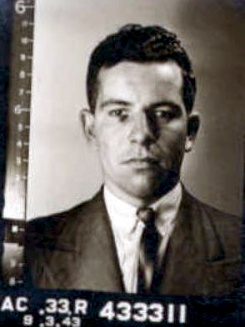
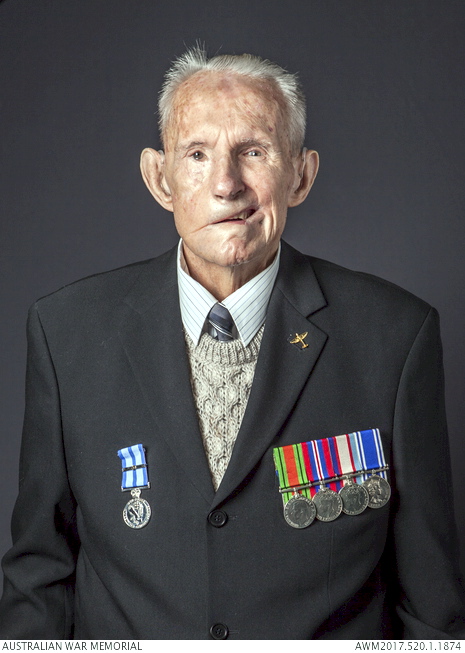
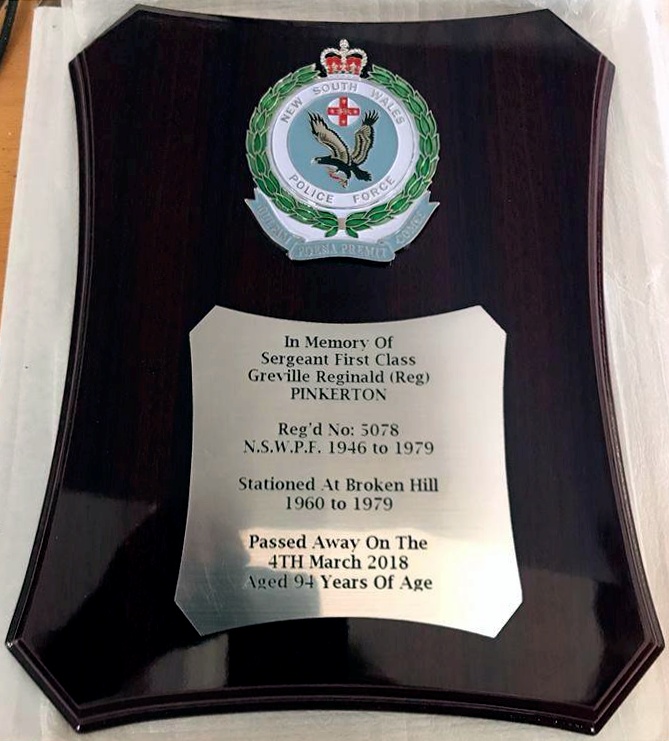
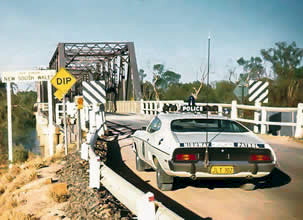
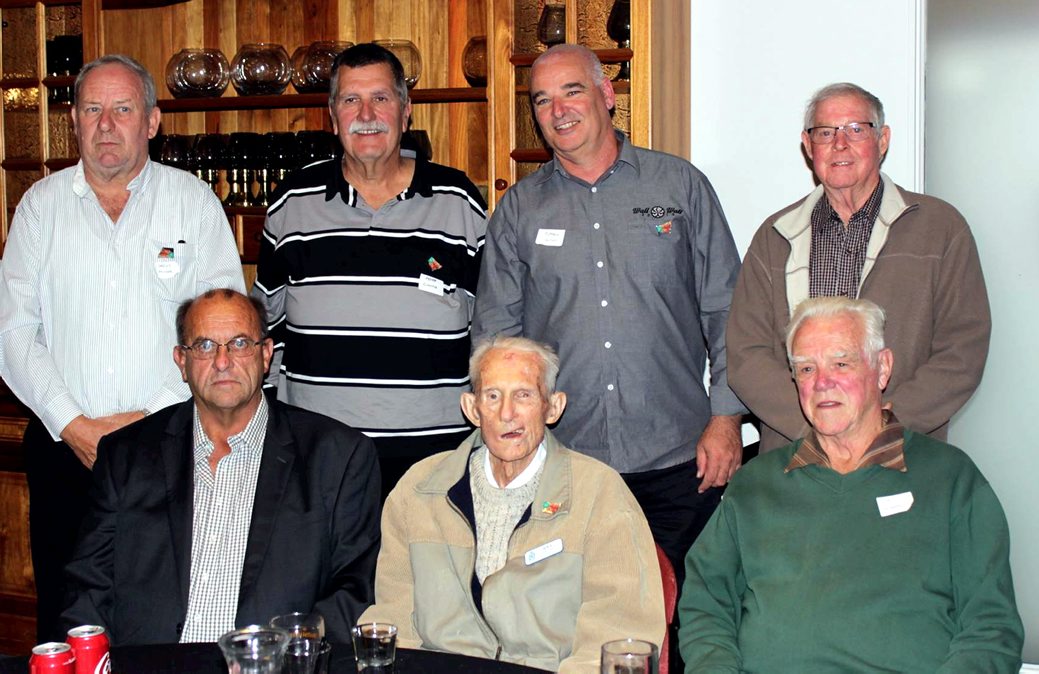
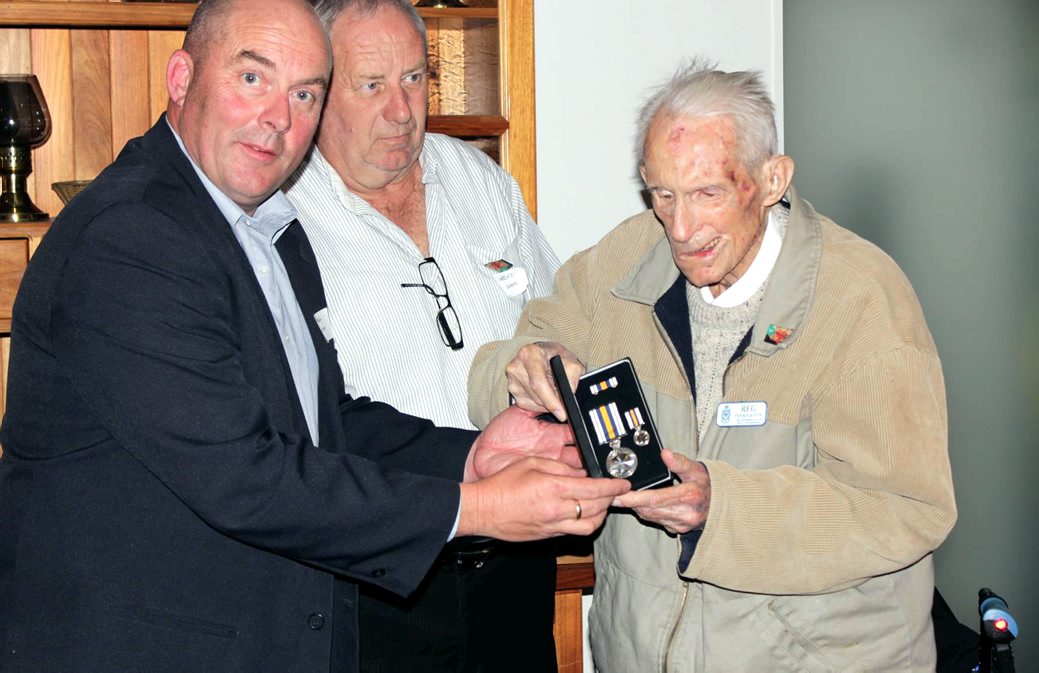
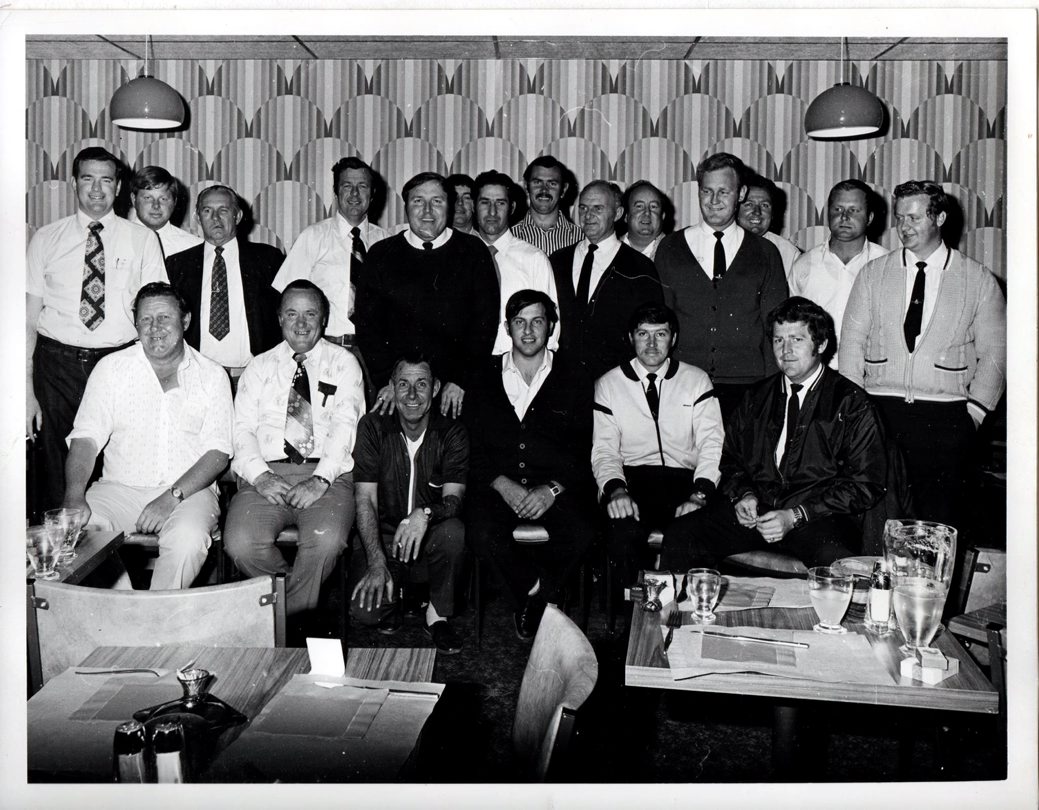
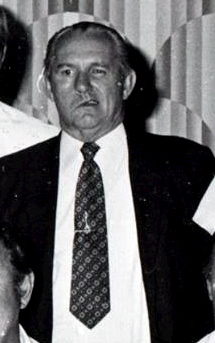
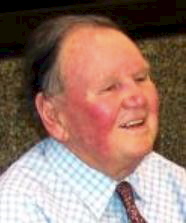
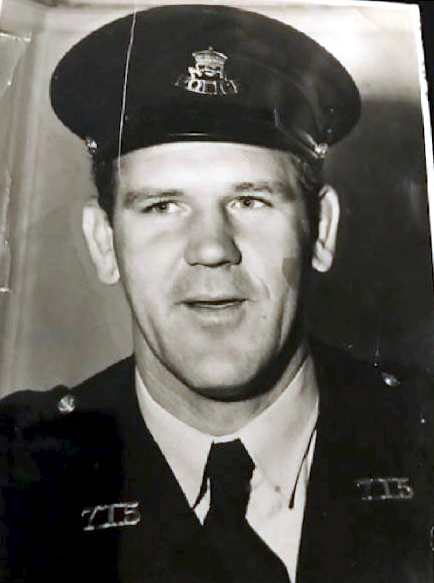
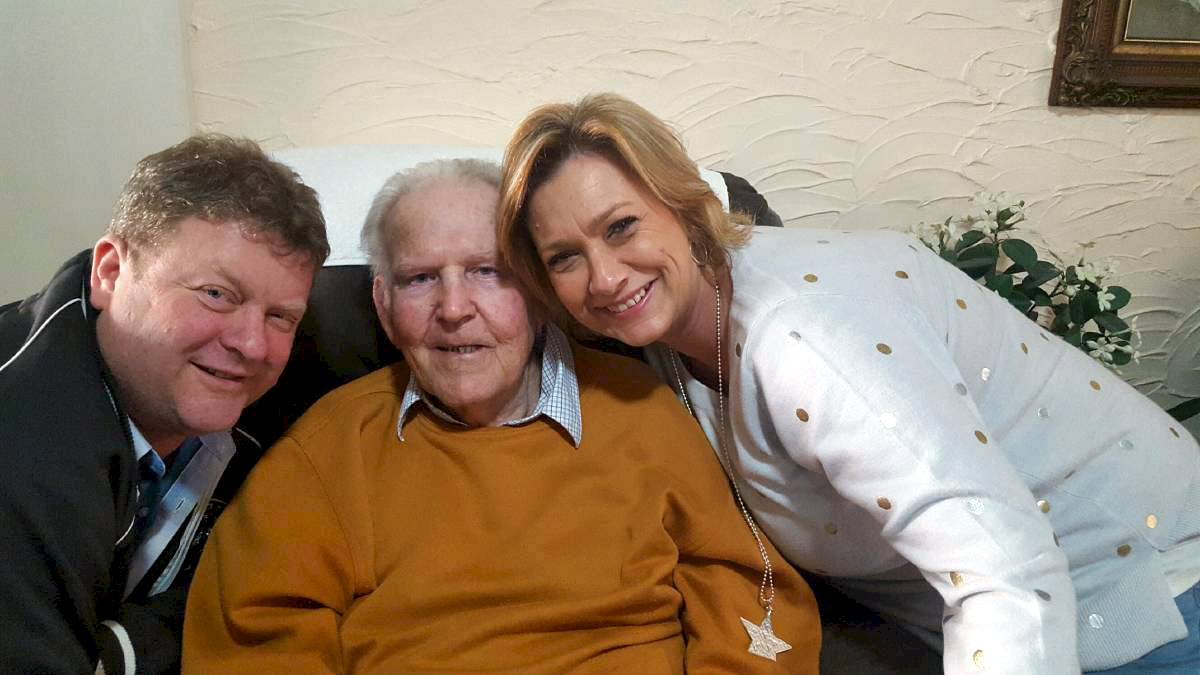
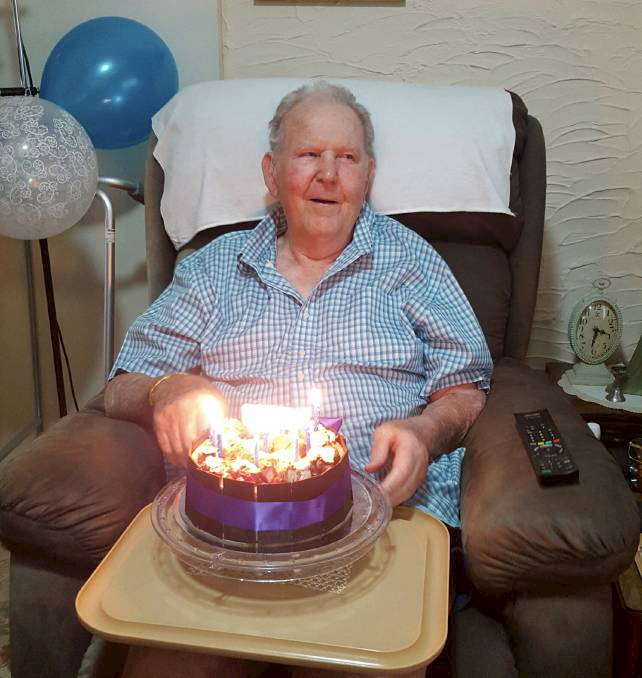
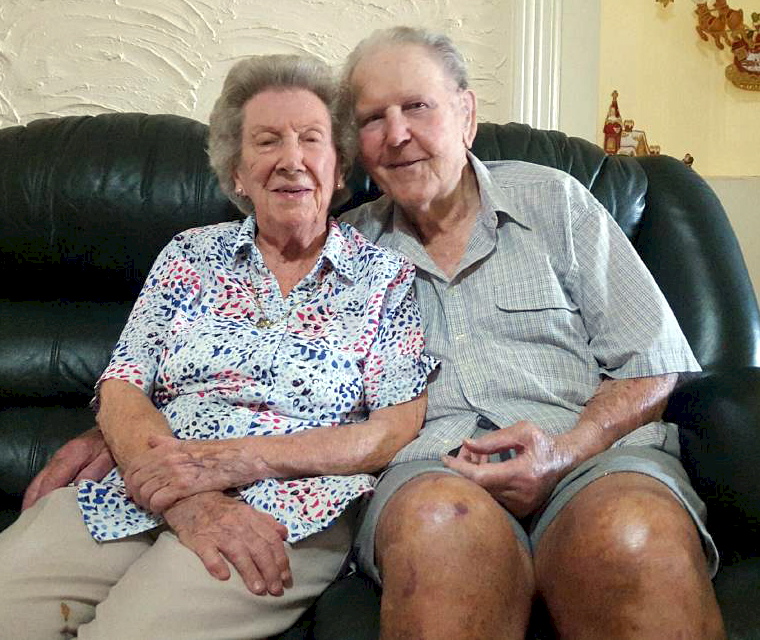
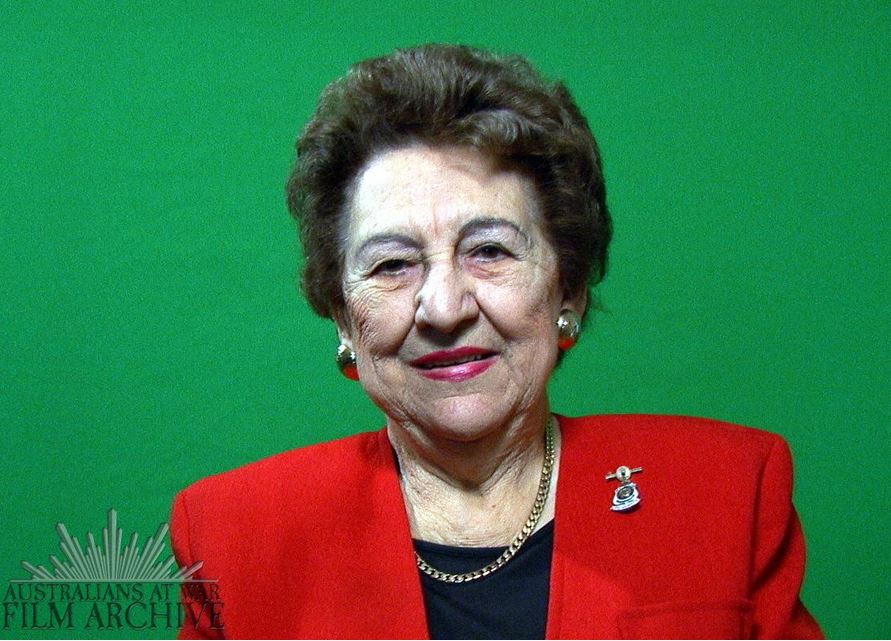
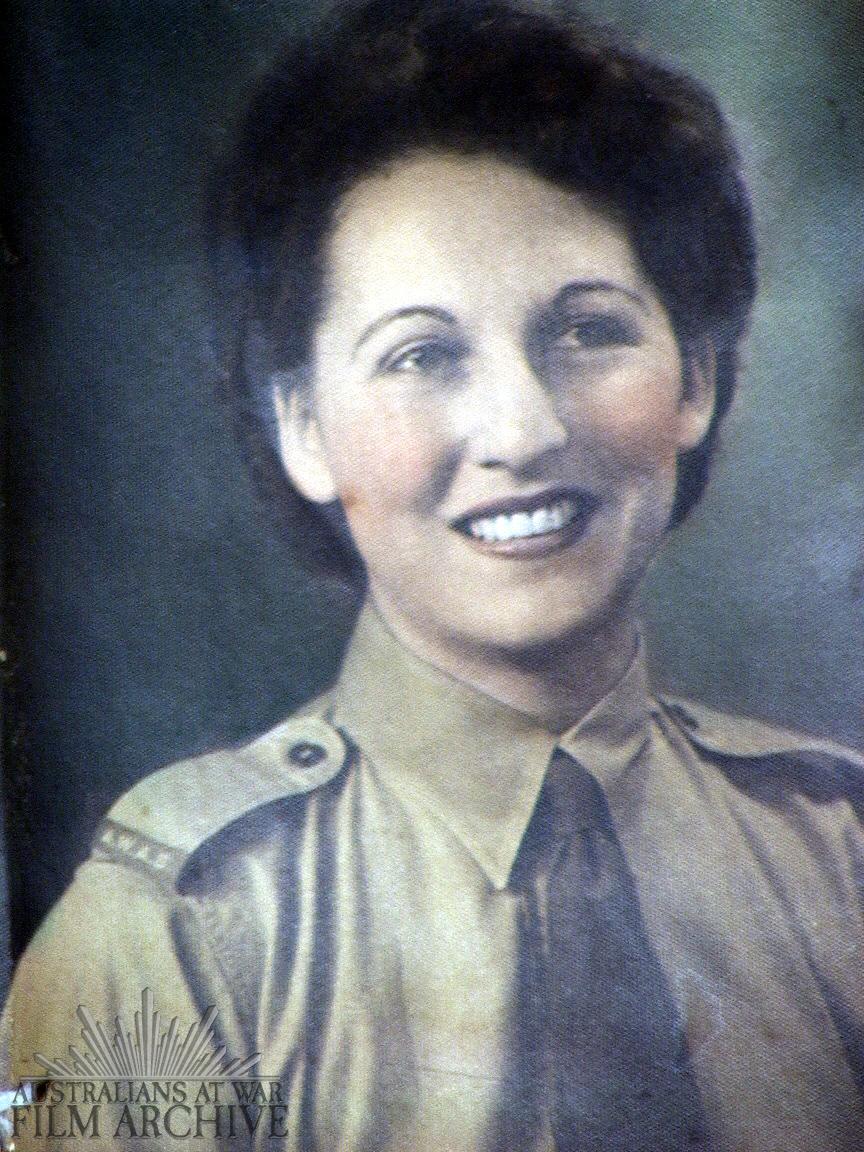
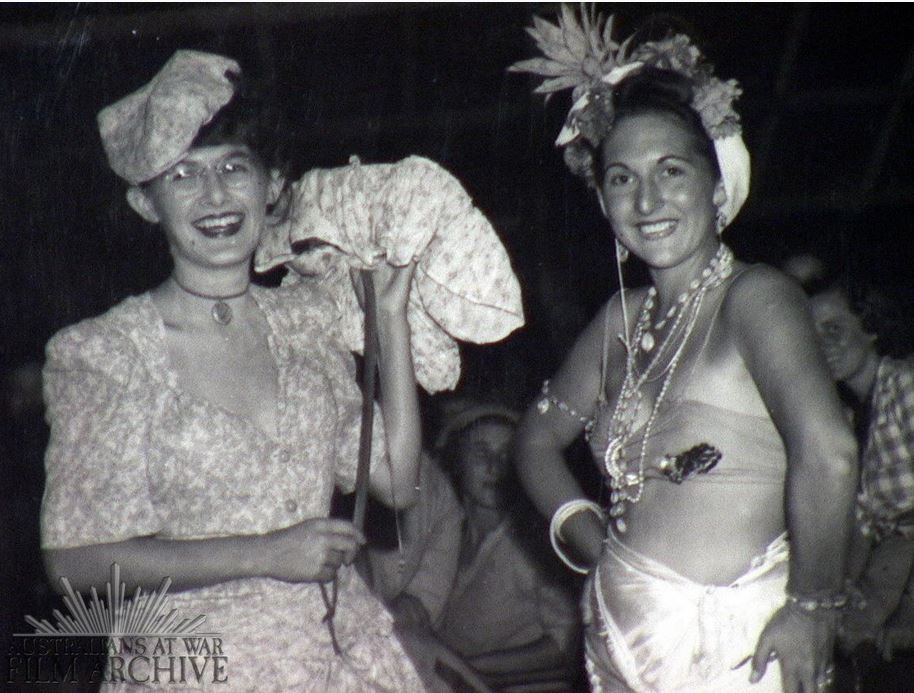
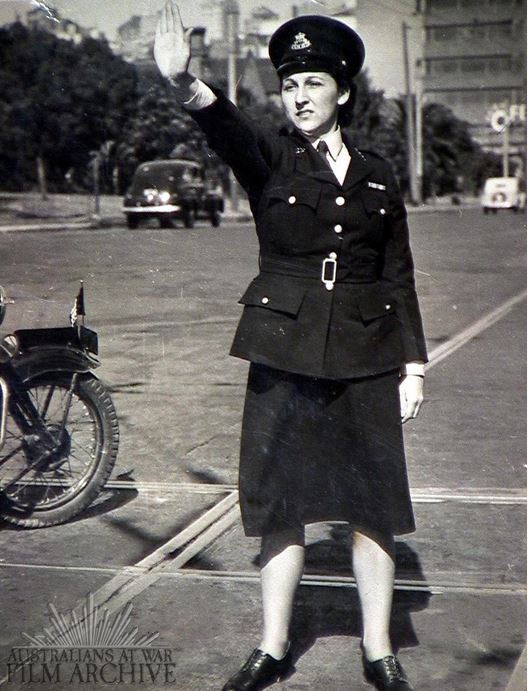
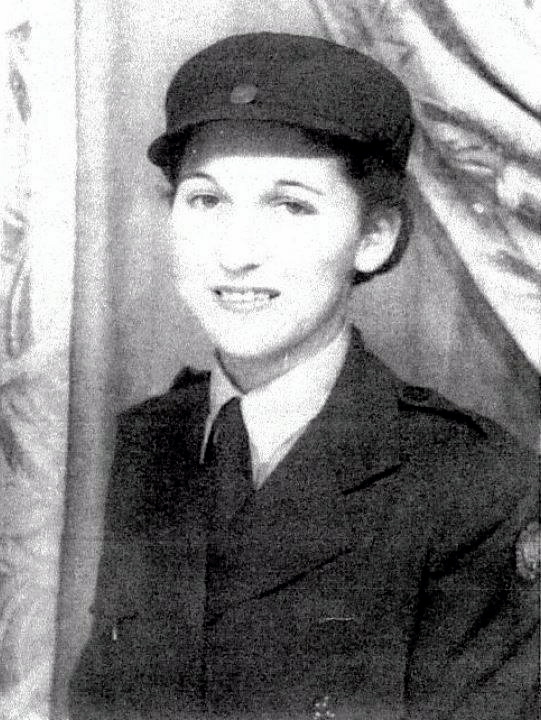
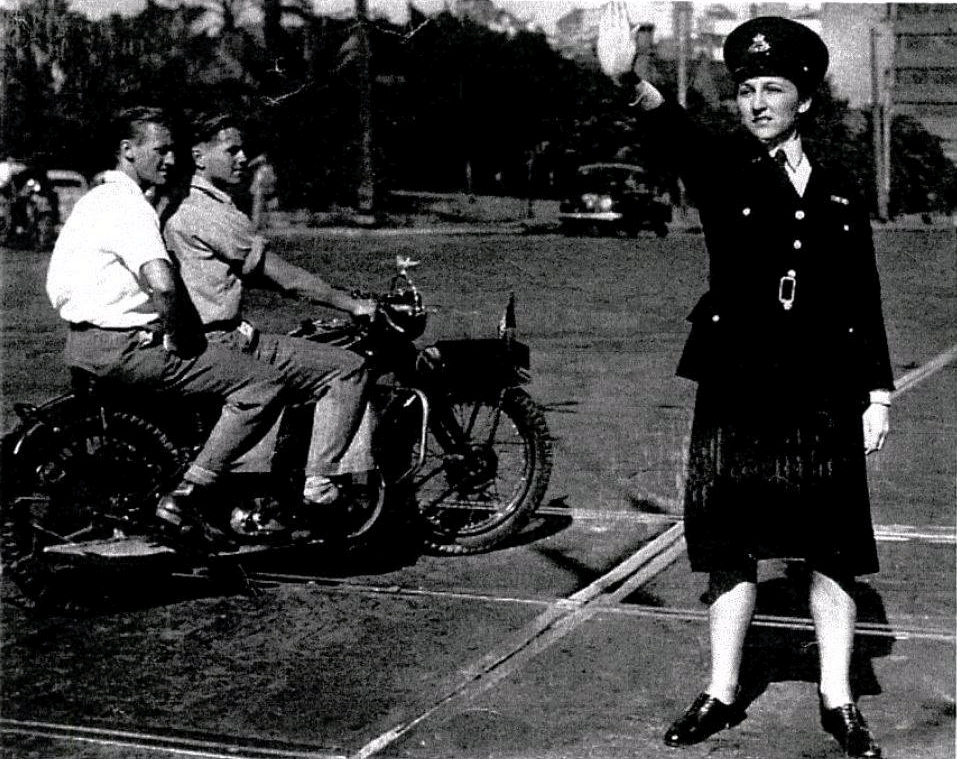
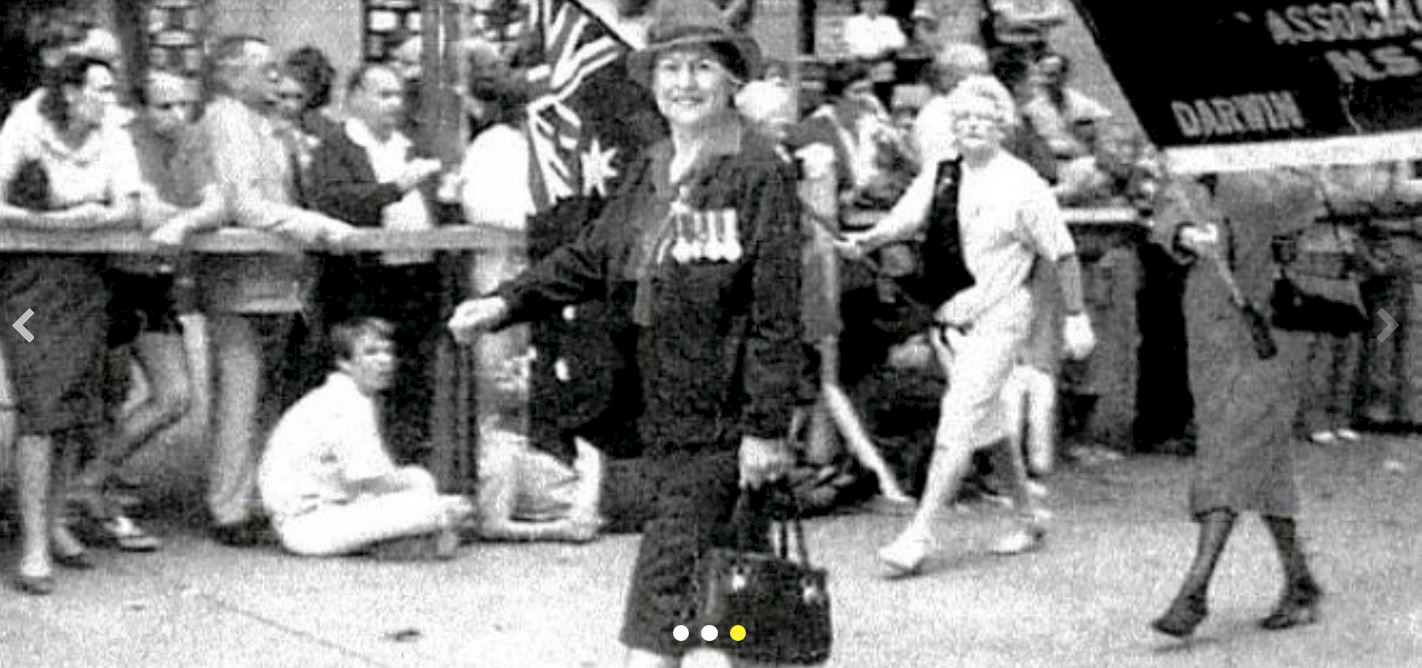
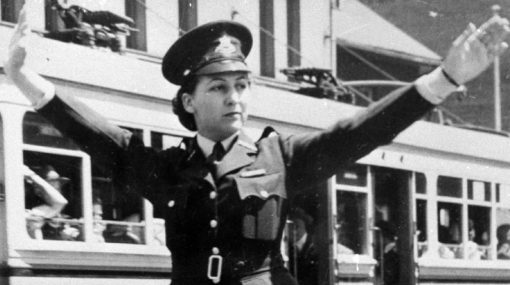
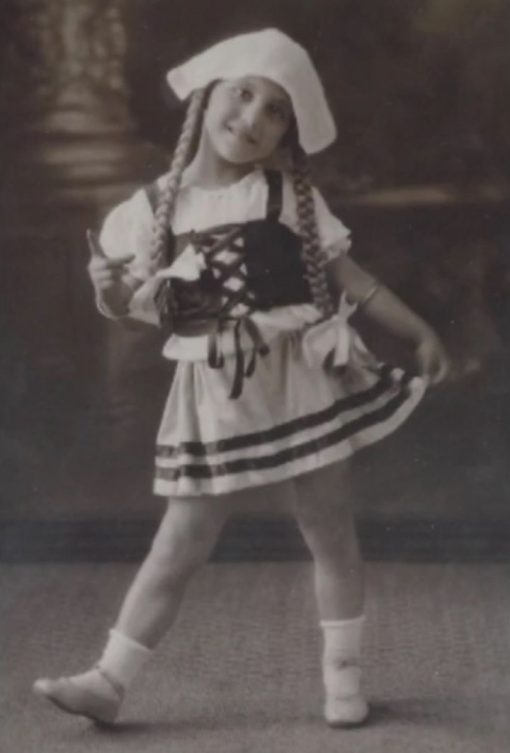
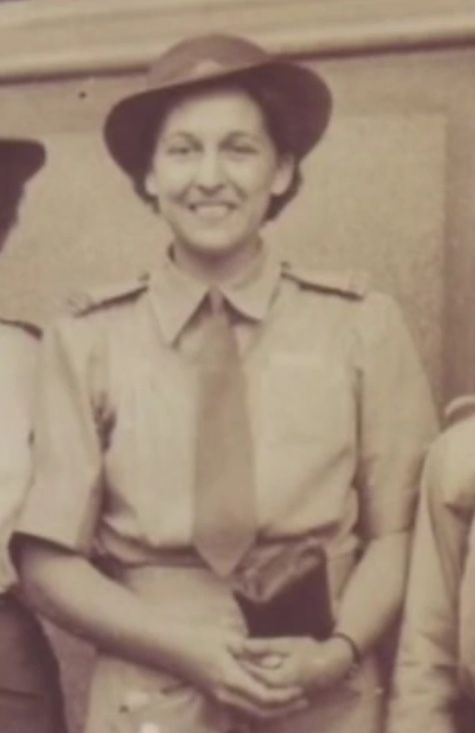
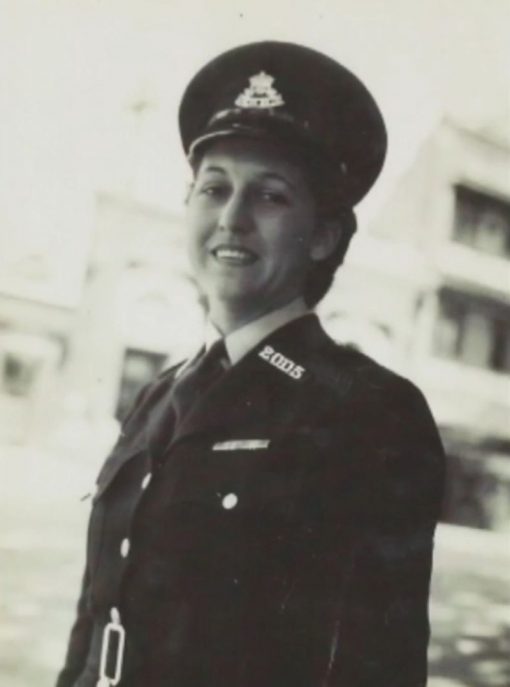
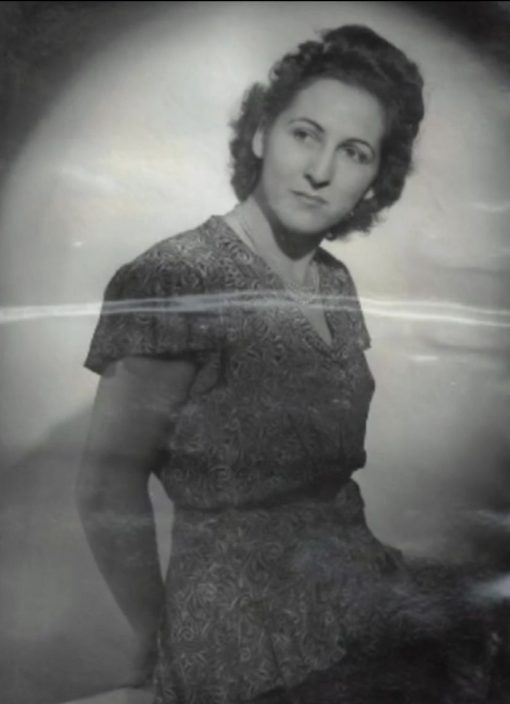
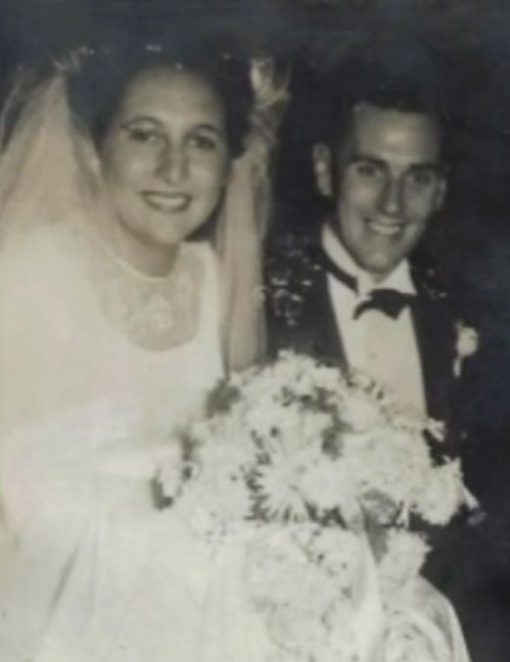
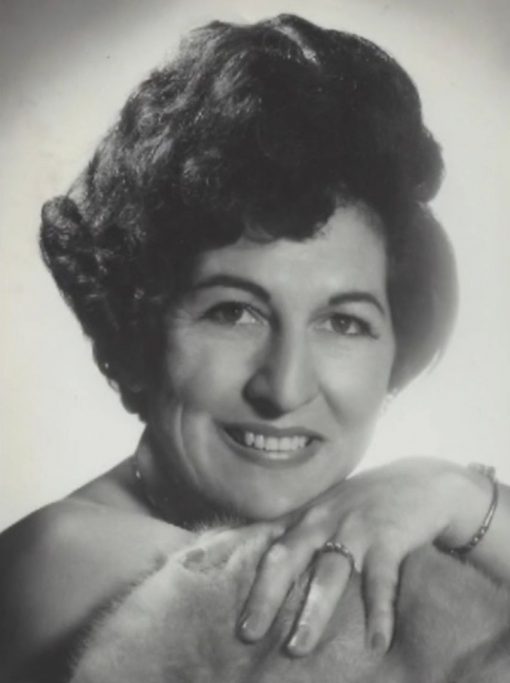
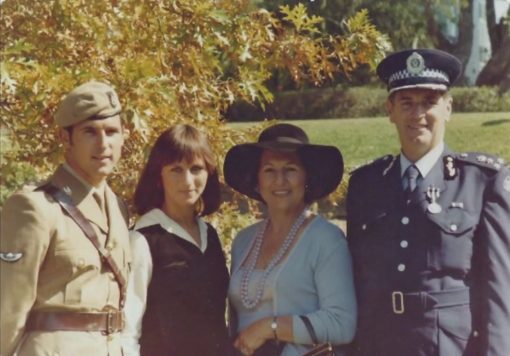
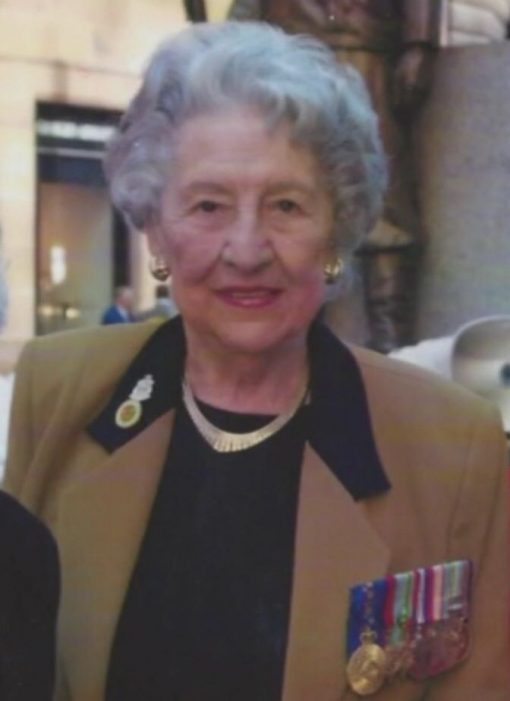
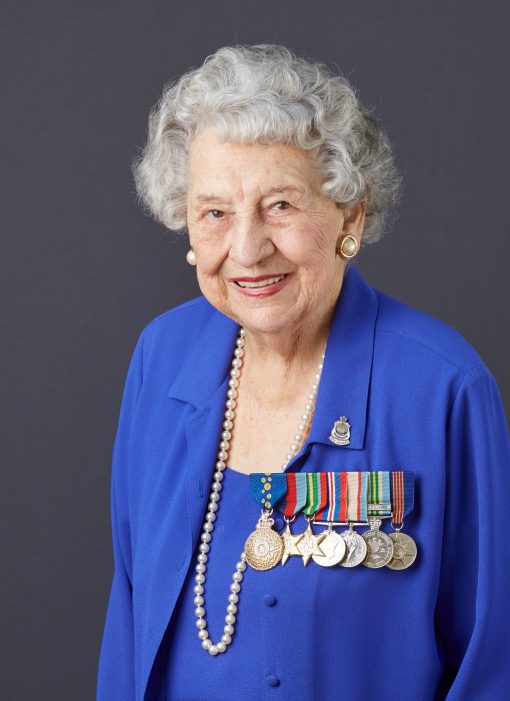
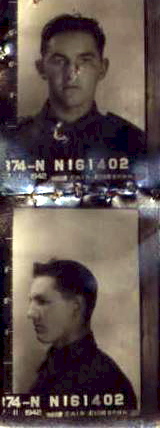
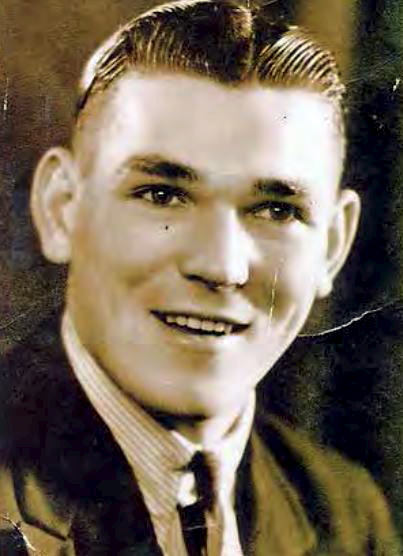
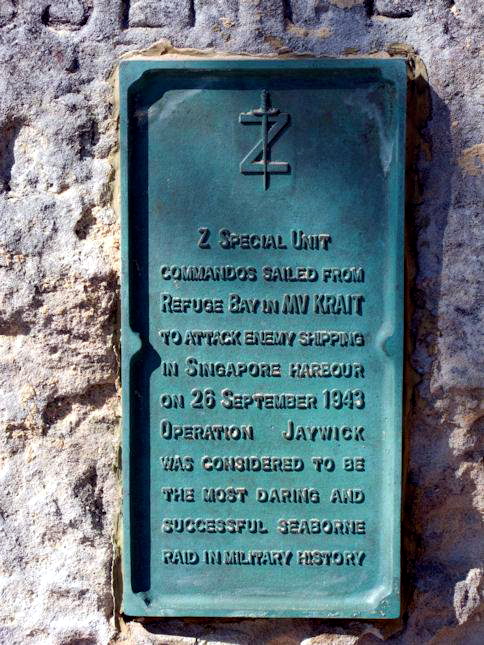
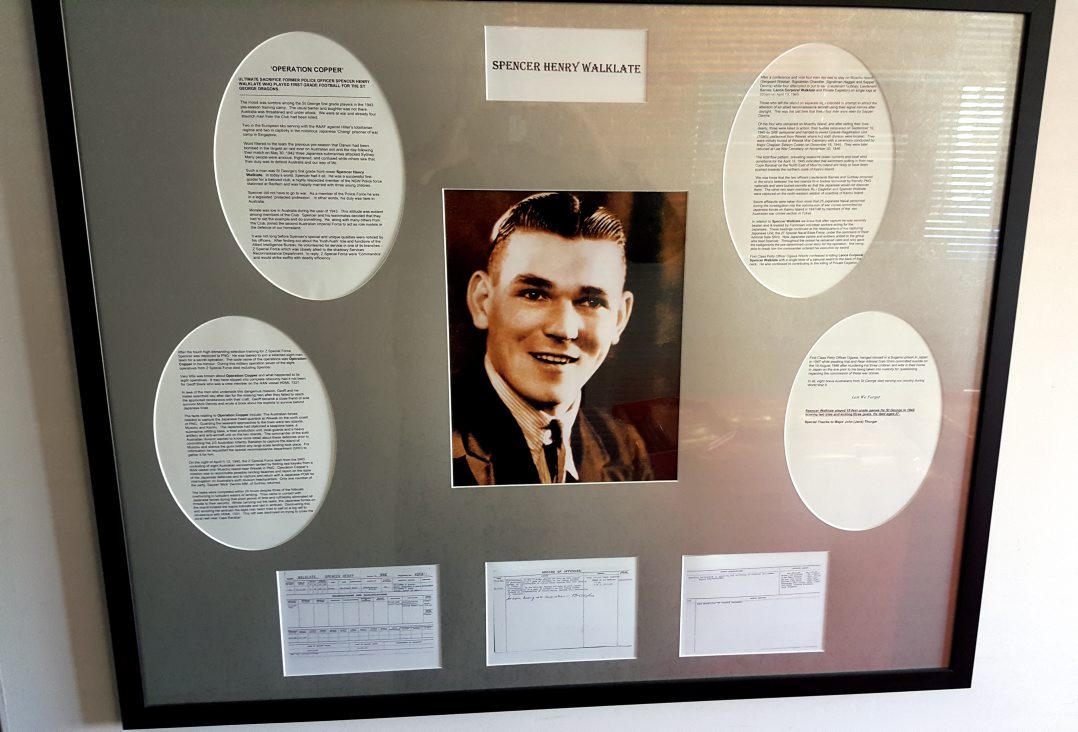
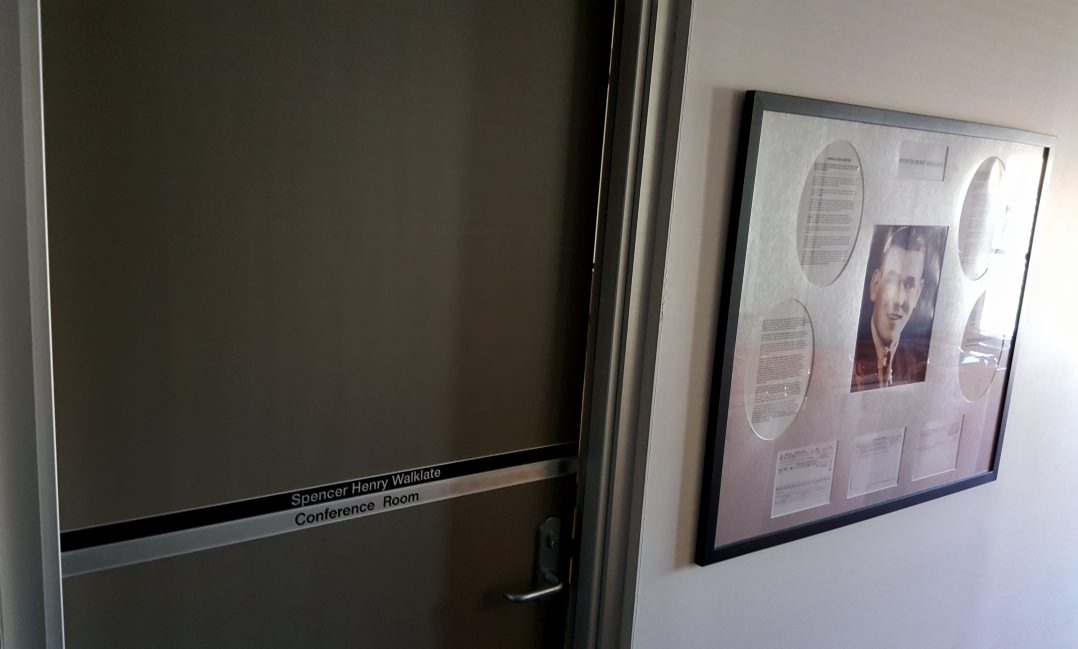
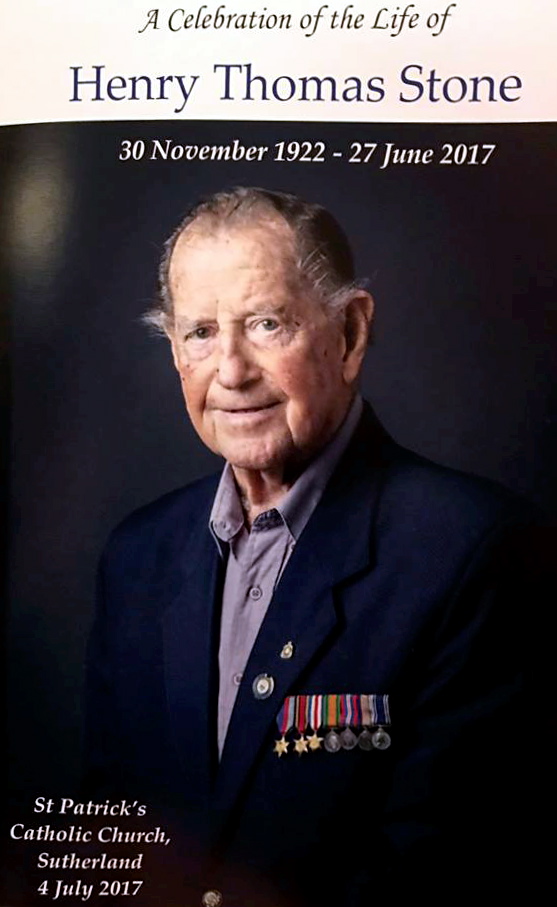


 WILLS, James Thomas Winchester.